
Brush Management
Brush management involves the strategic control of undesirable woody plants, often invasive species, to improve land health and productivity. Rather than simply eradicating them, regenerative approaches aim to control their dominance using targeted methods that enhance soil health, biodiversity, and water cycles, ultimately leading to more resilient and diverse plant communities that outcompete problematic woody growth.
Read More: Complete Description
Brush management, in a regenerative context, is a nuanced practice that moves beyond mere eradication to strategic intervention that supports overarching ecological goals. It addresses the overabundance of woody vegetation – such as invasive shrubs, unmanaged saplings, or thorny scrub – that can reduce pasture productivity, impede livestock movement, degrade wildlife habitat, and increase fire risk. Regenerative brush management seeks to shift the ecosystem balance towards more desirable species through methods that actively build soil health and biodiversity, rather than relying on practices that degrade them.
Traditionally, brush control has often involved methods like clear-cutting, disking, heavy grazing, or the widespread application of synthetic herbicides. While these can offer rapid suppression of woody plants, they often violate core regenerative principles. Clear-cutting and disking (mechanical removal) cause significant soil disturbance, destroying soil structure, exposing bare soil to erosion, and eliminating living roots and ground cover. Heavy, continuous grazing can exacerbate woody encroachment by stressing desirable perennial grasses, allowing woody species more competitive advantage, and leading to soil compaction. Synthetic herbicides, while precise in killing targeted plants, can harm non-target organisms, disrupt soil microbial communities, and pose risks to water quality and human health.
Regenerative brush management views the proliferation of undesirable woody species as a symptom of an underlying ecological imbalance, often stemming from a history of soil degradation, excessive disturbance, or lack of diverse plant and animal interactions. Instead of solely focusing on "killing the brush," the regenerative approach aims to "build the system" that outcompetes it. This is achieved by applying the five regenerative principles strategically:
- Minimize Soil Disturbance: Regenerative methods avoid aggressive tillage or heavy equipment that would create bare soil or further degrade soil structure.
- Maximize Crop Diversity: The goal is to increase the diversity of forage grasses, legumes, forbs, and beneficial shrubs to create a resilient plant community that outcompetes single-species woody dominance.
- Keep Soil Covered: Maintaining continuous living cover or mulch year-round is paramount. Bare soil after clearing brush is an invitation for invasive species to re-establish; regenerative approaches ensure the soil is always protected.
- Maintain Living Roots: Perpetual photosynthetic activity through diverse perennial plants helps build soil organic matter, improve water cycles, and provide continuous root exudates for soil biology.
- Integrate Livestock: Animals are used strategically to manage vegetation, cycle nutrients, and stimulate plant growth, shifting the competitive balance away from woody species and towards desirable forage.
The necessity for brush management is context-dependent. On land being transitioned from degraded pasture or row crops, or in regions with specific climatic conditions favoring woody growth (e.g., Mediterranean climates favoring scrub, or humid temperate zones with dense forest undergrowth), unmanaged brush can become a significant issue. Overgrazing followed by periods of underutilization, for example, can lead to the spread of thorny shrubs like mesquite in arid regions of North America or Africa, or bracken fern and gorse in temperate zones. Regenerative brush management is therefore a transition practice or context-dependent practice, depending on its application and the desired outcome. If it aims to reduce overt dominance to enable a more diverse system, it can be a transition tool. If it's about maintaining a balanced ecotone or species mix, it's context-dependent.
The transition pathway involves understanding the "why" behind the brush encroachment. If it's due to lack of livestock browsers, targeted introduction or increased intensity of grazing with appropriate species (e.g., goats for thorny brush, cattle for rank grass with scattered saplings) can create competitive pressure for the woody plants. If it's due to insufficient desirable ground cover, planting diverse, deep-rooted perennial forages and improving soil fertility with compost or manure becomes key. Mechanical intervention, when used, is typically highly targeted: selective removal of problematic species, chipping, or rotational mowing, always followed by immediate revegetation with desirable species and soil protection. The objective is not a sterile landscape, but a purposefully managed, diverse ecosystem where desirable species thrive and balance is maintained.
Sources behind this view
Sources behind this view
 Videos & Podcasts
-
Details silvopasture development by using mowing to clear invasive understory, followed by intensive rotational grazing with livestock (especially beef cattle) to manage regrowth and establish desirab
-
Shepherding in arid landscapes regenerates ecosystems through co-evolution and nuanced grazing management, leveraging plant diversity, complementarity (like tannins in bitter brush with sagebrush), an
-
Brush management in native pastures, targeting species like multiflora rose, autumnal olive, and buckthorn, requires a combination of mechanical and chemical treatments to allow desirable forages to r
 Community
-
A 7-step inventory process for brush management on rangelands, focusing on ecological site characteristics, site recovery potential, and selecting appropriate chemical, mechanical, or biological treat
Read more (pp. 1-10) (opens PDF, pp. 1-10) efotg.sc.egov.usda.gov -
NRCS guidance on brush management for invasive woody plants, detailing financial assistance for mechanical and chemical control methods. It covers species-specific treatment limits, best practices for
Read more (pp. 1-3) (opens PDF, pp. 1-3) efotg.sc.egov.usda.gov -
Addresses brush encroachment on Central Coast rangelands, detailing methods like mechanical control, herbicides, and targeted grazing (goats, cattle) to improve grassland health, reduce fire risk, and
Read more (opens in new window) ucanr.edu -
Brush Busting event on the Central Coast will cover ecological and economic benefits of brush control, methods like mechanical, herbicide, goat, and cattle grazing, and post-fire management strategies
Read more (opens in new window) ucanr.edu
 Research
-
An ecosystem services perspective on brush management: research priorities for competing land‐use objectives (opens in new window)
This study found: Woody plants are taking over grasslands globally. Brush management for grazing and water recharge has mixed results, with potential short-lived benefits. Predicting ecosystem responses is challenging,
-
Managing Grazing to Restore Soil Health, Ecosystem Function, and Ecosystem Services (opens in new window)
This study found: Properly managed grazing animals can reverse environmental damage. Regenerative practices, like Adaptive Multi-Paddock (AMP) grazing, boost soil health, increase soil carbon, reduce erosion, and enhan
-
Patch-burn grazing (PBG) as a livestock management alternative for fire-prone ecosystems of North America (opens in new window)
This study found: Patch-burn grazing (PBG), combining fire and grazing, improves cattle production and grassland biodiversity in fire-prone areas by enhancing forage quality and controlling woody plants, while supporti
-
Woody encroachment: social-ecological impacts and sustainable management. (opens in new window)
This study found: Woody plant spread is natural succession, often increasing ecosystem benefits. Removing plants can help grasses but harm soil crusts. Management involves trade-offs; new approaches like carbon farming
 From the Web
-
Regenerative brush management uses diverse livestock grazing (cattle, goats, sheep) to control brush, unlike damaging conventional methods. 'Weeds' play a role in soil building and ecosystem successio
-
To manage brush, define goals (reduce or increase), identify species, assess economics, equipment, timing, and scale. Prevention is key, and long-term planning with follow-up is essential for success.
-
Adaptive grazing with non-pampered livestock at high densities and frequent movements is the most effective brush control. Timing, observation, multiple grazing events, and ample recovery are crucial
-
Brush management methods include mechanical, fire, herbicides, and biological control. Long-term planning and follow-up are critical, as single treatments are rarely sufficient to meet land management
Key Points
What It Is
- Strategic control of dominant woody vegetation
- Focus on balancing plant communities
- Avoids broad-spectrum chemical use
- Uses targeted mechanical and biological methods
Why Do It
- Enhances forage availability and quality
- Improves livestock access and performance
- Builds soil health and carbon sequestration
- Increases biodiversity and habitat value
Know the Debate
- Livestock type (goats, sheep, cattle) impacts brush control effectiveness.
- Mechanical vs. herbicide: debated for efficacy and sustainability.
- Targeted herbicide: debated if acceptable in regenerative brush management.
- Management intensity defines success and economic return.
- Long-term plans critical for sustained ecological balance.
Benefits - Financial
- Improves livestock carrying capacity by 30–60% over 3–5 years.
- Reduces annual supplemental feed costs by $52–$156 per acre ($128–$385 per hectare) annually.
- Increases land valuation by approximately $521–$1,563 per acre ($1,287–$3,862 per hectare) upon maturity.
Benefits - System
- Soil cover maintained (Principle 3)
- Increased plant diversity (Principle 2)
- Improved water infiltration and retention
- Supports wildlife habitat complexity
Risks - Financial
- Initial clearing and setup costs range from $313–$834 per acre ($773–$2,061 per hectare).
- Poor management can cause 15–25% reduction in usable grazing acreage.
- Failed revegetation risks a 100% loss of the total upfront investment.
Risks - System
- Temporary reduction in forage cover post-treatment
- Risk of spreading invasive species via machinery
- Re-establishment without proper management
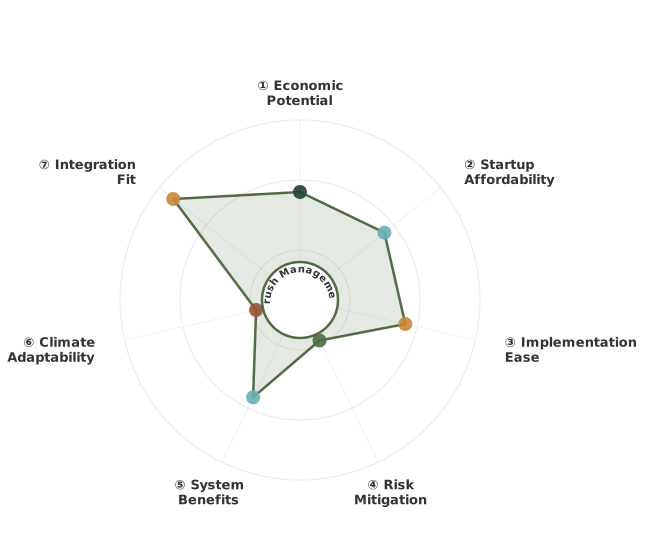
How These Traits Are Calculated
Trait dimensions are ordered clockwise starting from the top of the chart (12 o'clock position):
1. Economic Potential
Financial returns, annual value, and break-even timeline
WHAT: Evaluates financial viability by combining net annual value ($/ha from savings, income, and amortized harvests) with break-even timeline showing when practices pay for themselves.
WHY: Farmers need clear ROI understanding before committing resources. Fast payback (≤3 years) with strong returns (≥$300/ha) enables confident adoption, while long timelines (>10 years) restrict adoption to well-funded operations willing to wait for returns.
HOW: Calculated from net annual value in $/ha and break-even years. Exceptional (≥2.6): fast ROI ≤3 years + high value ≥$300/ha. Typical (1.8-2.5): moderate returns or longer timelines. Limited (<1.8): marginal economics or very long payback >10 years.
2. Startup Affordability
Initial investment costs and financial barrier to entry
WHAT: Measures financial barrier to entry through startup costs for equipment, infrastructure, consulting, and materials. Inverted scoring: lower costs = higher scores = more accessible adoption.
WHY: Affordability determines who can adopt. Low-cost practices (<$250/ha) enable widespread adoption across diverse scales, while high costs (>$2,500/ha) limit adoption to well-capitalized operations, creating barriers that slow regenerative transition.
HOW: Calculated from initial investment parsed from practice content. Inverted scoring: Exceptional (≥2.6): minimal investment <$250/ha. Typical (1.8-2.5): moderate costs $250-2,500/ha. Limited (<1.8): high barrier >$2,500/ha.
3. Implementation Ease
Learning curve and specialized knowledge required
WHAT: Measures how much learning, planning, and specialized knowledge a practice requires. Simpler practices with fewer steps score higher, while complex practices requiring extensive training or specialized resources score lower.
WHY: Complex practices create adoption barriers even when economically viable. Straightforward practices enable faster adoption and broader participation, while those requiring extensive training, timing precision, or specialized equipment limit who can succeed.
HOW: Evaluated by measuring documentation length and identifying complexity markers like location-specific requirements, seasonal timing windows, specialized skills, and dedicated equipment needs. Exceptional (≥2.6): straightforward practices with minimal prerequisites. Typical (1.8-2.5): moderate learning curve with some specialized needs. Limited (<1.8): steep learning curve requiring significant training or resources.
4. Risk Mitigation
Identified financial and ecological risk assessment
WHAT: Evaluates documented risks across financial (investment loss, market volatility) and ecological (crop failure, pest outbreaks) domains. Inverted scoring: fewer risks = higher scores.
WHY: Understanding risk exposure helps farmers make informed decisions. Low-risk practices allow confident implementation, while high-risk practices require careful planning and contingency resources. Risk transparency prevents costly failures.
HOW: Calculated from identified risks in practice content. Inverted scoring: Exceptional (≥2.6): ≤2 risks with manageable severity. Typical (1.8-2.5): 3-5 moderate risks. Limited (<1.8): 6+ risks or severe exposure.
5. System Benefits
How many ways the practice improves your land simultaneously
WHAT: Measures how many aspects of land health improve at once—carbon storage, soil quality, erosion control, water absorption, and biodiversity. Practices that improve multiple areas simultaneously create compounding benefits where each improvement reinforces the others.
WHY: The best practices solve multiple problems at once. For example, addressing erosion simultaneously builds carbon and improves water infiltration, creating a resilient system with positive feedback loops. Single-benefit approaches miss these compound transformation opportunities.
HOW: Evaluated across five key outcomes: carbon sequestration, soil organic matter increase, erosion reduction, water infiltration improvement, and biodiversity enhancement. Exceptional (≥2.6): high carbon storage (>8 t/ha/yr), improvements across 4-5 areas, transformative outcomes. Typical (1.8-2.5): moderate carbon (3-8 t/ha/yr), improvements across 2-3 areas. Limited (<1.8): modest impact (<3 t/ha/yr), single-area focus only.
6. Climate Adaptability
Geographic applicability across Köppen climate zones
WHAT: Evaluates geographic applicability by assessing how many Köppen climate zones successfully support a practice and what adaptation requirements are needed. Measures breadth of climates where farmers can implement with minimal to moderate modifications.
WHY: Universal practices working across diverse climates enable more farmers to adopt regenerative approaches. Practices limited to single climate types (only Mediterranean, only tropical) restrict adoption and slow global transition. Adaptability determines whether a practice serves niche regions or offers broad transformation.
HOW: LLM evaluation of regional success stories, Köppen zone coverage, and adaptation needs. Exceptional (≥2.6): 5+ zones or 4+ climate types, 3+ continents, minimal adaptation. Typical (1.8-2.5): 3-4 zones or 2-3 types, 2 continents, moderate adaptation. Limited (<1.8): 1-2 zones, single region, significant adaptation or highly specialized.
7. Integration Fit
How well this practice combines with others you're doing
WHAT: Measures how well a practice combines with other regenerative practices you might be doing. Some practices work as building blocks that make many other practices easier or more effective, while others work best on their own.
WHY: Practices that combine well with many others create more value on your farm. For example, cover cropping enables no-till, improves grazing, supports crop diversity, and helps water management—making all of them work better together. This helps you build a coherent system rather than juggling disconnected practices.
HOW: Evaluated by identifying which practices combine well and how strong those combinations are. 'Ideally Suited' means strong combinations where practices reinforce each other (practice A makes B easier, while B makes A more effective). 'Adequate' means complementary benefits that work well together. Exceptional (≥2.6): combines well with 6+ practices, serves as a building block. Typical (1.8-2.5): combines with 3-5 practices. Limited (<1.8): 1-2 practices or works best alone.
Going Deeper
1
WHY - The Benefits
Brush management, when approached regeneratively, transforms problematic woody overgrowth into a contributing element of a healthy, functional ecosystem. It’s about steering ecological succession rather than fighting it with brute force, leading to cascading benefits for...
Brush management, when approached regeneratively, transforms problematic woody overgrowth into a contributing element of a healthy, functional ecosystem. It’s about steering ecological succession rather than fighting it with brute force, leading to cascading benefits for...
WHY - The Benefits
Brush management, when approached regeneratively, transforms problematic woody overgrowth into a contributing element of a healthy, functional ecosystem. It’s about steering ecological succession rather than fighting it with brute force, leading to cascading benefits for...
Brush management, when approached regeneratively, transforms problematic woody overgrowth into a contributing element of a healthy, functional ecosystem. It’s about steering ecological succession rather than fighting it with brute force, leading to cascading benefits for...
Soil Health Benefits
Regenerative brush management significantly improves soil health by replacing bare, eroded soil or compacted monocultures with living plant communities. Targeted removal of dominant woody species, followed by the establishment of diverse perennial forages, leads to increased soil organic matter (SOM). Studies on similar land transformations show SOM increases of 0.5-1.5% over a 5-10 year period, a typical rate for converting degraded brushland into healthy pasture, primarily through increased root biomass and litter deposition.
Tree root systems, especially deep-rooted species, improve soil structure by creating macropores that enhance water infiltration and aeration. This combats compaction, leading to 30-60% improvements in water infiltration rates in formerly degraded areas. The continuous litter layer from diverse forages and any retained woody debris protects the soil surface from raindrop impact, reducing erosion by 50-80% and increasing the soil's water-holding capacity. Microbial activity also flourishes with increased organic matter, leading to better nutrient cycling and a more resilient soil food web.
The shift from a dominance of a few woody species or bare ground to a diverse perennial plant community provides habitat for a greater variety of beneficial soil organisms, including earthworms and mycorrhizal fungi. These organisms are key to nutrient cycling and soil structure maintenance. The reduction in tillage associated with regenerative methods means minimal soil disturbance, allowing these biological processes to build long-term soil health.
Economic Benefits
The financial benefits of regenerative brush management are substantial and multi-faceted, stemming from increased productivity, reduced input costs, and diversified revenue streams.
Directly, increased forage availability and quality from clearing invasive brush and establishing desirable pastures can boost livestock carrying capacity by 30-60%. This translates to more animals on the land, generating higher revenue from livestock sales. For instance, clearing thorny mesquite in arid regions of Texas or Argentina can open up land for cattle grazing that was previously inaccessible or unproductive, directly increasing herd size and profitability.
Reduced reliance on external inputs is another key economic advantage. Healthier pastures established through regenerative methods require less synthetic fertilizer and potentially fewer herbicides for weed control, as the diverse plant community itself acts as a natural buffer against invasive species. Improved water infiltration and retention also reduce the need for irrigation in many climates, further cutting operational costs.
Diversified revenue streams can arise from the retained or strategically managed woody species. In silvopastoral systems, for example, timber, nut, or fruit harvests can provide additional income streams, either in the short term (e.g., pruning edible shrubs) or long term (e.g., selectively harvesting mature trees planted for shade or shelter). The overall improvement in land productivity and ecological health also increases land value, often by $500-1,500 per hectare ($200-600 per acre) or more, providing a significant return on investment over time.
Regenerative Systems Fit
Regenerative brush management is a crucial practice for moving land toward a more resilient and productive state, directly supporting several core principles:
Principle 2 (Maximize Crop Diversity): This is foundational. The goal is to replace a monoculture of invasive brush or degraded pasture with a diverse mix of perennial grasses, legumes, forbs, and potentially strategically retained woody species. This increases both botanical and functional diversity above and below ground. For example, in Mediterranean climates where dense scrub has taken over, introducing a mix of native perennial grasses and drought-tolerant legumes creates a more resilient forage base.
Principle 3 (Keep Soil Covered): A primary outcome of successful brush management is ensuring the soil is continuously covered by living plants or mulch. Bare soil is extremely vulnerable to erosion and weed invasion. Regenerative management prioritizes immediate revegetation with desirable species after any necessary clearing, preventing bare periods and maintaining this vital protective layer.
Principle 4 (Maintain Living Roots): Shifting from dormant or sparse vegetation to diverse perennial plants ensures living roots are active year-round or throughout the growing season. This sustained biological activity in the soil profile drives nutrient cycling, improves water infiltration, and builds soil organic matter. For example, establishing deep-rooted perennial grasses helps stabilize soil and makes it more resilient to drought.
Principle 5 (Integrate Livestock): Livestock are often the primary tool for implementing regenerative brush management. Strategic grazing, particularly with browsers like goats or sheep for thorny species, or cattle with intensive rotational grazing for rank grasses and saplings, can effectively manage woody encroachment. Animals stimulate desirable plant growth through grazing and manure deposition, creating a competitive environment that favors the desired forage, while also generating income.
When brush management is done regeneratively, it's not about forcing a landscape into a single desired state, but about building systemic resilience. This could mean managing a forest edge to maintain its biodiversity, controlling invasive woody species to optimize forage production, or preventing the encroachment of certain woody species that threaten water resources. Success means achieving a dynamic equilibrium where the ecosystem is healthy, productive, and adaptable.
[Additional detailed sections on WHERE, HOW, HOW MUCH, REWARDS AND RISKS, WHO, EQUIPMENT, and COMPATIBLE PRACTICES would follow, elaborating on the regional nuances, implementation steps, costs, risks, labor, and integration opportunities specific to brush management.]
Sources behind this view
Videos & Podcasts
-
Laura Payne details how managed grazing enhances soil health, water quality, and wildlife habitat, citing research on reduced erosion, improved stream health, and support for grassland birds. Key prin
-
Shepherding in arid landscapes regenerates ecosystems through co-evolution and nuanced grazing management, leveraging plant diversity, complementarity (like tannins in bitter brush with sagebrush), an
-
Brush management in native pastures, targeting species like multiflora rose, autumnal olive, and buckthorn, requires a combination of mechanical and chemical treatments to allow desirable forages to r
Community
-
A 7-step inventory process for brush management on rangelands, focusing on ecological site characteristics, site recovery potential, and selecting appropriate chemical, mechanical, or biological treat
Read more (pp. 1-10) (opens PDF, pp. 1-10) efotg.sc.egov.usda.gov -
NRCS guidance on brush management for invasive woody plants, detailing financial assistance for mechanical and chemical control methods. It covers species-specific treatment limits, best practices for
Read more (pp. 1-3) (opens PDF, pp. 1-3) efotg.sc.egov.usda.gov -
Addresses brush encroachment on Central Coast rangelands, detailing methods like mechanical control, herbicides, and targeted grazing (goats, cattle) to improve grassland health, reduce fire risk, and
Read more (opens in new window) ucanr.edu -
Brush Busting event on the Central Coast will cover ecological and economic benefits of brush control, methods like mechanical, herbicide, goat, and cattle grazing, and post-fire management strategies
Read more (opens in new window) ucanr.edu
Research
-
Managing Grazing to Restore Soil Health, Ecosystem Function, and Ecosystem Services (opens in new window)
This study found: Properly managed grazing animals can reverse environmental damage. Regenerative practices, like Adaptive Multi-Paddock (AMP) grazing, boost soil health, increase soil carbon, reduce erosion, and enhan
-
An ecosystem services perspective on brush management: research priorities for competing land‐use objectives (opens in new window)
This study found: Woody plants are taking over grasslands globally. Brush management for grazing and water recharge has mixed results, with potential short-lived benefits. Predicting ecosystem responses is challenging,
-
Climate change mitigation as a co-benefit of regenerative ranching: insights from Australia and the United States (opens in new window)
This study found: Regenerative ranching appeals to ranchers for a mix of ecological, economic, and social benefits, with climate and soil carbon improvements often seen as co-benefits. Success requires understanding ec
-
FORAGES AND PASTURES SYMPOSIUM: COVER CROPS IN LIVESTOCK PRODUCTION: WHOLE-SYSTEM APPROACH: Managing grazing to restore soil health and farm livelihoods1 (opens in new window)
This study found: Regenerative grazing management is key to sustainable, climate-resilient farms. It restores soil health, enhances ecosystem services like carbon capture and water infiltration, and improves farm profi
From the Web
-
Regenerative brush management uses diverse livestock grazing (cattle, goats, sheep) to control brush, unlike damaging conventional methods. 'Weeds' play a role in soil building and ecosystem successio
-
To manage brush, define goals (reduce or increase), identify species, assess economics, equipment, timing, and scale. Prevention is key, and long-term planning with follow-up is essential for success.
-
Effective regenerative brush management involves understanding the factors driving brush encroachment, such as created patches, to control woody species.
-
Brush management methods include mechanical, fire, herbicides, and biological control. Long-term planning and follow-up are critical, as single treatments are rarely sufficient to meet land management
2
WHERE - Regional Considerations
Successfully implementing regenerative brush management hinges on understanding specific regional ecological dynamics, including climate, soil types, native plant communities, and common encroaching species. What constitutes "brush" and its management strategy varies...
Successfully implementing regenerative brush management hinges on understanding specific regional ecological dynamics, including climate, soil types, native plant communities, and common encroaching species. What constitutes "brush" and its management strategy varies...
WHERE - Regional Considerations
Successfully implementing regenerative brush management hinges on understanding specific regional ecological dynamics, including climate, soil types, native plant communities, and common encroaching species. What constitutes "brush" and its management strategy varies...
Successfully implementing regenerative brush management hinges on understanding specific regional ecological dynamics, including climate, soil types, native plant communities, and common encroaching species. What constitutes "brush" and its management strategy varies...
Click Here to Look up your Region if you don't already know it
Mediterranean Regions
Representative Locations: California (USA), Mediterranean Basin (Spain, Italy, Greece), Central Chile, Southwestern Australia, Western Cape (South Africa)
Climate Context: Hot, dry summers and mild, wet winters. Annual precipitation 40-90 cm (15-35 inches), highly seasonal. USDA Zones 8-10, Köppen Csa/Csb. Dominant vegetation often includes chaparral, garrigue, maquis, or fynbos, which are adapted to fire and drought.
Brush Management Considerations: This region commonly experiences woody plant encroachment as a result of overgrazing, fire suppression, or changes in land use. Regenerative techniques focus on managed grazing (e.g., intensive rotational grazing with cattle or sheep) to control fuel loads and favor perennial grasses over shrubs, or targeted removal followed by reseeding with native grasses and drought-tolerant legumes. Fire can be a tool but must be managed carefully to avoid promoting invasive species. Restoration of native shrublands for biodiversity and ecosystem services is also a goal.
Humid Temperate Regions
Representative Locations: Southeastern United States, Northern Europe (UK, Germany, Poland), Eastern China, Japan, New Zealand
Climate Context: Warm to hot summers and cool to cold winters with moderate to high annual precipitation (75-150 cm or 30-60 inches) distributed relatively evenly. USDA Zones 6-8, Köppen Cfb/Cfa. Forests and grasslands are natural states, but disturbance can lead to dense thickets of woody species.
Brush Management Considerations: In these regions, preventing the conversion of grasslands or pastures to dense forests or thickets of undesirable woody species (e.g., invasive thorny shrubs, fast-growing saplings) is key. Regenerative approaches include establishing diverse pasture mixes that outcompete young woody growth, integrating browsing livestock (e.g., goats) to control saplings and shrubs, or managed grazing rotations that maintain grassland health. Selective thinning and mulching (using chipped material on-site to retain nutrients and suppress weeds) can be employed.
Arid and Semi-Arid Regions
Representative Locations: Western USA, North Africa, Central Asia, Interior Australia, parts of Brazil and Argentina
Climate Context: Low annual precipitation (<40 cm or 15 inches), high temperatures, short and often unpredictable growing season. USDA Zones 7-9, Köppen BSh/BSk. Vegetation is typically sparse grasses, shrubs, and succulents. Overgrazing is a major driver of brush encroachment.
Brush Management Considerations: Here, woody species like mesquite, acacia, or various thorny shrubs can become dominant, especially after overgrazing reduces perennial grass cover. Regenerative efforts focus on restoring perennial grasses through reduced grazing pressure, rotational grazing, and potentially seeding resilient native grasses and drought-tolerant forbs. Targeted removal of exceptionally dense woody patches, perhaps by mechanical means followed by immediate revegetation, can be undertaken. The goal is to foster a resilient dryland pasture ecosystem rather than clear-cutting all woody plants.
Subtropical and Tropical Regions
Representative Locations: Southeastern USA, Southern China, Southern Brazil, Eastern Australia, Central America, Southeast Asia, East Africa
Climate Context: Hot, humid summers and mild winters with generally ample rainfall (Subtropical: Cfa/Cwa; Tropical: Af/Am/Aw). Long growing seasons promote vigorous plant growth.
Brush Management Considerations: In these regions, aggressive woody growth, including invasive vines and fast-growing shrubs, can quickly overtake pastures if not managed. Regenerative strategies involve establishing highly competitive, diverse perennial forage systems that can out-grow and out-compete woody invaders. Integrating livestock, particularly browsers and grazers, is essential for managing woody encroachment. For dense thickets, selective removal followed by immediate planting of diverse forage species and perhaps fruit or nut trees for integrated systems is employed. Mulching with cleared vegetation helps build soil fertility and suppress new growth.
Cold Continental Regions
Representative Locations: Northern USA and Canada, Northern Europe, Northern Asia
Climate Context: Very short growing seasons, extreme summer heat, severe winter cold. USDA Zones 3-5, Köppen Dfa/Dfb. Natural state is often forest or grassland, but disturbance can lead to dominance by invasive shrubs or saplings.
Brush Management Considerations: While less prone to widespread shrubland dominance compared to warmer regions, invasive woody species can still be an issue, particularly in disturbed areas or pastures. Regenerative management focuses on planting highly productive, cold-hardy perennial forages and legumes that can outcompete less desirable saplings. Strategic grazing might be used to manage sapling density. Selective removal followed by seeding of hardy grass and legume mixes is common. The short growing season necessitates careful timing of any interventions to allow for establishment before winter.
3
HOW - Implementation Process
Regenerative brush management is not about quick fixes but about long-term ecological transition. The process involves understanding the root causes of brush encroachment and implementing targeted interventions that foster desirable plant communities and soil health.
Regenerative brush management is not about quick fixes but about long-term ecological transition. The process involves understanding the root causes of brush encroachment and implementing targeted interventions that foster desirable plant communities and soil health.
HOW - Implementation Process
Regenerative brush management is not about quick fixes but about long-term ecological transition. The process involves understanding the root causes of brush encroachment and implementing targeted interventions that foster desirable plant communities and soil health.
Regenerative brush management is not about quick fixes but about long-term ecological transition. The process involves understanding the root causes of brush encroachment and implementing targeted interventions that foster desirable plant communities and soil health.
Prerequisites
Before starting any intervention, assess the situation:
- Identify the problem species: What woody plants are dominating and why? Are they native, invasive, or typical of a degraded system?
- Understand the root cause: Is it overgrazing, lack of browsing animals, chronic soil disturbance, fire suppression, or invasive species introduction?
- Assess current soil health: Is the soil compacted, low in organic matter, or infertile? This will guide revegetation strategies.
- Define your goals: Are you aiming for increased pasture productivity, enhanced biodiversity, fire mitigation, or a combination?
Phase 1: Assessment and Planning (Months 1-3)
- Site Survey: Map areas of severe brush encroachment, identify dominant species, and note surrounding desirable vegetation. Assess soil conditions (texture, compaction, fertility) in both brush-infested and healthy areas.
- Ecological Diagnosis: Determine the likely drivers of brush dominance. For example, dense mesquite stands in arid regions often indicate a history of overgrazing preventing perennial grass recovery. Invasive honeysuckle in temperate zones might indicate reduced competition from native forest understory species.
- Goal Setting: Clarity on desired outcomes is crucial. Do you want to establish a balanced pasture mix, restore native habitat, or create a silvopasture? This will determine species choices and management intensity.
- Species Selection: For revegetation, choose a diverse mix of native and well-adapted perennial grasses, legumes, forbs, and potentially shrubs or trees suited to your climate, soil type, and goals. Prioritize species that are competitive, drought-tolerant, and beneficial for soil health and wildlife. Examples include:
- Arid/Semi-Arid: Native perennial grasses (e.g., Bouteloua spp., Aristida spp.), drought-tolerant legumes (e.g., native vetch species, some astragalus).
- Humid Temperate: Diverse pasture mixes (e.g., fescue, orchardgrass, clover, alfalfa), native prairie grasses.
- Mediterranean: Native perennial grasses (e.g., Festuca, Stipa spp.), annual bromes, drought-tolerant legumes.
- Tropical/Subtropical: Diverse tropical grasses (e.g., Brachiaria, Panicum spp.), stylosanthes, desmodium.
- Tool and Resource Assessment: Identify what equipment is available or needs to be acquired (e.g., brush cutters, mowers, disk rippers, no-till drills, browsing animals) and where to source cover crop seed, compost, or manure.
Phase 2: Intervention (Seasonal, variable duration)
This phase is highly context-dependent. It may involve vegetation manipulation and soil improvement.
Option A: Mechanical/Manual Control (Targeted Removal) 1. Timing: Often best performed during dry seasons when plants are stressed or when soil conditions are optimal for follow-up seeding (not too wet/dry). 2. Methods: * Selective Cutting/Mowing: For saplings and shrubs, use brush cutters, chainsaws, or flail mowers. Aim to retain desirable trees and shrubs. * Chipping/Mulching: Chipped material can be spread on-site to suppress weeds and improve soil moisture. Avoid piling large amounts, which can become anaerobic or harbor pests. * Targeted Herbicide (Last Resort): If invasive species are particularly aggressive and manual removal is impractical, a highly targeted application of an approved herbicide on cut stumps can be considered. This is a temporary measure and requires strict adherence to label instructions to minimize non-target effects. The use of any synthetic herbicides, even targeted, is a contentious topic within the regenerative and agroecological communities, with some practitioners advocating for strict avoidance. This violates Principle 1 and 4 temporarily. The goal is to transition away from such inputs within 1-3 years. * Disk Ripping (Last Resort for Deep Woody Roots): In severe cases where woody roots are deeply entrenched and preventing desirable grass establishment, a single-pass disk ripper can break up the soil. This should only be done once and immediately followed by intense cover cropping. It violates Principle 1 significantly. 3. Follow-up: Immediately after clearing, seed the selected diverse forage mix using a no-till drill or broadcast seeding combined with light incorporation. This prevents bare soil and allows new plants to establish quickly.
Option B: Livestock Integration 1. Animal Selection: Goats are excellent browsers for thorny shrubs and saplings. Sheep can manage finer brush and improve pasture quality. Cattle are effective for managing rank grasses and less palatable woody growth, especially when managed with high-intensity grazing. 2. Grazing Strategy: Implement intensive rotational grazing. Concentrate animals in a small area for a short period (1-7 days) to thoroughly graze the target vegetation, then move them to a new paddock. This pressures woody species, allows desirable forages to recover, and distributes manure. 3. Duration and Intensity: Browsing/grazing pressure needs to be sufficient and sustained over multiple seasons to weaken and eventually suppress undesirable woody growth while allowing desirable pasture species to establish and thrive. This can take 1-3 years.
Phase 3: Revegetation and Soil Building (Ongoing)
- Seeding: Use a no-till drill for best seed-to-soil contact and minimal soil disturbance. Choose a diverse mix of species suited to the region and your goals. Aim for a mix that includes deep-rooted perennials, nitrogen fixers, and drought-tolerant species.
- Soil Amendments: If soil fertility is low or compaction is an issue, apply compost, well-aged manure, or other organic amendments. Avoid synthetic fertilizers, which can harm microbial communities and promote weak, monocultural growth.
- Water Management: Implement strategies to improve water infiltration and retention, such as contour ripping, contour furrows, or keyline plowing (if appropriate for the landform), and mulching with organic matter.
- Continuous Cover: Ensure the soil is never left bare. If initial seeding is partially unsuccessful, follow up with additional seedings or temporary cover crops.
Phase 4: Long-Term Management and Monitoring (Years 1+)
- Adaptive Grazing: Continue rotational grazing, monitoring plant response and adjusting stocking densities and rest periods accordingly. The goal is to maintain desirable pasture composition and prevent woody encroachment.
- Monitor Soil Health: Regularly assess soil organic matter, infiltration rates, aggregate stability, and earthworm populations. These indicators will show if the system is progressing regeneratively.
- Weed and Brush Monitoring: Stay vigilant for re-emergence of problematic species and intervene early using regenerative methods (targeted grazing, selective removal, promoting vigorous desired species).
- Phasing Out Non-Regenerative Inputs: If synthetic herbicides or fertilizers were used during intervention, plan a gradual phase-out (over 1-3 years) as soil biology and desirable plant competition increase. For example, reduce herbicide use by 30% anually while increasing cover crop diversity and grazing intensity.
Transition Timeline & Phase-Out Strategy (for Regenerative Brush Management)
The timeline for transitioning depends on the severity of brush encroachment and the chosen intervention methods.
Year 0-1: Intervention and Initial Establishment
- Objective: Control dominant brush, establish cover crops/desirable forages.
- Actions: Conduct initial clearing (mechanical or grazing), seed diverse forage mix, potentially use targeted herbicides or fertilizers only if absolutely necessary and with a clear phase-out plan.
- Phase-out start: If herbicides/synthetics were used, reduce by at least 30% within year 1, replacing with compost or manure where possible.
Year 1-3: Recovery and Stabilization
- Objective: Allow desirable forages to establish and become competitive, further suppress woody regrowth.
- Actions: Implement strict rotational grazing, monitor for brush resprouts and address early. Continue soil building.
- Phase-out continuation: Reduce synthetic inputs by another 30-40% annually. If targeted herbicide was used, cease entirely by year 2-3. Focus on biological fertility and competition.
Year 3+ onwards: Fully Regenerative Management
- Objective: Maintain a healthy, diverse plant community through adaptive management.
- Actions: Rely on managed grazing, diverse perennial forages, and soil health practices. Brush should be managed as a component of the ecosystem, not a dominant problem.
- Phase-out complete: All non-regenerative inputs ceased. Success is measured by increased biodiversity, improved soil health indicators, and stable or increased livestock productivity without external chemical inputs.
Success Metrics:
- Reduced dominance of target woody species (e.g., >80% reduction in cover of invasive shrubs, or shift from dense mesquite to grass-dominant pasture with scattered, managed woody patches).
- Increased cover and diversity of desirable perennial grasses, legumes, and forbs.
- Improved soil infiltration rates (e.g., >1 inch per hour).
- Increased soil organic matter content.
- Evidence of healthy soil biology (earthworms, mycorrhizal fungi).
- Stable or increased livestock carrying capacity.
- Absence of synthetic inputs.
Sources behind this view
Videos & Podcasts
-
Plant succession progresses from weeds to annual and perennial grasses, ultimately leading to diverse forb communities. Management should focus on increasing animal impact, providing rest, and incorpo
Community
-
A 7-step inventory process for brush management on rangelands, focusing on ecological site characteristics, site recovery potential, and selecting appropriate chemical, mechanical, or biological treat
Read more (pp. 1-10) (opens PDF, pp. 1-10) efotg.sc.egov.usda.gov -
Addresses brush encroachment on Central Coast rangelands, detailing methods like mechanical control, herbicides, and targeted grazing (goats, cattle) to improve grassland health, reduce fire risk, and
Read more (opens in new window) ucanr.edu -
NRCS Conservation Practice Code 314 (Brush Management) reduces soil erosion and improves water infiltration by increasing herbaceous ground cover. It enhances plant productivity, forage availability f
Read more (pp. 1-2) (opens PDF, pp. 1-2) efotg.sc.egov.usda.gov
Research
-
Managing Grazing to Restore Soil Health, Ecosystem Function, and Ecosystem Services (opens in new window)
This study found: Properly managed grazing animals can reverse environmental damage. Regenerative practices, like Adaptive Multi-Paddock (AMP) grazing, boost soil health, increase soil carbon, reduce erosion, and enhan
-
An ecosystem services perspective on brush management: research priorities for competing land‐use objectives (opens in new window)
This study found: Woody plants are taking over grasslands globally. Brush management for grazing and water recharge has mixed results, with potential short-lived benefits. Predicting ecosystem responses is challenging,
-
FORAGES AND PASTURES SYMPOSIUM: COVER CROPS IN LIVESTOCK PRODUCTION: WHOLE-SYSTEM APPROACH: Managing grazing to restore soil health and farm livelihoods1 (opens in new window)
This study found: Regenerative grazing management is key to sustainable, climate-resilient farms. It restores soil health, enhances ecosystem services like carbon capture and water infiltration, and improves farm profi
-
Do regenerative grazing management practices improve vegetation and soil health in grazed rangelands? Preliminary insights from a space-for-time study in the Great Barrier Reef catchments, Australia (opens in new window)
This study found: Regenerative grazing in Queensland, Australia, improved soil nitrogen and carbon over 5-20 years by enhancing plant growth and organic matter. Benefits may take years to become statistically significa
From the Web
-
Regenerative brush management uses diverse livestock grazing (cattle, goats, sheep) to control brush, unlike damaging conventional methods. 'Weeds' play a role in soil building and ecosystem successio
-
Seven steps to control brush include stabilizing soil temps with cover, optimizing soil biology, using adaptive grazing, minimizing chemicals, growing diverse perennial pastures, incorporating multipl
-
Effective regenerative brush management involves understanding the factors driving brush encroachment, such as created patches, to control woody species.
4
Know the Debate
Regenerative brush management aims to balance woody plant communities, not eradicate them, adapting strategies to local conditions. In humid temper...
Know the Debate
Regenerative brush management aims to balance woody plant communities, not eradicate them, adapting strategies to local conditions. In humid temper...
Regenerative brush management aims to balance woody plant communities, not eradicate them, adapting strategies to local conditions. In humid temperate regions, managing dense thickets requires diverse forages and strategic browsing, while arid zones focus on restoring native grasses by controlling encroaching shrubs. The initial investment can range from $200-$1,000+ per hectare, with labor needs varying from DIY on small plots to professional services on large operations. While immediate results require interventions, transitioning to long-term soil health and productivity takes 3-5 years.
How effectively do different livestock types manage brush?
Goats for thorny brush, sheep for finer brush
Field practitioners and some institutes highlight goats as uniquely effective for thorny, woody invasives, while sheep manage finer brush and improve pasture composition.
Sources behind this view
Sources behind this view
Videos & Podcasts
-
Goats are highly effective for controlling weeds and brush, consuming thorny and invasive species like poison ivy and multifloral rose that other livestock avoid, offering an eco-friendly alternative for land management.

-
Greg Judy highlights sheep grazing's effectiveness in controlling invasive brush like autumn olive and goldenrod at Green Pastures Farm. He explains how sheep prevent photosynthesis by stripping leaves, transforming barren land into productive pasture and contrasting their management with goats.

-
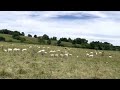
Sheep are an effective and sustainable tool for brush control, consuming invasive species like multiflora rose and ceresi lespedeza that cattle leave behind. Managed with electric fencing and guard dogs on a two-day rotation, sheep offer a practical alternative to mechanical brush clearing.
From the Web
-
Goats are effective browsers for controlling brush and weeds in pastures, offering an alternative to herbicides and mechanical clearing. They are suitable for rotational grazing with cattle, improving land productivity. While goats have excellent reproduction rates, they require secure fencing and regular management, including deworming, to be successful.
Integrated grazing with cattle for rank grasses/saplings
Academic and institute sources suggest combined grazing strategies, including cattle for different vegetation types, are part of long-term success.
Sources behind this view
Sources behind this view
Videos & Podcasts
-
Details silvopasture development by using mowing to clear invasive understory, followed by intensive rotational grazing with livestock (especially beef cattle) to manage regrowth and establish desirable forage, achieving high densities (200k-400k lbs/acre).
-
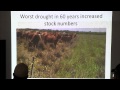
Demonstrates using ultra-high-density grazing with dry cows for brush control on steep terrain, creating seedbeds for grass like African Star Grass and Leucaena. Emphasizes low-cost effectiveness and managing invasive potential.
Research
-
Himalaya Blackberry (<i>Rubus armeniacus</i>) Response to Goat Browsing and Mowing (opens in new window)
This study found: A study in Oregon looked at how goats and mowing affect invasive Himalaya blackberry and cutleaf blackberry in pastures. Over two years, both just mowing and just having goats browse significantly reduced the amount of blackberry. However, when goats were used to browse the plants first, and then the area was mowed, it led to a greater increase in beneficial perennial wildflowers and other desirable plants compared to using only goats or only mowing. This suggests a combined approach might be more effective for restoring pasture health after tackling invasive shrubs.
From the Web
-
Regenerative brush management uses diverse livestock grazing (cattle, goats, sheep) to control brush, unlike damaging conventional methods. 'Weeds' play a role in soil building and ecosystem succession, with patience and mimicking nature being key to long-term success.
Making Sense of the Differences
The effectiveness of different livestock species for brush management hinges on their browsing and grazing preferences, combined with the specific type of brush and desired outcome. Goats are generally favored for thorny, woody species and saplings, while sheep manage finer brush and improve pasture composition. Cattle can be effective for rank grass and sapling control, especially in intensive grazing systems. Integrated approaches utilizing multiple species, tailored to local conditions and management goals, often yield the best long-term results.
Is targeted herbicide use acceptable in regenerative brush management?
Herbicide as a last resort for invasives
Field practitioners and some ecological consultants suggest targeted herbicide use (e.g., cut-stump method) can be a necessary tool for aggressive, difficult-to-control invasive species during transition.
Sources behind this view
Sources behind this view
Videos & Podcasts
-
Brush management in native pastures, targeting species like multiflora rose, autumnal olive, and buckthorn, requires a combination of mechanical and chemical treatments to allow desirable forages to regrow.
-
Details supporting practices for agroforestry, including site preparation (tillage, herbicides) and mulching for tree establishment. Discusses brush management, noting the complexity of biological controls and the effectiveness of mechanical removal or herbicides for root control.

-
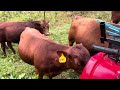
Greg Judy outlines an effective brush control method: cutting Automall and honey locust with an electric chainsaw, painting the basal area with a Crossbow/diesel mix, and waiting two weeks before brush hogging to ensure root kill, contrasting it with ineffective brush hogging.
Focus on non-chemical, ecosystem-based control
Academic and institute sources emphasize long-term integrated strategies that minimize chemicals, working with livestock and diverse plantings to manage brush sustainably.
Sources behind this view
Sources behind this view
Research
-
Invasive weeds in rangelands: Species, impacts, and management (opens in new window)
This study found: Rangelands and pastures cover nearly half of the US and are vital for livestock. Decades of grazing have altered plant communities, often replacing native grasses with annuals that are easily invaded by weeds. Over 300 types of weeds are found on US rangelands, with species like downy brome, leafy spurge, and various knapweeds being particularly troublesome. These weeds cost the US an estimated $2 billion annually. They reduce the amount and quality of feed available for livestock, make grazing difficult, can poison animals, increase farming costs, and lower land value. Weeds also harm wildlife, deplete soil and water, and reduce plant and animal diversity. Managing these weeds involves a combination of methods: mechanical actions like mowing and burning, strategic grazing, planting desirable grasses, using herbicides, and biological control. The most effective approach requires a long-term plan that includes preventing new weeds, educating land managers, and using sustainable, integrated strategies to restore degraded lands and prevent weeds from returning.
From the Web
-
Brush management methods include mechanical, fire, herbicides, and biological control. Long-term planning and follow-up are critical, as single treatments are rarely sufficient to meet land management goals.
-
Regenerative brush management uses diverse livestock grazing (cattle, goats, sheep) to control brush, unlike damaging conventional methods. 'Weeds' play a role in soil building and ecosystem succession, with patience and mimicking nature being key to long-term success.
Making Sense of the Differences
Regenerative brush management principles generally favor minimizing or eliminating synthetic inputs. However, the debate exists around the 'last resort' use of targeted herbicides, such as cut-stump applications, for aggressive or persistent invasive species where mechanical or biological controls alone may not suffice for initial clearing. While some practitioners exclusively use non-chemical methods, others integrate targeted herbicide use as a transitional tool, planning for its eventual phase-out. The acceptability hinges on whether the goal is purely ideological purity or pragmatic ecological transition, with a focus on minimizing non-target impact and ensuring the herbicide is part of a broader, adaptive plan.
5
HOW MUCH - Costs & Investment
Note: Costs shown in USD; multiply by local labor and material cost indices for your region. Labor costs vary significantly internationally.
Note: Costs shown in USD; multiply by local labor and material cost indices for your region. Labor costs vary significantly internationally.
HOW MUCH - Costs & Investment
Note: Costs shown in USD; multiply by local labor and material cost indices for your region. Labor costs vary significantly internationally.
Note: Costs shown in USD; multiply by local labor and material cost indices for your region. Labor costs vary significantly internationally.
Note: All costs are based on recent US economic data (2024–2026) and may vary substantially by region based on local labor rates, material costs, and regulatory requirements.
Mechanical Clearing
Large-scale mechanical intervention is the primary driver of initial expenditure. For small operations under 50 acres (20 ha), owners utilizing tractor-mounted brush hogs or skid-steer rentals face costs of $156–$365 per acre ($385–$902/ha). Mid-sized operations managing 50–500 acres (20–202 ha) typically employ custom hire mulching services, which utilize industrial equipment to process woody debris at a rate of $104–$261 per acre ($257–$645/ha). Large-scale operations exceeding 500 acres (202 ha) leverage economies of scale, utilizing heavy-duty masticators or track-mounted excavators to reduce costs to $83–$188 per acre ($205–$465/ha). Variations in terrain, such as slopes exceeding 15% or high-density rocky soil, can necessitate a 25–40% premium on these rates due to increased fuel consumption and slower operational cycle times.
Herbicide & Targeted Chemical Control
Chemical application is required for persistent, resprouting species like multiflora rose or black locust. Small-scale manual cut-stump treatments, which combine high-touch labor with selective chemistry, cost $42–$125 per acre ($104–$309/ha). Mid-sized operations using specialized low-volume spot-spraying or basal bark treatment represent a more efficient application method, costing $31–$94 per acre ($77–$232/ha). Large-scale operations using GPS-guided, high-clearance rig applications minimize chemical waste and labor hours, costing $21–$73 per acre ($52–$180/ha). The price of specialized, low-impact herbicides fluctuates due to chemical-specific supply chains, often adding a 15–20% premium compared to generic commodity herbicide options.
Seeding & Forage Establishment
Filling the ecological gap after clearing is essential to prevent secondary brush encroachment. Small operations requiring no-till drill rentals and smaller quantities of high-diversity seed mixes experience costs of $52–$125 per acre ($128–$309/ha). Mid-sized operations purchasing forage seed in wholesale quantities generally budget $42–$104 per acre ($104–$257/ha). Large-scale operators managing custom-blended, bulk seed orders can optimize costs to $31–$73 per acre ($77–$180/ha). The pricing disparity between these operations is driven by the seed mix composition; high-diversity pollinator or native prairie mixes can command a 50–70% higher price point than standard clover or tall fescue pasture establishers.
Most Spend: The central 60% of total implementation costs across all farm sizes typically falls into a range of $185–$475 per acre ($457–$1,174/ha). This expenditure covers the combination of primary clearing and immediate forage follow-up, which is necessary to secure stable ground and prevent immediate loss of investment.
Why the Range?: Cost volatility is driven primarily by topography, woody species density, and labor availability. Steeper terrain increases hourly manual labor requirements by up to 40%, while the choice between commodity seed and specialized forage mixtures can shift budgets by over 50% for the revegetation phase.
6
REWARDS AND RISKS - Economics & Risk Factors
REWARDS AND RISKS - Economics & Risk Factors
Economic outcomes vary based on the intensity of post-clearing management. In a Best Case Scenario, the integration of target-based clearing and forage establishment results in a 50–60% increase in livestock carrying capacity within 3 years. This allows for increased animal units, providing an additional $208–$417 per acre ($514–$1,030/ha) in annual gross margin, alongside a land value appreciation of $625–$1,250 per acre ($1,544–$3,089/ha). In a Typical Scenario, carrying capacity expands by 30–40% over 4–5 years, with annual supplemental feed cost reductions of $52–$104 per acre ($128–$257/ha). The payback period for these investments typically falls between 5 and 7 years. In a Worst Case Scenario, where follow-up grazing or maintenance is neglected, brush resprouting returns to 80% coverage within 2 years, resulting in a total loss of the initial investment of $313–$626 per acre ($773–$1,547/ha) and an opportunity cost of $104–$208 per acre ($257–$514/ha) in lost grazing revenue.
Profitability is heavily influenced by livestock market volatility; if market prices for beef or small ruminants dip by 15% during the recovery period, the return-on-investment timeline may extend by 18–24 months. Operators should mitigate this by utilizing federal programs like the USDA-NRCS EQIP, which can subsidize 50–75% of eligible brush management costs, effectively lowering the financial barrier to entry. Additionally, implementing "managed-rest" or "patch-burn" cycles can extend maintenance intervals by up to 5 years, saving roughly $104 per acre ($257/ha) in recurring clearing costs.
Transition Period Risks: The immediate 3–6 month period post-clearing serves as the highest-risk window for financial and biological instability. Improper management during this phase can lead to a "productivity dip," where the absence of ground cover exposes soil to erosion, requiring remediation treatments of $52–$104 per acre ($128–$257/ha). Equipment movement between properties without thorough cleaning also risks the introduction of secondary invasive species, which could trigger a secondary, cost-additive re-clearing cycle. It is recommended that managers maintain an emergency fund equivalent to 20% of their total project budget to address unexpected resprouting or poor forage germination due to adverse weather.
Sources behind this view
Videos & Podcasts
-
Details silvopasture development by using mowing to clear invasive understory, followed by intensive rotational grazing with livestock (especially beef cattle) to manage regrowth and establish desirab
-
Laura Payne details how managed grazing enhances soil health, water quality, and wildlife habitat, citing research on reduced erosion, improved stream health, and support for grassland birds. Key prin
-
Discusses selecting small, desert-adapted cattle like Corriente-Angus crosses for mountainous terrain and marketing, with calving timed for monsoon rains. Details the use of Spike 20P (tebuthiuron) he

-
Promoting soil health involves strategic grazing planning, changing season of use, improving water distribution with solar wells and temporary trough shutoffs, subdividing pastures (avg. 4,500 acres),
Community
-
A 7-step inventory process for brush management on rangelands, focusing on ecological site characteristics, site recovery potential, and selecting appropriate chemical, mechanical, or biological treat
Read more (pp. 1-10) (opens PDF, pp. 1-10) efotg.sc.egov.usda.gov -
NRCS guidance on brush management for invasive woody plants, detailing financial assistance for mechanical and chemical control methods. It covers species-specific treatment limits, best practices for
Read more (pp. 1-3) (opens PDF, pp. 1-3) efotg.sc.egov.usda.gov -
Addresses brush encroachment on Central Coast rangelands, detailing methods like mechanical control, herbicides, and targeted grazing (goats, cattle) to improve grassland health, reduce fire risk, and
Read more (opens in new window) ucanr.edu -
Brush Busting event on the Central Coast will cover ecological and economic benefits of brush control, methods like mechanical, herbicide, goat, and cattle grazing, and post-fire management strategies
Read more (opens in new window) ucanr.edu
Research
-
Invasive weeds in rangelands: Species, impacts, and management (opens in new window)
This study found: Invasive weeds cost US rangelands $2 billion annually by reducing forage quality and quantity for livestock, impacting biodiversity, and depleting resources. Management requires integrated, long-term
-
Patch-burn grazing (PBG) as a livestock management alternative for fire-prone ecosystems of North America (opens in new window)
This study found: Patch-burn grazing (PBG), combining fire and grazing, improves cattle production and grassland biodiversity in fire-prone areas by enhancing forage quality and controlling woody plants, while supporti
-
An ecosystem services perspective on brush management: research priorities for competing land‐use objectives (opens in new window)
This study found: Woody plants are taking over grasslands globally. Brush management for grazing and water recharge has mixed results, with potential short-lived benefits. Predicting ecosystem responses is challenging,
-
Managing Grazing to Restore Soil Health, Ecosystem Function, and Ecosystem Services (opens in new window)
This study found: Properly managed grazing animals can reverse environmental damage. Regenerative practices, like Adaptive Multi-Paddock (AMP) grazing, boost soil health, increase soil carbon, reduce erosion, and enhan
From the Web
-
To manage brush, define goals (reduce or increase), identify species, assess economics, equipment, timing, and scale. Prevention is key, and long-term planning with follow-up is essential for success.
-
Adaptive grazing with non-pampered livestock at high densities and frequent movements is the most effective brush control. Timing, observation, multiple grazing events, and ample recovery are crucial
-
Regenerative brush management uses diverse livestock grazing (cattle, goats, sheep) to control brush, unlike damaging conventional methods. 'Weeds' play a role in soil building and ecosystem successio
-
Strategic soil disruptions like mechanical brush removal, planting cover crops, and prescribed fire are necessary when overgrazing leads to brush encroachment, aiming to increase diversity and resilie
7
WHO - Labor & Expertise
Regenerative brush management requires a blend of practical land stewardship skills and ecological understanding. The labor and expertise needed vary significantly based on the scale of the operation, the complexity of the brush problem, and the methods employed.
Regenerative brush management requires a blend of practical land stewardship skills and ecological understanding. The labor and expertise needed vary significantly based on the scale of the operation, the complexity of the brush problem, and the methods employed.
WHO - Labor & Expertise
Regenerative brush management requires a blend of practical land stewardship skills and ecological understanding. The labor and expertise needed vary significantly based on the scale of the operation, the complexity of the brush problem, and the methods employed.
Regenerative brush management requires a blend of practical land stewardship skills and ecological understanding. The labor and expertise needed vary significantly based on the scale of the operation, the complexity of the brush problem, and the methods employed.
Skill Requirements
- Ecological Observation: Ability to read the landscape, identify plant species (desirable vs. undesirable), understand soil conditions, and recognize signs of stress or imbalance. This includes understanding the life cycles of target woody species and desirable forage plants.
- Vegetation Management: Skill in operating equipment like brush cutters, mowers, chainsaws, or sprayers (if used judiciously). Expertise in selecting and implementing appropriate mechanical methods (e.g., basal cutting vs. topping, mulching techniques).
- Livestock Management: If using animals for control, proficiency in animal husbandry, nutrition, health, and particularly in implementing intensive rotational grazing or mob grazing systems to effectively manage desired species. This includes understanding animal behavior and stocking densities for effective browse control.
- Seeding and Establishment: Knowledge of seed selection for diverse perennial mixes, understanding soil requirements, and expertise in no-till seeding or broadcast methods for optimal establishment and minimal soil disturbance.
- Soil Health Understanding: Knowledge of soil biology, organic matter cycling, water infiltration, and aggregate formation to guide revegetation and long-term management.
- Strategic Planning: Ability to develop long-term plans considering ecological succession, economic realities, and adaptive management approaches.
Labor Considerations
- Small-Scale Operations: Often managed by the farmer/owner with potential for hired seasonal labor or equipment rental. Manual clearing, targeted mowing, and managing small herds of livestock can be labor-intensive but feasible.
- Medium to Large-Scale Operations: May require dedicated land managers or crews, specialized equipment operators, and professional services for mechanical clearing, herbicide application (if used judiciously), or livestock management (e.g., custom grazing operators). Professional ecological consultants may be hired for planning and monitoring.
- International Variation: Labor costs can range from very low in some developing countries to high in developed economies. This influences the economic feasibility of DIY versus hiring professionals. For instance, in regions with low labor costs, manual clearing might be more economical than using expensive machinery.
Expertise Acquisition
- Local Extension Services: Agricultural extension offices often provide guidance on native plants, invasive species, pasture management, and soil health tailored to local conditions.
- Regenerative Agriculture Organizations: Groups like the Savory Institute, Rodale Institute, and regional sustainable agriculture networks offer training, workshops, and resources on ecological land management, including brush control strategies.
- Ecological Consultants: Hiring professionals for initial assessment, planning, and monitoring can be invaluable for complex situations or large-scale projects.
- Peer-to-Peer Learning: Networking with experienced regenerative farmers and ranchers in similar environmental conditions can provide practical insights and troubleshooting advice.
- Hands-on Experience: Implementing techniques on a pilot scale allows land managers to develop practical skills and learn from their specific land's response.
Sources behind this view
Research
-
An ecosystem services perspective on brush management: research priorities for competing land‐use objectives (opens in new window)
This study found: Woody plants are taking over grasslands globally. Brush management for grazing and water recharge has mixed results, with potential short-lived benefits. Predicting ecosystem responses is challenging,
From the Web
-
Regenerative brush management uses diverse livestock grazing (cattle, goats, sheep) to control brush, unlike damaging conventional methods. 'Weeds' play a role in soil building and ecosystem successio
8
EQUIPMENT - Tools & Infrastructure
The equipment and infrastructure needed for regenerative brush management are diverse, ranging from basic tools for manual work to specialized machinery for larger-scale operations. The choice depends on the scale of the problem, available budget, and regional practices.
The equipment and infrastructure needed for regenerative brush management are diverse, ranging from basic tools for manual work to specialized machinery for larger-scale operations. The choice depends on the scale of the problem, available budget, and regional practices.
EQUIPMENT - Tools & Infrastructure
The equipment and infrastructure needed for regenerative brush management are diverse, ranging from basic tools for manual work to specialized machinery for larger-scale operations. The choice depends on the scale of the problem, available budget, and regional practices.
The equipment and infrastructure needed for regenerative brush management are diverse, ranging from basic tools for manual work to specialized machinery for larger-scale operations. The choice depends on the scale of the problem, available budget, and regional practices.
Mechanical Clearing Equipment
- Handheld Tools:
- Brush Cutters/Trimmers: For saplings, small shrubs, and dense ground cover. Essential for detailed work and smaller areas.
- Chainsaws: For larger saplings and small trees.
- Loppers/Pruners: For targeted trimming and removal of unwanted woody growth.
- Tractor-Mounted Equipment:
- Flail Mowers/Brush Mowers: Effective for reducing dense stands of shrubs, saplings, and tall grasses. Can mulch material to some extent.
- Rotary Cutters (Brush Hogs): Common for general pasture topping and managing mild woody encroachment. Less effective on dense, mature woody plants.
- Chippers/Shredders: For processing felled brush and trees into mulch, which can be spread on-site to improve soil and suppress weeds.
- Disk Harrows/Ripper Disks: Used for breaking up soil and clearing dense vegetation. Regeneratively, these are used sparingly or as a last resort for severe compaction, immediately followed by cover cropping.
- Mulching Heads/Forestry Cutters: Specialized attachments for tractors that grind woody vegetation down to manage it on-site.
Livestock Management Infrastructure
- Fencing:
- Permanent Fencing: For defining pasture boundaries and larger paddocks.
- Electric Fencing: Portable and semi-permanent options are crucial for creating small paddocks and managing rotational grazing or concentrating browsing animals effectively.
- Water Infrastructure: Reliable water access (troughs, pipelines, ponds) is essential for livestock, especially when managing large areas or intensive grazing rotations.
- Handling Facilities: While not always essential for basic grazing, chutes, pens, or holding areas can be useful for animal health checks, sorting, or transport.
Specialized Equipment
- Targeted Herbicide Application Equipment: For cut-stump treatments or spot spraying, requiring calibrated sprayers, protective gear, and accurate knowledge of herbicide formulations and application rates.
- No-Till Seed Drills: Essential for establishing diverse forage mixes with minimal soil disturbance after clearing or in existing pastures.
- Aerial Seeding Equipment: For very large or inaccessible areas, aerial seeding might be an option, though less precise than ground-based methods.
- Skid Steer Loaders with Attachments: Can be useful for moving felled brush, applying mulch, or managing small areas.
Infrastructure Considerations
- Access Roads and Trails: For moving equipment, livestock, and personnel across the property. Must be managed to minimize soil compaction and erosion.
- On-Site Mulch Storage: If significant amounts of chipped material are generated, designated areas for temporary storage might be needed.
- Water Catchment and Storage: In drier regions, water harvesting systems can supplement livestock water sources and aid in revegetation.
Sourcing Equipment
- Rental: Many agricultural equipment rental companies offer specialized machinery like mulchers, brush cutters, and no-till drills. This is cost-effective for infrequent use.
- Custom Hire: Hiring operators with their own equipment is common, especially for tasks like large-scale clearing or expert herbicide application.
- Used Equipment: Purchasing used machinery can reduce upfront capital costs. However, thorough mechanical inspection is crucial.
- Government Grants/Cost-Share: Programs often support the purchase of beneficial equipment like no-till drills or tools for invasive species removal.
9
COMPATIBLE PRACTICES - Integration Opportunities
Regenerative brush management is most effective when integrated with other ecological practices that build soil health, biodiversity, and system resilience. It rarely exists in isolation but forms a critical component of a holistic land management plan.
Regenerative brush management is most effective when integrated with other ecological practices that build soil health, biodiversity, and system resilience. It rarely exists in isolation but forms a critical component of a holistic land management plan.
COMPATIBLE PRACTICES - Integration Opportunities
Regenerative brush management is most effective when integrated with other ecological practices that build soil health, biodiversity, and system resilience. It rarely exists in isolation but forms a critical component of a holistic land management plan.
Regenerative brush management is most effective when integrated with other ecological practices that build soil health, biodiversity, and system resilience. It rarely exists in isolation but forms a critical component of a holistic land management plan.
Rotational Grazing (Adaptive Multi-Paddock grazing)
- Integration: This is often the primary tool for both controlling brush and establishing desirable pastures. Managed grazing concentrates livestock impact on target areas, allowing desirable plants to recover during long rest periods.
- Synergy: Managed grazing prevents overgrazing of new seedlings, stimulates desirable grass growth, distributes fertility through manure, and discourages woody resprouting through repeated browsing pressure. It shifts the competitive balance in favor of desired species.
Diverse Cover Cropping / Pasture Mixes
- Integration: Immediately following any clearing, or as part of renovating degraded pastures, seeding a diverse mix of perennial grasses, legumes, forbs, and soil-building species is crucial.
- Synergy: These plants quickly cover the soil, preventing erosion and weed invasion, outcompeting woody regrowth with their roots and canopy, fixing nitrogen, and feeding soil biology. The diversity enhances resilience to pests, diseases, and environmental stresses.
Silvopasture
- Integration: In areas where some woody species are desirable (e.g., for shade, fruit, nuts, or timber), brush management can involve selectively removing unwanted woody growth while retaining or planting valuable tree species.
- Synergy: Creates a layered ecosystem where livestock productivity is enhanced by shade and shelter, while trees contribute to soil health, carbon sequestration, and diversified income. Brush management here is about optimizing the mix, not eradication.
Soil Health Amendments (Compost, Manure)
- Integration: If soil is degraded (low organic matter, poor structure), applying compost or aged manure can accelerate the establishment of desirable forages.
- Synergy: Improves soil fertility, water-holding capacity, and microbial activity, giving desirable plants a strong start to outcompete any remaining invasive species or resprouts.
Water Harvesting and Soil Conservation Structures
- Integration: Practices like contour furrows, swales, or rock structures can improve water infiltration and retention, especially in drier climates or on slopes.
- Synergy: By ensuring adequate moisture, these structures support robust plant growth, making desirable forages more competitive against drought-tolerant woody species. They also reduce erosion potential after brush removal.
Targeted Mechanical/Manual Removal (as a first step for severe encroachment)
- Integration: For extremely dense or invasive woody stands, selective removal might be the necessary first step to create space for desirable species.
- Synergy: Used judiciously as a transition tool, it makes room for diverse forages to establish. However, it must be followed immediately by revegetation and soil-building practices to prevent rapid re-invasion of woody species or bare soil erosion.
Integrated Pest Management (IPM) for Woody Species
- Integration: If specific woody species pose a significant threat (e.g., invasive diseases), IPM approaches that may include biological controls (e.g., targeted insects, if available and approved) or very carefully applied, targeted herbicides are considered.
- Synergy: Supports the overall goal by managing persistent threats, but always with a plan to phase out chemical reliance and build biological resilience.
The success of regenerative brush management lies in its holistic approach. It's not just about removing plants but about creating and maintaining an ecosystem that favors desirable species and functions resiliently.
Sources behind this view
Videos & Podcasts
-
Details silvopasture development by using mowing to clear invasive understory, followed by intensive rotational grazing with livestock (especially beef cattle) to manage regrowth and establish desirab
-
Details supporting practices for agroforestry, including site preparation (tillage, herbicides) and mulching for tree establishment. Discusses brush management, noting the complexity of biological con
-
Brush management in native pastures, targeting species like multiflora rose, autumnal olive, and buckthorn, requires a combination of mechanical and chemical treatments to allow desirable forages to r
Community
-
A 7-step inventory process for brush management on rangelands, focusing on ecological site characteristics, site recovery potential, and selecting appropriate chemical, mechanical, or biological treat
Read more (pp. 1-10) (opens PDF, pp. 1-10) efotg.sc.egov.usda.gov -
NRCS guidance on brush management for invasive woody plants, detailing financial assistance for mechanical and chemical control methods. It covers species-specific treatment limits, best practices for
Read more (pp. 1-3) (opens PDF, pp. 1-3) efotg.sc.egov.usda.gov -
Addresses brush encroachment on Central Coast rangelands, detailing methods like mechanical control, herbicides, and targeted grazing (goats, cattle) to improve grassland health, reduce fire risk, and
Read more (opens in new window) ucanr.edu -
Brush Busting event on the Central Coast will cover ecological and economic benefits of brush control, methods like mechanical, herbicide, goat, and cattle grazing, and post-fire management strategies
Read more (opens in new window) ucanr.edu
Research
-
Managing Grazing to Restore Soil Health, Ecosystem Function, and Ecosystem Services (opens in new window)
This study found: Properly managed grazing animals can reverse environmental damage. Regenerative practices, like Adaptive Multi-Paddock (AMP) grazing, boost soil health, increase soil carbon, reduce erosion, and enhan
-
An ecosystem services perspective on brush management: research priorities for competing land‐use objectives (opens in new window)
This study found: Woody plants are taking over grasslands globally. Brush management for grazing and water recharge has mixed results, with potential short-lived benefits. Predicting ecosystem responses is challenging,
-
Principles and practices for managing rangeland invasive plants (opens in new window)
This study found: Invasive plants harm rangelands by disrupting ecosystems and displacing native species. Integrated Weed Management (IWM), combining multiple control tactics, is crucial for improving ecosystem health
-
Woody encroachment: social-ecological impacts and sustainable management. (opens in new window)
This study found: Woody plant spread is natural succession, often increasing ecosystem benefits. Removing plants can help grasses but harm soil crusts. Management involves trade-offs; new approaches like carbon farming
From the Web
-
Regenerative brush management uses diverse livestock grazing (cattle, goats, sheep) to control brush, unlike damaging conventional methods. 'Weeds' play a role in soil building and ecosystem successio
-
To manage brush, define goals (reduce or increase), identify species, assess economics, equipment, timing, and scale. Prevention is key, and long-term planning with follow-up is essential for success.
-
Effective regenerative brush management involves understanding the factors driving brush encroachment, such as created patches, to control woody species.
-
Regenerative brush management focuses on understanding why brush encroaches, rather than simply eradicating plants, by working with natural ecosystem processes.