
Cell Grazing
Cell grazing, also known as ultra-high density grazing or mob grazing, is a grazing management system where livestock are moved frequently between small paddocks for very short durations. This intense grazing and subsequent long rest period promotes pasture recovery, improves soil health, and enhances nutrient cycling. Animals are managed in closely confined "cells" for 12-48 hours before being moved to a new, rested paddock.
Read More: Complete Description
Cell grazing is a sophisticated grazing management system designed to mimic natural herd behavior and maximize the benefits of grazing on grassland ecosystems. It involves dividing a larger pasture area into numerous small sub-paddocks, often referred to as "cells," ranging from 0.1 to 1 hectare (0.25 to 2.5 acres) or even smaller, depending on stocking density and animal type. Livestock are then concentrated within a single cell for a very brief period, typically 12 to 48 hours, before being moved to the next rested cell. This creates ultra-high stock densities, leading to intense grazing and trampling impact.
The core principle behind cell grazing is to maximize the benefits of both grazing and trampling while allowing for a sufficiently long rest period for pasture regrowth. Intense, short-duration grazing ensures that plants are grazed evenly and are stimulated to regrow. The high densities encourage animals to graze down plant material efficiently and deposit manure and urine across the available area. Crucially, after this brief period of intense impact, the cell is then rested for an extended period, typically 30 to 60 days or more, allowing plants to fully recuperate, regrow, and develop a robust root system before being grazed again. This cycle of intensive impact and extended rest is fundamental to building soil health.
From a regenerative agriculture perspective, cell grazing directly supports multiple key principles. It powerfully embodies Principle 5: Integrate Livestock, using animals strategically as a tool to build soil fertility and stimulate pasture growth. The intensive trampling action, when managed correctly, helps incorporate dead organic matter into the soil surface, enhancing decomposition and nutrient cycling, while the high impact encourages the growth of desirable perennial species. By mobilizing nutrients through manure and urine and stimulating plant growth, it significantly enhances nutrient cycling.
Cell grazing also strongly supports Principle 4: Maintain Living Roots. The extended rest periods are critical for allowing plants to regrow and re-establish deep, vigorous root systems. This prolonged photosynthetic activity throughout the growing season enhances carbon sequestration and builds soil organic matter. Furthermore, the system encourages the growth of diverse perennial forage species, which have naturally deeper and more resilient root systems than annuals.
Principle 3: Keep Soil Covered is also enhanced. The combination of resilient perennial forages and the accumulation of litter from grazed-down plant material ensures that the soil surface is protected year-round from the elements. This reduces erosion, conserves moisture, and provides a stable habitat for soil organisms. The improved pasture vigor resulting from cell grazing leads to denser sward cover over time.
While not directly addressing Principle 1: Minimize Soil Disturbance in the context of tillage (as it's a grazing management practice), cell grazing significantly reduces soil disturbance compared to conventional, continuous grazing. By breaking up hardpans through hoof action and promoting healthy soil structure, it fosters an environment less prone to compaction from occasional traffic, especially when compared to systems with continuous herd presence or heavy machinery. It also promotes a healthier soil ecosystem that is more resilient to disturbance.
Principle 2: Maximize Crop Diversity is supported through encouraging the growth of diverse perennial forb, grass, and legume species within the pasture sward. Effective cell grazing management can favor more productive and perennial species over less desirable annuals or woody invaders, leading to a more diverse and resilient pasture ecosystem, which in turn supports a more diverse soil microbial community.
Cell grazing is considered a foundational regenerative practice globally, applicable across diverse agricultural landscapes from humid temperate regions like the U.S. Midwest or Western Europe, to semi-arid environments in Australia and Africa, and even tropical regions of South America. While it requires careful planning and management, particularly in terms of fencing and water infrastructure, its capacity to regenerate pasture health, improve soil function, and increase farm profitability makes it a cornerstone of regenerative livestock systems. It is not a transition practice, as it inherently aligns with regenerative principles from its inception, though transitioning from continuous grazing to cell grazing requires a managed shift in mindset and infrastructure.
The practice moves away from simply "letting the animals graze" to strategically using livestock as biological tools. By concentrating herd impact for short periods and then removing them for extended recovery, farmers can actively manage plant communities, improve soil biology, enhance water infiltration, and build soil organic matter. Its effectiveness is amplified when integrated with other regenerative practices such as cover cropping during pasture renovation or incorporating trees (silvopasture). The success hinges on the farmer's ability to adapt stocking rates, cell sizes, grazing duration, and rest periods to the specific climate, soil type, forage species, and animal physiology present on their land. This adaptive approach, rather than a rigid prescription, is key to its regenerative outcomes.
Sources behind this view
Sources behind this view
 Videos & Podcasts
-
Regenerative grazing (adaptive multi-paddock) uses high-density, short-duration grazing with long recovery to stimulate soil health, increase biomass, and improve water infiltration, mimicking natural
-
A 5-year case study in Mississippi transformed a degraded farm using adaptive grazing, bale grazing, and plant diversity. Soil organic matter, water infiltration, and forage species increased dramatic

-
This cluster details ultra-high stock density grazing (UHSDG) and 'total grazing' for cattle, emphasizing intensive management, long pasture recovery, and increased stocking rates. The speaker advocat
-
Holistic management with cattle is key to improving soil health, water cycles, and carbon sequestration. Maximize animal impact (hooves, dung, urine) for diversity and plant growth, while breeding cat
 Community
-
Adopts a holistic grazing management approach emphasizing diverse perennial pastures, higher residuals (4"), and longer rest periods (avg. 45 days) to build soil health, increase organic matter (3.4%
Read more (opens in new window) smallfarms.cornell.edu -
Discusses regenerative grazing with cattle, sheep, and goats, emphasizing high-density impact and long recovery periods for soil health and ecosystem restoration in arid regions. Debates overgrazing,
Read more (opens in new window) permies.com -
Advocates for simpler regenerative methods based on Soil Foodweb and Holistic Management, emphasizing soil restructuring for water retention and reducing reliance on inputs like biochar. Promotes holi
Read more (opens in new window) permies.com -
Manage rotational grazing by setting recovery (15-40+ days, adapting to region/season) and grazing periods (2-3 days). Aim to 'take half, leave half' for livestock and soil microbes. High stocking den
Read more (opens in new window) smallfarms.cornell.edu
 Research
-
The Need for a New Approach to Grazing Management - Is Cell Grazing the Answer? (opens in new window)
This study found: Cell grazing in Australia improved pasture composition and ground cover over two years compared to continuous grazing, benefiting soil health and livestock production.
-
Managing Grazing to Restore Soil Health, Ecosystem Function, and Ecosystem Services (opens in new window)
This study found: Properly managed grazing animals can reverse environmental damage. Regenerative practices, like Adaptive Multi-Paddock (AMP) grazing, boost soil health, increase soil carbon, reduce erosion, and enhan
-
Removing Grazing Pressure from a Native Pasture Decreases Soil Organic Carbon in Southern New South Wales, Australia (opens in new window)
This study found: Intensive grazing on Australian native pastures increased soil carbon over five years compared to ungrazed areas, suggesting grazing management is key for soil carbon accumulation.
-
Enabling Regenerative Agriculture Using Remote Sensing and Machine Learning (opens in new window)
This study found: High-intensity sheep grazing with short rest periods (3-6 months) increased pasture organic matter and potentially soil carbon in Tasmania, Australia, even during wet weather. Satellite imagery and AI
 From the Web
-
Cell grazing in Australia, a distinct time-control method, boosts profitability, soil health, rainfall use efficiency, and biodiversity, requiring ideological shifts and infrastructure investment.
-
Cell grazing in Australia during the 1990s showed superior vegetative impacts compared to continuous grazing, leading to improved soil, biodiversity, and rainfall use efficiency, suggesting economic a
-
Provides practical guidance on regenerative soil management through minimizing tillage, maintaining living roots, diverse species, and strategic grazing. Emphasizes cover crops, perennial pastures, an
Key Points
What It Is
- Ultra-high density grazing, short graze periods
- Intense trampling and nutrient distribution
- Extended rest periods for pasture recovery
- Mimics natural herd behavior
Why Do It
- Regenerates pasture health and resilience
- Builds soil organic matter and fertility
- Enhances water infiltration and soil biology
- Diversifies income through improved livestock performance
Know the Debate
- Soil health gains range from 2-5 years vs. 5-10 years
- Infrastructure vs. expertise: debate on priority for success
- High stocking density vs. adaptive management balance
- Variable economic returns based on scale and management
Benefits - Financial
- Carrying capacity expansion of 20–50% within three to five years
- Annual fertilizer expense reduction of up to 70% per acre
- Livestock weight gain improvements of 5–15% versus conventional grazing
- Premium market access provides 10–25% revenue increase over commodities
Benefits - System
- Soil organic matter: +0.5-2.0% annually
- Water infiltration: +40-70% improvement
- Supports 4 of 5 regenerative principles
- Increased biodiversity above and below ground
Risks - Financial
- Initial capital infrastructure outlay of $125–$365 per acre ($309–$902 per hectare)
- Yield reduction of 10–20% during the 1–2 year transition period
- Increased annual labor costs of $16–$55 per acre ($40–$136 per hectare) annually
Risks - System
- Can cause soil compaction if not managed
- Requires careful planning for water access
- Risk of promoting undesirable species if rest is inadequate
- Potential for livestock escape with temporary fencing
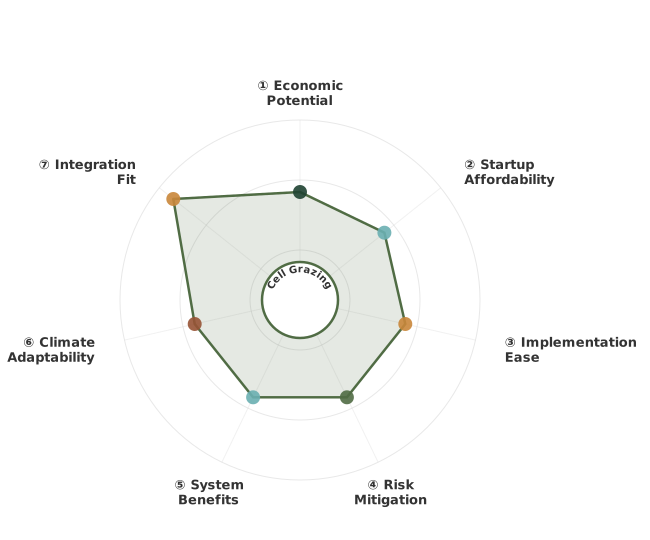
How These Traits Are Calculated
Trait dimensions are ordered clockwise starting from the top of the chart (12 o'clock position):
1. Economic Potential
Financial returns, annual value, and break-even timeline
WHAT: Evaluates financial viability by combining net annual value ($/ha from savings, income, and amortized harvests) with break-even timeline showing when practices pay for themselves.
WHY: Farmers need clear ROI understanding before committing resources. Fast payback (≤3 years) with strong returns (≥$300/ha) enables confident adoption, while long timelines (>10 years) restrict adoption to well-funded operations willing to wait for returns.
HOW: Calculated from net annual value in $/ha and break-even years. Exceptional (≥2.6): fast ROI ≤3 years + high value ≥$300/ha. Typical (1.8-2.5): moderate returns or longer timelines. Limited (<1.8): marginal economics or very long payback >10 years.
2. Startup Affordability
Initial investment costs and financial barrier to entry
WHAT: Measures financial barrier to entry through startup costs for equipment, infrastructure, consulting, and materials. Inverted scoring: lower costs = higher scores = more accessible adoption.
WHY: Affordability determines who can adopt. Low-cost practices (<$250/ha) enable widespread adoption across diverse scales, while high costs (>$2,500/ha) limit adoption to well-capitalized operations, creating barriers that slow regenerative transition.
HOW: Calculated from initial investment parsed from practice content. Inverted scoring: Exceptional (≥2.6): minimal investment <$250/ha. Typical (1.8-2.5): moderate costs $250-2,500/ha. Limited (<1.8): high barrier >$2,500/ha.
3. Implementation Ease
Learning curve and specialized knowledge required
WHAT: Measures how much learning, planning, and specialized knowledge a practice requires. Simpler practices with fewer steps score higher, while complex practices requiring extensive training or specialized resources score lower.
WHY: Complex practices create adoption barriers even when economically viable. Straightforward practices enable faster adoption and broader participation, while those requiring extensive training, timing precision, or specialized equipment limit who can succeed.
HOW: Evaluated by measuring documentation length and identifying complexity markers like location-specific requirements, seasonal timing windows, specialized skills, and dedicated equipment needs. Exceptional (≥2.6): straightforward practices with minimal prerequisites. Typical (1.8-2.5): moderate learning curve with some specialized needs. Limited (<1.8): steep learning curve requiring significant training or resources.
4. Risk Mitigation
Identified financial and ecological risk assessment
WHAT: Evaluates documented risks across financial (investment loss, market volatility) and ecological (crop failure, pest outbreaks) domains. Inverted scoring: fewer risks = higher scores.
WHY: Understanding risk exposure helps farmers make informed decisions. Low-risk practices allow confident implementation, while high-risk practices require careful planning and contingency resources. Risk transparency prevents costly failures.
HOW: Calculated from identified risks in practice content. Inverted scoring: Exceptional (≥2.6): ≤2 risks with manageable severity. Typical (1.8-2.5): 3-5 moderate risks. Limited (<1.8): 6+ risks or severe exposure.
5. System Benefits
How many ways the practice improves your land simultaneously
WHAT: Measures how many aspects of land health improve at once—carbon storage, soil quality, erosion control, water absorption, and biodiversity. Practices that improve multiple areas simultaneously create compounding benefits where each improvement reinforces the others.
WHY: The best practices solve multiple problems at once. For example, addressing erosion simultaneously builds carbon and improves water infiltration, creating a resilient system with positive feedback loops. Single-benefit approaches miss these compound transformation opportunities.
HOW: Evaluated across five key outcomes: carbon sequestration, soil organic matter increase, erosion reduction, water infiltration improvement, and biodiversity enhancement. Exceptional (≥2.6): high carbon storage (>8 t/ha/yr), improvements across 4-5 areas, transformative outcomes. Typical (1.8-2.5): moderate carbon (3-8 t/ha/yr), improvements across 2-3 areas. Limited (<1.8): modest impact (<3 t/ha/yr), single-area focus only.
6. Climate Adaptability
Geographic applicability across Köppen climate zones
WHAT: Evaluates geographic applicability by assessing how many Köppen climate zones successfully support a practice and what adaptation requirements are needed. Measures breadth of climates where farmers can implement with minimal to moderate modifications.
WHY: Universal practices working across diverse climates enable more farmers to adopt regenerative approaches. Practices limited to single climate types (only Mediterranean, only tropical) restrict adoption and slow global transition. Adaptability determines whether a practice serves niche regions or offers broad transformation.
HOW: LLM evaluation of regional success stories, Köppen zone coverage, and adaptation needs. Exceptional (≥2.6): 5+ zones or 4+ climate types, 3+ continents, minimal adaptation. Typical (1.8-2.5): 3-4 zones or 2-3 types, 2 continents, moderate adaptation. Limited (<1.8): 1-2 zones, single region, significant adaptation or highly specialized.
7. Integration Fit
How well this practice combines with others you're doing
WHAT: Measures how well a practice combines with other regenerative practices you might be doing. Some practices work as building blocks that make many other practices easier or more effective, while others work best on their own.
WHY: Practices that combine well with many others create more value on your farm. For example, cover cropping enables no-till, improves grazing, supports crop diversity, and helps water management—making all of them work better together. This helps you build a coherent system rather than juggling disconnected practices.
HOW: Evaluated by identifying which practices combine well and how strong those combinations are. 'Ideally Suited' means strong combinations where practices reinforce each other (practice A makes B easier, while B makes A more effective). 'Adequate' means complementary benefits that work well together. Exceptional (≥2.6): combines well with 6+ practices, serves as a building block. Typical (1.8-2.5): combines with 3-5 practices. Limited (<1.8): 1-2 practices or works best alone.
Going Deeper
1
WHY - The Benefits
Cell grazing is a powerful regenerative management strategy that leverages livestock to improve grassland ecosystems across multiple dimensions. Its design is rooted in a deep understanding of plant physiology, soil biology, and ecological principles, leading to...
Cell grazing is a powerful regenerative management strategy that leverages livestock to improve grassland ecosystems across multiple dimensions. Its design is rooted in a deep understanding of plant physiology, soil biology, and ecological principles, leading to quantifiable improvements in soil health, economic returns, water cycles, and biodiversity.
WHY - The Benefits
Cell grazing is a powerful regenerative management strategy that leverages livestock to improve grassland ecosystems across multiple dimensions. Its design is rooted in a deep understanding of plant physiology, soil biology, and ecological principles, leading to...
Cell grazing is a powerful regenerative management strategy that leverages livestock to improve grassland ecosystems across multiple dimensions. Its design is rooted in a deep understanding of plant physiology, soil biology, and ecological principles, leading to quantifiable improvements in soil health, economic returns, water cycles, and biodiversity.
Soil Health Benefits
The most profound benefits of cell grazing are realized in soil health. The practice is renowned for its ability to significantly increase soil organic matter content, typically by 0.1-0.5 percentage points per year in the topsoil under typical conditions, though higher rates up to 1.0% are possible in high-biomass systems but are not broadly representative. This is achieved through the stimulation of perennial pasture growth, leading to increased root biomass and the deposition of organic residues on the soil surface. The grazing and trampling action helps incorporate this organic matter into the soil, feeding microbial communities and enhancing soil aggregate stability.
Improved soil structure is another hallmark of well-executed cell grazing. The extended rest periods allow perennial forages to develop deep, robust root systems that create natural channels through the soil profile. The hoof action of concentrated livestock, while appearing disruptive, can help break down surface crusts and incorporate organic matter, facilitating water infiltration and aeration. Studies often show a 40-70% improvement in water infiltration rates within 3-5 years of implementing cell grazing, a critical factor for drought resilience and flood mitigation.
Soil biology flourishes under cell grazing. The increased organic matter, improved aeration, and consistent moisture retention create an ideal environment for earthworms, beneficial fungi, and diverse microbial populations. Earthworm populations can increase by 200-500%, leading to increased burrowing activity that further enhances soil structure and nutrient cycling. The symbiotic relationships between plants and soil microbes, particularly mycorrhizal fungi, are strengthened, improving nutrient uptake efficiency for the forages.
Erosion is dramatically reduced. The dense, vigorous swards produced by cell grazing provide excellent ground cover, protecting the soil from wind and water erosion. Improved infiltration means less surface runoff, further preventing soil loss. The enhanced soil structure also makes it more resistant to displacement.
Economic Benefits
Cell grazing offers significant economic advantages by improving the productivity and efficiency of livestock operations. One of the primary financial benefits is enhanced livestock performance. Animals grazing on well-managed, diverse pastures typically experience better weight gains, improved reproductive rates, and reduced health issues due to better nutrition and reduced stress from heat or lack of shade. This can translate to higher market prices for finished animals and improved conception rates in breeding herds.
Increased carrying capacity is a common outcome. As pasture productivity and health improve, the land can support more animals. This increase can range from 20-50% over a 5-year period, with the highest gains typically seen when transitioning from degraded, continuously grazed pasture. In many regions, cell grazing can significantly reduce or even eliminate the need for expensive chemical fertilizers. The intense distribution of manure and urine, coupled with improved nutrient cycling from healthy soil biology, often provides all the necessary fertility. This can lead to fertilizer cost savings of up to 70% or more in USD equivalent.
Reduced reliance on supplemental feed, especially during the growing season, is another major economic win. As pasture quality and quantity increase, livestock can obtain a greater proportion of their nutritional needs from grazing. This significantly cuts down on feed purchases, which are often one of the largest expenses for livestock producers. The improved health and vigor of both the pasture and the livestock contribute to the overall profitability of the farm.
Furthermore, the enhanced soil health and pasture resilience provide a buffer against environmental variability, such as drought. Pastures managed with cell grazing are often better able to withstand dry periods due to improved water infiltration and deeper root systems, reducing the need for costly emergency feed during droughts. Over the long term, the regenerative improvements lead to a more stable and profitable farm enterprise.
Regenerative Systems Fit
Cell grazing is a foundational practice in regenerative agriculture, directly supporting four of the five core principles and indirectly influencing the fifth. Its integration into a farming system amplifies the benefits of other regenerative practices.
Principle 5: Integrate Livestock: Cell grazing is inherently a livestock integration practice. It uses animals as the primary tool to manage and regenerate grasslands. Rather than viewing livestock as simply consumers, this approach positions them as active participants in ecosystem improvement. The strategic movement and density of animals are managed to achieve specific ecological outcomes, such as stimulating plant growth, cycling nutrients, and distributing manure and urine.
Principle 4: Maintain Living Roots: The system's emphasis on extended rest periods is crucial for allowing plants to regrow and extend their root systems. This continuous "living root" action throughout the growing season significantly enhances above-ground plant productivity, diverts more carbon below ground to feed soil biology, and builds soil organic matter. The longer the rest period, the deeper and more extensive the root systems become, contributing to improved soil structure and water holding capacity.
Principle 3: Keep Soil Covered: Cell grazing reliably promotes greater ground cover. The improved pasture health results in denser swards of living plants. The increased biomass and litter accumulation from grazed-down vegetation provide a protective mulch layer on the soil surface. This comprehensive cover shields the soil from erosion, moderates soil temperature, conserves moisture, and creates a stable environment for soil organisms.
Principle 2: Maximize Crop Diversity: While not creating diversity in the same way as crop rotation, cell grazing encourages diversity within the pasture ecosystem. By stimulating growth and favoring species that respond well to grazing and rest cycles, it can shift pasture composition towards a more diverse mix of perennial grasses, legumes, and forbs. This botanical diversity supports a broader range of soil microbes and beneficial insects, enhancing overall ecosystem resilience.
Principle 1: Minimize Soil Disturbance: Cell grazing contributes indirectly to minimizing soil disturbance. While there is some soil impact from hoof action, it is managed to be beneficial rather than detrimental. By improving soil structure and increasing organic matter, the soil becomes less prone to compaction and erosion from natural forces. Furthermore, it eliminates the need for mechanical soil disturbance often associated with conventional pasture renovation or fertilization.
Cell grazing is highly compatible with other regenerative practices like:
- Adaptive Multi-Paddock Grazing: This is essentially a broader framework for cell grazing, emphasizing constant adaptation to ecological cues.
- Cover Cropping: Can be integrated during pasture renovation phases or at the end of a grazing rotation to further enhance soil health and diversity.
- Silvopasture: Integrating trees into cell-grazed pastures creates a multi-story system that enhances biodiversity and economic returns.
- Holistic Planned Grazing: A systematic approach to planning grazing movements, highly aligned with the principles of cell grazing.
Transitioning to cell grazing typically requires a shift in mindset from simply managing animals to managing an ecosystem. Farmers accustomed to broadcast fertilization might need to learn to rely on livestock for fertility, and those used to continuous grazing will need to embrace planning and short, intense impacts followed by long rest. The practice prepares the land for other regenerative approaches by building soil health and livestock performance.
Sources behind this view
Videos & Podcasts
-
Regenerative grazing (adaptive multi-paddock) uses high-density, short-duration grazing with long recovery to stimulate soil health, increase biomass, and improve water infiltration, mimicking natural
-
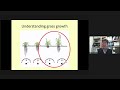
Mob grazing enhances plant regrowth and soil health by maximizing root mass and energy capture through high-density grazing and long recovery periods. This boosts soil organic matter, improving water
-
This cluster details ultra-high stock density grazing (UHSDG) and 'total grazing' for cattle, emphasizing intensive management, long pasture recovery, and increased stocking rates. The speaker advocat
-
Switched to cell grazing and regenerative agriculture in 2019, guided by holistic management principles. Focuses on diverse green growth, soil protection (minimizing chemicals/impact), and managed gra
Community
-
Adopts a holistic grazing management approach emphasizing diverse perennial pastures, higher residuals (4"), and longer rest periods (avg. 45 days) to build soil health, increase organic matter (3.4%
Read more (opens in new window) smallfarms.cornell.edu -
Advocates for simpler regenerative methods based on Soil Foodweb and Holistic Management, emphasizing soil restructuring for water retention and reducing reliance on inputs like biochar. Promotes holi
Read more (opens in new window) permies.com -
Advocates for Soil Foodweb principles and Holistic Management, emphasizing land leasing and custom grazing/growing over labor-intensive methods. Focuses on soil restructuring for water availability an
Read more (opens in new window) permies.com -
Manage rotational grazing by setting recovery (15-40+ days, adapting to region/season) and grazing periods (2-3 days). Aim to 'take half, leave half' for livestock and soil microbes. High stocking den
Read more (opens in new window) smallfarms.cornell.edu
Research
-
Managing Grazing to Restore Soil Health, Ecosystem Function, and Ecosystem Services (opens in new window)
This study found: Properly managed grazing animals can reverse environmental damage. Regenerative practices, like Adaptive Multi-Paddock (AMP) grazing, boost soil health, increase soil carbon, reduce erosion, and enhan
-
The Need for a New Approach to Grazing Management - Is Cell Grazing the Answer? (opens in new window)
This study found: Cell grazing in Australia improved pasture composition and ground cover over two years compared to continuous grazing, benefiting soil health and livestock production.
-
Regenerative Livestock Farming as a Socioeconomic Model for Sustainable Agribusiness in Latin America (opens in new window)
This study found: Regenerative livestock farming in Latin America improved soil carbon, biodiversity, and water quality, while boosting farmer income and quality of life. Government support is key for wider adoption.
-
Removing Grazing Pressure from a Native Pasture Decreases Soil Organic Carbon in Southern New South Wales, Australia (opens in new window)
This study found: Intensive grazing on Australian native pastures increased soil carbon over five years compared to ungrazed areas, suggesting grazing management is key for soil carbon accumulation.
From the Web
-
Mob grazing involves moving livestock like cattle and sheep to fresh, small paddocks daily or every few days, promoting even grazing, soil health, drought tolerance, and increased stocking capacity. T
-
Cell grazing in Australia, a distinct time-control method, boosts profitability, soil health, rainfall use efficiency, and biodiversity, requiring ideological shifts and infrastructure investment.
-
Cell grazing in Australia during the 1990s showed superior vegetative impacts compared to continuous grazing, leading to improved soil, biodiversity, and rainfall use efficiency, suggesting economic a
-
Provides practical guidance on regenerative soil management through minimizing tillage, maintaining living roots, diverse species, and strategic grazing. Emphasizes cover crops, perennial pastures, an
2
WHERE - Regional Considerations
Cell grazing’s effectiveness and implementation details vary significantly based on regional climate, topography, soil types, and available plant species. Its adaptability makes it a cornerstone practice across diverse global agricultural systems.
Cell grazing’s effectiveness and implementation details vary significantly based on regional climate, topography, soil types, and available plant species. Its adaptability makes it a cornerstone practice across diverse global agricultural systems.
WHERE - Regional Considerations
Cell grazing’s effectiveness and implementation details vary significantly based on regional climate, topography, soil types, and available plant species. Its adaptability makes it a cornerstone practice across diverse global agricultural systems.
Cell grazing’s effectiveness and implementation details vary significantly based on regional climate, topography, soil types, and available plant species. Its adaptability makes it a cornerstone practice across diverse global agricultural systems.
Click Here to Look up your Region if you don't already know it
Humid Temperate Regions
Representative Locations: Midwestern United States, Northern Europe (e.g., UK, Germany, Ireland), Eastern China, Japan, parts of Eastern Australia (New South Wales, Victoria), New Zealand.
Climate Context: Warm to hot summers and cool to cold winters with moderate to high annual precipitation (75-150 cm or 30-60 inches) distributed relatively evenly throughout the year. USDA Zones 4-7, Köppen Cfb/Cfa.
Suitability and Adaptations: Cell grazing is highly successful in these regions due to abundant and consistent forage growth. The challenge is often managing pasture during peak growth periods to avoid over-conditioning and prevent losses through senescence (aging and dying of plant material). Extended rest periods are crucial to manage lush growth and prevent desirable species from being shaded out by faster-growing annuals or weeds. Stocking rates can typically be high, but careful paddock design is needed to optimize grazing distribution. The ample rainfall supports robust pasture recovery, making it easier to achieve long rest periods. Water infrastructure is generally less challenging to establish than in arid regions.
Mediterranean Regions
Representative Locations: California (USA), Mediterranean Basin (Spain, Italy, Greece, North Africa), Central Chile, Southwestern Australia, parts of South Africa.
Climate Context: Hot, dry summers and mild, wet winters. Annual precipitation 40-90 cm (15-35 inches), highly seasonal. USDA Zones 8-10, Köppen Csa/Csb.
Suitability and Adaptations: Cell grazing is particularly valuable here for managing the pronounced seasonality. Extended rest periods during the dry summer months are essential to allow perennial grasses and other forages to survive and regrow with the onset of autumn rains. Grazing might be concentrated in spring and autumn, with potentially reduced stocking rates or reliance on stored feed/drought-tolerant species during summer. The ability to manage pasture intensely during the growth flush means more forage can be utilized and saved as standing hay for the dry season, significantly reducing reliance on supplemental feed. Species selection must focus on drought-tolerant perennial grasses and legumes.
Arid and Semi-Arid Regions
Representative Locations: Western USA (e.g., Montana, Wyoming, Texas), North Africa (e.g., Morocco, Algeria), Central Asia (e.g., Kazakhstan, Mongolia), Outback Australia, parts of Eastern Africa.
Climate Context: Low annual precipitation (<40 cm or 15 inches), high temperatures, short and often unpredictable growing seasons. USDA Zones 5-8, Köppen BSh/BSk.
Suitability and Adaptations: Cell grazing is a critical tool for drought management and ecological restoration in these challenging environments. The extreme importance of rest means paddock sizes might be larger, and rest periods longer than in humid regions, potentially exceeding 90-120 days in semi-arid regions with seasonal growth. Rotations must be carefully timed with rainfall events. The focus is on grazing resilient, native perennial species that can withstand prolonged dormancy. High stock densities for short periods can help break up surface crusts and improve water infiltration, which is paramount in arid lands. Farmers often integrate cell grazing with landscape water harvesting techniques (e.g., swales, contour banks) to capture and utilize every drop of rainfall. Animal performance may be lower than in mesic regions, but improved efficiency and reduced feed costs are significant economic drivers.
Cold Continental Regions
Representative Locations: Northern USA and Canada, Northern Europe (e.g., Scandinavia, Russia), Northern Asia.
Climate Context: Very short growing seasons, extreme summer heat, severe winter cold, typically significant snowfall. USDA Zones 3-5, Köppen Dfa/Dfb.
Suitability and Adaptations: Cell grazing requires careful timing to maximize the short growing season. Grazing rotations must be planned to fully utilize peak forage production in late spring and summer. Extended rest periods following initial grazing are essential to allow plants to regrow before potential early frosts or the onset of winter. Animals may be removed entirely for several months during winter, with reliance on stored feed, standing hay from paddocks set aside previously, or winter-hardy forages. The increased trampling action can help incorporate unfrozen manure and urine into the soil before winter freeze-up, potentially providing nutrients for spring growth. Planning for winter feed and managing snow cover are key considerations.
Subtropical Regions
Representative Locations: Southeastern USA (e.g., Florida, Georgia), Southern China, Southern Brazil, Eastern Australia (Queensland, Northern New South Wales).
Climate Context: Hot, humid summers and mild winters with generally ample rainfall. USDA Zones 9-11, Köppen Cfa/Cwa.
Suitability and Adaptations: Cell grazing is highly effective here, but managing heat stress in livestock is critical. Shade is paramount, so integrating trees (silvopasture) is often a natural fit. The long growing season allows for more aggressive grazing and shorter rest periods if desired, but sufficient rest is still vital for pasture resilience. Managing invasive species and parasites can be more challenging due to year-round warmth, necessitating careful pasture composition management and potentially alternative parasite control strategies. The abundant rainfall supports rapid pasture recovery, allowing for high stocking rates.
Tropical Regions
Representative Locations: Central America, Southeast Asia, East Africa, Northern Australia, Northern South America.
Climate Context: High temperatures year-round, with distinct wet and dry seasons or consistent high rainfall. Köppen Af/Am/Aw.
Suitability and Adaptations: Cell grazing is extremely effective in tropical regions, but requires managing distinct wet and dry seasons. During the wet season, rapid growth necessitates frequent moves and potentially larger numbers of cells to ensure adequate rest. Overgrazing during wet periods can lead to significant pasture degradation. During the dry season, pastures may go dormant, requiring careful management of standing forage and potentially supplemental feeding or dry-season grazing reserves. Disease and parasite pressure can be high year-round, making pasture health and animal movement crucial for management. Tropical forages often respond vigorously to grazing and trampling, making cell grazing a powerful tool for improving pasture productivity and soil health. Shade and water availability become critical considerations in hotter, drier tropical zones.
3
HOW - Implementation Process
Implementing cell grazing effectively involves a systematic approach, from understanding prerequisites to ongoing management adjustments. The process requires planning, infrastructure, and adaptive management in response to ecological feedback.
Implementing cell grazing effectively involves a systematic approach, from understanding prerequisites to ongoing management adjustments. The process requires planning, infrastructure, and adaptive management in response to ecological feedback.
HOW - Implementation Process
Implementing cell grazing effectively involves a systematic approach, from understanding prerequisites to ongoing management adjustments. The process requires planning, infrastructure, and adaptive management in response to ecological feedback.
Implementing cell grazing effectively involves a systematic approach, from understanding prerequisites to ongoing management adjustments. The process requires planning, infrastructure, and adaptive management in response to ecological feedback.
Prerequisites
Before embarking on cell grazing, consider these foundational elements:
- Clear Objectives: Define what you want to achieve. Is it pasture regeneration, increased carrying capacity, improved animal health, or a combination? Clear goals guide management decisions.
- Understanding of Principles: Familiarize yourself with how cell grazing works, focusing on the critical balance between grazing intensity, short impact periods, and long rest periods.
- Knowledge of Your Land: Understand your soil types, topography, water sources, prevailing weather patterns, and existing plant species. This informs paddock design and species selection.
- Animal Type: Different livestock (cattle, sheep, goats, horses) have varying grazing habits and impacts that influence cell size, shape, and management.
- Water Access: Reliable water sources within or accessible to every paddock are non-negotiable. Livestock cannot thrive without water, and herd movement strategy is dictated by water availability.
- Fencing and Habitat: While intensive fencing is characteristic, start with what you can manage. Even dividing a large pasture into 5-10 larger paddocks and moving animals frequently is a step towards cell grazing. Gradually subdivide further as resources allow.
Phase 1: Planning and Design
-
Map Your Land: Create a detailed map of your grazing area, noting existing fences, water points, topography (slopes, contours), soil types, vegetation zones, and any constraints (e.g., sensitive environmental areas, woodlots).
-
Determine Cell Size and Number:
- Factors: Animal type, stocking rate, daily/bi-daily move frequency, rest period length, pasture productivity, and available water.
- General Rule: Target a period of 12-48 hours per cell. A typical starting point for cattle might be 0.4-1 hectare (1-2.5 acres) per animal unit per day for a single move, meaning a cell might hold 50 head for 24 hours.
- Calculation Example: If you have 50 acres for 50 head of cattle and want 30-day rest:
- Total cattle days of grazing needed: 50 head * 30 days = 1500 cattle-days.
- For 1-day grazing: 1500 cells needed. Realistically, start with fewer cells (e.g., 20-30) and adjust rest periods or stocking rates.
- A common approach is to divide land into 30-60 paddocks for a year-round rotation.
-
Design Grazing Paddock Layout:
- Orientation: Orient paddocks to optimize water access and minimize fencing runs. Consider contour lines on slopes to manage water flow and prevent erosion.
- Shape: Aim for rectangular or square shapes that are easy to fence. Avoid long, narrow paddocks where uniform grazing is difficult.
- Tree Rows/Features: Integrate existing features like tree lines or rock outcrops into paddock design where beneficial for shade or shelter.
-
Plan Water Infrastructure:
- Ensure each cell or group of cells has reliable access to clean water. This might involve installing water troughs, extending pipelines, or utilizing natural water sources with fencing to manage access and prevent degradation.
- Consider gravity flow where possible to reduce pumping costs.
-
Fencing Strategy:
- Temporary Fencing: Electric netting or tape is ideal for subdividing larger areas, offering flexibility and lower upfront cost. You'll need a reliable energizer and grounding system.
- Permanent Fencing: For the perimeter and key boundaries, strong permanent fencing is advisable.
- Gates: Install sufficient gates for easy animal movement between paddocks and access for equipment.
Phase 2: Infrastructure Development
-
Install Perimeter and Mainline Fences: Establish strong boundaries for security and animal control. Install main water lines if needed.
-
Subdivide Paddocks: Erect temporary or permanent internal fences to create the planned cells. For a large number of cells, focus initially on creating 5-10 larger paddocks that can be further subdivided with electric fencing as animals are moved.
-
Establish Watering Points: Install troughs or create water access points in each cell or adjacent to them. Ensure adequate flow rates and capacity, especially for larger herds in hot climates.
-
Develop Daily Move Plan: Plan your grazing sequence in advance. This should consider pasture growth rates, seasonal variations, and animal needs.
Phase 3: Initial Grazing and Management
-
Introduce Livestock: Load animals into the first cell. Ensure they are comfortable and have water. Observe their behavior for the first few hours.
-
Monitor Grazing: Observe how the animals graze. Are they eating evenly? Are they grazing too short? High sock density encourages closer grazing, which is part of the system, but avoid "scalping" the pasture.
-
Move Animals: Move the herd to the next cell according to your planned schedule (typically 12-48 hours). Use temporary fencing and a lead-up lane to guide them efficiently.
-
Observe Pasture Recovery: After an animal herd has moved out of a cell, observe the impact. Check remaining forage height (aim for 4-6 inches or 10-15 cm post-grazing), presence of manure, and trampling. Critically, allow the cell to rest for the planned duration (30-60+ days).
-
Monitor Water and Fencing: Check water availability and fencing integrity daily. Repair any breaks promptly to prevent escape and ensure planned rotation.
Ongoing Management and Adaptation
- Adaptive Planning: Regularly assess pasture growth, soil moisture, and animal condition. Adjust your grazing plan (move frequency, rest periods, stocking rates) based on these observations. This is the essence of adaptive management.
- Record Keeping: Track paddock movements, resting periods, animal performance, rainfall, and observations. This data is invaluable for refining future plans.
- Pasture Health Assessment: Periodically assess plant species composition, vigor, and soil health indicators (infiltration, organic matter).
- Infrastructure Maintenance: Regularly inspect and maintain fences, water systems, and gates.
- Livestock Health: Monitor animal health closely, as high densities can increase parasite transmission or stress if not managed well. Ensure adequate rest and nutrition.
The success of cell grazing hinges on this continuous feedback loop between management decisions and ecological response. It is about learning to read the land and adapt accordingly, rather than applying a rigid, one-size-fits-all plan.
Sources behind this view
Videos & Podcasts
-
Brian Walberg details the practice of holistic planned grazing, involving intense animal bunching and frequent moves (10-30 min intervals) to maximize animal impact. This method significantly reduced
-
This cluster details ultra-high stock density grazing (UHSDG) and 'total grazing' for cattle, emphasizing intensive management, long pasture recovery, and increased stocking rates. The speaker advocat
-
Transitioned from continuous to management-intensive grazing (MIG) to improve profitability and soil health. MIG involves frequent rotation of higher-density animal groups, focusing on plant recovery
-
Increase grazing frequency (e.g., twice daily) for better pasture utilization and animal performance. Invest heavily in water infrastructure and use temporary fencing in long, narrow paddocks to maxim
Community
-
Adopts a holistic grazing management approach emphasizing diverse perennial pastures, higher residuals (4"), and longer rest periods (avg. 45 days) to build soil health, increase organic matter (3.4%
Read more (opens in new window) smallfarms.cornell.edu -
Advocates for rotational/mob grazing by dividing 12.5 acres into 30 sub-pastures for daily moves, promoting a 40% legume, 40% grass, 10% medicinal, 10% weed pasture mix for soil health and parasite co
Read more (opens in new window) permies.com -
Manage rotational grazing by setting recovery (15-40+ days, adapting to region/season) and grazing periods (2-3 days). Aim to 'take half, leave half' for livestock and soil microbes. High stocking den
Read more (opens in new window) smallfarms.cornell.edu -
Practical rotational grazing advice for small acreage with goats, sheep, and chickens, emphasizing frequent moves, sacrificial paddocks, and specific forage types (fescue, rye, Bermuda) for Zone 8b. M
Read more (opens in new window) permies.com
Research
-
Impacts of holistic planned grazing with bison compared to continuous grazing with cattle in South Dakota shortgrass prairie (opens in new window)
This study found: Managed grazing with bison in South Dakota's shortgrass prairie significantly improved soil health, water infiltration, forage, and plant composition compared to continuous cattle grazing over a decad
-
The effect of Holistic Planned Grazing™ on African rangelands: a case study from Zimbabwe (opens in new window)
This study found: Holistic Planned Grazing™ in Zimbabwe improved rangeland health, soil, and vegetation with higher animal density. Temporary animal enclosures also boosted crop yields, suggesting HPG enhances ecosyste
-
Managing Grazing to Restore Soil Health, Ecosystem Function, and Ecosystem Services (opens in new window)
This study found: Properly managed grazing animals can reverse environmental damage. Regenerative practices, like Adaptive Multi-Paddock (AMP) grazing, boost soil health, increase soil carbon, reduce erosion, and enhan
-
The Need for a New Approach to Grazing Management - Is Cell Grazing the Answer? (opens in new window)
This study found: Cell grazing in Australia improved pasture composition and ground cover over two years compared to continuous grazing, benefiting soil health and livestock production.
From the Web
-
Mob grazing involves moving livestock like cattle and sheep to fresh, small paddocks daily or every few days, promoting even grazing, soil health, drought tolerance, and increased stocking capacity. T
-
A 10-step plan for regenerative grazing emphasizes adaptive management, goal setting, mapping, infrastructure assessment, and proper stocking rates. It advises starting small to gain experience before
4
Know the Debate
Cell grazing outcomes depend heavily on where you are and how you start. In humid temperate regions where pasture regrows quickly, noticeable soil ...
Know the Debate
Cell grazing outcomes depend heavily on where you are and how you start. In humid temperate regions where pasture regrows quickly, noticeable soil ...
Cell grazing outcomes depend heavily on where you are and how you start. In humid temperate regions where pasture regrows quickly, noticeable soil health improvements can appear within two years. In semi-arid rangeland, slower decomposition means patience—plan for five to seven years of consistent management before soil tests reflect the change. Entry costs range from $1,000-$7,000 for temporary electric fencing on smaller farms to $20,000+ for permanent infrastructure on operations over 100 hectares. Daily labor of 1-2 hours for paddock moves is non-negotiable at any scale.
How long until soil health improves with cell grazing?
Noticeable improvement (2-5 years)
Academic and institute studies often suggest improvements like better pasture composition and ground cover within 2-5 years, especially in fertile, humid climates with reliable rainfall and good existing soil structure.
Sources behind this view
Sources behind this view
Research
-
Removing Grazing Pressure from a Native Pasture Decreases Soil Organic Carbon in Southern New South Wales, Australia (opens in new window)
This study found: A five-year study in southern New South Wales, Australia, found that managing livestock grazing on native pastures significantly impacted soil carbon. Fields that were grazed, particularly with intensive rotational grazing (cell grazing), accumulated more soil organic carbon over the five years compared to fields that were left ungrazed. While pasture composition, total nitrogen, and soil compaction didn't change, the grazed areas showed a notable increase in soil carbon. The researchers suggest that grazing encourages plants to allocate more resources to roots, promotes root growth and turnover, and prevents nutrient lock-up from shading, all of which contribute to higher soil carbon. This indicates that removing grazing pressure entirely from native pastures could lead to a decrease in soil carbon over time.
From the Web
-
Cell grazing in Australia during the 1990s showed superior vegetative impacts compared to continuous grazing, leading to improved soil, biodiversity, and rainfall use efficiency, suggesting economic and environmental sustainability for beef grazing.
-
Cell Grazing in Australia (1990-1999) boosted profitability, soil health, rainfall use efficiency, and biodiversity. Multi-paddock adaptive grazing in tall grass prairie also showed superior outcomes in vegetation cover and soil properties.
Deep transformation (5-10+ years)
Many field practitioners report that substantial, measurable soil health changes, like significant organic matter increases and true drought resilience, require 5-10 years, particularly on degraded lands or in challenging climates.
Sources behind this view
Sources behind this view
Videos & Podcasts
-
Implemented mob grazing by moving cattle daily to fresh pasture, resulting in thousands saved annually, a 30% increase in stocking rate, and improved soil organic matter (up to 9%) by feeding soil microbiology and sequestering carbon. Overcame mental challenges to adopt the practice.
-
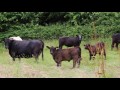
Mob grazing enhances plant regrowth and soil health by maximizing root mass and energy capture through high-density grazing and long recovery periods. This boosts soil organic matter, improving water retention and feeding soil microbes via root exudates.
Making Sense of the Differences
The timeline for observing significant soil health improvements with cell grazing depends heavily on initial soil conditions, climate, and management intensity. Degraded soils with low organic matter and poor structure in arid to semi-arid climates may take longer to regenerate than fertile soils in humid regions. Early improvements in pasture composition and ground cover are often seen sooner than deep soil structural changes or substantial carbon sequestration, which can take many years to manifest measurably.
Is infrastructure or management expertise the primary hurdle for cell grazing?
Infrastructure is key ($5k - $20k+)
Academic and institute sources highlight substantial upfront infrastructure costs for fencing and water as critical for enabling effective cell grazing, suggesting this is a primary barrier for many starting out.
Sources behind this view
Sources behind this view
Research
-
Optimising intensive grazing: a comprehensive review of rotational grassland management, innovative grazing strategies and infrastructural requirements (opens in new window)
This study found: This review looks at how dairy farmers can improve their grazing practices, especially with intensive rotational grazing, and the importance of farm infrastructure. When farmers try to get cows to eat more grass, they often have to limit the pasture size, which can lead to cows competing more for food. Giving cows fresh grass more than once a day might actually lower milk production in younger cows because of this competition. A better approach is to divide pastures into sections for 24-36 hour grazing. This reduces competition and stops cows from eating new grass too soon. Having good farm paths (roadways) is key to easily moving cows between these grazing areas and to the milking parlor. The location of the milking parlor and the quality of farm paths (width, surface) significantly impact how efficiently cows move and can even affect how much milk they produce. Improving these paths can also make farm work easier.
From the Web
-
Mob grazing requires careful planning regarding move periods and stocking density. Initial setup costs for fencing and water infrastructure are considerations, and traditional breeds may be better suited than modern ones for utilizing taller forage.
-
Implementing mob grazing with sheep demands significant capital and labor for numerous paddocks and short rotations. Operators must carefully project profitability, accounting for labor costs and potential fertility deficits, before committing to this intensive system.
Expertise & adaptation are key (focus on learning)
Field practitioners often emphasize that the mental shift to adaptive management and ecological observation is the core challenge, postulating that infrastructure can be incrementally developed once management skills are honed.
Sources behind this view
Sources behind this view
Videos & Podcasts
-
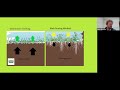
Mob grazing involves daily cattle moves with portable electric fences and water troughs to build soil fertility. Focus is on root development for soil organic matter, with grazing intensity adapting to seasonal grass growth. Farm layout uses 100m alleys.
-
Details mob grazing setup on Stony Ridge Farm (NC): moving cattle every 12 hours to 1/3 acre paddocks using electric fence. Goal is 45-day grass recovery by leaving foliage, reducing parasites, and improving soil. Emphasizes central water systems (450ft rule) and specific equipment like Poly Braid wire and Strain posts.
Making Sense of the Differences
Successful cell grazing requires both robust infrastructure and skilled adaptive management. While infrastructure (fencing, water) is essential for paddock subdivision, the 'how much' and 'how fast' of that investment can be debated. Some emphasize starting with significant infrastructure to enable precise daily moves, while others advocate for building expertise and incrementally adding infrastructure as understanding grows. The true challenge lies in developing the farmer's ability to observe and adapt management based on land feedback, regardless of initial infrastructure level.
5
HOW MUCH - Costs & Investment
Costs for implementing cell grazing vary greatly depending on the scale of operation, existing infrastructure, region, and the comprehensiveness of the system adopted. Costs are presented in USD equivalent.
Costs for implementing cell grazing vary greatly depending on the scale of operation, existing infrastructure, region, and the comprehensiveness of the system adopted. Costs are presented in USD equivalent.
HOW MUCH - Costs & Investment
Costs for implementing cell grazing vary greatly depending on the scale of operation, existing infrastructure, region, and the comprehensiveness of the system adopted. Costs are presented in USD equivalent.
Costs for implementing cell grazing vary greatly depending on the scale of operation, existing infrastructure, region, and the comprehensiveness of the system adopted. Costs are presented in USD equivalent.
Note: All costs are based on recent US economic data (2024–2026) and may vary substantially by region based on local labor rates, material costs, and regulatory requirements.
Fencing Infrastructure
Fencing represents the primary capital requirement for cell grazing. Small operations under 50 acres (20 ha) face higher per-acre costs due to the lack of economies of scale, typically ranging from $210–$625 per acre ($519–$1,544/ha) for high-tensile perimeter fencing combined with intensive interior temporary polywire systems. Mid-size operations covering 50 to 500 acres (20–202 ha) leverage spreading fixed costs across larger acreage, with equipment investments ranging from $105–$315 per acre ($259–$778/ha). Large-scale operations exceeding 500 acres (202 ha) benefit significantly from high-volume procurement and optimized grid layouts, reducing capital expenditures to $42–$155 per acre ($104–$383/ha). Large operators often utilize existing infrastructure, focusing essential capital on advanced internal subdivision gear such as geared reels and high-strength step-in posts to manage labor efficiency for large herds.
Water Distribution Systems
Because cell grazing requires livestock to move frequently to minimize pasture degradation, water must be accessible within each cell. Small producers using portable gravity-fed systems or simple hose extensions typically budget $105–$315 per acre ($259–$778/ha). Mid-size operations, requiring more robust connectivity, often invest in quick-connect piping and mobile troughs, costing $63–$190 per acre ($156–$469/ha). Large-scale operations generally require more sophisticated infrastructure, including solar-powered pumps, central headers, and high-flow piping to support sustained livestock throughput, resulting in costs of $32–$105 per acre ($79–$259/ha). These systems are vital for maintaining animal performance and ensuring livestock do not congregate excessively at singular, static water points, which is counter-productive to even manure distribution.
Annual Operating & Labor Costs
Operational expenses correlate strongly with the frequency of paddock moves and the level of automation utilized. Small operations with fewer than 50 acres (20 ha) face intensive manual labor requirements for daily moves, resulting in annual costs of $21–$85 per acre ($52–$210/ha). Mid-size farms balance labor time with solar-powered system maintenance and fencing checks, spending $11–$55 per acre ($27–$136/ha) annually. Large-scale operations, which often utilize ATV-assisted move strategies or automated electronic gate systems, achieve the greatest efficiency at $6–$32 per acre ($15–$79/ha). These figures account for regional labor variations where self-performed labor is standard, though cost-effective management often requires a formal assessment of hourly labor trade-offs versus mechanical intervention to maintain a consistent grazing schedule.
Most Spend: Most operations (the middle 60%) will invest between $125–$365 per acre ($309–$902/ha) in initial infrastructure and incur $16–$55 per acre ($40–$136/ha) in annual operating expenses.
Why the Range?: Cost variation is driven primarily by the existing state of land infrastructure, where properties already equipped with perimeter high-tensile wire see significantly lower start-up entry points. Additionally, regional differences in topography, soil hardness affecting post-driving labor, and the availability of subsidized solar equipment drastically influence the final expenditure range for both water and fencing.
Sources behind this view
Videos & Podcasts
-
Details the financial benefits of investing in fencing and water infrastructure for grazing, estimating costs ($175/acre) and returns (66% increase in carrying capacity). Discusses specific paddock de
-
Increase grazing frequency (e.g., twice daily) for better pasture utilization and animal performance. Invest heavily in water infrastructure and use temporary fencing in long, narrow paddocks to maxim
-
Improved grazing management boosts ranch economics through higher stocking rates, better cows-per-man ratios, extended grazing seasons, and reduced feeding costs. Strategic fencing and water developme
-
Details the practical implementation of intensive rotational grazing, including infrastructure (fencing, water points) and management strategies for large Australian properties. This approach signific
Community
-
Recommends permanent rotational pastures using high tensile fencing and cattle panels for goats and sheep, with advice on water lines, pallet-built shelters, and cost-effective handling systems.
Read more (opens in new window) permies.com -
Investigates financial benefits of rotational grazing, including extended grazing season and cattle weight gains, while detailing the use of portable electric fences and HDPE water hoses due to infras
Read more (opens in new window) ucanr.edu -
Implement rotational grazing with strong perimeter and interior fencing (high tensile electric recommended, focus on grounding) and reliable water systems, using resources like 'The Art and Science of
Read more (opens in new window) smallfarms.cornell.edu
Research
-
Increasing Intensity of Pasture Use with Dairy Cattle: An Economic Analysis (opens in new window)
This study found: Intensive grazing on Pennsylvania dairy farms was more profitable than hay/corn silage, returning $129/acre. High debt and poor cash flow motivated increased grazing intensity, which lowered feed cost
From the Web
-
Analyzes ROI for high stock density grazing, detailing infrastructure costs ($3,250 with grant), labor ($3600 estimate), and a 257% carrying capacity increase. Discusses scaling challenges and lists k
6
REWARDS AND RISKS - Economics & Risk Factors
Cell grazing, as a regenerative practice, offers substantial rewards but also carries inherent risks that must be carefully managed. Understanding these economics and risk factors is crucial for successful implementation and long-term financial viability.
Cell grazing, as a regenerative practice, offers substantial rewards but also carries inherent risks that must be carefully managed. Understanding these economics and risk factors is crucial for successful implementation and long-term financial viability.
REWARDS AND RISKS - Economics & Risk Factors
Cell grazing, as a regenerative practice, offers substantial rewards but also carries inherent risks that must be carefully managed. Understanding these economics and risk factors is crucial for successful implementation and long-term financial viability.
Cell grazing, as a regenerative practice, offers substantial rewards but also carries inherent risks that must be carefully managed. Understanding these economics and risk factors is crucial for successful implementation and long-term financial viability.
Economic outcomes for cell grazing are categorized by the degree of management intensity and ecological transition success. In a Best Case scenario, rigorous adaptive management yields a 50% increase in carrying capacity within 3 years, with animal weight gains improving by 15% and external input costs—primarily synthetic fertilizer—falling by 60%. This results in a net profit increase of $156–$260 per acre ($385–$642/ha). In a Typical Case, producers achieve a 20% increase in carrying capacity by year 3, with input costs reducing by 30%, resulting in a net income increase of $52–$125 per acre ($128–$309/ha) as the system reaches equilibrium. Conversely, in a Worst Case scenario, poor execution of move timing, leading to overgrazing and inadequate recovery, can cause a 10–20% yield drop, resulting in a loss of $52–$105 per acre ($128–$259/ha) due to the costs of emergency supplemental feed and remedial pasture re-seeding.
Profitability success is heavily contingent on market access. Producers selling through direct-to-consumer or value-added regenerative branding strategies often capture a 10–25% price premium over standard commodity beef. To offset capital risks, producers are strongly encouraged to leverage USDA NRCS EQIP funding, which provides technical and financial assistance that can cover 50–75% of initial infrastructure outlay. Multi-species grazing, such as introducing small ruminants alongside cattle, acts as a high-impact risk mitigation tool, potentially increasing total output per acre by 15–20%.
Transition Period Risks: The "transition dip" is a frequent challenge during the initial 12–24 months as the pasture ecosystem shifts from shallow-rooted species to more diverse, deep-rooted perennials. During this period, available forage biomass may decline, risking animal performance. Producers must budget an additional $21–$42 per acre ($52–$104/ha) during the first two years to bridge feed gaps. A successful mitigation strategy involves a "staggered transition," where only 25% of the total acreage is converted to cell grazing initially, ensuring that concurrent conventional grazing remains a cash-flow buffer while the soil biology and plant communities stabilize.
Sources behind this view
Videos & Podcasts
-
This cluster details ultra-high stock density grazing (UHSDG) and 'total grazing' for cattle, emphasizing intensive management, long pasture recovery, and increased stocking rates. The speaker advocat
-
A 5-year case study in Mississippi transformed a degraded farm using adaptive grazing, bale grazing, and plant diversity. Soil organic matter, water infiltration, and forage species increased dramatic
-
Livestock impact, cover crops, and extended grazing are key to soil health and profitability, reducing tillage and hay feeding. Metrics include soil organic matter, infiltration, Brix levels, and stoc
-
Laura Payne details how managed grazing enhances soil health, water quality, and wildlife habitat, citing research on reduced erosion, improved stream health, and support for grassland birds. Key prin
Community
-
Adopts a holistic grazing management approach emphasizing diverse perennial pastures, higher residuals (4"), and longer rest periods (avg. 45 days) to build soil health, increase organic matter (3.4%
Read more (opens in new window) smallfarms.cornell.edu -
Discusses regenerative grazing with cattle, sheep, and goats, emphasizing high-density impact and long recovery periods for soil health and ecosystem restoration in arid regions. Debates overgrazing,
Read more (opens in new window) permies.com -
Manage rotational grazing by setting recovery (15-40+ days, adapting to region/season) and grazing periods (2-3 days). Aim to 'take half, leave half' for livestock and soil microbes. High stocking den
Read more (opens in new window) smallfarms.cornell.edu -
Advocates for rotational/mob grazing by dividing 12.5 acres into 30 sub-pastures for daily moves, promoting a 40% legume, 40% grass, 10% medicinal, 10% weed pasture mix for soil health and parasite co
Read more (opens in new window) permies.com
Research
-
Managing Grazing to Restore Soil Health, Ecosystem Function, and Ecosystem Services (opens in new window)
This study found: Properly managed grazing animals can reverse environmental damage. Regenerative practices, like Adaptive Multi-Paddock (AMP) grazing, boost soil health, increase soil carbon, reduce erosion, and enhan
-
Regenerative Livestock Farming as a Socioeconomic Model for Sustainable Agribusiness in Latin America (opens in new window)
This study found: Regenerative livestock farming in Latin America improved soil carbon, biodiversity, and water quality, while boosting farmer income and quality of life. Government support is key for wider adoption.
-
Adaptive multi-paddock grazing management’s influence on soil food web community structure for: increasing pasture forage production, soil organic carbon, and reducing soil respiration rates in southeastern USA ranches (opens in new window)
This study found: Adaptive multi-paddock grazing in the southeastern US increased pasture growth by 46%, improved soil food webs, reduced soil respiration by 19.5%, and boosted soil organic carbon by 20.6% compared to
-
A 100-Year Review: A century of change in temperate grazing dairy systems. (opens in new window)
This study found: Dairy grazing systems evolved over 100 years from random grazing to intensive, high-output systems driven by research, technology, and breeding. Managed grazing, better genetics, and supplementary fee
From the Web
-
A 10-step plan for regenerative grazing emphasizes adaptive management, goal setting, mapping, infrastructure assessment, and proper stocking rates. It advises starting small to gain experience before
-
Experts advocate for gradual adoption of high-density/mob grazing and strategic livestock marketing to improve soil health and capture energy. Combining herds and managing towards a holistic goal can
-
Transition to adaptive grazing with a three-step approach: inventory land/animals/infrastructure, start small using existing resources to increase stock density gradually, and observe/measure progress
-
Provides practical guidance on regenerative soil management through minimizing tillage, maintaining living roots, diverse species, and strategic grazing. Emphasizes cover crops, perennial pastures, an
7
WHO - Labor & Expertise
Cell grazing, while primarily an ecological management system, requires significant human capital in terms of labor and expertise. The managerial demands are higher than conventional grazing, but the rewards can be substantial.
Cell grazing, while primarily an ecological management system, requires significant human capital in terms of labor and expertise. The managerial demands are higher than conventional grazing, but the rewards can be substantial.
WHO - Labor & Expertise
Cell grazing, while primarily an ecological management system, requires significant human capital in terms of labor and expertise. The managerial demands are higher than conventional grazing, but the rewards can be substantial.
Cell grazing, while primarily an ecological management system, requires significant human capital in terms of labor and expertise. The managerial demands are higher than conventional grazing, but the rewards can be substantial.
Skill Requirements
- Ecological Observation: The primary skill is the ability to "read the land." This involves observing pasture growth rates, plant species composition, soil condition, animal behavior, and water availability. Farmers need to understand how different plant species respond to grazing and rest.
- Grazing Planning: Developing and adapting a grazing plan requires foresight and strategic thinking. This includes calculating paddock numbers, rest periods, grazing duration, and stocking rates based on ecological feedback.
- Fencing and Water Systems Management: Farmers need practical skills in setting up and maintaining electric fencing systems, ensuring they are properly energized and grounded. They also need to be proficient in managing water troughs, checking water lines, and troubleshooting basic plumbing for water systems.
- Livestock Management: Beyond basic animal husbandry, this includes understanding how to move large numbers of animals efficiently and safely between paddocks, monitoring their health under high-density conditions, and managing their impact on the pasture.
- Problem-Solving: When ecological signals are unclear, or unexpected challenges arise (e.g., fence failure, drought, outbreak of weeds), farmers must be adept at diagnosing problems and finding practical, regenerative solutions.
- Record Keeping: Meticulous record-keeping of movements, rest periods, observations, and animal performance is crucial for analyzing progress and refining future plans.
Labor Demands
- Daily: The most significant labor demand is the daily or bi-daily movement of livestock to new paddocks. This involves moving gates, setting up temporary electric fences, and ensuring animals are safely transferred. This can take 1-3 hours per day depending on farm size and complexity of the rotation.
- Weekly: Checking water systems, repairing minor fence issues, and a more thorough check of the grazing plan.
- Seasonal: Major maintenance of water lines, permanent fencing repairs, purchasing of fencing materials, and planning for winter feed or drought strategies.
- Establishment Phase: Significant labor investment is required initially to set up perimeter fences, water infrastructure, and the initial subdivision of paddocks. This can be a substantial time commitment over several weeks or months.
Expertise Development and Sourcing
- Self-Education: Farmers can learn through books, online resources (articles, videos, webinars), and attending workshops on regenerative grazing and cell grazing.
- Mentorship: Connecting with experienced practitioners is invaluable. Many successful regenerative graziers are willing to share their knowledge. Visiting farms that have successfully implemented cell grazing can provide practical insights.
- Professional Services: Consulting with grazing management specialists or regenerative agriculture advisors can provide tailored plans and troubleshooting. While these services have a cost, they can accelerate learning and prevent costly mistakes.
- Peer-to-Peer Learning: Joining farmer networks or cooperatives focused on regenerative agriculture allows for sharing of experiences, challenges, and solutions. This collaborative learning is often highly effective.
- Labor Costs and International Context: The cost of hired labor varies dramatically across continents. In regions with high labor costs (e.g., Western Europe, North America, Australia), investing in efficient temporary fencing systems and DIY expertise is paramount. In regions with lower labor costs (e.g., parts of Africa, Asia, South America), hiring labor for daily moves and infrastructure maintenance might be more feasible, though skilled oversight is still required.
The expertise required for cell grazing is not purely technical; it's also about developing an ecological mindset and a deep connection with the land. It requires a willingness to experiment, observe, and adapt, moving away from rigid prescriptive methods towards a responsive, holistic approach.
Sources behind this view
Videos & Podcasts
-
Intensive grazing economics depend on labor, equipment, and context. High stock density and bale grazing can manage brush, while soil microbial balance (fungal vs. bacterial) influences plant growth a
-
Brian Walberg details the practice of holistic planned grazing, involving intense animal bunching and frequent moves (10-30 min intervals) to maximize animal impact. This method significantly reduced
-
Explores adaptive multi-paddock grazing, contrasting it with cell grazing, and emphasizes animal impact for landscape recovery. Recommends mob grazing with frequent moves (every 3 days) using temporar
-
Transitioned to rotational and cell grazing after parents attended an RCS 'Grazing for Profit' course, prompted by declining superphosphate efficacy and observations of underutilized paddocks. Impleme
Community
-
Recommends mob grazing and holistic management for pasture health, using electric fences to manage livestock movement, distribute manure, and encourage native grasses. Provides links to expert videos
Read more (opens in new window) permies.com
8
EQUIPMENT - Tools & Infrastructure
Successful cell grazing implementation requires specific tools and infrastructure, with a strong emphasis on temporary fencing and water delivery systems to facilitate rapid paddock subdivision and livestock movement.
Successful cell grazing implementation requires specific tools and infrastructure, with a strong emphasis on temporary fencing and water delivery systems to facilitate rapid paddock subdivision and livestock movement.
EQUIPMENT - Tools & Infrastructure
Successful cell grazing implementation requires specific tools and infrastructure, with a strong emphasis on temporary fencing and water delivery systems to facilitate rapid paddock subdivision and livestock movement.
Successful cell grazing implementation requires specific tools and infrastructure, with a strong emphasis on temporary fencing and water delivery systems to facilitate rapid paddock subdivision and livestock movement.
Fencing Equipment
-
Electric Fencing: This is the backbone of cell grazing.
- Energizers/Fencers:
- Type: Solar-powered energizers are ideal for remote paddocks. Mains-powered (plug-in) units are suitable if electricity is available. Battery-powered units are good for smaller areas or temporary setups.
- Power Output: Needs to be sufficient for the length of fence and vegetation contact. Higher voltage (kV) is generally better for penetrating weeds.
- Considerations: UV resistance, weatherproofing, gate-style connectors.
- Conductive Materials:
- Electric Netting: Pre-fabricated mesh with horizontal conductive wires, excellent for quick setup for sheep, goats, or calves. Available in various heights (e.g., 0.5m to 1.2m).
- Electric Tape/Rope/Wire: More versatile for cattle and larger areas. Tapes offer good visibility. Multi-wire ropes/wires are often more durable and conductive.
- Connectors/Clips: Essential for joining tape/rope/wire sections and connecting to energizers. Insulated clips are recommended.
- Temporary Posts:
- Types: Fiberglass, plastic, steel "T" posts, or wooden stakes.
- Features: Insulated anchor points for electric wires, stability, ease of driving into the ground. Foot-operated posts allow for rapid placement.
- Grounding System: Crucial for fence effectiveness. Requires ground rods driven into moist soil and connections to the energizer.
- Energizers/Fencers:
-
Permanent Fencing: For perimeter fences and often for main division lines (e.g., between major rotational areas).
- Materials: High-tensile wire, treated timber or steel posts, concrete, barbed wire (use sparingly or not at all if animal welfare or soil health is a concern).
- Design: Strong, durable construction capable of withstanding animal pressure and weather.
-
Gates:
- Types: Swinging gates, sliding gates, temporary electric gates (using tape or rope with an insulated handle).
- Placement: Strategically located for animal movement between paddocks and access for machinery.
Water Infrastructure
-
Water Troughs/Bowls:
- Materials: Polyethylene, concrete, cast iron. Durability and ease of cleaning are key factors.
- Design: Should allow multiple animals to drink simultaneously without excessive splashing or contamination. Some have automatic float valves to maintain water levels.
- Placement: Located to encourage even grazing and distribution of manure, and accessible from multiple paddocks if possible.
-
Piping and Fittings:
- Materials: Polyethylene (PE) pipes are common due to flexibility and resistance to corrosion. PVC is also used.
- Sizes: Diameter depends on water source pressure, flow rate needed, and distance.
- Fittings: Connectors, elbows, tees, valves, and repair kits are essential.
-
Water Pumps (if needed):
- Types: Submersible pumps (for wells), surface pumps (for ponds or streams), solar-powered pumps (excellent for remote locations).
- Capacity: Must be able to supply sufficient water volume and pressure for the number of animals and distance to troughs.
-
Water Storage Tanks:
- Purpose: To ensure a reserve supply of water, especially in areas with intermittent water sources or during dry periods.
- Materials: Polyethylene, fiberglass, concrete.
Animal Handling and Movement Equipment
- Lead-up Lanes/Alleys: Designed to funnel livestock safely and efficiently from grazing cells towards water, holding pens, or the next paddock.
- Holding Pens/Paddocks: Small enclosures near water or handling facilities where animals can be temporarily held before moving.
- Animal Health Tools: Basic tools for moving animals, such as flags, staffs, or electric prodders (used sparingly and humanely).
Observation and Planning Tools
- Maps and Aerial Imagery: Satellite images or detailed farm maps for planning paddock layout.
- GPS Devices/Apps: For precise location tracking and mapping paddock boundaries.
- Record-Keeping Tools: Notebooks, spreadsheets, or farm management software for tracking grazing, rest periods, and observations.
- Soil Testing Equipment: Soil probes, penetrometers to assess compaction and organic matter if monitoring soil health.
International Sourcing and Cost Considerations
- Local Suppliers: Prioritize sourcing fencing and water equipment from local agricultural suppliers, as they are more likely to stock items suitable for local conditions and at competitive prices.
- Durability vs. Cost: In regions with lower labor costs, investing in slightly more expensive but durable fencing materials and water systems can reduce long-term maintenance effort. In high labor cost areas, faster installation and ease of repair might be prioritized.
- Importation: For specialized equipment or if local options are limited, factor in import duties, shipping, and potential delays.
- DIY vs. Professional Installation: While DIY can save costs, complex water systems or extensive permanent fencing may benefit from professional installation, particularly in regions with high labor costs where skilled labor is readily available.
Sources behind this view
Videos & Podcasts
-
Increase grazing frequency (e.g., twice daily) for better pasture utilization and animal performance. Invest heavily in water infrastructure and use temporary fencing in long, narrow paddocks to maxim
-
Implementing rotational grazing requires basic electric fencing, chargers, reels, and posts. Key elements include grass, water, minerals, shade, hot fence, and the right animal. Focus on observation,
-
Intensive rotational grazing with electric fencing improves soil and animal performance. Smaller cattle (1000-1100 lbs) are preferred for reduced pasture impact and higher fertility. Proper electric f
-
Detailed guide on setting up and using electric fencing for rotational grazing. Covers repairing fence controllers, managing wire with geared reels, powering the fence with old car batteries, and prev
Community
-
Practical guide to rotational grazing for sheep/goats in BC mountains: durable electric netting, high-voltage predator fencing, movable shelters, efficient water systems, and a 4-day pasture rotation
Read more (opens in new window) permies.com -
Recommends permanent rotational pastures using high tensile fencing and cattle panels for goats and sheep, with advice on water lines, pallet-built shelters, and cost-effective handling systems.
Read more (opens in new window) permies.com -
Essential sheep farming infrastructure includes high-tensile woven wire fencing for predator control, portable electric fences for rotational grazing, basic shelter, and a water-hauling trailer. Buyin
Read more (opens in new window) smallfarms.cornell.edu -
Implement rotational grazing with strong perimeter and interior fencing (high tensile electric recommended, focus on grounding) and reliable water systems, using resources like 'The Art and Science of
Read more (opens in new window) smallfarms.cornell.edu
Research
-
Review: Precision Livestock Farming technologies in pasture-based livestock systems. (opens in new window)
This study found: Smart farming tech (GPS, drones, virtual fencing) can improve livestock management on pasture for cattle, sheep, goats, pigs, and poultry, despite challenges like battery life and cost.
-
Precision Livestock Farming Applications (PLF) for Grazing Animals (opens in new window)
This study found: Precision Livestock Farming (PLF) uses sensors and software to monitor grazing animals, improving health and management. Adoption is limited by cost, tradition, and poor infrastructure, despite availa
-
Precision Livestock Farming Applications (PLF) for Grazing Animals (opens in new window)
This study found: Precision Livestock Farming (PLF) uses sensors and smart tech to monitor grazing animals in real-time, improving individual care and early problem detection. Adoption is limited by cost and infrastruc
-
Precision Tools for Forage Assessment and Nutritional Decision Support in Grazing-Ruminant Systems: A Narrative Review (opens in new window)
This study found: New precision tools can help manage grazing animal nutrition by assessing pasture quality, but face challenges in calibration, cost, and farm-level adoption for practical decision-making.
9
COMPATIBLE PRACTICES - Integration Opportunities
Cell grazing is a powerful standalone practice but achieves its highest potential when integrated with other regenerative land management techniques. This integration creates synergistic effects that accelerate ecological improvement and enhance economic stability.
Cell grazing is a powerful standalone practice but achieves its highest potential when integrated with other regenerative land management techniques. This integration creates synergistic effects that accelerate ecological improvement and enhance economic stability.
COMPATIBLE PRACTICES - Integration Opportunities
Cell grazing is a powerful standalone practice but achieves its highest potential when integrated with other regenerative land management techniques. This integration creates synergistic effects that accelerate ecological improvement and enhance economic stability.
Cell grazing is a powerful standalone practice but achieves its highest potential when integrated with other regenerative land management techniques. This integration creates synergistic effects that accelerate ecological improvement and enhance economic stability.
Adaptive Multi-Paddock (AMP) Grazing
- Description: AMP grazing is often used synonymously with cell grazing or seen as an overarching framework that guides cell grazing. It emphasizes adaptive decision-making based on real-time ecological monitoring, flexible rest periods, and strategic animal movement.
- Integration Benefit: AMP provides the philosophical and tactical approach to effectively implement cell grazing. It ensures decisions are driven by ecological indicators, leading to the dynamic adjustments necessary for pasture health and resilience. This integration ensures cell grazing is managed regeneratively rather than just as a high-density confinement system.
Holistic Planned Grazing (HPG)
- Description: HPG is a systematic process for planning grazing cycles over extended periods (e.g., a year), factoring in ecological triggers, animal needs, and production goals. Cell grazing is the practical tool set used to execute HPG.
- Integration Benefit: HPG provides the long-term planning structure that cell grazing operationalizes. It ensures that cell grazing movements are not random but purposeful, working towards specific ecological and economic outcomes for the entire land base.
Cover Cropping
- Description: Planting a diverse mix of non-cash crops (cover crops) to protect and improve soil health between cash crop cycles or during pasture renovation.
- Integration Benefit: Cover crops can be used to intensively rebuild pasture soil before introducing cell grazing or to supplement forage during periods of low pasture growth. The deep root systems and biomass of cover crops complement the benefits of cell grazing by further enhancing soil structure, organic matter, and biological activity. The grazing of cover crops using cell grazing principles can effectively chop and incorporate biomass, further feeding soil biology.
Silvopasture
- Description: Integrating trees into pasture systems where livestock graze among or beneath the trees.
- Integration Benefit: Cell grazing animals can be managed within silvopastoral systems to distribute manure more evenly between tree rows, stimulating forage growth beneath the canopy. The extended rest periods of cell grazing allow both trees and understory forage to recover, while livestock shade from trees reduces heat stress, enhancing animal performance. This combination maximizes biodiversity and economic diversification.
Keyline Design and Water Harvesting
- Description: Techniques for contour cultivation and landscape earthworks to manage water flow, contour planting, and harvest rainfall.
- Integration Benefit: In arid or semi-arid regions, implementing keyline design can capture precious rainfall, increasing soil moisture availability. Cell grazing then allows livestock to graze the improved forage that results from this water management, maximizing the utility of enhanced water infiltration and retention.
Reduced Synthetic Input Use
- Description: Transitioning away from reliance on synthetic fertilizers, pesticides, and herbicides.
- Integration Benefit: Cell grazing inherently builds soil fertility and pasture health through livestock manure and improved nutrient cycling, reducing the need for synthetic inputs. As the system matures, the robust soil biology and diverse plant communities become more resilient, further diminishing the need for synthetic interventions.
No-Till/Minimal Disturbance Farming
- Description: Avoiding or minimizing soil disturbance through tillage in cropping systems.
- Integration Benefit: While cell grazing doesn't directly involve tillage, the improved soil structure, increased organic matter, and reduced erosion resulting from cell grazing create a more resilient soil environment, making it more compatible with no-till cropping on integrated farms.
The integration of cell grazing with these other practices creates a powerful regenerative system. Cell grazing acts as the engine for pasture health and fertility, while compatible practices like cover cropping and silvopasture add layers of diversity and resilience. This holistic approach transforms the land into a more productive, stable, and ecologically sound ecosystem.
Sources behind this view
Videos & Podcasts
-
Regenerative grazing (adaptive multi-paddock) uses high-density, short-duration grazing with long recovery to stimulate soil health, increase biomass, and improve water infiltration, mimicking natural
-
This cluster details ultra-high stock density grazing (UHSDG) and 'total grazing' for cattle, emphasizing intensive management, long pasture recovery, and increased stocking rates. The speaker advocat
-
Switched to cell grazing and regenerative agriculture in 2019, guided by holistic management principles. Focuses on diverse green growth, soil protection (minimizing chemicals/impact), and managed gra
-
Holistic management with cattle is key to improving soil health, water cycles, and carbon sequestration. Maximize animal impact (hooves, dung, urine) for diversity and plant growth, while breeding cat
Community
-
Advocates for simpler regenerative methods based on Soil Foodweb and Holistic Management, emphasizing soil restructuring for water retention and reducing reliance on inputs like biochar. Promotes holi
Read more (opens in new window) permies.com -
Advocates for Soil Foodweb principles and Holistic Management, emphasizing land leasing and custom grazing/growing over labor-intensive methods. Focuses on soil restructuring for water availability an
Read more (opens in new window) permies.com -
Adopts a holistic grazing management approach emphasizing diverse perennial pastures, higher residuals (4"), and longer rest periods (avg. 45 days) to build soil health, increase organic matter (3.4%
Read more (opens in new window) smallfarms.cornell.edu -
Manage rotational grazing by setting recovery (15-40+ days, adapting to region/season) and grazing periods (2-3 days). Aim to 'take half, leave half' for livestock and soil microbes. High stocking den
Read more (opens in new window) smallfarms.cornell.edu
Research
-
Managing Grazing to Restore Soil Health, Ecosystem Function, and Ecosystem Services (opens in new window)
This study found: Properly managed grazing animals can reverse environmental damage. Regenerative practices, like Adaptive Multi-Paddock (AMP) grazing, boost soil health, increase soil carbon, reduce erosion, and enhan
-
Regenerative Livestock Farming as a Socioeconomic Model for Sustainable Agribusiness in Latin America (opens in new window)
This study found: Regenerative livestock farming in Latin America improved soil carbon, biodiversity, and water quality, while boosting farmer income and quality of life. Government support is key for wider adoption.
-
The Need for a New Approach to Grazing Management - Is Cell Grazing the Answer? (opens in new window)
This study found: Cell grazing in Australia improved pasture composition and ground cover over two years compared to continuous grazing, benefiting soil health and livestock production.
-
FORAGES AND PASTURES SYMPOSIUM: COVER CROPS IN LIVESTOCK PRODUCTION: WHOLE-SYSTEM APPROACH: Managing grazing to restore soil health and farm livelihoods1 (opens in new window)
This study found: Regenerative grazing management is key to sustainable, climate-resilient farms. It restores soil health, enhances ecosystem services like carbon capture and water infiltration, and improves farm profi
From the Web
-
Six soil health principles (context, cover, minimize disturbance, diversity, living roots, integrate livestock) guide regenerative agriculture within four ecosystem processes (energy, water, nutrient
-
Regenerative grazing, especially adaptive multi-paddock (AMP) grazing, enhances farm profitability, ecosystem health, and food system resiliency. Studies show AMP grazing increases soil carbon by 13%
-
Integrate livestock using regenerative grazing methods (e.g., mob grazing, rotational grazing) to manage weeds, pests, and build soil organic matter. Prohibits synthetic inputs, GMOs, CAFOs, and damag
-
Regenerative livestock grazing, utilizing rest-rotation cycles and ecological principles, enhances farm profitability and soil health. Its expansion in the Upper Midwest is proposed as a solution to e