
Foliar Feeding
Foliar feeding involves spraying liquid nutrient solutions directly onto plant leaves for rapid absorption. Unlike soil fertility, this method bypasses soil limitations, providing a quick way to correct nutrient deficiencies or stress responses. When used regeneratively, it's a targeted supplement to a healthy soil ecosystem, not a replacement for it.
Read More: Complete Description
Foliar feeding is a method of nutrient application where liquid fertilizers or supplements are sprayed directly onto plant leaves, allowing for rapid absorption through stomata and leaf tissues. This technique can bypass soil limitations such as nutrient lock-up due to extreme pH, soil compaction, or microbial antagonism, providing an immediate boost to plant health and growth. While conventional agriculture often uses foliar feeding to overcome poor soil fertility or achieve precise crop timing, its role in regenerative agriculture is more nuanced.
In a mature regenerative system, the goal is to build a healthy, biologically active soil food web that naturally provides all necessary nutrients to plants with minimal external input. Therefore, foliar feeding in this context is generally considered a context-dependent practice. It is regenerative when used strategically and judiciously to support plant health during times of stress, to correct specific micronutrient deficiencies that soil biology has not yet fully resolved, or to enhance the efficacy of biological pest control agents. In these instances, foliar feeding acts as a temporary support mechanism, enabling the plant to better withstand challenges and continue contributing to the ecosystem, rather than being crippled by a deficiency.
However, foliar feeding can easily become extractive if relied upon as a primary source of nutrition, bypassing the important work of soil biology. Over-reliance on foliar sprays can lead to neglect of soil health improvement efforts. If a farm consistently needs foliar sprays to correct nutrient deficiencies, it signals that the underlying soil system is not functioning optimally. In conventional agriculture, extensive use of foliar feeds can mask or even exacerbate soil problems by creating a superficial appearance of plant health while the soil degrades.
In regenerative agriculture, the aim is to minimize reliance on external inputs, including synthetic foliar sprays. The focus is on building soil organic matter, fostering diverse soil microbial communities, ensuring continuous living roots, and keeping soil covered. These foundational practices create an environment where plants can access nutrients naturally. Therefore, foliar feeding should be viewed as a tool for fine-tuning plant nutrition or providing emergency support, rather than a core component of the system.
Consider a field in a humid subtropical climate (e.g., southeastern USA, parts of Brazil, Eastern China) experiencing an unexpected heatwave. Plants, especially cash crops like corn or soybeans, might exhibit signs of magnesium or potassium deficiency due to reduced uptake in high temperatures. A judicious foliar spray of magnesium sulfate and potassium sulfate can quickly alleviate these symptoms, allowing the plants to continue photosynthesizing effectively and contributing carbon to the soil. This temporary boost helps the plant endure the stress event, preventing a complete breakdown that would otherwise lead to significant loss of photosynthetic capacity and soil carbon input.
Another regenerative application could be on a mixed-farm operation in Australia, where a pasture phase for cattle is being transitioned to a more diverse perennial pasture mix. If soil tests or visual diagnostics reveal a specific micronutrient deficiency — like zinc or boron — that native soil biology hasn't yet mobilized sufficiently, a targeted foliar application can bridge the gap. This ensures the establishment of the diverse pasture species, which in turn will accelerate soil regeneration and reduce the need for such interventions in the future.
The transition phase of farming offers a different perspective on foliar feeding. As farmers move away from synthetic fertilizers, there can be a period where soil biology is not yet fully functional. In such cases, strategic foliar feeding might be employed as a transition practice. For example, a farmer in Europe transitioning from conventional wheat farming to organic grain production might use a limited number of foliar sprays (e.g., chelated iron or zinc) during critical growth stages in the first 2-3 years to ensure crop resilience while soil microbial communities re-establish their nutrient-cycling roles. The commitment here is to phase out these synthetic foliar applications entirely within 3-5 years as soil health improves, aiming for self-sufficiency through healthy soil.
However, there's a risk of using foliar feeding as a substitute for rebuilding soil health. If a farmer relies heavily on foliar sprays year after year instead of investing in cover cropping, manure application, or reduced tillage, they are perpetuating an extractive model. The "quick fix" of foliar feeding becomes a crutch that prevents deeper, more sustainable changes. True regenerative success comes from fostering a living soil that nourishes plants, not from constantly supplementing them externally. Therefore, the use of foliar feeding in regenerative agriculture is about smart, targeted intervention in service of building a resilient, self-sustaining soil ecosystem.
Sources behind this view
Sources behind this view
 Videos & Podcasts
-
Foliar applications boost plant photosynthesis by supplying essential nutrients (N, Fe, Mn, Mg) for chlorophyll and leaf development. This improves plant health, corrects widespread deficiencies (espe

-
Intensive foliar nutrition boosts plant sugar production, which feeds soil microbes, enhancing nutrient cycling and carbon building, thereby accelerating soil restoration and overall plant health.

-
Addresses in-season pest/disease challenges with nutrition and microbiome foliar applications. Recommends plant sap analysis for precise nutrient management or direct foliar application based on pest

-
Foliar fertilizing is 10-15x more efficient than soil applications, especially for trace minerals and potassium in dry conditions. It rapidly corrects deficiencies, boosts plant health, and benefits s

 Research
-
Foliar Fertilization of Crop Plants in Polish Agriculture (opens in new window)
This study found: Foliar fertilization quickly supplies micronutrients to crops like grains, rapeseed, and corn. It's an effective, economical, and environmentally safe practice, with a growing market and potential for
-
Regenerative Agriculture: Restoring Ecosystems¢ Resilience and Productivity: A Review (opens in new window)
This study found: Regenerative agriculture builds soil health and ecosystem services through practices like no-till, cover crops, and diverse rotations. It increases soil organic matter, improves water infiltration, bo
-
Soil quality and the nutritional integrity of crops: Impacts on micronutrients, bioactive compounds, and health-promoting foods (opens in new window)
This study found: Intensive farming degrades soil, reducing crop nutrients and health compounds. Organic and regenerative farming improve soil and nutrition, with a call to verify foods as 'functional' through rigorous
-
Soil Health: Concepts, Principles and Road Maps for Management in Regenerative Agriculture (opens in new window)
This study found: Regenerative agriculture improves soil health by replacing chemicals with natural fertilizers like biofertilizers, compost, and green manure, benefiting crops, land, and climate.
 From the Web
-
Use well-designed organic foliar applications to rapidly increase plant photosynthesis, measurable by Brix readings. This foundational regenerative practice boosts disease/insect resistance and soil h
Key Points
What It Is
- Nutrients applied directly to leaves for absorption
- Bypasses soil for rapid plant uptake
- Can be synthetic or organic/biological
- Targeted and temporary supplement
Why Do It
- Corrects rapid nutrient deficiencies
- Supports plants during stress (heat, drought)
- Enhances biological pest control efficacy
- Bridges nutrient gaps during soil transition
Know the Debate
- Foliar feeding supports plant health during stress.
- Rapid uptake bypasses soil limitations.
- Primarily for micronutrients & transition.
- Costs range $25-200/ha depending on scale.
- ROI often positive when preventing yield loss.
Benefits - Financial
- Enhanced nutrient efficiency increases net returns by $21-68 per acre ($52–$168 per hectare) annually.
- Correcting deficiencies prevents potential yield losses of 5-15% per season.
- Targeted foliar applications reduce unnecessary input costs by 10-25%.
Benefits - System
- Supports crop resilience & photosynthetic output (Principle 4)
- Enables soil biology to re-establish nutrient cycling (Principle 2)
- Prevents bare soil by keeping plants vigorous
- Can be an early-stage regenerative transition tool
Risks - Financial
- Incorrect timing causes leaf burn, leading to $52-156 per acre ($128–$385 per hectare) losses.
- Masked soil health issues incur over $100 per acre ($247 per hectare) in overhead.
Risks - System
- Can suppress soil microbiome if overused (extractive)
- Masks underlying soil productivity issues
- Requires precise timing and application technique
- Transition practice: phase out within 3-5 years
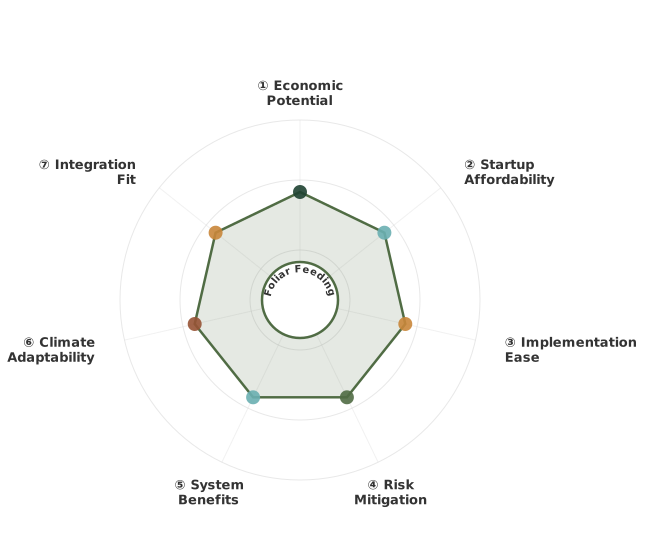
How These Traits Are Calculated
Trait dimensions are ordered clockwise starting from the top of the chart (12 o'clock position):
1. Economic Potential
Financial returns, annual value, and break-even timeline
WHAT: Evaluates financial viability by combining net annual value ($/ha from savings, income, and amortized harvests) with break-even timeline showing when practices pay for themselves.
WHY: Farmers need clear ROI understanding before committing resources. Fast payback (≤3 years) with strong returns (≥$300/ha) enables confident adoption, while long timelines (>10 years) restrict adoption to well-funded operations willing to wait for returns.
HOW: Calculated from net annual value in $/ha and break-even years. Exceptional (≥2.6): fast ROI ≤3 years + high value ≥$300/ha. Typical (1.8-2.5): moderate returns or longer timelines. Limited (<1.8): marginal economics or very long payback >10 years.
2. Startup Affordability
Initial investment costs and financial barrier to entry
WHAT: Measures financial barrier to entry through startup costs for equipment, infrastructure, consulting, and materials. Inverted scoring: lower costs = higher scores = more accessible adoption.
WHY: Affordability determines who can adopt. Low-cost practices (<$250/ha) enable widespread adoption across diverse scales, while high costs (>$2,500/ha) limit adoption to well-capitalized operations, creating barriers that slow regenerative transition.
HOW: Calculated from initial investment parsed from practice content. Inverted scoring: Exceptional (≥2.6): minimal investment <$250/ha. Typical (1.8-2.5): moderate costs $250-2,500/ha. Limited (<1.8): high barrier >$2,500/ha.
3. Implementation Ease
Learning curve and specialized knowledge required
WHAT: Measures how much learning, planning, and specialized knowledge a practice requires. Simpler practices with fewer steps score higher, while complex practices requiring extensive training or specialized resources score lower.
WHY: Complex practices create adoption barriers even when economically viable. Straightforward practices enable faster adoption and broader participation, while those requiring extensive training, timing precision, or specialized equipment limit who can succeed.
HOW: Evaluated by measuring documentation length and identifying complexity markers like location-specific requirements, seasonal timing windows, specialized skills, and dedicated equipment needs. Exceptional (≥2.6): straightforward practices with minimal prerequisites. Typical (1.8-2.5): moderate learning curve with some specialized needs. Limited (<1.8): steep learning curve requiring significant training or resources.
4. Risk Mitigation
Identified financial and ecological risk assessment
WHAT: Evaluates documented risks across financial (investment loss, market volatility) and ecological (crop failure, pest outbreaks) domains. Inverted scoring: fewer risks = higher scores.
WHY: Understanding risk exposure helps farmers make informed decisions. Low-risk practices allow confident implementation, while high-risk practices require careful planning and contingency resources. Risk transparency prevents costly failures.
HOW: Calculated from identified risks in practice content. Inverted scoring: Exceptional (≥2.6): ≤2 risks with manageable severity. Typical (1.8-2.5): 3-5 moderate risks. Limited (<1.8): 6+ risks or severe exposure.
5. System Benefits
How many ways the practice improves your land simultaneously
WHAT: Measures how many aspects of land health improve at once—carbon storage, soil quality, erosion control, water absorption, and biodiversity. Practices that improve multiple areas simultaneously create compounding benefits where each improvement reinforces the others.
WHY: The best practices solve multiple problems at once. For example, addressing erosion simultaneously builds carbon and improves water infiltration, creating a resilient system with positive feedback loops. Single-benefit approaches miss these compound transformation opportunities.
HOW: Evaluated across five key outcomes: carbon sequestration, soil organic matter increase, erosion reduction, water infiltration improvement, and biodiversity enhancement. Exceptional (≥2.6): high carbon storage (>8 t/ha/yr), improvements across 4-5 areas, transformative outcomes. Typical (1.8-2.5): moderate carbon (3-8 t/ha/yr), improvements across 2-3 areas. Limited (<1.8): modest impact (<3 t/ha/yr), single-area focus only.
6. Climate Adaptability
Geographic applicability across Köppen climate zones
WHAT: Evaluates geographic applicability by assessing how many Köppen climate zones successfully support a practice and what adaptation requirements are needed. Measures breadth of climates where farmers can implement with minimal to moderate modifications.
WHY: Universal practices working across diverse climates enable more farmers to adopt regenerative approaches. Practices limited to single climate types (only Mediterranean, only tropical) restrict adoption and slow global transition. Adaptability determines whether a practice serves niche regions or offers broad transformation.
HOW: LLM evaluation of regional success stories, Köppen zone coverage, and adaptation needs. Exceptional (≥2.6): 5+ zones or 4+ climate types, 3+ continents, minimal adaptation. Typical (1.8-2.5): 3-4 zones or 2-3 types, 2 continents, moderate adaptation. Limited (<1.8): 1-2 zones, single region, significant adaptation or highly specialized.
7. Integration Fit
How well this practice combines with others you're doing
WHAT: Measures how well a practice combines with other regenerative practices you might be doing. Some practices work as building blocks that make many other practices easier or more effective, while others work best on their own.
WHY: Practices that combine well with many others create more value on your farm. For example, cover cropping enables no-till, improves grazing, supports crop diversity, and helps water management—making all of them work better together. This helps you build a coherent system rather than juggling disconnected practices.
HOW: Evaluated by identifying which practices combine well and how strong those combinations are. 'Ideally Suited' means strong combinations where practices reinforce each other (practice A makes B easier, while B makes A more effective). 'Adequate' means complementary benefits that work well together. Exceptional (≥2.6): combines well with 6+ practices, serves as a building block. Typical (1.8-2.5): combines with 3-5 practices. Limited (<1.8): 1-2 practices or works best alone.
Going Deeper
1
WHY - The Benefits
Foliar feeding, when applied judiciously within a regenerative framework, offers several strategic advantages. It acts as a diagnostic indicator and a rapid response tool, complementing foundational regenerative practices rather than replacing them. Its benefits span...
Foliar feeding, when applied judiciously within a regenerative framework, offers several strategic advantages. It acts as a diagnostic indicator and a rapid response tool, complementing foundational regenerative practices rather than replacing them. Its benefits span...
WHY - The Benefits
Foliar feeding, when applied judiciously within a regenerative framework, offers several strategic advantages. It acts as a diagnostic indicator and a rapid response tool, complementing foundational regenerative practices rather than replacing them. Its benefits span...
Foliar feeding, when applied judiciously within a regenerative framework, offers several strategic advantages. It acts as a diagnostic indicator and a rapid response tool, complementing foundational regenerative practices rather than replacing them. Its benefits span...
Soil Health Benefits
While foliar feeding primarily targets plant tissues, its application can indirectly benefit soil health when used as a strategy to maintain plant vitality. A healthier, more photosynthetically active plant contributes more photosynthates (sugars) to the soil microbiome through its roots. This increased carbon input fuels soil biological activity, supporting the development of complex microbial communities and the production of compounds that bind soil aggregates.
For example, on a farm in a Mediterranean climate transitioning to regenerative permanent pasture, a late-season drought might severely stress established perennial grasses. A timely foliar application of magnesium sulfate can help maintain photosynthesis, ensuring the roots continue to exude carbon. This sustained root activity helps keep the soil microbes fed, preventing a drastic die-off of beneficial organisms that could occur if the plants shut down completely from drought stress. This maintained biological activity indirectly supports the soil structure and organic matter accumulation that are core regenerative goals.
Furthermore, by helping plants overcome stress, foliar feeding can prevent crop failures or severe yield reductions that would otherwise lead to bare soil. Bare soil is a primary driver of erosion, organic matter loss, and biological dormancy. Keeping plants alive and growing, even with temporary support, ensures continuous soil coverage and root activity, thereby safeguarding soil health. This is especially relevant in regions with very short growing seasons or unpredictable weather patterns, where maintaining plant cover year-round is a key regenerative objective.
However, it is crucial to distinguish between beneficial indirect effects and direct soil health improvements. Foliar feeding itself doesn't directly build soil organic matter or improve soil structure. Its regenerative value lies in its ability to support the plant's role in these processes, particularly during critical transition phases or unforeseen stresses. The aim is to use foliar feeding to enable the plant to do its job of feeding soil biology and building soil structure, rather than using it as a direct substitute for a healthy soil environment.
In essence, foliar feeding's contribution to soil health is primarily through enabling the plant—the engine of soil regeneration—to function optimally, especially when facing limitations that are not immediately rectifiable through soil-based methods. Its strategic use can prevent setbacks in soil health that would otherwise occur due to plant stress or failure.
Economic Benefits
When used strategically, foliar feeding can offer a rapid economic return by preventing yield loss and improving crop quality. The investment in foliar sprays is often relatively low compared to the potential economic damage from nutrient deficiencies or stress events.
The most significant economic benefit is the prevention of yield reduction. Plants under nutrient stress, even short-term, can experience reduced flowering, poor grain fill, or decreased fruit size. A timely foliar application can often correct these issues within days, salvaging a portion or all of the potential yield. For high-value crops like fruits, vegetables, or specialty grains, even a small improvement in yield or quality can translate to substantial financial gains. For example, a deficiency in calcium during fruit development in tomatoes can lead to blossom end rot, a significant quality defect. A foliar calcium spray can prevent this, saving the harvest.
The cost of foliar feeding is typically between $50-200 per hectare ($20-80 per acre) for application, including product and labor. The potential yield increase or quality improvement can range from 5-20%, translating to $20-100 per hectare ($8-40 per acre) or more in increased revenue, depending on the crop and market prices. This can lead to a rapid payback within a single growing season.
Furthermore, foliar feeding can improve the efficiency of other inputs. For instance, if a plant is stressed due to a specific micronutrient deficiency that is inhibiting its ability to utilize soil-applied macro-nutrients, correcting the micro-nutrient deficiency with a foliar spray can unlock the plant's potential to benefit from existing soil fertility. This can lead to more efficient nutrient cycling within the plant and potentially reduce the need for broader, less targeted nutrient applications in the future.
Foliar feeding can also improve the efficacy of biopesticides or beneficial microbes. Some microbial inoculants or biopesticide formulations benefit from being applied alongside nutrient solutions that enhance their survival and activity on the leaf surface. This synergistic effect can lead to better pest or disease control outcomes, reducing the need for more costly or less sustainable interventions.
In transition phases, strategic foliar feeding can be an economic bridge. As a farmer reduces synthetic soil fertilizers, there might be a period of reduced plant vigor. Targeted foliar sprays can support crop performance during this transition, smoothing out yield fluctuations and maintaining profitability while soil biology rebuilds. This reduces the financial risk associated with transitioning to fully regenerative, soil-based nutrient management. The key is that this use is temporary, with a planned phase-out as soil health improves.
Regenerative Systems Fit
Foliar feeding's fit within regenerative agriculture is best understood as a context-dependent tool, rather than a foundational practice. Its regenerative value lies not in its direct impact on soil but in how it supports the plant's ability to regenerate its environment and resist external pressures.
Principle 1: Minimize Soil Disturbance: Foliar feeding has no direct impact on soil disturbance as it bypasses the soil entirely. Its regenerative benefit here is indirect: by keeping plants healthy and vigorous, it supports the living root systems that prevent erosion and compaction, thereby reducing the need for practices that might otherwise be considered to remediate soil structural issues.
Principle 2: Maximize Crop Diversity: Foliar feeding can support crop diversity by helping less hardy or more niche species thrive where they might otherwise struggle due to subtle nutrient imbalances. For example, in a complex perennial pasture mix, a specific legume might benefit from a foliar application of molybdenum to aid nitrogen fixation, ensuring its successful establishment and contribution to overall diversity. It can also support the successful growth of cover crops that might otherwise fail due to nutrient limitations, thereby enhancing the diversity of the rotation.
Principle 3: Keep Soil Covered: By enhancing plant vigor, foliar feeding helps ensure that the soil surface remains covered by living plants or their residue for a longer period. A plant suffering from a severe nutrient deficiency is more susceptible to environmental stresses that can lead to premature senescence or death, leaving the soil bare. Foliar feeding can prevent this, maintaining continuous cover and protecting the soil from erosion and moisture loss.
Principle 4: Maintain Living Roots: This is where foliar feeding offers the most direct regenerative support. Plants under nutrient stress reduce root growth and exudation, starving soil biology. By supplying nutrients directly to the leaves, foliar feeding can maintain or even boost photosynthetic activity, leading to increased carbon input into the soil through root exudates. This continuous root exudation fuels the soil food web, driving nutrient cycling, aggregate formation, and overall soil health improvement. Ensuring a plant has access to necessary nutrients, even temporarily via foliar application, allows it to continue its vital role of feeding soil life.
Principle 5: Integrate Livestock: Foliar feeding can indirectly support livestock integration. Healthier, more vigorous forage crops provide better nutrition for livestock, leading to improved animal performance. In transition phases, if a farmer is trying to establish improved pastures for grazing animals, foliar feeding might be used to enhance the growth of key forage species, ensuring sufficient feed availability for the integrated livestock. It can also be used to enhance the nutrient density of forages, improving the nutritional value for grazing animals.
Transition Use: For farms transitioning away from conventional synthetic agriculture, foliar feeding can serve as a useful transition practice. As synthetic soil fertilizers are reduced, there may be a period where soil biology cannot yet fully supply all plant needs. Judicious use of foliar sprays, especially of micronutrients, can prevent yield crashes and plant stress during this phase. The goal must be to phase out these applications over 3-5 years as soil health improvements—increased organic matter, improved microbial activity, better nutrient cycling—take over. Success is measured by the diminishing need for foliar intervention and the plant's ability to thrive solely on soil-derived nutrition.
Sources behind this view
Videos & Podcasts
-
Intensive foliar nutrition boosts plant sugar production, which feeds soil microbes, enhancing nutrient cycling and carbon building, thereby accelerating soil restoration and overall plant health.
-
Foliar applications boost plant photosynthesis by providing essential nutrients (N, Fe, Mn, Mg, P) for chlorophyll and leaf development. This corrects widespread deficiencies, enhances plant health, a
-
Addresses in-season pest/disease challenges with nutrition and microbiome foliar applications. Recommends plant sap analysis for precise nutrient management or direct foliar application based on pest
-
Discusses the economic viability and effectiveness of foliar applications and liquid biological amendments in pastures, emphasizing low-cost on-farm brewing and significant yield responses from trace
Research
-
Foliar Fertilization of Crop Plants in Polish Agriculture (opens in new window)
This study found: Foliar fertilization quickly supplies micronutrients to crops like grains, rapeseed, and corn. It's an effective, economical, and environmentally safe practice, with a growing market and potential for
-
Exploring the link between soil health and crop productivity. (opens in new window)
This study found: Healthy soil is vital for productive crops. This review links soil health to crop growth, focusing on soil properties, microbial communities, and sustainable management like organic farming and conser
-
Foliar Nutrition of Fruit Crops (opens in new window)
This study found: This chapter reviews foliar nutrition for fruit crops, covering nutrient uptake, application methods, and effects on plant physiology and fruit quality, with practical recommendations.
From the Web
-
Use well-designed organic foliar applications to rapidly increase plant photosynthesis, measurable by Brix readings. This foundational regenerative practice boosts disease/insect resistance and soil h
2
WHERE - Regional Considerations
Foliar feeding's utility and application depend significantly on regional climate, soil types, and cropping systems. Its effectiveness is often magnified in environments where soil nutrient availability is inherently challenging or where plants face acute stresses such...
Foliar feeding's utility and application depend significantly on regional climate, soil types, and cropping systems. Its effectiveness is often magnified in environments where soil nutrient availability is inherently challenging or where plants face acute stresses such...
WHERE - Regional Considerations
Foliar feeding's utility and application depend significantly on regional climate, soil types, and cropping systems. Its effectiveness is often magnified in environments where soil nutrient availability is inherently challenging or where plants face acute stresses such...
Foliar feeding's utility and application depend significantly on regional climate, soil types, and cropping systems. Its effectiveness is often magnified in environments where soil nutrient availability is inherently challenging or where plants face acute stresses such...
Click Here to Look up your Region if you don't already know it
Tropical Regions
Representative Locations: Central America, Southeast Asia, East Africa, Northern Australia, Northern South America
Climate Context: High temperatures year-round, with distinct wet and dry seasons or consistent high rainfall. Köppen Af/Am/Aw.
In tropical regions, foliar feeding can be particularly useful for addressing micronutrient deficiencies exacerbated by high rainfall or specific soil conditions like high pH. For instance, in areas with lateritic soils, iron and zinc availability can be low. During the establishment of perennial crops like fruit trees or spice crops, foliar sprays of chelated iron and zinc can ensure healthy leaf development and early growth. In rice paddies prone to boron deficiencies, especially with fluctuating water levels, foliar boron application can improve grain set. The rapid growth cycles in many tropical crops also make foliar sprays for stress mitigation (e.g., heat or water stress) very effective for maintaining yield momentum.
Subtropical Regions
Representative Locations: Southeastern USA, Southern China, Southern Brazil, Eastern Australia
Climate Context: Hot, humid summers and mild winters with generally ample rainfall. USDA Zones 9-11, Köppen Cfa/Cwa.
Subtropical regions often experience heavy rainfall which can lead to nutrient leaching, particularly of calcium, magnesium, and potassium. This makes these nutrients common candidates for foliar application to ensure adequate uptake during critical growth stages, such as flower initiation or fruit development in crops like citrus or berries. High humidity can also promote certain diseases, where strengthening plant defenses through foliar nutrition can play a role in integrated pest management. For transition farming, supporting struggling perennial pastures during the hot, humid summer can prevent major die-offs, ensuring they can recover and contribute to soil health in cooler months.
Mediterranean Regions
Representative Locations: California, Mediterranean basin (Spain, Italy, Greece), central Chile, southwestern Australia
Climate Context: Hot, dry summers and mild, wet winters. Annual precipitation 40-90 cm (15-35 inches), highly seasonal. USDA Zones 8-10, Köppen Csa/Csb.
The dry, hot summers characteristic of Mediterranean climates can induce significant water and heat stress in crops. Foliar feeding can be instrumental in helping plants cope. For instance, applying potassium during heatwaves can improve plant water regulation. In regions with alkaline soils, micronutrient deficiencies like iron and manganese are common. Foliar applications of chelated forms can provide rapid correction, particularly for annual crops like vegetables or cereals that don't have the extensive root systems of established perennials. The high seasonality also means that timely foliar nutrient boosts can be crucial for successfully establishing a cash crop after a dry start to the wet season.
Humid Temperate Regions
Representative Locations: Northern Europe (UK, Germany, Poland), eastern China, Japan, New Zealand, parts of the northern United States
Climate Context: Warm to hot summers and cool to cold winters with moderate to high annual precipitation (75-150 cm or 30-60 inches) distributed relatively evenly. USDA Zones 6-8, Köppen Cfb/Cfa.
In humid temperate zones, foliar feeding is often used to manage specific micronutrient deficiencies that may arise in certain soil types, such as zinc in sandy soils or boron in soils with high organic matter. The relatively long growing seasons allow for multiple applications if needed. It can also be a key tool for supporting the establishment of diverse cover crop mixes, ensuring that all species thrive and contribute to soil building. For farmers transitioning away from synthetic fertilizers, targeted foliar nutrient applications can help maintain crop yields during the initial years of soil rebuilding, smoothing the economic transition.
Cold Continental Regions
Representative Locations: Northern USA and Canada, Northern Europe, Northern Asia
Climate Context: Very short growing seasons, extreme summer heat, severe winter cold. USDA Zones 3-5, Köppen Dfa/Dfb.
In cold continental climates, the short growing season makes every point of plant performance critical. Foliar feeding can maximize the efficiency of nutrient uptake and utilization during the brief window of active growth. Applications might focus on supporting early seedling vigor or boosting nutrient content for winter hardiness. For perennial crops, a fall foliar application can help plants store essential nutrients for winter survival and early spring growth, effectively extending the benefits of the short growing season. For farmers transitioning to regenerative systems, ensuring crop robustness can be vital, and foliar feeding can provide that assurance.
Arid/Semi-Arid Regions
Representative Locations: Western USA, North Africa, Central Asia, Interior Australia
Climate Context: Low annual precipitation (<40 cm or 15 inches), high temperatures, short and often unpredictable growing season. USDA Zones 7-9, Köppen BSh/BSk.
Arid and semi-arid regions present unique challenges for foliar feeding. Water itself is scarce, and the high evaporation rates mean applied nutrients can be quickly subjected to drying out. However, when used strategically, foliar feeding can be highly effective. It can provide a rapid nutrient boost that plants can utilize quickly before water stress becomes severe. For example, in drought-prone areas, a foliar application of potassium can improve plant water use efficiency and heat tolerance. Micronutrient deficiencies are also common due to alkaline soils and low organic matter. Foliar sprays are often preferred because soil applications can be tied up rapidly. The key is to apply when plants are actively growing and a brief period of moisture is available for absorption.
3
HOW - Implementation Process
HOW - Implementation Process
Before implementing foliar feeding, assess if it's truly necessary and aligned with regenerative goals:
- Diagnostic Basis: Ensure the application is based on evidence—soil tests (especially for micronutrients with limited soil mobility), plant tissue analysis, visual deficiency symptoms, or stress event alerts (e.g., predicted heatwave). Avoid blanket applications.
- Soil Health Status: Evaluate current soil health. If soil is severely degraded (highly compacted, low organic matter, poor biology), focus primary efforts on soil improvement. Foliar feeding is a supplement, not a substitute.
- Regenerative Intent: Define your goal. Is it to support a struggling soil transition, enhance a healthy ecosystem during stress, or mask underlying soil problems?
- Product Selection: Choose high-quality, biologically available products. Opt for chelated micronutrients or biologically derived nutrient solutions where possible. Avoid highly soluble, synthetic salts that can harm soil microbes if spilled.
- Application Timing: Have a plan for when to apply, considering plant growth stage, weather conditions, and potential for absorption.
Phase 1: Nutrient Diagnosis and Product Selection
Objective: Identify specific nutrient needs and select appropriate foliar products.
Process: 1. Soil and Tissue Testing: Conduct comprehensive soil tests to understand baseline fertility and micronutrient availability. Collect plant tissue samples at key growth stages (e.g., pre-bloom, post-flowering) for nutrient analysis. Compare results to established crop-specific sufficiency ranges for your region. 2. Visual Scouting: Regularly scout fields for visual deficiency symptoms (e.g., interveinal chlorosis for iron or magnesium, stunted growth for phosphorus, purplish leaves for phosphorus). 3. Stress Event Monitoring: Track weather forecasts for heatwaves, prolonged cold snaps, or drought. Monitor for insect or disease pressure that could indicate plant stress. 4. Product Research: Select products with good reputations for efficacy and low potential for phytotoxicity. Prioritize chelated micronutrients (EDTA, EDDHA), amino acid-based nutrient carriers, or microbial-derived biostimulants. - Examples of common foliar nutrients and their roles: Nitrogen (vegetative growth), Phosphorus (early growth, flowering), Potassium (water regulation, stress tolerance), Magnesium (chlorophyll production), Calcium (cell wall strength, fruit quality), Sulfur (protein synthesis), Boron (pollination, cell division), Copper (enzyme activation, photosynthesis), Iron (chlorophyll formation), Manganese (photosynthesis, enzyme activation), Zinc (enzyme activation, hormone production). 5. Compatibility Checks: If mixing multiple products (nutrients, biostimulants, biopesticides), perform a jar test to ensure compatibility and prevent precipitation or antagonism.
Phase 2: Application Timing and Method
Objective: Maximize nutrient uptake and minimize product waste and plant stress.
Process: 1. Timing of Day: Apply in early morning or late evening when stomata are open and temperatures are cooler. Avoid midday applications, especially in hot weather, as stomata may close, and high temperatures can cause leaf burn. 2. Weather Conditions: Apply when leaves are dry and there is no immediate rain forecast (at least 6-12 hours of drying time needed for absorption). Avoid application during high winds that can cause drift. For products sensitive to wash-off, ensure sufficient drying time. 3. Plant Growth Stage: Apply at critical growth stages where nutrient demand is high or deficiencies are most likely to manifest and impact yield/quality (e.g., before flowering for pollination nutrients, during rapid fruit/grain fill, during vegetative growth for nitrogen). 4. Equipment Calibration: Ensure spray equipment (e.g., boom sprayers, air blast sprayers, backpack sprayers) is well-calibrated for accurate and uniform application. Use nozzle types that create fine to medium droplets for good leaf coverage. 5. Water Quality: Use clean water. Extremely hard or alkaline water can sometimes reduce the efficacy of certain nutrients or cause precipitation. Adjust water pH if necessary, following product recommendations. 6. Adjuvants: Consider using a non-ionic surfactant (NIS) at recommended rates to improve leaf wetting and coverage, especially on waxy leaf surfaces like cereals or brassicas.
Phase 3: Post-Application Monitoring and System Integration
Objective: Evaluate efficacy, adjust future applications, and integrate with overall regenerative strategy.
Process: 1. Monitor Plant Response: Observe plants for signs of improvement within 2-7 days. Look for changes in leaf color, growth rate, and stress reduction. Document any effects. 2. Evaluate Economic Impact: Compare treated areas to adjacent untreated areas (if feasible). Assess changes in yield, quality, or stress resilience. Calculate the return on investment. 3. Adjust Future Applications: Based on monitoring, refine the rate, timing, product choice, and frequency of foliar applications for future seasons. Was the application necessary? Did it achieve the desired outcome? 4. Integrate with Soil Health Practices: Foliar feeding should always be seen as a supplement to, not a replacement for, soil health management. Reinforce soil-building practices like cover cropping, composting, reduced tillage, and grazing management. 5. Phase-Out Strategy (especially for Transition): If used during transition, set clear goals and timelines for phasing out synthetic foliar applications. Aim to increase soil organic matter, improve soil biology, and enhance natural nutrient cycling so the plant's needs are met by the soil ecosystem. Regular soil and tissue tests should show diminishing needs for external nutrient support over 3-5 years.
Sources behind this view
Videos & Podcasts
-
Outlines a regenerative cotton nutritional schedule using soil primer, biocoat gold seed treatment, and targeted foliar applications (accelerate, holocale, trace minerals) to promote reproductive domi
-
Foliar applications boost plant photosynthesis by supplying essential nutrients (N, Fe, Mn, Mg) for chlorophyll and leaf development. This improves plant health, corrects widespread deficiencies (espe
-
Addresses in-season pest/disease challenges with nutrition and microbiome foliar applications. Recommends plant sap analysis for precise nutrient management or direct foliar application based on pest
-
Intensive foliar nutrition boosts plant sugar production, which feeds soil microbes, enhancing nutrient cycling and carbon building, thereby accelerating soil restoration and overall plant health.
Research
-
Foliar Fertilization of Crop Plants in Polish Agriculture (opens in new window)
This study found: Foliar fertilization quickly supplies micronutrients to crops like grains, rapeseed, and corn. It's an effective, economical, and environmentally safe practice, with a growing market and potential for
-
Exploring the link between soil health and crop productivity. (opens in new window)
This study found: Healthy soil is vital for productive crops. This review links soil health to crop growth, focusing on soil properties, microbial communities, and sustainable management like organic farming and conser
-
Foliar Nutrition of Fruit Crops (opens in new window)
This study found: This chapter reviews foliar nutrition for fruit crops, covering nutrient uptake, application methods, and effects on plant physiology and fruit quality, with practical recommendations.
From the Web
-
Use well-designed organic foliar applications to rapidly increase plant photosynthesis, measurable by Brix readings. This foundational regenerative practice boosts disease/insect resistance and soil h
4
Know the Debate
Foliar feeding's effectiveness and appropriateness in regenerative systems vary significantly by climate, scale, and management goals. In humid tro...
Know the Debate
Foliar feeding's effectiveness and appropriateness in regenerative systems vary significantly by climate, scale, and management goals. In humid tro...
Foliar feeding's effectiveness and appropriateness in regenerative systems vary significantly by climate, scale, and management goals. In humid tropical and subtropical regions with heavy rainfall or high temperatures, it's crucial for mitigating stress and correcting deficiencies, especially for perennial crops. Arid and semi-arid zones also benefit from its rapid nutrient delivery under water scarcity, while temperate regions utilize it for bridging transition periods or supporting specific crop stages. The practice demands careful diagnosis and application, with costs ranging from $25-200/ha depending on scale and product choice, offering economic returns when focused on preventing yield loss and supporting plant health.
Can foliar feeding replace soil fertility?
Supplement for healthy systems
Academic and institute sources emphasize foliar feeding as a targeted supplement for crops in healthy soil, citing high efficiency for micronutrients and stress mitigation. It supports plant vitality without replacing the fundamental soil food web's role in nutrient cycling.
Sources behind this view
Sources behind this view
Research
-
Foliar Nutrition of Fruit Crops (opens in new window)
This study found: This chapter is a comprehensive review of how fruit crops can be fed through their leaves, known as foliar nutrition. It explains how plants absorb nutrients sprayed on their leaves, what factors affect this absorption, and how the plant uses these nutrients. The review also looks at how spraying nutrients can influence plant functions like photosynthesis and water use, and how it affects the fruit itself. It offers practical advice on how to apply these foliar sprays and discusses common products available to farmers.
-
Foliar Fertilization of Crop Plants in Polish Agriculture (opens in new window)
This study found: This review discusses how spraying nutrients directly onto plant leaves (foliar fertilization) can quickly address nutrient deficiencies in crops like grains, rapeseed, and corn. It highlights that different crops have unique needs for trace elements and vary in how sensitive they are to shortages. The paper examines the market for these leaf-applied fertilizers in Poland, noting their growing popularity. It also explores how fertilizers containing amino acids and silicon can improve crop nutrition and even increase the nutritional value of the food produced (biofortification). Foliar feeding is presented as an efficient, cost-effective, and environmentally friendly practice that is becoming a standard part of modern farming.
From the Web
-
Foliar feeding offers 8-20x more efficient nutrient uptake than soil application, bypassing root absorption issues. It complements soil fertility programs to boost crop growth, fruiting, and stress resilience.
-
Use well-designed organic foliar applications to rapidly increase plant photosynthesis, measurable by Brix readings. This foundational regenerative practice boosts disease/insect resistance and soil health, eventually reducing reliance on inputs. John Kempf of Advancing Eco Agriculture advocates this approach.
Critical transition tool & plant medicine
Field practitioners view foliar feeding as a vital, fast-acting tool, akin to 'plant medicine,' essential for correcting deficiencies and stress during farm transitions and in existing systems. They highlight its role in rapid improvement and supporting soil regeneration.
Sources behind this view
Sources behind this view
Videos & Podcasts
-
Foliar sprays can address micronutrient deficiencies and plant stress but require careful application due to food safety risks and potential leaf burn. They offer temporary solutions and do not fix soil issues; prioritize soil health and consult an agronomist.

-
Foliar sprays complement soil management by bypassing soil lock-ups, reducing leaching, and improving nutrient use efficiency. Effective application requires careful formulation, atomization, droplet retention, absorption, and plant utilization, with many factors influencing success.

-
Seven reasons for foliar spraying include rapid deficiency correction, stress relief (using seaweed/kelp), bypassing soil lock-ups (e.g., zinc), boosting yield with growth promoters, and building nutrient density. Calcium uptake is highlighted as a key benefit due to its poor mobility.
-
Foliar applications boost plant photosynthesis by providing essential nutrients (N, Fe, Mn, Mg, P) for chlorophyll and leaf development. This corrects widespread deficiencies, enhances plant health, and drives soil organic matter building, serving as a key tool in regenerative agriculture.
Making Sense of the Differences
The core debate is whether foliar feeding is a sophisticated supplement for already healthy soil systems or a critical tool for overcoming nutrient gaps, especially during farm transitions. Academic and institute sources emphasize its role as a supplement to robust soil fertility, highlighting micronutrient efficiency. Field practitioners advocate for its broader use, including vital support during transition and stress periods, viewing it as 'plant medicine.' The key differentiator seems to be the underlying soil health: in mature regenerative systems, it's a fine-tuning tool; in transition or stressed fields, it's a crucial support mechanism.
Can foliar feeding for macronutrients rival soil application?
For micronutrients and stress
Academic sources primarily discuss foliar feeding for micronutrients (Fe, Mn, Zn, B), highlighting its efficiency for these elements critical during specific growth stages. Macronutrient use is implied as less efficient and often secondary to soil fertility.
Sources behind this view
Sources behind this view
Research
-
Foliar Nutrition of Fruit Crops (opens in new window)
This study found: This chapter is a comprehensive review of how fruit crops can be fed through their leaves, known as foliar nutrition. It explains how plants absorb nutrients sprayed on their leaves, what factors affect this absorption, and how the plant uses these nutrients. The review also looks at how spraying nutrients can influence plant functions like photosynthesis and water use, and how it affects the fruit itself. It offers practical advice on how to apply these foliar sprays and discusses common products available to farmers.
-
Revolutionizing Crop Nutrition: Exploring Nano Fertilizers in Agriculture (opens in new window)
This study found: Nano fertilizers are a new type of fertilizer where nutrients are wrapped in tiny particles. This 'nano-coating' allows them to release nutrients slowly into the soil, much like a slow-release pill for plants. This is better than regular fertilizers because it prevents nutrients from washing away into water sources, reducing pollution. Applying them as a spray can also help plants absorb nutrients more effectively and can lower costs for farmers by reducing the need for large amounts of traditional fertilizers. While these fertilizers are very effective and can boost crop yields, it's important to use the right amount. Too much can actually harm plants (phytotoxicity). Despite this challenge, nano fertilizers show great promise for growing more food while protecting the environment.
Effective for macronutrients and overall plant health
Field practitioners and some institute guides advocate for using foliar sprays to deliver macronutrients (N, P, K) and calcium rapidly, especially during stress or transition periods. They claim significant yield boosts and improved plant vigor bypassing soil issues.
Sources behind this view
Sources behind this view
Videos & Podcasts
-
Foliar fertilizing is 10-15x more efficient than soil applications, especially for trace minerals and potassium in dry conditions. It rapidly corrects deficiencies, boosts plant health, and benefits soil life by increasing sugar production to roots.
-
Explains the roles of essential minerals in plant health, photosynthesis, and defense. Details how foliar sprays rapidly deliver nutrients, prime plants to stimulate soil biology via root exudates, and improve nutrient use efficiency. Pros and cons of foliar sprays are discussed, emphasizing their role in complementing soil health strategies for overall plant and soil well-being.
From the Web
-
Dr. Harold Willis provides detailed foliar spray recipes for soybeans using fish emulsion, seaweed, and various minerals to supplement nutrients during critical growth stages, improve yield, and overcome soil fertility issues. Optimal application times and testing methods are also described.
-
Provides detailed foliar spray recipes for soybeans by Dr. Harold Willis, including mixes for young plants (ammonia, phosphoric acid, iron, phosphate, potassium), older plants with blossom drop (adding manganese, oil), and an all-purpose fish/seaweed blend. Emphasizes timing, sprayer cleanliness, and testing with a refractometer.
Making Sense of the Differences
The debate on foliar feeding's scope centers on macronutrients versus micronutrients. Academic discussions tend to focus on micronutrients, where absorption and critical roles are well-established. In contrast, field practitioners often advocate for foliar macronutrient applications, particularly to overcome soil limitations during crop transitions or stress. This difference likely reflects the varying contexts: academic research may assume functional soil biology, while field experience often deals with impaired systems needing rapid intervention. While foliar macronutrient use may be less efficient than soil-based delivery, it can provide essential support when soil conditions are suboptimal, but the goal should be to reduce this reliance over time.
5
HOW MUCH - Costs & Investment
Note: Costs shown in USD; multiply by local labor and material cost indices for your region. Labor costs vary significantly internationally.
Note: Costs shown in USD; multiply by local labor and material cost indices for your region. Labor costs vary significantly internationally.
HOW MUCH - Costs & Investment
Note: Costs shown in USD; multiply by local labor and material cost indices for your region. Labor costs vary significantly internationally.
Note: Costs shown in USD; multiply by local labor and material cost indices for your region. Labor costs vary significantly internationally.
Note: All costs are based on recent US economic data (2024–2026) and may vary substantially by region based on local labor rates, material costs, and regulatory requirements.
Nutrient Product Procurement
The cost of liquid nutrient solutions varies based on the sophistication of the blend. Small operations (under 50 acres (20 ha)) typically spend $13 to $37 per acre ($32–$91/ha), driven by the purchase of shelf-ready, smaller container sizes (1 to 5 gallons (19 L)) from retail outlets. Mid-size operations (50 to 500 acres (20–202 ha)) see costs decline to $9 to $26 per acre ($22–$64/ha) as procurement shifts to pallet-quantity purchases and local cooperative bulk discounts. Large operations (500+ acres) leverage economies of scale, spending $6 to $20 per acre ($15–$49/ha) by negotiating direct-to-manufacturer pricing or utilizing highly concentrated liquid blends that require on-farm tank mixing to minimize freight and container costs.
Application Labor & Equipment
Application costs are heavily influenced by the equipment used, the frequency of "passes" over the field, and the hourly labor rate of the operator. Small operations spend $9 to $47 per acre ($22–$116/ha), frequently relying on backpack sprayers or small, manual-fill towed units where labor hours per acre are highest. Mid-size operations typically spend $8 to $26 per acre ($20–$64/ha) using tractor-mounted boom sprayers, where the increased efficiency of automated booms and solo operation reduces the per-acre labor burden. Large operations maintain an investment of $6 to $16 per acre ($15–$40/ha), utilizing specialized high-clearance self-propelled sprayers or hired aerial application services. These systems maximize coverage velocity and efficiency through GPS-guided, variable-rate controllers, though they require high initial capital depreciation and maintenance reserves.
Diagnostic & Testing Protocols
Regenerative practitioners avoid a "shotgun" approach by relying on soil and tissue diagnostic testing. Regardless of scale, individual lab analysis currently costs $21 to $52 per sample. While the lab fee is uniform, the effective cost per acre fluctuates based on sampling density. Large operations spread this fixed analytical cost over hundreds of acres, spending less than $2 per acre ($4.9/ha) total. In contrast, small operations may spend $6 to $11 per acre ($15–$27/ha) to ensure sufficient diagnostic precision for small, diverse blocks. Best practice involves budgeting 5% of the total annual application cost specifically for tissue testing to ensure nutrient interventions are biologically necessary rather than speculative.
Most Spend: The majority of agricultural operations (the middle 60% of the market) fall within a total investment range of $26 to $68 per acre ($64–$168/ha) per application. This segment typically utilizes mid-market nutrient blends, standard tractor-mounted equipment, and periodic tissue testing to optimize product placement.
Why the Range?: Costs vary primarily due to equipment ownership models—producers utilizing custom application services encounter higher fixed service fees compared to those using owned, depreciated equipment. Additionally, the complexity of the "recipe," ranging from simple calcium foliar sprays to complex biological inoculants and microbial stimulants, can shift total per-acre investment by 30% to 50% within the same operation size category.
Sources behind this view
Videos & Podcasts
-
Recommends reducing nitrogen use through foliar application (4-7x more efficient), precise timing matched to crop growth stages, and using amino acid forms. The speaker's protocol achieves high effici
-
Transitioned to whole-farm reduced nitrogen and increased foliar applications, costing $60/acre extra but saving $100/acre on nitrogen, with added benefits of insect/disease suppression and addressing

-
Achieved $410/acre corn production cost (excluding rent) with significantly increased yields (275-285 bu/acre average) by reducing nitrogen, fungicides, insecticides, and fall dry fertilizer, and expl

6
REWARDS AND RISKS - Economics & Risk Factors
REWARDS AND RISKS - Economics & Risk Factors
Economic Scenarios In a best-case scenario, a producer identifies a micronutrient deficiency via tissue testing in a 200-acre (81 ha) soybean crop. Applying a $26 per acre ($64/ha) nutrient blend at the V5 growth stage leads to a yield increase of approximately 4 bushels per acre (~269 kg/ha). At a market price of $12.50 per bushel, the gross revenue gain is $50 per acre ($124/ha). After subtracting the $26 application cost, the net gain is $24 per acre ($59/ha), representing a 92% return on investment (ROI). Conversely, a typical vegetable farmer applying a $42 per acre ($104/ha) kelp-based stress-mitigation spray to 10 acres (4.0 ha) of high-value crops can prevent a conservative 5% quality loss. With a crop value of $2,000 per acre ($4,942/ha), the avoided loss is $100. After the $42 investment, the net benefit is $58 per acre ($143/ha). In a worst-case scenario, applying a $63 per acre ($156/ha) high-salt potassium mix during midday heat can cause leaf scorch. An 8% yield loss on a high-value crop can result in a loss of $156 per acre ($385/ha), creating a total negative financial impact of $219 per acre ($541/ha), illustrating the critical necessity of proper application timing.
Market Factors and Risk Mitigation Profitability for foliar feeding is highly correlated with crop commodity pricing; in high-price years, the value of recovered yield can amplify ROI by 15% to 25%. Producers mitigate risk by adopting a "Diagnostic First" strategy, where the $21 to $52 cost of sampling safeguards against the $63 per acre ($156/ha) risk of applying ineffective inputs. Accessing organic-certified markets provides a further buffer, where premium pricing allows for higher input thresholds while maintaining healthy profit margins.
Transition Period Risks For growers transitioning from synthetic soil inputs, foliar feeding often acts as a bridge to maintain yields while soil biology regenerates. However, the risk of "biological masking" is significant; if a grower relies on exogenous sprays costing $150 to $210 per acre ($371–$519/ha) to force yield through physiological stress, they delay the development of innate soil microbial function. Successful transitions require a 15% to 25% reduction in foliar input reliance every two years. Failure to achieve this reduction suggests that the foliar feeding is replacing, rather than supplementing, the natural ecosystem, trapping the farmer in a cycle of diminishing financial returns and soil dependency.
Sources behind this view
Videos & Podcasts
-
Addresses in-season pest/disease challenges with nutrition and microbiome foliar applications. Recommends plant sap analysis for precise nutrient management or direct foliar application based on pest
-
Seven reasons for foliar spraying include rapid deficiency correction, stress relief (using seaweed/kelp), bypassing soil lock-ups (e.g., zinc), boosting yield with growth promoters, and building nutr
-
Effective soil management involves remediating pesticide residues with microbial inoculants, rethinking phosphorus applications (avoiding soluble forms at planting), prioritizing ammonium/amino acid n

-
Intercropping, microbial teas, and biostimulants enhance drought tolerance by improving soil moisture, microbial activity, and plant physiology. Sap testing guides nutrient applications, prioritizing
Research
-
Foliar Fertilization of Crop Plants in Polish Agriculture (opens in new window)
This study found: Foliar fertilization quickly supplies micronutrients to crops like grains, rapeseed, and corn. It's an effective, economical, and environmentally safe practice, with a growing market and potential for
-
Soil test-based nutrient balancing improved crop productivity and rural livelihoods: Case study from rainfed semi-arid tropics in Andhra Pradesh, India (opens in new window)
This study found: Soil tests revealed widespread sulfur, boron, and zinc deficiencies in Indian semi-arid tropics. Adding these micronutrients alongside standard fertilizers boosted crop yields by 8-102% and improved f
-
Smart Farming Tool for Monitoring Nutrients in Soil and Plants for Precise Fertilization (opens in new window)
This study found: Precision farming, using soil and plant monitoring, optimizes nutrient application for crop-specific needs, leading to higher yields, lower costs, and reduced environmental impact.
-
Sustainable crop production through biostimulants, biofertilizers and organic amendments: A mini review (opens in new window)
This study found: Review of biostimulants, biofertilizers, and organic amendments shows they reduce chemical use, improve soil health, and boost crop resilience to stress, with a call for standardization and farmer tra
From the Web
-
Jim Pingrey advocates for strategic foliar sprays to boost plant resilience and soil health in regenerative systems. He provides specific nutrient mixes for reproductive and vegetative growth, disease
7
WHO - Labor & Expertise
Foliar feeding requires a moderate level of expertise, primarily concerning plant physiology, diagnosis, and application technology. The labor involved can range from minimal for small-scale operations to significant for large commercial farms. Skill Requirements:
Foliar feeding requires a moderate level of expertise, primarily concerning plant physiology, diagnosis, and application technology. The labor involved can range from minimal for small-scale operations to significant for large commercial farms. Skill Requirements:
WHO - Labor & Expertise
Foliar feeding requires a moderate level of expertise, primarily concerning plant physiology, diagnosis, and application technology. The labor involved can range from minimal for small-scale operations to significant for large commercial farms. Skill Requirements:
Foliar feeding requires a moderate level of expertise, primarily concerning plant physiology, diagnosis, and application technology. The labor involved can range from minimal for small-scale operations to significant for large commercial farms. Skill Requirements:
Skill Requirements:
- Diagnostic Skills: Understanding plant nutrient deficiency symptoms, interpreting soil and tissue test reports, recognizing stress factors (environmental, pest, disease). This requires knowledge of plant physiology and pathology.
- Product Knowledge: Familiarity with different nutrient forms (chelated, salts, organic), their bioavailability, compatibility, and potential for phytotoxicity.
- Application Expertise: Understanding sprayer calibration, droplet formation, optimal leaf coverage, and factors influencing spray drift and absorption (weather, leaf surface characteristics).
- Knowledge of Regenerative Principles: Crucial for determining when foliar feeding is appropriate within a regenerative system—as a temporary support or a diagnostic tool within a larger soil-building strategy.
Farm Scale & Labor:
- Small-scale/Hobby Farms: Often performed manually. Labor is high per unit area but the total time commitment is low. Operations can use backpack sprayers or small tractor-mounted units. Expertise can be developed through workshops, online resources, and trial-and-error.
- Mid-scale Farms: Typically utilize tractor-drawn boom sprayers or air-blast sprayers. Application requires dedicated labor for mixing, loading, and operating the sprayer. Calibration and maintenance of equipment become more critical. Expertise is often developed through agricultural extension services, consultants, or peer networks.
- Large Commercial Farms: Employ specialized application equipment (e.g., high-clearance self-propelled sprayers, aerial application for large acreages). Labor is specialized commercial operators. Precision application technology (e.g., GPS guidance, variable rate application) can optimize efficiency and reduce waste. Expertise is often managed by farm managers or agronomists with dedicated roles.
International Labor Considerations:
- Labor Costs: In regions with lower labor costs (e.g., parts of Asia, Africa, Latin America), DIY application or hiring local labor for mixing and spraying might be very economical, making foliar feeding accessible even for smaller operations.
- Equipment Availability: Access to appropriate spray equipment can vary. In some developing regions, manual sprayers are common, while in others, advanced equipment might be imported. Sourcing quality nutrient products can also be a challenge.
- Access to Expertise: Agricultural extension services, universities, and local farming cooperatives play a vital role in knowledge transfer. In regions with well-developed agricultural support systems (e.g., Europe, North America, Australia), farmers have more resources for training and consultation.
Expert Consultation: For complex situations or when transitioning to regenerative practices, consulting with a regenerative agriculture advisor, soil scientist, or experienced agronomist is highly recommended. They can help diagnose issues accurately, select appropriate products, and integrate foliar feeding into a broader soil health plan.
8
EQUIPMENT - Tools & Infrastructure
The equipment required for foliar feeding varies significantly based on farm scale, crop type, and the budget available. The core needs revolve around mixing nutrients and applying them uniformly to plant foliage.
The equipment required for foliar feeding varies significantly based on farm scale, crop type, and the budget available. The core needs revolve around mixing nutrients and applying them uniformly to plant foliage.
EQUIPMENT - Tools & Infrastructure
The equipment required for foliar feeding varies significantly based on farm scale, crop type, and the budget available. The core needs revolve around mixing nutrients and applying them uniformly to plant foliage.
The equipment required for foliar feeding varies significantly based on farm scale, crop type, and the budget available. The core needs revolve around mixing nutrients and applying them uniformly to plant foliage.
Mixing and Holding Tanks
- Small Scale: Simple portable tanks, five-gallon buckets, or dedicated mixing tanks (100-500 liters / 25-125 gallons). Often integrated with existing water storage.
- Mid to Large Scale: Larger, static tanks (1,000-20,000+ liters / 250-5,000+ gallons) made of compatible materials (usually specific plastics like HDPE or stainless steel). May include agitation systems (mechanical or air) to ensure uniform mixtures. Need safe containment areas to manage spills.
- International Context: In regions with limited access to specialized tanks, robust, food-grade plastic drums can be adapted. Compatibility with local water sources (e.g., hard water) is important.
Application Equipment
- Backpack Sprayers: Manual or battery-powered sprayers (15-20 liter / 4-5 gallon capacity). Ideal for small gardens, high-value crops in small areas, or spot treatments. Cost-effective and widely available globally.
- Handheld/Wand Sprayers: For small-scale applications where greater range or volume is needed than backpack sprayers.
- Tractor-Mounted Sprayers:
- Boom Sprayers: (100-3,000+ liter tanks / 25-800+ gallon tanks) with booms spanning 6-18 meters (20-60 feet). Suitable for field crops, pastures, orchards (with appropriate nozzle setup). Need PTO for pump power. Common globally.
- Air Blast (Orchard/Vineyard) Sprayers: Use a fan to create air movement that carries spray droplets into tree canopies or dense vine structures. Essential for dense perennial crops.
- Self-Propelled Sprayers: High-clearance units for large-scale field crops (e.g., corn, soybeans) that can operate over taller crops. Offer high precision and speed. More prevalent in large-scale agricultural regions.
- Aerial Application: Fixed-wing aircraft or helicopters for very large acreages or difficult terrain. Requires specialized pilots and aircraft, often sourced from custom application services.
- Drones: Increasingly used for targeted applications on smaller fields or in precise remediation zones. Offer high accuracy but limited payload and range per flight.
Essential Accessories
- Calibrated Measuring Tools: Graduated cylinders, scales, flow meters for accurate measurement of products and water. Crucial for consistent application rates.
- Water Source & Pump: Reliable source of clean water. Pump for filling tanks and maintaining pressure during application.
- Safety Equipment: Personal Protective Equipment (PPE) including gloves, eye protection, respiratory protection, and protective clothing.
- Nozzles: Various nozzle types (e.g., flat fan, cone) affect droplet size and spray pattern, influencing coverage and drift. Select based on product and target.
- Agitation System: To keep nutrients suspended in the tank, especially for suspensions or complex blends.
Infrastructure
- Storage: Safe, secure, and compliant storage for nutrient products. Storage areas should be well-ventilated, protected from extreme temperatures, and have spill containment measures. This is especially important for specific regulatory requirements or sensitive product formulations.
- Water Access: Easy access to clean water for mixing and equipment cleaning.
- Wash Pad/Containment: An area engineered to capture rinse water from equipment cleaning, preventing environmental contamination. This is a critical infrastructure component for responsible pesticide and fertilizer management.
International Considerations:
- Availability and Cost: Equipment availability and cost vary widely. Manual sprayers are universally accessible. Mechanized equipment may require importation or licensing.
- Maintenance and Parts: Ensuring availability of spare parts and qualified technicians for maintenance is crucial for long-term operation, especially in remote areas.
- Power Sources: Reliance on PTO (Power Take-Off from tractor) is common, but in areas with unreliable electricity or fuel access, solar-powered pumps or battery-powered sprayers are advantageous.
9
COMPATIBLE PRACTICES - Integration Opportunities
Foliar feeding is best integrated into a broader regenerative system where it supports, rather than dictates, management decisions. Its compatibility with foundational regenerative practices amplifies its benefits and minimizes its potential drawbacks.
Foliar feeding is best integrated into a broader regenerative system where it supports, rather than dictates, management decisions. Its compatibility with foundational regenerative practices amplifies its benefits and minimizes its potential drawbacks.
COMPATIBLE PRACTICES - Integration Opportunities
Foliar feeding is best integrated into a broader regenerative system where it supports, rather than dictates, management decisions. Its compatibility with foundational regenerative practices amplifies its benefits and minimizes its potential drawbacks.
Foliar feeding is best integrated into a broader regenerative system where it supports, rather than dictates, management decisions. Its compatibility with foundational regenerative practices amplifies its benefits and minimizes its potential drawbacks.
Cover Cropping
- Synergy: Covers maintain living roots year-round (Principle 4), suppress weeds (Principle 3), and build soil organic matter (Principle 1, 2). Foliar feeding can support the establishment and vigorous growth of diverse cover crop mixes, ensuring all species thrive and contribute to soil health. For instance, a hard-to-establish legume in a cover crop mix might benefit from a targeted foliar nutrient boost, ensuring its successful nitrogen fixation.
- Benefit: Ensures soil remains covered, maximizes root activity, enhances biodiversity, and speeds up nutrient cycling from cover crop decomposition.
Reduced Tillage / No-Till
- Synergy: These practices minimize soil disturbance (Principle 1) and maintain soil structure. Healthier, non-stressed plants in no-till systems contribute more carbon to the soil. Foliar feeding can support plant health when soil structure is still recovering or during temporary stresses that might otherwise compromise plant vigor in a no-till environment.
- Benefit: Maintains soil structure, preserves organic matter, supports microbial communities, and reduces energy inputs.
Composting / Organic Amendments
- Synergy: Applied organic matter feeds soil biology, improving natural nutrient availability. Foliar feeding can supplement nutrients during the time it takes for soil biology to fully unlock these from compost. It can also address specific micronutrient needs not always met by compost alone.
- Benefit: Accelerates soil organic matter increase, enhances beneficial microbial populations, improves water holding capacity, and cycles nutrients more effectively over time.
Rotational Grazing / Adaptive Multi-Paddock Grazing
- Synergy: Livestock integrate nutrients via manure, stimulate plant growth, and improve soil structure through trampling (Principle 5). Healthy forages provide better nutrition. Foliar feeding can enhance forage quality and quantity, particularly during stressful periods, ensuring livestock receive optimal nutrition and their grazing impact is more beneficial.
- Benefit: Improves pasture health and productivity, enhances manure fertility distribution, promotes soil biological activity, and improves livestock performance.
Integrated Pest Management (IPM) / Biological Control
- Synergy: Healthy plants are more resistant to pests and diseases. Foliar feeding can boost plant resilience, reducing reliance on chemical controls. Some foliar products can even enhance the efficacy of biological control agents or biopesticides.
- Benefit: Reduces reliance on synthetic pesticides, promotes natural pest suppression, and supports a balanced farm ecosystem.
Transitioning from Synthetic Inputs (Transition Practice - Highly Synergistic):
Using foliar feeding in conjunction with these practices ensures that it serves the broader goal of building a resilient, self-sustaining agricultural ecosystem, rather than becoming a dependency.
Sources behind this view
Videos & Podcasts
-
Regenerative farming requires a steadfast management style, focusing on synergies and avoiding antagonisms like glyphosate. Predictive management, understanding soil biology's role in nutrient cycling
-
Regenerative agriculture increases diversity and reduces disturbance through practices like no-till, cover crops, and integrated animals. This fosters biodiversity, which replaces costly agrochemicals

-
Regenerative agriculture (no-till, cover crops, diverse rotations, integrated livestock) increases profitability, reduces pest issues, restores soil health (earthworms, fungi), and produces more nutri

-
Presents regenerative organic principles: diversity, soil health, and minimizing disturbance. Advocates for combining organic and regenerative approaches. Details a 9-year crop rotation in Montana foc
Research
-
Regenerative Agriculture: Restoring Ecosystems¢ Resilience and Productivity: A Review (opens in new window)
This study found: Regenerative agriculture builds soil health and ecosystem services through practices like no-till, cover crops, and diverse rotations. It increases soil organic matter, improves water infiltration, bo
-
Building Soil Health and Fertility through Organic Amendments and Practices: A Review (opens in new window)
This study found: Review of organic amendments (manures, compost, cover crops) and regenerative practices (no-till, crop diversity, agroecology) shows they restore soil health by increasing organic matter and beneficia
-
Synergizing Agroforestry and Permaculture for Sustainable Organic Farming (opens in new window)
This study found: Agroforestry and permaculture enhance organic farming by integrating trees, crops, and livestock, improving soil health, biodiversity, and resilience. Challenges include funding, knowledge, and policy
-
Building Soil Health and Fertility through Organic Amendments and Practices: A Review (opens in new window)
This study found: Using organic amendments (manures, composts, cover crops) and regenerative practices (no-till, crop diversity) restores soil health by increasing organic matter and beneficial microbes, leading to mor