
Forest Farming
Forest farming is the practice of cultivating high-value, non-timber forest products—like medicinal herbs, gourmet mushrooms, decorative botanicals, or specialty fruits—within existing forest stands rather than in open fields. It leverages the managed forest canopy for shade and microclimate benefits, focusing management on understory crop production rather than timber or livestock grazing. This practice works within established forests, not by creating new multi-layered systems from scratch.
Read More: Complete Description
Forest farming is a specialized form of agroforestry where valuable crops are grown under the shade and protective canopy of existing trees. Unlike timber forestry, the primary management focus shifts from the trees themselves to the understory products, such as medicinal herbs (e.g., golden seal, black cohosh), gourmet and medicinal mushrooms (e.g., shiitake, reishi), edible forest botanicals (e.g., ramps, berries), and decorative greens or flowers. The existing forest ecosystem provides a unique microclimate, offering shade, regulating temperature and moisture, and protecting sensitive understory plants from harsh weather.
This practice is distinct from silvopasture and food forests. Silvopasture involves integrating livestock grazing with trees, where the animals' impact and management are central to the system. In forest farming, livestock are typically absent or used only in very limited roles (e.g., initial site clearing if necessary, followed by exclusion). Food forests, or emergent forest gardens, are typically established from scratch on open land, building complex, multi-layered ecosystems with a wide variety of food-producing plants and trees. Forest farming, conversely, works within an existing forest structure, adapting the natural conditions to suit specific crop needs.
From a regenerative agriculture perspective, forest farming embodies several key principles when implemented thoughtfully. It inherently maximizes crop diversity (Principle 2) by layering understory crops with existing forest species, creating a complex above- and below-ground ecosystem. The perennial nature of the forest and the understory crops means soil is kept covered (Principle 3) year-round and living roots are maintained (Principle 4) for the longest possible duration, contributing to soil biological activity and structure. By minimizing the need for open field cultivation and reducing disturbance, it supports the principle of minimizing soil disturbance (Principle 1). While direct livestock integration isn't a central tenet, the forest ecosystem itself hosts a vast array of beneficial insects, fungi, and microbes that contribute to overall system health and nutrient cycling.
The economic proposition of forest farming is built on high-value niche markets. Crops like American ginseng, certain medicinal herbs, and gourmet mushrooms can command premium prices, justifying the labor-intensive management required under forest conditions and the longer growth cycles for some products. This provides farmers and landowners with diversified income streams that can complement traditional land uses or utilize otherwise marginal forest land. Success hinges on understanding specific market demands, mastering cultivation techniques for shade-tolerant species, and diligently managing the forest canopy to optimize light penetration for the understory crops without damaging the overall forest health.
Forest farming is not about clear-cutting and replanting; it's about working with and enhancing an existing forest ecosystem. Management might involve selective thinning of overstory trees to increase dappled sunlight for specific crops, managing competing vegetation in the understory, planting desired species, and protecting them from browsing animals. The goal is not to maximize timber yield but to create an optimal microenvironment for the chosen non-timber forest products. This requires a deep understanding of both forestry and horticultural principles, as well as market dynamics for specialty crops.
International examples of forest farming abound. In East Asia, the cultivation of shiitake mushrooms on logs and the farming of ginseng and valuable medicinal herbs under deciduous forests are ancient traditions that continue today. In Europe, forest foraging for berries, mushrooms, and herbs has long been part of rural economies, with some areas developing more formalized forest farming enterprises. North America has a growing interest in forest farming for ginseng, ramps, coneflowers, and specialty mushrooms, particularly in regions with suitable deciduous forest ecosystems. Globally, the practice offers opportunities to add economic value to forested land while maintaining or enhancing ecological functions.
Successful forest farming requires patience and careful planning. Establishing valuable crops like ginseng or certain medicinal herbs can take 5-10 years or more from planting to harvest. During this period, the forest canopy must be managed to provide the right balance of shade and light. Techniques like "timber stand improvement" and careful selective logging can be integrated to benefit both the forest health and the understory crops. The emphasis must always be on long-term ecological sustainability, ensuring that the forest remains healthy and productive for generations, supporting not only the farmable crops but also native biodiversity and ecosystem services.
Sources behind this view
Sources behind this view
 Videos & Podcasts
-
Case studies showcase agroforestry: Iowa farm with nursery crops/nuts/fruits; Vermont goat dairy using tree hay; shiitake mushroom cultivation; New York farm integrating livestock with hedgerows/fruit
-
Agroforestry expert Martin Crawford explains forest gardens as sustainable, perennial-based systems mimicking natural ecosystems, designed to maximize plant interactions, enhance biodiversity, and ada
-
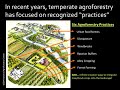
Forest farming integrates high-value specialty crops like mushrooms and ginseng into existing forests, utilizing shade for production and adding marketable products.
 Community
-
Scaling food forests for CPGs requires multi-climate farms and regenerative animal integration. Yields are high and improve soil; key challenge is human organization. Strategies include row planting,
Read more (opens in new window) permies.com -
Forest farming cultivates high-value specialty crops under forest canopies, utilizing multiple layers with species like American Ginseng, Shiitake mushrooms, and Unicorn Root. It emphasizes starting s
Read more (opens in new window) smallfarms.cornell.edu -
Forest farming, or food forests, integrates multiple vegetation layers (overstory, midstory, understory) for food, herbs, or mushrooms on agricultural lands. It uses practices like site preparation an
Read more (pp. 1-2) (opens PDF, pp. 1-2) efotg.sc.egov.usda.gov -
The book 'Farming the Woods' by Mudge and Gabriel (Cornell University) provides comprehensive guidance on cultivating and marketing non-timber forest crops like ginseng, shiitake mushrooms, ramps, and
Read more (opens in new window) smallfarms.cornell.edu
 Research
-
Development in forest farming (opens in new window)
This study found: Forest farming, growing products under trees, is rising in popularity due to demand for sustainable goods and to protect wild plants. Success depends on scale, site, species, and management. Collabora
-
Agroforestry: The North American Perspective (opens in new window)
This study found: Agroforestry integrates trees with crops/livestock, offering environmental benefits like climate adaptation and mitigation. Key North American practices include alley cropping, silvopasture, and ripar
-
Regenerative Food Forest: A Case Study of Vanya Organic Farm (opens in new window)
This study found: Vanya Organic Farm case study shows a food forest model using native plants and Vetiver Grass for carbon capture and waste-to-fuel/fertilizer production, suggesting a link between these farms and CBG
-
Agroforestry Practices and Their Impact on Soil Health and Fertility: A Review (opens in new window)
This study found: Agroforestry (trees with crops/livestock) significantly improves soil health, fertility, and carbon storage globally. Challenges include cost and knowledge gaps, but benefits like increased yields are
Key Points
What It Is
- Cultivating high-value crops under forest canopy
- Works within managed, existing forest stands
- Focus on non-timber forest products (NTFPs)
- Integrates forestry with specialty crop production
How This Differs
- Cultivates non-timber products under existing forest canopy
- Mushrooms, ginseng, medicinal herbs, botanicals
- Canopy managed for the understory crop
- Works within existing forest, not creating new canopy
Why Do It
- Diversifies farm income streams
- Adds value to existing forest land
- Supports biodiversity and soil health
- Leverages natural forest microclimates
Know the Debate
- Profitability timelines range from 1-3 years to 10+ years.
- Healthy forest is ideal, but rehabilitation possible.
- Works best in temperate deciduous forests; adaptable elsewhere.
- Scalable from small plots to commercial farms.
Benefits - Financial
- High-value niche products yield $8,000–$15,000 per acre ($19,768–$37,066 per hectare) at maturity.
- Long-term perennial assets increase land appraisal value by 10–20%.
- Staggered harvests provide consistent income streams after year 5.
Benefits - System
- Maximizes crop diversity (Principles 2 & 4)
- Keeps soil covered year-round (Principle 3)
- Minimizes soil disturbance (Principle 1)
- Enhances forest ecosystem health and function
Risks - Financial
- High initial establishment costs range from $160–$1,850 per acre ($395–$4,571 per hectare).
- Long investment cycle exposes capital to pests, disease, and drought.
- Market price volatility can shift revenue projections by 30–50%.
Risks - System
- Requires specific forest conditions/management
- Can be vulnerable to browsing animals
- Canopy management errors damage crops/forest
- Disease or pest outbreaks in understory crops
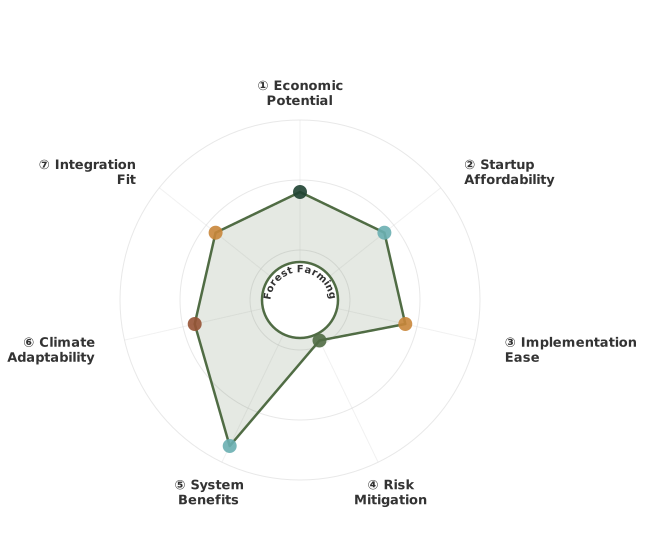
How These Traits Are Calculated
Trait dimensions are ordered clockwise starting from the top of the chart (12 o'clock position):
1. Economic Potential
Financial returns, annual value, and break-even timeline
WHAT: Evaluates financial viability by combining net annual value ($/ha from savings, income, and amortized harvests) with break-even timeline showing when practices pay for themselves.
WHY: Farmers need clear ROI understanding before committing resources. Fast payback (≤3 years) with strong returns (≥$300/ha) enables confident adoption, while long timelines (>10 years) restrict adoption to well-funded operations willing to wait for returns.
HOW: Calculated from net annual value in $/ha and break-even years. Exceptional (≥2.6): fast ROI ≤3 years + high value ≥$300/ha. Typical (1.8-2.5): moderate returns or longer timelines. Limited (<1.8): marginal economics or very long payback >10 years.
2. Startup Affordability
Initial investment costs and financial barrier to entry
WHAT: Measures financial barrier to entry through startup costs for equipment, infrastructure, consulting, and materials. Inverted scoring: lower costs = higher scores = more accessible adoption.
WHY: Affordability determines who can adopt. Low-cost practices (<$250/ha) enable widespread adoption across diverse scales, while high costs (>$2,500/ha) limit adoption to well-capitalized operations, creating barriers that slow regenerative transition.
HOW: Calculated from initial investment parsed from practice content. Inverted scoring: Exceptional (≥2.6): minimal investment <$250/ha. Typical (1.8-2.5): moderate costs $250-2,500/ha. Limited (<1.8): high barrier >$2,500/ha.
3. Implementation Ease
Learning curve and specialized knowledge required
WHAT: Measures how much learning, planning, and specialized knowledge a practice requires. Simpler practices with fewer steps score higher, while complex practices requiring extensive training or specialized resources score lower.
WHY: Complex practices create adoption barriers even when economically viable. Straightforward practices enable faster adoption and broader participation, while those requiring extensive training, timing precision, or specialized equipment limit who can succeed.
HOW: Evaluated by measuring documentation length and identifying complexity markers like location-specific requirements, seasonal timing windows, specialized skills, and dedicated equipment needs. Exceptional (≥2.6): straightforward practices with minimal prerequisites. Typical (1.8-2.5): moderate learning curve with some specialized needs. Limited (<1.8): steep learning curve requiring significant training or resources.
4. Risk Mitigation
Identified financial and ecological risk assessment
WHAT: Evaluates documented risks across financial (investment loss, market volatility) and ecological (crop failure, pest outbreaks) domains. Inverted scoring: fewer risks = higher scores.
WHY: Understanding risk exposure helps farmers make informed decisions. Low-risk practices allow confident implementation, while high-risk practices require careful planning and contingency resources. Risk transparency prevents costly failures.
HOW: Calculated from identified risks in practice content. Inverted scoring: Exceptional (≥2.6): ≤2 risks with manageable severity. Typical (1.8-2.5): 3-5 moderate risks. Limited (<1.8): 6+ risks or severe exposure.
5. System Benefits
How many ways the practice improves your land simultaneously
WHAT: Measures how many aspects of land health improve at once—carbon storage, soil quality, erosion control, water absorption, and biodiversity. Practices that improve multiple areas simultaneously create compounding benefits where each improvement reinforces the others.
WHY: The best practices solve multiple problems at once. For example, addressing erosion simultaneously builds carbon and improves water infiltration, creating a resilient system with positive feedback loops. Single-benefit approaches miss these compound transformation opportunities.
HOW: Evaluated across five key outcomes: carbon sequestration, soil organic matter increase, erosion reduction, water infiltration improvement, and biodiversity enhancement. Exceptional (≥2.6): high carbon storage (>8 t/ha/yr), improvements across 4-5 areas, transformative outcomes. Typical (1.8-2.5): moderate carbon (3-8 t/ha/yr), improvements across 2-3 areas. Limited (<1.8): modest impact (<3 t/ha/yr), single-area focus only.
6. Climate Adaptability
Geographic applicability across Köppen climate zones
WHAT: Evaluates geographic applicability by assessing how many Köppen climate zones successfully support a practice and what adaptation requirements are needed. Measures breadth of climates where farmers can implement with minimal to moderate modifications.
WHY: Universal practices working across diverse climates enable more farmers to adopt regenerative approaches. Practices limited to single climate types (only Mediterranean, only tropical) restrict adoption and slow global transition. Adaptability determines whether a practice serves niche regions or offers broad transformation.
HOW: LLM evaluation of regional success stories, Köppen zone coverage, and adaptation needs. Exceptional (≥2.6): 5+ zones or 4+ climate types, 3+ continents, minimal adaptation. Typical (1.8-2.5): 3-4 zones or 2-3 types, 2 continents, moderate adaptation. Limited (<1.8): 1-2 zones, single region, significant adaptation or highly specialized.
7. Integration Fit
How well this practice combines with others you're doing
WHAT: Measures how well a practice combines with other regenerative practices you might be doing. Some practices work as building blocks that make many other practices easier or more effective, while others work best on their own.
WHY: Practices that combine well with many others create more value on your farm. For example, cover cropping enables no-till, improves grazing, supports crop diversity, and helps water management—making all of them work better together. This helps you build a coherent system rather than juggling disconnected practices.
HOW: Evaluated by identifying which practices combine well and how strong those combinations are. 'Ideally Suited' means strong combinations where practices reinforce each other (practice A makes B easier, while B makes A more effective). 'Adequate' means complementary benefits that work well together. Exceptional (≥2.6): combines well with 6+ practices, serves as a building block. Typical (1.8-2.5): combines with 3-5 practices. Limited (<1.8): 1-2 practices or works best alone.
Going Deeper
1
WHY - The Benefits
Forest farming offers a compelling suite of benefits that align deeply with regenerative agriculture's goals, providing ecological resilience and economic diversification for land stewards. It transforms existing forestland into a multi-functional production system.
Forest farming offers a compelling suite of benefits that align deeply with regenerative agriculture's goals, providing ecological resilience and economic diversification for land stewards. It transforms existing forestland into a multi-functional production system.
WHY - The Benefits
Forest farming offers a compelling suite of benefits that align deeply with regenerative agriculture's goals, providing ecological resilience and economic diversification for land stewards. It transforms existing forestland into a multi-functional production system.
Forest farming offers a compelling suite of benefits that align deeply with regenerative agriculture's goals, providing ecological resilience and economic diversification for land stewards. It transforms existing forestland into a multi-functional production system.
Soil Health Benefits
Forest farming inherently enhances soil health through its perennial nature and minimal disturbance. The consistent leaf litter from the forest canopy and the root exudates from both trees and understory crops provide a continuous supply of organic matter. This fuels a rich soil food web, fostering diverse microbial communities and improving soil structure. Studies in managed forests show that understory cultivation, when done without excessive soil disruption, can actually increase the abundance of beneficial fungi, such as mycorrhizae, which are crucial for nutrient cycling and soil aggregation.
The constant presence of living roots from both trees and cultivated species ensures that soil is covered year-round (Principle 3), preventing erosion and maintaining biological activity. This continuous root activity also helps to create and stabilize soil aggregates, reducing bulk density and improving water infiltration and aeration. The protective canopy reduces the impact of heavy rainfall on bare soil, mitigating surface crusting and runoff.
Over time, forest farming systems can lead to a measurable increase in soil organic matter content, typically by 0.5-1.5% over a decade depending on climate and species. This organic matter improvement enhances water-holding capacity, making the system more resilient to drought. The rich, active soil biome also contributes to more efficient nutrient cycling, reducing the reliance on external inputs and supporting robust plant growth.
Economic Benefits
The primary economic driver for forest farming is the cultivation of high-value niche products that command premium prices in specialty markets. These can include:
- Medicinal Herbs: American ginseng, goldenseal, echinacea, black cohosh, and others can fetch prices of $50-200+ USD per kilogram raw root, with processed or high-purity extracts commanding even more. Harvest cycles for ginseng, for instance, often range from 7-10 years to reach mature, marketable size.
- Gourmet and Medicinal Mushrooms: Shiitake, maitake, oyster, and reishi mushrooms grown on logs or substrate can yield $10-50+ USD per kilogram for fresh or dried products. These often have shorter growth cycles (months to a year) but require specific substrates and environmental controls.
- Specialty Greens and Botanicals: Ramps (wild leeks), fiddlehead ferns, specialty berries (e.g., elderberries, serviceberries), and decorative floral greens can support significant income, especially in farmers' market or direct-to-consumer sales.
Initial establishment costs can range from $500-2,000 USD per hectare (2-5 acres), covering site preparation (if any), planting materials, protection measures (fencing, shade structures), and basic tools. However, the long-term potential for consistent, high-margin income from perennial crops that require minimal annual intervention makes it economically attractive. Many forest farm products are perennial, meaning once established, they provide a harvestable yield for many years—sometimes decades—with diminishing annual input costs.
Forest farming also enhances the overall value of the land itself. By improving soil health, sequestering carbon, and maintaining a productive forest ecosystem, it increases the land's ecological and asset value. Furthermore, it diversifies a farm's portfolio, providing a buffer against price volatility in commodity markets and adding resilience to the farming operation.
Regenerative Systems Fit
Forest farming actively supports multiple regenerative agriculture principles, making it a powerful tool for ecological land management and economic diversification.
Principle 1: Minimize Soil Disturbance Forest farming is inherently low-disturbance. It works within existing forests, often requiring only minimal site preparation like selective thinning or manual planting. There is no annual tillage in forest farming systems. The minimal disturbance preserves soil structure, protects soil organisms, and prevents the release of stored soil carbon.
Principle 2: Maximize Crop Diversity This practice inherently creates a layered, diverse system. The existing forest canopy (often oaks, maples, or other deciduous species) represents one layer. Underneath, deliberately planted crops like ginseng, mushrooms, or herbs form another functional layer, often with multiple species interplanted. This above-ground and below-ground diversity supports a rich, complex soil food web, enhancing nutrient cycling and system resilience.
Principle 3: Keep Soil Covered The forest canopy itself acts as a perpetual cover, intercepting rainfall and moderating temperature. The forest floor is naturally covered by leaf litter and mulch, which also supports healthy soil microclimates. Planted crops, being perennial, ensure that the soil surface is consistently protected by living plants or their residues, directly preventing erosion and supporting continuous biological activity.
Principle 4: Maintain Living Roots Both the existing forest trees and the cultivated understory crops are perennials, meaning they have living roots in the soil for the entire year or for extended growing seasons. This continuous root activity fuels soil biology, stabilizes soil aggregates, and allows for ongoing nutrient uptake and cycling, providing a constant source of carbon to the soil ecosystem.
Principle 5: Integrate Livestock While not a primary component, livestock can play a role in some forest farming contexts. For example, managed rotational grazing of chickens or sheep before planting sensitive crops can help clear understory vegetation and deposit manure. Alternatively, livestock might be excluded from growing areas using fencing, but their nutrient cycling role in the broader forest ecosystem is still a consideration. The emphasis is on leveraging natural nutrient cycles, which the forest ecosystem, in conjunction with cultivated crops, inherently supports.
Forest farming is a foundational regenerative practice because it builds upon and enhances existing natural systems. It doesn't require significant deviations from ecological norms but rather intensifies and directs them to produce economic value. It can act as a transition practice for landowners looking to diversify from traditional forestry or conventional agriculture, offering a pathway to higher-value products and improved ecological function over the long term. Its integration with conventional agriculture is strongest when it complements existing operations by utilizing forested land that is unsuitable for row crops or intensive grazing, thereby increasing the overall productivity and sustainability of the entire land base.
Sources behind this view
Videos & Podcasts
-
Case studies showcase agroforestry: Iowa farm with nursery crops/nuts/fruits; Vermont goat dairy using tree hay; shiitake mushroom cultivation; New York farm integrating livestock with hedgerows/fruit
-
The farm integrates diverse perennial crops (chestnuts, hazelnuts, apples, etc.) using agroforestry, alley cropping, and polyculture. Water management with swales/berms, livestock integration, and ren
-
Discusses agroforestry integration of livestock, climate change adaptation through diverse perennial crops, and scalability from small to large farms. Highlights organic challenges, carbon sequestrati
-
Regenerative agriculture (no-till, cover crops, diverse rotations, integrated livestock) increases profitability, reduces pest issues, restores soil health (earthworms, fungi), and produces more nutri

Community
-
Scaling food forests for CPGs requires multi-climate farms and regenerative animal integration. Yields are high and improve soil; key challenge is human organization. Strategies include row planting,
Read more (opens in new window) permies.com -
Forest farming, or food forests, integrates multiple vegetation layers (overstory, midstory, understory) for food, herbs, or mushrooms on agricultural lands. It uses practices like site preparation an
Read more (pp. 1-2) (opens PDF, pp. 1-2) efotg.sc.egov.usda.gov -
Agroforestry integrates trees with crops (silvoarable) or livestock (silvopastoral) to enhance biodiversity, reduce erosion, sequester carbon, and improve land use efficiency. Careful planning, prunin
Read more (opens in new window) www.permaculture.org.uk
Research
-
Regenerative Agriculture: Restoring Ecosystems¢ Resilience and Productivity: A Review (opens in new window)
This study found: Regenerative agriculture builds soil health and ecosystem services through practices like no-till, cover crops, and diverse rotations. It increases soil organic matter, improves water infiltration, bo
-
Regenerative Food Forest: A Case Study of Vanya Organic Farm (opens in new window)
This study found: Vanya Organic Farm case study shows a food forest model using native plants and Vetiver Grass for carbon capture and waste-to-fuel/fertilizer production, suggesting a link between these farms and CBG
-
Agroforestry: The North American Perspective (opens in new window)
This study found: Agroforestry integrates trees with crops/livestock, offering environmental benefits like climate adaptation and mitigation. Key North American practices include alley cropping, silvopasture, and ripar
-
Agroforestry Practices and Their Impact on Soil Health and Fertility: A Review (opens in new window)
This study found: Agroforestry (trees with crops/livestock) significantly improves soil health, fertility, and carbon storage globally. Challenges include cost and knowledge gaps, but benefits like increased yields are
2
WHERE - Regional Considerations
Forest farming's success is strongly tied to regional climate, forest type, and market access. While adaptable, optimal conditions exist in temperate regions with deciduous forest cover and reasonable rainfall.
Forest farming's success is strongly tied to regional climate, forest type, and market access. While adaptable, optimal conditions exist in temperate regions with deciduous forest cover and reasonable rainfall.
WHERE - Regional Considerations
Forest farming's success is strongly tied to regional climate, forest type, and market access. While adaptable, optimal conditions exist in temperate regions with deciduous forest cover and reasonable rainfall.
Forest farming's success is strongly tied to regional climate, forest type, and market access. While adaptable, optimal conditions exist in temperate regions with deciduous forest cover and reasonable rainfall.
Click Here to Look up your Region if you don't already know it
Temperate Deciduous Forests
Representative Locations: Eastern United States (Appalachian region, Midwest), Europe (France, Germany, UK, Poland), Eastern China, Japan, South Korea
Climate Context: Moderate to high rainfall (75-150 cm or 30-60 inches annually), distinct seasons with warm summers and cool to cold winters. USDA Zones 4-7, Köppen Cfb/Cfa. Deciduous forests provide seasonal shade variation—full sun in winter allowing for certain hardy crops, dappled shade in summer protecting sensitive species. This climate is ideal for American ginseng, goldenseal, ramps, shiitake on logs, and many specialty berries.
Management Considerations: Canopy management is crucial to balance light penetration for understory crops with the needs of mature timber species. Spring is ideal for planting many herbs and mushrooms on substrate. Autumn harvests are common for roots and berries. Markets exist for medicinal herbs, specialty mushrooms, and value-added forest products. Long growing seasons are advantageous for perennial crops.
Temperate Coniferous Forests
Representative Locations: Pacific Northwest (USA), parts of Scandinavia, Northern Asia
Climate Context: Varies from high rainfall and mild temperatures (PNW) to colder, drier continental climates. USDA Zones 5-8, Köppen Cfb/Cfc/Dfc. Conifers provide dense shade year-round, making it challenging for many crops that require seasonal light changes. However, some shade-tolerant species adapted to forest understories, like certain ferns or medicinal plants, can thrive. Mushroom cultivation on conifer logs is also possible.
Management Considerations: Light levels are critical; selective thinning of conifers is often necessary to create more dappled sunlight zones. Forest floor composition (e.g., needle duff) may require amendment for certain crops. Markets for shade-tolerant herbs or specialty mushrooms adapted to these conditions are key. Lower organic matter input from coniferous litter compared to deciduous can slow soil development.
Subtropical and Tropical Forests
Representative Locations: Southeastern United States, Central America, Southeast Asia, parts of South America and Africa
Climate Context: High temperatures year-round, with either consistent high rainfall or distinct wet/dry seasons. Köppen Af/Am/Aw/Cfa. These regions often support incredibly diverse forest ecosystems and offer year-round growing potential for many species.
Management Considerations: Shade is readily available, but managing intensive growth cycles for crops like cacao, coffee, vanilla, or certain fruits requires careful site selection and protection from intense sun. Higher humidity can increase disease pressure for mushrooms and some herbs. Market access for tropical forest products (e.g., vanilla beans, specialty cacao, rare medicinal plants) is crucial. Biodiversity is very high, offering opportunities for numerous NTFPs.
Mediterranean Climates
Representative Locations: California, Mediterranean basin, parts of Australia
Climate Context: Hot, dry summers and mild, wet winters. Highly seasonal rainfall. USDA Zones 8-10, Köppen Csa/Csb. Forests in these areas are often adapted to drought.
Management Considerations: Water availability is the primary constraint. Forest farming will be most successful in areas with reliable water sources for irrigation or in microclimates with natural springs or higher rainfall. Species selection must focus on drought-tolerant herbs and plants adapted to Mediterranean understory conditions. Income may be more reliant on drought-resistant berries or high-value medicinal herbs that can tolerate drier conditions between waterings.
3
HOW - Implementation Process
Successful forest farming involves careful site assessment, planning, species selection, and ongoing management that respects the forest ecosystem.
Successful forest farming involves careful site assessment, planning, species selection, and ongoing management that respects the forest ecosystem.
HOW - Implementation Process
Successful forest farming involves careful site assessment, planning, species selection, and ongoing management that respects the forest ecosystem.
Successful forest farming involves careful site assessment, planning, species selection, and ongoing management that respects the forest ecosystem.
Prerequisites
- Suitable Forest Stand: Existing mature or semi-mature forest (10+ years old) with a healthy canopy structure providing dappled shade or significant understory light. Deciduous forests are often ideal for species requiring seasonal light variation. Areas with steep slopes or rocky terrain unsuitable for conventional agriculture are good candidates.
- Secure Land Tenure: Long-term access to the land is crucial, as many forest-farmed crops have long growth-to-harvest cycles (e.g., ginseng 7-10 years).
- Market Access: Research and secure markets for chosen crops. This might involve identifying buyers for fresh herbs, dried roots, mushrooms, or value-added products.
- Water Availability: Assess natural rainfall and potential for supplemental irrigation, especially for more water-intensive crops in drier climates.
- Low Herbivory Pressure: Forest areas with minimal deer, rabbit, or other significant browsing pressure are best, or plan for robust fencing and protection measures.
Phase 1: Site Assessment and Planning (Months 1-6)
- Forest Inventory: Conduct a detailed assessment of the forest stand. Identify dominant tree species, estimate age and health, map canopy cover percentages (e.g., using densiometers or apps), note soil types, drainage, and existing understory vegetation.
- Light Mapping: Understand light conditions throughout the year. Months with full leaf-out (summer) and months with bare branches (winter) will have different light levels on the forest floor. This will determine which crops can thrive. Generally, 40-70% shade is optimal for many valuable herbs like ginseng.
- Soil Testing: Analyze soil pH, organic matter, nutrient levels, and texture. pH is critical for many herbs (e.g., ginseng prefers slightly acidic soil pH 5.0-6.0).
- Market Analysis & Crop Selection: Based on site conditions, market research, and your expertise, select 1-3 primary crops to focus on. Consider growth cycle, niche market potential, and suitability to your specific forest conditions.
- Design Layout: Map out planting areas, considering factors like light, soil drainage, proximity to water, and access roads or trails. Plan for harvest routes and potential needs for protective structures (e.g., raised beds for ginseng, shelters for mushrooms).
- Protection Strategy: Plan for animal exclusion (fencing, cages, electric barriers) and pest/disease management strategies.
Phase 2: Site Preparation and Planting (Months 6-18)
- Minimal Disturbance: Avoid clear-cutting. If thinning is needed to increase light, do it selectively and strategically. Remove only diseased, declining, or poorly formed trees that aren't providing optimal shade or benefiting understory crops. Aim for dappled light, not full sun.
- Understory Preparation: For crops like ginseng or goldenseal which benefit from raised beds, manual preparation can involve building frames and amending soil with compost and forest duff. For mushrooms, inoculating logs or preparing substrate beds is key. For broadcast species (e.g., berries, some herbs), minimal clearing of leaf litter to expose soil surface might be needed, followed by seeding or transplanting.
- Infrastructure: Install any necessary fencing, water lines, or temporary shade structures. Create access trails for planting and later for harvesting, minimizing soil compaction and disturbance.
- Planting: Use high-quality seeds, seedlings, or spawn. Plant at appropriate depths and spacings, considering the mature size of both the crop and surrounding trees. Follow best practices for each species, using local, adapted varieties where possible.
- Mulching: Apply a layer of forest duff, straw, or wood chips around planted crops to retain moisture, suppress weeds, and further improve soil health.
Phase 3: Establishment and Early Management (Years 1-5)
- Monitoring: Regularly check planted areas for crop health, pest/disease issues, and animal damage. Monitor light levels and adjust canopy cover if necessary through selective pruning or thinning.
- Weed Management: Hand-pulling weeds is often necessary, especially in early years. Avoid herbicides that can harm beneficial soil biology and forest trees. Mulching helps suppress weeds.
- Watering: If supplemental irrigation is needed, use drip systems or targeted watering to minimize water use and soil disturbance.
- Protection Maintenance: Ensure fences and cages are intact and effective against browsing animals.
- Canopy Adjustment: In years 2-5, as crops establish, further subtle adjustments to canopy cover might be beneficial. This could involve removing smaller, competing saplings or pruning lower tree branches.
Phase 4: Maturation and Harvest (Years 5+ to Decades)
- Harvesting: Harvest crops at their peak maturity, following protocols for each species to maximize quality and marketability. For long-term crops like ginseng, this can be a significant event planned years in advance. For mushrooms, it might be seasonal.
- Continuous Management: Even after harvest, the forest system continues to grow. Maintain canopy health, manage forest understory competition, and protect against pests and diseases. For perennial crops, replanting or allowing natural regeneration will be part of the cycle.
- Market Engagement: Fortify relationships with buyers, track market trends for specialty products, and manage inventory for dried or processed goods.
- Record Keeping: Meticulously record planting dates, yields, management interventions, costs, and sales to refine practices and ensure long-term profitability.
Transition Timeline & Phase-Out Strategy
Forest farming itself is a regenerative system and doesn't involve phasing out non-regenerative inputs; rather, it's about building a new regenerative enterprise. However, if transitioning from conventional forestry or open-field farming:
- Years 1-3: If transitioning from conventional timber management, begin selective thinning to increase understory light while prioritizing timber quality. If transitioning from open-field agriculture, cease all tillage and synthetic input use on the chosen forest area. Establish forest farming crops.
- Years 4-7: As understory crops establish and demonstrate viability, reduce reliance on any external inputs. Focus on building soil organic matter through mulching and natural decomposition. Continue selective canopy management for understory crop needs.
- Year 8+: Forest farming system is in full production. Economic returns from NTFPs should be stable or growing, potentially supplementing or replacing income from previous land uses. Management shifts to ongoing maintenance, harvesting, and optimization of the combined forest-and-crop ecosystem.
Sources behind this view
Videos & Podcasts
-
Provides 'cheat codes' for accelerating food forest production through smart design, including using early-producing species, fall planting of bare-root trees, enhancing soil with compost/extracts, in

-
Agroforestry expert Martin Crawford explains forest gardens as sustainable, perennial-based systems mimicking natural ecosystems, designed to maximize plant interactions, enhance biodiversity, and ada
-
Syntropic agriculture enables profitable food forests by using cuttings and seed nests for diverse plantings. Faster-growing species like raspberries and elderflowers provide early income (years 1-10)
-
Food forests mimic natural ecosystems with layers of perennials like fruit trees, berry bushes, and herbs, reducing inputs and enhancing soil health. Experimentation is key to success, leading to rewa

Community
-
Transitioning woodland to a food forest involves identifying existing species, creating edges, managing water, and planting in cleared patches with annuals and perennials. Coppicing and studying the l
Read more (opens in new window) permies.com -
Steps to start a food forest: 1. Observe site (sun, wind, microclimates, wildlife, water flow). 2. Design zones, water bodies, and plant placement. 3. Prepare soil, using sheet mulching. 4. Create pla
Read more (opens in new window) permies.com -
Planning for forest farming involves assessing labor, markets, and machinery, and carefully selecting sites based on topography, soil, and aspect. Tree selection focuses on timber vs. crop production,
Read more (pp. 2-7) (opens PDF, pp. 2-7) efotg.sc.egov.usda.gov -
Forest farming, or food forests, integrates multiple vegetation layers (overstory, midstory, understory) for food, herbs, or mushrooms on agricultural lands. It uses practices like site preparation an
Read more (pp. 1-2) (opens PDF, pp. 1-2) efotg.sc.egov.usda.gov
Research
-
Development in forest farming (opens in new window)
This study found: Forest farming, growing products under trees, is rising in popularity due to demand for sustainable goods and to protect wild plants. Success depends on scale, site, species, and management. Collabora
-
Agroforestry: The North American Perspective (opens in new window)
This study found: Agroforestry integrates trees with crops/livestock, offering environmental benefits like climate adaptation and mitigation. Key North American practices include alley cropping, silvopasture, and ripar
-
Regenerative Food Forest: A Case Study of Vanya Organic Farm (opens in new window)
This study found: Vanya Organic Farm case study shows a food forest model using native plants and Vetiver Grass for carbon capture and waste-to-fuel/fertilizer production, suggesting a link between these farms and CBG
-
Agroforestry—The Next Step in Sustainable and Resilient Agriculture (opens in new window)
This study found: Agroforestry, combining trees with crops/livestock, is proposed as the next step for sustainable agriculture, offering enhanced productivity and ecosystem services beyond organic farming to meet futur
4
Know the Debate
Forest farming's success varies by region and management choice. Temperate deciduous forests with moderate rainfall offer optimal conditions for hi...
Know the Debate
Forest farming's success varies by region and management choice. Temperate deciduous forests with moderate rainfall offer optimal conditions for hi...
Forest farming's success varies by region and management choice. Temperate deciduous forests with moderate rainfall offer optimal conditions for high-value crops like ginseng and mushrooms, with yields often appearing within 3-7 years. In other climates, like arid Mediterranean or dense coniferous forests, specific species adaptation and water availability become critical considerations, potentially extending timelines. Economically, entry costs range from $500-$2,000/ha for small-scale efforts, up to $4,400/ha for larger, more intensive operations, with labor remaining a key input at all scales.
How long until forest farming is profitable?
Earlier income (1-3 years)
Some forest farming, like shiitake mushroom cultivation on logs or growing fast-maturing herbs, can yield marketable products within 1-3 years. This provides quicker cash flow and opportunities to reinvest in other forest-farmed crops.
Sources behind this view
Sources behind this view
Videos & Podcasts
-
Forest farming integrates high-value specialty crops like mushrooms and ginseng into existing forests, utilizing shade for production and adding marketable products.
-
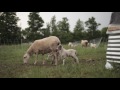
Agroforestry at Wellspring Forest Farm uses forest canopy for shade-grown mushrooms, with ducks introduced for slug control and egg production. Maple syrup is also a key product, with educational programs on agroforestry principles offered.
Moderate term (3-7 years)
Medicinal herbs, specialty berries, and some fruits may take 3-7 years to reach significant harvestable yields. This phase requires continued management and patience before substantial returns are realized.
Sources behind this view
Sources behind this view
Videos & Podcasts
-
Forest farming integrates high-value specialty crops like mushrooms and ginseng into existing forests, utilizing shade for production and adding marketable products.
-
Robin Suggs advises forest farmers to identify market demand first, then select native botanicals that meet those needs. This market-driven approach informs crop selection, production scale, processing, and marketing, while also considering personal goals and site suitability to ensure profitability and sustainability.
 From the Web
-
Forest farming/multi-story cropping plants shade-tolerant understory crops under overstory trees for high-value products. Key practices include selecting compatible species, managing light penetration, and consulting experts for overstory management.
Long-term investment (7-15+ years)
Crops like American ginseng, goldenseal, or certain nut crops require 7-15 years or more to mature and reach optimal market value. These represent significant long-term investments in land and patience.
Sources behind this view
Sources behind this view
Research
-
Regenerative Food Forest: A Case Study of Vanya Organic Farm (opens in new window)
This study found: This case study looks at Vanya Organic Farm, a type of food forest designed to work like a natural forest, meaning no pesticides, herbicides, weeding, or tilling are needed. It combines different plants like native trees, vines, and shrubs with other helpful vegetation to capture a lot of carbon from the atmosphere and produce useful materials. A special plant, Vetiver Grass, is highlighted as a key part of this system, with the idea of combining food forests and Vetiver plantations to create 'Regenerative Food Forests'. These farms produce a lot of organic waste, which can be turned into a green fuel called Compressed Bio Gas (CBG) and a high-quality organic fertilizer. Connecting these farms with CBG plants could create jobs, boost farmer income, and improve air, water, and soil health.
From the Web
-
Forest farming/multi-story cropping plants shade-tolerant, high-value understory crops under overstory trees. Selection focuses on short-rooted understory species, compatible soil needs, and adaptation to site and USDA Hardiness Zone. Overstory thinning is crucial for light and equipment access.
-
Forest farming/multi-story cropping plants shade-tolerant understory crops under overstory trees for high-value products. Key practices include selecting compatible species, managing light penetration, and consulting experts for overstory management.
Making Sense of the Differences
The timeline to profitability in forest farming spans from 1-3 years for early-income crops like mushrooms and herbs, to 7-15+ years for high-value, long-cycle products like ginseng and nut trees. This variation hinges on the crop's growth requirements, market demand, and management intensity. Farmers must balance the need for early cash flow with the long-term investment required for premium products, often diversifying their crop selection to spread financial risk and ensure consistent income.
Is a healthy forest a prerequisite for forest farming?
Healthy Forest Required
Institute and academic sources emphasize that forest farming is most successful in established, healthy forests with specific light conditions, moderate rainfall, and minimal herbivory, suggesting these are prerequisites for optimal yields.
Sources behind this view
Sources behind this view
From the Web
-
Forest farming/multi-story cropping plants shade-tolerant, high-value understory crops under overstory trees. Selection focuses on short-rooted understory species, compatible soil needs, and adaptation to site and USDA Hardiness Zone. Overstory thinning is crucial for light and equipment access.
-
Forest farming/multi-story cropping plants shade-tolerant understory crops under overstory trees for high-value products. Key practices include selecting compatible species, managing light penetration, and consulting experts for overstory management.
-
Agroforestry, particularly alley cropping, integrates trees with crops for income diversification, improved microclimates, and habitat. Management of light interception and long-term commitment are key considerations.
Forest Farming can Rehabilitate Degraded Forests
Field practitioners argue that forest farming can help rehabilitate degraded or underutilized forest stands. It can be used as a tool to improve soil health and gradually establish valuable understory crops even in less than ideal conditions.
Sources behind this view
Sources behind this view
Videos & Podcasts
-
Silvopasture integrates trees and forages for livestock, offering benefits like reduced animal stress, diversified income, and carbon sequestration, but requires rotational grazing and careful site selection. Multi-story cropping/forest farming enhances forest value and farm income, though market and seed source challenges exist.
Research
-
Introduction To Agroforestry (opens in new window)
This study found: Agroforestry, the practice of integrating trees with crops and livestock, is highlighted as a smart and resilient way to farm. It can help reduce financial worries, improve food availability, create jobs, and support nature's processes. To get the best results and avoid problems like plants competing too much, it's important to be skilled in farming, choose the right tree and crop species, and manage them well. Because agroforestry systems produce a variety of goods, they are good for people, the environment, and the market, offering a better option than growing just one crop. This approach can help connect local communities with broader sectors and meet current needs sustainably.
Making Sense of the Differences
While a healthy, established forest offers the most reliable conditions for forest farming, the practice can also serve as a tool for rehabilitating degraded forest stands. Success in less ideal forests depends on adapting crop selection to challenging conditions (e.g., lower light, higher herbivory) and potentially accepting longer timelines for establishment and profitability. Site assessment is crucial for determining feasibility and appropriate management strategies, whether aiming for high-value yields quickly or for long-term land restoration.
What scale is forest farming most viable?
Small to Medium Scale (0.5-10 acres)
Forest farming is often exemplified on small to medium scales, suitable for diversification on farms or as standalone enterprises focusing on high-value niche crops like specialty herbs or mushrooms, managing labor-intensively.
Sources behind this view
Sources behind this view
Videos & Podcasts
-
Forest farming integrates high-value specialty crops like mushrooms and ginseng into existing forests, utilizing shade for production and adding marketable products.
From the Web
-
Planning urban agroforestry requires evaluating goals (food production, community, environment), resources (financial, labor, land), and context (climate, soil, regulations). Design principles from forest gardens, alley cropping, silvopasture, conservation buffers, and windbreaks can be applied, prioritizing native species adapted to the local hardiness zone.
-
Details six urban agroforestry practices: forest gardens (multi-layered edible systems), alley cropping (crops between tree rows), silvopasture (integrating livestock), conservation buffers (stormwater management), windbreaks (crop protection), and forest farming (understory crops in shade). Discusses species selection, private vs. public land implementation, and municipal partnerships.
Commercial Scale (10+ acres) with Integration
Larger scale forest farming, often integrated with other land uses, focuses on maximizing economic returns through efficient management, larger contiguous plots, and secure market channels for a wider range of products.
Sources behind this view
Sources behind this view
Videos & Podcasts
-
Silvopasture integrates trees and forages for livestock, offering benefits like reduced animal stress, diversified income, and carbon sequestration, but requires rotational grazing and careful site selection. Multi-story cropping/forest farming enhances forest value and farm income, though market and seed source challenges exist.
-
Discusses agroforestry integration of livestock, climate change adaptation through diverse perennial crops, and scalability from small to large farms. Highlights organic challenges, carbon sequestration benefits, and the role of demonstration sites like Silverwood Park in promoting resilient land management.
-
Agroforestry systems integrate trees, livestock, and crops, driven by economics and landscape patterns. Key practices include alley cropping, silvopasture, windbreaks, riparian buffers, hedgerows, and forest farming, with examples shown across various regions.
Making Sense of the Differences
Forest farming's viability spans from small-scale hobby or educational plots to larger commercial operations. Smaller scales are practical for diversified household income or niche markets using intensive labor. Commercial scales require larger, contiguous forest areas, efficient management, and secure market access for high-volume NTFPs. Integration with other farming enterprises or utilizing less productive forest land enhances overall economic feasibility across varying scales.
5
HOW MUCH - Costs & Investment
Note: Costs shown in USD; multiply by local labor and material cost indices for your region. Labor costs vary significantly internationally.
Note: Costs shown in USD; multiply by local labor and material cost indices for your region. Labor costs vary significantly internationally.
HOW MUCH - Costs & Investment
Note: Costs shown in USD; multiply by local labor and material cost indices for your region. Labor costs vary significantly internationally.
Note: Costs shown in USD; multiply by local labor and material cost indices for your region. Labor costs vary significantly internationally.
Note: All costs are based on recent US economic data (2024–2026) and may vary substantially by region based on local labor rates, material costs, and regulatory requirements.
Site Preparation and Planting Materials
Forest farming requires minimal destructive clearing but significant site identification and initial biological investment. Small-scale operations (under 50 acres (20 ha)) spend $350–$900 per acre ($865–$2,224/ha) on clearing minimal brush, path creation, and initial planting stock procurement. Mid-size operations (50–500 acres (20–202 ha)) typically leverage economies of scale in seed and rootstock purchasing, spending $180–$550 per acre ($445–$1,359/ha). Large-scale operations (500+ acres) focus on strategic planting blocks to maximize density, resulting in per-acre costs of $90–$250. Planting materials, including stratified ginseng seeds, shiitake spawn, or perennial woody cuttings, represent 40% of this budget category.
Soil Amendments and Protection
Because forest farming utilizes the nutrient-dense duff layer, soil amendment costs are generally lower than field agriculture. Small-scale producers often spend $40–$225 per acre ($99–$556/ha) on localized compost applications or bone meal for fungal support. Mid-size growers spend $20–$120 per acre ($49–$297/ha), while large operations rarely exceed $10–$50 per acre ($25–$124/ha) as they prioritize site selection based on inherent soil quality rather than external additives. Protection is the primary cost driver for high-value medicinal crops. Small-scale farmers often use individual cages or mesh netting to exclude deer and small mammals, costing $250–$900 per acre ($618–$2,224/ha). Mid-size operations balance this with larger contiguous fencing, lowering costs to $100–$450 per acre ($247–$1,112/ha), while large-scale operations often limit intensive protection to specific high-value zones, averaging $50–$220 per acre ($124–$544/ha).
Water and Infrastructure
While many forest systems rely on natural rainfall, high-value specialty crops often require supplemental irrigation during the first two growing seasons. Small-scale systems commonly employ solar-pump drip arrays requiring $150–$450 per acre ($371–$1,112/ha). Mid-size operations utilize more robust plumbing networks, costing $50–$200 per acre ($124–$494/ha). Large-scale operations rely on natural hydrology and topographical water collection, spending $25–$100 per acre ($62–$247/ha). Manual implements and basic specialty tools for harvesting—such as digging bars or logging wedges—add a final $10–$140 per acre ($25–$346/ha) depending on how much of the operation follows manual vs. mechanized harvesting.
Most Spend: Most small-to-mid-size operations spend $450–$1,450 per acre ($1,112–$3,583/ha). This middle 60% range covers a balanced strategy of moderate manual planting, localized exclusion fencing for high-value botanical patches, and basic irrigation installation. This expenditure reflects the reality that forest farmers are managing high-value, slow-growing inventory that requires low operational inputs but high precision during the establishment phase to ensure survival.
Why the Range?: Costs fluctuate primarily due to two factors: existing forest health and target crop selection. Operations selecting high-value, high-risk crops like American ginseng or goldenseal experience the high end of these ranges due to the intensity of protection and planting requirements. Conversely, operations focusing on low-input crops like wild-simulated ramps or shiitake logs on existing woodlot debris fall toward the lower end as they minimize infrastructure investment.
6
REWARDS AND RISKS - Economics & Risk Factors
Economic Scenarios
Economic Scenarios
REWARDS AND RISKS - Economics & Risk Factors
Economic Scenarios
Economic Scenarios
Best Case Scenario: A successful operation focusing on premium-market medicinal crops or high-grade mushroom logs operates in idealized conditions with ready access to direct-to-consumer markets. Following an investment of $900 per acre ($2,224/ha), the producer waits 7–10 years for medicinal maturity. Mature ginseng or high-end botanicals generate $8,000–$15,000 per acre ($19,768–$37,066/ha) in periodic harvest revenue. With consistent demand and optimized canopy management, the operation maintains a 20–35% net profit margin after accounting for harvest labor, creating significant appreciation in total land asset value.
Typical Scenario: The diversified forest farm balances multiple revenue streams simultaneously. By integrating mushrooms (1–3 year cycle) and minor medicinal crops (3–7 year cycle), initial investment costs of $750 per acre ($1,853/ha) are amortized against staggered harvests. By year 7, the farm realizes an annual net income of $800–$4,000 per acre ($1,977–$9,884/ha). Break-even points are typically realized between years 6 and 9, as the early high-labor requirements for planting and fencing transition into lower-cost maintenance and standard harvest cycles.
Worst Case Scenario: Suboptimal forest health, pest pressure (e.g., deer browsing or soil pathogens), or market volatility leads to low biological survival rates. With initial costs of $1,800+ per acre, the operation fails to reach commercial maturity. Excessive mortality and failed market access result in a loss of 60–90% of the initial investment. In these instances, the operation may never break even, forcing a pivot to conventional timber management or total land-use abandonment.
Market Factors and Mitigation: Market volatility is the primary economic risk. Reliance on a single product leaves an operation vulnerable to price collapses. Diversification—partitioning acreage into different crops like berries, medicinal roots, and mushrooms—serves as a natural hedge. Financial risk is further mitigated by targeting multiple sales channels, including high-margin direct sales to apothecaries or upscale restaurants, which can command prices 2–3 times higher than wholesale buyers.
Transition Period Risks: When shifting land use to forest farming, the most significant risk is the "revenue gap" during years 1–5. Yields are negligible while root stocks or inoculants are establishing. During this period, farmers often face negative cash-flow. Mitigation involves "layering" income: initiating fast-payback crops like mushrooms or specialty floral greens during the same time slow-growing perennials are establishing. Financial planning must incorporate carrying costs for at least 5 years; failing to budget for these operational gaps represents the highest probability of failure for new entries into the sector.
Sources behind this view
Community
-
Presents a list of top profitable forest farming crops including shiitake mushrooms, ginseng, elderberry, maple syrup, paw paw, black locust posts, nursery stock, and woodland animals, alongside farme
Read more (opens in new window) permies.com
Research
-
Development in forest farming (opens in new window)
This study found: Forest farming, growing products under trees, is rising in popularity due to demand for sustainable goods and to protect wild plants. Success depends on scale, site, species, and management. Collabora
7
COMPATIBLE PRACTICES - Integration Opportunities
Forest farming thrives when integrated within a broader regenerative land management strategy. Its inherent low-impact nature makes it compatible with many regenerative practices.
Forest farming thrives when integrated within a broader regenerative land management strategy. Its inherent low-impact nature makes it compatible with many regenerative practices.
COMPATIBLE PRACTICES - Integration Opportunities
Forest farming thrives when integrated within a broader regenerative land management strategy. Its inherent low-impact nature makes it compatible with many regenerative practices.
Forest farming thrives when integrated within a broader regenerative land management strategy. Its inherent low-impact nature makes it compatible with many regenerative practices.
Selectively Thinning Forests for Timber
- Forest farming can occur in existing timber stands managed for future harvest. Selective thinning to increase light for understory crops also benefits timber growth by reducing competition.
- Integration benefit: Achieves dual objectives on the same land—high-value NTFPs and appreciated timber value, increasing overall land profitability and health.
Native Plant Habitat Restoration
- Many NTFPs are native species, so forest farming can align with or support habitat restoration goals. Promoting native plants attracts beneficial insects and pollinators.
- Integration benefit: Enhances biodiversity, supports pollinators vital for fruit/berry production, and contributes to broader ecological function of the landscape.
Rotational Grazing of Poultry or Sheep
- In some cases, poultry or sheep can be managed through forest farms between crop cycles or in designated areas to help control understory weeds, improve soil fertility through manure, and act as "biological clearers."
- Integration benefit: Utilizes animals for low-input weed management and fertility, while animal exclusion protects sensitive NTFPs. Requires careful timing and management to avoid crop damage.
Forestry Biomass Harvesting for Substrates
- Utilizing forest waste wood (from thinning, storm damage) for mushroom cultivation substrates (logs, sawdust) closes nutrient loops.
- Integration benefit: Turns a waste product into a valuable resource for another forest-farmed product, reducing external input needs and enhancing biomass utilization.
Wild Foraging and Culinary Tourism
- Forest farming can enhance opportunities for managed wild foraging or culinary tourism, focusing on sustainably harvested products.
- Integration benefit: Creates additional income streams and educational opportunities, fostering greater appreciation for forest products and sustainable land management.
Key Principle Alignment: Forest farming naturally aligns with and strengthens Principles 1, 2, 3, and 4. Its integration with other practices amplifies these benefits and adds a robust economic dimension to a regenerative land base. By utilizing land that might otherwise be underutilized, forest farming increases the overall ecological and economic productivity of a farm or landscape.
Sources behind this view
Videos & Podcasts
-
Case studies showcase agroforestry: Iowa farm with nursery crops/nuts/fruits; Vermont goat dairy using tree hay; shiitake mushroom cultivation; New York farm integrating livestock with hedgerows/fruit
-
Discusses agroforestry integration of livestock, climate change adaptation through diverse perennial crops, and scalability from small to large farms. Highlights organic challenges, carbon sequestrati
-
Agroforestry integrates trees and perennial vegetation into farming systems (e.g., silvopasture, alley cropping) to improve water quality, sequester carbon (potentially over 10% of global emissions),

-
Agroforestry, driven by the Savannah Institute, promotes resilient farming through integrating trees, perennials, and diversity, supported by farmer networks, research, and community engagement, aimin
Community
-
Agroforestry integrates trees with agriculture, including Forest Farming, Silvopasture, Riparian Buffers, Windbreaks, and Alley Cropping, with Forest Gardening also recognized. Farms can combine these
Read more (opens in new window) permies.com -
Scaling food forests for CPGs requires multi-climate farms and regenerative animal integration. Yields are high and improve soil; key challenge is human organization. Strategies include row planting,
Read more (opens in new window) permies.com -
Agroforestry integrates trees with agriculture to generate new revenue, buffer climate extremes, increase biodiversity, and improve soil health, supported by Cornell University's extension program.
Read more (opens in new window) smallfarms.cornell.edu -
Agroforestry integrates trees with crops (silvoarable) or livestock (silvopastoral) to enhance biodiversity, reduce erosion, sequester carbon, and improve land use efficiency. Careful planning, prunin
Read more (opens in new window) www.permaculture.org.uk
Research
-
Agroforestry: The North American Perspective (opens in new window)
This study found: Agroforestry integrates trees with crops/livestock, offering environmental benefits like climate adaptation and mitigation. Key North American practices include alley cropping, silvopasture, and ripar
-
Synergizing Agroforestry and Permaculture for Sustainable Organic Farming (opens in new window)
This study found: Agroforestry and permaculture enhance organic farming by integrating trees, crops, and livestock, improving soil health, biodiversity, and resilience. Challenges include funding, knowledge, and policy
-
Agroforestry Systems for Soil Health Improvement and Maintenance (opens in new window)
This study found: Agroforestry integrates trees with crops/livestock to improve soil health, biodiversity, and resource use. It's a climate-smart practice that reduces erosion and enhances resilience, especially in dry
-
Agroforestry in temperate-climate commercial agriculture: Feedback from agroforestry practitioners in the Mid-Atlantic United States (opens in new window)
This study found: Mid-Atlantic agroforestry farmers report improved climate resilience, soil health, and reduced inputs, alongside challenges in labor and yield. Farmer networks and flexible government support are key.
From the Web
-
Agroforestry integrates trees into farming for increased productivity and ecosystem services, including six key practices: alley cropping, silvopasture, windbreaks, multistory cropping, riparian fores
-
Agroforestry, officially recognized by the USDA, acts as a transitional strategy for farmers moving to perennial systems. Practices like windbreaks, alley cropping, and silvopasture maintain cash flow
-
Agroforestry integrates trees with crops or livestock, improving soil health, sequestering carbon, boosting biodiversity, and increasing productivity. Key systems include silvo-pastoral (grazing anima
-
Planning urban agroforestry requires evaluating goals (food production, community, environment), resources (financial, labor, land), and context (climate, soil, regulations). Design principles from fo