
Grass Finishing
Grass finishing is a production system where cattle are raised entirely on pasture and forages from weaning to market, avoiding grains or concentrated feeds. This method aims to utilize diverse forages for nutrition, promote animal health on pasture, and enhance soil health and ecosystem function through the natural grazing cycle. It's a practice deeply rooted in animal welfare and ecological integration.
Read More: Complete Description
Grass finishing is a method of producing beef cattle where animals are raised exclusively on pasture and forage from weaning until they reach market weight. Unlike conventional feedlot systems that supplement diets with grain-based rations, grass-finished cattle rely solely on the diversity and quality of grasses, legumes, forages, and other herbaceous plants available to them. This approach emphasizes the animal's natural diet and behavior, moving them from pasture to pasture to graze, a practice known as rotational or adaptive grazing.
From a regenerative agriculture perspective, grass finishing directly supports the principle of Integrate Livestock (Principle 5). When managed effectively using diverse forages and strategic grazing, cattle act as soil-building engines. Their grazing stimulates plant growth, their manure and urine deposit nutrients and organic matter, and their trampling can help incorporate surface residues into the soil. This interaction, particularly when cattle are moved frequently between paddocks, mimics the historical role of large herbivores in shaping diverse grasslands, naturally fertilizing the soil and promoting plant diversity.
The practice also strongly aligns with Keep Soil Covered (Principle 3) and Maintain Living Roots (Principle 4). Continuous grazing management, especially when combined with rest periods allowing for forage regrowth, ensures that the soil surface is consistently protected by living plants or their residues. This year-round cover mitigates erosion, conserves soil moisture, and provides a habitat for soil microorganisms. The maintenance of living roots throughout the pasture ecosystem captures solar energy via photosynthesis for extended periods, feeding soil biology and contributing to soil organic matter buildup.
While grass finishing primarily focuses on integration and ecosystem health, its relationship with Minimize Soil Disturbance (Principle 1) and Maximize Crop Diversity (Principle 2) is nuanced. If implemented with well-managed grazing systems that prevent overgrazing and compaction, it can minimize disturbance by avoiding tillage and chemical inputs. However, poorly managed, continuous grazing can lead to soil compaction and degradation, violating this principle. True regenerative grass finishing thrives on maximizing diversity, not just of forage species within the pasture mix, but also in the animal diet, leading to healthier animals and more resilient ecosystems.
For farmers and ranchers new to regenerative agriculture, grass finishing can serve as a transition practice or a foundational practice, depending on their starting point and goals. If a farm currently uses concentrated feeds or grain supplementation, transitioning to grass finishing requires careful planning. This might involve phased reduction of grain, improving pasture species diversity, and implementing adaptive grazing management. The timeline for this transition can vary, often taking 2-5 years to fully optimize forage quality and grazing systems to support cattle without supplementation. The risk of a "cold turkey" approach is potential weight loss or reduced performance in cattle if the forage quality and quantity are insufficient, impacting immediate farm economics. A gradual approach, perhaps starting with a portion of the herd or transitioning younger animals, allows for learning and adaptation without jeopardizing overall profitability.
Common misconceptions about grass finishing include the belief that it inherently leads to lower meat quality or insufficient marbling. However, research and practice demonstrate that cattle breeds well-suited to forage diets, combined with high-quality pastures and appropriate finishing periods, can produce tender, flavorful, and well-marbled meat. The finishing period on pasture, especially after consuming nutrient-dense forages like legumes or having access to diverse perennial grasses, can influence the fatty acid profile, often resulting in a healthier omega-3 to omega-6 ratio. Furthermore, the lack of grain can contribute to a different flavor profile that many consumers actively seek.
Internationally, grass finishing is practiced across diverse climates and landscapes, from the vast savannas of Africa and South America to the rolling hills of New Zealand, the expansive prairies of North America, and the mixed pastoral systems of Europe and Australia. Success hinges on understanding local forage species, climate patterns, and adapting grazing strategies to optimize animal nutrition and ecosystem health. For example, in arid regions, species like native grasses and drought-tolerant legumes are prioritized. In cooler, wetter climates, cool-season grasses and clovers can form the backbone of the diet.
The economics of grass finishing can differ significantly from grain-finished beef. While potentially facing longer finishing times and needing to manage forage quality and availability, grass finishing can offer lower input costs (no grain purchase, reduced veterinary expenses due to healthier animals) and premium market opportunities for consumers seeking regeneratively produced or "grass-fed" products. Success requires meticulous pasture management, understanding animal nutrition on forage alone, and connecting with markets willing to pay for the ecological and health benefits.
Sources behind this view
Sources behind this view
 Videos & Podcasts
-
Explains how finishing speed, genetics, soil fertility, pasture diversity, and proper processing are crucial for high-quality grass-finished beef. Addresses issues like cold shortening and the importa

-
Details Mark Thomas's grass-fed beef operation using diverse annual forages, direct marketing, and regenerative practices. Highlights health benefits of grass-fed beef, improved soil health, and advic

-
Keys to grass finishing include plant diversity (forbs, cover crops), adaptive grazing with frequent cattle movement (3-4 times/day) to boost dry matter intake, and ensuring animals eat only the top t

-
Compares grass-fed (18-32 months, no antibiotics/steroids, pasture-based) vs. grain-fed (12-18 months, antibiotics/steroids, feedlot). Stoney Ridge Farm uses natural hormones and pasture moves, advoca
 Community
-
Grass-finishing is the final fattening stage before slaughter, requiring target weight and minimal stress. While forage quality impacts fat profile and flavor, achieving tender, flavorful beef relies
Read more (opens in new window) permies.com -
True power in grass-based farming comes from redesigning production strategies, not just marketing labels. Fine-tuning pasture-based systems creates significant cost advantages and sustainability, reg
Read more (opens in new window) permies.com -
Conventional beef systems yield standardized, higher-quality carcasses compared to grass-fed systems, which have variable harvest ages and lower marbling. While grass-fed beef has more omega-3s, conve
Read more (opens in new window) ucanr.edu -
Provides practical guidance on sourcing 100% grass-fed beef by 'knowing your farmer,' visiting farms or their online resources, and learning to cook the leaner, beefier meat properly. Addresses challe
Read more (opens in new window) permies.com
 Research
-
Nutritional composition of beef: a comparison of commercial North American grass- and grain-finishing systems. (opens in new window)
This study found: Grass-fed beef generally has a healthier fat profile and more minerals than grain-fed, but significant variation exists. Diverse pastures improve beef nutrition, suggesting clearer labeling is needed.
-
Grass-fed vs. grain-fed beef systems: performance, economic, and environmental trade-offs. (opens in new window)
This study found: California study found conventional beef had better carcass quality and lower GHG emissions, while grass-fed systems had varied water/energy use and higher costs. No single system was superior across
-
Integrated metabolomic and transcriptome analyses reveal finishing forage affects metabolic pathways related to beef quality and animal welfare. (opens in new window)
This study found: Grass-finished beef is more tender, has better fat profiles (more omega-3s), and comes from less stressed animals compared to grain-finished beef, according to gene and body chemistry analysis.
-
Growth curve, blood parameters and carcass traits of grass-fed Angus steers. (opens in new window)
This study found: Grass-fed Angus steers took 188 days longer to market with 70% slower weight gain than grain-fed, but produced similar tenderness and better yield grades, though grain-fed had higher quality grades.
 From the Web
-
Explains differences between grass-fed and grain-finished beef, detailing production methods, flavor variations, and the impact of genetics, cooking, slaughter, and aging on meat quality. Highlights e
Key Points
What It Is
- Cattle raised entirely on pasture and forage
- No grain or concentrated feed supplements
- Utilizes diverse grasses, legumes, and forages
- Focus on animal welfare and soil health
Why Do It
- Enhances soil organic matter and fertility
- Improves pasture diversity and resilience
- Reduces reliance on external feed inputs
- Supports regenerative ecosystem functions
Know the Debate
- Finishing times vary based on genetics and forage quality.
- Nutritional benefits depend on forage diversity and diet.
- Specific genetics and fencing are key for success.
- Market varies by product quality and transparency.
Benefits - Financial
- Net income potential reaches $104.2–$312.6 per acre ($257–$772 per hectare) annually
- Premium market pricing adds $0.50–$2.00/lb over commodity beef
- Natural carrying capacity increases by 15–30% through soil health
- Annual winter supplemental feed savings of $100–$200 per head
Benefits - System
- Soil organic matter increase: 0.5-1.5% per year
- Water infiltration enhancement: 40-70%
- Carbon sequestration potential: 0.5-2.0 tonnes CO2e per acre per year
- Direct support for Principles 3, 4, and 5
Risks - Financial
- Initial capital investment ranges from $208.4–$1667.2 per acre ($515–$4,120 per hectare)
- Transition-related yield reductions range from 15–20% for 24 months
- Extended finishing timelines add 30–60 days of overhead costs
Risks - System
- Risk of soil compaction from poor grazing
- Forage quality variability by season/climate
- Animal health challenges without grain supplementation
- Requires intensive pasture management skills
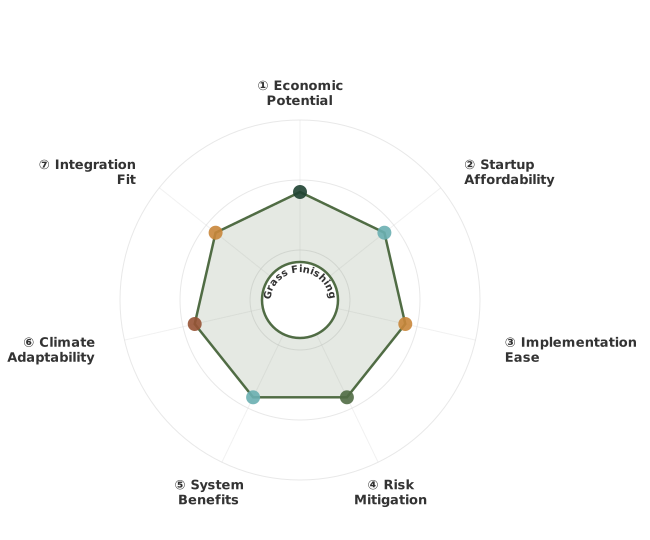
How These Traits Are Calculated
Trait dimensions are ordered clockwise starting from the top of the chart (12 o'clock position):
1. Economic Potential
Financial returns, annual value, and break-even timeline
WHAT: Evaluates financial viability by combining net annual value ($/ha from savings, income, and amortized harvests) with break-even timeline showing when practices pay for themselves.
WHY: Farmers need clear ROI understanding before committing resources. Fast payback (≤3 years) with strong returns (≥$300/ha) enables confident adoption, while long timelines (>10 years) restrict adoption to well-funded operations willing to wait for returns.
HOW: Calculated from net annual value in $/ha and break-even years. Exceptional (≥2.6): fast ROI ≤3 years + high value ≥$300/ha. Typical (1.8-2.5): moderate returns or longer timelines. Limited (<1.8): marginal economics or very long payback >10 years.
2. Startup Affordability
Initial investment costs and financial barrier to entry
WHAT: Measures financial barrier to entry through startup costs for equipment, infrastructure, consulting, and materials. Inverted scoring: lower costs = higher scores = more accessible adoption.
WHY: Affordability determines who can adopt. Low-cost practices (<$250/ha) enable widespread adoption across diverse scales, while high costs (>$2,500/ha) limit adoption to well-capitalized operations, creating barriers that slow regenerative transition.
HOW: Calculated from initial investment parsed from practice content. Inverted scoring: Exceptional (≥2.6): minimal investment <$250/ha. Typical (1.8-2.5): moderate costs $250-2,500/ha. Limited (<1.8): high barrier >$2,500/ha.
3. Implementation Ease
Learning curve and specialized knowledge required
WHAT: Measures how much learning, planning, and specialized knowledge a practice requires. Simpler practices with fewer steps score higher, while complex practices requiring extensive training or specialized resources score lower.
WHY: Complex practices create adoption barriers even when economically viable. Straightforward practices enable faster adoption and broader participation, while those requiring extensive training, timing precision, or specialized equipment limit who can succeed.
HOW: Evaluated by measuring documentation length and identifying complexity markers like location-specific requirements, seasonal timing windows, specialized skills, and dedicated equipment needs. Exceptional (≥2.6): straightforward practices with minimal prerequisites. Typical (1.8-2.5): moderate learning curve with some specialized needs. Limited (<1.8): steep learning curve requiring significant training or resources.
4. Risk Mitigation
Identified financial and ecological risk assessment
WHAT: Evaluates documented risks across financial (investment loss, market volatility) and ecological (crop failure, pest outbreaks) domains. Inverted scoring: fewer risks = higher scores.
WHY: Understanding risk exposure helps farmers make informed decisions. Low-risk practices allow confident implementation, while high-risk practices require careful planning and contingency resources. Risk transparency prevents costly failures.
HOW: Calculated from identified risks in practice content. Inverted scoring: Exceptional (≥2.6): ≤2 risks with manageable severity. Typical (1.8-2.5): 3-5 moderate risks. Limited (<1.8): 6+ risks or severe exposure.
5. System Benefits
How many ways the practice improves your land simultaneously
WHAT: Measures how many aspects of land health improve at once—carbon storage, soil quality, erosion control, water absorption, and biodiversity. Practices that improve multiple areas simultaneously create compounding benefits where each improvement reinforces the others.
WHY: The best practices solve multiple problems at once. For example, addressing erosion simultaneously builds carbon and improves water infiltration, creating a resilient system with positive feedback loops. Single-benefit approaches miss these compound transformation opportunities.
HOW: Evaluated across five key outcomes: carbon sequestration, soil organic matter increase, erosion reduction, water infiltration improvement, and biodiversity enhancement. Exceptional (≥2.6): high carbon storage (>8 t/ha/yr), improvements across 4-5 areas, transformative outcomes. Typical (1.8-2.5): moderate carbon (3-8 t/ha/yr), improvements across 2-3 areas. Limited (<1.8): modest impact (<3 t/ha/yr), single-area focus only.
6. Climate Adaptability
Geographic applicability across Köppen climate zones
WHAT: Evaluates geographic applicability by assessing how many Köppen climate zones successfully support a practice and what adaptation requirements are needed. Measures breadth of climates where farmers can implement with minimal to moderate modifications.
WHY: Universal practices working across diverse climates enable more farmers to adopt regenerative approaches. Practices limited to single climate types (only Mediterranean, only tropical) restrict adoption and slow global transition. Adaptability determines whether a practice serves niche regions or offers broad transformation.
HOW: LLM evaluation of regional success stories, Köppen zone coverage, and adaptation needs. Exceptional (≥2.6): 5+ zones or 4+ climate types, 3+ continents, minimal adaptation. Typical (1.8-2.5): 3-4 zones or 2-3 types, 2 continents, moderate adaptation. Limited (<1.8): 1-2 zones, single region, significant adaptation or highly specialized.
7. Integration Fit
How well this practice combines with others you're doing
WHAT: Measures how well a practice combines with other regenerative practices you might be doing. Some practices work as building blocks that make many other practices easier or more effective, while others work best on their own.
WHY: Practices that combine well with many others create more value on your farm. For example, cover cropping enables no-till, improves grazing, supports crop diversity, and helps water management—making all of them work better together. This helps you build a coherent system rather than juggling disconnected practices.
HOW: Evaluated by identifying which practices combine well and how strong those combinations are. 'Ideally Suited' means strong combinations where practices reinforce each other (practice A makes B easier, while B makes A more effective). 'Adequate' means complementary benefits that work well together. Exceptional (≥2.6): combines well with 6+ practices, serves as a building block. Typical (1.8-2.5): combines with 3-5 practices. Limited (<1.8): 1-2 practices or works best alone.
Going Deeper
1
WHY - The Benefits
Grass finishing is more than just an alternative production method; it's an integrated system that offers profound benefits for soil, animals, economics, and the wider environment. By returning cattle to a diet of natural forages and managing them using principles that...
Grass finishing is more than just an alternative production method; it's an integrated system that offers profound benefits for soil, animals, economics, and the wider environment. By returning cattle to a diet of natural forages and managing them using principles that...
WHY - The Benefits
Grass finishing is more than just an alternative production method; it's an integrated system that offers profound benefits for soil, animals, economics, and the wider environment. By returning cattle to a diet of natural forages and managing them using principles that...
Grass finishing is more than just an alternative production method; it's an integrated system that offers profound benefits for soil, animals, economics, and the wider environment. By returning cattle to a diet of natural forages and managing them using principles that...
Soil Health Benefits
The cornerstone of a healthy pasture ecosystem lies beneath the surface, and grass finishing, especially when implemented with adaptive grazing, significantly enhances soil health. By ensuring continuous plant cover and a diverse root system, it leads to a steady increase in soil organic matter. Studies and farm-level data frequently show gains of 0.5-1.5% soil organic matter per year in well-managed perennial pastures, contributing to improved soil structure, water-holding capacity, and nutrient cycling.
Improved soil structure is a direct consequence of increased biological activity and organic matter. Deep-rooted perennial grasses and legumes, stimulated by grazing, create channels that enhance water infiltration and aeration. This reduces runoff and erosion, as observed in numerous studies showing 60-85% reductions in soil loss on pastures compared to degraded or bare land. Enhanced infiltration means more water is available to plants, particularly crucial in drier climates or during drought periods.
The role of livestock in nutrient cycling is fundamental. Cattle distribute manure and urine evenly across pastures when managed rotationally. This natural fertilization reduces or eliminates the need for synthetic inputs. The diverse microbial community in healthy pasture soils, fueled by root exudates and organic matter, efficiently cycles nutrients, making them available to plants and reducing the risk of nutrient leaching into waterways.
Economic Benefits
Economically, grass finishing offers a unique value proposition. While it may involve longer finishing times (typically 24-30 months compared to 18-24 months for grain-finished cattle), this extended period allows for significant cost savings in feed. The elimination of expensive grain rations can reduce feed costs per pound of gain by an estimated $0.50-$1.00 USD equivalent, depending on local grain prices.
Furthermore, the demand for grass-fed and regeneratively produced meat is growing. Consumers are increasingly willing to pay a premium for products perceived as healthier, more ethical, and environmentally sustainable. This premium can range from $0.25 to $2.00 per pound USD equivalent, offering significant additional revenue for producers who can effectively market their product. Building this market connection is key to maximizing the financial returns.
Healthier animals generally require less veterinary intervention. Cattle on diverse forage diets tend to have stronger immune systems, reducing the incidence of common feedlot-related health issues like digestive disorders or respiratory illnesses. This can translate to 10-20% lower veterinary costs over the lifetime of the animal.
Finally, the cumulative improvements in soil health—increased organic matter, better water retention, reduced erosion—can lead to increased land productivity and value over time. Regenerative pastures are more resilient to environmental stresses, can support higher stocking rates sustainably in the long run, and are more attractive for future sale or lease.
Regenerative Systems Fit
Grass finishing, when practiced regeneratively, is a powerful tool for achieving the core principles of regenerative agriculture. Its successful implementation can transform a farm or ranch into a more ecologically sound and economically viable operation.
Principle 1 (Minimize Soil Disturbance): Regenerative grass finishing eliminates tillage and heavy machinery associated with grain production. The primary disturbance comes from livestock hooves. When managed through well-designed rotational grazing systems, this disturbance is strategic. It helps break up surface crusts, incorporate manure, and stimulate plant growth without causing lasting damage. Overgrazing and continuous grazing can lead to compaction and soil degradation, violating this principle, but proper management ensures minimal detrimental disturbance.
Principle 2 (Maximize Crop Diversity): A diverse pasture, rich in perennial grasses, legumes, and forbs, is essential for successful grass finishing. This diversity provides a balanced diet for cattle, crucial for their health and optimal weight gain. It also builds a more resilient ecosystem structure. Legumes fix nitrogen, reducing reliance on external fertilization. Various grasses offer different nutrient profiles and support different soil microbes. This botanical diversity translates directly to increased below-ground biodiversity, supporting a robust soil food web.
Principle 3 (Keep Soil Covered): Continuous grazing management, with adequate rest periods for forage regrowth, ensures that soil is rarely left bare. Living plants and their residues protect the soil surface from erosion caused by wind and rain, suppress weed growth, and maintain a favorable microclimate for soil organisms. This constant coverage is vital for conserving soil moisture and preventing the loss of topsoil, a critical component of ecosystem health.
Principle 4 (Maintain Living Roots): Perennial forages, the backbone of grass finishing systems, maintain living root systems year-round or for extended growing seasons. These roots continuously feed soil biology through root exudates, sequester carbon, maintain soil structure by creating aggregation, and contribute to the soil organic matter bank. The longer these roots are active, the more benefits they provide to the soil ecosystem.
Principle 5 (Integrate Livestock): Grass finishing inherently integrates livestock as a functional component of the ecosystem. Cattle are not just consumers but active managers of the pasture ecosystem. Their grazing, manure deposition, and movement stimulate plant growth, cycle nutrients, and can help manage plant succession. When managed adaptively, they contribute positively to soil health and biodiversity, acting as a key tool in building a self-sustaining agricultural system.
For farms transitioning from conventional systems, grass finishing can be a foundational practice for livestock operations. It directly addresses the need to reduce reliance on external inputs like grain and synthetic fertilizers, while simultaneously building soil health and potentially creating a more resilient and profitable enterprise. The economic benefits derived from premium markets and reduced input costs can fund further regenerative transition efforts on the farm.
Sources behind this view
Videos & Podcasts
-
Keys to grass finishing include plant diversity (forbs, cover crops), adaptive grazing with frequent cattle movement (3-4 times/day) to boost dry matter intake, and ensuring animals eat only the top t
-
Holistic management and planned grazing are foundational for 100% grass-fed dairy, improving soil health, nutrient cycling, and economic viability by reducing feed costs. This regenerative approach be
-
Holistic management with cattle is key to improving soil health, water cycles, and carbon sequestration. Maximize animal impact (hooves, dung, urine) for diversity and plant growth, while breeding cat
-
Plant diversity is crucial for grass finishing and cattle wellness, acting like a 'salad bar' where diverse species provide essential phytochemicals and micronutrients. This allows cattle to self-regu
Community
-
Adopts a holistic grazing management approach emphasizing diverse perennial pastures, higher residuals (4"), and longer rest periods (avg. 45 days) to build soil health, increase organic matter (3.4%
Read more (opens in new window) smallfarms.cornell.edu -
Advocates for sustainable grazing by leaving over half of pasture plants after grazing for regrowth and soil health, contrasting it with overgrazing which depletes reserves and degrades soil. This app
Read more (opens in new window) smallfarms.cornell.edu -
Grass-finishing is the final fattening stage before slaughter, requiring target weight and minimal stress. While forage quality impacts fat profile and flavor, achieving tender, flavorful beef relies
Read more (opens in new window) permies.com -
Contrasts traditional cattle feeding with regenerative rotational grazing, showing cattle readily eat diverse 'weeds' like poison ivy and blackberry bushes without fertilization, challenging generatio
Read more (opens in new window) permies.com
Research
-
Managing Grazing to Restore Soil Health, Ecosystem Function, and Ecosystem Services (opens in new window)
This study found: Properly managed grazing animals can reverse environmental damage. Regenerative practices, like Adaptive Multi-Paddock (AMP) grazing, boost soil health, increase soil carbon, reduce erosion, and enhan
-
Nutritional composition of beef: a comparison of commercial North American grass- and grain-finishing systems. (opens in new window)
This study found: Grass-fed beef generally has a healthier fat profile and more minerals than grain-fed, but significant variation exists. Diverse pastures improve beef nutrition, suggesting clearer labeling is needed.
-
Grass-fed vs. grain-fed beef systems: performance, economic, and environmental trade-offs. (opens in new window)
This study found: California study found conventional beef had better carcass quality and lower GHG emissions, while grass-fed systems had varied water/energy use and higher costs. No single system was superior across
-
Pasture-Based Dairy Systems in Temperate Lowlands: Challenges and Opportunities for the Future (opens in new window)
This study found: Pasture-based dairy in temperate lowlands can improve efficiency and sustainability by using more legumes for nitrogen, extending grazing, and selecting robust cows. This reduces chemical inputs, lowe
2
WHERE - Regional Considerations
Grass finishing is a versatile practice applicable to a wide range of climates, but success is heavily influenced by regional forage species, rainfall patterns, temperature extremes, and growing season length. Understanding these factors is crucial for selecting...
Grass finishing is a versatile practice applicable to a wide range of climates, but success is heavily influenced by regional forage species, rainfall patterns, temperature extremes, and growing season length. Understanding these factors is crucial for selecting...
WHERE - Regional Considerations
Grass finishing is a versatile practice applicable to a wide range of climates, but success is heavily influenced by regional forage species, rainfall patterns, temperature extremes, and growing season length. Understanding these factors is crucial for selecting...
Grass finishing is a versatile practice applicable to a wide range of climates, but success is heavily influenced by regional forage species, rainfall patterns, temperature extremes, and growing season length. Understanding these factors is crucial for selecting...
Click Here to Look up your Region if you don't already know it
Humid Temperate Regions
Representative Locations: Southeastern United States, northern Europe (UK, Germany, Poland), eastern China, Japan, New Zealand
Climate Context: Warm to hot summers and cool to cold winters with moderate to high annual precipitation (750-1500 mm or 30-60 inches) distributed relatively evenly. USDA Zones 6-8, Köppen Cfb/Cfa.
In these regions, cool-season perennial grasses (like fescue, ryegrass, orchardgrass, bromegrass) and legumes (white clover, red clover, alfalfa) often form the base of pasture systems. These forages provide high-quality nutrition for extended periods. However, summer heat and potential drought can stress cool-season grasses, making a diverse mix with some warm-season options or drought-tolerant species beneficial. Managing for summer slump in forage quality is key; this might involve grazing management to preserve residual growth, incorporating more drought-tolerant legumes, or having a reserve of stored forage (hay or silage) for peak summer stress. Beef breeds with good heat tolerance and efficient forage conversion are advantageous.
Mediterranean Regions
Representative Locations: California, Mediterranean basin (Spain, Italy, Greece), central Chile, southwestern Australia, Western Cape South Africa
Climate Context: Hot, dry summers and mild, wet winters. Annual precipitation 400-900 mm (15-35 inches), highly seasonal. USDA Zones 8-10, Köppen Csa/Csb.
Grass finishing in Mediterranean climates presents unique challenges due to the pronounced dry summer. Perennial grasses and forbs that are adapted to summer dormancy are crucial. Ranchers often rely on grazing annual forages planted for the wet season (like oats, vetch, ryegrass) that complete their life cycle before summer, or manage dormant perennial pastures when they provide adequate dry matter and some residual nutrition. Supplemental feeding might be necessary for longer dry periods, though the goal is to minimize this by maximizing forage quality and quantity during the growing season. Water management, including access to reliable water sources during dry months, is paramount. Drought-tolerant breeds and strategic pasture resting are essential.
Arid/Semi-Arid Regions
Representative Locations: Western USA (Great Plains, Intermountain West), North Africa, Central Asia, Interior Australia
Climate Context: Low annual precipitation (<400 mm or 15 inches), high temperatures, short and often unpredictable growing season. USDA Zones 5-9, Köppen BSh/BSk.
Grass finishing in arid or semi-arid regions requires extreme reliance on drought-tolerant native grasses, shrubs, and adapted legumes. Stocking rates must be conservative to account for limited forage production and long recovery periods. Rotational grazing is critical to prevent overgrazing and allow plants to set seed and rebuild root reserves. Water availability is often the primary limiting factor, necessitating careful planning of water sources and potentially utilizing wells or distant water hauling for extended periods. Animals with high heat and drought tolerance are essential. Economic viability often hinges on producing lower volumes of high-quality, premium-priced beef or integrating with other income streams like wildlife management.
Cold Continental Regions
Representative Locations: Northern USA and Canada, Northern Europe, Northern Asia
Climate Context: Very short growing seasons, extreme summer heat, severe winter cold. Annual precipitation 500-1000 mm (20-40 inches) often concentrated in summer. USDA Zones 3-5, Köppen Dfa/Dfb.
In cold continental climates, the focus is on maximizing forage production during the short, intense growing season. Cool-season perennial pastures are dominant. Extending the grazing season through fall is a key strategy, utilizing late-season growth and potentially stockpiled forages. Winter feeding, often with hay or silage produced during summer, is unavoidable. Selecting cattle breeds hardy enough to withstand extreme winter conditions is essential. The quality of stored forages becomes critical for maintaining animal health during winter months. Pasture renovation to include improved forage varieties can significantly boost productivity during the short growing window.
Subtropical Regions
Representative Locations: Southeastern USA, Southern China, Southern Brazil, Eastern Australia
Climate Context: Hot, humid summers and mild winters with generally ample rainfall. USDA Zones 9-11, Köppen Cfa/Cwa.
These regions often support lush growth of both cool-season and warm-season forages. Bahiagrass, Bermudagrass, and switchgrass are common warm-season options, while ryegrass and clovers thrive in cooler months. Managing this dual forage base and the transition between seasons is key. Cattle breeds with good heat tolerance and parasite resistance are beneficial. The high humidity can increase disease pressure, making good pasture management and animal health monitoring important. Managing for consistent forage quality year-round, perhaps through species selection and rotational grazing, is achievable.
Tropical Regions
Representative Locations: Central America, Southeast Asia, East Africa, Northern Australia, Northern South America
Climate Context: High temperatures year-round, with distinct wet and dry seasons or consistent high rainfall. Köppen Af/Am/Aw.
Tropical grass finishing often involves managing for a diverse mix of tropical grasses (e.g., Brachiaria, Panicum, Cynodon species) and legumes adapted to warm, humid conditions. The intensity of the wet and dry seasons dictates management. During the wet season, rapid forage growth occurs, requiring effective grazing management to prevent overgrowth and maintain quality. During the dry season, forage quality can decline rapidly, necessitating careful pasture utilization, potentially drawing on conserved forages or utilizing drought-tolerant species. Cattle breeds popular in these regions often possess traits for heat tolerance, tick resistance, and efficient utilization of fibrous tropical forages.
3
HOW - Implementation Process
Implementing a successful grass-finishing program requires a holistic approach that integrates animal management with sophisticated pasture and soil health practices. It's a system that progresses from initial setup through ongoing adaptive management.
Implementing a successful grass-finishing program requires a holistic approach that integrates animal management with sophisticated pasture and soil health practices. It's a system that progresses from initial setup through ongoing adaptive management.
HOW - Implementation Process
Implementing a successful grass-finishing program requires a holistic approach that integrates animal management with sophisticated pasture and soil health practices. It's a system that progresses from initial setup through ongoing adaptive management.
Implementing a successful grass-finishing program requires a holistic approach that integrates animal management with sophisticated pasture and soil health practices. It's a system that progresses from initial setup through ongoing adaptive management.
Prerequisites
Before beginning grass finishing for market-ready animals, consider these prerequisites:
- Market Access: Secure viable market channels for grass-finished beef (direct sales, specialized retailers, co-ops). Understand buyer expectations for quality and consistency.
- Forage Base: Establish or identify a reliable forage base with sufficient quality and quantity to support animal growth from weaning to market weight. This may involve pasture renovation or establishing a diverse pasture mix.
- Breed Suitability: Select cattle breeds that are genetically predisposed to thrive on forage diets and convert forages efficiently into meat (e.g., Hereford, Angus varieties selected for forage performance, Red Poll, Simmental, or even dual-purpose breeds).
- Water Infrastructure: Ensure reliable, clean water sources are accessible to all grazing areas throughout the year.
- Fencing Infrastructure: Develop a robust fencing system, typically portable electric or permanent polywire/tape, to facilitate rotational grazing.
Phase 1: Pasture Establishment and Improvement (Years 1-3)
This phase focuses on building the foundation for high-quality forage production.
- Soil Testing: Conduct comprehensive soil tests to understand nutrient levels, pH, and organic matter. Amend soil based on recommendations using compost, manure, or organic fertilizers, prioritizing biological fertility over synthetic ones.
- Species Selection: Choose a diverse mix of perennial grasses, legumes, and forbs adapted to your local climate and soil conditions. Aim for species that offer high nutritional value and extend the grazing season (e.g., cool-season grasses for spring/fall, warm-season grasses for summer, legumes for protein and nitrogen fixation, deep-rooted species for drought resilience). International species selection should consider local adapted ecotypes.
- Renovation: If existing pastures are degraded, consider light renovation techniques like frost-seeding legumes, overseeding with improved varieties, or, in cases of extreme degradation and as a last resort, minimal tillage followed by immediate cover cropping to establish a diverse perennial stand.
- Establishment Grazing: Manage grazing carefully during establishment to allow new forages to root and mature. Avoid heavy grazing until plants are well-established.
Phase 2: Implementing Adaptive Grazing Management (Ongoing, from Year 1)
This is the core management strategy for grass finishing.
- Paddock Design: Divide larger pastures into smaller paddocks to allow for short grazing periods and adequate rest. The size and number of paddocks depend on terrain, forage growth rates, and herd size. Aim for 20-50+ paddocks per herd for optimal results.
- Grazing Cycles: Move cattle frequently to fresh paddocks. The frequency depends on forage growth—moving every 1-7 days is common. The goal is to graze plants to an optimal residual height (e.g., 4-6 inches or 10-15 cm) to ensure rapid regrowth, rather than grazing them down to the ground.
- Rest Periods: Allow paddocks sufficient rest time (20-60 days or more) for plants to regrow fully, replenish root reserves, and build nutritional density. Rest periods will vary seasonally and with weather conditions.
- Animal Tracking: Monitor animal performance (weight gain, condition) and pasture conditions rigorously. Adjust grazing frequency, paddock size, and stocking density based on observations. This is the essence of adaptive management.
- Seasonal Adjustment: Adapt grazing plans to seasonal forage availability and quality. In dry summers or harsh winters, adjust stocking rates, move to more resilient pastures, or utilize stored forages.
Phase 3: Nutrition and Health Management (Ongoing)
Focus on natural health and nutrition.
- Forage Quality: Monitor forage nutritional content through regular testing, especially during critical growth phases or dry periods. Supplementation should be considered only when forage alone cannot meet nutritional requirements for optimal growth, using high-quality, natural sources (e.g., free-choice minerals, high-quality hay).
- Mineral Supplementation: Provide a balanced, free-choice mineral supplement tailored to your region's soil and forage deficiencies. This is crucial for supporting animal health, reproduction, and efficient forage utilization.
- Water Access: Ensure animals have constant access to clean water. This is paramount for digestion, nutrient transport, and overall health.
- Disease Prevention: Focus on preventative health through good nutrition, low-stress handling, and robust pasture management to minimize disease. Limit vaccinations to those essential for disease prevention in your region.
Transition Timeline & Phase-Out Strategy
For farms transitioning from conventional or mixed feeding systems:
Year 1-2:
- Gradual Grain Reduction: If currently feeding grain, begin reducing amounts by 10-15% every 3-6 months.
- Pasture Focus: Prioritize renovating pastures and establishing a diverse perennial forage base. Implement basic rotational grazing on a small section of the herd or on younger animals.
- Market Research: Identify and connect with premium grass-fed markets. Understand their specifications (e.g., no grain at all, specific finishing period).
Year 2-3:
- Transition "Finished" Animals: Start finishing a portion of the herd entirely on pasture, while others may still receive minor supplements if absolutely necessary to meet performance targets.
- Full Pasture Management: Implement adaptive grazing across all available acreage.
- Monitor Performance: Closely track weight gain and health of pasture-finished animals to understand forage limitations and adjust grazing/supplementation.
Year 3-5:
- Complete Transition: All animals finished on pasture without grain.
- Optimize Forage: Fine-tune pasture species and grazing strategies for consistent, high-quality year-round forage.
- Market Refinement: Establish consistent supply for premium markets.
- Phase-out Synthetic Inputs: Eliminate synthetic fertilizers and pesticides from pasture management, relying entirely on biological fertility and diversity.
Success Indicators for Graduation:
- Animals consistently achieving target weight gains on forage alone, meeting market specifications.
- Pasture systems demonstrating resilience, high species diversity, and good ground cover year-round.
- Minimal reliance on external supplements beyond essential minerals.
- Established market channels willing to pay a premium for finished product.
Sources behind this view
Videos & Podcasts
-
Keys to grass finishing include plant diversity (forbs, cover crops), adaptive grazing with frequent cattle movement (3-4 times/day) to boost dry matter intake, and ensuring animals eat only the top t
-
Grass-finishing mechanics involve using quality genetics on planted forages in irrigated circles, with daily moves to ensure optimal nutrient intake. Animals are finished to 1200-1250 lbs, aiming for
-
Details Mark Thomas's grass-fed beef operation using diverse annual forages, direct marketing, and regenerative practices. Highlights health benefits of grass-fed beef, improved soil health, and advic
-
Explains how finishing speed, genetics, soil fertility, pasture diversity, and proper processing are crucial for high-quality grass-finished beef. Addresses issues like cold shortening and the importa
Community
-
Grass-finishing cattle requires understanding breed-specific frame sizes for optimal slaughter weights (e.g., Angus ~1060 lbs, Simmental ~1400 lbs). Daily pasture rotation is key to consistent weight
Read more (opens in new window) permies.com -
Grass-finishing is the final fattening stage before slaughter, requiring target weight and minimal stress. While forage quality impacts fat profile and flavor, achieving tender, flavorful beef relies
Read more (opens in new window) permies.com -
Raising and finishing lambs on pasture is possible by selecting appropriate breeds (e.g., Dorper, Katahdin), utilizing rotational grazing, ensuring nutritious forage and water, and evaluating carcass
Read more (opens in new window) smallfarms.cornell.edu
Research
-
Grass-fed vs. grain-fed beef systems: performance, economic, and environmental trade-offs. (opens in new window)
This study found: California study found conventional beef had better carcass quality and lower GHG emissions, while grass-fed systems had varied water/energy use and higher costs. No single system was superior across
-
Pasture-Based Dairy Systems in Temperate Lowlands: Challenges and Opportunities for the Future (opens in new window)
This study found: Pasture-based dairy in temperate lowlands can improve efficiency and sustainability by using more legumes for nitrogen, extending grazing, and selecting robust cows. This reduces chemical inputs, lowe
-
Growth curve, blood parameters and carcass traits of grass-fed Angus steers. (opens in new window)
This study found: Grass-fed Angus steers took 188 days longer to market with 70% slower weight gain than grain-fed, but produced similar tenderness and better yield grades, though grain-fed had higher quality grades.
-
Meat quality and fatty acid composition of pasture-finished beef steers fed barley and soybeans (opens in new window)
This study found: Pasture-finished beef steers had healthier fat profiles (more beneficial fats, higher CLA) than confinement-fed cattle. Supplementing pasture with soybeans further boosted CLA, while barley improved p
4
Know the Debate
Grass finishing offers a pathway to improve soil health and produce premium beef, but outcomes vary significantly by region and management. In humi...
Know the Debate
Grass finishing offers a pathway to improve soil health and produce premium beef, but outcomes vary significantly by region and management. In humi...
Grass finishing offers a pathway to improve soil health and produce premium beef, but outcomes vary significantly by region and management. In humid temperate zones with reliable rainfall, faster gains and quicker soil improvements are possible. Conversely, arid regions demand careful drought management and patience, with longer timelines for visible results and higher dependency on water access. Entry costs for infrastructure, like fencing and water systems, can range from $1,000-$9,000 per hectare for smaller operations to $35,000+ for large-scale setups, while ongoing labor for daily moves remains a constant at any scale. The genetics chosen and the quality of the forage base directly impact finishing times and meat quality, highlighting the need for context-specific planning.
How fast can I finish cattle on grass?
18-32 months (variable, faster with optimal genetics/forage)
Experienced ranchers suggest finishing times for grass-fed beef can range from 18 to 32 months total, with the final phase on finishing rations often lasting 4-12 months. Smaller-framed cattle or those managed on consistently high-quality forages may finish on the shorter end of this spectrum.
Sources behind this view
Sources behind this view
Videos & Podcasts
-
Distinguishes 'grass-finished' from 'grass-fed' beef. Finishing animals on grass requires careful grazing management and takes 18-32 months, especially in cold Alberta winters, to achieve desired marbling and fat cover.
-
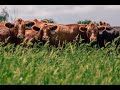
Grass-fed beef market is growing rapidly (15-20%/year), but supply is limited. Transition takes years, requires new skills, and is not one-size-fits-all. Producer networks, supportive policy, and clear communication are crucial for growth. Pilot programs are testing strategies to increase supply and engage diverse producers.
-
For profitable grass-finished beef, select appropriate genetics (smaller frame size, e.g., 1200-1300 lb bulls) and focus on animal performance. Larger frame animals often require supplemental feed and are less profitable on an all-grass system.
30-60 days longer than grain-finished (academic view)
Academic analyses suggest grass-finishing typically extends the total production cycle by 188 days (approx. 6 months) compared to grain-finished systems, impacting overall time to market.
Sources behind this view
Sources behind this view
Research
-
Growth curve, blood parameters and carcass traits of grass-fed Angus steers. (opens in new window)
This study found: A study comparing grass-fed and grain-fed Angus cattle found that cattle finished on grass took about 188 extra days to reach market weight and gained weight about 70% slower than those fed grain. While both diets produced linear growth patterns, cattle fed grain had heavier carcasses, more back fat, and higher quality grades. However, cattle finished on grass had better yield grades and larger ribeye areas relative to carcass size. Importantly, meat tenderness was similar and good in both groups, showing that tender beef can be produced from grass-fed animals, even though grain-fed animals received higher official quality grades. This information is valuable for farmers considering a transition to grass-based beef production.
-
186 Effect of Feedlot Finishing Compared with Grass fed Beef Following Bale Grazing and Delayed Feedlot Entry on Steer Performance, Carcass Measurement and net Return (opens in new window)
This study found: A study in Wyoming compared three ways of finishing beef cattle: grazing on annual pastures (GFANN), grazing on natural grasslands (GFNR), and a traditional feedlot system (FLT) with a delayed start. After initial grazing, all cattle were fed cover crop hay and a supplement. Cattle in the feedlot system (FLT) had significantly heavier carcasses, better marbling, and higher carcass value compared to the grass-fed groups. While grass-fed systems had some gains during the bale grazing phase, their overall feed costs per pound of gain were higher. The feedlot system was the most profitable, with grass-fed systems showing lower net returns, partly due to farming and transportation expenses.
-
Net protein contribution and enteric methane production of pasture and grain-finished beef cattle supply chains. (opens in new window)
This study found: A study in Australia compared two ways of raising beef cattle: one mostly on pasture (grass-fed) and one finished on grain (grain-finished). Researchers used a method called Net Protein Contribution (NPC) to see how efficiently each system produced protein that humans can use. The grass-fed system was much more efficient at turning feed into usable protein, with an NPC of 1597 compared to 1.96 for grain-finished beef. This means cattle on pasture are good at converting low-quality plants into high-quality meat. However, the grass-fed system produced more methane (a greenhouse gas) per pound of protein than the grain-finished system. The study suggests that while both systems can provide protein for people without competing for human food, the best system depends on balancing protein efficiency with environmental factors like methane emissions and land use.
Variable by region and pasture quality (rancher view)
Factors like climate, forage diversity, and seasonal availability significantly influence finishing times. Operations in regions with shorter growing seasons or unpredictable rainfall may face longer cycles.
Sources behind this view
Sources behind this view
Videos & Podcasts
-
Grass-finishing beef cattle is feasible in diverse climates (e.g., Southeast US, North Dakota) by matching forages, focusing on genetics, and improving soil health. These core principles are transferable, and costs can decrease with optimization.
-
Distinguishes 'grass-finished' from 'grass-fed' beef. Finishing animals on grass requires careful grazing management and takes 18-32 months, especially in cold Alberta winters, to achieve desired marbling and fat cover.
From the Web
-
Explains differences between grass-fed and grain-finished beef, detailing production methods, flavor variations, and the impact of genetics, cooking, slaughter, and aging on meat quality. Highlights environmental and health benefits of grass-fed.
Making Sense of the Differences
Finishing times for cattle on grass are not uniform and vary considerably. While academic studies indicate a general increase of 1-2 months compared to grain-finished, practical experience suggests a broader range of 18-32 months total, heavily influenced by region (climate, rainfall), genetics, forage quality, and management intensity. Operations in climates with reliable, diverse forage throughout the year may finish on the shorter end, whereas those facing dry seasons or unpredictable weather may experience longer cycles. Producers aiming for faster finishing times should prioritize optimal genetics and high forage quality, while those in challenging environments must plan for extended timelines.
Does grass-fed beef have vastly superior nutrition?
Superior nutrition evident (higher omega-3, CLA, phytochemicals)
Grass-finished beef is consistently reported to have a healthier fat profile, including higher levels of omega-3 fatty acids and CLA, along with increased phytochemical richness beneficial for health.
Sources behind this view
Sources behind this view
Videos & Podcasts
-
Pasture-finishing diversity, especially incorporating forbs, significantly increases phytonutrient density in meat compared to monoculture grass-finishing. Regenerative management is key to achieving this diversity, benefiting both animal health and product quality.

Research
-
Integrated metabolomic and transcriptome analyses reveal finishing forage affects metabolic pathways related to beef quality and animal welfare. (opens in new window)
This study found: A study comparing how cattle are finished (on grass versus grain) found significant differences in their meat quality and stress levels. By looking at the animals' genes and body chemistry, researchers discovered that grass-finished beef had more beneficial anti-inflammatory fats (omega-3s) and fewer pro-inflammatory fats (omega-6s) compared to grain-finished beef. This means grass-finished beef is likely more tender, has less total fat, and offers a better fat balance for human health. Importantly, the study also found that grass-fed animals appeared to experience less stress, as indicated by lower cortisol levels in their blood, suggesting better animal welfare.
-
Legume finishing provides beef with positive human dietary fatty acid ratios and consumer preference comparable with grain-finished beef. (opens in new window)
This study found: A study compared the taste and quality of beef from cattle finished on different diets: conventional grain feedlots, a legume called birdsfoot trefoil, and grass forage. They also included commercially available grass-fed and grain-fed beef. Beef from grain-finished cattle had more marbling (intramuscular fat) and was rated higher for flavor, tenderness, and juiciness by consumers compared to grass-fed beef. However, beef finished on birdsfoot trefoil had similar consumer ratings for tenderness, fattiness, and overall liking as grain-finished beef, and was better than plain grass-fed beef. Importantly, all forage-finished beef (including birdsfoot trefoil) had healthier fatty acid profiles, with lower ratios of omega-6 to omega-3 fats and less saturated fat, similar to grass-fed beef. The study suggests that finishing cattle on birdsfoot trefoil can produce beef that is comparable in taste and texture to grain-finished beef while offering the health benefits of forage-based diets.
From the Web
-
Grass-finished beef is nutritionally superior to grain-finished beef, with higher phytochemicals, omega-3 fatty acids, and improved markers for cardiovascular and metabolic health, according to research by Dr. Stephan Van Vliet.
Nutritional value is variable and context-dependent
While grass-fed beef may show some nutritional benefits, studies indicate wide variation. The overall magnitude of 'superiority' can be small and is heavily influenced by specific forage types, breeds, and management practices.
Sources behind this view
Sources behind this view
Research
-
Nutritional composition of beef: a comparison of commercial North American grass- and grain-finishing systems. (opens in new window)
This study found: A large study comparing beef from cattle raised on pasture (grass-fed) versus those finished on grain found notable differences in nutritional content. On average, grass-fed beef had a healthier balance of fats (lower omega-6 to omega-3 ratio) and higher levels of beneficial omega-3 fatty acids like ALA, EPA, and DPA. It also contained more key minerals such as iron, calcium, copper, and selenium. However, the study also found significant variation within both grass-fed and grain-fed beef. Beef from cattle grazing on diverse pastures tended to have better fat profiles. The researchers suggest that current 'grass-fed' labels may not always reflect these nutritional benefits, and more transparent labeling about specific nutrient content, like omega-3 levels or the omega-6:3 ratio, could help consumers make better choices. Producers can use these findings to refine their pasture management for improved beef nutrition.
-
Grass-fed vs. grain-fed beef systems: performance, economic, and environmental trade-offs. (opens in new window)
This study found: A study in California compared four beef production methods: conventional (grain-finished), grass-fed for 20 months, grass-fed for 20 months with a short grain finish, and grass-fed for 25 months. The conventional system produced heavier cattle with better marbling and lower greenhouse gas emissions per pound of meat. However, grass-fed systems used less water (except the longest grass-fed option) and less energy. The longest grass-fed system had the highest greenhouse gas emissions and water use. Costs to break even were highest for the grass-fed options. Researchers concluded that no single system is best for all aspects – animal performance, meat quality, economic viability, and environmental impact involve trade-offs.
-
Net protein contribution and enteric methane production of pasture and grain-finished beef cattle supply chains. (opens in new window)
This study found: A study in Australia compared two ways of raising beef cattle: one mostly on pasture (grass-fed) and one finished on grain (grain-finished). Researchers used a method called Net Protein Contribution (NPC) to see how efficiently each system produced protein that humans can use. The grass-fed system was much more efficient at turning feed into usable protein, with an NPC of 1597 compared to 1.96 for grain-finished beef. This means cattle on pasture are good at converting low-quality plants into high-quality meat. However, the grass-fed system produced more methane (a greenhouse gas) per pound of protein than the grain-finished system. The study suggests that while both systems can provide protein for people without competing for human food, the best system depends on balancing protein efficiency with environmental factors like methane emissions and land use.
From the Web
-
Compares grass-fed (forage-based) and grain-fed beef production, noting differences in finishing periods and highlighting that both are nutrient-rich sources of protein, iron, and zinc.
Making Sense of the Differences
The nutritional superiority of grass-finished beef is a nuanced topic with evidence supporting both claims of enhanced health benefits and cautions about variability. Research consistently shows differences in fatty acid profiles, such as higher omega-3s and CLA in grass-fed meat. Field experience and some academic studies emphasize these benefits, linking them to phytochemical richness from diverse pastures. However, other studies highlight that the degree of superiority can be modest and is heavily influenced by the specific forage types, breeds, finishing duration, and management practices employed. Variability in these factors means that nutritional quality isn't uniform across all grass-finished products, making precise claims challenging and emphasizing the need to understand the specific production context.
What genetics and infrastructure are needed for grass finishing?
Adapted genetics and robust infrastructure essential
Success in grass finishing hinges on selecting cattle genetics suited to forage diets and investing in essential infrastructure like reliable fencing and water systems to support adaptive grazing.
Sources behind this view
Sources behind this view
Videos & Podcasts
-
Advocates for smaller-framed cattle (1000-1050 lbs) for grass finishing, explaining that larger commodity steers cannot consume enough grass to finish efficiently, leading to longer finishing times.
-
Grass-finishing requires specific cattle genetics adapted to forage; source locally from successful producers. Implement careful grazing management and start small. Ensure all farm infrastructure is ready before acquiring cattle.

-
Grass-finishing mechanics involve using quality genetics on planted forages in irrigated circles, with daily moves to ensure optimal nutrient intake. Animals are finished to 1200-1250 lbs, aiming for choice or better grade, while improving soil fertility and organic matter.
-
Beef cattle thrive on good pasture with proper management but require significant land, fencing, and capital investment. Hay supplementation can be costly, and finishing them, especially on grass, is time-consuming and nutritionally complex.
Breed suitability and strategic pasture management are key
While genetics matter, the primary focus should be on suitable breeds and strategic pasture management rather than solely expensive infrastructure. Diverse forage and breed adaptation are highlighted.
Sources behind this view
Sources behind this view
Research
-
Review: An overview of beef production from pasture and feedlot globally, as demand for beef and the need for sustainable practices increase. (opens in new window)
This study found: This review looks at how beef is produced around the world, both on pastures and in feedlots, as more people want beef and the industry needs to become more sustainable. The key to sustainable beef farming is being efficient and productive, which also helps reduce environmental impact and improve animal welfare. Pasture-based systems, where cattle graze, face challenges from changing weather and pasture quality. Farmers can use strategic feeding and supplements to help their herds, especially during dry spells or when pasture isn't nutritious enough. More controlled feedlot systems are often used for dairy-bred cattle or to finish beef cattle to ensure consistent quality. Choosing the right animal breeds (genotypes) that are well-suited to the environment and management system is vital for maximizing profits and keeping costs down, especially feed costs which are a major expense. New technologies are emerging that can help farmers track animal performance and environmental data, leading to better efficiency, animal care, and sustainability.
From the Web
-
Grass-based cattle finishing requires good pasture management, breed suitability, and consistent meat quality, with success factors including selecting diverse pasture varieties and using agroforestry, especially during droughts.
-
Research by Dr. Stephan Van Vliet (Utah State University) shows grass-finished beef has more health-promoting compounds and phytochemical richness than grain-finished beef, directly linked to the finishing diet.
Making Sense of the Differences
Successfully finishing cattle on grass necessitates careful consideration of both animal genetics and farm infrastructure. Producers emphasize selecting cattle breeds that thrive on forage diets, such as smaller-framed animals or specific lines known for forage conversion efficiency, as larger commodity steers can be less profitable and take longer to finish. Simultaneously, robust infrastructure, particularly for fencing and water access, is crucial for enabling the adaptive and rotational grazing management vital for both animal performance and pasture health. The extent of required infrastructure investment varies significantly with farm scale and existing resources, ranging from supplemental portable electric fencing for smaller operations to extensive permanent systems for larger ones, underscoring that a tailored approach is essential.
5
HOW MUCH - Costs & Investment
Note: All costs are in USD equivalent. Actual costs vary significantly by country, region, scale, and local labor/material prices. Multiply baseline USD costs by local economic indices. Labor costs vary widely internationally.
Note: All costs are in USD equivalent. Actual costs vary significantly by country, region, scale, and local labor/material prices. Multiply baseline USD costs by local economic indices. Labor costs vary widely internationally.
HOW MUCH - Costs & Investment
Note: All costs are in USD equivalent. Actual costs vary significantly by country, region, scale, and local labor/material prices. Multiply baseline USD costs by local economic indices. Labor costs vary widely internationally.
Note: All costs are in USD equivalent. Actual costs vary significantly by country, region, scale, and local labor/material prices. Multiply baseline USD costs by local economic indices. Labor costs vary widely internationally.
Note: All costs are based on recent US economic data (2024–2026) and may vary substantially by region based on local labor rates, material costs, and regulatory requirements.
Fencing and Subdivision
High-intensity grass finishing relies on frequent paddock rotation to maximize forage intake. Small operations (under 50 acres (20 ha)) typically spend $250–$500 per acre ($618–$1,236/ha) on fencing, as they rely on temporary electric polywire and lightweight tread-in posts to manually section small grazing cells daily. Mid-size operations (50–500 acres (20–202 ha)) experience costs between $150–$300 per acre ($371–$741/ha), as they transition toward permanent perimeter fencing reinforced with high-tensile interior cross-fencing. Large operations (500+ acres) capitalize on economies of scale and fixed-loop systems, spending $75–$200 per acre ($185–$494/ha). Professional installation for perimeter fencing averages $7,500–$14,000 per mile. Automation, such as solar-powered auto-gate systems, reduces labor hours by 15–25% but adds $1,500–$3,500 to initial capital outlays.
Water System Development
Water infrastructure is the primary constraint to productivity in rotational grazing. Small operations often invest $300–$700 per acre ($741–$1,730/ha) for portable, surface-level high-density polyethylene hose systems and transportable troughs that accommodate smaller herd numbers at limited water pressure. Mid-size producers generally spend $150–$400 per acre ($371–$988/ha) on solar-powered pumping systems that draw from permanent wells, incorporating 2,000–5,000 gallon (7,571–18,927 L) storage tanks to ensure consistent hydric availability. Large-scale producers manage costs at $75–$250 per acre ($185–$618/ha) by utilizing high-capacity, solar-array-driven flow systems and gravity-fed headers. Operations in regions requiring drilling depths exceeding 300 feet (91.4 m) often see total water development costs climb by 25–40% compared to those utilizing high-water-table access.
Pasture Renovation and Soil Fertility
Finishing cattle on forage requires nutrient-dense pasture that justifies active overseeding. Small operations spend $150–$400 per acre ($371–$988/ha) for initial establishment, frequently relying on specialized legume and multi-species grass mixes with higher per-pound seed costs. Mid-size operations spend $100–$250 per acre ($247–$618/ha), often utilizing equipment-sharing programs or smaller-scale tactical nutrient application to build soil organic matter. Large operations spend $50–$150 per acre ($124–$371/ha), benefiting from bulk procurement of lime, gypsum, and microbial seed coatings. Correcting pH deficiencies is mandatory for productivity, with lime applications costing $100–$200 per acre ($247–$494/ha) every 3–5 years, depending on soil buffer capacity and historical nutrient depletion levels.
Most Spend: Most agricultural enterprises in this sector report an aggregate initial capital investment ranging from $208.4–$1667.2 per acre ($515–$4,120/ha). Operations typically fall in the middle of this range when balancing basic high-tensile perimeter infrastructure with modular, flexible interior subdivisions.
Why the Range?: Cost variation is driven primarily by terrain slope and soil stability, which dictate equipment requirements, and the existing level of baseline pasture development. Projects involving heavy clearing, high-depth well drilling, or aggressive landscape restoration push costs toward the $1,667.2 per acre ($4,120/ha) limit, while well-maintained existing grazing layouts see costs closer to the $208.4 floor.
Sources behind this view
Videos & Podcasts
-
Establishing a 150-acre regenerative grass-fed beef farm in the Blue Ridge Mountains involves substantial upfront costs for land ($2,000/acre), clearing ($125k), fencing ($125k), and water systems ($3
-
Starting a cattle enterprise requires significant upfront investment. It's recommended to begin with stockers over cow-calf operations for faster returns and simpler management. Careful breed experime

-
The Pasture Project Grazing Calculator offers a user-friendly tool to compare financial returns of cow-calf ($309/acre), finishing ($119/acre), and direct marketing ($155/acre before post-harvest cost
-
Details the financial benefits of investing in fencing and water infrastructure for grazing, estimating costs ($175/acre) and returns (66% increase in carrying capacity). Discusses specific paddock de
Research
-
Increasing Intensity of Pasture Use with Dairy Cattle: An Economic Analysis (opens in new window)
This study found: Intensive grazing on Pennsylvania dairy farms was more profitable than hay/corn silage, returning $129/acre. High debt and poor cash flow motivated increased grazing intensity, which lowered feed cost