
Habitat Restoration
Habitat restoration is the process of actively helping degraded ecosystems recover their health, function, and biodiversity. On farms and ranches, this means creating or enhancing areas dedicated to native plants and wildlife, such as planting native trees, shrubs, wildflowers, or establishing grasslands. These restored areas provide essential resources—food, water, shelter—for beneficial insects, birds, and other wildlife, thereby supporting broader ecosystem health and resilience.
Read More: Complete Description
Habitat restoration on agricultural lands is a proactive approach to re-establishing natural ecosystems within or adjacent to production areas. It involves intentionally creating or enhancing areas with native plant communities that support biodiversity, providing essential ecological services that benefit the entire farm system. This practice moves beyond merely minimizing harm to actively rebuilding ecosystem function, acknowledging that a healthy landscape is more productive, resilient, and profitable in the long term.
Regenerative agriculture views habitat restoration as a foundational element of a healthy, self-sustaining farm. While specific practices vary greatly by region and farm goals, the underlying principle is to integrate wild plant and animal communities back into the managed landscape. This enhances the overall ecological complexity and resilience of the farm ecosystem, making it less susceptible to pests, diseases, and extreme weather events.
The five regenerative principles are deeply intertwined with habitat restoration. It directly supports Principle 2 (Maximize Crop Diversity) by introducing a wide array of native plant species that provide diverse food sources and habitats for a multitude of organisms. This biological diversity above ground often translates to a corresponding diversity below ground, fostering richer soil microbial communities. Principle 3 (Keep Soil Covered) is inherently addressed, as restored areas are typically planted with permanent vegetation that protects soil from erosion and maintains soil moisture. Principle 4 (Maintain Living Roots) is also upheld year-round by these perennial native plants, feeding soil biology and improving soil structure continuously. While Principle 1 (Minimize Soil Disturbance) may be temporarily violated during site preparation (e.g., minimal tillage for planting), the long-term goal is to establish stable, undisturbed perennial systems. Finally, Principle 5 (Integrate Livestock) can be thoughtfully incorporated, for example, through managed grazing in restored silvopasture systems or rotational grazing around buffer zones, ensuring animals contribute positively to ecological health.
Habitat restoration is not a one-size-fits-all practice. It can range from establishing small wildflower strips and pollinator gardens to planting large native grass prairies, riparian buffers along waterways, or agroforestry systems with native timber and nut trees. The scale and specific design depend on the land manager's goals, the ecological context of the region, and available resources. For instance, a farmer in the humid temperate climate of southern Brazil might establish native tree corridors to connect fragmented forests, while a rancher in the arid steppe of Kazakhstan might restore native grassland patches to support local wildlife and improve forage quality.
Common misconceptions about habitat restoration include viewing it as a purely "environmental" or "costly hobby" that detracts from production. However, when strategically implemented, it offers tangible economic and ecological benefits. Restored habitats can attract natural predators of pests, reducing the need for chemical inputs. Pollinator habitats boost yields in nearby crops. Riparian buffers filter water, reducing downstream pollution and potentially benefiting irrigation quality. Native grasslands can provide drought-tolerant forage or be integrated into diversified grazing systems. Furthermore, these areas often require less intensive management than cultivated fields, freeing up labor and resources.
Beyond direct ecological services, habitat restoration plays a critical role in ecological resilience. Diverse native plant communities are often more resilient to climate change impacts like drought or extreme temperatures than monocultures or simplified landscapes. They provide refuge for wildlife during environmental stress and serve as sources for natural recolonization. On a larger scale, interconnected networks of restored habitats can create wildlife corridors, allowing species to move and adapt to changing environmental conditions.
The transition to habitat restoration on working lands often aligns with government programs and conservation initiatives. Many regions offer incentives, grants, or technical assistance for establishing pollinator habitats, restoring wetlands, planting native trees, or establishing field borders and buffer strips. Farmers and ranchers can leverage these resources to offset upfront costs and access expertise. Importantly, restoration is often a long-term commitment, as it takes time for native ecosystems to re-establish and mature.
Ultimately, habitat restoration is an investment in the long-term health and productivity of the land. By reintroducing native biodiversity, farm and ranch landscapes become more functional, resilient, and self-regulating. This shift from input-dependent monocultures to diverse, functional ecosystems is a hallmark of regenerative agriculture, creating a more sustainable and prosperous future for land stewards and the environment.
Sources behind this view
Sources behind this view
 Videos & Podcasts
-
Regenerative agriculture benefits ecosystems by improving soil health, biodiversity, water quality, and wildlife habitats, while also enhancing farm worker conditions and community well-being.

-
Regenerative agriculture awareness is growing. Restoring land and biodiversity, aided by livestock and soil organisms (beavers, earthworms), improves water cycles and creates habitat. Soil restoration

-
Advocates for regenerative practices to restore ecosystem connections, providing essential services like nutrient supply, pest control, pollination, and weather protection. Enhancing biodiversity abov

-
Regenerative agriculture regenerates the environment through animal integration, building soil, biodiversity, and resilience, while promoting local food systems and a less perfectionist, more connecte
 Research
-
Regenerative Agriculture: Restoring Ecosystems¢ Resilience and Productivity: A Review (opens in new window)
This study found: Regenerative agriculture builds soil health and ecosystem services through practices like no-till, cover crops, and diverse rotations. It increases soil organic matter, improves water infiltration, bo
-
Systematic review of regenerative farming: Addressing agricultural sustainability challenges (opens in new window)
This study found: Systematic review of 31 studies shows regenerative farming improves soil health, biodiversity, and carbon capture, aiding sustainability. Technology is key for adoption, but policy, farmer understandi
-
The Revolutionary Impact of Regenerative Agriculture on Ecosystem Restoration and Land Vitality: A Review (opens in new window)
This study found: Regenerative agriculture in India enhances soil health, biodiversity, and carbon capture, offering solutions to degradation and climate change. Community and policy support are vital for its widesprea
-
Managing Grazing to Restore Soil Health, Ecosystem Function, and Ecosystem Services (opens in new window)
This study found: Properly managed grazing animals can reverse environmental damage. Regenerative practices, like Adaptive Multi-Paddock (AMP) grazing, boost soil health, increase soil carbon, reduce erosion, and enhan
 From the Web
-
Regenerative agriculture restores degraded soils by working with nature, enhancing soil health and profitability. Key practices reduce input costs, improve resilience, and benefit the environment thro
-
Regenerative agriculture restores degraded soils using ecological principles, improving soil health, biodiversity, and resilience while reducing chemical inputs and capturing carbon.
Key Points
What It Is
- Re-establishing native plants and wildlife habitats
- Enhances biodiversity and ecological services
- Can be small strips or large restored areas
- Supports multiple regenerative principles
Why Do It
- Increases farm resilience to pests and climate
- Improves soil health and water cycles
- Attracts beneficial insects and wildlife
- Supports long-term ecological and economic sustainability
Know the Debate
- Results appear in 1-3 years, with full benefits taking 5-15 years.
- Costs range from $200-2,400/ha, with grants available.
- Scalable from small gardens to large ranches.
Benefits - Financial
- Reduce insecticide costs by 20–30%, saving $60–$150 per acre ($148–$371 per hectare) annually
- Conservation programs provide $150–$300 per acre ($371–$741 per hectare) in annual payments
- Increase adjacent crop yields by 3–8% through enhanced pollination
Benefits - System
- Supports all 5 regenerative principles
- Increases pollinator populations 30-100%
- Enhances on-farm wildlife diversity
- Improves soil organic matter 0.5-1.5% over 10-15 years
Risks - Financial
- Initial establishment costs range from $350–$650 per acre ($865–$1,606 per hectare)
- Recurring invasive management costs of $100–$200 per acre ($247–$494 per hectare) during establishment
Risks - System
- Invasive species establishment in restored areas
- Requires ongoing monitoring and management effort
- Needs appropriate species selection for region
- May require temporary measures (e.g., fencing)
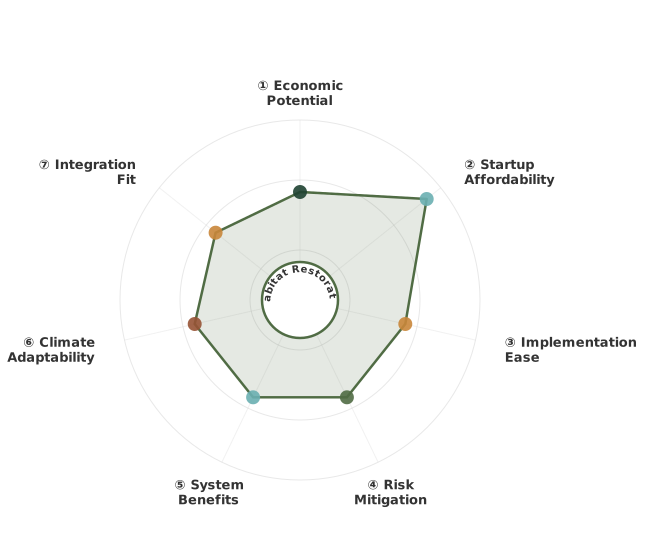
How These Traits Are Calculated
Trait dimensions are ordered clockwise starting from the top of the chart (12 o'clock position):
1. Economic Potential
Financial returns, annual value, and break-even timeline
WHAT: Evaluates financial viability by combining net annual value ($/ha from savings, income, and amortized harvests) with break-even timeline showing when practices pay for themselves.
WHY: Farmers need clear ROI understanding before committing resources. Fast payback (≤3 years) with strong returns (≥$300/ha) enables confident adoption, while long timelines (>10 years) restrict adoption to well-funded operations willing to wait for returns.
HOW: Calculated from net annual value in $/ha and break-even years. Exceptional (≥2.6): fast ROI ≤3 years + high value ≥$300/ha. Typical (1.8-2.5): moderate returns or longer timelines. Limited (<1.8): marginal economics or very long payback >10 years.
2. Startup Affordability
Initial investment costs and financial barrier to entry
WHAT: Measures financial barrier to entry through startup costs for equipment, infrastructure, consulting, and materials. Inverted scoring: lower costs = higher scores = more accessible adoption.
WHY: Affordability determines who can adopt. Low-cost practices (<$250/ha) enable widespread adoption across diverse scales, while high costs (>$2,500/ha) limit adoption to well-capitalized operations, creating barriers that slow regenerative transition.
HOW: Calculated from initial investment parsed from practice content. Inverted scoring: Exceptional (≥2.6): minimal investment <$250/ha. Typical (1.8-2.5): moderate costs $250-2,500/ha. Limited (<1.8): high barrier >$2,500/ha.
3. Implementation Ease
Learning curve and specialized knowledge required
WHAT: Measures how much learning, planning, and specialized knowledge a practice requires. Simpler practices with fewer steps score higher, while complex practices requiring extensive training or specialized resources score lower.
WHY: Complex practices create adoption barriers even when economically viable. Straightforward practices enable faster adoption and broader participation, while those requiring extensive training, timing precision, or specialized equipment limit who can succeed.
HOW: Evaluated by measuring documentation length and identifying complexity markers like location-specific requirements, seasonal timing windows, specialized skills, and dedicated equipment needs. Exceptional (≥2.6): straightforward practices with minimal prerequisites. Typical (1.8-2.5): moderate learning curve with some specialized needs. Limited (<1.8): steep learning curve requiring significant training or resources.
4. Risk Mitigation
Identified financial and ecological risk assessment
WHAT: Evaluates documented risks across financial (investment loss, market volatility) and ecological (crop failure, pest outbreaks) domains. Inverted scoring: fewer risks = higher scores.
WHY: Understanding risk exposure helps farmers make informed decisions. Low-risk practices allow confident implementation, while high-risk practices require careful planning and contingency resources. Risk transparency prevents costly failures.
HOW: Calculated from identified risks in practice content. Inverted scoring: Exceptional (≥2.6): ≤2 risks with manageable severity. Typical (1.8-2.5): 3-5 moderate risks. Limited (<1.8): 6+ risks or severe exposure.
5. System Benefits
How many ways the practice improves your land simultaneously
WHAT: Measures how many aspects of land health improve at once—carbon storage, soil quality, erosion control, water absorption, and biodiversity. Practices that improve multiple areas simultaneously create compounding benefits where each improvement reinforces the others.
WHY: The best practices solve multiple problems at once. For example, addressing erosion simultaneously builds carbon and improves water infiltration, creating a resilient system with positive feedback loops. Single-benefit approaches miss these compound transformation opportunities.
HOW: Evaluated across five key outcomes: carbon sequestration, soil organic matter increase, erosion reduction, water infiltration improvement, and biodiversity enhancement. Exceptional (≥2.6): high carbon storage (>8 t/ha/yr), improvements across 4-5 areas, transformative outcomes. Typical (1.8-2.5): moderate carbon (3-8 t/ha/yr), improvements across 2-3 areas. Limited (<1.8): modest impact (<3 t/ha/yr), single-area focus only.
6. Climate Adaptability
Geographic applicability across Köppen climate zones
WHAT: Evaluates geographic applicability by assessing how many Köppen climate zones successfully support a practice and what adaptation requirements are needed. Measures breadth of climates where farmers can implement with minimal to moderate modifications.
WHY: Universal practices working across diverse climates enable more farmers to adopt regenerative approaches. Practices limited to single climate types (only Mediterranean, only tropical) restrict adoption and slow global transition. Adaptability determines whether a practice serves niche regions or offers broad transformation.
HOW: LLM evaluation of regional success stories, Köppen zone coverage, and adaptation needs. Exceptional (≥2.6): 5+ zones or 4+ climate types, 3+ continents, minimal adaptation. Typical (1.8-2.5): 3-4 zones or 2-3 types, 2 continents, moderate adaptation. Limited (<1.8): 1-2 zones, single region, significant adaptation or highly specialized.
7. Integration Fit
How well this practice combines with others you're doing
WHAT: Measures how well a practice combines with other regenerative practices you might be doing. Some practices work as building blocks that make many other practices easier or more effective, while others work best on their own.
WHY: Practices that combine well with many others create more value on your farm. For example, cover cropping enables no-till, improves grazing, supports crop diversity, and helps water management—making all of them work better together. This helps you build a coherent system rather than juggling disconnected practices.
HOW: Evaluated by identifying which practices combine well and how strong those combinations are. 'Ideally Suited' means strong combinations where practices reinforce each other (practice A makes B easier, while B makes A more effective). 'Adequate' means complementary benefits that work well together. Exceptional (≥2.6): combines well with 6+ practices, serves as a building block. Typical (1.8-2.5): combines with 3-5 practices. Limited (<1.8): 1-2 practices or works best alone.
Going Deeper
1
WHY - The Benefits
Habitat restoration on agricultural landscapes is more than an environmental amenity; it's a strategic investment that enhances ecological function, bolsters economic viability, and builds long-term resilience. By reintroducing native plant communities and supporting...
Habitat restoration on agricultural landscapes is more than an environmental amenity; it's a strategic investment that enhances ecological function, bolsters economic viability, and builds long-term resilience. By reintroducing native plant communities and supporting...
WHY - The Benefits
Habitat restoration on agricultural landscapes is more than an environmental amenity; it's a strategic investment that enhances ecological function, bolsters economic viability, and builds long-term resilience. By reintroducing native plant communities and supporting...
Habitat restoration on agricultural landscapes is more than an environmental amenity; it's a strategic investment that enhances ecological function, bolsters economic viability, and builds long-term resilience. By reintroducing native plant communities and supporting...
Soil Health Benefits
Restored native plant communities, particularly grasslands and forest understories, maintain living roots year-round, feeding soil biology consistently. This continuous root exudation fuels microbial populations, increasing soil organic matter (SOM) accumulation by 0.5-1.5% over 10-15 years compared to conventional systems. Deeper root systems associated with native forbs and trees create macropores, improving soil structure, aeration, and water infiltration, with observed improvements often in the 30-60% range depending on initial soil condition and climate. This reduces erosion, conserves moisture, and creates a more favorable environment for beneficial soil organisms like earthworms and mycorrhizal fungi.
The diverse functional groups of microbes associated with native plants contribute to nutrient cycling. Decomposers break down litter, releasing nutrients slowly, while nitrogen-fixing legumes directly add nitrogen to the system. This biological nutrient cycling reduces the need for synthetic fertilizers and minimizes nutrient leaching into waterways. Healthy, active soil biology also improves soil aggregate stability, making it more resistant to compaction from farm machinery or livestock. Over time, these processes lead to healthier, more fertile soils that support more robust plant growth in adjacent production areas.
Economic Benefits
While habitat restoration may reduce the land available for primary crops or livestock, it generates economic benefits through several pathways. Reduced Input Costs: Habitats for beneficial insects (predatory wasps, ladybugs, lacewings) and insectivorous birds can significantly reduce pest pressure on crops and livestock, lowering the need for pesticides. Studies suggest natural pest control can save farmers $50-150 per hectare ($20-60 per acre) annually.
Increased Yields: Pollinator habitats—such as wildflower strips, native hedgerows, or insectary plantings—significantly boost pollination services for insect-pollinated crops (e.g., fruits, vegetables, oilseeds) by 5-20%. This directly translates to higher yields and quality.
Diversified Income Streams: Some restoration projects can create new revenue. Planting native fruit or nut trees in agroforestry systems generates income from harvests. Forage from restored native grasslands can supplement livestock diets, reducing feed costs, especially during dry seasons or droughts.
Conservation Program Payments: Many governments and NGOs offer financial incentives, grants, or cost-share programs for habitat restoration, such as establishing pollinator strips, riparian buffers, or native prairies. These programs can offset establishment costs and provide ongoing payments for land retirement or specific management practices.
Pest Deterrence: Certain landscape designs, like buffer zones or hedgerows, can act as barriers, deterring larger vertebrate pests (deer, rabbits) from entering valuable crops or pastures.
Water Cycle Benefits
Restored native vegetation acts as a sponge, significantly improving water infiltration and retention. Deep root systems and increased soil organic matter create a porous soil structure that absorbs rainfall much more effectively than compacted or degraded soils. This reduces surface runoff by 30-60%, mitigating soil erosion and preventing sediment and nutrient pollution from entering streams and rivers.
In areas with high rainfall, improved infiltration reduces the risk of waterlogging. In drier climates, enhanced soil moisture retention extends the growing season for adjacent crops and pastures, improving drought resilience and potentially reducing irrigation needs. Riparian buffers, planted along waterways, are particularly effective at filtering agricultural runoff, removing excess nutrients (nitrogen, phosphorus) and pesticides before they reach surface water, thus protecting water quality for downstream users and aquatic ecosystems.
Carbon Sequestration
Habitat restoration, particularly through the establishment of perennial native plants, is a powerful tool for carbon sequestration. Living roots continuously draw down atmospheric carbon dioxide through photosynthesis. This carbon is stored above ground in biomass (leaves, stems, roots) and, critically, below ground in soil organic matter. Perennial systems, especially diverse native grasslands and agroforestry, can sequester 3-8 tonnes of carbon per hectare (1.3-3.5 tons per acre) annually, with much of it being stored long-term in the soil. This contributes to climate change mitigation and builds soil fertility.
Restored native forests and shrublands provide the highest rates of carbon sequestration. Even establishing native wildflower strips or hedgerows contribute significantly, especially when they replace bare soil or low-diversity pasture. The long-term nature of perennial plants ensures that carbon stored in soil organic matter is less susceptible to oxidation compared to tilled agricultural lands.
Biodiversity Enhancement
This is the most direct and visible benefit. Restoring native habitats provides food, shelter, and breeding grounds for a wide array of organisms. This includes:
- Pollinators: Native bees, butterflies, moths, and other insects that are crucial for crop production and ecosystem health.
- Beneficial Insects: Predators and parasitoids that control agricultural pests.
- Birds: Many species rely on specific native plants for nesting, foraging, and overwintering.
- Amphibians and Reptiles: Native vegetation and water features provide habitat and refuge.
- Soil Biota: A diverse above-ground plant community supports a rich and varied soil microbial community.
Increased biodiversity increases the resilience of the entire farm ecosystem. A more complex web of life is better able to withstand disturbances, adapt to changing conditions, and provide a wider range of ecological services. This also enriches the natural beauty and recreational opportunities of the farm.
Regenerative Systems Fit
Habitat restoration directly champions all five principles of regenerative agriculture:
Principle 1 (Minimize Soil Disturbance): While initial site preparation (e.g., minimal tillage for seeding) may involve some disturbance, restored areas are typically established with permanent perennial vegetation, eliminating annual or rotational tillage. This protects soil structure, prevents carbon loss, and promotes long-term soil health.
Principle 2 (Maximize Crop Diversity): This is a core outcome. Native habitats inherently feature high species diversity, including a wide array of grasses, forbs, shrubs, and trees. This botanical diversity supports a corresponding diversity of insect, bird, and soil organisms, creating a more stable and functional ecosystem.
Principle 3 (Keep Soil Covered): Areas dedicated to habitat restoration are planted with living vegetation and/or mulched with organic matter, ensuring the soil surface is protected year-round from erosion, extreme temperatures, and moisture loss.
Principle 4 (Maintain Living Roots): Native perennial plants possess extensive and diverse root systems that are active throughout the year (in many climates). This continuous biological activity feeds soil microbes, improves nutrient cycling, and maintains soil structure.
Principle 5 (Integrate Livestock): While not always directly involving livestock grazing, restored habitats can be managed synergistically with livestock enterprises. For instance, carefully managed grazing in restored silvopasture or grassland areas can enhance plant diversity and nutrient cycling. Wildlife attracted to these areas may also contribute to the aesthetic or recreational value of a farm.
Habitat restoration is a foundational practice that lays the groundwork for many other regenerative techniques. It creates refuges for beneficial organisms that can then move into production areas. Improved soil health and water infiltration in buffer zones benefit adjacent fields. The skills learned in establishing and managing native plant communities are transferable to other regenerative practices like cover cropping and agroforestry. By enhancing the ecological capital of the farm, habitat restoration makes other regenerative practices more effective and sustainable.
Sources behind this view
Videos & Podcasts
-
Regenerative agriculture provides solutions for climate change, human health, and soil degradation, contrasting with industrial agriculture's harmful impacts, including glyphosate use. Practices like

-
Adopts regenerative agriculture principles: minimize disturbance, keep living roots, use soil armor, integrate animals (livestock grazing, multi-species), and increase biodiversity. These practices bu

-
Regenerative agriculture, particularly holistic management with cattle, restores degraded land, sequesters soil carbon, and increases water retention. This approach is profitable for ranchers by reduc

 Community
-
Jon from Wild Roots Farm in Vermont advocates for regenerative practices like limited tillage, crop rotations, and rotational grazing to build resilience in food systems. He explains how these methods
Read more (opens in new window) smallfarms.cornell.edu -
Regenerative agriculture rebuilds soil organic matter and biodiversity through practices like cover cropping, reduced tillage, minimal artificial fertilizers, and regenerative grazing, ultimately impr
Read more (pp. 8-9) (opens PDF, pp. 8-9) permies.com -
Regenerative agriculture reverses soil harm by sequestering carbon through cover crops, no-till, compost, and crop rotation, improving soil health and resilience for both farms and home gardens.
Read more (opens in new window) ucanr.edu
Research
-
Regenerative Agriculture: Restoring Ecosystems¢ Resilience and Productivity: A Review (opens in new window)
This study found: Regenerative agriculture builds soil health and ecosystem services through practices like no-till, cover crops, and diverse rotations. It increases soil organic matter, improves water infiltration, bo
-
The Indigenous Roots of Regenerative Agriculture (opens in new window)
This study found: Modern regenerative agriculture practices are rooted in millennia of Indigenous land stewardship, offering profound knowledge and a crucial value system of respect and reciprocity for true transformat
-
Systematic review of regenerative farming: Addressing agricultural sustainability challenges (opens in new window)
This study found: Systematic review of 31 studies shows regenerative farming improves soil health, biodiversity, and carbon capture, aiding sustainability. Technology is key for adoption, but policy, farmer understandi
-
Managing Grazing to Restore Soil Health, Ecosystem Function, and Ecosystem Services (opens in new window)
This study found: Properly managed grazing animals can reverse environmental damage. Regenerative practices, like Adaptive Multi-Paddock (AMP) grazing, boost soil health, increase soil carbon, reduce erosion, and enhan
From the Web
-
Regenerative agriculture regenerates topsoil, increases biodiversity, and improves carbon/water cycles through methods like minimal tillage, soil cover, diversity, and animal integration, boosting pro
-
Key regenerative agriculture methods include no-till farming, cover cropping, agroforestry, perennial crops, planned rotational grazing (Holistic Management), and compost application, all aimed at imp
-
Five steps to regenerative agriculture: Holistic Planned Grazing, no-till farming, planting diverse cover crops/interseeding, using compost/inoculants (with caution), and incorporating silvopasture/wo
-
Regenerative agriculture is achievable by focusing on soil health through six principles: know your context, cover the soil, minimize disturbance, increase diversity, maintain living plants/roots, and
2
WHERE - Regional Considerations
The design and success of habitat restoration projects are highly dependent on the specific climate, soil type, and native ecosystems of a region. Selecting appropriate native species and management strategies tailored to local conditions is paramount.
The design and success of habitat restoration projects are highly dependent on the specific climate, soil type, and native ecosystems of a region. Selecting appropriate native species and management strategies tailored to local conditions is paramount.
WHERE - Regional Considerations
The design and success of habitat restoration projects are highly dependent on the specific climate, soil type, and native ecosystems of a region. Selecting appropriate native species and management strategies tailored to local conditions is paramount.
The design and success of habitat restoration projects are highly dependent on the specific climate, soil type, and native ecosystems of a region. Selecting appropriate native species and management strategies tailored to local conditions is paramount.
Click Here to Look up your Region if you don't already know it
Humid Temperate Regions
Representative Locations: Southeastern United States, northern Europe (UK, Germany, Poland), eastern China, Japan, New Zealand
Climate Context: Warm to hot summers and cool to cold winters with moderate to high annual precipitation (75-150 cm or 30-60 inches) distributed relatively evenly. USDA Zones 6-8, Köppen Cfb/Cfa.
Considerations: These regions offer long growing seasons and ample moisture, facilitating the establishment of a wide range of diverse native forages, wildflowers, shrubs, and trees. Opportunities for establishing native prairies, deciduous woodlands, hedgerows, and riparian buffers are excellent. Focus on species that support local pollinator populations and game birds. Invasive species can be a significant challenge due to favorable growing conditions; careful selection of non-aggressive native species and vigilant management are crucial. Examples include establishing milkweed and coneflowers for monarch butterflies in the US Midwest, or planting native hedgerows with hawthorn and blackthorn in the UK to support birds and beneficial insects.
Mediterranean Regions
Representative Locations: California, Mediterranean basin (Spain, Italy, Greece), central Chile, southwestern Australia, Western Cape South Africa
Climate Context: Hot, dry summers and mild, wet winters. Annual precipitation 40-90 cm (15-35 inches), highly seasonal. USDA Zones 8-10, Köppen Csa/Csb.
Considerations: Water scarcity during dry summers is the primary challenge. Restoration efforts should focus on drought-tolerant native species adapted to these conditions. Strategies include establishing drought-resistant native grasslands (e.g., bunchgrasses in California, Mediterranean herbs in Europe), planting hardy native shrubs and trees in riparian zones, or creating "chaparral" or "fynbos" type habitats mimicking local arid shrublands. Water harvesting techniques (e.g., swales, keyline design) can significantly aid establishment. Minimizing soil disturbance and mulching heavily are critical to conserve moisture. Examples include restoring native perennial bunchgrass prairies in California for wildlife and soil health, or planting drought-tolerant native shrubs in Australia for erosion control and habitat.
Arid/Semi-Arid Regions
Representative Locations: Western USA, North Africa, Central Asia, Interior Australia
Climate Context: Low annual precipitation (<40 cm or 15 inches), high temperatures, short and often unpredictable growing season. USDA Zones 7-9, Köppen BSh/BSk.
Considerations: Extreme water limitation dictates species choice and establishment methods. Emphasis on very drought-tolerant native grasses, sagebrush, and hardy shrubs adapted to arid conditions. Restoration efforts often focus on re-establishing native grasslands which are highly resilient and crucial for supporting native wildlife and soil health. Techniques such as contour plowing, water spreading, and minimal disturbance seeding are vital to capture scarce rainfall. Patience is key, as establishment can be slow and dependent on favorable rainfall years. Examples include restoring sagebrush steppe in the Western US for sage grouse habitat, or re-establishing native perennial grasses in Australian rangelands to improve soil and reduce erosion.
Cold Continental Regions
Representative Locations: Northern USA and Canada, Northern Europe, Northern Asia
Climate Context: Very short growing seasons, extreme summer heat, severe winter cold. USDA Zones 3-5, Köppen Dfa/Dfb.
Considerations: Short growing seasons and harsh winters limit the types of species that can be successfully established. Focus on cold-hardy native grasses, forbs, and shrubs adapted to survive extreme conditions. Establishing native wildflower meadows or planting native tree windbreaks can provide habitat and improve soil. Late spring and early fall are typically the best planting windows. Protecting young plants from winter damage is crucial. Examples include planting native prairie grasses and forbs in the northern Great Plains of North America, or establishing hardy native shrubs in boreal regions to provide browse for wildlife during winter.
Subtropical Regions
Representative Locations: Southeastern USA, Southern China, Southern Brazil, Eastern Australia
Climate Context: Hot, humid summers and mild winters with generally ample rainfall. USDA Zones 9-11, Köppen Cfa/Cwa.
Considerations: These regions support lush growth of a wide variety of native plants, including diverse forests, wetlands, and grasslands. Opportunities for riparian buffer restoration, native wildflower meadows, and establishing native fruit/nut tree agroforestry systems are abundant. High rainfall and humidity can increase competition from aggressive non-native weeds, requiring diligent monitoring and management during establishment. Examples include restoring native bottomland hardwood forests in the US Southeast for wildlife and water quality, or planting native rainforest species in Australian subtropical regions for habitat and agroforestry.
Tropical Regions
Representative Locations: Central America, Southeast Asia, East Africa, Northern Australia, Northern South America
Climate Context: High temperatures year-round, with distinct wet and dry seasons or consistent high rainfall. Köppen Af/Am/Aw.
Considerations: Tropical regions boast immense plant and animal diversity, offering vast opportunities for restoration. Focus on native species adapted to local rainfall patterns, soil types, and temperatures. Establishing native forest fragments, agroforestry systems with native fruit and timber trees, or restoring mangrove ecosystems (in coastal areas) are highly effective. Success hinges on accurate species identification and understanding ecological niches. Invasive species can be aggressive in these warm, wet climates. Examples include restoring native rainforest in Southeast Asia for biodiversity and watershed protection, or establishing native fruit tree agroforestry systems in Central America to support local livelihoods and wildlife.
3
HOW - Implementation Process
Implementing habitat restoration requires careful planning, species selection, and diligent management to ensure success and long-term ecological function.
Implementing habitat restoration requires careful planning, species selection, and diligent management to ensure success and long-term ecological function.
HOW - Implementation Process
Implementing habitat restoration requires careful planning, species selection, and diligent management to ensure success and long-term ecological function.
Implementing habitat restoration requires careful planning, species selection, and diligent management to ensure success and long-term ecological function.
Prerequisites
- Define Goals: Clearly identify the objectives for restoration. Are you aiming to attract pollinators, support game birds, improve water quality, sequester carbon, create wildlife corridors, or a combination? This will guide species selection and design.
- Site Assessment: Evaluate the existing conditions of the target area. Assess soil type, drainage, existing vegetation (including invasives), aspect, and any past land use that may have caused degradation (e.g., compaction, contamination). Understand the site's historical ecological potential.
- Understand Local Ecology: Research native plant communities and wildlife that historically thrived in your region and are relevant to your goals. Consult local native plant societies, extension offices, ecological restoration organizations, or experienced land managers.
- Secure Resources: Determine budget for materials (seeds, plants, fencing, mulch), labor (equipment, hired help), and potential ongoing management. Investigate available cost-share programs or grants.
Phase 1: Planning and Design
- Species Selection: Choose species native to your specific region and adapted to the site's conditions (soil, moisture, light). Prioritize species that support your primary goals (e.g., diverse flowering plants for pollinators, dense cover for ground-nesting birds, deep-rooted plants for soil health). Include a mix of grasses, forbs, shrubs, and trees where appropriate.
- Site Preparation: Minimal disturbance is key for regenerative restoration.
- For seeding: Suppress existing vegetation, especially invasive species. Methods include solarization (using clear plastic to kill vegetation), smothering with biodegradable mulch (cardboard, straw), or very shallow, targeted tillage only if essential for seed-to-soil contact on severely degraded sites (avoid full plowing).
- For planting seedlings/trees: Dig only the necessary hole for each plant. Avoid large-scale soil disturbance.
- Layout and Spacing: Design the planting pattern based on species chosen and goals. For pollinator strips, interseed a mix of flowering plants. For larger areas, consider establishing diverse plant communities mimicking natural successions. For riparian buffers, plant multiple rows of riparian-adapted natives. Spacing for trees should consider future growth and potential integration with livestock if applicable.
- Water Management: If establishing in dry regions, consider how to improve water infiltration and retention (e.g., swales, contour planting). If in wet regions, ensure good drainage or select species adapted to saturated conditions.
- Protection: Plan for protecting young plants from browsing livestock (if applicable) or excessive herbivory using fencing, tree guards, or temporary exclusion areas.
Phase 2: Establishment
- Planting: Sow seeds or plant seedlings/trees at the optimal time for your region (typically spring or fall). Follow recommended seeding rates and depths for seed mixes. Ensure good seed-to-soil contact.
- Watering: Provide supplemental water during establishment if necessary, especially in dry climates or during drought periods (during the first 1-2 years). Early watering is critical.
- Weed Management: Aggressively manage non-native invasive weeds, as they can outcompete and displace desired native species. Use manual removal, smothering with mulch, or targeted herbicide application as a last resort, applied with extreme care to avoid harming native plants. Minimal-disturbance weed control is preferred.
Phase 3: Management and Monitoring
- Weeding: Continue monitoring and controlling invasive weeds for the first 2-5 years until native plants are well-established and can outcompete them.
- Watering: Reduce supplemental watering as plants become established and develop deeper root systems.
- Prescribed Fire (If Regionally Appropriate): In some grassland or savanna ecosystems, carefully planned prescribed burns can be a powerful tool to suppress woody encroachment, promote native grass and forb diversity, and recycle nutrients. This is a specialized technique requiring expertise.
- Grazing Management (If Integrated): If livestock are integrated, use adaptive multi-paddock grazing with long rest periods to allow plants to recover fully and prevent overgrazing of young native plants. Monitor impact closely.
- Monitoring: Regularly assess plant survival, growth, and community composition. Document the presence of target wildlife species (pollinators, birds). This data informs adaptive management.
- Adaptive Management: Be prepared to adjust management strategies based on monitoring results and changing conditions. If a species isn't thriving, investigate why. If invasives are encroaching, intensify control efforts.
Transition Timeline & Phase-Out Strategy
Habitat restoration is a long-term transition, not a short-term phase-out. The "transition" is the period from degraded land to a functional native ecosystem.
- Years 0-2 (Establishment): Focus on getting native plants established and minimizing competition from invasives. This period requires the most intensive management (weeding, initial watering). Production area may be reduced.
- Years 3-5 (Early Maturation): Native vegetation becomes self-sustaining. Wildlife begins to colonize. Management shifts to monitoring and targeted weed control. Productivity in adjacent areas may be improving due to ecosystem services (pollination, pest control).
- Years 5-10 (Maturation): The restored habitat develops complexity, with a greater diversity of plant structures and species. Wildlife populations stabilize and increase. Ecological services become reliably present.
- Year 10+ (Mature Ecosystem): The habitat functions as a stable, resilient ecosystem, providing a full suite of ecological services with minimal ongoing intervention. Management may involve occasional thinning of woody species (if applicable) or prescribed fire to maintain structure in certain grassland/savanna systems.
There are no "non-regenerative inputs" to phase out from the restoration itself, as it is inherently regenerative. However, if this restoration is replacing a conventional activity on that land parcel (e.g., taking a field out of intensive row cropping), the phase-out refers to the reduction/elimination of synthetic inputs, tillage, and monoculture cropping in that specific area over the years leading to and following restoration. Success looks like a thriving, self-sustaining native ecosystem providing demonstrable ecological benefits to the surrounding landscape.
Sources behind this view
Videos & Podcasts
-
The Restorative Continuum details four stages: reducing impacts (stopping degradation), remediation (cleaning pollution), rehabilitation (agroecology, agroforestry, syntropic farming, wetlands), and e
-
The reintegration project uses a six-acre site to learn and refine restoration strategies, focusing on observation, mimicking natural processes, and fortifying the landscape, with the goal of upscalin
-
Prioritize natural regeneration by focusing on areas with existing capacity, helping natives win the struggle against weeds through strategic disturbance (fire, weeding) and sequential follow-up over

-
Nature restoration requires deep stakeholder involvement and individual commitment, not just funding. Regenerative agriculture faces challenges in balancing nature's variability with market demands fo

Community
-
Restoration prioritizes species that thrive in current conditions, native or exotic, to provide ecosystem services and habitat, acknowledging ecological succession and minimizing intervention.
Read more (opens in new window) permies.com
Research
-
Ten golden rules for reforestation to optimize carbon sequestration, biodiversity recovery and livelihood benefits. (opens in new window)
This study found: Ten golden rules for reforestation emphasize protecting existing forests, maximizing biodiversity and carbon capture, involving local communities, and using adaptive management for sustainable, benefi
-
People-Centric Nature-Based Land Restoration through Agroforestry: A Typology (opens in new window)
This study found: A framework for people-centric land restoration using agroforestry categorizes efforts by intensity and context, addressing key challenges like rights, markets, and ecosystem services to improve land
-
Transforming ecosystems: When, where, and how to restore contaminated sites. (opens in new window)
This study found: Guidance on restoring chemically contaminated ecosystems: when to act, what to focus on (biodiversity, functions), and where to work, considering climate change. Includes practical steps like financia
-
Ten people-centered rules for socially sustainable ecosystem restoration (opens in new window)
This study found: Ten rules for socially sustainable ecosystem restoration emphasize centering people and communities. Key principles include equity, social inclusion, secure resource rights, and diverse stakeholder en
4
Know the Debate
The timeline for seeing results from habitat restoration varies widely based on climate, soil, and management. Initial benefits like increased inse...
Know the Debate
The timeline for seeing results from habitat restoration varies widely based on climate, soil, and management. Initial benefits like increased inse...
The timeline for seeing results from habitat restoration varies widely based on climate, soil, and management. Initial benefits like increased insect activity may appear in 1-3 years in humid regions, while arid areas may take 5-7 years for soil changes. Full ecosystem maturation and significant carbon sequestration can take 5-15 years. Upfront costs range from modest for small DIY projects to significant for larger or specialized restorations, though grants are available. Labor needs are highest during establishment for weeding, with less required for mature habitats.
How long until habitat restoration shows results?
Benefits visible in 1-3 years
Farmers and practitioners often observe tangible benefits like increased beneficial insects, birds, and improved soil surface conditions within 1-3 years, particularly in humid regions with faster plant growth.
Sources behind this view
Sources behind this view
Videos & Podcasts
-
Practical methods for 'farming wildlife' include providing water (bowls, ponds, beaver encouragement), food (bird feeders, sequential blooms, forage crops, chop-and-drop prunings), and habitat (trees, shrubs, birdhouses, snag trees, brush piles).

-
Assessing pollinator habitat involves recognizing diverse farm features (riparian areas, field borders, cover crops) and using tools like the Xerces Pollinator Habitat Assessment Form and Monarch WHEG to identify deficiencies in foraging and nesting resources for strategic improvement.

-
Regenerative farming at Stellar Roots Farm prioritizes soil health and biodiversity to build resilience. Practices focus on increasing soil life, restoring fertility with biodynamic preparations, and avoiding compaction from heavy machinery, contrasting with the detrimental effects of conventional herbicide use.

-
Land restoration takes time, but diverse plantings and soil health principles yield rapid results, especially in food plots. Chris Barry's South Carolina farm shows dramatic soil improvement, increased wildlife (deer, turkeys), and high-quality venison, demonstrating the link between soil, plants, animals, and human nutrition.

Significant results take 5-15 years
Academic research indicates that substantial ecological services like mature habitat complexity, significant soil carbon sequestration, and robust pollination benefits often require 5-15 years for full maturation.
Sources behind this view
Sources behind this view
Research
-
Regenerative Agriculture: Restoring Ecosystems¢ Resilience and Productivity: A Review (opens in new window)
This study found: Regenerative agriculture is a farming approach that views farms as living ecosystems, moving away from the 'take-make-dispose' model of conventional farming. Instead of relying heavily on outside inputs, it focuses on building up the farm's natural resources and services. Key practices include disturbing the soil as little as possible (like no-till or reduced tillage), planting cover crops, rotating different crops, integrating livestock in a managed way, using compost, reducing synthetic fertilizers and pesticides, and incorporating trees. The approach is tailored to each farm's specific conditions. Farmers monitor soil health indicators like organic matter, how well soil holds water, and the amount of life in the soil. Studies show that regenerative practices can significantly increase soil organic matter (by 0.5-2% in 3-5 years), improve water infiltration (2-10 times better), boost soil microbial life (30-50% more), and increase beneficial insects (60-80% more). Farms can also capture 0.5 to 3 tons of carbon per hectare annually. Economically, these farms often have 20-40% lower input costs and can be more profitable in the long run, becoming more productive and stable over time.
-
Transition to Regenerative Farming (opens in new window)
This study found: This 5-year case study shows how a farm shifted from using chemicals to a regenerative approach to fix urgent problems like soil erosion and declining wildlife. The farm manager brought together experts in ecology and traditional farming. They invested in equipment that disturbed the soil less, planted a wider variety of crops, and kept the soil covered year-round to prevent erosion and make planting easier. The farm also expanded to include a visitor center, cafe, and shop, connecting with the public. By keeping cover crops on the soil during winter and reducing plowing, they significantly cut down on soil loss and made crops more resilient. More wildlife returned, improving the soil and reducing the need for artificial fertilizers and pesticides. Although initial costs and crop yields went down, the farm's overall profit stayed the same because they started working with nature instead of against it. The study observed clear improvements in soil quality and the quality of the produce.
-
Soil Health Enhancing Biodiversity Through Sustainable Farming (opens in new window)
This study found: Regenerative agriculture is a farming approach focused on rebuilding soil health and increasing the variety of life on farms. Practices like planting cover crops, avoiding tillage (no-till farming), and integrating trees (agroforestry) are key. These methods not only make soil healthier and more fertile but also boost beneficial soil microbes that help with nutrient flow and disease control. Regenerative farming also helps fight climate change by storing carbon in the soil, improving water holding capacity, and making plants more resistant to pests and diseases. This approach contrasts with conventional farming, which can harm soil and reduce biodiversity, offering a path towards environmental recovery and reliable food production.
From the Web
-
Habitat management improves wildlife populations by addressing limiting factors. Strategies include weed control, riparian buffers, forest management, food plots, and natural landscaping. Farmers can plant warm-season and prairie grasses for habitat and erosion control.
Making Sense of the Differences
The timeline for observing results in habitat restoration varies significantly based on climate, soil conditions, and the definition of 'results.' Humid regions with good soil fertility often see quicker establishment and initial benefits (1-3 years), such as increased insect activity and improved soil surface conditions. However, academic research and long-term field data suggest that for substantial ecological services like mature wildlife habitat, significant soil carbon sequestration, and robust pollination benefits, a timeframe of 5-15 years is more realistic for full maturation.
What are the upfront costs for habitat restoration?
Lower costs ($200-900/ha) for small DIY projects
Small-scale restorations, such as pollinator gardens or field borders, can be completed with lower upfront costs ($80-360/acre) if farmers utilize DIY labor, focus on seed mixes, and use minimal site preparation like smothering.
Sources behind this view
Sources behind this view
Videos & Podcasts
-
NRCS programs like EQIP (with practices like Conservation Cover 327, Beetle Banks, Wildlife Habitat Planting 420) and CSP offer financial and technical assistance for establishing pollinator habitat on organic farms. Cover crops, field borders, and tree/shrub plantings are also valuable. Organic site prep methods like solarization and smother cropping are detailed, emphasizing pesticide drift protection and utilizing existing farm features.
-
Create pollinator strips to provide habitat and food for bees, avoiding synthetic pesticides. This supports ecosystem health, improves pollination, and contributes to longer-term soil health and nutrient cycling.
-
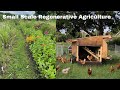
Enhance small-scale regenerative farms by embracing biodiversity. Diversify crops and livestock, plant native species, and create habitats to combat monocropping issues like soil degradation, pests, and diseases, promoting ecological balance.
Moderate costs ($800-1,400/ha) for diverse mid-scale projects
Mid-scale restorations, involving more diverse native plants (forbs, shrubs) and potentially hired labor for planting or site prep, typically fall into a moderate cost range ($320-560/acre).
Sources behind this view
Sources behind this view
Research
-
Regenerative Agriculture: Restoring Ecosystems¢ Resilience and Productivity: A Review (opens in new window)
This study found: Regenerative agriculture is a farming approach that views farms as living ecosystems, moving away from the 'take-make-dispose' model of conventional farming. Instead of relying heavily on outside inputs, it focuses on building up the farm's natural resources and services. Key practices include disturbing the soil as little as possible (like no-till or reduced tillage), planting cover crops, rotating different crops, integrating livestock in a managed way, using compost, reducing synthetic fertilizers and pesticides, and incorporating trees. The approach is tailored to each farm's specific conditions. Farmers monitor soil health indicators like organic matter, how well soil holds water, and the amount of life in the soil. Studies show that regenerative practices can significantly increase soil organic matter (by 0.5-2% in 3-5 years), improve water infiltration (2-10 times better), boost soil microbial life (30-50% more), and increase beneficial insects (60-80% more). Farms can also capture 0.5 to 3 tons of carbon per hectare annually. Economically, these farms often have 20-40% lower input costs and can be more profitable in the long run, becoming more productive and stable over time.
From the Web
-
Restoring habitat on Iowa farms using various practices can help wildlife return, contrasting with current two-crop systems.
-
Converting 46 acres to habitat (Switchgrass RCPP, Quail SAFE CRP) offers financial benefits comparable to cash rent, while preventing erosion, improving soil health, increasing water infiltration, and supporting wildlife and pollinators. This approach leverages ecosystem services for both personal and societal gain.
Higher costs ($1,000-2,400+/ha) for large-scale or specialized projects
Large-scale restorations, specialized plantings like trees, or projects with extensive fencing and professional installation can reach higher upfront costs ($400-960+/acre), though scale and grants can reduce per-hectare expense.
Sources behind this view
Sources behind this view
Videos & Podcasts
-
Regenerative agriculture awareness is growing. Restoring land and biodiversity, aided by livestock and soil organisms (beavers, earthworms), improves water cycles and creates habitat. Soil restoration is gaining global momentum, offering jobs and ecological benefits.
Research
-
Operation Pollinator: Positive Action for Pollinators and Improved Biodiversity on Farm (opens in new window)
This study found: A program called 'Operation Pollinator' is helping farmers improve wildlife habitats on their land, often as part of government support schemes. Large-scale studies show that to truly boost biodiversity and provide essential services like pollination, we need to implement effective conservation practices across significant areas of farms. As agricultural policies evolve, there's a growing emphasis on using farm landscapes to support wildlife, with areas like field margins being key. This initiative provides training and guidance to farmers on how to best manage these areas to benefit both birds and pollinators, ensuring that public investment in farming also supports nature.
-
Biodiversity conservation and agricultural sustainability: towards a new paradigm of ‘ecoagriculture’ landscapes (opens in new window)
This study found: The traditional way of separating farms from nature conservation areas is no longer working. Farming has a big impact on the environment, but farms also rely on nature's services like clean water and pollination. Fortunately, farms can be designed to support wildlife, sometimes even improving farm productivity and people's lives. A new approach called 'ecoagriculture' is emerging, where farmers, scientists, and indigenous land managers are creating landscapes that benefit both food production and nature. This review looks at how well this can work, how to make it pay, and what policies are needed to support it. It concludes that protecting wildlife on farms needs more research, better coordination between policies, and more support for farmers and conservationists.
From the Web
-
PFI's 'Bringing Back the Edges' video series shows how prairie strips, livestock grazing, beetle banks, and pollinator habitats enhance wildlife, soil health, water quality, and climate resilience on farms.
Making Sense of the Differences
Upfront costs for habitat restoration vary significantly with scale and complexity. Small, DIY projects using seed mixes might cost $200-900/ha ($80-360/acre). Mid-scale restorations with more diverse plantings and some hired labor are typically $800-1,400/ha ($320-560/acre). Large-scale projects or those involving trees, fencing, and professional services can reach $1,000-2,400+/ha ($400-960+/acre), although government cost-share programs often reduce net investments.
Is habitat restoration feasible on small farms?
Yes, scalable from small gardens to large ranches
Habitat restoration principles apply universally, adaptable to any farm size, from small backyard gardens to vast ranches, by tailoring practices and species to local context and resources.
Sources behind this view
Sources behind this view
Videos & Podcasts
-
Enhance small-scale regenerative farms by embracing biodiversity. Diversify crops and livestock, plant native species, and create habitats to combat monocropping issues like soil degradation, pests, and diseases, promoting ecological balance.
Research
-
Operation Pollinator: Positive Action for Pollinators and Improved Biodiversity on Farm (opens in new window)
This study found: A program called 'Operation Pollinator' is helping farmers improve wildlife habitats on their land, often as part of government support schemes. Large-scale studies show that to truly boost biodiversity and provide essential services like pollination, we need to implement effective conservation practices across significant areas of farms. As agricultural policies evolve, there's a growing emphasis on using farm landscapes to support wildlife, with areas like field margins being key. This initiative provides training and guidance to farmers on how to best manage these areas to benefit both birds and pollinators, ensuring that public investment in farming also supports nature.
-
Biodiversity conservation and agricultural sustainability: towards a new paradigm of ‘ecoagriculture’ landscapes (opens in new window)
This study found: The traditional way of separating farms from nature conservation areas is no longer working. Farming has a big impact on the environment, but farms also rely on nature's services like clean water and pollination. Fortunately, farms can be designed to support wildlife, sometimes even improving farm productivity and people's lives. A new approach called 'ecoagriculture' is emerging, where farmers, scientists, and indigenous land managers are creating landscapes that benefit both food production and nature. This review looks at how well this can work, how to make it pay, and what policies are needed to support it. It concludes that protecting wildlife on farms needs more research, better coordination between policies, and more support for farmers and conservationists.
From the Web
-
Converting 46 acres to habitat (Switchgrass RCPP, Quail SAFE CRP) offers financial benefits comparable to cash rent, while preventing erosion, improving soil health, increasing water infiltration, and supporting wildlife and pollinators. This approach leverages ecosystem services for both personal and societal gain.
Design varies by scale: small for gardens, large for corridors
The implementation of habitat restoration differs by scale: small farms often focus on gardens or field borders, while larger operations can establish extensive prairies, wetlands, or wildlife corridors.
Sources behind this view
Sources behind this view
Videos & Podcasts
-
Reframe agriculture as a practice, not an industry, using soil analysis and 'wildlife strips' for business and environmental benefit. Emphasize working with nature, integrated education, and collaborative, landscape-scale approaches.

From the Web
-
Farmers can integrate habitat restoration on marginal lands using precision conservation and incentive programs to create wildlife corridors, with bison aiding in invasive species management.
-
Restoring habitat on Iowa farms using various practices can help wildlife return, contrasting with current two-crop systems.
-
PFI's 'Bringing Back the Edges' video series shows how prairie strips, livestock grazing, beetle banks, and pollinator habitats enhance wildlife, soil health, water quality, and climate resilience on farms.
Making Sense of the Differences
Habitat restoration is versatile and scalable, suitable for any farm size. Small operations can effectively implement strategies like pollinator gardens or modest field borders using native wildflowers. Larger farms can undertake more extensive projects such as native prairie restorations, riparian buffer zones, or complex agroforestry systems. The key is adapting the design and scope to available land and resources, ensuring practices are appropriate for the scale of operation.
5
HOW MUCH - Costs & Investment
Note: Costs are based on US data (2023-2025) and vary significantly by region due to local labor rates, material availability, and program incentives. Multiply by local indices for your region. USD is used as a baseline.
Note: Costs are based on US data (2023-2025) and vary significantly by region due to local labor rates, material availability, and program incentives. Multiply by local indices for your region. USD is used as a baseline.
HOW MUCH - Costs & Investment
Note: Costs are based on US data (2023-2025) and vary significantly by region due to local labor rates, material availability, and program incentives. Multiply by local indices for your region. USD is used as a baseline.
Note: Costs are based on US data (2023-2025) and vary significantly by region due to local labor rates, material availability, and program incentives. Multiply by local indices for your region. USD is used as a baseline.
Note: All costs are based on recent US economic data (2024–2026) and may vary substantially by region based on local labor rates, material costs, and regulatory requirements. Estimates focus on direct capital expenditure and immediate operational requirements.
Site Preparation and Weed Management
Site preparation is the most resource-intensive phase of habitat restoration and serves as the primary predictor of project success. For small operations (under 50 acres (20 ha)), expenses range from $150 to $450 per acre ($371–$1,112/ha) to cover specialized labor and intensive techniques such as solarization or manual sod removal. Mid-sized operations (50 to 500 acres (20–202 ha)) typically utilize mechanical mowing and precision application of approved restorative herbicides, costing between $80 and $250 per acre ($198–$618/ha). Large operations (over 500 acres (202 ha)) leverage industrial equipment like heavy disc harrows or GPS-guided drills to manage large swaths, with costs reflecting standardized economies of scale at $50 to $180 per acre ($124–$445/ha). Converting historically chemically intensive land adds significant complexity; managers should budget for an additional $200 per acre ($494/ha) in cumulative monitoring and suppression costs over a 24- to 36-month pre-planting window.
Native Plant Material (Seed and Plugs)
Botanical material procurement is highly variable, dictated by ecological goals and species scarcity. Small, low-acreage projects often opt for high-diversity native plugs to ensure fast establishment, costing $300 to $900 per acre ($741–$2,224/ha), including the premium cost of hand-planting labor. Mid-sized operations, which often focus on large-scale seeding, generally purchase custom-blended, dormant native seeds matched to local soil profiles, ranging from $150 to $500 per acre ($371–$1,236/ha). Large-scale ecological corridors prioritize bulk, grass-heavy, or erosion-control seed mixes, which are more cost-effective but yield lower immediate floral diversity, costing approximately $80 to $300 per acre ($198–$741/ha). Climate-driven supply shortages currently exert upward pressure on prices, with pollinator-specific monarch habitat mixes frequently carrying a 20-40% price premium over standard blends.
Fencing, Protection, and Infrastructure
Physical protection is essential to prevent degradation from local wildlife or livestock intrusion. Small plots, often exposed to higher pressure from deer or rabbits, require robust fencing investments of $200 to $600 per acre ($494–$1,483/ha) depending on material durability and height. Mid-sized projects can often leverage existing perimeter fencing, supplemented with targeted interior electric wire upgrades costing $100 to $350 per acre ($247–$865/ha) to secure critical restoration zones. Large-scale areas often forego extensive interior fencing, focusing instead on perimeter signage and hydrological control structures, which cost $50 to $200 per acre ($124–$494/ha). In arid regions, developers must account for supplemental irrigation, particularly for shrub and tree components, adding $150 to $400 per acre ($371–$988/ha) for the installation of semi-permanent drip setups required during the first two seasons of establishment.
Most Spend: Most agricultural operations fall within a mid-range expenditure of $280 to $700 per acre ($692–$1,730/ha) for "turn-key" status. This figure assumes a balance between mechanical weed prep, moderate-diversity seed mixes, and limited perimeter infrastructure, typically representing the core investment profile for a productive, 100-acre (40 ha) project that standardizes its approach to ecological restoration.
Why the Range?: Cost variation is driven primarily by the "legacy state" of the land; soils with significant invasive seed banks require multi-year interventions that can double base preparation costs. Furthermore, the selection of seed species creates a massive price disparity—high-diversity native wildflower mixes for specialized pollinator conservation demand significantly more capital than foundational native grass mixes designed purely for soil stabilization.
Sources behind this view
Videos & Podcasts
-
NRCS programs like EQIP (with practices like Conservation Cover 327, Beetle Banks, Wildlife Habitat Planting 420) and CSP offer financial and technical assistance for establishing pollinator habitat o
Research
-
Financial Analysis of Converting Rural Lawns to Pollinator Habitat in the Corn Belt (opens in new window)
This study found: Converting rural lawns to pollinator habitat in the Corn Belt saves $54-$167/acre/year compared to lawn maintenance, offering financial and ecological benefits for pollinators.
6
REWARDS AND RISKS - Economics & Risk Factors
Implementing habitat restoration involves upfront investment and potential temporary reductions in production area, but offers substantial long-term economic and ecological rewards, building resilience and reducing reliance on costly external inputs.
Implementing habitat restoration involves upfront investment and potential temporary reductions in production area, but offers substantial long-term economic and ecological rewards, building resilience and reducing reliance on costly external inputs.
REWARDS AND RISKS - Economics & Risk Factors
Implementing habitat restoration involves upfront investment and potential temporary reductions in production area, but offers substantial long-term economic and ecological rewards, building resilience and reducing reliance on costly external inputs.
Implementing habitat restoration involves upfront investment and potential temporary reductions in production area, but offers substantial long-term economic and ecological rewards, building resilience and reducing reliance on costly external inputs.
Restoration economics depend on long-term ecological outcomes rather than immediate harvest returns. In the best-case scenario, the restoration triggers a spillover effect; natural predator populations thrive, reducing synthetic insecticide requirements by 20–30% and saving $60–$150 per acre ($148–$371/ha). Combined with government conservation payments of $150–$300 per acre ($371–$741/ha) and a 5–8% yield uptick from enhanced local pollination, the operation sees a net annual benefit of $250–$550 per acre ($618–$1,359/ha), with the full capital investment recouped by year 8. Under typical conditions, the benefit is more moderate; yield increases hover between 3–5% ($40–$100 per acre ($99–$247/ha) annual value) with conservation payments offsetting maintenance costs, totaling a net $140–$300 per acre ($346–$741/ha) and extending recovery time to 10–12 years.
Worst-case outcomes occur when invasive species overwhelm the site during the first 36 months, leading to a total failure of the ecosystem. This results in the complete loss of the $400–$1,000 per acre ($988–$2,471/ha) initial investment, leaving the land with negligible ecological value and requiring $50–$100 per acre ($124–$247/ha) for ongoing maintenance to prevent the site from becoming a weed reservoir for the rest of the farm.
Market factors are heavily tied to federal policy, specifically USDA-NRCS programs. Participating in programs like EQIP can subsidize 50–75% of initial establishment costs, which is the most reliable way to mitigate financial risk. Furthermore, producers can implement "strip-based" habitat designs, which maximize the perimeter-to-area ratio to extend pest-control benefits across the entire field while limiting the amount of prime land taken out of production.
Transition Period Risks: Removing land from production creates a temporary 100% loss of revenue on that specific acreage for the duration of the transition, which typically spans 3–5 years. During years 1–2, the site often appears neglected ("the weedy phase"), which poses a social risk in terms of aesthetics and neighbor relations. Mitigating this risk requires strict adaptive management protocols, including strategic mowing and selective herbicide application, to maintain community support while the native perennials compete for dominance.
Sources behind this view
Videos & Podcasts
-
Regenerative transitions require significant time (7+ years). Planting native pollinator habitat on blueberry farms increased biodiversity by 600% and yield by 10%, mitigating pest pressure and improv

-
Nature restoration requires deep stakeholder involvement and individual commitment, not just funding. Regenerative agriculture faces challenges in balancing nature's variability with market demands fo
Research
-
Transition to Regenerative Farming (opens in new window)
This study found: A 5-year case study shows a farm successfully transitioned to regenerative practices, reducing soil erosion and increasing wildlife by using cover crops, diversified rotations, and reduced tillage. Pr
-
Regenerative Agriculture: Restoring Ecosystems¢ Resilience and Productivity: A Review (opens in new window)
This study found: Regenerative agriculture builds soil health and ecosystem services through practices like no-till, cover crops, and diverse rotations. It increases soil organic matter, improves water infiltration, bo
-
Multi-phase Dynamic Modeling of Forest-to-Farm Transition and Sustainable Organic Agriculture (opens in new window)
This study found: Computer models show converting forests to organic farms involves five stages. Removing herbicides boosts weeds and insects but harms ecosystem stability. Earthworms improve soil, while bats and nitro
-
Fostering natural forest regeneration on former agricultural land through economic and policy interventions (opens in new window)
This study found: Old farmlands can naturally regrow into forests, providing biodiversity and ecosystem benefits. Economic and policy support is key to fostering this regrowth and ensuring it benefits rural communities
7
COMPATIBLE PRACTICES - Integration Opportunities
Habitat restoration is most effective when integrated with other regenerative practices, creating synergistic benefits that enhance ecosystem function and farm resilience.
Habitat restoration is most effective when integrated with other regenerative practices, creating synergistic benefits that enhance ecosystem function and farm resilience.
COMPATIBLE PRACTICES - Integration Opportunities
Habitat restoration is most effective when integrated with other regenerative practices, creating synergistic benefits that enhance ecosystem function and farm resilience.
Habitat restoration is most effective when integrated with other regenerative practices, creating synergistic benefits that enhance ecosystem function and farm resilience.
Soil Health Management (No-Till, Composting)
- Integration: Restoration inherently enhances soil health through perennial cover and root activity. When adjacent production areas also adopt no-till and compost application, the cumulative benefits to soil biology and structure across the entire farm are amplified.
- Benefit: Improved soil health in production areas reduces erosion and nutrient runoff, which directly benefits restored riparian habitats by reducing pollution. Conversely, healthy native habitats can support soil biology that benefits adjacent agricultural soil.
Cover Cropping
- Integration: Planting diverse cover crops in rotation with cash crops or in managed grazing areas complements restoration by boosting soil health, providing habitat for beneficial insects, and creating living cover when adjacent restored areas are undergoing establishment.
- Benefit: Cover crops can help suppress weeds in restoration areas, and their roots improve soil structure, which can be beneficial if minimal tillage was used for site prep. Restored native habitats can provide overwintering sites for beneficial insects that then move into cover-cropped fields.
Agroforestry
- Integration: Combining native habitat restoration with agroforestry (e.g., planting native fruit or nut trees within or alongside naturalized areas) can create multi-functional landscapes. Native hedgerows can serve as windbreaks or wildlife corridors between agroforestry blocks.
- Benefit: Native trees provide habitat and food sources for wildlife and pollinators, while also contributing to soil health. The diverse structures of agroforestry systems can mirror natural ecosystems, supporting a wide range of biodiversity.
Managed Grazing (Rotational/Adaptive)
- Integration: Carefully managed grazing can be used in some restored native grasslands or silvopasture systems. Livestock can help manage invasive woody species or stimulate new growth in native prairies (if historically present).
- Benefit: Strategic grazing can enhance plant diversity in native grasslands by preventing monocultures. Manure distribution adds fertility. However, overgrazing and compaction must be strictly avoided in restored areas, especially during establishment, necessitating very long rest periods.
Erosion Control (Cover Cropping, Contour Farming, Terracing)
- Integration: Native habitats, particularly riparian buffers and native grass plantings on slopes, are primary solutions for erosion control. They stabilize soil and filter runoff.
- Benefit: Restored habitats prevent soil loss from adjacent fields by intercepting runoff. Practices like cover cropping in agricultural areas protect soil, reducing the sediment load that would otherwise reach restored waterways.
Water Management (Keyline, Swales)
- Integration: In drier climates, earthworks like swales can be incorporated into restoration designs to capture and slow water, increasing infiltration within the restored habitat and benefiting adjacent areas.
- Benefit: Improved water infiltration within restored areas leads to more robust plant growth and greater biodiversity. This conserved water can also benefit nearby agricultural production, especially during dry periods.
Wildlife Corridors:
Restoring native habitats is a proactive way to increase the ecological capital of a farm. It builds resilience, attracts biodiversity, and enhances the natural resources that underpin agricultural productivity. By integrating habitat restoration with other regenerative practices, farmers and ranchers can create a truly regenerative system that is both ecologically sound and economically strong.
Sources behind this view
Videos & Podcasts
-
Regenerative agriculture provides solutions for climate change, human health, and soil degradation, contrasting with industrial agriculture's harmful impacts, including glyphosate use. Practices like
-
Adopts regenerative agriculture principles: minimize disturbance, keep living roots, use soil armor, integrate animals (livestock grazing, multi-species), and increase biodiversity. These practices bu
-
Regenerative agriculture, particularly holistic management with cattle, restores degraded land, sequesters soil carbon, and increases water retention. This approach is profitable for ranchers by reduc
-
Regenerative agriculture awareness is growing. Restoring land and biodiversity, aided by livestock and soil organisms (beavers, earthworms), improves water cycles and creates habitat. Soil restoration
Community
-
Regenerative agriculture rebuilds soil organic matter and biodiversity through practices like cover cropping, reduced tillage, minimal artificial fertilizers, and regenerative grazing, ultimately impr
Read more (pp. 8-9) (opens PDF, pp. 8-9) permies.com -
Regenerative agriculture reverses soil harm by sequestering carbon through cover crops, no-till, compost, and crop rotation, improving soil health and resilience for both farms and home gardens.
Read more (opens in new window) ucanr.edu
Research
-
The Indigenous Roots of Regenerative Agriculture (opens in new window)
This study found: Modern regenerative agriculture practices are rooted in millennia of Indigenous land stewardship, offering profound knowledge and a crucial value system of respect and reciprocity for true transformat
-
Regenerative Agriculture: Restoring Ecosystems¢ Resilience and Productivity: A Review (opens in new window)
This study found: Regenerative agriculture builds soil health and ecosystem services through practices like no-till, cover crops, and diverse rotations. It increases soil organic matter, improves water infiltration, bo
-
Systematic review of regenerative farming: Addressing agricultural sustainability challenges (opens in new window)
This study found: Systematic review of 31 studies shows regenerative farming improves soil health, biodiversity, and carbon capture, aiding sustainability. Technology is key for adoption, but policy, farmer understandi
-
Estrategias de agricultura regenerativa para mejorar la salud del suelo (opens in new window)
This study found: Review of research shows cover crops, composting, and crop rotation significantly improve soil health, carbon capture, and erosion resistance in regenerative agriculture.
From the Web
-
Key regenerative agriculture methods include no-till farming, cover cropping, agroforestry, perennial crops, planned rotational grazing (Holistic Management), and compost application, all aimed at imp
-
Regenerative agriculture is achievable by focusing on soil health through six principles: know your context, cover the soil, minimize disturbance, increase diversity, maintain living plants/roots, and
-
Regenerative agriculture restores soil health through practices like cover cropping and crop rotation, leading to carbon sequestration, increased resiliency, and reduced reliance on off-farm inputs, b
-
Regenerative agriculture restores degraded soils by building organic matter and biodiversity, enhancing drought/flood resilience and capturing carbon. Key principles include covering soil, minimizing