
Integrated Crop-Livestock Systems
Integrated Crop-Livestock Systems (ICLS) strategically combine crop production and animal grazing on the same land, creating a cyclical flow of nutrients and organic matter. Livestock graze crop residues, cover crops, or dedicated pastures, while their manure fertilizes the soil, reducing the need for external inputs. This synergy enhances soil health, biodiversity, and farm profitability over the long term.
Read More: Complete Description
Integrated Crop-Livestock Systems (ICLS) are a holistic approach to farm management that intentionally merges crop production with animal husbandry. The fundamental concept is to create a closed-loop system where the outputs of one enterprise become valuable inputs for the other, fostering a more resilient and regenerative agricultural ecosystem. This integration manifests in various forms: livestock might graze cover crops between cash crop seasons, clean up crop residues after harvest, or utilize permanent pastures integrated with crop fields.
The benefits of ICLS are deeply rooted in regenerative agriculture principles. Principle 5 (Integrate Livestock) is the cornerstone, as animals are utilized strategically not just for product (meat, milk, fiber) but as active soil builders. Livestock grazing on crop residues, for instance, mechanically break down plant matter, aiding decomposition and nutrient release. Their manure is a rich source of organic matter and macro/micronutrients, directly feeding soil biology and reducing reliance on synthetic fertilizers. This nutrient cycling is essential for long-term soil fertility and health.
Furthermore, ICLS significantly supports Principle 3 (Keep Soil Covered) and Principle 4 (Maintain Living Roots). Cover crops, often grazed by livestock, ensure continuous plant cover and living roots in the soil, preventing erosion, suppressing weeds, and feeding soil microbes year-round. When livestock graze these cover crops, they stimulate plant growth through controlled defoliation, potentially enhancing root development and nutrient cycling compared to letting the cover crop simply decompose unmanaged. This is particularly relevant in regions with distinct wet and dry seasons, where livestock can graze off cover crops during dry periods, leaving behind valuable organic residue that conserves moisture for the next crop.
Principle 2 (Maximize Crop Diversity) is also enhanced. The inclusion of cover crops, often multi-species mixes, in rotation with cash crops increases the overall plant diversity on the farm. When animals graze these diverse forages, they consume a wider range of nutrients and phytochemicals, which can positively impact their health and improve the quality of their manure. Different livestock species also contribute to this diversity, with ruminants like cattle and sheep utilizing fibrous forages, while pigs might forage for roots and tubers.
When viewed through a regenerative lens, ICLS is a foundational regenerative practice. It embodies a synergistic relationship between biological and mechanical processes. While it involves 'disturbance' through grazing and manure deposition, this is a natural biological disturbance that builds soil organic matter and nutrient cycling, fundamentally different from extractive tillage. The challenge for regenerative practitioners is not to eliminate animal interaction but to manage it intelligently.
However, the transition to ICLS is not without its complexities and potential compromises, especially in conventional systems. On farms historically reliant on synthetic inputs, an abrupt transition to ICLS could lead to yield dips if livestock manure alone cannot immediately meet the nutrient demands of high-yielding cash crops. A pragmatic approach involves a 3-5 year transition phase. This might entail gradually reducing synthetic fertilizer application by 20-40% each year while concurrently increasing cover cropping and livestock integration. Monitoring soil organic matter, nutrient levels, and crop performance is crucial to gauge the pace of biological recovery.
The risk of "cold turkey" approaches—eliminating all synthetic inputs and suddenly introducing livestock without careful planning—can result in significant yield losses and economic hardship. This can undermine farmer confidence and halt the regenerative journey. Therefore, a phased reduction of chemical inputs, coupled with strategic investment in fencing, water infrastructure, and livestock management, is essential. The goal is to build soil biological fertility to the point where external nutrient inputs become unnecessary, which typically takes 5-7 years or more depending on the starting soil condition and management intensity.
ICLS offer a pathway to increased resilience, biodiversity, and profitability. For instance, farms in the Ukrainian steppe have historically integrated livestock with grain production, utilizing cattle to graze stubble and fertilize fields, leading to highly fertile soils. In the humid subtropics of Brazil, cattle grazing pastures between rows of timber or fruit trees (silvopasture) create a diversified income stream and improve soil conditions. In dryland regions of Australia, livestock grazing cover crops between cereal crops can help build soil organic matter and improve water retention, crucial for mitigating drought impacts. The key is matching the system to the local climate, soil type, and the specific needs of the crops and livestock involved, always aiming to enhance ecosystem function over time. This thoughtful integration, rather than mere co-existence, is what defines ICLS as a powerful regenerative strategy.
Sources behind this view
Sources behind this view
 Videos & Podcasts
-
Utilize multi-species cover crops based on specific 'resource concerns' to improve soil health, nitrogen fixation, and water retention. Integrate livestock for grazing, calving, and overwintering, enh
-
Holistic management with cattle is key to improving soil health, water cycles, and carbon sequestration. Maximize animal impact (hooves, dung, urine) for diversity and plant growth, while breeding cat
-
Farmers detail diverse cover cropping mixes (rye, vetch, oats, flax, sunflowers, peas, canola) and polyculture systems to boost soil health and reduce inputs. They emphasize continuous living roots, l
-
Integrating livestock grazing into cropping systems enhances soil regeneration and provides both economic and ecological profit. Mutually beneficial arrangements with cattle owners deliver high-qualit
 Community
-
Enhance soil health through plant diversity, continuous soil cover (living plants/residues), and livestock integration. Manage carbon-to-nitrogen ratios of residues and adopt no-till practices to impr
Read more (opens in new window) permies.com -
Details an integrated system of Managed Intensive Rotational Grazing and rotational cropping using holistic management. It emphasizes increasing forage availability, integrating livestock (cattle, chi
Read more (opens in new window) permies.com
 Research
-
Hydro‐physical soil properties as influenced by short and long‐term integrated crop–livestock agroecosystems (opens in new window)
This study found: Long-term (30+ yr) integration of crops and livestock grazing in South Dakota significantly increased soil organic matter and reduced compaction, improving water infiltration and retention. Short-term
-
The Indigenous Roots of Regenerative Agriculture (opens in new window)
This study found: Modern regenerative agriculture practices are rooted in millennia of Indigenous land stewardship, offering profound knowledge and a crucial value system of respect and reciprocity for true transformat
-
Decadal-Scale Changes in Soil Organic Carbon After Conversion to an Integrated Crop–Livestock System in the Southern Midwest, USA (opens in new window)
This study found: A 15-year study in the Southern Midwest showed integrated crop-livestock systems with grazed cover crops significantly increased soil carbon, comparable to pasture and forest, adding ~1.3 tons C/acre/
-
Regenerative Livestock Farming as a Socioeconomic Model for Sustainable Agribusiness in Latin America (opens in new window)
This study found: Regenerative livestock farming in Latin America improved soil carbon, biodiversity, and water quality, while boosting farmer income and quality of life. Government support is key for wider adoption.
Key Points
What It Is
- Crop and livestock production combined on farm
- Livestock integrate into crop rotations
- Nutrient cycling via manure and residues
- Enhances biological soil fertility
Why Do It
- Diversifies farm income streams
- Builds soil organic matter and structure
- Reduces reliance on synthetic fertilizers
- Enhances ecosystem function and biodiversity
Know the Debate
- Economic benefits vary by scale and transition time (1-7 years).
- Viable ICLS often needs 50-100+ acres; smaller farms can adapt.
- Soil health gains are substantial but differ by starting conditions.
- Improved soil metrics: OM +0.5-1.5%, infiltration +30-60%.
Benefits - Financial
- Net farm income growth of 10–25% within five years.
- Fertilizer expense reduction of 30–50% via natural nutrient cycling.
- Premium pricing potential adds 15–30% margin on livestock products.
Benefits - System
- Soil organic matter +0.5-1.5% over decade (Principles 3,4,5)
- Reduced soil erosion: 50-70% decrease
- Increased water infiltration: 30-60% improvement
- Enhanced biodiversity: ~30% more arthropod species
Risks - Financial
- Startup capital requirements of $2,605–156,300 depending on operational scale.
- Potential 10–15% localized yield decline during 2–4 year transition.
- Emergency supplemental feed costs reach $100 per acre ($247 per hectare) during droughts.
Risks - System
- Risk of soil recompaction from livestock
- Nutrient management challenges: balancing animal and crop needs
- Potential for weed/pest issues if not managed holistically
- Transition requires significant learning curve
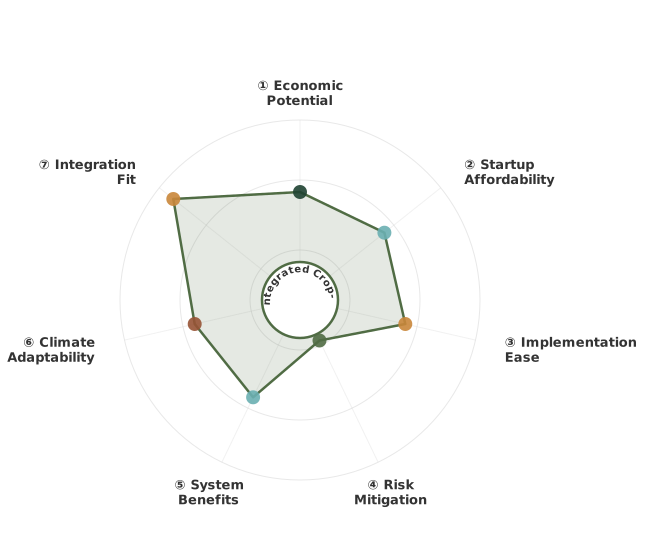
How These Traits Are Calculated
Trait dimensions are ordered clockwise starting from the top of the chart (12 o'clock position):
1. Economic Potential
Financial returns, annual value, and break-even timeline
WHAT: Evaluates financial viability by combining net annual value ($/ha from savings, income, and amortized harvests) with break-even timeline showing when practices pay for themselves.
WHY: Farmers need clear ROI understanding before committing resources. Fast payback (≤3 years) with strong returns (≥$300/ha) enables confident adoption, while long timelines (>10 years) restrict adoption to well-funded operations willing to wait for returns.
HOW: Calculated from net annual value in $/ha and break-even years. Exceptional (≥2.6): fast ROI ≤3 years + high value ≥$300/ha. Typical (1.8-2.5): moderate returns or longer timelines. Limited (<1.8): marginal economics or very long payback >10 years.
2. Startup Affordability
Initial investment costs and financial barrier to entry
WHAT: Measures financial barrier to entry through startup costs for equipment, infrastructure, consulting, and materials. Inverted scoring: lower costs = higher scores = more accessible adoption.
WHY: Affordability determines who can adopt. Low-cost practices (<$250/ha) enable widespread adoption across diverse scales, while high costs (>$2,500/ha) limit adoption to well-capitalized operations, creating barriers that slow regenerative transition.
HOW: Calculated from initial investment parsed from practice content. Inverted scoring: Exceptional (≥2.6): minimal investment <$250/ha. Typical (1.8-2.5): moderate costs $250-2,500/ha. Limited (<1.8): high barrier >$2,500/ha.
3. Implementation Ease
Learning curve and specialized knowledge required
WHAT: Measures how much learning, planning, and specialized knowledge a practice requires. Simpler practices with fewer steps score higher, while complex practices requiring extensive training or specialized resources score lower.
WHY: Complex practices create adoption barriers even when economically viable. Straightforward practices enable faster adoption and broader participation, while those requiring extensive training, timing precision, or specialized equipment limit who can succeed.
HOW: Evaluated by measuring documentation length and identifying complexity markers like location-specific requirements, seasonal timing windows, specialized skills, and dedicated equipment needs. Exceptional (≥2.6): straightforward practices with minimal prerequisites. Typical (1.8-2.5): moderate learning curve with some specialized needs. Limited (<1.8): steep learning curve requiring significant training or resources.
4. Risk Mitigation
Identified financial and ecological risk assessment
WHAT: Evaluates documented risks across financial (investment loss, market volatility) and ecological (crop failure, pest outbreaks) domains. Inverted scoring: fewer risks = higher scores.
WHY: Understanding risk exposure helps farmers make informed decisions. Low-risk practices allow confident implementation, while high-risk practices require careful planning and contingency resources. Risk transparency prevents costly failures.
HOW: Calculated from identified risks in practice content. Inverted scoring: Exceptional (≥2.6): ≤2 risks with manageable severity. Typical (1.8-2.5): 3-5 moderate risks. Limited (<1.8): 6+ risks or severe exposure.
5. System Benefits
How many ways the practice improves your land simultaneously
WHAT: Measures how many aspects of land health improve at once—carbon storage, soil quality, erosion control, water absorption, and biodiversity. Practices that improve multiple areas simultaneously create compounding benefits where each improvement reinforces the others.
WHY: The best practices solve multiple problems at once. For example, addressing erosion simultaneously builds carbon and improves water infiltration, creating a resilient system with positive feedback loops. Single-benefit approaches miss these compound transformation opportunities.
HOW: Evaluated across five key outcomes: carbon sequestration, soil organic matter increase, erosion reduction, water infiltration improvement, and biodiversity enhancement. Exceptional (≥2.6): high carbon storage (>8 t/ha/yr), improvements across 4-5 areas, transformative outcomes. Typical (1.8-2.5): moderate carbon (3-8 t/ha/yr), improvements across 2-3 areas. Limited (<1.8): modest impact (<3 t/ha/yr), single-area focus only.
6. Climate Adaptability
Geographic applicability across Köppen climate zones
WHAT: Evaluates geographic applicability by assessing how many Köppen climate zones successfully support a practice and what adaptation requirements are needed. Measures breadth of climates where farmers can implement with minimal to moderate modifications.
WHY: Universal practices working across diverse climates enable more farmers to adopt regenerative approaches. Practices limited to single climate types (only Mediterranean, only tropical) restrict adoption and slow global transition. Adaptability determines whether a practice serves niche regions or offers broad transformation.
HOW: LLM evaluation of regional success stories, Köppen zone coverage, and adaptation needs. Exceptional (≥2.6): 5+ zones or 4+ climate types, 3+ continents, minimal adaptation. Typical (1.8-2.5): 3-4 zones or 2-3 types, 2 continents, moderate adaptation. Limited (<1.8): 1-2 zones, single region, significant adaptation or highly specialized.
7. Integration Fit
How well this practice combines with others you're doing
WHAT: Measures how well a practice combines with other regenerative practices you might be doing. Some practices work as building blocks that make many other practices easier or more effective, while others work best on their own.
WHY: Practices that combine well with many others create more value on your farm. For example, cover cropping enables no-till, improves grazing, supports crop diversity, and helps water management—making all of them work better together. This helps you build a coherent system rather than juggling disconnected practices.
HOW: Evaluated by identifying which practices combine well and how strong those combinations are. 'Ideally Suited' means strong combinations where practices reinforce each other (practice A makes B easier, while B makes A more effective). 'Adequate' means complementary benefits that work well together. Exceptional (≥2.6): combines well with 6+ practices, serves as a building block. Typical (1.8-2.5): combines with 3-5 practices. Limited (<1.8): 1-2 practices or works best alone.
Going Deeper
1
WHY - The Benefits
Integrated Crop-Livestock Systems (ICLS) are fundamental to regenerative agriculture because they mimic natural ecosystems which are inherently diverse and cyclical. By reintegrating animals into cropping systems, farmers can harness ecological processes to improve soil...
Integrated Crop-Livestock Systems (ICLS) are fundamental to regenerative agriculture because they mimic natural ecosystems which are inherently diverse and cyclical. By reintegrating animals into cropping systems, farmers can harness ecological processes to improve soil...
WHY - The Benefits
Integrated Crop-Livestock Systems (ICLS) are fundamental to regenerative agriculture because they mimic natural ecosystems which are inherently diverse and cyclical. By reintegrating animals into cropping systems, farmers can harness ecological processes to improve soil...
Integrated Crop-Livestock Systems (ICLS) are fundamental to regenerative agriculture because they mimic natural ecosystems which are inherently diverse and cyclical. By reintegrating animals into cropping systems, farmers can harness ecological processes to improve soil...
Soil Health Benefits
The most significant benefit of ICLS is the profound improvement in soil health. Livestock manure is a rich source of organic matter, essential nutrients, and beneficial microorganisms. When applied to fields, it directly increases soil organic matter content, which can rise by 0.5-1.5% over a decade with consistent application and complementary practices like cover cropping. Higher organic matter improves soil structure, leading to better aggregation, water infiltration, and aeration.
This improved structure directly combats soil erosion. By keeping soil covered with living plants (cover crops or crop residues) and improving water infiltration, ICLS systems can reduce soil erosion rates by 50-70% compared to conventional bare-fallow systems. The manure also provides vital nutrients, reducing the need for synthetic fertilizers. Studies show that well-managed ICLS can meet 70-90% of crop nutrient needs through animal inputs over time, with the remainder often supplied by nitrogen-fixing cover crops.
Increased soil biological activity is another key benefit. Manure introduces a diverse community of microbes, fungi, and earthworms into the soil ecosystem. These organisms break down organic matter, cycle nutrients, and contribute to soil aggregation. Earthworm populations, crucial for aeration and drainage, can increase by 30-50% in ICLS compared to monocrop systems without livestock. This vibrant soil biology makes nutrients more available to plants, improves water holding capacity, and enhances disease suppression.
Furthermore, ICLS promotes deeper root penetration and better water management. Livestock grazing cover crops can stimulate root growth and nutrient uptake. The improved soil structure allows plant roots to penetrate deeper into the soil profile, accessing water and nutrients from greater depths, which can lead to a 30-60% improvement in water infiltration and a significant increase in soil's water-holding capacity. This makes the system more resilient to drought.
Economic Benefits
ICLS offers substantial economic advantages, primarily through diversification and input cost reduction. Farms integrating crop and livestock enterprises gain multiple revenue streams, buffering against market volatility in single commodities. For example, a farmer might generate income from grain sales, meat or dairy products, and potentially from composted manure.
The reduced reliance on synthetic fertilizers is a major cost saving. Over 5-10 years, ICLS can decrease fertilizer expenditures by 20-50% (USD equivalent), as nutrients are recycled internally. Depending on the enterprise, this can translate to savings of several hundred dollars per hectare annually. Livestock can also utilize crop residues, reducing the need for costly supplemental feed.
Improved soil health leads to better crop performance and yield stability. While transition periods may see fluctuations, well-established ICLS systems typically show yield increases of 10-25% for cash crops over 5-10 years due to enhanced soil fertility, better water management, and increased biological activity. This improved resilience also means fewer crop failures during extreme weather events.
For farms that successfully manage the transition, there is growing market demand for regeneratively produced goods, allowing for premium pricing. This not only boosts profitability but also reinforces the farm's commitment to sustainable practices. The overall economic resilience and reduced input costs contribute to a more stable and profitable farm business in the long run.
Regenerative Systems Fit
Integrated Crop-Livestock Systems are a foundational regenerative practice that inherently supports four out of the five core principles when managed regeneratively, with Principle 5 being its defining characteristic.
Principle 1 (Minimize Soil Disturbance): ICLS can minimize soil disturbance significantly. By replacing synthetic inputs with manure and utilizing cover crops, the need for soil disturbance from cultivation (for weed control or fertilizer incorporation) is reduced. Livestock grazing, when managed adaptively with sufficient rest periods, creates a biological disturbance that can stimulate plant growth and improve nutrient cycling without the detrimental effects of tillage. The goal is to manage land without annual plowing, allowing soil structure to build naturally.
Principle 2 (Maximize Crop Diversity): ICLS naturally increases diversity. The inclusion of cover crops, often multi-species mixes, alongside cash crops and the forage consumed by livestock creates a far more diverse plant community than monocultures. This diversity extends to the soil microbiome, creating a more resilient and functional ecosystem.
Principle 3 (Keep Soil Covered): Livestock grazing cover crops or crop residues ensure that the soil surface is protected for a greater portion of the year. This continuous cover prevents erosion, conserves moisture, and provides habitat for soil organisms. The residue left after grazing also acts as mulch.
Principle 4 (Maintain Living Roots): The integration of cover crops and perennial forages ensures that living roots are present in the soil for extended periods, often year-round. This continuous biological activity feeds the soil microbiome, cycles nutrients, and maintains soil structure.
Principle 5 (Integrate Livestock): This is the core principle of ICLS. Livestock are not merely an addition but an integral component, used for nutrient cycling, weed management, residue consumption, and soil building through manure deposition and grazing impact. Their integration creates a synergistic loop that enhances the entire farming system.
ICLS is highly compatible with other regenerative practices such as rotational grazing, cover cropping, no-till farming, and keyline design. For example, rotational grazing of livestock on cover crops after cash crop harvest can improve residue decomposition, reduce weed pressure, and prepare the soil for the next planting season with minimal disturbance. This practice itself is a stepping stone towards fully regenerative systems, as it establishes a more complex nutrient cycle and reduces input needs. As soil health improves through ICLS, the farm becomes more resilient, requiring fewer synthetic inputs and supporting a richer biodiversity, thus graduating toward a mature regenerative system.
Sources behind this view
Videos & Podcasts
-
Utilize multi-species cover crops based on specific 'resource concerns' to improve soil health, nitrogen fixation, and water retention. Integrate livestock for grazing, calving, and overwintering, enh
-
Holistic management with cattle is key to improving soil health, water cycles, and carbon sequestration. Maximize animal impact (hooves, dung, urine) for diversity and plant growth, while breeding cat
-
Farmers detail diverse cover cropping mixes (rye, vetch, oats, flax, sunflowers, peas, canola) and polyculture systems to boost soil health and reduce inputs. They emphasize continuous living roots, l
-
Integrating livestock grazing into cropping systems enhances soil regeneration and provides both economic and ecological profit. Mutually beneficial arrangements with cattle owners deliver high-qualit
Community
-
Enhance soil health through plant diversity, continuous soil cover (living plants/residues), and livestock integration. Manage carbon-to-nitrogen ratios of residues and adopt no-till practices to impr
Read more (opens in new window) permies.com -
Advocates for simpler regenerative methods based on Soil Foodweb and Holistic Management, emphasizing soil restructuring for water retention and reducing reliance on inputs like biochar. Promotes holi
Read more (opens in new window) permies.com -
Build healthy pasture soils by minimizing tillage, maintaining living roots and species diversity, and implementing proper grazing management. Livestock are essential for nutrient cycling and stimulat
Read more (opens in new window) smallfarms.cornell.edu -
Advocates for Soil Foodweb principles and Holistic Management, emphasizing land leasing and custom grazing/growing over labor-intensive methods. Focuses on soil restructuring for water availability an
Read more (opens in new window) permies.com
Research
-
The Indigenous Roots of Regenerative Agriculture (opens in new window)
This study found: Modern regenerative agriculture practices are rooted in millennia of Indigenous land stewardship, offering profound knowledge and a crucial value system of respect and reciprocity for true transformat
-
Managing Grazing to Restore Soil Health, Ecosystem Function, and Ecosystem Services (opens in new window)
This study found: Properly managed grazing animals can reverse environmental damage. Regenerative practices, like Adaptive Multi-Paddock (AMP) grazing, boost soil health, increase soil carbon, reduce erosion, and enhan
-
Regenerative Agriculture: Restoring Ecosystems¢ Resilience and Productivity: A Review (opens in new window)
This study found: Regenerative agriculture builds soil health and ecosystem services through practices like no-till, cover crops, and diverse rotations. It increases soil organic matter, improves water infiltration, bo
-
Regenerative Livestock Farming as a Socioeconomic Model for Sustainable Agribusiness in Latin America (opens in new window)
This study found: Regenerative livestock farming in Latin America improved soil carbon, biodiversity, and water quality, while boosting farmer income and quality of life. Government support is key for wider adoption.
 From the Web
-
Five steps to regenerative agriculture: Holistic Planned Grazing, no-till farming, planting diverse cover crops/interseeding, using compost/inoculants (with caution), and incorporating silvopasture/wo
-
Integrate livestock using Holistic Planned Grazing to break capped soils, disperse seeds, and enhance soil biology. Minimize soil disturbance from tillage and synthetic fertilizers to maximize regener
-
Animal agriculture is essential for regenerative agriculture, enhancing soil health and fertility through integrated systems. Research shows livestock integration boosts soil organic matter and nutrie
-
Integrate livestock for weed/pest control and soil fertility, employing regenerative grazing methods while strictly avoiding overgrazing and prohibited practices like synthetic inputs, GMOs, CAFOs, an
2
WHERE - Regional Considerations
Integrated Crop-Livestock Systems (ICLS) can be adapted to a wide range of climates and regions worldwide, but success hinges on aligning management with local environmental conditions. Rainfall patterns, growing season length, temperature extremes, and soil types all...
Integrated Crop-Livestock Systems (ICLS) can be adapted to a wide range of climates and regions worldwide, but success hinges on aligning management with local environmental conditions. Rainfall patterns, growing season length, temperature extremes, and soil types all...
WHERE - Regional Considerations
Integrated Crop-Livestock Systems (ICLS) can be adapted to a wide range of climates and regions worldwide, but success hinges on aligning management with local environmental conditions. Rainfall patterns, growing season length, temperature extremes, and soil types all...
Integrated Crop-Livestock Systems (ICLS) can be adapted to a wide range of climates and regions worldwide, but success hinges on aligning management with local environmental conditions. Rainfall patterns, growing season length, temperature extremes, and soil types all...
Click Here to Look up your Region if you don't already know it
Humid Temperate Regions
Representative Locations: Southeastern United States, northern Europe (UK, Germany, Poland), eastern China, Japan, New Zealand
Climate Context: Warm to hot summers and cool to cold winters with moderate to high annual precipitation (75-150 cm or 30-60 inches) distributed relatively evenly. USDA Zones 6-8, Köppen Cfb/Cfa.
In these regions, ICLS benefits from consistent moisture and long growing seasons. Livestock can graze cover crops or crop aftermath for extended periods. High animal density grazing of cover crops after grain harvest can significantly break down residues and add substantial fertility for the following crop. Rotational grazing is highly effective, allowing for excellent pasture growth and nutrient cycling between cropping cycles. Species like ryegrass, clover, and vetch are excellent cover crops for livestock integration. Silvopasture, a form of ICLS with trees, is also highly productive in these climates.
Mediterranean Regions
Representative Locations: California, Mediterranean basin (Spain, Italy, Greece), central Chile, southwestern Australia, Western Cape South Africa
Climate Context: Hot, dry summers and mild, wet winters. Annual precipitation 40-90 cm (15-35 inches), highly seasonal. USDA Zones 8-10, Köppen Csa/Csb.
The defining characteristic here is the distinct dry summer. ICLS success depends on moisture management. Livestock grazing during the cool, wet season on overwintered cover crops or annual pastures is key. Cover crops that can grow into summer (e.g., certain sorghums, millets, drought-tolerant legumes) are valuable for extending grazing. Crop residues need to be managed carefully to conserve soil moisture for the subsequent crop. Animals can graze these residues, reducing the need for irrigation while providing fertility. Irrigation, if available, can extend the grazing window for cover crops or pastures.
Arid/Semi-Arid Regions
Representative Locations: Western USA, North Africa, Central Asia, Interior Australia
Climate Context: Low annual precipitation (<40 cm or 15 inches), high temperatures, short and often unpredictable growing season. USDA Zones 7-9, Köppen BSh/BSk.
ICLS in arid regions is challenging but critical for sustainable land management. The focus shifts to maximizing every drop of moisture. Livestock grazing during the brief wet season on drought-tolerant cover crops (e.g., certain grasses, legumes like vetch, medic) is vital. Animals can also graze crop residues after harvest, leaving behind organic matter that helps retain limited soil moisture. Reducing reliance on irrigation is paramount. Integrating livestock is key for building soil organic matter and improving water infiltration, which is crucial for capturing any rainfall that does occur. Livestock management must prioritize rest periods for pastures and cover crops to allow for recovery.
Cold Continental Regions
Representative Locations: Northern USA and Canada, Northern Europe, Northern Asia
Climate Context: Very short growing seasons, extreme summer heat, severe winter cold. USDA Zones 3-5, Köppen Dfa/Dfb.
The short growing season is the main constraint. ICLS typically involves grazing livestock on pastures and cover crops during the warmer months, then potentially utilizing crop residues after harvest. Livestock manure can be composted and applied in fall or early spring. Animals might graze annual cover crops planted for short-season growth, or perennial pastures. Winter feeding may require housing or managed grazing on surviving residues or stored feed. The focus is on maximizing biomass production and nutrient cycling within the limited warm season.
Subtropical Regions
Representative Locations: Southeastern USA, Southern China, Southern Brazil, Eastern Australia
Climate Context: Hot, humid summers and mild winters with generally ample rainfall. USDA Zones 9-11, Köppen Cfa/Cwa.
These regions offer long growing seasons and high biomass production potential, making ICLS highly productive. Livestock can graze cover crops almost year-round, often with intensive rotational grazing. The warm, moist conditions accelerate nutrient cycling from manure; however, careful management is needed to prevent excess nutrient runoff. Integrating livestock can also help manage weed pressure in crop fields and improve soil aeration. Silvopasture systems are also well-suited here, combining timber or fruit trees with livestock and forage production.
Tropical Regions
Representative Locations: Central America, Southeast Asia, East Africa, Northern Australia, Northern South America
Climate Context: High temperatures year-round, with distinct wet and dry seasons or consistent high rainfall. Köppen Af/Am/Aw.
Tropical ICLS often involves year-round grazing of improved pastures and cover crops, with livestock integrated with annual or perennial cropping systems. The warm climate means rapid decomposition of organic matter, necessitating careful manure management to prevent nutrient loss. Integrating cattle into plantation crops (e.g., rubber, oil palm) or using them to graze cover crops between rice paddies are common approaches. The high rainfall and temperatures can accelerate soil fertility building but also increase erosion risk if not managed properly. Animals can graze crop residues during inter-cropping periods, adding fertility and reducing feed costs.
3
HOW - Implementation Process
Implementing Integrated Crop-Livestock Systems (ICLS) requires careful planning and a phased approach to transition from conventional practices. The process involves evaluating existing resources, selecting appropriate species, establishing infrastructure, and adopting...
Implementing Integrated Crop-Livestock Systems (ICLS) requires careful planning and a phased approach to transition from conventional practices. The process involves evaluating existing resources, selecting appropriate species, establishing infrastructure, and adopting...
HOW - Implementation Process
Implementing Integrated Crop-Livestock Systems (ICLS) requires careful planning and a phased approach to transition from conventional practices. The process involves evaluating existing resources, selecting appropriate species, establishing infrastructure, and adopting...
Implementing Integrated Crop-Livestock Systems (ICLS) requires careful planning and a phased approach to transition from conventional practices. The process involves evaluating existing resources, selecting appropriate species, establishing infrastructure, and adopting...
Prerequisites
- Farm Assessment: Evaluate your current land base, soil types, topography, water availability, existing infrastructure (fencing, water points, buildings), and local climate. Identify current farming practices (cropping, livestock type, input use).
- Goal Setting: Define clear objectives for implementing ICLS. Are you aiming for reduced input costs, improved soil health, diversified income, better animal welfare, or a combination?
- Market Research: Understand the market for your intended livestock products and the demand for your crops.
- Risk Assessment: Identify potential challenges such as weather variability, market fluctuations, and the learning curve associated with new management practices.
Phase 1: Planning and Design (Year 0-1)
- System Design: Determine the integration model:
- Crop Residue Grazing: Livestock graze stubble after harvest. Minimal infrastructure adjustment.
- Cover Crop Grazing: Livestock graze diverse cover crops planted between cash crops or during fallow periods. Requires fencing and water for pastures.
- Silvopasture: Trees are integrated with pasture for livestock, creating a three-layered system. Higher upfront investment in trees and fencing.
- Rotational Grazing on Pasture: Livestock managed in paddocks, rotated to optimize forage growth and pasture health, potentially interspersed with cropping.
- Species Selection:
- Crops: Choose cash crops suited to your climate and markets. Select cover crop species that thrive in your region, provide nutritious forage for your livestock, fix nitrogen (legumes), break up compaction (deep tap-roots), and improve soil organic matter. Examples: annual ryegrass, crimson clover, hairy vetch, daikon radish, oats, sorghum-sudan grass.
- Livestock: Select livestock species (cattle, sheep, goats, pigs, poultry) that are suited to your environment, resources, and management capabilities. Consider market demand.
- Infrastructure Plan: Design and plan for necessary infrastructure:
- Fencing: Permanent and/or portable electric fencing for paddock management and protecting crops/cover crops.
- Water: Reliable water sources for livestock (troughs, wells, ponds, piped systems).
- Housing/Shelter: Animal housing (if needed) and potential feeding areas.
- Manure Management: Plan for manure handling (e.g., composting, direct application).
- Financial Planning: Estimate start-up costs (livestock purchase, fencing, water, seed, equipment), operational costs, and projected revenues. Investigate cost-share programs or grants for regenerative agriculture practices.
Phase 2: Incremental Implementation (Year 1-3)
- Start Small: Begin with one component or a limited area. For instance, implement cover cropping on a portion of your land and introduce livestock grazing on these covers or on crop aftermath.
- Establish Infrastructure: Install fencing and water systems in targeted areas. Purchase or lease initial livestock.
- Plant Cover Crops: Begin planting diverse cover crop mixes between cash crops, focusing on species that also provide good forage.
- Introduce Livestock: Introduce livestock species, starting with manageable numbers. Use portable fencing to manage grazing effectively.
- Monitor and Adapt: Track performance: cover crop growth, livestock health and weight gain, soil organic matter, water infiltration, and crop yields. Observe how livestock impact the soil and plant growth.
- Gradual Input Reduction: As livestock integration and soil fertility improve, begin to incrementally reduce synthetic fertilizer inputs by 10-20% per year per farm area. Increase manure application where possible.
Phase 3: Full Integration and Optimization (Year 3-7+)
- Expand System: Scale up successful ICLS components across your farm. Integrate livestock into crop rotations more systematically.
- Refine Management: Optimize grazing strategies (e.g., adaptive multi-paddock grazing) for maximum soil building and forage utilization. Refine cover crop mixes for specific soil and livestock needs.
- Monitor and Measure: Continuously monitor soil health indicators (organic matter, aggregation, biology), crop yields, livestock performance, and farm economics. This data informs adaptive management.
- Eliminate Synthetic Inputs: Aim to phase out synthetic fertilizers and pesticides as soil fertility and biological pest suppression mechanisms improve. This typically takes 5-7 years or longer for fully degraded soils.
- Diversify Enterprises: Explore additional livestock (poultry, pigs) or specialty crops to further enhance resilience and profitability.
Transition Timeline & Phase-Out Strategy
This is a critical aspect for farms transitioning from conventional practices. Abrupt elimination of synthetic inputs can lead to yield crashes.
- Years 1-2: Initial Reduction & Cover Cropping Focus: Reduce synthetic N, P, K inputs by 20-30% annually. Focus on establishing diverse cover crops on all available land, introducing livestock to graze these covers and crop residues. Use manure application to supplement crop needs. Monitor soil biological activity and nutrient levels.
- Years 3-4: Increased Livestock Integration & Input Substitution: Reduce synthetic inputs by another 30-40% annually. Increase stocking density on cover crops and crop residues. Direct manure application to crop fields becomes a primary nutrient source. Monitor yields closely; slight yield dips (5-10%) might occur but should be offset by input savings and livestock income.
- Years 5-7: Near Elimination of Synthetics: Aim to reduce synthetic inputs to <10-20% of original levels or phase them out entirely where possible. Soil organic matter should be increasing (0.5%+), and soil biology should be visibly active. Livestock manure and N-fixing cover crops should provide most required nutrients. Yields should be stable or increasing.
- Year 7+: Fully Regenerative Integrated System: Minimal to no synthetic inputs. Soil fertility is maintained by biological processes and animal inputs. Crop-livestock synergy is optimized. Future focus is on continuous improvement of soil and ecosystem health.
Graduating from Transition: You have successfully transitioned when:
- Soil organic matter is consistently increasing.
- Earthworm populations are robust (5-10+ per shovelful).
- Infiltration rates are high (>1 inch/hour or 2.5 cm/hour).
- Crop yields are stable or increasing without synthetic fertilizers.
- Livestock manure is the primary nutrient source.
- Reliance on synthetic pesticides is minimal or eliminated.
Resisting the urge to revert to synthetic inputs or tillage during minor yield fluctuations or challenging weather is crucial. This phased approach ensures economic viability while the soil ecosystem rebuilds its intrinsic fertility and resilience.
Sources behind this view
Videos & Podcasts
-
Regenerative agriculture provides solutions for climate change, human health, and soil degradation, contrasting with industrial agriculture's harmful impacts, including glyphosate use. Practices like
-
Regenerative agriculture emphasizes adaptive grazing with daily moves and high stock density to improve soil health, reduce synthetic inputs, and build soil carbon. Diversity, manure management, and c
-
Advocates for a gradual transition to regenerative practices, emphasizing soil health, diverse crop rotations, livestock integration, and smart nutrient management. Stresses the need for farmers to 'e

-
Transitioning to regenerative agriculture is a human/psychological process requiring trials to reduce risk and build trust. Increased consumer awareness of ecology and health would drive demand for re

Community
-
Build healthy pasture soils by minimizing tillage, maintaining living roots and species diversity, and implementing proper grazing management. Livestock are essential for nutrient cycling and stimulat
Read more (opens in new window) smallfarms.cornell.edu -
Advocates for converting conventional land to permaculture, recommending a gradual transition with cover crops and farmer collaboration, aiming to reduce chemical inputs over 3 years as soil heals.
Read more (opens in new window) permies.com
Research
-
Regenerative Agriculture: Restoring Ecosystems¢ Resilience and Productivity: A Review (opens in new window)
This study found: Regenerative agriculture builds soil health and ecosystem services through practices like no-till, cover crops, and diverse rotations. It increases soil organic matter, improves water infiltration, bo
-
Building Soil Health and Fertility through Organic Amendments and Practices: A Review (opens in new window)
This study found: Review of organic amendments (manures, compost, cover crops) and regenerative practices (no-till, crop diversity, agroecology) shows they restore soil health by increasing organic matter and beneficia
-
The Indigenous Roots of Regenerative Agriculture (opens in new window)
This study found: Modern regenerative agriculture practices are rooted in millennia of Indigenous land stewardship, offering profound knowledge and a crucial value system of respect and reciprocity for true transformat
-
Regenerative Livestock Farming as a Socioeconomic Model for Sustainable Agribusiness in Latin America (opens in new window)
This study found: Regenerative livestock farming in Latin America improved soil carbon, biodiversity, and water quality, while boosting farmer income and quality of life. Government support is key for wider adoption.
From the Web
-
Five steps to regenerative agriculture: Holistic Planned Grazing, no-till farming, planting diverse cover crops/interseeding, using compost/inoculants (with caution), and incorporating silvopasture/wo
-
Introduces regenerative agriculture for beef cattle, emphasizing soil health through minimal tillage, organic inputs, and biodiversity. It advocates for animal welfare, high grazing pressure, and sele
4
Know the Debate
Integrated Crop-Livestock Systems (ICLS) offer profound benefits by merging crop and animal production. However, outcomes vary considerably dependi...
Know the Debate
Integrated Crop-Livestock Systems (ICLS) offer profound benefits by merging crop and animal production. However, outcomes vary considerably dependi...
Integrated Crop-Livestock Systems (ICLS) offer profound benefits by merging crop and animal production. However, outcomes vary considerably depending on your starting point and approach. Outcomes depend heavily on climate, with humid regions supporting year-round grazing while arid zones require careful moisture management. Realistic implementation often requires larger land bases (50-100+ acres) for significant economic returns, though smaller farms can adapt with creative solutions. The transition can demand substantial labor and yield temporary dips, but typically leads to major long-term soil health improvements and reduced input costs.
How long until ICLS shows economic benefits?
Early benefits (1-3 years)
Institutes and some academic sources suggest economic benefits like reduced input costs and diversified income can be realized within 1-3 years, with improved yields and profitability stabilizing over 3-5 years.
Sources behind this view
Sources behind this view
From the Web
-
Integrating livestock into crop farms boosts income through diversified products and services like pest/weed control, with flexible marketing options. Beginners are advised to start small, build customers, and consider contracting grazing services, while managing infrastructure like fencing and animal impact is crucial.
-
Integrating livestock into crop farms enhances soil health by increasing organic matter, fertility, and biodiversity through manure deposition and grazing. Livestock also help manage pests, weeds, and crop waste, while cover crops and crop rotations further improve soil function and resilience.
Longer payback (3-7+ years)
Field practitioners often report a longer economic payback period, typically 3-7 years, due to the initial investment in infrastructure, the learning curve, and the time needed for soil health improvements to demonstrably boost yields and reduce input needs.
Sources behind this view
Sources behind this view
Videos & Podcasts
-
Integrating livestock (especially ruminants) with cover crops accelerates nutrient cycling, boosts soil biology, and breaks weed cycles. It creates economic opportunities by making diverse rotations profitable and reducing input costs, enhancing overall farm sustainability.
-
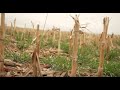
Explores integrating livestock into cropping systems through hoop barns, manure utilization, cover crops, and cornstalk grazing. Discusses income potential, risk reduction, and balancing agronomic/nutritional goals.
-
Livestock integration with cover crops creates multiple income streams per acre, enhancing profitability. This approach is seen as an 'icing on the cake' for cover crop benefits, with available grants for infrastructure like fence and water lines.
Making Sense of the Differences
The timeline for economic benefits in ICLS varies significantly based on initial farm conditions, management intensity, and infrastructure investment. Farms with existing good pasture and manageable transitions may see returns sooner, while those starting from degraded soils or requiring substantial new infrastructure should plan for a longer payback horizon of 5-7 years, factoring in market timing for livestock products.
What's the minimum land size for viable ICLS?
Small scale adaptation possible (10-50 acres)
Academic and institute sources suggest ICLS concepts can be applied on farms as small as 10-50 acres, focusing on benefits like manure recycling and cover crop fertility through creative solutions.
Sources behind this view
Sources behind this view
From the Web
-
Integrating livestock into crop farms boosts income through diversified products and services like pest/weed control, with flexible marketing options. Beginners are advised to start small, build customers, and consider contracting grazing services, while managing infrastructure like fencing and animal impact is crucial.
Larger scale optimal (50-100+ acres)
Experienced field practitioners argue that significant economic benefits from ICLS, especially for substantial manure management or larger herds, typically require 50-100+ acres to justify infrastructure and achieve scale.
Sources behind this view
Sources behind this view
Videos & Podcasts
-
Integrating livestock (especially ruminants) with cover crops accelerates nutrient cycling, boosts soil biology, and breaks weed cycles. It creates economic opportunities by making diverse rotations profitable and reducing input costs, enhancing overall farm sustainability.
-
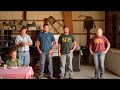
An integrated farming system uses rotational grazing with ~200 Angus cows and crop rotation to protect soil health and land equity, proving effective against hard rainfall events and promoting economic and environmental sustainability.
-
Integrating livestock onto Midwest crop acres offers untapped opportunities for soil health and reduced inputs. While infrastructure challenges exist, entrepreneurial individuals can leverage livestock as a tool for fertility and profitability, moving towards regenerative practices.
Making Sense of the Differences
The minimum land size for viable ICLS varies by farm goals and integration model. Smaller farms (10-50 acres) can adapt ICLS with portable fencing and focusing on cover crop grazing or residue management. However, achieving substantial economic gains, significant manure cycling, or large herd profitability often necessitates larger, more contiguous land bases (50-100+ acres) to amortize infrastructure and increase scale.
How much do ICLS improve soil health metrics?
Substantial gains (academic benchmarks)
Academic studies show ICLS can improve soil organic matter by 0.5-1.5% over a decade, reduce erosion by 50-70%, and increase water infiltration by 30-60%.
Sources behind this view
Sources behind this view
Research
-
Diversification and ecosystem services for conservation agriculture: Outcomes from pastures and integrated crop–livestock systems (opens in new window)
This study found: Farming practices that minimize soil disturbance, keep the soil covered, and boost soil life can improve the environment. This paper looks at how having more diverse plants in pastures and combining crops with livestock can lead to better 'ecosystem services' – the natural benefits farms provide. While diverse pastures can improve grass growth and reduce weeds, they don't always boost animal production. Managing plant diversity requires careful planning for different farm areas. Integrated systems use smart crop rotations and ecological methods. Mixing crops and livestock makes management more complex but can create a more resilient and sustainable farm that stores carbon in the soil, recycles nutrients naturally, and supports wildlife.
Dramatic gains (field practitioner observations)
Field practitioners report dramatic improvements in soil health, including faster organic matter build-up, significant increases in water infiltration, and visible soil biology enhancement, often within 3-5 years.
Sources behind this view
Sources behind this view
Videos & Podcasts
-
Integrating livestock (especially ruminants) with cover crops in cash grain systems significantly enhances soil health, nutrient cycling, and weed control. It creates economic opportunities, improves subsequent crop yields, and reduces reliance on chemical inputs. Livestock grazing accelerates nutrient availability and stimulates soil biology.
-
Integrating livestock and cover crops enhances soil health by decompacting soil, providing free fertilizer from manure/urine, and stimulating microbial activity to solubilize minerals. This approach is seen as a way to reintegrate livestock into Iowa's crop-focused landscape.
-
Upper Midwest study shows integrating livestock with cover crops in corn-soybean rotations increases revenue by $150/acre, reduces nitrogen use by 35-45%, and significantly improves water infiltration (>300%), organic matter (+40%), and reduces soil compaction (-27%).

Making Sense of the Differences
The reported soil health gains in ICLS vary by starting soil condition and management intensity. Degraded soils often show more dramatic percentage improvements. Field practitioner observations may emphasize visible changes and shorter-term gains from intensive livestock integration, while academic studies often focus on longer-term, quantifiable changes over a decade. Both perspectives confirm significant potential for improvement with dedicated ICLS practices.
5
HOW MUCH - Costs & Investment
Note: Costs shown in USD; multiply by local labor and material cost indices for your region. Labor costs vary significantly internationally.
Note: Costs shown in USD; multiply by local labor and material cost indices for your region. Labor costs vary significantly internationally.
HOW MUCH - Costs & Investment
Note: Costs shown in USD; multiply by local labor and material cost indices for your region. Labor costs vary significantly internationally.
Note: Costs shown in USD; multiply by local labor and material cost indices for your region. Labor costs vary significantly internationally.
Note: All costs are based on recent US economic data (2024–2026) and may vary substantially by region based on local labor rates, material costs, and regulatory requirements.
Initial Livestock Acquisition & Genetics
Small operations (under 50 acres (20 ha)) typically allocate $1,050–4,175 for foundational breeding stock. Mid-size operations (50–500 acres (20–202 ha)) scale investments to $4,175–20,850, focusing on livestock genetics suited for heavy forage utilization. Large-scale operations (500+ acres) invest $20,850–208,400, often prioritizing high-density grazing performance and specialized breeds to maximize nutrient return rates across vast acreage. Increased investment in high-performing breeds or bio-secure transport logistics drives costs toward the upper end of these ranges.
Fencing & Watering Infrastructure
Fencing is the most significant capital expenditure for intensive rotational grazing. Small-scale portable electric fencing systems range from $420–1,670. Mid-size farms utilizing permanent perimeter fencing and temporary interior paddock divisions invest $1,670–6,250. Large-scale operations require robust high-tensile perimeter fencing and mobile solar-powered water infrastructure, totaling $6,250–31,260+. Water infrastructure costs often track with fencing needs, with small systems costing $210–1,040, mid-size setups averaging $1,040–5,210, and large-scale installations requiring $5,210–31,260 for high-flow pumps, solar power, and multi-paddock piping.
Cover Crop Seed & Establishment
The transition to integrated systems relies on high-biomass cover crops to support livestock. Small-scale plantings require an annual investment of $105–315 per season. Mid-size operations spend $315–1,045 on diversified mixes, while large operations scale to $1,045–4,170 per seed cycle. Cost variation depends on species diversity—integrating legumes or brassicas increases seed costs but enhances soil nutrient cycling. If specialized machinery like no-till drills or high-clearance seeders are required, leasing costs add $520–2,085 annually.
Annual Operating & Regulatory Costs
Maintenance of livestock health, mandatory veterinary care, and essential supplemental feed for seasonal forage gaps constitute recurring expenses. Small farms account for $210–835 annually, while mid-size farms budget $835–4,170. Large-scale operations typically see annual operating costs of $4,170–20,840+. These costs are significantly offset by reductions in synthetic fertilizer use, which can yield net operating savings of $52–260 per acre ($128–$642/ha); in highly optimized large landscapes, these savings can exceed $2,000 annually through increased nitrogen mineralization and soil microbiology improvements.
Most Spend: Most small operations spend $2,605–5,730 for initial setup; mid-size operations spend $12,500–26,050; large-scale holdings allocate $62,500–156,300 for infrastructure and herd quality.
Why the Range?: Costs vary significantly based on existing farm infrastructure; properties with established perimeter fencing or natural water sources see costs at the lower bound. Higher costs occur when operations must install off-grid solar water systems or high-tensile multi-paddock fencing systems across diverse, non-contiguous landscapes.
Sources behind this view
Videos & Podcasts
-
Livestock impact, cover crops, and extended grazing are key to soil health and profitability, reducing tillage and hay feeding. Metrics include soil organic matter, infiltration, Brix levels, and stoc
-
Stock cropping integrates livestock into corn production, boosting corn yields with fewer inputs and generating significant livestock revenue ($12-15k/acre gross), improving soil health, and offering
-
Utilize multi-species cover crops based on specific 'resource concerns' to improve soil health, nitrogen fixation, and water retention. Integrate livestock for grazing, calving, and overwintering, enh
-
Integrating livestock grazing into cropping systems enhances soil regeneration and provides both economic and ecological profit. Mutually beneficial arrangements with cattle owners deliver high-qualit
Research
-
Regenerative Livestock Farming as a Socioeconomic Model for Sustainable Agribusiness in Latin America (opens in new window)
This study found: Regenerative livestock farming in Latin America improved soil carbon, biodiversity, and water quality, while boosting farmer income and quality of life. Government support is key for wider adoption.
-
Livestock in no-till cropping systems – a story of trade-offs (opens in new window)
This study found: Integrating livestock into no-till farming offers diversification and risk management, but requires careful balancing of soil health, weed control, and economics. Rotational grazing can mitigate negat
-
Increasing Intensity of Pasture Use with Dairy Cattle: An Economic Analysis (opens in new window)
This study found: Intensive grazing on Pennsylvania dairy farms was more profitable than hay/corn silage, returning $129/acre. High debt and poor cash flow motivated increased grazing intensity, which lowered feed cost
-
Transitioning from conventional continuous grazing to planned rest-rotation grazing: A beef cattle case study from central Texas (opens in new window)
This study found: A 5-year Texas case study found planned rest-rotation grazing showed potential for more forage and better soil health on cultivated paddocks compared to continuous grazing, with similar overall profit
6
REWARDS AND RISKS - Economics & Risk Factors
REWARDS AND RISKS - Economics & Risk Factors
Integrated Crop-Livestock Systems (ICLS) offer a path to decoupled enterprise profitability. In a Best Case scenario, farmers achieve 15–25% crop yield increases within 5 years as nutrient cycling and water infiltration improve, while livestock revenue boosts total gross farm income by 20–40%. Optimized systems may see net profit gains of $150–300 per acre ($371–$741/ha) relative to monoculture. In the Typical scenario, yield increases hover at 5–12%, with 25–40% reductions in fertilizer costs, providing a steady 10–15% increase in net income after initial capital recovery. The Worst Case scenario involves poor grazing management, leading to soil compaction and potential yield declines of 5–10%; persistent supplemental feed costs exceeding $100 per acre ($247/ha) annually can result in net farm losses during the first 3 years of operation.
Profitability is indexed to regional demand for regeneratively produced protein. By stacking enterprises, producers decouple revenue from volatile commodity grain prices. Operations that access direct-to-consumer and specialty wholesale channels often secure a 15–30% premium over conventional commodity pricing, acting as a buffer against market downturns. Financial risk is mitigated through "phased entry," where initial infrastructure investment is limited to the bare minimum needed for a small herd—typically $500–1,500 per unit of production. Engaging a professional grazing consultant for $500–2,500 can prevent biological failure. Maintaining a 6-month buffer of stored forage or grain, costing roughly $50–150 per ton, is essential to mitigate the risk of drought or extreme weather-induced livestock liquidation.
Transition Period Risks are most pronounced during the first 24 months. Farmers often face "yield drag" as soil microbiology adjusts to lower synthetic inputs, manifesting as a 10–15% temporary reduction in cash crop output. To mitigate this volatility, practitioners should reduce synthetic inputs by no more than 20% annually. Full return to profitability usually follows a 4–6 year curve as ecosystem services like natural pest control and nutrient mineralization scale. Utilizing cost-share programs like EQIP can reimburse 50–70% of initial out-of-pocket setup costs, directly improving short-term cash flow stability.
Sources behind this view
Videos & Podcasts
-
Utilize multi-species cover crops based on specific 'resource concerns' to improve soil health, nitrogen fixation, and water retention. Integrate livestock for grazing, calving, and overwintering, enh
-
Farmers detail diverse cover cropping mixes (rye, vetch, oats, flax, sunflowers, peas, canola) and polyculture systems to boost soil health and reduce inputs. They emphasize continuous living roots, l
-
Integrating livestock grazing into cropping systems enhances soil regeneration and provides both economic and ecological profit. Mutually beneficial arrangements with cattle owners deliver high-qualit
-
Livestock impact, cover crops, and extended grazing are key to soil health and profitability, reducing tillage and hay feeding. Metrics include soil organic matter, infiltration, Brix levels, and stoc
Community
-
Enhance soil health through plant diversity, continuous soil cover (living plants/residues), and livestock integration. Manage carbon-to-nitrogen ratios of residues and adopt no-till practices to impr
Read more (opens in new window) permies.com -
Details an integrated system of Managed Intensive Rotational Grazing and rotational cropping using holistic management. It emphasizes increasing forage availability, integrating livestock (cattle, chi
Read more (opens in new window) permies.com -
Adopts a holistic grazing management approach emphasizing diverse perennial pastures, higher residuals (4"), and longer rest periods (avg. 45 days) to build soil health, increase organic matter (3.4%
Read more (opens in new window) smallfarms.cornell.edu -
Details an integrated system of Managed Intensive Rotational Grazing (MIRG) with crop production using no-till and mulching, incorporating chickens for pest control and fertilization, and rotating cro
Read more (opens in new window) permies.com
Research
-
Livestock in no-till cropping systems – a story of trade-offs (opens in new window)
This study found: Integrating livestock into no-till farming offers diversification and risk management, but requires careful balancing of soil health, weed control, and economics. Rotational grazing can mitigate negat
-
Regenerative Livestock Farming as a Socioeconomic Model for Sustainable Agribusiness in Latin America (opens in new window)
This study found: Regenerative livestock farming in Latin America improved soil carbon, biodiversity, and water quality, while boosting farmer income and quality of life. Government support is key for wider adoption.
-
Managing Grazing to Restore Soil Health, Ecosystem Function, and Ecosystem Services (opens in new window)
This study found: Properly managed grazing animals can reverse environmental damage. Regenerative practices, like Adaptive Multi-Paddock (AMP) grazing, boost soil health, increase soil carbon, reduce erosion, and enhan
-
Farming with forages can reconnect crop and livestock operations to enhance circularity and foster ecosystem services (opens in new window)
This study found: Integrating crops and livestock with forages can boost sustainability by improving nutrient cycling, soil health, and biodiversity, reducing pollution and emissions. Practices like using cover crops f
From the Web
-
Five steps to regenerative agriculture: Holistic Planned Grazing, no-till farming, planting diverse cover crops/interseeding, using compost/inoculants (with caution), and incorporating silvopasture/wo
-
Integrating livestock with cover crops requires careful species selection, planting, and grazing management. Diverse mixes, including grasses (like cereal rye) and legumes (like clovers), enhance fora
-
Integrating livestock into crop rotations enhances soil quality, nutrient cycling, and crop yields. Manure and residues boost soil organic matter and sequester carbon. Pasture rotations can maintain o
-
Integrating livestock grazing with cover crops enhances profitability and soil health over time. While requiring patience and trial-and-error, successful implementation involves selecting appropriate
7
WHO - Labor & Expertise
Implementing and managing Integrated Crop-Livestock Systems (ICLS) requires a distinct set of skills and a potential increase in labor, particularly during the transition phase. The expertise needed spans agronomy, animal husbandry, soil science, and adaptive management.
Implementing and managing Integrated Crop-Livestock Systems (ICLS) requires a distinct set of skills and a potential increase in labor, particularly during the transition phase. The expertise needed spans agronomy, animal husbandry, soil science, and adaptive management.
WHO - Labor & Expertise
Implementing and managing Integrated Crop-Livestock Systems (ICLS) requires a distinct set of skills and a potential increase in labor, particularly during the transition phase. The expertise needed spans agronomy, animal husbandry, soil science, and adaptive management.
Implementing and managing Integrated Crop-Livestock Systems (ICLS) requires a distinct set of skills and a potential increase in labor, particularly during the transition phase. The expertise needed spans agronomy, animal husbandry, soil science, and adaptive management.
Skill Requirements
- Agronomic Knowledge: Understanding crop rotations, cover crop selection and management, soil fertility and nutrient cycling, weed and pest management using biological approaches. Knowledge of how cover crops provide forage quality and quantity for livestock is crucial.
- Livestock Management: Familiarity with the chosen livestock species' nutritional needs, health requirements, breeding cycles, and best practices for handling and welfare. Experience with grazing management strategies (e.g., rotational, adaptive multi-paddock grazing) is paramount.
- Soil Biology Understanding: A grasp of how soil microbes, earthworms, and fungal networks function, and how livestock integration impacts these processes. This helps in making informed decisions about grazing intensity, timing, and manure management.
- Adaptive Management: The ability to observe conditions, interpret data (soil tests, yield monitors, animal performance), and make flexible, informed decisions. This involves a shift from prescriptive farming to responsive, ecological management.
- Infrastructure & Equipment: Basic skills in fence construction and repair, water system maintenance, and operation of farm equipment for tillage (if used during transition), seeding, manure management, and harvesting.
Labor Considerations
- Increased Labor During Transition: The initial phase of setting up infrastructure (fencing, water), establishing cover crops, and managing livestock grazing on crop fields can be labor-intensive. This often requires additional seasonal or full-time help.
- Livestock Care Requires Daily Attention: Animals require daily feeding, watering, health checks, and movement, which adds a continuous labor requirement compared to crop-only operations.
- Efficient Systems Reduce Labor Long-Term: Once infrastructure is in place and management strategies are optimized (e.g., well-designed rotational grazing system, reliable water points), labor can become more efficiently managed. Livestock grazing can also reduce labor associated with weed control and residue management in cropping systems.
- Skilled Labor vs. General Labor: While some tasks (e.g., moving portable fences) might be handled by general labor, skilled livestock management, complex cover crop stand establishment, and detailed soil monitoring require more experienced individuals.
Expertise & Training
- Formal Education: Degrees in agronomy, animal science, soil science, or sustainable agriculture provide a strong foundation.
- Workshops & Extension: Attending workshops on regenerative grazing, cover cropping, and ICLS offered by local extension services, research institutions (e.g., Rodale Institute, Savory Institute), or farmer networks is highly beneficial.
- Mentorship & Peer Learning: Connecting with experienced ICLS practitioners through farm visits, farmer groups, or mentorship programs can provide invaluable practical knowledge.
- On-Farm Trials: Experimenting on a small scale within your own farm allows for hands-on learning and adaptation to your specific conditions.
- Soil Health Monitoring: Learning to interpret soil tests, infiltration rates, aggregate stability, and observe soil biology provides direct feedback on management effectiveness.
International Labor Cost Variations
Labor costs vary dramatically across continents. In regions with low labor costs, hiring additional personnel for daily livestock care or infrastructure setup might be more economically feasible than in regions with high labor wages, where investing in labor-saving equipment and planning for efficient one-person operations becomes a higher priority. Similarly, the cost and availability of skilled labor will differ significantly, impacting the feasibility of certain management practices. It is essential to research local labor rates and availability when planning an ICLS implementation.
Sources behind this view
Videos & Podcasts
-
Utilize multi-species cover crops based on specific 'resource concerns' to improve soil health, nitrogen fixation, and water retention. Integrate livestock for grazing, calving, and overwintering, enh
-
Livestock impact, cover crops, and extended grazing are key to soil health and profitability, reducing tillage and hay feeding. Metrics include soil organic matter, infiltration, Brix levels, and stoc
-
Farmers detail diverse cover cropping mixes (rye, vetch, oats, flax, sunflowers, peas, canola) and polyculture systems to boost soil health and reduce inputs. They emphasize continuous living roots, l
-
John Jeff integrates livestock grazing with dual-purpose crops (e.g., cereal rye, hairy vetch) sown in February at 850m elevation. Livestock recycle biomass, build soil fertility, and produce 400-600
Community
-
Enhance soil health through plant diversity, continuous soil cover (living plants/residues), and livestock integration. Manage carbon-to-nitrogen ratios of residues and adopt no-till practices to impr
Read more (opens in new window) permies.com -
Details an integrated system of Managed Intensive Rotational Grazing and rotational cropping using holistic management. It emphasizes increasing forage availability, integrating livestock (cattle, chi
Read more (opens in new window) permies.com
Research
-
Livestock in no-till cropping systems – a story of trade-offs (opens in new window)
This study found: Integrating livestock into no-till farming offers diversification and risk management, but requires careful balancing of soil health, weed control, and economics. Rotational grazing can mitigate negat
-
Hydro‐physical soil properties as influenced by short and long‐term integrated crop–livestock agroecosystems (opens in new window)
This study found: Long-term (30+ yr) integration of crops and livestock grazing in South Dakota significantly increased soil organic matter and reduced compaction, improving water infiltration and retention. Short-term
-
Smart investments in sustainable food production: revisiting mixed crop-livestock systems (opens in new window)
This study found: Mixed crop-livestock systems are key to global food production, especially for smallholders, providing manure, traction, and income. Sustainable intensification requires smart investments in inputs, m
-
Labile soil carbon and nitrogen fractions under short and long-term integrated crop–livestock agroecosystems (opens in new window)
This study found: Long-term integration of cover crops and livestock grazing in crop rotations significantly boosted active soil carbon, nitrogen, and enzyme activity compared to conventional systems. Short-term integr
From the Web
-
Adapting to livestock integration involves rethinking priorities, managing compaction through high-density, short-duration grazing with sufficient dry matter (min 3,000 lbs/acre), and addressing water
8
EQUIPMENT - Tools & Infrastructure
Implementing Integrated Crop-Livestock Systems (ICLS) requires strategic investment in infrastructure and equipment to effectively manage the interaction between crops and livestock. The specific needs vary depending on the chosen integration model and the scale of...
Implementing Integrated Crop-Livestock Systems (ICLS) requires strategic investment in infrastructure and equipment to effectively manage the interaction between crops and livestock. The specific needs vary depending on the chosen integration model and the scale of...
EQUIPMENT - Tools & Infrastructure
Implementing Integrated Crop-Livestock Systems (ICLS) requires strategic investment in infrastructure and equipment to effectively manage the interaction between crops and livestock. The specific needs vary depending on the chosen integration model and the scale of...
Implementing Integrated Crop-Livestock Systems (ICLS) requires strategic investment in infrastructure and equipment to effectively manage the interaction between crops and livestock. The specific needs vary depending on the chosen integration model and the scale of...
Essential Infrastructure
- Fencing:
- Portable Electric Fencing: Crucial for rotational grazing and managing livestock access to cover crops and crop residues. Includes polywire/tape, temporary posts, energizers (solar-powered options are common), and gateways.
- Permanent Fencing: For perimeter containment, high-pressure areas, or separating livestock from sensitive crop zones. Materials include barbed wire, woven wire, electric wire, and robust posts (wood, metal, concrete).
- Water Systems:
- Water Troughs/Tanks: Durable and appropriately sized for the livestock, placed centrally within paddocks.
- Piping/Hose Systems: To deliver water to troughs from wells, ponds, municipal sources, or larger water tanks. Frost-proof pipelines and automatic waterers are essential in colder climates.
- Pumps: If water needs to be lifted or moved long distances.
- Water Harvesting: Ponds or tanks to capture rainfall, especially in drier regions.
- Livestock Handling Facilities:
- Loading/Unloading Docks: For bringing livestock onto or off the farm.
- Holding Pens/Corrals: To temporarily gather animals for sorting, health checks, or transport.
- Maternity Pens: For calving or lambing if applicable.
Cropping Equipment (Potentially Adapted)
- Seeding Equipment:
- No-Till Seed Drill: Essential for planting cover crops and cash crops with minimal soil disturbance. Many ICLS systems rely heavily on no-till to preserve soil structure.
- Broadcast Seeder: For spreading cover crop seed into standing crops or onto residue.
- Residue Management:
- Chopper/Mower: To manage excessive crop residue if needed before cover crop planting, though often residues are left for grazing.
- Spreader (Manure/Compost): For distributing animal manure effectively. Can be a dedicated piece of equipment or a modified implement.
- Harvesting Equipment: Standard harvesters for cash crops. The efficiency of stubble for grazing is a key consideration.
Livestock Equipment
- Basic Livestock Gear: Feeders, waterers, mineral feeders, salt blocks.
- Grooming/Health Equipment: Scales for weighing animals, handling chutes for health checks, vaccination equipment.
- Forage Equipment (if supplementary feeding is needed): Bale feeders, mixers.
Infrastructure for Specialty ICLS
- Silvopasture Specifics: Tree guards or specialized fencing to protect young trees from browse damage (e.g., electric fences around tree bases or individual tree shelters).
- Poultry Integration: Mobile chicken coops (chicken tractors) that can be moved across fields or pastures, integrated with crops or livestock.
- Composting Facilities: Bays or areas for managing and composting manure to stabilize nutrients and create a high-quality soil amendment.
Sourcing and Cost Considerations
- New vs. Used Equipment: Purchasing used equipment can significantly reduce upfront costs for items like spreaders, seed drills, or even older fencing materials.
- DIY vs. Professional Installation: Farmers can save money by installing fencing and water systems themselves, though specialized tasks may require professional help. This is particularly relevant considering international labor cost variations.
- Leasing and Sharing: For large equipment or items used infrequently, leasing or equipment-sharing arrangements with neighbors or cooperatives can be cost-effective.
- Local Availability: Sourcing materials and equipment locally often provides better support and can sometimes be more cost-effective than international shipping, especially for bulk items like fencing wire or troughs. Check with local agricultural suppliers and extension services.
Investing in the right infrastructure and equipment is critical for the efficiency, animal welfare, and overall success of an ICLS operation. A phased approach to acquiring assets, focusing on essential needs first, is often the most prudent financial strategy.
Sources behind this view
Videos & Podcasts
-
Farmers detail diverse cover cropping mixes (rye, vetch, oats, flax, sunflowers, peas, canola) and polyculture systems to boost soil health and reduce inputs. They emphasize continuous living roots, l
-
Utilize multi-species cover crops based on specific 'resource concerns' to improve soil health, nitrogen fixation, and water retention. Integrate livestock for grazing, calving, and overwintering, enh
-
John Jeff integrates livestock grazing with dual-purpose crops (e.g., cereal rye, hairy vetch) sown in February at 850m elevation. Livestock recycle biomass, build soil fertility, and produce 400-600
-
Livestock impact, cover crops, and extended grazing are key to soil health and profitability, reducing tillage and hay feeding. Metrics include soil organic matter, infiltration, Brix levels, and stoc
Community
-
Details an integrated system of Managed Intensive Rotational Grazing and rotational cropping using holistic management. It emphasizes increasing forage availability, integrating livestock (cattle, chi
Read more (opens in new window) permies.com -
Enhance soil health through plant diversity, continuous soil cover (living plants/residues), and livestock integration. Manage carbon-to-nitrogen ratios of residues and adopt no-till practices to impr
Read more (opens in new window) permies.com -
Details an integrated system of Managed Intensive Rotational Grazing (MIRG) with crop production using no-till and mulching, incorporating chickens for pest control and fertilization, and rotating cro
Read more (opens in new window) permies.com -
Achieving systems efficiency through integrating low-input operations where waste products become feedstocks, leveraging livestock (laying fowl, pigs, goats, mini Jerseys) and aquaculture for nutrient
Read more (opens in new window) permies.com
Research
-
Smart investments in sustainable food production: revisiting mixed crop-livestock systems (opens in new window)
This study found: Mixed crop-livestock systems are key to global food production, especially for smallholders, providing manure, traction, and income. Sustainable intensification requires smart investments in inputs, m
-
Livestock in no-till cropping systems – a story of trade-offs (opens in new window)
This study found: Integrating livestock into no-till farming offers diversification and risk management, but requires careful balancing of soil health, weed control, and economics. Rotational grazing can mitigate negat
-
Farming with forages can reconnect crop and livestock operations to enhance circularity and foster ecosystem services (opens in new window)
This study found: Integrating crops and livestock with forages can boost sustainability by improving nutrient cycling, soil health, and biodiversity, reducing pollution and emissions. Practices like using cover crops f
-
Integration of organic dairy cattle into a whole farm context (opens in new window)
This study found: Integrating organic dairy cattle with other farm enterprises can create synergistic systems, improving resource use, animal welfare, and nutrient recycling through cooperation and circular economy pri
From the Web
-
Ten best practices for integrating livestock into crop rotations: identify land use, plan rotations, manage stocking rates, select appropriate pastures, use fencing, move livestock frequently, encoura
-
Adapting to livestock integration in cropping systems involves rethinking priorities, managing compaction through high-density short-duration grazing and adequate forage, ensuring water access, and ut
-
Integrating livestock into crop farms boosts income through diversified products and services like pest/weed control, with flexible marketing options. Beginners are advised to start small, build custo
9
COMPATIBLE PRACTICES - Integration Opportunities
Integrated Crop-Livestock Systems (ICLS) are highly synergistic with other regenerative practices, amplifying their benefits and creating robust, resilient farming systems. The integration leverages ecological relationships to enhance soil health, reduce inputs, and...
Integrated Crop-Livestock Systems (ICLS) are highly synergistic with other regenerative practices, amplifying their benefits and creating robust, resilient farming systems. The integration leverages ecological relationships to enhance soil health, reduce inputs, and...
COMPATIBLE PRACTICES - Integration Opportunities
Integrated Crop-Livestock Systems (ICLS) are highly synergistic with other regenerative practices, amplifying their benefits and creating robust, resilient farming systems. The integration leverages ecological relationships to enhance soil health, reduce inputs, and...
Integrated Crop-Livestock Systems (ICLS) are highly synergistic with other regenerative practices, amplifying their benefits and creating robust, resilient farming systems. The integration leverages ecological relationships to enhance soil health, reduce inputs, and...
Cover Cropping
- Description: Planting non-cash crops between cash crop seasons or on fallow land.
- Integration Benefit: Cover crops provide nutritious forage for livestock, extending the grazing season and cycling nutrients from manure back into the soil. They prevent soil erosion, suppress weeds, improve soil structure with their roots, and fix atmospheric nitrogen (legumes). Livestock grazing stimulates cover crop growth and residue breakdown, making nutrients more available for the subsequent cash crop. This practice is often a cornerstone of ICLS, ensuring soil cover and living roots year-round.
Rotational Grazing
- Description: Managing livestock in paddocks and rotating them frequently to allow pastures or cover crops adequate rest and recovery. Also known as adaptive multi-paddock grazing.
- Integration Benefit: This is paramount for ICLS success. Strategic grazing ensures that livestock impact on soil is managed, preventing compaction. It stimulates plant growth, distributes manure evenly, and optimizes nutrient cycling. Well-managed rotational grazing enhances forage quality and quantity, maximizing livestock performance while building soil health. It complements crop-livestock integration by ensuring livestock utilize available forage efficiently and contribute positively to soil fertility.
Silvopasture
- Description: Integrating trees and shrubs into grazing lands.
- Integration Benefit: This is a specific form of ICLS where livestock graze among trees. It offers multiple benefits: shade and shelter for animals, timber or nut/fruit production, enhanced biodiversity, carbon sequestration, and improved soil health from the combined root systems of trees and forages. Livestock impact can help manage understory vegetation in tree stands, while trees enhance pasture growth through microclimate moderation and nutrient cycling.
No-Till or Minimum Tillage Farming
- Description: Avoiding or minimizing soil disturbance during crop establishment.
- Integration Benefit: ICLS often pairs well with no-till. Livestock grazing crop residues or cover crops can reduce the need for mechanical tillage for residue management or weed control. Manure can be applied directly to the soil surface or incorporated by earthworms and biological activity, further reducing the need for tillage. This preserves soil structure, enhances soil biology, and sequesters carbon.
Composting
- Description: Controlled decomposition of organic materials (including manure) to create a stable soil amendment.
- Integration Benefit: If manure application needs to be managed or stabilized, composting is an excellent option. It reduces potent odor issues, kills weed seeds and pathogens, and stabilizes nutrients making them more readily available and less prone to leaching. Compost can then be applied strategically to crop fields or pastures, providing a slow-release nutrient source.
Keyline Design and Water Harvesting
- Description: Earthworks designed to manage water flow across the landscape, slowing it down and allowing it to infiltrate.
- Integration Benefit: In regions prone to drought or heavy rainfall, keyline design can maximize water infiltration and storage in soils, benefiting both crops and forages. For livestock, reliable water access is critical; integrating water harvesting structures with grazing paddocks can improve water availability and reduce the need for extensive piped systems, especially in arid and semi-arid environments.
Crop Rotation Diversity
- Description: Growing a sequence of different crops over time on the same land.
- Integration Benefit: ICLS benefits greatly from diverse crop rotations that include cash crops, cover crops, and potentially perennial forages. This diversity supports a wider range of soil microbes and nutrient cycling pathways. Livestock can graze different types of crop residues and cover crops, benefiting from varied nutrient profiles and phytochemicals, which can improve their health and the nutrient quality of their manure.
The successful implementation of ICLS hinges on the thoughtful integration of these practices. Each component supports and enhances the others, creating a resilient, self-sustaining farming system that regenerates the land's natural capital while providing economic returns. For farms transitioning from conventional systems, adopting ICLS alongside these regenerative practices offers a pragmatic pathway to reducing reliance on external inputs and building long-term farm viability.
Sources behind this view
Videos & Podcasts
-
Utilize multi-species cover crops based on specific 'resource concerns' to improve soil health, nitrogen fixation, and water retention. Integrate livestock for grazing, calving, and overwintering, enh
-
Farmers detail diverse cover cropping mixes (rye, vetch, oats, flax, sunflowers, peas, canola) and polyculture systems to boost soil health and reduce inputs. They emphasize continuous living roots, l
-
Integrating livestock (especially ruminants) with cover crops accelerates nutrient cycling, boosts soil biology, and breaks weed cycles. It creates economic opportunities by making diverse rotations p
-
Integrating livestock grazing into cropping systems enhances soil regeneration and provides both economic and ecological profit. Mutually beneficial arrangements with cattle owners deliver high-qualit
Community
-
Enhance soil health through plant diversity, continuous soil cover (living plants/residues), and livestock integration. Manage carbon-to-nitrogen ratios of residues and adopt no-till practices to impr
Read more (opens in new window) permies.com -
Details an integrated system of Managed Intensive Rotational Grazing and rotational cropping using holistic management. It emphasizes increasing forage availability, integrating livestock (cattle, chi
Read more (opens in new window) permies.com -
A multi-state project (CA, MN, MD) studies integrated crop-livestock farming using sheep grazing on cover crops, examining soil benefits and food safety risks from pathogen transfer to vegetable crops
Read more (opens in new window) ucanr.edu -
Details an integrated system of Managed Intensive Rotational Grazing (MIRG) with crop production using no-till and mulching, incorporating chickens for pest control and fertilization, and rotating cro
Read more (opens in new window) permies.com
Research
-
Integration of organic dairy cattle into a whole farm context (opens in new window)
This study found: Integrating organic dairy cattle with other farm enterprises can create synergistic systems, improving resource use, animal welfare, and nutrient recycling through cooperation and circular economy pri
-
Farming with forages can reconnect crop and livestock operations to enhance circularity and foster ecosystem services (opens in new window)
This study found: Integrating crops and livestock with forages can boost sustainability by improving nutrient cycling, soil health, and biodiversity, reducing pollution and emissions. Practices like using cover crops f
-
Livestock in no-till cropping systems – a story of trade-offs (opens in new window)
This study found: Integrating livestock into no-till farming offers diversification and risk management, but requires careful balancing of soil health, weed control, and economics. Rotational grazing can mitigate negat
-
Managing Grazing to Restore Soil Health, Ecosystem Function, and Ecosystem Services (opens in new window)
This study found: Properly managed grazing animals can reverse environmental damage. Regenerative practices, like Adaptive Multi-Paddock (AMP) grazing, boost soil health, increase soil carbon, reduce erosion, and enhan
From the Web
-
Integrating ruminant livestock into crop systems enhances soil health by stimulating root exudates for humus building, cycling 70-80% of consumed nutrients, inoculating soil with beneficial microbes,
-
Ten best practices for integrating livestock into crop rotations: identify land use, plan rotations, manage stocking rates, select appropriate pastures, use fencing, move livestock frequently, encoura
-
Integrating livestock into crop rotations enhances soil quality, nutrient cycling, and crop yields. Manure and residues boost soil organic matter and sequester carbon. Pasture rotations can maintain o
-
Integrate livestock using Holistic Planned Grazing to break capped soils, disperse seeds, and enhance soil biology. Minimize soil disturbance from tillage and synthetic fertilizers to maximize regener