
Integrated Pest Management
Integrated Pest Management (IPM) is a science-based, ecosystem-focused strategy for managing pests, diseases, and weeds. It prioritizes ecological balance by using observation, monitoring, and the least toxic, most ecological interventions first—often focusing on habitat restoration and biological controls—before resorting to more disruptive chemical applications. The goal is to prevent pest outbreaks and maintain healthy, resilient agricultural systems.
Read More: Complete Description
Integrated Pest Management (IPM) is a holistic approach to pest, disease, and weed control that emphasizes ecological understanding and sustainable solutions. Rather than simply reacting to pest infestations with broad-spectrum chemical applications, IPM begins with a deep understanding of the agroecosystem, including its beneficial organisms, soil health, crop physiology, and environmental factors. The core philosophy is to maintain pest populations below an economic threshold where they cause unacceptable damage, using a variety of methods in a coordinated strategy.
The foundational element of IPM is systematic monitoring and scouting. Farmers and land managers regularly observe their fields, gardens, or pastures to identify pest species, assess their life stages, and quantify population densities. This goes hand-in-hand with understanding the pest's biology, life cycle, and natural enemies. By knowing when a pest is most vulnerable or when its natural predators are most active, interventions can be timed for maximum efficacy and minimum disruption to the broader ecosystem.
IPM then employs a hierarchy of control methods. The first tier involves preventative cultural and biological controls. This includes practices that enhance overall farm health and resilience. For instance, maximizing crop diversity (Principle 2) through crop rotation, intercropping, or planting diverse cover crops creates a more complex ecosystem that is less susceptible to pest outbreaks. Healthy soil (Principle 1, 3, 4) supports vigorous plants that are naturally more resistant to pests and diseases. Introducing or conserving beneficial insects—predators, parasitoids, and pathogens that attack pests—through habitat enhancement (hedgerows, flower strips) and reduced pesticide use is another key biological strategy.
Mechanical and physical controls are the next layer. These can include hand-weeding, trapping, using barrier crops, or physically removing pests. For example, in tropical regions, farmers might use sticky traps for fruit flies or netting to protect crops from birds. In arid environments, water management can be a form of pest control, as certain diseases thrive in humid conditions while others are exacerbated by drought stress.
When preventive and biological methods are insufficient to keep pest populations below the economic threshold, judicious use of chemical controls comes into play. However, in IPM, these are seen as a last resort. When chemical applications are necessary, they are highly targeted, selected for their specificity to the pest in question, their low toxicity to non-target organisms (especially beneficials), and their minimal environmental impact. Application methods are precise to reduce drift and non-use.
From a regenerative agriculture perspective, IPM is not just compatible—it is fundamental. It directly supports Principle 1 (Minimize Soil Disturbance) by reducing the reliance on soil-disrupting pesticides and promoting practices that build healthy soil, which in turn fosters plant resilience. It amplifies Principle 2 (Maximize Crop Diversity); diverse systems inherently host diverse natural enemies, creating a more robust biological control army. IPM strongly supports Principle 3 (Keep Soil Covered) and Principle 4 (Maintain Living Roots) because healthy, continuously living plant systems are less vulnerable to pest pressure and their root exudates support beneficial soil microbes that can outcompete pathogens. Finally, IPM inherently supports Principle 5 (Integrate Livestock) by recognizing that animal manure contributes to soil fertility, which strengthens plant defenses, and that animal presence can often deter certain pests or help manage weeds.
IPM represents a transition away from the input-intensive, often ecologically damaging conventional pest control paradigm. While some conventional pest control practices are direct violations of regenerative principles (e.g., broad-spectrum pesticides lethal to beneficial insects and soil biota), IPM offers a pathway to manage pests without such collateral damage. The transition often involves a gradual reduction in synthetic pesticide use, starting with targeted applications and moving towards habitat-based and biological solutions. This transition doesn't mean zero intervention, but rather a smart intervention that works with nature, not against it.
For farmers transitioning to regenerative systems, IPM allows for the management of existing pest challenges without an immediate yield crash, while simultaneously building the ecological resilience that will reduce pest pressure over time. For example, in Australia's wheat belts, farmers using IPM might use cover crops to suppress weed seed banks (Principle 2, 3) and introduce beneficial insects to control aphids, reducing their reliance on herbicides and insecticides over several years. In pastoral systems across East Africa, farmers monitor tick populations and use rotational grazing to keep cattle healthy and less susceptible to disease, resorting to targeted acaricides only when necessary. In the humid subtropical climates of Brazil, IPM for soybean pests might involve planting insectary plants along field borders to attract natural enemies and using biopesticides derived from naturally occurring microbes instead of broad-spectrum synthetics. The focus is always on understanding the ecosystem dynamics to achieve effective pest control with the lowest possible ecological footprint. IPM is therefore not a single practice but a philosophy and a tiered strategy that must be adapted to the local context, climate, and pest pressures.
Sources behind this view
Sources behind this view
 Videos & Podcasts
-
Integrated Pest Management (IPM) shifts from eradication to managing pest populations using multiple tactics (cover crops, intercropping, pheromones) to avoid resistance and promote biodiversity, cont
-
Organic pest and weed management uses a systems approach based on IPM principles, focusing on prevention through soil health, biodiversity, and crop competitiveness. Key strategies include understandi
-
Integrated Pest Management (IPM) leverages beneficial insects for pest control. It requires monitoring both pests and natural enemies, aiming to suppress pest populations below economic thresholds wit
-
Organic pest and weed management relies on a systems approach with prevention as key. Strategies include crop rotation, soil health, biodiversity, cultivar selection, and approved organic pesticides.
 Community
-
A new IPM paradigm emphasizes prevention, monitoring, and control using diverse methods like host resistance, cultural, biological, and chemical controls. It integrates management, business, and susta
Read more (opens in new window) ucanr.edu -
Integrated Pest Management (IPM) for small-scale growers combines cultural, mechanical, biological, and chemical controls. Key steps include regular pest monitoring, identification, and using action t
Read more (opens in new window) ucanr.edu -
Integrated Pest Management (IPM) involves science-based pest prevention using diverse methods to reduce risks. Key practices include accurate pest identification, active monitoring, and weighing contr
Read more (opens in new window) smallfarms.cornell.edu -
Details numerous IPM techniques for pest prevention, avoidance, and monitoring, including land use strategies, before-planting methods (allelopathic crops, polyculture, soil health), growing season pr
Read more (pp. 16-35) (opens PDF, pp. 16-35) efotg.sc.egov.usda.gov
 Research
-
How does IPM 3.0 look like (and why do we need it in Africa)? (opens in new window)
This study found: IPM 3.0 is a new approach for African smallholders, combining real-time decision tools, nature-based pest control, and new technologies to reduce hazardous pesticide use and build climate resilience.
-
Integrated Pest Management: A Holistic Approach to Sustainable Agriculture and Ecosystem Health (opens in new window)
This study found: Integrated Pest Management (IPM) uses a mix of strategies (biological, cultural, targeted chemicals) to control pests, reducing pesticide use, protecting biodiversity, and boosting farm resilience. Ne
-
Integrated Pest Management: An Update on the Sustainability Approach to Crop Protection (opens in new window)
This study found: Integrated Pest Management (IPM) is a sustainable farming strategy using fewer chemical pesticides. Recent advances include natural pesticides, precise delivery systems, and biological/genetic control
-
Integrated pest management for resource-limited farmers: challenges for achieving ecological, social and economic sustainability (opens in new window)
This study found: Integrated Pest Management (IPM) faces adoption challenges for resource-limited farmers. Prioritizing natural pest control and judicious pesticide use is key. Improved support systems and technology a
 From the Web
-
This guide details Integrated Pest Management (IPM) for landscapes, outlining six steps: identify plants, monitor pests and damage, understand pest biology, determine thresholds, use diverse controls
-
Provides a 9-step guide for implementing IPM, focusing on selecting low-risk strategies, choosing qualified PMPs, eliminating pest sources, using pesticides judiciously with proper PPE, and maintainin
-
This article outlines how to develop an Integrated Pest Management (IPM) program for turfgrass, focusing on monitoring, threshold levels, and a combination of cultural, biological, genetic, and chemic
-
Integrated Pest Management (IPM) uses cultural, physical/mechanical, biological, and chemical methods to manage garden pests. Focus on healthy plants, direct removal, natural enemies, and using least-
Key Points
What It Is
- Science-based pest management strategy
- Prioritizes ecological balance and health
- Uses monitoring, observation, and least-toxic methods first
- Goal: Prevent outbreaks, maintain healthy systems
Why Do It
- Reduces chemical input costs significantly
- Protects beneficial insects and soil biology
- Increases long-term farm resilience to pests
- Supports all five regenerative agriculture principles
Know the Debate
- Pesticide use can be reduced 20-60%, depending on approach.
- Ecological balance is key to long-term pest suppression.
- Habitat enhancement supports beneficial insects significantly.
- Transition requires monitoring and phased reduction strategies.
Benefits - Financial
- Pesticide cost reduction: 20–50% annually by year 3
- Improved crop quality increases market value by 5–15%
- Net annual income increase: $80–300 per acre ($198–$741 per hectare) after transition
Benefits - System
- Protects pollinators and beneficials (Principle 2 support)
- Enhances soil fungal networks, reduces plant disease
- Maintains biodiversity above and below ground
- Creates more stable, predictable yields over time
Risks - Financial
- Initial scouting and labor costs: $180–600 per acre ($445–$1,483 per hectare)
- Potential for 10–20% yield reduction during years 1–2
Risks - System
- Pest species resistant to low-impact controls
- Reliance on accurate monitoring and scouting
- Biological controls can be slow to establish
- Requires commitment to understanding ecosystem
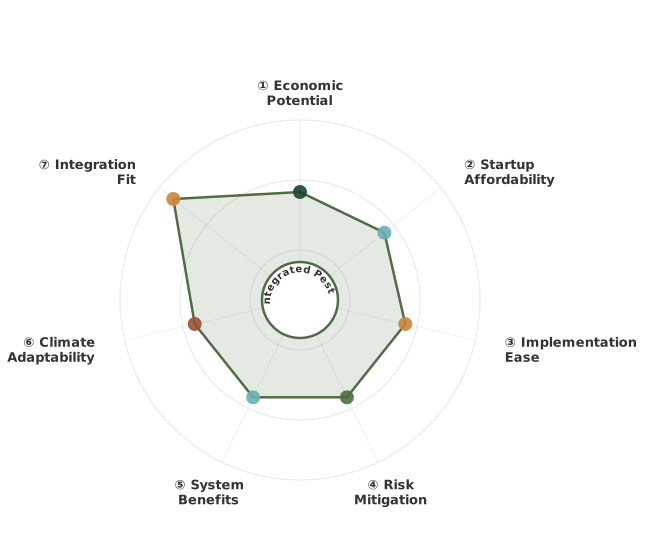
How These Traits Are Calculated
Trait dimensions are ordered clockwise starting from the top of the chart (12 o'clock position):
1. Economic Potential
Financial returns, annual value, and break-even timeline
WHAT: Evaluates financial viability by combining net annual value ($/ha from savings, income, and amortized harvests) with break-even timeline showing when practices pay for themselves.
WHY: Farmers need clear ROI understanding before committing resources. Fast payback (≤3 years) with strong returns (≥$300/ha) enables confident adoption, while long timelines (>10 years) restrict adoption to well-funded operations willing to wait for returns.
HOW: Calculated from net annual value in $/ha and break-even years. Exceptional (≥2.6): fast ROI ≤3 years + high value ≥$300/ha. Typical (1.8-2.5): moderate returns or longer timelines. Limited (<1.8): marginal economics or very long payback >10 years.
2. Startup Affordability
Initial investment costs and financial barrier to entry
WHAT: Measures financial barrier to entry through startup costs for equipment, infrastructure, consulting, and materials. Inverted scoring: lower costs = higher scores = more accessible adoption.
WHY: Affordability determines who can adopt. Low-cost practices (<$250/ha) enable widespread adoption across diverse scales, while high costs (>$2,500/ha) limit adoption to well-capitalized operations, creating barriers that slow regenerative transition.
HOW: Calculated from initial investment parsed from practice content. Inverted scoring: Exceptional (≥2.6): minimal investment <$250/ha. Typical (1.8-2.5): moderate costs $250-2,500/ha. Limited (<1.8): high barrier >$2,500/ha.
3. Implementation Ease
Learning curve and specialized knowledge required
WHAT: Measures how much learning, planning, and specialized knowledge a practice requires. Simpler practices with fewer steps score higher, while complex practices requiring extensive training or specialized resources score lower.
WHY: Complex practices create adoption barriers even when economically viable. Straightforward practices enable faster adoption and broader participation, while those requiring extensive training, timing precision, or specialized equipment limit who can succeed.
HOW: Evaluated by measuring documentation length and identifying complexity markers like location-specific requirements, seasonal timing windows, specialized skills, and dedicated equipment needs. Exceptional (≥2.6): straightforward practices with minimal prerequisites. Typical (1.8-2.5): moderate learning curve with some specialized needs. Limited (<1.8): steep learning curve requiring significant training or resources.
4. Risk Mitigation
Identified financial and ecological risk assessment
WHAT: Evaluates documented risks across financial (investment loss, market volatility) and ecological (crop failure, pest outbreaks) domains. Inverted scoring: fewer risks = higher scores.
WHY: Understanding risk exposure helps farmers make informed decisions. Low-risk practices allow confident implementation, while high-risk practices require careful planning and contingency resources. Risk transparency prevents costly failures.
HOW: Calculated from identified risks in practice content. Inverted scoring: Exceptional (≥2.6): ≤2 risks with manageable severity. Typical (1.8-2.5): 3-5 moderate risks. Limited (<1.8): 6+ risks or severe exposure.
5. System Benefits
How many ways the practice improves your land simultaneously
WHAT: Measures how many aspects of land health improve at once—carbon storage, soil quality, erosion control, water absorption, and biodiversity. Practices that improve multiple areas simultaneously create compounding benefits where each improvement reinforces the others.
WHY: The best practices solve multiple problems at once. For example, addressing erosion simultaneously builds carbon and improves water infiltration, creating a resilient system with positive feedback loops. Single-benefit approaches miss these compound transformation opportunities.
HOW: Evaluated across five key outcomes: carbon sequestration, soil organic matter increase, erosion reduction, water infiltration improvement, and biodiversity enhancement. Exceptional (≥2.6): high carbon storage (>8 t/ha/yr), improvements across 4-5 areas, transformative outcomes. Typical (1.8-2.5): moderate carbon (3-8 t/ha/yr), improvements across 2-3 areas. Limited (<1.8): modest impact (<3 t/ha/yr), single-area focus only.
6. Climate Adaptability
Geographic applicability across Köppen climate zones
WHAT: Evaluates geographic applicability by assessing how many Köppen climate zones successfully support a practice and what adaptation requirements are needed. Measures breadth of climates where farmers can implement with minimal to moderate modifications.
WHY: Universal practices working across diverse climates enable more farmers to adopt regenerative approaches. Practices limited to single climate types (only Mediterranean, only tropical) restrict adoption and slow global transition. Adaptability determines whether a practice serves niche regions or offers broad transformation.
HOW: LLM evaluation of regional success stories, Köppen zone coverage, and adaptation needs. Exceptional (≥2.6): 5+ zones or 4+ climate types, 3+ continents, minimal adaptation. Typical (1.8-2.5): 3-4 zones or 2-3 types, 2 continents, moderate adaptation. Limited (<1.8): 1-2 zones, single region, significant adaptation or highly specialized.
7. Integration Fit
How well this practice combines with others you're doing
WHAT: Measures how well a practice combines with other regenerative practices you might be doing. Some practices work as building blocks that make many other practices easier or more effective, while others work best on their own.
WHY: Practices that combine well with many others create more value on your farm. For example, cover cropping enables no-till, improves grazing, supports crop diversity, and helps water management—making all of them work better together. This helps you build a coherent system rather than juggling disconnected practices.
HOW: Evaluated by identifying which practices combine well and how strong those combinations are. 'Ideally Suited' means strong combinations where practices reinforce each other (practice A makes B easier, while B makes A more effective). 'Adequate' means complementary benefits that work well together. Exceptional (≥2.6): combines well with 6+ practices, serves as a building block. Typical (1.8-2.5): combines with 3-5 practices. Limited (<1.8): 1-2 practices or works best alone.
Going Deeper
1
WHY - The Benefits
Integrated Pest Management (IPM) offers a comprehensive suite of benefits that align perfectly with regenerative agriculture's goals of ecological health, economic viability, and long-term resilience. By moving beyond reactive chemical applications, IPM fosters a...
Integrated Pest Management (IPM) offers a comprehensive suite of benefits that align perfectly with regenerative agriculture's goals of ecological health, economic viability, and long-term resilience. By moving beyond reactive chemical applications, IPM fosters a balanced ecosystem where natural controls are leveraged, reducing the need for costly and potentially harmful interventions.
WHY - The Benefits
Integrated Pest Management (IPM) offers a comprehensive suite of benefits that align perfectly with regenerative agriculture's goals of ecological health, economic viability, and long-term resilience. By moving beyond reactive chemical applications, IPM fosters a...
Integrated Pest Management (IPM) offers a comprehensive suite of benefits that align perfectly with regenerative agriculture's goals of ecological health, economic viability, and long-term resilience. By moving beyond reactive chemical applications, IPM fosters a balanced ecosystem where natural controls are leveraged, reducing the need for costly and potentially harmful interventions.
Soil Health Benefits
IPM directly contributes to soil health by reducing the use of broad-spectrum pesticides and herbicides that can harm beneficial soil microorganisms, including bacteria, fungi (like mycorrhizae), and earthworms. Many synthetic pesticides are non-selective and can disrupt the complex soil food web, leading to reduced nutrient cycling, poorer soil structure, and increased susceptibility to soil-borne diseases. By minimizing or eliminating these disruptive inputs, IPM allows beneficial soil life to flourish, promoting better aggregation, water infiltration, and nutrient availability.
For example, in humid temperate regions like the UK or the US Midwest, where continuous tillage and synthetic inputs can degrade soil biology, IPM practices like using cover crops for weed suppression (Principle 2, 3) indirectly support soil health by increasing organic matter and promoting root activity throughout the year. In arid regions such as Australia or parts of the US Southwest, IPM might involve careful water management to prevent diseases that thrive in moist conditions, thus avoiding the need for fungicide applications that could further harm soil microbes. Healthy soil, nurtured by IPM's focus on biological balance, is the foundation upon which regenerative systems are built.
Economic Benefits
The economic advantages of IPM are substantial and become more pronounced over time. Initially, there might be investment in scouting equipment or training, but these are generally recouped through significantly reduced input costs. Farmers transition from purchasing expensive synthetic pesticides and herbicides routinely to targeted, often less frequent, applications or biological alternatives.
Studies and farm data consistently show that IPM can reduce pesticide expenditure by 20-50% within 3-5 years of full implementation, with savings potentially reaching 70% in some cases. This reduction in input costs directly improves the farm's bottom line. Furthermore, by fostering healthier plants, IPM can reduce crop losses and improve the quality of produce, potentially leading to higher market prices or access to premium markets for sustainably grown products. The reduced machinery passes for pesticide application also save on fuel, labor, and wear-and-tear.
While biological controls like introducing beneficial insects can have upfront costs, they offer a sustainable, long-term solution. Once established, natural populations of predators and parasitoids can provide ongoing pest management services for free. This long-term economic stability, reduced market volatility associated with input prices, and improved product value make IPM a cornerstone of regenerative farm economics.
Regnerative Systems Fit
IPM is fundamentally aligned with and critical for the success of regenerative agriculture, acting as a bridge from conventional practices to whole-system health. It actively supports all five regenerative principles:
Principle 1: Minimize Soil Disturbance: IPM's reduced reliance on chemical inputs spares soil biota from direct harm. Furthermore, IPM encourages practices like cover cropping and reduced tillage, which are core to minimizing soil disturbance. Healthy soil biological communities, fostered by IPM, are more effective at breaking down organic matter and cycling nutrients, reducing the need for synthetic fertilizers that can disrupt soil structure.
Principle 2: Maximize Crop Diversity: IPM inherently thrives in diverse systems. Diverse plantings create varied habitats that support a wider array of beneficial insects, birds, and other predators that act as natural pest control agents. Crop rotation, intercropping, and diverse cover crop mixes confuse pests, break their life cycles, and make it harder for any single pest to dominate. A complex ecosystem is more stable and resilient, a key goal of regenerative agriculture.
Principle 3: Keep Soil Covered: IPM practices often involve maintaining soil cover with living plants (cover crops) or mulch. This not only suppresses weeds, a common target of herbicides, but also protects soil from erosion, conserves moisture, and provides habitat for beneficial insects. Bare soil is more vulnerable to pest and disease outbreaks as well as erosion.
Principle 4: Maintain Living Roots: Continuous living roots, a hallmark of regenerative systems, provide a constant food source for soil microbes and fungi, enhancing the soil food web. Vigorous plants with extensive root systems are generally more resistant to pests and diseases. IPM’s focus on plant health via soil building and ecological balance reinforces the benefit of living roots by reducing the stress on plants, making them less attractive targets for pests.
Principle 5: Integrate Livestock: Livestock can play a crucial role in IPM, particularly in managing weeds and contributing to soil fertility. Well-managed grazing can help control weed populations before they set seed and can improve soil health through manure deposition, leading to more resilient crops. Furthermore, healthy pastures that support livestock also support a diverse ecosystem that includes natural pest predators for adjacent crops or other livestock enterprises.
IPM acts as a transition strategy that enables farms to move away from high-input conventional models towards fully regenerative systems. While some conventional pest control methods directly violate regenerative principles (e.g., broad-spectrum pesticides lethal to beneficials), IPM offers a phased approach. It allows farmers to gradually reduce synthetic inputs, starting with targeted applications and moving towards ecological solutions like habitat restoration for beneficials, biopesticides, and improved crop genetics for resistance. This transition prioritizes maintaining economic viability while building ecological health, paving the way for a truly regenerative whole-farm system.
Sources behind this view
Videos & Podcasts
-
Organic pest and weed management uses a systems approach based on IPM principles, focusing on prevention through soil health, biodiversity, and crop competitiveness. Key strategies include understandi
-
Integrated Pest Management (IPM) shifts from eradication to managing pest populations using multiple tactics (cover crops, intercropping, pheromones) to avoid resistance and promote biodiversity, cont
-
Integrated Pest Management (IPM) leverages beneficial insects for pest control. It requires monitoring both pests and natural enemies, aiming to suppress pest populations below economic thresholds wit
-
Four NRCS principles for soil health benefit pest management: maintain continuous living roots (via cover crops), minimize disturbance (reduce tillage), maintain surface residue (organic mulch), and m
Community
-
A new IPM paradigm emphasizes prevention, monitoring, and control using diverse methods like host resistance, cultural, biological, and chemical controls. It integrates management, business, and susta
Read more (opens in new window) ucanr.edu -
Integrated Pest Management (IPM) for small-scale growers combines cultural, mechanical, biological, and chemical controls. Key steps include regular pest monitoring, identification, and using action t
Read more (opens in new window) ucanr.edu -
Integrated Pest Management (IPM) involves science-based pest prevention using diverse methods to reduce risks. Key practices include accurate pest identification, active monitoring, and weighing contr
Read more (opens in new window) smallfarms.cornell.edu -
Highlights conservation practices for IPM including crop rotation, cover crops, field borders, forage harvest management, irrigation, nutrient management, mulching, prescribed grazing, and strip cropp
Read more (pp. 3-4) (opens PDF, pp. 3-4) efotg.sc.egov.usda.gov
Research
-
How does IPM 3.0 look like (and why do we need it in Africa)? (opens in new window)
This study found: IPM 3.0 is a new approach for African smallholders, combining real-time decision tools, nature-based pest control, and new technologies to reduce hazardous pesticide use and build climate resilience.
-
Integrated Pest Management: A Holistic Approach to Sustainable Agriculture and Ecosystem Health (opens in new window)
This study found: Integrated Pest Management (IPM) uses a mix of strategies (biological, cultural, targeted chemicals) to control pests, reducing pesticide use, protecting biodiversity, and boosting farm resilience. Ne
-
Integrated Pest Management: An Update on the Sustainability Approach to Crop Protection (opens in new window)
This study found: Integrated Pest Management (IPM) is a sustainable farming strategy using fewer chemical pesticides. Recent advances include natural pesticides, precise delivery systems, and biological/genetic control
-
Integrated pest management for resource-limited farmers: challenges for achieving ecological, social and economic sustainability (opens in new window)
This study found: Integrated Pest Management (IPM) faces adoption challenges for resource-limited farmers. Prioritizing natural pest control and judicious pesticide use is key. Improved support systems and technology a
From the Web
-
This guide details Integrated Pest Management (IPM) for landscapes, outlining six steps: identify plants, monitor pests and damage, understand pest biology, determine thresholds, use diverse controls
-
Organic pest management follows a three-tiered NOP approach: preventative cultural practices, biological/physical methods, and allowed materials as a last resort. Vegetation management, cover crops, a
-
Provides a 9-step guide for implementing IPM, focusing on selecting low-risk strategies, choosing qualified PMPs, eliminating pest sources, using pesticides judiciously with proper PPE, and maintainin
-
Organic pest management uses integrated strategies: weeds are managed with 'many little hammers' (cultivation, cover crops), insects with biodiversity and natural predators, and pathogens with compost
2
WHERE - Regional Considerations
Successfully implementing Integrated Pest Management (IPM) requires adapting strategies to the unique ecological conditions, pest pressures, and agricultural systems of each region. While the core principles of monitoring, prevention, and ecological balance remain...
Successfully implementing Integrated Pest Management (IPM) requires adapting strategies to the unique ecological conditions, pest pressures, and agricultural systems of each region. While the core principles of monitoring, prevention, and ecological balance remain constant, the specific tactics will vary dramatically based on climate, crop types, and local biodiversity.
WHERE - Regional Considerations
Successfully implementing Integrated Pest Management (IPM) requires adapting strategies to the unique ecological conditions, pest pressures, and agricultural systems of each region. While the core principles of monitoring, prevention, and ecological balance remain...
Successfully implementing Integrated Pest Management (IPM) requires adapting strategies to the unique ecological conditions, pest pressures, and agricultural systems of each region. While the core principles of monitoring, prevention, and ecological balance remain constant, the specific tactics will vary dramatically based on climate, crop types, and local biodiversity.
Click Here to Look up your Region if you don't already know it
Humid Temperate Regions
Representative Locations: Southeastern United States, Northern Europe (UK, Germany, Poland), Eastern China, Japan, New Zealand
Climate Context: Warm to hot summers and cool to cold winters with moderate to high annual precipitation (75-150 cm or 30-60 inches) distributed relatively evenly. USDA Zones 3-8, Köppen Cfb/Cfa.
In these regions, IPM often focuses on managing fungal diseases and a wide spectrum of insect pests, including aphids, beetles, and caterpillars. Long growing seasons in warmer areas can allow for multiple pest generations, increasing the challenge. Key IPM strategies include:
- Crop Rotation: Essential for breaking disease cycles and managing soil-borne pathogens. Rotating crops like corn, soybeans, wheat, and vegetables helps prevent the build-up of specific pests and diseases.
- Cover Cropping: Planting diverse cover crops (e.g., legumes, grasses, brassicas) during fallow periods helps suppress weeds, improve soil health, and provide habitat for beneficial insects. This directly supports Principles 2, 3, and 4.
- Conservation Tillage: Reducing soil disturbance maintains fungal networks and beneficial soil organisms that contribute to plant health and disease resistance.
- Biological Controls: Encouraging natural predators like ladybugs, lacewings, and parasitic wasps by planting insectary borders or hedgerows. Using biopesticides derived from bacteria (e.g., Bacillus thuringiensis for caterpillars) or fungi.
- Monitoring: Regular scouting for fungal diseases like blights and rusts, and insect pests like corn rootworm or soybean aphids. Using traps to monitor insect populations.
- Timely Synthetic Use (as last resort): If significant economic thresholds are reached, targeted applications of more selective fungicides or insecticides may be used, avoiding broad-spectrum sprays that harm beneficials.
Mediterranean Regions
Representative Locations: California (USA), Mediterranean basin (Spain, Italy, Greece), Central Chile, Southwestern Australia, Western Cape South Africa
Climate Context: Hot, dry summers and mild, wet winters. Annual precipitation 40-90 cm (15-35 inches), highly seasonal. USDA Zones 8-10, Köppen Csa/Csb.
The distinct wet winter and dry summer pattern influences pest and disease dynamics. IPM strategies often focus on managing diseases during the wet season and water-stress related pests, along with vineyard and orchard pests like fruit flies and vine moths.
- Drought-Tolerant Varieties: Selecting plant varieties naturally resistant to drought and heat stress is a primary IPM strategy, reducing plant vulnerability.
- Water Management: Efficient irrigation scheduling, often part of regenerative practices, can prevent diseases favored by prolonged moisture while reducing stress on plants.
- Weed Management: Mechanical cultivation is limited by water conservation goals. IPM relies more on cover crops, mulching, and potentially managed grazing to control weeds without extensive herbicide use.
- Biological Controls: Important for managing fruit flies and other specific pests. Releasing beneficial insects such as parasitoid wasps that target fruit fly larvae.
- Habitat for Beneficials: Creating habitat for predators and parasitoids in field margins and surrounding natural areas is crucial during the dry season when pest populations might build up.
- Disease Monitoring: Vigilance against fungal diseases during the winter rains, with early detection and targeted treatments if necessary.
Arid/Semi-Arid Regions
Representative Locations: Western USA, North Africa, Central Asia, Interior Australia
Climate Context: Low annual precipitation (<40 cm or 15 inches), high temperatures, short and often unpredictable growing season. USDA Zones 6-9, Köppen BSh/BSk.
Water scarcity is the defining challenge for IPM in these regions. Pests that thrive in dry conditions or become concentrated around limited water sources are key concerns.
- Water Conservation: Efficient irrigation, drought-tolerant crops, and mulching (Principle 3) are paramount for plant health and pest resistance. Regenerative practices like keyline design or contour farming enhance water infiltration and storage.
- Integrated Weed Management: Minimal tillage, cover cropping (if feasible and water-efficient), and understanding weed life cycles are critical to prevent reliance on herbicides. Livestock grazing can sometimes be integrated for weed control during fallow periods.
- Pest Monitoring: Focused scouting for pests that attack under drought stress, such as spider mites and certain beetles, or those that congregate around limited water sources.
- Conservation of Natural Enemies: In harsh environments, natural enemies of pests can be scarce. Protecting existing populations of beneficial insects, birds, and spiders is vital. Habitat strips with drought-tolerant flowering plants can provide refuges.
- Resistant Varieties: Selecting crop varieties specifically bred for heat and drought tolerance, as well as resistance to common pests and diseases in the area.
- Strategic Pesticide Use: When chemical intervention is unavoidable, using highly targeted applications that minimize water usage and impact on other organisms.
Cold Continental Regions
Representative Locations: Northern USA and Canada, Northern Europe, Northern Asia
Climate Context: Very short growing seasons, extreme summer heat, severe winter cold. USDA Zones 2-5, Köppen Dfa/Dfb.
The short growing season demands rapid crop establishment and efficient pest management. Overwintering pests and diseases can quickly proliferate in warmer periods.
- Early Planting & Rapid Growth: Using varieties that mature quickly minimizes the time crops are vulnerable to pests. Healthy soil biology supports rapid plant growth.
- Weed Management: Mechanical weed control or using cover crops that can be terminated early in spring or late in fall are common. Reducing reliance on herbicides contributes to soil health.
- Pest Population Monitoring: Scouting for opportunistic pests like wireworms in newly tilled soils or early-season foliar pests such as flea beetles.
- Conservation of Overwintering Beneficials: Protecting natural enemies that overwinter in crop residues or nearby habitats.
- Resistant Varieties: Choosing disease-resistant crop varieties is a critical first line of defense.
- Timely Interventions: Given the short window, pest and disease issues need to be addressed promptly to avoid significant crop loss. This might involve targeted fungicide or insecticide applications in specific situations, but always as part of a broader IPM plan.
Subtropical Regions
Representative Locations: Southeastern USA, Southern China, Southern Brazil, Eastern Australia
Climate Context: Hot, humid summers and mild winters with generally ample rainfall. USDA Zones 9-11, Köppen Cfa/Cwa.
High humidity and warm temperatures create ideal conditions for fungal diseases and a wide range of insect pests year-round.
- Disease Prevention: Emphasis on resistant varieties, proper spacing for air circulation, crop rotation, and maintaining soil health is paramount against diseases like blights, mildews, and rots.
- Biological Control Agents: These regions often have a rich diversity of natural enemies that can be leveraged. Releasing commercially reared beneficial insects or using microbial pesticides is common.
- Integrated Weed Management: Overlapping crop cycles and continuous plant cover can suppress weeds. Careful monitoring is needed as weed pressure is high.
- Pest Monitoring: Extensive scouting for insects such as aphids, whiteflies, and stink bugs, as well as diseases. Integrated approaches might include mating disruption for moths.
- Habitat Integration: Incorporating flowering plants into field margins to attract and sustain beneficial insect populations throughout the growing season.
- Strategic Chemical Use: If synthetic chemicals are used, prioritizing those with minimal impact on beneficials and applying them precisely when and where needed.
Tropical Regions
Representative Locations: Central America, Southeast Asia, East Africa, Northern Australia, Northern South America
Climate Context: High temperatures year-round, with distinct wet and dry seasons or consistent high rainfall. Köppen Af/Am/Aw.
Tropical IPM is characterized by high pest and disease pressure, often with multiple overlapping generations and complex interactions.
- Biodiversity is Key: Maximizing plant and animal diversity is the most powerful IPM tool. This includes diverse cropping systems (intercropping, agroforestry), and maintaining habitat for natural enemies.
- Agroforestry & Silvopasture: Integrating trees with crops or pastures creates diverse microclimates and habitats that support a rich community of beneficial organisms, directly supporting Principles 2 and 5.
- Indigenous Knowledge: Many traditional farming systems in the tropics have developed sophisticated, low-input pest management strategies based on generations of observation and ecological understanding.
- Biopesticides: Widely used and often locally sourced (e.g., neem extracts, microbial pesticides).
- Crop Rotation & Intercropping: Essential for breaking pest cycles and managing disease spread in intensive tropical systems.
- Pest Monitoring: Given the rapid life cycles, monitoring needs to be frequent and diligent. Use of traps, visual scouting, and understanding pest behavior are vital.
- Market Access: Connecting with markets that value sustainably grown produce can provide an economic incentive for IPM adoption.
3
HOW - Implementation Process
Implementing Integrated Pest Management (IPM) is a journey that begins with understanding your specific challenges and progresses through observation, prevention, and targeted intervention. It's not a one-size-fits-all recipe but a framework to be adapted to your farm's...
Implementing Integrated Pest Management (IPM) is a journey that begins with understanding your specific challenges and progresses through observation, prevention, and targeted intervention. It's not a one-size-fits-all recipe but a framework to be adapted to your farm's unique agroecosystem.
HOW - Implementation Process
Implementing Integrated Pest Management (IPM) is a journey that begins with understanding your specific challenges and progresses through observation, prevention, and targeted intervention. It's not a one-size-fits-all recipe but a framework to be adapted to your farm's...
Implementing Integrated Pest Management (IPM) is a journey that begins with understanding your specific challenges and progresses through observation, prevention, and targeted intervention. It's not a one-size-fits-all recipe but a framework to be adapted to your farm's unique agroecosystem.
Prerequisites: Understanding Your Farm
Before diving into specific IPM tactics, lay the groundwork by understanding your farm's context:
- Identify Your Pests: What are the most common pests, diseases, and weeds that affect your primary crops or livestock? Research their life cycles, preferred conditions, and natural enemies. Your local agricultural extension service or research institutes (e.g., CSIRO in Australia, Rothamsted in the UK, INRA in France) are valuable resources.
- Map Your Farm: Understand the variations in your landscape – soil types, drainage patterns, microclimates, existing wildlife habitats (hedgerows, tree lines). These factors influence pest and beneficial populations.
- Assess Your Current Inputs: What pesticides, herbicides, and fertilizers are you currently using? When and why? This helps identify areas where reductions are possible.
- Baseline Soil Health: Understanding your current soil organic matter, structure, and biological activity provides a benchmark. Healthier soil often leads to healthier, more resilient plants less susceptible to pests.
Phase 1: Observation and Monitoring (The Foundation)
This is the most critical phase and an ongoing process. Effective IPM relies on knowing what's happening in your fields.
- Regular Scouting: Walk your fields (or pastures) at least weekly, more often during high-risk periods. Observe plants for signs of stress, disease lesions, insect damage (egg masses, larvae, adults), or weed proliferation.
- Use Tools: Employ sweep nets, shake trays, sticky traps, pheromone traps, and visual inspection to identify and quantify pests. Quantify damage levels carefully.
- Identify Beneficials: Just as important as identifying pests is identifying their natural enemies. Look for ladybug larvae, lacewing eggs, parasitic wasp activity, and signs of disease in pests.
- Record Keeping: Maintain detailed records of what you observe: pest species, population levels, damage symptoms, weather conditions, beneficial insect sightings, and previous control measures. This data is invaluable for decision-making and tracking progress.
Phase 2: Prevention and Habitat Management (Building Resilience)
Once you understand your situation, focus on creating conditions that deter pests and encourage beneficials. This phase directly supports regenerative principles.
-
Maximize Crop Diversity (Principle 2):
- Crop Rotation: Rotate crops annually to break pest and disease cycles. Avoid planting the same crop family in the same spot year after year.
- Intercropping & Companion Planting: Growing multiple crops together can deter pests, attract beneficials, and improve soil health. For example, planting marigolds amidst vegetables can repel nematodes.
- Diverse Cover Crops: Use multi-species cover crops during fallow periods. They suppress weeds, improve soil structure, fix nitrogen, and provide habitat for beneficials.
-
Keep Soil Covered (Principle 3):
- Year-Round Cover: Maintain living plants or mulch on the soil surface as much as possible. This reduces weed seed germination, conserves moisture, and provides habitat for beneficials.
- Mulching: Use organic mulches like straw, wood chips, or compost to suppress weeds and conserve moisture, reducing the need for herbicides.
-
Maintain Living Roots (Principle 4):
- Perennial Systems: Incorporate perennial crops, pastures, or trees where appropriate. Continuous root activity feeds soil biology and builds resilience.
- Cover Cropping: Even annual systems benefit from extended periods of rooted cover crops to keep soil biology active.
-
Enhance Beneficial Habitat:
- Insectary Strips/Flower Borders: Plant native flowers and plants that provide nectar and pollen for beneficial insects throughout the season.
- Hedgerows & Tree Lines: Establish and maintain unmanicured borders with diverse native vegetation to provide habitat, overwintering sites, and food for beneficial arthropods, birds, and other wildlife.
-
Sanitation: Remove crop residues after harvest if they harbor significant disease or pest populations (use discretion, as residues also feed soil biology). Ensure equipment is cleaned between fields to prevent weed seed or disease spread.
- Livestock Integration (Principle 5): Use managed grazing for weed control in pastures and potentially in crop fields post-harvest. Manure improves soil fertility, leading to healthier, more pest-resistant crops.
Phase 3: Intervention (Targeted and Least-Toxic First)
When monitoring indicates pest populations are nearing an economic damage threshold and preventive measures are insufficient, carefully selected interventions are employed.
-
Mechanical/Physical Controls:
- Trapping: Using pheromone traps to monitor/disrupt mating, or sticky traps for flying insects.
- Barriers: Row covers for certain crops, fencing for larger animals.
- Hand-Removal: For small infestations or high-value crops.
-
Biological Controls:
- Augmentation: Releasing commercially reared beneficial insects (e.g., ladybugs, predatory mites, parasitic wasps).
- Conservation: Enhancing existing populations through habitat (covered in Phase 2).
- Biopesticides: Using naturally occurring biological agents like Bacillus thuringiensis (Bt) for caterpillar control, spinosad, neem oil (check compatibility with beneficials), or microbial fungicides.
-
Chemical Controls (Last Resort):
- Targeted Application: If chemical intervention is absolutely necessary, select the least toxic, most selective option available. Consult local extension services for recommendations on products that minimize harm to beneficial insects, pollinators, and soil life.
- Precise Timing: Apply pesticides only when pests are present at damaging levels and when beneficials are least active. Avoid spraying during peak pollinator activity or when rain will wash the product away.
- Application Method: Use precision application techniques (e.g., band spraying, directed sprays) to minimize the area treated and reduce drift.
Transition Timeline & Phase-Out Strategy (If applicable to conventional practices)
For farms transitioning from conventional, high-input pest control:
- Year 1-2: Reduction & Scouting Focus: Begin by critically evaluating every pesticide application. Is it truly necessary? Can a more targeted or less toxic alternative be used? Increase monitoring frequency to make informed decisions. Experiment with one or two new biological controls or habitat enhancement strategies. Reduce broad-spectrum insecticide use by 25-40%.
- Year 3-4: Biological Integration & Selectivity: Expand the use of biopesticides and beneficial insect releases. Focus chemical applications on highly selective products that target specific pests and have minimal non-target effects. If using herbicides, explore mechanical weeding or cover cropping more rigorously. Aim for a 50-70% reduction in synthetic pesticide use compared to baseline.
- Year 5+: Predominantly Ecological: Rely primarily on preventive measures through diverse cropping and habitat management, supported by biological controls and carefully timed, highly selective interventions only when absolutely necessary. Soil health improvements should be leading to naturally more pest-resistant plants. The goal is to use synthetic pesticides only in rare emergency situations where economic thresholds are severely threatened and no other options exist.
Graduating to Fully Regenerative IPM: Success looks like a farm where pest outbreaks are rare and effectively managed by a balanced ecosystem. Farmers can confidently walk their fields, assess pest and beneficial populations, and make informed decisions based on ecological principles rather than routine chemical application schedules. The farm is resilient, requires fewer external inputs, and is more profitable and economically stable long-term.
Sources behind this view
Videos & Podcasts
-
Integrated Pest Management (IPM) shifts from eradication to managing pest populations using multiple tactics (cover crops, intercropping, pheromones) to avoid resistance and promote biodiversity, cont
-
Organic pest and weed management uses a systems approach based on IPM principles, focusing on prevention through soil health, biodiversity, and crop competitiveness. Key strategies include understandi
-
Integrated Pest Management (IPM) leverages beneficial insects for pest control. It requires monitoring both pests and natural enemies, aiming to suppress pest populations below economic thresholds wit
-
Organic pest and weed management relies on a systems approach with prevention as key. Strategies include crop rotation, soil health, biodiversity, cultivar selection, and approved organic pesticides.
Community
-
A new IPM paradigm emphasizes prevention, monitoring, and control using diverse methods like host resistance, cultural, biological, and chemical controls. It integrates management, business, and susta
Read more (opens in new window) ucanr.edu -
Integrated Pest Management (IPM) for small-scale growers combines cultural, mechanical, biological, and chemical controls. Key steps include regular pest monitoring, identification, and using action t
Read more (opens in new window) ucanr.edu -
Integrated Pest Management (IPM) involves science-based pest prevention using diverse methods to reduce risks. Key practices include accurate pest identification, active monitoring, and weighing contr
Read more (opens in new window) smallfarms.cornell.edu -
Details numerous IPM techniques for pest prevention, avoidance, and monitoring, including land use strategies, before-planting methods (allelopathic crops, polyculture, soil health), growing season pr
Read more (pp. 16-35) (opens PDF, pp. 16-35) efotg.sc.egov.usda.gov
Research
-
How does IPM 3.0 look like (and why do we need it in Africa)? (opens in new window)
This study found: IPM 3.0 is a new approach for African smallholders, combining real-time decision tools, nature-based pest control, and new technologies to reduce hazardous pesticide use and build climate resilience.
-
Integrated Pest Management: A Holistic Approach to Sustainable Agriculture and Ecosystem Health (opens in new window)
This study found: Integrated Pest Management (IPM) uses a mix of strategies (biological, cultural, targeted chemicals) to control pests, reducing pesticide use, protecting biodiversity, and boosting farm resilience. Ne
-
Integrated Pest Management: An Update on the Sustainability Approach to Crop Protection (opens in new window)
This study found: Integrated Pest Management (IPM) is a sustainable farming strategy using fewer chemical pesticides. Recent advances include natural pesticides, precise delivery systems, and biological/genetic control
-
Integrated pest management for resource-limited farmers: challenges for achieving ecological, social and economic sustainability (opens in new window)
This study found: Integrated Pest Management (IPM) faces adoption challenges for resource-limited farmers. Prioritizing natural pest control and judicious pesticide use is key. Improved support systems and technology a
From the Web
-
This guide details Integrated Pest Management (IPM) for landscapes, outlining six steps: identify plants, monitor pests and damage, understand pest biology, determine thresholds, use diverse controls
-
Provides a 9-step guide for implementing IPM, focusing on selecting low-risk strategies, choosing qualified PMPs, eliminating pest sources, using pesticides judiciously with proper PPE, and maintainin
-
Integrated Pest Management (IPM) uses cultural, physical/mechanical, biological, and chemical methods to manage garden pests. Focus on healthy plants, direct removal, natural enemies, and using least-
-
Explains Integrated Pest Management (IPM) for home gardens, advocating for reduced pesticide use in favor of scouting, beneficial insects, biological control, and cover crops to protect environmental
4
Know the Debate
Integrated Pest Management (IPM) is a cornerstone of regenerative agriculture, but its implementation and effectiveness vary significantly dependin...
Know the Debate
Integrated Pest Management (IPM) is a cornerstone of regenerative agriculture, but its implementation and effectiveness vary significantly dependin...
Integrated Pest Management (IPM) is a cornerstone of regenerative agriculture, but its implementation and effectiveness vary significantly depending on ecological context and commitment to regenerative principles. In humid temperate regions with reliable rainfall and diverse cropping, successful IPM builds robust biological control systems, often reducing pesticide use by over 50%. In contrast, semi-arid regions or intensively cropped monocultures may find that achieving complete pesticide independence takes longer and requires more strategic, carefully timed interventions. Entry costs for tools like scouting equipment and habitat planting are modest ($200-600/ha annually), but labor for monitoring and habitat management is non-negotiable. Achieving true ecological balance requires a transition period, often 3-5 years, where initial investments in understanding systems and establishing biological controls pay off in reduced input costs and increased resilience.
How effectively do IPM strategies reduce dependency on synthetic pesticides?
Significant reduction (20-50%) with targeted synthetics
Academic and institute guidance suggests IPM can achieve substantial reductions (20-50%) in synthetic pesticide use within 3-5 years by integrating diverse strategies, monitoring thresholds, and using biological controls. Selective chemical applications may remain part of the plan.
Sources behind this view
Sources behind this view
Research
-
Integrated Pest Management (IPM) in Agriculture and Its Role in Maintaining Ecological Balance and Biodiversity (opens in new window)
This study found: This review looks at Integrated Pest Management (IPM), a smarter way to control pests in farming that helps keep nature in balance and protects the variety of plants and animals. Pests and diseases can destroy over 40% of our potential food crops each year, making farming risky. IPM is a key strategy to make farming more sustainable and profitable by reducing the need for expensive and harmful chemical pesticides. The review covers how IPM works, its progress in organic farming, how farmers are using it, and the tools available. It suggests that more training for farmers, government support, and using new technologies like the Internet of Things can help IPM succeed. The main takeaway is that farmers and researchers can use natural methods to control pests, reducing reliance on synthetic chemicals and protecting our environment.
From the Web
-
Integrated Pest Management (IPM) combines mechanical, cultural, biological, and judicious chemical controls to keep pest damage economically low, reducing costs and enhancing autonomy. Introducing trees into agriculture also supports biodiversity, soil health, and reduces carbon footprint.
-
Integrated Pest Management (IPM) uses multiple control methods like crop rotation, resistant varieties, and biological controls, basing treatment decisions on economic thresholds to minimize pest damage and risks to health and environment.
Near elimination requires full ecological integration
Field practitioners argue that true IPM success, leading to near-elimination of synthetics, critically depends on fostering a resilient ecosystem with extensive habitat for beneficials and robust soil biology. Partial reductions or reliance on organic-approved synthetics may not achieve long-term self-regulation.
Sources behind this view
Sources behind this view
Videos & Podcasts
-
Integrated Pest Management (IPM) combines strategies like diversity, soil biology, and plant nutrition to reduce pesticide reliance and slow resistance. While effective, some advocate for preventative/holistic approaches to minimize or eliminate pesticide use, acknowledging knowledge gaps but highlighting successful pesticide-free examples.
-
Integrated Pest Management (IPM) is a science-based framework considering pest biology and ecology. Biointensive IPM expands this to plant defense and beneficial organisms, aiming for uniform control with less product.
-
Organic pest and weed management relies on a systems approach with prevention as key. Strategies include crop rotation, soil health, biodiversity, cultivar selection, and approved organic pesticides. NOP regulations guide practices, emphasizing non-synthetic methods.
-
Organic pest and weed management uses a systems approach based on IPM principles, focusing on prevention through soil health, biodiversity, and crop competitiveness. Key strategies include understanding pest life cycles, setting action thresholds, and employing multiple tactics like crop rotation, habitat provision, and approved biological controls, all within NOP regulations.
Making Sense of the Differences
The level of synthetic pesticide reduction achievable with IPM depends on the farm's commitment to ecological principles like habitat restoration and soil health. While academic and institute sources indicate significant reductions are possible, field practitioners highlight that near-elimination often requires prioritizing biological controls and minimizing all disruptive inputs. Farmers can transition by gradually reducing reliance on broad-spectrum synthetics as they build habitat for beneficials and improve soil biology, allowing the ecosystem to manage pest pressure.
5
HOW MUCH - Costs & Investment
Note: Costs shown in USD; multiply by local labor and material cost indices for your region. Labor costs vary significantly internationally. Research local pricing for specific materials and custom hiring services.
Note: Costs shown in USD; multiply by local labor and material cost indices for your region. Labor costs vary significantly internationally. Research local pricing for specific materials and custom hiring services.
HOW MUCH - Costs & Investment
Note: Costs shown in USD; multiply by local labor and material cost indices for your region. Labor costs vary significantly internationally. Research local pricing for specific materials and custom hiring services.
Note: Costs shown in USD; multiply by local labor and material cost indices for your region. Labor costs vary significantly internationally. Research local pricing for specific materials and custom hiring services.
Note: All costs are based on recent US economic data (2024–2026) and may vary substantially by region based on local labor rates, material costs, and regulatory requirements.
Scouting and Monitoring
Effective IPM begins with an intensive observational regime. For small operations (under 50 acres (20 ha)), the reliance on manual labor for field scouting and hand-placed pheromone traps keeps costs toward the higher end of the spectrum, reflecting a significant investment reaching toward $600 per acre ($1,483/ha) as the operator pays for specialized diagnostic time. Mid-size farms (50–500 acres (20–202 ha)) leverage economies of scale by integrating automated environmental monitors and weather data analysis, which allows them to stabilize their scouting expenses. Large operations (500+ acres) utilize remote sensing, professional drone-based imaging, and digitized pest-tracking heat maps. By spreading technician costs across a larger footprint, these large-scale producers can keep their per-acre expenditure on monitoring near the $180 per acre ($445/ha) floor, utilizing bulk purchasing power for pheromone lures and diagnostic hardware that would be cost-prohibitive for smaller setups.
Biological Control and Habitat Establishment
Biological control requires both upfront capital and recurring seasonal maintenance. Small-scale producers often face higher entry costs for beneficial insect releases and specialized seed mixes for high-density habitat strips, which can consume a significant portion of their available annual budget. Mid-size operations benefit from the mechanized planting of permanent flowering buffers and standardized microbial biopesticide applications, allowing them to optimize the cost of materials per treated acre. Large-scale producers tend to focus on perimeter habitat and integrated refuge zones, which represent a lower per-acre cost compared to the intensive high-density patches found on smaller farms. Regardless of scale, the establishment of permanent ecological infrastructure represents the most significant year-one financial decision, effectively acting as an investment in the long-term biological resilience of the soil and ecosystem. By transitioning from reactive chemical reliance to a proactive biological model, farms shift their expenditure from synthetic commodities to knowledge-based asset management.
Most Spend: Most farms across all scales invest between $250 and $450 per acre ($618–$1,112/ha) annually on the combined costs of scouting, professional labor, and the procurement of biological control materials. This middle-tier range represents the common threshold for producers moving from fully conventional, high-synthetic input models to managed, integrated systems.
Why the Range?: The primary driver of cost variation is "IPM Intensity," which is dictated by the inherent pest pressure of a specific crop and the operational scale of the farm. Operations requiring automated weather stations and high-precision, real-time pest modeling incur higher technology debt and specialized labor costs, trending toward the $600 per acre ($1,483/ha) ceiling. Conversely, farms utilizing traditional mechanical thresholds, manual scouting, and low-cost, multi-purpose cover crops for habitat integration settle at the lower $180 per acre ($445/ha) floor.
Sources behind this view
Community
-
Integrated Pest Management (IPM) for small-scale growers combines cultural, mechanical, biological, and chemical controls. Key steps include regular pest monitoring, identification, and using action t
Read more (opens in new window) ucanr.edu -
A new IPM paradigm emphasizes prevention, monitoring, and control using diverse methods like host resistance, cultural, biological, and chemical controls. It integrates management, business, and susta
Read more (opens in new window) ucanr.edu
Research
-
Ecological, economic, and environmental assessments of integrated pest management in potato: A case study from the Canete Valley, Peru (opens in new window)
This study found: IPM in Peruvian potatoes reduced pesticide use by over 50%, cut environmental harm by 69%, boosted marketable yield by 35%, and increased farmer profit by $1,410/ha compared to conventional practices.
-
How does IPM 3.0 look like (and why do we need it in Africa)? (opens in new window)
This study found: IPM 3.0 is a new approach for African smallholders, combining real-time decision tools, nature-based pest control, and new technologies to reduce hazardous pesticide use and build climate resilience.
-
Comparative Economics of Conventional, Organic, and Alternative Agricultural Production Systems (opens in new window)
This study found: Organic farming often outperforms conventional economically due to lower costs and higher prices, despite lower yields. IPM and GM crops offer further economic and environmental benefits. Farmers are
-
Introduccion y difusion de un nuevo manejo integrado de plagas de la papa en la sierra central del Peru. (opens in new window)
This study found: New IPM for Peruvian potatoes uses plastic barriers, targeted sprays, and attracticides to control pests, reducing chemical use. Well-accepted by farmers, it faces competition from chemical pesticides
6
REWARDS AND RISKS - Economics & Risk Factors
Economic Scenarios
Economic Scenarios
REWARDS AND RISKS - Economics & Risk Factors
Economic Scenarios
Economic Scenarios
The economic profile of IPM is defined by a strategic transition from high-variable synthetic costs to higher fixed management and observational costs. In a Best Case scenario, rigorous IPM application results in a substantial 50% or more reduction in synthetic pesticide spending by the end of the third year. When paired with the ability to market produce as residue-free or IPM-certified, which draws a 10–15% market premium, total net farm income can increase by up to $300 per acre ($741/ha) annually. In a Typical Case, the farm achieves a consistent decrease in pesticide expenditures, with crop yields stabilizing after the initial transition phase; net profitability shifts by $80–$150 per acre ($198–$371/ha) annually. In a Worst Case scenario, poorly calibrated scouting or failure to establish adequate biological predator populations may result in pest outbreaks that force a temporary return to conventional chemistry, temporarily resetting the economic gains and resulting in a zero-sum or net-negative balance for the affected growing season.
Market factors significantly influence the feasibility of IPM. As synthetic input prices remain volatile due to global supply chain pressures, the relative return on investment for biological controls becomes increasingly attractive. To mitigate financial risk, successful operations allocate approximately 10–15% of their total IPM budget toward expert consultation and staff training during the first 24 months. Diversifying crop rotations is the most effective internal risk mitigation strategy, as it disrupts pest life cycles natively, reducing the reliance on external emergency interventions by 20–30% and stabilizing annual expenditure.
Transition Period Risks accompany the shift from synthetic to integrated management, with a 10–20% risk of "yield drag" between years 1 and 3 as the farm’s natural predator-prey dynamics reset. During this phase, beneficial insect populations may fail to keep pace with pest population booms, which can create temporary windows of vulnerability. To manage this risk, producers must budget for "bridge" biopesticides—targeted, microbial agents that manage outbreaks without compromising the non-target beneficial insect populations that the farm is seeking to establish. Recovery generally follows a positive trend once habitat zones achieve maturity, with most successful operations reaching a breakeven point by year 3. The long-term durability of the IPM system relies on the accumulation of natural capital, effectively transforming the cost of the transition into an investment in a self-regulating agricultural system that requires fewer annual inputs.
Sources behind this view
Videos & Podcasts
-
Integrated Pest Management (IPM) shifts from eradication to managing pest populations using multiple tactics (cover crops, intercropping, pheromones) to avoid resistance and promote biodiversity, cont
-
Integrated Pest Management (IPM) leverages beneficial insects for pest control. It requires monitoring both pests and natural enemies, aiming to suppress pest populations below economic thresholds wit
-
Agricultural research is too reductionist, hindering biocontrol adoption. There's a critical need for funding and development of multifactorial, Integrated Pest Management (IPM) systems that integrate
-
Key barriers to IPM adoption are knowledge gaps, time constraints, and risk. Technology, such as apps for recording decisions and monitoring, can help mitigate these challenges by providing practical

Community
-
A new IPM paradigm emphasizes prevention, monitoring, and control using diverse methods like host resistance, cultural, biological, and chemical controls. It integrates management, business, and susta
Read more (opens in new window) ucanr.edu -
Integrated Pest Management (IPM) for small-scale growers combines cultural, mechanical, biological, and chemical controls. Key steps include regular pest monitoring, identification, and using action t
Read more (opens in new window) ucanr.edu -
Integrated Pest Management (IPM) involves science-based pest prevention using diverse methods to reduce risks. Key practices include accurate pest identification, active monitoring, and weighing contr
Read more (opens in new window) smallfarms.cornell.edu -
Details numerous IPM techniques for pest prevention, avoidance, and monitoring, including land use strategies, before-planting methods (allelopathic crops, polyculture, soil health), growing season pr
Read more (pp. 16-35) (opens PDF, pp. 16-35) efotg.sc.egov.usda.gov
Research
-
How does IPM 3.0 look like (and why do we need it in Africa)? (opens in new window)
This study found: IPM 3.0 is a new approach for African smallholders, combining real-time decision tools, nature-based pest control, and new technologies to reduce hazardous pesticide use and build climate resilience.
-
Integrated Pest Management: A Holistic Approach to Sustainable Agriculture and Ecosystem Health (opens in new window)
This study found: Integrated Pest Management (IPM) uses a mix of strategies (biological, cultural, targeted chemicals) to control pests, reducing pesticide use, protecting biodiversity, and boosting farm resilience. Ne
-
Integrated Pest Management: An Update on the Sustainability Approach to Crop Protection (opens in new window)
This study found: Integrated Pest Management (IPM) is a sustainable farming strategy using fewer chemical pesticides. Recent advances include natural pesticides, precise delivery systems, and biological/genetic control
-
The case for integrated pest management in Africa: transition from a pesticide-based approach (opens in new window)
This study found: African farmers need to switch from chemical pesticides to Integrated Pest Management (IPM). While IPM tools are proven, better market incentives and harmonized policies are needed to make them access
From the Web
-
Provides a 9-step guide for implementing IPM, focusing on selecting low-risk strategies, choosing qualified PMPs, eliminating pest sources, using pesticides judiciously with proper PPE, and maintainin
-
This guide details Integrated Pest Management (IPM) for landscapes, outlining six steps: identify plants, monitor pests and damage, understand pest biology, determine thresholds, use diverse controls
-
Integrated Pest Management (IPM) is the ideal pest control method, following principles like prevention, monitoring, and non-chemical strategies. IPM is less hazardous, more cost-effective, and sustai
-
Integrated Pest Management (IPM) is an ecosystem-based strategy for long-term pest prevention using biological, cultural, and mechanical methods, with pesticides applied only when necessary based on m
7
COMPATIBLE PRACTICES - Integration Opportunities
Integrated Pest Management (IPM) is most effective when implemented as part of a holistic regenerative farming system. It synergizes powerfully with several other regenerative practices, amplifying benefits and creating a resilient, self-regulating agroecosystem.
Integrated Pest Management (IPM) is most effective when implemented as part of a holistic regenerative farming system. It synergizes powerfully with several other regenerative practices, amplifying benefits and creating a resilient, self-regulating agroecosystem.
COMPATIBLE PRACTICES - Integration Opportunities
Integrated Pest Management (IPM) is most effective when implemented as part of a holistic regenerative farming system. It synergizes powerfully with several other regenerative practices, amplifying benefits and creating a resilient, self-regulating agroecosystem.
Integrated Pest Management (IPM) is most effective when implemented as part of a holistic regenerative farming system. It synergizes powerfully with several other regenerative practices, amplifying benefits and creating a resilient, self-regulating agroecosystem.
Diverse Cover Cropping
- Synergy: Cover crops suppress weeds, improve soil structure (which deters soil-borne pests), provide habitat for beneficial insects, and can even host predatory mites or nematodes. For example, planting rye in certain regions can help suppress nematode populations in subsequent cash crops.
- Integration Benefit: Directly supports IPM by reducing the need for herbicides and providing habitat for biological control agents (Principles 2, 3, 4).
No-Till or Reduced Tillage
- Synergy: Minimizing soil disturbance preserves beneficial soil organisms (fungi, earthworms) that contribute to plant health and disease resistance. Reduced tillage also conserves soil moisture, making plants more resilient to drought-related pests.
- Integration Benefit: Healthy soil biology is a primary defense against many pests and diseases, reducing the need for chemical interventions. Reduced disturbance also protects beneficial insect habitat (Principles 1, 3, 4).
Crop Rotation
- Synergy: Rotating crops disrupts pest and disease life cycles that are specific to certain plant families. It also varies root structures and nutrient demands, promoting a more diverse soil microbiome.
- Integration Benefit: A core IPM strategy that prevents pest build-up and naturally manages soil-borne diseases and some weed populations.
Hedgerows & Habitat Strips
- Synergy: Planting native flowers, grasses, and shrubs around fields provides essential food (nectar, pollen) and habitat for beneficial insects, birds, and other natural enemies of pests.
- Integration Benefit: Actively builds the population of biological control agents that IPM relies upon, providing a sustained, 'free' pest management service.
Agroforestry & Silvopasture
- Synergy: These systems create complex, multi-strata environments that support a vast array of beneficial organisms. Diverse tree species can harbor predators and parasitoids that move into adjacent crop or pasture areas. Shade from trees can also reduce heat stress on crops, making them less susceptible to certain pests.
- Integration Benefit: Maximizing biodiversity above and below ground, which is the cornerstone of IPM and regenerative agriculture. Directly supports Principles 2 and 5.
Managed Livestock Grazing
- Synergy: Strategic grazing can help manage weed pressure in cover crops or pasture, and manure deposition contributes to soil fertility, leading to healthier, more resilient plants.
- Integration Benefit: Weeding service and fertility contribution can reduce reliance on herbicides and fertilizers, secondary IPM tools. (Principle 5).
Keyline Design & Water Management
- Synergy: Optimized water infiltration and infiltration reduce drought stress on crops, making them more resistant to certain pests and diseases. Controlling water runoff can also prevent the spread of soil-borne pathogens.
- Integration Benefit: Enhances plant health and resilience, reducing the need for interventions against stress-related pest and disease issues.
IPM is not a standalone practice but an outcome of a well-integrated regenerative system. By implementing these compatible practices, a farm builds its natural resilience, minimizing the need for external pest control interventions and moving towards ecological balance.
Sources behind this view
Videos & Podcasts
-
Organic pest and weed management uses a systems approach based on IPM principles, focusing on prevention through soil health, biodiversity, and crop competitiveness. Key strategies include understandi
-
Integrated Pest Management (IPM) shifts from eradication to managing pest populations using multiple tactics (cover crops, intercropping, pheromones) to avoid resistance and promote biodiversity, cont
-
Integrated Pest Management (IPM) leverages beneficial insects for pest control. It requires monitoring both pests and natural enemies, aiming to suppress pest populations below economic thresholds wit
-
Organic pest and weed management relies on a systems approach with prevention as key. Strategies include crop rotation, soil health, biodiversity, cultivar selection, and approved organic pesticides.
Community
-
A new IPM paradigm emphasizes prevention, monitoring, and control using diverse methods like host resistance, cultural, biological, and chemical controls. It integrates management, business, and susta
Read more (opens in new window) ucanr.edu -
Integrated Pest Management (IPM) for small-scale growers combines cultural, mechanical, biological, and chemical controls. Key steps include regular pest monitoring, identification, and using action t
Read more (opens in new window) ucanr.edu -
Integrated Pest Management (IPM) involves science-based pest prevention using diverse methods to reduce risks. Key practices include accurate pest identification, active monitoring, and weighing contr
Read more (opens in new window) smallfarms.cornell.edu -
Highlights conservation practices for IPM including crop rotation, cover crops, field borders, forage harvest management, irrigation, nutrient management, mulching, prescribed grazing, and strip cropp
Read more (pp. 3-4) (opens PDF, pp. 3-4) efotg.sc.egov.usda.gov
Research
-
How does IPM 3.0 look like (and why do we need it in Africa)? (opens in new window)
This study found: IPM 3.0 is a new approach for African smallholders, combining real-time decision tools, nature-based pest control, and new technologies to reduce hazardous pesticide use and build climate resilience.
-
Integrated Pest Management: A Holistic Approach to Sustainable Agriculture and Ecosystem Health (opens in new window)
This study found: Integrated Pest Management (IPM) uses a mix of strategies (biological, cultural, targeted chemicals) to control pests, reducing pesticide use, protecting biodiversity, and boosting farm resilience. Ne
-
Integrated Pest Management: An Update on the Sustainability Approach to Crop Protection (opens in new window)
This study found: Integrated Pest Management (IPM) is a sustainable farming strategy using fewer chemical pesticides. Recent advances include natural pesticides, precise delivery systems, and biological/genetic control
-
Integrated pest management for resource-limited farmers: challenges for achieving ecological, social and economic sustainability (opens in new window)
This study found: Integrated Pest Management (IPM) faces adoption challenges for resource-limited farmers. Prioritizing natural pest control and judicious pesticide use is key. Improved support systems and technology a
From the Web
-
This guide details Integrated Pest Management (IPM) for landscapes, outlining six steps: identify plants, monitor pests and damage, understand pest biology, determine thresholds, use diverse controls
-
Provides a 9-step guide for implementing IPM, focusing on selecting low-risk strategies, choosing qualified PMPs, eliminating pest sources, using pesticides judiciously with proper PPE, and maintainin
-
Organic pest management uses integrated strategies: weeds are managed with 'many little hammers' (cultivation, cover crops), insects with biodiversity and natural predators, and pathogens with compost
-
Integrated Pest Management (IPM) uses cultural, physical/mechanical, biological, and chemical methods to manage garden pests. Focus on healthy plants, direct removal, natural enemies, and using least-