
Johnson-Su Bioreactor
The Johnson-Su Bioreactor is a passively aerated, multi-bay compost system designed to transform manure and other organic waste into a highly biologically active, nutrient-rich compost using minimal labor and no turning. It mimics natural decomposition processes by creating an environment where beneficial microbes thrive, producing a stable soil amendment that enhances soil health, water retention, and plant nutrient uptake.
Read More: Complete Description
The Johnson-Su Bioreactor is a unique, passive composting system developed by Dr. Claudia Johnson and Dr. James Su for efficiently converting organic waste into high-quality compost without the need for active turning or forced aeration. It consists of a series of stacked, horizontal layers of organic materials within a permanent structure, typically constructed from concrete or wood. This layered approach, combined with strategically placed vertical aeration pipes, creates an environment that encourages aerobic decomposition, while dramatically reducing labor and energy inputs compared to traditional composting methods.
The core concept relies on creating optimal conditions for microbial activity. Organic materials, such as manure, crop residues, and food scraps, are layered in alternating "hot" (nitrogen-rich) and "cold" (carbon-rich) layers. These layers are placed within bays, usually around 1.2 meters (4 feet) wide, 1.2 meters (4 feet) deep, and with no length limit, allowing for scalability. Crucially, vertical pipes, typically 10-15 cm (4-6 inches) in diameter, are placed every 1.5-2 meters (5-6 feet) within the bays. The material is built up vertically, not horizontally, with pipes extending from the bottom to the top of the pile. This configuration naturally draws air into the pile from the bottom and sides, facilitating aerobic decomposition and preventing anaerobic conditions that lead to odor and pathogen issues.
From a regenerative agriculture perspective, the Johnson-Su Bioreactor excels at transforming nutrient-rich waste streams into a stable, biologically active compost that directly supports multiple principles. Principle 5 (Integrate Livestock) is inherently linked, as the system is ideal for processing manure from livestock operations, cycling nutrients that would otherwise be lost or contribute to pollution. By turning this waste into a valuable soil amendment, it closes nutrient loops on the farm. Principle 3 (Keep Soil Covered) and Principle 4 (Maintain Living Roots) benefit indirectly but significantly. The compost produced is rich in beneficial microbes—bacteria, fungi (especially mycorrhizae), protozoa, and nematodes—which, when applied to land, colonize plant roots and soil pores. This creates a more resilient soil ecosystem that can better support persistent living cover and healthy root systems, reducing erosion and improving water infiltration. While the bioreactor itself does not directly engage with living plants or animals in-situ, the output of the system is a powerful tool for enhancing the soil's capacity to support these regenerative principles.
The Johnson-Su Bioreactor is not intended to replace cover cropping or direct grazing integration but rather to enhance the overall fertility and biological capacity of the land. The compost produced is characterized by its high biological diversity and stability, meaning it is less prone to leaching and more readily available to plants over time. This contrasts with raw manure, which can be volatile, high in pathogens, and prone to nutrient runoff. The bioreactor process essentially "locks up" nutrients in a bioavailable form, making them accessible to plants when needed, thus reducing the need for synthetic fertilizer inputs.
This system empowers farmers and ranchers to manage organic waste effectively, turning a potential liability into a significant asset for soil health. It is particularly well-suited for operations with consistent manure or organic waste streams, such as dairies, poultry farms, cattle feedlots, or even areas with significant crop residue. The passive aeration means that once the bioreactor is constructed and filled, ongoing labor is minimal—primarily consisting of initial building and subsequent loading. This hands-off approach contrasts sharply with the intensive turning required in traditional static pile composting, making it a more accessible and cost-effective option for many.
The Johnson-Su Bioreactor represents a significant advancement in waste management and compost production for regenerative systems. By focusing on passive aeration and biological processes, it produces a superior compost that directly contributes to rebuilding soil health, enhancing nutrient cycles, and fostering a more resilient agricultural ecosystem. It's a practical, scalable, and economically sensible method for converting organic waste into a powerful tool for agricultural regeneration.
Sources behind this view
Sources behind this view
 Videos & Podcasts
-
The Johnson-Su bioreactor offers a passive, low-tech composting solution using landscape fabric and internal pipes for aeration, minimizing labor, water use, and odor, producing compost in about a yea

-
The Johnson-Su bioreactor offers an easy, no-turn, no-mix method for high-quality compost production over 6-24 months. Its cylindrical design and passive aeration support fungal decomposition, with op
-
The Johnson-Su Bioreactor compost method requires 70% moisture, aerobic conditions, and no turning, maturing in one year to produce a fungal-dominant compost. It's applied at 2 lbs/acre, often as an e
-
Details the Johnson-Su bioreactor method for creating fungal-dominant compost using wood chips, leaves, and red wigglers. The process aims to enhance soil biology with a one-ton-per-acre application r

 Community
-
Details the Johnson-Su Bioreactor, a 12-month static compost system producing fungal-dominant compost that enhances soil health, food nutrition, carbon sequestration, water retention, and habitat.
Read more (opens in new window) ucanr.edu -
Describes the Johnson-Su Bioreactor, a 12-month static aerobic composting method producing fungal-dominant compost that enhances soil health, food nutrient density, carbon sequestration, and water pur
Read more (opens in new window) ucanr.edu -
The Johnson-Su Bioreactor is a static, 12-month composting method producing fungal-dominant compost that enhances soil health, food nutrient density, carbon sequestration, water purification, and habi
Read more (opens in new window) ucanr.edu
 Research
-
A Case Study on Role of Microbial Consortia Assisted Decomposition of Agro-waste for Improvement of Soil Organic Carbon – A Step Towards Sustainable Development (opens in new window)
This study found: A microbial mix and cow manure sped up farm waste composting to 30-45 days, boosting soil organic matter by 13-25% in two seasons on 15 farms. Developed for sustainable farming.
 From the Web
-
The Johnson-Su bioreactor method by Dr. David C. Johnson creates biologically enhanced compost to revitalize degraded soils, improving soil health, crop yield, and carbon sequestration with a low-tech
Key Points
What It Is
- Passive aerobic compost system
- Creates biologically active compost
- Uses vertical aeration pipes
- Minimal turning or labor needed
Why Do It
- Transforms waste into valuable fertility
- Enhances soil biology, structure, water retention
- Reduces reliance on synthetic inputs
- Supports integration of livestock operations
Know the Debate
- Material choice varies: balanced C:N ideal, but context matters.
- Application rate depends on goal: inoculation vs. fertility.
- Passive system needs consistent waste and moisture.
- Low labor, high soil biology. Scalable across regions.
Benefits - Financial
- Reduces synthetic fertilizer costs by $20-$80 per acre ($49–$198 per hectare) annually.
- Increases crop yields by 5-15% after 2-3 years of application.
- Generates supplemental retail revenue of $25-$75 per cubic yard.
Benefits - System
- High microbial diversity in compost
- Improves soil organic matter by 0.5-2%
- Enhances water infiltration/retention (40-60%)
- Stabilizes nutrients, reduces runoff (Principle 5 integration)
Risks - Financial
- Initial construction capital ranges from $1,800 to $35,000.
- Potential 5-10% yield fluctuation during the 1-3 year transition phase.
Risks - System
- Improper layering can lead to anaerobic zones
- Requires correct C:N ratio for optimal decomposition
- Initial pathogen reduction depends on temperature spike
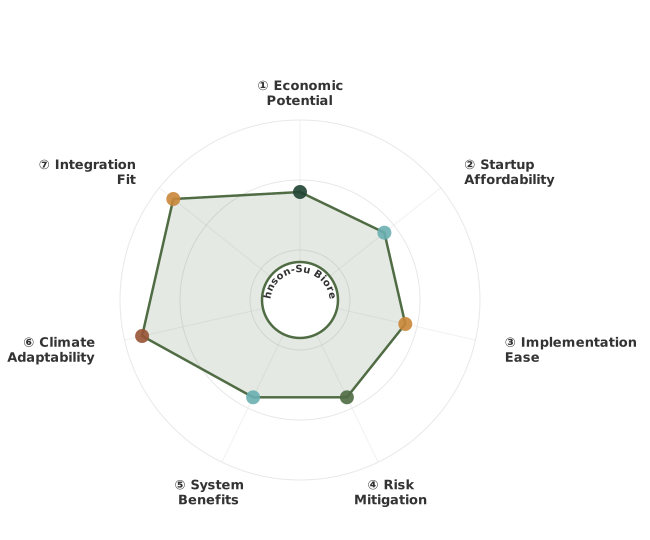
How These Traits Are Calculated
Trait dimensions are ordered clockwise starting from the top of the chart (12 o'clock position):
1. Economic Potential
Financial returns, annual value, and break-even timeline
WHAT: Evaluates financial viability by combining net annual value ($/ha from savings, income, and amortized harvests) with break-even timeline showing when practices pay for themselves.
WHY: Farmers need clear ROI understanding before committing resources. Fast payback (≤3 years) with strong returns (≥$300/ha) enables confident adoption, while long timelines (>10 years) restrict adoption to well-funded operations willing to wait for returns.
HOW: Calculated from net annual value in $/ha and break-even years. Exceptional (≥2.6): fast ROI ≤3 years + high value ≥$300/ha. Typical (1.8-2.5): moderate returns or longer timelines. Limited (<1.8): marginal economics or very long payback >10 years.
2. Startup Affordability
Initial investment costs and financial barrier to entry
WHAT: Measures financial barrier to entry through startup costs for equipment, infrastructure, consulting, and materials. Inverted scoring: lower costs = higher scores = more accessible adoption.
WHY: Affordability determines who can adopt. Low-cost practices (<$250/ha) enable widespread adoption across diverse scales, while high costs (>$2,500/ha) limit adoption to well-capitalized operations, creating barriers that slow regenerative transition.
HOW: Calculated from initial investment parsed from practice content. Inverted scoring: Exceptional (≥2.6): minimal investment <$250/ha. Typical (1.8-2.5): moderate costs $250-2,500/ha. Limited (<1.8): high barrier >$2,500/ha.
3. Implementation Ease
Learning curve and specialized knowledge required
WHAT: Measures how much learning, planning, and specialized knowledge a practice requires. Simpler practices with fewer steps score higher, while complex practices requiring extensive training or specialized resources score lower.
WHY: Complex practices create adoption barriers even when economically viable. Straightforward practices enable faster adoption and broader participation, while those requiring extensive training, timing precision, or specialized equipment limit who can succeed.
HOW: Evaluated by measuring documentation length and identifying complexity markers like location-specific requirements, seasonal timing windows, specialized skills, and dedicated equipment needs. Exceptional (≥2.6): straightforward practices with minimal prerequisites. Typical (1.8-2.5): moderate learning curve with some specialized needs. Limited (<1.8): steep learning curve requiring significant training or resources.
4. Risk Mitigation
Identified financial and ecological risk assessment
WHAT: Evaluates documented risks across financial (investment loss, market volatility) and ecological (crop failure, pest outbreaks) domains. Inverted scoring: fewer risks = higher scores.
WHY: Understanding risk exposure helps farmers make informed decisions. Low-risk practices allow confident implementation, while high-risk practices require careful planning and contingency resources. Risk transparency prevents costly failures.
HOW: Calculated from identified risks in practice content. Inverted scoring: Exceptional (≥2.6): ≤2 risks with manageable severity. Typical (1.8-2.5): 3-5 moderate risks. Limited (<1.8): 6+ risks or severe exposure.
5. System Benefits
How many ways the practice improves your land simultaneously
WHAT: Measures how many aspects of land health improve at once—carbon storage, soil quality, erosion control, water absorption, and biodiversity. Practices that improve multiple areas simultaneously create compounding benefits where each improvement reinforces the others.
WHY: The best practices solve multiple problems at once. For example, addressing erosion simultaneously builds carbon and improves water infiltration, creating a resilient system with positive feedback loops. Single-benefit approaches miss these compound transformation opportunities.
HOW: Evaluated across five key outcomes: carbon sequestration, soil organic matter increase, erosion reduction, water infiltration improvement, and biodiversity enhancement. Exceptional (≥2.6): high carbon storage (>8 t/ha/yr), improvements across 4-5 areas, transformative outcomes. Typical (1.8-2.5): moderate carbon (3-8 t/ha/yr), improvements across 2-3 areas. Limited (<1.8): modest impact (<3 t/ha/yr), single-area focus only.
6. Climate Adaptability
Geographic applicability across Köppen climate zones
WHAT: Evaluates geographic applicability by assessing how many Köppen climate zones successfully support a practice and what adaptation requirements are needed. Measures breadth of climates where farmers can implement with minimal to moderate modifications.
WHY: Universal practices working across diverse climates enable more farmers to adopt regenerative approaches. Practices limited to single climate types (only Mediterranean, only tropical) restrict adoption and slow global transition. Adaptability determines whether a practice serves niche regions or offers broad transformation.
HOW: LLM evaluation of regional success stories, Köppen zone coverage, and adaptation needs. Exceptional (≥2.6): 5+ zones or 4+ climate types, 3+ continents, minimal adaptation. Typical (1.8-2.5): 3-4 zones or 2-3 types, 2 continents, moderate adaptation. Limited (<1.8): 1-2 zones, single region, significant adaptation or highly specialized.
7. Integration Fit
How well this practice combines with others you're doing
WHAT: Measures how well a practice combines with other regenerative practices you might be doing. Some practices work as building blocks that make many other practices easier or more effective, while others work best on their own.
WHY: Practices that combine well with many others create more value on your farm. For example, cover cropping enables no-till, improves grazing, supports crop diversity, and helps water management—making all of them work better together. This helps you build a coherent system rather than juggling disconnected practices.
HOW: Evaluated by identifying which practices combine well and how strong those combinations are. 'Ideally Suited' means strong combinations where practices reinforce each other (practice A makes B easier, while B makes A more effective). 'Adequate' means complementary benefits that work well together. Exceptional (≥2.6): combines well with 6+ practices, serves as a building block. Typical (1.8-2.5): combines with 3-5 practices. Limited (<1.8): 1-2 practices or works best alone.
Going Deeper
1
WHY - The Benefits
The Johnson-Su Bioreactor is a powerful tool for transforming organic waste into a highly refined soil amendment, directly contributing to the economic and ecological health of agricultural systems. Its benefits span from on-farm nutrient management to significant...
The Johnson-Su Bioreactor is a powerful tool for transforming organic waste into a highly refined soil amendment, directly contributing to the economic and ecological health of agricultural systems. Its benefits span from on-farm nutrient management to significant...
WHY - The Benefits
The Johnson-Su Bioreactor is a powerful tool for transforming organic waste into a highly refined soil amendment, directly contributing to the economic and ecological health of agricultural systems. Its benefits span from on-farm nutrient management to significant...
The Johnson-Su Bioreactor is a powerful tool for transforming organic waste into a highly refined soil amendment, directly contributing to the economic and ecological health of agricultural systems. Its benefits span from on-farm nutrient management to significant...
Soil Health Benefits
The compost produced by the Johnson-Su Bioreactor is exceptionally rich in beneficial microorganisms. Unlike compost produced through high-temperature, turned piles, the passive aeration of the Johnson-Su system fosters a diverse community of aerobic bacteria, fungi (including mycorrhizae), protozoa, and nematodes. These microbes are crucial for nutrient cycling, disease suppression, and improving soil structure. When applied to soils, this compost inoculates them with a robust microbial population, enhancing the soil food web. This leads to a gradual increase in soil organic matter. When combined with other regenerative practices, this can contribute to an overall SOM increase of 0.5-1.5 percentage points over 5-10 years, depending on application rates and soil type.
The improved soil structure, derived from increased organic matter and microbial activity, enhances water infiltration and retention. Soils amended with Johnson-Su compost can hold 40-60% more water, making them more resilient to drought and reducing the need for irrigation. The stable organic matter and microbial mucilage bind soil particles together, forming aggregates that resist erosion by wind and water. This stable structure also improves aeration, allowing plant roots to penetrate deeper and access a wider range of nutrients and water.
The bioreactor's process stabilizes nutrients within the compost matrix, reducing the risk of leaching or volatilization that can occur with raw manure. This means that when the compost is applied, nutrients become available to plants more gradually and efficiently, synchronizing with plant uptake needs. This nutrient stabilization also contributes to reduced nutrient runoff into waterways, mitigating environmental pollution.
Economic Benefits
The most immediate economic benefit of the Johnson-Su Bioreactor is the transformation of waste materials into a valuable resource. Farms with significant manure production, such as cattle feedlots, dairies, or poultry operations, often face costs associated with manure management, including removal and disposal. By converting this waste into high-quality compost, these costs are eliminated, and the compost can be used on-farm or sold, generating a new revenue stream.
On-farm use of the compost leads to substantial savings on synthetic fertilizer inputs. The biologically active nature of the compost provides essential macro- and micronutrients, along with beneficial microbes that enhance nutrient uptake by plants. The estimated savings from reduced synthetic fertilizer applications can range from $50-200 per hectare ($20-80 per acre) annually, depending on the crop and the fertility of the existing soil.
The improvements in soil health fostered by regular compost application contribute to increased crop yields and quality over time. Better water management, improved nutrient availability, and enhanced disease suppression can lead to yield increases of 5-15% in the medium to long term. For livestock operations, using compost derived from manure can also improve animal bedding quality by reducing odor and fly issues, and the nutrient-dense compost can be used in pasture fertilization programs. Depending on local markets and quality, compost can be sold for $30-100 per cubic meter (approximately $25-75 per cubic yard).
Regenerative Systems Fit
The Johnson-Su Bioreactor is a powerful enabler of regenerative agriculture principles, primarily through the high-quality compost it produces. Its most direct link is to Principle 5 (Integrate Livestock). Farms that integrate livestock often generate substantial amounts of manure. The bioreactor provides an efficient, low-labor method to process this manure, turning a waste product into a nutrient-rich amendment that can be applied to pastures, crop fields, or orchards, thereby closing nutrient cycles on the farm. This creates a loop where animal waste nourishes the soil, which in turn grows healthier feed for animals.
While the bioreactor itself doesn't directly maintain living roots or keep soil covered, the compost it generates greatly enhances the land's capacity to do so. Applying the biologically active compost inoculates the soil with beneficial microbes (bacteria, fungi, protozoa, nematodes). These microbes are fundamental to Principle 4 (Maintain Living Roots). They form symbiotic relationships with plant roots (e.g., mycorrhizae), helping plants access nutrients and water more efficiently, and contributing to a more robust and resilient root system that can survive longer growing periods. The improved soil structure also means that when living roots are present, they can penetrate deeper and access more resources, and when root die-back occurs, the organic matter from the compost feeds decomposers, maintaining soil health.
Similarly, the improved soil structure—better aggregation, higher organic matter, and increased water infiltration—created by Johnson-Su compost significantly supports Principle 3 (Keep Soil Covered). Healthier, more porous soils are less prone to erosion, and the robust microbial communities can break down surface residues more effectively, contributing to a natural mulch layer. By enhancing the land's biological baseline and improving its capacity to retain water and nutrients, the bioreactor compost indirectly but powerfully supports the establishment and maintenance of year-round cover and living roots.
Furthermore, by providing a stable, nutrient-rich amendment, the compost reduces the reliance on synthetic fertilizers, which often have negative ecological impacts and can disrupt soil biology. This aligns with the broader regenerative goal of minimizing external, synthetic inputs and building a self-sustaining system.
The bioreactor's primary role in a regenerative system is therefore as a fertility and biology builder. It takes concentrated organic matter (manure) and stabilises it into a form that judiciously feeds soil life and plant life for extended periods, promoting ecological balance and reducing off-farm inputs. It's a key component in a whole-farm system that seeks to regenerate soil health, improve water cycles, and increase biodiversity.
Sources behind this view
Videos & Podcasts
-
Jay Young details the practical use of Johnson-Su compost and biologicals, emphasizing soil health and sustainability. He shares cost savings from reducing synthetic inputs, explains how biologicals u
-
The Johnson-Su bioreactor offers an easy, no-turn, no-mix method for high-quality compost production over 6-24 months. Its cylindrical design and passive aeration support fungal decomposition, with op
-
The Johnson-Su bioreactor offers a passive, low-tech composting solution using landscape fabric and internal pipes for aeration, minimizing labor, water use, and odor, producing compost in about a yea
-
Practical tips for Johnson-Su bioreactors: use raw ingredients (straw, wood chips, legumes), avoid excess compost/soil, manage manure carefully, ensure consistent moisture via soaking or auto-waterers
Community
-
Details the Johnson-Su Bioreactor, a 12-month static compost system producing fungal-dominant compost that enhances soil health, food nutrition, carbon sequestration, water retention, and habitat.
Read more (opens in new window) ucanr.edu -
Describes the Johnson-Su Bioreactor, a 12-month static aerobic composting method producing fungal-dominant compost that enhances soil health, food nutrient density, carbon sequestration, and water pur
Read more (opens in new window) ucanr.edu -
Highlights the Johnson-Su bioreactor for producing fungal-rich, aerobic compost with no turning. Discusses its use with various manures and materials in cold climates (Zone 4b). Also covers cattle pan
Read more (opens in new window) permies.com -
The Johnson-Su Bioreactor is a static, 12-month composting method producing fungal-dominant compost that enhances soil health, food nutrient density, carbon sequestration, water purification, and habi
Read more (opens in new window) ucanr.edu
Research
-
Microbial Community in the Composting Process and Its Positive Impact on the Soil Biota in Sustainable Agriculture (opens in new window)
This study found: Compost's microbial communities are key to improving soil health and promoting sustainable agriculture by boosting beneficial soil organisms and essential ecosystem functions.
-
Recycling of Organic Wastes through Composting: Process Performance and Compost Application in Agriculture (opens in new window)
This study found: Composting organic waste creates a valuable soil amendment that improves fertility and can suppress diseases. The review covers compost quality, application methods, and potential downsides of over-ap
-
Recycling of Organic Wastes through Composting: Process Performance and Compost Application in Agriculture (opens in new window)
This study found: Composting organic wastes creates a valuable soil amendment that improves fertility and can suppress diseases. The review covers compost quality, application, and potential negative effects of overuse
From the Web
-
The Johnson-Su bioreactor method by Dr. David C. Johnson creates biologically enhanced compost to revitalize degraded soils, improving soil health, crop yield, and carbon sequestration with a low-tech
2
WHERE - Regional Considerations
The Johnson-Su Bioreactor is adaptable to a wide range of climates, as the process relies on biological activity, which can be managed with appropriate material selection and moisture control. However, specific climate characteristics can influence design, construction,...
The Johnson-Su Bioreactor is adaptable to a wide range of climates, as the process relies on biological activity, which can be managed with appropriate material selection and moisture control. However, specific climate characteristics can influence design, construction,...
WHERE - Regional Considerations
The Johnson-Su Bioreactor is adaptable to a wide range of climates, as the process relies on biological activity, which can be managed with appropriate material selection and moisture control. However, specific climate characteristics can influence design, construction,...
The Johnson-Su Bioreactor is adaptable to a wide range of climates, as the process relies on biological activity, which can be managed with appropriate material selection and moisture control. However, specific climate characteristics can influence design, construction,...
Click Here to Look up your Region if you don't already know it
Humid Temperate Regions
Representative Locations: Southeastern United States, northern Europe (UK, Germany, Poland), eastern China, Japan, New Zealand
Climate Context: Warm to hot summers and cool to cold winters with moderate to high annual precipitation (75-150 cm or 30-60 inches) distributed relatively evenly. USDA Zones 6-8, Köppen Cfb/Cfa.
Suitability: Highly suitable. Moderate temperatures promote consistent microbial activity. Ample rainfall generally simplifies moisture management, although attention must be paid to preventing over-saturation during wet periods (ensuring good drainage and adequate vertical aeration pipes). Construction materials like wood and concrete are generally available.
Mediterranean Regions
Representative Locations: California, Mediterranean basin (Spain, Italy, Greece), central Chile, southwestern Australia, Western Cape South Africa
Climate Context: Hot, dry summers and mild, wet winters. Annual precipitation 40-90 cm (15-35 inches), highly seasonal. USDA Zones 8-10, Köppen Csa/Csb.
Suitability: Highly suitable with management considerations. Mild, wet winters provide ideal conditions for microbial activity. Dry summers require proactive moisture management; adding water to the pile may be necessary during dry spells, especially for higher carbon materials. The structure can be built using local materials.
Arid/Semi-Arid Regions
Representative Locations: Western USA, North Africa, Central Asia, Interior Australia
Climate Context: Low annual precipitation (<40 cm or 15 inches), high temperatures, short and often unpredictable growing season. USDA Zones 7-9, Köppen BSh/BSk.
Suitability: Suitable with careful management. The primary challenge is moisture control. Consistent watering is essential to maintain microbial activity during decomposition all year round. Insulation of the bioreactor (e.g., using wood or thick walls) can help slow drying during hot summers. Ensuring a constant supply of nitrogen-rich materials (manure) is crucial to balance high carbon inputs and retain moisture. Availability of suitable water sources for composting may be a constraint.
Cold Continental Regions
Representative Locations: Northern USA and Canada, Northern Europe, Northern Asia
Climate Context: Very short growing seasons, extreme summer heat, severe winter cold. USDA Zones 3-5, Köppen Dfa/Dfb.
Suitability: Suitable, but winter activity will slow significantly. Decomposition rate will decrease in sub-freezing temperatures. The bioreactor may continue to process material slowly during winter, or activity can be significantly boosted in spring by adding fresh materials. For colder climates, insulated construction materials can help maintain internal pile temperatures longer. The compost is typically harvested in spring/summer after winter dormancy.
Subtropical Regions
Representative Locations: Southeastern USA, Southern China, Southern Brazil, Eastern Australia
Climate Context: Hot, humid summers and mild winters with generally ample rainfall. USDA Zones 9-11, Köppen Cfa/Cwa.
Suitability: Highly suitable. Warm temperatures throughout much of the year promote rapid decomposition. Careful attention to moisture management is needed to prevent over-saturation which can lead to anaerobic conditions. Ensuring adequate passive aeration through the vertical pipes is critical to handle high moisture inputs and maintain aerobic conditions. Construction can utilize readily available local materials.
Tropical Regions
Representative Locations: Central America, Southeast Asia, East Africa, Northern Australia, Northern South America
Climate Context: High temperatures year-round, with distinct wet and dry seasons or consistent high rainfall. Köppen Af/Am/Aw.
Suitability: Highly suitable, with robust microbial activity. The main concern is managing high moisture levels in wet seasons. Ensuring excellent drainage and a well-designed passive aeration system is paramount. During dry seasons, water will need to be added regularly. The high ambient temperatures can accelerate decomposition rates. Construction materials should be durable in humid, potentially corrosive environments.
3
HOW - Implementation Process
The Johnson-Su Bioreactor is designed for simplicity, but proper construction and management are key to its effectiveness. The process involves building the structure, layering materials, and then allowing the system to work passively.
The Johnson-Su Bioreactor is designed for simplicity, but proper construction and management are key to its effectiveness. The process involves building the structure, layering materials, and then allowing the system to work passively.
HOW - Implementation Process
The Johnson-Su Bioreactor is designed for simplicity, but proper construction and management are key to its effectiveness. The process involves building the structure, layering materials, and then allowing the system to work passively.
The Johnson-Su Bioreactor is designed for simplicity, but proper construction and management are key to its effectiveness. The process involves building the structure, layering materials, and then allowing the system to work passively.
Prerequisites
- Waste Stream: A consistent supply of organic materials, primarily manure (from livestock like cattle, horses, chickens, or pigs) and complementary carbon-rich materials (e.g., straw, wood chips, dried leaves, shredded cardboard). A carbon-to-nitrogen (C:N) ratio of 25:1 to 30:1 is optimal.
- Building Materials: Materials for constructing the bays and aeration pipes. Common choices include concrete blocks or poured concrete for bays, and PVC or corrugated plastic pipes for aeration. Local availability and cost will dictate options.
- Location: A well-drained site, preferably accessible by machinery for loading materials, and with proximity to the waste source and application sites. Protection from excessive rainfall or extreme sun may be beneficial depending on climate.
Phase 1: Construction of the Bioreactor
-
Footprint and Bays: Determine the size of the bioreactor based on the volume of waste. Bays are typically 1.2 meters (4 ft) wide, 1.2 meters (4 ft) deep, and can be any length but are often built in 3-5 meter (10-15 ft) sections. Construct retaining walls for the bays. Concrete blocks or poured concrete are durable and effective. If using wood, ensure it's rot-resistant or treated. The width and depth are critical for passive aeration – materials deeper than 1.2m can become anaerobic in the center due to insufficient oxygen diffusion.
-
Aeration Pipes: Install vertical aeration pipes within each bay. These are usually 10-15 cm (4-6 inches) diameter pipes with holes drilled along their length. Place pipes vertically every 1.5-2 meters (5-6 feet) apart. Ensure the bottom of the pipes rests directly on the ground or a drainage layer and extends to the eventual top height of the compost pile. This creates channels for air to enter from below.
-
Base Drainage (Optional but Recommended): If the site is prone to waterlogging, consider a gravel drainage layer or a perforated pipe system at the base of the bays to facilitate excess moisture removal.
Phase 2: Layering Organic Materials
-
Material Preparation: Shred or chip larger materials (wood chips, straw, cardboard) to ensure consistent decomposition. Ensure manure is relatively fresh but not excessively wet.
-
Layering Strategy: Add materials in alternating layers according to their C:N ratio.
- "Hot" Layers (Nitrogen-rich): Manure. These are the primary heating agents.
- "Cold" Layers (Carbon-rich): Straw, wood chips, dried leaves, shredded cardboard, finished compost (as an inoculant).
- Aim for a target C:N ratio of 25:1 to 30:1. A common application: for every 10-15 cm (4-6 inches) of manure, add 15-20 cm (6-8 inches) of carbon material. This layering helps distribute air and moisture within the pile.
- Moisture: Ensure materials are moist but not saturated. A good test: squeeze a handful; it should hold its form but not drip water. Add water during layering if materials are too dry.
-
Filling Pattern: Fill bays vertically, distributing materials to create a homogenous mix as much as possible. Avoid creating large voids. Aim to build the pile up to just below the top of the aeration pipes.
Phase 3: Passive Decomposition
-
Initial Curing (First 3-4 weeks): The thermophilic phase begins after layering. The nitrogen-rich materials fuel microbial activity, generating heat that kills pathogens and weed seeds. Temperatures within the pile should reach 55-70°C (130-160°F). The passive aeration system draws oxygen into the pile, supporting these aerobic microbes.
-
Secondary Curing (Months 2-6+): After the initial heating phase, temperatures will gradually drop. Decomposition continues, driven by mesophilic microbes. Fungi and other beneficial organisms become more active. The compost matures, transforming into a stable, dark, crumbly material with an earthy smell. This phase can take 2-6 months or longer, depending on material composition, ambient temperature, and moisture levels.
-
Harvesting: Compost is generally ready when it is cool, dark, crumbly, and has an earthy odor. It can be harvested from the bays using a front-end loader or similar equipment. Typically, a bay will "cook" for 3-6 months, after which it can be harvested and the bay refilled.
Transition Timeline & Phase-Out Strategy
This practice is foundational for waste management and fertility building, not a transition practice itself. However, the reliance on synthetic inputs is what it helps phase out.
- Phase-Out: By successfully implementing the Johnson-Su Bioreactor, farmers can progressively reduce and eventually eliminate the need for synthetic fertilizers over a period of 1-5 years, depending on the scale of operation, initial soil fertility, and compost application rates.
- Indicators of Success: Reduced soil test requirements for synthetic nutrient applications, visible improvements in soil structure and plant health, reduced pest/disease pressure, and a functioning nutrient cycle where on-farm organic matter is the primary fertility source.
Sources behind this view
Videos & Podcasts
-
The Johnson-Su bioreactor offers an easy, no-turn, no-mix method for high-quality compost production over 6-24 months. Its cylindrical design and passive aeration support fungal decomposition, with op
-
The Johnson-Su bioreactor offers a passive, low-tech composting solution using landscape fabric and internal pipes for aeration, minimizing labor, water use, and odor, producing compost in about a yea
-
The Johnson-Su bioreactor simplifies composting by eliminating turning and odors, utilizing a vertical design for space efficiency. It promotes fungal decomposition, with optimal temperatures around 7
-
The Johnson-Su Bioreactor compost method requires 70% moisture, aerobic conditions, and no turning, maturing in one year to produce a fungal-dominant compost. It's applied at 2 lbs/acre, often as an e
Community
-
The Johnson-Su Bioreactor is a static, 12-month composting method producing fungal-dominant compost that enhances soil health, food nutrient density, carbon sequestration, water purification, and habi
Read more (opens in new window) ucanr.edu -
Describes the Johnson-Su Bioreactor, a 12-month static aerobic composting method producing fungal-dominant compost that enhances soil health, food nutrient density, carbon sequestration, and water pur
Read more (opens in new window) ucanr.edu -
Highlights the Johnson-Su bioreactor for producing fungal-rich, aerobic compost with no turning. Discusses its use with various manures and materials in cold climates (Zone 4b). Also covers cattle pan
Read more (opens in new window) permies.com -
Details the Johnson-Su Bioreactor, a 12-month static compost system producing fungal-dominant compost that enhances soil health, food nutrition, carbon sequestration, water retention, and habitat.
Read more (opens in new window) ucanr.edu
From the Web
-
The Johnson-Su bioreactor method by Dr. David C. Johnson creates biologically enhanced compost to revitalize degraded soils, improving soil health, crop yield, and carbon sequestration with a low-tech
4
Know the Debate
The Johnson-Su Bioreactor is a passive composting method adaptable across many climates, though arid and cold regions require careful moisture and ...
Know the Debate
The Johnson-Su Bioreactor is a passive composting method adaptable across many climates, though arid and cold regions require careful moisture and ...
The Johnson-Su Bioreactor is a passive composting method adaptable across many climates, though arid and cold regions require careful moisture and temperature management. Its scalability, from small farms to large livestock operations, means initial construction costs can range from a few thousand dollars for DIY systems to over ten thousand for larger professional builds, with minimal ongoing operational expenses. While early adoption costs exist, the system's ability to transform waste into valuable compost and reduce fertilizer reliance offers significant economic rewards and enhances soil health, supporting multiple regenerative principles when integrated thoughtfully.
What organic materials are best for Johnson-Su bioreactors?
Balanced C:N (25:1-30:1) with Manure Focus
Achieving an optimal 25:1 to 30:1 C:N ratio by balancing nitrogen-rich manure with carbon-rich materials like straw, wood chips, or leaves is critical for efficient aerobic decomposition and pathogen kill.
Sources behind this view
Sources behind this view
Videos & Podcasts
-
Provides detailed instructions for building a Johnson-Su bioreactor using concrete wire, landscape fabric, and PVC pipes for aeration. Uses a mix of bedding pack (hay/manure), wood chips, and Burr Oak soil, ensuring moisture and air circulation.
Research
-
Composting and Its Benefits (opens in new window)
This study found: This chapter explains the basics of composting, covering its many benefits for the environment, your wallet, and your soil. It details the key things that affect how well compost breaks down, such as the balance of carbon and nitrogen in the materials, how wet it is, how much air it gets, and the temperature. It also touches on the different types of tiny organisms, like bacteria and fungi, that do the work of composting. The goal is to help you understand and improve your composting practices, fitting into a system where resources are reused.
From the Web
-
Scientist David C. Johnson developed the Johnson-Su Bioreactor for producing fungal-rich compost from materials like dairy manure. His research shows a high fungal to bacterial ratio in compost is crucial for boosting plant growth and soil health, acting as a biological inoculant rather than just a nutrient source.
High Carbon (80% Wood Chip) & Verified Success
Some successful Johnson-Su bioreactors use a high proportion of carbon materials, like 80% wood chip along with minimal manure and greens, suggesting flexibility in ratios when moisture and aeration are managed.
Sources behind this view
Sources behind this view
Videos & Podcasts
-
Tom Nlls details composting recipes: Johnson-Su uses 80% wood chip with manure and greens; hot composting uses straw/FYM in winter and greens in summer. Optional additions include wood ash and clay.

-
Demonstrates an 11-month-old Johnson-Su bioreactor using primarily brown materials (wood chip, leaves, spent plants) with multiple oxygen tubes for enhanced biological activity.
Context-Dependent Adjustments for Climate
Climate influences material choice and management; arid regions may need more nitrogen to retain moisture, while humid areas may require more carbon to prevent over-saturation, demonstrating that optimal ratios can adapt to local conditions.
Sources behind this view
Sources behind this view
Videos & Podcasts
-
Project by Land Stewardship Project and USDA to find local recipes for Johnson-Su composters that achieve thermophilic heating, kill pathogens/weeds, and promote microbes, comparing results to industrial composts in Minnesota and Wisconsin.
Research
-
Recycling of nutrients from organic waste by advanced compost technology- A case study. (opens in new window)
This study found: A new composting technology called IB+CDT was tested in Suzhou, China, to manage urban and rural organic waste more efficiently. This advanced system got hotter and removed more moisture than traditional windrow composting, making the process 40% faster and treating waste safely in just 12 days. Using this compost improved soil by increasing soil organic matter by 17% and available nitrogen by 11%. The study also found this method to be profitable, earning over $57 per ton of waste by turning it into organic fertilizer, showing it's a sustainable way to manage waste and build soil health.
From the Web
-
The Johnson-Su Bioreactor method, developed by Dr. David C. Johnson and Hui-Chun Su Johnson, creates high-quality compost that enhances soil health, increases farm profitability, reduces chemical use, and offsets carbon emissions.
Making Sense of the Differences
While a balanced C:N ratio is ideal, the Johnson-Su method demonstrates flexibility. High carbon mixes can work if moisture is managed carefully, especially in dry climates. Success appears tied to ensuring adequate aeration and thermophilic temperatures, rather than strictly adhering to a single ratio. Farmers should adapt recipes based on locally available materials and climate conditions.
How much Johnson-Su compost should be applied?
Low Rate for Microbial Inoculation (1 ton/acre)
Research and some field applications suggest lower rates (approx. 1 ton/acre or as dilute extracts) are effective for inoculating soil with beneficial microbes, focusing on biological enhancement rather than bulk amendment.
Sources behind this view
Sources behind this view
Videos & Podcasts
-
The Johnson-Su Bioreactor compost method requires 70% moisture, aerobic conditions, and no turning, maturing in one year to produce a fungal-dominant compost. It's applied at 2 lbs/acre, often as an extract, to inoculate soil with beneficial microbes.
Research
-
COMPOUND NATURAL SOURCE OF NUTRIENTS AND HUMUS FOR PLANTS AND SOIL (opens in new window)
This study found: This research is developing a system to improve the composting process, specifically for creating biohumus (a type of organic fertilizer). The goal is to make better use of organic waste by controlling conditions like air, moisture, and material mix during decomposition. This controlled composting aims to produce a high-quality organic fertilizer that provides essential nutrients and improves soil health, especially when synthetic fertilizers are expensive or hard to get. The system is designed to ensure a stable and effective composting process.
From the Web
-
The Johnson-Su composting method, developed by Dr. David C. Johnson, uses biologically enhanced compost to reintroduce beneficial microorganisms, improving soil health, plant growth, and carbon sequestration.
High Rate for Fertility and SOM Building (10-50 tons/acre)
Farmers report applying significantly higher volumes (10-50 tons/acre) for substantial soil organic matter improvements and direct yield boosts, treating it as a primary fertility source similar to traditional compost.
Sources behind this view
Sources behind this view
Videos & Podcasts
-
Jay Young details the practical use of Johnson-Su compost and biologicals, emphasizing soil health and sustainability. He shares cost savings from reducing synthetic inputs, explains how biologicals unlock soil nutrients, and provides guidance on making and applying compost extracts. Integrating cattle, no-till, and cover crops enhances these benefits, creating a healthier, more resilient system.
-
Jay Young from Western Kansas details the Johnson-Su bioreactor, a year-long process creating fungally dominant compost from carbon and nitrogen sources. This method is vital for soil health, reducing synthetic fertilizer needs, especially phosphorus, and is supported by research from Dr. Christine Jones and Dr. David Johnson.
Making Sense of the Differences
Application rates vary based on objectives: lower doses (extracts or ~1 ton/acre) focus on microbial inoculation and soil biology enhancement. Higher rates (10-50 tons/acre) are for building soil organic matter and providing significant direct fertility, akin to traditional compost. Farmers should assess their soil's current condition, fertility goals, and economic context to determine the appropriate rate.
5
HOW MUCH - Costs & Investment
Note: All costs are estimates in USD and can vary significantly by region based on local labor rates, material availability, and construction methods. Labor costs vary approximately 5-10 fold internationally.
Note: All costs are estimates in USD and can vary significantly by region based on local labor rates, material availability, and construction methods. Labor costs vary approximately 5-10 fold internationally.
HOW MUCH - Costs & Investment
Note: All costs are estimates in USD and can vary significantly by region based on local labor rates, material availability, and construction methods. Labor costs vary approximately 5-10 fold internationally.
Note: All costs are estimates in USD and can vary significantly by region based on local labor rates, material availability, and construction methods. Labor costs vary approximately 5-10 fold internationally.
Note: All costs are based on recent US economic data (2024–2026) and may vary substantially by region based on local labor rates, material costs, and regulatory requirements.
Infrastructure Construction and Materials
The primary investment for a Johnson-Su Bioreactor revolves around the physical containment structure and the passive aeration architecture. Costs are segmented by operation size:
- Small Scale (Under 50 acres (20 ha)): For a starter 1-2 bay system measuring approximately 12-16 feet (3.7–4.9 m) in length, capital requirements range from $1,800 to $4,500. This tier is typically characterized by DIY timber construction utilizing pressure-treated 4x4 posts and standard dimensional lumber.
- Mid-Scale (50–500 acres (20–202 ha)): Systems designed for this scale require 3-5 bays to maximize throughput and biological load management, with costs ranging from $4,500 to $12,000. These systems demand increased structural integrity provided by concrete footings or poured blocks to manage the massive weight exerted by static compost heaps.
- Large Scale (500+ acres): Large-scale operations utilize 6+ bays or specialized batching hubs, costing from $12,000 to $35,000+. At this scale, producers often retro-fit existing shed structures to protect the integrity of the pile or utilize heavy-duty perimeter fencing and specialized sub-slab drainage gravel to ensure adequate airflow.
- Aeration Components: The internal air-flow architecture, which consists of perforated PVC piping, specialized drainage fittings, and heavy-duty landscape fabric to prevent root intrusion and soil blockage, accounts for $150 to $500 per bay. Selection depends largely on pipe diameter and the durability specifications of the chosen hardware.
Labor and Site Preparation
Labor availability and site topography serve as the most volatile variables in the budgeting of a Johnson-Su project.
- DIY Labor: For producers opting for self-performed construction, the cash outlay for labor is $0; however, the opportunity cost for 40-80 hours of time represents a significant internal valuation of $1,000–$3,200.
- Professional/Skilled Labor: Engaging contractors for specialized tasks, such as pouring concrete footings or the structural framing of reinforced containment bays, typically costs $2,500–$7,000 per site, based on 3-5 days of professional labor.
- Site Prep: Significant excavation and drainage preparation are often required if the farm does not possess ideal topography. Preparing a level, high-drainage site adds $800 to $3,000 to the total starting cost, depending on the need for heavy equipment rentals.
Ongoing Annual Maintenance
While the bioreactor relies on a passive, low-energy decomposition process, ongoing maintenance is essential for long-term ROI.
- Structural Maintenance: Proactive maintenance costs usually account for 5% to 10% of the initial capital expenditure annually. For an $8,000 mid-size system, the operator should budget $400–$800 per year to address wood rot, repair aeration hardware, or reinforce structural fasteners.
- Operational Inputs: In arid climates, managing the critical 70-80% moisture level may require water supplementation, costing between $100–$300 annually. Furthermore, sourcing high-quality carbon amendments, such as straw or woodchips, fluctuates between $15 and $50 per ton, depending heavily on transit distance from the source.
Most Spend: The majority of farm operations (the middle 60%) fall into a capital range of $3,500 to $9,500. This standard investment covers a professional-grade, 3-bay timber structure with engineered pipe installation, utilizing a hybrid model of self-performed labor combined with minimal, strategic contractor assistance for site grading and foundation stability.
Why the Range?: Costs vary primarily due to hardware selection and site topography. Using salvaged lumber or reclaimed stacking blocks for bay walls can keep initial capital at the lower bound of $1,800, whereas choosing premium, rot-resistant cedar, stainless steel fasteners, or concrete monolithic foundations will push expenditures toward the $35,000 upper limit.
Sources behind this view
Videos & Podcasts
-
The Johnson-Su bioreactor offers a passive, low-tech composting solution using landscape fabric and internal pipes for aeration, minimizing labor, water use, and odor, producing compost in about a yea
-
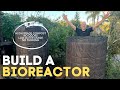
Details filling a Johnson-Su bioreactor with ~2 cubic yards of material, maintaining pipe verticality, and subsequent pipe removal after 5 days to create air channels. Recommends irrigation, estimates
-
The Johnson-Su bioreactor offers an easy, no-turn, no-mix method for high-quality compost production over 6-24 months. Its cylindrical design and passive aeration support fungal decomposition, with op
-
Provides detailed instructions for building a Johnson-Su bioreactor using concrete wire, landscape fabric, and PVC pipes for aeration. Uses a mix of bedding pack (hay/manure), wood chips, and Burr Oak
6
REWARDS AND RISKS - Economics & Risk Factors
The Johnson-Su Bioreactor offers a robust economic return by efficiently transforming waste into a high-value soil amendment. However, like any agricultural investment, it carries risks that need careful consideration and management.
The Johnson-Su Bioreactor offers a robust economic return by efficiently transforming waste into a high-value soil amendment. However, like any agricultural investment, it carries risks that need careful consideration and management.
REWARDS AND RISKS - Economics & Risk Factors
The Johnson-Su Bioreactor offers a robust economic return by efficiently transforming waste into a high-value soil amendment. However, like any agricultural investment, it carries risks that need careful consideration and management.
The Johnson-Su Bioreactor offers a robust economic return by efficiently transforming waste into a high-value soil amendment. However, like any agricultural investment, it carries risks that need careful consideration and management.
Economic Scenarios
The financial viability of the bioreactor is determined by how effectively it integrates into existing nutrient management cycles.
- Best Case: The system is fully integrated into farm operations, displacing 100% of synthetic phosphorus and potassium purchases. When combined with a 15% yield increase in high-value vegetable or grain crops, the farmer realizes a net financial gain of $500–$800 per acre ($1,236–$1,977/ha), allowing the system to pay for its own construction within 18 months.
- Typical Case: The average operation sees the system replacing 40-60% of synthetic nitrogen requirements while providing enhanced soil moisture stabilization. This results in a moderate net financial gain of $120–$300 per acre ($297–$741/ha), with the ROI realized within a 36-48 month window.
- Worst Case: Improper management of moisture levels leads to anaerobic conditions, effectively killing the biology and resulting in a failed, useless batch. Wasted materials, lost man-hours, and initial construction costs lead to a realized net loss of $2,000–$5,000 within the first two years, absent any yield benefits.
Market Factors and Profitability
Profitability is driven largely by "avoided costs." By eliminating standard manure disposal fees—often ranging from $15–$40 per ton at commercial facilities—a mid-size livestock operation can capture $2,000–$6,000 in annual savings. Additionally, if the farm produces excess high-quality compost, it can pivot to a revenue-generating model, with bulk sales of finished product commanding $25–$75 per cubic yard.
Risk Mitigation Strategies
- Technical Failure: The most effective risk mitigation strategy is the consistent monitoring of biological activity. An investment of $200 in a high-quality, long-stem compost thermometer allows the operator to detect temperature drops that indicate a failing batch, preventing the total loss of $1,000+ in raw materials.
- Infrastructure Failure: Durability is cheaper in the long run than replacement. Investing an extra $500 in rot-resistant posts and superior fasteners upfront prevents an $800–$1,200 repair bill 3 years later.
- Waste Stream Risk: Maintaining a consistent 3:1 carbon-to-nitrogen ratio is vital. Operators should keep a reserve of dry, high-carbon materials—such as woodchips or straw—valued at $300–$500 per year to ensure the system remains balanced regardless of variability in livestock output.
Transition Period Risks
Transitioning to biologically active soil amendments involves a 12 to 36-month "microbial colonization" phase. Growers may observe a flat yield or a 5-10% dip in the first 12 months as the soil ecosystem recalibrates from synthetic dependency to biological cycling. To mitigate this, farmers should avoid sudden termination of synthetic inputs. A 3-year "weaning" process, where synthetic nitrogen is reduced by 20% annually, protects revenue during the transition. Establishing these subterranean microbial networks involves active management and oversight costs ranging from $50–$100 per acre ($124–$247/ha) for soil testing and consulting.
Sources behind this view
Videos & Podcasts
-
The Johnson-Su bioreactor offers an easy, no-turn, no-mix method for high-quality compost production over 6-24 months. Its cylindrical design and passive aeration support fungal decomposition, with op
-
The Johnson-Su bioreactor offers a passive, low-tech composting solution using landscape fabric and internal pipes for aeration, minimizing labor, water use, and odor, producing compost in about a yea
-
The Johnson-Su bioreactor simplifies composting by eliminating turning and odors, utilizing a vertical design for space efficiency. It promotes fungal decomposition, with optimal temperatures around 7
-
The Johnson-Su bioreactor compost method is aerobic, undisturbed, maintained at 70% moisture, and includes red wigglers, fostering high microbial diversity (bacteria and fungi) over ~1 year. It result

Community
-
Details the Johnson-Su Bioreactor, a 12-month static compost system producing fungal-dominant compost that enhances soil health, food nutrition, carbon sequestration, water retention, and habitat.
Read more (opens in new window) ucanr.edu -
The Johnson-Su Bioreactor is a static, 12-month composting method producing fungal-dominant compost that enhances soil health, food nutrient density, carbon sequestration, water purification, and habi
Read more (opens in new window) ucanr.edu -
Highlights the Johnson-Su bioreactor for producing fungal-rich, aerobic compost with no turning. Discusses its use with various manures and materials in cold climates (Zone 4b). Also covers cattle pan
Read more (opens in new window) permies.com -
Describes the Johnson-Su Bioreactor, a 12-month static aerobic composting method producing fungal-dominant compost that enhances soil health, food nutrient density, carbon sequestration, and water pur
Read more (opens in new window) ucanr.edu
Research
-
Waste Management through Composting: Challenges and Potentials (opens in new window)
This study found: Composting recycles farm waste into soil amendments, but faces challenges like long duration and odor. Chemical fertilizers have environmental downsides, driving a return to compost for soil fertility
7
COMPATIBLE PRACTICES - Integration Opportunities
The Johnson-Su Bioreactor functions best when integrated into a larger regenerative farm system, enhancing the effectiveness of other practices and contributing to overall farm resilience.
The Johnson-Su Bioreactor functions best when integrated into a larger regenerative farm system, enhancing the effectiveness of other practices and contributing to overall farm resilience.
COMPATIBLE PRACTICES - Integration Opportunities
The Johnson-Su Bioreactor functions best when integrated into a larger regenerative farm system, enhancing the effectiveness of other practices and contributing to overall farm resilience.
The Johnson-Su Bioreactor functions best when integrated into a larger regenerative farm system, enhancing the effectiveness of other practices and contributing to overall farm resilience.
Livestock Integration
- Synergy: The bioreactor is inherently linked to livestock operations, providing a method for processing manure. The compost produced can then be applied to pastures or croplands that feed livestock, creating closed-loop nutrient cycles.
- Regenerative Benefit: Directly addresses Principle 5. Improves manure management, reduces nutrient loss, and provides fertility for grazing areas.
Cover Cropping
- Synergy: Compost application significantly improves the success of cover cropping. The increased soil biology, organic matter, and nutrient availability create a more favorable environment for cover crop establishment and growth.
- Regenerative Benefit: Enhances Principles 2, 3, and 4 by providing the fertility and biological foundation for diverse, living covers that keep soil protected.
No-Till or Reduced Tillage Farming
- Synergy: The application of stable, biologically active compost helps build soil structure and biology, making no-till or reduced tillage systems more viable and effective. The compost improves water infiltration and aeration in undisturbed soils.
- Regenerative Benefit: Supports Principle 1 by creating a healthier soil matrix that is less prone to compaction and disturbance when not tilled.
Precision Nutrient Management
- Synergy: While the bioreactor provides broad-spectrum fertility, understanding soil test results alongside compost nutrient analysis allows for more precise application, reducing over-application and ensuring balanced fertility.
- Regenerative Benefit: Minimizes nutrient waste (aligned with Principle 1 indirectly) and ensures tailored fertility for plant needs, reducing reliance on blanket synthetic applications.
Integrated Pest Management (IPM)
- Synergy: The enhanced soil biology from the compost can lead to stronger plant defenses against pests and diseases, reducing the need for pesticides. Increased beneficial soil microbes can also outcompete or suppress plant pathogens.
- Regenerative Benefit: Supports a more resilient system that relies less on chemical interventions, aligning with the spirit of minimizing synthetic inputs.
The Johnson-Su Bioreactor is not a standalone practice but a key component in a regenerative fertility management strategy. It excels at processing organic waste into a product that directly fuels soil health, thereby underpinning many other regenerative practices on the farm.
Sources behind this view
Videos & Podcasts
-
Jay Young details the practical use of Johnson-Su compost and biologicals, emphasizing soil health and sustainability. He shares cost savings from reducing synthetic inputs, explains how biologicals u
-
Practical tips for Johnson-Su bioreactors: use raw ingredients (straw, wood chips, legumes), avoid excess compost/soil, manage manure carefully, ensure consistent moisture via soaking or auto-waterers
-
The Johnson-Su bioreactor produces a compost extract that, when injected as a microbial inoculant, significantly boosts plant growth, carbon sequestration, and soil biology, mimicking natural grazing

-
The Johnson-Su bioreactor offers a passive, low-tech composting solution using landscape fabric and internal pipes for aeration, minimizing labor, water use, and odor, producing compost in about a yea
Community
-
The Johnson-Su Bioreactor is a static, 12-month composting method producing fungal-dominant compost that enhances soil health, food nutrient density, carbon sequestration, water purification, and habi
Read more (opens in new window) ucanr.edu -
Describes the Johnson-Su Bioreactor, a 12-month static aerobic composting method producing fungal-dominant compost that enhances soil health, food nutrient density, carbon sequestration, and water pur
Read more (opens in new window) ucanr.edu -
Details the Johnson-Su Bioreactor, a 12-month static compost system producing fungal-dominant compost that enhances soil health, food nutrition, carbon sequestration, water retention, and habitat.
Read more (opens in new window) ucanr.edu
From the Web
-
The Johnson-Su bioreactor method by Dr. David C. Johnson creates biologically enhanced compost to revitalize degraded soils, improving soil health, crop yield, and carbon sequestration with a low-tech