
Korean Natural Farming
Korean Natural Farming (KNF) is a structured, pedagogical system for cultivating indigenous microorganisms (IMO) and applying sophisticated biological inputs at specific crop developmental stages. It involves precise preparation protocols to create potent microbial inoculants and nutrient solutions, differentiating it from simpler, less protocol-driven biological approaches. KNF aims to foster a self-sustaining farm ecosystem by empowering farmers with the knowledge to generate powerful biological tools from their own environment, enhancing soil health, plant resilience, and overall farm productivity.
Read More: Complete Description
Korean Natural Farming (KNF) is a rigorously defined and sequenced approach to biological farming, developed by Master Cho Han Kyu. It is not a loosely defined collection of organic methods, but a structured pedagogical system that emphasizes the creation and application of specific, biologically potent inputs derived from indigenous microorganisms (IMO) and other natural materials. The core philosophy is to harness and amplify the beneficial microbial life already present in the local environment to create a self-sufficient and resilient farming ecosystem.
A fundamental distinction of KNF lies in its emphasis on precise protocols for preparing these biological inputs. While other biological farming systems may use compost or microbial inoculants, KNF dictates specific fermentation processes, ingredient ratios, and application timings tied to plant growth stages. This precision is intended to ensure the efficacy and specificity of the biological agents being introduced, maximizing their positive impact on soil biology, plant nutrient uptake, and pest/disease resistance. The goal is to cultivate a microbial community that actively supports crop health from germination through harvest.
KNF is best classified as a foundational regenerative practice because its core methodologies directly and powerfully support multiple regenerative agriculture principles. It inherently champions maximizing crop diversity (Principle 2) by creating environments where healthy plants can thrive and express their genetic potential, leading to greater plant diversity over time. It strongly supports keeping soil covered (Principle 3) by promoting healthy plant growth that naturally covers the soil surface, and by encouraging the use of natural mulches derived from KNF preparations. The practice is a direct engine for maintaining living roots (Principle 4) by enhancing plant vigor and extending their productive life cycles. While KNF does not inherently involve livestock, its ultimate goal of creating a closed-loop, self-sustaining farm system aligns with the spirit of integrating livestock (Principle 5) by building soil fertility and nutrient cycling capabilities that can eventually support animal integration. The practice's focus on soil health and biological activity indirectly supports minimizing soil disturbance (Principle 1) by fostering healthy soil structure that is less prone to compaction and erosion, and by reducing the need for external chemical inputs that would disrupt soil biology.
The practice involves several key components, each with its own detailed preparation and application methods:
-
Indigenous Microorganisms (IMO): This is the cornerstone of KNF. IMO is cultivated by collecting naturally occurring beneficial microbes from forest floors, rice paddies, or other pristine environments. These microbes are then encouraged to multiply using specific substrates (like cooked rice), temperature, and humidity controls, eventually being preserved and diluted for application. There are distinct preparations: IMO Broth 1 (capturing microbes), IMO Broth 2 (fermenting with rice), IMO Broth 3 (mixing with soil/fertilizer), and IMO Broth 4 (further fermentation for application). The goal is to inoculate the soil and plants with a diverse and potent community of beneficial bacteria and fungi.
-
Water-Soluble Fertilizers (WSF): KNF emphasizes creating nutrient-rich liquid fertilizers from local resources. Examples include Fish Amino Acid (FAA), made by fermenting fish guts, and Water-Soluble Calcium (WSC), made from eggshells or oyster shells. These inputs are designed to provide readily available nutrients in a form that plants can easily absorb, reducing the need for synthetic fertilizers and building soil fertility over time through biological processes.
-
Other Biological Inputs: KNF utilizes a range of other preparations, such as Natural Pesticide (NP), which uses ingredients like garlic, onion, ginger, and chili peppers fermented with IMO or FAA to create a repellent and disease-inhibiting spray. LAB (Lactic Acid Bacteria), a specific type of beneficial bacteria, is synthesized to enhance decomposition and nutrient availability. Fruit Pest Repellent (FPR) and Vegetable Pest Repellent (VPR) are also developed using specific fermentation techniques.
The KNF system is intentionally designed for local resource utilization (LRU). Farmers are encouraged to use materials readily available on their farm or in their immediate surroundings—fish scraps, insect frass, animal manure, plant waste, kitchen scraps, seashell waste, etc. This reduces reliance on external, often costly, agricultural inputs and fosters a circular economy within the farm. The knowledge transfer is a critical element; KNF is often taught through workshops and farmer-to-farmer networks, emphasizing hands-on experience and deep understanding of the underlying biological principles rather than just recipe following.
A crucial point of distinction is that KNF is not JADAM. While both are biological farming approaches originating in Korea and emphasizing low-input methods, JADAM explicitly positions itself as a simpler, cheaper, and more accessible alternative that rejects KNF's structured protocols and pedagogical rigidity. JADAM focuses on practical, DIY solutions using readily available materials with less emphasis on specific fermentation times, microbial identification, or rigid application schedules. KNF, conversely, values precision, biological specificity, and a pedagogical framework that empowers farmers with a deep understanding of microbial interactions and plant physiology. Conflating them ignores the philosophical split and functional differences—KNF prioritizes biological precision and structured learning, while JADAM prioritizes accessibility and independent adaptation.
KNF is a sophisticated transition practice that, when implemented correctly, leads to foundational regenerative outcomes. While it aims to replace synthetic inputs entirely, the introduction of concentrated biological inputs can be a bridge that helps farmers reduce their dependence on synthetics incrementally. The rigorous preparation of KNF inputs creates potent biological stimulants that can rapidly boost soil health and plant vitality, providing tangible benefits that encourage farmers to abandon conventional methods. Its emphasis on LRU also makes it an economical choice, aligning with the economic sustainability goal of regenerative agriculture.
Sources behind this view
Sources behind this view
 Videos & Podcasts
-
Korean Natural Farming (KNF) emphasizes creating inputs like Indigenous Microorganisms (IMO) and fermented plant juice to provide living biology and nutrients for plant growth, with applications timed
-
Learn to make on-farm biofertilizers using Korean Natural Farming (KNF) and JADAM principles. Create microbial starters (LAB, EM) and secondary fermentations (FPJ, FAA, OHN) from farm biomass for bios
-
Korean Natural Farming (KNF) is a regenerative method focusing on partnering with nature to enhance soil microbial life for improved nutrient cycling, carbon sequestration, yield, and disease preventi

-
KNF utilizes indigenous microorganisms (IMOs) adapted to local climate and soil conditions, collected by placing rice in woods and inoculating the farm. This method enhances plant productivity and soi
 Community
-
Details KNF inputs like Indigenous Micro Organisms (I-M-O), fermented plant juices (FPJ), and LAB serum, and their use in creating fungal compost and odor-free animal operations. Also reiterates JADAM
Read more (opens in new window) permies.com -
Details Korean Natural Farming (KNF) and JADAM preparations like IMO, FPJ, OHN, FAA, and LAB, explaining their use at different plant growth stages for cost-effective, high-yield farming without synth
Read more (opens in new window) permies.com -
Details a two-day KNF and JADAM seminar agenda in the Pacific Northwest, covering KNF basics, compost management, microorganisms, natural pesticides, JHS, and JWA production.
Read more (opens in new window) ucanr.edu -
Explains Korean Natural Farming (KNF) based on nutritive cycle theory, detailing core inputs like FPJ, OHN, BRV, and their applications for different plant growth stages, along with recipes for key KN
Read more (opens in new window) permies.com
 Research
-
Natural Farming Improves Soil Quality and Alters Microbial Diversity in a Cabbage Field in Japan (opens in new window)
This study found: Natural Farming in Japan improved soil health and increased beneficial microbes in a cabbage field over seven years, outperforming conventional farming methods.
-
Effect of natural farming on soil fertility and carbon sequestration: A case study from Eastern India (opens in new window)
This study found: Natural Farming in Odisha improved soil organic matter, boosted beneficial microbes by up to 70%, and was slightly more profitable than conventional farming for vegetables, showing potential for susta
-
Natural Farming in India: Evidence, Challenges, and Pathways for Sustainable Agriculture (opens in new window)
This study found: Indian natural farming (ZBNF) uses five key methods to improve soil health and cut costs, showing promise for sustainable agriculture. Challenges include yield variability and nitrogen needs, requirin
-
Natural Farming: Embracing Regenerative Agriculture for Sustainable Crop Production (opens in new window)
This study found: Natural farming is a regenerative, chemical-free approach that builds soil health using natural inputs like cow dung and cover crops, while avoiding synthetic fertilizers and pesticides. It's cost-eff
Key Points
What It Is
- Structured microbial cultivation system
- Precise preparation protocols for biological inputs
- Indigenous Microorganisms (IMO) are core
- Emphasis on local resource utilization
How This Differs
- Specific recipes and protocols for each growth stage
- Cultivates indigenous microorganisms (IMO, JLF)
- Inputs applied at specific crop developmental stages
- Defined methodology, not a general philosophy
Why Do It
- Enhances soil health and microbial diversity
- Boosts plant vigor and nutrient uptake
- Builds farm's biological self-sufficiency
- Reduces reliance on costly external inputs
Know the Debate
- KNF benefits range from anecdotal to scientifically supported
- Precise protocols vs. local adaptation is debated
- Microbial mechanisms debated: specific vs. general
- Requires time investment; significant input cost savings
Benefits - Financial
- Reduced fertilizer/pesticide costs by $120-900 per acre ($297–$2,224 per hectare) annually
- Yield increases of 5-20% through improved soil biological activity
- ROI for KNF implementation can exceed 200% annually
- Total insulation from volatile global synthetic fertilizer market pricing
Benefits - System
- Increased soil organic matter: 0.5-1.5% over decade
- Enhanced microbial activity and diversity
- Improved plant resilience to pests/diseases
- Supports 4 out of 5 regenerative principles
Risks - Financial
- Potential yield dip of 10-20% during 1-2 year transition period
- Initial batch failure costs of $50-150 in lost ingredients
- Intensive labor costs equivalent to $15-30+ hours per week
Risks - System
- Fails if specific protocols are not understood/followed
- Inaccurate IMO collection can introduce pathogens
- Potency varies without precise fermentation controls
- Not a quick-fix; requires long-term commitment
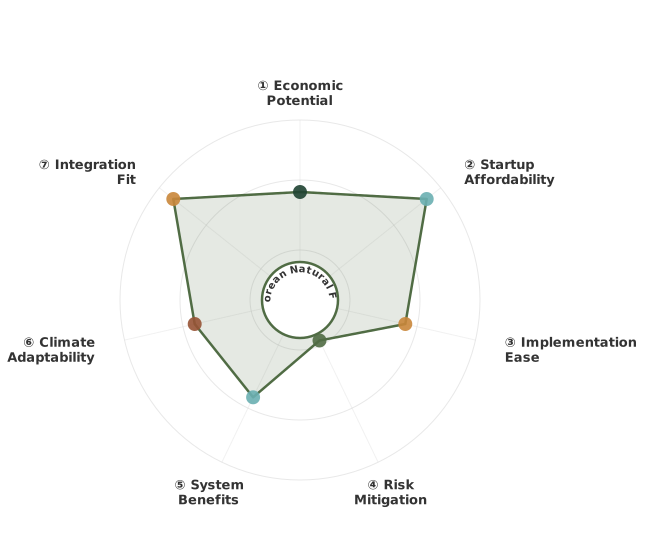
How These Traits Are Calculated
Trait dimensions are ordered clockwise starting from the top of the chart (12 o'clock position):
1. Economic Potential
Financial returns, annual value, and break-even timeline
WHAT: Evaluates financial viability by combining net annual value ($/ha from savings, income, and amortized harvests) with break-even timeline showing when practices pay for themselves.
WHY: Farmers need clear ROI understanding before committing resources. Fast payback (≤3 years) with strong returns (≥$300/ha) enables confident adoption, while long timelines (>10 years) restrict adoption to well-funded operations willing to wait for returns.
HOW: Calculated from net annual value in $/ha and break-even years. Exceptional (≥2.6): fast ROI ≤3 years + high value ≥$300/ha. Typical (1.8-2.5): moderate returns or longer timelines. Limited (<1.8): marginal economics or very long payback >10 years.
2. Startup Affordability
Initial investment costs and financial barrier to entry
WHAT: Measures financial barrier to entry through startup costs for equipment, infrastructure, consulting, and materials. Inverted scoring: lower costs = higher scores = more accessible adoption.
WHY: Affordability determines who can adopt. Low-cost practices (<$250/ha) enable widespread adoption across diverse scales, while high costs (>$2,500/ha) limit adoption to well-capitalized operations, creating barriers that slow regenerative transition.
HOW: Calculated from initial investment parsed from practice content. Inverted scoring: Exceptional (≥2.6): minimal investment <$250/ha. Typical (1.8-2.5): moderate costs $250-2,500/ha. Limited (<1.8): high barrier >$2,500/ha.
3. Implementation Ease
Learning curve and specialized knowledge required
WHAT: Measures how much learning, planning, and specialized knowledge a practice requires. Simpler practices with fewer steps score higher, while complex practices requiring extensive training or specialized resources score lower.
WHY: Complex practices create adoption barriers even when economically viable. Straightforward practices enable faster adoption and broader participation, while those requiring extensive training, timing precision, or specialized equipment limit who can succeed.
HOW: Evaluated by measuring documentation length and identifying complexity markers like location-specific requirements, seasonal timing windows, specialized skills, and dedicated equipment needs. Exceptional (≥2.6): straightforward practices with minimal prerequisites. Typical (1.8-2.5): moderate learning curve with some specialized needs. Limited (<1.8): steep learning curve requiring significant training or resources.
4. Risk Mitigation
Identified financial and ecological risk assessment
WHAT: Evaluates documented risks across financial (investment loss, market volatility) and ecological (crop failure, pest outbreaks) domains. Inverted scoring: fewer risks = higher scores.
WHY: Understanding risk exposure helps farmers make informed decisions. Low-risk practices allow confident implementation, while high-risk practices require careful planning and contingency resources. Risk transparency prevents costly failures.
HOW: Calculated from identified risks in practice content. Inverted scoring: Exceptional (≥2.6): ≤2 risks with manageable severity. Typical (1.8-2.5): 3-5 moderate risks. Limited (<1.8): 6+ risks or severe exposure.
5. System Benefits
How many ways the practice improves your land simultaneously
WHAT: Measures how many aspects of land health improve at once—carbon storage, soil quality, erosion control, water absorption, and biodiversity. Practices that improve multiple areas simultaneously create compounding benefits where each improvement reinforces the others.
WHY: The best practices solve multiple problems at once. For example, addressing erosion simultaneously builds carbon and improves water infiltration, creating a resilient system with positive feedback loops. Single-benefit approaches miss these compound transformation opportunities.
HOW: Evaluated across five key outcomes: carbon sequestration, soil organic matter increase, erosion reduction, water infiltration improvement, and biodiversity enhancement. Exceptional (≥2.6): high carbon storage (>8 t/ha/yr), improvements across 4-5 areas, transformative outcomes. Typical (1.8-2.5): moderate carbon (3-8 t/ha/yr), improvements across 2-3 areas. Limited (<1.8): modest impact (<3 t/ha/yr), single-area focus only.
6. Climate Adaptability
Geographic applicability across Köppen climate zones
WHAT: Evaluates geographic applicability by assessing how many Köppen climate zones successfully support a practice and what adaptation requirements are needed. Measures breadth of climates where farmers can implement with minimal to moderate modifications.
WHY: Universal practices working across diverse climates enable more farmers to adopt regenerative approaches. Practices limited to single climate types (only Mediterranean, only tropical) restrict adoption and slow global transition. Adaptability determines whether a practice serves niche regions or offers broad transformation.
HOW: LLM evaluation of regional success stories, Köppen zone coverage, and adaptation needs. Exceptional (≥2.6): 5+ zones or 4+ climate types, 3+ continents, minimal adaptation. Typical (1.8-2.5): 3-4 zones or 2-3 types, 2 continents, moderate adaptation. Limited (<1.8): 1-2 zones, single region, significant adaptation or highly specialized.
7. Integration Fit
How well this practice combines with others you're doing
WHAT: Measures how well a practice combines with other regenerative practices you might be doing. Some practices work as building blocks that make many other practices easier or more effective, while others work best on their own.
WHY: Practices that combine well with many others create more value on your farm. For example, cover cropping enables no-till, improves grazing, supports crop diversity, and helps water management—making all of them work better together. This helps you build a coherent system rather than juggling disconnected practices.
HOW: Evaluated by identifying which practices combine well and how strong those combinations are. 'Ideally Suited' means strong combinations where practices reinforce each other (practice A makes B easier, while B makes A more effective). 'Adequate' means complementary benefits that work well together. Exceptional (≥2.6): combines well with 6+ practices, serves as a building block. Typical (1.8-2.5): combines with 3-5 practices. Limited (<1.8): 1-2 practices or works best alone.
Going Deeper
1
WHY - The Benefits
Korean Natural Farming (KNF) offers a transformative approach to agriculture by focusing on the fundamental power of microbial life. Its benefits are multifaceted, addressing soil health, plant vitality, economic sustainability, and overall ecosystem resilience. By...
Korean Natural Farming (KNF) offers a transformative approach to agriculture by focusing on the fundamental power of microbial life. Its benefits are multifaceted, addressing soil health, plant vitality, economic sustainability, and overall ecosystem resilience. By empowering farmers to become skilled biological managers, KNF unlocks the potential for truly regenerative farming systems, moving away from external chemical dependencies towards internal biological strength.
WHY - The Benefits
Korean Natural Farming (KNF) offers a transformative approach to agriculture by focusing on the fundamental power of microbial life. Its benefits are multifaceted, addressing soil health, plant vitality, economic sustainability, and overall ecosystem resilience. By...
Korean Natural Farming (KNF) offers a transformative approach to agriculture by focusing on the fundamental power of microbial life. Its benefits are multifaceted, addressing soil health, plant vitality, economic sustainability, and overall ecosystem resilience. By empowering farmers to become skilled biological managers, KNF unlocks the potential for truly regenerative farming systems, moving away from external chemical dependencies towards internal biological strength.
Soil Health Benefits
The cornerstone of KNF is the cultivation and application of Indigenous Microorganisms (IMO). When applied to soil, IMO inoculates the soil with a diverse community of beneficial bacteria, fungi, and protozoa, significantly enhancing soil biology. This microbial explosion accelerates the decomposition of organic matter, making nutrients more available to plants in a readily absorbable form. This process directly increases soil organic matter by 0.5-1.5% over a decade, improving soil structure, water-holding capacity, and aeration.
KNF preparations, such as Fish Amino Acid (FAA) and Water-Soluble Calcium (WSC), also contribute to soil fertility by providing essential macro- and micronutrients in biologically active forms. These inputs are rapidly integrated into the soil food web, feeding earthworms and other beneficial soil organisms. The enhanced microbial activity leads to better aggregate formation, reducing soil compaction and improving infiltration rates by 30-50% over time. This leads to less surface runoff and erosion, protecting topsoil and improving water quality.
Healthy soil, rich in microbial life, also leads to improved nutrient cycling. Plants supplied with nutrients in a balanced, biologically mediated way are healthier and more resistant to pests and diseases. This reduces the need for synthetic fertilizers and pesticides, which can harm beneficial soil organisms and disrupt natural ecological processes. KNF fosters a symbiotic relationship between plants, soil microbes, and the farmer, creating a more robust and resilient agricultural ecosystem.
Economic Benefits
KNF's economic advantages stem primarily from its emphasis on local resource utilization (LRU) and significant reduction in external inputs. By using on-farm waste products (fish guts, eggshells, plant waste) and carefully nurturing indigenous microbes, farmers can produce potent biological fertilizers and pest deterrents at a fraction of the cost of conventional synthetic inputs. Savings of 20-60% on fertilizer and pesticide costs are commonly reported by experienced KNF practitioners, translating directly to higher net farm income.
Improved soil health and plant vitality lead to enhanced crop quality and yields. Healthier plants are more efficient in nutrient uptake and more resilient to environmental stresses like drought, heat, and pest infestations. This can result in yield increases of 5-20% and a marked improvement in crop quality (e.g., better flavor, longer shelf life, higher nutritional content), leading to better market prices and consumer demand. For farmers using KNF, this combination of lower input costs and higher output value can significantly boost profitability.
The long-term economic argument for KNF lies in its contribution to building a self-sustaining farm ecosystem. As soil health improves, the farm becomes less dependent on purchased inputs and less vulnerable to market price volatility for external materials. The continuous cycling of nutrients and the natural pest suppression mechanisms developed through KNF create a more resilient and economically stable operation. This approach aligns perfectly with regenerative goals, aiming for long-term financial viability driven by ecological health rather than short-term gains from resource depletion.
Regenerative Systems Fit
KNF is a foundational regenerative practice that directly supports multiple core principles, acting as a powerful catalyst for farm-scale regeneration.
-
Principle 1: Minimize Soil Disturbance: While KNF itself doesn't mandate no-till, its emphasis on building healthy soil biology leads to soils that are naturally more resilient to disturbance. Improved soil structure from enhanced microbial activity reduces the need for disruptive practices like intensive tillage and compaction. By creating robust plant health and fertility through biological means, KNF reduces the reliance on mechanical interventions and chemical fertilizers that can damage soil structure.
-
Principle 2: Maximize Crop Diversity: KNF cultivates an environment conducive to diverse plant life. By enhancing soil fertility and plant resilience, it allows for a wider expression of genetic diversity and supports the cultivation of a greater variety of crops. Farmers practicing KNF often find it easier to implement multi-cropping systems, rotations, and intercropping as their soil biology becomes more capable of supporting varied plant communities. This principle is deeply intertwined with soil health, as diverse plants foster diverse soil microbiomes.
-
Principle 3: Keep Soil Covered: KNF promotes vigorous plant growth, which naturally keeps the soil surface covered and protected. Furthermore, KNF preparations can be used to create effective natural mulches and compost that are applied to the soil. A well-managed KNF system ensures that soil is rarely left bare, minimizing erosion and moisture loss while providing continuous food and habitat for soil organisms.
-
Principle 4: Maintain Living Roots: The core aim of KNF is to promote healthy, vigorous plant growth throughout the entire life cycle of crops and cover crops. By providing optimal biological nutrition and fostering resilience, KNF ensures that there are living roots in the soil for as long as possible. This continuous root activity fuels soil microbial communities year-round, maintaining soil structure and nutrient cycling.
-
Principle 5: Integrate Livestock: While KNF is a plant-focused system, its outcomes directly facilitate livestock integration. The improved soil fertility and nutrient cycling built through KNF can support more productive pastures. The knowledge of biological processes gained from KNF can also inform manure management and the creation of biologically active composting systems that benefit livestock operations. A regenerative farm utilizing KNF can more effectively integrate livestock for nutrient cycling and soil building once the foundational biological fertility is established.
KNF acts as an advanced transition practice leading to foundational regenerative outcomes. Its structured approach empowers farmers to progressively reduce and eliminate synthetic inputs by demonstrating tangible biological benefits. Successful implementation builds soil health, enhances crop performance, and fosters farm-level self-sufficiency, creating a robust foundation for a fully regenerative agricultural system.
Sources behind this view
Videos & Podcasts
-
Provides actionable steps for regenerative agronomy: balanced N:C inputs (molasses, humates), microbial teas, yeast metabolites, calcium, and effective seed treatments. Emphasizes scalability, systems
-
Korean Natural Farming (KNF) is a regenerative method focusing on partnering with nature to enhance soil microbial life for improved nutrient cycling, carbon sequestration, yield, and disease preventi
-
Korean Natural Farming techniques, including Indigenous Microorganisms (IMOs) 2-5, led to larger plants. Mulching with wood chips, comfrey, and straw is also highlighted for retaining soil moisture an
-
Learn to make on-farm biofertilizers using Korean Natural Farming (KNF) and JADAM principles. Create microbial starters (LAB, EM) and secondary fermentations (FPJ, FAA, OHN) from farm biomass for bios
Community
-
Details KNF inputs like Indigenous Micro Organisms (I-M-O), fermented plant juices (FPJ), and LAB serum, and their use in creating fungal compost and odor-free animal operations. Also reiterates JADAM
Read more (opens in new window) permies.com -
Utilizes JADAM and KNF techniques for regenerative farming, including comfrey-based liquid fertilizer, raw wool pellets as base fertilizer, and leveraging local organic materials like fish, oyster she
Read more (opens in new window) permies.com -
Explains Korean Natural Farming (KNF) and Jadam techniques for cultivating Indigenous Microorganisms (IMO) to double crop output, enhance drought resistance, and eliminate the need for fertilizers and
Read more (opens in new window) permies.com -
Explains Korean Natural Farming (KNF) based on nutritive cycle theory, detailing core inputs like FPJ, OHN, BRV, and their applications for different plant growth stages, along with recipes for key KN
Read more (opens in new window) permies.com
Research
-
Restoring the Soil and Sustaining the Future: A Global Review of Natural Farming Practices and Impacts (opens in new window)
This study found: Global review shows natural farming (ZBNF, Fukuoka, agroecology) improves soil health, organic matter, microbial diversity, and carbon capture. Studies show higher yields and better soil conditions co
-
Effect of natural farming on soil fertility and carbon sequestration: A case study from Eastern India (opens in new window)
This study found: Natural Farming in Odisha improved soil organic matter, boosted beneficial microbes by up to 70%, and was slightly more profitable than conventional farming for vegetables, showing potential for susta
-
Sustainable Agriculture and Soil Health: A Comprehensive Review of Bio-Inputs (opens in new window)
This study found: Sustainable farming with natural biological inputs (biofertilizers, compost) is key to restoring soil health, reducing chemical use, and increasing soil carbon. These inputs improve nutrient uptake an
-
Natural Farming Improves Soil Quality and Alters Microbial Diversity in a Cabbage Field in Japan (opens in new window)
This study found: Natural Farming in Japan improved soil health and increased beneficial microbes in a cabbage field over seven years, outperforming conventional farming methods.
2
WHERE - Regional Considerations
Korean Natural Farming (KNF) is remarkably adaptable across diverse global climates due to its reliance on indigenous microorganisms and local resources. The core principles of capturing and cultivating local microbes, along with preparing biological inputs from...
Korean Natural Farming (KNF) is remarkably adaptable across diverse global climates due to its reliance on indigenous microorganisms and local resources. The core principles of capturing and cultivating local microbes, along with preparing biological inputs from available materials, transcend specific geographical boundaries. However, regional variations in climate, available biodiversity, and common agricultural practices influence species selection for IMO collection, the types of raw materials for inputs, and the specific challenges faced by farmers.
WHERE - Regional Considerations
Korean Natural Farming (KNF) is remarkably adaptable across diverse global climates due to its reliance on indigenous microorganisms and local resources. The core principles of capturing and cultivating local microbes, along with preparing biological inputs from...
Korean Natural Farming (KNF) is remarkably adaptable across diverse global climates due to its reliance on indigenous microorganisms and local resources. The core principles of capturing and cultivating local microbes, along with preparing biological inputs from available materials, transcend specific geographical boundaries. However, regional variations in climate, available biodiversity, and common agricultural practices influence species selection for IMO collection, the types of raw materials for inputs, and the specific challenges faced by farmers.
Click Here to Look up your Region if you don't already know it
Humid Temperate Regions
Representative Locations: Southeastern United States, northern Europe (UK, Germany, Poland), eastern China, Japan, New Zealand
Climate Context: Warm to hot summers and cool to cold winters with moderate to high annual precipitation (75-150 cm or 30-60 inches) distributed relatively evenly. USDA Zones 6-8, Köppen Cfb/Cfa.
In these regions, KNF thrives due to abundant biodiversity in forest floors and fertile soils. Farmers can readily collect diverse microbial communities. Common materials for inputs like FAA from fish waste are accessible in coastal areas or due to general food consumption. Challenges might include managing cool-season microbes during warm periods or ensuring adequate drainage to prevent anaerobic spoilage during prolonged wet spells for certain fermentations. Plant pest pressures can vary widely from fungal diseases in humid summers to insect challenges in mild winters, requiring tailored NP and VPR formulations.
Mediterranean Regions
Representative Locations: California, Mediterranean basin (Spain, Italy, Greece), central Chile, southwestern Australia, Western Cape South Africa
Climate Context: Hot, dry summers and mild, wet winters. Annual precipitation 40-90 cm (15-35 inches), highly seasonal. USDA Zones 8-10, Köppen Csa/Csb.
KNF is highly suitable for Mediterranean climates, benefiting from distinct wet seasons for IMO collection and input preparation. The dry summers can pose challenges for maintaining microbial activity for some preparations; therefore, water-soluble inputs like FAA and LAB become crucial for plant hydration and nutrient delivery. Local resources like olive pomace or citrus waste can be readily used for fermentation. Pest pressures often shift from fungal diseases in winter to insect pests in dry summers, necessitating UV-resistant microbial sprays and potent herbal repellents. Water conservation is key, making KNF's soil-building which improves water infiltration particularly valuable.
Arid/Semi-Arid Regions
Representative Locations: Western USA, North Africa, Central Asia, Interior Australia
Climate Context: Low annual precipitation (<40 cm or 15 inches), high temperatures, short and often unpredictable growing season. USDA Zones 7-9, Köppen BSh/BSk.
KNF adoption in arid regions is challenging but highly rewarding. IMO collection might focus on hardy desert soils and drought-resistant plant materials. Water scarcity dictates extreme efficiency in formulation dilution and application; KNF's ability to improve soil water retention and plant drought tolerance is paramount. Using materials like animal manure (if available) for composting or fermentation is vital. Spray applications need to be timed for cooler parts of the day to minimize evaporation and maximize plant uptake. The focus shifts more heavily to improving water infiltration and retention through sound biological amendments.
Cold Continental Regions
Representative Locations: Northern USA and Canada, Northern Europe, Northern Asia
Climate Context: Very short growing seasons, extreme summer heat, severe winter cold. USDA Zones 3-5, Köppen Dfa/Dfb.
KNF can be adapted to cold climates by focusing on collection during warmer months and utilizing indoor incubation for fermentation processes during winter. Materials like plant residues from stored crops or readily available waste can be utilized. The main challenge is to capture the transient microbial blooms of spring and summer. Preparations like FAA and LAB can be stored and applied during the short growing season. Farmers might need to be creative with materials for IMO collection, potentially using composted materials or specific indoor environments that mimic more temperate conditions for microbial propagation.
Subtropical Regions
Representative Locations: Southeastern USA, Southern China, Southern Brazil, Eastern Australia
Climate Context: Hot, humid summers and mild winters with generally ample rainfall. USDA Zones 9-11, Köppen Cfa/Cwa.
KNF is exceptionally well-suited for subtropical climates due to high biodiversity and year-round growing potential. Abundant organic materials (plant waste, agricultural by-products) are available for fermentation. Humidity can aid some fermentation processes, but also increases risk of mold and spoilage for others, requiring careful monitoring and specific ingredient ratios. Pest and disease pressure can be high year-round, making potent, biologically derived pest repellents and disease suppressors crucial aspects of KNF implementation.
Tropical Regions
Representative Locations: Central America, Southeast Asia, East Africa, Northern Australia, Northern South America
Climate Context: High temperatures year-round, with distinct wet and dry seasons or consistent high rainfall. Köppen Af/Am/Aw.
KNF excels in tropical environments due to extreme biodiversity and rapid decomposition rates. IMO collection is highly successful due to ubiquitous microbial life. Abundant plant and animal waste can be used for input preparation. High temperatures and humidity can accelerate fermentation, requiring careful attention to prevent over-fermentation or spoilage. Effective management of fungal diseases and insect pests is critical, making precise application of KNF pest-repellent sprays and microbial inoculants a key focus. Water availability management is also important, as heavy rainfall can lead to nutrient leaching without effective soil cover and improved infiltration provided by KNF.
3
HOW - Implementation Process
Implementing Korean Natural Farming (KNF) requires a systematic approach, characterized by careful observation, precise preparation, and strategic application. It's a knowledge-intensive practice that builds upon itself, empowering farmers to become biological artisans....
Implementing Korean Natural Farming (KNF) requires a systematic approach, characterized by careful observation, precise preparation, and strategic application. It's a knowledge-intensive practice that builds upon itself, empowering farmers to become biological artisans. The process is often broken down into distinct phases of input preparation and application, integrated into the farm's existing management calendar.
HOW - Implementation Process
Implementing Korean Natural Farming (KNF) requires a systematic approach, characterized by careful observation, precise preparation, and strategic application. It's a knowledge-intensive practice that builds upon itself, empowering farmers to become biological artisans....
Implementing Korean Natural Farming (KNF) requires a systematic approach, characterized by careful observation, precise preparation, and strategic application. It's a knowledge-intensive practice that builds upon itself, empowering farmers to become biological artisans. The process is often broken down into distinct phases of input preparation and application, integrated into the farm's existing management calendar.
Prerequisites
Before embarking on KNF, consider these foundational elements:
- Commitment to Learning: KNF has specific protocols; investing time to understand the 'why' behind each step is crucial for success. Attending workshops or learning from experienced practitioners (e.g., through global KNF networks) is highly recommended.
- Local Resource Assessment: Identify potential sources for raw materials for IMO collection (pristine forest floor, rice paddies, compost piles) and for input preparation (fish waste, eggshells, shells, leaves, manure, grains).
- Basic Infrastructure: Access to clean water, containers for fermentation (food-grade plastic buckets, ceramic crocks), straining cloths, and storage space with controlled temperature and humidity is necessary.
- Farm Calendar Integration: Understand your crop cycles, planting schedules, and potential pest/disease windows to strategically apply KNF inputs for maximum benefit.
Phase 1: Cultivating Indigenous Microorganisms (IMO)
This is the heart of KNF, providing the microbial foundation for all other preparations. IMO is typically prepared in 4 stages, each building upon the previous.
IMO 1 (Capture Microbes):
- Materials: Cooked rice (preferably organic), natural carton, a clean location away from pesticides, collection bags/boxes.
- Process: Spread a thin layer of cooked rice in plastic bags or a clean box. Place this in a clean, protected area rich in microbial life (e.g., under a forest canopy, on a healthy compost pile) for 1-3 days. Monitor rice for fine white mold growth—this indicates successful microbial capture. The moldy rice forms the base for IMO 2.
- Timeline: 1-3 days for collection.
IMO 2 (Multiply Microbes):
- Materials: The moldy rice from IMO 1, cooked brown rice (ratio approx. 1:10 moldy rice to cooked rice), a clean container.
- Process: Mix the moldy rice with cooked brown rice in a clean container. Ferment this mixture at a controlled temperature (25-35°C or 77-95°F) for 3-5 days. Fermentation is complete when the mixture smells sweet and fruity, not acidic or putrid. Strain the liquid, discard solids, and use this as the base for IMO 3.
- Timeline: 3-5 days for fermentation.
IMO 3 (Ferment with Supplements):
- Materials: IMO 2 liquid, indigenous soil (from a healthy location, free of chemicals), brown rice or potato flour, natural brown sugar or molasses.
- Process: Mix IMO 2 liquid with indigenous soil (approx. 1:1 volume) and a small amount of flour/sugar. Allow this mixture to ferment at controlled temperatures for 3-5 days until it smells sweet and earthy. This stage enriches the microbial consortium with soil-dwelling organisms. The solids can be dried and used as a soil amendment, or the liquid strained for application.
- Timeline: 3-5 days for fermentation.
IMO 4 (Further Fermentation for Application):
- Materials: IMO 3 liquid or solids, indigenous soil, brown rice flour, natural molasses.
- Process: Mix IMO 3 with additional soil and flour/sugar. This blend is then further fermented, often in a drier state, for extended periods (weeks to months) or diluted with water for immediate spray application. Dilution ratios are critical and vary with crop stage.
Phase 2: Preparing Water-Soluble Fertilizers (WSF)
These inputs provide essential nutrients in a bioavailable form, complementing IMO's microbial enhancement.
Fish Amino Acid (FAA):
- Materials: Fish guts, heads, or small fish (by-catch is ideal), natural brown sugar or molasses (ratio 1:1 to 1:3 of fish to sugar/molasses), clean container.
- Process: Layer fish waste with sugar/molasses in a container. Seal loosely to allow gases to escape. Ferment for 3-6 months at room temperature. A dark liquid rich in amino acids will form. Strain and store. Dilution for application: 1:500 to 1:1000 with water, applied as a foliar spray or soil drench.
- Timeline: 3-6 months for fermentation.
Water-Soluble Calcium (WSC):
- Materials: Eggshells or oyster shells, natural brown sugar or molasses, clean container.
- Process: Clean and dry shells. Crush into smaller pieces. Mix with sugar/molasses (ratio approx. 1:1 or 1:2). Ferment for 2-4 months. The shells will dissolve, releasing calcium into the sugar solution. Strain and store. Dilution: 1:800 to 1:2000 with water.
Phase 3: Application and Integration
KNF inputs are applied strategically throughout the growing season, timed to crop developmental stages.
Application Timing:
- Seedling Stage: Apply diluted IMO and FAA to promote robust root establishment and early vigor.
- Vegetative Growth: Increased application of IMO, FAA, and WSC to support rapid biomass accumulation and nutrient uptake.
- Flowering/Fruiting Stage: Continue IMO and FAA, with increased WSC and targeted nutrients to support flower development and fruit set.
- Maturity/Harvest: Maintain soil health with IMO and organic matter additions.
Application Methods:
- Foliar Spray: Most common for IMO, FAA, and other liquid preparations. Dilute inputs with clean water and apply to leaves and stems, ideally in the early morning or late evening.
- Soil Drench: Apply diluted solutions to the soil surface to directly inoculate soil microbes and provide nutrients to roots.
- Compost/Amendment Addition: Solid components of IMO or prepared compost can be incorporated into planting beds or top-dressed.
Transition Timeline & Phase-Out Strategy
KNF is strongly aligned with regenerative goals, but adoption can be a gradual process:
Years 1-2: Introduction and Experimentation
- Start by preparing IMO and FAA. Apply them in smaller areas or to specific crops.
- Simultaneously reduce synthetic fertilizer use by 20-30% on KNF-treated areas. Observe differences in plant health and yield.
- Learn the protocols—consistency is key. Document successes and challenges.
Years 3-4: Scaling Up and Input Diversification
- Expand KNF practices to larger areas or more crops.
- Prepare additional inputs like WSC and potentially Natural Pesticides (NP).
- Further reduce synthetic inputs by 40-60%. Continue documenting results and yield comparisons.
- Begin phasing out synthetic pest controls if KNF-based repellents prove effective.
Years 5+: Full Integration and Refinement
- Aim for near-complete elimination of synthetic fertilizers and pesticides.
- Focus on refining application rates and timings for maximum efficiency based on local conditions and crop responses.
- Integrate KNF with other regenerative practices like cover cropping and minimal tillage.
- Harvest benefits of improved soil health (water retention, fertility) and enhanced crop resilience.
Graduation from Conventional Inputs: Success is measured by the ability to maintain or increase yields and crop quality while significantly reducing or eliminating synthetic inputs. Farmers are ready to graduate when they witness improved soil aggregation, increased earthworm activity, enhanced plant defense mechanisms, and a sustained biological balance that resists pests and diseases without chemical intervention. This transition typically takes 3-5 years of committed KNF practice.
Sources behind this view
Videos & Podcasts
-
Korean Natural Farming techniques, including Indigenous Microorganisms (IMOs) 2-5, led to larger plants. Mulching with wood chips, comfrey, and straw is also highlighted for retaining soil moisture an
-
KNF utilizes indigenous microorganisms (IMOs) adapted to local climate and soil conditions, collected by placing rice in woods and inoculating the farm. This method enhances plant productivity and soi
-
Explains Korean Natural Farming (KNF) and Indigenous Microorganisms (IMOs), detailing the preparation of IMO1 (collecting native microbes), IMO2 (selection with sugar), IMO3 (bokashi-like inoculant),

-
Learn to make on-farm biofertilizers using Korean Natural Farming (KNF) and JADAM principles. Create microbial starters (LAB, EM) and secondary fermentations (FPJ, FAA, OHN) from farm biomass for bios
Community
-
Details KNF inputs like Indigenous Micro Organisms (I-M-O), fermented plant juices (FPJ), and LAB serum, and their use in creating fungal compost and odor-free animal operations. Also reiterates JADAM
Read more (opens in new window) permies.com -
Explains Korean Natural Farming (KNF) and Jadam techniques for cultivating Indigenous Microorganisms (IMO) to double crop output, enhance drought resistance, and eliminate the need for fertilizers and
Read more (opens in new window) permies.com -
Details a two-day KNF and JADAM seminar agenda in the Pacific Northwest, covering KNF basics, compost management, microorganisms, natural pesticides, JHS, and JWA production.
Read more (opens in new window) ucanr.edu -
Details Korean Natural Farming (KNF) and JADAM preparations like IMO, FPJ, OHN, FAA, and LAB, explaining their use at different plant growth stages for cost-effective, high-yield farming without synth
Read more (opens in new window) permies.com
 From the Web
-
Tobacco Road Farm's no-till system uses KNF's IMO inoculants, compost, solarization, and mulching with chopped hay/straw/leaves. It involves mowing, hoeing/pulling weeds, broadcasting seeds, and rolli
4
Know the Debate
Korean Natural Farming (KNF) offers a highly adaptable biological system, promising significant benefits across various climates and scales by leve...
Know the Debate
Korean Natural Farming (KNF) offers a highly adaptable biological system, promising significant benefits across various climates and scales by leve...
Korean Natural Farming (KNF) offers a highly adaptable biological system, promising significant benefits across various climates and scales by leveraging local resources and precise fermentation techniques. While its core principles are globally applicable, successful implementation and observed outcomes can vary. Challenges in KNF adoption often relate to the initial learning curve, the availability of local materials, and labor investment, which can range from minimal for small operations to substantial for larger farms. Ultimately, the effectiveness pivots on rigorous adherence to protocols versus adaptive local sourcing, prompting questions about scientific validation and the precise role of specific microbial inputs.
Are KNF's benefits scientifically proven or anecdotal?
Proven benefits (via field experience)
Field practitioners report significant cost savings (20-60%) and improved plant health and yield (5-20%) over 2-5 years using KNF, attributing success to precise protocols and local microbe activation.
Sources behind this view
Sources behind this view
Videos & Podcasts
-
Irish dairy farmer Tom Stack details his successful transition to Korean Natural Farming, drastically cutting fertilizer and vet bills while improving soil health and animal immunity, leading to increased profitability.

-
Korean Natural Farming (KNF) emphasizes creating inputs like Indigenous Microorganisms (IMO) and fermented plant juice to provide living biology and nutrients for plant growth, with applications timed to specific growth stages.
-
Korean Natural Farming (KNF) is a regenerative method focusing on partnering with nature to enhance soil microbial life for improved nutrient cycling, carbon sequestration, yield, and disease prevention, offering a cost-effective alternative to conventional practices.
Benefits require validation (via research)
Academic reviews indicate KNF improves soil health and offers potential profitability, but call for more research to quantify yield impacts and validate broad applicability beyond specific regions or conditions.
Sources behind this view
Sources behind this view
Research
-
NATURAL FARMING: STATUS, CHALLENGES AND PROSPECTS (opens in new window)
This study found: This article reviews 'Natural Farming' (NF), a low-cost farming method designed to help small and struggling farmers. It's gaining traction in India, with the government supporting it. The core ideas are to use fewer chemicals, keep the soil covered (mulching), grow many different crops together, and rely on natural materials. Key practices include making a special mix called 'Jivamrita' to boost soil microbes and nutrients, treating seeds with 'Bijamrita' to prevent diseases, using mulch ('Achhadana') to keep soil moist, and watering crops precisely when needed ('Whaphsa'). Farmers also use natural sprays like 'Bhamastras' and 'Neemastras' to control pests. While NF can improve soil health, food quality, and farmer incomes, more scientific studies are needed to prove its benefits and encourage more farmers to adopt it.
-
Effect of natural farming on soil fertility and carbon sequestration: A case study from Eastern India (opens in new window)
This study found: A study in Odisha, India, compared a farming method called Natural Farming (NF) with conventional chemical farming for growing vegetables like eggplant, okra, and tomato. Natural Farming uses natural inputs like fermented microbial solutions (Jeevamrit, Beejamrit) and mulching. Over one growing season, Natural Farming improved soil health by increasing soil organic matter and nitrogen levels, while conventional farming led to a slight decrease in organic matter. Natural Farming also significantly boosted the populations of beneficial soil microbes like bacteria, fungi, and actinomycetes. Although crop yields were slightly lower with Natural Farming, the reduced costs made it slightly more profitable. This research suggests Natural Farming can improve soil health, store more carbon, and be a sustainable and profitable alternative for farmers in coastal areas prone to climate challenges.
-
Natural Farming in India: Evidence, Challenges, and Pathways for Sustainable Agriculture (opens in new window)
This study found: This review looks at natural farming practices in India, particularly a method called Zero Budget Natural Farming (ZBNF), which avoids synthetic fertilizers and pesticides. ZBNF uses five key components: special seed treatments (Beejamrit), liquid soil enhancers (Jeevamrit), solid soil builders (Ghanjeevamrit), mulching (Acchadana), and improving soil air and water (Waaphasa). Studies show these methods can boost soil life, cut farming costs, and increase profits for small farmers. However, crop yields can sometimes be inconsistent, and ensuring enough nitrogen for crops like cereals can be a challenge, especially when first switching methods. While government programs are supporting natural farming, its adoption varies by region. Overall, natural farming offers a promising way to farm more sustainably in India, but it needs more research, better policies, and market support to succeed widely.
Making Sense of the Differences
The perceived conflict arises from differing expectations of scientific rigor versus practitioner experience. Academic research often faces challenges in replicating KNF's specific inputs and conditions, leading to variable results. Field practitioners, however, can achieve consistent success through dedicated application of protocols and observation. Farmers should weigh scientific literature's broad claims against dedicated practitioner results, focusing on careful implementation and local adaptation for tangible benefits.
Is precise KNF protocol adherence necessary for success?
Strict protocols yield best results
Academic and structured institute sources stress precise fermentation times, ratios, and sequential applications are critical for potent IMO inoculants, preventing spoilage or pathogen introduction.
Sources behind this view
Sources behind this view
Research
-
NATURAL FARMING: STATUS, CHALLENGES AND PROSPECTS (opens in new window)
This study found: This article reviews 'Natural Farming' (NF), a low-cost farming method designed to help small and struggling farmers. It's gaining traction in India, with the government supporting it. The core ideas are to use fewer chemicals, keep the soil covered (mulching), grow many different crops together, and rely on natural materials. Key practices include making a special mix called 'Jivamrita' to boost soil microbes and nutrients, treating seeds with 'Bijamrita' to prevent diseases, using mulch ('Achhadana') to keep soil moist, and watering crops precisely when needed ('Whaphsa'). Farmers also use natural sprays like 'Bhamastras' and 'Neemastras' to control pests. While NF can improve soil health, food quality, and farmer incomes, more scientific studies are needed to prove its benefits and encourage more farmers to adopt it.
From the Web
-
Bryan O'Hara of Tobacco Road Farm details the four-step process for creating Indigenous Microorganisms (IMO) inoculants using KNF principles, involving grain collection (IMO #1), sugar fermentation (IMO #2), bran inoculation (IMO #3), and soil mixing (IMO #4). Applied directly to soil or as foliar sprays, IMO enhances soil aggregation, structure, and nutrient release, working synergistically with no-till farming.
-
This section explains the production and application of Liquid Organic Fertilizer (LOF), a fast-acting, low-cost alternative to chemical fertilizers. Made from fermented organic materials, it can be applied as a foliar spray or soil drench, diluted 1:10, every 7-10 days for vegetables, maize, rice, and fruit trees.
Adaptation to local conditions is vital
Experienced practitioners emphasize adapting KNF protocols to local microbes, climate, and resources, focusing on the spirit of utilizing indigenous life for biological enhancement.
Sources behind this view
Sources behind this view
Videos & Podcasts
-
Korean Natural Farming (KNF) emphasizes creating inputs like Indigenous Microorganisms (IMO) and fermented plant juice to provide living biology and nutrients for plant growth, with applications timed to specific growth stages.
-
KNF is presented as a science-based alternative or complement to biodynamics, making indigenous microorganism propagation more accessible to farmers wary of biodynamics' esoteric roots, while still potentially leading them to appreciate broader concepts like lunar influences.
-
Discusses Jadam and Korean Natural Farming (KNF) for on-farm nutrient and pest solutions. Highlights Jadam Microorganism Solution (JMS) and simplified KNF methods, emphasizing adaptability and integration with core soil health practices.

Making Sense of the Differences
The necessity of strict adherence to KNF protocols versus adaptive local sourcing is a key debate. Academic and structured institute sources highlight the scientific precision in fermentation for potent biologicals. Field practitioners, however, often find success through adaptation, emphasizing local microbial sources and flexible timings based on observation. Farmers should start with strict adherence to learn core principles, then gradually adapt preparations to local climate, resources, and observed plant responses, focusing on consistent fermentation indicators.
How do KNF inputs work: specific microbes or general biological stimulation?
Specific microbial actions
KNF practitioners emphasize that its preparations, like IMO, supply specific indigenous microbes tailored to local conditions, which directly enhance plant growth through rhizophagy and targeted nutrient delivery.
Sources behind this view
Sources behind this view
Videos & Podcasts
-
Korean Natural Farming (KNF) emphasizes creating inputs like Indigenous Microorganisms (IMO) and fermented plant juice to provide living biology and nutrients for plant growth, with applications timed to specific growth stages.
-
KNF uses Indigenous Microorganisms (IMO) collected from local environments to re-establish soil microbial diversity. This process, involving rice, sugar, and local substrates, creates a self-perpetuating inoculum that enhances nutrient uptake, plant structure, and disease resistance.
-
Explains the importance of IMOs in Korean Natural Farming for rapidly decomposing farm waste through fermentation, enhancing plant health via rhizophagy, and converting waste into fertility.
General biological stimulation and nutrient cycling
Academic and institute sources describe KNF inputs as providing diverse beneficial microbes that enhance nutrient cycling, decompose organic matter, and improve soil structure, contributing to general biological stimulation.
Sources behind this view
Sources behind this view
Research
-
Effect of natural farming on soil fertility and carbon sequestration: A case study from Eastern India (opens in new window)
This study found: A study in Odisha, India, compared a farming method called Natural Farming (NF) with conventional chemical farming for growing vegetables like eggplant, okra, and tomato. Natural Farming uses natural inputs like fermented microbial solutions (Jeevamrit, Beejamrit) and mulching. Over one growing season, Natural Farming improved soil health by increasing soil organic matter and nitrogen levels, while conventional farming led to a slight decrease in organic matter. Natural Farming also significantly boosted the populations of beneficial soil microbes like bacteria, fungi, and actinomycetes. Although crop yields were slightly lower with Natural Farming, the reduced costs made it slightly more profitable. This research suggests Natural Farming can improve soil health, store more carbon, and be a sustainable and profitable alternative for farmers in coastal areas prone to climate challenges.
-
Impact of Fermented Organic Manure (FOM) on Soil Health and Microbial Diversity in Sustainable Agriculture (opens in new window)
This study found: Using fermented organic manure (FOM) is a promising way to improve soil health and boost the variety of beneficial microbes in the soil, acting as a sustainable alternative to synthetic fertilizers. When added to the soil, FOM increases organic matter, which in turn raises soil carbon and makes the soil better physically, chemically, and biologically. It also helps plants grow by making nutrients more available and can help fight off diseases in the soil. Using FOM fits with eco-friendly farming, cutting down on chemical use while keeping yields up. The success of FOM depends on how it's made, what it's made from, and the environment. More research is needed to find the best ways to produce and use FOM long-term on different soils and crops. Applying the right amount of FOM, based on what the crop needs for nutrients, can significantly improve soil quality and is a good substitute for mineral fertilizers.
From the Web
-
Conventional N-P-K farming lacks essential nutrients and unbalances nature, harming soil health and crop quality. Biological farming, emphasizing balance, efficiency, and soil biology, works with nature to produce healthy, profitable crops, leading to greater farm resilience.
Making Sense of the Differences
The debate centers on whether KNF's benefits stem from specifically cultivated, potent microbial strains or from general organic matter and microbial stimulation. Scientific research often struggles to isolate exact benefits from complex KNF brews. Practitioners observe tangible plant responses attributed to precisely fermented indigenous microbes. Farmers should view KNF inputs as powerful biological stimulants that accelerate natural soil processes, recognizing that precise mechanisms can vary while ongoing soil health improvements from organic matter additions are always critical.
5
HOW MUCH - Costs & Investment
Note: Costs shown in USD; multiply by local labor and material cost indices for your region. Labor costs vary significantly internationally.
Note: Costs shown in USD; multiply by local labor and material cost indices for your region. Labor costs vary significantly internationally.
HOW MUCH - Costs & Investment
Note: Costs shown in USD; multiply by local labor and material cost indices for your region. Labor costs vary significantly internationally.
Note: Costs shown in USD; multiply by local labor and material cost indices for your region. Labor costs vary significantly internationally.
Note: All costs are based on recent US economic data (2024–2026) and may vary substantially by region based on local labor rates, material costs, and regulatory requirements.
Setup and Capital Equipment
Initial equipment requirements focus on maintaining contamination-free environments for microbial propagation. For small-scale operations (under 50 acres (20 ha)), initial investment ranges from $150–$500, primarily for food-grade fermentation buckets and basic strainers. Mid-scale operations (50–500 acres (20–202 ha)) require $280–$975; this bracket accounts for multiple 55-gallon (208 L) fermentation vessels and dedicated storage space. Large-scale operations (500+ acres) range from $550–$1,700+, driven by the need for bulk incubation chambers, advanced water filtration, and, in some cases, mechanized milling for inputs like brown rice flour or botanical materials.
Annual Materials and Maintenance
Operational costs consist primarily of local organic inputs (sugar, fish waste, foliage) and recurring vessel maintenance. Small-scale farmers typically spend $50–$200 annually on bulk sugar and ingredient additives. Mid-scale operations scale this to $100–$400, reflecting higher volume requirements as the KNF system becomes the primary nutrient source. Large-scale producers spend $200–$800 annually, benefiting from wholesale purchasing power for raw ingredients. Water quality consistency is a significant variable; while treated municipal water is often usable, high-volume operations may incur additional costs for localized filtration systems to ensure chlorine-free water, which is non-negotiable for microbial health.
Labor Investment
Labor is the primary "invisible" cost in KNF. Small-scale operations require 1–3 hours per week during peak preparation, tapering to 1 hour per week for standard maintenance. Mid-scale farms allocate 5–10 hours per week during peak season for batch preparation and systematic field application. Large-scale operations require 15–30+ hours per week; at this size, labor efficiency is key, and many farms mitigate this by integrating KNF production into existing labor schedules or adopting automation for mixing and distribution.
Most Spend: Most small operations spend $250–$350, mid-scale operations spend $400–$600, and large-scale operations spend $700–$1,000 annually. This middle 60% encompasses the typical purchase of quality fermentation vessels, consistent bulk ingredient sourcing, and necessary tools for systematic applications.
Why the Range?: Costs fluctuate based on the intensity of the farm's transition—starting with only one or two KNF inputs versus a comprehensive, full-spectrum microbial management program. Furthermore, the reliance on off-farm vs. on-farm sourced materials drives variance; farms that source inputs entirely from their own waste streams (e.g., farm-grown botanical materials) naturally gravitate toward the lower end of the cost spectrum.
Sources behind this view
Videos & Podcasts
-
Irish dairy farmer Tom Stack details his successful transition to Korean Natural Farming, drastically cutting fertilizer and vet bills while improving soil health and animal immunity, leading to incre
-
Recommends Lactic Acid Bacteria (LAB) and Fermented Plant Juice (FPJ) as easy-to-make natural farming inputs for plant health and resilience. Highlights Chris Trump and Drake as resources for KNF and
-
KNF utilizes fermentation to create Indigenous Microorganism (IMO) inoculums and nutrient programs (e.g., fish fertilizer) from local resources. This process re-establishes microbial diversity, enhanc
-
KNF utilizes indigenous microorganisms (IMOs) adapted to local climate and soil conditions, collected by placing rice in woods and inoculating the farm. This method enhances plant productivity and soi
Community
-
Details KNF inputs like Indigenous Micro Organisms (I-M-O), fermented plant juices (FPJ), and LAB serum, and their use in creating fungal compost and odor-free animal operations. Also reiterates JADAM
Read more (opens in new window) permies.com -
Explains Korean Natural Farming (KNF) based on nutritive cycle theory, detailing core inputs like FPJ, OHN, BRV, and their applications for different plant growth stages, along with recipes for key KN
Read more (opens in new window) permies.com -
Explains Korean Natural Farming (KNF) and Jadam techniques for cultivating Indigenous Microorganisms (IMO) to double crop output, enhance drought resistance, and eliminate the need for fertilizers and
Read more (opens in new window) permies.com -
Utilizes Korean Natural Farming to create L.A.B., fermented plant extracts from wild herbs (yarrow, nettle, etc.), and fish fertilizer, adding them to compost teas to enhance soil fertility and garden
Read more (opens in new window) permies.com
6
REWARDS AND RISKS - Economics & Risk Factors
Korean Natural Farming (KNF) offers a pathway to significant economic and ecological rewards, but also presents distinct risks and challenges, particularly during the learning curve and transition phases. Understanding these dynamics is key for successful adoption.
Korean Natural Farming (KNF) offers a pathway to significant economic and ecological rewards, but also presents distinct risks and challenges, particularly during the learning curve and transition phases. Understanding these dynamics is key for successful adoption.
REWARDS AND RISKS - Economics & Risk Factors
Korean Natural Farming (KNF) offers a pathway to significant economic and ecological rewards, but also presents distinct risks and challenges, particularly during the learning curve and transition phases. Understanding these dynamics is key for successful adoption.
Korean Natural Farming (KNF) offers a pathway to significant economic and ecological rewards, but also presents distinct risks and challenges, particularly during the learning curve and transition phases. Understanding these dynamics is key for successful adoption.
Economic Scenarios
- Best Case: With optimal execution, farms achieve a 20% increase in yields alongside a 60% reduction in synthetic input costs. Total net profit gains can reach $1,500/acre ($3,707/ha) annually, driven by the dual impact of reduced overhead and superior crop pricing due to quality improvements.
- Typical Case: Most operations see a 5–10% yield bump and a 30% reduction in fertilizer and pesticide expenditures. This translates to an aggregate annual gain of $400–$700/acre ($988–$1,730/ha), significantly improving the farm's net margin compared to conventional, high-input models.
- Worst Case: Due to inconsistent protocol adherence, initial batches fail to reach biological maturity, resulting in no yield improvement and a potential $200–$500 net loss in labor and spoiled materials. However, this is rarely fatal to overall farm profitability as material costs remain low compared to synthetic alternatives.
Market Factors and Mitigation KNF provides a hedge against the volatility of global chemical fertilizer prices, which can fluctuate by 30-50% annually depending on energy markets. By controlling the "factory" for fertility, farmers stabilize their operating budgets. Risk mitigation centers on rigorous documentation; keeping detailed logs of fermentation temperatures and Brix levels—common in successful KNF operations—reduces the risk of poor-quality inputs. The cost of failing to document is often a loss of an entire batch of microbial inoculants, valued at $50–$150 per fail.
Transition Period Risks Moving from conventional to biological inputs presents a potential yield dip of 10–20% during the first 1–2 years while the soil microbiome recalibrates. To mitigate this risk, successful farmers engage in a "phased transition," retiring 25% of synthetic inputs annually rather than stopping abruptly. This staggered approach protects cash flow, allowing the land to build biological fertility while maintaining enough synthetic support to prevent major productivity crashes. The timeline to full system recovery and peak KNF productivity typically spans 24 months.
Sources behind this view
Videos & Podcasts
-
Recommends Lactic Acid Bacteria (LAB) and Fermented Plant Juice (FPJ) as easy-to-make natural farming inputs for plant health and resilience. Highlights Chris Trump and Drake as resources for KNF and
-
KNF utilizes fermentation to create Indigenous Microorganism (IMO) inoculums and nutrient programs (e.g., fish fertilizer) from local resources. This process re-establishes microbial diversity, enhanc
-
Learn to make on-farm biofertilizers using Korean Natural Farming (KNF) and JADAM principles. Create microbial starters (LAB, EM) and secondary fermentations (FPJ, FAA, OHN) from farm biomass for bios
-
KNF utilizes indigenous microorganisms (IMOs) adapted to local climate and soil conditions, collected by placing rice in woods and inoculating the farm. This method enhances plant productivity and soi
Community
-
Details KNF inputs like Indigenous Micro Organisms (I-M-O), fermented plant juices (FPJ), and LAB serum, and their use in creating fungal compost and odor-free animal operations. Also reiterates JADAM
Read more (opens in new window) permies.com -
Explains Korean Natural Farming (KNF) and Jadam techniques for cultivating Indigenous Microorganisms (IMO) to double crop output, enhance drought resistance, and eliminate the need for fertilizers and
Read more (opens in new window) permies.com -
Details a two-day KNF and JADAM seminar agenda in the Pacific Northwest, covering KNF basics, compost management, microorganisms, natural pesticides, JHS, and JWA production.
Read more (opens in new window) ucanr.edu -
Details Korean Natural Farming (KNF) and JADAM preparations like IMO, FPJ, OHN, FAA, and LAB, explaining their use at different plant growth stages for cost-effective, high-yield farming without synth
Read more (opens in new window) permies.com
Research
-
Effect of natural farming on soil fertility and carbon sequestration: A case study from Eastern India (opens in new window)
This study found: Natural Farming in Odisha improved soil organic matter, boosted beneficial microbes by up to 70%, and was slightly more profitable than conventional farming for vegetables, showing potential for susta
7
COMPATIBLE PRACTICES - Integration Opportunities
Korean Natural Farming (KNF) is not a standalone practice but a sophisticated biological toolkit that synergizes powerfully with a wide array of regenerative agriculture techniques. Its focus on enhancing soil biology and plant vitality complements and amplifies the...
Korean Natural Farming (KNF) is not a standalone practice but a sophisticated biological toolkit that synergizes powerfully with a wide array of regenerative agriculture techniques. Its focus on enhancing soil biology and plant vitality complements and amplifies the benefits of other regenerative methods, creating a highly resilient and productive farming system.
COMPATIBLE PRACTICES - Integration Opportunities
Korean Natural Farming (KNF) is not a standalone practice but a sophisticated biological toolkit that synergizes powerfully with a wide array of regenerative agriculture techniques. Its focus on enhancing soil biology and plant vitality complements and amplifies the...
Korean Natural Farming (KNF) is not a standalone practice but a sophisticated biological toolkit that synergizes powerfully with a wide array of regenerative agriculture techniques. Its focus on enhancing soil biology and plant vitality complements and amplifies the benefits of other regenerative methods, creating a highly resilient and productive farming system.
No-Till/Minimum Tillage
- Integration: KNF supports no-till by building healthy soil structure that resists compaction and erosion. The biological activity fostered by KNF enhances nutrient availability in the soil profile, reducing the need for tillage to incorporate amendments.
- Benefit of Synergy: No-till preserves soil structure generated by KNF-enhanced biology, protects soil organic matter, and minimizes disturbance to the beneficial microbial communities established through KNF applications. This leads to superior soil health and reduced labor/fuel costs.
Composting and Organic Amendments
- Integration: KNF can be used to "activate" compost piles or other organic amendments. Adding IMO and FAA to compost accelerates decomposition and enriches the microbial life within the compost, creating a more potent and biologically active soil conditioner.
- Benefit of Synergy: KNF enhances the quality and speed of composting, and the resulting compost/amendments provide a rich source of organic matter and nutrients, which the KNF microbial community can then effectively mineralize and make available to plants.
Holistic Planned Grazing / Adaptive Multi-Paddock Grazing
- Integration: While KNF is plant-focused, it can indirectly support livestock integration. Healthier pastures, fostered by KNF applications, can sustain higher animal densities and improve animal health. KNF principles about resource cycles also align with holistic land management.
- Benefit of Synergy: Improved pasture health leads to better grazing distribution and herd performance. The nutrient-rich manure deposited by livestock can then contribute to the soil's organic matter, which KNF biology further processes, contributing to a more closed nutrient loop.
Water Management (e.g., Keyline Design, Swales)
- Integration: KNF enhances soil's water-holding capacity and infiltration rates. This makes water management structures more effective, as more water is captured and retained in the soil profile.
- Benefit of Synergy: Improved soil structure from KNF allows water management systems to work more efficiently, ensuring water is available for plants during dry periods and minimizing runoff. This co-benefit boosts drought resilience.
Crop Rotation and Diversification
- Integration: KNF promotes plant health and resilience, making it easier to implement complex crop rotations and diverse planting schemes. By strengthening the biological foundation, KNF supports the complex soil food web interactions required for diverse cropping systems to thrive.
- Benefit of Synergy: Diverse crops and KNF inputs create a more stable and varied soil microbiome, reducing pest and disease pressure associated with monocultures and single-crop rotations, and leading to more robust ecological balance.
KNF is a powerful enabler of regenerative outcomes. By focusing on harnessing and amplifying beneficial biological forces, it creates the fertile ground—literally and figuratively—for other regenerative practices to flourish, leading to a more productive, resilient, and self-sustaining farm ecosystem. Its systematic approach makes it an ideal practice for farmers seeking a structured pathway toward advanced biological management and input independence.
Sources behind this view
Videos & Podcasts
-
Korean Natural Farming techniques, including Indigenous Microorganisms (IMOs) 2-5, led to larger plants. Mulching with wood chips, comfrey, and straw is also highlighted for retaining soil moisture an
-
KNF utilizes indigenous microorganisms (IMOs) adapted to local climate and soil conditions, collected by placing rice in woods and inoculating the farm. This method enhances plant productivity and soi
-
Learn to make on-farm biofertilizers using Korean Natural Farming (KNF) and JADAM principles. Create microbial starters (LAB, EM) and secondary fermentations (FPJ, FAA, OHN) from farm biomass for bios
-
Korean Natural Farming (KNF) is a regenerative method focusing on partnering with nature to enhance soil microbial life for improved nutrient cycling, carbon sequestration, yield, and disease preventi
Community
-
Details KNF inputs like Indigenous Micro Organisms (I-M-O), fermented plant juices (FPJ), and LAB serum, and their use in creating fungal compost and odor-free animal operations. Also reiterates JADAM
Read more (opens in new window) permies.com -
Utilizes JADAM and KNF techniques for regenerative farming, including comfrey-based liquid fertilizer, raw wool pellets as base fertilizer, and leveraging local organic materials like fish, oyster she
Read more (opens in new window) permies.com -
Details a two-day KNF and JADAM seminar agenda in the Pacific Northwest, covering KNF basics, compost management, microorganisms, natural pesticides, JHS, and JWA production.
Read more (opens in new window) ucanr.edu -
Explains Korean Natural Farming (KNF) and Jadam techniques for cultivating Indigenous Microorganisms (IMO) to double crop output, enhance drought resistance, and eliminate the need for fertilizers and
Read more (opens in new window) permies.com
Research
-
Restoring the Soil and Sustaining the Future: A Global Review of Natural Farming Practices and Impacts (opens in new window)
This study found: Global review shows natural farming (ZBNF, Fukuoka, agroecology) improves soil health, organic matter, microbial diversity, and carbon capture. Studies show higher yields and better soil conditions co
-
Assessment of Different Nutrient Management and Organic Farming Practices via Soil Quality Index Under Maize–Wheat Sequence in Acid Alfisol of North‐Western Himalayas (opens in new window)
This study found: Combining organic farming with 25% chemical fertilizer significantly improved soil health in Himalayan corn-wheat rotations, outperforming standard fertilizers and natural farming systems alone.
-
Effect of natural farming on soil fertility and carbon sequestration: A case study from Eastern India (opens in new window)
This study found: Natural Farming in Odisha improved soil organic matter, boosted beneficial microbes by up to 70%, and was slightly more profitable than conventional farming for vegetables, showing potential for susta
-
Sustainable Agriculture and Soil Health: A Comprehensive Review of Bio-Inputs (opens in new window)
This study found: Sustainable farming with natural biological inputs (biofertilizers, compost) is key to restoring soil health, reducing chemical use, and increasing soil carbon. These inputs improve nutrient uptake an