
Livestock Water System
A livestock water system provides reliable, clean, and accessible water for grazing animals, expanding beyond simple troughs to embrace innovative solutions like pipelines, solar pumps, and strategically placed watering points. These systems are crucial for effectively integrating livestock into regenerative grazing rotations, ensuring animal health and optimizing nutrient cycling across the landscape.
Read More: Complete Description
A robust livestock water system is foundational for any regenerative grazing operation, enabling adaptive paddock management and strategic animal distribution. It moves beyond static watering points (e.g., ponds, rivers) to delivering water precisely where and when animals are moved, which is critical for effective rotational and holistic grazing. This typically involves a network of underground pipelines, portable hoses, solar-powered pumps, frost-proof troughs, and automated float valves. The goal is to ensure animals have constant access to clean, fresh water, reducing stress, improving health, and promoting uniform grazing impact across paddocks.
The regenerative agriculture perspective views livestock water systems not just as an infrastructure project, but as a tool to enhance ecosystem function. By enabling frequent paddock rotation, these systems allow pastures extended rest periods, which is vital for plant recovery, root growth, and soil health (Principles 3 & 4). Strategic placement of watering points dictates animal movement patterns, allowing managers to concentrate manure in areas needing fertility enhancement (Principle 5) and avoid overgrazing sensitive areas. Furthermore, by providing consistent water, these systems can help extend the grazing season, keeping living roots active in the soil for longer periods throughout the year.
From a farmer's perspective, a well-designed water system is an investment in efficiency and productivity. It reduces labor associated with hauling water to temporary locations, minimizes the risk of waterborne diseases from stagnant sources, and allows animals to graze distant pastures that would otherwise be underutilized due to lack of water. This improved access translates to better animal health, improved weight gains, and higher reproductive rates. Furthermore, the ability to manage grazing pressure across the entire farm supports increased biodiversity, soil organic matter, and overall ecosystem resilience.
However, the implementation and maintenance of livestock water systems can be complex and costly. Older systems may rely on electric pumps that consume non-renewable energy, or temporary solutions like surface hoses that are susceptible to damage. Transitioning to more regenerative systems requires careful planning, understanding soil types, topography, and the specific needs of the livestock enterprise. It also involves understanding local water availability and potential environmental regulations regarding water extraction or impact on aquatic ecosystems.
The regenerative classification of livestock water systems is Context-Dependent. While the outcome of providing reliable water for well-managed livestock is inherently regenerative (supporting Principle 5), the method can be extractive or regenerative. For example, pumping vast amounts of water from an aquifer already in decline for non-rotational grazing would be extractive. Conversely, utilizing solar power for a pipeline system that enables adaptive grazing on degraded land, thereby rebuilding soil health and biodiversity, is regenerative. The key lies in the integration with the broader farm system and the long-term ecological health of the land and water resources.
Transitioning to a fully regenerative water system often involves phases. Initially, a farm might utilize existing infrastructure, albeit inefficiently. The next step could involve upgrading to more robust, permanent infrastructure like underground pipelines, powered by renewable energy. The ultimate goal is a resilient, adaptable system that supports the land's ability to regenerate, rather than merely supplying a resource to an extractive enterprise. This often means balancing immediate needs for animal water with the long-term sustainability of water sources and the soil ecosystem.
Developing a well-functioning water system is a critical component of building a resilient and regenerative agricultural landscape. It requires forethought regarding potential water scarcity in certain regions, the integration of renewable energy sources where feasible, and a commitment to managing livestock in a way that benefits the soil and surrounding environment. The careful planning and execution of these systems allow farmers and ranchers to harness the power of livestock as regenerative agents, turning them into tools for ecological improvement.
Sources behind this view
Sources behind this view
 Videos & Podcasts
-
Holistic management with cattle is key to improving soil health, water cycles, and carbon sequestration. Maximize animal impact (hooves, dung, urine) for diversity and plant growth, while breeding cat
-
Increase grazing frequency (e.g., twice daily) for better pasture utilization and animal performance. Invest heavily in water infrastructure and use temporary fencing in long, narrow paddocks to maxim
-
Investing in water infrastructure is crucial for land productivity and carrying capacity. Key investments include reliable sources (solar-powered wells), gravity-fed distribution systems, and pressuri
-
Recommends raised pads for livestock water tanks (at least 12 inches high) to prevent mud and foot rot, favoring block designs over wagon wheel layouts to avoid soil compaction and weed issues. Emphas
 Research
-
Improving water productivity in mixed crop-livestock farming systems of sub-Saharan Africa (opens in new window)
This study found: Review identifies strategies to improve livestock water use efficiency in sub-Saharan Africa's mixed crop-livestock systems, focusing on feed, water, and animal management for better livelihoods and e
-
Regenerative Livestock Farming as a Socioeconomic Model for Sustainable Agribusiness in Latin America (opens in new window)
This study found: Regenerative livestock farming in Latin America improved soil carbon, biodiversity, and water quality, while boosting farmer income and quality of life. Government support is key for wider adoption.
-
Managing Grazing to Restore Soil Health, Ecosystem Function, and Ecosystem Services (opens in new window)
This study found: Properly managed grazing animals can reverse environmental damage. Regenerative practices, like Adaptive Multi-Paddock (AMP) grazing, boost soil health, increase soil carbon, reduce erosion, and enhan
-
Entry Points to Improve Livestock Water Productivity in Selected Forage Based Livestock Systems (opens in new window)
This study found: Review identifies strategies to improve livestock water use efficiency in dry regions by enhancing feed production, sourcing, and animal utilization, supported by better institutions and markets.
 From the Web
-
Guidance on livestock water systems for multi-paddock grazing, covering sources (solar pumps, ram pumps), portable/fixed tanks, freeze protection, and water placement (within 800 ft). Also addresses s
-
Essential water systems for livestock in multi-paddock grazing include solar pumps, ram pumps, and portable tanks. Freeze protection strategies are detailed. Maintaining water access within 800 feet o
Key Points
What It Is
- Reliable water access for rotational grazing
- Underground pipelines, solar pumps, float valves
- Enables paddock rotation and rested pastures
- Crucial for animal health and nutrient cycling
Why Do It
- Maximizes livestock performance and health
- Enables adaptive grazing and pasture rest
- Reduces labor and infrastructure wear
- Supports soil health and ecosystem regeneration
Know the Debate
- Costs vary widely: $750-$15,000+/2.5 acres by scale/method.
- Labor: daily moves required; system maintenance varies.
- Yields improve with efficient water access.
- Investment essential for regenerative grazing.
Benefits - Financial
- Net annual margin increase of $52-156 per acre ($128–$385 per hectare) via grazing optimization
- Feed expense reduction of 10-20% through extended rotational grazing duration
- Labor time savings of 150-300 hours annually after system automation
Benefits - System
- Extended grazing season: 15-30% longer
- Soil organic matter increase: 0.2-0.8% per year
- Erosion reduction: Up to 70%
- Enhanced biodiversity: Supports diverse plant communities
Risks - Financial
- Initial capital requirements range from $3,647 to $93,780 based on scale
- Annual maintenance costs average 2-5% of total system replacement value
- Potential 5-10% revenue drop during year 1-2 grazing adaptation phase
Risks - System
- Infrastructure failure: Pipe breaks, pump malfunction
- Water source depletion if poorly managed
- Inefficient use if animals don't access water
- Over-compaction if grazing isn't managed alongside water points
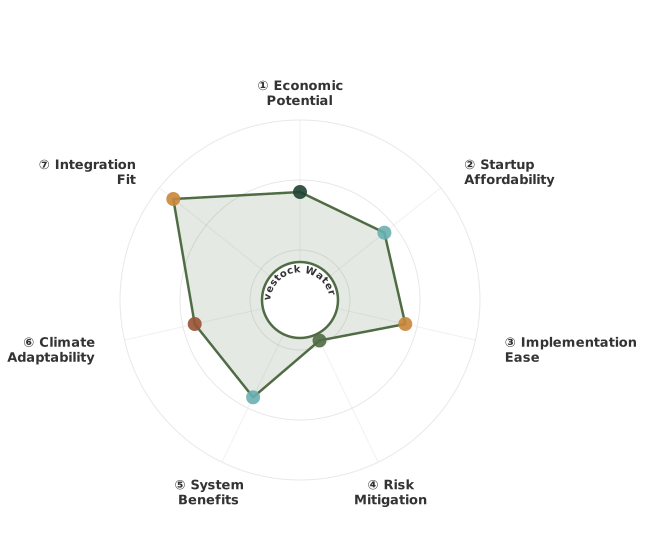
How These Traits Are Calculated
Trait dimensions are ordered clockwise starting from the top of the chart (12 o'clock position):
1. Economic Potential
Financial returns, annual value, and break-even timeline
WHAT: Evaluates financial viability by combining net annual value ($/ha from savings, income, and amortized harvests) with break-even timeline showing when practices pay for themselves.
WHY: Farmers need clear ROI understanding before committing resources. Fast payback (≤3 years) with strong returns (≥$300/ha) enables confident adoption, while long timelines (>10 years) restrict adoption to well-funded operations willing to wait for returns.
HOW: Calculated from net annual value in $/ha and break-even years. Exceptional (≥2.6): fast ROI ≤3 years + high value ≥$300/ha. Typical (1.8-2.5): moderate returns or longer timelines. Limited (<1.8): marginal economics or very long payback >10 years.
2. Startup Affordability
Initial investment costs and financial barrier to entry
WHAT: Measures financial barrier to entry through startup costs for equipment, infrastructure, consulting, and materials. Inverted scoring: lower costs = higher scores = more accessible adoption.
WHY: Affordability determines who can adopt. Low-cost practices (<$250/ha) enable widespread adoption across diverse scales, while high costs (>$2,500/ha) limit adoption to well-capitalized operations, creating barriers that slow regenerative transition.
HOW: Calculated from initial investment parsed from practice content. Inverted scoring: Exceptional (≥2.6): minimal investment <$250/ha. Typical (1.8-2.5): moderate costs $250-2,500/ha. Limited (<1.8): high barrier >$2,500/ha.
3. Implementation Ease
Learning curve and specialized knowledge required
WHAT: Measures how much learning, planning, and specialized knowledge a practice requires. Simpler practices with fewer steps score higher, while complex practices requiring extensive training or specialized resources score lower.
WHY: Complex practices create adoption barriers even when economically viable. Straightforward practices enable faster adoption and broader participation, while those requiring extensive training, timing precision, or specialized equipment limit who can succeed.
HOW: Evaluated by measuring documentation length and identifying complexity markers like location-specific requirements, seasonal timing windows, specialized skills, and dedicated equipment needs. Exceptional (≥2.6): straightforward practices with minimal prerequisites. Typical (1.8-2.5): moderate learning curve with some specialized needs. Limited (<1.8): steep learning curve requiring significant training or resources.
4. Risk Mitigation
Identified financial and ecological risk assessment
WHAT: Evaluates documented risks across financial (investment loss, market volatility) and ecological (crop failure, pest outbreaks) domains. Inverted scoring: fewer risks = higher scores.
WHY: Understanding risk exposure helps farmers make informed decisions. Low-risk practices allow confident implementation, while high-risk practices require careful planning and contingency resources. Risk transparency prevents costly failures.
HOW: Calculated from identified risks in practice content. Inverted scoring: Exceptional (≥2.6): ≤2 risks with manageable severity. Typical (1.8-2.5): 3-5 moderate risks. Limited (<1.8): 6+ risks or severe exposure.
5. System Benefits
How many ways the practice improves your land simultaneously
WHAT: Measures how many aspects of land health improve at once—carbon storage, soil quality, erosion control, water absorption, and biodiversity. Practices that improve multiple areas simultaneously create compounding benefits where each improvement reinforces the others.
WHY: The best practices solve multiple problems at once. For example, addressing erosion simultaneously builds carbon and improves water infiltration, creating a resilient system with positive feedback loops. Single-benefit approaches miss these compound transformation opportunities.
HOW: Evaluated across five key outcomes: carbon sequestration, soil organic matter increase, erosion reduction, water infiltration improvement, and biodiversity enhancement. Exceptional (≥2.6): high carbon storage (>8 t/ha/yr), improvements across 4-5 areas, transformative outcomes. Typical (1.8-2.5): moderate carbon (3-8 t/ha/yr), improvements across 2-3 areas. Limited (<1.8): modest impact (<3 t/ha/yr), single-area focus only.
6. Climate Adaptability
Geographic applicability across Köppen climate zones
WHAT: Evaluates geographic applicability by assessing how many Köppen climate zones successfully support a practice and what adaptation requirements are needed. Measures breadth of climates where farmers can implement with minimal to moderate modifications.
WHY: Universal practices working across diverse climates enable more farmers to adopt regenerative approaches. Practices limited to single climate types (only Mediterranean, only tropical) restrict adoption and slow global transition. Adaptability determines whether a practice serves niche regions or offers broad transformation.
HOW: LLM evaluation of regional success stories, Köppen zone coverage, and adaptation needs. Exceptional (≥2.6): 5+ zones or 4+ climate types, 3+ continents, minimal adaptation. Typical (1.8-2.5): 3-4 zones or 2-3 types, 2 continents, moderate adaptation. Limited (<1.8): 1-2 zones, single region, significant adaptation or highly specialized.
7. Integration Fit
How well this practice combines with others you're doing
WHAT: Measures how well a practice combines with other regenerative practices you might be doing. Some practices work as building blocks that make many other practices easier or more effective, while others work best on their own.
WHY: Practices that combine well with many others create more value on your farm. For example, cover cropping enables no-till, improves grazing, supports crop diversity, and helps water management—making all of them work better together. This helps you build a coherent system rather than juggling disconnected practices.
HOW: Evaluated by identifying which practices combine well and how strong those combinations are. 'Ideally Suited' means strong combinations where practices reinforce each other (practice A makes B easier, while B makes A more effective). 'Adequate' means complementary benefits that work well together. Exceptional (≥2.6): combines well with 6+ practices, serves as a building block. Typical (1.8-2.5): combines with 3-5 practices. Limited (<1.8): 1-2 practices or works best alone.
Going Deeper
1
WHY - The Benefits
A well-designed livestock watering system is far more than a convenience; it's an enabling technology for regenerative land management. By providing consistent and accessible water, it directly impacts animal welfare, economic returns, ecological health, and the overall...
A well-designed livestock watering system is far more than a convenience; it's an enabling technology for regenerative land management. By providing consistent and accessible water, it directly impacts animal welfare, economic returns, ecological health, and the overall resilience of the agricultural landscape. Understanding these benefits allows for a holistic approach to system design and implementation.
WHY - The Benefits
A well-designed livestock watering system is far more than a convenience; it's an enabling technology for regenerative land management. By providing consistent and accessible water, it directly impacts animal welfare, economic returns, ecological health, and the overall...
A well-designed livestock watering system is far more than a convenience; it's an enabling technology for regenerative land management. By providing consistent and accessible water, it directly impacts animal welfare, economic returns, ecological health, and the overall resilience of the agricultural landscape. Understanding these benefits allows for a holistic approach to system design and implementation.
Soil Health Benefits
The most profound impact of effective livestock watering systems on soil health comes from enabling strategic grazing management. By allowing animals to move frequently through a network of paddocks, pastures receive extended rest periods. This rest is critical for plant recovery: perennial grasses and forbs can regrow their root systems, replenish carbohydrate reserves, and increase biomass production. This leads to a significant increase in living root mass in the soil, which is the primary driver of soil organic matter accumulation (Principle 4). Over time, this can result in an increase in soil organic matter of 0.1-0.5 percentage points per year under typical conditions, which improves soil structure, water-holding capacity, and nutrient cycling. Rates of SOM accumulation are variable and depend on climate, starting soil condition, and management intensity.
Improved soil structure from increased root activity and organic matter content reduces soil compaction and enhances water infiltration. Water readily enters the soil rather than running off, reducing erosion, particularly on slopes. Studies indicate that land managed with adaptive grazing enabled by good water systems can see erosion reduction of up to 70%. The improved infiltration and soil moisture retention also make the ecosystem more resilient to drought, allowing for extended grazing seasons and maintaining living cover for longer periods.
The presence of healthy, diverse forage, stimulated by appropriate grazing and rest, supports a more robust soil food web. This includes a greater abundance and diversity of earthworms, beneficial fungi (like mycorrhizae), and bacteria. These organisms are responsible for nutrient cycling, disease suppression, and maintaining soil structure. With consistent living root activity and organic matter input, these microbial communities flourish, leading to healthier, more productive, and more resilient soils.
Economic Benefits
The primary economic drivers for investing in livestock water systems are improved animal performance and efficient land utilization. Reliable access to fresh water is fundamental to animal health and productivity. Well-hydrated animals exhibit better weight gains, improved feed conversion efficiency (often 5-15% better), higher conception rates, and reduced susceptibility to disease, leading to lower veterinary costs. For dairy herds, consistent water intake is directly linked to milk production.
Strategic water placement enables adaptive grazing management, allowing operators to move livestock frequently between smaller paddocks. This typically increases the effective stocking rate that can be supported on a given area of land by 15-20%, as animals graze more uniformly and the pasture receives adequate rest for regrowth. It also allows farmers to utilize previously less accessible or underutilized areas of their farm, effectively expanding usable rangeland without acquiring more land.
Furthermore, an efficient water system significantly reduces labor requirements. Instead of daily or every-other-day hauling of water to temporary troughs or managing complex pump-and-hose setups, a permanent piped system often requires minimal daily oversight, besides occasional checks. This frees up time for other critical farm tasks like pasture monitoring, livestock health checks, or infrastructure maintenance. The long-term durability of well-installed systems also offers predictable infrastructure costs over many years.
The increased productivity and efficiency contribute to a more stable and predictable farm income. By building soil health and improving pasture quality, these systems also increase the long-term asset value of the land, making it more resilient and marketable.
Water Cycle Benefits
Livestock water systems, when implemented mindfully, can positively influence local and regional water cycles. By enabling faster plant growth and deeper root systems, they increase transpiration, which in turn contributes to atmospheric moisture and rainfall, potentially influencing local microclimates. More critically, improved soil infiltration rates mean that more rainwater is captured and stored within the soil profile, recharging groundwater aquifers and reducing surface runoff.
When animals are moved frequently, their impact on riparian areas (streams, rivers, springs) is minimized. This prevents the intense degradation that can occur when livestock congregate at traditional, static water sources, trampling banks and contaminating water with excessive manure. By distributing livestock impact over wider areas and allowing restricted access to sensitive water bodies, these systems protect water quality and riparian habitats.
Reduced surface runoff also means less sediment and nutrient pollution entering waterways. In areas prone to drought, the improved soil moisture retention fostered by regenerative grazing practices supported by good water systems can mean water is available for longer during dry periods, reducing reliance on external water sources and maintaining ecological function.
Carbon Sequestration
A significant regenerative benefit of well-managed livestock water systems is their contribution to carbon sequestration. By enabling practices that increase perennial plant cover, root depth, and soil organic matter, these systems directly pull atmospheric carbon dioxide into the soil through photosynthesis and root exudates. The increased biomass production from rested pastures and the decomposition of organic matter feed soil microbes, which in turn build stable soil organic carbon.
The combination of increased plant growth, deeper root systems, and improved soil aggregation can lead to substantial carbon sequestration rates, often estimated at 0.5-2 tonnes of carbon per hectare per year, or more on optimally managed land. This occurs across the landscape, not just in specific areas. Over decades, these systems can transform agricultural soils into significant carbon sinks, contributing to climate change mitigation.
Biodiversity Enhancement
The improved soil health and diverse plant communities fostered by regenerative grazing, enabled by robust water systems, significantly enhance biodiversity. Thriving pasture ecosystems support a greater variety of insects, birds, and small mammals. Healthier soils support more diverse microbial communities, which are foundational to ecosystem function.
By reducing the concentration of livestock at single water points, these systems also lessen the pressure on sensitive riparian areas, which often serve as critical habitat corridors. Allowing pastures to rest and regrow allows for a greater diversity of plant species to establish, providing food and habitat for a wider range of wildlife. This creates a more complex and resilient ecosystem, better able to withstand environmental stressors.
Regenerative Systems Fit
Livestock water systems are a foundational practice for enabling other regenerative principles. Their primary contribution is to Principle 5: Integrate Livestock. Without adequate water, livestock cannot be managed adaptively or strategically across the landscape. They are confined to areas with existing water, leading to overgrazing and compaction. By providing water access to new areas, these systems unlock the potential for livestock to be regenerative agents across the entire farm.
This integration directly supports Principle 3: Keep Soil Covered. By enabling rotational grazing, water systems ensure that pastures are not left bare for extended periods. The consistent presence of living plants or mulch protects the soil surface year-round.
They also bolster Principle 4: Maintain Living Roots. Extended grazing seasons and improved plant vigor mean that living roots are in the soil for more of the year, continuously feeding soil biology through root exudates and building soil structure.
By improving pasture quality and health, these systems indirectly support Principle 2: Maximize Crop Diversity. While not directly planting diverse crops, the improved conditions allow for the establishment of more diverse and resilient forage species within pastures, and over time, can support the integration of trees and other perennial crops in silvopasture or agroforestry systems.
While not directly addressing Principle 1: Minimize Soil Disturbance, by supporting healthy soil structure and biological activity, these systems reduce the need for destructive interventions like deep tillage, which might otherwise be considered to address compaction caused by poor grazing management. The goal is to build soil resilience such that mechanical disturbance is minimized.
The development of a water system is therefore an investment in the farm's capacity to implement multiple regenerative principles effectively. It's not just about providing water; it's about designing a system that facilitates better land management and ecological outcomes.
Sources behind this view
Videos & Podcasts
-
Holistic management with cattle is key to improving soil health, water cycles, and carbon sequestration. Maximize animal impact (hooves, dung, urine) for diversity and plant growth, while breeding cat
-
Livestock impact, cover crops, and extended grazing are key to soil health and profitability, reducing tillage and hay feeding. Metrics include soil organic matter, infiltration, Brix levels, and stoc

-
Laura Payne details how managed grazing enhances soil health, water quality, and wildlife habitat, citing research on reduced erosion, improved stream health, and support for grassland birds. Key prin
-
This cluster details ultra-high stock density grazing (UHSDG) and 'total grazing' for cattle, emphasizing intensive management, long pasture recovery, and increased stocking rates. The speaker advocat
 Community
-
Build healthy pasture soils by minimizing tillage, maintaining living roots and species diversity, and implementing proper grazing management. Livestock are essential for nutrient cycling and stimulat
Read more (opens in new window) smallfarms.cornell.edu
Research
-
Managing Grazing to Restore Soil Health, Ecosystem Function, and Ecosystem Services (opens in new window)
This study found: Properly managed grazing animals can reverse environmental damage. Regenerative practices, like Adaptive Multi-Paddock (AMP) grazing, boost soil health, increase soil carbon, reduce erosion, and enhan
-
Regenerative Livestock Farming as a Socioeconomic Model for Sustainable Agribusiness in Latin America (opens in new window)
This study found: Regenerative livestock farming in Latin America improved soil carbon, biodiversity, and water quality, while boosting farmer income and quality of life. Government support is key for wider adoption.
-
FORAGES AND PASTURES SYMPOSIUM: COVER CROPS IN LIVESTOCK PRODUCTION: WHOLE-SYSTEM APPROACH: Managing grazing to restore soil health and farm livelihoods1 (opens in new window)
This study found: Regenerative grazing management is key to sustainable, climate-resilient farms. It restores soil health, enhances ecosystem services like carbon capture and water infiltration, and improves farm profi
-
Regenerative Agriculture: Restoring Ecosystems¢ Resilience and Productivity: A Review (opens in new window)
This study found: Regenerative agriculture builds soil health and ecosystem services through practices like no-till, cover crops, and diverse rotations. It increases soil organic matter, improves water infiltration, bo
2
WHERE - Regional Considerations
The successful design and implementation of livestock water systems are heavily influenced by regional factors. Climate, topography, water availability, geological conditions, and local regulations all play a crucial role in determining the most effective and sustainable...
The successful design and implementation of livestock water systems are heavily influenced by regional factors. Climate, topography, water availability, geological conditions, and local regulations all play a crucial role in determining the most effective and sustainable approach.
WHERE - Regional Considerations
The successful design and implementation of livestock water systems are heavily influenced by regional factors. Climate, topography, water availability, geological conditions, and local regulations all play a crucial role in determining the most effective and sustainable...
The successful design and implementation of livestock water systems are heavily influenced by regional factors. Climate, topography, water availability, geological conditions, and local regulations all play a crucial role in determining the most effective and sustainable approach.
Click Here to Look up your Region if you don't already know it
Humid Temperate Regions
Representative Locations: Southeastern United States, Northern Europe (UK, Germany, Poland), Eastern China, Japan, New Zealand Climate Context: Warm to hot summers and cool to cold winters with moderate to high annual precipitation (75-150 cm or 30-60 inches) distributed relatively evenly. USDA Zones 6-8, Köppen Cfb/Cfa. Considerations: Ample rainfall generally means surface water sources (ponds, streams) may be available, but are often unreliable or prone to contamination and overuse. Underground pipelines are practical due to consistent soil moisture. Frost-proof troughs are essential for winter. Solar power is reliable due to consistent daylight. Managing livestock impact on riparian areas is a priority due to potential for heavy rainfall and erosion.
Mediterranean Regions
Representative Locations: California, Mediterranean basin (Spain, Italy, Greece), Central Chile, Southwestern Australia, Western Cape South Africa Climate Context: Hot, dry summers and mild, wet winters. Annual precipitation 40-90 cm (15-35 inches), highly seasonal. USDA Zones 8-10, Köppen Csa/Csb. Considerations: Seasonal rainfall dictates careful water storage planning (e.g., larger holding tanks, reservoirs) to ensure supply during long dry summers. Pumping water from deeper wells or intermittent springs is common, making solar pumps and efficient delivery systems crucial. Overland hose systems are difficult in summer due to evaporation and potential damage. Minimizing water loss is paramount; therefore, robust, leak-free pipe systems and float valves are critical. Protecting water sources from overgrazing impact is vital to prevent degradation of scarce resources.
Arid/Semi-Arid Regions
Representative Locations: Western USA, North Africa, Central Asia, Interior Australia Climate Context: Low annual precipitation (<40 cm or 15 inches), high temperatures, short and often unpredictable growing season. USDA Zones 7-9, Köppen BSh/BSk. Considerations: Water scarcity is the defining challenge. Systems must maximize capture and minimize loss. Deep well drilling or extensive rainwater harvesting may be necessary. Solar pumps are often ideal due to abundant sunlight. Long runs of pipe may be needed to reach remote grazing areas from reliable sources. Water conservation is paramount: using float valves to prevent overflow, minimizing leaks, and strategic placement of drinkers to encourage grazing away from water sources (reducing localized soil impact). Maintaining riparian health around limited water points is critical for biodiversity.
Cold Continental Regions
Representative Locations: Northern USA and Canada, Northern Europe, Northern Asia Climate Context: Very short growing seasons, extreme summer heat, severe winter cold. USDA Zones 3-5, Köppen Dfa/Dfb. Considerations: Frost protection is the primary concern for infrastructure. Underground pipelines are largely protected, but troughs require specialized winterization (e.g., insulated, heated with low-wattage elements powered by solar or grid, or gravity-fed systems that drain down). Solar panels may need cleaning from snow. Managing limited pasture regrowth in short summers dictates efficient grazing, requiring water access to all paddocks. Long pipeline runs may be feasible due to consistently frozen ground in winter, reducing summer excavation issues.
Subtropical Regions
Representative Locations: Southeastern USA, Southern China, Southern Brazil, Eastern Australia Climate Context: Hot, humid summers and mild winters with generally ample rainfall. USDA Zones 9-11, Köppen Cfa/Cwa. Considerations: Similar to humid temperate regions, but with higher year-round temperatures. Consistent rainfall simplifies source identification, but heat and humidity increase water demand and evaporation. Solar pumps are efficient. Potential for tropical storms necessitates sturdy infrastructure. Overgrazing in lush conditions can quickly lead to soil degradation; therefore, rapid paddock rotation enabled by water systems is crucial. Potential for pathogen buildup in warm, wet troughs requires frequent cleaning.
Tropical Regions
Representative Locations: Central America, Southeast Asia, East Africa, Northern Australia, Northern South America Climate Context: High temperatures year-round, with distinct wet and dry seasons or consistent high rainfall. Köppen Af/Am/Aw. Considerations: High temperatures increase animal water demand significantly, requiring larger troughs or more numerous watering points. Consistent rainfall simplifies source identification, but dry seasons can still be severe, necessitating water storage. Solar pumps are highly effective. Infrastructure must withstand high humidity, intense UV radiation, and potential for heavy rainfall and associated erosion. Managing livestock to maintain ground cover and prevent riparian degradation is especially important in areas with high biomass production but vulnerable soils in wet seasons.
3
HOW - Implementation Process
Implementing a regenerative livestock water system involves careful planning, phased development, and integration with grazing management. The process prioritizes creating a network that supports ecological health and farm efficiency.
Implementing a regenerative livestock water system involves careful planning, phased development, and integration with grazing management. The process prioritizes creating a network that supports ecological health and farm efficiency.
HOW - Implementation Process
Implementing a regenerative livestock water system involves careful planning, phased development, and integration with grazing management. The process prioritizes creating a network that supports ecological health and farm efficiency.
Implementing a regenerative livestock water system involves careful planning, phased development, and integration with grazing management. The process prioritizes creating a network that supports ecological health and farm efficiency.
Prerequisites
- Define Goals: Clarify objectives: What is the primary driver? (e.g., improve animal health, increase stocking rate, reduce labor, rebuild pasture health, manage riparian areas).
- Assess Current State: Map existing water sources (wells, springs, ponds, streams), pipelines, and troughs. Identify weaknesses (e.g., contamination, unreliability, labor intensity, underutilized pastures).
- Understand Water Needs: Estimate daily water requirements based on livestock type, number, age, physiological state (lactating, pregnant), and climate. (e.g., Cattle: 40-80 liters/head/day; Sheep: 4-8 liters/head/day; Horses: 30-60 liters/head/day). Factor in seasonal variations and potential for drought.
- Evaluate Water Sources: Assess reliability, quality, and quantity of potential sources (wells, boreholes, springs, surface water, rainwater harvesting). Test water quality for potability. Understand legal water rights and extraction limits.
- Farm Layout & Topography: Map paddocks, fences, and contour lines. Identify high points for gravity flow, low points for collection, and potential routes for pipelines.
- Budget: Determine available capital for infrastructure, labor, and ongoing maintenance.
Phase 1: Planning and Design
- Map Pipeline Routes: Design a mainline from the reliable water source to the furthest paddock. Branch lines will distribute water to individual or groups of paddocks. Prioritize gravity flow where possible to reduce pumping needs. Use contour maps and topographical data. Aim for shortest practical pipeline runs to minimize cost and pressure loss.
- Select Drinking Troughs: Choose troughs appropriate for livestock type. Consider size (volume to prevent frequent refilling), material (durability, UV resistance, non-toxicity), and features (float valves for automatic refill, overflow protection, livestock-proof design). Ensure adequate trough numbers and placement within paddocks to prevent overcrowding and concentrated impact. Target 1 trough per 20-50 head of cattle, or 1 per 50-100 head of sheep. Ideal placement is central to a paddock or slightly off-center to encourage grazing outward.
- Water Source & Pump Selection: If using a well or borehole, size the pump (solar, electric, or wind-powered) to meet peak daily demand plus a buffer for evaporation and potential inefficiencies. Solar pumps are regenerative and cost-effective in sunny regions. If using surface water, ensure filtration and treatment if necessary. Rainwater harvesting systems require adequate tank storage capacity – calculate based on rainfall patterns and dry season length.
- Pipeline Material & Depth: For permanent systems, bury pipes below the frost line (if applicable) and protected from surface damage (e.g., by farming equipment or animal trampling). Polyethylene (PE) pipe is common, offering flexibility and corrosion resistance. Use appropriate diameters to maintain pressure and flow rates.
- Fencing Integration: Design water points and pipeline routes to integrate with current or planned fencing. Often, water access points are located along fence lines between paddocks, or at corners where multiple paddocks meet.
Phase 2: Installation
- Source Development: Drill wells, install pumps, establish reservoirs, or connect to municipal water sources as planned. Test water flow and quality.
- Pipeline Installation: Trench and lay mainlines and branch lines according to the design. Bury pipes below frost line in colder climates. Ensure all joints are leak-proof. For frost-prone areas, consider designing for drainage or using insulated pipes/heated waterers.
- Trough Placement & Connection: Install troughs in designated locations. Connect them to the pipeline system, ensuring float valves are correctly installed and adjusted to maintain optimal water levels without overflow.
- Pump & Power Setup: Install solar panels, wind turbines, or connect to grid electricity. Ensure connections are secure, protected from elements and animals, and meet electrical codes. Install backup systems if necessary, especially in arid regions or for critical enterprises.
- Testing & Commissioning: Once all components are installed, fully charge the system and test for leaks, pressure, flow rates, and float valve operation in all troughs. Run the system for several days to ensure reliability.
Phase 3: Management and Optimization
- Grazing Integration: Implement rotational or holistic grazing plans that utilize the new water points to move livestock systematically through paddocks. Monitor grazing patterns to ensure even distribution and prevent overgrazing around water sources.
- Water Point Management: Regularly check troughs for cleanliness and function. Clean out sediment and algae regularly. Inspect float valves for proper operation. Monitor water levels in tanks or reservoirs.
- Infrastructure Maintenance: Periodically inspect pipelines for leaks or damage. Check pumps and solar panels for optimal performance. Winterize components in cold climates.
- Water Source Monitoring: Track water levels in wells or natural sources, especially during dry seasons. If the water source shows signs of depletion, adjust stocking rates or grazing patterns accordingly.
- System Expansion/Adaptation: As farm management evolves or further regenerative goals are pursued (e.g., integrating silvopasture), adapt or expand the water system to meet new needs.
Transition Timeline & Phase-Out Strategy (Context-Dependent Practice Emphasis)
Livestock water systems are often context-dependent, meaning their regenerative impact hinges on how they are used. Transitioning from less regenerative water management to regenerative strategies involves a shift in philosophy and management, rather than phasing out specific infrastructure components themselves.
Current State: Farm might rely on:
- Single large paddock with one pond/trough (extractive, overgrazes pond area)
- Frequent hauling of water to temporary troughs (labor-intensive, inefficient)
- Basic troughs fed by mains water with no flow control (potential waste)
Transition Goals:
- Year 1-2: Install core infrastructure (mainline, solar pump, key troughs) enabling 2-3 paddock rotation. Focus on reliable water delivery and reducing labor. Implement basic pasture resting periods.
- Year 3-5: Expand pipeline network to create 5-10+ paddocks. Implement adaptive or holistic grazing plans that actively use water access to manage animal distribution and pasture recovery. Monitor water quality and source sustainability.
- Year 5+: Fully integrated system supporting diverse grazing strategies, extended seasons, and minimal environmental impact. Water sources are managed for long-term sustainability. Livestock impact is managed to rebuild soil health and biodiversity.
Phase-Out: This is not about phasing out water infrastructure itself, but phasing out:
- Extractive water use: Immediately reduce reliance on unsustainable water sources. If using grid electricity for pumping, transition to solar or wind power where feasible.
- Inefficient management: Stop practices like constant hauling or single-source grazing.
- Over-reliance on static water points: Gradually shift to a distributed network that allows for pasture rest.
- Environmental degradation around water sources: Implement riparian fencing and buffer zones.
Indicators of Success:
- Consistent pasture rest periods achieved (e.g., 30-60 days for cool-season grasses).
- Livestock health and performance metrics improve.
- Soil organic matter and infiltration rates increase.
- Biodiversity in pastures and around water points increases.
- Water sources remain abundant and healthy.
4
Know the Debate
Water systems are crucial for regenerative grazing, but their cost and labor needs differ vastly by scale and region. In arid lands, water scarcity...
Know the Debate
Water systems are crucial for regenerative grazing, but their cost and labor needs differ vastly by scale and region. In arid lands, water scarcity...
Water systems are crucial for regenerative grazing, but their cost and labor needs differ vastly by scale and region. In arid lands, water scarcity drives upfront investment in wells and solar pumps. Humid regions may leverage surface water but still need robust trough systems for rotational grazing. Costs generally range from $750 per 2.5 acres for basic DIY setups to over $15,000 per 2.5 acres for large, professionally installed operations, with ongoing maintenance being a consistent factor.
What are the costs and labor requirements for livestock water systems?
Lower-cost DIY/Recycled Systems ($750-$3,000/2.5ac)
Small-scale operations or those with ample DIY labor can utilize recycled materials like IBC totes and barrels, gravity-fed systems, or basic solar pumps. Initial investment is lower, focusing on essential troughs and minimal piping, but may require more daily labor for refilling or relocation.
Sources behind this view
Sources behind this view
Videos & Podcasts
-
Unexpected problems in regenerative systems include water access during frequent moves (solved with portable tanks), livestock husbandry challenges (requiring mentorship), and wintering out difficulties. Infrastructure like water points and electric fencing is crucial.

-
Greg Judy explains winter water systems for cattle and sheep, detailing how to use smaller tanks, secure them, and deter livestock from damaging hydrants. Sheep on green forage don't need winter water, but cattle do.

From the Web
-
Details cost-effective livestock watering systems using recycled materials and rainwater harvesting, including repurposed IBC totes for goats and 55-gallon barrel systems with float bowls for pigs and chickens, adapted for different animal sizes and needs.
-
Implements cost-effective livestock watering systems using recycled materials and rainwater harvesting, including IBC totes for goats and 55-gallon barrels with float valves for pigs, chickens, and laying hens, adapted for mild winters.
Mid-to-Large Scale Professional Systems ($2,000-$15,000+/2.5ac)
Larger operations or those prioritizing reliability and ease of management invest in extensive underground pipeline networks, powerful solar or electric pumps, multiple frost-proof troughs, and professional installation. These systems reduce daily labor significantly but require substantial upfront capital.
Sources behind this view
Sources behind this view
Videos & Podcasts
-
Invest in proper livestock handling equipment (e.g., squeeze chute) and permanent water systems (e.g., solar well, poly pipe) before acquiring animals. These are essential for animal wellness checks, health management, and supporting intensive grazing.
-
Investing in water infrastructure is crucial for increasing land productivity and profitability by improving grazing distribution, reducing labor, and enhancing grass utilization. Key strategies include reliable sources, solar power, gravity-fed systems, and portable troughs.

From the Web
-
Guidance on livestock water systems for multi-paddock grazing, covering sources (solar pumps, ram pumps), portable/fixed tanks, freeze protection, and water placement (within 800 ft). Also addresses streambank crossings and walkways to protect environment and improve access.
-
Offers comprehensive guidance on planning cattle water supply for sustainable grazing, covering water quality, treatment, rainwater harvesting, calculating consumption needs, reservoir sizing, and efficient distribution systems, crucial for dry periods.
Ongoing Labor and Maintenance
Regardless of system type, daily monitoring and maintenance are crucial. This includes checking water quality, trough functionality, and pump operation. While automated systems reduce daily hauling, upkeep of pipelines, tanks, and power sources requires consistent attention.
Sources behind this view
Sources behind this view
Videos & Podcasts
-
Unexpected problems in regenerative systems include water access during frequent moves (solved with portable tanks), livestock husbandry challenges (requiring mentorship), and wintering out difficulties. Infrastructure like water points and electric fencing is crucial.
-
Water is the most limiting and expensive factor in livestock systems. Evaluate all sources (wells, ponds, springs, creeks, public) and consider gravity vs. pump systems. Minimize travel distance to water (ideally < 0.25 miles) for grazing efficiency.

From the Web
-
Increasing livestock water productivity (LWP) is crucial due to high feed water consumption. Strategies include optimizing feed, water management (conservation, strategic watering points), and animal health. Sustainable grazing and integrated crop-livestock systems can enhance resource use and ecosystem services, safeguarding environmental flows.
Making Sense of the Differences
Livestock water system costs and labor footprints vary dramatically based on farm scale, chosen technology, and whether work is DIY or contracted. Small operations can start affordably with recycled materials and basic solar pumps, demanding more hands-on time. Larger or commercially focused farms often opt for higher upfront investment in durable, automated systems to minimize daily labor and ensure reliability. Regardless of scale, consistent maintenance and adaptive management of water use are key to realizing economic and ecological benefits.
5
HOW MUCH - Costs & Investment
Note: Costs shown in USD; multiply by local labor and material cost indices for your region. Labor costs vary significantly internationally. These figures are estimates and can vary widely based on terrain, distance, water source depth, local regulations, and chosen materials.
Note: Costs shown in USD; multiply by local labor and material cost indices for your region. Labor costs vary significantly internationally. These figures are estimates and can vary widely based on terrain, distance, water source depth, local regulations, and chosen materials.
HOW MUCH - Costs & Investment
Note: Costs shown in USD; multiply by local labor and material cost indices for your region. Labor costs vary significantly internationally. These figures are estimates and can vary widely based on terrain, distance, water source depth, local regulations, and chosen materials.
Note: Costs shown in USD; multiply by local labor and material cost indices for your region. Labor costs vary significantly internationally. These figures are estimates and can vary widely based on terrain, distance, water source depth, local regulations, and chosen materials.
Note: All costs are based on recent US economic data (2024–2026) and may vary substantially by region based on local labor rates, well-drilling depth requirements ($26–$104 per foot), and permitting fees ($208–$2,084). Professionals often charge $52–$156 per hour, significantly impacting the bottom line for complex installations.
Water Source and Pumping Infrastructure
Developing a primary water source represents the most significant capital hurdle. For small-scale operations (under 50 acres (20 ha)), a core solar-powered pumping system matched with an existing spring or shallow well costs $1,563 – $4,689. Mid-sized operations (50–500 acres (20–202 ha)) that require deeper well bores or high-flow, pressurized pumps to feed multiple remote troughs must budget $5,210 – $18,756. Large-scale operations (500+ acres) face exponential complexity; projects requiring deep wells (300+ feet), redundant power backup (hybrid solar/grid), and sustained lift across thousands of feet of elevation change typically cost $20,840 – $67,730.
Storage and Distribution Systems
Infrastructure efficiency hinges on storage capacity and pipeline reach. Storage tanks generally run $625 – $2,605 per 1,000-gallon (3,785 L) capacity, with galvanized steel often commanding the higher end of the range compared to high-density polyethylene. Pipeline distribution, including frost-free poly piping, ranges from $0.78 – $2.61 per linear foot for materials. Small operations utilizing roughly 2,000 feet (609.6 m) of line will spend $1,563 – $5,210. Mid-sized operations, requiring approximately 10,000 feet (3,048.0 m), see costs ranging from $7,815 – $26,050. Large-scale operations, often necessitating 30,000+ feet of underground or surface-run irrigation-grade piping, face capital requirements between $23,445 – $78,150.
Troughs, Valves, and Filtration
Strategic placement of watering points minimizes livestock travel distance and improves grazing uniformity. A high-durability tire-tank or industrial-grade poly trough costs $417 – $1,250 installed. Small operations typically equip for 1–3 points ($417 – $3,750). Mid-sized operations, frequently managing 5–15 distinct paddocks, invest in 6–10 troughs, totaling $2,500 – $12,500. Large operations requiring 20+ points must factor in both the unit cost and specialized gravel pads for soil stability and erosion control, pushing total investments to $15,630 – $41,680. Filtration packages to protect pump impellers from sediment add $313 – $1,563 per site.
Professional Design and Installation Labor
Optimizing system hydraulics for gravity-aided flow can reduce annual energy expenditures by 20–30%. For small projects, DIY installation saves approximately $1,042 – $3,126 in professional fees, though it usually demands an additional 40–80 hours of labor. Mid-sized operations frequently contract out large-scale trenching, incurring $5,210 – $15,630 in labor and machine rental (backhoes at $417 – $834 per day). Large-scale projects typically require engineered, site-balanced system designs, often adding a premium equivalent to 25% of total material costs to ensure long-term pressure management.
Most Spend: The middle 60% of most operations, regardless of specific size, fall into an expenditure range of $8,500 – $35,000. This bracket represents the sweet spot for producers who outsource core trenching and pump installation but handle basic trough setup and light distribution line assembly in-house.
Why the Range?: Costs deviate primary due to geological variables (well depth and drilling ease) and the level of system automation (simple float valves versus automated remote-monitoring sensors). Additionally, the geographic availability of specialized plumbing contractors can increase labor local estimates by up to 40% compared to self-performed installations in rural, resource-rich regions.
Sources behind this view
Videos & Podcasts
-
Investing in water infrastructure is crucial for land productivity and carrying capacity. Key investments include reliable sources (solar-powered wells), gravity-fed distribution systems, and pressuri
-
Details the financial benefits of investing in fencing and water infrastructure for grazing, estimating costs ($175/acre) and returns (66% increase in carrying capacity). Discusses specific paddock de
-
Investing in water infrastructure is crucial for increasing land productivity and profitability by improving grazing distribution, reducing labor, and enhancing grass utilization. Key strategies inclu
6
REWARDS AND RISKS - Economics & Risk Factors
Economic Scenarios
Economic Scenarios
REWARDS AND RISKS - Economics & Risk Factors
Economic Scenarios
Economic Scenarios
Economic Scenarios In a best-case scenario, an investment of $26,050 on a 200-acre (81 ha) operation installs a high-efficiency, multi-paddock watering system. This infrastructure pushes stocking rates from 0.5 to 0.75 animal units per acre, generating roughly $36,470 in additional annual gross margin. This high-performance setup achieves total break-even in 2.5 years by curbing supplemental feed needs by 15%. In a typical scenario, a $15,630 investment on 150 acres (61 ha) yields a 6% weight gain increase—roughly $42–$63 per head—while reducing daily labor, saving 8 hours of labor per week and reaching break-even in 6 years. Conversely, worst-case scenarios involve poor design choices, such as inadequate wire gauge or lack of sediment filtration, leading to $5,210 in repair costs and a 10% decline in weight gain due to water-access stress. If water remains inaccessible for 100+ head for a week, seasonal losses can reach $8,336.
Market Factors and Profitability Market volatility remains a primary concern for steel and petroleum-based plastics; a sudden 20% spike in raw materials can inflate project budgets by $2,084 – $5,210. These systems act as a critical hedge against grain price spikes. For every 10% increase in feed costs, a farm utilizing high-efficiency distribution can maintain profitability by extending the grazing season and harvesting 20% more forage per acre compared to traditional fixed-point watering systems.
Risk Mitigation Producers mitigate risk through professional site mapping and equipment redundancy. Installing an $834 float-level relay or a manual bypass valve prevents total system failure, avoiding potential emergency service calls of $3,126. Furthermore, USDA NRCS financial assistance programs, primarily EQIP, often cover 50–75% of eligible infrastructure costs, effectively reducing net out-of-pocket costs to between $5,210 and $15,630 for standard systems.
Transition Period Risks Moving to a new watering system often triggers a "re-adjustment phase" during the first 12–18 months. As grazing rotation patterns shift, soil biology may temporarily struggle, resulting in 5–10% yield dips if livestock are forced into overly restrictive zones. Recovery timelines to positive ROI generally hover between 3–5 years, during which time soil infiltration rates improve significantly, adding long-term drought resilience. Operators should hold a 10% contingency fund to account for any unforeseen equipment failure or training labor during the initial rollout.
Sources behind this view
Videos & Podcasts
-
Increase grazing frequency (e.g., twice daily) for better pasture utilization and animal performance. Invest heavily in water infrastructure and use temporary fencing in long, narrow paddocks to maxim
-
Details the practical implementation of intensive rotational grazing, including infrastructure (fencing, water points) and management strategies for large Australian properties. This approach signific
-
Investing in water infrastructure is crucial for land productivity and carrying capacity. Key investments include reliable sources (solar-powered wells), gravity-fed distribution systems, and pressuri
-
NRCS practices for livestock watering systems include Water Wells (642), Pumping Plants (533), Livestock Pipelines (516), Watering Facilities (614) with tanks, and Heavy Use Areas (561). Design must a
Community
-
Investigates financial benefits of rotational grazing, including extended grazing season and cattle weight gains, while detailing the use of portable electric fences and HDPE water hoses due to infras
Read more (opens in new window) ucanr.edu
Research
-
Improving water productivity in mixed crop-livestock farming systems of sub-Saharan Africa (opens in new window)
This study found: Review identifies strategies to improve livestock water use efficiency in sub-Saharan Africa's mixed crop-livestock systems, focusing on feed, water, and animal management for better livelihoods and e
-
Analysis of gaps and possible interventions for improving water productivity in crop livestock systems of Ethiopia (opens in new window)
This study found: Ethiopian study found interventions like better feed, fertilizer, and soil/water conservation can boost livestock water productivity by up to 94%, with combined approaches showing greatest gains.
-
Entry Points to Improve Livestock Water Productivity in Selected Forage Based Livestock Systems (opens in new window)
This study found: Review identifies strategies to improve livestock water use efficiency in dry regions by enhancing feed production, sourcing, and animal utilization, supported by better institutions and markets.
-
Achieving drought resilience in the grazing lands of northern Australia: preparing, responding and recovering (opens in new window)
This study found: A farm economics approach can build drought resilience in Northern Australian grazing lands. Key strategies include preparing herds, supplementing cattle for phosphorus deficiency, and planting improv
From the Web
-
Guidance on livestock water systems for multi-paddock grazing, covering sources (solar pumps, ram pumps), portable/fixed tanks, freeze protection, and water placement (within 800 ft). Also addresses s
-
Essential water systems for livestock in multi-paddock grazing include solar pumps, ram pumps, and portable tanks. Freeze protection strategies are detailed. Maintaining water access within 800 feet o
7
WHO - Labor & Expertise
Implementing and managing livestock water systems requires a mix of skills, from planning and technical installation to ongoing monitoring and adaptive management. Collaboration among different expertise levels is often beneficial.
Implementing and managing livestock water systems requires a mix of skills, from planning and technical installation to ongoing monitoring and adaptive management. Collaboration among different expertise levels is often beneficial.
WHO - Labor & Expertise
Implementing and managing livestock water systems requires a mix of skills, from planning and technical installation to ongoing monitoring and adaptive management. Collaboration among different expertise levels is often beneficial.
Implementing and managing livestock water systems requires a mix of skills, from planning and technical installation to ongoing monitoring and adaptive management. Collaboration among different expertise levels is often beneficial.
Skill Requirements
-
Planning and Design:
- Farm/Ranch Manager: Understanding of livestock needs, grazing patterns, paddock management, and overall farm objectives. Knowledge of soil types, topography, and vegetation.
- Water System Designer/Consultant: Expertise in hydraulics, pump sizing, pipeline layout, gravity flow principles, and water source assessment. Familiarity with materials, fittings, and local regulations.
- Surveyor/Professional Mapper: For complex terrain or large-scale projects, accurate topographical data is essential for optimal pipeline routing and gravity flow design.
-
Installation:
- Trenching/Excavation: Requires light equipment (e.g., backhoe, trencher) operation. Skill in trenching to correct depth, avoiding other utilities, and backfilling properly.
- Plumbing/Pipefitting: Joining pipes, installing valves, ensuring leak-proof connections suitable for water pressure.
- Pump & Solar Installation: Understanding of pump mechanics, electrical connections, solar panel mounting, charge controllers, and battery systems (if used). Adherence to safety standards.
- Concrete Work: For setting troughs or pump bases.
-
Management and Maintenance:
- Grazing Manager: Skill in adaptive planning, paddock rotation, monitoring pasture health, and animal behavior. Understanding how water access influences grazing impact.
- Maintenance Technician: Ability to diagnose and fix common issues: leaky pipes, malfunctioning float valves, pump problems, solar panel cleaning. Basic plumbing, electrical, and mechanical troubleshooting.
- Animal Health Specialist: Monitoring livestock for signs of dehydration or waterborne illness.
Labor Considerations & Cost Variations
-
DIY vs. Contracted Labor:
- DIY: Can significantly reduce costs, especially for trenching and basic plumbing, particularly if labor costs are high in your region. Requires time commitment and willingness to learn new skills.
- Contracted: Professional installers offer expertise, speed, and often warranties on their work, but come at a higher price. This is often more economical in areas with very high labor costs or for complex/critical systems.
-
International Labor Cost Variation: Labor costs can vary by orders of magnitude globally. In regions with lower labor costs (e.g., parts of Southeast Asia, Africa, Latin America), a hired team for tasks like trenching or pipe laying might be more cost-effective than owning dedicated equipment. Conversely, in regions with high labor costs (e.g., Western Europe, North America, Australia), DIY labor or highly efficient, automated systems might be prioritized.
-
Expertise Availability: The availability of qualified water system designers, installers, and pump technicians varies by region. Farmers in remote areas may need to rely more on DIY or travel to access specialized expertise. Online resources and workshops can bridge some of these gaps.
Continuous Learning and Support
- Agricultural Extension Services: Many countries have government-funded agricultural extension services that offer advice, training, and sometimes design assistance for farm infrastructure.
- Industry Suppliers & Manufacturers: Companies selling pumps, pipes, and troughs often provide technical support and installation guides. Some offer design services.
- Peer-to-Peer Networks: Connecting with other farmers who have implemented similar systems can provide invaluable practical advice, lessons learned, and recommendations for local contractors or suppliers. Regenerative agriculture networks and forums are excellent resources.
- Professional Organizations: Organizations focused on soil and water conservation or agricultural engineering may offer training or certification.
8
EQUIPMENT - Tools & Infrastructure
A comprehensive livestock water system involves several key types of equipment and infrastructure, ranging from the water source to the final drinking point. The scale and complexity of the farm will dictate the specific items needed.
A comprehensive livestock water system involves several key types of equipment and infrastructure, ranging from the water source to the final drinking point. The scale and complexity of the farm will dictate the specific items needed.
EQUIPMENT - Tools & Infrastructure
A comprehensive livestock water system involves several key types of equipment and infrastructure, ranging from the water source to the final drinking point. The scale and complexity of the farm will dictate the specific items needed.
A comprehensive livestock water system involves several key types of equipment and infrastructure, ranging from the water source to the final drinking point. The scale and complexity of the farm will dictate the specific items needed.
Water Source Enhancement
- Wells/Boreholes: For accessing groundwater. Requires drilling equipment (often specialized contractors).
-
Pumps:
- Submersible Pumps: Placed directly in wells or water tanks for deep lifting.
- Surface Pumps: Placed above water level, used for drawing from ponds, streams, or shallow tanks.
- Solar-Powered Pumps: Increasingly popular for remote locations, require solar panels, charge controllers, and potentially batteries or direct-drive systems. Highly regenerative.
- Wind-Powered Pumps: Traditional option, suitable for windy areas but can be less reliable than solar.
- Grid-Electric Pumps: Require reliable grid access and ongoing electricity costs.
-
Water Storage Tanks/Reservoirs: For accumulating water during periods of high availability (e.g., from pumps, rainfall) to meet peak demand or drought periods. Materials include polyethylene, fiberglass, concrete, or steel. Size depends on daily demand and dry season length.
- Rainwater Harvesting Systems: Gutters, downspouts, filters, and large storage tanks attached to buildings or standalone cisterns.
Water Distribution Network
-
Underground Pipelines:
- Polyethylene (PE) Pipe: Most common, flexible, durable, UV resistant, suitable for burying. Various pressure ratings (PE100, PE80) and diameters (0.5" to 4"+ or 12mm to 100mm+) needed depending on flow and pressure requirements.
- PVC Pipe: More rigid, suitable for non-pressurized or low-pressure lines.
- Trenching Equipment: Backhoes, mini-excavators, or dedicated trenchers for burying pipes.
-
Above-Ground Hoses (Temporary/Supplemental): Lay-flat hoses or standard garden hoses for short-term use or moving water between paddocks. Prone to damage and requires frequent relocation.
-
Fittings & Valves:
- Elbows, Tees, Couplers: For connecting pipe sections and creating branches.
- Ball Valves / Gate Valves: For isolating sections of pipe for maintenance or controlling flow.
- Check Valves: Prevent backflow, especially important in pumping systems.
- Pressure Regulators: To ensure consistent pressure at troughs or for drip components.
- Float Valves: Critical for automatic trough filling, ensuring water level is maintained without overflow. Mechanical or electronic.
-
Filters: Inline filters to protect pumps and float valves from sediment, especially when drawing from surface water or shallow wells.
Drinking Points
- Livestock Troughs/Waterers:
- Polyethylene (Poly) Troughs: Lightweight, durable, UV resistant, affordable. Available in various sizes and shapes.
- Concrete Troughs: Very durable, frost-resistant, heavier, can be a more permanent installation.
- Steel Troughs: Robust, but can be prone to rust if not galvanized or coated.
- Heated Waterers: For cold climates, often electric or thermostatically controlled to prevent freezing.
- Automatic Waterers: Large volume storage with float valves ensuring constant supply.
- Portable Water Troughs: Lightweight units that can be moved with livestock.
Supporting Infrastructure & Tools
- Rollers/Crimpers: For terminating cover crops, leaving residue as mulch.
- Fencing Equipment: For creating paddocks and protecting water infrastructure.
- Basic Plumbing Tools: Pipe cutters, wrenches, solvent cement, pipe sealant.
- Electrical Tools: For solar pump installations (wire strippers, crimpers, testers).
- Soil Testing Equipment: Penetrometers, infiltration rings for monitoring the impact of grazing management on soil structure.
- GPS/Mapping Software: For planning pipeline routes and monitoring grazing impact.
International Sourcing and Cost Considerations
- Local Suppliers: Prioritize finding local suppliers for pipes, fittings, and troughs to reduce transportation costs and ensure availability of suitable materials for your climate (e.g., frost-proof fittings in cold regions).
- Bulk Purchasing: For larger projects, purchasing pipes and troughs in bulk can result in significant cost savings.
- Used Equipment: Consider high-quality used pumps or tanks if available and in good condition to reduce initial capital outlay, especially for smaller operations.
- Regional Material Suitability: Materials that perform well in arid heat might not be suitable for freezing temperatures or high UV exposure without specific considerations (e.g., specific grades of UV-resistant poly pipe, frost protection for troughs).
- Labor vs. Equipment Cost Balance: In regions with high labor costs, investing in more durable, perhaps automated, equipment might be more economical long-term than relying on extensive manual labor for installation and maintenance. Conversely, where labor is affordable, DIY installation and simpler, robust components might be preferred.
Sources behind this view
Videos & Podcasts
-
Increase grazing frequency (e.g., twice daily) for better pasture utilization and animal performance. Invest heavily in water infrastructure and use temporary fencing in long, narrow paddocks to maxim
-
NRCS practices for livestock watering systems include Water Wells (642), Pumping Plants (533), Livestock Pipelines (516), Watering Facilities (614) with tanks, and Heavy Use Areas (561). Design must a
-
Recommends raised pads for livestock water tanks (at least 12 inches high) to prevent mud and foot rot, favoring block designs over wagon wheel layouts to avoid soil compaction and weed issues. Emphas
-
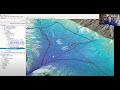
Designing a water system for rotational grazing involves strategic poly pipe placement, utilizing fixed water points (troughs) with wagon wheel fencing, and considering altitude differences for pressu
Community
-
Refined strategies for cattle water supply in paddock shifting include mobile tanks, linear windbreaks with risers, and multiple troughs to prevent degradation and facilitate efficient grazing.
Read more (opens in new window) permies.com -
Recommends permanent rotational pastures using high tensile fencing and cattle panels for goats and sheep, with advice on water lines, pallet-built shelters, and cost-effective handling systems.
Read more (opens in new window) permies.com -
Implement rotational grazing with strong perimeter and interior fencing (high tensile electric recommended, focus on grounding) and reliable water systems, using resources like 'The Art and Science of
Read more (opens in new window) smallfarms.cornell.edu
Research
-
Entry Points to Improve Livestock Water Productivity in Selected Forage Based Livestock Systems (opens in new window)
This study found: Review identifies strategies to improve livestock water use efficiency in dry regions by enhancing feed production, sourcing, and animal utilization, supported by better institutions and markets.
From the Web
-
Guidance on livestock water systems for multi-paddock grazing, covering sources (solar pumps, ram pumps), portable/fixed tanks, freeze protection, and water placement (within 800 ft). Also addresses s
-
Guides the design of portable water systems using tanks and surface tubing for rotational grazing in crop fields, detailing calculations for flow rate, friction loss, elevation, and pressure to ensure
-
Essential water systems for livestock in multi-paddock grazing include solar pumps, ram pumps, and portable tanks. Freeze protection strategies are detailed. Maintaining water access within 800 feet o
9
COMPATIBLE PRACTICES - Integration Opportunities
Livestock water systems are not standalone solutions; their regenerative value is maximized when integrated with other land management practices. Strategic water placement and reliable delivery unlock the potential for these complementary practices.
Livestock water systems are not standalone solutions; their regenerative value is maximized when integrated with other land management practices. Strategic water placement and reliable delivery unlock the potential for these complementary practices.
COMPATIBLE PRACTICES - Integration Opportunities
Livestock water systems are not standalone solutions; their regenerative value is maximized when integrated with other land management practices. Strategic water placement and reliable delivery unlock the potential for these complementary practices.
Livestock water systems are not standalone solutions; their regenerative value is maximized when integrated with other land management practices. Strategic water placement and reliable delivery unlock the potential for these complementary practices.
Rotational Grazing / Holistic Planned Grazing
- Description: Moving livestock frequently between paddocks based on pasture growth and rest needs. Holistic Planned Grazing adds ecological goals and monitoring.
- Integration Benefit: Water systems enable this by providing access to all paddocks, allowing for well-distributed grazing impact, effective nutrient cycling, and crucial pasture rest periods. Without adequate water, rotational grazing cannot be implemented effectively.
Livestock Health Management
- Description: Maintaining animal well-being through nutrition, healthcare, and appropriate living conditions.
- Integration Benefit: Reliable access to clean water is a fundamental component of animal health. It directly impacts growth rates, reproductive success, and disease resistance, aligning with the regenerative goal of enhancing animal welfare as part of the integrated system.
Cover Cropping
- Description: Planting non-cash crops to protect and improve soil health.
- Integration Benefit: Livestock facilitated by water systems can graze cover crops, terminating them naturally and imparting manure fertility. This reduces or eliminates the need for mechanical termination, leading to better soil disturbance minimization and residue retention.
Silvopasture
- Description: Integrating trees with pastures for livestock and timber/nut production.
- Integration Benefit: Water systems can be designed to serve paddocks containing trees, ensuring both the livestock and, importantly, the young trees receive sufficient water during establishment or dry periods. This supports the long-term success of silvopasture by integrating livestock management with tree establishment needs.
Riparian Area Management / Wetland Restoration
- Description: Protecting or restoring stream banks, wetlands, and adjacent land.
- Integration Benefit: By providing alternative watering points away from sensitive riparian zones, water systems reduce the pressure of livestock congregating at streams, preventing bank erosion, contamination, and channel degradation. This allows riparian areas to recover and function as vital ecological corridors.
Keyline Design / Water Harvesting Earthworks
- Description: Earthworks designed to slow, spread, and sink water across the landscape.
- Integration Benefit: Water pumped into storage tanks or directly into pipelines can be further managed to fill keyline swales or ponds. This maximizes water capture and utilization, integrating managed livestock watering with broader landscape hydration efforts.
Reduced Tillage / No-Till Farming
- Description: Minimizing or eliminating soil disturbance during crop planting.
- Integration Benefit: While primarily for crop systems, if land is transitioned to mixed farming, water systems can support perennial pastures or cover crops that maintain living roots and soil cover, which are critical for soil structure that facilitates no-till farming.
The true power of a regenerative livestock water system lies in its ability to tie these practices together. It's the infrastructure enabler that allows livestock to be managed not just for production, but as active participants in ecosystem regeneration.
Sources behind this view
Videos & Podcasts
-
Holistic management with cattle is key to improving soil health, water cycles, and carbon sequestration. Maximize animal impact (hooves, dung, urine) for diversity and plant growth, while breeding cat
-
Livestock integration is presented as the fastest, easiest, and most scalable method for building soil health and sequestering carbon. Chickens offer quick returns, while sheep and pigs have specific

-
Livestock integration is key to soil health, requiring short exposure and long rest grazing to avoid compaction. Creative solutions like 'stacking fiefdoms' allow integration without ownership, creati
-
Align grazing with soil health principles for ecosystem function. Livestock aid restoration; adequate recovery periods are crucial for plant health, soil moisture, and forage quality. Invest in water
Community
-
Details an integrated system of Managed Intensive Rotational Grazing and rotational cropping using holistic management. It emphasizes increasing forage availability, integrating livestock (cattle, chi
Read more (opens in new window) permies.com
Research
-
Managing Grazing to Restore Soil Health, Ecosystem Function, and Ecosystem Services (opens in new window)
This study found: Properly managed grazing animals can reverse environmental damage. Regenerative practices, like Adaptive Multi-Paddock (AMP) grazing, boost soil health, increase soil carbon, reduce erosion, and enhan
-
Regenerative Livestock Farming as a Socioeconomic Model for Sustainable Agribusiness in Latin America (opens in new window)
This study found: Regenerative livestock farming in Latin America improved soil carbon, biodiversity, and water quality, while boosting farmer income and quality of life. Government support is key for wider adoption.
-
Integration of organic dairy cattle into a whole farm context (opens in new window)
This study found: Integrating organic dairy cattle with other farm enterprises can create synergistic systems, improving resource use, animal welfare, and nutrient recycling through cooperation and circular economy pri
-
Improving water productivity in mixed crop-livestock farming systems of sub-Saharan Africa (opens in new window)
This study found: Review identifies strategies to improve livestock water use efficiency in sub-Saharan Africa's mixed crop-livestock systems, focusing on feed, water, and animal management for better livelihoods and e
From the Web
-
Guidance on livestock water systems for multi-paddock grazing, covering sources (solar pumps, ram pumps), portable/fixed tanks, freeze protection, and water placement (within 800 ft). Also addresses s
-
Integrate livestock for weed/pest control and soil fertility, employing regenerative grazing methods while strictly avoiding overgrazing and prohibited practices like synthetic inputs, GMOs, CAFOs, an
-
Essential water systems for livestock in multi-paddock grazing include solar pumps, ram pumps, and portable tanks. Freeze protection strategies are detailed. Maintaining water access within 800 feet o
-
Nature-based solutions for livestock include managed grazing (rotational), silvopasture, agroforestry, and regenerative production, all aimed at improving soil health, nutrient cycling, carbon sequest