
Mob Grazing
Mob grazing is a high-density livestock management technique that concentrates a large number of animals in a small area for very short grazing periods, followed by extended rest. The core principle is the intense hoof action and residual impact, which aims to break up soil crusts, incorporate organic matter, and stimulate plant growth, rather than optimizing individual animal performance or adaptive grazing decisions.
Read More: Complete Description
Mob grazing, sometimes referred to as ultra-high stock density (UHSD) grazing, is a specific approach to livestock management characterized by extreme animal concentration for brief periods, followed by extended rest for pastures. Unlike adaptive multi-paddock grazing (AMP), which uses density as one of many variables adjusted based on real-time ecological feedback, mob grazing often prescribes high density as the primary management lever to achieve intense hoof impact and rapid pasture recovery. The emphasis is on the cumulative effect of hoof action breaking up soil crusts, burying organic matter (manure and plant residue), and stimulating root growth, rather than precise forage utilization or maximizing individual animal gains.
This practice is rooted in the understanding that concentrated animal impact can be a powerful tool for soil regeneration when managed correctly. The sheer density of animals within a mob ensures that a significant amount of manure and urine is deposited on the pasture surface in a short time. This organic matter, when trampled by hooves into the soil, acts as a fertilizer and food source for soil microbes. The intense hoof action breaks up surface crusting, which can be a major barrier to water infiltration and root penetration, particularly in degraded or heavy clay soils. By compacting organic material into this newly fractured surface, mob grazing aims to kick-start biological processes that are often stalled in degraded systems.
From a regenerative agriculture perspective, mob grazing directly supports Principle 5: Integrate Livestock. When implemented strategically, it leverages the natural behavior and impact of animals to build soil health. It can also indirectly support Principle 3 (Keep Soil Covered) and Principle 4 (Maintain Living Roots) by stimulating suppressed perennial grasses and forbs to grow more vigorously after rest periods. The intense grazing and trampling can help prepare a seedbed for more diverse plant species to establish, potentially enhancing Principle 2 (Maximize Crop Diversity) over time. However, it's crucial to note that Principle 1 (Minimize Soil Disturbance) can be a point of contention; while intended to improve soil structure, the sheer density of animals can, if not managed meticulously or if soil moisture is too high, lead to undesirable surface pooling and compaction in localized areas.
Mob grazing differs from Management Intensive Rotational Grazing (MIG) which prioritizes consistent daily animal gain and optimal pasture utilization for each grazing cell. In MIG, stocking density is managed to ensure animals graze preferred plants efficiently and leave enough residual leaf for rapid regrowth. Mob grazing, conversely, often accepts lower individual animal performance during the mob phase because the primary goal is landscape-scale ecological impact through hoof action and the subsequent long rest periods, which allow for robust pasture recovery and soil rebuilding. The "mob" aspect is central to its identity, distinguishing it from grazing systems that might use moderate densities for extended periods or adapt density based on forage availability without the extreme concentration component.
Canonical proponents like Greg Judy emphasize the power of high-density grazing to break cycles of pasture degradation. Judy's approach often involves moving mobs of cattle (sometimes thousands of head) through small paddocks daily or even multiple times a day, allowing only a few hours of grazing before moving. Ian Mitchell-Innes, another influential voice, also champions high-density grazing as a means to mimic natural grazing patterns and stimulate soil biology through concentrated impact. These approaches highlight that the intensity and duration of grazing, coupled with the length of the rest period, are the critical levers for ecological regeneration.
While effective, mob grazing can be a transition practice for some operations. Farms accustomed to continuous grazing or low-density grazing might find the rapid transition to UHSD jarring. The immediate financial benefits of improved pasture health and potentially increased carrying capacity can be significant, but the learning curve for managing large mobs and ensuring adequate rest periods requires careful planning. For land managers seeking to restore severely degraded pastures with minimal upfront investment in infrastructure, mob grazing offers a compelling pathway, but it requires a commitment to understanding animal behavior and the nuances of plant recovery.
Regenerative Classification: Transition Practice
One-time deep tillage violates the principle of minimizing soil disturbance. However, on severely compacted soils where water infiltration has dropped below 0.5 inches per hour, it may be necessary as a last resort to restore function. This should be immediately followed by diverse cover cropping and a commitment to no further tillage, allowing soil structure to rebuild naturally within 2-3 years.
Sources behind this view
Sources behind this view
 Videos & Podcasts
-
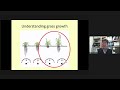
Mob grazing enhances plant regrowth and soil health by maximizing root mass and energy capture through high-density grazing and long recovery periods. This boosts soil organic matter, improving water
-
Greg Judy explains mob grazing (adaptive grazing) on Green Pastures farm in Missouri, focusing on feeding the soil through high-density, frequent animal movement to build organic matter, increase plan
-
Mob grazing, mimicking natural herds, uses high livestock density for short periods to improve grassland ecology and soil health. Examples in South Africa and Australia show significant increases in l
-
Regenerative grazing (adaptive multi-paddock) uses high-density, short-duration grazing with long recovery to stimulate soil health, increase biomass, and improve water infiltration, mimicking natural
 Community
-
Advocates for rotational/mob grazing by dividing 12.5 acres into 30 sub-pastures for daily moves, promoting a 40% legume, 40% grass, 10% medicinal, 10% weed pasture mix for soil health and parasite co
Read more (opens in new window) permies.com -
Compares mob grazing (high density, short duration, intense impact) with rotational grazing, discussing definitions, applications for pasture repair, and optimal animal density and timing to avoid com
Read more (opens in new window) permies.com -
Manage rotational grazing by setting recovery (15-40+ days, adapting to region/season) and grazing periods (2-3 days). Aim to 'take half, leave half' for livestock and soil microbes. High stocking den
Read more (opens in new window) smallfarms.cornell.edu -
Adopts a holistic grazing management approach emphasizing diverse perennial pastures, higher residuals (4"), and longer rest periods (avg. 45 days) to build soil health, increase organic matter (3.4%
Read more (opens in new window) smallfarms.cornell.edu
 Research
-
Managing Grazing to Restore Soil Health, Ecosystem Function, and Ecosystem Services (opens in new window)
This study found: Properly managed grazing animals can reverse environmental damage. Regenerative practices, like Adaptive Multi-Paddock (AMP) grazing, boost soil health, increase soil carbon, reduce erosion, and enhan
-
Adaptive multi-paddock grazing management’s influence on soil food web community structure for: increasing pasture forage production, soil organic carbon, and reducing soil respiration rates in southeastern USA ranches (opens in new window)
This study found: Adaptive multi-paddock grazing in the southeastern US increased pasture growth by 46%, improved soil food webs, reduced soil respiration by 19.5%, and boosted soil organic carbon by 20.6% compared to
-
The effect of Holistic Planned Grazing™ on African rangelands: a case study from Zimbabwe (opens in new window)
This study found: Holistic Planned Grazing™ in Zimbabwe improved rangeland health, soil, and vegetation with higher animal density. Temporary animal enclosures also boosted crop yields, suggesting HPG enhances ecosyste
-
Impacts of holistic planned grazing with bison compared to continuous grazing with cattle in South Dakota shortgrass prairie (opens in new window)
This study found: Managed grazing with bison in South Dakota's shortgrass prairie significantly improved soil health, water infiltration, forage, and plant composition compared to continuous cattle grazing over a decad
 From the Web
-
Mob grazing involves moving livestock like cattle and sheep to fresh, small paddocks daily or every few days, promoting even grazing, soil health, drought tolerance, and increased stocking capacity. T
-
Provides practical guidance on regenerative soil management through minimizing tillage, maintaining living roots, diverse species, and strategic grazing. Emphasizes cover crops, perennial pastures, an
-
High-density grazing (50k-1M lb/ac) benefits soil health via four keystones: less disturbance, living roots, soil cover, and plant diversity. Trampled forage feeds soil microbes, while living roots an
-
Mob grazing requires careful planning regarding move periods and stocking density. Initial setup costs for fencing and water infrastructure are considerations, and traditional breeds may be better sui
Key Points
What It Is
- High animal density, short grazing periods
- Intense hoof impact for soil revitalization
- Extended pasture rest periods crucial
- Mimics natural herd behavior
How This Differs
- Very high animal density for short periods
- Hoof impact and rapid pasture recovery are the goals
- Density pattern is the primary management lever
- Accepts lower individual animal performance for landscape impact
Why Do It
- Breaks soil crusts, improves infiltration
- Accelerates organic matter incorporation
- Stimulates perennial grass and forb growth
- Can be a transition to richer pastures
Know the Debate
- Soil carbon gains vary; plan for gradual improvements.
- Stocking rates can double with improved pasture health.
- Start with portable fencing; scale infrastructure later.
- Labor: daily moves, planning, and observation are key.
- Benefits increase with longer rest periods and adaptive management.
Benefits - Financial
- Carrying capacity increases of 30–100% per acre across five-year cycles.
- Fertilizer input costs reduced by 50–75% after year three.
- Long-term property value appreciation from improved soil organic matter levels.
Benefits - System
- Soil organic matter increase: 0.5-2% per year
- Infiltration improvement: 50-80% within 3 years
- Increased plant biodiversity: 15-30% species growth
- Keeps soil covered and roots alive (Principles 3,4)
Risks - Financial
- Initial infrastructure startup costs of $50–200 per acre ($124–$494 per hectare).
- Potential 15–20% yield reduction during the 1–3 year transition period.
- High labor demand for daily herd management and infrastructure adjustment.
Risks - System
- Potential for overgrazing if rest periods too short
- Risk of compaction in wet conditions
- Requires learning curve for animal management
- Can be visually disruptive initially
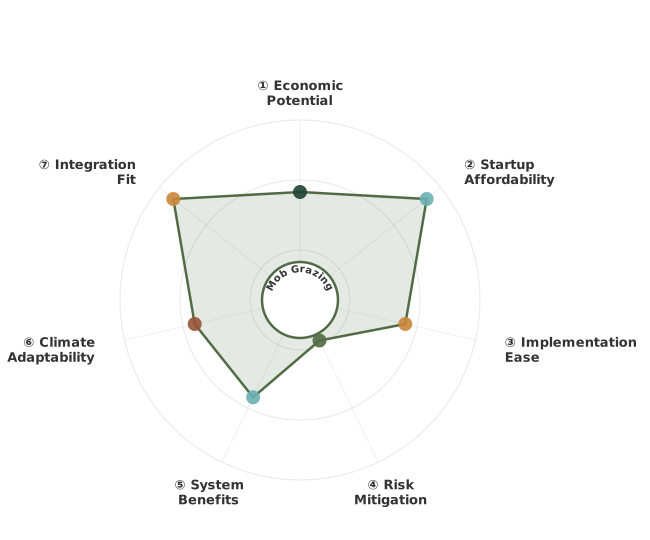
How These Traits Are Calculated
Trait dimensions are ordered clockwise starting from the top of the chart (12 o'clock position):
1. Economic Potential
Financial returns, annual value, and break-even timeline
WHAT: Evaluates financial viability by combining net annual value ($/ha from savings, income, and amortized harvests) with break-even timeline showing when practices pay for themselves.
WHY: Farmers need clear ROI understanding before committing resources. Fast payback (≤3 years) with strong returns (≥$300/ha) enables confident adoption, while long timelines (>10 years) restrict adoption to well-funded operations willing to wait for returns.
HOW: Calculated from net annual value in $/ha and break-even years. Exceptional (≥2.6): fast ROI ≤3 years + high value ≥$300/ha. Typical (1.8-2.5): moderate returns or longer timelines. Limited (<1.8): marginal economics or very long payback >10 years.
2. Startup Affordability
Initial investment costs and financial barrier to entry
WHAT: Measures financial barrier to entry through startup costs for equipment, infrastructure, consulting, and materials. Inverted scoring: lower costs = higher scores = more accessible adoption.
WHY: Affordability determines who can adopt. Low-cost practices (<$250/ha) enable widespread adoption across diverse scales, while high costs (>$2,500/ha) limit adoption to well-capitalized operations, creating barriers that slow regenerative transition.
HOW: Calculated from initial investment parsed from practice content. Inverted scoring: Exceptional (≥2.6): minimal investment <$250/ha. Typical (1.8-2.5): moderate costs $250-2,500/ha. Limited (<1.8): high barrier >$2,500/ha.
3. Implementation Ease
Learning curve and specialized knowledge required
WHAT: Measures how much learning, planning, and specialized knowledge a practice requires. Simpler practices with fewer steps score higher, while complex practices requiring extensive training or specialized resources score lower.
WHY: Complex practices create adoption barriers even when economically viable. Straightforward practices enable faster adoption and broader participation, while those requiring extensive training, timing precision, or specialized equipment limit who can succeed.
HOW: Evaluated by measuring documentation length and identifying complexity markers like location-specific requirements, seasonal timing windows, specialized skills, and dedicated equipment needs. Exceptional (≥2.6): straightforward practices with minimal prerequisites. Typical (1.8-2.5): moderate learning curve with some specialized needs. Limited (<1.8): steep learning curve requiring significant training or resources.
4. Risk Mitigation
Identified financial and ecological risk assessment
WHAT: Evaluates documented risks across financial (investment loss, market volatility) and ecological (crop failure, pest outbreaks) domains. Inverted scoring: fewer risks = higher scores.
WHY: Understanding risk exposure helps farmers make informed decisions. Low-risk practices allow confident implementation, while high-risk practices require careful planning and contingency resources. Risk transparency prevents costly failures.
HOW: Calculated from identified risks in practice content. Inverted scoring: Exceptional (≥2.6): ≤2 risks with manageable severity. Typical (1.8-2.5): 3-5 moderate risks. Limited (<1.8): 6+ risks or severe exposure.
5. System Benefits
How many ways the practice improves your land simultaneously
WHAT: Measures how many aspects of land health improve at once—carbon storage, soil quality, erosion control, water absorption, and biodiversity. Practices that improve multiple areas simultaneously create compounding benefits where each improvement reinforces the others.
WHY: The best practices solve multiple problems at once. For example, addressing erosion simultaneously builds carbon and improves water infiltration, creating a resilient system with positive feedback loops. Single-benefit approaches miss these compound transformation opportunities.
HOW: Evaluated across five key outcomes: carbon sequestration, soil organic matter increase, erosion reduction, water infiltration improvement, and biodiversity enhancement. Exceptional (≥2.6): high carbon storage (>8 t/ha/yr), improvements across 4-5 areas, transformative outcomes. Typical (1.8-2.5): moderate carbon (3-8 t/ha/yr), improvements across 2-3 areas. Limited (<1.8): modest impact (<3 t/ha/yr), single-area focus only.
6. Climate Adaptability
Geographic applicability across Köppen climate zones
WHAT: Evaluates geographic applicability by assessing how many Köppen climate zones successfully support a practice and what adaptation requirements are needed. Measures breadth of climates where farmers can implement with minimal to moderate modifications.
WHY: Universal practices working across diverse climates enable more farmers to adopt regenerative approaches. Practices limited to single climate types (only Mediterranean, only tropical) restrict adoption and slow global transition. Adaptability determines whether a practice serves niche regions or offers broad transformation.
HOW: LLM evaluation of regional success stories, Köppen zone coverage, and adaptation needs. Exceptional (≥2.6): 5+ zones or 4+ climate types, 3+ continents, minimal adaptation. Typical (1.8-2.5): 3-4 zones or 2-3 types, 2 continents, moderate adaptation. Limited (<1.8): 1-2 zones, single region, significant adaptation or highly specialized.
7. Integration Fit
How well this practice combines with others you're doing
WHAT: Measures how well a practice combines with other regenerative practices you might be doing. Some practices work as building blocks that make many other practices easier or more effective, while others work best on their own.
WHY: Practices that combine well with many others create more value on your farm. For example, cover cropping enables no-till, improves grazing, supports crop diversity, and helps water management—making all of them work better together. This helps you build a coherent system rather than juggling disconnected practices.
HOW: Evaluated by identifying which practices combine well and how strong those combinations are. 'Ideally Suited' means strong combinations where practices reinforce each other (practice A makes B easier, while B makes A more effective). 'Adequate' means complementary benefits that work well together. Exceptional (≥2.6): combines well with 6+ practices, serves as a building block. Typical (1.8-2.5): combines with 3-5 practices. Limited (<1.8): 1-2 practices or works best alone.
Going Deeper
1
WHY - The Benefits
Mob grazing harnesses the cumulative power of animal impact to drive significant improvements in soil health, economic viability, and overall ecosystem function. It’s a practice that leverages a fundamental ecological principle—the impact of large, concentrated herbivore...
Mob grazing harnesses the cumulative power of animal impact to drive significant improvements in soil health, economic viability, and overall ecosystem function. It’s a practice that leverages a fundamental ecological principle—the impact of large, concentrated herbivore herds—to regenerate land and improve farm profitability.
WHY - The Benefits
Mob grazing harnesses the cumulative power of animal impact to drive significant improvements in soil health, economic viability, and overall ecosystem function. It’s a practice that leverages a fundamental ecological principle—the impact of large, concentrated herbivore...
Mob grazing harnesses the cumulative power of animal impact to drive significant improvements in soil health, economic viability, and overall ecosystem function. It’s a practice that leverages a fundamental ecological principle—the impact of large, concentrated herbivore herds—to regenerate land and improve farm profitability.
Soil Health Benefits
Mob grazing's primary benefit lies in its ability to physically and biologically revitalize soil. The high density of animals for short durations leads to intense hoof action that breaks up surface crusting, increases pore space, and improves water infiltration. Studies on UHSD grazing have shown infiltration rates can improve by 50-80% within 3-5 years. This means more rainfall enters the soil, reducing surface runoff and erosion, and improving water availability for plants, especially during dry periods.
The trampling action also incorporates organic matter—both plant residue and animal manure—into the topsoil layer. This process effectively "fertilizes" the soil biological community, providing carbon and nutrients for microbes, fungi, and earthworms. This increased biological activity leads to a faster accumulation of soil organic matter (SOM). Farms implementing mob grazing often report SOM increases of 0.5-2% per year, transforming degraded soils into more fertile, resilient systems. Earthworm populations can increase exponentially under mob grazing, with numbers often doubling or tripling within 2-3 years as they thrive in the enriched, newly porous soil.
Aggregated soil structure dramatically improves. The combination of organic matter binding soil particles and the increased fungal activity, especially mycorrhizal fungi, creates stable aggregates resistant to erosion. This robust structure enhances aeration, allowing plant roots to penetrate deeper and access more nutrients and water. The increased biological activity also means faster nutrient cycling and improved soil fertility, potentially reducing reliance on external inputs over time.
Economic Benefits
The economic returns from mob grazing are often seen in two primary areas: increased productivity and reduced input costs. As soil health improves, pasture quality and quantity naturally increase. This leads to a higher carrying capacity for livestock. Many producers report being able to double or even triple their stocking rates on land that was previously struggling under conventional grazing methods, leading to significantly higher revenue per hectare or acre.
Reduced reliance on external inputs like synthetic fertilizers is another major economic advantage. The concentrated manure deposition and breakdown of plant residue provide a consistent and nutrient-rich fertilizer for pasture growth. Farmers can therefore reduce or eliminate nitrogen and phosphorus applications, saving substantial costs. Improved forage quality also contributes to healthier animals, potentially leading to fewer veterinary expenses and better reproductive rates.
Livestock performance during the grazing period can be lower individually due to short grazing times, but the overall herd productivity in terms of gain per hectare/acre can increase due to higher densities and better pasture recovery. The long rest periods allow pastures to regrow robustly, ensuring animals have access to high-quality forage when they return. Furthermore, improved soil health and pasture resilience can buffer against drought and climate variability, providing greater economic stability to the farming operation.
Regenerative Systems Fit
Mob grazing is a powerful tool for integrating Principle 5 (Integrate Livestock) directly into land management and directly supports other principles when managed effectively.
Principle 1 (Minimize Soil Disturbance): While mob grazing involves animal hoof action, its objective is to break up surface compaction and disturb the soil surface minimally to incorporate organic matter. The intent is not to till or invert soil, but to create a brief, intense impact as animals graze. When followed by sufficient rest, this disturbance promotes biological activity and root growth rather than degradation. The practice is fundamentally designed to rebuild soil structure through biological processes, not mechanical ones.
Principle 2 (Maximize Diversity): By stimulating the growth of native perennial grasses and forbs that may have been suppressed under continuous grazing, mob grazing can increase botanical diversity in pastures. The intense grazing followed by long rest periods can favor species that are more competitive when given a recovery period. Diverse plant communities, in turn, support a more diverse soil microbial ecosystem.
Principle 3 (Keep Soil Covered): The cycle of intense grazing followed by long rest periods ensures that pastures are almost always covered by living plants or significant amounts of organic residue. The trampling action helps incorporate plant material into the soil, further contributing to surface litter. The goal is continuous ground cover, preventing bare soil that is vulnerable to erosion.
Principle 4 (Maintain Living Roots): The grazing pattern stimulates root growth. While forages are grazed, the long rest periods allow plants to regrow, extending the period of photosynthetic activity and maintaining living roots in the soil for as long as possible. This continuous biological activity fuels soil life and nutrient cycling.
Principle 5 (Integrate Livestock): This is the core of mob grazing. Animals are not just present; their concentrated impact is the management tool. Properly managed, they act as ecosystem engineers, stimulating plant growth, cycling nutrients, and improving soil structure.
For farms transitioning from conventional or continuous grazing, mob grazing can be a powerful stepping stone. It offers a way to rapidly improve pasture sod and soil health without extensive earthmoving or significant capital investment in new equipment beyond fencing and water for paddocks. It directly addresses degraded sod by stimulating biological activity and nutrient cycling, laying the groundwork for more complex regenerative systems. The immediate visual improvements in pasture productivity and soil condition can provide strong motivation for further regenerative adoption. Once a farm masters mob grazing, it creates a foundation of healthy soil and resilient pasture that readily integrates with other practices like cover cropping, silvopasture, or reduced tillage.
Sources behind this view
Videos & Podcasts
-
Mob grazing enhances plant regrowth and soil health by maximizing root mass and energy capture through high-density grazing and long recovery periods. This boosts soil organic matter, improving water
-
Regenerative grazing (adaptive multi-paddock) uses high-density, short-duration grazing with long recovery to stimulate soil health, increase biomass, and improve water infiltration, mimicking natural
-
Greg Judy explains mob grazing (adaptive grazing) on Green Pastures farm in Missouri, focusing on feeding the soil through high-density, frequent animal movement to build organic matter, increase plan
-
This cluster details ultra-high stock density grazing (UHSDG) and 'total grazing' for cattle, emphasizing intensive management, long pasture recovery, and increased stocking rates. The speaker advocat
Community
-
Advocates for rotational/mob grazing by dividing 12.5 acres into 30 sub-pastures for daily moves, promoting a 40% legume, 40% grass, 10% medicinal, 10% weed pasture mix for soil health and parasite co
Read more (opens in new window) permies.com -
Manage rotational grazing by setting recovery (15-40+ days, adapting to region/season) and grazing periods (2-3 days). Aim to 'take half, leave half' for livestock and soil microbes. High stocking den
Read more (opens in new window) smallfarms.cornell.edu -
Adopts a holistic grazing management approach emphasizing diverse perennial pastures, higher residuals (4"), and longer rest periods (avg. 45 days) to build soil health, increase organic matter (3.4%
Read more (opens in new window) smallfarms.cornell.edu -
Compares mob grazing (high density, short duration, intense impact) with rotational grazing, discussing definitions, applications for pasture repair, and optimal animal density and timing to avoid com
Read more (opens in new window) permies.com
Research
-
Managing Grazing to Restore Soil Health, Ecosystem Function, and Ecosystem Services (opens in new window)
This study found: Properly managed grazing animals can reverse environmental damage. Regenerative practices, like Adaptive Multi-Paddock (AMP) grazing, boost soil health, increase soil carbon, reduce erosion, and enhan
-
Adaptive multi-paddock grazing management’s influence on soil food web community structure for: increasing pasture forage production, soil organic carbon, and reducing soil respiration rates in southeastern USA ranches (opens in new window)
This study found: Adaptive multi-paddock grazing in the southeastern US increased pasture growth by 46%, improved soil food webs, reduced soil respiration by 19.5%, and boosted soil organic carbon by 20.6% compared to
-
Impacts of holistic planned grazing with bison compared to continuous grazing with cattle in South Dakota shortgrass prairie (opens in new window)
This study found: Managed grazing with bison in South Dakota's shortgrass prairie significantly improved soil health, water infiltration, forage, and plant composition compared to continuous cattle grazing over a decad
-
Regenerative agriculture improves productivity and profitability while reducing greenhouse gas emissions on Australian sheep farms. (opens in new window)
This study found: Australian sheep farms show regenerative practices like AMP grazing and diverse pastures improve soil carbon and reduce emissions, but trade-offs exist between profitability and environmental benefits
From the Web
-
Mob grazing involves moving livestock like cattle and sheep to fresh, small paddocks daily or every few days, promoting even grazing, soil health, drought tolerance, and increased stocking capacity. T
-
Adaptive grazing, emphasizing longer paddock rest periods, promotes pasture diversity and soil health. This leads to improved livestock nutrition, milk/meat quality, and extended grazing seasons, as d
-
Adaptive grazing (AMP, ASG, RG) with high stock densities and flexible management improves vegetation, soil health, soil carbon, and animal production over continuous grazing. Research shows short gra
-
Adaptive multi-paddock and holistic planned grazing significantly enhance soil carbon and nitrogen stocks, improve grassland resilience, and can make farms net carbon sinks. Studies show these methods
2
WHERE - Regional Considerations
The success of mob grazing is influenced by climate, soil type, and the species of livestock used. While adaptable to many regions, understanding environmental factors is critical for optimal implementation.
The success of mob grazing is influenced by climate, soil type, and the species of livestock used. While adaptable to many regions, understanding environmental factors is critical for optimal implementation.
WHERE - Regional Considerations
The success of mob grazing is influenced by climate, soil type, and the species of livestock used. While adaptable to many regions, understanding environmental factors is critical for optimal implementation.
The success of mob grazing is influenced by climate, soil type, and the species of livestock used. While adaptable to many regions, understanding environmental factors is critical for optimal implementation.
Click Here to Look up your Region if you don't already know it
Humid Temperate Regions
Representative Locations: Southeastern United States, northern Europe (UK, Germany, Poland), eastern China, Japan, New Zealand
Climate Context: Warm to hot summers and cool to cold winters with moderate to high annual precipitation (75-150 cm or 30-60 inches) distributed relatively evenly. USDA Zones 6-8, Köppen Cfb/Cfa.
Mob grazing is highly effective in these regions due to the ample rainfall, which supports vigorous plant growth and provides the moisture necessary for soil microbial activity. The long growing seasons allow for extended grazing periods and sufficient rest to achieve significant pasture recovery. Potential challenges include managing wet soils during wetter periods to prevent excessive pugging (compaction from hooves), and ensuring adequate rest to prevent overgrazing of cool-season grasses. Common livestock include cattle and sheep, which thrive on the lush forage. Producers can often intensify their operations significantly by implementing UHSD.
Mediterranean Regions
Representative Locations: California, Mediterranean basin (Spain, Italy, Greece), central Chile, southwestern Australia, Western Cape South Africa
Climate Context: Hot, dry summers and mild, wet winters. Annual precipitation 40-90 cm (15-35 inches), highly seasonal. USDA Zones 8-10, Köppen Csa/Csb.
In Mediterranean climates, mob grazing can be particularly transformative for managing highly seasonal rainfall and vegetation growth. The challenge lies in managing pastures during the dry summer months. Implementing UHSD in the wet season can build significant soil organic matter and improve infiltration, helping pastures better withstand drought. During dry periods, careful planning is needed to ensure sufficient forage or to manage livestock on dormant pastures without causing degradation. Extended rest periods become even more critical and may need to coincide with the wet season to allow for full recovery. Drought-tolerant species and management strategies are paramount.
Arid/Semi-Arid Regions
Representative Locations: Western USA, North Africa, Central Asia, Interior Australia
Climate Context: Low annual precipitation (<40 cm or 15 inches), high temperatures, short and often unpredictable growing season. USDA Zones 7-9, Köppen BSh/BSk.
Mob grazing in arid and semi-arid regions requires meticulous planning and a deep understanding of plant and soil ecology. The primary goal is to manage grazing impact to support drought-resilient perennial grasses and forbs, and promote water infiltration. Stocking densities and durations must be carefully calibrated to avoid overgrazing the very limited forage resources. Extended rest periods are absolutely critical, often requiring movement of livestock over vast areas. UHSD can be beneficial for breaking surface crusts and incorporating sparse organic matter, but water availability and forage production are the main limiting factors. Utilizing adaptive grazing models that are responsive to rainfall events is key.
Cold Continental Regions
Representative Locations: Northern USA and Canada, Northern Europe, Northern Asia
Climate Context: Very short growing seasons, extreme summer heat, severe winter cold. USDA Zones 3-5, Köppen Dfa/Dfb.
Mob grazing in cold continental climates focuses on maximizing livestock gains during the short growing season and utilizing residual forages effectively. The intense grazing followed by long rest can stimulate robust growth in cool-season grasses during spring and autumn. Winter management may involve mob grazing on dormant pastures or utilizing crop residues, with careful attention to preventing soil damage in frozen or thawing conditions. Building soil organic matter in these regions is slower due to shorter growing seasons, but UHSD can still contribute to improved soil structure and nutrient cycling, setting the stage for increased productivity when conditions become favorable.
Subtropical Regions
Representative Locations: Southeastern USA, Southern China, Southern Brazil, Eastern Australia
Climate Context: Hot, humid summers and mild winters with generally ample rainfall. USDA Zones 9-11, Köppen Cfa/Cwa.
These regions benefit greatly from mob grazing, particularly for managing heat stress and intense summer growth. UHSD can be used to stimulate robust regrowth of warm-season perennial grasses. The heavy manuring and trampling action aid in breaking down thatch and incorporating nutrients, which is vital in humid environments where organic matter can accumulate slowly or become resistant to decomposition. Managing grazing during the wettest periods to avoid soil damage is important. Livestock choices may include cattle, sheep, or even goats, depending on the specific forage types and pasture challenges.
Tropical Regions
Representative Locations: Central America, Southeast Asia, East Africa, Northern Australia, Northern South America
Climate Context: High temperatures year-round, with distinct wet and dry seasons or consistent high rainfall. Köppen Af/Am/Aw.
Mob grazing in tropical regions can be very effective but requires careful management of rainfall and heat. In areas with distinct wet and dry seasons, UHSD during the wet season can promote excellent pasture growth and soil health, while dry season management focuses on utilizing residual pastures and conserved forages with minimal impact. The high temperatures year-round mean animal heat stress is a constant concern, so providing shade and water is paramount. The rapid decomposition rates in tropical environments mean organic matter incorporation via mob grazing is highly effective. Pest and parasite management also becomes a key consideration for livestock health.
3
HOW - Implementation Process
Implementing mob grazing moves away from traditional, low-density, continuous grazing towards a highly managed, high-impact system. Success hinges on meticulous planning, appropriate infrastructure, and a deep understanding of ecological principles.
Implementing mob grazing moves away from traditional, low-density, continuous grazing towards a highly managed, high-impact system. Success hinges on meticulous planning, appropriate infrastructure, and a deep understanding of ecological principles.
HOW - Implementation Process
Implementing mob grazing moves away from traditional, low-density, continuous grazing towards a highly managed, high-impact system. Success hinges on meticulous planning, appropriate infrastructure, and a deep understanding of ecological principles.
Implementing mob grazing moves away from traditional, low-density, continuous grazing towards a highly managed, high-impact system. Success hinges on meticulous planning, appropriate infrastructure, and a deep understanding of ecological principles.
Prerequisites
Before transitioning to mob grazing, consider these foundational elements:
- Existing Pasture Health: Mob grazing is most effective on pastures with some perennial grass or forb presence. Severely degraded land with minimal vegetative cover may require initial steps to establish ground cover before UHSD can be effectively applied. While UHSD can help regenerate degraded land, having some existing perennial root systems provides a better starting point.
- Water Sources: Reliable and strategically located water access is crucial. Livestock in high-density mobs need water readily available to prevent stress and ensure they remain together. Water points must be distributed to draw animals across paddocks.
- Perimeter and Subdivision Fencing: Robust perimeter fencing is essential for containing livestock. Highly effective electric fencing is nearly indispensable for creating temporary subdivisions within paddocks, forming the "mobs" and managing grazing duration.
- Livestock Type and Health: Cattle are most commonly used due to their size and grazing behavior, but sheep and goats can also be managed in mobs. Ensure animals are healthy, accustomed to handling, and have access to basic nutritional supplements and veterinary care.
Phase 1: Planning and Infrastructure Setup
This phase involves designing your grazing plan and establishing the necessary infrastructure. 1. Ecological Assessment: Understand your land's carrying capacity, soil types, topography, plant species, rainfall patterns, and growing season. Identify areas of existing soil degradation (compaction, crusting, low organic matter). 2. Mob Size and Grazing Duration: Determine mob size based on your livestock numbers and acreage. A common approach is to divide your total herd into mobs and use temporary fencing to create small grazing cells (paddocks) for each mob. Grazing durations vary but are typically from a few hours to 2 days per paddock. 3. Rest Period Management: This is critical. After a mob grazes a paddock intensely, it needs an extended rest period—often 30-60 days or longer, depending on the climate and season—to allow plants to recover and grow robustly. The ratio of grazing days to rest days determines the success of the system. 4. Fence and Water Infrastructure: * Inner Paddock Fencing: Invest in high-quality portable electric fencing systems (polywire, fiberglass posts, energizers). These allow for flexible creation of small paddocks. Permanent interior fences may be needed for higher-traffic areas or key water access points. * Water Development: Strategically place water troughs or access points. If relying on a central water source, plan for pipelines or extensive tank systems to reach all paddocks. Moving water with livestock can simplify logistics in some cases. * Layout: Design the paddock layout to facilitate grazing progression and easy movement of livestock. Following topography (contours) is often beneficial for water distribution and erosion control.
Phase 2: Initial Grazing and Monitoring
This is where you begin implementing the mob grazing strategy. 1. Entry into the System: Start with a manageable number of mobs and paddocks. You might begin by dividing your existing herd and grazing plan into a few UHSD paddocks. Observe animal behavior carefully—how they graze, move to water, and interact. 2. Stocking Density and Duration: Aim for high concentrations. If you have 100 head of cattle, you might put them in a 0.5-1 hectare (1-2.5 acre) paddock for 12-24 hours. The goal is intense grazing and trampling of the available pasture. 3. Residual Management: Aim to leave adequate residual plant material to fuel regrowth. While intense grazing occurs, the goal isn't to shave pastures bare but to trample in manure and residue. A common residual target might be 5-10 cm (2-4 inches), though this varies by plant species and season. 4. Rest Period Enforcement: This is non-negotiable. Once animals are moved out of a paddock, ensure it remains completely ungrazed until plants have recovered sufficiently—indicated by good height and vigor.
Phase 3: Adaptation and Refinement
Mob grazing is dynamic and requires continuous observation and adjustment. 1. Monitor Pasture Health: Regularly assess plant growth, species composition, and soil surface condition. Are perennial grasses responding? Is invasion by undesirable weeds decreasing? Is soil aggregation improving? 2. Monitor Animal Performance: While overall farm productivity per hectare is the goal, individual animal gains might fluctuate. Monitor overall herd health and performance metrics. Are animals gaining weight consistently over the season? Are conception rates high? 3. Adjust Ratios: Experiment with grazing duration vs. rest period lengths based on your region's climate and plant growth rates. If pastures aren't recovering, lengthen rest periods. If animals are not achieving desired impact, slightly reduce paddock size or increase animal numbers briefly. 4. Infrastructure Adjustments: Based on your observations, you may need to add more water points, adjust fence lines, or change paddock shapes to improve workflow and animal management.
Transition Timeline & Phase-Out Strategy
Mob grazing itself can be a transition tool that leads to fully regenerative systems. The "phase-out" isn't of mob grazing, but of any remaining conventional inputs or practices it helps us move away from.
- Years 0-1 (Initial Adoption): Adopt mob grazing on a portion of your land. Focus on understanding the basic principles and adjusting infrastructure. During this phase, continue with your existing input strategy (e.g., synthetic fertilizers, pesticides) but begin noting their impact on pasture health and soil.
- Years 1-3 (Stabilization & Observation): As pasture health improves under mob grazing, you will likely see a natural reduction in weed pressure and increased vigor of desirable perennial forages. Observe how the improved soil health and increased organic matter contribute to fertility. Begin experimenting with small reductions in synthetic fertilizer use, monitoring for any negative impacts on yield. You should see increased infiltration and better soil structure during this period.
- Years 3-5 (Input Reduction & Integration): With significantly improved pasture, soil organic matter, and water infiltration, you will likely see a reduced need for synthetic inputs. Aim to eliminate synthetic fertilizers entirely by year 5, relying on the fertility generated by livestock and improved soil biology. Reduce or eliminate synthetic pesticides as more diverse plant communities and beneficial insects naturally suppress pests. Integrate mob grazing with other regenerative practices like planned grazing, cover cropping in specific areas (e.g., for initial pasture renovation), or reduced tillage.
- Year 5+ (Fully Regenerative System): Mob grazing is now the primary livestock management tool. The land base is resilient, producing high-quality forage with minimal external inputs. Soil health indicators (SOM, infiltration, aggregation) are significantly improved. This fully regenerative system can now be enhanced with other practices if desired (e.g., silvopasture, agroforestry, more complex crop rotations).
Key: The "phase-out" is not of mob grazing, but of the reliance on synthetic inputs and conventional practices that mob grazing and improved soil health help to make unnecessary. The transition is measured by increased soil biological function and reduced external reliance.
Sources behind this view
Videos & Podcasts
-
Details mob grazing setup on Stony Ridge Farm (NC): moving cattle every 12 hours to 1/3 acre paddocks using electric fence. Goal is 45-day grass recovery by leaving foliage, reducing parasites, and im
-
Mob grazing enhances plant regrowth and soil health by maximizing root mass and energy capture through high-density grazing and long recovery periods. This boosts soil organic matter, improving water
-
Brian Walberg details the practice of holistic planned grazing, involving intense animal bunching and frequent moves (10-30 min intervals) to maximize animal impact. This method significantly reduced
-
Gregg Judy uses mob grazing, moving ~300 animals twice daily, to eliminate inputs, build parasite resistance, and double grazing capacity (4 to 2 acres/cow unit) over 10 years. This practice mimics pr
Community
-
Compares mob grazing (high density, short duration, intense impact) with rotational grazing, discussing definitions, applications for pasture repair, and optimal animal density and timing to avoid com
Read more (opens in new window) permies.com -
Advocates for rotational/mob grazing by dividing 12.5 acres into 30 sub-pastures for daily moves, promoting a 40% legume, 40% grass, 10% medicinal, 10% weed pasture mix for soil health and parasite co
Read more (opens in new window) permies.com -
Adopts a holistic grazing management approach emphasizing diverse perennial pastures, higher residuals (4"), and longer rest periods (avg. 45 days) to build soil health, increase organic matter (3.4%
Read more (opens in new window) smallfarms.cornell.edu -
Manage rotational grazing by setting recovery (15-40+ days, adapting to region/season) and grazing periods (2-3 days). Aim to 'take half, leave half' for livestock and soil microbes. High stocking den
Read more (opens in new window) smallfarms.cornell.edu
Research
-
High Stocking Density Controls Phillyrea Angustifolia in Mediterranean Grasslands. (opens in new window)
This study found: Mob grazing (intense, short-duration) effectively controlled shrub encroachment in Mediterranean grasslands over 7 years, unlike widespread, low-intensity grazing. Grazing is crucial for maintaining h
-
Managing Grazing to Restore Soil Health, Ecosystem Function, and Ecosystem Services (opens in new window)
This study found: Properly managed grazing animals can reverse environmental damage. Regenerative practices, like Adaptive Multi-Paddock (AMP) grazing, boost soil health, increase soil carbon, reduce erosion, and enhan
-
Multi-paddock grazing on rangelands: why the perceptual dichotomy between research results and rancher experience? (opens in new window)
This study found: Ranchers often see benefits from multi-paddock grazing that scientific studies don't always confirm. This review explores the gap, highlighting rancher-led adaptive management principles and suggestin
-
Best Management Practices for Intensive Grazing Systems: Southeast Missouri Case Study (opens in new window)
This study found: A case study in Southeast Missouri showcases intensive grazing BMPs: smaller paddocks, rotational schedules, protected water access, shade, diverse forages, and winter feeding areas to improve soil he
From the Web
-
Mob grazing involves moving livestock like cattle and sheep to fresh, small paddocks daily or every few days, promoting even grazing, soil health, drought tolerance, and increased stocking capacity. T
-
Implementing mob grazing with sheep demands significant capital and labor for numerous paddocks and short rotations. Operators must carefully project profitability, accounting for labor costs and pote
-
Mob grazing requires careful planning regarding move periods and stocking density. Initial setup costs for fencing and water infrastructure are considerations, and traditional breeds may be better sui
4
Know the Debate
The effectiveness and rewards of mob grazing depend heavily on your specific environment and commitment. In humid regions with reliable rainfall, s...
Know the Debate
The effectiveness and rewards of mob grazing depend heavily on your specific environment and commitment. In humid regions with reliable rainfall, s...
The effectiveness and rewards of mob grazing depend heavily on your specific environment and commitment. In humid regions with reliable rainfall, soil biology thrives, leading to observable gains and intensified stocking rates within two to three years. Conversely, semi-arid rangelands require more patience, with significant soil changes and carrying capacity improvements often taking five to seven years due to slower decomposition and plant recovery. Initial infrastructure costs can range from potentially $70/acre for portable electric fencing on smaller farms to over $200/acre for comprehensive water and fencing systems on larger operations. Daily labor for paddock moves and meticulous monitoring of pasture recovery are non-negotiable at any scale, requiring attentive management of livestock and land.
How fast will I see soil carbon gains?
Gains in 3-5 years with intensive management
Practitioners often report significant soil organic matter increases and carbon sequestration within 3-5 years due to intense animal impact and long rest periods, leading to improved soil structure.
Sources behind this view
Sources behind this view
Videos & Podcasts
-
Mob grazing enhances plant regrowth and soil health by maximizing root mass and energy capture through high-density grazing and long recovery periods. This boosts soil organic matter, improving water retention and feeding soil microbes via root exudates.
-
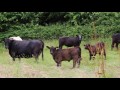
Implemented mob grazing by moving cattle daily to fresh pasture, resulting in thousands saved annually, a 30% increase in stocking rate, and improved soil organic matter (up to 9%) by feeding soil microbiology and sequestering carbon. Overcame mental challenges to adopt the practice.
Modest gains or plateaus observed in longer-term research
Academic reviews indicate that while rotational grazing can improve soil carbon, gains are often modest, may plateau after initial transition, and vary significantly depending on measurement methods and environmental factors.
Sources behind this view
Sources behind this view
Research
-
The Association of Applied Biology Meeting on "Regenerative Agriculture – Understanding the Opportunities and Challenges", York on 25–26 <sup>th</sup> April 2023 (opens in new window)
This study found: A meeting focused on regenerative agriculture in York, UK, discussed ways to improve soil health. One session covered mob grazing, where many animals graze a small area for a short time. A government-funded project looked into the environmental and productivity effects of this method. However, a review of existing research found little evidence that mob grazing is better than regular rotational grazing for increasing the amount of carbon in the soil.
-
A Global Meta‐Analysis of Grazing Impacts on Soil Health Indicators (opens in new window)
This study found: A large global study analyzing data from 64 different research sites found that how livestock graze significantly impacts soil health. Leaving land ungrazed generally resulted in better soil organic matter and nitrogen levels compared to continuous grazing. While both continuous and rotational grazing led to more soil compaction (higher bulk density) than no grazing, rotational grazing was less compacting than continuous grazing and showed similar soil organic carbon levels to ungrazed land. This suggests that managed grazing systems, like rotational grazing, can improve soil health and potentially help store carbon, offering benefits for climate change mitigation. The study also highlighted that local environmental conditions play a big role in how grazing affects soil.
Making Sense of the Differences
The discrepancy in reported carbon sequestration rates likely stems from measurement depth, timing, and context. Field reports often focus on visible soil health and shallow organic matter improvements over 3-5 years, while academic research uses deeper sampling and longer timeframes, revealing more gradual or plateaued gains. Farmers can expect that soil carbon benefits occur and contribute to overall soil health, but plan for more gradual and measurable changes over 5-10 years rather than rapid, dramatic sequestration, focusing also on observable soil health indicators.
How much can I increase my stocking rate?
Doubling or tripling capacity within 2-5 years
Proponents report significant increases in carrying capacity, often doubling or tripling livestock numbers within 2-5 years due to improved pasture growth and resilience from intense grazing and long rest.
Sources behind this view
Sources behind this view
Videos & Podcasts
-
Gregg Judy uses mob grazing, moving ~300 animals twice daily, to eliminate inputs, build parasite resistance, and double grazing capacity (4 to 2 acres/cow unit) over 10 years. This practice mimics prairie ecosystems.
-
Implemented mob grazing by moving cattle daily to fresh pasture, resulting in thousands saved annually, a 30% increase in stocking rate, and improved soil organic matter (up to 9%) by feeding soil microbiology and sequestering carbon. Overcame mental challenges to adopt the practice.
-
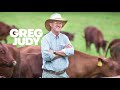
Greg Judy uses high-density mob grazing and multi-species 'salad bar beef' systems, rotating cattle, sheep, and goats through paddocks to improve soil health, control weeds, and reduce chemical inputs.
Moderate increases based on context and management
Studies indicate rotational grazing can improve carrying capacity, but specific increases are context-dependent, varying widely by region, management, and baseline pasture condition.
Sources behind this view
Sources behind this view
Research
-
A Global Meta‐Analysis of Grazing Impacts on Soil Health Indicators (opens in new window)
This study found: A large global study analyzing data from 64 different research sites found that how livestock graze significantly impacts soil health. Leaving land ungrazed generally resulted in better soil organic matter and nitrogen levels compared to continuous grazing. While both continuous and rotational grazing led to more soil compaction (higher bulk density) than no grazing, rotational grazing was less compacting than continuous grazing and showed similar soil organic carbon levels to ungrazed land. This suggests that managed grazing systems, like rotational grazing, can improve soil health and potentially help store carbon, offering benefits for climate change mitigation. The study also highlighted that local environmental conditions play a big role in how grazing affects soil.
From the Web
-
Mob grazing involves moving livestock like cattle and sheep to fresh, small paddocks daily or every few days, promoting even grazing, soil health, drought tolerance, and increased stocking capacity. This contrasts with set stocking and benefits soil microbiology, water retention, and biodiversity.
Making Sense of the Differences
The reported increases in stocking rate vary widely due to baseline pasture condition, climate, soil type, and livestock genetics. Degraded lands with high potential for improvement often see dramatic gains, while well-established pastures may see more modest increases. Farmers can realistically aim for a 25-75% increase over 3-5 years, with higher gains contingent on adaptive management, favorable conditions, and precise rest period execution.
How much infrastructure is needed to start mob grazing?
Start with portable fencing and temporary water
Mob grazing can be initiated with relatively low initial capital, primarily using portable electric fencing and existing water sources, with permanent infrastructure added as profits increase.
Sources behind this view
Sources behind this view
Videos & Podcasts
-
Details mob grazing setup on Stony Ridge Farm (NC): moving cattle every 12 hours to 1/3 acre paddocks using electric fence. Goal is 45-day grass recovery by leaving foliage, reducing parasites, and improving soil. Emphasizes central water systems (450ft rule) and specific equipment like Poly Braid wire and Strain posts.
-
Grazing intensity is driven by labor/equipment costs, not just animal days. A 'pasture calculator' helps determine optimal intensity, balancing economics and land improvement. Daily moves aren't always necessary; once-a-day or every-couple-days is often sufficient.
![Thumbnail for [S4E5] Graze Fallow (Mob Grazing)](/static/thumbnails/Lm3AB-6Y8ko.jpg)
From the Web
-
High-density grazing (50k-1M lb/ac) benefits soil health via four keystones: less disturbance, living roots, soil cover, and plant diversity. Trampled forage feeds soil microbes, while living roots and cover improve water use, infiltration, and nutrient uptake.
Significant investment for large scale or efficiency
Institute guides suggest significant upfront investment in permanent fencing and water systems for large-scale or highly efficient operations, while field practitioners acknowledge these are optimal but not always required initially.
Sources behind this view
Sources behind this view
From the Web
-
Mob grazing requires careful planning regarding move periods and stocking density. Initial setup costs for fencing and water infrastructure are considerations, and traditional breeds may be better suited than modern ones for utilizing taller forage.
-
Implementing mob grazing with sheep demands significant capital and labor for numerous paddocks and short rotations. Operators must carefully project profitability, accounting for labor costs and potential fertility deficits, before committing to this intensive system.
Making Sense of the Differences
Infrastructure needs vary greatly by scale and intensity. Small-scale operations can begin mob grazing with portable electric fencing and minimal water infrastructure (<$100/acre). Larger or more established farms may invest $150-$400+/acre for robust water systems and permanent fencing for efficiency. While permanent infrastructure offers long-term benefits, portable components allow for lower entry costs, facilitating a phased approach and skill development.
5
HOW MUCH - Costs & Investment
The costs associated with mob grazing are primarily related to infrastructure (fencing, water) and the livestock themselves. While there is an upfront investment, the potential for increased carrying capacity and reduced input costs often leads to a strong return on investment.
The costs associated with mob grazing are primarily related to infrastructure (fencing, water) and the livestock themselves. While there is an upfront investment, the potential for increased carrying capacity and reduced input costs often leads to a strong return on investment.
HOW MUCH - Costs & Investment
The costs associated with mob grazing are primarily related to infrastructure (fencing, water) and the livestock themselves. While there is an upfront investment, the potential for increased carrying capacity and reduced input costs often leads to a strong return on investment.
The costs associated with mob grazing are primarily related to infrastructure (fencing, water) and the livestock themselves. While there is an upfront investment, the potential for increased carrying capacity and reduced input costs often leads to a strong return on investment.
Note: All costs are based on recent US economic data (2024–2026) and may vary substantially by region based on local labor rates, material costs, and regulatory requirements.
Portable Electric Fencing
Portable fencing is the backbone of mob grazing, allowing for rapid subdivision of pastures. Small Scale (<50 acres (20 ha)): Producers typically spend between $80 and $200 per acre ($198–$494/ha). At this size, the investment is primarily in reels, high-tensile polywire, pigtail posts, and a reliable solar energizer capable of handling high-density setups. DIY labor accounts for roughly 40% of the value. Mid-Size Scale (50–500 acres (20–202 ha)): Costs range from $60 to $150 per acre ($148–$371/ha). Economies of scale begin to emerge here, as bulk purchasing of 1,000-foot (304.8 m) spools and high-capacity energizers offsets per-acre pricing. Producers often integrate semi-permanent single-strand perimeter wires to reduce the amount of portable wire needed for interior subdivisions. Large Scale (500+ acres): Investment drops to $40 to $120 per acre ($99–$297/ha). Management at this level requires high-efficiency fence-moving trailers and professional-grade, multi-zone energizers to manage massive livestock numbers across expansive landscapes, focusing on utility and durability over decorative aesthetics.
Water Infrastructure
Mob grazing requires reliable water delivery to each paddock to prevent animals from walking long distances, which damages forage and lowers gain. Small Scale (<50 acres (20 ha)): Development ranges from $90 to $200 per acre ($222–$494/ha). Expenses usually involve portable, shallow-trough systems fed by HDPE (high-density polyethylene) piping laid above ground and quick-connect valves. Mid-Size Scale (50–500 acres (20–202 ha)): Investment sits between $70 and $160 per acre ($173–$395/ha). Costs here often include the installation of central header tanks or solar-powered pumps that pull from existing wells or surface water to distribute through a branching network of 1-inch lines. Large Scale (500+ acres): Costs fall between $50 and $120 per acre ($124–$297/ha). These operations often invest in buried PVC or PE piping to prevent freezing and damage from heavy hoof impact, utilizing gravity-fed systems from elevated water sources where topography allows.
Permanent Perimeter Fencing
While mob grazing relies on portable electric strings, a secure, high-tensile perimeter is non-negotiable for large-herd management. Small Scale: Costs range from $30 to $80 per acre ($74–$198/ha) due to higher "fence-to-acre" ratios on smaller, irregular property shapes. Mid-Size Scale: Costs range from $20 to $60 per acre ($49–$148/ha). Large Scale: Costs range from $10 to $40 per acre ($25–$99/ha) as the perimeter-to-internal-area ratio decreases significantly.
Most Spend: Most operations, regardless of scale, spend between $80 and $170 per acre ($198–$420/ha). This middle 60% represents producers who invest in quality 5-to-10-joule solar-powered energizers, durable UV-resistant polywire, and gravity-fed water manifold systems, avoiding both bottom-tier budget gear that fails within a season and high-end automated infrastructure.
Why the Range?: Costs deviate based primarily on three variables: site topography, existing water availability, and the level of professional labor engaged. Properties with natural water sources and relatively flat terrain lower initial capital expenditure by avoiding expensive earthworks and deep-trench piping. Conversely, operations transitioning from traditional "set stocking" to mob grazing on raw, unimproved land face higher costs for clearing brush and installing entirely new water and perimeter fence systems.
Sources behind this view
Videos & Podcasts
-
Intensive grazing economics depend on labor, equipment, and context. High stock density and bale grazing can manage brush, while soil microbial balance (fungal vs. bacterial) influences plant growth a
-
Implemented mob grazing by moving cattle daily to fresh pasture, resulting in thousands saved annually, a 30% increase in stocking rate, and improved soil organic matter (up to 9%) by feeding soil mic
-
Improved grazing management boosts ranch economics through higher stocking rates, better cows-per-man ratios, extended grazing seasons, and reduced feeding costs. Strategic fencing and water developme
-
Increase grazing frequency (e.g., twice daily) for better pasture utilization and animal performance. Invest heavily in water infrastructure and use temporary fencing in long, narrow paddocks to maxim
Community
-
Compares mob grazing (high density, short duration, intense impact) with rotational grazing, discussing definitions, applications for pasture repair, and optimal animal density and timing to avoid com
Read more (opens in new window) permies.com -
Distinguishes mob grazing from rotational grazing, emphasizing short, high-density animal impact for soil disruption and pasture restoration, contrasting methods of Adeline, Joel Salatin, Allan Savory
Read more (opens in new window) permies.com -
Grazing dairy heifers and cull cows reduces costs compared to confinement, with potential savings on feed, labor, and equipment. Producers can manage pastures themselves or use custom grazers, seeking
Read more (opens in new window) smallfarms.cornell.edu -
Investigates financial benefits of rotational grazing, including extended grazing season and cattle weight gains, while detailing the use of portable electric fences and HDPE water hoses due to infras
Read more (opens in new window) ucanr.edu
Research
-
Increasing Intensity of Pasture Use with Dairy Cattle: An Economic Analysis (opens in new window)
This study found: Intensive grazing on Pennsylvania dairy farms was more profitable than hay/corn silage, returning $129/acre. High debt and poor cash flow motivated increased grazing intensity, which lowered feed cost
-
Optimising intensive grazing: a comprehensive review of rotational grassland management, innovative grazing strategies and infrastructural requirements (opens in new window)
This study found: Intensive grazing requires good infrastructure. 24-36 hour pasture allocations reduce cow competition. Farm roadway quality and location are key for efficient movement, cow health, and labor efficienc
-
Economic impacts of extended grazing systems (opens in new window)
This study found: Extending grazing seasons for beef cows can cut costs and boost profits by reducing machinery and energy use. Pasture and hay management also impact farm finances.
From the Web
-
Implementing mob grazing with sheep demands significant capital and labor for numerous paddocks and short rotations. Operators must carefully project profitability, accounting for labor costs and pote
6
REWARDS AND RISKS - Economics & Risk Factors
Mob grazing presents a compelling economic and ecological proposition, but like any intensive management system, it carries risks that must be understood and mitigated.
Mob grazing presents a compelling economic and ecological proposition, but like any intensive management system, it carries risks that must be understood and mitigated.
REWARDS AND RISKS - Economics & Risk Factors
Mob grazing presents a compelling economic and ecological proposition, but like any intensive management system, it carries risks that must be understood and mitigated.
Mob grazing presents a compelling economic and ecological proposition, but like any intensive management system, it carries risks that must be understood and mitigated.
Economic outcomes for mob grazing are tied to the speed at which ecological services—specifically soil water infiltration and forage regrowth—are optimized.
Economic Scenarios Best Case Scenario: The producer sees a 100% carrying capacity increase within 3 years. By focusing on ultra-high-density impact, synthetic fertilizer expenses drop by $45–$60 per acre ($111–$148/ha) annually. Net profit margins expand by 30–50% by Year 5, with infrastructure capital costs fully recouped through reduced supplemental feed expenditures and increased animal gain rates which add an additional $120–$200 in gross revenue per acre annually. Typical Case Scenario: Pasture productivity improves by 40–50% over a 4–7 year window. Fertilizer budgets are cut by roughly 50%, and labor efficiency increases as herd movement systems are refined. Net profit gains are observed by year 6, with an estimated increase of 10–20% in annual gross margin compared to base-layer traditional grazing. Property value appreciation attributed to soil health markers (such as +1% organic matter) provides a long-term equity gain of 5–15%. Worst Case Scenario: Poor planning leads to high infrastructure maintenance costs ($50+ per acre annually) due to broken fencing and water leaks. If overgrazing occurs due to incorrect "rest" intervals, forage productivity drops by 15–25%, forcing the purchase of expensive hay to maintain herd numbers. In this scenario, net returns can be negative for the first 5 years as the business fails to recapture the $150/acre ($371/ha) average startup investment.
Market Factors and Mitigation Market volatility remains the primary external risk. To mitigate, shift focus from high-input, pure-bred genetics to more resilient, feed-efficient crossbreeds that thrive on forage-only mob systems, potentially reducing vet costs by $10–$25 per head. Establish direct-to-consumer contracts to capture a 20–40% premium for regeneratively grazed beef, insulating the operation from fluctuating commodity price cycles.
Transition Period Risks Moving to mob grazing is rarely seamless. In years 1–2, producers often face a "yield dip" where individual animal performance declines by 5–10% as livestock adjust to the shift in forage palatability and strict move schedules. Investment in high-quality portable equipment ($50–$100/acre ($124–$247/ha)) is essential here to prevent the herd from seeking escape pathways. Recovery typically occurs once the soil biology—specifically mycorrhizal fungi—recovers, usually 3 years into the practice. Mitigate this by transitioning only 25% of the acreage initially, allowing for experiential learning before scaling across the entire operation.
Sources behind this view
Videos & Podcasts
-
Implemented mob grazing by moving cattle daily to fresh pasture, resulting in thousands saved annually, a 30% increase in stocking rate, and improved soil organic matter (up to 9%) by feeding soil mic
-
Details mob grazing setup on Stony Ridge Farm (NC): moving cattle every 12 hours to 1/3 acre paddocks using electric fence. Goal is 45-day grass recovery by leaving foliage, reducing parasites, and im
-
Mob grazing enhances plant regrowth and soil health by maximizing root mass and energy capture through high-density grazing and long recovery periods. This boosts soil organic matter, improving water
-
Intensive grazing economics depend on labor, equipment, and context. High stock density and bale grazing can manage brush, while soil microbial balance (fungal vs. bacterial) influences plant growth a
Community
-
Advocates for rotational/mob grazing by dividing 12.5 acres into 30 sub-pastures for daily moves, promoting a 40% legume, 40% grass, 10% medicinal, 10% weed pasture mix for soil health and parasite co
Read more (opens in new window) permies.com -
Compares mob grazing (high density, short duration, intense impact) with rotational grazing, discussing definitions, applications for pasture repair, and optimal animal density and timing to avoid com
Read more (opens in new window) permies.com -
Manage rotational grazing by setting recovery (15-40+ days, adapting to region/season) and grazing periods (2-3 days). Aim to 'take half, leave half' for livestock and soil microbes. High stocking den
Read more (opens in new window) smallfarms.cornell.edu -
Adopts a holistic grazing management approach emphasizing diverse perennial pastures, higher residuals (4"), and longer rest periods (avg. 45 days) to build soil health, increase organic matter (3.4%
Read more (opens in new window) smallfarms.cornell.edu
Research
-
Managing Grazing to Restore Soil Health, Ecosystem Function, and Ecosystem Services (opens in new window)
This study found: Properly managed grazing animals can reverse environmental damage. Regenerative practices, like Adaptive Multi-Paddock (AMP) grazing, boost soil health, increase soil carbon, reduce erosion, and enhan
-
High Stocking Density Controls Phillyrea Angustifolia in Mediterranean Grasslands. (opens in new window)
This study found: Mob grazing (intense, short-duration) effectively controlled shrub encroachment in Mediterranean grasslands over 7 years, unlike widespread, low-intensity grazing. Grazing is crucial for maintaining h
-
Optimising intensive grazing: a comprehensive review of rotational grassland management, innovative grazing strategies and infrastructural requirements (opens in new window)
This study found: Intensive grazing requires good infrastructure. 24-36 hour pasture allocations reduce cow competition. Farm roadway quality and location are key for efficient movement, cow health, and labor efficienc
-
Regenerative agriculture improves productivity and profitability while reducing greenhouse gas emissions on Australian sheep farms. (opens in new window)
This study found: Australian sheep farms show regenerative practices like AMP grazing and diverse pastures improve soil carbon and reduce emissions, but trade-offs exist between profitability and environmental benefits
From the Web
-
Mob grazing involves moving livestock like cattle and sheep to fresh, small paddocks daily or every few days, promoting even grazing, soil health, drought tolerance, and increased stocking capacity. T
-
Implementing mob grazing with sheep demands significant capital and labor for numerous paddocks and short rotations. Operators must carefully project profitability, accounting for labor costs and pote
-
Mob grazing requires careful planning regarding move periods and stocking density. Initial setup costs for fencing and water infrastructure are considerations, and traditional breeds may be better sui
7
WHO - Labor & Expertise
Mob grazing is a management-intensive system that requires a significant commitment to observation, planning, and execution. The labor and expertise needed vary based on the scale of operation and infrastructure, but a core set of skills is essential.
Mob grazing is a management-intensive system that requires a significant commitment to observation, planning, and execution. The labor and expertise needed vary based on the scale of operation and infrastructure, but a core set of skills is essential.
WHO - Labor & Expertise
Mob grazing is a management-intensive system that requires a significant commitment to observation, planning, and execution. The labor and expertise needed vary based on the scale of operation and infrastructure, but a core set of skills is essential.
Mob grazing is a management-intensive system that requires a significant commitment to observation, planning, and execution. The labor and expertise needed vary based on the scale of operation and infrastructure, but a core set of skills is essential.
Skill Requirements
- Livestock Handler: Proficiency in handling large mobs of animals. This includes understanding their behavior, moving them calmly and efficiently, and recognizing signs of stress or individual animal illness. Experience with electric fencing is also crucial for moving animals between paddocks.
- Pasture & Soil Observer: The ability to "read" pastures is fundamental. This involves assessing plant species composition, vigor, and growth stage; identifying signs of overgrazing or undergrazing; evaluating soil surface condition (crusting, aggregation, moisture); and monitoring pasture recovery during rest periods. This skill develops with consistent practice and observation.
- Fencing Technician: Experience in setting up and maintaining electric fencing systems is vital. This includes understanding how to energize fences correctly, troubleshoot issues, and quickly repair or reposition temporary paddocks.
- Ecological Planner: Understanding the principles of plant physiology, soil biology, and nutrient cycling relevant to your specific climate and ecosystem. This informs the design of grazing plans, determination of rest periods, and adaptation to changing conditions.
- Basic Mechanic/Maintainer: You will need to maintain water infrastructure, fencers, and possibly vehicles or ATVs used for checking fences and livestock.
Labor Demand
- Daily Checks (High Intensity): During intense grazing periods, daily (or even twice-daily) movement of mobs, checking on water, and ensuring fences are intact can be very labor-intensive. This requires dedicated time and attention.
- Infrastructure Setup/Maintenance: Setting up temporary paddocks and moving electric fences can be time-consuming, especially in larger or more complex layouts. This might be done weekly or bi-weekly depending on the grazing plan.
- Monitoring & Planning: While direct physical labor might decrease during long rest periods, this time is critical for observing pasture recovery, adjusting future plans, and planning infrastructure maintenance. This mental labor is just as important as the physical labor.
- Scale Dependence: Smaller operations with fewer mobs and larger paddocks might require less intensive daily labor than large-scale, multi-mob operations using many small paddocks. However, the planning and monitoring demands remain high regardless of scale.
Expertise Development
- Mentorship: Seek out experienced mob grazers. Visiting their operations, discussing techniques, and learning from their successes and failures is invaluable.
- Workshops and Courses: Many regenerative agriculture organizations offer training on adaptive grazing and mob grazing techniques.
- Reading and Research: Study the works of practitioners and researchers in the field (e.g., Greg Judy, Ian Mitchell-Innes, Allan Savory, Nico Visser).
- Observation and Record Keeping: Diligent record keeping of grazing dates, paddock sizes, rest periods, and pasture observations (visual assessments, photographs) is crucial for learning and adaptation.
International Labor Context: In regions with lower labor costs, hiring skilled farmhands for daily movements and fence management might be more economically viable than in regions with higher labor costs. However, the core need for skilled observation and planning remains universal. Producers in regions with limited skilled labor may need to invest more in infrastructure that simplifies daily management (e.g., automated water systems, well-designed paddock layouts).
Sources behind this view
Videos & Podcasts
-
Details mob grazing setup on Stony Ridge Farm (NC): moving cattle every 12 hours to 1/3 acre paddocks using electric fence. Goal is 45-day grass recovery by leaving foliage, reducing parasites, and im
-
Gregg Judy uses mob grazing, moving ~300 animals twice daily, to eliminate inputs, build parasite resistance, and double grazing capacity (4 to 2 acres/cow unit) over 10 years. This practice mimics pr
-
Mob grazing enhances plant regrowth and soil health by maximizing root mass and energy capture through high-density grazing and long recovery periods. This boosts soil organic matter, improving water
-
Brian Walberg details the practice of holistic planned grazing, involving intense animal bunching and frequent moves (10-30 min intervals) to maximize animal impact. This method significantly reduced
Community
-
Compares mob grazing (high density, short duration, intense impact) with rotational grazing, discussing definitions, applications for pasture repair, and optimal animal density and timing to avoid com
Read more (opens in new window) permies.com -
Advocates for rotational/mob grazing by dividing 12.5 acres into 30 sub-pastures for daily moves, promoting a 40% legume, 40% grass, 10% medicinal, 10% weed pasture mix for soil health and parasite co
Read more (opens in new window) permies.com -
Manage rotational grazing by setting recovery (15-40+ days, adapting to region/season) and grazing periods (2-3 days). Aim to 'take half, leave half' for livestock and soil microbes. High stocking den
Read more (opens in new window) smallfarms.cornell.edu -
Effective grazing management uses intensity, stocking method, and timing to prevent pasture damage and ensure livestock nutrition. Rotational and mob grazing systems are superior to continuous grazing
Read more (opens in new window) ucanr.edu
Research
-
Managing Grazing to Restore Soil Health, Ecosystem Function, and Ecosystem Services (opens in new window)
This study found: Properly managed grazing animals can reverse environmental damage. Regenerative practices, like Adaptive Multi-Paddock (AMP) grazing, boost soil health, increase soil carbon, reduce erosion, and enhan
-
High Stocking Density Controls Phillyrea Angustifolia in Mediterranean Grasslands. (opens in new window)
This study found: Mob grazing (intense, short-duration) effectively controlled shrub encroachment in Mediterranean grasslands over 7 years, unlike widespread, low-intensity grazing. Grazing is crucial for maintaining h
-
Multi-paddock grazing on rangelands: why the perceptual dichotomy between research results and rancher experience? (opens in new window)
This study found: Ranchers often see benefits from multi-paddock grazing that scientific studies don't always confirm. This review explores the gap, highlighting rancher-led adaptive management principles and suggestin
-
Optimising intensive grazing: a comprehensive review of rotational grassland management, innovative grazing strategies and infrastructural requirements (opens in new window)
This study found: Intensive grazing requires good infrastructure. 24-36 hour pasture allocations reduce cow competition. Farm roadway quality and location are key for efficient movement, cow health, and labor efficienc
From the Web
-
Mob grazing involves moving livestock like cattle and sheep to fresh, small paddocks daily or every few days, promoting even grazing, soil health, drought tolerance, and increased stocking capacity. T
-
Implementing mob grazing with sheep demands significant capital and labor for numerous paddocks and short rotations. Operators must carefully project profitability, accounting for labor costs and pote
-
Mob grazing requires careful planning regarding move periods and stocking density. Initial setup costs for fencing and water infrastructure are considerations, and traditional breeds may be better sui
8
COMPATIBLE PRACTICES - Integration Opportunities
Mob grazing is a powerful regenerative practice that synergizes exceptionally well with other soil-building and ecosystem-enhancing methods. Integrating it into a whole-farm system amplifies its benefits.
Mob grazing is a powerful regenerative practice that synergizes exceptionally well with other soil-building and ecosystem-enhancing methods. Integrating it into a whole-farm system amplifies its benefits.
COMPATIBLE PRACTICES - Integration Opportunities
Mob grazing is a powerful regenerative practice that synergizes exceptionally well with other soil-building and ecosystem-enhancing methods. Integrating it into a whole-farm system amplifies its benefits.
Mob grazing is a powerful regenerative practice that synergizes exceptionally well with other soil-building and ecosystem-enhancing methods. Integrating it into a whole-farm system amplifies its benefits.
Planned Rotational Grazing / Adaptive Multi-Paddock (AMP) Grazing
- Integration Notes: Mob grazing is a specific form of AMP grazing, emphasizing ultra-high density. It fits naturally within broader AMP frameworks that might include less intense mob grazing or longer grazing periods in certain situations or seasons. It complements AMP by providing a tool for rapid soil revitalization.
- Synergy: Provides the foundational framework for managing livestock movement, rest periods, and pasture recovery. Mob grazing acts as the high-impact lever within this framework.
Cover Cropping
- Integration Notes: Used either to establish new pastures before mob grazing, or in specific paddocks that require renovation or have been removed from grazing temporarily. Cover crops can provide a diverse buffet of organic matter and stimulate soil biology ahead of mob grazing introduction.
- Synergy: Cover crops build soil structure and organic matter, creating a more resilient system that can better withstand the intense impact of mob grazing. The nutrient-rich biomass from cover crops can accelerate the positive effects of mob grazing once animals are introduced.
No-Till Farming / Reduced Tillage
- Integration Notes: While mob grazing is primarily for pasture, principles of reducing soil disturbance are highly compatible. In areas being converted from row crops to pasture, using mob grazing after initial cover cropping and minimal tillage (if absolutely necessary for severe compaction) aligns with a regenerative transition.
- Synergy: Mob grazing improves soil structure and organic matter, making it more resilient to any necessary soil disturbance when transitioning other land uses. The soil health built by mob grazing supports the success of no-till agriculture.
Silvopasture
- Integration Notes: Integrating trees into mob-grazed pastures. Management needs to adapt to protect young trees.
- Synergy: Trees provide shade and habitat, which can improve livestock well-being during grazing. Livestock manure fertilizes both trees and forage. However, careful management is needed to prevent animals from damaging trees, especially during intense grazing periods. Longer rest periods are crucial in silvopasture to protect tree root zones.
Composting and Soil Amendments
- Integration Notes: While mob grazing aims to build fertility organically, compost or specific soil amendments can be used strategically to kick-start severely degraded areas before mob grazing is fully implemented, or to address specific nutrient deficiencies.
- Synergy: Compost provides concentrated organic matter and microbial inoculants that can accelerate the benefits of mob grazing and soil recovery. Mob grazing then helps to incorporate and distribute these amendments effectively.
Water Management (e.g., Keyline Design, Swales)
- Integration Notes: Implementing earthworks to capture and distribute water can enhance pasture growth, enabling more robust recovery during rest periods.
- Synergy: Improved water infiltration and distribution through water harvesting techniques complements mob grazing by ensuring adequate moisture for plant regrowth, allowing for higher impact grazing and shorter rest times in some conditions.
Mob grazing itself can also enable other regenerative practices. By rapidly improving soil structure and fertility, it creates better conditions for cover cropping, reduces the need for tillage, and enhances the effectiveness of rotational grazing systems. It builds a foundation of biological activity that supports and is supported by a holistic regenerative approach.
Sources behind this view
Videos & Podcasts
-
Regenerative grazing (adaptive multi-paddock) uses high-density, short-duration grazing with long recovery to stimulate soil health, increase biomass, and improve water infiltration, mimicking natural
-
Mob grazing enhances plant regrowth and soil health by maximizing root mass and energy capture through high-density grazing and long recovery periods. This boosts soil organic matter, improving water
-
This cluster details ultra-high stock density grazing (UHSDG) and 'total grazing' for cattle, emphasizing intensive management, long pasture recovery, and increased stocking rates. The speaker advocat
-
Impact grazing in the Montado uses electric fences to create tight herds, mimicking natural grazing to stimulate perennial plants and deeper root growth. This method enhances soil microbiome activity
Community
-
Advocates for rotational/mob grazing by dividing 12.5 acres into 30 sub-pastures for daily moves, promoting a 40% legume, 40% grass, 10% medicinal, 10% weed pasture mix for soil health and parasite co
Read more (opens in new window) permies.com -
Manage rotational grazing by setting recovery (15-40+ days, adapting to region/season) and grazing periods (2-3 days). Aim to 'take half, leave half' for livestock and soil microbes. High stocking den
Read more (opens in new window) smallfarms.cornell.edu -
Compares mob grazing (high density, short duration, intense impact) with rotational grazing, discussing definitions, applications for pasture repair, and optimal animal density and timing to avoid com
Read more (opens in new window) permies.com -
Adopts a holistic grazing management approach emphasizing diverse perennial pastures, higher residuals (4"), and longer rest periods (avg. 45 days) to build soil health, increase organic matter (3.4%
Read more (opens in new window) smallfarms.cornell.edu
Research
-
Managing Grazing to Restore Soil Health, Ecosystem Function, and Ecosystem Services (opens in new window)
This study found: Properly managed grazing animals can reverse environmental damage. Regenerative practices, like Adaptive Multi-Paddock (AMP) grazing, boost soil health, increase soil carbon, reduce erosion, and enhan
-
Adaptive multi-paddock grazing management’s influence on soil food web community structure for: increasing pasture forage production, soil organic carbon, and reducing soil respiration rates in southeastern USA ranches (opens in new window)
This study found: Adaptive multi-paddock grazing in the southeastern US increased pasture growth by 46%, improved soil food webs, reduced soil respiration by 19.5%, and boosted soil organic carbon by 20.6% compared to
-
Impacts of holistic planned grazing with bison compared to continuous grazing with cattle in South Dakota shortgrass prairie (opens in new window)
This study found: Managed grazing with bison in South Dakota's shortgrass prairie significantly improved soil health, water infiltration, forage, and plant composition compared to continuous cattle grazing over a decad
-
The effect of Holistic Planned Grazing™ on African rangelands: a case study from Zimbabwe (opens in new window)
This study found: Holistic Planned Grazing™ in Zimbabwe improved rangeland health, soil, and vegetation with higher animal density. Temporary animal enclosures also boosted crop yields, suggesting HPG enhances ecosyste
From the Web
-
Mob grazing involves moving livestock like cattle and sheep to fresh, small paddocks daily or every few days, promoting even grazing, soil health, drought tolerance, and increased stocking capacity. T
-
Adaptive grazing (AMP, ASG, RG) with high stock densities and flexible management improves vegetation, soil health, soil carbon, and animal production over continuous grazing. Research shows short gra
-
Adaptive grazing, emphasizing longer paddock rest periods, promotes pasture diversity and soil health. This leads to improved livestock nutrition, milk/meat quality, and extended grazing seasons, as d
-
Regenerative grazing mimics nature by managing timing, intensity, frequency, and duration to ensure pasture recovery, not by requiring daily cattle moves. Biomimicry helps cattle regain foraging skill