
Multi-Story Cropping
Multi-story cropping, also known as intercropping or polycropping, involves cultivating multiple plant species that occupy different vertical layers and have varying growth cycles together in the same area. This practice mimics natural food webs by integrating tall, medium, and low-growing crops, often with different rooting depths and nutrient needs, to maximize resource utilization and enhance biodiversity above and below ground.
Read More: Complete Description
Multi-story cropping is a method of layering crops in time and space, akin to the structure of a natural forest ecosystem. It involves planting a combination of species that differ in height, light requirements, growth duration, and rooting depth within the same agricultural system. The goal is to create a synergistic relationship between these plants, allowing them to leverage resources that would otherwise be underutilized if grown in monoculture. This creates a more complex, resilient, and productive farming system.
Imagine a natural forest: there are canopy trees, understory trees, shrubs, herbaceous plants, and ground cover. Each layer utilizes sunlight, water, and nutrients differently. Multi-story cropping attempts to replicate this efficiency in an agricultural setting. For example, tall trees or vining crops can form the top story, providing shade or a climbing structure. Medium-height crops like grain or leafy vegetables form the middle story, benefiting from partial shade or capturing nutrients intercepted by the taller plants. Low-growing crops or groundcovers, such as legumes, herbs, or root vegetables, occupy the lowest story, utilizing ground-level sunlight and moisture.
From a regenerative agriculture perspective, multi-story cropping strongly supports several key principles. It inherently maximizes crop diversity (Principle 1), not just in species but also in genetic and functional diversity above and below ground, which is crucial for building soil health and resilience. By having multiple species actively growing for extended periods, it excels at keeping soil covered (Principle 2) and maintaining living roots (Principle 3) throughout the growing season and often year-round, driving continuous soil carbon sequestration and nutrient cycling. Minimizing soil disturbance (Principle 4) is also facilitated, as the dense, multi-layered plant canopy reduces the need for frequent tillage and suppress weed growth, diminishing the need for herbicides. Integration of livestock (Principle 5) can be seamlessly incorporated, for instance, by grazing poultry or smaller ruminants within the system between crop cycles or in designated areas.
The practice is highly context-dependent and adaptable. In temperate regions, it might involve combining fruit trees with berry bushes, perennial vegetables, and groundcovers. In tropical zones, it can manifest as agroforestry systems with staple crops like bananas or cassava planted beneath taller trees or alongside vining crops such as yams or passionfruit. Even in annual cropping systems, it can be achieved by intercropping tall grains (like corn or sorghum) with lower-growing legumes (like beans or peas) or root crops (like carrots or radishes). The key is the intentional layering and complementary nature of the chosen species.
Multi-story cropping can be both a foundational practice for mature regenerative systems and a valuable transition strategy. For a farm already minimizing tillage and prioritizing diversity, adding multi-story elements can further enhance ecological function and economic returns. As a transition practice, carefully selected multi-story systems can help farmers gradually phase out reliance on inputs like synthetic fertilizers and pesticides by optimizing natural nutrient cycling and biological pest control. For instance, using nitrogen-fixing legumes in lower stories can reduce the need for synthetic nitrogen in the upper stories.
The complexity of multi-story cropping can range from simple (two compatible crops) to highly intricate (integrating numerous species with carefully timed planting and harvesting). Success hinges on understanding the specific needs and interactions of chosen species, ensuring they benefit rather than compete with each other. Factors like light competition, water and nutrient demands, and potential allelopathic interactions must be carefully considered. With thoughtful design, multi-story cropping offers a pathway to increased productivity, resilience, and ecological function on agricultural land.
Sources behind this view
Sources behind this view
 Videos & Podcasts
-
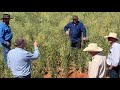
Details a multispecies cropping system with sweet corn interseeded into hairy clover, highlighting nitrogen fixation, mycorrhizal network development, and increased nutrient density and taste in the r
-
Exciting intercropping strategies include 'multi-variety mono crops' for enhanced sunlight capture and yield, and intercropping hairy vetch with corn (especially in organic systems with grazing) to im
![Thumbnail for [S1E3] Farmer Panel: Intercropping 1.0](/static/thumbnails/WqV-YHT039M.jpg)
 Community
-
Forest farming, or food forests, integrates multiple vegetation layers (overstory, midstory, understory) for food, herbs, or mushrooms on agricultural lands. It uses practices like site preparation an
Read more (pp. 1-2) (opens PDF, pp. 1-2) efotg.sc.egov.usda.gov
 Research
-
MULTILAYER FARMING: A SOLUTION OF MANY PROBLEMS (opens in new window)
This study found: Multilayer farming grows crops of different heights together on one plot to maximize sunlight use, boost yields, ensure year-round harvests, and conserve water, addressing food security with limited l
-
Syndromes of production in intercropping impact yield gains. (opens in new window)
This study found: Global study identified two intercropping strategies: high-input (corn/legumes, staggered growth, wide rows, high fertilizer) yielded 4x more than low-input. Both saved land and fertilizer.
-
Can multi-cropping affect soil microbial stoichiometry and functional diversity, decreasing potential soil-borne pathogens? A study on European organic vegetable cropping systems (opens in new window)
This study found: Multi-cropping in organic vegetable farms boosts soil microbes, improves nutrient cycling, and reduces soil pathogens by enhancing beneficial root fungi and specific bacteria, potentially increasing l
-
Genetics of Inter Cropping for Crop Productivity Enhancement (opens in new window)
This study found: Intercropping, planting multiple crops together, enhances nutrient use, soil health, and yield by leveraging diverse plant traits. Plant breeding can further optimize these systems, though labor costs
Key Points
What It Is
- Multiple crops in vertical layers
- Mimics natural forest food webs
- Integrates different growth cycles
- High above and below-ground diversity
Why Do It
- Maximizes resource utilization efficiency
- Enhances biodiversity within farm system
- Increases long-term soil health and fertility
- Creates resilient and productive landscapes
Know the Debate
- Yields vary with species, management, climate, and markets.
- Input cost reductions depend on system maturity and expertise.
- Management complexity scales with species diversity and planning.
- Economic returns are diversified but require market access.
- Soil health and biodiversity benefits are consistently high.
- Initial investment varies by scale and species complexity.
Benefits - Financial
- Net income increase of 70-150% per acre by year 7
- Annual input cost savings of $42-125 per acre ($104–$309 per hectare) for inputs
- Diversified secondary crops add $1,250-2,605 per acre ($3,089–$6,437 per hectare) in premium markets
Benefits - System
- Annual organic matter input: +2-5 tonnes per hectare
- Soil organic matter increase: +0.5-1.5% over decade
- Water infiltration improved: 30-60%
- Pest and disease cycles disrupted naturally
Risks - Financial
- Initial establishment costs of $365-1,875 per acre ($902–$4,633 per hectare) based on scale
- Yield drops of 20-40% possible during year 4-5 transition period
Risks - System
- Competition for light, water, nutrients
- Potential for pests/diseases to spread
- Requires precise planning and management
- Not suitable for highly mechanized monocultures
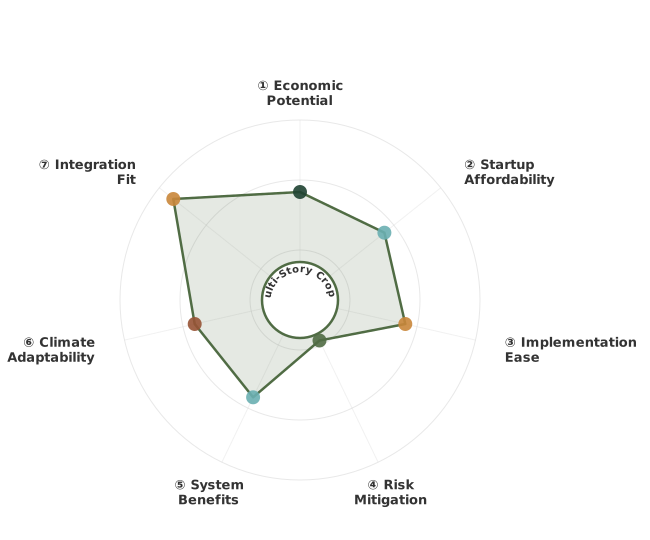
How These Traits Are Calculated
Trait dimensions are ordered clockwise starting from the top of the chart (12 o'clock position):
1. Economic Potential
Financial returns, annual value, and break-even timeline
WHAT: Evaluates financial viability by combining net annual value ($/ha from savings, income, and amortized harvests) with break-even timeline showing when practices pay for themselves.
WHY: Farmers need clear ROI understanding before committing resources. Fast payback (≤3 years) with strong returns (≥$300/ha) enables confident adoption, while long timelines (>10 years) restrict adoption to well-funded operations willing to wait for returns.
HOW: Calculated from net annual value in $/ha and break-even years. Exceptional (≥2.6): fast ROI ≤3 years + high value ≥$300/ha. Typical (1.8-2.5): moderate returns or longer timelines. Limited (<1.8): marginal economics or very long payback >10 years.
2. Startup Affordability
Initial investment costs and financial barrier to entry
WHAT: Measures financial barrier to entry through startup costs for equipment, infrastructure, consulting, and materials. Inverted scoring: lower costs = higher scores = more accessible adoption.
WHY: Affordability determines who can adopt. Low-cost practices (<$250/ha) enable widespread adoption across diverse scales, while high costs (>$2,500/ha) limit adoption to well-capitalized operations, creating barriers that slow regenerative transition.
HOW: Calculated from initial investment parsed from practice content. Inverted scoring: Exceptional (≥2.6): minimal investment <$250/ha. Typical (1.8-2.5): moderate costs $250-2,500/ha. Limited (<1.8): high barrier >$2,500/ha.
3. Implementation Ease
Learning curve and specialized knowledge required
WHAT: Measures how much learning, planning, and specialized knowledge a practice requires. Simpler practices with fewer steps score higher, while complex practices requiring extensive training or specialized resources score lower.
WHY: Complex practices create adoption barriers even when economically viable. Straightforward practices enable faster adoption and broader participation, while those requiring extensive training, timing precision, or specialized equipment limit who can succeed.
HOW: Evaluated by measuring documentation length and identifying complexity markers like location-specific requirements, seasonal timing windows, specialized skills, and dedicated equipment needs. Exceptional (≥2.6): straightforward practices with minimal prerequisites. Typical (1.8-2.5): moderate learning curve with some specialized needs. Limited (<1.8): steep learning curve requiring significant training or resources.
4. Risk Mitigation
Identified financial and ecological risk assessment
WHAT: Evaluates documented risks across financial (investment loss, market volatility) and ecological (crop failure, pest outbreaks) domains. Inverted scoring: fewer risks = higher scores.
WHY: Understanding risk exposure helps farmers make informed decisions. Low-risk practices allow confident implementation, while high-risk practices require careful planning and contingency resources. Risk transparency prevents costly failures.
HOW: Calculated from identified risks in practice content. Inverted scoring: Exceptional (≥2.6): ≤2 risks with manageable severity. Typical (1.8-2.5): 3-5 moderate risks. Limited (<1.8): 6+ risks or severe exposure.
5. System Benefits
How many ways the practice improves your land simultaneously
WHAT: Measures how many aspects of land health improve at once—carbon storage, soil quality, erosion control, water absorption, and biodiversity. Practices that improve multiple areas simultaneously create compounding benefits where each improvement reinforces the others.
WHY: The best practices solve multiple problems at once. For example, addressing erosion simultaneously builds carbon and improves water infiltration, creating a resilient system with positive feedback loops. Single-benefit approaches miss these compound transformation opportunities.
HOW: Evaluated across five key outcomes: carbon sequestration, soil organic matter increase, erosion reduction, water infiltration improvement, and biodiversity enhancement. Exceptional (≥2.6): high carbon storage (>8 t/ha/yr), improvements across 4-5 areas, transformative outcomes. Typical (1.8-2.5): moderate carbon (3-8 t/ha/yr), improvements across 2-3 areas. Limited (<1.8): modest impact (<3 t/ha/yr), single-area focus only.
6. Climate Adaptability
Geographic applicability across Köppen climate zones
WHAT: Evaluates geographic applicability by assessing how many Köppen climate zones successfully support a practice and what adaptation requirements are needed. Measures breadth of climates where farmers can implement with minimal to moderate modifications.
WHY: Universal practices working across diverse climates enable more farmers to adopt regenerative approaches. Practices limited to single climate types (only Mediterranean, only tropical) restrict adoption and slow global transition. Adaptability determines whether a practice serves niche regions or offers broad transformation.
HOW: LLM evaluation of regional success stories, Köppen zone coverage, and adaptation needs. Exceptional (≥2.6): 5+ zones or 4+ climate types, 3+ continents, minimal adaptation. Typical (1.8-2.5): 3-4 zones or 2-3 types, 2 continents, moderate adaptation. Limited (<1.8): 1-2 zones, single region, significant adaptation or highly specialized.
7. Integration Fit
How well this practice combines with others you're doing
WHAT: Measures how well a practice combines with other regenerative practices you might be doing. Some practices work as building blocks that make many other practices easier or more effective, while others work best on their own.
WHY: Practices that combine well with many others create more value on your farm. For example, cover cropping enables no-till, improves grazing, supports crop diversity, and helps water management—making all of them work better together. This helps you build a coherent system rather than juggling disconnected practices.
HOW: Evaluated by identifying which practices combine well and how strong those combinations are. 'Ideally Suited' means strong combinations where practices reinforce each other (practice A makes B easier, while B makes A more effective). 'Adequate' means complementary benefits that work well together. Exceptional (≥2.6): combines well with 6+ practices, serves as a building block. Typical (1.8-2.5): combines with 3-5 practices. Limited (<1.8): 1-2 practices or works best alone.
Going Deeper
1
WHY - The Benefits
Multi-story cropping, at its core, is about leveraging ecological principles to enhance agricultural productivity and ecological function. By mimicking natural ecosystems, it unlocks a cascade of benefits that extend from soil health and biodiversity to economic...
Multi-story cropping, at its core, is about leveraging ecological principles to enhance agricultural productivity and ecological function. By mimicking natural ecosystems, it unlocks a cascade of benefits that extend from soil health and biodiversity to economic...
WHY - The Benefits
Multi-story cropping, at its core, is about leveraging ecological principles to enhance agricultural productivity and ecological function. By mimicking natural ecosystems, it unlocks a cascade of benefits that extend from soil health and biodiversity to economic...
Multi-story cropping, at its core, is about leveraging ecological principles to enhance agricultural productivity and ecological function. By mimicking natural ecosystems, it unlocks a cascade of benefits that extend from soil health and biodiversity to economic...
Soil Health Benefits
The most significant impact of multi-story cropping is on soil health. Having multiple plant species growing simultaneously ensures continuous root activity, contributing to soil aggregation, pore structure, and aeration. Deep-rooted species can access nutrients and water from lower soil horizons, bringing them to the surface through organic matter decomposition as they die back. Shallow-rooted species utilize surface moisture and nutrients efficiently, preventing losses. This diverse root architecture creates a complex network of channels that enhance water infiltration and reduce runoff, crucial in regions prone to drought or heavy rainfall.
The constant presence of living roots and the addition of varied organic matter from different plant residues—leaves, stems, roots—fuel a vibrant soil food web. This diversity of food sources supports a greater variety of beneficial microorganisms (bacteria, fungi, protozoa, nematodes) and larger soil fauna (earthworms, arthropods). These organisms are the engine of nutrient cycling, making essential elements available for plant uptake. Studies have shown that multi-story systems can increase soil organic matter by 0.5-1.5% over a decade compared to treeless monocultures, improving water holding capacity, nutrient availability, and soil structure.
Furthermore, the dense canopy and groundcover provided by multi-story systems significantly reduce soil erosion. They intercept raindrops, break the force of wind, and act as a physical barrier to soil movement. This improved soil cover maintains soil moisture, moderates soil temperature, and creates a more stable environment for biological processes, contributing to a virtuous cycle of regeneration.
Economic Benefits
Multi-story cropping offers a powerful pathway to enhance farm profitability and reduce economic risk. By integrating multiple crops, farmers can achieve higher yields per unit area and diversify their income streams. For instance, a system might combine a cash grain crop with a legume intercrop for nitrogen fixation, a row crop for early season harvest, and a perennial crop or groundcover that matures later in the season. This means multiple harvests throughout the year, spreading income and labor demands more evenly.
The reduced reliance on external inputs is a significant economic advantage. The enhanced nutrient cycling from diverse plant communities and soil biology can decrease or eliminate the need for synthetic fertilizers. Similarly, the biological pest control and disruption of pest cycles inherent in diverse systems can reduce or eliminate the need for pesticides. Reduced tillage also lowers fuel and machinery costs. Over time, these input reductions can significantly improve profit margins.
The premium price for diverse, organically grown, or specialty crops also presents an economic opportunity. Consumers are increasingly seeking unique products and supporting sustainable farming practices. Multi-story systems, by their very nature, produce a wider array of crops, some of which may command higher market prices due to their novelty, flavor, or perceived health benefits. Building direct market channels or value-added products from these crops can further boost profitability.
Lastly, the increased resilience of multi-story systems—to climate variability, pest outbreaks, or market fluctuations—provides economic stability. A diversified system is less vulnerable to the failure of a single crop or market. If one component underperforms, others can compensate, smoothing out income volatility.
Regenerative Systems Fit
Multi-story cropping is a cornerstone practice for building truly regenerative agricultural systems, directly supporting multiple principles:
Principle 1 (Maximize Crop Diversity): This is the most directly addressed principle. By intentionally planting multiple species with varying characteristics, multi-story cropping creates a highly diverse ecosystem above and below ground. This diversity enhances resilience, improves nutrient cycling, suppresses pests and diseases, and fosters a rich soil biology.
Principle 2 (Keep Soil Covered): The layering of canopy, understory, and groundcover ensures that soil is protected year-round. This continuous cover mitigates erosion, conserves soil moisture, regulates soil temperature, and provides habitat and food for soil organisms, preventing bare soil conditions that lead to degradation.
Principle 3 (Maintain Living Roots): The simultaneous presence of multiple species with different growth cycles means living roots are continuously present in the soil. This constant biological activity fuels the soil food web, drives nutrient cycling, sequesters carbon, and maintains porous soil structure by preventing the collapse of pore spaces when one crop dies back.
Principle 4 (Minimize Soil Disturbance): A well-designed multi-story system can significantly reduce the need for tillage. The dense canopy suppresses weeds, and the diverse root systems contribute to soil structure, making conventional tillage unnecessary for aeration or seedbed preparation. Reduced disturbance preserves soil aggregates, fungal networks, and the delicate soil food web.
Principle 5 (Integrate Livestock): Livestock can be easily integrated into multi-story systems. For example, poultry can forage for insects and weed seeds under larger crops, smaller ruminants like sheep can graze under fruit trees or timber species, or livestock can be rotated through fallow areas or between crop cycles. This integration helps in nutrient cycling, weed control, and provides additional economic outputs while reinforcing other regenerative principles.
By fulfilling these principles, multi-story cropping moves beyond mere crop production to creating a functioning agroecosystem. It builds soil fertility, enhances biodiversity, sequesters carbon, improves water cycles, and creates a more stable and profitable farming enterprise. It can serve as a foundational practice for established regenerative farms or as a significant transition strategy, gradually increasing ecological function and reducing reliance on synthetic inputs.
Sources behind this view
Videos & Podcasts
-
Utilize multi-species cover crops based on specific 'resource concerns' to improve soil health, nitrogen fixation, and water retention. Integrate livestock for grazing, calving, and overwintering, enh

-
Details observed benefits of multi-species cover crops: increased biodiversity, diverse root structures, improved livestock weight gain (1.2-1.5 kg/day), higher dry matter production (12+ tons/ha), an

-
Farmers detail diverse cover cropping mixes (rye, vetch, oats, flax, sunflowers, peas, canola) and polyculture systems to boost soil health and reduce inputs. They emphasize continuous living roots, l
-
Multispecies farming boosts soil water-holding capacity (1% OM = 27k gal/acre) and infiltration through living roots, reduced tillage, and diverse biology. It improves water-use efficiency and drastic
Community
-
Enhance soil health through plant diversity, continuous soil cover (living plants/residues), and livestock integration. Manage carbon-to-nitrogen ratios of residues and adopt no-till practices to impr
Read more (opens in new window) permies.com -
Integrates cover crops and biodiversity for soil health and farm income, focusing on wind erosion control, wildlife habitat, and sustainable practices for cumulative benefits.
Read more (p. 1) (opens PDF, p. 1) efotg.sc.egov.usda.gov
Research
-
Syndromes of production in intercropping impact yield gains. (opens in new window)
This study found: Global study identified two intercropping strategies: high-input (corn/legumes, staggered growth, wide rows, high fertilizer) yielded 4x more than low-input. Both saved land and fertilizer.
-
Benefits and Risks of Intercropping for Crop Resilience and Pest Management. (opens in new window)
This study found: Intercropping (growing multiple crops together) boosts resilience to climate change and improves pest control by enhancing resource use and beneficial insect habitat. While generally profitable, adopt
-
Can multi-cropping affect soil microbial stoichiometry and functional diversity, decreasing potential soil-borne pathogens? A study on European organic vegetable cropping systems (opens in new window)
This study found: Multi-cropping in organic vegetable farms boosts soil microbes, improves nutrient cycling, and reduces soil pathogens by enhancing beneficial root fungi and specific bacteria, potentially increasing l
-
Cover Crops Enhance Soil Organic Carbon and Soil Quality for Sustainable Crop Yield: A Systematic Review (opens in new window)
This study found: A review of 38 studies shows diverse cover crop mixes, used long-term, boost soil organic matter (5-30%), soil quality (87%), and crop yields (55%), supporting climate-smart agriculture.
2
WHERE - Regional Considerations
Multi-story cropping's adaptability allows it to be implemented across a vast range of climates and regions, provided the chosen species are well-suited to local conditions. The success of a multi-story system hinges on matching plant characteristics to environmental...
Multi-story cropping's adaptability allows it to be implemented across a vast range of climates and regions, provided the chosen species are well-suited to local conditions. The success of a multi-story system hinges on matching plant characteristics to environmental...
WHERE - Regional Considerations
Multi-story cropping's adaptability allows it to be implemented across a vast range of climates and regions, provided the chosen species are well-suited to local conditions. The success of a multi-story system hinges on matching plant characteristics to environmental...
Multi-story cropping's adaptability allows it to be implemented across a vast range of climates and regions, provided the chosen species are well-suited to local conditions. The success of a multi-story system hinges on matching plant characteristics to environmental...
Click Here to Look up your Region if you don't already know it
Tropical Regions
Representative Locations: Southeast Asia (e.g., Indonesia, Vietnam), Central America (e.g., Costa Rica, Brazil), East Africa (e.g., Kenya, Tanzania), Northern Australia
Climate Context: High temperatures year-round, high humidity, and abundant rainfall, often with distinct wet and dry seasons or consistent high rainfall. Köppen Af, Am, Aw. USDA Zones 10-13.
Suitability: Excellent. Tropical rainforests, with their distinct canopy layers, provide a natural model. Multi-story cropping is common in tropical home gardens and smallholder farms, incorporating staple crops like bananas, plantains, cassava, yams, taro, maize, beans, and various fruit trees (mango, papaya, jackfruit) and perennial herbs. Systems often mimic natural forest structure, with tall trees forming the upper canopy, shorter trees and large-leafed crops the middle, and vining plants and groundcovers completing the layers. Management focuses on efficient water use during dry periods and disease management in high humidity.
Subtropical Regions
Representative Locations: Southeastern United States, Southern China, Southern Brazil, Eastern Australia, South Africa
Climate Context: Hot, humid summers and mild winters. Rainfall is generally ample but can be seasonal. USDA Zones 9-11. Köppen Cfa, Cwa.
Suitability: High. Similar to tropical systems but with a more pronounced cooler season. Suitable for combining fruit trees (citrus, peaches, figs) with berry bushes (blueberries, raspberries), perennial vegetables (artichokes, asparagus), and annual crops like corn, tomatoes, and beans. The mild winters allow for extended growing seasons and the potential for overwintering cover crops or hardy greens. Careful species selection is needed to manage frost in cooler parts of the zone.
Humid Temperate Regions
Representative Locations: Northern Europe (UK, Germany, France), Eastern China, Japan, Northeastern United States, Canada
Climate Context: Moderate temperatures with distinct warm summers and cool to cold winters. Precipitation is generally well-distributed throughout the year. USDA Zones 4-8. Köppen Cfb, Cfa.
Suitability: Good to High. This climate supports a wide range of temperate perennial crops and annuals. Multi-story systems here often involve fruit trees (apples, pears, cherries) or nut trees (walnuts, hazelnuts) integrated with berry bushes (currants, gooseberries), perennial vegetables, medicinal herbs, and annual grains or vegetables. The distinct seasons require careful planning for crop rotation, cover cropping, and managing winter dormancy. Species that are cold-hardy and can tolerate varied light conditions are essential.
Mediterranean Regions
Representative Locations: Mediterranean Basin (Italy, Spain, Greece), California (USA), Central Chile, Southwestern Australia, Cape Region (South Africa)
Climate Context: Hot, dry summers and mild, wet winters. Precipitation is highly seasonal and often limited in summer. USDA Zones 8-10. Köppen Csa, Csb.
Suitability: Moderate to Good, with specific adaptations. The primary challenge is water scarcity during summer, requiring drought-tolerant species and efficient water management. Systems here might include olive trees, almonds, figs, and drought-hardy grapes as the upper story. Mid-story crops could include hardy herbs or shrubs like rosemary or lavender. Lower stories could feature drought-tolerant legumes or groundcovers. Irrigation, mulching, and water-harvesting techniques are critical for success. Species adapted to dry summers are key.
Arid/Semi-Arid Regions
Representative Locations: Western USA, North Africa, Central Asia, Interior Australia, Middle East
Climate Context: Very low annual rainfall, high evaporation rates, and often extreme temperature fluctuations. USDA Zones 4-9 (varies by latitude). Köppen BSh, BSk, BWh, BWk.
Suitability: Challenging but Possible. Success in these regions relies heavily on selecting extremely drought-tolerant species, utilizing water harvesting (e.g., swales, berms), and intensive mulching. Trees might include drought-hardy species like acacia, mesquite, or certain pines, often planted strategically near water sources or in small depressions. Understory crops need to be adapted to intense sun and low water, such as certain hardy herbs, drought-tolerant legumes, or grazing-tolerant forages for integrated livestock. Focus is on water conservation and maximizing use of limited moisture.
Cold Continental Regions
Representative Locations: Northern USA and Canada, Northern Europe, Northern Asia
Climate Context: Very short growing seasons, extreme winter cold, and hot summers. USDA Zones 2-5. Köppen Dfa, Dfb, Dfc.
Suitability: Limited for complex multi-story systems, but possible. Focus is on very cold-hardy perennial crops and annuals with short life cycles. This might include cold-hardy fruit trees (apples, plums), berry bushes (saskatoons, hardy raspberries), rhubarb, and spring-planted annuals like short-season corn, peas, or beans. The main challenge is the very short window for growth and biomass accumulation. Systems may be simpler, with fewer distinct stories, and require robust winter protection for plants. Careful timing of planting and harvest is crucial to maximize production within the short season.
3
HOW - Implementation Process
Implementing a multi-story cropping system requires careful planning, species selection, and an understanding of plant interactions. The process can be broken down into several key phases.
Implementing a multi-story cropping system requires careful planning, species selection, and an understanding of plant interactions. The process can be broken down into several key phases.
HOW - Implementation Process
Implementing a multi-story cropping system requires careful planning, species selection, and an understanding of plant interactions. The process can be broken down into several key phases.
Implementing a multi-story cropping system requires careful planning, species selection, and an understanding of plant interactions. The process can be broken down into several key phases.
Prerequisites
Before designing your system, consider:
- Goals: What do you want to achieve? (e.g., increased yield, pest control, soil building, diversified income, habitat creation)
- Scale: How large an area are you working with? This will influence species choice and management intensity.
- Climate and Soil: Understand your local microclimate, rainfall patterns, temperature extremes, and soil type. Conduct soil tests.
- Market Access: If selling products, do you have reliable markets for both primary and secondary crops?
- Labor and Time: Multi-story systems require more planning and potentially more diverse labor than monocultures. Be realistic about what you can manage.
Phase 1: Design and Species Selection
This is the most critical phase. 1. Identify the Dominant Species (Top Story): Select long-lived, productive species adapted to your climate. These could be timber trees, fruit trees, large perennial vegetables like asparagus, or fast-growing annuals like corn or vining beans that can be managed. Consider their mature size, light needs, and growth rate. 2. Select Complementary Middle/Mid-Story Species: Choose plants that thrive under the light conditions created by the top story. These might be shrubs, berry bushes, smaller fruit trees, or intermediate-height annuals. Ensure they have different peak nutrient demands or rooting depths than the top story species. For example, if your top story is a nitrogen-fixing tree, your middle story could be a heavy nitrogen feeder like corn, and your groundcover a nitrogen-fixing legume. 3. Choose Groundcover/Bottom-Story Species: This layer should stabilize soil, conserve moisture, suppress weeds, and potentially provide additional income or ecosystem services. Options include nitrogen-fixing cover crops (clover, vetch), low-growing herbs (thyme, oregano), root vegetables (radishes), or shade-tolerant greens. 4. Consider Interactions: Research potential allelopathic effects (where one plant inhibits another), pest or disease synergies/antagonisms, and competition for water and nutrients. Prioritize species that are mutually beneficial or at worst, neutral. 5. Plan for Succession and Harvest: Think about the timeline of each crop. When will the top story provide significant shade? When will the middle story be harvested? When is the groundcover at its peak? Phasing ensures resources are utilized sequentially rather than all at once.
Phase 2: Site Preparation and Initial Planting
- Minimize Disturbance: If possible, use no-till methods to establish the system. This might involve planting directly into existing sod or using cover crops to prepare the site. If some soil disturbance is necessary (e.g., for establishing perennial beds), do it strategically with minimal impact.
- Establish Long-Term Species First: Plant your top-story species (trees, large shrubs) first, as they take the longest to establish and reach maturity. Allow them 1-3 years to begin growing before introducing intermediate or ground-cover species, giving them a head start.
- Spacing is Key: Plan spacing that allows adequate light and resources for all layers. Consider equipment access if using machinery. Rows of trees or taller crops might be spaced widely, with shorter crops filling the in-between areas.
- Watering and Mulching: Adequate watering and mulching are critical during establishment, especially for young trees and shrubs, and in drier climates. Mulch helps conserve moisture, suppress weeds, and add organic matter.
Phase 3: Management and Integration
- Adaptive Grazing (If Applicable): If integrating livestock, plan grazing rotations carefully. Animals can help manage undergrowth, fertilize the system, and control pests. However, they must be managed to prevent trampling or damaging young plants. Consider fencing off sensitive areas.
- Pruning and Thinning: For perennial systems, pruning is essential to manage light penetration, shape plants, and optimize production of both the primary crop and the understory plants. Thinning of trees or dense shrubs may be necessary as they mature.
- Weed Management: The dense canopy of a multi-story system naturally suppresses weeds. However, in the early establishment phases, manual weeding or targeted mulching might be necessary.
- Harvesting and Marketing: Develop a plan for harvesting and marketing diverse crops. This might involve direct sales, CSAs, local markets, or value-added processing. Harvesting can be staggered throughout the year.
- Monitor and Adapt: Multi-story systems are complex and dynamic. Regularly observe plant health, pest pressures, soil conditions, and economic performance. Be prepared to adapt your management strategies based on what you learn and the specific needs of your system.
Transition Timeline & Phase-Out Strategy
Multi-story cropping is generally a regenerative practice, so there isn't typically a "phase-out" of non-regenerative inputs or a temporary violation of principles. Instead, the "transition" is about gradually implementing the practice and building complexity.
- Year 1-2: Introduction: Start with a simple two-story system, e.g., intercropping corn with beans, or planting berry bushes under young fruit trees. Focus on establishing the primary crop while introducing a complementary one.
- Year 3-5: Expansion: Increase the number of species and layers. Introduce a groundcover, or add a perennial understory to annual crops. Integrate livestock or begin developing markets for secondary crops.
- Year 5-7+: Maturation: The system reaches a more complex, multi-layered structure. Management shifts from establishment to optimizing the interactions between stable components. Further refinements can be made annually based on observation.
The primary "phase-out" related to multi-story cropping is the reduction of reliance on synthetic inputs, which occurs naturally as the system matures and its ecological functions become more robust. For example, as nitrogen-fixing legumes become established, reliance on synthetic nitrogen fertilizers decreases. As pest cycles are disrupted by diversity, synthetic pesticides can be eliminated.
Sources behind this view
Research
-
MULTILAYER FARMING: A SOLUTION OF MANY PROBLEMS (opens in new window)
This study found: Multilayer farming grows crops of different heights together on one plot to maximize sunlight use, boost yields, ensure year-round harvests, and conserve water, addressing food security with limited l
-
Farming with forages can reconnect crop and livestock operations to enhance circularity and foster ecosystem services (opens in new window)
This study found: Integrating crops and livestock with forages can boost sustainability by improving nutrient cycling, soil health, and biodiversity, reducing pollution and emissions. Practices like using cover crops f
4
Know the Debate
Multi-story cropping outcomes reflect a dynamic interplay between your environment and management choices. In humid temperate zones with adequate r...
Know the Debate
Multi-story cropping outcomes reflect a dynamic interplay between your environment and management choices. In humid temperate zones with adequate r...
Multi-story cropping outcomes reflect a dynamic interplay between your environment and management choices. In humid temperate zones with adequate rainfall, established systems yield diverse harvests within 3-5 years with reduced inputs. Tropical and subtropical regions offer immediate high diversity and yields, provided water and pest management are addressed. Arid regions require extreme drought tolerance and water harvesting, leading to slower establishment and potentially more modest yields. Initial investment can range from $1,000/ha for simple annual intercropping to over $5,000/ha for complex perennial integrations, with labor intensive management scaling with diversity.
How much do yields vary in multi-story systems?
Generally higher per-area yield & profit
Academic and institute sources suggest synergistic effects and input reductions lead to higher net returns per hectare, especially with careful species selection and management. Field practitioners report achieving higher total output and profits by diversifying harvests and optimizing resource use.
Sources behind this view
Sources behind this view
Videos & Podcasts
-
Exciting intercropping strategies include 'multi-variety mono crops' for enhanced sunlight capture and yield, and intercropping hairy vetch with corn (especially in organic systems with grazing) to improve soil health and potentially profitability.
-
Details observed benefits of multi-species cover crops: increased biodiversity, diverse root structures, improved livestock weight gain (1.2-1.5 kg/day), higher dry matter production (12+ tons/ha), and nutrient cycling. Contrasts with monocultures, noting higher seed costs but potential for greater profitability and soil health.
Research
-
Annual intercrops: an alternative pathway for sustainable agriculture. (opens in new window)
This study found: Growing two or more crops together in the same field at the same time, known as intercropping, is an old practice that can boost farm sustainability. By planting crops with different needs and growth habits side-by-side, farmers can make better use of sunlight, water, and nutrients, often leading to higher overall yields from the same land. Intercropping with legumes, like beans or clover, naturally adds nitrogen to the soil, reducing the need for synthetic fertilizers. It also provides better ground cover, which helps prevent soil erosion, and can help manage pests and diseases. This approach offers a safety net against bad weather or fluctuating prices, making it especially beneficial for smaller farms. While it requires careful planning for crop selection and management, intercropping can lead to lower input costs and reduced environmental impact, making it a valuable tool for sustainable agriculture.
 From the Web
-
Explains intercropping as a sustainable practice that enhances crop yields, income, nutrient and water use efficiency, and soil health through mechanisms like nitrogen fixation and pest management, while reducing costs compared to monoculture.
Highly variable, depends on context
Field practitioners highlight that yields and profits differ greatly based on specific crop combinations, management skills, climate, and market access. While some systems thrive, others struggle to match monoculture yields for individual crops.
Sources behind this view
Sources behind this view
Videos & Podcasts
-
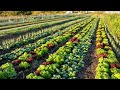
Details six intercropping strategies: filling maturing crop space, filling germination gaps, providing structural shade, complementary root systems, relay cropping (planting into existing crops), and split-bed planting (half bed per crop).
-
Multi-species cropping shows advantages in soil aggregation, water use efficiency, and harvestability over monoculture, despite challenges in seed cleaning and maturity timing. The speaker questions traditional fallow practices and highlights the importance of timing and seasonal variability.

Research
-
Syndromes of production in intercropping impact yield gains. (opens in new window)
This study found: A large global study analyzed many experiments to understand how growing multiple crops together (intercropping) affects harvest yields. They found two main ways farmers do this: one common in China uses corn with other crops like grains or beans that grow at different times, planted in wide rows, and with plenty of fertilizer. This method produced about four times more extra yield than a different approach common elsewhere, which uses shorter crops planted together with similar growth times and less fertilizer. Both methods saved land and fertilizer compared to growing just one crop. This shows intercropping can boost harvests sustainably for both high- and low-input farming systems.
-
Benefits and Risks of Intercropping for Crop Resilience and Pest Management. (opens in new window)
This study found: Growing multiple crops together (intercropping) can help farms become more resilient to climate change and better manage pests. A review of 24 studies found that intercropping often improves how efficiently crops use water and nutrients, increases the soil's ability to hold water, and creates better homes for helpful insects like pollinators and natural pest predators. While most studies show benefits for pest control, crop yields, and overall profits, farmers face challenges. These include concerns about lower yields, more complex management, a difficult learning curve, and sometimes increased pest problems. For intercropping to be widely adopted, farmers need more information on its economic benefits, including labor costs. Strong technical and financial support is also essential to help farmers successfully manage these more complex farming systems.
From the Web
-
Advocates for intercropping and crop diversity to increase farm profitability and ecosystem function, emphasizing yield stability over maximum yield and encouraging experimentation with plant collaborations.
Making Sense of the Differences
Yield outcomes in multi-story cropping are highly context-dependent, influenced by species compatibility, management skill, climate, soil health, and market access. Systems with species that complement rather than compete for light, nutrients, and water, and are managed for balanced production across layers, tend to achieve higher per-area yields and profits. Markets for diverse crops are also critical for realizing full economic potential.
How much can input costs be reduced in multi-story systems?
Significant reduction possible with maturity
Academic sources indicate reduced fertilizer and pesticide needs due to nutrient cycling and biological pest control. Field practitioners report substantial input reductions, some achieving near-elimination, once the system matures and benefits from established soil biology and diverse species.
Sources behind this view
Sources behind this view
Videos & Podcasts
-
Details a multispecies cropping system with sweet corn interseeded into hairy clover, highlighting nitrogen fixation, mycorrhizal network development, and increased nutrient density and taste in the resulting corn.
-
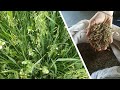
Intercropping can increase yields and improve soil health via nitrogen fixation and better structure. It also enhances competition against diseases and weeds, with practical on-farm assessments including soil structure and crop yields.
-
Explains the strategic 'why' of cover crops and diverse root systems for soil health, focusing on objectives like covering soil, feeding microbes, and recycling nutrients. Recommends species selection based on specific goals (e.g., nitrogen fixation, structure) and highlights the CROP concept (Cover, Roots, Oxygen, Porosity).

Research
-
Annual intercrops: an alternative pathway for sustainable agriculture. (opens in new window)
This study found: Growing two or more crops together in the same field at the same time, known as intercropping, is an old practice that can boost farm sustainability. By planting crops with different needs and growth habits side-by-side, farmers can make better use of sunlight, water, and nutrients, often leading to higher overall yields from the same land. Intercropping with legumes, like beans or clover, naturally adds nitrogen to the soil, reducing the need for synthetic fertilizers. It also provides better ground cover, which helps prevent soil erosion, and can help manage pests and diseases. This approach offers a safety net against bad weather or fluctuating prices, making it especially beneficial for smaller farms. While it requires careful planning for crop selection and management, intercropping can lead to lower input costs and reduced environmental impact, making it a valuable tool for sustainable agriculture.
-
Intercropping—A Low Input Agricultural Strategy for Food and Environmental Security (opens in new window)
This study found: Growing multiple crops together at the same time, known as intercropping, is a traditional farming method that uses fewer external inputs like fertilizers and pesticides. This approach can boost overall crop yields, improve the environment, and make farming more sustainable. When legumes (like beans or peas) are part of the mix, they naturally add nitrogen to the soil, improving its quality and providing extra protein. While it requires careful management to ensure the crops don't compete too much for resources, research shows that well-managed intercropping systems can lead to better yields with less reliance on costly inputs.
From the Web
-
Explains intercropping as a sustainable practice that enhances crop yields, income, nutrient and water use efficiency, and soil health through mechanisms like nitrogen fixation and pest management, while reducing costs compared to monoculture.
-
Intercropping, including mixed cropping and companion planting, enhances resource use and pest management but requires careful management and crop rotation planning to balance competition and prevent disease spread.
Reduction depends on system maturity and expertise
While potential for input reduction is high, field practitioners note that newly established or less diverse systems may still require some targeted inputs. Full elimination of synthetics is most feasible in mature systems with excellent management expertise.
Sources behind this view
Sources behind this view
Videos & Podcasts
-
Details a multispecies cropping system with sweet corn interseeded into hairy clover, highlighting nitrogen fixation, mycorrhizal network development, and increased nutrient density and taste in the resulting corn.
-
Multi-species cropping shows advantages in soil aggregation, water use efficiency, and harvestability over monoculture, despite challenges in seed cleaning and maturity timing. The speaker questions traditional fallow practices and highlights the importance of timing and seasonal variability.
-
Explains the strategic 'why' of cover crops and diverse root systems for soil health, focusing on objectives like covering soil, feeding microbes, and recycling nutrients. Recommends species selection based on specific goals (e.g., nitrogen fixation, structure) and highlights the CROP concept (Cover, Roots, Oxygen, Porosity).
Making Sense of the Differences
The extent of input reduction in multi-story systems is directly proportional to the maturity and ecological function of the system and the farmer's expertise. Systems with complementary species and strong soil biology can dramatically reduce or eliminate synthetic fertilizers and pesticides. However, newly established or less diverse systems may still require some targeted inputs, particularly on farms transitioning from conventional practices.
How complex is managing multi-story systems?
Simple systems manageable with planning
Academic literature emphasizes careful planning for resource use and plant interaction. Institute guides cover crop selection and intercropping methods, suggesting manageable components. Simple two-crop systems are feasible with basic crop rotation knowledge.
Sources behind this view
Sources behind this view
Research
-
Annual intercrops: an alternative pathway for sustainable agriculture. (opens in new window)
This study found: Growing two or more crops together in the same field at the same time, known as intercropping, is an old practice that can boost farm sustainability. By planting crops with different needs and growth habits side-by-side, farmers can make better use of sunlight, water, and nutrients, often leading to higher overall yields from the same land. Intercropping with legumes, like beans or clover, naturally adds nitrogen to the soil, reducing the need for synthetic fertilizers. It also provides better ground cover, which helps prevent soil erosion, and can help manage pests and diseases. This approach offers a safety net against bad weather or fluctuating prices, making it especially beneficial for smaller farms. While it requires careful planning for crop selection and management, intercropping can lead to lower input costs and reduced environmental impact, making it a valuable tool for sustainable agriculture.
-
Advancing Intercropping Research and Practices in Industrialized Agricultural Landscapes (opens in new window)
This study found: Growing multiple crops together, known as intercropping, is a key agroecological practice that can make farming more sustainable. By planting crops in strips, mixing them, or staggering them (relay intercropping), farmers can use resources like water and nutrients more efficiently, leading to higher and more consistent crop yields. This practice also helps reduce pests and improve overall soil health. While intercropping is more established with long-lived plants like grasses and legumes, its use with annual crops is growing, especially with cover crop mixtures. The researchers emphasize the need for consistent research methods to better understand and promote intercropping.
From the Web
-
Inter-cropping benefits include improved soil fertility, reduced erosion, weed control, and higher yields. Guidelines cover crop selection (e.g., legumes with non-legumes) and four methods: row, strip, relay, and mixed inter-cropping.
-
Intercropping enhances arable rotations by increasing resilience, improving pest and disease management, and supporting pollinators. Careful planning of planting and harvest times, considering species susceptibility and variety selection, is crucial for success.
Complex systems demand expertise and adaptation
Field practitioners highlight the steep learning curve for highly diverse systems, precise timing for planting/harvesting, and adaptive management, especially when integrating livestock or managing multiple market channels. This complexity increases with species number.
Sources behind this view
Sources behind this view
Videos & Podcasts
-
Explains intercropping methods (relay, strip, mixed) and mechanisms (competition, complementarity, resource sharing, facilitation) for sustainable intensification. Discusses Land Equivalency Ratio for measuring overyielding in systems like peas/canola or wheat/flax.

-
Intercropping offers benefits in rotation, harvest management, weed control (linked to soil health), and varietal diversity (using blends). Livestock integration is beneficial for managing cover crops and rotation. Experimentation with diverse species and tramline trials is encouraged.

-
Details observed benefits of multi-species cover crops: increased biodiversity, diverse root structures, improved livestock weight gain (1.2-1.5 kg/day), higher dry matter production (12+ tons/ha), and nutrient cycling. Contrasts with monocultures, noting higher seed costs but potential for greater profitability and soil health.
-
Multi-species cropping shows advantages in soil aggregation, water use efficiency, and harvestability over monoculture, despite challenges in seed cleaning and maturity timing. The speaker questions traditional fallow practices and highlights the importance of timing and seasonal variability.
Making Sense of the Differences
The management complexity of multi-story cropping is directly tied to the diversity and number of species involved. Simple intercropping is manageable with standard practices, but highly diverse systems mimicking natural ecosystems require a steep learning curve in species selection, understanding interactions, phased planting/harvesting, and potentially livestock integration. Farmers with experience in detailed crop rotation and observation tend to manage complexity more effectively.
5
HOW MUCH - Costs & Investment
Note: All costs are based on recent US economic data (2023-2025) and may vary substantially in other regions based on local labor rates, material costs, and regulatory requirements. International farmers should research local pricing and available government programs for...
Note: All costs are based on recent US economic data (2023-2025) and may vary substantially in other regions based on local labor rates, material costs, and regulatory requirements. International farmers should research local pricing and available government programs for...
HOW MUCH - Costs & Investment
Note: All costs are based on recent US economic data (2023-2025) and may vary substantially in other regions based on local labor rates, material costs, and regulatory requirements. International farmers should research local pricing and available government programs for...
Note: All costs are based on recent US economic data (2023-2025) and may vary substantially in other regions based on local labor rates, material costs, and regulatory requirements. International farmers should research local pricing and available government programs for...
Note: All costs are based on recent US economic data (2024–2026) and may vary substantially by region based on local labor rates, material costs, and regulatory requirements.
Perennial Stock and Seed Inputs
Establishing a multi-story cropping system requires significant upfront capital. For small operations (under 50 acres (20 ha)), high-density planting of fruit and nut trees requires an investment of $417–$1,042 per acre ($1,030–$2,575/ha). This cost reflects the purchase of premium, site-adapted grafted nursery stock. Mid-size operations (50–500 acres (20–202 ha)) benefit from wholesale nursery purchase agreements, reducing these stock costs to $261–$729 per acre ($645–$1,801/ha). Large-scale operations (over 500 acres (202 ha)) leverage industrial-scale nursery partnerships for mechanical planting initiatives, bringing input costs down to $156–$521 per acre ($385–$1,287/ha). Beyond woody perennials, annual seed replenishment for intercropped vegetables or cover crops averages $21–$104 per acre ($52–$257/ha) annually. This range accounts for the difference between using conventional farm-saved seed and sourcing high-vigor organic or proprietary hybrid seeds necessary for specific shaded micro-environments.
Site Preparation and Soil Amendments
Proper site preparation is the foundation of long-term productivity. Small-scale farmers typically utilize manual clearing and localized compost tea applications, incurring costs of $83–$313 per acre ($205–$773/ha). These manual processes allow for high precision in areas where heavy machinery cannot reach, such as irregular topography. Mid-size operations, which typically use tractor-mounted flail mowers and light discing implements, spend $52–$208 per acre ($128–$514/ha) for row preparation. Large-scale operations utilize automated, GPS-guided direct-seeding and tillage rigs, which provide efficiency, resulting in costs of $31–$156 per acre ($77–$385/ha). Additionally, critical soil amendments—particularly deep-mulching with wood chips or precision-injected compost to build organic matter and support tree root establishment—range from $52–$313 per acre ($128–$773/ha) depending on existing baseline soil nutrient levels and regional compost availability.
Fencing and Irrigation Infrastructure
Infrastructure protects the investment and dictates the survival rate of new plantings. Small operations, often prone to intense wildlife pressure on smaller plots, frequently install high-tensile deer exclusion fencing, costing $417–$625 per acre ($1,030–$1,544/ha). Mid-size operations typically utilize perimeter electric fencing or targeted tree-level guards, costing $208–$417 per acre ($514–$1,030/ha). Large operations often prioritize high-value row protection, using selective barrier systems that result in costs of $84–$261 per acre ($208–$645/ha). Irrigation remains a non-negotiable expense in most US regions; installing specialized drip and fertigation lines that can accommodate different watering schedules across vertical storeys costs between $156–$417 per acre ($385–$1,030/ha) across all farm sizes. These systems are essential for maintaining sapling growth during the critical three-year establishment phase.
Labor and Management
The economic reality of multi-story cropping is heavily influenced by the level of mechanization. Small-scale, labor-intensive systems require 20–50 hours of hand labor per acre during the first two years, costing $313–$834 per acre ($773–$2,061/ha) through the establishment period. Mid-size farms, which utilize specialized robotic or mechanical harvesting assists, manage costs at $156–$417 per acre ($385–$1,030/ha). Large farms, leveraging fully automated canopy-scale harvesters and robotic pruning technology, maintain costs at $84–$261 per acre ($208–$645/ha). Because of the inherent complexity of managing multiple harvest windows across strata, operators must include a management premium, often adding 15% to these baseline labor projections to cover advanced scheduling and specialized field management.
Most Spend: The middle 60% of expenditures cluster between $450 and $1,100 per acre ($1,112–$2,718/ha) for initial establishment. This range covers the majority of midsized producers who utilize balanced mechanical interventions and high-quality seedling stock, avoiding both the extreme manual labor of small-scale systems and the high capital depreciation of industrial equipment.
Why the Range?: Cost fluctuations are driven primary by irrigation choice—gravity-fed vs. automated fertigation—and the intensity of site preparation required to clear existing vegetation. Furthermore, the species diversity selected for the canopy dictates the cost of individual rootstock, which can vary by as much as 300% between common nut species and specialty fruit cultivars.
Sources behind this view
Videos & Podcasts
-
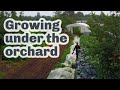
To increase revenue by 40%, the farm is optimizing by standardizing beds, intensifying crop spacing, and diversifying sales with more customer choice. Integrating perennials and exploring small enterp
-
Details the plan for a low-maintenance, sustenance farm on 0.41 acres, including layout (40x110 ft blocks), crop selection (storage crops like squash, cabbage, potatoes, kale, spinach), infrastructure

-
Guidance on creating budget sheets for perennial crop establishment, focusing on accurate calculation of plants per acre, establishment costs, and the true cost of labor. It covers pre-production and
-
Two farms review their 2024/2025 financial performance, detailing revenue streams (farmers markets, restaurants), major expenses (supplies, fertilizer, seeds, infrastructure), and strategies for incre

6
REWARDS AND RISKS - Economics & Risk Factors
REWARDS AND RISKS - Economics & Risk Factors
Multi-story cropping offers a high-reward pathway for diversified income, provided farmers effectively manage the vertical competition between species. In a best-case scenario, the system reaches peak production stability by year 7, with annual net income per acre 70%–150% higher than conventional monoculture. This level of profitability is reached by layering secondary high-value crops like shade-grown medicinal herbs or specialty mushrooms, which can generate an additional $1,250–$2,605 per acre ($3,089–$6,437/ha) in net revenue. In a typical scenario, operations achieve 10%–30% higher net margins by year 5 through input cost reductions (fertilizers/chemicals) of $42–$125 per acre ($104–$309/ha). However, in a worst-case scenario where species density triggers severe resource competition, primary yield quality drops by 20%–40%, necessitating $521–$1,042 per acre ($1,287–$2,575/ha) in emergency soil remediation or corrective replanting, which can push formal breakeven points well beyond the 12-year mark.
Market factors significantly influence the bottom line, specifically the shift from commodity pricing to specialty direct-to-consumer markets. Without a robust post-harvest cold-chain, spoilage in polyculture systems can reach 15%–25%. Investing $104–$313 per acre ($257–$773/ha) in localized refrigerated storage or atmospheric drying racks acts as a primary risk mitigation strategy, protecting that revenue. Transitioning existing fields to multi-story structures presents specific risks, particularly the "shadow dip" occurring around years 4–5. As the woody canopy closes, sun-loving annual revenue drops, creating a revenue gap. Proactive farmers mitigate this by transitioning to shade-tolerant greens and medicinal roots, maintaining steady gross revenue of $521–$1,042 per acre ($1,287–$2,575/ha) during this transition window. Without this strategy, a farm may see total income drops exceeding 30% during the critical canopy maturation phase.
Sources behind this view
Videos & Podcasts
-
To increase revenue by 40%, the farm is optimizing by standardizing beds, intensifying crop spacing, and diversifying sales with more customer choice. Integrating perennials and exploring small enterp
-
Achieving $350k-$450k+ gross income on small farms (0.25-2 acres) requires year-round production, significant infrastructure investment (hoop houses, cold rooms), and focusing on high-profit crops lik
Research
-
Local knowledge and relational values of Midwestern woody perennial polyculture farmers can inform tree‐crop policies (opens in new window)
This study found: Midwestern farmers in mixed tree-crop systems develop unique adaptive knowledge and are driven by relational values. Economic barriers are key challenges, not biophysical ones. Policy should align wit
7
COMPATIBLE PRACTICES - Integration Opportunities
Multi-story cropping is a powerful synergistic practice that amplifies the benefits of other regenerative approaches. Its layered structure naturally supports and is supported by practices that build soil health, enhance biodiversity, and utilize resources efficiently.
Multi-story cropping is a powerful synergistic practice that amplifies the benefits of other regenerative approaches. Its layered structure naturally supports and is supported by practices that build soil health, enhance biodiversity, and utilize resources efficiently.
COMPATIBLE PRACTICES - Integration Opportunities
Multi-story cropping is a powerful synergistic practice that amplifies the benefits of other regenerative approaches. Its layered structure naturally supports and is supported by practices that build soil health, enhance biodiversity, and utilize resources efficiently.
Multi-story cropping is a powerful synergistic practice that amplifies the benefits of other regenerative approaches. Its layered structure naturally supports and is supported by practices that build soil health, enhance biodiversity, and utilize resources efficiently.
Agroforestry
- Integration: Multi-story cropping is essentially a form of agroforestry when trees or larger woody shrubs are incorporated. It formalizes the layering found in natural forests and traditional agroforestry systems.
- Synergy: Combines food production with timber, nut, or fruit production. Enhances biodiversity, carbon sequestration, and farm resilience.
Rotational Grazing / Adaptive Multi-Paddock Grazing
- Integration: Livestock (sheep, poultry, goats) can be rotationally grazed between crop rows or in designated areas within the system. They manage weeds, fertilize the soil with manure, and can help control insect pests. Long rest periods are crucial to protect young plants.
- Synergy: Nutrient cycling, weed control, soil fertility improvement through manure, economic diversification, potentially pest control.
No-Till or Reduced Tillage Farming
- Integration: Multi-story systems inherently reduce the need for tillage. Establishing perennials with minimal disturbance and relying on dense plant cover for weed suppression and soil health keeps soil intact.
- Synergy: Preserves soil structure, fungal networks, and organic matter. Reduces erosion and fuel costs. Builds soil biology.
Keyline Design / Water Harvesting
- Integration: Designing planting layouts to follow contour lines (keyline) can optimize water distribution. Swales or terraces can capture rainfall and direct it to irrigate lower layers or tree roots, especially vital in drier climates.
- Synergy: Maximizes water use efficiency, reduces erosion, promotes plant establishment and growth, especially in drier regions.
Habitat Creation for Beneficials
- Integration: Selecting a diversity of flowering plants for the understory or groundcover attracts pollinators, predatory insects, and beneficial birds. Planting insectary plants among crops provides habitat and food for pest predators.
- Synergy: Natural pest control, enhanced pollination for fruiting crops, increased biodiversity on the farm.
Composting and Organic Amendments
- Integration: While the goal is internal nutrient cycling, targeted addition of compost or organic amendments can accelerate establishment, boost soil health, and support vulnerable layers of the system.
- Synergy: Boosts soil biology, provides slow-release nutrients, improves soil structure and water retention.
The integration of multi-story cropping with these practices creates a robust, self-reinforcing agricultural ecosystem. It moves farms towards greater self-sufficiency, ecological regeneration, and economic diversification, embodying the core tenets of regenerative agriculture.
Sources behind this view
Videos & Podcasts
-
Intercropping offers benefits in rotation, harvest management, weed control (linked to soil health), and varietal diversity (using blends). Livestock integration is beneficial for managing cover crops
-
Explains intercropping methods (relay, strip, mixed) and mechanisms (competition, complementarity, resource sharing, facilitation) for sustainable intensification. Discusses Land Equivalency Ratio for
-
Intercropping and regenerative practices, though lacking crop insurance, are justified by farmers for profitability through diversity, risk management, and long-term soil health, smoothing income fluc
-
Intercropping enhances plant diversity, increasing soil organic matter from root exudates. It offers benefits like reduced pest pressure, better standability, and cleaner crops. Selecting varieties wi
![Thumbnail for [S1E2] Farmer Panel: Getting Started With Soil Health](/static/thumbnails/NTajz3j-A9w.jpg)
Research
-
Syndromes of production in intercropping impact yield gains. (opens in new window)
This study found: Global study identified two intercropping strategies: high-input (corn/legumes, staggered growth, wide rows, high fertilizer) yielded 4x more than low-input. Both saved land and fertilizer.
-
Benefits and Risks of Intercropping for Crop Resilience and Pest Management. (opens in new window)
This study found: Intercropping (growing multiple crops together) boosts resilience to climate change and improves pest control by enhancing resource use and beneficial insect habitat. While generally profitable, adopt
-
Advancing Intercropping Research and Practices in Industrialized Agricultural Landscapes (opens in new window)
This study found: Intercropping (growing multiple crops together) boosts yields, stability, and soil health through better resource use. Standardized research is needed to advance this sustainable practice, especially
-
Synergizing Agroforestry and Permaculture for Sustainable Organic Farming (opens in new window)
This study found: Agroforestry and permaculture enhance organic farming by integrating trees, crops, and livestock, improving soil health, biodiversity, and resilience. Challenges include funding, knowledge, and policy