
No-Till
No-till is a regenerative agriculture system that eliminates mechanical soil disturbance by planting crops directly into undisturbed soil, preserving soil structure and fungal networks. It's not just a practice but a philosophy focused on nurturing soil biology, requiring a commitment to keeping soil covered, maintaining living roots, and maximizing crop diversity.
Read More: Complete Description
No-till is fundamentally a soil biology-first philosophy where mechanical soil disturbance, including plowing, disking, and even harrowing, is eliminated. The practice is rooted in the understanding that healthy soil is a living ecosystem, and that excessive disturbance disrupts the intricate fungal networks, microbial communities, and aggregate structures that sustain soil health and fertility. Instead of tilling, crops are planted directly into the residue of the previous crop or into a living cover crop using specialized no-till planting equipment. This system actively supports the regenerative agriculture principle of minimizing soil disturbance.
This practice differs critically from strip-tillage and minimum tillage. Strip-tillage involves precisely disturbing only narrow bands of soil for seedbed preparation and fertilizer placement, which practitioners of true no-till view as a failure to fully embrace biological solutions. Minimum tillage represents a continuum of reducing disturbance but still involves some form of mechanical action; no-till is a philosophical commitment to zero mechanical disturbance based on the principle that fungal integrity, a cornerstone of soil health, requires undisturbed soil. No-till is a movement with community commitments, not merely an implement choice. Canonical voices like Gabe Brown, Rick Clark, and David Brandt champion this approach, emphasizing its role in building resilient, biologically active soils.
No-till directly supports four out of the five regenerative agriculture principles and often the fifth through integration: 1. Minimize Soil Disturbance: This is the defining principle of no-till. By eliminating tillage, it protects soil structure, fungal hyphae, earthworm burrows, and habitat for beneficial microorganisms from disruption. This preservation is crucial for moisture infiltration, aeration, and nutrient cycling. 2. Maximize Crop Diversity: While not inherent to the definition, no-till systems are almost always paired with diverse crop rotations and cover cropping. This diversity above ground translates to diverse root structures below ground, feeding a wider range of soil microbes and building more resilient soil ecosystems. 3. Keep Soil Covered: No-till inherently keeps soil covered with crop residue or living plants year-round. This living mulch protects the soil surface from erosion, conserves moisture, suppresses weeds, and provides a continuous food source for soil biology, creating a stable environment for life. 4. Maintain Living Roots: By planting into residue or cover crops, no-till ensures that living roots are in the soil for as much of the year as possible, continually feeding soil biology and building organic matter through root exudates. This continuous biological activity is vital for soil health. 5. Integrate Livestock: While not a requirement for no-till itself, integrating livestock, particularly through managed grazing of cover crops or crop residues, can significantly enhance the system. Livestock add organic matter through manure and urine, stimulate plant growth with selective grazing, and their grazing can help manage residue.
The transition to no-till is a significant undertaking, often requiring a shift in management philosophy and equipment. Initial years can present challenges such as slower soil warming, increased weed pressure (especially broadleaf weeds resistant to previous herbicide use), and potential pest issues. Farmers often need specialized no-till planters that can cut through residue and plant directly into firm soil. However, with proper management, these challenges are overcome as soil health improves. Soil organic matter increases, water infiltration and retention improve dramatically, erosion is drastically reduced, and the need for synthetic inputs often declines over time as the soil's natural fertility and resilience are restored. Farms in diverse regions, from the wheat belts of Ukraine to the corn-soybean rotations in North America and the mixed farming systems in Australia, have successfully adopted no-till, demonstrating its global applicability.
For farms with severely compacted soils or a long history of intensive tillage, a one-time deep ripping of compacted layers — immediately followed by diverse cover cropping and a commitment to permanent no-till — can be a pragmatic approach to break the cycle of degradation and allow biological processes to take over. This transitional remediation, used only when soil conditions genuinely prevent root penetration and water infiltration, bridges the gap to a fully no-till system without contradicting its core philosophy.
The move to no-till is more than just an agronomic practice; it is a commitment to fostering a thriving soil ecosystem. It requires a deep understanding of soil biology, patience, adaptive management, and a willingness to learn from the soil itself. The goal is to create a self-sustaining system where the soil's natural biological processes provide fertility, structure, and water management, reducing reliance on external inputs and building long-term farm resilience. This philosophy is embraced by a growing global community of farmers and ranchers dedicated to regenerating the land they steward.
Sources behind this view
Sources behind this view
 Videos & Podcasts
-
Farmers discuss no-till benefits (soil health, water retention, weed control) and challenges (labor intensity, initial cost). Strategies include tarping, mulching, cover cropping, and careful planning

-
Case studies of farmers like Duane Beck, Kofi Boa, David Brandt, and Gabe Brown demonstrate that regenerative agriculture (no-till, cover crops, diverse rotations) significantly increases soil health,

-
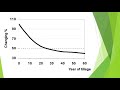
Transitioning from conventional tillage to no-till dramatically improved soil health, increasing organic matter from <1% to 4.5-5% over 20 years. Eliminating tillage is presented as the key to restori
-
Regenerative farming, using no-till, cover crops, and diverse rotations, rapidly rebuilds soil organic matter and soil life. Examples from Ohio and Ghana show these practices increase profitability by

 Community
-
Holistic no-till farming with cover crops and rotational grazing improved productivity by 5% in three years on clay soils, with yields up 10% after 18 years.
Read more (opens in new window) permies.com -
A 20-year study in California found that no-till and cover cropping significantly improved soil health, soil carbon, and water dynamics after an initial eight-year period, demonstrating the long-term
Read more (opens in new window) ucanr.edu -
No-till crop production avoids damaging soil disturbance, allowing soil organisms to build a healthy ecosystem, resulting in improved soil structure, fertility, water infiltration, and reduced erosion
Read more (opens in new window) permies.com -
Conservation agriculture, specifically no-tillage and cover crops, significantly improves soil health by increasing biodiversity, water infiltration, and soil carbon, while reducing water and fertiliz
Read more (opens in new window) ucanr.edu
 Research
-
No‐Till Legume Cover Crops Enhance Soil Carbon, Mitigate Greenhouse Gas Emissions, and Increase Yield in Dryland Wheat: A Global Meta‐Analysis (opens in new window)
This study found: Global meta-analysis shows no-till + legume cover crops significantly boost dryland wheat soil carbon (+28.5%), yield (+24.1%), and resource efficiency, while cutting GHG emissions. Long-term use yiel
-
Regenerative farming and conservation tillage: economic benefits and ecological impacts in contemporary agriculture (opens in new window)
This study found: Regenerative farming with conservation tillage (no-till, strip-till) improves soil health, reduces emissions, and boosts farm profits by cutting costs and stabilizing yields. Requires farmer training
-
Long-term continuous no-till corn-soybean systems: Examining soil carbon sequestration and nitrogen accumulation across various pools. (opens in new window)
This study found: Long-term no-till farming with cover crops significantly increased soil organic matter (14-69%) and total nitrogen (16-60%) in corn-soybean systems, reducing compaction and carbon loss.
-
Tarping and mulching effects on crop yields, profitability, and soil nutrients in a continuous no-till organic vegetable production system (opens in new window)
This study found: Four-year study in NY found compost mulch boosted organic vegetable yields and soil carbon (+49%), while tarping improved no-till profitability. Rye mulch reduced yields and profits.
 From the Web
-
Key regenerative agriculture methods include no-till farming, cover cropping, agroforestry, perennial crops, planned rotational grazing (Holistic Management), and compost application, all aimed at imp
-
Conservation tillage principles include reducing soil disturbance, using crop rotations with cover crops like cereal rye, and maintaining maximum residue coverage on the soil surface to improve soil h
-
Conservation tillage principles include reducing tillage, using crop rotations with cover crops to avoid bare soil, and maximizing residue coverage on the soil surface. Traffic control and specialized
-
Rodale Institute's Farming Systems Trial shows regenerative organic methods improve soil health (higher carbon, less compaction) and economics (7x greater net returns) compared to conventional no-till
Key Points
What It Is
- Eliminates mechanical soil disturbance
- Plants directly into previous crop residue
- Preserves fungal networks and soil structure
- Philosophy of soil biology management
How This Differs
- Soil biology-first philosophy, not just an implement choice
- Zero mechanical disturbance to preserve fungal networks
- Identity-bearing community commitment
- Driven by biological principles, not convenience
Why Do It
- Builds soil organic matter significantly
- Dramatically improves water infiltration and retention
- Reduces soil erosion by 80-95%
- Minimizes soil disturbance (Regenerative Principle 1)
Know the Debate
- Transition strategy varies by soil compaction level.
- Yield recovery timeline ranges from 2-7 years.
- Weed control shifts from chemicals to ecological management.
- Initial equipment costs range from $45k-100k+.
Benefits - Financial
- Net income potential increase of $14–180 per acre ($35–$445 per hectare)
- Reduced annual fuel and maintenance costs by 20–30%
- Faster breakeven on equipment within 3–5 years
Benefits - System
- Increased soil organic matter: 0.5-1.5% over decade
- Erosion reduction: 80-95% decrease
- Keeps soil covered year-round (Regenerative Principle 3)
- Maintains living roots year-round (Regenerative Principle 4)
Risks - Financial
- Initial equipment capital investment of $313–1,042 per acre ($773–$2,575 per hectare)
- Potential 5–15% yield dip during 1–3 year transition
Risks - System
- Slower soil warming in spring (can slow early growth)
- Potential for increased weed pressure early on
- Requires specialized planting equipment
- Destroys fungal networks if misused (e.g., with aggressive herbicides)
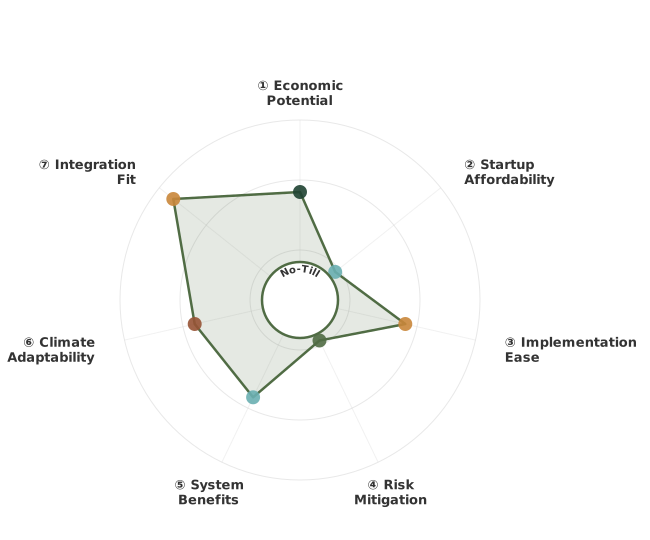
How These Traits Are Calculated
Trait dimensions are ordered clockwise starting from the top of the chart (12 o'clock position):
1. Economic Potential
Financial returns, annual value, and break-even timeline
WHAT: Evaluates financial viability by combining net annual value ($/ha from savings, income, and amortized harvests) with break-even timeline showing when practices pay for themselves.
WHY: Farmers need clear ROI understanding before committing resources. Fast payback (≤3 years) with strong returns (≥$300/ha) enables confident adoption, while long timelines (>10 years) restrict adoption to well-funded operations willing to wait for returns.
HOW: Calculated from net annual value in $/ha and break-even years. Exceptional (≥2.6): fast ROI ≤3 years + high value ≥$300/ha. Typical (1.8-2.5): moderate returns or longer timelines. Limited (<1.8): marginal economics or very long payback >10 years.
2. Startup Affordability
Initial investment costs and financial barrier to entry
WHAT: Measures financial barrier to entry through startup costs for equipment, infrastructure, consulting, and materials. Inverted scoring: lower costs = higher scores = more accessible adoption.
WHY: Affordability determines who can adopt. Low-cost practices (<$250/ha) enable widespread adoption across diverse scales, while high costs (>$2,500/ha) limit adoption to well-capitalized operations, creating barriers that slow regenerative transition.
HOW: Calculated from initial investment parsed from practice content. Inverted scoring: Exceptional (≥2.6): minimal investment <$250/ha. Typical (1.8-2.5): moderate costs $250-2,500/ha. Limited (<1.8): high barrier >$2,500/ha.
3. Implementation Ease
Learning curve and specialized knowledge required
WHAT: Measures how much learning, planning, and specialized knowledge a practice requires. Simpler practices with fewer steps score higher, while complex practices requiring extensive training or specialized resources score lower.
WHY: Complex practices create adoption barriers even when economically viable. Straightforward practices enable faster adoption and broader participation, while those requiring extensive training, timing precision, or specialized equipment limit who can succeed.
HOW: Evaluated by measuring documentation length and identifying complexity markers like location-specific requirements, seasonal timing windows, specialized skills, and dedicated equipment needs. Exceptional (≥2.6): straightforward practices with minimal prerequisites. Typical (1.8-2.5): moderate learning curve with some specialized needs. Limited (<1.8): steep learning curve requiring significant training or resources.
4. Risk Mitigation
Identified financial and ecological risk assessment
WHAT: Evaluates documented risks across financial (investment loss, market volatility) and ecological (crop failure, pest outbreaks) domains. Inverted scoring: fewer risks = higher scores.
WHY: Understanding risk exposure helps farmers make informed decisions. Low-risk practices allow confident implementation, while high-risk practices require careful planning and contingency resources. Risk transparency prevents costly failures.
HOW: Calculated from identified risks in practice content. Inverted scoring: Exceptional (≥2.6): ≤2 risks with manageable severity. Typical (1.8-2.5): 3-5 moderate risks. Limited (<1.8): 6+ risks or severe exposure.
5. System Benefits
How many ways the practice improves your land simultaneously
WHAT: Measures how many aspects of land health improve at once—carbon storage, soil quality, erosion control, water absorption, and biodiversity. Practices that improve multiple areas simultaneously create compounding benefits where each improvement reinforces the others.
WHY: The best practices solve multiple problems at once. For example, addressing erosion simultaneously builds carbon and improves water infiltration, creating a resilient system with positive feedback loops. Single-benefit approaches miss these compound transformation opportunities.
HOW: Evaluated across five key outcomes: carbon sequestration, soil organic matter increase, erosion reduction, water infiltration improvement, and biodiversity enhancement. Exceptional (≥2.6): high carbon storage (>8 t/ha/yr), improvements across 4-5 areas, transformative outcomes. Typical (1.8-2.5): moderate carbon (3-8 t/ha/yr), improvements across 2-3 areas. Limited (<1.8): modest impact (<3 t/ha/yr), single-area focus only.
6. Climate Adaptability
Geographic applicability across Köppen climate zones
WHAT: Evaluates geographic applicability by assessing how many Köppen climate zones successfully support a practice and what adaptation requirements are needed. Measures breadth of climates where farmers can implement with minimal to moderate modifications.
WHY: Universal practices working across diverse climates enable more farmers to adopt regenerative approaches. Practices limited to single climate types (only Mediterranean, only tropical) restrict adoption and slow global transition. Adaptability determines whether a practice serves niche regions or offers broad transformation.
HOW: LLM evaluation of regional success stories, Köppen zone coverage, and adaptation needs. Exceptional (≥2.6): 5+ zones or 4+ climate types, 3+ continents, minimal adaptation. Typical (1.8-2.5): 3-4 zones or 2-3 types, 2 continents, moderate adaptation. Limited (<1.8): 1-2 zones, single region, significant adaptation or highly specialized.
7. Integration Fit
How well this practice combines with others you're doing
WHAT: Measures how well a practice combines with other regenerative practices you might be doing. Some practices work as building blocks that make many other practices easier or more effective, while others work best on their own.
WHY: Practices that combine well with many others create more value on your farm. For example, cover cropping enables no-till, improves grazing, supports crop diversity, and helps water management—making all of them work better together. This helps you build a coherent system rather than juggling disconnected practices.
HOW: Evaluated by identifying which practices combine well and how strong those combinations are. 'Ideally Suited' means strong combinations where practices reinforce each other (practice A makes B easier, while B makes A more effective). 'Adequate' means complementary benefits that work well together. Exceptional (≥2.6): combines well with 6+ practices, serves as a building block. Typical (1.8-2.5): combines with 3-5 practices. Limited (<1.8): 1-2 practices or works best alone.
Going Deeper
1
WHY - The Benefits
No-till farming is a cornerstone of regenerative agriculture, fundamentally altering how we interact with the soil to foster ecological health, economic stability, and resilience. Its benefits are well-documented across diverse agricultural systems and climates, stemming...
No-till farming is a cornerstone of regenerative agriculture, fundamentally altering how we interact with the soil to foster ecological health, economic stability, and resilience. Its benefits are well-documented across diverse agricultural systems and climates, stemming directly from the principle of minimizing mechanical disturbance to preserve the soil's living ecosystem.
WHY - The Benefits
No-till farming is a cornerstone of regenerative agriculture, fundamentally altering how we interact with the soil to foster ecological health, economic stability, and resilience. Its benefits are well-documented across diverse agricultural systems and climates, stemming...
No-till farming is a cornerstone of regenerative agriculture, fundamentally altering how we interact with the soil to foster ecological health, economic stability, and resilience. Its benefits are well-documented across diverse agricultural systems and climates, stemming directly from the principle of minimizing mechanical disturbance to preserve the soil's living ecosystem.
Soil Health Benefits
The most profound benefit of no-till is the dramatic improvement in soil health. By ceasing all forms of tillage, the soil's natural structure—built by fungal hyphae, earthworm burrows, and root channels—remains intact. This preserved structure leads to:
- Increased Soil Organic Matter (SOM): Residue is left on the surface, where it decomposes slowly, feeding soil microbes and gradually increasing SOM content. Studies consistently show SOM increases of 0.5-1.5% or more over a decade in no-till systems compared to tilled fields. Higher SOM improves soil aggregation, water-holding capacity, and nutrient availability.
- Improved Water Infiltration and Retention: Intact soil structure, coupled with surface residue, prevents surface sealing and allows water to infiltrate rapidly. No-till soils can achieve infiltration rates 40-70% higher than tilled soils, reducing runoff and erosion, and buffering against drought by storing more water in the root zone.
- Reduced Soil Erosion: With crop residue and living plants protecting the soil surface year-round, erosion from wind and rain is drastically reduced, often by 80-95%. This prevents the loss of fertile topsoil and reduces off-farm pollution of waterways.
- Enhanced Soil Biology: The undisturbed soil environment provides a stable habitat for beneficial microorganisms, fungi (especially mycorrhizae), earthworms, and other soil fauna. These organisms are crucial for nutrient cycling, disease suppression, and maintaining soil structure. Mycorrhizal fungi networks, vital for nutrient and water uptake by plants, thrive in undisturbed conditions.
- Improved Aeration and Reduced Compaction: The macropores and earthworm burrows created by biological activity allow for better air exchange and reduce the likelihood of detrimental compaction from equipment, especially when combined with controlled traffic farming.
Economic Benefits
While the initial investment in equipment and management adjustments can be a factor, no-till farming offers significant long-term economic advantages:
- Reduced Operating Costs: The elimination of tillage operations significantly cuts fuel consumption, labor requirements, and machinery wear. Savings can range from $75-150 per hectare ($30-60 per acre) annually in fuel and labor, plus reduced maintenance costs for tractors and tillage implements, estimated at $20-50 per hectare ($8-20 per acre).
- Lower Input Requirements: As soil health improves, the soil's natural fertility increases, and its capacity to deliver water and nutrients to crops grows. This often leads to a reduced need for synthetic fertilizers, pesticides, and herbicides over time, further lowering input costs. Farms often report a 10-30% reduction in synthetic fertilizer use after 5-7 years in no-till.
- Productivity Improvements: While initial years may see stable or slightly reduced yields as the soil transitions, well-managed no-till systems often surpass conventional tillage yields after 3-7 years due to enhanced soil structure, water availability, and microbial activity. Yields can increase by 5-15% in mature no-till systems compared to similar tilled fields, especially under drought stress.
- Increased Farm Resilience: Improved water infiltration and retention, reduced erosion, and enhanced soil fertility make the farm more resilient to extreme weather events like droughts and heavy rainfall. This stability translates to more predictable and secure farm income.
- Higher Land Value: Farms with healthy soils and established regenerative practices, including no-till, are increasingly valued higher by both buyers and land managers due to their inherent productivity, lower input needs, and environmental benefits.
- Net Income Increase: Considering reduced input costs, potentially higher yields, and increased resilience, net farm income in established no-till systems can see a modest but consistent increase of $10-30 per hectare ($4-12 per acre) by year 5-10.
Regenerative Systems Fit
No-till is a foundational regenerative practice that directly supports and enables other regenerative principles and practices:
- Principle 1 (Minimize Soil Disturbance): This is the defining characteristic. By eliminating tillage, no-till directly addresses this principle, preserving the soil's biological and physical integrity.
- Principle 2 (Maximize Crop Diversity): While not inherent, no-till is almost universally paired with diverse crop rotations and cover cropping. This diversity is crucial for maintaining soil health benefits, feeding a wide array of soil microbes, and managing pests and weeds ecologically. No-till provides the ideal soil environment for diverse mixes to thrive.
- Principle 3 (Keep Soil Covered): No-till naturally keeps soil covered with living plants or crop residue year-round. This constant cover protects against erosion, conserves moisture, moderates soil temperature, and provides a continuous food source for soil biology, creating a stable and active soil ecosystem.
- Principle 4 (Maintain Living Roots): The system ensures living roots are in the soil for the longest possible period. Whether it's the cash crop or a cover crop, this continuous root activity fuels soil biology, builds organic matter, and maintains soil structure through biological channels and exudates.
- Principle 5 (Integrate Livestock): No-till systems are highly compatible with managed grazing. Livestock can graze cover crops or crop residues, adding nutrients through manure and stimulating plant growth. This integration enhances nutrient cycling, reduces erosion risk by managing residue, and can improve overall farm profitability.
No-till is often the first step in a regenerative transition for farmers moving away from conventional tillage. It sets the stage for successful implementation of other regenerative practices by creating a biologically active and resilient soil foundation. It also makes practices like cover cropping more effective and profitable, as they can be planted directly into undisturbed soil with specialized equipment, eliminating the need for pre-plant tillage. The long-term goal of no-till is to create a self-sustaining soil system where biological processes manage fertility, structure, and water, reducing reliance on synthetic inputs and creating a truly regenerative agricultural landscape.
Sources behind this view
Videos & Podcasts
-
Farmers discuss no-till benefits (soil health, water retention, weed control) and challenges (labor intensity, initial cost). Strategies include tarping, mulching, cover cropping, and careful planning
-
Case studies of farmers like Duane Beck, Kofi Boa, David Brandt, and Gabe Brown demonstrate that regenerative agriculture (no-till, cover crops, diverse rotations) significantly increases soil health,
-
Regenerative farming, using no-till, cover crops, and diverse rotations, rapidly rebuilds soil organic matter and soil life. Examples from Ohio and Ghana show these practices increase profitability by
-
Strongly advocates for no-till combined with cover crops, detailing benefits like erosion control, water conservation, improved soil structure, and increased biological activity. Emphasizes uniform re

Community
-
Holistic no-till farming with cover crops and rotational grazing improved productivity by 5% in three years on clay soils, with yields up 10% after 18 years.
Read more (opens in new window) permies.com -
Enhance soil health through plant diversity, continuous soil cover (living plants/residues), and livestock integration. Manage carbon-to-nitrogen ratios of residues and adopt no-till practices to impr
Read more (opens in new window) permies.com -
A 20-year study in California found that no-till and cover cropping significantly improved soil health, soil carbon, and water dynamics after an initial eight-year period, demonstrating the long-term
Read more (opens in new window) ucanr.edu -
Sustainable soil management practices like reducing tillage, planting cover crops, and improving crop rotations enhance soil health and drought resilience. No-till systems drastically reduce water run
Read more (opens in new window) sustainableagriculture.net
Research
-
Regenerative farming and conservation tillage: economic benefits and ecological impacts in contemporary agriculture (opens in new window)
This study found: Regenerative farming with conservation tillage (no-till, strip-till) improves soil health, reduces emissions, and boosts farm profits by cutting costs and stabilizing yields. Requires farmer training
-
Regenerative Agriculture: Restoring Ecosystems¢ Resilience and Productivity: A Review (opens in new window)
This study found: Regenerative agriculture builds soil health and ecosystem services through practices like no-till, cover crops, and diverse rotations. It increases soil organic matter, improves water infiltration, bo
-
Conventional, Minimum/Reduced, and Zero Tillage: Implications for Soil and Water Conservation and Residue Management in Global and Indian Contexts (opens in new window)
This study found: Zero tillage, especially with Happy Seeders, improves soil structure, water retention, and yields by up to 17% while cutting costs and emissions. Success depends on local adaptation and integrated wee
-
Технології Strip-till і Verti-till у контексті мінімізації обробітку ґрунту (opens in new window)
This study found: Strip-till and Verti-till are soil conservation technologies that save fuel, conserve moisture, reduce erosion, and boost soil life. They are effective in dry regions, increasing yields for crops like
From the Web
-
Key regenerative agriculture methods include no-till farming, cover cropping, agroforestry, perennial crops, planned rotational grazing (Holistic Management), and compost application, all aimed at imp
-
Conservation tillage principles include reducing tillage, using crop rotations with cover crops to maintain soil surface biomass (especially cereal rye), and managing equipment. These practices enhanc
-
Conservation tillage principles include reducing tillage, using crop rotations with cover crops to avoid bare soil, and maximizing residue coverage on the soil surface. Traffic control and specialized
-
Regenerative agriculture utilizes methods like no-till, agroforestry, perennial crops, planned rotational grazing (Holistic Management), compost application, and pasture cropping to improve soil healt
2
WHERE - Regional Considerations
No-till is a globally applicable practice, but its success hinges on understanding and adapting to regional climate and soil conditions. Successful implementation requires careful consideration of temperature, rainfall patterns, soil textures, and the length of the...
No-till is a globally applicable practice, but its success hinges on understanding and adapting to regional climate and soil conditions. Successful implementation requires careful consideration of temperature, rainfall patterns, soil textures, and the length of the growing season.
WHERE - Regional Considerations
No-till is a globally applicable practice, but its success hinges on understanding and adapting to regional climate and soil conditions. Successful implementation requires careful consideration of temperature, rainfall patterns, soil textures, and the length of the...
No-till is a globally applicable practice, but its success hinges on understanding and adapting to regional climate and soil conditions. Successful implementation requires careful consideration of temperature, rainfall patterns, soil textures, and the length of the growing season.
Click Here to Look up your Region if you don't already know it
Humid Temperate Regions
Representative Locations: Midwestern United States, Western Europe (e.g., France, Germany, UK), Eastern China, Japan, New Zealand Climate Context: USDA Zones 5-7, Köppen Cfb/Cfa. Moderate to high precipitation (750-1500 mm or 30-60 inches) distributed relatively evenly. Warm summers, cool to cold winters. No-Till Considerations: No-till excels here due to ample moisture, which can sometimes lead to slower soil warming and residue decomposition issues in cooler spring conditions. Diverse crop rotations are essential to manage heavy residue and break weed/pest cycles. Good drainage is important, as persistent surface moisture can hinder early planting and increase disease pressure. Cover crops are vital for maintaining year-round soil cover and nutrient cycling, particularly winter-hardy species.
Semi-Arid and Arid Regions
Representative Locations: Great Plains of North America, Ukraine, parts of Australia, parts of Argentina, Mediterranean Basin periphery Climate Context: USDA Zones 4-8, Köppen BSk/BSh/B climates. Low to moderate rainfall (250-500 mm or 10-20 inches) with significant variability and high evaporation rates. Hot summers, potentially cold winters. No-Till Considerations: No-till is highly advantageous in these water-limited environments. The residue left on the surface acts as a mulch, significantly reducing evaporation and conserving soil moisture. This conservation is critical for crop establishment and yield stability. Careful residue management is key to avoid moisture competition if planting into standing residue. Weed management is critical, as any moisture used by weeds is directly taken from crop potential. Dust management during planting can be a challenge, requiring proper planter setup.
Subtropical and Tropical Regions
Representative Locations: Southeastern United States, Brazil, India, Southeast Asia, Eastern Australia Climate Context: USDA Zones 9-11, Köppen Cfa/Cwa/Aw/Am. High temperatures, abundant rainfall (often seasonal), and long growing seasons. Can include high humidity. No-Till Considerations: No-till can be highly beneficial for controlling erosion, which is a major issue in high-rainfall, warm-climate areas. However, high temperatures and humidity can accelerate residue decomposition, sometimes too quickly, leading to reduced soil cover. Disease and pest pressure can be significant. Diverse rotations, including disease-resistant species and potentially livestock integration (e.g., grazing cover crops), are crucial. Early planting windows may be limited by high moisture and soil temperatures.
Cold Continental and Boreal Regions
Representative Locations: Canada, Northern United States, Northern Europe, Siberia Climate Context: USDA Zones 2-5, Köppen Dfb/Dfc. Very short growing seasons, cold winters, and significant snow cover. No-Till Considerations: The primary challenge here is slower soil warming in spring due to colder temperatures and surface residue insulating the soil. This can delay planting and reduce early crop vigor. Farmers may need to adjust planting dates, select faster-maturing crop varieties, or manage residue levels to allow more solar radiation to reach the soil surface. Winter cover crops are often difficult to establish and may not survive; focus is often on cash crop residue and maximizing root activity during the short growing season. Careful residue management is key for quicker soil warming.
Mediterranean Regions
Representative Locations: California, Mediterranean Basin, Central Chile, Southwestern Australia Climate Context: USDA Zones 8-10, Köppen Csa/Csb. Hot, dry summers and mild, wet winters. Highly seasonal rainfall. No-Till Considerations: No-till is excellent for conserving limited winter moisture and reducing erosion during wet periods. Dry summers require excellent soil moisture-holding capacity, which no-till systems build over time through increased SOM. Weed management is critical due to the long dry period potentially allowing weed seed bank germination. Selecting drought-tolerant crops and cover crops that can utilize winter moisture effectively is vital.
Regardless of region, success in no-till farming is achieved by understanding that the soil is a living system. Adapting management to local conditions, embracing diverse rotations and cover crops, and integrating livestock when possible are keys to unlocking the full regenerative potential of this practice worldwide.
3
HOW - Implementation Process
Implementing no-till successfully involves a strategic, phased approach. It's a transition in management philosophy, focusing on building soil health through biological processes rather than mechanical intervention. While the goal is zero disturbance, the transition can...
Implementing no-till successfully involves a strategic, phased approach. It's a transition in management philosophy, focusing on building soil health through biological processes rather than mechanical intervention. While the goal is zero disturbance, the transition can sometimes involve very gradual reductions in tillage or specialized equipment for initial seedbed preparation if soil conditions are extremely challenging.
HOW - Implementation Process
Implementing no-till successfully involves a strategic, phased approach. It's a transition in management philosophy, focusing on building soil health through biological processes rather than mechanical intervention. While the goal is zero disturbance, the transition can...
Implementing no-till successfully involves a strategic, phased approach. It's a transition in management philosophy, focusing on building soil health through biological processes rather than mechanical intervention. While the goal is zero disturbance, the transition can sometimes involve very gradual reductions in tillage or specialized equipment for initial seedbed preparation if soil conditions are extremely challenging.
Prerequisites
Before adopting no-till, assess your farm's current state and resources:
- Soil Type and Condition: Understand your soil textures (clay, loam, sand) and identify existing compaction layers, drainage issues, or low organic matter content.
- Existing Equipment: Assess if your current planters can be adapted for no-till (e.g., by adding depth wheels, residue cleaners, or row cleaners) or if new equipment is essential.
- Crop Rotation and Cover Cropping Plan: Develop a diverse rotation that includes legumes and deep-rooted species to build soil health and manage pests/weeds ecologically. Plan for year-round cover cropping.
- Weed and Pest Management Strategy: Plan for integrated pest management (IPM) and ecological weed control strategies, as the reliance on herbicides for weed burndown may need to shift with reduced tillage.
- Commitment to Learning: No-till farming requires a different mindset. Be prepared to observe your soil, adapt management based on what you see, and potentially consult with experienced no-till farmers or regenerative agriculture experts.
Phase 1: Gradual Transition and Equipment Adaptation
This phase focuses on reducing tillage and preparing for full no-till.
Introduce Reduced Tillage: If currently practicing conventional tillage, begin by reducing passes. For example, switch from multiple diskings to a single pass with a light discer or a zone tiller if available. The goal is to move away from aggressive soil inversion. Equipment Adaptation/Acquisition:
-
No-Till Planter/Drill: This is the most critical piece of equipment. It needs to be able to cut through surface residue and place seed at the correct depth in firm soil. Features to look for:
- Row cleaners: To move residue away from the seed trench for better soil-to-seed contact.
- Depth gauge wheels: To ensure consistent planting depth in variable soil conditions.
- Adjustable down pressure: To handle different soil densities.
- Coulter openers: For opening a narrow slit in the soil.
-
Residue Management: Ensure you have equipment (e.g., specialized straw choppers or spreaders on combines) to manage previous crop residue to prevent matting that can hinder planting or seedling emergence.
- Cover Crop Seeding Equipment: A high-clearance drill or a specialized inter-seeding planter can be useful for planting cover crops into standing cash crops.
Considerations:
- International Equipment Availability: No-till planters are globally available, but specific brands and models vary. Research local dealers and support for brands common in your region. In regions with lower capital, adapting older equipment or exploring local fabrication options might be considered, but ensure the core functionality for seeding into undisturbed soil is met.
- Cost: New no-till planters can be a significant investment ($30,000-100,000+ USD equivalent). Explore used equipment markets, equipment sharing with neighbors, or renting specialized equipment initially.
Phase 2: Cover Cropping and Residue Management
As you reduce tillage, increasing cover cropping becomes paramount.
Implement Comprehensive Cover Cropping:
- Species Diversity: Use mixes of at least 5-10 species, including grasses (e.g., annual ryegrass, cereal rye), legumes (e.g., hairy vetch, crimson clover), brassicas (e.g., daikon radish, canola), and other beneficials. This provides diverse root structures, nutrient cycling, and pest management benefits.
- Timing: Plant cover crops immediately after cash crop harvest or interseed them into standing crops where feasible. Aim for maximum biomass production before termination.
- Residue Management: Leave all crop residue on the surface. A moderate layer of residue (30-50% surface cover) is optimal. Excessively heavy residue can hinder soil warming and seedling emergence; if this occurs, consider residue management techniques like windrowing (with careful consideration of soil disturbance) or using a straw chopper that spreads residue evenly.
Considerations:
- International Seed Availability: Cover crop seed varieties are widely available globally, but specific species suitability will depend on your climate zone. Consult local agricultural extension services or seed suppliers for recommendations.
- Costs: Cover crop seed costs vary widely by species and region, typically $50-150/ha ($20-60/acre) USD equivalent for diverse mixes.
Phase 3: Full No-Till Adoption and Ongoing Management
This phase marks the full transition to zero mechanical soil disturbance.
Planting Operations:
- Timing: Plant cash crops into standing green cover crops (roller-crimping the cover crop just before planting), or into killed cover crops (using herbicide or mechanical termination, though mechanical termination should be minimal and infrequent if used). Ensure the soil is dry enough to prevent sidewall compaction.
- Planter Setup: Ensure your no-till planter is properly set up with correct down pressure, row cleaners, and seed depth settings for your soil conditions. Monitor seed trench conditions—ensure it’s open, firm but not compacted, and seed-to-soil contact is optimal.
Weed, Pest, and Fertility Management:
- Weeds: Expect a shift in weed pressure. Broadleaf weeds may increase initially if dominant in previous rotations. Implement an integrated approach: diverse rotations, cover crops, potential use of stale seedbeds (where weeds are encouraged to germinate and then shallowly killed before cash crop planting, though this might involve minimal disturbance), and targeted herbicide use only when necessary and ecologically sound.
- Pests and Diseases: Healthy soils support beneficial organisms that suppress pests and diseases. Diverse rotations help break pest cycles. Monitor fields closely; resistance management is key.
- Fertility: Rely on increased soil organic matter, diverse cover crop mixes (especially legumes for nitrogen), and potentially organic amendments. Soil testing becomes even more critical to monitor nutrient levels and biological activity. Phased reduction of synthetic fertilizers is often possible as soil health improves.
Transition Timeline & Phase-Out Strategy
The transition to full no-till can take 1-5 years, depending on the starting point and management intensity.
Years 1-2: Reducing Disturbance and Building Foundation
- Tillage: Reduce from multiple passes to one minimal pass (e.g., shallow chisel or discing for weed control only if absolutely necessary) or start with a no-till planter into existing residue.
- Cover Crops: Implement diverse cover crops after every cash crop.
- Equipment: Acquire or adapt no-till planter.
- Weed/Pest Control: Begin reducing synthetic inputs where possible, focusing on integrated strategies.
Years 2-4: Full No-Till Establishment
- Tillage: Eliminate all tillage operations.
- Cover Crops: Maintain diverse, year-round cover cropping.
- Management: Fine-tune planter settings, residue management, and integrated weed/pest strategies. Observe soil changes (aggregation, infiltration, biology).
- Fertility: Begin phasing out synthetic fertilizers, relying more on cover crops and soil biology. Monitor soil test results closely.
Years 4-5+: Mature No-Till System
- Full Adoption: All operations are no-till.
- Optimized Management: Soil health indicators are significantly improved (high SOM, excellent infiltration, abundant biology). Reduced reliance on synthetic inputs.
- Break-Even/Profitability: Economic benefits of reduced costs and potentially higher yields become apparent.
Phase-Out Strategy for Non-Regenerative Inputs:
- Fertilizers: Reduce synthetic nitrogen and phosphorus by 10-20% annually while increasing cover crop acreage and diversity. Monitor soil tests and crop response. This gradual reduction allows soil biology to ramp up nutrient cycling.
- Herbicides: Reduce reliance by focusing on diversified rotations, cover crops for suppression, and understanding weed ecology. Employ mechanical weed control (e.g., light tillage for stale seedbeds only if necessary and infrequent) or targeted post-emergent applications only as a last resort.
- Pesticides/Fungicides: Use IPM principles, beneficial insect releases, and healthy soil to build resilience. Apply only when monitoring shows thresholds are breached and ecological controls are insufficient.
Indicators of Success (Graduating to Fully Regenerative):
- Consistent establishment of cash crops and cover crops in undisturbed soil.
- Measurable increases in soil organic matter (e.g., 0.5% increase over 2 years).
- Significantly improved water infiltration (>1 inch/hour or >2.5 cm/hour).
- Visible soil structure improvements (aggregation, earthworm activity).
- Reduced need for synthetic fertilizers and pesticides.
- Economic benefits (cost savings, stable/increasing yields) becoming apparent.
Sources behind this view
Videos & Podcasts
-
Farmers discuss no-till benefits (soil health, water retention, weed control) and challenges (labor intensity, initial cost). Strategies include tarping, mulching, cover cropping, and careful planning
-
Switching to no-till requires new equipment (tractors, drills), different residue management (straw/chaff), reliance on chemical fallow for weeds, and a change in mindset, often supported by governmen
-
Transitioning to 100% no-till farming requires a gradual, multi-year approach (3-5 years) to allow soil healing and structure formation. Benefits include reduced erosion, improved water infiltration b
-
Transitioning from conventional tillage to no-till dramatically improved soil health, increasing organic matter from <1% to 4.5-5% over 20 years. Eliminating tillage is presented as the key to restori
Community
-
Holistic no-till farming with cover crops and rotational grazing improved productivity by 5% in three years on clay soils, with yields up 10% after 18 years.
Read more (opens in new window) permies.com -
Goranson Farm in coastal Maine reduced tillage by adopting strip tillage, using Yeomans plows to break compaction and create seedbeds, preserving soil organic matter and reducing labor by 75%.
Read more (opens in new window) smallfarms.cornell.edu -
No-till crop production avoids damaging soil disturbance, allowing soil organisms to build a healthy ecosystem, resulting in improved soil structure, fertility, water infiltration, and reduced erosion
Read more (opens in new window) permies.com -
Sustainable soil management practices like reducing tillage, planting cover crops, and improving crop rotations enhance soil health and drought resilience. No-till systems drastically reduce water run
Read more (opens in new window) sustainableagriculture.net
Research
-
Short-term and long-term effects of tillage and crop rotation on soil physical properties, organic C and N in a Black Chernozem in northeastern Saskatchewan (opens in new window)
This study found: Eight-year study in Saskatchewan showed no-till farming significantly improved soil structure and increased active soil carbon compared to conventional tillage, even in soils with high organic matter.
-
Conventional, Minimum/Reduced, and Zero Tillage: Implications for Soil and Water Conservation and Residue Management in Global and Indian Contexts (opens in new window)
This study found: Zero tillage, especially with Happy Seeders, improves soil structure, water retention, and yields by up to 17% while cutting costs and emissions. Success depends on local adaptation and integrated wee
-
Аgrophysical state of podzolized chernozem in agrocoenosis during the different types of transition to no-till technology (opens in new window)
This study found: No-till farming, especially with a transition period of shallow tillage, significantly improved soil moisture and air balance in Ukrainian chernozem soils over five years, outperforming traditional pl
-
No‐Till Legume Cover Crops Enhance Soil Carbon, Mitigate Greenhouse Gas Emissions, and Increase Yield in Dryland Wheat: A Global Meta‐Analysis (opens in new window)
This study found: Global meta-analysis shows no-till + legume cover crops significantly boost dryland wheat soil carbon (+28.5%), yield (+24.1%), and resource efficiency, while cutting GHG emissions. Long-term use yiel
From the Web
-
Key regenerative agriculture methods include no-till farming, cover cropping, agroforestry, perennial crops, planned rotational grazing (Holistic Management), and compost application, all aimed at imp
-
Conservation tillage principles include reducing tillage, using crop rotations with cover crops to avoid bare soil, and maximizing residue coverage on the soil surface. Traffic control and specialized
-
Conservation tillage principles include reducing tillage to minimize soil compaction, using crop rotations with cover crops to maintain soil coverage, and managing equipment for site-specific needs. M
-
Transitioning to no-till vegetable farming is crucial for soil health, as tillage causes significant damage including soil structure deterioration and loss of soil life. While tillage has temporary be
4
Know the Debate
No-till farming offers substantial benefits for soil health and farm economics but requires careful management tailored to specific conditions. In ...
Know the Debate
No-till farming offers substantial benefits for soil health and farm economics but requires careful management tailored to specific conditions. In ...
No-till farming offers substantial benefits for soil health and farm economics but requires careful management tailored to specific conditions. In humid environments with adequate rainfall, soil biology responds rapidly, leading to quicker improvements in soil structure and water infiltration, with yield recovery often within 2-3 years. Conversely, semi-arid and compacted soils demand a longer adjustment period, potentially 5-7 years for full benefits, as moisture conservation becomes paramount and biological processes rebuild slowly. Initial investment in specialized planters can range from $45,000 to over $100,000 depending on scale, while annual savings from reduced inputs begin to offset costs after year 3-5.
When is initial tillage necessary for no-till transition?
Direct transition feasible for most
Farmers can transition directly to no-till by focusing on cover crops, residue management, and planting green. Claims of necessary initial tillage are often a relic of older practices or a lack of commitment to biological methods.
Sources behind this view
Sources behind this view
Videos & Podcasts
-
Farmers discuss no-till benefits (soil health, water retention, weed control) and challenges (labor intensity, initial cost). Strategies include tarping, mulching, cover cropping, and careful planning. Some use minimal tillage for specific tasks, balancing efficiency with soil health and work-life balance. Nutrient management involves organic matter cycling and supplemental fertilizers.
-
Frequent tillage negatively impacts soil health and increases erosion. Organic no-till systems use cover crops and tools like roller crimpers to suppress weeds and improve soil health, avoiding herbicides and excessive cultivation.

From the Web
-
Discusses how tillage systems (no-till, ridge-till, conventional) impact soil health, erosion, water conservation, fertility, and pest/disease management. Highlights residue benefits, nutrient stratification with no-till, and differing weed control needs, with context for Nebraska farming.
Strategic tillage helpful for severe compaction
Severely compacted soils may require an initial subsoiling or shallow tillage to break hardpans before no-till. This disruption allows roots and water to penetrate, facilitating subsequent biological build-up and preventing long-term establishment failures.
Sources behind this view
Sources behind this view
Videos & Podcasts
-
Organic no-till systems show reduced short-term soil nitrate availability compared to tilled systems, but maintain or slightly increase microbial respiration. Tools like high-residue cultivators, weed zappers, and weed pullers can aid chemical-free weed control in organic systems.
From the Web
-
Discusses how tillage systems (no-till, ridge-till, conventional) impact soil health, erosion, water conservation, fertility, and pest/disease management. Highlights residue benefits, nutrient stratification with no-till, and differing weed control needs, with context for Nebraska farming.
Making Sense of the Differences
The decision on whether to use initial tillage for no-till transitions depends on the severity of soil compaction. Direct transition is most successful on soils that are not severely degraded. However, for heavily compacted soils where root penetration and water infiltration are severely limited, a one-time, shallow tillage event may be strategically employed to enable subsequent biological regeneration and prevent prolonged yield stagnation.
How long does it take for no-till yields to recover?
Yield recovery in 2-3 years
Research and experiences in favorable climates suggest yields stabilize or improve within 2-3 years of transitioning to no-till, especially with diligent cover cropping and residue management.
Sources behind this view
Sources behind this view
Research
-
EFFECTS OF DIFFERENT TILLAGE PRACTICES ON SOIL FERTILITY PROPERTIES: A REVIEW (opens in new window)
This study found: This review looked at how different ways of working the soil affect its health and ability to grow crops. Plowing and other forms of soil disturbance change important soil characteristics like how compacted it is, how much water it can hold, and the amount of organic matter (soil carbon). The review found that 'no-till' farming, where the soil is not plowed, generally leads to better soil health and more soil carbon compared to traditional plowing methods. Traditional tillage can make soil more compacted and cause it to lose organic matter. While no-till is usually better for soil fertility, some studies have shown mixed results on specific measures like soil compaction, likely due to differences in crops, soil types, and weather.
From the Web
-
The no-till system minimizes soil disturbance, protecting against erosion, increasing biological activity, and reducing water evaporation. Pre-conversion soil building is crucial. A 32-year study shows no-till significantly improves soil health indicators like aggregate stability, organic matter, and nitrogen availability.
-
No-till farming eliminates tillage, planting seed in narrow strips to improve erosion control and reduce labor. Effective weed management requires surface-applied herbicides, with early spring residual applications recommended. Specific planter attachments or fall strip-till can address challenges in wet, residue-heavy soils.
Yield recovery takes 5-7 years or longer
Farmers in challenging environments, such as semi-arid regions or those starting with highly compacted soils, often report yield dips persisting for 5-7 years before recovery, due to slower biological adjustment and moisture limitations.
Sources behind this view
Sources behind this view
Videos & Podcasts
-
Farmers discuss no-till benefits (soil health, water retention, weed control) and challenges (labor intensity, initial cost). Strategies include tarping, mulching, cover cropping, and careful planning. Some use minimal tillage for specific tasks, balancing efficiency with soil health and work-life balance. Nutrient management involves organic matter cycling and supplemental fertilizers.
-
Addresses the difficulty of shifting from tillage to no-till, emphasizing no-till's superior water use efficiency and soil health benefits, as evidenced by comparisons between one-year and ten-year no-till fields.
From the Web
-
Discusses how tillage systems (no-till, ridge-till, conventional) impact soil health, erosion, water conservation, fertility, and pest/disease management. Highlights residue benefits, nutrient stratification with no-till, and differing weed control needs, with context for Nebraska farming.
Making Sense of the Differences
The timeline for yield recovery in no-till farming is heavily influenced by environmental and management factors. In regions with ample rainfall and fertile soils, soil biological function can recover and support higher yields within 2-3 years. However, in drier climates or on land with severe compaction, the process takes longer, potentially 5-7 years, as soil moisture conservation and biological rebuilding are slower. Farmers should factor in this variability when projecting financial returns.
Can no-till be managed without herbicides?
Chemical-free no-till feasible with ecological methods
Organic no-till systems demonstrate that weeds can be effectively managed through cover cropping (e.g., roller-crimping), diverse rotations, and mulching, eliminating the need for synthetic herbicides.
Sources behind this view
Sources behind this view
Videos & Podcasts
-
Farmers discuss no-till benefits (soil health, water retention, weed control) and challenges (labor intensity, initial cost). Strategies include tarping, mulching, cover cropping, and careful planning. Some use minimal tillage for specific tasks, balancing efficiency with soil health and work-life balance. Nutrient management involves organic matter cycling and supplemental fertilizers.
-
Frequent tillage negatively impacts soil health and increases erosion. Organic no-till systems use cover crops and tools like roller crimpers to suppress weeds and improve soil health, avoiding herbicides and excessive cultivation.
-
Organic no-till systems show reduced short-term soil nitrate availability compared to tilled systems, but maintain or slightly increase microbial respiration. Tools like high-residue cultivators, weed zappers, and weed pullers can aid chemical-free weed control in organic systems.
Herbicides often used in conventional no-till
In conventional no-till systems, herbicides are frequently used to manage weed pressure and ensure crop establishment, especially during the transition where weed seeds may be abundant.
Sources behind this view
Sources behind this view
Research
-
Weed Flora and Soil Seed Bank Composition as Affected by Tillage System in Three-Year Crop Rotation (opens in new window)
This study found: A three-year study in Poland compared different ways of preparing soil for crops: traditional plowing, reduced tillage, and no-till (planting directly into stubble). They found that less soil disturbance meant more weeds and more weed seeds in the soil, especially in the top few inches. No-till systems also saw more perennial and invasive weeds like marestail. However, the researchers concluded that if farmers use effective herbicides, they can still grow winter wheat successfully with no-till without major yield losses and without letting invasive weeds take over.
From the Web
-
No-till farming eliminates tillage, planting seed in narrow strips to improve erosion control and reduce labor. Effective weed management requires surface-applied herbicides, with early spring residual applications recommended. Specific planter attachments or fall strip-till can address challenges in wet, residue-heavy soils.
-
Compares tillage systems: conservation tillage and no-till reduce erosion and costs but increase herbicide reliance. Each system has specific pros and cons regarding soil moisture, warming, incorporation, and suitability for different soil types and crops.
Making Sense of the Differences
The necessity of herbicides in no-till farming is a point of divergence between conventional and regenerative approaches. Conventional no-till often incorporates herbicides for weed burndown and control, especially during the transition phase. However, organic no-till systems demonstrate that through intensive cover cropping (roller-crimping, diverse mulch), rotation, and mechanical weed control, chemical-free strategies are viable, representing a core aspect of regenerative no-till.
5
HOW MUCH - Costs & Investment
Note: Costs shown in USD; multiply by local labor and material cost indices for your region. Labor costs vary significantly internationally.
Note: Costs shown in USD; multiply by local labor and material cost indices for your region. Labor costs vary significantly internationally.
HOW MUCH - Costs & Investment
Note: Costs shown in USD; multiply by local labor and material cost indices for your region. Labor costs vary significantly internationally.
Note: Costs shown in USD; multiply by local labor and material cost indices for your region. Labor costs vary significantly internationally.
Note: All costs are based on recent US economic data (2024–2026) and may vary substantially by region based on local labor rates, material costs, and regulatory requirements.
Capital Equipment and Setup
The primary investment for transitioning to no-till is the acquisition or modification of planting equipment designed to operate in high-residue environments. For small operations (under 50 acres (20 ha)), the per-acre capital outlay is significant because equipment costs are spread over fewer units of land, typically ranging from $700–1,042 per acre ($1,730–$2,575/ha). Mid-size operations (50–500 acres (20–202 ha)) benefit from better machine utilization, seeing costs in the range of $450–700 per acre ($1,112–$1,730/ha). Large operations (500+ acres), utilizing high-capacity air seeders or multiple heavy-duty planters, minimize per-acre investment to between $313–450 per acre ($773–$1,112/ha). These figures cover the purchase of specialized no-till drills, coulter upgrades, and pneumatic downforce systems.
Operational and Indirect Costs
Beyond the initial equipment purchase, farmers must budget for the internal logistics of maintaining soil health. This includes the annual cost of cover crop seed, which ranges from $30–60 per acre ($74–$148/ha), and specialized agronomic consulting, often costing $5–20 per acre ($12–$49/ha) for guidance through the transition period. In the first three years, managers may experience increased herbicide expenditures or higher management labor for residue distribution, effectively adding $20–50 per acre ($49–$124/ha) to seasonal operating budgets before the biological system balances and input costs subside.
Most Spend: For the majority of diversified row-crop operations, the total transition investment falls between $450 and $700 per acre ($1,112–$1,730/ha). This middle 60% range represents producers who balance the purchase of quality used or retrofitted equipment with a systematic approach to cover cropping and soil fertility management.
Why the Range?: The primary drivers of cost variation are equipment age and the level of precision technology integrated into the planting platform. Operations that opt for new, state-of-the-art machines with active hydraulic downforce and automated row cleaners sit at the top of the investment range, while those utilizing refurbished mechanical units with moderate retrofits fall toward the lower end.
Sources behind this view
Videos & Podcasts
-
Farmers discuss no-till benefits (soil health, water retention, weed control) and challenges (labor intensity, initial cost). Strategies include tarping, mulching, cover cropping, and careful planning
-
Switching to no-till requires new equipment (tractors, drills), different residue management (straw/chaff), reliance on chemical fallow for weeds, and a change in mindset, often supported by governmen
-
Strongly advocates for no-till combined with cover crops, detailing benefits like erosion control, water conservation, improved soil structure, and increased biological activity. Emphasizes uniform re
-
Adopting no-till and cover crops reduces production costs by an estimated $31/acre over 3-5 years through lower fuel use, reduced tillage equipment needs, and decreased reliance on inputs, while impro

Community
-
Holistic no-till farming with cover crops and rotational grazing improved productivity by 5% in three years on clay soils, with yields up 10% after 18 years.
Read more (opens in new window) permies.com -
Researchers in Five Points, California, achieved record no-till yields for cotton and processing tomatoes in 2011, matching conventional tillage while reducing costs by up to $135/acre and improving s
Read more (opens in new window) ucanr.edu -
Conservation tillage, particularly no-till, impacts soil density, organic matter, and nutrient stratification. Challenges include compaction, stand establishment, and weed control, requiring careful m
Read more (pp. 6-8) (opens PDF, pp. 6-8) extension.cropsciences.illinois.edu -
No-till practices reduce soil disturbance and erosion, increasing soil cover, organic matter, and water infiltration, which benefits crop production, wildlife habitat, and farmer income.
Read more (p. 1) (opens PDF, p. 1) efotg.sc.egov.usda.gov
Research
-
Tarping and mulching effects on crop yields, profitability, and soil nutrients in a continuous no-till organic vegetable production system (opens in new window)
This study found: Four-year study in NY found compost mulch boosted organic vegetable yields and soil carbon (+49%), while tarping improved no-till profitability. Rye mulch reduced yields and profits.
-
No‐Till Legume Cover Crops Enhance Soil Carbon, Mitigate Greenhouse Gas Emissions, and Increase Yield in Dryland Wheat: A Global Meta‐Analysis (opens in new window)
This study found: Global meta-analysis shows no-till + legume cover crops significantly boost dryland wheat soil carbon (+28.5%), yield (+24.1%), and resource efficiency, while cutting GHG emissions. Long-term use yiel
-
A “Win‐Win” for Soil Conservation? How Indiana Row‐Crop Farmers Perceive the Benefits (and Trade‐offs) of No‐Till Agriculture (opens in new window)
This study found: Indiana farmers perceive no-till as beneficial for soil health and costs, but acknowledge trade-offs like altered practices and increased herbicide use, highlighting ongoing debates about its conserva
-
Conventional, Minimum/Reduced, and Zero Tillage: Implications for Soil and Water Conservation and Residue Management in Global and Indian Contexts (opens in new window)
This study found: Zero tillage, especially with Happy Seeders, improves soil structure, water retention, and yields by up to 17% while cutting costs and emissions. Success depends on local adaptation and integrated wee
From the Web
-
Implementing conservation tillage requires a long-term view for profitability and sustainability, managing risks through learning and on-farm trials. Continuous education and adapting the mindset are
-
Implementing conservation tillage requires focusing on profitability, sustainability, and risk management. Lifelong learning, trialing practices on small plots, and utilizing government programs like
-
Provides a decision guide for selecting tillage systems (disk, chisel, ridge-till, no-till) based on economic factors like costs, returns, labor, machinery, and pesticide expenses. Farmers assign impo
-
Reducing tillage saves farmers money on fuel, labor, and maintenance (up to $30/acre) and improves farmer health by minimizing Whole-Body Vibration exposure. Overcoming initial equipment costs and ado
6
REWARDS AND RISKS - Economics & Risk Factors
No-till farming presents a compelling economic proposition over the long term, but the transition period carries specific financial and agronomic risks that must be managed proactively.
No-till farming presents a compelling economic proposition over the long term, but the transition period carries specific financial and agronomic risks that must be managed proactively.
REWARDS AND RISKS - Economics & Risk Factors
No-till farming presents a compelling economic proposition over the long term, but the transition period carries specific financial and agronomic risks that must be managed proactively.
No-till farming presents a compelling economic proposition over the long term, but the transition period carries specific financial and agronomic risks that must be managed proactively.
In the best-case scenario, growers see a rapid stabilization of soil health, with net income gains of $140–180 per acre ($346–$445/ha) by year five. This is driven by a 20–30% reduction in annual fuel and machinery maintenance costs combined with potential yield stability during drought years due to higher soil moisture retention. In a typical scenario, the farm breaks even on its equipment investment within 3–5 years, eventually seeing a sustainable net income increase of $60–100 per acre ($148–$247/ha) as input dependency declines. Conversely, the worst-case scenario involves a failure to manage residue moisture or weed pressure, leading to an initial loss of $50–100 per acre ($124–$247/ha) during the transition phase, which may push the breakeven point beyond seven years if management doesn't pivot.
Market factors significantly influence the viability of the transition. Commodity price volatility is the greatest risk; when corn or wheat prices are low, the margin for error during the 3-year "yield dip" phase is thin, often requiring producers to lean on federal cost-share programs to protect cash flow.
Risk mitigation is non-negotiable. Proactive strategies include “stacking” enterprises—such as integrating livestock grazing on cover crops—which can provide a secondary revenue stream of $40–80 per acre ($99–$198/ha) to offset primary crop yield fluctuations. Furthermore, investing in precision moisture sensors allows farmers to time their planting based on soil maturity rather than calendar dates, preventing the catastrophic loss of stand density that plagues many beginners.
Transition Period Risks
The transition to no-till involves a 1–3 year "adjustment period" where soil biology, specifically arbuscular mycorrhizal fungi, is actively rebuilding. During this time, growers often experience yield depression of 5–15%. This equates to an immediate revenue impact of $50–200 per acre ($124–$494/ha) depending on the crop. To mitigate this, successful farms often implement a "phase-in" approach, transitioning only 25–30% of their acreage annually. This minimizes total farm revenue risk while allowing managers to refine their no-till technique on a smaller scale before committing the entire operation to the new system.
Sources behind this view
Videos & Podcasts
-
Farmers discuss no-till benefits (soil health, water retention, weed control) and challenges (labor intensity, initial cost). Strategies include tarping, mulching, cover cropping, and careful planning
-
Switching to no-till requires new equipment (tractors, drills), different residue management (straw/chaff), reliance on chemical fallow for weeds, and a change in mindset, often supported by governmen
-
Strongly advocates for no-till combined with cover crops, detailing benefits like erosion control, water conservation, improved soil structure, and increased biological activity. Emphasizes uniform re
-
Utilize multi-species cover crops based on specific 'resource concerns' to improve soil health, nitrogen fixation, and water retention. Integrate livestock for grazing, calving, and overwintering, enh
Community
-
Holistic no-till farming with cover crops and rotational grazing improved productivity by 5% in three years on clay soils, with yields up 10% after 18 years.
Read more (opens in new window) permies.com -
Enhance soil health through plant diversity, continuous soil cover (living plants/residues), and livestock integration. Manage carbon-to-nitrogen ratios of residues and adopt no-till practices to impr
Read more (opens in new window) permies.com -
A 20-year study in California found that no-till and cover cropping significantly improved soil health, soil carbon, and water dynamics after an initial eight-year period, demonstrating the long-term
Read more (opens in new window) ucanr.edu -
Building healthy soil involves minimizing tillage (no-till) and keeping it covered year-round with living plants and cover crops. These practices enhance water retention, nutrient cycling, and soil re
Read more (opens in new window) smallfarms.cornell.edu
Research
-
Conventional, Minimum/Reduced, and Zero Tillage: Implications for Soil and Water Conservation and Residue Management in Global and Indian Contexts (opens in new window)
This study found: Zero tillage, especially with Happy Seeders, improves soil structure, water retention, and yields by up to 17% while cutting costs and emissions. Success depends on local adaptation and integrated wee
-
No‐Till Legume Cover Crops Enhance Soil Carbon, Mitigate Greenhouse Gas Emissions, and Increase Yield in Dryland Wheat: A Global Meta‐Analysis (opens in new window)
This study found: Global meta-analysis shows no-till + legume cover crops significantly boost dryland wheat soil carbon (+28.5%), yield (+24.1%), and resource efficiency, while cutting GHG emissions. Long-term use yiel
-
Soil Health, Crop Yield and Carbon Footprint Trade‐Offs Between Conservation and Conventional Farming: A Case Study (opens in new window)
This study found: Conservation farming in Central Europe improved soil health by 7% and cut GHG emissions by 43% over 8 years, maintaining crop yields. Key practices include reduced tillage, diverse rotations, and cove
-
Weed dynamics and conservation agriculture principles: A review (opens in new window)
This study found: Conservation agriculture (no-till, cover crops, rotation) changes weed dynamics. No-till can reduce weed seedbanks faster but may favor grasses. Diverse crop rotations are crucial for effective weed m
From the Web
-
Conservation tillage principles include reducing tillage, using crop rotations with cover crops to avoid bare soil, and maximizing residue coverage on the soil surface. Traffic control and specialized
-
Conservation tillage principles include reducing tillage to minimize soil compaction, using crop rotations with cover crops to maintain soil coverage, and managing equipment for site-specific needs. M
-
A guide for selecting row crop tillage systems, evaluating 19 criteria including erosion control, water conservation, soil fertility, weed/pest management, and costs. It presents a decision matrix for
-
Transitioning to no-till vegetable farming is crucial for soil health, as tillage causes significant damage including soil structure deterioration and loss of soil life. While tillage has temporary be
7
COMPATIBLE PRACTICES - Integration Opportunities
No-till is a foundational practice that synergizes powerfully with several other regenerative agriculture principles and techniques, amplifying their benefits and creating a robust, resilient farming system.
No-till is a foundational practice that synergizes powerfully with several other regenerative agriculture principles and techniques, amplifying their benefits and creating a robust, resilient farming system.
COMPATIBLE PRACTICES - Integration Opportunities
No-till is a foundational practice that synergizes powerfully with several other regenerative agriculture principles and techniques, amplifying their benefits and creating a robust, resilient farming system.
No-till is a foundational practice that synergizes powerfully with several other regenerative agriculture principles and techniques, amplifying their benefits and creating a robust, resilient farming system.
Cover Cropping
- Integration: No-till planting equipment is designed to seed directly into cover crop residue or standing cover crops (after roller-crimping).
- Synergy: Cover crops maintain living roots, keep soil covered, build organic matter, and suppress weeds, all of which are crucial for the success of no-till. No-till ensures that cover crops can be established without undoing the benefits of tillage.
- Benefit: Significantly enhances soil health, nutrient cycling, and weed suppression.
Crop Rotation
- Integration: Diverse crop rotations are fundamental to managing pests, diseases, and weeds in a no-till system where tillage for control is absent.
- Synergy: Different crops have different root structures and nutrient needs, leading to more diverse soil biology and improved soil structure. Legumes in the rotation fix nitrogen, reducing synthetic fertilizer needs.
- Benefit: Breaks pest and disease cycles, improves soil fertility, and enhances soil structure diversity.
Integrated Pest Management (IPM)
- Integration: No-till systems foster beneficial insect populations and a healthier soil microbiome that can suppress pests and diseases.
- Synergy: Reduced pesticide use in no-till systems favors beneficial insects and soil organisms. IPM strategies focus on observation, cultural controls, and targeted interventions, which align with the ecological approach of no-till.
- Benefit: Reduces pesticide reliance, lowers costs, and supports on-farm biodiversity.
Managed Grazing
- Integration: Livestock can graze cover crops or crop residue in no-till fields, adding manure and stimulating plant growth.
- Synergy: Grazing cover crops can provide fertility and manage biomass, reducing the need for mechanical termination. Well-managed grazing prevents soil compaction by ensuring adequate rest periods between grazing events, which is crucial in no-till systems.
- Benefit: Enhances nutrient cycling, reduces input costs, can help manage residue, and improves overall farm profitability.
Controlled Traffic Farming (CTF)
- Integration: No-till is often implemented alongside CTF, where permanent wheel tracks are established to confine all vehicle traffic.
- Synergy: CTF prevents compaction in the planting zones, which is vital for maintaining the soil structure built by no-till and the biological activity within it. This reduces the need for any future deep tillage.
- Benefit: Significantly improves water infiltration, aeration, and root growth by preventing repeated compaction in sensitive areas.
Reduced Synthetic Inputs
- Integration: As soil health improves under no-till, the soil's natural fertility and water-holding capacity increase, reducing the need for synthetic fertilizers and pesticides.
- Synergy: Healthy soil biology, fostered by no-till, can cycle nutrients more efficiently and suppress diseases, decreasing reliance on external inputs.
- Benefit: Lowers input costs, improves farm profitability, and reduces environmental impact.
Implementing no-till in conjunction with these practices creates a synergistic regenerative system that builds soil health, enhances farm resilience, and operates more harmoniously with natural ecosystems. This holistic approach is key to achieving long-term sustainability and profitability.
Sources behind this view
Videos & Podcasts
-
Farmers discuss no-till benefits (soil health, water retention, weed control) and challenges (labor intensity, initial cost). Strategies include tarping, mulching, cover cropping, and careful planning
-
Strongly advocates for no-till combined with cover crops, detailing benefits like erosion control, water conservation, improved soil structure, and increased biological activity. Emphasizes uniform re
-
Case studies of farmers like Duane Beck, Kofi Boa, David Brandt, and Gabe Brown demonstrate that regenerative agriculture (no-till, cover crops, diverse rotations) significantly increases soil health,
-
Utilize multi-species cover crops based on specific 'resource concerns' to improve soil health, nitrogen fixation, and water retention. Integrate livestock for grazing, calving, and overwintering, enh
Community
-
Holistic no-till farming with cover crops and rotational grazing improved productivity by 5% in three years on clay soils, with yields up 10% after 18 years.
Read more (opens in new window) permies.com -
Enhance soil health through plant diversity, continuous soil cover (living plants/residues), and livestock integration. Manage carbon-to-nitrogen ratios of residues and adopt no-till practices to impr
Read more (opens in new window) permies.com -
Building healthy soil involves minimizing tillage (no-till) and keeping it covered year-round with living plants and cover crops. These practices enhance water retention, nutrient cycling, and soil re
Read more (opens in new window) smallfarms.cornell.edu -
Conservation agriculture, specifically no-tillage and cover crops, significantly improves soil health by increasing biodiversity, water infiltration, and soil carbon, while reducing water and fertiliz
Read more (opens in new window) ucanr.edu
Research
-
Conventional, Minimum/Reduced, and Zero Tillage: Implications for Soil and Water Conservation and Residue Management in Global and Indian Contexts (opens in new window)
This study found: Zero tillage, especially with Happy Seeders, improves soil structure, water retention, and yields by up to 17% while cutting costs and emissions. Success depends on local adaptation and integrated wee
-
Технології Strip-till і Verti-till у контексті мінімізації обробітку ґрунту (opens in new window)
This study found: Strip-till and Verti-till are soil conservation technologies that save fuel, conserve moisture, reduce erosion, and boost soil life. They are effective in dry regions, increasing yields for crops like
-
No‐Till Legume Cover Crops Enhance Soil Carbon, Mitigate Greenhouse Gas Emissions, and Increase Yield in Dryland Wheat: A Global Meta‐Analysis (opens in new window)
This study found: Global meta-analysis shows no-till + legume cover crops significantly boost dryland wheat soil carbon (+28.5%), yield (+24.1%), and resource efficiency, while cutting GHG emissions. Long-term use yiel
-
Regenerative farming and conservation tillage: economic benefits and ecological impacts in contemporary agriculture (opens in new window)
This study found: Regenerative farming with conservation tillage (no-till, strip-till) improves soil health, reduces emissions, and boosts farm profits by cutting costs and stabilizing yields. Requires farmer training
From the Web
-
Conservation tillage principles include reducing tillage, using crop rotations with cover crops to maintain soil surface biomass (especially cereal rye), and managing equipment. These practices enhanc
-
Key regenerative agriculture methods include no-till farming, cover cropping, agroforestry, perennial crops, planned rotational grazing (Holistic Management), and compost application, all aimed at imp
-
Conservation tillage principles include reducing tillage to minimize soil compaction, using crop rotations with cover crops to maintain soil coverage, and managing equipment for site-specific needs. M
-
Regenerative agriculture utilizes methods like no-till, agroforestry, perennial crops, planned rotational grazing (Holistic Management), compost application, and pasture cropping to improve soil healt