
Phytoremediation
Phytoremediation uses special plants to clean up contaminated soil, water, or air by absorbing, transforming, or storing pollutants. It's a natural, often cost-effective method that leverages plant growth to reduce contaminant levels, making polluted areas safer for agriculture and ecosystems. This practice can range from planting specific trees to absorb heavy metals to using crops to extract excess salts.
Read More: Complete Description
Phytoremediation is the use of plants and their associated microbial communities to remove, degrade, or stabilize contaminants in soil, surface water, or groundwater. This bio-based approach harnesses natural plant processes such as phytoextraction (absorbing and accumulating contaminants in above-ground biomass), phytodegradation (breaking down organic contaminants within plant tissues), rhizofiltration (absorbing contaminants by plant roots from water), and phytostabilization (reducing the mobility or bioavailability of contaminants in soil). The selection of plant species is crucial, depending on the type of contaminant, its concentration, and the environmental medium (soil, water, or air).
For example, hyperaccumulator plants like Thlaspi caerulescens can accumulate high concentrations of zinc and cadmium in their shoots, which can then be harvested and disposed of safely. Other plants, such as certain grasses and legumes, can be used to absorb excess nutrients like nitrogen and phosphorus from agricultural runoff, preventing eutrophication of waterways. In drier regions, trees like poplars and willows can be planted to draw down contaminated groundwater levels, preventing the spread of plumes and facilitating natural attenuation of pollutants. The microbial communities associated with plant roots (the rhizosphere) also play a vital role, often assisting in the breakdown of organic pollutants.
From a regenerative agriculture viewpoint, phytoremediation is considered a Context-Dependent practice. Its integration into a regenerative system hinges entirely on its application and goals. If phytoremediation is used to detoxify land that was previously heavily polluted by industrial activities, mining, or intensive chemical agriculture, it becomes a crucial transition practice. It allows for the rehabilitation of degraded land, making it suitable for future regenerative use. In this context, it enables the core regenerative principles by preparing the soil and ecosystem for the reintroduction of diverse plant and animal life.
However, if used to manage ongoing pollution from conventional agricultural practices (e.g., using plants to soak up excess synthetic fertilizers that continuously run off fields), it can be seen as a workaround that doesn't address the root cause of the pollution. In such cases, it might mask the problem without fostering true system regeneration. The regenerative goal is to eliminate the source of pollution (e.g., by transitioning away from synthetic inputs and improving nutrient cycling), not just to manage its symptoms.
Therefore, the regenerative framing of phytoremediation emphasizes its role in land restoration and site-specific remediation rather than as a routine management tool for ongoing contamination. When applied thoughtfully, it can accelerate the return of degraded landscapes to ecological health, preparing them to support diverse, living systems. The practice requires careful planning, knowledge of plant physiology and contaminant interactions, and patience, as the time scales for effective remediation can vary significantly with the type and extent of contamination. It directly supports the goal of regenerating degraded land, contributing to ecosystem health and resilience.
Sources behind this view
Sources behind this view
 Videos & Podcasts
-
Provides comprehensive strategies for soil remediation including bio-remediation with fungi/bacteria, phytoremediation (sunflowers, mustard, comfrey), charged biochar, sheet mulching, balanced compost

-
Soil remediation involves increasing organic matter to sequester toxins and using effective microbes (E/M) and fungi. Phytoremediation with plants like comfrey is an option, but plants can also releas

 Community
-
Biological remediation strategies like phytoremediation are inexpensive but slow. The *Youarethecity* project in the Bronx, NYC, uses a Field Lab at La Finca del Sur to research and demonstrate phytor
Read more (opens in new window) smallfarms.cornell.edu -
Explains six phytoremediation methods: phytoextraction (metal uptake), phytodegradation (organic breakdown), phytovolatilization (atmospheric release), rhizodegradation (microbial breakdown assisted b
Read more (opens in new window) permies.com
 Research
-
PHYTOREMEDIATION (opens in new window)
This study found: Phytoremediation uses plants' natural ability to clean up polluted soils and water, targeting heavy metals and chemicals by understanding plant physiology and molecular processes.
-
Current Assessment and Future Perspectives on Phytoremediation of Heavy Metals (opens in new window)
This study found: Phytoremediation uses plants to safely and affordably clean up toxic heavy metal pollution. Evolving from labs to field trials, it shows promise for industrial sites and urban agriculture. Future adva
-
PHYTOREMEDIATION (opens in new window)
This study found: Phytoremediation uses plants and root microbes to clean up pollution by extraction, degradation, or volatilization. Understanding plant uptake and soil processes is key to improving this cost-effectiv
-
Phytoremediation- A Green Approach for Soil Decontamination: Concept, Types, Mechanism and Advantages (opens in new window)
This study found: Phytoremediation uses special plants (hyperaccumulators) to clean contaminated soils cost-effectively. Plants absorb, immobilize, or break down pollutants using natural mechanisms, offering a green al
 From the Web
-
Three bioremediation types—microbial, phytoremediation (plants), and mycoremediation (fungi)—use natural organisms to clean contaminants in farmlands, wetlands, and oceans, aiding food production.
-
Explains phytoremediation, using hyperaccumulator plants to extract metals and metalloids from contaminated soils, detailing mechanisms like phytoextraction and discussing its promise and limitations.
Key Points
What It Is
- Uses plants to remove soil/water contaminants
- Absorbs, degrades, or immobilizes pollutants
- Plant selection is key and contaminant-specific
- Can remediate soil, water, or air
Why Do It
- Restores degraded and polluted land
- Reduces environmental toxins
- Enables transition to healthy land use
- Can provide ecological services
Know the Debate
- Remediation timelines vary: 2-20+ years depending on contaminants.
- Works best for specific contaminants; complex mixes are challenging.
- Enhances soil health but requires broader practices for full fertility.
- Lowers cleanup costs by 50-80% compared to mechanical methods.
Benefits - Financial
- Avoids excavation and landfill costs of $52,100–$104,200 per acre ($128,742–$257,483 per hectare).
- Post-remediation land value increases by 15–30% in typical cases.
- Harvested biomass offsets annual maintenance costs by 10–20%.
Benefits - System
- Ecological restoration of micro-organisms
- Improves soil structure and water infiltration
- Supports biodiversity in remediated zones
- Contributes to watershed health
Risks - Financial
- Initial establishment costs range from $2,918–$5,731 per acre ($7,211–$14,162 per hectare).
- Disposal surcharges add $417–$1,563 per acre ($1,030–$3,862 per hectare) in annual costs.
- Total project failure on complex sites costs over $26,050 per acre ($64,371 per hectare).
Risks - System
- Plant survival issues in harsh conditions
- Contaminant concentration overload can kill plants
- Incomplete remediation requires follow-up
- Potential for contaminants to enter food chain (species selection vital)
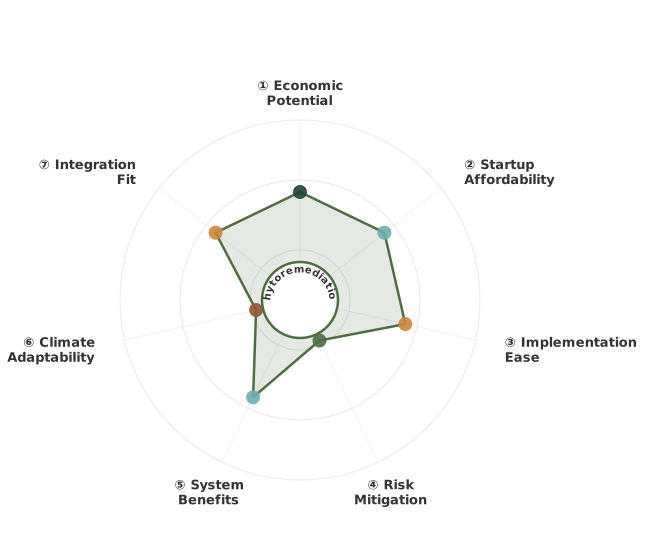
How These Traits Are Calculated
Trait dimensions are ordered clockwise starting from the top of the chart (12 o'clock position):
1. Economic Potential
Financial returns, annual value, and break-even timeline
WHAT: Evaluates financial viability by combining net annual value ($/ha from savings, income, and amortized harvests) with break-even timeline showing when practices pay for themselves.
WHY: Farmers need clear ROI understanding before committing resources. Fast payback (≤3 years) with strong returns (≥$300/ha) enables confident adoption, while long timelines (>10 years) restrict adoption to well-funded operations willing to wait for returns.
HOW: Calculated from net annual value in $/ha and break-even years. Exceptional (≥2.6): fast ROI ≤3 years + high value ≥$300/ha. Typical (1.8-2.5): moderate returns or longer timelines. Limited (<1.8): marginal economics or very long payback >10 years.
2. Startup Affordability
Initial investment costs and financial barrier to entry
WHAT: Measures financial barrier to entry through startup costs for equipment, infrastructure, consulting, and materials. Inverted scoring: lower costs = higher scores = more accessible adoption.
WHY: Affordability determines who can adopt. Low-cost practices (<$250/ha) enable widespread adoption across diverse scales, while high costs (>$2,500/ha) limit adoption to well-capitalized operations, creating barriers that slow regenerative transition.
HOW: Calculated from initial investment parsed from practice content. Inverted scoring: Exceptional (≥2.6): minimal investment <$250/ha. Typical (1.8-2.5): moderate costs $250-2,500/ha. Limited (<1.8): high barrier >$2,500/ha.
3. Implementation Ease
Learning curve and specialized knowledge required
WHAT: Measures how much learning, planning, and specialized knowledge a practice requires. Simpler practices with fewer steps score higher, while complex practices requiring extensive training or specialized resources score lower.
WHY: Complex practices create adoption barriers even when economically viable. Straightforward practices enable faster adoption and broader participation, while those requiring extensive training, timing precision, or specialized equipment limit who can succeed.
HOW: Evaluated by measuring documentation length and identifying complexity markers like location-specific requirements, seasonal timing windows, specialized skills, and dedicated equipment needs. Exceptional (≥2.6): straightforward practices with minimal prerequisites. Typical (1.8-2.5): moderate learning curve with some specialized needs. Limited (<1.8): steep learning curve requiring significant training or resources.
4. Risk Mitigation
Identified financial and ecological risk assessment
WHAT: Evaluates documented risks across financial (investment loss, market volatility) and ecological (crop failure, pest outbreaks) domains. Inverted scoring: fewer risks = higher scores.
WHY: Understanding risk exposure helps farmers make informed decisions. Low-risk practices allow confident implementation, while high-risk practices require careful planning and contingency resources. Risk transparency prevents costly failures.
HOW: Calculated from identified risks in practice content. Inverted scoring: Exceptional (≥2.6): ≤2 risks with manageable severity. Typical (1.8-2.5): 3-5 moderate risks. Limited (<1.8): 6+ risks or severe exposure.
5. System Benefits
How many ways the practice improves your land simultaneously
WHAT: Measures how many aspects of land health improve at once—carbon storage, soil quality, erosion control, water absorption, and biodiversity. Practices that improve multiple areas simultaneously create compounding benefits where each improvement reinforces the others.
WHY: The best practices solve multiple problems at once. For example, addressing erosion simultaneously builds carbon and improves water infiltration, creating a resilient system with positive feedback loops. Single-benefit approaches miss these compound transformation opportunities.
HOW: Evaluated across five key outcomes: carbon sequestration, soil organic matter increase, erosion reduction, water infiltration improvement, and biodiversity enhancement. Exceptional (≥2.6): high carbon storage (>8 t/ha/yr), improvements across 4-5 areas, transformative outcomes. Typical (1.8-2.5): moderate carbon (3-8 t/ha/yr), improvements across 2-3 areas. Limited (<1.8): modest impact (<3 t/ha/yr), single-area focus only.
6. Climate Adaptability
Geographic applicability across Köppen climate zones
WHAT: Evaluates geographic applicability by assessing how many Köppen climate zones successfully support a practice and what adaptation requirements are needed. Measures breadth of climates where farmers can implement with minimal to moderate modifications.
WHY: Universal practices working across diverse climates enable more farmers to adopt regenerative approaches. Practices limited to single climate types (only Mediterranean, only tropical) restrict adoption and slow global transition. Adaptability determines whether a practice serves niche regions or offers broad transformation.
HOW: LLM evaluation of regional success stories, Köppen zone coverage, and adaptation needs. Exceptional (≥2.6): 5+ zones or 4+ climate types, 3+ continents, minimal adaptation. Typical (1.8-2.5): 3-4 zones or 2-3 types, 2 continents, moderate adaptation. Limited (<1.8): 1-2 zones, single region, significant adaptation or highly specialized.
7. Integration Fit
How well this practice combines with others you're doing
WHAT: Measures how well a practice combines with other regenerative practices you might be doing. Some practices work as building blocks that make many other practices easier or more effective, while others work best on their own.
WHY: Practices that combine well with many others create more value on your farm. For example, cover cropping enables no-till, improves grazing, supports crop diversity, and helps water management—making all of them work better together. This helps you build a coherent system rather than juggling disconnected practices.
HOW: Evaluated by identifying which practices combine well and how strong those combinations are. 'Ideally Suited' means strong combinations where practices reinforce each other (practice A makes B easier, while B makes A more effective). 'Adequate' means complementary benefits that work well together. Exceptional (≥2.6): combines well with 6+ practices, serves as a building block. Typical (1.8-2.5): combines with 3-5 practices. Limited (<1.8): 1-2 practices or works best alone.
Going Deeper
1
WHY - The Benefits
Phytoremediation offers a powerful, biologically-driven solution for land restoration, transforming contaminated sites into productive ecosystems. Its benefits extend beyond simple pollutant removal, fostering ecological health and unlocking land for sustainable use.
Phytoremediation offers a powerful, biologically-driven solution for land restoration, transforming contaminated sites into productive ecosystems. Its benefits extend beyond simple pollutant removal, fostering ecological health and unlocking land for sustainable use.
WHY - The Benefits
Phytoremediation offers a powerful, biologically-driven solution for land restoration, transforming contaminated sites into productive ecosystems. Its benefits extend beyond simple pollutant removal, fostering ecological health and unlocking land for sustainable use.
Phytoremediation offers a powerful, biologically-driven solution for land restoration, transforming contaminated sites into productive ecosystems. Its benefits extend beyond simple pollutant removal, fostering ecological health and unlocking land for sustainable use.
Soil Health Benefits
The process of phytoremediation inherently improves soil conditions by re-establishing a living root system. Deep-rooted plants, often selected for phytoremediation, penetrate compacted layers, improving aeration and water infiltration. This biological activity stimulates soil microbial populations, including beneficial bacteria and fungi, which are crucial for nutrient cycling and soil aggregation. As plants absorb contaminants, they often break down organic pollutants into less harmful substances or immobilize heavy metals within their tissues, effectively reducing their toxicity and mobility in the soil.
Over time, the accumulation of plant biomass (leaves, roots) contributes to soil organic matter, enhancing soil structure, water-holding capacity, and fertility. This is particularly beneficial on sites historically degraded by industrial pollution or chemical contamination, where soil biology may have been severely depleted. The presence of living roots also helps stabilize soil, reducing erosion by wind and water, which is a common problem on derelict or contaminated land.
Economic Benefits
Compared to conventional cleanup methods like excavation and landfilling or chemical treatment, phytoremediation is often significantly more cost-effective. Studies show it can be 50-80% cheaper than physico-chemical methods, especially for large areas or low to moderate contaminant concentrations. While it requires a longer timeframe, the upfront investment is lower.
The harvested biomass from phytoremediating plants can sometimes be utilized, for instance, as material for biofuels or construction, provided it is handled and disposed of safely according to regulations. This can offset some cleanup costs. More importantly, successful remediation makes land suitable for agriculture, forestry, or development that was previously unusable due to contamination, unlocking its economic potential and reducing long-term liability associated with polluted sites.
Water Cycle Benefits
Phytoremediation is highly effective in treating contaminated water—both surface water and groundwater. Plants can absorb excess nutrients like nitrogen and phosphorus from agricultural runoff and wastewater, preventing them from reaching rivers, lakes, and oceans where they cause eutrophication and harmful algal blooms. This nutrient uptake can be achieved through constructed wetlands planted with specific aquatic species or by establishing vegetative buffer strips along waterways.
For contaminated groundwater, plants play a role in hydraulic control, drawing down water tables to prevent pollutant plumes from spreading. Some plants can also degrade volatile organic compounds (VOCs) present in groundwater through root uptake and subsequent breakdown within the plant. The filtering action of plant root systems and associated microbes can also trap and immobilize particulate contaminants.
Carbon Sequestration
By re-establishing perennial plant cover on previously barren or contaminated land, phytoremediation actively contributes to carbon sequestration. Plants absorb atmospheric carbon dioxide through photosynthesis, storing carbon in their biomass and roots. As roots grow and die, and as plant litter decomposes, this carbon is incorporated into the soil as organic matter, effectively removing greenhouse gases from the atmosphere and building soil carbon reserves. This dual benefit of cleaning the environment and mitigating climate change makes phytoremediation a valuable tool for ecosystem regeneration.
Biodiversity and Ecological Restoration
Phytoremediation projects often aim to not only remove contaminants but also to restore ecological function and habitat. The reintroduction of diverse plant communities creates food sources and shelter for wildlife, insects, and soil organisms. As the soil health improves and contaminants are reduced, the land becomes capable of supporting the complex food webs characteristic of healthy ecosystems. This ecological restoration is fundamental to regenerative agriculture's goal of building resilient and biodiverse landscapes.
Regenerative Systems Fit
Phytoremediation aligns with regenerative agriculture principles by focusing on ecological restoration and improving land health. It fits particularly well as a transition practice for remediating degraded or polluted lands, preparing them for regenerative management.
Principle 1 (Minimize Soil Disturbance): While the initial planting might involve some soil disturbance, the long-term impact of establishing perennial vegetation is minimal soil disturbance compared to annual tillage. The roots improve structure and prevent erosion.
Principle 2 (Maximize Crop Diversity): The selection of multiple plant species adapted to the local ecosystem and contaminant profile enhances biodiversity, which is a cornerstone of regenerative agriculture. This mirrors the goal of increased genetic and species diversity above and below ground.
Principle 3 (Keep Soil Covered): Phytoremediation inherently involves establishing living plants year-round (in many climates), ensuring the soil is consistently covered, protected from erosion, and actively supporting soil biology.
Principle 4 (Maintain Living Roots): The practice is centered on maintaining living roots in the soil for extended periods, often for many years, which supports continuous soil biological activity and nutrient cycling.
Principle 5 (Integrate Livestock): Once areas are sufficiently remediated and stabilized, they may become suitable for grazing. However, careful assessment is needed to ensure contaminants are not transferred to livestock or re-introduced via manure. In many cases, remediation areas might be dedicated to ecological reserves or non-food production initially.
In cases where phytoremediation is used to manage ongoing agricultural pollution (e.g., nutrient runoff), it supports the goal of keeping soil covered and maintaining living roots, but it doesn't address the root cause of excess nutrient inputs. True regenerative systems would aim to eliminate these excess inputs through improved fertility management and diversified cropping systems.
Sources behind this view
Videos & Podcasts
-
Provides comprehensive strategies for soil remediation including bio-remediation with fungi/bacteria, phytoremediation (sunflowers, mustard, comfrey), charged biochar, sheet mulching, balanced compost
-
Contaminated soils can often be remediated using fungi, phyto-remediation (e.g., hemp), and microbial methods. Forensic analysis is key to determining feasibility and timeframes, with Soil Food Web pr

-
Brian Bag and other panelists discuss remediating herbicide-contaminated soil using compost extracts, mulch, fungi, and cover crops, emphasizing the importance of testing sources and combining biologi

-
Details a remediation strategy using compost extract, inoculated biochar, carbon (wood chips), and phyto-remediating plants to feed soil microbes and rebuild the soil food web.

Community
-
Remediate contaminated land by testing soil and water, then inoculating with fungi and bacteria to break down chemical toxins. Increase organic matter and consider phytoremediation for elemental conta
Read more (opens in new window) permies.com -
Mitigating soil toxicity involves site selection, regular soil testing, and methods like phytoremediation (using sunflowers), bioremediation (microorganisms), and soil amendments (biochar, compost).
Read more (opens in new window) ucanr.edu -
Personal experience shows composting sunchoke and brassica biomass is effective for remediating lead-contaminated soil after plant tissue analysis revealed low heavy metal uptake. Mycoremediation with
Read more (opens in new window) permies.com -
Biological remediation strategies like phytoremediation are inexpensive but slow. The *Youarethecity* project in the Bronx, NYC, uses a Field Lab at La Finca del Sur to research and demonstrate phytor
Read more (opens in new window) smallfarms.cornell.edu
Research
-
Current Assessment and Future Perspectives on Phytoremediation of Heavy Metals (opens in new window)
This study found: Phytoremediation uses plants to safely and affordably clean up toxic heavy metal pollution. Evolving from labs to field trials, it shows promise for industrial sites and urban agriculture. Future adva
-
Microbial phytoremediation of contaminated soils irrigated with industrial effluents: a soil health perspective. (opens in new window)
This study found: Plants and microbes can work together to clean industrial wastewater contamination from soils. This eco-friendly approach uses plant-microbe partnerships to remove harmful metals and toxic substances,
-
PHYTOREMEDIATION (opens in new window)
This study found: Phytoremediation uses plants' natural ability to clean up polluted soils and water, targeting heavy metals and chemicals by understanding plant physiology and molecular processes.
-
Utilizing Mediterranean Plants to Remove Contaminants from the Soil Environment: A Short Review (opens in new window)
This study found: Review of 166 studies shows Mediterranean plants can clean heavy metals from soil (phytoremediation). Native plants are preferred for sustainability and ecological safety over potentially invasive non
From the Web
-
Three bioremediation types—microbial, phytoremediation (plants), and mycoremediation (fungi)—use natural organisms to clean contaminants in farmlands, wetlands, and oceans, aiding food production.
-
Explains phytoremediation, using hyperaccumulator plants to extract metals and metalloids from contaminated soils, detailing mechanisms like phytoextraction and discussing its promise and limitations.
2
WHERE - Regional Considerations
WHERE - Regional Considerations
Click Here to Look up your Region if you don't already know it
3
WHERE - Regional Considerations
The success of phytoremediation is highly dependent on local climate, soil conditions, and the specific contaminants present. While the core principles are universal, implementation strategies and plant selection must be tailored to regional environmental factors to...
The success of phytoremediation is highly dependent on local climate, soil conditions, and the specific contaminants present. While the core principles are universal, implementation strategies and plant selection must be tailored to regional environmental factors to...
WHERE - Regional Considerations
The success of phytoremediation is highly dependent on local climate, soil conditions, and the specific contaminants present. While the core principles are universal, implementation strategies and plant selection must be tailored to regional environmental factors to...
The success of phytoremediation is highly dependent on local climate, soil conditions, and the specific contaminants present. While the core principles are universal, implementation strategies and plant selection must be tailored to regional environmental factors to...
Click Here to Look up your Region if you don't already know it
Humid Temperate Regions
Representative Locations: Southeastern United States, northern Europe (UK, Germany, Poland), eastern China, Japan, New Zealand
Climate Context: Warm to hot summers and cool to cold winters with moderate to high annual precipitation (75-150 cm or 30-60 inches) distributed relatively evenly. USDA Zones 6-8, Köppen Cfb/Cfa.
In these regions, a wide array of plants can be employed, including fast-growing trees like poplars, willows, and alders for groundwater extraction and soil stabilization. For nutrient management in agricultural runoff, grasses, legumes, and wetland species like cattails and reeds are effective in constructed wetlands or buffer strips. Challenges can include the potential for leaching of mobilized contaminants in periods of high rainfall and the need for careful management of harvested biomass. Phytoremediation projects here often focus on remediating legacy industrial sites, agricultural chemical spills, or urban runoff.
Mediterranean Regions
Representative Locations: California, Mediterranean basin (Spain, Italy, Greece), central Chile, southwestern Australia, Western Cape South Africa
Climate Context: Hot, dry summers and mild, wet winters. Annual precipitation 40-90 cm (15-35 inches), highly seasonal. USDA Zones 8-10, Köppen Csa/Csb.
The distinct wet and dry seasons pose unique challenges. Plants must be drought-tolerant to survive dry summers, and effective during the wet season when contaminants are most mobile. Species like eucalyptus, olives, and certain native shrubs and grasses can be effective. Focus areas often include treating heavy metals from mining activities, petroleum hydrocarbons from spills, and managing salinity in agricultural soils. The long growing season allows for uptake over extended periods, but water availability during summer months requires careful plant selection and potentially supplemental irrigation for some projects.
Arid/Semi-Arid Regions
Representative Locations: Western USA, North Africa, Central Asia, Interior Australia
Climate Context: Low annual precipitation (<40 cm or 15 inches), high temperatures, short and often unpredictable growing season. USDA Zones 7-9, Köppen BSh/BSk.
Plant selection is critical, focusing on highly drought-tolerant native species or adapted exotics. Salt-tolerant plants are often prioritized for managing saline soils and groundwater. Trees like mesquite, acacia, and certain junipers can be used for deep soil and groundwater remediation. The limited rainfall means that leaching of contaminants is less of a concern, but limited plant growth can extend remediation timelines. Water management, even minimal, can significantly boost remediation efficiency. Projects often target mining waste sites, abandoned agricultural lands with salt buildup, and oil spill sites.
Cold Continental Regions
Representative Locations: Northern USA and Canada, Northern Europe, Northern Asia
Climate Context: Very short growing seasons, extreme summer heat, severe winter cold. USDA Zones 3-5, Köppen Dfa/Dfb.
Phytoremediation here is limited by short growing seasons and freezing temperatures. Species must be cold-hardy and able to grow rapidly during the brief summer. Fast-growing trees like aspen, birch, and certain pines, along with hardy grasses and sedges, can be employed. Contaminants often targeted include petroleum hydrocarbons, heavy metals from mining, and industrial chemicals. The challenge is maximizing uptake during the short growing window and managing winter dieback. Phytoremediation sites may require revegetation annually with fast-growing annuals or perennials that can tolerate cold.
Subtropical Regions
Representative Locations: Southeastern USA, Southern China, Southern Brazil, Eastern Australia
Climate Context: Hot, humid summers and mild winters with generally ample rainfall. USDA Zones 9-11, Köppen Cfa/Cwa.
These regions offer long growing seasons and abundant rainfall, allowing a wide variety of plants to be used. Fast-growing trees, shrubs, and grasses thrive. Examples include various species of eucalyptus, acacia, bamboo, and ornamentals. Phytoremediation is common for treating agricultural runoff (nutrients, pesticides), domestic wastewater, and industrial pollutants from manufacturing sites. The challenge is managing invasive potential of some introduced species and ensuring sufficient plant density for effective contaminant uptake, especially in nutrient-rich wastewater treatment systems.
Tropical Regions
Representative Locations: Central America, Southeast Asia, East Africa, Northern Australia, Northern South America
Climate Context: High temperatures year-round, with distinct wet and dry seasons or consistent high rainfall. Köppen Af/Am/Aw.
The year-round warmth and high rainfall in many tropical regions enable very rapid plant growth. A vast array of fast-growing, deep-rooted species, including various trees, grasses, and aquatic plants, can be employed. Examples include certain species of bamboo, bananas, and tropical legumes. Phytoremediation is applied to a wide range of pollutants, from heavy metals in mining areas to pesticides and hydrocarbons from agricultural and industrial activities. Management of dense vegetation, potential for invasive species, and ensuring proper handling of harvested contaminated biomass are key considerations.
4
HOW - Implementation Process
One of the most crucial aspects of phytoremediation is selecting the right plant species and integrating them effectively with the site's specific conditions and contamination profile. This process typically involves several phases, from initial site assessment and...
One of the most crucial aspects of phytoremediation is selecting the right plant species and integrating them effectively with the site's specific conditions and contamination profile. This process typically involves several phases, from initial site assessment and...
HOW - Implementation Process
One of the most crucial aspects of phytoremediation is selecting the right plant species and integrating them effectively with the site's specific conditions and contamination profile. This process typically involves several phases, from initial site assessment and...
One of the most crucial aspects of phytoremediation is selecting the right plant species and integrating them effectively with the site's specific conditions and contamination profile. This process typically involves several phases, from initial site assessment and...
Prerequisites
Before commencing any phytoremediation project, a thorough understanding of the site is essential:
- Contaminant Identification and Characterization: What are the pollutants? (e.g., heavy metals, hydrocarbons, nutrients, pesticides). What are their concentrations? In what medium are they found (soil, groundwater, surface water)? What is their chemical form and mobility? This requires laboratory analysis.
- Site Assessment: What are the soil types, topography, hydrological conditions (groundwater depth, flow direction), existing vegetation, and local climate?
- Regulatory Compliance: Are there local, regional, or national regulations regarding contaminant levels, remediation methods, and disposal of contaminated materials? Understanding permits and reporting requirements is vital.
- Feasibility Study: Based on contaminant type/level and site conditions, is phytoremediation a viable option? Consider the estimated cleanup time and effectiveness compared to other methods.
Phase 1: Site Planning and Design
This phase involves mapping out the remediation strategy:
- Plant Species Selection: Choose species known to tolerate or accumulate the specific contaminants. Consider native species for ecosystem compatibility and reduced invasiveness risk. Factors include plant tolerance to contaminant concentration, contaminant uptake rate, biomass production, root depth, and seasonal growth. For example, Salix (willow) and Populus (poplar) are excellent for high water uptake and hydrocarbon degradation, while Brassica juncea (Indian mustard) is good for heavy metal uptake.
- Site Preparation: Depending on contamination type and degree, this may involve minimal disturbance (e.g., light grading) or more involved preparations like soil amendments to enhance plant uptake (e.g., adding chelating agents to increase metal solubility) or implementing hydraulic control measures (e.g., subsurface drains to manage groundwater flow).
- Layout and Planting Strategy: Design the planting scheme to maximize contaminant contact with plant roots or shoots. For soil remediation, this might involve planting in grids or rows at optimal spacing (often 0.5-2 meters or 1.5-6 feet apart, depending on species). For water remediation, it involves designing vegetated filter strips, constructed wetlands, or bank filtration systems.
Phase 2: Establishment and Initial Monitoring
This phase focuses on getting the plants established and ensuring they thrive:
- Planting: Implement planting using appropriate methods—seedlings, cuttings, seeds—depending on species and site conditions. Ensure proper spacing and density.
- Initial Care: Provide necessary post-planting care, which may include irrigation, fertilization (if not depleting soil from contaminants), and weed control. Protection from grazing animals is often critical.
- Early Monitoring: Monitor plant survival rates, growth, and health. Assess early signs of contaminant uptake or stress. Check for any issues with establishment or unexpected site impacts.
Phase 3: Remediation and Ongoing Management
This is the core phase where plants actively work on contaminant reduction:
- Contaminant Uptake/Degradation: Plants absorb contaminants, transform them, or reduce their mobility. This process can take months to many years depending on contaminant type, concentration, plant species, and climate.
- Biomass Management: For phytoextraction, contaminated plant biomass must be periodically harvested. This requires careful planning for disposal or treatment according to regulations, often involving secure landfilling or specialized processing at a licensed facility. Harvest frequency depends on plant growth rate and contaminant uptake.
- Maintenance: Ongoing tasks may include replanting areas where plants have failed, managing weeds to prevent competition, and monitoring water levels or soil conditions.
Transition Timeline & Phase-Out Strategy
Phytoremediation timelines are long-term and depend heavily on the specific contaminants and scale of the problem.
- Short-term (1-3 years): Initial plant establishment, stabilization of soil, initial reduction in contaminant mobility for some pollutants.
- Medium-term (3-10 years): Significant reduction in contaminant concentrations and mobility, especially for organic pollutants and nutrients. Some heavy metals may show reduction in bioavailability. Wetland systems show marked improvement in water quality.
- Long-term (10-20+ years): For heavy metals and persistent organic pollutants, complete remediation may take decades or require multiple cycles of planting and harvesting. The goal is to reduce contaminant levels below regulatory thresholds or to a point where the land can be safely used.
Phase-Out Strategy: The "phase-out" of phytoremediation is not about stopping the practice but about reaching cleanup goals or transitioning to a management phase. 1. Goal Achievement: Once contaminant levels are below regulatory limits or acceptable risk thresholds, active remediation can cease. Continued presence of perennial plants helps maintain soil health and prevent future contamination from entering the remediated zone. 2. Transition to Regenerative Use: The remediated land can then be transitioned to other regenerative practices, such as cover cropping, agroforestry, or carefully managed grazing. The key indicator for transition is verified reduction of contaminants to safe levels. 3. Long-Term Monitoring: Even after active remediation, some sites may require periodic monitoring to ensure contaminants do not resurface, especially for immobile heavy metals or in areas with continuing pollution sources.
Sources behind this view
Videos & Podcasts
-
Provides comprehensive strategies for soil remediation including bio-remediation with fungi/bacteria, phytoremediation (sunflowers, mustard, comfrey), charged biochar, sheet mulching, balanced compost
-
Brian Bag and other panelists discuss remediating herbicide-contaminated soil using compost extracts, mulch, fungi, and cover crops, emphasizing the importance of testing sources and combining biologi
-
Details a remediation strategy using compost extract, inoculated biochar, carbon (wood chips), and phyto-remediating plants to feed soil microbes and rebuild the soil food web.
-
Soil remediation involves increasing organic matter to sequester toxins and using effective microbes (E/M) and fungi. Phytoremediation with plants like comfrey is an option, but plants can also releas
Community
-
Remediate contaminated land by testing soil and water, then inoculating with fungi and bacteria to break down chemical toxins. Increase organic matter and consider phytoremediation for elemental conta
Read more (opens in new window) permies.com -
Urban soil remediation involves understanding heavy metal accumulation in plants (leaves > flowers > fruits, roots significant) and using bio-indicators like mushrooms. Sunflowers can be used for phyt
Read more (opens in new window) permies.com -
Mitigating soil toxicity involves site selection, regular soil testing, and methods like phytoremediation (using sunflowers), bioremediation (microorganisms), and soil amendments (biochar, compost).
Read more (opens in new window) ucanr.edu -
Biological remediation strategies like phytoremediation are inexpensive but slow. The *Youarethecity* project in the Bronx, NYC, uses a Field Lab at La Finca del Sur to research and demonstrate phytor
Read more (opens in new window) smallfarms.cornell.edu
Research
-
Current Assessment and Future Perspectives on Phytoremediation of Heavy Metals (opens in new window)
This study found: Phytoremediation uses plants to safely and affordably clean up toxic heavy metal pollution. Evolving from labs to field trials, it shows promise for industrial sites and urban agriculture. Future adva
-
Microbial phytoremediation of contaminated soils irrigated with industrial effluents: a soil health perspective. (opens in new window)
This study found: Plants and microbes can work together to clean industrial wastewater contamination from soils. This eco-friendly approach uses plant-microbe partnerships to remove harmful metals and toxic substances,
-
Unveiling soil health recovery after phytoremediation: Insights from a metaproteomic approach. (opens in new window)
This study found: Plant-based soil cleanup (phytoremediation) significantly reduced PCBs and heavy metals (e.g., 92% mercury reduction) over 5 years, restoring microbial health and function in contaminated sites.
-
PHYTOREMEDIATION (opens in new window)
This study found: Phytoremediation uses plants' natural ability to clean up polluted soils and water, targeting heavy metals and chemicals by understanding plant physiology and molecular processes.
From the Web
-
Explains phytoremediation, using hyperaccumulator plants to extract metals and metalloids from contaminated soils, detailing mechanisms like phytoextraction and discussing its promise and limitations.
5
Know the Debate
Phytoremediation's success varies significantly by region and contaminant type. In humid temperate zones with reliable rainfall, remediation can pr...
Know the Debate
Phytoremediation's success varies significantly by region and contaminant type. In humid temperate zones with reliable rainfall, remediation can pr...
Phytoremediation's success varies significantly by region and contaminant type. In humid temperate zones with reliable rainfall, remediation can progress with diverse plant species over 3-10 years. Mediterranean climates require drought-tolerant plants for slower remediation (7-15 years), while arid regions face challenges with limited plant growth and longer timelines. Cold continental climates restrict remediation to short growing seasons, often relying on hardy perennials or annuals and extending timelines. Field practitioners commonly report effective soil rebuilding and contaminant stabilization within 2-5 years using integrated biological methods. However, dealing with complex pollutant mixtures tests the limits of standard approaches, requiring carefully selected plants and microbial consortia for optimal results.
How long does phytoremediation take to clean soil?
Longer timelines (3-20+ years) for academic settings
Academic research typically outlines remediation timelines ranging from 3-10 years for organic pollutants and 10-20+ years for heavy metals. These estimates often reflect controlled studies and focus on specific pollutant reduction targets.
Sources behind this view
Sources behind this view
Research
-
Promises and Prospects of Phytoremediation (opens in new window)
This study found: This article discusses phytoremediation, a promising approach that uses plants to clean up polluted soil. Traditional methods for cleaning contaminated land are very expensive, costing hundreds or even thousands of dollars per ton. Phytoremediation offers a much cheaper, plant-based solution. The idea is to use farming practices to prepare the soil and then plant specific crops or even tolerant weeds. These plants can absorb, store, or break down harmful organic and inorganic pollutants in the soil. By managing the plants and farming techniques over several years, the goal is to remove or neutralize the contaminants, making the soil safe again. Many common plants, including weeds, are surprisingly tough and can grow in soils with high levels of toxins.
-
Phytoremediation: A Sustainable Approach to Combat Heavy Metal Contaminated Soil - A Review (opens in new window)
This study found: This review highlights phytoremediation – using special plants that can absorb high levels of toxic metals – as a sustainable and cost-effective way to clean up polluted farmland. Unlike expensive chemical methods that can make land unusable, phytoremediation uses nature's own tools. The review explains how certain plants, called hyper-accumulators, can take up and break down harmful metals from the soil. It also discusses ways to make this process even more effective, such as using specific chemicals to help plants absorb more toxins, introducing beneficial soil bacteria, or inoculating plants with helpful root fungi (AMF). This approach offers a greener alternative for dealing with heavy metal contamination.
-
The Journey of 1000 Leagues towards the Decontamination of the Soil from Heavy Metals and the Impact on the Soil–Plant–Animal–Human Chain Begins with the First Step: Phytostabilization/Phytoextraction (opens in new window)
This study found: This review synthesizes research on how plants can help clean up soils contaminated with heavy metals. It focuses on two main plant-based methods: phytoextraction (where plants absorb metals) and phytostabilization (where plants lock metals in place). The study explains that these methods are crucial for preventing toxic metals from entering our food, which can harm human health over time. Effective soil cleanup requires a team effort involving soil science, plant biology, and understanding how metals move. The authors point out that even plants growing on polluted land, or those helped by soil conditioners, can play a vital role in making our soils safer.
Shorter timelines (2-5 years) reported in field practice
Field practitioners often report achieving noticeable soil rebuilding and contaminant stabilization within 2-5 years, particularly when combining phytoremediation with broader soil food web practices and expert plant selection.
Sources behind this view
Sources behind this view
Videos & Podcasts
-
Soil remediation involves increasing organic matter to sequester toxins and using effective microbes (E/M) and fungi. Phytoremediation with plants like comfrey is an option, but plants can also release toxins. Enhancing the soil food web creates barriers, and rigorous testing is crucial.
-
Provides comprehensive strategies for soil remediation including bio-remediation with fungi/bacteria, phytoremediation (sunflowers, mustard, comfrey), charged biochar, sheet mulching, balanced compost, vermicompost, and raw manure. Emphasizes combining methods for best results.
-
Contaminated soils can often be remediated using fungi, phyto-remediation (e.g., hemp), and microbial methods. Forensic analysis is key to determining feasibility and timeframes, with Soil Food Web practices offering solutions for a growing market addressing widespread land pollution.
Making Sense of the Differences
Phytoremediation timelines vary significantly based on contaminant type, concentration, plant species, and climate. Academic studies often give longer, more conservative estimates for heavy metals, reflecting controlled research. Field practitioners, by integrating biological methods like microbes and compost, and focusing on soil health, report achieving stabilization and noticeable improvements in shorter periods, especially for organic pollutants. Farmers should consider the specific contaminant and local conditions to set realistic expectations, understanding that a combination of methods can accelerate the process.
What types of contaminants can phytoremediation address?
Targeted remediation for specific contaminants (academic focus)
Academic research often focuses on specific plant-contaminant pairings, particularly heavy metals and particular organic pollutants, requiring precise site analysis for effective strategy.
Sources behind this view
Sources behind this view
Research
-
Promises and Prospects of Phytoremediation (opens in new window)
This study found: This article discusses phytoremediation, a promising approach that uses plants to clean up polluted soil. Traditional methods for cleaning contaminated land are very expensive, costing hundreds or even thousands of dollars per ton. Phytoremediation offers a much cheaper, plant-based solution. The idea is to use farming practices to prepare the soil and then plant specific crops or even tolerant weeds. These plants can absorb, store, or break down harmful organic and inorganic pollutants in the soil. By managing the plants and farming techniques over several years, the goal is to remove or neutralize the contaminants, making the soil safe again. Many common plants, including weeds, are surprisingly tough and can grow in soils with high levels of toxins.
-
Phytoremediation: A Sustainable Approach to Combat Heavy Metal Contaminated Soil - A Review (opens in new window)
This study found: This review highlights phytoremediation – using special plants that can absorb high levels of toxic metals – as a sustainable and cost-effective way to clean up polluted farmland. Unlike expensive chemical methods that can make land unusable, phytoremediation uses nature's own tools. The review explains how certain plants, called hyper-accumulators, can take up and break down harmful metals from the soil. It also discusses ways to make this process even more effective, such as using specific chemicals to help plants absorb more toxins, introducing beneficial soil bacteria, or inoculating plants with helpful root fungi (AMF). This approach offers a greener alternative for dealing with heavy metal contamination.
-
The Journey of 1000 Leagues towards the Decontamination of the Soil from Heavy Metals and the Impact on the Soil–Plant–Animal–Human Chain Begins with the First Step: Phytostabilization/Phytoextraction (opens in new window)
This study found: This review synthesizes research on how plants can help clean up soils contaminated with heavy metals. It focuses on two main plant-based methods: phytoextraction (where plants absorb metals) and phytostabilization (where plants lock metals in place). The study explains that these methods are crucial for preventing toxic metals from entering our food, which can harm human health over time. Effective soil cleanup requires a team effort involving soil science, plant biology, and understanding how metals move. The authors point out that even plants growing on polluted land, or those helped by soil conditioners, can play a vital role in making our soils safer.
Broader remediation for complex mixtures (field experience)
Field practitioners report success with a wider range of plants and biological methods for complex mixtures of pesticides, nutrients, and 'forever chemicals,' sometimes using general indicator species.
Sources behind this view
Sources behind this view
Videos & Podcasts
-
Provides comprehensive strategies for soil remediation including bio-remediation with fungi/bacteria, phytoremediation (sunflowers, mustard, comfrey), charged biochar, sheet mulching, balanced compost, vermicompost, and raw manure. Emphasizes combining methods for best results.
-
To remediate polluted soils, use humic acids, microbes, and phyto-remediating plants like hemp. Giant ragweed may also be effective. Research phyto-remediation for specific toxins.

-
Contaminated soils can often be remediated using fungi, phyto-remediation (e.g., hemp), and microbial methods. Forensic analysis is key to determining feasibility and timeframes, with Soil Food Web practices offering solutions for a growing market addressing widespread land pollution.
-
Warns against using modern paper products (cardboard, newspaper) due to PFAS and industrial waste. Explains bioremediation with soil microbiology for toxins like herbicides (glyphosate, 2,4-D), but strongly cautions against persistent herbicides like Grazon. Advocates for clean land but provides remediation strategies for contaminated sites.

Making Sense of the Differences
Academic research typically focuses on specific plant-contaminant interactions for heavy metals and defined organic pollutants, requiring precise site analysis. In contrast, field practitioners often report success using a more holistic approach with broader-spectrum plants and biological agents (microbes, fungi, biochar) to address complex mixtures of pesticides, nutrients, and 'forever chemicals.' While academic rigor emphasizes specificity, field experience suggests that integrated strategies can manage diverse pollutant profiles, though possibly requiring longer timelines and careful monitoring.
Does phytoremediation inherently rebuild soil health?
Indirect soil health benefits (academic/institute framing)
Academic and institute sources describe phytoremediation's ability to improve soil structure, microbial activity, and carbon sequestration by re-establishing vegetation and roots.
Sources behind this view
Sources behind this view
Research
-
Promises and Prospects of Phytoremediation (opens in new window)
This study found: This article discusses phytoremediation, a promising approach that uses plants to clean up polluted soil. Traditional methods for cleaning contaminated land are very expensive, costing hundreds or even thousands of dollars per ton. Phytoremediation offers a much cheaper, plant-based solution. The idea is to use farming practices to prepare the soil and then plant specific crops or even tolerant weeds. These plants can absorb, store, or break down harmful organic and inorganic pollutants in the soil. By managing the plants and farming techniques over several years, the goal is to remove or neutralize the contaminants, making the soil safe again. Many common plants, including weeds, are surprisingly tough and can grow in soils with high levels of toxins.
-
PHYTOREMEDIATION (opens in new window)
This study found: Phytoremediation, using plants and the microbes living around their roots to clean up contaminated soil and water, has become a popular and affordable method. Plants can hold pollutants in place, pull them out of the environment, break them down, or release them into the air. This review covers how these plant-based cleanup methods work for different types of pollution, which plants are best suited for the job, and what we still need to learn. Understanding how plants take up and process pollutants, along with the role of soil microbes, is key to making these cleanup strategies more effective. The article also touches on how genetic engineering could further boost these plant cleanup abilities.
-
The Journey of 1000 Leagues towards the Decontamination of the Soil from Heavy Metals and the Impact on the Soil–Plant–Animal–Human Chain Begins with the First Step: Phytostabilization/Phytoextraction (opens in new window)
This study found: This review synthesizes research on how plants can help clean up soils contaminated with heavy metals. It focuses on two main plant-based methods: phytoextraction (where plants absorb metals) and phytostabilization (where plants lock metals in place). The study explains that these methods are crucial for preventing toxic metals from entering our food, which can harm human health over time. Effective soil cleanup requires a team effort involving soil science, plant biology, and understanding how metals move. The authors point out that even plants growing on polluted land, or those helped by soil conditioners, can play a vital role in making our soils safer.
From the Web
-
Urban farmers can use non-remediation (raised beds, container gardening) or remediation (physical, biological like phytoremediation) strategies for contaminated soils. While physical methods are costly, biological methods are inexpensive but slow. Resources from Cornell, EPA, and organizations like Youarethecity offer guidance and workshops.
Holistic soil rebuilding requires integrated methods (field framing)
Field practitioners assert that while phytoremediation detoxifies soil, true soil health rebuilding requires combining it with broader soil food web practices like compost, microbes, and cover cropping.
Sources behind this view
Sources behind this view
Videos & Podcasts
-
Soil remediation involves increasing organic matter to sequester toxins and using effective microbes (E/M) and fungi. Phytoremediation with plants like comfrey is an option, but plants can also release toxins. Enhancing the soil food web creates barriers, and rigorous testing is crucial.
-
Provides comprehensive strategies for soil remediation including bio-remediation with fungi/bacteria, phytoremediation (sunflowers, mustard, comfrey), charged biochar, sheet mulching, balanced compost, vermicompost, and raw manure. Emphasizes combining methods for best results.
-
Contaminated soils can often be remediated using fungi, phyto-remediation (e.g., hemp), and microbial methods. Forensic analysis is key to determining feasibility and timeframes, with Soil Food Web practices offering solutions for a growing market addressing widespread land pollution.
-
Remediate glyphosate with bacterial action from compost tea and molasses; long-term solutions include no-till and cover crops. For lead, create non-soluble crystals by adding phosphorus/iron-rich inputs (bone meal, fish bones) and tilling in cover crops like buckwheat and daikon radish.
Making Sense of the Differences
Phytoremediation contributes to soil health by re-establishing vegetation, improving soil structure, and enhancing microbial activity. Academic sources highlight these indirect benefits. However, field practitioners argue that for comprehensive soil rebuilding and fertility, phytoremediation must be integrated with broader soil food web practices such as applying compost, cover crops, and inoculating with beneficial microbes. While plants remove contaminants, additional inputs are often needed to fully restore biological function and nutrient cycling.
6
HOW MUCH - Costs & Investment
Note: All costs are estimates based on US data (2023-2025) and may vary substantially by region due to local labor costs, material availability, regulatory requirements, and contaminant levels.
Note: All costs are estimates based on US data (2023-2025) and may vary substantially by region due to local labor costs, material availability, regulatory requirements, and contaminant levels.
HOW MUCH - Costs & Investment
Note: All costs are estimates based on US data (2023-2025) and may vary substantially by region due to local labor costs, material availability, regulatory requirements, and contaminant levels.
Note: All costs are estimates based on US data (2023-2025) and may vary substantially by region due to local labor costs, material availability, regulatory requirements, and contaminant levels.
Note: All costs are based on recent US economic data (2024–2026) and may vary substantially by region based on local labor rates, material costs, and regulatory requirements.
Site Assessment and Lab Analysis
Comprehensive soil and water testing is essential to categorize contaminants. For small operations (under 50 acres (20 ha)), fixed costs lead to expenditures of $1,250–$4,168 per acre ($3,089–$10,299/ha). Mid-size operations (50–500 acres (20–202 ha)) utilize volume-based lab agreements, resulting in costs of $625–$2,084 per acre ($1,544–$5,150/ha). Large-scale projects (500+ acres) leverage grid-sampling efficiency to reduce analytical overhead to $208–$834 per acre ($514–$2,061/ha).
Site Preparation and Earthworks
Preparation involves clearing, soil amendments such as gypsum or compost, and installing water management infrastructure. Small sites require $417–$1,667 per acre ($1,030–$4,119/ha), while mid-size sites typically spend $261–$938 per acre ($645–$2,318/ha). Large-scale reclamation projects focused on basins or industrial zones average $156–$521 per acre ($385–$1,287/ha), depending heavily on the volume of soil movement required to manage runoff or facilitate healthy root establishment.
Plant Materials and Planting Labor
Costs vary significantly based on species selection—such as hyperaccumulator ferns versus standard poplar cuttings—and planting methods. Small-scale plantings require $834–$2,605 per acre ($2,061–$6,437/ha) for material and labor. Mid-size operations range from $521–$1,563 per acre ($1,287–$3,862/ha). Large-scale projects utilize mechanized direct seeding, lowering costs to $208–$938 per acre ($514–$2,318/ha). Labor accounts for 40% of small-plot budgets, decreasing to 15% on large mechanized farms.
Ongoing Monitoring and Biomass Management
Annual monitoring and analytical verification are mandatory during the remediation cycle. In years 1–3, intensive maintenance costs $521–$2,084 per acre ($1,287–$5,150/ha). Biomass disposal, specifically for tissue classified as low-level hazardous waste, adds annual surcharges of $417–$1,563 per acre ($1,030–$3,862/ha) depending on local facility regulations.
Most Spend: Most agricultural operations (the middle 60% of cases) spend between $2,918–$5,731 per acre ($7,211–$14,162/ha) for initial establishment and between $1,250–$2,918 per acre ($3,089–$7,211/ha) annually for ongoing remediation maintenance and analytical verification.
Why the Range?: The primary driver of cost variability is the target contaminant's toxicity level, which necessitates different testing frequencies and specialized, high-cost plant hyperaccumulators. Furthermore, site-specific soil permeability and the proximity to approved hazardous waste disposal facilities significantly influence final annual budget requirements.
Sources behind this view
Research
-
Promises and Prospects of Phytoremediation (opens in new window)
This study found: Phytoremediation uses plants to clean polluted soil, offering a cost-effective alternative to expensive engineering methods. Plants can absorb, store, or degrade organic and inorganic contaminants thr
-
PHYTOREMEDIATION (opens in new window)
This study found: Phytoremediation uses plants' natural ability to clean up polluted soils and water, targeting heavy metals and chemicals by understanding plant physiology and molecular processes.
7
REWARDS AND RISKS - Economics & Risk Factors
Phytoremediation can be an economically attractive solution for land remediation, but it comes with significant time horizons and specific risks that must be carefully managed.
Phytoremediation can be an economically attractive solution for land remediation, but it comes with significant time horizons and specific risks that must be carefully managed.
REWARDS AND RISKS - Economics & Risk Factors
Phytoremediation can be an economically attractive solution for land remediation, but it comes with significant time horizons and specific risks that must be carefully managed.
Phytoremediation can be an economically attractive solution for land remediation, but it comes with significant time horizons and specific risks that must be carefully managed.
In a best-case scenario, a site contaminated with moderate petroleum hydrocarbons is remediated using hyperaccumulators to achieve regulatory compliance within 3 years. Owners successfully avoid mechanical "dig and dump" costs, which would have totaled $52,100–$104,200 per acre ($128,742–$257,483/ha). Total project investment stays within $8,340–$12,510 per acre ($20,609–$30,913/ha), creating a net asset value gain of $41,700–$83,400 per acre ($103,043–$206,086/ha) as the land returns to unrestricted use.
In a typical case scenario involving legacy heavy metals, remediation efforts span 8–12 years. Annual maintenance and monitoring costs average $1,563 per acre ($3,862/ha). By year 10, total cumulative investment reaches $26,050 per acre ($64,371/ha). The reward is a rehabilitated land asset capable of hosting non-food industrial uses or solar leasing, yielding $521–$1,042 in annual rental income per acre.
In a worst-case scenario, mixed persistent organic pollutants prove resistant to plant-based uptake. Remediation stagnates after 5 years, forcing a shift to mechanical soil washing at costs exceeding $156,300 per acre ($386,225/ha). The project incurs a total economic loss of the initial $26,050 per acre ($64,371/ha) investment plus secondary environmental liabilities and cleanup fines.
Market factors currently favor operations that produce "phyto-mining" feedstocks or biofuel-grade biomass, which can offset annual maintenance costs by 10–20%. Additionally, achieving "no further action" environmental clearance typically increases assessed property value by 15–30% compared to contaminated neighboring parcels.
Risk mitigation requires conducting a preliminary pilot study, costing $5,210–$15,630, to prevent large-scale failure on tracts exceeding 100 acres (40 ha). Securing environmental insurance costs $2,084–$5,210 per year, protecting against shifts in regulatory safety thresholds. Furthermore, carbon credit programs for woody species can provide supplemental cash flow of $16–$42 per acre ($40–$104/ha) annually.
Transition Period Risks: Transitioning land into a remediation state results in a 100% loss of traditional commercial crop yield for the project duration. This significant opportunity cost can be mitigated by integrating buffer-zone income streams, such as pollinator habitat leases or solar installations, which provide $313–$834 per acre ($773–$2,061/ha) annually without disrupting the root-zone cleanup objectives.
Sources behind this view
Videos & Podcasts
-
Provides comprehensive strategies for soil remediation including bio-remediation with fungi/bacteria, phytoremediation (sunflowers, mustard, comfrey), charged biochar, sheet mulching, balanced compost
-
Contaminated soils can often be remediated using fungi, phyto-remediation (e.g., hemp), and microbial methods. Forensic analysis is key to determining feasibility and timeframes, with Soil Food Web pr
-
Brian Bag and other panelists discuss remediating herbicide-contaminated soil using compost extracts, mulch, fungi, and cover crops, emphasizing the importance of testing sources and combining biologi
-
Warns against using modern paper products (cardboard, newspaper) due to PFAS and industrial waste. Explains bioremediation with soil microbiology for toxins like herbicides (glyphosate, 2,4-D), but st
Community
-
Remediate contaminated land by testing soil and water, then inoculating with fungi and bacteria to break down chemical toxins. Increase organic matter and consider phytoremediation for elemental conta
Read more (opens in new window) permies.com -
Mitigating soil toxicity involves site selection, regular soil testing, and methods like phytoremediation (using sunflowers), bioremediation (microorganisms), and soil amendments (biochar, compost).
Read more (opens in new window) ucanr.edu -
Personal experience shows composting sunchoke and brassica biomass is effective for remediating lead-contaminated soil after plant tissue analysis revealed low heavy metal uptake. Mycoremediation with
Read more (opens in new window) permies.com -
Biological remediation strategies like phytoremediation are inexpensive but slow. The *Youarethecity* project in the Bronx, NYC, uses a Field Lab at La Finca del Sur to research and demonstrate phytor
Read more (opens in new window) smallfarms.cornell.edu
Research
-
Unveiling soil health recovery after phytoremediation: Insights from a metaproteomic approach. (opens in new window)
This study found: Plant-based soil cleanup (phytoremediation) significantly reduced PCBs and heavy metals (e.g., 92% mercury reduction) over 5 years, restoring microbial health and function in contaminated sites.
-
Utilizing Mediterranean Plants to Remove Contaminants from the Soil Environment: A Short Review (opens in new window)
This study found: Review of 166 studies shows Mediterranean plants can clean heavy metals from soil (phytoremediation). Native plants are preferred for sustainability and ecological safety over potentially invasive non
-
Current Assessment and Future Perspectives on Phytoremediation of Heavy Metals (opens in new window)
This study found: Phytoremediation uses plants to safely and affordably clean up toxic heavy metal pollution. Evolving from labs to field trials, it shows promise for industrial sites and urban agriculture. Future adva
-
Microbial phytoremediation of contaminated soils irrigated with industrial effluents: a soil health perspective. (opens in new window)
This study found: Plants and microbes can work together to clean industrial wastewater contamination from soils. This eco-friendly approach uses plant-microbe partnerships to remove harmful metals and toxic substances,
From the Web
-
Explains phytoremediation, using hyperaccumulator plants to extract metals and metalloids from contaminated soils, detailing mechanisms like phytoextraction and discussing its promise and limitations.
8
COMPATIBLE PRACTICES - Integration Opportunities
Phytoremediation, especially when used as a transition practice, integrates exceptionally well with other ecological land management techniques. Its success is often amplified when combined with soil health rebuilding and ecological restoration principles.
Phytoremediation, especially when used as a transition practice, integrates exceptionally well with other ecological land management techniques. Its success is often amplified when combined with soil health rebuilding and ecological restoration principles.
COMPATIBLE PRACTICES - Integration Opportunities
Phytoremediation, especially when used as a transition practice, integrates exceptionally well with other ecological land management techniques. Its success is often amplified when combined with soil health rebuilding and ecological restoration principles.
Phytoremediation, especially when used as a transition practice, integrates exceptionally well with other ecological land management techniques. Its success is often amplified when combined with soil health rebuilding and ecological restoration principles.
Constructed Wetlands
- Integration: Designing wetlands using selected plant species (e.g., rushes, sedges, cattails) to treat agricultural runoff, wastewater, or contaminated surface water.
- Benefit: Enhances nutrient and pollutant removal from water, creates habitat, and is a low-maintenance system once established.
Native Plant Revegetation
- Integration: Using a diverse mix of locally adapted native plants that are also effective phytoremediators.
- Benefit: Rapidly restores ecological function, provides habitat, improves soil structure without invasive species, and often requires less maintenance than non-natives.
Cover Cropping
- Integration: Utilizing cover crops in adjacent or newly remediated areas to improve soil health, provide continuous living cover, and potentially help stabilize areas as remediation progresses. Fast-growing, deep-rooted cover crops can complement phytoremediation species.
- Benefit: Builds soil organic matter, prevents erosion, and supports soil biology, complementing the ecological restoration initiated by phytoremediation.
Agroforestry/Silvopasture
- Integration: Once land is sufficiently remediated and certified safe, integrating trees and pasture can follow. Deep-rooted trees can further assist in groundwater management and soil stabilization, while livestock may be introduced cautiously.
- Benefit: Diversifies land use, provides long-term economic returns, and enhances ecosystem services. Requires rigorous contaminant testing for food chain safety.
Buffer Strips
- Integration: Planting vegetative buffer strips along fields, waterways, or roadsides to intercept runoff containing contaminants or excess nutrients.
- Benefit: Prevents pollutants from reaching sensitive water bodies, improves water quality, and creates linear habitat corridors.
No-Till Agriculture
- Integration: After remediation, transitioning to no-till farming maintains the improved soil structure and prevents re-compaction that could hinder future biological activity.
- Benefit: Preserves soil health, reduces erosion, and conserves soil moisture, supporting the long-term stability of the remediated site.
Zero-Discharge Systems
- Integration: Using phytoremediation as part of a closed-loop nutrient management system, where plant uptake removes excess nutrients from agricultural water before it's recirculated or safely discharged.
- Benefit: Reduces reliance on external nutrient inputs, minimizes water pollution, and creates a more sustainable and circular farming system.
The key to successful integration is phased planning and execution. Phytoremediation often comes first to address immediate environmental hazards, followed by practices that build long-term soil health, biodiversity, and productive capacity.
Sources behind this view
Videos & Podcasts
-
Provides comprehensive strategies for soil remediation including bio-remediation with fungi/bacteria, phytoremediation (sunflowers, mustard, comfrey), charged biochar, sheet mulching, balanced compost
-
Contaminated soils can often be remediated using fungi, phyto-remediation (e.g., hemp), and microbial methods. Forensic analysis is key to determining feasibility and timeframes, with Soil Food Web pr
-
Brian Bag and other panelists discuss remediating herbicide-contaminated soil using compost extracts, mulch, fungi, and cover crops, emphasizing the importance of testing sources and combining biologi
-
Soil remediation involves increasing organic matter to sequester toxins and using effective microbes (E/M) and fungi. Phytoremediation with plants like comfrey is an option, but plants can also releas
Community
-
Remediate contaminated land by testing soil and water, then inoculating with fungi and bacteria to break down chemical toxins. Increase organic matter and consider phytoremediation for elemental conta
Read more (opens in new window) permies.com -
Mitigating soil toxicity involves site selection, regular soil testing, and methods like phytoremediation (using sunflowers), bioremediation (microorganisms), and soil amendments (biochar, compost).
Read more (opens in new window) ucanr.edu -
Biological remediation strategies like phytoremediation are inexpensive but slow. The *Youarethecity* project in the Bronx, NYC, uses a Field Lab at La Finca del Sur to research and demonstrate phytor
Read more (opens in new window) smallfarms.cornell.edu -
Explains six phytoremediation methods: phytoextraction (metal uptake), phytodegradation (organic breakdown), phytovolatilization (atmospheric release), rhizodegradation (microbial breakdown assisted b
Read more (opens in new window) permies.com
Research
-
Current Assessment and Future Perspectives on Phytoremediation of Heavy Metals (opens in new window)
This study found: Phytoremediation uses plants to safely and affordably clean up toxic heavy metal pollution. Evolving from labs to field trials, it shows promise for industrial sites and urban agriculture. Future adva
-
PHYTOREMEDIATION (opens in new window)
This study found: Phytoremediation uses plants' natural ability to clean up polluted soils and water, targeting heavy metals and chemicals by understanding plant physiology and molecular processes.
-
Utilizing Mediterranean Plants to Remove Contaminants from the Soil Environment: A Short Review (opens in new window)
This study found: Review of 166 studies shows Mediterranean plants can clean heavy metals from soil (phytoremediation). Native plants are preferred for sustainability and ecological safety over potentially invasive non
-
Microbial phytoremediation of contaminated soils irrigated with industrial effluents: a soil health perspective. (opens in new window)
This study found: Plants and microbes can work together to clean industrial wastewater contamination from soils. This eco-friendly approach uses plant-microbe partnerships to remove harmful metals and toxic substances,
From the Web
-
Explains phytoremediation, using hyperaccumulator plants to extract metals and metalloids from contaminated soils, detailing mechanisms like phytoextraction and discussing its promise and limitations.