
Building Farm Ponds
Farm ponds are excavated or impounded bodies of water designed to store water for various agricultural needs, including irrigation, livestock watering, and fire suppression. When thoughtfully designed, they can also provide significant ecological benefits such as habitat for wildlife and improved water infiltration.
Read More: Complete Description
Farm ponds are engineered depressions built to capture and store water, primarily for agricultural use. They are typically created by excavating earth from a site to form a basin, with the excavated material used to build an embankment or berm around the perimeter, effectively holding the water. In some cases, ponds can be formed by building dams across natural drainage ways or gullies to impound water flow. The primary functions include providing a reliable on-farm water reserve for irrigation, ensuring consistent livestock hydration, and serving as a critical resource for fire prevention. The size and depth of ponds vary greatly depending on the intended use, local precipitation patterns, and the specific topography and soil types of the site.
When viewed through a regenerative agriculture lens, farm ponds can move beyond being mere water storage structures to become integral components of a healthy farm ecosystem. Their regenerative potential lies in their ability to improve water cycles, enhance biodiversity, and support soil health when integrated with other regenerative practices. A well-designed pond can act as a nexus for water management, slowing down runoff, increasing infiltration into surrounding soils, and recharging local aquifers. This is particularly important in regions prone to drought or where water scarcity is a growing concern, like in the arid regions of Australia or parts of the Sahel in Africa.
The construction of a farm pond, however, can be a significant intervention. From a regenerative perspective, it is classified as Context-Dependent. A pond can be regenerative or extractive depending on its design, construction, location, and subsequent management. A regenerative pond is one that actively contributes to ecological health. This means minimizing soil disturbance during construction, preserving or enhancing biodiversity around its edges, promoting water infiltration into surrounding lands, and potentially using the stored water to support diverse cover-cropping or rotational grazing systems.
An extractive pond, by contrast, might be built without regard for ecological impact. This could involve excessive soil disturbance without subsequent restoration, use of impervious liners that prevent water infiltration into the local soil profile, or construction in ways that disrupt natural watercourses or wildlife corridors. The focus in such cases is purely on water storage for potentially unsustainable agricultural practices, such as monoculture irrigation, without considering the broader ecological implications.
The transition to building or managing ponds regeneratively involves several considerations. The primary goal is to maximize ecological benefits while meeting the farm's water needs. This means selecting pond sites that do not require extensive earthmoving or disruption of sensitive ecosystems. It involves designing the pond's shape and surrounding berms to encourage gradual water infiltration into adjacent soils rather than rapid runoff. Establishing diverse native vegetation around the pond's edges is crucial for attracting pollinators, providing habitat for beneficial insects and wildlife, and stabilizing the soil to prevent erosion. Furthermore, if the pond is used for irrigation, the water should ideally be directed towards supporting diverse cropping systems or pasture rotations that build soil health, rather than a single, high-demand crop.
The construction process itself can involve a temporary violation of the Minimize Soil Disturbance principle due to necessary excavation. However, the long-term benefits of water security, coupled with strategic ecological enhancements, can justify this initial impact. The critical regenerative approach is to ensure that the disturbed land around the pond is immediately revitalized with native vegetation, promoting soil cover and living roots. Furthermore, the water stored can be used to sustain living roots of cover crops or pastures during dry periods, thereby supporting the Maintain Living Roots and Keep Soil Covered principles. If livestock are integrated, ponds become focal points for rotational grazing systems, supporting Integrate Livestock and indirectly Principle 5 by cycling nutrients and stimulating forage growth. If the pond helps maintain irrigation for cover crops that would otherwise die during dry spells, it supports the Keep Soil Covered principle.
The transition pathway involves careful planning and site assessment. This includes understanding local hydrology, soil types, and the specific water needs of the farm's agricultural system. It also means prioritizing ecological enhancements during and after construction. For example, instead of a simple, steep-sided excavation, a pond could be designed with sloped sides and shallow zones to support aquatic plants and a greater diversity of wildlife. The excavated soil can be strategically placed to create swales or berms that capture additional rainwater, further enhancing infiltration, rather than hauling it away or creating a bare, eroding spoil heap.
Sources behind this view
Sources behind this view
 Videos & Podcasts
-
Explains advanced pond construction by keying dams into natural clay layers to capture subsurface flow and store water in the landscape, reducing evaporation and ecological impact. Emphasizes site-spe

-
Ponds at Cougar Mountain Farm (Oregon) and in Rajasthan (India) increase biodiversity, improve hydrology, and store water, mimicking beaver functions. This approach transforms ephemeral streams to per

-
Susan details the construction of a large, 14-foot deep pond at Belar Farm, Oregon, using on-site materials and clay soil. The project includes terraces for water management and has attracted wildlife

-
Demonstrates building ponds and swales on sandy Texas soil to improve water retention and fire resistance. Emphasizes permaculture's focus on regenerative systems, personal responsibility, and practic
 Community
-
Farm ponds in the Northeastern U.S. provide fish cultivation, microclimate enhancement, wildlife habitat, and critical water storage for irrigation and drought-proofing, acting as ecological engines f
Read more (opens in new window) smallfarms.cornell.edu -
Discusses water retention and pond construction for land stewardship, emphasizing human role in rehydrating land like beavers, and navigating wetland regulations and permitting challenges.
Read more (opens in new window) permies.com -
Multifunctional farm ponds require ecosystem development through features like wetland edges and shallow water. Management includes diverse planting, avoiding mowing to the water's edge, and monitorin
Read more (opens in new window) smallfarms.cornell.edu -
Build self-sustaining fish ponds using principles from Sepp Holzer and Geoff Lawton, focusing on biodiversity, keyline design, and natural runoff. Stock with species like catfish and fathead minnows,
Read more (opens in new window) permies.com
 Research
-
Regenerative Agriculture: Restoring Ecosystems¢ Resilience and Productivity: A Review (opens in new window)
This study found: Regenerative agriculture builds soil health and ecosystem services through practices like no-till, cover crops, and diverse rotations. It increases soil organic matter, improves water infiltration, bo
-
Effect of initial planting on vegetation establishment in different depth zones of constructed farm ponds (opens in new window)
This study found: Newly built farm ponds with fertile conditions and seed sources can establish vegetation naturally and quickly, sometimes faster than planted ponds. Pond depth and management are key for restoration s
-
The ecological and biodiversity conservation values of farm dams: A systematic review. (opens in new window)
This study found: Farm ponds are vital habitats for aquatic plants, insects, and amphibians. Research highlights the need for better management, including vegetation planning and limiting livestock access, to enhance b
-
Ecological engineering in pond aquaculture: a review from the whole‐process perspective in China (opens in new window)
This study found: Review of ecological engineering in Chinese pond aquaculture highlights methods to reduce water use, pollution, and improve fish quality for sustainable production. Offers guidance on water and efflue
Key Points
What It Is
- Engineered water storage basin on-farm
- Excavated or impounded to hold water
- Size/depth tailored to agricultural needs
- Can be regenerative when ecologically integrated
Why Do It
- Reliable on-farm water reserve
- Supports livestock and irrigation needs
- Enhances ecological function and biodiversity
- Can improve local hydrology and infiltration
Know the Debate
- Initial costs range from $4k to $300k+; ongoing maintenance is moderate.
- Livestock access requires careful management to prevent bank and water damage.
- Ponds boost biodiversity, water security, and farm resilience.
Benefits - Financial
- Irrigation increases crop yields by 15-30% in water-stressed climates.
- Eliminating municipal water purchases saves $2,084-10,420 annually for mid-size farms.
- Livestock hydration improvements enhance annual weight gain by 5-10%.
- Fire suppression capacity reduces annual farm insurance premiums by 5-15%.
Benefits - System
- Supports **Keep Soil Covered** principle via irrigation
- Facilitates **Maintain Living Roots** during dry periods
- Enhances biodiversity by creating aquatic habitat
- Improves local water infiltration and aquifer recharge
Risks - Financial
- Unforeseen excavation/liner failures lead to repair costs of $10,420-52,100.
- Regulatory compliance and permit acquisition costs range from $1,042-5,210.
- High initial capital expenditure requires $20,840-260,500 upfront without cost-share.
Risks - System
- Can cause soil disturbance if not managed carefully
- Potential for algae blooms and water quality issues
- May disrupt natural watercourses if poorly sited
- Requires ongoing management to maintain ecological function
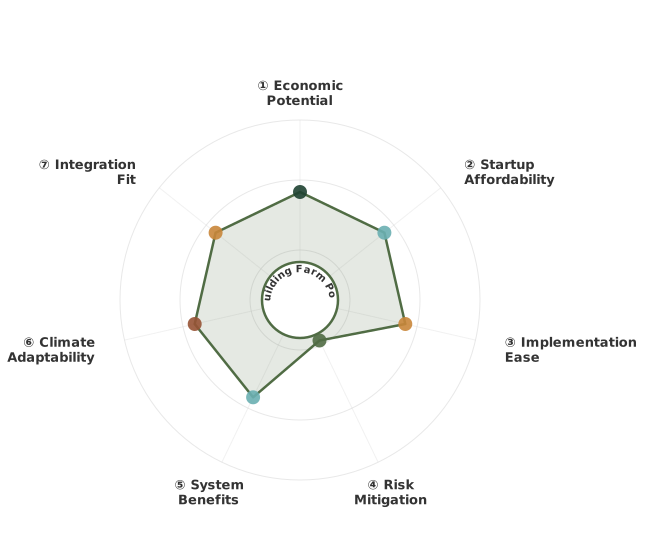
How These Traits Are Calculated
Trait dimensions are ordered clockwise starting from the top of the chart (12 o'clock position):
1. Economic Potential
Financial returns, annual value, and break-even timeline
WHAT: Evaluates financial viability by combining net annual value ($/ha from savings, income, and amortized harvests) with break-even timeline showing when practices pay for themselves.
WHY: Farmers need clear ROI understanding before committing resources. Fast payback (≤3 years) with strong returns (≥$300/ha) enables confident adoption, while long timelines (>10 years) restrict adoption to well-funded operations willing to wait for returns.
HOW: Calculated from net annual value in $/ha and break-even years. Exceptional (≥2.6): fast ROI ≤3 years + high value ≥$300/ha. Typical (1.8-2.5): moderate returns or longer timelines. Limited (<1.8): marginal economics or very long payback >10 years.
2. Startup Affordability
Initial investment costs and financial barrier to entry
WHAT: Measures financial barrier to entry through startup costs for equipment, infrastructure, consulting, and materials. Inverted scoring: lower costs = higher scores = more accessible adoption.
WHY: Affordability determines who can adopt. Low-cost practices (<$250/ha) enable widespread adoption across diverse scales, while high costs (>$2,500/ha) limit adoption to well-capitalized operations, creating barriers that slow regenerative transition.
HOW: Calculated from initial investment parsed from practice content. Inverted scoring: Exceptional (≥2.6): minimal investment <$250/ha. Typical (1.8-2.5): moderate costs $250-2,500/ha. Limited (<1.8): high barrier >$2,500/ha.
3. Implementation Ease
Learning curve and specialized knowledge required
WHAT: Measures how much learning, planning, and specialized knowledge a practice requires. Simpler practices with fewer steps score higher, while complex practices requiring extensive training or specialized resources score lower.
WHY: Complex practices create adoption barriers even when economically viable. Straightforward practices enable faster adoption and broader participation, while those requiring extensive training, timing precision, or specialized equipment limit who can succeed.
HOW: Evaluated by measuring documentation length and identifying complexity markers like location-specific requirements, seasonal timing windows, specialized skills, and dedicated equipment needs. Exceptional (≥2.6): straightforward practices with minimal prerequisites. Typical (1.8-2.5): moderate learning curve with some specialized needs. Limited (<1.8): steep learning curve requiring significant training or resources.
4. Risk Mitigation
Identified financial and ecological risk assessment
WHAT: Evaluates documented risks across financial (investment loss, market volatility) and ecological (crop failure, pest outbreaks) domains. Inverted scoring: fewer risks = higher scores.
WHY: Understanding risk exposure helps farmers make informed decisions. Low-risk practices allow confident implementation, while high-risk practices require careful planning and contingency resources. Risk transparency prevents costly failures.
HOW: Calculated from identified risks in practice content. Inverted scoring: Exceptional (≥2.6): ≤2 risks with manageable severity. Typical (1.8-2.5): 3-5 moderate risks. Limited (<1.8): 6+ risks or severe exposure.
5. System Benefits
How many ways the practice improves your land simultaneously
WHAT: Measures how many aspects of land health improve at once—carbon storage, soil quality, erosion control, water absorption, and biodiversity. Practices that improve multiple areas simultaneously create compounding benefits where each improvement reinforces the others.
WHY: The best practices solve multiple problems at once. For example, addressing erosion simultaneously builds carbon and improves water infiltration, creating a resilient system with positive feedback loops. Single-benefit approaches miss these compound transformation opportunities.
HOW: Evaluated across five key outcomes: carbon sequestration, soil organic matter increase, erosion reduction, water infiltration improvement, and biodiversity enhancement. Exceptional (≥2.6): high carbon storage (>8 t/ha/yr), improvements across 4-5 areas, transformative outcomes. Typical (1.8-2.5): moderate carbon (3-8 t/ha/yr), improvements across 2-3 areas. Limited (<1.8): modest impact (<3 t/ha/yr), single-area focus only.
6. Climate Adaptability
Geographic applicability across Köppen climate zones
WHAT: Evaluates geographic applicability by assessing how many Köppen climate zones successfully support a practice and what adaptation requirements are needed. Measures breadth of climates where farmers can implement with minimal to moderate modifications.
WHY: Universal practices working across diverse climates enable more farmers to adopt regenerative approaches. Practices limited to single climate types (only Mediterranean, only tropical) restrict adoption and slow global transition. Adaptability determines whether a practice serves niche regions or offers broad transformation.
HOW: LLM evaluation of regional success stories, Köppen zone coverage, and adaptation needs. Exceptional (≥2.6): 5+ zones or 4+ climate types, 3+ continents, minimal adaptation. Typical (1.8-2.5): 3-4 zones or 2-3 types, 2 continents, moderate adaptation. Limited (<1.8): 1-2 zones, single region, significant adaptation or highly specialized.
7. Integration Fit
How well this practice combines with others you're doing
WHAT: Measures how well a practice combines with other regenerative practices you might be doing. Some practices work as building blocks that make many other practices easier or more effective, while others work best on their own.
WHY: Practices that combine well with many others create more value on your farm. For example, cover cropping enables no-till, improves grazing, supports crop diversity, and helps water management—making all of them work better together. This helps you build a coherent system rather than juggling disconnected practices.
HOW: Evaluated by identifying which practices combine well and how strong those combinations are. 'Ideally Suited' means strong combinations where practices reinforce each other (practice A makes B easier, while B makes A more effective). 'Adequate' means complementary benefits that work well together. Exceptional (≥2.6): combines well with 6+ practices, serves as a building block. Typical (1.8-2.5): combines with 3-5 practices. Limited (<1.8): 1-2 practices or works best alone.
Going Deeper
1
WHY - The Benefits
Farm ponds, when designed and managed with ecological principles in mind, offer a compelling suite of benefits that extend beyond simple water storage. They become valuable assets in building resilient, regenerative agricultural systems by addressing critical needs...
Farm ponds, when designed and managed with ecological principles in mind, offer a compelling suite of benefits that extend beyond simple water storage. They become valuable assets in building resilient, regenerative agricultural systems by addressing critical needs...
WHY - The Benefits
Farm ponds, when designed and managed with ecological principles in mind, offer a compelling suite of benefits that extend beyond simple water storage. They become valuable assets in building resilient, regenerative agricultural systems by addressing critical needs...
Farm ponds, when designed and managed with ecological principles in mind, offer a compelling suite of benefits that extend beyond simple water storage. They become valuable assets in building resilient, regenerative agricultural systems by addressing critical needs...
Soil Health Benefits
Ponds inherently contribute to improved soil health by influencing the local hydrological cycle. The presence of a pond can increase ambient humidity, which may slightly benefit adjacent vegetation. More significantly, the construction process often involves earthmoving which, if managed appropriately, can be used to create contour banks, swales, or berms surrounding the pond. These features slow down surface runoff, allowing more water to infiltrate into the soil profile of the surrounding land. This increased infiltration recharges soil moisture, sustains the growth of living roots for longer periods, and provides a buffer against drought.
Over time, the gradual infiltration from pond areas and surrounding constructed features can help alleviate soil drying and cracking in nearby fields, improving soil structure and aeration. If the pond's surrounding area is planted with diverse native vegetation, this also contributes organic matter to the soil through root systems and decomposition of plant material, further building soil organic carbon. While ponds themselves are bodies of water, their influence on the surrounding terrestrial environment—especially when managed to support infiltration and vegetation—directly supports soil regeneration.
Economic Benefits
The economic returns from a farm pond are primarily derived from its core function: providing a reliable and cost-effective water source. This is especially valuable in regions where natural rainfall is inconsistent or insufficient for agricultural needs.
Irrigation Efficiency: For farms relying on irrigation, an on-farm pond significantly reduces reliance on municipal water sources or wells, cutting water purchase costs and pumping expenses if gravity feed is possible. This can lead to savings of hundreds to thousands of USD equivalent per year, depending on the farm's size and water demand. Having a secure water supply also enables more consistent crop production, reducing the risk of yield losses due to drought, which can translate to an annual increase in revenue of 5-20% for irrigated crops compared to rainfed counterparts.
Livestock Hydration: Providing a consistent, accessible water source for livestock dramatically improves animal health, weight gain rates, and reproductive efficiency. Studies show that ensuring adequate access to clean water can increase daily weight gain in cattle by 10-25% and improve milk production in dairy animals. For operations with hundreds of head, this translates to significant economic gains annually. Reduced time and labor spent trucking water to remote pastures also contributes to economic efficiency.
Fire Suppression: In many rural and agricultural areas, ponds serve as crucial firebreaks and water sources for firefighting. This is a vital risk mitigation benefit that can prevent catastrophic losses of crops, livestock, and infrastructure, the economic value of which is immeasurable in a disaster scenario.
Diversified Income Streams: By designing ponds to support aquaculture (raising fish), or creating attractive recreational fishing opportunities, farmers can generate entirely new revenue streams. These can provide supplementary income, adding financial resilience.
Asset Value: A well-maintained pond can also increase the overall value of the property, serving as a desirable amenity.
Water Cycle Benefits
Ponds are central to managing the farm's internal water cycle. Their ability to capture and store surface runoff serves a dual purpose: preventing erosion downstream and ensuring water is available during dry periods.
Runoff Reduction and Erosion Control: By intercepting rainfall and allowing it to pool, ponds reduce the velocity and volume of water flowing off the land. This significantly decreases soil erosion, protecting topsoil from being washed away and preventing sedimentation of local waterways, which benefits aquatic ecosystems. This is particularly important in regions with intense rainfall events or where land slopes are significant, such as cattle ranches in Brazil or arable farms in hilly European landscapes.
Groundwater Recharge: As water collects in the pond, a portion inevitably seeps into the surrounding soil. If the pond is designed with unlined, permeable bases and the surrounding land is managed to maximize infiltration, this seepage can contribute to local groundwater recharge. This is a critical regenerative outcome, especially in areas with depleted aquifers, such as parts of the North American Great Plains experiencing drought.
Drought Resilience: Ponds act as crucial water reserves during dry spells. This stored water can sustain irrigation for high-value crops, provide essential drinking water for livestock, and keep sensitive vegetation alive, thus maintaining farm productivity and ecological stability when rainfall is scarce. This resilience is paramount for ensuring farm viability through climatic variability.
Microclimate Moderation: Larger ponds can slightly moderate local temperatures, creating a more humid microclimate around their edges. This can reduce heat stress on nearby crops and livestock during hot summer months, extending the growing season for certain plants and improving animal welfare and performance.
Regenerative Systems Fit
Farm ponds, when conceived as ecological water management tools, strongly support multiple regenerative agriculture principles.
Principle 3 (Keep Soil Covered) and Principle 4 (Maintain Living Roots): The most direct support is through irrigation. Stored water allows farmers to maintain living cover crops or pastures during dry periods when they would otherwise desiccate and die. This ensures soil remains covered and roots remain active year-round, preventing erosion, feeding soil biology, and sequestering carbon. For example, in mixed farming systems in Australia, a pond can provide water for winter cover crops that keep the soil covered through the dry summer, enabling a successful transition to no-till farming.
Principle 5 (Integrate Livestock): Ponds are natural focal points for livestock. Rotational grazing plans often position water sources in the center of paddocks, promoting even grazing distribution and allowing for longer rest periods for pastures. This strategic placement encourages animals to graze effectively and cycle nutrients across the landscape without over-grazing any single area. Ponds can also support riparian buffer zones around them, enhancing habitat for beneficial insects and wildlife that can aid in pest control for nearby crops.
Principle 1 (Minimize Soil Disturbance) and Principle 2 (Maximize Crop Diversity): While pond construction itself involves significant soil disturbance, the surrounding area can be managed to promote diversity. Planting native riparian vegetation around the pond edge, rather than leaving it bare or monocultured, increases biodiversity. The water source also enables greater diversity in cropping systems by providing a reliable supply for more water-sensitive crops or for extending the growing season of diverse cover crop mixes. Strategic placement of ponds can also assist in managing water flows to support varied landscapes within a farm.
The transition to a regenerative pond involves shifting from a purely utilitarian view to an ecological one. This means prioritizing native vegetation establishment, designing for slow infiltration, and using the stored water to support regenerative practices rather than intensive monocultures. It’s about seeing the pond not just as a hole in the ground filled with water, but as a dynamic ecological hub that enhances the entire farm system.
Sources behind this view
Videos & Podcasts
-
Ponds at Cougar Mountain Farm (Oregon) and in Rajasthan (India) increase biodiversity, improve hydrology, and store water, mimicking beaver functions. This approach transforms ephemeral streams to per
-
Susan details the construction of a large, 14-foot deep pond at Belar Farm, Oregon, using on-site materials and clay soil. The project includes terraces for water management and has attracted wildlife
-
A series of interconnected ponds at Edible Acres are designed for water management, erosion control, and plant propagation. They capture fertility, support aquatic plants like water celery and cattail
-
Discusses how integrated water systems (ponds, swales, greywater) mimic natural sponges (beavers, forests) to increase stream flow, recharge aquifers, and support ecosystems like salmon. This approach

Community
-
A participant from western WA details wetland restoration techniques, including creating multi-channel streams with ponds and meanders, building earthen dams, and using swales in clay soils to capture
Read more (opens in new window) permies.com -
Farm ponds in the Northeastern U.S. provide fish cultivation, microclimate enhancement, wildlife habitat, and critical water storage for irrigation and drought-proofing, acting as ecological engines f
Read more (opens in new window) smallfarms.cornell.edu -
Ponds provide essential water storage for irrigation and fire prevention, livestock drinking water, mosquito control via fish, food fish production, and habitat for wildlife. They also offer recreatio
Read more (opens in new window) permies.com -
Multifunctional farm ponds require ecosystem development through features like wetland edges and shallow water. Management includes diverse planting, avoiding mowing to the water's edge, and monitorin
Read more (opens in new window) smallfarms.cornell.edu
Research
-
The ecological and biodiversity conservation values of farm dams: A systematic review. (opens in new window)
This study found: Farm ponds are vital habitats for aquatic plants, insects, and amphibians. Research highlights the need for better management, including vegetation planning and limiting livestock access, to enhance b
-
Unlocking the potential of ponds and pondscapes as nature-based solutions for climate resilience and beyond: Hundred evidences. (opens in new window)
This study found: Ponds and pondscapes are effective nature-based solutions for climate resilience and biodiversity, primarily focusing on habitat creation and water management, with potential for cost-effective adapta
-
Effect of initial planting on vegetation establishment in different depth zones of constructed farm ponds (opens in new window)
This study found: Newly built farm ponds with fertile conditions and seed sources can establish vegetation naturally and quickly, sometimes faster than planted ponds. Pond depth and management are key for restoration s
-
Ecological engineering in pond aquaculture: a review from the whole‐process perspective in China (opens in new window)
This study found: Review of ecological engineering in Chinese pond aquaculture highlights methods to reduce water use, pollution, and improve fish quality for sustainable production. Offers guidance on water and efflue
2
WHERE - Regional Considerations
Farm pond construction and effectiveness are highly influenced by regional climate patterns, soil types, and topography. Designing a pond successfully requires understanding these local contexts to maximize water retention, ecological benefit, and minimize risks.
Farm pond construction and effectiveness are highly influenced by regional climate patterns, soil types, and topography. Designing a pond successfully requires understanding these local contexts to maximize water retention, ecological benefit, and minimize risks.
WHERE - Regional Considerations
Farm pond construction and effectiveness are highly influenced by regional climate patterns, soil types, and topography. Designing a pond successfully requires understanding these local contexts to maximize water retention, ecological benefit, and minimize risks.
Farm pond construction and effectiveness are highly influenced by regional climate patterns, soil types, and topography. Designing a pond successfully requires understanding these local contexts to maximize water retention, ecological benefit, and minimize risks.
Click Here to Look up your Region if you don't already know it
Humid Temperate Regions
Representative Locations: Midwestern and Eastern United States, Northern Europe (e.g., France, Germany, UK), Eastern China, Japan, New Zealand. Climate Context: Moderate temperatures year-round, with ample precipitation distributed relatively evenly throughout the year. Köppen Cfa/Cfb. USDA Zones 4-8. Rainfall typically 75-150 cm (30-60 inches) annually. Considerations: Given consistent rainfall, ponds often fill naturally. Focus should be on managing excess runoff to prevent erosion and using stored water to supplement during occasional dry spells or for specialized irrigation. Soil types often contain clay, aiding in natural water retention. Ensuring adequate drainage around the pond is important to prevent waterlogging of surrounding areas. Biodiversity around ponds can be high.
Mediterranean Regions
Representative Locations: California (USA), Mediterranean Basin (Spain, Italy, Greece), Central Chile, Southwestern Australia, Western Cape (South Africa). Climate Context: Hot, dry summers and mild, wet winters. Precipitation is highly seasonal. Köppen Csa/Csb. USDA Zones 8-10. Annual rainfall varies but is concentrated in winter months. Considerations: This is a key region for farm ponds due to pronounced dry summers. Ponds are essential for irrigation and livestock. Design must prioritize maximum water capture during winter rains and minimize evaporation. Lined ponds or carefully selected clay-rich soils are important for water retention. Designing shallow zones and planting native drought-tolerant vegetation around the edges can maximize habitat and biodiversity benefits while stabilizing banks.
Arid/Semi-Arid Regions
Representative Locations: Western United States, North Africa, Central Asia, Interior Australia, parts of the Middle East. Climate Context: Very low annual rainfall (<40 cm or 15 inches), high temperatures, significant evaporation rates, and long, unpredictable dry periods. Köppen BSh/BSk. USDA Zones 6-9+. Considerations: Water conservation is paramount. Ponds often require significant lining (clay or synthetic) to prevent seepage. Construction of ponds and associated catchments (e.g., contoured fields, diversion channels) needs careful engineering to maximize capture from infrequent, intense rainfall events. Evaporation rates are high, so covering ponds (e.g., with floating solar panels or specialized covers) can be a significant economic and water-saving strategy. Ponds are critical for survival of livestock and any form of crop cultivation that relies on irrigation. Biodiversity benefits may be more focused on drought-tolerant species.
Cold Continental Regions
Representative Locations: Northern United States, Canada, Northern Europe, Siberia. Climate Context: Very short growing seasons, extreme winter cold, and often significant snowfall. Köppen Dfa/Dfb/Dfc. USDA Zones 2-5. Considerations: Ponds will likely freeze over for extended periods. Construction timing is critical, generally best in late spring or summer after ground thaws. Water capture occurs during spring melt and summer rains. Evaporation rates are lower in cooler climates, but ice pressure can be a design consideration for pond walls. Water is often sufficient for livestock and smaller-scale irrigation, but prolonged freezes limit usability for extended periods. Biodiversity may be seasonal, with open water use limited to warmer months.
Subtropical Regions
Representative Locations: Southeastern United States, Southern China, Southern Brazil, Eastern Australia, Southeast Asia. Climate Context: Hot, humid summers and mild winters, with generally ample rainfall, though some regions experience distinct wet and dry seasons. Köppen Cfa/Cwa. USDA Zones 9-11. Considerations: High rainfall means ponds can fill easily, but high temperatures and humidity can lead to significant evaporation and increased risk of algal blooms. Design should focus on managing inflow to prevent overtopping and consider strategies to mitigate evaporation and maintain water quality. Native vegetation around ponds is typically lush and can provide excellent habitat. Ponds are well-suited for irrigation and livestock, and dual use as attractive landscape features is common.
Tropical Regions
Representative Locations: Central America, Southeast Asia, East Africa, Northern South America, Northern Australia. Climate Context: High temperatures year-round, with consistent high rainfall or distinct wet and dry seasons. Köppen Af/Am/Aw. Considerations: Similar to subtropical regions, high rainfall means ponds are often naturally filled. However, intense downpours can lead to severe erosion around pond edges if not managed properly. High temperatures and humidity accelerate evaporation and risk of algal blooms. Designing with spillways to manage high inflows and planting diverse native vegetation for bank stabilization and habitat are crucial. Ponds are vital for year-round agriculture and livestock, and support a wide array of aquatic and terrestrial biodiversity if designed appropriately.
3
HOW - Implementation Process
Building a farm pond is a project with significant upfront planning and construction phases. The process can be broken down into key stages, from initial assessment to final vegetation establishment.
Building a farm pond is a project with significant upfront planning and construction phases. The process can be broken down into key stages, from initial assessment to final vegetation establishment.
HOW - Implementation Process
Building a farm pond is a project with significant upfront planning and construction phases. The process can be broken down into key stages, from initial assessment to final vegetation establishment.
Building a farm pond is a project with significant upfront planning and construction phases. The process can be broken down into key stages, from initial assessment to final vegetation establishment.
Prerequisites
Before breaking ground, crucial preparatory steps ensure the pond's success and ecological integration:
- Water Needs Assessment: Determine the primary purpose of the pond (irrigation volume, livestock numbers, fire suppression requirements) and estimate the necessary storage capacity. This dictates pond size, depth, and location. International farmers should research local agricultural water demand standards and drought probabilities.
- Site Selection: Identify potential locations considering:
- Topography: Depressions, valleys, or natural drainage ways are ideal for gravity feed and minimizing excavation. Sloped land offers opportunities for contouring and swales to enhance infiltration.
- Soil Type: Clay soils are preferred for their natural water-holding capacity. Loamy soils with good clay content are also suitable. Sandy soils may require lining. Soil testing is essential.
- Water Source: Proximity to reliable water sources, whether from rainfall runoff capture, springs, or streams (ensure permits for stream diversion if applicable).
- Drainage and Runoff: The pond should be sited to capture runoff from a sufficient drainage area, but avoid areas prone to upstream flooding or with unstable soil. Analyze the watershed using topographic maps or terrain analysis software, considering the rainfall patterns of your region (e.g., monsoon rains in Asia, convective storms in the US Plains).
- Ecological Impact: Avoid sensitive habitats, prime agricultural land, or areas critical for wildlife corridors. Consider accessibility for construction and future maintenance.
- Permitting and Regulations: Research and obtain all necessary local, regional, and national permits. This is crucial for environmental compliance and legal operation. Regulations vary significantly—from simple notification in some developing countries to complex environmental impact assessments in others.
- Design and Engineering: Develop detailed plans. This may involve hiring a civil engineer or agricultural extension specialist, especially for larger ponds or those involving dams. The design should incorporate spillways for overflow, inlet/outlet structures, and considerations for pond bank stabilization and vegetation. Consider depth for thermal stratification and water quality, and an emergency spillway at a safe elevation.
- Regenerative Design Elements: Intentionally plan for ecological integration:
- Sloped Banks: Design banks with gentle slopes (3:1 or 4:1 ratio) instead of steep sides to prevent erosion, encourage vegetation, and provide habitat for amphibians and insects.
- Infiltration Zones: Plan to use excavated soil to create swales or contour berms around the pond to slow and infiltrate runoff.
- Riparian Buffer Planting: Specify native plant species suitable for your climate zone and soil type that will stabilize banks, provide habitat, and improve water quality.
- Unlined vs. Lined: Prefer unlined ponds in clay-rich soils to allow groundwater recharge. If lining is necessary due to soil type or water conservation needs (e.g., arid climates), use permeable liners where possible or focus on revegetating all exposed areas around the pond.
Phase 1: Site Preparation and Excavation
This is the most intensive phase, involving heavy machinery.
Mobilization: Bring in necessary heavy equipment: excavators, bulldozers, graders, dump trucks if needed. Ensure operators are skilled and understand the design specifications.
Staking and Layout: Mark the pond perimeter, depth, and berm locations precisely according to the design plan.
Topsoil Stripping: Remove and stockpile topsoil from the pond footprint and berm construction areas. This living soil will be used later to establish vegetation. Avoid excessive disturbance in the pond basin itself if possible, especially if it's a natural clay layer.
Excavation:
- Pond Basin: Excavate the main basin to the designed depth. For water retention, aim for a minimum depth of 2.5-4 meters (8-13 feet) in the deepest part, especially in warmer climates to minimize evaporation and prevent freezing.
- Berm Construction: Use excavated material to build the embankment. Compact the soil in layers (lifts) as it's placed to ensure stability and reduce future settlement or seepage. Ensure the berm is wide enough for stability and vegetative cover.
- Inlet and Outlet Structures: Install any planned inlet structures (e.g., to divert water from a stream or tile drain) and outlet structures (e.g., risers, pipes for controlled release or emergency spillways). Ensure these are engineered to handle maximum anticipated water flow without causing erosion.
- Spillway Construction: Build an emergency spillway at a safe elevation above the maximum water level to manage extreme runoff events and prevent dam failure. This should be vegetated immediately after construction.
Regenerative Focus During Excavation:
- Minimize footprint: Excavate only what is necessary.
- Soil handling: Keep excavated topsoil separate and protected from compaction. Use it to cap berms and surrounding disturbed areas.
- Contouring: Use excavated material to build infiltration swales or berms on contour around the pond, capturing runoff BEFORE it enters the pond, promoting infiltration.
- Avoid compaction: Minimize machinery traffic on areas intended for revegetation.
Phase 2: Pond Shaping and Stabilization
Once excavation is complete, focus shifts to refining the pond's shape and preparing it for water and vegetation.
Final Grading: Shape the pond basin to the specified depth and slopes. Smooth the berm slopes to facilitate vegetation establishment and create gentle slopes (3:1 or 4:1) to prevent erosion.
Install Liners (if necessary): If clay content is insufficient or extremely high evaporation is a concern, install a liner. Natural clay liners (compacted clay layer) are preferred for regenerative systems if available. Synthetic liners (HDPE, PVC) are effective but prevent infiltration and compromise habitat. If using synthetic liners, ensure edges are securely anchored and the liner is protected from UV and physical damage.
Install Control Structures: Ensure inlet, outlet, and spillway structures are properly installed and reinforced.
Regenerative Focus During Shaping:
- Stepped Sides: Consider creating shallow shelves or terraces within the pond basin on some sides. These become emergent zones beneficial for aquatic plants and wildlife.
- Erosion Control: Use erosion control blankets, straw wattles, or temporary seeding on exposed soil banks immediately after grading to prevent wash-off before permanent vegetation takes hold.
Phase 3: Establishing Vegetation
This is a critical phase for long-term ecological function and Pond stabilization.
Topsoil Placement: Spread the stockpiled topsoil over the berms and disturbed areas around the pond.
Planting:
- Native Species Selection: Choose local, native plants adapted to your climate, soil conditions, and moisture levels around the pond. This includes grasses, sedges, wildflowers, and shrubs for the banks, and aquatic plants for shallow zones. Consult local ecological extension services or native plant societies. International farmers should research native riparian species for their specific region.
- Seeding and Planting: Sow seeds or plant seedlings according to best practices for your chosen species and region. Consider phased planting to create different habitat zones.
- Watering (if necessary): Provide supplemental water during the establishment phase if rainfall is insufficient, but avoid over-irrigating to the point of erosion or waterlogging.
Regenerative Focus:
- Biodiversity: Plant a diverse mix of species to attract pollinators, beneficial insects, and wildlife.
- Bank Stability: Use deep-rooted native grasses and shrubs specifically to stabilize pond banks and prevent erosion.
- Habitat Creation: Include plants that provide food and shelter for birds, amphibians, and beneficial insects.
Phase 4: Filling and Ongoing Management
Once vegetation is established and initial stabilization is complete, the pond can be filled.
Filling: Allow the pond to fill naturally from runoff or engineered inlets. Monitor fill rates and ensure spillways manage excess flow. Avoid rapid filling that could destabilize banks.
Post-Construction Monitoring: Observe pond performance for the first 1-2 years. Check for erosion issues, seepage problems, and vegetation establishment. Address any problems promptly.
Ongoing Management:
- Vegetation Management: Maintain the riparian buffer zone. Remove invasive species, control woody growth encroachment that could destabilize banks, and replant bare spots.
- Water Quality: Monitor for signs of excessive algae blooms or sedimentation. Maintain inlet structures and spillways. Avoid direct fertilization or pesticide runoff into the pond.
- Livestock Access: If used for livestock, fence off areas where animals are not intended to access, or manage grazing to prevent overgrazing and bank trampling in specific zones. Provide designated, hardened areas for drinking to minimize bank degradation.
- Sediment Management: Periodically assess sediment accumulation. Draining and dredging may be necessary every 10-20 years, depending on watershed management and erosion control effectiveness.
Transition Timeline & Phase-Out Strategy (Context-Dependent Practice)
Farm ponds are context-dependent. The "transition" here refers to evolving from a purely utilitarian water storage to an ecologically functional component of a regenerative system.
Years 0-2: Construction & Establishment:
- Focus on sustainable construction principles: minimizing disturbance, using excavated soil for infiltration, installing proper structures.
- Immediately establish diverse native vegetation on all disturbed areas.
- Prioritize building soil health around the pond through vegetation which sustains living roots and keeps soil covered.
- If possible, use pond water to irrigate cover crops or rotational pastures immediately upon filling.
- Phase-out goal: Move away from leaving disturbed areas bare; ensure all exposed soil around pond is stabilized with vegetation.
Years 2-5: Ecological Integration:
- Monitor and manage riparian buffer for diversity and stability.
- Begin using pond water for regenerative practices (cover crops, improved pastures).
- Evaluate effectiveness of infiltration zones and adjust if needed.
- If livestock are integrated, establish rotational grazing near pond, ensuring bank protection.
- Phase-out goal: Minimize reliance on non-regenerative inputs (e.g., synthetic fertilizers for buffer zone if not needed, herbicides for weed control if natives are establishing).
Years 5+ : Fully Regenerative Pond System:
- Pond actively supports biodiversity, water quality, and soil health.
- Irrigation supports diverse, resilient cropping/pasture systems.
- Minimal intervention required; natural processes maintain function.
- Phase-out goal: N/A - This is the end state of functioning regeneratively.
The key is to ensure that pond construction and management actively contribute to, rather than detract from, the overall regenerative goals of the farm.
Sources behind this view
Videos & Podcasts
-
Discusses post-rain pond refinements, including bentonite sealing for leaks, managing silt and nutrients, and plans for aquatic ecosystems. Emphasizes proactive water management and using water levels

Community
-
Multifunctional farm ponds require ecosystem development through features like wetland edges and shallow water. Management includes diverse planting, avoiding mowing to the water's edge, and monitorin
Read more (opens in new window) smallfarms.cornell.edu -
Provides step-by-step guidance for building natural, ecosystem-based ponds that require no pumps or filters, utilizing plants for algae control and supporting biodiversity, swimming, and irrigation.
Read more (opens in new window) permies.com -
Ecological permaculture ponds serve multiple functions including aquaculture, biodiversity, and recreation. Key site selection factors are topography (avoiding waterlogging and eutrophication), water
Read more (opens in new window) permies.com
Research
-
Regenerative Agriculture: Restoring Ecosystems¢ Resilience and Productivity: A Review (opens in new window)
This study found: Regenerative agriculture builds soil health and ecosystem services through practices like no-till, cover crops, and diverse rotations. It increases soil organic matter, improves water infiltration, bo
-
Effect of initial planting on vegetation establishment in different depth zones of constructed farm ponds (opens in new window)
This study found: Newly built farm ponds with fertile conditions and seed sources can establish vegetation naturally and quickly, sometimes faster than planted ponds. Pond depth and management are key for restoration s
4
Know the Debate
Farm pond outcomes depend heavily on where and how they are built. In humid regions, ponds primarily manage excess water and support lush riparian ...
Know the Debate
Farm pond outcomes depend heavily on where and how they are built. In humid regions, ponds primarily manage excess water and support lush riparian ...
Farm pond outcomes depend heavily on where and how they are built. In humid regions, ponds primarily manage excess water and support lush riparian zones, with moderate setup costs. Arid regions require ponds designed for maximum conservation, incurring higher initial investment for liners and catchment systems due to high evaporation. Regardless of location, managing livestock access and establishing native vegetation are crucial for ecological integration and long-term sustainability, with upkeep costs remaining moderate once established.
How much does a farm pond cost and save?
Lower cost, faster ROI (small, basic ponds)
Small, basic ponds constructed with minimal earthmoving and DIY labor can cost under $10,000, providing rapid returns via saved irrigation/livestock water costs within 5-10 years.
Sources behind this view
Sources behind this view
Videos & Podcasts
-
Guidance on building farm ponds using clay for dams, emphasizing deep construction to minimize evaporation and the use of gravity-fed systems for livestock water, as a cost-effective alternative to municipal water.
-
A 3/4 acre spring/creek-fed pond was built on a former swamp for irrigation and livestock. Agricultural ponds face fewer regulations than residential ones. Aeration systems are recommended for small ponds. Riprap and through-pipes aid in management, but muskrats can cause dam issues.
-
Recommends pond dye for ecosystem health and discusses building a pond for livestock, emphasizing the importance of fencing animals out of waterways and understanding soil types for construction.

Higher cost, integrated benefits (large, engineered ponds)
Large, engineered ponds with liners, complex water structures, and extensive vegetative buffers can exceed $100,000-$300,000 initially, with ROI driven by broad benefits like significant yield insurance, fire safety, and integrated aquaculture or recreational values.
Sources behind this view
Sources behind this view
Videos & Podcasts
-
Susan details the construction of a large, 14-foot deep pond at Belar Farm, Oregon, using on-site materials and clay soil. The project includes terraces for water management and has attracted wildlife. She advises on navigating water regulations and emphasizes the holistic nature of regenerative farming.
 From the Web
-
Farm pond planning requires attention to site, soil, water, and land use, with guidance from agencies like NRCS. Nutrient control via aeration and riparian buffers is vital for preventing algae blooms and poor water quality. IPM approaches are also discussed.
-
This guide details fish farming operations: site selection based on water, soil, and market; pond construction steps; stocking densities (10-50 fish/m²); feeding Tilapia with bran (specific quantities provided); and harvesting after approximately six months.
-
Guidance on pond construction, including obtaining DEP and NRCS permits, and implementing farm pond safety measures like fencing and rescue posts. Basic pond measurements are also noted.
Making Sense of the Differences
Initial costs vary immensely from a few thousand dollars for small, basic ponds to hundreds of thousands for large, engineered systems. Fast ROI is more likely with smaller ponds in dry climates that save on water purchases. Larger ponds offer broader benefits like habitat, fire safety, and higher-value aquaculture, making ROI a longer-term calculation based on multiple factors.
How do livestock impact pond banks and water quality?
Controlled access minimizes damage
Preventing direct, unrestricted livestock access using fencing, hardened entry points, or floating waterers significantly reduces bank erosion, turbidity, and disease transmission, preserving water quality and pond structure.
Sources behind this view
Sources behind this view
From the Web
-
Managing ponds for livestock water is crucial. Unrestricted access contaminates water, promotes algae, and transmits diseases like leptospirosis and coccidiosis, while reducing pond lifespan. Maintaining a vegetated watershed is key to preventing erosion and ensuring water quality.
-
Restrict livestock pond access via fenced, stabilized entry points with geotextile and rock, or use gravity-flow waterers/pumps to supply tanks, improving water quality and preventing disease transmission.
-
Farm pond planning requires attention to site, soil, water, and land use, with guidance from agencies like NRCS. Nutrient control via aeration and riparian buffers is vital for preventing algae blooms and poor water quality. IPM approaches are also discussed.
-
Pond fencing reduces erosion and improves water quality by creating buffer zones and controlled livestock access. Floating fences made of polyethylene pipe, 20-50 feet wide depending on herd size, are recommended for watering points, with specific site preparation including a sloped base and rock/gravel layer.
Strategic access balances needs
Allowing managed access with hardened entry points or specific tank systems permits livestock to drink while minimizing bank damage. Some practitioners note sheep and fish are less damaging than cattle, suggesting breed/species considerations matter.
Sources behind this view
Sources behind this view
Videos & Podcasts
-
Details pond development using dead cedar trees for fish cover to enhance fish populations and fishing. Emphasizes erosion control around the spillway with hay and seeding, and the importance of fencing to keep cattle out of the pond.

-
Recommends pond dye for ecosystem health and discusses building a pond for livestock, emphasizing the importance of fencing animals out of waterways and understanding soil types for construction.
-
Greg Judy describes building a farm pond in Missouri, using hay for erosion control and seeding Kentucky 31 fescue. He advocates for rainwater harvesting via tire tanks and strictly prohibits cattle access to the pond to prevent damage.

-
A new pond was constructed in a silvopasture area, utilizing removed timber for logs and firewood. The pond serves as a vital water source for sheep, which do not damage the banks like cattle, and is stocked with bluegill and channel catfish.

Making Sense of the Differences
Uncontrolled livestock access invariably damages ponds. The primary agricultural debate is whether to completely exclude animals or manage access points. Controlled access through hardened entries, floating docks, or water troughs connected to the pond is a common field practice that balances livestock needs with pond protection, preventing the severe erosion and water quality issues associated with unfettered access.
How do farm ponds enhance the ecosystem?
Ponds as passive biodiversity enhancers
Academic research confirms ponds naturally become vital habitats for aquatic plants, insects, and amphibians, improving biodiversity and functioning as nature-based solutions when established with minimal intervention.
Sources behind this view
Sources behind this view
Research
-
The ecological and biodiversity conservation values of farm dams: A systematic review. (opens in new window)
This study found: This review of farm pond research worldwide shows that these small water bodies are surprisingly important for wildlife, especially aquatic plants, insects, and amphibians. While many studies look at how pond features and the surrounding farm landscape affect these creatures, most research is short-term and covers only a few sites. There's a need for more research on how old ponds, invasive species, and specific management techniques impact wildlife. To boost biodiversity, farmers are encouraged to strategically plant vegetation around ponds, reduce pollution from runoff and nutrients, and limit livestock access to protect these valuable habitats.
-
Ornamental ponds as Nature-based Solutions to implement in cities. (opens in new window)
This study found: A study looked at 41 decorative ponds in Geneva, Switzerland, to see how well they supported wildlife and provided other environmental benefits, beyond just looking nice. Most of these ponds, which are common in cities, had low levels of biodiversity and didn't offer many other services like flood control or water purification. However, some ponds were exceptions, providing multiple benefits. The research found that simple, inexpensive management changes could easily improve biodiversity and other ecosystem services in these ponds. When considered together as a network ('pondscapes'), these small water features can offer significant cumulative benefits, making them valuable 'Nature-based Solutions' for urban areas.
-
Unlocking the potential of ponds and pondscapes as nature-based solutions for climate resilience and beyond: Hundred evidences. (opens in new window)
This study found: This research looked at how small water bodies, called ponds and pondscapes, can be used as 'nature-based solutions' (NbS) to help us deal with climate change and support wildlife. By surveying experts who have implemented these solutions in ponds across 24 countries, the study found that creating habitats for diverse plant and animal life was a main goal. These pond projects also often aimed to manage water levels and provide spaces for people to enjoy nature. While the focus was mainly on adapting to climate change impacts like extreme weather and water availability, there was less emphasis on reducing greenhouse gas emissions. The study highlights that building new ponds is the most expensive part, but overall, ponds are seen as a cost-effective way to boost resilience and biodiversity. More research is needed to fully understand their benefits, especially for climate change mitigation.
-
CONSTRUCTION CHARACTERISTICS AND MANAGEMENT PRACTICES OF IN‐FARM IRRIGATION PONDS IN INTENSIVE AGRICULTURAL SYSTEMS — AGRONOMIC AND ENVIRONMENTAL IMPLICATIONS (opens in new window)
This study found: A study of 101 farm ponds used for irrigating greenhouses in southeastern Spain looked at how farmers manage them. Farmers tried different methods to control pond weeds and improve water quality. Covering ponds worked well to stop weeds, but it was expensive. Dredging ponds and using chemicals to kill weeds were costly and didn't work for long. About half of the uncovered ponds grew weeds. The study highlights that certain types of pond plants, like charophytes (a type of algae), are good for wildlife and might even help clean the water without interfering with irrigation. The researchers suggest that managing ponds to keep these beneficial plants and using fewer chemicals and less dredging could be a more sustainable approach for both farming and the environment.
Ponds as active ecological drivers
Field practitioners intentionally design ponds to mimic beaver functions, harvest water via surrounding earthworks, recharge aquifers, create perennial flow in ephemeral streams, and maximize habitat through varied depths and native plantings, transforming landscapes.
Sources behind this view
Sources behind this view
Videos & Podcasts
-
Ponds at Cougar Mountain Farm (Oregon) and in Rajasthan (India) increase biodiversity, improve hydrology, and store water, mimicking beaver functions. This approach transforms ephemeral streams to perennial flow, recharges aquifers, and restores degraded landscapes, urging humans to act like beavers.
-
Creating ponds/reservoirs involves understanding planning permissions (potentially using permitted development rights for larger structures) and seeking advice from resources like the Freshwater Habitats Trust's 'Million Ponds Toolkit'. Businesses are increasingly focused on water positivity and carbon neutrality goals.

-
Ponds in permaculture systems offer water filtration with plants like water yacint, salvinia, and water lettuce. Fish provide fertilizer for aquaponics, and harvested plants serve as fodder or compost. Recycled materials and wood chips are also valuable inputs.

-
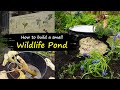
Provides instructions for building and maintaining a raised wildlife pond using a waterproof container, rocks, gravel, and pond plants. Emphasizes creating animal escape routes and strategic placement to benefit amphibians, insects, and birds.
Making Sense of the Differences
While ponds inherently support biodiversity, their ecological function significantly increases with intentional regenerative design. Academic sources confirm basic habitat benefits. Field examples showcase how active management—mimicking natural water cycles, creating varied habitats, and integrating ponds with earthworks—transforms them into dynamic ecological hubs that actively improve hydrology, soil health, and local biodiversity.
5
HOW MUCH - Costs & Investment
Note: Costs shown in USD; multiply by local labor and material cost indices for your region. Labor costs vary significantly internationally. Excavation costs depend heavily on soil type, remoteness, and equipment availability.
Note: Costs shown in USD; multiply by local labor and material cost indices for your region. Labor costs vary significantly internationally. Excavation costs depend heavily on soil type, remoteness, and equipment availability.
HOW MUCH - Costs & Investment
Note: Costs shown in USD; multiply by local labor and material cost indices for your region. Labor costs vary significantly internationally. Excavation costs depend heavily on soil type, remoteness, and equipment availability.
Note: Costs shown in USD; multiply by local labor and material cost indices for your region. Labor costs vary significantly internationally. Excavation costs depend heavily on soil type, remoteness, and equipment availability.
Note: All costs are based on recent US economic data (2024–2026) and may vary substantially by region based on local labor rates, material costs, and regulatory requirements.
Planning and Regulatory Compliance
The success of any farm pond hinges on professional engineering and site assessment. For small farm operations (under 50 acres (20 ha)), initial design fees typically range from $834 to $2,605. Mid-size farms (50–500 acres (20–202 ha)) face higher costs of $2,605 to $7,815 due to the necessity of detailed hydrological mapping and water flow analysis. For large-scale projects (500+ acres), the complexity of engineering surveys, geotechnical reports, and state-level permit filings generally results in costs ranging from $7,815 to $26,050 or more. Furthermore, regulatory compliance, which includes obtaining permits governed by strict environmental standards like the Clean Water Act or state dam safety offices, adds between $1,042 and $5,210 per project depending on the environmental sensitivity of the local watershed.
Earthwork, Excavation, and Clearing
Earthmoving represents the largest portion of the capital investment, calculated primarily by the volume of cubic yardage removed. Small ponds (designed to store under 500,000 gallons (1,892,705 L)) require 1,000 to 3,000 cubic yards of excavation, at a total cost of $4,168 to $12,504. Mid-size ponds (500,000 to 5,000,000 gallons (18,927,050 L)) typically require the movement of 5,000 to 15,000 cubic yards, carrying costs between $15,630 and $57,310. For massive, large-scale reservoirs (exceeding 5,000,000 gallons (18,927,050 L)), the movement of 25,000+ cubic yards, combined with heavy equipment mobilization and rental, drives expenditures to $62,520–$260,500+. These estimates assume standard agricultural soil types; however, encountering rocky, hardpan, or high-clay conditions can increase these excavation rates by 30–50% due to the increased wear on machinery and the extended time required for site penetration.
Lining and Specialized Membrane Installation
In porous soil, such as sandy loam or fractured bedrock, seepage can jeopardize the pond's utility. For small ponds, landowners utilize bentonite or basic 20-mil liners, costing between $1,563 and $6,252. Mid-size operations, requiring professional-grade EPDM (Ethylene Propylene Diene Monomer) or HDPE (High-Density Polyethylene) liners for consistent water retention, typically spend between $8,336 and $36,470. Large-scale installations that demand reinforced, puncture-resistant liner systems or industrial-scale clay compaction often necessitate a budget of $41,680 to $156,300. These price points are heavily tied to global petrochemical and shipping markets, as synthetic liners are plastic-derived products subject to significant cost volatility.
Water Control Infrastructure and Bank Stabilization
Managing hydraulic loads requires critical infrastructure like riser pipes, emergency spillways, and intake/outflow valves. Small-scale systems generally allocate $1,042 to $3,647 for basic outflow components. Mid-size infrastructure, which integrates stop-logs, trash racks, and anti-seep collars to maintain water table integrity, ranges from $3,647 to $12,504. Large-scale structural spillways, reinforced concrete headwalls, and automated flow control valves can demand $15,630 to $62,520 of the infrastructure budget. Additionally, safeguarding the integrity of your pond requires bank stabilization measures—such as rock rip-rap or strategic native plantings—which adds a supplemental maintenance buffer cost of $1,563 to $15,630 depending on the total bank acreage requiring coverage.
Most Spend: For small operations, most spend $9,378 – $18,756. Mid-size operations typically see total expenditures in the $36,470 – $78,150 range.
Why the Range?: The primary drivers of cost variance are soil composition and engineering requirements. Projects situated on rocky terrain require specialized excavation equipment, while sites with high soil permeability necessitate significantly more expensive liner materials to prevent infiltration loss. Furthermore, the intensity of state regulatory oversight for dam integrity varies widely by region, directly influencing permitting and geotechnical reporting costs.
Sources behind this view
Videos & Podcasts
-
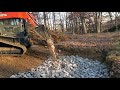
Details construction of an animal-resistant pond access ramp using large rock as a base and a PVC pipe skirt system to prevent erosion and bank destruction by cattle. Emphasizes proper spillway design
-
Details cleaning and restoring a pond by removing muck, using hay and fescue seed for erosion control on banks, and creating an earthen spillway. Recommends Johnny Carter for pond construction in cent
-
Susan details the construction of a large, 14-foot deep pond at Belar Farm, Oregon, using on-site materials and clay soil. The project includes terraces for water management and has attracted wildlife
-
Guidance on building farm ponds using clay for dams, emphasizing deep construction to minimize evaporation and the use of gravity-fed systems for livestock water, as a cost-effective alternative to mu
Community
-
Proper farm pond siting in the Northeast involves integrating with landscape via swales, avoiding ledge, and ensuring stable berms. Test pits are crucial for assessing water table and clay content; hi
Read more (opens in new window) smallfarms.cornell.edu -
Observed benefits of a 12'x16'x3' backyard pond over 12 years: minimal maintenance, abundant wildlife attraction (birds, frogs), and thriving water plants. Avoids fish to deter predators and waste. Ke
Read more (opens in new window) permies.com -
Multifunctional farm ponds require ecosystem development through features like wetland edges and shallow water. Management includes diverse planting, avoiding mowing to the water's edge, and monitorin
Read more (opens in new window) smallfarms.cornell.edu -
Discusses practical challenges of building ponds for water retention on farms, including regulatory hurdles, soil permeability risks with clay, spoil disposal, and the trade-offs between pond depth an
Read more (opens in new window) permies.com
6
REWARDS AND RISKS - Economics & Risk Factors
The investment in a farm pond yields substantial rewards but also carries inherent risks that must be carefully managed. A regenerative approach mitigates many of these risks while maximizing the long-term benefits.
The investment in a farm pond yields substantial rewards but also carries inherent risks that must be carefully managed. A regenerative approach mitigates many of these risks while maximizing the long-term benefits.
REWARDS AND RISKS - Economics & Risk Factors
The investment in a farm pond yields substantial rewards but also carries inherent risks that must be carefully managed. A regenerative approach mitigates many of these risks while maximizing the long-term benefits.
The investment in a farm pond yields substantial rewards but also carries inherent risks that must be carefully managed. A regenerative approach mitigates many of these risks while maximizing the long-term benefits.
The economics of a farm pond are defined by the intersection of capital expenditure and resource resilience.
Economic Scenarios
- Best Case Scenario: A design-optimized, well-sited pond provides consistent, gravity-fed irrigation or efficient pumping, enabling a 25% increase in annual crop yield. By eliminating dependency on expensive municipal water, the farm realizes $15,630 in annual utility savings. Combined with NRCS (Natural Resources Conservation Service) cost-sharing covering 75% of a $52,100 construction cost, the net out-of-pocket investment remains $13,025, which can lead to a full payback period in less than 24 months.
- Typical Case Scenario: For a mid-size operation, a pond acts as a safeguard during drought, stabilizing livestock health and reducing annual mortality or veterinarian expenses by $3,126. Reliable fire suppression capacity provides a 5–10% reduction in annual farm hazard insurance premiums. Over a 7–10 year horizon, the total ROI is realized as initial capital costs are amortized against resource security and water-purchasing savings.
- Worst Case Scenario: Suboptimal site selection or failure to conduct geotechnical testing leads to massive seepage or a dam breach. Emergency repairs can cost $31,260, while potential regulatory non-compliance fines reach $5,210. In severe cases, the forced decommissioning of a faulty structure results in a 100% loss of the initial capital investment, exceeding $41,680 in sunk costs.
Market Factors & Risk Mitigation Profitability is tightly correlated with energy markets. As regional electricity rates or wholesale diesel prices rise, the value proposition of on-farm gravity-fed surface water increases by $0.15–$0.42 per 1,000 gallons (3,785 L) of pumped equivalent. Risk mitigation is essentially an investment in engineering foresight; spending an additional $2,084 on an enhanced hydrology report can prevent catastrophic spillway design flaws that would cost over $52,100 to remediate in the future. Additionally, implementing managed rotational grazing around the pond perimeter prevents livestock from causing bank degradation, effectively saving $2,084 in annual repair and soil stabilization costs.
Transition Period Risks Construction triggers a "disturbance phase" lasting 6–18 months. During this period, bare soil around the pond is prone to significant erosion, potentially washing sediment into downstream fields. This incurs $1,042–$3,126 in costs for the installation of silt fences and subsequent reseeding. Yield dips in adjacent production fields are common during the initial months due to the disruption of topsoil and temporary blockage of service access roads. To mitigate these risks, perform construction during the farm's "dry season" or dormant period and prioritize the planting of established cover crops within 14 days of soil movement to secure the perimeter. Full ecological recovery of the site, including the establishment of deep-rooting riparian vegetation along the banks to naturally armor the soil, usually occurs within 24 months, marking the transition from a net-cost project to a net-positive resource asset.
Sources behind this view
Videos & Podcasts
-
Susan details the construction of a large, 14-foot deep pond at Belar Farm, Oregon, using on-site materials and clay soil. The project includes terraces for water management and has attracted wildlife
-
A 3/4 acre spring/creek-fed pond was built on a former swamp for irrigation and livestock. Agricultural ponds face fewer regulations than residential ones. Aeration systems are recommended for small p
-
Guidance on building farm ponds using clay for dams, emphasizing deep construction to minimize evaporation and the use of gravity-fed systems for livestock water, as a cost-effective alternative to mu
-
Recommends pond dye for ecosystem health and discusses building a pond for livestock, emphasizing the importance of fencing animals out of waterways and understanding soil types for construction.
Community
-
Farm ponds in the Northeastern U.S. provide fish cultivation, microclimate enhancement, wildlife habitat, and critical water storage for irrigation and drought-proofing, acting as ecological engines f
Read more (opens in new window) smallfarms.cornell.edu -
Observed benefits of a 12'x16'x3' backyard pond over 12 years: minimal maintenance, abundant wildlife attraction (birds, frogs), and thriving water plants. Avoids fish to deter predators and waste. Ke
Read more (opens in new window) permies.com -
Ponds provide essential water storage for irrigation and fire prevention, livestock drinking water, mosquito control via fish, food fish production, and habitat for wildlife. They also offer recreatio
Read more (opens in new window) permies.com -
Multifunctional farm ponds require ecosystem development through features like wetland edges and shallow water. Management includes diverse planting, avoiding mowing to the water's edge, and monitorin
Read more (opens in new window) smallfarms.cornell.edu
Research
-
The ecological and biodiversity conservation values of farm dams: A systematic review. (opens in new window)
This study found: Farm ponds are vital habitats for aquatic plants, insects, and amphibians. Research highlights the need for better management, including vegetation planning and limiting livestock access, to enhance b
-
Unlocking the potential of ponds and pondscapes as nature-based solutions for climate resilience and beyond: Hundred evidences. (opens in new window)
This study found: Ponds and pondscapes are effective nature-based solutions for climate resilience and biodiversity, primarily focusing on habitat creation and water management, with potential for cost-effective adapta
7
COMPATIBLE PRACTICES - Integration Opportunities
Farm ponds are highly compatible with a wide range of regenerative agriculture practices, acting as a catalyst and enabling element for many of them.
Farm ponds are highly compatible with a wide range of regenerative agriculture practices, acting as a catalyst and enabling element for many of them.
COMPATIBLE PRACTICES - Integration Opportunities
Farm ponds are highly compatible with a wide range of regenerative agriculture practices, acting as a catalyst and enabling element for many of them.
Farm ponds are highly compatible with a wide range of regenerative agriculture practices, acting as a catalyst and enabling element for many of them.
Rotational Grazing Systems
- Ponds often serve as a central water source for multiple paddocks, encouraging livestock to graze more evenly across pastures. Strategic placement allows for longer rest periods for forage to recover between grazing events.
- Regenerative Benefit: Supports animal distribution, forage regrowth, and nutrient cycling, crucial for Principle 5 (Integrate Livestock).
Cover Cropping & Green Manures
- Stored water from ponds allows for irrigation of cover crops, ensuring their survival and growth during dry periods. This extends the season of living roots and soil cover, even in arid or semi-arid climates.
- Regenerative Benefit: Directly supports Principle 3 (Keep Soil Covered) and Principle 4 (Maintain Living Roots), enhancing soil organic matter and nutrient cycling.
Permaculture Design Principles
- Ponds are a classic permaculture feature, integrating water storage, earthworks, habitat creation, and support for diverse agriculture into a unified system. Principles like "catch and store energy" (water) and "use and value diversity" are embodied in a regeneratively designed pond.
- Regenerative Benefit: Encompasses all regenerative principles by creating a self-sustaining, diverse, and resilient system element.
Water Harvesting Techniques (e.g., Contour Swales, Berms)
- Excavated soil from ponds can be used to build contour swales and berms uphill from the pond, slowing and infiltrating rainfall, maximizing water capture for both the pond and surrounding soil.
- Regenerative Benefit: Enhances water infiltration, reduces erosion, and supports Principle 3 and 4 by promoting soil moisture.
Native Vegetation Establishment & Biodiversity Corridors
- Planting native riparian zones and surrounding vegetation around ponds creates valuable habitat for pollinators, beneficial insects, birds, and amphibians, enhancing farm biodiversity.
- Regenerative Benefit: Directly supports Principle 2 (Maximize Crop Diversity) and enhances ecosystem services like pest control and pollination.
No-Till Farming
- The availability of irrigation water from ponds can make no-till systems more resilient, especially in drier regions, by allowing for timely planting of cover crops or cash crops even during dry spells. More importantly, pond-supported vegetation around fields can help maintain soil moisture and structure, making no-till more successful.
- Regenerative Benefit: Supports Principle 1 (Minimize Soil Disturbance) by providing water security that reduces the perceived need for tillage to incorporate residues or improve aeration.
Silvopasture and Agroforestry
- Ponds can provide water for livestock in silvopasture systems, reducing the need for extensive pipe networks in wooded areas. The shade from trees can also reduce water evaporation from the pond.
- Regenerative Benefit: Integrates water needs with tree and forage production, supporting multiple ecosystem functions.
Aquaculture and Integrated Multi-Trophic Systems
- Ponds can be managed for fish production. Effluent from aquaculture, when properly managed, can be a nutrient-rich water source for irrigating surrounding land.
- Regenerative Benefit: Creates diversified farm income and nutrient cycling opportunities.
Sources behind this view
Videos & Podcasts
-
Ponds at Cougar Mountain Farm (Oregon) and in Rajasthan (India) increase biodiversity, improve hydrology, and store water, mimicking beaver functions. This approach transforms ephemeral streams to per
-
A series of interconnected ponds at Edible Acres are designed for water management, erosion control, and plant propagation. They capture fertility, support aquatic plants like water celery and cattail
-
Integrate fish into farm ponds for fast protein production and nutrient cycling. Design ponds with sediment catch basins, fish locks, and aeration systems. Consider species like catfish, carp, bass, a
-
Ponds in permaculture systems offer water filtration with plants like water yacint, salvinia, and water lettuce. Fish provide fertilizer for aquaponics, and harvested plants serve as fodder or compost
Community
-
Farm ponds in the Northeastern U.S. provide fish cultivation, microclimate enhancement, wildlife habitat, and critical water storage for irrigation and drought-proofing, acting as ecological engines f
Read more (opens in new window) smallfarms.cornell.edu -
Ponds provide essential water storage for irrigation and fire prevention, livestock drinking water, mosquito control via fish, food fish production, and habitat for wildlife. They also offer recreatio
Read more (opens in new window) permies.com -
On-site ponds benefit small farms by attracting wildlife for pest control, managing water runoff, providing irrigation, serving as backup water sources, creating microclimates, and supporting biodiver
Read more (opens in new window) permies.com -
Multifunctional farm ponds require ecosystem development through features like wetland edges and shallow water. Management includes diverse planting, avoiding mowing to the water's edge, and monitorin
Read more (opens in new window) smallfarms.cornell.edu
Research
-
The ecological and biodiversity conservation values of farm dams: A systematic review. (opens in new window)
This study found: Farm ponds are vital habitats for aquatic plants, insects, and amphibians. Research highlights the need for better management, including vegetation planning and limiting livestock access, to enhance b
-
Ornamental ponds as Nature-based Solutions to implement in cities. (opens in new window)
This study found: Decorative city ponds often lack biodiversity and multiple environmental benefits. Simple, low-cost management can improve these 'Nature-based Solutions,' offering significant cumulative benefits as '
-
Ecological engineering in pond aquaculture: a review from the whole‐process perspective in China (opens in new window)
This study found: Review of ecological engineering in Chinese pond aquaculture highlights methods to reduce water use, pollution, and improve fish quality for sustainable production. Offers guidance on water and efflue
-
Unlocking the potential of ponds and pondscapes as nature-based solutions for climate resilience and beyond: Hundred evidences. (opens in new window)
This study found: Ponds and pondscapes are effective nature-based solutions for climate resilience and biodiversity, primarily focusing on habitat creation and water management, with potential for cost-effective adapta