
Rotational Impact
Rotational impact, also known as adaptive or planned grazing, is a system of moving livestock through a series of paddocks frequently, allowing each area a sustained rest period. This strategy mimics natural grazing patterns, promoting the growth of diverse forages, improving soil structure by distributing impact and allowing recovery, cycling nutrients effectively, and enhancing overall ecosystem health. Properly managed, it builds soil fertility, increases water infiltration, and supports greater biodiversity.
Read More: Complete Description
Rotational impact is a powerful regenerative practice that reimagines livestock grazing not as a static presence, but as a dynamic ecological force. Instead of allowing animals to graze continuously over a large area, they are moved frequently through smaller, managed paddocks. This deliberate management of animal presence and absence is the core of the practice, allowing pastures to recover and thrive. The "impact" refers to the strategic influence of grazing animals—their hoof action, manure deposition, and selective grazing—applied in a controlled manner to stimulate plant growth and cycle nutrients.
The fundamental regenerative principle driving rotational impact is the mimicking of natural grazing ecologies. Wild herbivores, such as bison or wildebeest, were not sedentary; they moved in large herds to avoid predators, grazing an area intensely for a short period before moving on, allowing that area substantial rest and recovery. This pattern of high-intensity grazing followed by long rest periods is what rotational impact seeks to replicate. The rest period is crucial; it allows plants to regrow, re-establish root systems, and re-seed if necessary. Without this rest, plants become stressed, root mass declines, and soil structure deteriorates under continuous pressure.
Rotational impact directly supports four of the five regenerative agriculture principles. Principle 5 (Integrate Livestock) is the very definition of this practice, as livestock are the central tool for managing the ecosystem. Principle 4 (Maintain Living Roots) is supported by ensuring pastures have sufficient rest to regrow and maintain photosynthetic activity for as long as possible throughout the year. Principle 3 (Keep Soil Covered) is enhanced as well-managed pastures with healthy root systems and sufficient organic matter better resist erosion, and the rest periods allow for accumulation of surface litter. Finally, Principle 2 (Maximize Crop Diversity) is encouraged as rotational grazing can favor a wider array of plant species, including more palatable grasses and forbs, by preventing overgrazing of preferred species and allowing less preferred ones to thrive during rest periods. While it doesn't directly address tillage, its focus on maintaining perennial forages eliminates the need for annual soil disturbance common in cropping systems.
The effectiveness of rotational impact is heavily dependent on the duration of grazing and, critically, the length of the rest period. These periods are not static but are adaptive, changing based on season, rainfall, plant growth rates, and livestock type. For example, in periods of rapid spring growth, paddocks might be grazed for only a day or two, with rest periods of 30-60 days or more. In dry summer months or during slower growth periods, grazing might stretch to several days, with rest periods extended to 60-120 days or longer to allow for robust recovery. The goal is to match animal impact with plant growth potential.
Diverse implementations of rotational impact exist. Planned grazing, such as Holistic Management, follows a meticulously planned grazing circuit designed for specific ecological outcomes. Adaptive grazing, on the other hand, involves more flexibility, adjusting grazing and rest periods based on real-time observation of forage availability and plant recovery. In pastoral systems in East Africa, nomadic herders have for millennia practiced adaptive grazing, moving livestock across vast landscapes to optimize pasture use and water access. In Ukraine, large-scale grain farmers are integrating cattle into crop rotations, using adaptive grazing on cover crop fields during fallow periods to build soil fertility and break disease cycles, demonstrating the practice's adaptability across different agricultural paradigms.
Misconceptions about rotational impact often focus on the labor involved or the perceived complexity. While more intensive management is required compared to continuous grazing, the labor is not necessarily higher, but rather more strategic. The complexity lies in understanding plant physiology, soil dynamics, and animal behavior, which is learned through observation and adaptation. The alternative to this active management is often a slow degradation of pasture resources, reduced animal performance, and increased susceptibility to drought and erosion, which have their own hidden economic and ecological costs.
Ultimately, rotational impact is not just about moving animals; it's about managing an ecosystem. It’s a tool that, when wielded with understanding and observation, can transform degraded pastures into vibrant, productive ecosystems. It requires a shift in mindset from simply "feeding animals" to "managing land using animals." The benefits extend far beyond increased forage production, encompassing improved water cycles, carbon sequestration, enhanced biodiversity, and greater resilience to environmental and economic pressures, making it a cornerstone practice for any farm or ranch seeking to build soil health and long-term sustainability.
Sources behind this view
Sources behind this view
 Videos & Podcasts
-
Holistic grazing, with high-density short grazing (2-3 days) and long rest periods (3-4 months), dramatically increases pasture diversity, eliminates pests like grasshoppers, and boosts livestock prod
-
Details the practical implementation of intensive rotational grazing, including infrastructure (fencing, water points) and management strategies for large Australian properties. This approach signific
-
Holistic management with cattle is key to improving soil health, water cycles, and carbon sequestration. Maximize animal impact (hooves, dung, urine) for diversity and plant growth, while breeding cat
-
Livestock impact, cover crops, and extended grazing are key to soil health and profitability, reducing tillage and hay feeding. Metrics include soil organic matter, infiltration, Brix levels, and stoc
 Community
-
Manage rotational grazing by setting recovery (15-40+ days, adapting to region/season) and grazing periods (2-3 days). Aim to 'take half, leave half' for livestock and soil microbes. High stocking den
Read more (opens in new window) smallfarms.cornell.edu -
Increasing pasture numbers in rotational grazing boosts feed quantity (up to 75% harvest efficiency) and quality by utilizing vegetative growth stages and implementing rest periods. Maintaining 4 inch
Read more (opens in new window) smallfarms.cornell.edu -
Effective pasture rotation uses smaller paddocks, frequent moves, and electric fencing, with water source availability being critical. Recommendations include learning from Joel Salatin and starting c
Read more (opens in new window) permies.com -
Effective rotational grazing increases forage production and soil health. Management intensity varies by operation, with recommendations for cow-calf, feedlot, and dairy cows. Key metrics include rest
Read more (pp. 1-2) (opens PDF, pp. 1-2) efotg.sc.egov.usda.gov
 Research
-
Managing Grazing to Restore Soil Health, Ecosystem Function, and Ecosystem Services (opens in new window)
This study found: Properly managed grazing animals can reverse environmental damage. Regenerative practices, like Adaptive Multi-Paddock (AMP) grazing, boost soil health, increase soil carbon, reduce erosion, and enhan
-
Multi-paddock grazing on rangelands: why the perceptual dichotomy between research results and rancher experience? (opens in new window)
This study found: Ranchers often see benefits from multi-paddock grazing that scientific studies don't always confirm. This review explores the gap, highlighting rancher-led adaptive management principles and suggestin
-
Rotational Grazing Benefits and Specific Methods (opens in new window)
This study found: Rotational grazing offers real benefits for eastern US cattle producers, including improved animal performance and pasture health, despite exaggerated claims about stocking rates and fertilizer elimin
-
Transitioning from conventional continuous grazing to planned rest-rotation grazing: A beef cattle case study from central Texas (opens in new window)
This study found: A 5-year Texas case study found planned rest-rotation grazing showed potential for more forage and better soil health on cultivated paddocks compared to continuous grazing, with similar overall profit
 From the Web
-
Rotational grazing mimics natural herd movements to promote pasture recovery, plant diversity, and soil health. By allowing plants rest, it enhances forage quality and quantity, building resilience ag
-
Rotational grazing benefits operations by fostering plant diversity, improving soil health through increased organic matter and water retention, and reducing financial risk by diversifying enterprises
Key Points
What It Is
- Frequent livestock movement through paddocks
- Planned grazing with defined rest periods
- Mimics natural herbivore behavior
- Adaptive management based on observation
Why Do It
- Builds soil organic matter and health
- Increases forage production and diversity
- Enhances water infiltration and retention
- Improves livestock health and performance
Know the Debate
- Soil carbon gains vary by climate, soil, and management.
- Carrying capacity increases range from moderate to dramatic.
- Infrastructure costs vary greatly with scale and method.
- Labor shifts to strategic observation and planning.
Benefits - Financial
- Net income increases $150–$300 per acre ($371–$741 per hectare) by year 5.
- Supplemental feed costs reduced by $75–$125 per animal annually.
- Carrying capacity improves by 30–50% relative to baseline productivity.
Benefits - System
- Soil organic matter +0.5-1.5% per year
- Erosion reduction: 60-85% decrease
- Supports 4/5 regenerative principles (Livestock, Roots, Cover, Diversity)
- Increased biodiversity: significant plant and insect life return
Risks - Financial
- Initial infrastructure startup costs range from $12,000–$45,000 typical spend.
- Potential 10–15% yield dip during first 1–2 years of transition.
- Poor management (overgrazing) risks 15–25% annual revenue loss.
Risks - System
- Requires consistent observation and adaptation
- Overgrazing if rest periods are too short
- Potential for soil recompaction if not managed
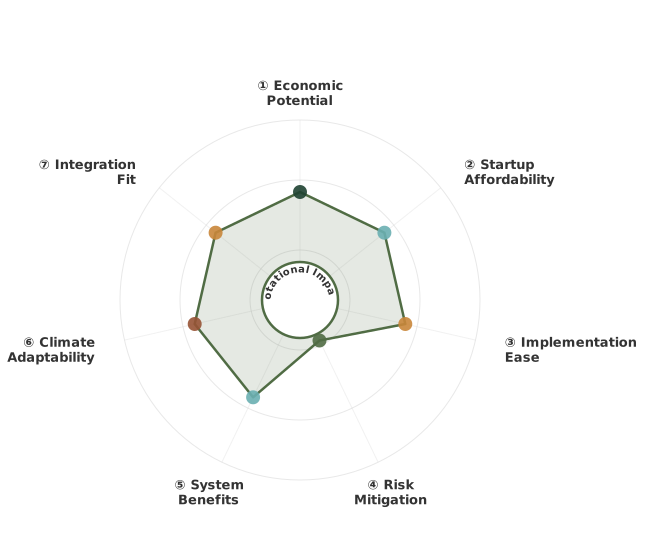
How These Traits Are Calculated
Trait dimensions are ordered clockwise starting from the top of the chart (12 o'clock position):
1. Economic Potential
Financial returns, annual value, and break-even timeline
WHAT: Evaluates financial viability by combining net annual value ($/ha from savings, income, and amortized harvests) with break-even timeline showing when practices pay for themselves.
WHY: Farmers need clear ROI understanding before committing resources. Fast payback (≤3 years) with strong returns (≥$300/ha) enables confident adoption, while long timelines (>10 years) restrict adoption to well-funded operations willing to wait for returns.
HOW: Calculated from net annual value in $/ha and break-even years. Exceptional (≥2.6): fast ROI ≤3 years + high value ≥$300/ha. Typical (1.8-2.5): moderate returns or longer timelines. Limited (<1.8): marginal economics or very long payback >10 years.
2. Startup Affordability
Initial investment costs and financial barrier to entry
WHAT: Measures financial barrier to entry through startup costs for equipment, infrastructure, consulting, and materials. Inverted scoring: lower costs = higher scores = more accessible adoption.
WHY: Affordability determines who can adopt. Low-cost practices (<$250/ha) enable widespread adoption across diverse scales, while high costs (>$2,500/ha) limit adoption to well-capitalized operations, creating barriers that slow regenerative transition.
HOW: Calculated from initial investment parsed from practice content. Inverted scoring: Exceptional (≥2.6): minimal investment <$250/ha. Typical (1.8-2.5): moderate costs $250-2,500/ha. Limited (<1.8): high barrier >$2,500/ha.
3. Implementation Ease
Learning curve and specialized knowledge required
WHAT: Measures how much learning, planning, and specialized knowledge a practice requires. Simpler practices with fewer steps score higher, while complex practices requiring extensive training or specialized resources score lower.
WHY: Complex practices create adoption barriers even when economically viable. Straightforward practices enable faster adoption and broader participation, while those requiring extensive training, timing precision, or specialized equipment limit who can succeed.
HOW: Evaluated by measuring documentation length and identifying complexity markers like location-specific requirements, seasonal timing windows, specialized skills, and dedicated equipment needs. Exceptional (≥2.6): straightforward practices with minimal prerequisites. Typical (1.8-2.5): moderate learning curve with some specialized needs. Limited (<1.8): steep learning curve requiring significant training or resources.
4. Risk Mitigation
Identified financial and ecological risk assessment
WHAT: Evaluates documented risks across financial (investment loss, market volatility) and ecological (crop failure, pest outbreaks) domains. Inverted scoring: fewer risks = higher scores.
WHY: Understanding risk exposure helps farmers make informed decisions. Low-risk practices allow confident implementation, while high-risk practices require careful planning and contingency resources. Risk transparency prevents costly failures.
HOW: Calculated from identified risks in practice content. Inverted scoring: Exceptional (≥2.6): ≤2 risks with manageable severity. Typical (1.8-2.5): 3-5 moderate risks. Limited (<1.8): 6+ risks or severe exposure.
5. System Benefits
How many ways the practice improves your land simultaneously
WHAT: Measures how many aspects of land health improve at once—carbon storage, soil quality, erosion control, water absorption, and biodiversity. Practices that improve multiple areas simultaneously create compounding benefits where each improvement reinforces the others.
WHY: The best practices solve multiple problems at once. For example, addressing erosion simultaneously builds carbon and improves water infiltration, creating a resilient system with positive feedback loops. Single-benefit approaches miss these compound transformation opportunities.
HOW: Evaluated across five key outcomes: carbon sequestration, soil organic matter increase, erosion reduction, water infiltration improvement, and biodiversity enhancement. Exceptional (≥2.6): high carbon storage (>8 t/ha/yr), improvements across 4-5 areas, transformative outcomes. Typical (1.8-2.5): moderate carbon (3-8 t/ha/yr), improvements across 2-3 areas. Limited (<1.8): modest impact (<3 t/ha/yr), single-area focus only.
6. Climate Adaptability
Geographic applicability across Köppen climate zones
WHAT: Evaluates geographic applicability by assessing how many Köppen climate zones successfully support a practice and what adaptation requirements are needed. Measures breadth of climates where farmers can implement with minimal to moderate modifications.
WHY: Universal practices working across diverse climates enable more farmers to adopt regenerative approaches. Practices limited to single climate types (only Mediterranean, only tropical) restrict adoption and slow global transition. Adaptability determines whether a practice serves niche regions or offers broad transformation.
HOW: LLM evaluation of regional success stories, Köppen zone coverage, and adaptation needs. Exceptional (≥2.6): 5+ zones or 4+ climate types, 3+ continents, minimal adaptation. Typical (1.8-2.5): 3-4 zones or 2-3 types, 2 continents, moderate adaptation. Limited (<1.8): 1-2 zones, single region, significant adaptation or highly specialized.
7. Integration Fit
How well this practice combines with others you're doing
WHAT: Measures how well a practice combines with other regenerative practices you might be doing. Some practices work as building blocks that make many other practices easier or more effective, while others work best on their own.
WHY: Practices that combine well with many others create more value on your farm. For example, cover cropping enables no-till, improves grazing, supports crop diversity, and helps water management—making all of them work better together. This helps you build a coherent system rather than juggling disconnected practices.
HOW: Evaluated by identifying which practices combine well and how strong those combinations are. 'Ideally Suited' means strong combinations where practices reinforce each other (practice A makes B easier, while B makes A more effective). 'Adequate' means complementary benefits that work well together. Exceptional (≥2.6): combines well with 6+ practices, serves as a building block. Typical (1.8-2.5): combines with 3-5 practices. Limited (<1.8): 1-2 practices or works best alone.
Going Deeper
1
WHY - The Benefits
Rotational impact is a foundational regenerative practice that fundamentally alters how livestock interact with the land, leading to synergistic improvements across soil health, pasture productivity, water cycles, carbon sequestration, and economic returns. Its...
Rotational impact is a foundational regenerative practice that fundamentally alters how livestock interact with the land, leading to synergistic improvements across soil health, pasture productivity, water cycles, carbon sequestration, and economic returns. Its effectiveness lies in its ability to create a more symbiotic relationship between domestic animals and their environment, moving away from extractive continuous grazing towards a system that builds ecological capital.
WHY - The Benefits
Rotational impact is a foundational regenerative practice that fundamentally alters how livestock interact with the land, leading to synergistic improvements across soil health, pasture productivity, water cycles, carbon sequestration, and economic returns. Its...
Rotational impact is a foundational regenerative practice that fundamentally alters how livestock interact with the land, leading to synergistic improvements across soil health, pasture productivity, water cycles, carbon sequestration, and economic returns. Its effectiveness lies in its ability to create a more symbiotic relationship between domestic animals and their environment, moving away from extractive continuous grazing towards a system that builds ecological capital.
Soil Health Benefits
The primary driver of soil health improvement in rotational impact is the strategic management of grazing pressure and rest. By moving livestock frequently, the impact (hoof action, manure deposition) is distributed across the landscape rather than concentrated in specific areas. Critically, long rest periods allow for plant recovery and root development. This stimulates the soil food web:
- Increased Organic Matter: Healthy plants, allowed to regrow fully, deposit more organic matter both above and below ground. This feeds bacteria, fungi, and earthworms, leading to a 0.5-1.5% increase in soil organic matter over a decade in well-managed systems.
- Improved Soil Structure: As plants grow and their roots die, they create channels that improve aeration and water infiltration. Earthworm activity further aids this process, creating a well-aggregated soil structure that resists compaction and erosion. Studies show 40-70% increases in water infiltration within 5-7 years.
- Enhanced Nutrient Cycling: Livestock manure, rich in nutrients, is distributed across paddocks. During rest periods, soil microbes break down this organic matter, making nutrients available for plant uptake. This reduces the reliance on synthetic fertilizers.
Economic Benefits
Rotational impact can lead to significant economic gains, often through increased efficiency and improved animal performance:
- Increased Carrying Capacity: Well-managed pastures can support 20-50% more livestock than under continuous grazing, as forage quality and quantity improve. This translates to higher income potential.
- Reduced Feed Costs: Healthier, more diverse pastures provide more balanced nutrition, reducing the need for supplemental feed. This can save $50-100 per animal per year USD equivalent.
- Improved Animal Performance: Animals grazing diverse, high-quality forages experience better weight gains and reproductive rates. Average daily gain can increase by 5-15%, leading to quicker market readiness and higher gross margins.
- Land Value Appreciation: Farms with robust, healthy pastures and sustainable management systems are increasingly valued higher by the market, potentially leading to 10-30% land value appreciation over a decade.
- Diversified Income: In more complex integrated systems (e.g., silvopasture managed with rotational impact), income can be diversified across livestock, timber, and other products.
Water Cycle Benefits
The improvements in soil health directly translate to a more resilient water cycle:
- Increased Water Infiltration: Better soil structure, with more pore space and organic matter, allows rainwater to penetrate the soil surface rather than running off. This significantly reduces erosion.
- Improved Water Retention: Healthy soil acts like a sponge, holding moisture for longer periods. This makes pastures more drought-resilient, reducing reliance on irrigation in many climates.
- Reduced Runoff and Pollution: Less surface runoff means less potential for nutrient and sediment pollution of waterways, improving water quality downstream.
- Groundwater Recharge: Increased infiltration helps recharge underground aquifers.
Carbon Sequestration and Biodiversity
Rotational impact is a key practice for sequestering atmospheric carbon in the soil and enhancing biodiversity:
- Carbon Sequestration: Through increased plant growth and organic matter accumulation in the soil, rotational impact can sequester 1-5 tonnes of carbon per hectare per year, depending on climate and management. This makes it a powerful tool in climate change mitigation.
- Enhanced Biodiversity: By revitalizing plant communities, rotational impact creates habitat for a wider range of insects, birds, and soil organisms. Diverse swards support a more robust and resilient ecosystem. The varied plant life also supports a greater diversity of pollinators and beneficial insects.
Regenerative Systems Fit
Rotational impact is a foundational regenerative practice that directly supports Principle 5 (Integrate Livestock), Principle 4 (Maintain Living Roots), Principle 3 (Keep Soil Covered), and Principle 2 (Maximize Crop Diversity). It is the primary mechanism by which livestock contribute positively to regenerative outcomes.
- Principle 5 (Integrate Livestock): This practice is the embodiment of integrating livestock regeneratively. Animals are managed not as a cost of production, but as a tool for ecosystem management, stimulating plant growth, cycling nutrients, and improving soil structure.
- Principle 4 (Maintain Living Roots): The system hinges on providing adequate rest for perennial forages to regrow and maintain photosynthetically active plant matter, ensuring living roots are in the soil for as long as possible throughout the year.
- Principle 3 (Keep Soil Covered): Healthy, well-resourced pastures, encouraged by rotational impact, naturally keep the soil surface covered with living plants and litter, preventing erosion and conserving moisture.
- Principle 2 (Maximize Crop Diversity): Rotational grazing can encourage a greater diversity of forb and grass species, as animals graze selectively then move on, allowing other species to thrive during rest. This is particularly true when combined with diverse pasture mixes.
It seamlessly integrates with other regenerative practices. It is the "how" for adaptive grazing within silvopasture systems, the foundation of managed grazing in mixed crop-livestock systems, and essential for building soil health prior to or during conversion to no-till cropping. For farms transitioning from conventional, continuous grazing, adopting rotational impact is often the first and most impactful step towards a fully regenerative system, creating visible improvements in pasture health and animal performance that build confidence for further changes.
Sources behind this view
Videos & Podcasts
-
Holistic management with cattle is key to improving soil health, water cycles, and carbon sequestration. Maximize animal impact (hooves, dung, urine) for diversity and plant growth, while breeding cat
-
Livestock impact, cover crops, and extended grazing are key to soil health and profitability, reducing tillage and hay feeding. Metrics include soil organic matter, infiltration, Brix levels, and stoc
-
Integrating livestock grazing into cropping systems enhances soil regeneration and provides both economic and ecological profit. Mutually beneficial arrangements with cattle owners deliver high-qualit
-
Regenerative agriculture provides solutions for climate change, human health, and soil degradation, contrasting with industrial agriculture's harmful impacts, including glyphosate use. Practices like
Community
-
Build healthy pasture soils by minimizing tillage, maintaining living roots and species diversity, and implementing proper grazing management. Livestock are essential for nutrient cycling and stimulat
Read more (opens in new window) smallfarms.cornell.edu -
Adopts a holistic grazing management approach emphasizing diverse perennial pastures, higher residuals (4"), and longer rest periods (avg. 45 days) to build soil health, increase organic matter (3.4%
Read more (opens in new window) smallfarms.cornell.edu -
Advocates for Soil Foodweb principles and Holistic Management, emphasizing land leasing and custom grazing/growing over labor-intensive methods. Focuses on soil restructuring for water availability an
Read more (opens in new window) permies.com -
Advocates for simpler regenerative methods based on Soil Foodweb and Holistic Management, emphasizing soil restructuring for water retention and reducing reliance on inputs like biochar. Promotes holi
Read more (opens in new window) permies.com
Research
-
Managing Grazing to Restore Soil Health, Ecosystem Function, and Ecosystem Services (opens in new window)
This study found: Properly managed grazing animals can reverse environmental damage. Regenerative practices, like Adaptive Multi-Paddock (AMP) grazing, boost soil health, increase soil carbon, reduce erosion, and enhan
-
Regenerative Livestock Farming as a Socioeconomic Model for Sustainable Agribusiness in Latin America (opens in new window)
This study found: Regenerative livestock farming in Latin America improved soil carbon, biodiversity, and water quality, while boosting farmer income and quality of life. Government support is key for wider adoption.
-
The Indigenous Roots of Regenerative Agriculture (opens in new window)
This study found: Modern regenerative agriculture practices are rooted in millennia of Indigenous land stewardship, offering profound knowledge and a crucial value system of respect and reciprocity for true transformat
-
FORAGES AND PASTURES SYMPOSIUM: COVER CROPS IN LIVESTOCK PRODUCTION: WHOLE-SYSTEM APPROACH: Managing grazing to restore soil health and farm livelihoods1 (opens in new window)
This study found: Regenerative grazing management is key to sustainable, climate-resilient farms. It restores soil health, enhances ecosystem services like carbon capture and water infiltration, and improves farm profi
From the Web
-
Key regenerative agriculture methods include no-till farming, cover cropping, agroforestry, perennial crops, planned rotational grazing (Holistic Management), and compost application, all aimed at imp
-
Five steps to regenerative agriculture: Holistic Planned Grazing, no-till farming, planting diverse cover crops/interseeding, using compost/inoculants (with caution), and incorporating silvopasture/wo
-
Adaptive grazing, emphasizing longer paddock rest periods, promotes pasture diversity and soil health. This leads to improved livestock nutrition, milk/meat quality, and extended grazing seasons, as d
-
Key principles for managing soil and forage include minimizing tillage, maintaining living roots, promoting species diversity, and practicing adaptive grazing. Specific grazing height recommendations
2
WHERE - Regional Considerations
Rotational impact is highly adaptable and can be successfully implemented across a vast range of climates and landscapes, from humid temperate zones to semi-arid rangelands and even in certain tropical environments. The key to success everywhere is understanding how to...
Rotational impact is highly adaptable and can be successfully implemented across a vast range of climates and landscapes, from humid temperate zones to semi-arid rangelands and even in certain tropical environments. The key to success everywhere is understanding how to adapt grazing and rest periods to local rainfall patterns, growing seasons, and plant species.
WHERE - Regional Considerations
Rotational impact is highly adaptable and can be successfully implemented across a vast range of climates and landscapes, from humid temperate zones to semi-arid rangelands and even in certain tropical environments. The key to success everywhere is understanding how to...
Rotational impact is highly adaptable and can be successfully implemented across a vast range of climates and landscapes, from humid temperate zones to semi-arid rangelands and even in certain tropical environments. The key to success everywhere is understanding how to adapt grazing and rest periods to local rainfall patterns, growing seasons, and plant species.
Click Here to Look up your Region if you don't already know it
Humid Temperate Regions
Representative Locations: Southeastern United States, northern Europe (UK, Germany, Poland), eastern China, Japan, New Zealand
Climate Context: Warm to hot summers and cool to cold winters with moderate to high annual precipitation (75-150 cm or 30-60 inches) distributed relatively evenly. USDA Zones 6-8, Köppen Cfb/Cfa.
Implementation Notes: Abundant rainfall and long growing seasons (8-10 months) allow for intensive rotational grazing with potentially short grazing periods and long rest periods (30-60+ days). Pastures often comprise cool-season perennial grasses (e.g., ryegrass, fescue, orchardgrass) and clover. Management focuses on maximizing spring and fall growth and managing for summer slump with drought-tolerant species or strategic rest. Disease and weed management are key as lush growth can lead to bloat or invasive weed spread.
Mediterranean Regions
Representative Locations: California, Mediterranean basin (Spain, Italy, Greece), central Chile, southwestern Australia, Western Cape South Africa
Climate Context: Hot, dry summers and mild, wet winters. Annual precipitation 40-90 cm (15-35 inches), highly seasonal. USDA Zones 8-10, Köppen Csa/Csb.
Implementation Notes: The distinct wet/dry seasons dictate grazing strategy. Intensive grazing occurs during the wet season when pastures are lush, followed by planned destocking or drought-tolerant grazing during dry summers to allow plants to recover and set seed. Utilizing drought-tolerant native grasses, legumes, and forbs is crucial. Water infrastructure becomes paramount for dry periods when animals may need to be confined to smaller areas or moved to conserved forages. Long rest periods are non-negotiable during dry summers.
Arid and Semi-Arid Regions
Representative Locations: Western USA (Great Plains, Intermountain West), North Africa, Central Asia, Interior Australia, parts of East Africa
Climate Context: Low annual precipitation (<40 cm or 15 inches), high temperatures, short and often unpredictable growing season. USDA Zones 7-9, Köppen BSh/BSk.
Implementation Notes: Rotational impact is crucial for survival and ecological restoration in these fragile environments. Grazing periods are typically very short (1-3 days) to prevent over-grazing of scarce forage, and rest periods are extended significantly (90-360+ days) to allow plants to recover from drought stress and seed set. Emphasis is on managing for drought-tolerant native grasses, shrubs, and forbs. Water management (e.g., water points, keyline design) is critical, and stocking rates must be conservative. Droughts are expected, so adaptive management—adjusting stocking rates and rest periods based on rainfall—is paramount.
Cold Continental Regions
Representative Locations: Northern USA and Canada, Northern Europe, Northern Asia
Climate Context: Very short growing seasons, extreme summer heat, severe winter cold. USDA Zones 3-5, Köppen Dfa/Dfb.
Implementation Notes: The short growing season (typically 3-5 months) means efficient utilization of peak growth is essential. Grazing periods are often short, and rest periods must be managed to maximize plant recovery within the limited window. Cool-season grasses and legumes are dominant. Winter grazing on dormant pasture or stubble can be utilized, but careful management is needed to avoid soil damage in frozen or wet conditions. Snow cover can offer natural insulation and protection for perennial forages.
Subtropical and Tropical Regions
Representative Locations: Southeastern USA, Southern China, Southern Brazil, Eastern Australia, Central America, Southeast Asia, Africa
Climate Context: High temperatures year-round, with distinct wet and dry seasons or consistent high rainfall. Köppen Cfa/Cwa (Subtropical), Af/Am/Aw (Tropical).
Implementation Notes: In regions with high rainfall and heat, pastures can grow rapidly, allowing for very short grazing periods (even 12-48 hours) and long rest periods (45-90 days). Managing for plant species that tolerate heat and humidity is important. Weed and invasive species control can be a challenge. In tropical dry zones, strategies similar to semi-arid regions are employed, focusing on drought-tolerant species and extended rest periods during the dry season. Animal health management for heat stress and parasites is also key.
3
HOW - Implementation Process
Implementing rotational impact involves setting up the land and then managing livestock and pasture through adaptive observation. The complexity can range from simple multi-paddock systems to highly sophisticated planned grazing circuits.
Implementing rotational impact involves setting up the land and then managing livestock and pasture through adaptive observation. The complexity can range from simple multi-paddock systems to highly sophisticated planned grazing circuits.
HOW - Implementation Process
Implementing rotational impact involves setting up the land and then managing livestock and pasture through adaptive observation. The complexity can range from simple multi-paddock systems to highly sophisticated planned grazing circuits.
Implementing rotational impact involves setting up the land and then managing livestock and pasture through adaptive observation. The complexity can range from simple multi-paddock systems to highly sophisticated planned grazing circuits.
Prerequisites
- Clear Objectives: Define what you aim to achieve (e.g., increased carrying capacity, improved soil health, reduced feed costs, wildlife habitat).
- Understanding of Plant Growth Cycles: Basic knowledge of how your dominant forage species grow, respond to defoliation, and enter dormancy.
- Water Availability: Access to reliable water points distributed strategically across the grazing area is essential for effective paddock subdivision.
- Fencing Infrastructure: Sufficient fencing to create paddocks of appropriate size for your livestock and management goals.
- Livestock: Appropriate livestock species and numbers for your land's productive capacity.
Phase 1: Planning and Infrastructure Setup
- Landscape Assessment: Map your land, identifying topography, soil types, water sources, existing vegetation, problem areas (e.g., erosion gullies, wet spots), and natural barriers. Understand the landscape's carrying capacity based on historical rainfall and forage production.
- Paddock Design:
- Paddock Size: Determine paddock size based on herd size, desired grazing period, and forage availability. A common starting point is a size that can be grazed for 1-3 days by your herd or flock.
- Number of Paddocks: The more paddocks you have, the longer the rest periods you can achieve. Aim for at least 10-20 paddocks for significant improvement, with 40-80+ paddocks for optimal results in many systems.
- Water Access: Ensure every paddock has access to water or is within a reasonable distance for livestock to travel (typically <400 meters or 1/4 mile). This might involve installing new water lines, troughs, or using portable water systems.
- Fencing: Install permanent interior fences (e.g., high-tensile electric or woven wire) for main paddocks. Use portable electric fencing for creating smaller grazing cells within larger paddocks or for dividing paddocks temporarily. Consider fencing materials suitable for your region and livestock type.
- Infrastructure Mapping: Plan the layout of water points, gates, and internal fences to facilitate efficient livestock movement and minimize travel time and stress.
Phase 2: Initial Grazing and Observation
- Establish Grazing Pattern: Begin with a planned circuit, but be prepared to adapt. Move livestock out of a paddock after the desired grazing period, typically when about 50% of the forage biomass has been consumed. Avoid grazing to less than 3-4 inches (7-10 cm) of residual height for most grasses, especially during dry periods.
- Define Rest Period: The rest period is as critical as the grazing period. It should be long enough for plants to recover, regrow, and ideally set seed. In fast-growing seasons, rest might be 20-30 days; in drier periods or during dormancy, it can extend to 90-360+ days.
- Observe and Record: This is crucial for adaptive management.
- Pasture Health: Note plant species composition, vigor, height, residual biomass, any signs of stress (wilting, browning).
- Animal Behavior: Observe grazing patterns, hoof action, manure distribution, and feed quality indicators.
- Soil Conditions: Note surface residue, signs of erosion, and soil moisture.
- Water Levels: Monitor water trough levels and source reliability.
- Record Keeping: Use a journal, app, or spreadsheets to document grazing dates, paddock grazed, plant height/condition, and estimated rest period. This data is invaluable for future planning.
Phase 3: Adaptive Management and Refinement
- Adjust Grazing Periods: If animals are grazing paddocks too quickly or too slowly, adjust herd size or paddock size. If residual height is too low, decrease grazing period or herd numbers. If too much biomass is left, consider increasing stocking density or duration slightly.
- Adjust Rest Periods: The most critical adjustment. If plants are not recovering adequately before the next grazing, extend the rest period. If growth is rapid and plants are fully recovered before the planned return, you may be able to shorten the rest period slightly or use that paddock for additional grazing cycles in the growing season.
- Monitor and Adapt to Conditions: Respond to rainfall, temperature, and forage growth. During drought, extend rest periods significantly and reduce stocking rates. During wet springs, shorten grazing periods and ensure adequate rest.
- Integrate Livestock Type: Different livestock have different impacts. Cattle tend to be grazers and can trample more vegetation, aiding in breaking up surface crusts and incorporating litter. Sheep are more selective grazers and browsers. Pigs can be used for disturbance and turning soil in specific areas.
- Continuous Learning: The system is never "finished." Regular observation, data analysis, and adaptation based on what the land tells you are the keys to long-term success.
Transition Timeline & Phase-Out Strategy (For Farms Transitioning from Continuous Grazing)
-
Years 1-2: Initial Setup and Learning Curve:
- Install essential fencing and water infrastructure for a multi-paddock system (e.g., 10-20 paddocks).
- Begin managed grazing, focusing on established rest periods (e.g., 30 days) and minimum residual heights.
- Expect potential adjustments in stocking rate to avoid overgrazing. There might be a slight initial reduction (10-20%) in carrying capacity as pasture recovers and balances.
- Focus on learning observation skills and maintaining consistent records.
-
Years 3-5: Optimization and Adaptation:
- Expand paddock numbers (20-40+) to allow for longer rest periods.
- Refine grazing/rest cycles based on observed plant recovery and seasonal variations.
- Observe soil health improvements (better infiltration, increased organic matter, more earthworms) and pasture species diversity.
- Carrying capacity should begin to increase measurably (potentially 15-30% above original continuous grazing levels).
-
Years 5+: Mature Regenerative System:
- Achieve planned grazing cycles (e.g., 40-80+ paddocks) with adaptive adjustments to rest periods.
- Pasture composition significantly improved, with increased diversity of legumes, forbs, and grasses.
- Noticeable improvements in soil structure, water infiltration, and drought resilience.
- Carrying capacity should stabilize at sustainable higher levels, and animal performance improves.
- Reduced need for external inputs (fertilizers, supplements) becomes evident.
The phase-out of non-regenerative inputs (like synthetic fertilizers, if previously used) can occur gradually during this transition. As pasture health improves and nutrient cycling becomes more efficient, the need for synthetic inputs naturally diminishes. The focus shifts from supplementing the soil to supporting the soil biology that performs these functions naturally. The ultimate goal is a self-sustaining system where livestock management regenerates pasture and soil.
Sources behind this view
Videos & Podcasts
-
A 5-year case study in Mississippi transformed a degraded farm using adaptive grazing, bale grazing, and plant diversity. Soil organic matter, water infiltration, and forage species increased dramatic

-
Adaptive grazing, emphasizing high stock density, flexibility, and frequent movement/rest, rapidly builds soil organic matter and microbial populations. A Mississippi case study showed dramatic improv

-
Holistic grazing, with high-density short grazing (2-3 days) and long rest periods (3-4 months), dramatically increases pasture diversity, eliminates pests like grasshoppers, and boosts livestock prod
-
Seven grazing principles are detailed: maintain stocking below capacity, leave ample forage, allow full plant recovery, rest pastures, top graze, increase pasture numbers (30+), and use high stock den
Community
-
Adopts a holistic grazing management approach emphasizing diverse perennial pastures, higher residuals (4"), and longer rest periods (avg. 45 days) to build soil health, increase organic matter (3.4%
Read more (opens in new window) smallfarms.cornell.edu -
Manage rotational grazing by setting recovery (15-40+ days, adapting to region/season) and grazing periods (2-3 days). Aim to 'take half, leave half' for livestock and soil microbes. High stocking den
Read more (opens in new window) smallfarms.cornell.edu -
Allan Savory explains holistic management prevents desertification by using livestock to mimic nature, replacing prescriptive grazing systems. Holistic Planned Grazing, with decisions guided by a holi
Read more (opens in new window) permies.com -
Advocates for Soil Foodweb principles and Holistic Management, emphasizing land leasing and custom grazing/growing over labor-intensive methods. Focuses on soil restructuring for water availability an
Read more (opens in new window) permies.com
Research
-
Managing Grazing to Restore Soil Health, Ecosystem Function, and Ecosystem Services (opens in new window)
This study found: Properly managed grazing animals can reverse environmental damage. Regenerative practices, like Adaptive Multi-Paddock (AMP) grazing, boost soil health, increase soil carbon, reduce erosion, and enhan
-
The effect of Holistic Planned Grazing™ on African rangelands: a case study from Zimbabwe (opens in new window)
This study found: Holistic Planned Grazing™ in Zimbabwe improved rangeland health, soil, and vegetation with higher animal density. Temporary animal enclosures also boosted crop yields, suggesting HPG enhances ecosyste
-
Impacts of holistic planned grazing with bison compared to continuous grazing with cattle in South Dakota shortgrass prairie (opens in new window)
This study found: Managed grazing with bison in South Dakota's shortgrass prairie significantly improved soil health, water infiltration, forage, and plant composition compared to continuous cattle grazing over a decad
-
Adaptive multi-paddock grazing management’s influence on soil food web community structure for: increasing pasture forage production, soil organic carbon, and reducing soil respiration rates in southeastern USA ranches (opens in new window)
This study found: Adaptive multi-paddock grazing in the southeastern US increased pasture growth by 46%, improved soil food webs, reduced soil respiration by 19.5%, and boosted soil organic carbon by 20.6% compared to
From the Web
-
Daily grazing management involves pasture moves based on animal needs and behavior, adapting to ranch conditions. Observations of animal restlessness signal moves, while diverse forages and cover crop
-
A 10-step plan for regenerative grazing emphasizes adaptive management, goal setting, mapping, infrastructure assessment, and proper stocking rates. It advises starting small to gain experience before
-
This section details paddock setup, fencing, and water systems for rotational grazing. It provides seasonal adjustment guidelines for cool-season and warm-season grasses, emphasizing plant recovery pe
-
Adaptive grazing (AMP, ASG, RG) with high stock densities and flexible management improves vegetation, soil health, soil carbon, and animal production over continuous grazing. Research shows short gra
4
Know the Debate
Rotational impact's effectiveness depends on local conditions and management skills. Humid climates with reliable rainfall see quicker improvements...
Know the Debate
Rotational impact's effectiveness depends on local conditions and management skills. Humid climates with reliable rainfall see quicker improvements...
Rotational impact's effectiveness depends on local conditions and management skills. Humid climates with reliable rainfall see quicker improvements in soil health and carrying capacity within 3-5 years, while semi-arid rangelands require longer rest periods, with significant soil carbon gains often appearing after 5-10 years. Infrastructure costs range from $1,000-$7,000 for temporary fencing on small farms to $20,000+ for permanent systems on larger operations. Daily observation and paddock moves require 1-2 hours minimum labor at any scale.
How much soil carbon can rotational grazing sequester?
Moderate gains (0.5-1.5% annual)
Academic research indicates moderate soil carbon sequestration rates, often around 0.5-1.5 tonnes CO2e per hectare annually. These findings are typically based on controlled studies in specific grassland types and provide a scientifically grounded estimate.
Sources behind this view
Sources behind this view
Research
-
Response of Grazing Land Soil Health to Management Strategies: A Summary Review (opens in new window)
This study found: This review looks at how different ways of managing pastures affect soil health, specifically how well water soaks in, how much carbon the soil stores, and how efficiently plants use nitrogen. Generally, good grazing practices like moderate, continuous grazing or planned rotational grazing with fewer animals per acre tend to improve these soil functions. Healthy, complete plant cover helps water penetrate the soil better, as does more soil carbon. Planting diverse, fast-growing forage species can boost carbon storage. However, overgrazing or incorrect fertilizer use can lead to carbon loss. Getting the right balance of manure and fertilizer, along with the correct number of animals, is key for plants to use nitrogen effectively. The best approach involves combining these practices based on the specific farm and climate to improve both soil health and overall farm productivity.
-
Impact of 22-Year Rotational Grazing on the Soil Cover of a Grassland in Northern-Central Mexico (opens in new window)
This study found: A long-term study in Mexico, spanning over two decades, found that using rotational grazing significantly improved the health of grassland soil. By moving livestock in a planned rotation, researchers observed a substantial increase in the amount of ground covered by plants and fallen leaves, which in turn protected the soil. This practice also reduced the amount of bare, exposed soil. While the study was limited to a few ranches due to low adoption rates, the findings clearly show that rotational grazing is key to better soil cover in these grasslands.
From the Web
-
Advanced livestock management, including intense grazing and mixed-species herds, enhances soil health by accelerating nutrient cycling, stimulating root growth via hoof action, and improving water retention. Properly managed grasslands with livestock act as carbon sinks and build drought resilience.
Variable to high gains (0.1-4% annual) or minimal gains
Experienced regenerative graziers report highly variable outcomes, ranging from minimal measured gains (0.1-0.5% organic matter increase) to substantial sequestration (up to 2-4% annual increase, or multiples of tonnes CO2e/ha/yr) depending on soil starting point, climate, and management intensity.
Sources behind this view
Sources behind this view
Videos & Podcasts
-
Learn rotational grazing through resources from experts like Greg Judy. Move cattle daily, assessing grass height to avoid overgrazing (leave ~10% standing). A rule of thumb is graze 60%, trample 30%. Frequent movement and adequate rest (30-50 days) improve pasture and double carrying capacity.
-
Rotational grazing moves livestock between paddocks, allowing plants to rest and recover. This prevents overgrazing, promotes regeneration, and benefits soil and ecosystems.
-
Adaptive multi-paddock grazing with high stock density improves soil aggregation and carbon. Frequent moves are key, avoiding overgrazing which leads to desertification. Cover crop integration also boosts soil biology and aggregation.
-
Rotational grazing, by dividing land and moving livestock between sections, protects soil from heavy grazing damage and allows grass to recover, preventing destruction.

Making Sense of the Differences
Actual carbon sequestration rates vary significantly by climate, soil health, and management. Humid regions with longer growing seasons generally see faster gains, while degraded soils offer more initial potential than healthy ones. Field practitioners often report higher rates due to intensive observation and adaptation, especially using adaptive multi-paddock grazing. Farmers should monitor soil organic matter over 5-10 years, looking at visible pasture health and water infiltration as early indicators.
How much can rotational grazing increase carrying capacity?
Moderate increase (20-50%)
Academic studies suggest that rotational grazing provides measurable increases in carrying capacity, generally ranging from 20-50% over continuous grazing, particularly in grassland ecosystems.
Sources behind this view
Sources behind this view
Research
-
Managing Grazing to Restore Soil Health, Ecosystem Function, and Ecosystem Services (opens in new window)
This study found: This article argues that grazing animals like cattle, when managed properly using regenerative farming methods, can actually help fix environmental problems caused by past mismanagement. Instead of harmful industrial farming, the focus should be on practices that boost nature's functions. Regenerative approaches, especially a method called Adaptive Multi-Paddock (AMP) grazing, are shown to be effective and cost-efficient for restoring healthy ecosystems. AMP grazing involves moving animals frequently to new pastures, allowing the plants ample time to recover. This management style leads to better ground cover, less soil erosion, and more carbon stored in the soil. Bringing livestock and forages into crop systems can also increase soil carbon, improve soil life, and cut down on the need for plowing, synthetic fertilizers, and pesticides. Ultimately, these practices enhance vital natural benefits like stable soil, better water absorption, carbon capture, nutrient cycling, and biodiversity, leading to more resilient farms and economies.
-
Impact of 22-Year Rotational Grazing on the Soil Cover of a Grassland in Northern-Central Mexico (opens in new window)
This study found: A long-term study in Mexico, spanning over two decades, found that using rotational grazing significantly improved the health of grassland soil. By moving livestock in a planned rotation, researchers observed a substantial increase in the amount of ground covered by plants and fallen leaves, which in turn protected the soil. This practice also reduced the amount of bare, exposed soil. While the study was limited to a few ranches due to low adoption rates, the findings clearly show that rotational grazing is key to better soil cover in these grasslands.
-
Climate Effects on Tallgrass Prairie Responses to Continuous and Rotational Grazing (opens in new window)
This study found: A ten-year study in the Great Plains compared how cattle grazing affected tallgrass prairies under different weather conditions. Researchers looked at two grazing methods: continuous (leaving cattle in one pasture) and rotational (moving cattle between pastures). They found that while weather and the land itself were the biggest factors in plant growth, rotational grazing seemed to help maintain pasture health and support more animals over time, especially in one of the study areas. Continuous grazing led to a decrease in how many animals the pasture could support. The study suggests that adjusting grazing plans based on changing weather, rather than sticking to a fixed system, is a better approach for farmers managing grasslands.
Dramatic increase (50-200%+)
Experienced regenerative graziers and advocates report substantial increases in carrying capacity, often exceeding 50% and sometimes reaching over 200% within 3-7 years, due to significant soil health recovery and improved forage quality.
Sources behind this view
Sources behind this view
Videos & Podcasts
-
Learn rotational grazing through resources from experts like Greg Judy. Move cattle daily, assessing grass height to avoid overgrazing (leave ~10% standing). A rule of thumb is graze 60%, trample 30%. Frequent movement and adequate rest (30-50 days) improve pasture and double carrying capacity.
-
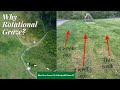
Rotational grazing boosts drought resistance, improves animal handling and health monitoring, reduces weeds like cheatgrass, and extends grazing seasons by managing paddock size. This leads to increased feed production and profitability.
-
Daily movement of dairy cows in rotational grazing allows grass recovery, preventing overgrazing and promoting soil health. This method converts grass into nutrient-rich milk and meat, potentially quadrupling land productivity.
-
Rotational grazing, using electric fences to mimic bison movements, intensively grazes sections of pasture and allows recovery periods. This practice promotes soil building, carbon sequestration, and increased productivity with minimal inputs, contrasting with continuous grazing.
Making Sense of the Differences
Reported increases in carrying capacity vary from moderate (20-50%) in academic studies to dramatic (50-200%+) in practitioner reports, largely due to differences in starting land health and management intensity. Farms with degraded land in favorable climates often see the greatest percentage gains. Management factors like paddock numbers, rest periods, adaptive responses to weather, and integration with other practices are key drivers of this variation.
5
HOW MUCH - Costs & Investment
Note: Costs shown in USD; multiply by local labor and material cost indices for your region. Labor costs vary significantly internationally. Fencing and water infrastructure are the primary upfront investments.
Note: Costs shown in USD; multiply by local labor and material cost indices for your region. Labor costs vary significantly internationally. Fencing and water infrastructure are the primary upfront investments.
HOW MUCH - Costs & Investment
Note: Costs shown in USD; multiply by local labor and material cost indices for your region. Labor costs vary significantly internationally. Fencing and water infrastructure are the primary upfront investments.
Note: Costs shown in USD; multiply by local labor and material cost indices for your region. Labor costs vary significantly internationally. Fencing and water infrastructure are the primary upfront investments.
Note: All costs are based on recent US economic data (2024–2026) and may vary substantially by region based on local labor rates, material costs, and regulatory requirements.
Fencing Infrastructure
Fencing remains the primary capital expenditure for implementing rotational grazing systems. For small-scale operations under 50 acres (20 ha), producers generally allocate $1,000–$4,000 for portable infrastructure. This investment typically covers 3–5 reels of high-tensile polywire, 150–200 fiberglass or plastic step-in posts, and a portable solar-powered energizer rated for at least 15–20 miles (24–32 km) of fence. These systems offer high flexibility for producers learning to manage forage recovery cycles, as they can reposition paddocks in 30–60 minutes.
Mid-scale operations ranging from 50–500 acres (20–202 ha) observe costs between $6,000–$35,000. These implementations often feature a permanent high-tensile perimeter fence costing $1.50–$3.50 per linear foot installed, paired with a sub-divided interior grid. Producers in this range invest in multi-strand permanent fencing to minimize maintenance, while using semi-permanent polywire cross-fencing to define specific grazing lanes. An operation managing 300 acres (121 ha) specifically will require roughly 12,000–15,000 feet (3,657.6–4,572.0 m) of perimeter fencing, representing a $20,000–$30,000 investment if utilizing professional labor for corner bracing and tensioning.
Large-scale operations over 500 acres (202 ha) encounter significant capital requirements of $50,000–$250,000+. At this scale, manual subdivision is often inefficient, forcing investment into automated electric high-tensile grids. These systems incorporate remote-controlled gates and automated water delivery, reducing labor costs by 20–40% over time. High-capacity, 12-volt, or 110-volt fence chargers capable of handling 50+ miles of fencing are standard, costing $1,500–$4,000 per unit, excluding the cost of grounding systems that must be installed every 1,000–2,000 feet (304.8–609.6 m) to maintain voltage parity across large, heterogeneous landscapes.
Water Infrastructure
Deployment of a reliable water system is the second-highest cost driver. Small-scale farms operating on less than 50 acres (20 ha) generally invest $500–$3,000. This budget focuses on mobile, 50–150 gallon (189–568 L) trough systems that connect to existing spigots using 500–1,000 feet (152.4–304.8 m) of ¾-inch quick-connect hose. Efficiency at this scale relies on gravity-fed or pressure-regulated systems that minimize the need for high-frequency travel to recharge water points.
Mid-scale operations (50–500 acres (20–202 ha)) typically require an investment of $4,000–$25,000. These systems necessitate buried 1.5–2 inch HDPE piping networks which serve 4–6 permanent central junctions. Installing 5,000–10,000 feet (1,524.0–3,048.0 m) of buried line is typical to ensure that no creature is more than 600–800 feet (182.9–243.8 m) from a water source, which research indicates keeps forage consumption uniform. These budgets often include the purchase of 4–8 portable troughs equipped with high-flow valves, allowing for quick moves between rotation zones.
Large-scale operations (500+ acres) face costs ranging from $30,000–$150,000+. Investments here are driven by high-volume solar pumping systems and deep-well head modifications. A single solar-powered pump capable of lifting 2,000–5,000 gallons (7,571–18,927 L) per day from a 200-foot (61.0 m) well can cost $8,000–$15,000. Additional expenses occur in the distribution grid, requiring 20,000+ feet of piping to maintain water availability in remote pastures. By minimizing animal travel distances, these systems prevent the 10-15% weight loss associated with heat stress and physical activity in extensive grazing systems.
Planning and Labor Implementation
Professional guidance is essential to avoid common, costly errors in paddock layout. Small-scale producers usually budget $500–$1,500 for initial consulting, which covers 2–4 hours of expert site assessment and digital map generation. Mid-scale operators often spend $2,000–$8,000 for comprehensive, multi-year grazing plans that optimize paddock geometry for seasonal water access and forage maturation cycles.
Large-scale operations frequently invest $10,000–$30,000+, or 5-8% of total project costs, into sophisticated rotational management software. These digital tools analyze forage biomass availability, tracking movement patterns to prevent overgrazing. This level of management is critical for avoiding revenue losses of 15–20% that typically result from improperly timed rotations. The primary labor cost centers for these large operations include 100–300 hours annually dedicated to pasture monitoring and fence troubleshooting, which is often internalized as a fixed farm expense.
Most Spend: Most agricultural operations in the US grazing sector spend between $12,000 and $45,000 total. This middle 60% range covers the purchase of high-tensile perimeter materials, basic portable interior fencing systems, and a gravity-pressured or single-pump water network, which establishes the necessary infrastructure to manage 4–6 permanent rotation zones effectively over a 5-year payback cycle.
Why the Range?: Cost divergence is primarily driven by existing natural infrastructure and project scale. Producers who possess natural water sources like creeks or ponds in each paddock zone experience the lower end of the cost spectrum, whereas operations requiring high-pressure piping headers and professionally installed electric networks face the upper end.
Sources behind this view
Videos & Podcasts
-
Increase grazing frequency (e.g., twice daily) for better pasture utilization and animal performance. Invest heavily in water infrastructure and use temporary fencing in long, narrow paddocks to maxim
-
Discusses advanced grazing management, emphasizing paddock layout, skipping paddocks for fly control, and the critical role of fencing and water. Highlights how subdivision and shorter grazing periods
-
Details the practical implementation of intensive rotational grazing, including infrastructure (fencing, water points) and management strategies for large Australian properties. This approach signific
-
Improved grazing management boosts ranch economics through higher stocking rates, better cows-per-man ratios, extended grazing seasons, and reduced feeding costs. Strategic fencing and water developme
Community
-
Recommends permanent rotational pastures using high tensile fencing and cattle panels for goats and sheep, with advice on water lines, pallet-built shelters, and cost-effective handling systems.
Read more (opens in new window) permies.com -
Investigates financial benefits of rotational grazing, including extended grazing season and cattle weight gains, while detailing the use of portable electric fences and HDPE water hoses due to infras
Read more (opens in new window) ucanr.edu -
Implement rotational grazing with strong perimeter and interior fencing (high tensile electric recommended, focus on grounding) and reliable water systems, using resources like 'The Art and Science of
Read more (opens in new window) smallfarms.cornell.edu -
Effective pasture rotation uses smaller paddocks, frequent moves, and electric fencing, with water source availability being critical. Recommendations include learning from Joel Salatin and starting c
Read more (opens in new window) permies.com
Research
-
Increasing Intensity of Pasture Use with Dairy Cattle: An Economic Analysis (opens in new window)
This study found: Intensive grazing on Pennsylvania dairy farms was more profitable than hay/corn silage, returning $129/acre. High debt and poor cash flow motivated increased grazing intensity, which lowered feed cost
-
Optimising intensive grazing: a comprehensive review of rotational grassland management, innovative grazing strategies and infrastructural requirements (opens in new window)
This study found: Intensive grazing requires good infrastructure. 24-36 hour pasture allocations reduce cow competition. Farm roadway quality and location are key for efficient movement, cow health, and labor efficienc
From the Web
-
Analyzes ROI for high stock density grazing, detailing infrastructure costs ($3,250 with grant), labor ($3600 estimate), and a 257% carrying capacity increase. Discusses scaling challenges and lists k
6
REWARDS AND RISKS - Economics & Risk Factors
Investing in rotational impact offers significant potential rewards but also carries inherent risks that must be managed.
Investing in rotational impact offers significant potential rewards but also carries inherent risks that must be managed.
REWARDS AND RISKS - Economics & Risk Factors
Investing in rotational impact offers significant potential rewards but also carries inherent risks that must be managed.
Investing in rotational impact offers significant potential rewards but also carries inherent risks that must be managed.
Managed rotation provides a transformative shift to farm profitability through reduced overhead and accelerated ecological productivity. In a Best Case Scenario, within 3–5 years, forage biomass production increases by 40–60%. This biomass surge facilitates a 30–50% increase in stocking rates or, conversely, a 40% reduction in supplemental feed requirements. By capturing higher forage energy density, livestock weight gain improves by 10–15% over baseline, cumulatively driving an annual net revenue increase of $150–$300 per acre ($371–$741/ha). Under these high-performance conditions, initial infrastructure costs are fully recouped within 3–5 years post-implementation.
In a Typical Case Scenario, carried out by the majority of successful producers, carrying capacity improves by 20–35% within 5–7 years. The consistent management of grazing intervals leads to feed savings of approximately $75–$125 per animal per year. Infrastructure investments reach a break-even point within a 7–10 year window. Crucially, the increased organic matter and deeper root architectures associated with rotational rest periods act as a hedge against climate instability, preventing total pasture failure during years with 20–30% lower than average rainfall compared to historical norms.
Conversely, a Worst Case Scenario arises from poor management, specifically the failure to allow adequate rest periods (often called "over-grazing"). This can lead to a 10–20% decline in forage density within 12–24 months. If the stocking rate remains constant during this biological recovery phase, farm revenue may drop by 15–25% due to animal health declines, reduced conception rates, or the requirement of expensive, emergency supplemental feeding. In these instances, an initial infrastructure investment of $20,000–$50,000 will yield essentially zero return on investment, requiring a costly, multi-year biological restoration effort to fix damaged topsoil and perennial plant populations.
Profitability is heavily indexed to market volatility, particularly regarding fuel prices for maintenance equipment and electricity for fencing controllers. Risk mitigation involves adopting modular, "low-regret" infrastructure designs—such as utilizing portable electric fencing—which allows producers to test the system scale for $500–$2,000 before committing to permanent wire. A primary strategy involves maintaining a 15% surplus in forage reserves, often left standing as "standing hay," to provide a nutritional safety buffer during winter months or extreme weather events. Furthermore, in regional drought conditions, rotational grazing reduces the necessity for herd liquidation, with producers up to 30% more likely to keep animals on-farm because the stimulated root systems sustain growth longer than continuously grazed pastures.
Transitioning to a rotational system often triggers a 1–2 year "dip" in productivity as the pasture ecosystem stabilizes. During this period, forage composition shifts from shallow-rooted annuals to deeper-rooted perennials, an adjustment phase that may see available grazing days drop by 10–15%. Mitigation involves incremental implementation, where only 20% of the property is fenced into rotations during the first year, keeping 80% of revenue at 85–90% productivity. Producers should avoid the temptation to increase herd size until the third season of managed rest; this ensures the soil ecosystem has developed the biological capacity to support higher stocking intensities without long-term degradation.
Sources behind this view
Videos & Podcasts
-
Holistic grazing, with high-density short grazing (2-3 days) and long rest periods (3-4 months), dramatically increases pasture diversity, eliminates pests like grasshoppers, and boosts livestock prod
-
Increase grazing frequency (e.g., twice daily) for better pasture utilization and animal performance. Invest heavily in water infrastructure and use temporary fencing in long, narrow paddocks to maxim
-
Learn rotational grazing through resources from experts like Greg Judy. Move cattle daily, assessing grass height to avoid overgrazing (leave ~10% standing). A rule of thumb is graze 60%, trample 30%.
-
Details the practical implementation of intensive rotational grazing, including infrastructure (fencing, water points) and management strategies for large Australian properties. This approach signific
Community
-
Manage rotational grazing by setting recovery (15-40+ days, adapting to region/season) and grazing periods (2-3 days). Aim to 'take half, leave half' for livestock and soil microbes. High stocking den
Read more (opens in new window) smallfarms.cornell.edu -
Adopts a holistic grazing management approach emphasizing diverse perennial pastures, higher residuals (4"), and longer rest periods (avg. 45 days) to build soil health, increase organic matter (3.4%
Read more (opens in new window) smallfarms.cornell.edu -
Practical rotational grazing advice for small acreage with goats, sheep, and chickens, emphasizing frequent moves, sacrificial paddocks, and specific forage types (fescue, rye, Bermuda) for Zone 8b. M
Read more (opens in new window) permies.com -
Advocates for rotational/mob grazing by dividing 12.5 acres into 30 sub-pastures for daily moves, promoting a 40% legume, 40% grass, 10% medicinal, 10% weed pasture mix for soil health and parasite co
Read more (opens in new window) permies.com
Research
-
Transitioning from conventional continuous grazing to planned rest-rotation grazing: A beef cattle case study from central Texas (opens in new window)
This study found: A 5-year Texas case study found planned rest-rotation grazing showed potential for more forage and better soil health on cultivated paddocks compared to continuous grazing, with similar overall profit
-
Managing Grazing to Restore Soil Health, Ecosystem Function, and Ecosystem Services (opens in new window)
This study found: Properly managed grazing animals can reverse environmental damage. Regenerative practices, like Adaptive Multi-Paddock (AMP) grazing, boost soil health, increase soil carbon, reduce erosion, and enhan
-
A 100-Year Review: A century of change in temperate grazing dairy systems. (opens in new window)
This study found: Dairy grazing systems evolved over 100 years from random grazing to intensive, high-output systems driven by research, technology, and breeding. Managed grazing, better genetics, and supplementary fee
-
Adaptive multi-paddock grazing management’s influence on soil food web community structure for: increasing pasture forage production, soil organic carbon, and reducing soil respiration rates in southeastern USA ranches (opens in new window)
This study found: Adaptive multi-paddock grazing in the southeastern US increased pasture growth by 46%, improved soil food webs, reduced soil respiration by 19.5%, and boosted soil organic carbon by 20.6% compared to
From the Web
-
This section details paddock setup, fencing, and water systems for rotational grazing. It provides seasonal adjustment guidelines for cool-season and warm-season grasses, emphasizing plant recovery pe
-
Adaptive grazing, emphasizing longer paddock rest periods, promotes pasture diversity and soil health. This leads to improved livestock nutrition, milk/meat quality, and extended grazing seasons, as d
-
Transition to adaptive grazing with a three-step approach: inventory land/animals/infrastructure, start small using existing resources to increase stock density gradually, and observe/measure progress
-
Guidance on pasture renovation and establishment covers seedbed preparation, planting methods, and plant selection. Detailed calculations for adaptive grazing include determining paddock size and numb
7
WHO - Labor & Expertise
Implementing and managing rotational impact requires a shift in labor focus and the development of specific expertise, moving from routine animal care to strategic ecological management.
Implementing and managing rotational impact requires a shift in labor focus and the development of specific expertise, moving from routine animal care to strategic ecological management.
WHO - Labor & Expertise
Implementing and managing rotational impact requires a shift in labor focus and the development of specific expertise, moving from routine animal care to strategic ecological management.
Implementing and managing rotational impact requires a shift in labor focus and the development of specific expertise, moving from routine animal care to strategic ecological management.
Skill Requirements
- Observation and Monitoring: This is the most critical skill. Farmers must learn to "read" the pasture—understanding plant species composition, vigor, residual biomass, and signs of recovery. This also includes observing animal behavior, hoof action, and manure consistency.
- Adaptive Planning: Translating observations into management decisions. This involves adjusting grazing periods, rest lengths, and animal movements based on the landscape's real-time conditions and long-term goals.
- Fencing and Water System Management: Knowledge of installing, repairing, and maintaining fencing (especially electric fencing, which is common for subdivisions) and water systems is essential for effective paddock management.
- Basic Livestock Handling: Efficient and low-stress movement of animals between paddocks.
- Understanding of Plant Physiology: Basic knowledge of how common pasture plants respond to grazing and drought, and their typical growth cycles.
- Record Keeping: Maintaining logs of grazing rotations, pasture conditions, animal performance, and weather patterns is vital for learning and adaptation.
Labor Needs & Structure
- Time Commitment: Rotational impact demands more consistent daily attention than continuous grazing. While total labor hours may not drastically increase, the management becomes more dynamic, requiring daily or near-daily decisions about moving animals. This is not a "set it and forget it" practice.
- Farm Size and Enterprise: A small diversified farm with 20-30 head of cattle managed regeneratively may require 1-2 hours of active management daily. A large-scale rancher with hundreds or thousands of head will require a well-trained crew and robust systems for efficient movement and monitoring.
- DIY vs. Hired Labor: Many farmers start with significant DIY labor for infrastructure. As the operation scales, hiring farm hands experienced in rotational grazing or pasture management becomes beneficial. In regions with lower labor costs, hiring additional help for daily moves and observation may be more economical than in high-labor-cost economies.
- Expertise Development: Dedicating time to learning is crucial. This can involve attending workshops, reading books, consulting with experienced regenerative graziers, and participating in peer-to-peer learning networks.
International Labor Considerations
- Labor Costs: Labor is a significant variable cost globally. In North America and Western Europe, labor can be a major expense, driving investment in more automated watering systems and highly efficient fencing (e.g., electric systems). In regions with lower labor costs (e.g., parts of South America, Africa, Asia), more labor-intensive grazing rotations may be feasible and economical, allowing for finer control and observation.
- Skill Availability: Access to trained farm labor experienced in regenerative grazing may vary. In some regions, traditional nomadic herding knowledge can be a valuable foundation. In others, formal training programs may be needed.
- Cultural Practices: Livestock management is deeply ingrained in many cultures. Transitioning to new systems requires respecting existing knowledge while introducing new techniques. Collaboration with local communities and leveraging their knowledge is key.
Sources behind this view
Videos & Podcasts
-
This cluster details ultra-high stock density grazing (UHSDG) and 'total grazing' for cattle, emphasizing intensive management, long pasture recovery, and increased stocking rates. The speaker advocat
-
Holistic grazing, with high-density short grazing (2-3 days) and long rest periods (3-4 months), dramatically increases pasture diversity, eliminates pests like grasshoppers, and boosts livestock prod
-
Increase grazing frequency (e.g., twice daily) for better pasture utilization and animal performance. Invest heavily in water infrastructure and use temporary fencing in long, narrow paddocks to maxim
-
Livestock impact, cover crops, and extended grazing are key to soil health and profitability, reducing tillage and hay feeding. Metrics include soil organic matter, infiltration, Brix levels, and stoc
Community
-
Manage rotational grazing by setting recovery (15-40+ days, adapting to region/season) and grazing periods (2-3 days). Aim to 'take half, leave half' for livestock and soil microbes. High stocking den
Read more (opens in new window) smallfarms.cornell.edu -
Adopts a holistic grazing management approach emphasizing diverse perennial pastures, higher residuals (4"), and longer rest periods (avg. 45 days) to build soil health, increase organic matter (3.4%
Read more (opens in new window) smallfarms.cornell.edu -
Practical rotational grazing advice for small acreage with goats, sheep, and chickens, emphasizing frequent moves, sacrificial paddocks, and specific forage types (fescue, rye, Bermuda) for Zone 8b. M
Read more (opens in new window) permies.com -
Advocates for rotational/mob grazing by dividing 12.5 acres into 30 sub-pastures for daily moves, promoting a 40% legume, 40% grass, 10% medicinal, 10% weed pasture mix for soil health and parasite co
Read more (opens in new window) permies.com
Research
-
Regenerative Livestock Farming as a Socioeconomic Model for Sustainable Agribusiness in Latin America (opens in new window)
This study found: Regenerative livestock farming in Latin America improved soil carbon, biodiversity, and water quality, while boosting farmer income and quality of life. Government support is key for wider adoption.
-
Managing Grazing to Restore Soil Health, Ecosystem Function, and Ecosystem Services (opens in new window)
This study found: Properly managed grazing animals can reverse environmental damage. Regenerative practices, like Adaptive Multi-Paddock (AMP) grazing, boost soil health, increase soil carbon, reduce erosion, and enhan
-
A 100-Year Review: A century of change in temperate grazing dairy systems. (opens in new window)
This study found: Dairy grazing systems evolved over 100 years from random grazing to intensive, high-output systems driven by research, technology, and breeding. Managed grazing, better genetics, and supplementary fee
-
Multi-paddock grazing on rangelands: why the perceptual dichotomy between research results and rancher experience? (opens in new window)
This study found: Ranchers often see benefits from multi-paddock grazing that scientific studies don't always confirm. This review explores the gap, highlighting rancher-led adaptive management principles and suggestin
From the Web
-
This section details paddock setup, fencing, and water systems for rotational grazing. It provides seasonal adjustment guidelines for cool-season and warm-season grasses, emphasizing plant recovery pe
-
A 10-step plan for regenerative grazing emphasizes adaptive management, goal setting, mapping, infrastructure assessment, and proper stocking rates. It advises starting small to gain experience before
-
Transition to adaptive grazing with a three-step approach: inventory land/animals/infrastructure, start small using existing resources to increase stock density gradually, and observe/measure progress
-
Provides practical guidance on regenerative soil management through minimizing tillage, maintaining living roots, diverse species, and strategic grazing. Emphasizes cover crops, perennial pastures, an
8
EQUIPMENT - Tools & Infrastructure
Effective implementation of rotational impact relies on appropriate infrastructure and tools to manage livestock movement and ensure pasture health.
Effective implementation of rotational impact relies on appropriate infrastructure and tools to manage livestock movement and ensure pasture health.
EQUIPMENT - Tools & Infrastructure
Effective implementation of rotational impact relies on appropriate infrastructure and tools to manage livestock movement and ensure pasture health.
Effective implementation of rotational impact relies on appropriate infrastructure and tools to manage livestock movement and ensure pasture health.
Fencing
-
Permanent Fencing: Used for boundary fences and main internal paddock divisions.
- High-Tensile Electric Fencing: Cost-effective for many durable subdivisions. Requires insulators, tensioners, and a reliable energizer. Suitable for cattle and sheep.
- Woven Wire Fencing: More labor-intensive and expensive but very robust for boundaries or areas needing permanent separation.
- Barbed Wire: Traditional, but can be less safe for animals and less effective for smaller/finer subdivisions needed in intensive rotational grazing.
-
Portable Electric Fencing: Essential for creating temporary grazing cells or rapidly subdividing larger paddocks.
- Polywire/Polytape: Conductive strands for easy setup and removal.
- Step-in Posts: Lightweight and easy to install in various soil types.
- Portable Energizers: Battery-powered or solar-powered units for electrifying temporary fences.
Water Systems
- Water Troughs/Bowls: Durable, gravity-fed or pressure-activated troughs are crucial. Ensure adequate size for herd or flock water intake during grazing periods. Made from concrete, plastic, or galvanized steel.
- Water Lines: Poly pipe is commonly used for water distribution across pastures. Laying it underground protects it from damage by livestock and weather.
- Pumps and Water Sources: If relying on wells, ponds, or springs, appropriate pumps (submersible, solar, PTO-driven) and filtration systems may be needed.
- Water Trailer/Portable Troughs: For areas where permanent infrastructure is not feasible or during drought, portable water systems are invaluable.
Livestock Handling Equipment
- Gates: Strategically placed gates in permanent fences to allow for easy movement between paddocks.
- Alleyways/Chutes: For directing livestock efficiently to different paddocks, water sources, or handling facilities (e.g., for health checks or shearing).
- Loadouts/Holding Pens: For easier loading and unloading of animals for sale or transport, and for temporary holding.
Monitoring Tools
- Pedometer / Soil Compaction Meter: To assess soil compaction and inform management.
- Pasture Height/Biomass Measurement Tools: Quadrats, observation transects, or apps to estimate forage availability and residual heights.
- GPS / Mapping Software: For paddock layout, tracking animal movements, and recording grazing data.
- Record Keeping Tools: Notebooks, digital spreadsheets, or specialized farm management software.
Animal-Specific Equipment
- Salt/Mineral Feeders: Placed strategically to encourage even grazing or movement.
- Back Rubbers/Dust Baths: For livestock parasite control, often placed near water or high-traffic areas.
International Sourcing & Cost Considerations: All infrastructure and equipment can be sourced internationally. Local availability and cost of materials (e.g., different types of fencing wire, pipe, concrete) and labor will significantly influence total investment. For example, in regions with abundant skilled labor but lower wages, more intensive fencing configurations might be economically viable. Conversely, in regions with high labor costs, investment in more permanent and automated water systems might be prioritized. When sourcing materials, consider durability for local climate conditions (e.g., UV resistance in arid regions, frost resistance in cold climates).
Sources behind this view
Videos & Podcasts
-
Increase grazing frequency (e.g., twice daily) for better pasture utilization and animal performance. Invest heavily in water infrastructure and use temporary fencing in long, narrow paddocks to maxim
-
Details the practical implementation of intensive rotational grazing, including infrastructure (fencing, water points) and management strategies for large Australian properties. This approach signific
-
This cluster details ultra-high stock density grazing (UHSDG) and 'total grazing' for cattle, emphasizing intensive management, long pasture recovery, and increased stocking rates. The speaker advocat
-
Intensive rotational grazing with electric fencing improves soil and animal performance. Smaller cattle (1000-1100 lbs) are preferred for reduced pasture impact and higher fertility. Proper electric f
Community
-
Practical rotational grazing advice for small acreage with goats, sheep, and chickens, emphasizing frequent moves, sacrificial paddocks, and specific forage types (fescue, rye, Bermuda) for Zone 8b. M
Read more (opens in new window) permies.com -
Manage rotational grazing by setting recovery (15-40+ days, adapting to region/season) and grazing periods (2-3 days). Aim to 'take half, leave half' for livestock and soil microbes. High stocking den
Read more (opens in new window) smallfarms.cornell.edu -
Details an integrated system of Managed Intensive Rotational Grazing and rotational cropping using holistic management. It emphasizes increasing forage availability, integrating livestock (cattle, chi
Read more (opens in new window) permies.com -
Adopts a holistic grazing management approach emphasizing diverse perennial pastures, higher residuals (4"), and longer rest periods (avg. 45 days) to build soil health, increase organic matter (3.4%
Read more (opens in new window) smallfarms.cornell.edu
Research
-
Review: Precision Livestock Farming technologies in pasture-based livestock systems. (opens in new window)
This study found: Smart farming tech (GPS, drones, virtual fencing) can improve livestock management on pasture for cattle, sheep, goats, pigs, and poultry, despite challenges like battery life and cost.
-
A 100-Year Review: A century of change in temperate grazing dairy systems. (opens in new window)
This study found: Dairy grazing systems evolved over 100 years from random grazing to intensive, high-output systems driven by research, technology, and breeding. Managed grazing, better genetics, and supplementary fee
-
Precision Tools for Forage Assessment and Nutritional Decision Support in Grazing-Ruminant Systems: A Narrative Review (opens in new window)
This study found: New precision tools can help manage grazing animal nutrition by assessing pasture quality, but face challenges in calibration, cost, and farm-level adoption for practical decision-making.
-
Precision Livestock Farming Applications (PLF) for Grazing Animals (opens in new window)
This study found: Precision Livestock Farming (PLF) uses sensors and software to monitor grazing animals, improving health and management. Adoption is limited by cost, tradition, and poor infrastructure, despite availa
From the Web
-
This section details paddock setup, fencing, and water systems for rotational grazing. It provides seasonal adjustment guidelines for cool-season and warm-season grasses, emphasizing plant recovery pe
9
COMPATIBLE PRACTICES - Integration Opportunities
Rotational impact is a cornerstone regenerative practice that enhances and is enhanced by integration with a range of other regenerative strategies. These integrations create synergistic benefits, accelerating soil health, economic, and ecological improvements.
Rotational impact is a cornerstone regenerative practice that enhances and is enhanced by integration with a range of other regenerative strategies. These integrations create synergistic benefits, accelerating soil health, economic, and ecological improvements.
COMPATIBLE PRACTICES - Integration Opportunities
Rotational impact is a cornerstone regenerative practice that enhances and is enhanced by integration with a range of other regenerative strategies. These integrations create synergistic benefits, accelerating soil health, economic, and ecological improvements.
Rotational impact is a cornerstone regenerative practice that enhances and is enhanced by integration with a range of other regenerative strategies. These integrations create synergistic benefits, accelerating soil health, economic, and ecological improvements.
Silvopasture
- Integration: Rotational grazing is the primary management tool for livestock within a silvopasture system. It ensures animals graze between trees at appropriate intensities and are moved before they damage young trees or overgraze forage.
- Benefit: Synergizes tree growth and pasture productivity. Livestock distribute manure, cycle nutrients, and manage understory vegetation, while trees provide shade, reduce heat stress on animals, and diversify income streams. Grazing management prevents undesirable plants from competing with young trees.
Holistic Planned Grazing / Adaptive Multi-Paddock Grazing
- Integration: Rotational impact is the practical implementation of these philosophies. These approaches provide the frameworks and science-based principles for designing and adapting grazing/rest cycles.
- Benefit: Provides a structured approach to decision-making, ensuring long-term ecological goals are met and management is continuously refined based on observation.
Cover Cropping within Rotational Systems
- Integration: In systems with fallow periods or crop rotations, cover crops can be grazed using rotational impact. This is particularly valuable in mixed crop-livestock farms.
- Benefit: Grazing cover crops with managed livestock can improve their termination, distribute biomass, and cycle nutrients more effectively. The hoof action can help incorporate residue and prepare seedbeds if minimal tillage is used. Livestock gains on cover crops also reduce feed costs.
Keyline Design and Water Management
- Integration: Paddock design and water point placement can be informed by keyline principles to maximize water infiltration and distribution across the landscape, especially on slopes.
- Benefit: Improved water infiltration from rotational impact works in concert with keyline systems to slow, spread, and sink water, recharging soil moisture and reducing erosion.
No-Till Farming (in Mixed Systems)
- Integration: After implementing rotational impact on pastures for several years, the improved soil structure and health create excellent conditions for transitioning adjacent or integrated cropping land to no-till.
- Benefit: The healthy soil biology developed in pastures can influence contiguous cropping areas. Benefits of no-till (reduced erosion, increased organic matter) are amplified when soil health is already robust from managed grazing.
Silage/Hay Production from Rested Paddocks
- Integration: Paddocks in a rest phase can be utilized for hay or silage production, especially during periods of peak growth.
- Benefit: Capturing excess forage biomass as stored feed can improve economic efficiency and provide drought reserves. It must be managed carefully so the harvest doesn't deplete soil reserves needed for long-term pasture health.
Integrated Sheep/Cattle or Multi-Species Grazing
- Integration: Running different livestock types together or sequentially in rotational paddocks.
- Benefit: Different species target different plant species and heights, leading to more uniform grazing, better pasture utilization, and reduced parasite loads (as parasites specific to one species may not thrive on the other). This maximizes diversity and utilization of the pasture sward.
The synergistic benefits of integrating rotational impact with these practices create a more resilient, productive, and ecologically functional farm system. For farms new to regenerative agriculture, adopting rotational impact often serves as the entry point, leading naturally to these other integrated solutions as initial improvements become evident.
Sources behind this view
Videos & Podcasts
-
Holistic management with cattle is key to improving soil health, water cycles, and carbon sequestration. Maximize animal impact (hooves, dung, urine) for diversity and plant growth, while breeding cat
-
Livestock impact, cover crops, and extended grazing are key to soil health and profitability, reducing tillage and hay feeding. Metrics include soil organic matter, infiltration, Brix levels, and stoc
-
Integrating livestock grazing into cropping systems enhances soil regeneration and provides both economic and ecological profit. Mutually beneficial arrangements with cattle owners deliver high-qualit
-
Utilize multi-species cover crops based on specific 'resource concerns' to improve soil health, nitrogen fixation, and water retention. Integrate livestock for grazing, calving, and overwintering, enh
Community
-
Adopts a holistic grazing management approach emphasizing diverse perennial pastures, higher residuals (4"), and longer rest periods (avg. 45 days) to build soil health, increase organic matter (3.4%
Read more (opens in new window) smallfarms.cornell.edu -
Details a regenerative rotational cropping system using no-till, mulching, and integrated livestock (chicken tractors). Crops rotate through seedling, cover crop, legume, grain, and hay phases over su
Read more (opens in new window) permies.com -
Details an integrated system of Managed Intensive Rotational Grazing and rotational cropping using holistic management. It emphasizes increasing forage availability, integrating livestock (cattle, chi
Read more (opens in new window) permies.com -
Manage rotational grazing by setting recovery (15-40+ days, adapting to region/season) and grazing periods (2-3 days). Aim to 'take half, leave half' for livestock and soil microbes. High stocking den
Read more (opens in new window) smallfarms.cornell.edu
Research
-
Managing Grazing to Restore Soil Health, Ecosystem Function, and Ecosystem Services (opens in new window)
This study found: Properly managed grazing animals can reverse environmental damage. Regenerative practices, like Adaptive Multi-Paddock (AMP) grazing, boost soil health, increase soil carbon, reduce erosion, and enhan
-
Regenerative Livestock Farming as a Socioeconomic Model for Sustainable Agribusiness in Latin America (opens in new window)
This study found: Regenerative livestock farming in Latin America improved soil carbon, biodiversity, and water quality, while boosting farmer income and quality of life. Government support is key for wider adoption.
-
Regenerative Agriculture: Restoring Ecosystems¢ Resilience and Productivity: A Review (opens in new window)
This study found: Regenerative agriculture builds soil health and ecosystem services through practices like no-till, cover crops, and diverse rotations. It increases soil organic matter, improves water infiltration, bo
-
FORAGES AND PASTURES SYMPOSIUM: COVER CROPS IN LIVESTOCK PRODUCTION: WHOLE-SYSTEM APPROACH: Managing grazing to restore soil health and farm livelihoods1 (opens in new window)
This study found: Regenerative grazing management is key to sustainable, climate-resilient farms. It restores soil health, enhances ecosystem services like carbon capture and water infiltration, and improves farm profi
From the Web
-
Key regenerative agriculture methods include no-till farming, cover cropping, agroforestry, perennial crops, planned rotational grazing (Holistic Management), and compost application, all aimed at imp
-
Five steps to regenerative agriculture: Holistic Planned Grazing, no-till farming, planting diverse cover crops/interseeding, using compost/inoculants (with caution), and incorporating silvopasture/wo
-
Adaptive grazing, emphasizing longer paddock rest periods, promotes pasture diversity and soil health. This leads to improved livestock nutrition, milk/meat quality, and extended grazing seasons, as d
-
Six soil health principles (context, cover, minimize disturbance, diversity, living roots, integrate livestock) guide regenerative agriculture within four ecosystem processes (energy, water, nutrient