
Silvopasture
Silvopasture is an integrated production system where trees, forage, and grazing animals occupy the same land as co-equal enterprises. Trees are managed for shade, timber, nuts, or fruit alongside livestock grazing – the integration is what defines it, not the dominance of any single component. Unlike food forests that mimic natural ecosystems or forest farming that cultivates understory products, silvopasture is designed for commercial livestock production with trees as a strategic support to animal health, pasture productivity, and diversified income streams.
Read More: Complete Description
Silvopasture creates a vibrant, multi-layered ecosystem designed for both ecological regeneration and economic return by intentionally combining trees, forage crops, and livestock on the same land. This practice goes beyond simply planting trees in a pasture; it involves strategic design and management where trees, forage, and animals are managed as integrated enterprises, each contributing to and benefiting from the others. The goal is to create a synergy that enhances productivity, resilience, and profitability beyond what can be achieved by managing each component in isolation.
The concept of silvopasture, known variously as wood pasture, forest grazing, or agroforestry, has ancient roots across diverse global cultures. From the dehesas of Spain and Portugal, where cork oaks and holm oaks are integrated with Iberian pigs and livestock, to the forest-farming systems of Latin America, and the traditional woodlots of Europe and North America, humans have long recognized the benefits of combining trees and grazing animals. Modern silvopasture builds on this history, applying scientific understanding of plant and animal physiology, soil science, and economics to optimize these integrated systems for contemporary markets and environmental goals.
Critically, silvopasture is distinct from related practices. It is not a food forest, which is a Permaculture-derived system designed for complex ecological mimicry with layered plant communities, often emphasizing human food production. Silvopasture, by contrast, is primarily designed for commercial livestock production, with trees managed for shade, supplemental forage, timber, nuts, or fruit, but always with the intention of supporting the grazing animal enterprise. Nor is it forest farming, which cultivates non-timber products like mushrooms or medicinal herbs under an existing forest canopy; silvopasture manages livestock as the primary enterprise, with trees as a complementary, integrated component influencing the entire system. Silvopasture is a specific form of agroforestry, but the term "agroforestry" is broad. Using "silvopasture" highlights the critical role of livestock management, which is the defining characteristic.
From a regenerative agriculture perspective, silvopasture is a foundational practice. It directly supports and enhances four of the five core regenerative principles when implemented thoughtfully. 1. Minimize Soil Disturbance: Establishing silvopasture systems can be done with minimal disturbance through no-till planting of trees into existing pasture sod, thus preserving soil structure, microbial communities, and carbon. 2. Maximize Crop Diversity: By integrating perennial trees with diverse forage grasses, legumes, and forbs, silvopasture significantly increases both above-ground and below-ground plant diversity. This creates complex habitats and nutrient-cycling pathways. 3. Keep Soil Covered: The combination of tree canopy, living forage plants, and accumulating leaf litter ensures that the soil surface is continuously covered year-round, protecting against erosion and maintaining moisture. 4. Maintain Living Roots: The presence of perennial trees and pasture plants ensures continuous living root systems throughout the year, constantly feeding soil biology and maintaining soil structure. 5. Integrate Livestock: Silvopasture inherently integrates livestock, using their grazing impact to manage pasture, cycle nutrients through manure, and provide an economic return, all while benefiting from the microclimate and supplemental resources provided by trees.
The benefits offered by silvopasture are substantial and multi-faceted. Economically, it diversifies farm income by combining annual livestock revenue with the long-term accumulation of tree value (timber, nuts, fruit). Financially, it can lead to higher net returns per hectare than treeless pasture due to improved animal performance and eventual high-value harvests. Systemically, it enhances soil health by increasing organic matter, improving water infiltration and retention, and fostering microbial diversity. Trees provide crucial shade and windbreaks, moderating microclimates that reduce heat stress on livestock, thereby improving animal health and productivity, and extending the productive grazing season. This microclimate regulation also shelters forage plants, leading to more resilient pasture growth.
Silvopasture systems offer a powerful tool for carbon sequestration, as the combination of trees and perennial forages stores significantly more carbon in both above-ground biomass and soil organic matter compared to treeless systems. They also enhance biodiversity by creating diverse habitats that support a wider range of insects, birds, and other wildlife. Functionally, the deep roots of trees access water and nutrients from deeper soil profiles, making them available to the surface ecosystem through leaf litter decomposition, improving overall nutrient cycling and water use efficiency.
Successful implementation requires careful planning and species selection tailored to the specific climate, soil type, and management goals. For example, in humid temperate regions (USDA zones 6-8, Köppen Cfa/Cfb) like the southeastern United States or northern Europe, species like oaks, walnuts, chestnuts, or pine species might be chosen for timber or nut production, integrated with productive pasture species like fescue, ryegrass, clover, or alfalfa. In Mediterranean climates (USDA zones 8-10, Köppen Csa/Csb) such as California or southern Spain, drought-tolerant species like oaks (Quercus spp.), carob, or olive trees might be integrated with drought-resistant forages. In tropical regions (Köppen Af/Am/Aw), species like leucaena, gliricidia, or fast-growing fruit trees are often paired with tropical grasses.
Tree spacing is a critical design element, typically ranging from 9-15 meters (30-50 feet) on center between rows to allow sufficient light for forage production and access for grazing animals and farm equipment. Within rows, spacing depends on the species' mature size and management goals. Livestock protection during the early years of tree establishment is paramount, often requiring temporary fencing or tree guards to prevent bark stripping or browse damage that can kill young trees or severely stunt their growth, setting back the entire system.
The transition to silvopasture often involves a period of adjustment. Initially, stocking rates may need to be reduced by 20-40% to protect young trees and accommodate any reduction in forage production under developing canopy. This period, typically the first 5-7 years until trees reach browse line height, requires strategic grazing management to balance livestock needs with tree protection. However, the economic returns from livestock provide essential cash flow during these establishment years, making the long-term investment in trees more feasible than if they were planted alone. Once trees mature, the system typically yields higher net income per hectare than treeless pasture, combining annual livestock profits with the eventual harvest of high-value timber, nuts, or fruit. This makes silvopasture a potent strategy for building long-term farm resilience and profitability.
Sources behind this view
Sources behind this view
 Videos & Podcasts
-
Silvopasture integrates trees and livestock, offering expanded grazing, improved animal comfort, and wildlife habitat. Key steps include thinning trees, establishing forages, and using livestock for m
-
Silvopasture involves diverse tree planting (honeylocust, mulberry, persimmon) for staggered feed and shade, with advancements in grafted trees improving establishment. Benefits include enhanced forag
-
Silvopasture integrates trees, forage, and livestock. High grazing densities stimulate soil biology and mineral cycling. Prioritize plant recovery and animal performance; avoid grazing immature or fla
-
Silvopasture, an intentional integration of trees, animals, and forages, is a top regenerative farming practice for carbon sequestration, soil health, and habitat restoration, offering multiple yields
 Community
-
Guide to assessing woodlands for silvopasture, covering site quality, access, livestock needs, hazard mitigation, water, and fencing. Emphasizes integrated tree, forage, and livestock production for s
Read more (opens in new window) smallfarms.cornell.edu -
Silvopasture integrates trees, forage, and livestock, offering climate-smart benefits like improved soil health, carbon sequestration, and diversified revenue. Key considerations include rotational gr
Read more (opens in new window) ucanr.edu -
Silvopasture intentionally combines trees, forage, and livestock for climate-smart agriculture, offering benefits like improved soil health, carbon sequestration, and diversified revenue. Key consider
Read more (opens in new window) ucanr.edu -
Explains silvopasturing, the practice of integrating trees and livestock grazing, detailing its benefits and how to establish and manage these agroforestry systems.
Read more (opens in new window) smallfarms.cornell.edu
 Research
-
Temperate silvopastures provide greater ecosystem services than conventional pasture systems. (opens in new window)
This study found: Temperate silvopastures in the US mid-south improved soil health and reduced cattle heat stress compared to conventional pastures, offering equivalent productivity with four times less land.
-
Silvopasture offers climate change mitigation and profit potential for farmers in the eastern United States (opens in new window)
This study found: Silvopasture in the eastern U.S. can significantly store carbon and boost farm profits. Systems focused on animal feed show strong economic returns, while timber/nut systems may need carbon payments f
-
Over-yielding in temperate silvopastures: a meta-analysis (opens in new window)
This study found: Temperate silvopastures (trees + pasture + livestock) increase land productivity by 42-55% compared to separate systems, showing significant over-yielding.
-
Sustainable, efficient livestock production with high biodiversity and good welfare for animals (opens in new window)
This study found: Future livestock farming can be sustainable by integrating animal welfare, high biodiversity, and reduced carbon footprint. Silvopastoral systems (pastures with trees/shrubs) offer greater productivit
 From the Web
-
Silvopasture integrates trees with livestock via 'addition' (planting trees in paddocks) or 'subtraction' (managing woodlots). Benefits include shade for weight gain, improved forage quality, and dive
-
Silvopasture systems integrate trees, forage, and livestock to reduce heat stress, improve livestock nutrition and health (e.g., via tannins), and enhance soil health through nutrient cycling, carbon
-
Silvopasture integrates trees into farms to enhance productivity and profitability by providing shade for livestock, improving pasture growth, and offering valuable tree fodder during feed shortages,
-
Silvopasture integrates trees, pasture, and livestock. Key elements include selecting adapted species for overstory, pasture, and animals, aiming for 25-60% shade, and employing rotational grazing. Li
Key Points
What It Is
- Trees, forage, and animals integrated on one land unit
- Co-equal enterprises, not separate activities
- Strategic spacing optimizes light, forage, animal movement
- Harvest value from livestock and trees
How This Differs
- Integrates trees, forage, and grazing animals on the same land
- Livestock are a defining component, not an add-on
- Trees managed for shade, timber, nuts, or fruit alongside grazing
- Distinct from food forests and forest farming in management goals
Why Do It
- Diversifies income streams (livestock, timber, nuts)
- Enhances animal welfare via shade and microclimate
- Builds soil health and fertility naturally
- Increases farm resilience to climate extremes
Know the Debate
- Profitability varies: 18-24 months vs. 4-7+ years.
- Establishment: protect trees vs. early animal integration.
- Shade impact: positive in drylands, potentially negative in humid zones.
- ROI depends on species, management, and market.
Benefits - Financial
- Net income potential of $156-313 per acre ($385–$773 per hectare) annually once reaching maturity
- Timber harvests provide long-term revenue of $6,000-8,000 per acre ($14,826–$19,768 per hectare)
- Shade benefits reduce annual feed expenditure costs by 10-20%
Benefits - System
- Carbon sequestration: 5-10 tonnes per hectare per year (Principles 3,4,5)
- Topsoil organic matter +0.5-1.5% over decade
- Erosion reduction: 60-85% on slopes
- Increased biodiversity: 2-3x species compared to monoculture
Risks - Financial
- Significant initial investment cost ranging from $1,500-3,800 per acre ($3,707–$9,390 per hectare)
- Breakeven timeline extends to 7-15 years post-establishment
- Poor tree survival can result in 30-50% loss of capital investment
Risks - System
- Tree establishment failure without protection from browse
- Requires 5-7 years for functional shade/microclimate benefits
- Water competition in arid regions needs careful species & design
- Managing multiple enterprises demands diverse knowledge
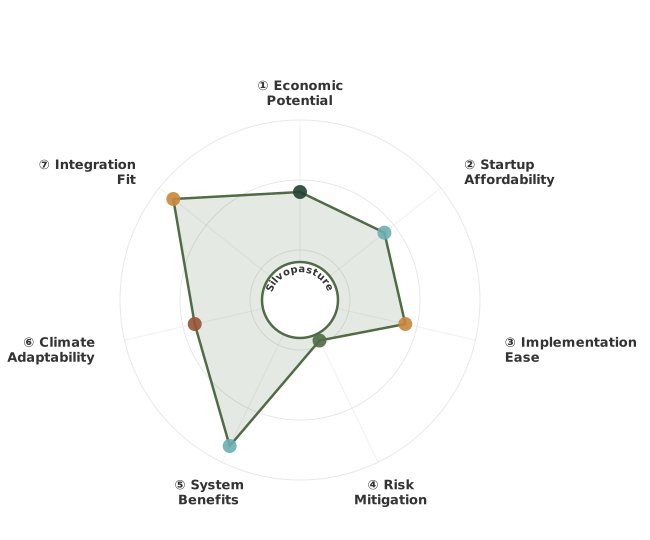
How These Traits Are Calculated
Trait dimensions are ordered clockwise starting from the top of the chart (12 o'clock position):
1. Economic Potential
Financial returns, annual value, and break-even timeline
WHAT: Evaluates financial viability by combining net annual value ($/ha from savings, income, and amortized harvests) with break-even timeline showing when practices pay for themselves.
WHY: Farmers need clear ROI understanding before committing resources. Fast payback (≤3 years) with strong returns (≥$300/ha) enables confident adoption, while long timelines (>10 years) restrict adoption to well-funded operations willing to wait for returns.
HOW: Calculated from net annual value in $/ha and break-even years. Exceptional (≥2.6): fast ROI ≤3 years + high value ≥$300/ha. Typical (1.8-2.5): moderate returns or longer timelines. Limited (<1.8): marginal economics or very long payback >10 years.
2. Startup Affordability
Initial investment costs and financial barrier to entry
WHAT: Measures financial barrier to entry through startup costs for equipment, infrastructure, consulting, and materials. Inverted scoring: lower costs = higher scores = more accessible adoption.
WHY: Affordability determines who can adopt. Low-cost practices (<$250/ha) enable widespread adoption across diverse scales, while high costs (>$2,500/ha) limit adoption to well-capitalized operations, creating barriers that slow regenerative transition.
HOW: Calculated from initial investment parsed from practice content. Inverted scoring: Exceptional (≥2.6): minimal investment <$250/ha. Typical (1.8-2.5): moderate costs $250-2,500/ha. Limited (<1.8): high barrier >$2,500/ha.
3. Implementation Ease
Learning curve and specialized knowledge required
WHAT: Measures how much learning, planning, and specialized knowledge a practice requires. Simpler practices with fewer steps score higher, while complex practices requiring extensive training or specialized resources score lower.
WHY: Complex practices create adoption barriers even when economically viable. Straightforward practices enable faster adoption and broader participation, while those requiring extensive training, timing precision, or specialized equipment limit who can succeed.
HOW: Evaluated by measuring documentation length and identifying complexity markers like location-specific requirements, seasonal timing windows, specialized skills, and dedicated equipment needs. Exceptional (≥2.6): straightforward practices with minimal prerequisites. Typical (1.8-2.5): moderate learning curve with some specialized needs. Limited (<1.8): steep learning curve requiring significant training or resources.
4. Risk Mitigation
Identified financial and ecological risk assessment
WHAT: Evaluates documented risks across financial (investment loss, market volatility) and ecological (crop failure, pest outbreaks) domains. Inverted scoring: fewer risks = higher scores.
WHY: Understanding risk exposure helps farmers make informed decisions. Low-risk practices allow confident implementation, while high-risk practices require careful planning and contingency resources. Risk transparency prevents costly failures.
HOW: Calculated from identified risks in practice content. Inverted scoring: Exceptional (≥2.6): ≤2 risks with manageable severity. Typical (1.8-2.5): 3-5 moderate risks. Limited (<1.8): 6+ risks or severe exposure.
5. System Benefits
How many ways the practice improves your land simultaneously
WHAT: Measures how many aspects of land health improve at once—carbon storage, soil quality, erosion control, water absorption, and biodiversity. Practices that improve multiple areas simultaneously create compounding benefits where each improvement reinforces the others.
WHY: The best practices solve multiple problems at once. For example, addressing erosion simultaneously builds carbon and improves water infiltration, creating a resilient system with positive feedback loops. Single-benefit approaches miss these compound transformation opportunities.
HOW: Evaluated across five key outcomes: carbon sequestration, soil organic matter increase, erosion reduction, water infiltration improvement, and biodiversity enhancement. Exceptional (≥2.6): high carbon storage (>8 t/ha/yr), improvements across 4-5 areas, transformative outcomes. Typical (1.8-2.5): moderate carbon (3-8 t/ha/yr), improvements across 2-3 areas. Limited (<1.8): modest impact (<3 t/ha/yr), single-area focus only.
6. Climate Adaptability
Geographic applicability across Köppen climate zones
WHAT: Evaluates geographic applicability by assessing how many Köppen climate zones successfully support a practice and what adaptation requirements are needed. Measures breadth of climates where farmers can implement with minimal to moderate modifications.
WHY: Universal practices working across diverse climates enable more farmers to adopt regenerative approaches. Practices limited to single climate types (only Mediterranean, only tropical) restrict adoption and slow global transition. Adaptability determines whether a practice serves niche regions or offers broad transformation.
HOW: LLM evaluation of regional success stories, Köppen zone coverage, and adaptation needs. Exceptional (≥2.6): 5+ zones or 4+ climate types, 3+ continents, minimal adaptation. Typical (1.8-2.5): 3-4 zones or 2-3 types, 2 continents, moderate adaptation. Limited (<1.8): 1-2 zones, single region, significant adaptation or highly specialized.
7. Integration Fit
How well this practice combines with others you're doing
WHAT: Measures how well a practice combines with other regenerative practices you might be doing. Some practices work as building blocks that make many other practices easier or more effective, while others work best on their own.
WHY: Practices that combine well with many others create more value on your farm. For example, cover cropping enables no-till, improves grazing, supports crop diversity, and helps water management—making all of them work better together. This helps you build a coherent system rather than juggling disconnected practices.
HOW: Evaluated by identifying which practices combine well and how strong those combinations are. 'Ideally Suited' means strong combinations where practices reinforce each other (practice A makes B easier, while B makes A more effective). 'Adequate' means complementary benefits that work well together. Exceptional (≥2.6): combines well with 6+ practices, serves as a building block. Typical (1.8-2.5): combines with 3-5 practices. Limited (<1.8): 1-2 practices or works best alone.
Going Deeper
1
WHY - The Benefits
Silvopasture offers a compelling suite of benefits that address central challenges in modern agriculture: economic volatility, environmental degradation, and climate change. By layering trees, forages, and livestock, the system creates a more resilient, productive, and...
Silvopasture offers a compelling suite of benefits that address central challenges in modern agriculture: economic volatility, environmental degradation, and climate change. By layering trees, forages, and livestock, the system creates a more resilient, productive, and ecologically beneficial landscape. These advantages are not merely qualitative; they are supported by decades of research and field experience, providing quantifiable improvements across multiple domains.
WHY - The Benefits
Silvopasture offers a compelling suite of benefits that address central challenges in modern agriculture: economic volatility, environmental degradation, and climate change. By layering trees, forages, and livestock, the system creates a more resilient, productive, and...
Silvopasture offers a compelling suite of benefits that address central challenges in modern agriculture: economic volatility, environmental degradation, and climate change. By layering trees, forages, and livestock, the system creates a more resilient, productive, and ecologically beneficial landscape. These advantages are not merely qualitative; they are supported by decades of research and field experience, providing quantifiable improvements across multiple domains.
Soil Health Benefits
The integration of trees with pasture significantly enhances soil health. Tree roots, often reaching depths of 3-9 meters (10-30 feet), access nutrients and water unavailable to shallow-rooted forages. Through leaf litter, leaf fall, and root exudates, these deep-stored resources are recycled to the surface, improving soil fertility and feeding a diverse soil food web. This process can lead to an increase in soil organic matter of 0.5-1.5 percentage points over a decade compared to treeless pastures, transforming soil structure and water retention.
The impact on soil structure is profound. Tree roots create macropores that improve aeration and infiltration, while the organic matter added by leaf litter and root activity binds soil particles into stable aggregates. This leads to a 40-70% increase in water infiltration rates within 7-10 years, dramatically reducing surface runoff and erosion. On slopes, tree roots provide crucial structural support, stabilizing soil and mitigating mass wasting. Studies show improved aggregate stability and reduced bulk density in silvopasture soils, creating a more resilient substrate for both forage and tree growth.
Mycorrhizal fungi, essential for nutrient uptake by both trees and forages, thrive in the diverse, undisturbed environment of silvopasture. Their hyphae, along with tree and forage roots, maintain a living network within the soil, promoting aggregation and nutrient cycling. Earthworm populations typically increase significantly (2-5 times higher than treeless pastures), further enhancing soil structure and aeration. This vibrant subsurface ecosystem is key to nutrient availability, water regulation, and disease suppression within the silvopasture system.
Economic Benefits
Silvopasture systems offer a pathway to increased and diversified farm income. While conventional treeless pasture typically relies on a single income stream (livestock), silvopasture layers two or three distinct revenue streams: annual livestock sales, and long-term harvests of timber, nuts, or fruit. This diversification builds financial resilience, buffering the farm against market volatility in any single sector.
During the early establishment phase (years 1-5), silvopasture may see a temporary reduction in livestock income (20-40%) due to lower stocking rates necessary for tree protection and shade establishment. However, upfront investment costs are often offset by government cost-share programs (covering 50-75% of tree and fencing expenses) and improved animal performance from early shade benefits in warmer climates. Break-even for the initial investment, considering livestock income, typically occurs within 7-10 years.
By years 5-10, as trees mature beyond browse height, livestock stocking rates can return to normal or even exceed previous levels due to improved forage quality and animal performance (e.g., 10-20% weight gain improvements in cattle from shade). This period generates annual income comparable to or better than treeless pasture. Simultaneously, the trees appreciate in value, acting as a biological savings account.
Beyond year 10, the long-term harvests contribute significantly to profitability. First commercial timber thinnings can yield $2,500-10,000 per hectare ($1,000-4,000 per acre) around years 15-25, while retaining the majority of trees for future growth. Full timber harvests, typically occurring 25-50 years later for hardwoods, can generate $7,400-37,000 per hectare ($3,000-15,000 per acre). Nut-producing systems like chestnuts or pecans can begin yielding $1,250-5,000 per hectare ($500-2,000 per acre) annually starting around year 7-12. The combination of consistent livestock income and deferred, high-value tree harvests creates a robust economic model.
Water Cycle Benefits
Silvopasture significantly improves water management on agricultural landscapes. Increased infiltration rates, stemming from improved soil structure and reduced bare ground, mean that more rainfall enters the soil rather than running off. This reduces soil erosion, sediment pollution of waterways, and flash flooding downstream. By storing more water in the soil profile, silvopasture also enhances drought resilience.
In arid and semi-arid regions, trees can tap into deeper water tables, bringing water to the surface via hydraulic lift and releasing it through transpiration. This "hydraulic redistribution" can support understory forage growth even during dry periods, extending the grazing season. The shade provided by trees also reduces soil evaporation, conserving moisture in the upper soil layers where forage roots are most active.
The increased dissolved organic matter from leaf litter decomposition acts like a sponge, further improving the soil's water-holding capacity. This enhanced soil moisture availability supports more resilient forage production, reduces reliance on irrigation in marginal areas, and contributes to overall ecosystem health by ensuring a more consistent water supply for plants and soil organisms.
Carbon Sequestration
Silvopasture systems are powerful carbon sinks. The perennial nature of both trees and forages ensures continuous photosynthesis and organic matter input year-round, or at least throughout the growing season. Trees, with their extensive woody biomass and deep root systems, store substantial amounts of carbon above ground and in the soil. Studies estimate silvopasture systems can sequester 5-10 tonnes of carbon per hectare per year, significantly exceeding that of conventional pasture or annual crop systems.
This carbon is stored in tree trunks, branches, leaves, roots, and soil organic matter. The increased soil organic matter directly sequesters carbon in the soil profile. Furthermore, by reducing erosion and preventing bare ground, silvopasture minimizes the loss of soil carbon to the atmosphere. Over the lifespan of a silvopasture system, the cumulative carbon sequestration can be substantial, contributing to climate change mitigation efforts at the farm level.
Biodiversity Benefits
The structurally diverse nature of silvopasture creates a mosaic of habitats that supports a wider array of flora and fauna compared to monocultures or treeless pastures. The overstory of trees provides nesting sites, foraging areas, and shelter for birds and arboreal mammals. The understory of diverse forages and associated plants offers habitat and food sources for ground-dwelling animals, insects, and pollinators.
The complex root systems and above-ground plant diversity support a richer soil microbial community, which is fundamental to ecosystem health. Beneficial insects such as predatory beetles, parasitic wasps, and pollinators are more abundant in silvopasture systems, aiding in natural pest control and pollination services for any fruit or nut trees. This increased biodiversity enhances the overall ecosystem's resilience, its ability to provide ecological services, and its intrinsic ecological value.
Regenerative Systems Fit
Silvopasture is a cornerstone practice for regenerative agriculture, actively supporting and enhancing all five core principles:
- Minimize Soil Disturbance: Establishment via no-till planting and the perennial nature of the system drastically reduces mechanical soil disruption compared to annual cropping. Tree roots and stable aggregate structures prevent significant disturbance.
- Maximize Crop Diversity: The integration of multiple tree species, various forage grasses, legumes, and forbs creates a highly diverse biological community, both above and below ground. This mimics complex natural ecosystems and builds functional redundancy.
- Keep Soil Covered: Continuous living cover from pasture and trees, supplemented by leaf litter, ensures the soil is protected year-round from erosion, temperature extremes, and moisture loss.
- Maintain Living Roots: The year-round presence of living roots from perennial trees and forages ensures constant biological activity, nutrient cycling, and soil structure maintenance, extending photosynthetic capture across the year.
- Integrate Livestock: Livestock are not just present but intentionally managed within the system, cycling nutrients, managing plant communities, and providing economic returns, all while benefiting from the ecological services of the trees and forage.
Silvopasture synergizes exceptionally well with other regenerative practices such as rotational grazing, cover cropping, keyline design, and holistic planned grazing. It provides a robust framework for farms to transition away from extractive agricultural models towards systems that build ecological capital while maintaining or increasing economic viability. For farmers transitioning from conventional systems, silvopasture offers a tangible pathway that maintains cash flow from livestock while investing in long-term, high-value assets.
Sources behind this view
Videos & Podcasts
-
Silvopasture integrates trees and livestock, offering expanded grazing, improved animal comfort, and wildlife habitat. Key steps include thinning trees, establishing forages, and using livestock for m
-
Silvopasture involves diverse tree planting (honeylocust, mulberry, persimmon) for staggered feed and shade, with advancements in grafted trees improving establishment. Benefits include enhanced forag
-
Silvopasture, an intentional integration of trees, animals, and forages, is a top regenerative farming practice for carbon sequestration, soil health, and habitat restoration, offering multiple yields
-
Silvopasture integrates trees, forage, and livestock. High grazing densities stimulate soil biology and mineral cycling. Prioritize plant recovery and animal performance; avoid grazing immature or fla
Community
-
Guide to assessing woodlands for silvopasture, covering site quality, access, livestock needs, hazard mitigation, water, and fencing. Emphasizes integrated tree, forage, and livestock production for s
Read more (opens in new window) smallfarms.cornell.edu -
Silvopasture integrates trees, forage, and livestock, offering climate-smart benefits like improved soil health, carbon sequestration, and diversified revenue. Key considerations include rotational gr
Read more (opens in new window) ucanr.edu -
Explains silvopasturing, the practice of integrating trees and livestock grazing, detailing its benefits and how to establish and manage these agroforestry systems.
Read more (opens in new window) smallfarms.cornell.edu -
Silvopasture intentionally combines trees, forage, and livestock for climate-smart agriculture, offering benefits like improved soil health, carbon sequestration, and diversified revenue. Key consider
Read more (opens in new window) ucanr.edu
Research
-
Temperate silvopastures provide greater ecosystem services than conventional pasture systems. (opens in new window)
This study found: Temperate silvopastures in the US mid-south improved soil health and reduced cattle heat stress compared to conventional pastures, offering equivalent productivity with four times less land.
-
Silvopasture offers climate change mitigation and profit potential for farmers in the eastern United States (opens in new window)
This study found: Silvopasture in the eastern U.S. can significantly store carbon and boost farm profits. Systems focused on animal feed show strong economic returns, while timber/nut systems may need carbon payments f
-
Over-yielding in temperate silvopastures: a meta-analysis (opens in new window)
This study found: Temperate silvopastures (trees + pasture + livestock) increase land productivity by 42-55% compared to separate systems, showing significant over-yielding.
-
Sustainable, efficient livestock production with high biodiversity and good welfare for animals (opens in new window)
This study found: Future livestock farming can be sustainable by integrating animal welfare, high biodiversity, and reduced carbon footprint. Silvopastoral systems (pastures with trees/shrubs) offer greater productivit
From the Web
-
Silvopasture integrates trees with livestock via 'addition' (planting trees in paddocks) or 'subtraction' (managing woodlots). Benefits include shade for weight gain, improved forage quality, and dive
-
Silvopasture systems integrate trees, forage, and livestock to reduce heat stress, improve livestock nutrition and health (e.g., via tannins), and enhance soil health through nutrient cycling, carbon
-
Silvopasture integrates trees and grazing for enhanced soil health, nutrient cycling via leguminous trees, and improved livestock performance due to better forage quality and reduced stress.
-
Silvopasture integrates trees into farms to enhance productivity and profitability by providing shade for livestock, improving pasture growth, and offering valuable tree fodder during feed shortages,
2
WHERE - Regional Considerations
Successfully implementing silvopasture hinges on aligning tree choices and management with your specific environment. Factors like rainfall, growing season length, and temperature extremes profoundly shape how trees and livestock thrive together. Understanding these...
Successfully implementing silvopasture hinges on aligning tree choices and management with your specific environment. Factors like rainfall, growing season length, and temperature extremes profoundly shape how trees and livestock thrive together. Understanding these regional dynamics is key to selecting the right species and adapting your approach for optimal outcomes.
WHERE - Regional Considerations
Successfully implementing silvopasture hinges on aligning tree choices and management with your specific environment. Factors like rainfall, growing season length, and temperature extremes profoundly shape how trees and livestock thrive together. Understanding these...
Successfully implementing silvopasture hinges on aligning tree choices and management with your specific environment. Factors like rainfall, growing season length, and temperature extremes profoundly shape how trees and livestock thrive together. Understanding these regional dynamics is key to selecting the right species and adapting your approach for optimal outcomes.
Click Here to Look up your Region if you don't already know it
Humid Temperate Regions
Representative Locations: Southeastern United States, Northern Europe (UK, Germany, Poland), Eastern China, Japan, New Zealand, parts of South America (e.g., Southern Brazil, Uruguay)
Climate Context: Warm to hot summers and cool to cold winters with moderate to high annual precipitation (75-150 cm or 30-60 inches) distributed relatively evenly across the year. USDA Zones 4-8, Köppen Cfb/Cfa. Growing seasons are typically long enough for both tree establishment and productive forage growth.
Species Suitability: Fast-growing timber species like pines (e.g., Loblolly, Scots Pine), oaks (e.g., White Oak, Red Oak), maples (e.g., Red Maple, Sugar Maple), and temperate nut/fruit species like walnuts, chestnuts, apples, and pears are well-suited. Legumes and grasses like fescue, ryegrass, clover, and orchardgrass perform well as forage.
Management Adaptations: Focus on managing shade levels to prevent forage suppression while maximizing animal comfort. Rotational grazing is essential to prevent overgrazing young trees. Management includes pruning for timber quality and controlling parasitic weeds that can thrive in dappled shade. Drainage can be an issue in some areas, requiring attention to tree species selection and placement on the landscape.
Mediterranean Regions
Representative Locations: California (USA), Mediterranean Basin (Spain, Italy, Greece, North Africa), Central Chile, Southwestern Australia, parts of the Middle East
Climate Context: Hot, dry summers and mild, wet winters. Annual precipitation is highly seasonal and can be moderate to low (40-90 cm or 15-35 inches). USDA Zones 7-10, Köppen Csa/Csb. Extended dry periods are common.
Species Suitability: Drought-tolerant and heat-resistant species are crucial. Oaks (e.g., Holm Oak, Cork Oak), carob, olive, and figs are traditional options that integrate well with livestock. In North America, Pinyon pine and some Juniper species can be adapted. Forage selection needs to focus on drought-tolerant grasses and legumes that can survive dry summers or rely on winter/spring growth.
Management Adaptations: Water management is key. Careful tree spacing to avoid excessive competition with forage for limited water is critical. Management strategies often involve grazing during the wetter winter and spring months, with animals moving to supplemental feed or more drought-resilient areas during the dry summer. Creating shade structures or planting fast-growing nurse trees can assist in early tree establishment and provide immediate shade benefits.
Arid/Semi-Arid Regions
Representative Locations: Western USA (Great Plains, Intermountain West), North Africa, Central Asia, Interior Australia, parts of the Middle East
Climate Context: Low annual precipitation (<40 cm or 15 inches), high temperatures, short and often unpredictable growing seasons. Extreme diurnal temperature ranges are common. USDA Zones 6-8, Köppen BSh/BSk/BWh.
Species Suitability: Extremely hardy, drought-tolerant species are mandatory. Native species adapted to the local arid conditions are often the best choice. Examples include certain Acacia species, mesquite, mesquite-like trees (e.g., Prosopis spp.), Saltbush (Atriplex spp.), and native conifers where appropriate. Forage selection must focus on highly drought-resistant grasses and shrubs.
Management Adaptations: This is the most challenging environment for silvopasture. Management must prioritize water harvesting techniques (e.g., swales, contour ripping), careful allocation of grazing pressure, and providing shade via strategically placed trees or structures. Often, silvopasture here might involve scattered trees rather than dense rows, providing localized shade points rather than extensive canopy cover. Livestock may need supplemental feeding or movement to better-resourced areas. Focus is on creating oases of productivity that support livestock during extreme conditions.
Cold Continental Regions
Representative Locations: Northern USA and Canada, Northern Europe, Northern Asia (Siberia, Scandinavia)
Climate Context: Very short growing seasons, extreme summer heat, and severe winter cold with prolonged periods of snow cover. USDA Zones 3-5, Köppen Dfa/Dfb/Dwc/Dfd.
Species Suitability: Cold-hardy species are essential. Timber species like aspens, larches, birches, and certain spruces and pines that are adapted to cold climates and short growing seasons. Nut-bearing species like SiberianPine (Pinus sibirica) or certain hazelnuts can be adapted. Forage selection relies on cold-hardy grasses and legumes that can establish and grow rapidly during the short summer.
Management Adaptations: Management must account for extreme seasonal variation. Livestock may be confined to holding areas or barns for much of the year, with high-intensity grazing during the brief summer season. Tree establishment must be carefully timed to allow adequate growth before winter. Snow cover on pasture can impact grazing, potentially requiring supplemental feeding when snow is deep. Protection from frost and wind during early tree establishment is critical.
Subtropical Regions
Representative Locations: Southeastern USA, Southern China, Southern Brazil, Eastern Australia, parts of Africa (e.g., South Africa, Zimbabwe)
Climate Context: Hot, humid summers and mild winters with generally ample rainfall, though some regions can have distinct dry periods. USDA Zones 9-11, Köppen Cfa/Cwa.
Species Suitability: Warm-season trees and forages are primary. Species like Loblolly Pine, Bald Cypress, Sweetgum, and various Eucalyptus species for timber. Nut crops may include Pecans, Macadamia nuts in suitable climates. Forage options include Bermudagrass, Bahiagrass, tall fescue, and various tropical legumes.
Management Adaptations: Managing heat and humidity for animal comfort is a primary goal, making shade trees highly valuable. Control of pests and diseases that thrive in warm, moist conditions is important for both trees and livestock. Grazing management needs to account for aggressive weed growth and potential for pasture overgrowth during the long growing seasons.
Tropical Regions
Representative Locations: Central America, Southeast Asia, East Africa, Northern Australia, Northern South America
Climate Context: High temperatures year-round, with distinct wet and dry seasons or consistent high rainfall. Köppen Af/Am/Aw. Shortest or non-existent winters with high solar radiation.
Species Suitability: Highly diverse, rapid-growing species adapted to tropical conditions. Timber species include Teak, Mahogany, various Acacia and Eucalyptus species. Nitrogen-fixing trees like Leucaena, Gliricidia, and Sesbania are excellent for forage and fertility. Tropical fruits like mango, papaya, and banana can be integrated. Tropical forages like Guinea grass, Napier grass, Brachiaria, and Stylosanthes are common.
Management Adaptations: Managing the intense wet season and potential for soil erosion is crucial. Nitrogen-fixing trees are invaluable for fertility in nutrient-poor tropical soils. Livestock often graze year-round, but rotation is vital to prevent overgrazing and soil degradation during intense wet or dry periods. Controlling invasive species and managing diseases prevalent in humid tropical climates requires constant attention.
3
HOW - Implementation Process
Implementing silvopasture is a strategic journey that unfolds over time, prioritizing long-term ecological and economic benefits. The process involves careful planning, site assessment, species selection, infrastructure development, and integrated management.
Implementing silvopasture is a strategic journey that unfolds over time, prioritizing long-term ecological and economic benefits. The process involves careful planning, site assessment, species selection, infrastructure development, and integrated management.
HOW - Implementation Process
Implementing silvopasture is a strategic journey that unfolds over time, prioritizing long-term ecological and economic benefits. The process involves careful planning, site assessment, species selection, infrastructure development, and integrated management.
Implementing silvopasture is a strategic journey that unfolds over time, prioritizing long-term ecological and economic benefits. The process involves careful planning, site assessment, species selection, infrastructure development, and integrated management.
Prerequisites
Before establishing a silvopasture system, it’s essential to:
- Define Objectives: Clearly articulate your primary goals. Are you maximizing timber value, nut production, livestock welfare, carbon sequestration, biodiversity, or a combination? Objectives will guide species selection and system design.
- Assess Site Conditions: Evaluate your land's climate (temperature, rainfall, growing season), soil type, fertility, drainage, topography, and existing vegetation. Understand any constraints like steep slopes, waterlogged areas, or poor soil fertility.
- Analyze Market Potential: Research local and regional markets for timber, nuts, fruits, and livestock products. Understand demand, pricing, and potential buyers.
- Secure Financing: Determine upfront costs for trees, fencing, planting, and management, and explore options like government cost-share programs, loans, or personal investment.
- Develop a Long-Term Plan: Silvopasture is a multi-decade investment. Create a phased plan, understanding that full benefits accrue over many years.
Phase 1: Design and Species Selection (Year 0-1)
-
Tree Selection: Choose species appropriate for your climate, soil, and objectives. Consider:
- Timber: Select species with high market value and good growth rates in your region (e.g., oaks, walnuts, pines, eucalyptus, teak depending on climate).
- Nuts/Fruit: Choose species that thrive locally and have market demand (e.g., chestnuts, pecans, hybrid hazelnuts, apples, persimmons). Consider pollination needs.
- Forage/Nitrogen-Fixing: Integrate species that provide supplemental forage for livestock or improve soil fertility (e.g., black locust, honey locust, leucaena, gliricidia, alder). Ensure these are manageable and don't outcompete other trees.
- Shade/Shelter: Prioritize species known for dense canopies or fast growth for immediate animal comfort.
-
Forage Selection: Choose perennial grasses, legumes, and forbs suited to your climate and tolerant of dappled shade and potential browse. Consider mix diversity for better nutrition and soil health. Examples:
- Temperate: Tall fescue, perennial ryegrass, orchardgrass, white clover,alsike clover.
- Subtropical/Tropical: Bermudagrass, bahiagrass, pangolagrass, buffelgrass, signalgrass, various clovers and legumes.
-
Tree Spacing and Arrangement: This is critical.
- Alley Cropping (Rows): Trees planted in rows 9-15 meters (30-50 feet) apart. Allows equipment access and optimal light penetration for forage. Rows can be oriented based on contour, sun exposure, or prevailing winds.
- Managed Tree Paddock: Livestock graze within established woodlands or forest edges, with management focused on animal access and protection.
- Group/Cluster Planting: Trees planted in small clumps, providing localized shade and habitat, surrounded by pasture.
- Spacing should balance future tree growth (mature size of species) with light needs of understory forage and grazing area for animals.
-
Infrastructure Planning: Design fencing to protect young trees (especially crucial for years 1-5) and manage livestock rotation. Plan water access points for livestock, considering gravity feed or pumping systems. Access roads for harvesting equipment (eventually) should also be considered.
Phase 2: Site Preparation and Planting (Year 1-2)
-
Site Preparation: Minimal disturbance is preferred.
- No-Till Planting (Most Regenerative): Plant tree seedlings into existing sod using specialized tree planters, augers, or hand-planting methods that disturb only a small area around the seedling. This preserves soil structure and existing biology.
- Limited Tillage: In some cases, light disking or plowing may be used to prepare a weed-free strip for planting, but this should be minimized to avoid soil structure degradation.
- Weed Control: Initial weed control (manual, mulching, or carefully targeted herbicides) is often necessary to give young trees a competitive advantage.
-
Tree Procurement: Source high-quality seedlings or saplings from reputable nurseries, preferably adapted to your region and free of disease.
- Planting: Plant seedlings at appropriate depth and spacing according to the design. Ensure proper handling of root systems.
- Initial Livestock Protection: Install temporary tree shelters, guards, or electric fencing around young trees to prevent browse damage from livestock. This is non-negotiable for successful establishment.
- Forage Establishment: Overseed pasture with appropriate forage species if existing cover is poor, or manage existing pasture to encourage healthy growth.
Phase 3: Establishment and Early Management (Years 1-5)
-
Livestock Management:
- Rotational Grazing: Implement a rotational grazing system. Livestock are moved frequently through paddocks, allowing controlled impact and preventing them from overgrazing young trees.
- Tree Protection: Maintain temporary fencing or individual tree guards. Monitor for damage.
- Stocking Rates: May need to reduce stocking rates by 20-40% during this phase to protect trees and allow pasture to recover.
-
Tree Care:
- Weeding: Continue weed control around young trees as needed.
- Pruning: Begin light pruning for form and structure, especially for timber species, to encourage a dominant leader and clear the lower trunk.
- Fertilization: Apply organic amendments or targeted fertilizers only if soil tests indicate deficiencies and young trees show signs of stress. Avoid over-fertilization which can promote excessive, vulnerable growth.
-
Forage Management: Maintain healthy forage growth through appropriate grazing pressure and, if necessary, supplemental seeding or fertilization based on soil tests.
Phase 4: Maturation and Integration (Years 5+)
- Livestock Integration: Once trees reach a height where they are no longer damaged by livestock browse (typically 2.4-3.7 meters or 8-12 feet), permanent fencing can be adjusted. Livestock can graze more freely within tree rows or paddocks. Shade benefits become more pronounced.
- Tree Management: Continue pruning for timber quality, tree health, and to optimize light penetration for understory forage. Thinning may begin to accelerate growth of remaining crop trees.
- Harvesting: Plan for eventual harvests of timber, nuts, or fruit. This requires planning for access by harvesting equipment and coordinating with livestock management. Consider phased harvests to maintain continuous production and ecological function.
- Monitoring and Adaptation: Regularly assess soil health, tree growth, forage productivity, and livestock performance. Adapt management practices based on observations and learnings.
Transition Timeline & Phase-Out Strategy
Silvopasture is generally considered a foundational regenerative practice, not a transition practice in the sense of temporarily violating principles. However, implementing it on a farm previously managed conventionally might involve a transition away from certain practices:
- Year 1-3: Focus on tree establishment and protecting young trees. Livestock stocking rates may be reduced. Conventional pasture inputs like synthetic fertilizers or pesticides are minimized as perennial forages and trees become dominant.
- Year 3-7: As trees grow and provide shade, initial improvements in animal welfare and performance are observed. Livestock stocking rates can increase. Pruning begins. Focus shifts to balancing livestock and tree needs.
- Year 5-10: Trees reach browse height. Livestock grazing management is fully integrated. Forage quality improves due to shade and improved soil. Economic returns improve.
- Year 10-25+: Trees mature, yielding timber or nut harvests. Net farm income consistently exceeds treeless pasture operations. Soil health continues to improve. Focus on sustainable management and long-term planning for successive harvests.
The "phase-out" during the transition to silvopasture involves gradually reducing reliance on conventional inputs for pasture management and investing in tree establishment and protection rather than short-term forage fixes. It's about shifting management focus and resources towards building long-term ecological and economic assets, rather than sustaining short-term production through extractive means.
Sources behind this view
Videos & Podcasts
-
Silvopasture integrates trees and livestock, offering expanded grazing, improved animal comfort, and wildlife habitat. Key steps include thinning trees, establishing forages, and using livestock for m
-
Silvopasture involves diverse tree planting (honeylocust, mulberry, persimmon) for staggered feed and shade, with advancements in grafted trees improving establishment. Benefits include enhanced forag
-
Silvopasture integrates trees, forage, and livestock. High grazing densities stimulate soil biology and mineral cycling. Prioritize plant recovery and animal performance; avoid grazing immature or fla
-
Buck Holsinger implements silvopasture on his Virginia farm, integrating trees like black locust with rotational grazing for beef cattle. He details species selection, planting methods, and management
Community
-
Guide to assessing woodlands for silvopasture, covering site quality, access, livestock needs, hazard mitigation, water, and fencing. Emphasizes integrated tree, forage, and livestock production for s
Read more (opens in new window) smallfarms.cornell.edu -
Learn silvopasturing via online resources, developing skills independently, consulting foresters and local producers, and starting small. Benefits include vegetation management, revenue generation, an
Read more (opens in new window) smallfarms.cornell.edu -
Silvopasture integrates trees, forage, and livestock, offering climate-smart benefits like improved soil health, carbon sequestration, and diversified revenue. Key considerations include rotational gr
Read more (opens in new window) ucanr.edu -
Silvopasture intentionally combines trees, forage, and livestock for climate-smart agriculture, offering benefits like improved soil health, carbon sequestration, and diversified revenue. Key consider
Read more (opens in new window) ucanr.edu
Research
-
Silvopasture offers climate change mitigation and profit potential for farmers in the eastern United States (opens in new window)
This study found: Silvopasture in the eastern U.S. can significantly store carbon and boost farm profits. Systems focused on animal feed show strong economic returns, while timber/nut systems may need carbon payments f
-
Over-yielding in temperate silvopastures: a meta-analysis (opens in new window)
This study found: Temperate silvopastures (trees + pasture + livestock) increase land productivity by 42-55% compared to separate systems, showing significant over-yielding.
-
Temperate silvopastures provide greater ecosystem services than conventional pasture systems. (opens in new window)
This study found: Temperate silvopastures in the US mid-south improved soil health and reduced cattle heat stress compared to conventional pastures, offering equivalent productivity with four times less land.
-
Sustainable, efficient livestock production with high biodiversity and good welfare for animals (opens in new window)
This study found: Future livestock farming can be sustainable by integrating animal welfare, high biodiversity, and reduced carbon footprint. Silvopastoral systems (pastures with trees/shrubs) offer greater productivit
From the Web
-
Silvopasture integrates trees with livestock via 'addition' (planting trees in paddocks) or 'subtraction' (managing woodlots). Benefits include shade for weight gain, improved forage quality, and dive
-
Silvopasture integrates trees, pasture, and livestock. Key elements include selecting adapted species for overstory, pasture, and animals, aiming for 25-60% shade, and employing rotational grazing. Li
-
Silvopasture integrates trees and grazing for enhanced soil health, nutrient cycling via leguminous trees, and improved livestock performance due to better forage quality and reduced stress.
-
Silvopasture integrates trees into farms to enhance productivity and profitability by providing shade for livestock, improving pasture growth, and offering valuable tree fodder during feed shortages,
4
Know the Debate
Silvopasture outcomes depend significantly on climate, scale, and management choices. In humid temperate regions with reliable rainfall, fast-growi...
Know the Debate
Silvopasture outcomes depend significantly on climate, scale, and management choices. In humid temperate regions with reliable rainfall, fast-growi...
Silvopasture outcomes depend significantly on climate, scale, and management choices. In humid temperate regions with reliable rainfall, fast-growing trees can offer earlier returns. Arid and semi-arid climates require hardy, drought-tolerant species and focus on water harvesting, extending timelines. Start-up costs range from $1,500-$8,000/ha for large scale to $4,500-$7,500/ha for small farms, with ongoing labor for daily grazing moves and tree care. Expect 5-7 years for significant shade benefits and potentially longer for timber harvests, though integration can boost annual livestock income sooner.
How long until silvopasture becomes profitable?
Early ROI (18-24 months)
Research models and some optimistic case studies suggest positive financial returns within two years, often attributed to early harvests of high-value timber thinnings or significant improvements in livestock performance due to early shade.
Sources behind this view
Sources behind this view
Research
-
Over-yielding in temperate silvopastures: a meta-analysis (opens in new window)
This study found: A review of studies in temperate climates found that combining trees with pastures and livestock (called silvopastures) makes land more productive than managing them separately. These integrated systems can increase overall land productivity by 42% to 55%. This means you get more out of your land by growing trees alongside your pasture and animals. Even though the individual parts (like just growing grass or just growing trees) might produce a bit less on their own within the silvopasture, the combined system produces significantly more overall. This shows the power of integrating different farm components.
-
Modeling the Financial Potential of Silvopasture Agroforestry in Eastern North Carolina and Northeastern Oregon (opens in new window)
This study found: This study looked at the financial potential of combining trees, pasture, and livestock (called silvopasture) in Eastern North Carolina and Northeastern Oregon. Researchers used financial modeling to compare silvopasture with just timber or just cattle operations. In North Carolina, managing loblolly pine timber and cattle separately was found to be more profitable than silvopasture. Similarly, in Oregon, cattle alone were more profitable than silvopasture. However, the study found that longleaf pine in North Carolina and ponderosa pine in Oregon, when managed only for timber, were not profitable. Combining these pine species with livestock improved their financial outlook. The study also noted that silvopasture can help reduce climate change by storing carbon in trees and other plants.
Moderate ROI (4-7+ years)
Field reports from farmers, especially those using slower-growing tree species or establishing from seedlings, indicate a longer runway for profitability. This involves accounting for initial lower stocking rates and longer maturation periods for trees.
Sources behind this view
Sources behind this view
Videos & Podcasts
-
Silvopastures integrate trees and livestock for dual income, providing crucial shade and forage. Challenges include resistance from traditional forestry sectors, cost, and the impact of pigs on young trees, limiting their integration for up to a decade.
-
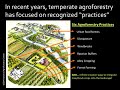
Silvopasture combines trees, forage, and livestock, providing shade for animals to improve performance and utilizing livestock for grazing and nutrient cycling.
Making Sense of the Differences
The timeline for profitability varies based on tree species choice, growth rates in specific climates, and establishment methods. Faster returns are often seen in systems focused on supplemental forage or quick-breeding livestock breeds integrated early; longer timelines relate to waiting for mature timber or nut harvests. Farmers should plan for 5-7 years of transitional management, considering how tree selection impacts cash flow.
How to establish trees in silvopasture: protect or integrate early?
Protect until established (Tree Guards/Exclusion)
This strategy relies on physical barriers, like tree guards or temporary fencing, to shield young trees from animal browse until they reach a height impervious to damage. This is favored for reliable establishment and optimal tree form, especially for timber species.
Sources behind this view
Sources behind this view
Research
-
Establishment of Silvopasture in Existing Pastures (opens in new window)
This study found: This guide from the University of Florida explains how to set up a silvopasture system, which combines trees with pasture for livestock. The easiest way to start is by planting trees into an existing, well-maintained pasture. Another option is to thin out an existing wooded area and then plant or seed grasses and other forage plants among the trees. This advice is specifically for farmers in North Florida and similar areas in the Southeast US where the climate and soil support both trees and pasture growth. The publication was first released in June 2003 and updated in July 2004.
From the Web
-
Silvopasture integrates trees, pasture, and livestock, utilizing rotational grazing and potentially multi-species grazing. Key considerations include species selection, shade management (25-60%), livestock exclusion during food crop harvest, and protecting young trees from animals.
Integrate early (Managed Grazing/Transplants)
This approach involves integrating animals with young trees from the start, managing grazing pressure and using larger transplants or resilient species that can tolerate some browse. It aims to reduce establishment costs and delays by immediately incorporating livestock.
Sources behind this view
Sources behind this view
Videos & Podcasts
-
Silvopastures integrate trees and livestock for dual income, providing crucial shade and forage. Challenges include resistance from traditional forestry sectors, cost, and the impact of pigs on young trees, limiting their integration for up to a decade.
-
Silvopasture, an intentional integration of trees, animals, and forages, is a top regenerative farming practice for carbon sequestration, soil health, and habitat restoration, offering multiple yields and economic benefits.
Research
-
Ecosystem services provided by silvopastoral systems: a review (opens in new window)
This study found: This review looked at studies from around the world about silvopastoral systems, which combine trees, pastures, and farm animals. These integrated systems offer many benefits, often called ecosystem services. They can help produce more food and animal feed, improve how nutrients move through the soil, boost soil health, naturally add nitrogen to the soil, capture carbon from the atmosphere, reduce climate-warming gases, prevent soil erosion, regulate local weather, support pollinators, control pests, increase the variety of plant and animal life, and improve water quality. The benefits depend heavily on factors like climate, soil, the types of plants and animals used, and how the system is managed. Managing the interactions between trees, grass, and animals is key but can be challenging. More long-term research is needed to understand these complex interactions. Policies that recognize and value these ecosystem services could encourage more farmers to adopt these systems.
Making Sense of the Differences
The choice between protecting trees or integrating animals early depends on the tree species' palatability and growth rate, and the farmer's ability to manage grazing pressure intensely. Establishing slower-growing, palatable timber species typically necessitates protection. Faster-growing, less palatable species or those integrated for supplemental forage may tolerate early integration if managed carefully, though this method carries higher risk of damage and slower tree growth.
How does tree shade impact pasture productivity?
Productivity Gains/Stability (Dry/Warm Climates)
In drier or warmer climates, moderate shade (40-60% canopy) can enhance pasture productivity by reducing heat stress, conserving soil moisture, and improving forage quality, potentially leading to similar or greater animal performance per hectare.
Sources behind this view
Sources behind this view
Videos & Podcasts
-
Silvopasture integrates trees, forage, and livestock, creating dappled shade (40-60%) that improves grass growth and extends grazing. It's suitable for degraded lands, not pristine forests, and requires careful tree selection and management.

Research
-
Temperate silvopastures provide greater ecosystem services than conventional pasture systems. (opens in new window)
This study found: A study in the mid-southern US found that combining trees with pasture (silvopasture) significantly improved soil health compared to traditional open pastures. Silvopastures had more soil organic matter and better water retention, and the soil and air were cooler. This also reduced heat stress for cattle. While the amount of grass produced and the weight cattle gained were similar between the two systems, silvopastures were much more efficient. One hectare of silvopasture produced as much overall value (from trees, nuts, forage, and animal weight) as four hectares of conventional pasture. This means silvopastures deliver more environmental benefits and support animal welfare while allowing for sustainable farming, especially as the climate changes.
-
Ecosystem services provided by silvopastoral systems: a review (opens in new window)
This study found: This review looked at studies from around the world about silvopastoral systems, which combine trees, pastures, and farm animals. These integrated systems offer many benefits, often called ecosystem services. They can help produce more food and animal feed, improve how nutrients move through the soil, boost soil health, naturally add nitrogen to the soil, capture carbon from the atmosphere, reduce climate-warming gases, prevent soil erosion, regulate local weather, support pollinators, control pests, increase the variety of plant and animal life, and improve water quality. The benefits depend heavily on factors like climate, soil, the types of plants and animals used, and how the system is managed. Managing the interactions between trees, grass, and animals is key but can be challenging. More long-term research is needed to understand these complex interactions. Policies that recognize and value these ecosystem services could encourage more farmers to adopt these systems.
Potential Productivity Reduction (Humid/Well-lit Climates)
In humid regions with ample sunlight, dense tree canopies can suppress forage growth substantially (30-60% reported reductions). This may necessitate lower stocking rates unless balanced by other system benefits.
Sources behind this view
Sources behind this view
Research
-
Over-yielding in temperate silvopastures: a meta-analysis (opens in new window)
This study found: A review of studies in temperate climates found that combining trees with pastures and livestock (called silvopastures) makes land more productive than managing them separately. These integrated systems can increase overall land productivity by 42% to 55%. This means you get more out of your land by growing trees alongside your pasture and animals. Even though the individual parts (like just growing grass or just growing trees) might produce a bit less on their own within the silvopasture, the combined system produces significantly more overall. This shows the power of integrating different farm components.
From the Web
-
Silvopasture integrates trees, pasture, and livestock, utilizing rotational grazing and potentially multi-species grazing. Key considerations include species selection, shade management (25-60%), livestock exclusion during food crop harvest, and protecting young trees from animals.
Making Sense of the Differences
The effect of trees on pasture productivity varies by climate and design. In dry or hot regions, moderate shade offers significant forage and animal benefits, often exceeding treeless pastures in total productivity. In humid, high-light environments, dense shade can reduce pasture biomass, requiring careful tree spacing and management to avoid negatively impacting livestock carrying capacity. The key is balancing shade benefits against shading losses based on local conditions.
5
HOW MUCH - Costs & Investment
Note: All costs are based on recent US economic data (2023-2025) and may vary substantially in other regions based on local labor rates, material costs, and regulatory requirements. Costs are per hectare and per 2.5 acres for easy conversion. Currency is USD equivalent.
Note: All costs are based on recent US economic data (2023-2025) and may vary substantially in other regions based on local labor rates, material costs, and regulatory requirements. Costs are per hectare and per 2.5 acres for easy conversion. Currency is USD equivalent.
HOW MUCH - Costs & Investment
Note: All costs are based on recent US economic data (2023-2025) and may vary substantially in other regions based on local labor rates, material costs, and regulatory requirements. Costs are per hectare and per 2.5 acres for easy conversion. Currency is USD equivalent.
Note: All costs are based on recent US economic data (2023-2025) and may vary substantially in other regions based on local labor rates, material costs, and regulatory requirements. Costs are per hectare and per 2.5 acres for easy conversion. Currency is USD equivalent.
Note: All costs are based on recent US economic data (2024–2026) and may vary substantially by region based on local labor rates, material costs, and regulatory requirements.
Establishment Costs
Initial capital requirements for silvopasture involve high fixed costs due to the simultaneous establishment of tree crops and the necessary protective infrastructure for livestock. For small operations (under 50 acres (20 ha)), the investment typically ranges from $2,500 to $3,800 per acre ($6,178–$9,390/ha). These higher costs per acre arise from the inability to leverage wholesale purchasing power for tree seedlings or bulk pricing for fencing materials. Mid-size operations (50–500 acres (20–202 ha)) see costs decrease to $2,000–$3,000 per acre ($4,942–$7,413/ha) as equipment mobilization and labor efficiencies improve. Large operations (500+ acres) benefit from the greatest economies of scale, with costs ranging from $1,500 to $2,200 per acre ($3,707–$5,436/ha), particularly when perimeter fencing is already established.
Tree Establishment and Protection
The primary biological investment includes nursery-stock seedlings, which range from $120 to $400 per acre ($297–$988/ha) based on species density and tree age; premium hardwood grafts or nut-bearing cultivars command the higher end of this range. Professional or mechanized planting labor costs add an additional $200 to $600 per acre ($494–$1,483/ha). Because silvopasture integrates livestock directly, tree guards and protective cages are non-negotiable for the first 3–5 years of growth, costing between $60 and $300 per acre ($148–$741/ha) depending on whether the operation uses biodegradable materials or rigid, reusable fencing.
Infrastructure and Site Development
Fencing represents the most significant financial hurdle, ranging from $800 to $2,500 per acre ($1,977–$6,178/ha). This variance depends entirely on the topography and the specific rotational grazing layout required; designs requiring heavy subdivision for intensive grazing will inevitably hit the upper limits of this range. Water infrastructure—including solar pumps, piping, and trough systems—adds $100 to $500 per acre ($247–$1,236/ha), influenced by the distance to existing power sources or well heads. Site preparation, including disking, invasive species removal, and initial forage seeding to ensure competitive growth, typically requires $100 to $300 per acre ($247–$741/ha).
Ongoing Management Costs
Once the system is established, annual operating costs fluctuate based on the tree maturation cycle. Livestock management costs (vetting, minerals, handling) range from $200 to $600 per acre ($494–$1,483/ha) during the development phase. Tree maintenance, specifically pruning for timber quality or harvest preparation, adds $20 to $100 per acre ($49–$247/ha) annually. As the system matures beyond year 15, pasture management inputs increase to $50 to $150 per acre ($124–$371/ha) to maintain forage quality under a thickening canopy.
Most Spend: $2,000–$3,000 per acre ($4,942–$7,413/ha) represents the middle 60% of expenditures for the vast majority of operations. This middle-tier investment assumes a combination of cost-share funding—such as USDA EQIP programs—and a blended approach using contract labor for tree planting while performing routine maintenance and fencing installation in-house.
Why the Range?: Cost fluctuations are driven primarily by the existing state of the land and the intensity of the grazing design. Sites with heavy invasive pressure require significantly higher site-prep expenditure, while operations choosing to plant high-value nut or fruit species instead of standard timber trees encounter steeper seedling and maintenance costs to ensure harvest viability.
Sources behind this view
Videos & Podcasts
-
Silvopasture integrates trees and livestock, offering expanded grazing, improved animal comfort, and wildlife habitat. Key steps include thinning trees, establishing forages, and using livestock for m
-
Silvopasture involves diverse tree planting (honeylocust, mulberry, persimmon) for staggered feed and shade, with advancements in grafted trees improving establishment. Benefits include enhanced forag
-
Buck Holsinger implements silvopasture on his Virginia farm, integrating trees like black locust with rotational grazing for beef cattle. He details species selection, planting methods, and management
-
Silvopasture is a top carbon farming practice, storing 2-2.5 tons C/acre/year and improving livestock performance. Black locust is highlighted for its fast growth, drought tolerance, timber market, an
Community
-
Learn silvopasturing via online resources, developing skills independently, consulting foresters and local producers, and starting small. Benefits include vegetation management, revenue generation, an
Read more (opens in new window) smallfarms.cornell.edu -
Guide to assessing woodlands for silvopasture, covering site quality, access, livestock needs, hazard mitigation, water, and fencing. Emphasizes integrated tree, forage, and livestock production for s
Read more (opens in new window) smallfarms.cornell.edu -
Silvopasture integrates trees, forage, and livestock, offering climate-smart benefits like improved soil health, carbon sequestration, and diversified revenue. Key considerations include rotational gr
Read more (opens in new window) ucanr.edu -
Silvopasture intentionally combines trees, forage, and livestock for climate-smart agriculture, offering benefits like improved soil health, carbon sequestration, and diversified revenue. Key consider
Read more (opens in new window) ucanr.edu
Research
-
Silvopasture offers climate change mitigation and profit potential for farmers in the eastern United States (opens in new window)
This study found: Silvopasture in the eastern U.S. can significantly store carbon and boost farm profits. Systems focused on animal feed show strong economic returns, while timber/nut systems may need carbon payments f
-
Over-yielding in temperate silvopastures: a meta-analysis (opens in new window)
This study found: Temperate silvopastures (trees + pasture + livestock) increase land productivity by 42-55% compared to separate systems, showing significant over-yielding.
-
Temperate silvopastures provide greater ecosystem services than conventional pasture systems. (opens in new window)
This study found: Temperate silvopastures in the US mid-south improved soil health and reduced cattle heat stress compared to conventional pastures, offering equivalent productivity with four times less land.
-
Modeling the Financial Potential of Silvopasture Agroforestry in Eastern North Carolina and Northeastern Oregon (opens in new window)
This study found: Financial modeling suggests silvopasture (trees+pasture+livestock) may be less profitable than separate timber/cattle operations in NC and OR, but combining livestock with longleaf/ponderosa pine impr
From the Web
-
Silvopasture integrates trees into farms to enhance productivity and profitability by providing shade for livestock, improving pasture growth, and offering valuable tree fodder during feed shortages,
-
Silvopasture integrates trees and grazing for enhanced soil health, nutrient cycling via leguminous trees, and improved livestock performance due to better forage quality and reduced stress.
-
In the eastern U.S., silvopasture often reduces forage and animal productivity per hectare due to tree competition. While tree biomass stores carbon, soil carbon gains are minimal, and fodder tree ben
-
Silvopasture in the eastern U.S. shows limited climate mitigation potential due to productivity trade-offs, minimal soil carbon gains, and economic barriers, with primary benefits likely in climate re
6
REWARDS AND RISKS - Economics & Risk Factors
Economic Scenarios
Economic Scenarios
REWARDS AND RISKS - Economics & Risk Factors
Economic Scenarios
Economic Scenarios
The financial success of silvopasture is inherently long-term, characterized by a breakeven timeline of 7–15 years. Unlike conventional grazing, which provides immediate annual returns, silvopasture prioritizes long-term asset accumulation through timber or nut yields alongside standard livestock income.
Economic Scenarios
In a Best Case Scenario, the operator utilizes government cost-share programs to cover 50% of the $1,500/acre ($3,707/ha) initial investment. Rotational grazing creates a 10–15% improvement in forage resilience during drought years. By year 15, the operator sees a net income of $313/acre ($773/ha) annually and begins a first timber thin that generates supplemental cash flow. Alternatively, in a Typical Scenario, the operation reaches a steady state by year 10 with a net income of $235/acre ($581/ha). The initial $2,500/acre ($6,178/ha) investment is amortized over 20 years, with shade-induced livestock health benefits adding 5% to overall output. In a Worst Case Scenario, the operation fails to protect seedlings from livestock, resulting in a 40% loss of the tree crop. With initial setup costs peaking at $3,800/acre ($9,390/ha), the lack of tree survival forces the operation to pivot to standard grazing, potentially resulting in a negative net income of -$156/acre ($385/ha) for the first decade as capital costs are liquidated without the intended productive tree assets.
Transition Period Risks
The primary risk during the first 5–7 years is the "yield dip," where active competition for light and water reduces pasture productivity. Operators must prepare for a 10–25% reduction in carrying capacity during the establishment phase while trees are vulnerable. Mitigation requires precise, high-frequent rotational grazing to prevent overgrazing, which can destroy the tree investment in a single season.
Market Factors and Risk Mitigation
Profitability is sensitive to both livestock and timber market volatility. Cattle prices, which can fluctuate by 20% annually, directly impact the operation's short-term liquidity. To mitigate this, successful operations use a phased implementation approach, planting 10–20% of their land area per year. This limits the total financial exposure and prevents a single bad market year from collapsing the entire enterprise. Long-term timber contracts or regional nut-processing cooperatives can provide price floors for harvested tree products, helping to insulate the producer from localized market gluts. Furthermore, integrating shade-tolerant, high-value forage as an understory crop can provide an additional 5–10% revenue buffer during the years before the main timber harvest.
Sources behind this view
Videos & Podcasts
-
Silvopasture integrates trees and livestock, offering expanded grazing, improved animal comfort, and wildlife habitat. Key steps include thinning trees, establishing forages, and using livestock for m
-
Silvopasture involves diverse tree planting (honeylocust, mulberry, persimmon) for staggered feed and shade, with advancements in grafted trees improving establishment. Benefits include enhanced forag
-
Silvopasture integrates trees, forage, and livestock. High grazing densities stimulate soil biology and mineral cycling. Prioritize plant recovery and animal performance; avoid grazing immature or fla
-
Buck Holsinger implements silvopasture on his Virginia farm, integrating trees like black locust with rotational grazing for beef cattle. He details species selection, planting methods, and management
Community
-
Guide to assessing woodlands for silvopasture, covering site quality, access, livestock needs, hazard mitigation, water, and fencing. Emphasizes integrated tree, forage, and livestock production for s
Read more (opens in new window) smallfarms.cornell.edu -
Silvopasture success hinges on matching animals (cows, pigs, sheep, goats, poultry) to land, using rotational grazing, and selecting diverse forages and multi-functional trees like Black Locust, Willo
Read more (opens in new window) smallfarms.cornell.edu -
Silvopasture integrates trees, forage, and livestock, offering climate-smart benefits like improved soil health, carbon sequestration, and diversified revenue. Key considerations include rotational gr
Read more (opens in new window) ucanr.edu -
Silvopasture intentionally combines trees, forage, and livestock for climate-smart agriculture, offering benefits like improved soil health, carbon sequestration, and diversified revenue. Key consider
Read more (opens in new window) ucanr.edu
Research
-
Silvopasture offers climate change mitigation and profit potential for farmers in the eastern United States (opens in new window)
This study found: Silvopasture in the eastern U.S. can significantly store carbon and boost farm profits. Systems focused on animal feed show strong economic returns, while timber/nut systems may need carbon payments f
-
Over-yielding in temperate silvopastures: a meta-analysis (opens in new window)
This study found: Temperate silvopastures (trees + pasture + livestock) increase land productivity by 42-55% compared to separate systems, showing significant over-yielding.
-
Temperate silvopastures provide greater ecosystem services than conventional pasture systems. (opens in new window)
This study found: Temperate silvopastures in the US mid-south improved soil health and reduced cattle heat stress compared to conventional pastures, offering equivalent productivity with four times less land.
-
Sustainable, efficient livestock production with high biodiversity and good welfare for animals (opens in new window)
This study found: Future livestock farming can be sustainable by integrating animal welfare, high biodiversity, and reduced carbon footprint. Silvopastoral systems (pastures with trees/shrubs) offer greater productivit
From the Web
-
Silvopasture integrates trees with livestock via 'addition' (planting trees in paddocks) or 'subtraction' (managing woodlots). Benefits include shade for weight gain, improved forage quality, and dive
-
Silvopasture integrates trees, pasture, and livestock. Key elements include selecting adapted species for overstory, pasture, and animals, aiming for 25-60% shade, and employing rotational grazing. Li
-
Silvopasture integrates trees into farms to enhance productivity and profitability by providing shade for livestock, improving pasture growth, and offering valuable tree fodder during feed shortages,
-
Silvopasture integrates trees and grazing for enhanced soil health, nutrient cycling via leguminous trees, and improved livestock performance due to better forage quality and reduced stress.
7
COMPATIBLE PRACTICES - Integration Opportunities
Silvopasture is inherently integrative, thriving when combined with other regenerative and sound agricultural practices. Its multi-layered design and long-term perspective align naturally with a holistic management approach.
Silvopasture is inherently integrative, thriving when combined with other regenerative and sound agricultural practices. Its multi-layered design and long-term perspective align naturally with a holistic management approach.
COMPATIBLE PRACTICES - Integration Opportunities
Silvopasture is inherently integrative, thriving when combined with other regenerative and sound agricultural practices. Its multi-layered design and long-term perspective align naturally with a holistic management approach.
Silvopasture is inherently integrative, thriving when combined with other regenerative and sound agricultural practices. Its multi-layered design and long-term perspective align naturally with a holistic management approach.
Cover Cropping
- Synergy: Cover crops are crucial in alleyways between tree rows during the establishment phase to improve soil health, suppress weeds, and provide supplemental forage. Perennial cover crops can be integrated long-term.
- Regenerative Goal: Keeps soil covered, maximizes plant diversity, builds soil organic matter, provides living roots, supports soil biology.
Keyline Design / Water Harvesting
- Synergy: Contour planting of trees and using swales or keyline plowing to manage water flow can dramatically improve water infiltration and distribution, vital for tree survival and forage productivity, especially in drier regions.
- Regenerative Goal: Optimizes water infiltration and retention, reduces erosion, distributes water across the landscape more effectively, enhances drought resilience.
Holistic Planned Grazing
- Synergy: This advanced grazing management approach, focusing on animal herd behavior and planned movement, can be adapted for silvopasture to maximize forage utilization, nutrient distribution, and ecological impact while ensuring tree protection.
- Regenerative Goal: Enhances nutrient cycling, stimulates plant growth, improves soil health through strategic animal impact, builds resilient ecosystems.
Agroforestry Designs (e.g., Windbreaks, Riparian Buffers)
- Synergy: Silvopasture can be designed to incorporate specific agroforestry functions like windbreaks that protect pastures and crops, or riparian buffers that protect waterways, further enhancing its ecological service provision.
- Regenerative Goal: Minimizes soil disturbance, keeps soil covered, increases biodiversity, improves water quality, sequesters carbon.
No-Till Farming/Cropping
- Synergy: In areas where some annual cropping may be interspersed within or adjacent to silvopasture, no-till methods are essential to maintaining soil health. Trees planted with limited disturbance in an alley-cropping configuration are compatible with this.
- Regenerative Goal: Minimizes soil disturbance, keeps soil covered, maintains living roots, builds soil organic matter.
Integrated Pest Management (IPM)
- Synergy: The increased biodiversity in silvopasture systems naturally supports beneficial insects that help control pests of both trees and forages, reducing the need for chemical interventions.
- Regenerative Goal: Maximizes crop diversity, integrates livestock for natural pest control, supports beneficial insects, reduces reliance on synthetic inputs.
The integration of silvopasture with these practices creates a powerful, multi-functional land management system that enhances ecological health, economic viability, and farm resilience for the long term.
Sources behind this view
Videos & Podcasts
-
Silvopasture integrates trees and livestock, offering expanded grazing, improved animal comfort, and wildlife habitat. Key steps include thinning trees, establishing forages, and using livestock for m
-
Silvopasture integrates trees, forage, and livestock. High grazing densities stimulate soil biology and mineral cycling. Prioritize plant recovery and animal performance; avoid grazing immature or fla
-
Silvopasture involves diverse tree planting (honeylocust, mulberry, persimmon) for staggered feed and shade, with advancements in grafted trees improving establishment. Benefits include enhanced forag
-
Silvopasture, an intentional integration of trees, animals, and forages, is a top regenerative farming practice for carbon sequestration, soil health, and habitat restoration, offering multiple yields
Community
-
Guide to assessing woodlands for silvopasture, covering site quality, access, livestock needs, hazard mitigation, water, and fencing. Emphasizes integrated tree, forage, and livestock production for s
Read more (opens in new window) smallfarms.cornell.edu -
Silvopasture integrates trees, forage, and livestock, offering climate-smart benefits like improved soil health, carbon sequestration, and diversified revenue. Key considerations include rotational gr
Read more (opens in new window) ucanr.edu -
Explains silvopasturing, the practice of integrating trees and livestock grazing, detailing its benefits and how to establish and manage these agroforestry systems.
Read more (opens in new window) smallfarms.cornell.edu -
Silvopasture intentionally combines trees, forage, and livestock for climate-smart agriculture, offering benefits like improved soil health, carbon sequestration, and diversified revenue. Key consider
Read more (opens in new window) ucanr.edu
Research
-
Over-yielding in temperate silvopastures: a meta-analysis (opens in new window)
This study found: Temperate silvopastures (trees + pasture + livestock) increase land productivity by 42-55% compared to separate systems, showing significant over-yielding.
-
Temperate silvopastures provide greater ecosystem services than conventional pasture systems. (opens in new window)
This study found: Temperate silvopastures in the US mid-south improved soil health and reduced cattle heat stress compared to conventional pastures, offering equivalent productivity with four times less land.
-
Sustainable, efficient livestock production with high biodiversity and good welfare for animals (opens in new window)
This study found: Future livestock farming can be sustainable by integrating animal welfare, high biodiversity, and reduced carbon footprint. Silvopastoral systems (pastures with trees/shrubs) offer greater productivit
-
Silvopasture offers climate change mitigation and profit potential for farmers in the eastern United States (opens in new window)
This study found: Silvopasture in the eastern U.S. can significantly store carbon and boost farm profits. Systems focused on animal feed show strong economic returns, while timber/nut systems may need carbon payments f
From the Web
-
Silvopasture integrates trees with livestock via 'addition' (planting trees in paddocks) or 'subtraction' (managing woodlots). Benefits include shade for weight gain, improved forage quality, and dive
-
Silvopasture systems integrate trees, forage, and livestock to reduce heat stress, improve livestock nutrition and health (e.g., via tannins), and enhance soil health through nutrient cycling, carbon
-
Silvopasture integrates trees into farms to enhance productivity and profitability by providing shade for livestock, improving pasture growth, and offering valuable tree fodder during feed shortages,
-
Silvopasture integrates trees and grazing for enhanced soil health, nutrient cycling via leguminous trees, and improved livestock performance due to better forage quality and reduced stress.