
Soil Organic Matter Management
Soil organic matter (SOM) management is a suite of practices designed to increase the amount of carbon-rich organic materials in your soil. This involves a commitment to growing diverse plants year-round, minimizing soil disturbance, and strategically using animal manures and compost to build soil health, fertility, and function. The core idea is to treat soil as a living ecosystem that thrives on continuous inputs of organic matter.
Read More: Complete Description
Soil organic matter (SOM) is the lifeblood of a healthy soil ecosystem. It comprises decomposed plant and animal residues, microbial biomass, and stable humic compounds, and it’s central to soil's physical, chemical, and biological functions. Managing SOM is not a single practice but a holistic approach that regenerates soil health, leading to more resilient, productive, and sustainable agricultural systems. In regenerative agriculture, the goal is to build SOM continuously, moving away from practices that deplete it.
This practice directly supports and embodies many regenerative agriculture principles. Minimizing soil disturbance (Principle 1) is crucial, as tillage, the primary mechanism for incorporating organic matter in conventional systems, also destroys existing SOM and soil structure. Regenerative SOM management focuses on surface application of residues, compost, and manure, allowing soil biology to naturally incorporate them. Maximizing crop diversity (Principle 2) is fundamental, as diverse root systems and above-ground biomass provide varied organic inputs that feed a wider spectrum of soil microbes, leading to more stable soil aggregates and nutrient cycling. Keeping soil covered (Principle 3) year-round with living plants or mulch protects SOM from erosion by wind and water, prevents extreme temperature fluctuations, and provides a continuous food source for soil organisms. Maintaining living roots (Principle 4) is paramount, as roots continuously feed the soil with carbon exudates and dying root mass, which are primary drivers of SOM accumulation and soil structure development. Finally, integrating livestock (Principle 5) offers a powerful way to cycle nutrients and add organic matter through manure and urine, while their grazing can manage plant residues and stimulate growth, provided it's managed adaptively.
Historically, agriculture has seen SOM decline as land was cleared for intensive farming, especially with the advent of heavy tillage and synthetic inputs. Tillage exposes SOM to oxygen, accelerating its decomposition and release as carbon dioxide. Synthetic fertilizers can suppress soil microbial activity by providing readily available nutrients, reducing the need and incentive for biology to cycle nutrients. Conventional soil management often leaves land bare for significant periods, exposing SOM to erosion and oxidation.
Regenerative SOM management reverses this trend by emphasizing practices that add organic matter and minimize its loss. This includes returning crop residues to the field, planting cover crops that are grazed or terminated in place, applying animal manures and compost, and utilizing perennial cropping systems or silvopasture. The aim is not just to apply organic matter, but to build a system where soil biology is actively creating and stabilizing SOM. This enhanced SOM improves soil structure (aggregation), increasing water infiltration and retention, aeration, and root penetration. It acts as a slow-release fertilizer bank, holding and cycling nutrients efficiently, reducing the need for synthetic inputs. Furthermore, SOM is a significant carbon sink, sequestering atmospheric carbon dioxide into the soil, contributing to climate change mitigation.
Common misconceptions about SOM management include the idea that more is always better, or that applying compost or manure is sufficient. While abundant organic matter is beneficial, the quality and stability of that matter are equally important. Rapidly decomposing residues might not contribute to stable SOM. Similarly, merely applying compost without accompanying practices that support soil biology (like no-till and cover cropping) may not lead to sustained SOM gains. The focus needs to be on building the soil's capacity to create and stabilize its own organic matter.
The transition to regenerative SOM management is often a gradual process. Farmers might start by leaving more crop residue on the surface, then introduce cover crops, and later integrate livestock or compost applications. The timeframe for noticeable SOM increases varies greatly with climate, soil type, starting point, and management intensity, but significant improvements—0.5-1.5% increase in SOM percentage—can often be observed within 5-10 years of consistent application of regenerative practices. This practice is thus considered foundational for building resilient and productive agricultural ecosystems.
Sources behind this view
Sources behind this view
 Videos & Podcasts
-
Building soil organic matter through regenerative practices like composting and regenerative grazing is key to sequestering carbon, increasing resilience, improving water retention, and boosting yield

-
Explains building soil organic matter through a systems approach: cover crops, balanced N:C inputs (molasses, humates), microbial teas, yeast metabolites, and avoiding synthetic fungicides. Tropical c
-
Soil organic matter is built by microbial biomass, influenced by growth efficiency. Cover crops enhance microbial efficiency (55% in organic vs. 45% in conventional systems), leading to greater stable

-
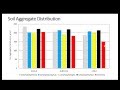
Building soil organic matter requires multiple practices: crop diversity, cover crops, organic inputs, reduced tillage, and perennials. Diversified rotations, even with tillage, outperform continuous
 Community
-
Gabe Brown states 'Carbon drives farm profit,' linking soil organic matter (SOM) to profitability and water retention. Practices like high-density grazing can build SOM, with plant roots being a key c
Read more (opens in new window) permies.com -
High nitrogen inputs can stimulate microbes to consume soil organic matter. Experts suggest adding excess carbon (biochar, wood chips) and potentially reducing nitrogen to build soil organic matter, w
Read more (opens in new window) permies.com -
Build healthy pasture soils by minimizing tillage, maintaining living roots and species diversity, and implementing proper grazing management. Livestock are essential for nutrient cycling and stimulat
Read more (opens in new window) smallfarms.cornell.edu -
Build healthy soil for carbon sequestration by protecting it with cover, mulch, or roots; reducing tilling; using compost; and avoiding pesticides and leaf blowers. Practices are key for plant growth
Read more (opens in new window) ucanr.edu
 Research
-
Microbial Community Traits and Necromass Dynamics Shape Soil Carbon Accumulation. (opens in new window)
This study found: Organic fertilizers boost soil carbon 160% over 180 years vs. 26% for synthetic, by supporting beneficial soil microbes and building both labile and stable carbon pools. Long-term studies confirm orga
-
The Role of Organic Matter in Soil for Improving Crop Productivity and Soil Health (opens in new window)
This study found: Soil organic matter (SOM) is key to soil fertility and crop yields, improving soil structure, water retention, and nutrient cycling. Practices like cover crops, reduced tillage, and manure application
-
The pros and cons of increasing soil organic matter in dryland cropping systems (opens in new window)
This study found: Review of strategies to increase soil organic matter in drylands, balancing benefits (soil health, resilience) with costs (economic, environmental). Highlights context-specific optima and unique dryla
-
Soil Particulate and Mineral-Associated Organic Matter Increases in Organic Farming under Cover Cropping and Manure Addition (opens in new window)
This study found: A 10-year study found organic farming with cover crops and composted manure significantly increased soil carbon sequestration (1.26 Mg/ha/yr). Organic practices boosted lighter soil organic matter, wh
 From the Web
-
Provides practical strategies to increase soil organic matter (SOM) by controlling erosion, reducing tillage, retaining crop residue, diversifying rotations with perennials, using cover crops, and inc
-
Rotations with perennial forages and crop residue management significantly increase soil organic matter, enhance soil biology, and improve water quality by reducing nutrient loss and greenhouse gas em
-
Increasing soil organic matter (SOM) requires reducing erosion and increasing inputs. Key practices include minimizing tillage, retaining crop residue, diversifying rotations, incorporating perennials
-
Regenerative agriculture focuses on regenerating soil by maximizing living plants and deep roots, minimizing disturbance (e.g., strip tilling), and integrating livestock. Key practices include increas
Key Points
What It Is
- Building carbon-rich organic material in soil
- Involves diverse plant residues, animal manures
- Emphasizes living roots and soil cover
- Minimizes tillage and disturbance
Why Do It
- Enhances soil structure and fertility
- Improves water infiltration and retention
- Increases biodiversity above and below ground
- Sequester carbon, mitigating climate change
Know the Debate
- SOM build-up varies: 0.5-1.5% annually possible over 5-10 years.
- SOM improves fertility, water retention, and carbon sequestration.
- No-till, cover crops, and livestock are key SOM building practices.
- Transition requires patience, observation, and adaptation.
- Economic benefits include reduced costs and improved resilience.
Benefits - Financial
- Net annual income potential of $236–$629 per acre ($583–$1,554 per hectare) by year 6
- Synthetic fertilizer input reduction of 20–50% over a 10-year period
- Revenue premiums of 5–15% through verified regenerative supply chains
Benefits - System
- Soil organic matter increase: 0.5-1.5% per year
- Erosion reduction: 60-85% decrease
- Water infiltration: 40-70% improvement
- Supports all five regenerative principles
Risks - Financial
- Initial implementation and equipment capital costs of $261–$573 per acre ($645–$1,416 per hectare)
- Short-term yield reduction of 10–20% during years 1–3 transition period
Risks - System
- Compaction from inappropriate livestock integration
- Inadequate residue management may lead to nutrient tie-up
- Erosion if soil cover is insufficient during transition
- Over-reliance on single organic amendment
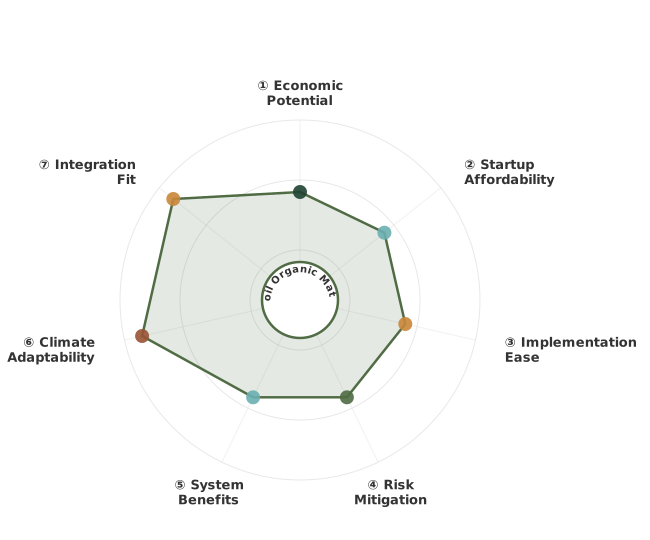
How These Traits Are Calculated
Trait dimensions are ordered clockwise starting from the top of the chart (12 o'clock position):
1. Economic Potential
Financial returns, annual value, and break-even timeline
WHAT: Evaluates financial viability by combining net annual value ($/ha from savings, income, and amortized harvests) with break-even timeline showing when practices pay for themselves.
WHY: Farmers need clear ROI understanding before committing resources. Fast payback (≤3 years) with strong returns (≥$300/ha) enables confident adoption, while long timelines (>10 years) restrict adoption to well-funded operations willing to wait for returns.
HOW: Calculated from net annual value in $/ha and break-even years. Exceptional (≥2.6): fast ROI ≤3 years + high value ≥$300/ha. Typical (1.8-2.5): moderate returns or longer timelines. Limited (<1.8): marginal economics or very long payback >10 years.
2. Startup Affordability
Initial investment costs and financial barrier to entry
WHAT: Measures financial barrier to entry through startup costs for equipment, infrastructure, consulting, and materials. Inverted scoring: lower costs = higher scores = more accessible adoption.
WHY: Affordability determines who can adopt. Low-cost practices (<$250/ha) enable widespread adoption across diverse scales, while high costs (>$2,500/ha) limit adoption to well-capitalized operations, creating barriers that slow regenerative transition.
HOW: Calculated from initial investment parsed from practice content. Inverted scoring: Exceptional (≥2.6): minimal investment <$250/ha. Typical (1.8-2.5): moderate costs $250-2,500/ha. Limited (<1.8): high barrier >$2,500/ha.
3. Implementation Ease
Learning curve and specialized knowledge required
WHAT: Measures how much learning, planning, and specialized knowledge a practice requires. Simpler practices with fewer steps score higher, while complex practices requiring extensive training or specialized resources score lower.
WHY: Complex practices create adoption barriers even when economically viable. Straightforward practices enable faster adoption and broader participation, while those requiring extensive training, timing precision, or specialized equipment limit who can succeed.
HOW: Evaluated by measuring documentation length and identifying complexity markers like location-specific requirements, seasonal timing windows, specialized skills, and dedicated equipment needs. Exceptional (≥2.6): straightforward practices with minimal prerequisites. Typical (1.8-2.5): moderate learning curve with some specialized needs. Limited (<1.8): steep learning curve requiring significant training or resources.
4. Risk Mitigation
Identified financial and ecological risk assessment
WHAT: Evaluates documented risks across financial (investment loss, market volatility) and ecological (crop failure, pest outbreaks) domains. Inverted scoring: fewer risks = higher scores.
WHY: Understanding risk exposure helps farmers make informed decisions. Low-risk practices allow confident implementation, while high-risk practices require careful planning and contingency resources. Risk transparency prevents costly failures.
HOW: Calculated from identified risks in practice content. Inverted scoring: Exceptional (≥2.6): ≤2 risks with manageable severity. Typical (1.8-2.5): 3-5 moderate risks. Limited (<1.8): 6+ risks or severe exposure.
5. System Benefits
How many ways the practice improves your land simultaneously
WHAT: Measures how many aspects of land health improve at once—carbon storage, soil quality, erosion control, water absorption, and biodiversity. Practices that improve multiple areas simultaneously create compounding benefits where each improvement reinforces the others.
WHY: The best practices solve multiple problems at once. For example, addressing erosion simultaneously builds carbon and improves water infiltration, creating a resilient system with positive feedback loops. Single-benefit approaches miss these compound transformation opportunities.
HOW: Evaluated across five key outcomes: carbon sequestration, soil organic matter increase, erosion reduction, water infiltration improvement, and biodiversity enhancement. Exceptional (≥2.6): high carbon storage (>8 t/ha/yr), improvements across 4-5 areas, transformative outcomes. Typical (1.8-2.5): moderate carbon (3-8 t/ha/yr), improvements across 2-3 areas. Limited (<1.8): modest impact (<3 t/ha/yr), single-area focus only.
6. Climate Adaptability
Geographic applicability across Köppen climate zones
WHAT: Evaluates geographic applicability by assessing how many Köppen climate zones successfully support a practice and what adaptation requirements are needed. Measures breadth of climates where farmers can implement with minimal to moderate modifications.
WHY: Universal practices working across diverse climates enable more farmers to adopt regenerative approaches. Practices limited to single climate types (only Mediterranean, only tropical) restrict adoption and slow global transition. Adaptability determines whether a practice serves niche regions or offers broad transformation.
HOW: LLM evaluation of regional success stories, Köppen zone coverage, and adaptation needs. Exceptional (≥2.6): 5+ zones or 4+ climate types, 3+ continents, minimal adaptation. Typical (1.8-2.5): 3-4 zones or 2-3 types, 2 continents, moderate adaptation. Limited (<1.8): 1-2 zones, single region, significant adaptation or highly specialized.
7. Integration Fit
How well this practice combines with others you're doing
WHAT: Measures how well a practice combines with other regenerative practices you might be doing. Some practices work as building blocks that make many other practices easier or more effective, while others work best on their own.
WHY: Practices that combine well with many others create more value on your farm. For example, cover cropping enables no-till, improves grazing, supports crop diversity, and helps water management—making all of them work better together. This helps you build a coherent system rather than juggling disconnected practices.
HOW: Evaluated by identifying which practices combine well and how strong those combinations are. 'Ideally Suited' means strong combinations where practices reinforce each other (practice A makes B easier, while B makes A more effective). 'Adequate' means complementary benefits that work well together. Exceptional (≥2.6): combines well with 6+ practices, serves as a building block. Typical (1.8-2.5): combines with 3-5 practices. Limited (<1.8): 1-2 practices or works best alone.
Going Deeper
1
WHY - The Benefits
Building soil organic matter (SOM) is the cornerstone of regenerative agriculture because it unlocks a cascade of benefits that enhance farm resilience, profitability, and environmental stewardship. Achieving this involves a commitment to nurturing soil as a living...
Building soil organic matter (SOM) is the cornerstone of regenerative agriculture because it unlocks a cascade of benefits that enhance farm resilience, profitability, and environmental stewardship. Achieving this involves a commitment to nurturing soil as a living...
WHY - The Benefits
Building soil organic matter (SOM) is the cornerstone of regenerative agriculture because it unlocks a cascade of benefits that enhance farm resilience, profitability, and environmental stewardship. Achieving this involves a commitment to nurturing soil as a living...
Building soil organic matter (SOM) is the cornerstone of regenerative agriculture because it unlocks a cascade of benefits that enhance farm resilience, profitability, and environmental stewardship. Achieving this involves a commitment to nurturing soil as a living...
Soil Health Benefits
The most direct impact of SOM management is improved soil health. An increase of just 0.5-1.5% in SOM content typically translates to significant improvements in soil structure and function. For every 1% increase in SOM, soils can retain an additional 17,000-25,000 liters per hectare (15,000-22,000 gallons per acre) of water, fundamentally improving drought resilience. This added organic matter acts like a sponge, absorbing and holding moisture.
SOM is crucial for soil aggregation—the process by which soil particles clump together to form stable crumbs. This aggregation creates pore spaces essential for water infiltration, aeration, and root penetration. Improved soil structure reduces bulk density, making it easier for roots to grow, access nutrients and water deep in the soil profile, and improving seed germination. It also means less soil is lost to wind and water erosion, as aggregates are more resistant to detachment.
The biological benefits of SOM are profound. Organic matter is the primary food source for the vast array of soil organisms, including bacteria, fungi, protozoa, nematodes, and earthworms. A diverse and active soil food web is essential for nutrient cycling, disease suppression, and decomposition of organic residues. Soils rich in SOM typically support 2-5 times more earthworms and beneficial microbial biomass, leading to better nutrient availability and a more resilient system.
Economic Benefits
While the upfront investment in regenerative SOM management practices like cover cropping or compost application can seem high, the long-term economic returns are substantial. As soil health improves, reliance on costly synthetic inputs decreases. Studies and farmer testimonies show reductions in fertilizer costs of 20-50% over 5-10 years, saving significant annual expenditures. Improved water infiltration and retention also mean less need for irrigation, reducing energy and water costs.
Crop yields tend to stabilize or increase over time as soil health improves. While initial transitions might see temporary dips, systems with higher SOM generally exhibit greater resilience to extreme weather like droughts or heavy rainfall, leading to more consistent yields year after year. This resilience reduces financial risk for farmers. Furthermore, enhanced soil structure can reduce the need for certain tillage operations (if not already eliminated), saving fuel, labor, and machinery wear.
The increasing consumer demand for sustainably produced food creates market opportunities. Regeneratively grown products, which actively build soil carbon, may command premium prices, opening new market channels and enhancing farm profitability. Over the long term, increased SOM also increases land value, as it indicates a healthier, more productive, and more resilient asset.
Water Cycle Benefits
SOM significantly enhances a soil's capacity to manage water. As mentioned, it acts as a sponge, increasing water-holding capacity and reducing runoff. This improved infiltration means less water is lost from the system, and more is available to plants during dry periods. Fields with higher SOM are less prone to flooding during heavy rain events because the soil can absorb more water.
This improved water management is particularly critical in regions facing increasing climate variability with more extreme rainfall and prolonged droughts. Healthy, SOM-rich soils act as natural buffers, making farms more resilient to these challenges. They require less irrigation in dry spells and are less susceptible to the damage caused by waterlogging or erosion after intense downpours. This leads to more predictable water availability for crops and livestock.
Carbon Sequestration and Climate Mitigation
SOM is essentially stored carbon. By increasing SOM, farms become active participants in drawing carbon dioxide from the atmosphere and storing it in the soil. This process, known as soil carbon sequestration, is a vital strategy for mitigating climate change. Healthy soils can sequester 1-3 tonnes of carbon per hectare (0.5-1.5 tons per acre) annually, turning farms from carbon sources into carbon sinks.
This not only contributes to global climate goals but can also open up opportunities for carbon farming initiatives and credits, providing an additional revenue stream for farmers. By actively managing for SOM, farmers are not just improving their land but also contributing to a global solution for climate change.
Biodiversity Enhancement
Healthy soils teeming with SOM support a far richer and more diverse community of soil organisms. This vibrant soil ecosystem performs essential functions like nutrient cycling, disease suppression, decomposition, and soil structure formation. The diversity of plants grown—especially diverse cover crops and perennial systems—also supports above-ground biodiversity, providing habitat and food sources for insects, birds, and other wildlife.
This increased biodiversity creates a more resilient and self-sustaining ecosystem. For example, a diverse soil food web can naturally suppress plant pathogens, reducing the need for chemical controls. Beneficial insects attracted by diverse flowering plants can help with pest control in cash crops. By fostering biodiversity from the soil up, regenerative SOM management creates a more robust and balanced agricultural landscape.
Regenerative Systems Fit
SOM management is a foundational regenerative practice that underpins and amplifies the benefits of all other regenerative techniques. It directly supports all five regenerative principles:
- Minimizing Soil Disturbance (Principle 1): By reducing or eliminating tillage and allowing natural processes to incorporate organic matter, we protect existing SOM and create conditions for its further accumulation.
- Maximizing Crop Diversity (Principle 2): Diverse plant life, from cash crops to cover crops and perennials, provides a continuous and varied supply of organic matter, feeding a diverse soil food web and building stable SOM.
- Keeping Soil Covered (Principle 3): Living plants and mulch protect the soil surface, preventing SOM oxidation and erosion, and providing continuous organic inputs.
- Maintaining Living Roots (Principle 4): Living roots are the primary engine of SOM formation, feeding soil microbes with carbon exudates and contributing dead biomass. Continuous living roots ensure continuous SOM building.
- Integrating Livestock (Principle 5): Livestock provide manure and urine, a direct source of organic matter and nutrients, and their grazing can manage plant residues effectively and stimulate growth.
Integrating SOM management with practices like cover cropping, no-till farming, rotational grazing, and composting creates powerful synergistic effects. For instance, cover crops grown in a no-till system in both humid temperate (e.g., UK, eastern China, USDA 6-8) and dry temperate (e.g., Ukraine, parts of Australia, USDA 4-7) climates provide consistent organic inputs and root activity, boosting SOM levels over time. Applying livestock manure in a rotational grazing system builds fertility and SOM simultaneously, reducing the need for external fertilizers.
Farmers transitioning to regenerative systems often see gradual improvements in SOM. Early gains might come from increasing crop residue return and reducing tillage. Introducing cover crops—such as cereal rye and hairy vetch in cooler climates, or cowpeas and sorghum in warmer climates—accelerates SOM accumulation. Over 5-10 years of diligent SOM management, farmers can typically observe a 0.5-1.5% increase in SOM content, leading to more resilient, productive, and profitable farms.
Sources behind this view
Videos & Podcasts
-
Building soil organic matter through regenerative practices like composting and regenerative grazing is key to sequestering carbon, increasing resilience, improving water retention, and boosting yield
-
Provides actionable steps for regenerative agronomy: balanced N:C inputs (molasses, humates), microbial teas, yeast metabolites, calcium, and effective seed treatments. Emphasizes scalability, systems
-
Building soil organic matter requires multiple practices: crop diversity, cover crops, organic inputs, reduced tillage, and perennials. Diversified rotations, even with tillage, outperform continuous
-
Soil organic matter is built by microbial biomass, influenced by growth efficiency. Cover crops enhance microbial efficiency (55% in organic vs. 45% in conventional systems), leading to greater stable
Community
-
Gabe Brown states 'Carbon drives farm profit,' linking soil organic matter (SOM) to profitability and water retention. Practices like high-density grazing can build SOM, with plant roots being a key c
Read more (opens in new window) permies.com -
Enhance soil health through plant diversity, continuous soil cover (living plants/residues), and livestock integration. Manage carbon-to-nitrogen ratios of residues and adopt no-till practices to impr
Read more (opens in new window) permies.com -
Build healthy pasture soils by minimizing tillage, maintaining living roots and species diversity, and implementing proper grazing management. Livestock are essential for nutrient cycling and stimulat
Read more (opens in new window) smallfarms.cornell.edu -
Build healthy soil for carbon sequestration by protecting it with cover, mulch, or roots; reducing tilling; using compost; and avoiding pesticides and leaf blowers. Practices are key for plant growth
Read more (opens in new window) ucanr.edu
Research
-
A Review of Soil Organic Carbon Dynamics under Regenerative Agricultural Practices (opens in new window)
This study found: Regenerative agriculture practices like cover crops and reduced tillage significantly increase soil organic carbon (0.2-1.5 Mg C ha⁻¹ yr⁻¹), improving soil health and resilience. Challenges include co
-
The pros and cons of increasing soil organic matter in dryland cropping systems (opens in new window)
This study found: Review of strategies to increase soil organic matter in drylands, balancing benefits (soil health, resilience) with costs (economic, environmental). Highlights context-specific optima and unique dryla
-
Building Soil Health and Fertility through Organic Amendments and Practices: A Review (opens in new window)
This study found: Review of organic amendments (manures, compost, cover crops) and regenerative practices (no-till, crop diversity, agroecology) shows they restore soil health by increasing organic matter and beneficia
-
Microbial Community Traits and Necromass Dynamics Shape Soil Carbon Accumulation. (opens in new window)
This study found: Organic fertilizers boost soil carbon 160% over 180 years vs. 26% for synthetic, by supporting beneficial soil microbes and building both labile and stable carbon pools. Long-term studies confirm orga
From the Web
-
Provides practical strategies to increase soil organic matter (SOM) by controlling erosion, reducing tillage, retaining crop residue, diversifying rotations with perennials, using cover crops, and inc
-
Increasing soil organic matter (SOM) requires reducing erosion and increasing inputs. Key practices include minimizing tillage, retaining crop residue, diversifying rotations, incorporating perennials
-
Rotations with perennial forages and crop residue management significantly increase soil organic matter, enhance soil biology, and improve water quality by reducing nutrient loss and greenhouse gas em
-
Regenerative agriculture focuses on regenerating soil by maximizing living plants and deep roots, minimizing disturbance (e.g., strip tilling), and integrating livestock. Key practices include increas
2
HOW - Implementation Process
Implementing effective Soil Organic Matter (SOM) management requires a strategic, long-term approach focused on building soil biology and providing continuous organic inputs. It's a shift from managing soil as a substrate to managing it as a living ecosystem.
Implementing effective Soil Organic Matter (SOM) management requires a strategic, long-term approach focused on building soil biology and providing continuous organic inputs. It's a shift from managing soil as a substrate to managing it as a living ecosystem.
HOW - Implementation Process
Implementing effective Soil Organic Matter (SOM) management requires a strategic, long-term approach focused on building soil biology and providing continuous organic inputs. It's a shift from managing soil as a substrate to managing it as a living ecosystem.
Implementing effective Soil Organic Matter (SOM) management requires a strategic, long-term approach focused on building soil biology and providing continuous organic inputs. It's a shift from managing soil as a substrate to managing it as a living ecosystem.
Prerequisites
- Knowledge: Understanding that soil is alive and its functions depend on organic matter and biology. Awareness of regenerative principles, particularly no-till, cover cropping, and diverse rotations.
- Observation Skills: Ability to read soil health indicators like structure, infiltration rates, earthworm populations, and plant vigor.
- Patience: SOM building is a long-term process; significant gains take 5-10 years.
- Commitment: Willingness to adopt new practices and potentially adjust enterprise mix.
Phase 1: Minimizing Disturbance and Maximizing Residue (Years 1-3)
This phase focuses on stopping SOM loss and beginning to build it through existing resources. It is critical for farms coming from conventional systems.
Practice: Reduce or eliminate tillage.
- Action: Transition to no-till or minimum tillage for cash crops. If currently tilling annually, begin by reducing tillage frequency (e.g., full tillage every 2 years, then every 3 years) or depth.
- Equipment: Consider no-till planters/drills designed for planting into residue without soil disturbance.
- International Context: No-till farming is practiced globally, from wheat farms in Argentina to rice paddies in Vietnam and cornfields in the US Midwest. Equipment availability and adaptation vary by region.
Practice: Maximize crop residue return.
- Action: Leave all crop residue in the field after harvest. Avoid burning residues (common in some rice systems in Asia) or removing them for animal bedding unless absolutely necessary. Chop and spread residue evenly.
- Management: Understand residue management for no-till planting—too much residue can impede soil warming and planting depth. Adjust planter settings accordingly.
- International Context: In rice-wheat systems of South Asia, managing straw residue is a major challenge. Farmers are exploring options like using straw for mushroom cultivation or animal feed, but leaving as much as possible on the surface for soil health is paramount.
Practice: Extend crop rotations.
- Action: Increase the diversity of crops grown in your rotation. Include grasses, legumes, deep-rooted crops, and high-biomass crops.
- Rationale: Different crops have different root depths and residue types, feeding a wider range of soil organisms and contributing varied organic matter.
- International Context: In Europe, longer rotations in cereal systems (e.g., adding pulses, oilseeds, or cover crops) are becoming more common to improve soil health and break pest cycles.
Phase 2: Introducing Living Roots and Cover Crops (Years 2-5)
This phase focuses on ensuring living roots are in the soil for as much of the year as possible, providing continuous organic inputs and enhancing soil biology.
Practice: Implement cover cropping.
- Action: Plant cover crops during fallow periods (e.g., after cash crop harvest, between rotations). Select species or mixes suited to your climate, soil type, and objectives (e.g., nitrogen fixation, biomass production, weed suppression, soil structure improvement).
- Examples:
- Humid Temperate (e.g., UK, eastern China, USDA 6-8): Cereal rye, hairy vetch, oats, crimson clover.
- Mediterranean (e.g., California, southern Europe, USDA 8-10): Field peas, barley, vetch, mustard.
- Arid/Semi-Arid (e.g., Western US, Central Asia, USDA 7-9): Sorghum-sudangrass, millet, field peas, tillage radish.
- Tropical (e.g., Southeast Asia, Brazil, Köppen A climates): Cowpeas, sunn hemp, pigeon pea, tropical grasses.
- Management: Use them grazed, roller-crimped, or terminated for mulch. Avoid tillage for their incorporation.
- International Context: Cover cropping adoption is growing worldwide, with specific mixes and planting windows adapted to local conditions. Organizations like IRRI (International Rice Research Institute) promote cover cropping in tropical rice systems.
Practice: Integrate perennials.
- Action: Where feasible, incorporate perennial crops, pasture, or silvopasture into your farming system.
- Rationale: Perennials maintain living roots year-round, maximizing soil biological activity and SOM accumulation. They also reduce erosion and need for annual land preparation.
- International Context: Livestock integration with trees (silvopasture) is a traditional practice in many regions (e.g., dehesas in Spain, agroforestry in West Africa) and is being revitalized globally.
Phase 3: Enhancing Organic Inputs and Soil Biology (Years 3-10+)
This phase focuses on actively adding concentrated sources of organic matter and fostering conditions for maximum biological activity.
Practice: Apply compost and manure.
- Action: Source or produce high-quality compost or manage animal manure effectively. Apply it to fields, preferably on the surface in no-till systems.
- Management: Ensure compost is well-stabilized to avoid nutrient tie-up or weed seed issues. Manure management should focus on even distribution and timely application to coincide with crop needs, minimizing nutrient loss.
- International Context: Livestock manure is a primary organic input in many farming systems globally. Compost making is gaining traction in urban and peri-urban agriculture, and larger-scale operations are using digestate from anaerobic digesters.
Practice: Strategic grazing management (if livestock integrated).
- Action: Implement adaptive grazing, such as Holistic Planned Grazing or multi-paddock rotational grazing, to distribute manure evenly, manage plant growth, and stimulate soil biology through trampling and grazing impact.
- Rationale: Livestock can accelerate SOM building by depositing organic matter and nutrients, and their grazing can integrate residues into the soil surface layer.
- International Context: Savory Institute and local affiliates are promoting adaptive grazing models in diverse environments, from arid savannas in Africa to pastures in North America and Australia.
Practice: Foster soil biology.
- Action: Avoid practices that harm soil life (e.g., excessive synthetic inputs, fumigants). Promote beneficial microbes through diverse plant life, organic amendments, and reduced disturbance.
- Rationale: Healthy soil biology is the engine that decomposes organic matter, stabilizes SOM, and cycles nutrients.
Transition Timeline & Phase-Out Strategy (for farms transitioning from conventional)
The transition to regenerative SOM management is best approached gradually.
- Years 1-3: Focus on reducing aggressive tillage and increasing surface residue. If currently tilling annually, aim for biennial tillage. Introduce one simple cover crop mix (e.g., cereal rye in fallow periods). Evaluate costs and benefits. Observe soil changes.
- Years 3-5: Aim for minimal or no-till for cash crops. Expand cover crop diversity and planting windows. If integrating livestock, refine grazing management for soil health. Begin reducing synthetic fertilizer application rates by 10-20% per year, monitoring crop performance and soil tests.
- Years 5-10: Permanent no-till system achieved. Diverse cover crop mixes are standard practice. Soil biological activity is visibly enhanced (earthworms, aggregate stability). Synthetic nitrogen fertilizer use reduced by 40-60%, with remaining needs met by biological nitrogen fixation and organic matter breakdown. Compost/manure applications become a regular part of fertility management.
- Year 10+: Fully regenerative system established. SOM levels are steadily increasing (0.5-1.5% increase). Soil is resilient to drought and disease. Synthetic input use is minimal or eliminated. Farm economics are stable and often improved due to reduced costs and consistent yields.
Graduating to a fully regenerative SOM approach means that soil biology is effectively creating and stabilizing organic matter, requiring less external intervention and fewer synthetic inputs for desired outcomes. Success is measured by improved soil health indicators, reduced input costs, consistent yields, and enhanced farm resilience.
Sources behind this view
Videos & Podcasts
-
Provides actionable steps for regenerative agronomy: balanced N:C inputs (molasses, humates), microbial teas, yeast metabolites, calcium, and effective seed treatments. Emphasizes scalability, systems
-
Building soil organic matter through regenerative practices like composting and regenerative grazing is key to sequestering carbon, increasing resilience, improving water retention, and boosting yield
-
Details regenerative practices for soil health, including using herbal ferments to manage cover crop decomposition, specific shallow incorporation techniques for improved soil structure, and the shift

-
Building soil organic matter requires multiple practices: crop diversity, cover crops, organic inputs, reduced tillage, and perennials. Diversified rotations, even with tillage, outperform continuous
Community
-
Enhance soil health through plant diversity, continuous soil cover (living plants/residues), and livestock integration. Manage carbon-to-nitrogen ratios of residues and adopt no-till practices to impr
Read more (opens in new window) permies.com -
Build healthy pasture soils by minimizing tillage, maintaining living roots and species diversity, and implementing proper grazing management. Livestock are essential for nutrient cycling and stimulat
Read more (opens in new window) smallfarms.cornell.edu -
Gabe Brown states 'Carbon drives farm profit,' linking soil organic matter (SOM) to profitability and water retention. Practices like high-density grazing can build SOM, with plant roots being a key c
Read more (opens in new window) permies.com -
Build soil by increasing organic matter inputs (compost, cover crops) and reducing losses (conservation tillage, residue management). Soil biodiversity, driven by microbes, is key for nutrient cycling
Read more (opens in new window) ucanr.edu
Research
-
Building Soil Health and Fertility through Organic Amendments and Practices: A Review (opens in new window)
This study found: Review of organic amendments (manures, compost, cover crops) and regenerative practices (no-till, crop diversity, agroecology) shows they restore soil health by increasing organic matter and beneficia
-
A Review of Soil Organic Carbon Dynamics under Regenerative Agricultural Practices (opens in new window)
This study found: Regenerative agriculture practices like cover crops and reduced tillage significantly increase soil organic carbon (0.2-1.5 Mg C ha⁻¹ yr⁻¹), improving soil health and resilience. Challenges include co
-
Regenerative Agriculture: Restoring Ecosystems¢ Resilience and Productivity: A Review (opens in new window)
This study found: Regenerative agriculture builds soil health and ecosystem services through practices like no-till, cover crops, and diverse rotations. It increases soil organic matter, improves water infiltration, bo
-
Microbial Community Traits and Necromass Dynamics Shape Soil Carbon Accumulation. (opens in new window)
This study found: Organic fertilizers boost soil carbon 160% over 180 years vs. 26% for synthetic, by supporting beneficial soil microbes and building both labile and stable carbon pools. Long-term studies confirm orga
From the Web
-
Provides practical strategies to increase soil organic matter (SOM) by controlling erosion, reducing tillage, retaining crop residue, diversifying rotations with perennials, using cover crops, and inc
-
Increase soil organic matter (SOM) by controlling erosion, reducing tillage, and enhancing root biomass through practices like cover crops, perennial grasses, and crop residue retention. Diversified r
-
Rotations with perennial forages and crop residue management significantly increase soil organic matter, enhance soil biology, and improve water quality by reducing nutrient loss and greenhouse gas em
-
Regenerative agriculture focuses on regenerating soil by maximizing living plants and deep roots, minimizing disturbance (e.g., strip tilling), and integrating livestock. Key practices include increas
3
Know the Debate
Achieving meaningful gains in soil organic matter (SOM) builds resilience and profitability, but the pace and method depend heavily on your context...
Know the Debate
Achieving meaningful gains in soil organic matter (SOM) builds resilience and profitability, but the pace and method depend heavily on your context...
Achieving meaningful gains in soil organic matter (SOM) builds resilience and profitability, but the pace and method depend heavily on your context. In humid temperate regions with reliable rainfall and active soil biology, rapid improvements are possible within 5-10 years using practices like no-till, diverse cover crops, and integrated livestock. Expect entry costs ranging from $150-$600 per hectare for seeds and amendments, with potential savings on fertilizers and water offsetting these expenses over time. In contrast, semi-arid rangelands or regions with shorter growing seasons may see slower SOM accumulation and require longer timelines for significant results, though similar principles apply.
How fast can soil organic matter be built?
Accelerated gains (0.5-1.5%+ annually)
Consistent application of regenerative practices like no-till, diverse cover crops (e.g., specific mixes for climate), ample organic amendments (compost, manure), and integrated livestock grazing can achieve rapid SOM increases, especially in warm, moist climates or degraded soils.
Sources behind this view
Sources behind this view
Videos & Podcasts
-
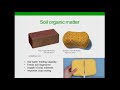
Cover crops and minimal tillage are key to rebuilding soil organic matter and carbon, which have been reduced by half historically. Higher organic matter creates sponge-like soil, improving water retention and nutrient supply.
-
Four key USDA recommendations for improving soil organic matter are: minimal soil disturbance (no-till), diverse plant species, continuous living cover, and keeping soil covered. Singing Frogs Farm achieved over 8.5% organic matter in five years using these methods.

From the Web
-
Organic farming relies on healthy soil built with cover crops, crop rotations, compost, and manure. These practices increase organic matter, improving soil structure and nutrient availability. Understanding the carbon-to-nitrogen ratio of amendments is key for nitrogen management. Pre-transition soil building is recommended.
Slower gains or context-dependent (<0.5% annually)
SOM accumulation rates are highly variable based on starting soil conditions, climate (especially rainfall and temperature), and management intensity. Degraded soils or those in drier/colder climates may take longer than 10 years to see substantial increases, and some field reports indicate gains below 0.5% annually even with dedicated efforts.
Sources behind this view
Sources behind this view
Videos & Podcasts
-
To build soil organic matter, minimize carbon loss through tillage and erosion, and maximize inputs via no-till, cover crops, and residue management. Achieving a measurable increase requires substantial residue addition, potentially taking decades with small cover crops.
Research
-
Soil health practices have different outcomes depending on local soil conditions (opens in new window)
This study found: A study in California's Central Valley and Central Coast found that how well soil health practices work depends heavily on your local soil type. Practices like adding compost or manure, planting cover crops, reducing tillage, and growing a variety of crops can all increase soil organic matter. However, the study showed that the soil's natural characteristics – like how easily roots can grow, salt levels, or how much it expands and shrinks – have a bigger impact on soil organic matter levels than the specific practices used. While conservation efforts generally help soil health, their effectiveness varies based on the soil and the crops grown. This means choosing practices suited to your specific farm's soil is crucial for success.
From the Web
-
To build soil organic matter, reduce or eliminate tillage (e.g., no-till), prevent erosion, fertilize properly to encourage root growth, and grow cover crops, especially when combined with reduced tillage and erosion control.
Making Sense of the Differences
The rate of soil organic matter (SOM) accumulation varies widely based on starting soil condition, climate, and management intensity. Degraded soils in warm, moist climates with intensive practices (no-till, diverse cover crops, amendments, integrated livestock) can build SOM faster. In contrast, arid or cold climates and less degraded soils may see slower gains. Patience and consistent focus on feeding soil biology are crucial for achieving optimal results over 5-10 years.
How does soil organic matter impact farm fertility and yields?
Fundamental for fertility and yield
High SOM is critical for unlocking inherent fertility through improved nutrient cycling (N, P release), water retention (crucial for drought resilience), and enhanced soil structure that supports root growth and aeration. This leads to more stable yields and reduced input needs.
Sources behind this view
Sources behind this view
Videos & Podcasts
-
Soil organic matter is key to soil health, feeding the soil food web (plants, microbes, earthworms). Building organic matter improves soil biology, chemistry, and physical structure, enhancing crop production. Research at Monte Silva shows consistent improvements over six years.
![Thumbnail for The science behind Regenerative Agriculture at Monte Silvera Farm [DIOGO PINHO]](/static/thumbnails/k3My7AcL2cc.jpg)
Research
-
Managing Soil Health Towards Sustainable Agriculture (opens in new window)
This study found: Healthy soil relies on tiny organisms (microbes) and larger ones (like earthworms) to break down organic matter and release nutrients plants need. Soil organic matter itself is vital; it helps soil clump together, hold water, absorb rain better, and prevents erosion. Losing this organic matter, especially soil carbon, is a major problem worldwide. To keep soil healthy and productive, we need to maintain a good level of organic matter (around 1-1.5%). When soil microbes lack nutrients, they can't build up soil carbon as effectively. Adding organic fertilizers like compost or manure, along with other nutrient sources, can help increase soil organic matter and carbon, making soils more resilient to degradation.
From the Web
-
Effective soil organic matter management is crucial for sustainability, requiring regular additions of diverse organic materials (crop residues, manures, composts, cover crops) and minimizing soil disturbance and erosion to maintain soil health and support beneficial organisms.
Beneficial but needs balanced management
While SOM enhances fertility and biological activity, excessive accumulation ('over-application') can potentially lead to issues like slug problems or nutrient imbalances or tie-up. Maintaining balanced fertility and managing C:N ratios are important for optimal results.
Sources behind this view
Sources behind this view
Videos & Podcasts
-
Organic matter is crucial for soil structure, water retention (20,000 gal/acre per 1% increase), and as an energy source for soil biology, acting as the soil's 'battery'. Caution is advised against excessive accumulation.
-
Explains that mature cover crops with high C:N ratios and careful tillage management are key to building organic matter. Discusses how tillage can deplete organic matter by stimulating decomposition and notes the impact of nitrogen fertilizers like anhydrous ammonia on soil biology.
From the Web
-
Organic farming relies on healthy soil built with cover crops, crop rotations, compost, and manure. These practices enhance soil structure, water infiltration, and nutrient availability. Nitrogen management is key, with C:N ratios influencing nutrient release. Building soil organic matter and using soil tests are crucial for success.
Making Sense of the Differences
Farm fertility and yields are demonstrably linked to soil organic matter (SOM). Higher SOM acts as a nutrient reservoir, feeding soil biology which cycles nutrients effectively. While beneficial, excessively high SOM levels may require balanced fertility management and attention to C:N ratios for optimal results. Across research and field experience, SOM is consistently shown to be the foundation for productive and resilient farms.
3
HOW MUCH - Costs & Investment
Note: Costs shown in USD; multiply by local labor and material cost indices for your region. Labor costs vary significantly internationally.
Note: Costs shown in USD; multiply by local labor and material cost indices for your region. Labor costs vary significantly internationally.
HOW MUCH - Costs & Investment
Note: Costs shown in USD; multiply by local labor and material cost indices for your region. Labor costs vary significantly internationally.
Note: Costs shown in USD; multiply by local labor and material cost indices for your region. Labor costs vary significantly internationally.
Note: All costs are based on recent US economic data (2024–2026) and may vary substantially by region based on local labor rates, material costs, and regulatory requirements.
Equipment and Infrastructure
The primary driver of capital expenditure in soil organic matter management is the transition toward no-till or reduced-tillage systems, which fundamentally change the profile of your machinery fleet. For small operations (under 50 acres (20 ha)), initial investment often involves retrofitting older legacy planters with no-till coulters, spiked closing wheels, or row cleaners to handle the increased residue levels inherent in continuous cover cropping. These targeted retrofits typically cost $300–$450 per acre ($741–$1,112/ha). Mid-sized operations (50–500 acres (20–202 ha)) frequently shift toward precision seeding technology, including variable-rate downforce systems or hydraulic depth control to ensure uniform seed placement in high-residue, biologically active soil. This level of technological upgrade entails costs of $250–$400 per acre ($618–$988/ha). For large-scale operations (500+ acres), economies of scale allow for the procurement of high-capacity, heavy-duty no-till planters designed from the ground up for minimal soil disturbance. While the total sticker price on these units is significant, the cost spread across the entire acreage results in a per-acre investment profile of $250–$350. In all categories, the decision to purchase used, field-ready equipment versus new machinery can result in cost variances of up to 40% across the total capital outlay.
Seed and Planting
Establishing cover crops is a mandatory recurring investment that constitutes a substantial portion of the broader $261–$573 per acre ($645–$1,416/ha) lifecycle cost for modern soil management. Small-scale producers, who are often focused on high-density biological outcomes, purchase complex polyculture mixes containing 5–8 species. These high-diversity seed packages typically cost $80–$125 per acre ($198–$309/ha). Mid-sized producers often seek a balance between biological diversity and logistical efficiency, purchasing regional blends or bulk-order standard species like cereal rye, hairy vetch, or crimson clover, which brings their establishment costs to $50–$90 per acre ($124–$222/ha). Large-scale producers utilize massive buying power to source commodity-grade cover crop seed in bulk, commonly referred to as "semi-load quantity" purchasing. Through these efficiencies, they can reduce their annual establishment cost to $40–$65 per acre ($99–$161/ha). These figures assume standard seed delivery and germination testing; however, specialized custom blending or long-range transport can add an additional $5–$15 per acre ($12–$37/ha) to the invoice depending on regional logistical availability.
Amendments and Application
Adding exogenous organic matter, such as composted manure, biochar, or biological activators, is the fastest way to accelerate the accumulation of organic matter. Small operations focusing on intensive agricultural outputs often carry high logistics and localized transport burdens, resulting in expenses of $180–$300 per acre ($445–$741/ha) for material acquisition and field application. Mid-sized farms that effectively integrate livestock into their cropping cycles significantly lower out-of-pocket amendment costs. By recycling manure, bedding, and farm-waste onsite, these producers reduce their external dependency and maintain costs within the $80–$200 per acre ($198–$494/ha) range. Large-scale operations rely on precision variable-rate spreaders to map nutrient-depleted zones within a field, ensuring that the application of organic amendments—often costing $60–$150 per acre ($148–$371/ha)—is maximized for biological efficacy rather than blanket coverage. These figures remain highly dependent on local fuel prices and the proximity to livestock processing facilities, which can shift transport costs by as much as 20–30% in any given fiscal year.
Most Spend: Most operations, regardless of scale, fall within the middle 60% of the $261–$573 per acre ($645–$1,416/ha) investment range, typically settling between $380 and $450 per acre ($939–$1,112/ha). This mid-range reflects the standard practice of implementing moderate-cost equipment retrofits combined with standardized two-to-three-species cover crop mixes and conservative amendment applications.
Why the Range?: The primary drivers of cost variance are the legacy status of the existing machinery and the intensity of the soil amendment program. Farms starting from a "clean slate" with high organic matter deficits require more frequent and higher-volume amendments, whereas farms with existing soil health foundations can lean primarily on diversified cover cropping, significantly lowering annual material costs.
Sources behind this view
Research
-
Optimizing organic amendment applications to enhance carbon sequestration and economic benefits in an infertile sandy soil. (opens in new window)
This study found: Organic amendments like manure and mushroom compost boosted soil carbon and crop yields in infertile sandy soil over three years. Mechanical application of mushroom compost at 24 tons/acre yielded the
-
Impact of Organic Farming Practices on Crop Productivity and Soil Health: A Review (opens in new window)
This study found: Organic farming practices boost soil health, increase crop resilience to drought, and enhance nutritional quality, though initial yields may be lower. Long-term benefits include carbon sequestration a
-
Integrated Moldboard Ploughing and Organic–Inorganic Fertilization Enhances Maize Yield and Soil Fertility in a Semi-Arid Region of North China (opens in new window)
This study found: Deep plowing with compost-fertilizer mix boosted corn yields by 1700 kg/ha in semi-arid China by reducing compaction, improving nutrient availability, and increasing soil microbial activity over three
-
Economic analysis of experimental organic agricultural systems on a highly eroded soil of the Georgia Piedmont, USA (opens in new window)
This study found: Organic, low-till farming on degraded Georgia soils reduced fuel use and labor, increased soil carbon with compost, and yielded high profits on labor-intensive crops, despite lower overall yields.
5
REWARDS AND RISKS - Economics & Risk Factors
Managing soil organic matter (SOM) offers substantial rewards but also presents economic and systemic risks, especially during transition. Understanding these dynamics is crucial for successful adoption.
Managing soil organic matter (SOM) offers substantial rewards but also presents economic and systemic risks, especially during transition. Understanding these dynamics is crucial for successful adoption.
REWARDS AND RISKS - Economics & Risk Factors
Managing soil organic matter (SOM) offers substantial rewards but also presents economic and systemic risks, especially during transition. Understanding these dynamics is crucial for successful adoption.
Managing soil organic matter (SOM) offers substantial rewards but also presents economic and systemic risks, especially during transition. Understanding these dynamics is crucial for successful adoption.
The economic transition to soil organic matter management presents a distinct range of outcomes based on management precision and site-specific soil conditions. In a "Best Case" scenario, the synergy of improved soil aggregate stability and reduced commercial synthetic fertilizer reliance leads to a sustained net income potential of $629 per acre ($1,554/ha). In this outcome, farmers successfully lower their synthetic fertilizer requirements by 30–50% annually, while the soil’s enhanced water-holding capacity acts as a yield hedge during periods of moderate moisture stress. Under "Typical Case" conditions, producers achieve a net income gain of approximately $430 per acre ($1,063/ha). This scenario assumes steady maturity of the soil food web, where the annual cost of cover crop establishment is offset by improved nitrogen cycling and decreased pest vulnerability. The "Worst Case" scenario reflects the high risk of poor termination timing or severe nitrogen tie-up, which can result in temporary yield losses. In this instance, net income can dip toward the lower end of the range, closer to $236 per acre ($583/ha), particularly if excessive weed pressure requires extra chemical or mechanical interventions during the first three years.
Market factors are increasingly favorable for producers who can document their soil carbon gains. Verified regenerative programs now offer price premiums of 5–15% above conventional commodity market rates. However, producers must manage the potential for verification overhead costs and the necessity of securing long-term contracts. A recommended risk mitigation strategy is "Phased Adoption," where producers convert 15–20% of their land annually. By limiting the high-investment, high-risk transition window to a fraction of the operation, farmers can refine their cover crop termination strategies and soil-handling techniques without jeopardizing the entire farm's profit margin. Phased adoption costs are typically 10–15% lower in early years because they utilize existing labor pools rather than requiring high-cost, temporary specialized labor.
Transition Period Risks: The years preceding the attainment of biological equilibrium—typically spanning years 1–4—represent the highest period of economic exposure. Many farmers experience a "Nutrient Slump," where the sudden shift in microbial activity can lead to a temporary immobilization of nitrogen, potentially reducing yields by 10–20%. To mitigate this, managers should maintain a working capital buffer of at least $150 per acre ($371/ha) to cover emergency nutrient inputs until the soil’s organic matter reaches the necessary stage for self-sustaining cycling. Full breakeven is typically achieved between year 3 and year 6, depending on how aggressively the operation was initially managed. Consistent monitoring of soil nitrate levels during this period is essential to prevent significant yield deviations that could extend the transition timeline.
Sources behind this view
Videos & Podcasts
-
Provides actionable steps for regenerative agronomy: balanced N:C inputs (molasses, humates), microbial teas, yeast metabolites, calcium, and effective seed treatments. Emphasizes scalability, systems
-
Transitioning to regenerative agriculture is a human/psychological process requiring trials to reduce risk and build trust. Increased consumer awareness of ecology and health would drive demand for re

-
Case studies of farmers like Duane Beck, Kofi Boa, David Brandt, and Gabe Brown demonstrate that regenerative agriculture (no-till, cover crops, diverse rotations) significantly increases soil health,
-
Soil Capital's strategy for regenerative transition: 1) Optimize agrochemical/pesticide use for 10-40% savings. 2) Invest savings in multi-species cover crops and crop rotation diversification (oats,
Community
-
Build healthy pasture soils by minimizing tillage, maintaining living roots and species diversity, and implementing proper grazing management. Livestock are essential for nutrient cycling and stimulat
Read more (opens in new window) smallfarms.cornell.edu -
Advocates for converting conventional land to permaculture, recommending a gradual transition with cover crops and farmer collaboration, aiming to reduce chemical inputs over 3 years as soil heals.
Read more (opens in new window) permies.com
Research
-
Building Soil Health and Fertility through Organic Amendments and Practices: A Review (opens in new window)
This study found: Review of organic amendments (manures, compost, cover crops) and regenerative practices (no-till, crop diversity, agroecology) shows they restore soil health by increasing organic matter and beneficia
-
Regenerative Agriculture: Restoring Ecosystems¢ Resilience and Productivity: A Review (opens in new window)
This study found: Regenerative agriculture builds soil health and ecosystem services through practices like no-till, cover crops, and diverse rotations. It increases soil organic matter, improves water infiltration, bo
-
Building Soil Health and Fertility through Organic Amendments and Practices: A Review (opens in new window)
This study found: Using organic amendments (manures, composts, cover crops) and regenerative practices (no-till, crop diversity) restores soil health by increasing organic matter and beneficial microbes, leading to mor
-
Transition to Regenerative Farming (opens in new window)
This study found: A 5-year case study shows a farm successfully transitioned to regenerative practices, reducing soil erosion and increasing wildlife by using cover crops, diversified rotations, and reduced tillage. Pr
From the Web
-
Healthy soil is foundational; organic inputs like compost, manure, and cover crops improve soil structure, water retention, and microbial activity. Legumes are key for nitrogen fixation through cover
-
Five steps to regenerative agriculture: Holistic Planned Grazing, no-till farming, planting diverse cover crops/interseeding, using compost/inoculants (with caution), and incorporating silvopasture/wo
-
Regenerative agriculture improves soil health, forage, and resilience, but adoption faces practical, political, and personal barriers, requiring education, adaptation, and a mindset shift.
6
COMPATIBLE PRACTICES - Integration Opportunities
Effective Soil Organic Matter (SOM) management is rarely implemented in isolation. It thrives in synergy with other regenerative practices, amplifying their benefits and creating a more robust, resilient farm system.
Effective Soil Organic Matter (SOM) management is rarely implemented in isolation. It thrives in synergy with other regenerative practices, amplifying their benefits and creating a more robust, resilient farm system.
COMPATIBLE PRACTICES - Integration Opportunities
Effective Soil Organic Matter (SOM) management is rarely implemented in isolation. It thrives in synergy with other regenerative practices, amplifying their benefits and creating a more robust, resilient farm system.
Effective Soil Organic Matter (SOM) management is rarely implemented in isolation. It thrives in synergy with other regenerative practices, amplifying their benefits and creating a more robust, resilient farm system.
No-Till Farming
- Integration: No-till planting directly into cover crop residue, crop residue, or standing cover crops. Avoids disturbing the soil surface where SOM is accumulating.
- Benefit: Protects established SOM from erosion and oxidation, allows soil biology to build structure undisturbed, reduces fuel and labor costs. No-till is the most effective way to retain and build SOM from surface applications.
Cover Cropping
- Integration: Planting diverse cover crops during fallow periods or intercropping with cash crops.
- Benefit: Provides continuous living roots and diverse organic matter inputs, feeds soil biology, suppresses weeds, fixes nitrogen (legumes), and improves soil structure. Key driver for SOM accumulation, especially when terminated in-place.
Crop Rotation Diversity
- Integration: Including a wide range of crops (grasses, legumes, broadleaves, deep-rooted species) in the rotation plan.
- Benefit: Different root structures and residue types feed a wider array of soil microbes, contributing varied carbon compounds for stable SOM formation. Breaks pest and disease cycles, naturally improving soil health.
Integrated Livestock Grazing
- Integration: Strategically grazing livestock on cover crops, crop residues, or pasture.
- Benefit: Manure and urine add organic matter and nutrients. Trampling integrates residues into the soil surface. Grazing can stimulate plant growth for increased biomass production. Essential for nutrient cycling on farms that integrate livestock.
Compost and Manure Application
- Integration: Applying stabilized organic amendments to fields.
- Benefit: Provides readily available organic matter and nutrients, jumpstarting soil biology, especially on soils with very low SOM. Best applied to no-till systems to avoid burying the benefits.
Keyline Design / Water Management
- Integration: Contour plowing or broad-based swales designed to slow water runoff and distribute it across the landscape.
- Benefit: Increases water infiltration, reducing erosion and making more water available for plant growth and SOM decomposition. More water in soil supports higher biological activity.
Reduced Synthetic Inputs
- Integration: Gradually decreasing reliance on synthetic fertilizers and pesticides as soil health improves.
- Benefit: Synthetics can harm soil biology that builds SOM. Reducing them allows soil life to flourish, accelerating SOM formation. Lower input costs improve farm profitability.
The synergy stems from how these practices reinforce each other. For example, no-till farming protects the SOM built by cover crops and livestock; cover crops provide roots and residue for no-till systems; diverse rotations provide varied inputs for SOM; livestock integrate residues and nutrients; compost provides immediate organic matter that healthier biology then stabilizes. Together, they create a virtuous cycle of soil improvement that is far more powerful than any single practice alone.
Sources behind this view
Videos & Podcasts
-
Building soil organic matter through regenerative practices like composting and regenerative grazing is key to sequestering carbon, increasing resilience, improving water retention, and boosting yield
-
Explains building soil organic matter through a systems approach: cover crops, balanced N:C inputs (molasses, humates), microbial teas, yeast metabolites, and avoiding synthetic fungicides. Tropical c
-
Soil health practices like cover crops, reduced tillage, and livestock integration boost soil biology, increase organic matter, improve water infiltration, reduce erosion and compaction, and enhance n
-
Building soil organic matter requires multiple practices: crop diversity, cover crops, organic inputs, reduced tillage, and perennials. Diversified rotations, even with tillage, outperform continuous
Community
-
Enhance soil health through plant diversity, continuous soil cover (living plants/residues), and livestock integration. Manage carbon-to-nitrogen ratios of residues and adopt no-till practices to impr
Read more (opens in new window) permies.com -
Gabe Brown states 'Carbon drives farm profit,' linking soil organic matter (SOM) to profitability and water retention. Practices like high-density grazing can build SOM, with plant roots being a key c
Read more (opens in new window) permies.com -
Build healthy pasture soils by minimizing tillage, maintaining living roots and species diversity, and implementing proper grazing management. Livestock are essential for nutrient cycling and stimulat
Read more (opens in new window) smallfarms.cornell.edu -
Build healthy soil for carbon sequestration by protecting it with cover, mulch, or roots; reducing tilling; using compost; and avoiding pesticides and leaf blowers. Practices are key for plant growth
Read more (opens in new window) ucanr.edu
Research
-
Building Soil Health and Fertility through Organic Amendments and Practices: A Review (opens in new window)
This study found: Review of organic amendments (manures, compost, cover crops) and regenerative practices (no-till, crop diversity, agroecology) shows they restore soil health by increasing organic matter and beneficia
-
Microbial Community Traits and Necromass Dynamics Shape Soil Carbon Accumulation. (opens in new window)
This study found: Organic fertilizers boost soil carbon 160% over 180 years vs. 26% for synthetic, by supporting beneficial soil microbes and building both labile and stable carbon pools. Long-term studies confirm orga
-
The pros and cons of increasing soil organic matter in dryland cropping systems (opens in new window)
This study found: Review of strategies to increase soil organic matter in drylands, balancing benefits (soil health, resilience) with costs (economic, environmental). Highlights context-specific optima and unique dryla
-
A Review of Soil Organic Carbon Dynamics under Regenerative Agricultural Practices (opens in new window)
This study found: Regenerative agriculture practices like cover crops and reduced tillage significantly increase soil organic carbon (0.2-1.5 Mg C ha⁻¹ yr⁻¹), improving soil health and resilience. Challenges include co
From the Web
-
Provides practical strategies to increase soil organic matter (SOM) by controlling erosion, reducing tillage, retaining crop residue, diversifying rotations with perennials, using cover crops, and inc
-
Rotations with perennial forages and crop residue management significantly increase soil organic matter, enhance soil biology, and improve water quality by reducing nutrient loss and greenhouse gas em
-
Increasing soil organic matter (SOM) requires reducing erosion and increasing inputs. Key practices include minimizing tillage, retaining crop residue, diversifying rotations, incorporating perennials
-
Key regenerative agriculture methods include no-till farming, cover cropping, agroforestry, perennial crops, planned rotational grazing (Holistic Management), and compost application, all aimed at imp