
Stock Water Management
Stock water management in regenerative agriculture involves strategically providing clean, accessible water to livestock in a way that enhances soil health, biodiversity, and ecological function. It moves beyond simply supplying water to integrating watering points and infrastructure that improve landscape health, reduce erosion, and support the wider ecosystem.
Read More: Complete Description
Stock water management in regenerative agriculture transcends the conventional view of watering troughs as mere necessities for animal survival. Instead, it becomes a strategic tool to build soil, enhance ecosystem resilience, and improve livestock performance. The core philosophy is to deliver water in a manner that beneficially impacts the land and its biological communities, rather than passively draining resources or causing degradation. This means intentionally placing water points to influence grazing patterns, reducing erosion, promoting diverse plant growth, and improving soil water infiltration.
Foundational to regenerative stock water management is the principle of strategic placement. Instead of centralized watering points that can lead to overgrazing, pugging (soil compaction and disturbance due to repeated hoof traffic in wet areas), and nutrient concentration in one locale, regenerative approaches aim for distributed systems. This might involve a network of small, portable water troughs moved frequently, or strategically placed permanent points that encourage even grazing across a landscape. This distribution minimizes localized degradation and maximizes the use of available forage, supporting Principle 5: Integrate Livestock and Principle 1: Minimize Soil Disturbance by preventing over-concentration of animal impact.
Water infrastructure itself is designed with regenerative outcomes in mind. This includes using materials that are durable and minimize environmental impact, employing gravity-fed systems where possible to reduce energy use, and ensuring overflow and runoff are managed to prevent erosion. Fencing around watering points is crucial to protect riparian zones and prevent the degradation of sensitive areas, thereby supporting Principle 3: Keep Soil Covered and Principle 2: Maximize Crop Diversity by safeguarding vulnerable vegetation. Water points become focal points for improving soil health, not sources of degradation.
For land managers operating in arid or semi-arid climates, stock water management is intrinsically linked to water conservation and maximizing scarce resources. Utilizing rainwater harvesting techniques, improving soil's water-holding capacity through increased organic matter, and designing paddocks to capture and infiltrate rainfall are all part of a regenerative approach. This not only sustains livestock but also revitalizes the landscape and contributes to capturing more water in the ecosystem, directly supporting Principle 4: Maintain Living Roots by ensuring sufficient moisture for perennial growth.
In contexts where supplementary irrigation might be considered, regenerative stock water management leans towards efficiency and ecological compatibility. This could involve drip systems for pastures that extend the growing season for cover crops, or using recycled water where permissible and safe. The key is to ensure water use supports diverse plant communities, enhances soil biology, and doesn't deplete local aquifers, thus aligning with the broader goal of ecological enhancement. This approach views water as a critical ecological resource to be managed holistically, not just a commodity to be delivered.
The transition to regenerative stock water management often involves phasing out outdated infrastructure or practices that contribute to degradation. For instance, large, central, concrete troughs might be replaced with smaller, portable units or a network of smaller, strategically placed drinkers. This transition might require initial investment in new infrastructure but is framed as a long-term investment in land health and animal well-being, which ultimately leads to greater resilience and profitability. The focus is on moving towards systems that leverage natural processes and minimize reliance on energy-intensive solutions or practices that degrade soil and water resources.
Sources behind this view
Sources behind this view
 Videos & Podcasts
-
Investing in water infrastructure is crucial for increasing land productivity and profitability by improving grazing distribution, reducing labor, and enhancing grass utilization. Key strategies inclu

 Research
-
Regenerative Agriculture: Restoring Ecosystems¢ Resilience and Productivity: A Review (opens in new window)
This study found: Regenerative agriculture builds soil health and ecosystem services through practices like no-till, cover crops, and diverse rotations. It increases soil organic matter, improves water infiltration, bo
Key Points
What It Is
- Strategic water placement for livestock health
- Enhances soil health and biodiversity
- Minimizes erosion and degradation
- Integrates water with ecological function
Why Do It
- Improves animal performance and health
- Builds soil organic matter and structure
- Reduces environmental degradation
- Supports ecosystem resilience and diversity
Know the Debate
- Infrastructure cost varies widely by scale and system type
- Timelines for pasture health benefit differ by climate and management
Benefits - Financial
- Supplemental feed costs reduced by 10-15% annually through better distribution
- Livestock weight gain increased by 5-10% via reduced heat stress
- Infrastructure investment recoupment timeline often achieved within 3-4 years
Benefits - System
- Supports 5 regenerative agriculture principles
- Improved water infiltration: 20-50% increase
- Reduced soil erosion: 40-70% decrease
- Increased biodiversity: higher plant and insect diversity
Risks - Financial
- Initial capital infrastructure outlay requires $3,000-25,000 per project node
- Unplanned maintenance or repair emergencies cost $500-1,500 annually
Risks - System
- Poor placement leads to localized degradation
- Infrastructure failure during drought
- Water quality contamination if not managed
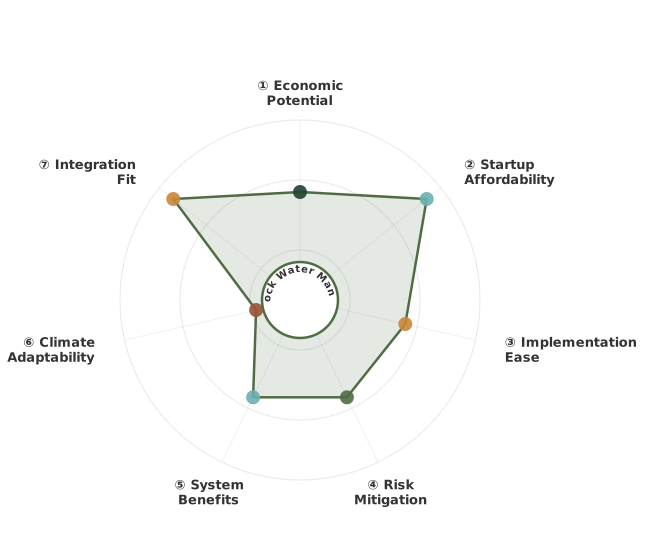
How These Traits Are Calculated
Trait dimensions are ordered clockwise starting from the top of the chart (12 o'clock position):
1. Economic Potential
Financial returns, annual value, and break-even timeline
WHAT: Evaluates financial viability by combining net annual value ($/ha from savings, income, and amortized harvests) with break-even timeline showing when practices pay for themselves.
WHY: Farmers need clear ROI understanding before committing resources. Fast payback (≤3 years) with strong returns (≥$300/ha) enables confident adoption, while long timelines (>10 years) restrict adoption to well-funded operations willing to wait for returns.
HOW: Calculated from net annual value in $/ha and break-even years. Exceptional (≥2.6): fast ROI ≤3 years + high value ≥$300/ha. Typical (1.8-2.5): moderate returns or longer timelines. Limited (<1.8): marginal economics or very long payback >10 years.
2. Startup Affordability
Initial investment costs and financial barrier to entry
WHAT: Measures financial barrier to entry through startup costs for equipment, infrastructure, consulting, and materials. Inverted scoring: lower costs = higher scores = more accessible adoption.
WHY: Affordability determines who can adopt. Low-cost practices (<$250/ha) enable widespread adoption across diverse scales, while high costs (>$2,500/ha) limit adoption to well-capitalized operations, creating barriers that slow regenerative transition.
HOW: Calculated from initial investment parsed from practice content. Inverted scoring: Exceptional (≥2.6): minimal investment <$250/ha. Typical (1.8-2.5): moderate costs $250-2,500/ha. Limited (<1.8): high barrier >$2,500/ha.
3. Implementation Ease
Learning curve and specialized knowledge required
WHAT: Measures how much learning, planning, and specialized knowledge a practice requires. Simpler practices with fewer steps score higher, while complex practices requiring extensive training or specialized resources score lower.
WHY: Complex practices create adoption barriers even when economically viable. Straightforward practices enable faster adoption and broader participation, while those requiring extensive training, timing precision, or specialized equipment limit who can succeed.
HOW: Evaluated by measuring documentation length and identifying complexity markers like location-specific requirements, seasonal timing windows, specialized skills, and dedicated equipment needs. Exceptional (≥2.6): straightforward practices with minimal prerequisites. Typical (1.8-2.5): moderate learning curve with some specialized needs. Limited (<1.8): steep learning curve requiring significant training or resources.
4. Risk Mitigation
Identified financial and ecological risk assessment
WHAT: Evaluates documented risks across financial (investment loss, market volatility) and ecological (crop failure, pest outbreaks) domains. Inverted scoring: fewer risks = higher scores.
WHY: Understanding risk exposure helps farmers make informed decisions. Low-risk practices allow confident implementation, while high-risk practices require careful planning and contingency resources. Risk transparency prevents costly failures.
HOW: Calculated from identified risks in practice content. Inverted scoring: Exceptional (≥2.6): ≤2 risks with manageable severity. Typical (1.8-2.5): 3-5 moderate risks. Limited (<1.8): 6+ risks or severe exposure.
5. System Benefits
How many ways the practice improves your land simultaneously
WHAT: Measures how many aspects of land health improve at once—carbon storage, soil quality, erosion control, water absorption, and biodiversity. Practices that improve multiple areas simultaneously create compounding benefits where each improvement reinforces the others.
WHY: The best practices solve multiple problems at once. For example, addressing erosion simultaneously builds carbon and improves water infiltration, creating a resilient system with positive feedback loops. Single-benefit approaches miss these compound transformation opportunities.
HOW: Evaluated across five key outcomes: carbon sequestration, soil organic matter increase, erosion reduction, water infiltration improvement, and biodiversity enhancement. Exceptional (≥2.6): high carbon storage (>8 t/ha/yr), improvements across 4-5 areas, transformative outcomes. Typical (1.8-2.5): moderate carbon (3-8 t/ha/yr), improvements across 2-3 areas. Limited (<1.8): modest impact (<3 t/ha/yr), single-area focus only.
6. Climate Adaptability
Geographic applicability across Köppen climate zones
WHAT: Evaluates geographic applicability by assessing how many Köppen climate zones successfully support a practice and what adaptation requirements are needed. Measures breadth of climates where farmers can implement with minimal to moderate modifications.
WHY: Universal practices working across diverse climates enable more farmers to adopt regenerative approaches. Practices limited to single climate types (only Mediterranean, only tropical) restrict adoption and slow global transition. Adaptability determines whether a practice serves niche regions or offers broad transformation.
HOW: LLM evaluation of regional success stories, Köppen zone coverage, and adaptation needs. Exceptional (≥2.6): 5+ zones or 4+ climate types, 3+ continents, minimal adaptation. Typical (1.8-2.5): 3-4 zones or 2-3 types, 2 continents, moderate adaptation. Limited (<1.8): 1-2 zones, single region, significant adaptation or highly specialized.
7. Integration Fit
How well this practice combines with others you're doing
WHAT: Measures how well a practice combines with other regenerative practices you might be doing. Some practices work as building blocks that make many other practices easier or more effective, while others work best on their own.
WHY: Practices that combine well with many others create more value on your farm. For example, cover cropping enables no-till, improves grazing, supports crop diversity, and helps water management—making all of them work better together. This helps you build a coherent system rather than juggling disconnected practices.
HOW: Evaluated by identifying which practices combine well and how strong those combinations are. 'Ideally Suited' means strong combinations where practices reinforce each other (practice A makes B easier, while B makes A more effective). 'Adequate' means complementary benefits that work well together. Exceptional (≥2.6): combines well with 6+ practices, serves as a building block. Typical (1.8-2.5): combines with 3-5 practices. Limited (<1.8): 1-2 practices or works best alone.
Going Deeper
1
WHY - The Benefits
Regenerative stock water management is a pivotal practice that capitalizes on the natural synergy between water, livestock, and land health. By moving beyond basic provision, it transforms water access into an active component of ecological restoration and farm...
Regenerative stock water management is a pivotal practice that capitalizes on the natural synergy between water, livestock, and land health. By moving beyond basic provision, it transforms water access into an active component of ecological restoration and farm...
WHY - The Benefits
Regenerative stock water management is a pivotal practice that capitalizes on the natural synergy between water, livestock, and land health. By moving beyond basic provision, it transforms water access into an active component of ecological restoration and farm...
Regenerative stock water management is a pivotal practice that capitalizes on the natural synergy between water, livestock, and land health. By moving beyond basic provision, it transforms water access into an active component of ecological restoration and farm...
Soil Health Benefits
Strategic water placement is key to preventing and mitigating soil degradation. Conventional systems often concentrate livestock around a few water sources, leading to overgrazing, trampling in wet areas (creating "sacrifice zones"), and severe soil compaction. Regenerative management, by distributing water and controlling animal access, encourages more even grazing pressure. This allows pastures to recover between grazing events, fostering robust root systems and increasing the soil's capacity to infiltrate water.
By reducing compaction and promoting perennial plant growth, regenerative water management significantly enhances soil water infiltration rates. Studies have shown improvements of 20-50% compared to degraded or conventionally managed systems. This means more rainfall can enter the soil, recharging groundwater, reducing runoff which carries precious topsoil away, and ensuring moisture is available for plant growth even during dry spells. This improved infiltration directly supports Principle 4: Maintain Living Roots by ensuring perennial forages have access to moisture.
The reduced erosion and increased water infiltration contribute to higher soil organic matter levels. Healthier soil biology, thriving under conditions of better aeration, moisture, and diverse root exudates, actively builds soil structure. This forms a virtuous cycle: improved soil health leads to better water management, which in turn further enhances soil health. This transformation directly supports Principle 1: Minimize Soil Disturbance by preventing the physical breakdown of soil structure and Principle 3: Keep Soil Covered by promoting continuous vegetation cover.
Economic Benefits
The economic advantages of regenerative stock water management are multifaceted. For livestock producers, improved water access combined with better forage utilization can lead to significant increases in animal performance. Reduced heat stress from shade near water sources and better nutrition from more consistent forage availability translate to higher weight gains, improved milk production, and better reproductive rates. These improvements can boost animal productivity by 5-10%.
By encouraging more uniform grazing, regenerative water management maximizes the utilization of available forage. This reduces the need for supplemental feed, which can constitute a substantial portion of livestock operating costs, potentially saving 5-15% on feed bills. Furthermore, reduced erosion means less topsoil loss, preserving the most fertile part of the land and thus its long-term productive capacity.
Investing in durable, well-placed water infrastructure, even if it has higher upfront costs, often leads to lower long-term expenses. Avoiding the degradation of pastures around water points means less money spent on reseeding, erosion control, and intensive management of "sacrifice zones." Animals remain healthier and more productive, potentially increasing the overall value of the livestock enterprise. The improved health and productivity of the land and livestock directly contribute to increased land value due to enhanced ecological function and carrying capacity.
The ROI on improved land health and productivity can be realized within 3-5 years, especially when coupled with other regenerative practices. Farms with healthier soils, better water management, and more resilient ecosystems are more resilient to climate fluctuations and market shifts. This resilience translates to more stable and predictable income streams over the long term.
Regenerative Systems Fit
Stock water management in a regenerative context is not an isolated practice but a critical linchpin that supports all five regenerative principles.
Principle 1: Minimize Soil Disturbance: By strategically placing water to influence grazing patterns and protecting riparian zones with fencing, we prevent localized overgrazing and pugging in wet areas. This directly minimizes soil disturbance and compaction, allowing soil structure to remain intact and biological activity to flourish.
Principle 2: Maximize Crop Diversity: Well-managed water points can encourage the growth of diverse forage species, including deep-rooted perennials, by providing consistent moisture across a wider area. Conversely, concentrating animals can lead to the dominance of a few unpalatable, shallow-rooted species. Spreading water access supports a richer mix of plants and associated insects and soil organisms.
Principle 3: Keep Soil Covered: Strategic placement of watering points, particularly with adequate fencing, protects vulnerable areas surrounding water sources from excessive trampling and bare soil creation, ensuring continuous vegetative cover or mulch is maintained. This is especially vital in riparian areas which are critical for biodiversity and water quality.
Principle 4: Maintain Living Roots: By ensuring consistent access to water where livestock graze, we enable perennial forages and trees to maintain living root systems for longer periods, even during moderate dry spells. This continuous root activity is vital for soil carbon sequestration, nutrient cycling, and maintaining soil structure.
Principle 5: Integrate Livestock: Stock water management is inherently about integrating livestock. By managing water access, we manage livestock distribution across the landscape, turning their presence into a force for good—spreading fertility, stimulating plant growth, and contributing to ecosystem health rather than causing degradation. Planned grazing, enabled by effective water infrastructure, becomes the vehicle for this integration.
Transitioning to regenerative stock water management is a "stepping stone" practice. It represents a move away from extractive water use towards management that regenerates the landscape. For farms with existing, problematic watering infrastructure, the transition involves identifying those points contributing to degradation (e.g., large, central troughs causing pugging) and developing a plan to replace or augment them with smaller, strategically placed, and potentially mobile, watering solutions. This often involves a phased approach, prioritizing the most degraded areas first. The ultimate goal is a system where water delivery actively contributes to land health, not detracts from it, creating a more resilient and productive agricultural ecosystem.
Sources behind this view
Videos & Podcasts
-
Seven water harvesting techniques were used to combat water shortages and degraded soils by capturing and percolating rainwater, leading to increased grass growth, healthier soil, and a restored water
-
Recommends two livestock watering strategies: contained, hard-surfaced sites for regular access, or short-duration, high-impact access to protect stream health. Pipeline water to paddocks is a preferr
-
Prioritize water sources for intensive grazing and long rest periods, focusing on a small, productive area for year-round carrying capacity with no inputs. Keep management simple with one herd, contin
-
Improving water access in rotational grazing is key for manure distribution. Virtual fencing technology is seen as a future tool to enable high stock densities and better pasture management.
![Thumbnail for [S1E6] Farmer Panel: Grazing Full Season Cover Crops](/static/thumbnails/Fdd-GQ-CXH8.jpg)
 Community
-
Essential water systems for livestock in multi-paddock grazing include solar pumps, ram pumps, and portable tanks. Freeze protection strategies are detailed. Maintaining water access within 800 feet o
Read more (opens in new window) attradev.ncat.org
Research
-
Optimized Water Management Strategies in Regenerative Agriculture for Resilience and Efficiency (opens in new window)
This study found: Drip irrigation can boost water efficiency by 40% and crop yields by 35% in regenerative agriculture compared to traditional methods, delivering water directly to plant roots.
-
Managing Grazing to Restore Soil Health, Ecosystem Function, and Ecosystem Services (opens in new window)
This study found: Properly managed grazing animals can reverse environmental damage. Regenerative practices, like Adaptive Multi-Paddock (AMP) grazing, boost soil health, increase soil carbon, reduce erosion, and enhan
-
FORAGES AND PASTURES SYMPOSIUM: COVER CROPS IN LIVESTOCK PRODUCTION: WHOLE-SYSTEM APPROACH: Managing grazing to restore soil health and farm livelihoods. (opens in new window)
This study found: Shifting to low-input, regenerative farming with smart grazing management can restore soil health, improve ecosystem services like carbon capture and water infiltration, and boost farm profitability f
-
FORAGES AND PASTURES SYMPOSIUM: COVER CROPS IN LIVESTOCK PRODUCTION: WHOLE-SYSTEM APPROACH: Managing grazing to restore soil health and farm livelihoods1 (opens in new window)
This study found: Regenerative grazing management is key to sustainable, climate-resilient farms. It restores soil health, enhances ecosystem services like carbon capture and water infiltration, and improves farm profi
2
WHERE - Regional Considerations
Effective stock water management is universally important but its specific implementation varies significantly based on regional climate, topography, and available water sources. Understanding these regional nuances allows for tailored solutions that maximize...
Effective stock water management is universally important but its specific implementation varies significantly based on regional climate, topography, and available water sources. Understanding these regional nuances allows for tailored solutions that maximize...
WHERE - Regional Considerations
Effective stock water management is universally important but its specific implementation varies significantly based on regional climate, topography, and available water sources. Understanding these regional nuances allows for tailored solutions that maximize...
Effective stock water management is universally important but its specific implementation varies significantly based on regional climate, topography, and available water sources. Understanding these regional nuances allows for tailored solutions that maximize...
Click Here to Look up your Region if you don't already know it
Arid and Semi-Arid Regions
Representative Locations: Western United States (Great Basin, High Plains), Australia (Outback), North Africa (Sahel), Central Asia. Climate Context: Low annual precipitation (<40 cm or 15 inches), high evaporation rates, often sparse and seasonal vegetation, high solar radiation, and significant temperature fluctuations. USDA Zones 7-9, Köppen BSh/BSk/BWh.
In these regions, water is the limiting factor for both plant and animal production. Regenerative stock water management focuses intensely on water conservation, minimizing evaporation, and maximizing the efficiency of every drop. This includes:
- Rainwater Harvesting: Utilizing every available catchment—roofs of any structures, strategically designed swales, and contour banks—to capture rainfall for storage in tanks or small dams.
- Efficient Storage: Employing covered tanks, underground cisterns, or small, lined dams to reduce evaporation losses by up to 70% compared to open ponds.
- Strategic Livestock Distribution: Using portable water troughs moved frequently to distribute grazing pressure and prevent over-concentration. This encourages livestock to graze wider areas, thus spreading fertility and reducing degradation around fixed points.
- Deep Wells and Solar Pumping: While deep wells can be expensive, pairing them with solar-powered pumps provides a reliable, off-grid solution. Water is often piped to multiple small drinking points rather than relying on one central source.
- Protecting Riparian Areas: Even minimal riparian vegetation is critical. Robust fencing around existing scarce water holes is essential to prevent livestock from degrading these vital ecosystems, which often serve as refuges for biodiversity and water retention.
- Water-Wise Forage Selection: Pairing water management with the selection of drought-tolerant perennial grasses and shrubs that require less water and can withstand grazing pressure.
Mediterranean Regions
Representative Locations: California (USA), Mediterranean basin (Spain, Italy, Greece), Central Chile, South Africa (Cape region), Southwestern Australia. Climate Context: Hot, dry summers and mild, wet winters. Precipitation is highly seasonal, with a long dry period during summer months. USDA Zones 8-10, Köppen Csa/Csb.
In Mediterranean climates, the primary challenge is managing water during the extended dry summer. Regenerative approaches focus on maximizing summer forage growth and ensuring water access without degrading sensitive perennial pastures.
- Extending Grazing Season: Using water strategically to support the growth of drought-tolerant perennial grasses and legumes that can provide forage well into the dry season.
- Rotational Grazing with Distributed Water: Smaller, more numerous water points placed strategically encourage livestock to move out of preferred shaded areas (e.g., under oaks) and graze underutilized areas, thus promoting more even pasture utilization.
- Minimizing Bare Ground: Preventing overgrazing around water sources to maintain vegetative cover, which is crucial for reducing soil erosion during the brief but intense winter rains and conserving soil moisture during summer.
- Water Storage for Summer Supplementation: Utilizing small dams or tanks filled during the wet season to provide supplemental water during the dry months, reducing the need for livestock to travel long distances to find scarce surface water.
- Protecting Shade Sources: Ensuring livestock have access to shade (native trees or installed structures) near water sources to reduce heat stress and thus their water consumption and impact on surrounding land.
Humid Temperate Regions
Representative Locations: Northeastern United States, Northern Europe (UK, Germany), Eastern China, Japan, New Zealand. Climate Context: Moderate rainfall distributed throughout the year, warm to hot summers, and cool to cold winters. USDA Zones 6-8, Köppen Cfa/Cfb.
While water availability is usually less of an issue here, regenerative stock water management focuses on managing the impact of water availability and livestock proximity.
- Preventing Pugging and Erosion: In these wetter climates, soil can become saturated, leading to severe pugging and erosion around water troughs. Using smaller waterers, portable tanks, or placing troughs on well-drained pads (e.g., gravel, concrete, or permeable surfaces) is crucial.
- Rotational Grazing Integration: Water points are essential for implementing rotational grazing systems effectively. Strategically moving portable water tanks allows for precise control over grazing duration in each paddock, promoting pasture recovery and even utilization.
- Riparian Zone Protection: Even in humid regions, riparian areas are sensitive. Fencing off streams and rivers and providing clean water via piped systems ensures water quality and protects stream banks from trampling and erosion.
- Water Harvesting for Supplementation: While less critical than in arid regions, rainwater harvesting from barn roofs can supplement water needs or provide a backup during extended dry spells or infrastructure failures.
- Shade Integration: Even in cooler climates, providing shade near water can improve animal comfort and productivity during summer heat waves, reducing their overall stress and water demand.
Tropical and Subtropical Regions
Representative Locations: Southeast Asia, Central America, Brazil, Northeastern Australia, East Africa. Climate Context: High temperatures year-round with distinct wet and dry seasons or consistent high rainfall. Köppen Af/Am/Aw/Cfa/Cwa.
In these climates, the primary challenges are high heat, humidity, and intense rainfall during the wet season.
- Managing Intense Rainfall: Preventing erosion around water points during heavy downpours is paramount. Similar to humid temperate regions, using well-drained pads, overflow management, and robust fencing is critical.
- Heat Stress Mitigation: Shade is absolutely essential. Access to natural tree shade or artificial shade structures near water sources is a key component, reducing animal stress and improving productivity.
- Water Quality in Wet Seasons: During intense wet seasons, preventing contamination of water sources from runoff is vital to maintain animal health. Proper fencing and potentially elevated water tanks can help.
- Dry Season Management: As in other regions, strategic water storage and distribution are key for maintaining livestock through the dry periods, which can be severe even in generally wet regions.
- Water for Extended Grazing: Using water to support the growth of tropical forages that can provide year-round grazing or extend the productive grazing season.
3
HOW - Implementation Process
Implementing regenerative stock water management involves a shift in thinking from mere provision to strategic integration with ecological goals. The process emphasizes thoughtful planning, appropriate technology, and adaptive management.
Implementing regenerative stock water management involves a shift in thinking from mere provision to strategic integration with ecological goals. The process emphasizes thoughtful planning, appropriate technology, and adaptive management.
HOW - Implementation Process
Implementing regenerative stock water management involves a shift in thinking from mere provision to strategic integration with ecological goals. The process emphasizes thoughtful planning, appropriate technology, and adaptive management.
Implementing regenerative stock water management involves a shift in thinking from mere provision to strategic integration with ecological goals. The process emphasizes thoughtful planning, appropriate technology, and adaptive management.
Prerequisites
Before designing or modifying your stock water system, consider these foundational elements:
- Understand Your Landscape: Map your pastures, noting topography, soil types, vegetation (grass species, trees), existing water bodies, and areas prone to erosion or compaction. Identifying these features will inform water point placement.
- Assess Water Availability: Determine your primary water sources (wells, municipal supply, rainwater harvesting, natural springs, rivers/lakes). Quantify their reliability and capacity, especially considering seasonal variations and potential for drought.
- Know Your Livestock: Understand the water needs of your specific animals (cattle, sheep, goats, horses) based on their class (e.g., lactating cows have higher needs), size, and the ambient temperature. Consult veterinary or agricultural extension resources for specific requirements.
- Identify Degradation Hotspots: Pinpoint areas of current or potential erosion, compaction, or overgrazing, often centered around existing water points. These areas will be priorities for remediation or relocation.
- Define Goals: What do you aim to achieve? Improved forage utilization? Reduced erosion? Enhanced animal health? Increased biodiversity? Clear goals will guide your design.
Phase 1: Planning and Design
1. Site Assessment and Needs Analysis:
- Water Source Evaluation: Confirm the purity, reliability, and flow rate of your primary water source(s). If relying on wells or pumps, assess power requirements and ensure year-round functionality. For rainwater harvesting, estimate collection potential based on roof area and rainfall data.
- Livestock Movement Patterns: Analyze how your animals currently move and graze. Where do they congregate? Where are they underutilized? Water point placement should influence these patterns to achieve more uniform grazing.
- Topographical Analysis: Use maps or on-site observation to identify natural drainage paths, slopes, and high points. This helps in designing gravity-fed systems and placing water points to encourage movement away from sensitive slopes or riparian areas.
- Shade and Shelter: Identify existing natural shade sources (trees) or areas where shade structures could be beneficial, especially near future water points.
2. Infrastructure Selection and Design:
- Trough Type and Size:
- Portable Tanks: Ideal for flexible rotational grazing, allowing frequent relocation. Use rotationally molded poly tanks for durability and ease of movement. Size depends on stock numbers (e.g., 1000-liter/250-gallon tanks for 20-30 head of cattle).
- Shallow/Low-Profile Troughs: For sheep or goats, or as a supplement to deeper waterers, reducing risk of drowning or tipping.
- Naturalized or Semi-Permanent Features: For certain systems, small lined ponds or modified natural depressions can serve as water points, integrated with surrounding landforms.
- Avoid Large Concrete Troughs: These often create large, degraded "sacrifice zones" of pugged soil and concentrated manure.
- Water Delivery System:
- Gravity Feed: If topography allows, gravity is the most regenerative and cost-effective method. Position a storage tank uphill from watering points.
- Pumps: Options include solar pumps (highly regenerative, off-grid), wind pumps, electric submersible pumps, or gas/diesel pumps (less regenerative due to emissions and fuel costs). Size pump to meet peak demand for the farthest watering point.
- Piping: Use durable, UV-resistant poly pipes (HDPE) for underground or buried systems. Consider burying pipes below frost line in colder climates.
- Erosion Control at Water Points:
- Gravel Pads/Concrete Aprons: Install around fixed water points to provide a stable, well-drained surface, preventing mud accumulation and erosion.
- Riparian Fencing: Use robust fencing (e.g., high-tensile wire, electric tape) to keep livestock out of streams, rivers, and sensitive pond edges. Install a protected water gap or pipe water to a trough away from the bank.
- Shade Integration: Plan for shade. If trees are nearby, ensure water is accessible from them. If not, plan for shade structures (e.g., poly-tunnels, purpose-built shelters).
3. Regulatory and Permitting:
- Check Local Regulations: Water use, especially from surface sources or wells, can be regulated. Ensure you have necessary permits for drilling wells, drawing water from rivers, or installing water storage structures.
- Environmental Compliance: Understand any regulations regarding proximity to water bodies, fencing requirements for sensitive areas, or effluent management.
Phase 2: Installation and Setup
1. Infrastructure Installation:
- Trenching and Piping: Dig trenches for pipes, ensuring depth is appropriate for frost levels or to prevent livestock damage/accidental cutting. Lay pipes, connecting them securely. Use appropriate fittings for junctions and connections.
- Trough Placement: Position troughs to encourage desired grazing distribution. Place them away from sensitive riparian areas but near forage resources. Ensure they are level and stable.
- Pump and Power Setup: Install solar panels, pump, and any associated electrical components securely. Ensure good grounding and protection from elements and animals.
- Fencing Installation: Construct robust fencing around water points and riparian areas. Use appropriate posts, wire, and tensioners. Ensure gates are functional and secure.
- Pad Construction: If using gravel or concrete pads, ensure proper grading for drainage away from the trough and surrounding pasture.
2. System Testing and Commissioning:
- Water Flow Test: Open all valves and check for leaks throughout the system. Ensure water reaches all designated points at adequate pressure and volume.
- Pump Functionality: Test pumps to ensure they are operating efficiently and at the expected rate.
- Electrical System Check: Verify solar panels are charging batteries, and pumps are running as intended.
- Trough Stability: Check that troughs are stable and will not easily tip or be damaged by livestock.
Phase 3: Management and Maintenance
1. Livestock Training and Introduction:
- Familiarization: Introduce livestock to new watering points gradually. For portable tanks, start with a few days in a paddock with a new trough before moving.
- Guidance: Use temporary fencing or gentle herding if livestock are hesitant to use new locations outside established patterns.
2. Rotational Grazing Integration:
- Water Point Planning: Integrate water point access into your rotational grazing plan. Moving portable tanks or managing access to different permanent points dictates grazing duration and paddock rotation.
- Paddock Design: Design paddocks that facilitate movement between forage and water, ensuring no paddock requires excessive travel to water.
3. Ongoing Maintenance:
- Daily/Weekly Checks: Inspect troughs for cleanliness, proper function, and livestock access. Check for leaks, damage, or signs of over-concentration of livestock.
- Water Source Monitoring: Regularly check well levels, pump performance, and water quality. Test water periodically, especially after heavy rainfall or during prolonged dry spells.
- Infrastructure Repair: Address any damage to pipes, troughs, fences, or pumps promptly to prevent system failure and minimize degradation.
- Vegetation Management: Maintain fencing and manage vegetation around water points to prevent overgrowth that could hinder access or damage infrastructure. Clear debris from troughs and any intake screens.
Transition Timeline & Phase-Out Strategy (If applicable)
For farms transitioning from conventional water systems:
Year 1: Assessment and Pilot Program:
- Audit existing infrastructure: Identify troughs causing severe degradation (large concrete ones in wet areas).
- Pilot new systems: Implement 2-3 smaller, portable water units in a small section of the farm. Observe livestock preference, ease of management, and impact on pasture.
- Plan for phased replacement: Develop a 3-5 year plan to replace problematic troughs with regenerative alternatives, prioritizing most degraded areas.
Year 2-3: Phased Replacement and Infrastructure Buildup:
- Replace 20-30% of problem troughs per year: Focus on areas with highest degradation or highest ROI from improved grazing distribution.
- Install network piping: If using a distributed system with a central pump, begin installing main lines and branch pipes to future watering locations.
- Train staff/family: Ensure all involved understand the new system's goals and management requirements.
Year 4-5: System Optimization and Integration:
- Complete replacement of harmful infrastructure: All problematic centers of degradation should now have been replaced.
- Fine-tune placement: Adjust locations of water points based on 3-4 years of observation to optimize grazing patterns and pasture health.
- Integrate with other regenerative practices: Ensure water system supports rotational grazing, cover cropping, and livestock health goals.
- Phase out: Eliminate reliance on any remaining large, detrimental water points. The goal is a system where water is a tool for regeneration, not degradation.
4
Know the Debate
Stock water management's impact varies by region and scale. Humid temperate zones need careful pad design to prevent pugging, while arid areas focu...
Know the Debate
Stock water management's impact varies by region and scale. Humid temperate zones need careful pad design to prevent pugging, while arid areas focu...
Stock water management's impact varies by region and scale. Humid temperate zones need careful pad design to prevent pugging, while arid areas focus on water conservation and efficient delivery. Small-scale DIY systems cost under $1,000, while large networked setups can exceed $12,000. Achieving significant pasture health benefits also depends on climate, with rapid improvements seen in wetter regions and longer timelines (3-5 years) in drier, management-intensive systems.
How much does stock water infrastructure cost?
Low cost ($150-1,750 per site)
DIY portable tanks and basic plumbing offer the lowest entry cost, suitable for smaller operations or pilot projects. These systems rely on frequent moves and adaptation.
Sources behind this view
Sources behind this view
Videos & Podcasts
-
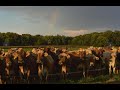
In arid regions, water for cattle is delivered by allowing pond access or by 'chasing' them with water in swales, stimulating pasture growth, manure decomposition, and ecosystem health without relying on hoses.

-
Various livestock watering strategies are presented, including designated pond ramps, gravity-fed troughs, flexible water line systems, durable tire tanks, and portable waterers. Training cattle to drink in small groups is key for efficient water management, especially in hot climates.
 From the Web
-
Guidance on livestock water systems for multi-paddock grazing, covering sources (solar pumps, ram pumps), portable/fixed tanks, freeze protection, and water placement (within 800 ft). Also addresses streambank crossings and walkways to protect environment and improve access.
Moderate cost ($1,500-3,000 per node)
Mid-scale systems involve piped water, larger tanks, or basic solar pumps, suitable for operations needing more reliable access across larger areas. These require more planning and installation.
Sources behind this view
Sources behind this view
Videos & Podcasts
-
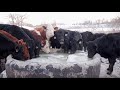
Details installing water lines with risers (every 200-400 ft) and quick couplers for flexible trough placement. Also advises controlling livestock access to natural water sources (streams, ponds) with temporary fencing to prevent erosion and overuse, viewing water as a key investment.
From the Web
-
Essential water systems for livestock in multi-paddock grazing include solar pumps, ram pumps, and portable tanks. Freeze protection strategies are detailed. Maintaining water access within 800 feet optimizes forage utilization. Proper streambank crossings and walkways protect the environment.
-
Badger Creek Ranch in Central Colorado is installing a solar-powered stock-watering system to enable regenerative mob grazing, aiming to restore degraded lands, improve soil health, and regenerate riparian areas.
High cost ($5,000-12,000+ per node)
Large-scale systems with extensive piping networks, high-capacity solar pumps, or deep wells are necessary for extensive operations. These represent significant capital investment but offer extensive coverage.
Sources behind this view
Sources behind this view
Videos & Podcasts
-
Promoting soil health involves strategic grazing planning, changing season of use, improving water distribution with solar wells and temporary trough shutoffs, subdividing pastures (avg. 4,500 acres), and using restoration techniques like beaver dam analogs, all adapted to their semi-arid, variable New Mexico context.
-
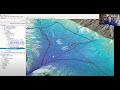
Designing a water system for rotational grazing involves strategic poly pipe placement, utilizing fixed water points (troughs) with wagon wheel fencing, and considering altitude differences for pressure. Assess existing pipe condition and potential for recommissioning.
From the Web
-
Offers comprehensive guidance on planning cattle water supply for sustainable grazing, covering water quality, treatment, rainwater harvesting, calculating consumption needs, reservoir sizing, and efficient distribution systems, crucial for dry periods.
Making Sense of the Differences
Infrastructure costs vary dramatically with scale and complexity. Portable, DIY systems are cheapest but require labor. Piped and pumped systems offer more reliable distribution and reduced labor but cost more upfront. Large-scale operations need significant capital for extensive networks. The best choice balances cost, labor, scale, and the specific needs of livestock and landscape.
How long until regenerative water systems impact pasture health?
Rapid gains (1-2 years) in favorable climates
In humid regions with reliable rainfall and well-managed grazing, improvements in soil biology and forage quality can be observed relatively quickly. This is often driven by initial gains in plant cover and soil structure.
Sources behind this view
Sources behind this view
Videos & Podcasts
-
Implement rotational grazing before rains to improve soil organic carbon, increasing water-holding capacity and reducing runoff by up to 60%. Healthy forage and living roots protect soil from heavy rainfall.
-
Rotational animal grazing increases grass growth and builds soil organic matter (up to 25,000 gallons/acre water storage per 1% OM increase), mimicking natural conditions and regenerating the land.
From the Web
-
Manage livestock water access to impoundments and streams separately from pastures using fencing and piping to troughs. Diversify grazing disturbances by varying timing and intensity to optimize ecosystem health, improving water quality, soil, and forage.
Moderate gains (3-5 years) in transitional or arid climates
In semi-arid regions or where soils are more degraded, reversing compaction and rebuilding soil organic matter takes longer. Consistent management and sufficient moisture are key for these gains.
Sources behind this view
Sources behind this view
Research
-
Managing grazing lands to improve soils and promote climate change adaptation and mitigation: a global synthesis (opens in new window)
This study found: A large-scale review of grazing studies worldwide found that changing how livestock are managed can significantly improve how well soil absorbs water. In nearly 82% of cases studied, practices like giving pastures longer rest periods, reducing the number of animals, or using more complex grazing patterns led to better water infiltration. On average, water absorption into the soil increased by about 59%. These practices also frequently led to improvements in soil carbon levels. While the exact benefits varied, longer rest periods seemed to have a slightly stronger positive effect. The study suggests these management changes are beneficial for soil health and climate resilience, but calls for more research to fully understand their impact.
From the Web
-
Badger Creek Ranch in Central Colorado is installing a solar-powered stock-watering system to enable regenerative mob grazing, aiming to restore degraded lands, improve soil health, and regenerate riparian areas.
-
Sustainable livestock management can enhance ecosystem services and water productivity through improved feed and water strategies, strategic animal husbandry, and supportive policies, particularly for traditional pastoral systems.
Longer-term transformation (5-7+ years) in severely degraded areas
Severely compacted or eroded soils in arid environments require sustained, intensive management and often significant rainfall events to see substantial changes in water infiltration and soil health over many years.
Sources behind this view
Sources behind this view
Videos & Podcasts
-
Promoting soil health involves strategic grazing planning, changing season of use, improving water distribution with solar wells and temporary trough shutoffs, subdividing pastures (avg. 4,500 acres), and using restoration techniques like beaver dam analogs, all adapted to their semi-arid, variable New Mexico context.
Research
-
FORAGES AND PASTURES SYMPOSIUM: COVER CROPS IN LIVESTOCK PRODUCTION: WHOLE-SYSTEM APPROACH: Managing grazing to restore soil health and farm livelihoods1 (opens in new window)
This study found: This article argues that adopting regenerative farming practices, including how we manage grazing livestock, is essential for making farms sustainable and resilient, especially with a changing climate. It suggests moving away from high-input farming towards methods that rebuild natural processes in the soil. Properly managed grazing can improve soil health, leading to better soil function and more natural benefits like capturing carbon, allowing more water to soak into the ground, improving soil fertility, and recycling nutrients. The authors stress that farmers and scientists need to work together to apply research findings effectively, leading to better environmental outcomes, social well-being, and farm profits.
From the Web
-
Badger Creek Ranch in Central Colorado uses regenerative grazing and a new solar-powered watering system to restore riparian areas, reduce erosion, and improve soil health. This approach allows for planned cattle rotation into previously inaccessible areas.
Making Sense of the Differences
The timeline for observing improved pasture health from regenerative water management varies significantly by climate, prior land condition, and management intensity. Humid regions with ample rainfall and soils that respond well to increased organic matter can see benefits within 1-2 years. In semi-arid or degraded areas, consistent management and good rainfall are crucial for improvements taking 3-5 years, while severely damaged lands may require 5-7+ years for substantial ecological recovery. Livestock distribution, soil protection, and plant diversity all play key roles.
5
HOW MUCH - Costs & Investment
Note: Costs shown in USD; multiply by local labor and material cost indices for your region. Labor costs vary significantly internationally.
Note: Costs shown in USD; multiply by local labor and material cost indices for your region. Labor costs vary significantly internationally.
HOW MUCH - Costs & Investment
Note: Costs shown in USD; multiply by local labor and material cost indices for your region. Labor costs vary significantly internationally.
Note: Costs shown in USD; multiply by local labor and material cost indices for your region. Labor costs vary significantly internationally.
Note: All costs provided are based on 2024–2026 US market data and are subject to significant regional variation. Factors such as local prevailing wage rates for specialized plumbing or electrical contractors, site-specific topographical challenges, and local regulatory requirements for well development or riparian protection can cause project totals to shift significantly.
Infrastructure Components (Troughs, Piping, & Fencing)
Infrastructure represents the fixed-asset foundation of a regenerative water system, moving from simple mobile points for small-scale grazers to complex buried networks for larger cattle operations.
For small-scale operations (under 50 acres (20 ha)), the architecture relies on modularity and high-mobility components. A basic watering point setup—utilizing a heavy-duty portable poly trough—typically incurs costs of $250 to $600 for the unit itself. Adding 300 feet (91.4 m) of reinforced poly-pipe for distribution along with lightweight, poly-wire electric fencing to manage access, the total out-of-pocket investment for a single, fully functional watering station ranges from $600 to $1,500. These systems are intended for operators who move infrastructure frequently to match intensive, short-duration graze cycles.
Mid-size operations (50 to 500 acres (20–202 ha)) transition into permanent site selection, which requires a substantial increase in both material costs and labor. A robust, permanent central hub installation utilizing a 1,000-gallon (3,785 L) concrete or high-impact poly tank ranges from $1,200 to $2,800. Distributing water across a 200-acre (81 ha) landscape necessitates high-pressure 1.5-inch HDPE piping, which averages $1.50 to $3.00 per foot installed. Because livestock must be confined to these nodes to prevent damage to the broader pasture, specialized exclusionary fencing is required, adding $3.00 to $7.00 per linear foot. A complete mid-scale watering node, inclusive of the tank, piping, and required perimeter protective fencing, will typically carry a project cost of $3,500 to $9,000.
Large-scale operations (500 acres (202 ha) and above) require heavy infrastructure. These operations often feature enterprise-grade distribution: buried piping networks exceeding 2,000 feet (609.6 m), which cost $6,000 to $15,000 depending on trenching difficulty and substrate. Specialized large-volume troughs exceeding 1,500 gallons (5,678 L) are fundamental to high-density stocking, with acquisition costs of $2,500 to $5,000 per unit. A comprehensive, multi-pasture water grid designed to support an entire grazing perimeter represents a major capital commitment, ranging from $15,000 to $45,000 plus installation.
Power and Pumping Systems
Pumping systems are the most complex financial variable in a regenerative water project, dictated heavily by lifting depth and water supply proximity.
Small-scale operations often leverage portable solar pumping kits (100 to 200 watts). These entry-level systems, effective for drawing water from shallower creeks or ponds, range from $800 to $2,200. These units are often operator-installed, minimizing labor expenses.
Mid-size operations require higher reliability, typically through 400 to 800-watt solar systems capable of providing steady flow—roughly 5 to 10 gallons (38 L) per minute—at a 200-foot (61.0 m) lift. The component cost for these robust submersible setups ranges from $3,500 to $7,500. Professional installation remains a factor here, as complex electrical integration often adds 20% to 35% to the final invoice, influenced by local contractor availability and permit requirements.
Large-scale pumping requires industrial capacity, particularly for year-round, high-head water delivery for herds exceeding 500 head. High-spec solar pumping stations, often utilizing Variable Frequency Drive (VFD) technology to optimize energy usage, range from $10,000 to $25,000. These systems require precise engineering and heavy-duty battery storage or grid-tie components to manage peak demand during low-light cycles, driving the higher end of the investment range.
Most Spend: The middle 60% of most operations—spanning the shift from small-scale portable setups to mid-sized, semi-permanent distribution nodes—typically incurs a total capital investment of $5,000 to $20,000 per integrated system. This range accounts for standard off-the-shelf equipment and moderate professional labor needed for effective implementation.
Why the Range?: These costs are primarily driven by the source of water (depth-to-groundwater versus surface water collection), the intensity of the grazing schedule (which forces higher throughput requirements), and the local availability of contractors. Projects relying on remote, deep-well water sources drive prices toward the top end of the ranges due to pump and power specification requirements, while surface-access systems located closer to central energy grids remain at the lower end.
Sources behind this view
Videos & Podcasts
-
Covers essential cattle farm infrastructure: temporary electric fencing ($800-$1000) for rotational grazing, various water sources and DIY/purchased waterers, and corrals (expensive but alternatives e

6
REWARDS AND RISKS - Economics & Risk Factors
REWARDS AND RISKS - Economics & Risk Factors
The economics of a regenerative water system are driven by the improved distribution of grazing pressure. In the best-case scenario, an operator achieves a 12% improvement in livestock body condition scores by reducing the energy expenditure of cattle traveling to water. When coupled with a 15% reduction in supplemental winter feed costs due to better-managed forage availability, the capital investment is frequently amortized within 2.5 years. A $12,000 investment under these parameters generates an estimated $4,500 in net profit gains annually, while increasing overall land equity through enhanced soil water-holding capacity.
In the typical scenario, where the farmer installs 3 to 4 primary watering nodes, the benefits are moderate but stable. Animal performance metrics show a 6% gain attributed to reduced heat stress and lower travel requirements. Feed cost savings stabilize at 8% annually, resulting in a net return of $2,200 per year. With an initial investment of $8,000, the project reaches its breakeven point just under the 4-year mark. Operational maintenance, including filter replacements and pipe repairs, ranges from $400 to $600 per year.
The worst-case scenario often occurs due to poor site selection. Installing water points in low-lying, poorly drained soil leads to severe compaction. If this is compounded by the failure of a low-quality pump during a peak, non-irrigated summer, the operation faces emergency water hauling costs of roughly $1,200 per month. Without protective hardening—such as $500 to $1,500 investments in gravel or concrete pads—infrastructure damage from animal traffic can result in $1,500 in premature repair costs within only 24 months, effectively wiping out the annual gains for those years.
Market factors play a critical role in project viability. Profitability is tethered to commodity price volatility; as hay prices spike, the ability to extend the grazing season through reliable, distributed water acts as a hedge against rising input costs. Conversely, regional labor shortages for specialized solar plumbing have pushed installation costs up by 18% over the 2024 baseline, making DIY installation increasingly attractive for budget-conscious farmers.
Transition Period Risks: Operations shifting from legacy stream-access systems to piped, managed water points face a 12 to 24-month transition curve. During this window, labor requirements may increase temporarily by 3 to 5 hours per week as the producer monitors herd adoption and adjusts infrastructure flow. Yield stability may experience a temporary dip if the herd, accustomed to a fixed water point, shows signs of transition stress. Mitigation involves a 14-day protocol where livestock retain simultaneous access to both old and new sites, ensuring comfort before the final switch.
Risk Mitigation Strategies: The primary strategy is leveraging USDA EQIP or state-level cost-share programs, which can cover 50% to 75% of capital expenses, significantly shortening the payback period. Additionally, all infrastructure must be "hardened." Investing in a $500 to $1,500 reinforced apron around each trough prevents the "mud-hole effect," which can destroy local grasses and decrease livestock gain rates by 3% due to energy-intensive walking through saturated mud.
Sources behind this view
Videos & Podcasts
-
Unexpected problems in regenerative systems include water access during frequent moves (solved with portable tanks), livestock husbandry challenges (requiring mentorship), and wintering out difficulti

-
Investing in water infrastructure is crucial for increasing land productivity and profitability by improving grazing distribution, reducing labor, and enhancing grass utilization. Key strategies inclu
-
Water is the most limiting and expensive factor in livestock systems. Evaluate all sources (wells, ponds, springs, creeks, public) and consider gravity vs. pump systems. Minimize travel distance to wa

-
Advocates for using entirely portable infrastructure (fences, water tanks, troughs) for regenerative grazing, especially in high rainfall and thin-soiled clay environments, to reduce costs and facilit

Community
-
Essential water systems for livestock in multi-paddock grazing include solar pumps, ram pumps, and portable tanks. Freeze protection strategies are detailed. Maintaining water access within 800 feet o
Read more (opens in new window) attradev.ncat.org
Research
-
Improving water productivity in mixed crop-livestock farming systems of sub-Saharan Africa (opens in new window)
This study found: Review identifies strategies to improve livestock water use efficiency in sub-Saharan Africa's mixed crop-livestock systems, focusing on feed, water, and animal management for better livelihoods and e
7
COMPATIBLE PRACTICES - Integration Opportunities
Regenerative stock water management is highly synergistic with a variety of other regenerative practices, amplifying their benefits and creating a more resilient and productive farm ecosystem.
Regenerative stock water management is highly synergistic with a variety of other regenerative practices, amplifying their benefits and creating a more resilient and productive farm ecosystem.
COMPATIBLE PRACTICES - Integration Opportunities
Regenerative stock water management is highly synergistic with a variety of other regenerative practices, amplifying their benefits and creating a more resilient and productive farm ecosystem.
Regenerative stock water management is highly synergistic with a variety of other regenerative practices, amplifying their benefits and creating a more resilient and productive farm ecosystem.
Rotational Grazing / Adaptive Multi-Paddock Grazing
- Water points are the fundamental enablers of planned grazing. Distributing water unlocks the ability to rotate livestock, providing pastures with adequate rest and recovery periods.
- Integration Benefit: Enables uniform forage utilization, prevents overgrazing, stimulates plant growth through grazing and subsequent rest, builds soil health, and facilitates nutrient cycling. Without strategically placed water, effective rotational grazing is impossible.
Drought Resilience Planning
- Distributed water systems, robust storage, and reliable pumps are crucial components of a drought resilience strategy.
- Integration Benefit: The ability to access water across the property means livestock can be managed effectively even when surface water disappears, preventing catastrophic losses. It supports maintaining livestock on pasture for longer during dry periods.
Pasture Renovation and Cover Cropping
- Water management can support the establishment and growth of diverse forage species and cover crops. By providing access to water, livestock can be encouraged to graze specific areas, preparing them for renovation or cover crop seeding.
- Integration Benefit: Ensures perennial forages remain hydrated during dry spells, promoting root health and productivity. Enables extended growing seasons for cover crops, which further build soil health and sequester carbon.
Riparian Zone Management and Restoration
- Fencing off sensitive riparian areas and providing livestock with clean water from troughs prevents direct damage to stream banks and water quality degradation.
- Integration Benefit: Protects critical habitat for biodiversity, improves water quality downstream, reduces erosion, and often leads to the regeneration of native riparian vegetation.
Shade Structures and Agroforestry
- Integrating shade trees or structures near water points improves livestock comfort and productivity, especially in hot climates.
- Integration Benefit: Reduces heat stress on animals, leading to better weight gain and reproductive performance. Trees also improve soil health and can provide additional income streams (timber, nuts, fruit).
Soil Health Improvement Practices (e.g., COMPOSTING, Keyline Design)
- Healthy soils with high organic matter have better water infiltration and retention. Regenerative water management ensures livestock are present to distribute fertility (manure) over areas that have been improved through other soil health practices.
- Integration Benefit: Manure distribution from well-managed grazing further enhances soil fertility. Regenerative watering systems prevent the degradation that can undo soil health improvements in localized areas.
Sources behind this view
Videos & Podcasts
-
Livestock integration is key to soil health, requiring short exposure and long rest grazing to avoid compaction. Creative solutions like 'stacking fiefdoms' allow integration without ownership, creati
-
Improving water access in rotational grazing is key for manure distribution. Virtual fencing technology is seen as a future tool to enable high stock densities and better pasture management.
-
Rotational animal grazing increases grass growth and builds soil organic matter (up to 25,000 gallons/acre water storage per 1% OM increase), mimicking natural conditions and regenerating the land.
-
Regenerative grazing utilizes ruminants as land managers and soil builders through multi-species grazing and biomimicry. Design considerations include fencing, water, and livestock habits. Increasing
Community
-
Essential water systems for livestock in multi-paddock grazing include solar pumps, ram pumps, and portable tanks. Freeze protection strategies are detailed. Maintaining water access within 800 feet o
Read more (opens in new window) attradev.ncat.org
Research
-
Managing Grazing to Restore Soil Health, Ecosystem Function, and Ecosystem Services (opens in new window)
This study found: Properly managed grazing animals can reverse environmental damage. Regenerative practices, like Adaptive Multi-Paddock (AMP) grazing, boost soil health, increase soil carbon, reduce erosion, and enhan
-
Response of Grazing Land Soil Health to Management Strategies: A Summary Review (opens in new window)
This study found: Good grazing management (moderate stocking, rotational grazing) improves pasture soil's water infiltration, carbon storage, and nitrogen use. Integrated plans are key for soil health and productivity.
-
Managing grazing lands to improve soils and promote climate change adaptation and mitigation: a global synthesis (opens in new window)
This study found: Global review shows grazing management (longer rest, fewer animals, complex patterns) boosts soil water infiltration by ~59% and often improves soil carbon, with a call for more research.
-
Optimized Water Management Strategies in Regenerative Agriculture for Resilience and Efficiency (opens in new window)
This study found: Drip irrigation can boost water efficiency by 40% and crop yields by 35% in regenerative agriculture compared to traditional methods, delivering water directly to plant roots.