
Stockpile Grazing
Stockpile grazing is a management practice where you intentionally defer grazing on specific pastures during the late summer and fall. This allows forage to grow and accumulate, creating a bank of stored feed that can be grazed during winter months. It leverages natural forage growth to reduce the need for supplemental feeding, saving money and improving livestock nutrition.
Read More: Complete Description
Stockpile grazing is a strategic forage management technique that involves setting aside a portion of your pasture during the late summer and fall (typically August through October in the Northern Hemisphere, February through April in the Southern Hemisphere, depending on climate) to allow grass to grow and accumulate. This "stockpiled" forage acts as a readily available feed source during winter when perennial pastures would otherwise be dormant or buried under snow. The primary goal is to extend the grazing season using natural, standing forage, thereby minimizing or eliminating the need for expensive harvested feeds like hay or silage.
The success of stockpile grazing hinges on several key factors: selecting appropriate perennial forage species, managing grazing history prior to deferral, understanding seasonal growth patterns, and implementing effective grazing management during the winter utilization period. Species with good regrowth potential and frost tolerance, such as tall fescue, orchardgrass, bromegrass, and certain clovers, are ideal candidates for stockpiling. The timing of deferral is critical; it needs to begin early enough that the plants have sufficient time to accumulate a significant amount of forage before winter conditions set in.
From a regenerative agriculture perspective, stockpile grazing aligns well with several core principles. It directly supports Principle 5: Integrate Livestock by utilizing animals to harvest forage efficiently, cycle nutrients through their manure, and manage plant communities. By allowing pastures to rest and accumulate forage, it inherently supports Principle 4: Maintain Living Roots for an extended period, as the plants continue photosynthesizing until deep frost or snow cover halts activity. Strategically managed, stockpile grazing also contributes to Principle 3: Keep Soil Covered, as the accumulated forage and deferred plant growth protects the soil surface from erosion and harsh weather over winter.
While stockpile grazing does not directly address Principle 1: Minimize Soil Disturbance in the way that no-till cropping does, it reduces disturbances related to feed production. By reducing the need to harvest, transport, and feed hay or silage, it decreases reliance on heavy machinery and associated soil compaction. Furthermore, the presence of living forage and litter cover over winter significantly mitigates erosion compared to bare or heavily trafficked winter feeding areas. For Principle 2: Maximize Crop Diversity, stockpile grazing itself doesn't directly increase species diversity, but it can be integrated into diverse pasture systems. The most significant regenerative contribution is its ability to extend the grazing season, allowing livestock to remain on pasture for longer, thereby increasing the efficiency of nutrient cycling and reducing reliance on external inputs associated with stored feeds.
This practice can be considered a foundational regenerative practice when integrated into a holistic grazing plan. It is a low-input, high-efficiency method for maximizing the use of existing resources. It can also serve as a transition practice for farms looking to reduce reliance on stored feed and external inputs. By demonstrating the economic and ecological benefits of extended grazing, it provides a tangible pathway toward more resilient and self-sufficient grazing systems. The economic savings from reduced hay feeding can be reinvested into other regenerative practices, such as improving pasture species diversity or investing in better fencing for rotational grazing.
The transition to stockpile grazing typically involves a gradual shift rather than an immediate implementation. Farms accustomed to feeding hay from late autumn may need to gradually defer grazing in earlier stages, perhaps initially stockpiling a smaller paddock. This allows managers to gain experience and observe how different species and paddocks perform. A common approach involves identifying the paddocks that will be used for stockpiling and implementing a rotational system where those paddocks are grazed intensely earlier in the season, followed by a long rest period of 60-90 days or more. This extended rest allows for significant forage accumulation. During winter, grazing is managed through strip grazing or controlled access to limit intake and ensure residual forage remains to protect the soil and promote a quick regrowth in spring.
The economic benefits are substantial, especially in regions with significant winter feeding periods. By reducing hay consumption—which can represent one of the largest expenses for livestock producers—farmers can see direct savings in labor, fuel, equipment maintenance, and the cost of the feed itself. Furthermore, grazing stockpiled forage is generally more efficient and provides better nutrition than feeding hay, leading to improved animal performance and reduced veterinary costs. The environmental benefits include reduced soil erosion, improved nutrient cycling, and lower greenhouse gas emissions associated with stored feed production and transport.
Sources behind this view
Sources behind this view
 Videos & Podcasts
-
Explains stockpiling forage for winter grazing as a profitable strategy to reduce costs ($1.25/day vs. $2.25-$2.60/day for hay). Highlights the opportunity to create a year-round forage chain, reducin
-
Greg Judy advocates for stockpiling fescue by grazing only the top third of the plant, leaving two-thirds for winter regrowth. This method promotes soil health and reduces winter feeding costs, with f
-
Advocates for stockpiled forage over hay for winter grazing, citing superior nutritional quality and palatability. Explains the process of grazing pastures in late summer to allow regrowth for winter
-
Greg Judy of Green Pastures Farm advocates for winter stockpiling of fescue for grazing, eliminating hay costs and labor. He emphasizes moving livestock onto rested pastures for self-harvesting, promo
 Community
-
Adopts a holistic grazing management approach emphasizing diverse perennial pastures, higher residuals (4"), and longer rest periods (avg. 45 days) to build soil health, increase organic matter (3.4%
Read more (opens in new window) smallfarms.cornell.edu -
Successful winter grazing requires adjusting calving to June, developing tall, accessible winter pastures, and using monthly forage analysis with a nutritionist for tailored supplements. Daily pasture
Read more (opens in new window) permies.com -
Bale grazing outwinters cattle by feeding hay in paddocks, rotating herds like the grazing season. This reduces labor, improves animal health, and fertilizes pastures. Key considerations include weath
Read more (opens in new window) smallfarms.cornell.edu -
Offers practical advice for winter grazing, emphasizing the need for portable fencing to minimize waste and the importance of backup hay. Discusses forage species' nutritional retention and the use of
Read more (opens in new window) permies.com
 Research
-
Yield and Composition of Tall Fescue Stockpiled for Different Periods<sup>1</sup> (opens in new window)
This study found: Stockpiling tall fescue grass can provide 1.0-1.4 tons/acre DM in the first month, with protein dropping significantly by winter. Delaying grazing past January causes substantial feed losses. Viable i
-
192 Towards Year-Round Grazing in the Southeastern U.S (opens in new window)
This study found: Southeastern U.S. sheep/goat farmers can boost profits by reducing winter feed costs through better grazing management, diverse forages, improved infrastructure, and proper hay storage, enabling year-
-
Review: Utilization of Stockpiled Tall Fescue in Winter Grazing Systems for Beef Cattle (opens in new window)
This study found: Stockpiled tall fescue for winter grazing can reduce costs and environmental impact for beef cattle. Recent research suggests fungal infections in fescue have less impact on winter performance than pr
-
STUDIES ON THE EXTENSION OE THE GRAZING SEASON I. (opens in new window)
This study found: Three-year study showed longer rest periods for winter pasture (foggage) significantly increased forage yield. Cocksfoot (orchardgrass) was best for winter grazing due to lower rot and better utilizat
 From the Web
-
Stockpiled pasture significantly reduces hay costs by extending grazing into winter, improving soil health and profitability. Key practices include adaptive stocking rates, adequate rest periods, and
-
Extend grazing into late fall/early winter by stockpiling fescue, removing cattle by mid-August and applying 50 lbs N/acre. Strip grazing maximizes forage utilization, supporting cows for extended per
-
Implement stockpile grazing by building fall forage reserves to extend the season and reduce winter costs. Use bale grazing year-round, leaving 40-50% of intact bales or 20-25% of unrolled hay as tram
-
Stockpiling forage, particularly fescue, in fall significantly extends winter grazing, reduces hay needs, and provides higher quality feed than hay. Cold weather preserves stockpile quality, and reduc
Key Points
What It Is
- Deferred grazing for winter forage accumulation
- Minimum 60-90 day rest period before winter
- Uses standing forage to reduce stored feed needs
- Low-input extension of grazing season
Why Do It
- Significant savings on stored feed costs
- Improved livestock nutrition and performance
- Reduced soil erosion during winter
- Supports extended grazing season (regenerative)
Know the Debate
- Reduce hay needs by 30-80% through strategic winter grazing.
- Savings $100-400/animal/year on feed costs.
- Lower labor for feed distribution by 50-80%.
- Requires 60-90+ days rest for forage accumulation.
- Risk of overgrazing leading to soil damage.
- Success depends on forage species and climate.
Benefits - Financial
- Reduces annual hay expenses by $104 to $417 per animal.
- Enables 50–80% savings on total annual winter feeding labor costs.
- Increases cattle weight gain by 5–15% through high-quality forage intake.
Benefits - System
- Keeps soil covered year-round (Principle 3)
- Maintains living roots longer (Principle 4)
- Reduces machinery disturbance for feed production (Principle 1)
- Facilitates Nutrient Cycling via integrated livestock (Principle 5)
Risks - Financial
- Initial startup infrastructure costs range from $42 to $260 per acre ($104–$642 per hectare).
- Inadequate management can cause $208 to $521 per acre ($514–$1,287 per hectare) in losses.
- Unexpected winter weather may force emergency hay purchases at premium prices.
Risks - System
- Poor forage selection leads to low quality
- Severe weather (ice, heavy snow) can limit access
- Overgrazing halts soil protection and spring recovery
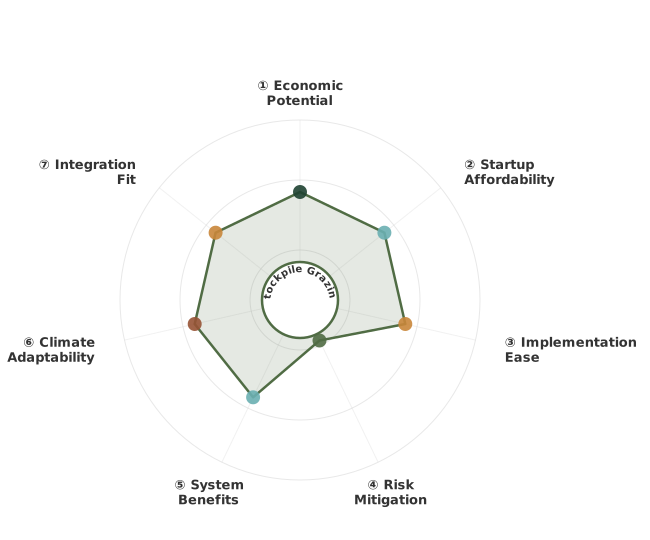
How These Traits Are Calculated
Trait dimensions are ordered clockwise starting from the top of the chart (12 o'clock position):
1. Economic Potential
Financial returns, annual value, and break-even timeline
WHAT: Evaluates financial viability by combining net annual value ($/ha from savings, income, and amortized harvests) with break-even timeline showing when practices pay for themselves.
WHY: Farmers need clear ROI understanding before committing resources. Fast payback (≤3 years) with strong returns (≥$300/ha) enables confident adoption, while long timelines (>10 years) restrict adoption to well-funded operations willing to wait for returns.
HOW: Calculated from net annual value in $/ha and break-even years. Exceptional (≥2.6): fast ROI ≤3 years + high value ≥$300/ha. Typical (1.8-2.5): moderate returns or longer timelines. Limited (<1.8): marginal economics or very long payback >10 years.
2. Startup Affordability
Initial investment costs and financial barrier to entry
WHAT: Measures financial barrier to entry through startup costs for equipment, infrastructure, consulting, and materials. Inverted scoring: lower costs = higher scores = more accessible adoption.
WHY: Affordability determines who can adopt. Low-cost practices (<$250/ha) enable widespread adoption across diverse scales, while high costs (>$2,500/ha) limit adoption to well-capitalized operations, creating barriers that slow regenerative transition.
HOW: Calculated from initial investment parsed from practice content. Inverted scoring: Exceptional (≥2.6): minimal investment <$250/ha. Typical (1.8-2.5): moderate costs $250-2,500/ha. Limited (<1.8): high barrier >$2,500/ha.
3. Implementation Ease
Learning curve and specialized knowledge required
WHAT: Measures how much learning, planning, and specialized knowledge a practice requires. Simpler practices with fewer steps score higher, while complex practices requiring extensive training or specialized resources score lower.
WHY: Complex practices create adoption barriers even when economically viable. Straightforward practices enable faster adoption and broader participation, while those requiring extensive training, timing precision, or specialized equipment limit who can succeed.
HOW: Evaluated by measuring documentation length and identifying complexity markers like location-specific requirements, seasonal timing windows, specialized skills, and dedicated equipment needs. Exceptional (≥2.6): straightforward practices with minimal prerequisites. Typical (1.8-2.5): moderate learning curve with some specialized needs. Limited (<1.8): steep learning curve requiring significant training or resources.
4. Risk Mitigation
Identified financial and ecological risk assessment
WHAT: Evaluates documented risks across financial (investment loss, market volatility) and ecological (crop failure, pest outbreaks) domains. Inverted scoring: fewer risks = higher scores.
WHY: Understanding risk exposure helps farmers make informed decisions. Low-risk practices allow confident implementation, while high-risk practices require careful planning and contingency resources. Risk transparency prevents costly failures.
HOW: Calculated from identified risks in practice content. Inverted scoring: Exceptional (≥2.6): ≤2 risks with manageable severity. Typical (1.8-2.5): 3-5 moderate risks. Limited (<1.8): 6+ risks or severe exposure.
5. System Benefits
How many ways the practice improves your land simultaneously
WHAT: Measures how many aspects of land health improve at once—carbon storage, soil quality, erosion control, water absorption, and biodiversity. Practices that improve multiple areas simultaneously create compounding benefits where each improvement reinforces the others.
WHY: The best practices solve multiple problems at once. For example, addressing erosion simultaneously builds carbon and improves water infiltration, creating a resilient system with positive feedback loops. Single-benefit approaches miss these compound transformation opportunities.
HOW: Evaluated across five key outcomes: carbon sequestration, soil organic matter increase, erosion reduction, water infiltration improvement, and biodiversity enhancement. Exceptional (≥2.6): high carbon storage (>8 t/ha/yr), improvements across 4-5 areas, transformative outcomes. Typical (1.8-2.5): moderate carbon (3-8 t/ha/yr), improvements across 2-3 areas. Limited (<1.8): modest impact (<3 t/ha/yr), single-area focus only.
6. Climate Adaptability
Geographic applicability across Köppen climate zones
WHAT: Evaluates geographic applicability by assessing how many Köppen climate zones successfully support a practice and what adaptation requirements are needed. Measures breadth of climates where farmers can implement with minimal to moderate modifications.
WHY: Universal practices working across diverse climates enable more farmers to adopt regenerative approaches. Practices limited to single climate types (only Mediterranean, only tropical) restrict adoption and slow global transition. Adaptability determines whether a practice serves niche regions or offers broad transformation.
HOW: LLM evaluation of regional success stories, Köppen zone coverage, and adaptation needs. Exceptional (≥2.6): 5+ zones or 4+ climate types, 3+ continents, minimal adaptation. Typical (1.8-2.5): 3-4 zones or 2-3 types, 2 continents, moderate adaptation. Limited (<1.8): 1-2 zones, single region, significant adaptation or highly specialized.
7. Integration Fit
How well this practice combines with others you're doing
WHAT: Measures how well a practice combines with other regenerative practices you might be doing. Some practices work as building blocks that make many other practices easier or more effective, while others work best on their own.
WHY: Practices that combine well with many others create more value on your farm. For example, cover cropping enables no-till, improves grazing, supports crop diversity, and helps water management—making all of them work better together. This helps you build a coherent system rather than juggling disconnected practices.
HOW: Evaluated by identifying which practices combine well and how strong those combinations are. 'Ideally Suited' means strong combinations where practices reinforce each other (practice A makes B easier, while B makes A more effective). 'Adequate' means complementary benefits that work well together. Exceptional (≥2.6): combines well with 6+ practices, serves as a building block. Typical (1.8-2.5): combines with 3-5 practices. Limited (<1.8): 1-2 practices or works best alone.
Going Deeper
1
WHY - The Benefits
Stockpile grazing offers a powerful combination of economic and ecological advantages, directly contributing to more resilient and regenerative farming systems. By strategically leveraging natural growth, producers can significantly reduce costs, improve animal health,...
Stockpile grazing offers a powerful combination of economic and ecological advantages, directly contributing to more resilient and regenerative farming systems. By strategically leveraging natural growth, producers can significantly reduce costs, improve animal health,...
WHY - The Benefits
Stockpile grazing offers a powerful combination of economic and ecological advantages, directly contributing to more resilient and regenerative farming systems. By strategically leveraging natural growth, producers can significantly reduce costs, improve animal health,...
Stockpile grazing offers a powerful combination of economic and ecological advantages, directly contributing to more resilient and regenerative farming systems. By strategically leveraging natural growth, producers can significantly reduce costs, improve animal health,...
Soil Health Benefits
Stockpile grazing keeps the soil covered with standing forage and litter for an extended period, typically from late fall through winter. This protective layer shields the soil surface from wind and water erosion, which is especially critical in regions with frost-heaved soils or during early spring melt. The accumulated organic matter, consisting of senesced plant material and root exudates, feeds soil microbes, promoting a healthy soil food web.
Unlike feeding hay in confined areas which can lead to overgrazing, compaction, and nutrient concentration, stockpile grazing distributes nutrient cycling more evenly across the landscape. As livestock graze the stockpiled forage, they deposit manure and urine, recycling nutrients back into the pasture ecosystem. This mimics natural grazing patterns and supports the long-term fertility of the soil.
Furthermore, by allowing plants to accumulate significant growth before winter, stockpile grazing encourages deeper root development. The prolonged period of photosynthesis and root growth before dormancy contributes to a more robust root system, which is crucial for soil structure, water infiltration, and nutrient uptake in the following growing season. This continuous biological activity supports the soil's ability to absorb water, reducing runoff and improving groundwater recharge.
Economic Benefits
The most immediate and significant economic benefit of stockpile grazing is the reduction in supplemental feed costs. In many regions, hay and silage represent a substantial portion of a livestock producer's operational expenses. The average cost of feeding hay can range from USD $100-400 per animal per year, depending on location, forage quality, and availability. By replacing a significant portion of this stored feed with standing forage, farmers can save thousands of dollars annually. For example, a 50-cow operation might eliminate the need for 50-100 tonnes of hay, resulting in savings of USD $5,000-20,000+ per year.
Beyond direct feed savings, stockpile grazing reduces labor and equipment costs associated with harvesting, storing, and feeding hay. This translates to less time spent on machinery maintenance, fuel expenses, and overall labor. Improved animal performance is another common economic reward. Stockpiled forage, when managed properly, is typically of higher nutritional quality than lower-quality hay. This can lead to better weight gains, improved reproductive rates, and potentially reduced veterinary costs, contributing an additional 5-15% increase in animal performance value.
The practice can also increase the effective carrying capacity of a farm by extending the grazing season. Livestock can remain on pasture for an additional 60-90 days, reducing the period they are reliant on potentially expensive stored feeds. This extended grazing means the land is producing income for a longer period, increasing the overall profitability per hectare. In essence, stockpile grazing turns a typically unproductive winter period into an economically productive one.
Regenerative Systems Fit
Stockpile grazing is a foundational practice that strongly supports the principles of regenerative agriculture.
Principle 3 (Keep Soil Covered): By allowing forage to accumulate and remain standing through winter, stockpile grazing ensures that the soil surface is protected from erosion by wind and water. The thick layer of standing dead grass, litter, and potentially snow cover acts as a natural mulch, preventing soil loss and maintaining soil moisture. This contrasts with bare winter fields or areas where hay is fed and heavily trafficked, which are prone to degradation.
Principle 4 (Maintain Living Roots): The process of stockpiling necessitates allowing plants to grow and accumulate biomass for an extended period. This extended period of active plant growth means living roots are present in the soil for longer, capturing sunlight and photosynthesizing until deep frost or snow, contributing to soil organic matter and maintaining soil structure underground. This extends the biological activity in the soil profile deeper into the year.
Principle 5 (Integrate Livestock): Stockpile grazing is fundamentally an integration of livestock and pasture management. Animals are used to harvest the accumulated forage in a controlled manner, cycling nutrients through their manure back into the soil. This practice maximizes the efficiency of nutrient use within the pasture system and reduces the reliance on external nutrient inputs that might be required for stored feed production or supplementation. It encourages a more holistic approach to land management by viewing livestock as a tool for ecological enhancement, not just a source of product.
Principle 1 (Minimize Soil Disturbance): While not a tillage practice, stockpile grazing indirectly contributes to minimizing disturbance. By reducing the need for heavy machinery to harvest and feed hay, it lessens the frequency of soil compaction and disturbance due to tractors and balers. Moreover, by keeping the soil covered and maintaining living roots, it promotes soil structure that is more resilient to compaction from grazing animals compared to bare or damaged soils.
Principle 2 (Maximize Crop Diversity): Stockpile grazing itself does not directly increase plant species diversity within the pasture. However, it works best in, and can be a stepping stone towards systems with, diverse perennial pastures. Fields chosen for stockpiling often contain a mix of desirable perennial grasses and legumes that, when allowed to accumulate, provide varied nutrition. As part of a broader regenerative strategy, it supports the goals of diverse, resilient perennial systems.
Stockpile grazing is also a vital economic enabler for other regenerative practices. The significant cost savings can free up capital that can be reinvested in practices like establishing diverse cover crop mixes, improving rotational grazing infrastructure (fencing, water), or exploring agroforestry options. By making the primary grazing system more self-sufficient and profitable, it builds the financial resilience needed to implement more complex regenerative strategies.
Sources behind this view
Videos & Podcasts
-
Explains stockpiling forage for winter grazing as a profitable strategy to reduce costs ($1.25/day vs. $2.25-$2.60/day for hay). Highlights the opportunity to create a year-round forage chain, reducin
-
Greg Judy of Green Pastures Farm advocates for winter stockpiling of fescue for grazing, eliminating hay costs and labor. He emphasizes moving livestock onto rested pastures for self-harvesting, promo
-
Greg Judy of Green Pastures Farm explains winter stockpile grazing using daily strips for beef cattle. This method saves money compared to buying hay by allowing animals to self-feed on previously gra
-
The 'Total Grazing' program uses non-selective grazing on recovered plants and stockpiled grass to maximize harvest efficiency, create humus, and support high stocking rates. It emphasizes adapted gen
Community
-
Adopts a holistic grazing management approach emphasizing diverse perennial pastures, higher residuals (4"), and longer rest periods (avg. 45 days) to build soil health, increase organic matter (3.4%
Read more (opens in new window) smallfarms.cornell.edu -
Successful winter grazing requires adjusting calving to June, developing tall, accessible winter pastures, and using monthly forage analysis with a nutritionist for tailored supplements. Daily pasture
Read more (opens in new window) permies.com -
Manage rotational grazing by setting recovery (15-40+ days, adapting to region/season) and grazing periods (2-3 days). Aim to 'take half, leave half' for livestock and soil microbes. High stocking den
Read more (opens in new window) smallfarms.cornell.edu -
Explains core grazing management principles: timing, intensity, duration, and frequency, with specific recommendations for rest periods, stubble heights, utilization, and management of diverse vegetat
Read more (pp. 17-32) (opens PDF, pp. 17-32) efotg.sc.egov.usda.gov
Research
-
192 Towards Year-Round Grazing in the Southeastern U.S (opens in new window)
This study found: Southeastern U.S. sheep/goat farmers can boost profits by reducing winter feed costs through better grazing management, diverse forages, improved infrastructure, and proper hay storage, enabling year-
-
Managing Grazing to Restore Soil Health, Ecosystem Function, and Ecosystem Services (opens in new window)
This study found: Properly managed grazing animals can reverse environmental damage. Regenerative practices, like Adaptive Multi-Paddock (AMP) grazing, boost soil health, increase soil carbon, reduce erosion, and enhan
-
Improved grazing management may increase soil carbon sequestration in temperate steppe (opens in new window)
This study found: Continuous moderate grazing in temperate grasslands maximized soil carbon storage by boosting root growth and decay. Optimal management involves ~5 animals/ha and ~40% vegetation utilization for best
-
Effects of spring grazing on dryland perennial ryegrass/white clover dairy pastures. 1. Pasture accumulation rates, dry matter consumed yield, and nutritive characteristics (opens in new window)
This study found: Frequent, short spring grazing on ryegrass/clover dairy pastures improved grass growth and feed quality (energy, protein) over three years in Australia, outperforming hay cutting.
From the Web
-
Stockpiled pasture significantly reduces hay costs by extending grazing into winter, improving soil health and profitability. Key practices include adaptive stocking rates, adequate rest periods, and
-
Strategic stockpiling and adaptive grazing are key for drought resilience. Building soil armor through trampling improves infiltration and spring regrowth. Leaving residual forage provides stability,
-
Continue winter grazing by stockpiling forage and using hay strategically to direct cattle for nutrient deposition. Be adaptable with grazing plans, considering shelter and water. Use winter for busin
-
Key principles for managing soil and forage include minimizing tillage, maintaining living roots, promoting species diversity, and practicing adaptive grazing. Specific grazing height recommendations
2
WHERE - Regional Considerations
Stockpile grazing is a globally applicable practice but its optimal timing and success are influenced by regional climate, forage species, and growing season length. The key is understanding the period of significant forage accumulation versus the period of dormancy or...
Stockpile grazing is a globally applicable practice but its optimal timing and success are influenced by regional climate, forage species, and growing season length. The key is understanding the period of significant forage accumulation versus the period of dormancy or...
WHERE - Regional Considerations
Stockpile grazing is a globally applicable practice but its optimal timing and success are influenced by regional climate, forage species, and growing season length. The key is understanding the period of significant forage accumulation versus the period of dormancy or...
Stockpile grazing is a globally applicable practice but its optimal timing and success are influenced by regional climate, forage species, and growing season length. The key is understanding the period of significant forage accumulation versus the period of dormancy or...
Click Here to Look up your Region if you don't already know it
Humid Temperate Regions
Representative Locations: Southeastern United States, Northern Europe (UK, Germany, Poland), Eastern China, Japan, New Zealand
Climate Context: Moderate annual rainfall (75-150 cm or 30-60 inches) distributed throughout the year, warm to hot summers, and cool to cold winters. USDA Zones 6-8, Köppen Cfb/Cfa.
Stockpiling Strategy: In these regions, the primary potential for forage accumulation occurs in late summer and autumn as temperatures moderate and rainfall remains stable. The critical period for deferral might be from August to November in the Northern Hemisphere, or February to May in the Southern Hemisphere. The key is allowing plants to recover from summer heat stress and regrow before winter dormancy or snow cover. Species like tall fescue, orchardgrass, and perennial ryegrass are excellent for stockpiling. Success relies on managing grazing leading up to deferral to prevent premature depletion and managing winter grazing carefully to ensure spring regrowth.
Mediterranean Regions
Representative Locations: California (USA), Mediterranean basin (Spain, Italy, Greece), central Chile, southwestern Australia, Western Cape (South Africa)
Climate Context: Hot, dry summers and mild, wet winters. Rainfall is highly seasonal, concentrated in late autumn through spring. USDA Zones 8-10, Köppen Csa/Csb.
Stockpiling Strategy: Stockpiling in Mediterranean climates is most effective during the autumn and early winter rains. The strategy here often involves allowing grasses and drought-tolerant legumes to accumulate growth during the wetter, cooler months after the dry summer. Deferral might begin in October/November (Northern Hemisphere) or April/May (Southern Hemisphere) and continue through winter. Species adapted to Mediterranean conditions, such as certain annual bromes, subclover, and drought-tolerant perennial grasses, can be effective. The challenge is ensuring sufficient growth accumulation despite dry summer conditions leading into the fall. Managed grazing in late winter/early spring is crucial for utilizing accumulated forage before summer drought.
Arid/Semi-Arid Regions
Representative Locations: Western USA High Plains, North Africa, Central Asia, Interior Australia
Climate Context: Low annual precipitation (<40 cm or 15 inches), variable temperatures, and often short growing seasons. Köppen BSh/BSk.
Stockpiling Strategy: Stockpiling in arid regions is more challenging due to limited annual precipitation and often overgrazing history. Success depends heavily on drought-tolerant, deep-rooted perennial grasses and forbs that can survive extended dry periods and respond to any available moisture. Deferral might occur during cooler, wetter periods such as autumn or spring, aiming to capture any available growth. The quality of stockpiled forage can be lower, often higher in fiber and lower in protein, requiring careful nutritional monitoring. Supplemental feeding may still be needed but can be reduced. Careful management is required to prevent overgrazing and allow forage plants to recover sufficient reserves to survive the harsh dry periods.
Cold Continental Regions
Representative Locations: Northern USA and Canada, Northern Europe, Siberia (Russia)
Climate Context: Very short growing seasons, extreme summer heat, and severe winter cold with significant snow cover. USDA Zones 3-5, Köppen Dfa/Dfb.
Stockpiling Strategy: Stockpiling in these regions is primarily focused on maximizing growth during the short, intense growing season and preserving it before winter snows bury it. Species that are cold-hardy and retain nutritional value when standing or under snow are essential. These might include hardy varieties of brome, fescue, and certain clovers. Deferral begins in late summer/early autumn and continues through winter. The challenge is ensuring adequate accumulation before snow, and then providing access to the forage once buried. Techniques like strip grazing or using portable electric fencing to break down large stockpiled areas can help manage access and prevent overgrazing of the limited winter growth. Nutritional quality can decline rapidly, making regular monitoring and supplementation important.
Subtropical and Tropical Regions
Representative Locations: Southeastern USA, Southern China, Southern Brazil, Eastern Australia (Subtropical); Central America, Southeast Asia, East Africa, Northern Australia, Northern South America (Tropical)
Climate Context: Hot, humid summers, mild winters (Subtropical - Cfa/Cwa); High temperatures year-round with distinct wet and dry seasons or consistent high rainfall (Tropical - Af/Am/Aw).
Stockpiling Strategy: In subtropical regions, stockpiling can occur during autumn as temperatures cool and rainfall patterns persist, building on a strong summer growth base. In tropical regions, the strategy is more complex. The "dormant" period is often defined by a dry season rather than cold. Stockpiling might involve managing grazing to allow species to accumulate biomass leading into the dry period, with the expectation that this forage will retain some nutritional value. The challenge is maintaining forage quality during the dry season when plant senescence is rapid. Species selection is critical, favoring those that are drought-tolerant, retain nutrients well, and have good regrowth potential once moisture returns. Careful rotational management is key to ensure pasture resilience through both wet and dry cycles.
3
HOW - Implementation Process
Implementing stockpile grazing effectively requires careful planning and management across the entire year, not just during the stockpiling period. It's about managing your entire grazing system to allow a specific area to rest and grow.
Implementing stockpile grazing effectively requires careful planning and management across the entire year, not just during the stockpiling period. It's about managing your entire grazing system to allow a specific area to rest and grow.
HOW - Implementation Process
Implementing stockpile grazing effectively requires careful planning and management across the entire year, not just during the stockpiling period. It's about managing your entire grazing system to allow a specific area to rest and grow.
Implementing stockpile grazing effectively requires careful planning and management across the entire year, not just during the stockpiling period. It's about managing your entire grazing system to allow a specific area to rest and grow.
Prerequisites
- Pasture Assessment: Identify suitable paddocks. Ideally, these should contain high-performing perennial grasses and legumes that respond well to deferral and have good frost/drought tolerance for your region. Avoid paddocks with significant weed problems or poor species composition.
- Species Selection: Understand the forage species you have. Species like tall fescue, orchardgrass, bromegrass, perennial ryegrass, and certain clovers (white clover, subclover) are generally good candidates. Annuals are typically not suitable for stockpiling due to their life cycle.
- Grazing History: Ensure the selected paddocks have been managed well leading up to the deferral period. They should not have been overgrazed in the preceding months. Adequate residual leaf area is needed for plants to regrow effectively.
- Water Access: Plan for how livestock will access water during the winter period. Many operations use portable water troughs connected to a central water source or rely on natural water bodies if available and suitable.
- Fencing: While not strictly required, good fencing is crucial for effective management. This includes perimeter fences and, ideally, internal fencing (permanent or portable electric) to manage winter grazing.
Phase 1: Pre-Deferral Grazing Management (Late Spring/Summer)
Objective: Prepare the chosen paddocks for extended rest.
- Intensive Grazing (Late Spring/Early Summer): Graze your chosen stockpiling paddocks intensely for a short period (3-7 days) towards the end of the main growing season (e.g., May-June in Northern Hemisphere). The goal is to graze off excess growth and prevent plants from becoming too mature or stemmy before the deferral begins. This also helps stimulate good regrowth. Ensure adequate residual leaf area remains.
- Remove Livestock: After this intensive grazing bout, completely remove livestock from the designated stockpiling paddocks. They will not return until winter. This 60-90+ day rest period is crucial for significant forage accumulation.
- Monitor and Manage Weeds: While the paddocks are resting, monitor for invasive weeds. If weeds become problematic, spot-treat manually or with targeted herbicides. Avoid mowing unless absolutely necessary for weed control, as removing desirable grass growth reduces stockpiling potential.
Phase 2: The Accumulation Period (Late Summer/Autumn)
Objective: Maximize forage growth and quality.
- Continued Rest: Maintain full deferral of the selected paddocks.
- Natural Growth: Forage plants will continue to grow, driven by available moisture and moderated temperatures. In temperate regions, growth may slow in very hot summers but rebounds in autumn. In regions with distinct wet seasons, this period coincides with available moisture.
- Nutritional Enhancement: Consider overseeding or inter-seeding legumes like white clover or subclover into the pasture during the spring or early summer. These legumes will fix nitrogen and add protein to the stockpiled forage, significantly improving its nutritional value.
Phase 3: Winter Grazing Management (Winter)
Objective: Utilize accumulated forage efficiently while protecting soil and ensuring spring regrowth.
- Access and Strip Grazing: As winter progresses and stored feed needs to be supplemented or replaced, begin grazing the stockpiled forage. The most effective method is strip grazing or break fencing. This involves using portable electric fencing to give livestock access to only a small portion of the total stockpiled area each day or every few days.
- Daily or Multi-Day Moves: Move the fence line daily or every 2-3 days, depending on stocking rate and forage availability. This concentrates manure and urine, improving nutrient cycling and preventing animals from trampling and wasting large amounts of forage.
- Residual Height: Leave a residual height of standing forage (e.g., 5-10 cm or 2-4 inches) after grazing each strip. This residual protects the soil surface, provides a buffer of forage, and supports quicker regrowth in the spring. Do not graze stockpiled areas down to bare soil.
- Water and Mineral Access: Ensure livestock have continuous access to unfrozen water and appropriate mineral supplements.
- Strategic Supplemental Feeding: If nutritional analyses indicate deficiencies (especially protein or energy during very cold periods or under heavy snow), provide very limited, high-quality supplements. The goal is to supplement, not replace, the stockpiled forage.
Transition Timeline & Phase-Out Strategy
Stockpile grazing is not a transition practice in the sense of phasing out a harmful input; it is a foundational practice to be integrated. However, for farms heavily reliant on hay, the transition involves a phased reduction in hay feeding.
Year 1: Implement stockpile grazing on 20-30% of your available winter grazing land. Aim to replace 20-30% of your typical hay feeding days with stockpiled forage. Focus on learning the process and managing the deferred paddocks. Year 2-3: Increase the proportion of land dedicated to stockpiling and aim to replace 50-70% of hay feeding. Refine paddock selection, species composition, and winter grazing management based on Year 1 experiences. Year 4+: Aim to stockpile sufficient forage to meet 80-100% of winter feed needs, relying on supplemental feeding only for extreme weather events or specific nutritional needs. Continuously refine management for optimal forage quality and utilization.
Graduation from a traditional stored-feed system to a robust stockpile grazing system is achieved when:
- Hay feeding days are reduced by at least 70% annually.
- Animal performance (weight gain, milk production, reproduction) is maintained or improved during the winter period.
- Soil health indicators (cover, reduced erosion, visible biological activity) in winter-grazed areas are showing improvement.
- The economic savings are clearly realized and reinvested in pasture improvement or other regenerative practices.
Sources behind this view
Videos & Podcasts
-
Explains stockpiling forage for winter grazing as a profitable strategy to reduce costs ($1.25/day vs. $2.25-$2.60/day for hay). Highlights the opportunity to create a year-round forage chain, reducin
-
Advocates for stockpiled forage over hay for winter grazing, citing superior nutritional quality and palatability. Explains the process of grazing pastures in late summer to allow regrowth for winter
-
Greg Judy of Green Pastures Farm explains winter stockpile grazing using daily strips for beef cattle. This method saves money compared to buying hay by allowing animals to self-feed on previously gra
-
Greg Judy advocates for stockpiling fescue by grazing only the top third of the plant, leaving two-thirds for winter regrowth. This method promotes soil health and reduces winter feeding costs, with f
Community
-
Successful winter grazing requires adjusting calving to June, developing tall, accessible winter pastures, and using monthly forage analysis with a nutritionist for tailored supplements. Daily pasture
Read more (opens in new window) permies.com -
Adopts a holistic grazing management approach emphasizing diverse perennial pastures, higher residuals (4"), and longer rest periods (avg. 45 days) to build soil health, increase organic matter (3.4%
Read more (opens in new window) smallfarms.cornell.edu -
Bale grazing outwinters cattle by feeding hay in paddocks, rotating herds like the grazing season. This reduces labor, improves animal health, and fertilizes pastures. Key considerations include weath
Read more (opens in new window) smallfarms.cornell.edu -
Offers practical advice for winter grazing, emphasizing the need for portable fencing to minimize waste and the importance of backup hay. Discusses forage species' nutritional retention and the use of
Read more (opens in new window) permies.com
Research
-
Yield and Composition of Tall Fescue Stockpiled for Different Periods<sup>1</sup> (opens in new window)
This study found: Stockpiling tall fescue grass can provide 1.0-1.4 tons/acre DM in the first month, with protein dropping significantly by winter. Delaying grazing past January causes substantial feed losses. Viable i
-
192 Towards Year-Round Grazing in the Southeastern U.S (opens in new window)
This study found: Southeastern U.S. sheep/goat farmers can boost profits by reducing winter feed costs through better grazing management, diverse forages, improved infrastructure, and proper hay storage, enabling year-
-
Effects of spring grazing on dryland perennial ryegrass/white clover dairy pastures. 1. Pasture accumulation rates, dry matter consumed yield, and nutritive characteristics (opens in new window)
This study found: Frequent, short spring grazing on ryegrass/clover dairy pastures improved grass growth and feed quality (energy, protein) over three years in Australia, outperforming hay cutting.
-
STUDIES ON THE EXTENSION OE THE GRAZING SEASON I. (opens in new window)
This study found: Three-year study showed longer rest periods for winter pasture (foggage) significantly increased forage yield. Cocksfoot (orchardgrass) was best for winter grazing due to lower rot and better utilizat
From the Web
-
Stockpiled pasture significantly reduces hay costs by extending grazing into winter, improving soil health and profitability. Key practices include adaptive stocking rates, adequate rest periods, and
-
Extend grazing into late fall/early winter by stockpiling fescue, removing cattle by mid-August and applying 50 lbs N/acre. Strip grazing maximizes forage utilization, supporting cows for extended per
-
Implement stockpile grazing by building fall forage reserves to extend the season and reduce winter costs. Use bale grazing year-round, leaving 40-50% of intact bales or 20-25% of unrolled hay as tram
-
Continue winter grazing by stockpiling forage and using hay strategically to direct cattle for nutrient deposition. Be adaptable with grazing plans, considering shelter and water. Use winter for busin
4
Know the Debate
Stockpile grazing allows you to leverage natural forage growth, significantly reducing winter feed costs and labor. However, the degree of success ...
Know the Debate
Stockpile grazing allows you to leverage natural forage growth, significantly reducing winter feed costs and labor. However, the degree of success ...
Stockpile grazing allows you to leverage natural forage growth, significantly reducing winter feed costs and labor. However, the degree of success and potential savings vary widely based on your regional climate and the forage species you manage. In humid, temperate zones with reliable rainfall, expect substantial hay reduction (up to 80%) and quick financial returns within a year. Arid and cold climates present more challenges, with higher risks of lower forage quality or inaccessibility, potentially limiting savings and requiring more careful animal monitoring. Successful implementation ranges from modest savings on large rangelands with temporary fencing to significant reductions in feed costs on smaller farms using intensive management, with initial investments for infrastructure quickly recouped.
How much can I reduce hay feeding with stockpile grazing?
Significant savings (50-80% reduction)
Producers in favorable climates with suitable perennial forages and effective management can replace most hay feeding, achieving substantial cost savings. This relies on good fall growth, adequate winter access, and appropriate animal nutrition.
Sources behind this view
Sources behind this view
Videos & Podcasts
-
Eliminate hay costs by using stockpiled forage: set aside half the pasture from August-September for winter grazing, allowing year-round pasture access for cows with minimal hay supplementation.

-
Utilize winter grazing to cut feed costs (30-50%+) and improve soil health by grazing stockpiled or cold-hardy forages, leveraging cattle as nutrient depositors.
From the Web
-
Stockpiling forage, particularly fescue, in fall significantly extends winter grazing, reduces hay needs, and provides higher quality feed than hay. Cold weather preserves stockpile quality, and reduced endophyte toxicity in fescue makes it palatable and digestible in winter.
-
Extend grazing into late fall/early winter by stockpiling fescue, removing cattle by mid-August and applying 50 lbs N/acre. Strip grazing maximizes forage utilization, supporting cows for extended periods and significantly reducing feed costs.
Moderate savings (20-50% reduction)
In less ideal conditions (drier climates, shorter growing seasons, species less suited for stockpiling), savings may be more moderate. Supplemental feeding may still be necessary, but total hay consumption is reduced.
Sources behind this view
Sources behind this view
Videos & Podcasts
-
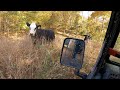
To manage winter grazing of dead warm-season grasses, protein tubs are being used as a convenient supplement for scattered, rotating cattle herds, as stockpiling these grasses can still offer some feed value.
Research
-
Yield and Composition of Tall Fescue Stockpiled for Different Periods<sup>1</sup> (opens in new window)
This study found: This study investigated how much and what quality of tall fescue grass you can 'bank' or stockpile for grazing in late autumn and early winter. Experiments on different soil types showed that stockpiling grass that grew in summer could yield between 1.0 to 1.4 tons of dry matter per acre in the first month, and another 1.1 to 1.5 tons in the second month. If you started stockpiling in July and extended it into September, you could accumulate even more. While stockpiling for grazing in October, November, and December led to only small losses of grass, delaying grazing until January resulted in significant losses. The protein content of the grass dropped considerably over winter, from about 8-15% down to 2-9%. However, the fiber content stayed about the same. Key minerals like potassium and phosphorus also decreased significantly by winter. Stockpiling grass that grew in the fall provided about 1.3 tons of dry matter per acre through December. The research suggests stockpiling fescue is a good option in areas with 40-47 inches of rain annually, but it's important to graze before late January to avoid major feed losses.
-
Review: Utilization of Stockpiled Tall Fescue in Winter Grazing Systems for Beef Cattle (opens in new window)
This study found: This review looks at research on saving tall fescue grass for cattle to graze on during the winter. This practice, called 'stockpiling,' can lower winter feeding costs, be better for the environment, and potentially improve animal health. Early research focused on how different amounts and timing of nitrogen fertilizer affected the grass's nutritional value. While the best type of nitrogen fertilizer is still being studied, recent findings suggest that whether the fescue has a common fungal infection (endophyte) doesn't seem to hurt cattle performance in winter as much as previously thought. This might be because the toxins from the fungus are less harmful in winter. However, cattle sometimes eat and gain weight less than expected, even with good-looking grass. More research is needed on how much grass is given to the animals and how often. Supplementing with energy is helpful when the grass has high protein, and sometimes protein supplements are also needed when the grass protein is just okay.
From the Web
-
Strategic stockpiling and adaptive grazing are key for drought resilience. Building soil armor through trampling improves infiltration and spring regrowth. Leaving residual forage provides stability, reduces supplementation needs, and offers financial flexibility.
Limited savings or requires careful management (<20% reduction)
Operations in extremely challenging environments (severe snow, very dry summers) or those overgrazing during accumulation may see limited hay reductions. Success hinges on meticulous management and realistic expectations for forage quality.
Sources behind this view
Sources behind this view
Videos & Podcasts
-
In snowy northern climates, intentional out-wintering uses bale grazing, silage, and stockpile grazing until snow depth limits access. Strategies support fall-calving cows, utilize cover crops, and consider snow as a water source, aiming to build soil health year-round.

Research
-
Effects of date of autumn closing and timing of winter grazing on herbage production in winter and spring (opens in new window)
This study found: This study in Ireland looked at how delaying when you stop grazing cattle in the fall and when you start grazing them in the winter affects grass growth. At low stocking rates (2 animals per hectare or less), leaving some grass to grow in the fall can provide feed during winter. The research found that closing fields for grazing in early to mid-September resulted in good quality grass with high protein and digestibility. However, the exact timing of when to stop grazing in the fall and when to start grazing in the winter had different impacts depending on the location in Ireland. In the south, delaying winter grazing significantly reduced the amount of grass available from late March through the summer. The study also noted that weather conditions played a big role in year-to-year results.
Making Sense of the Differences
The degree of hay reduction varies significantly based on climate, forage species, and management intensity. Humid regions with high-rainfall summer/fall periods and species like tall fescue or orchardgrass enable substantial savings (50-80%) by extending grazing with high-quality forage. Drier climates or those with less resilient species may see moderate savings (20-50%) as forage quality declines or access is impacted by snow, requiring more supplements. Consistent management, including adequate rest periods, strip grazing, and proper species selection, is crucial for maximizing savings and avoiding risks.
What are the risks of overgrazing winter pasture?
Risk of reduced spring regrowth and soil damage
Overgrazing stockpiled forage, especially in wet conditions or without adequate residual, can severely damage perennial plants and soil structure. This reduces spring regrowth, compromises soil cover, and can lead to erosion and compaction.
Sources behind this view
Sources behind this view
Videos & Podcasts
-
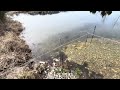
Greg Judy uses a half-bale of hay daily to extend stockpiled forage use in late winter, allowing pastures to recover. Leaving residual forage feeds soil and earthworms, promoting spring regrowth.
-
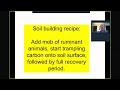
Greg Judy details winter grazing with stockpiled Fescue, using ATVs for hay distribution and avoiding heavy machinery. He emphasizes quality water, riparian zone grazing, and the benefits of trees. He also discusses native grass resurgence, dung beetles, and managing overgrazing by leaving significant forage residue.
From the Web
-
Strategic stockpiling and adaptive grazing are key for drought resilience. Building soil armor through trampling improves infiltration and spring regrowth. Leaving residual forage provides stability, reduces supplementation needs, and offers financial flexibility.
Risk of poor animal performance and nutritional deficiency
If stockpiled forage quality declines significantly due to maturity, weathering, or inadequate species, animals may suffer from nutritional deficiencies, leading to reduced gains and reproductive issues.
Sources behind this view
Sources behind this view
Videos & Podcasts
-
To manage winter grazing of dead warm-season grasses, protein tubs are being used as a convenient supplement for scattered, rotating cattle herds, as stockpiling these grasses can still offer some feed value.
Research
-
Review: Utilization of Stockpiled Tall Fescue in Winter Grazing Systems for Beef Cattle (opens in new window)
This study found: This review looks at research on saving tall fescue grass for cattle to graze on during the winter. This practice, called 'stockpiling,' can lower winter feeding costs, be better for the environment, and potentially improve animal health. Early research focused on how different amounts and timing of nitrogen fertilizer affected the grass's nutritional value. While the best type of nitrogen fertilizer is still being studied, recent findings suggest that whether the fescue has a common fungal infection (endophyte) doesn't seem to hurt cattle performance in winter as much as previously thought. This might be because the toxins from the fungus are less harmful in winter. However, cattle sometimes eat and gain weight less than expected, even with good-looking grass. More research is needed on how much grass is given to the animals and how often. Supplementing with energy is helpful when the grass has high protein, and sometimes protein supplements are also needed when the grass protein is just okay.
-
Effects of date of autumn closing and timing of winter grazing on herbage production in winter and spring (opens in new window)
This study found: This study in Ireland looked at how delaying when you stop grazing cattle in the fall and when you start grazing them in the winter affects grass growth. At low stocking rates (2 animals per hectare or less), leaving some grass to grow in the fall can provide feed during winter. The research found that closing fields for grazing in early to mid-September resulted in good quality grass with high protein and digestibility. However, the exact timing of when to stop grazing in the fall and when to start grazing in the winter had different impacts depending on the location in Ireland. In the south, delaying winter grazing significantly reduced the amount of grass available from late March through the summer. The study also noted that weather conditions played a big role in year-to-year results.
Risk of limited access due to weather
Heavy snow, ice, or mud can make stockpiled forage inaccessible, forcing a return to feeding stored or supplemental feeds, thus negating the benefits of stockpiling and potentially increasing costs.
Sources behind this view
Sources behind this view
Videos & Podcasts
-
In snowy northern climates, intentional out-wintering uses bale grazing, silage, and stockpile grazing until snow depth limits access. Strategies support fall-calving cows, utilize cover crops, and consider snow as a water source, aiming to build soil health year-round.
From the Web
-
Strategic stockpiling and adaptive grazing are key for drought resilience. Building soil armor through trampling improves infiltration and spring regrowth. Leaving residual forage provides stability, reduces supplementation needs, and offers financial flexibility.
Making Sense of the Differences
Overgrazing winter pasture poses significant risks to both soil health and animal performance. Leaving inadequate residual forage (less than 2-4 inches) after strip grazing can damage perennial plants, hinder spring regrowth, and expose soil to erosion and compaction, particularly in wet or thawing conditions. Poor forage quality, due to species selection, weathering, or excessive winter duration, can lead to nutritional deficiencies and reduced animal gains, necessitating costly supplements. Severe weather like heavy snow or ice can also limit access to stockpiled feed, undermining the cost-saving benefits. Effective management emphasizes precise strip grazing, always leaving residual, monitoring animal condition, and selecting appropriate species for the region's climate.
5
HOW MUCH - Costs & Investment
Note: Costs shown in USD; multiply by local labor and material cost indices for your region. Labor costs vary significantly internationally.
Note: Costs shown in USD; multiply by local labor and material cost indices for your region. Labor costs vary significantly internationally.
HOW MUCH - Costs & Investment
Note: Costs shown in USD; multiply by local labor and material cost indices for your region. Labor costs vary significantly internationally.
Note: Costs shown in USD; multiply by local labor and material cost indices for your region. Labor costs vary significantly internationally.
Note: All costs are based on recent US economic data (2024–2026) and may vary substantially by region based on local labor rates, material costs, and regulatory requirements.
Infrastructure & Fencing
Portable fencing acts as the backbone of an effective stockpile grazing system, enabling the strip-grazing techniques necessary to maximize forage utilization. For small-scale operations under 50 acres (20 ha), producers can expect to invest between $83 and $260 per acre ($205–$642/ha). This expenditure covers high-tensile polywire, lightweight step-in posts, and solar-powered energizers capable of managing multiple small paddocks. In contrast, mid-sized operations ranging from 50 to 500 acres (20–202 ha) usually see costs between $42 and $125 per acre ($104–$309/ha). These producers often rely on existing perimeter fencing and invest in higher-capacity central chargers that can maintain current across several hundred acres, reducing the per-acre hardware cost. Large-scale operations exceeding 500 acres (202 ha) leverage economies of scale to bring investment down to $21 to $62 per acre ($52–$153/ha). At this level, management shifts away from intensive new infrastructure toward re-purposing existing interior wire and installing strategic gates to manage massive grazing blocks, which significantly lowers the capital outlay per acre.
Water Infrastructure
Water accessibility is often the limiting factor in seasonal grazing systems. Small-scale producers operating on fewer than 50 acres (20 ha) face costs between $104 and $365 per acre ($257–$902/ha) to implement mobile water systems, including portable, durable troughs and quick-connect, UV-resistant hosing. Mid-sized operations, maintaining between 50 and 500 acres (20–202 ha), require a more robust, semi-permanent water network, costing $52 to $156 per acre ($128–$385/ha). This investment usually focuses on piping extensions from existing wells or mains to central headers, allowing the herd to reach forage in remote corners of the farm. Large-scale operations over 500 acres (202 ha) generally rely on leveraging existing natural water features or large stock ponds, investing primarily in portable piping, pressure-relief valves, and float devices to deliver water to specific strip-grazed sectors. This infrastructure, typically costing $16 to $52 per acre ($40–$128/ha), allows for precise animal movement while avoiding the heavy machinery required to move larger cattle troughs.
Seed & Soil Fertility
Forage quality optimization is critical to the success of stockpile grazing, especially in late-season growth windows. Small operations typically spend $52 to $156 per acre ($128–$385/ha) on premium overseeding mixes—often incorporating N-fixing legumes—and the associated costs of renting specialized drills or manual labor for placement. Mid-sized operations, benefitting from bulk purchasing power for fertilizer and diverse seed blends, see per-acre costs ranging from $31 to $104. These operations often implement a more systematic soil testing regime to ensure the specific pH and nutrient profile required for persistent, high-biomass fescue or orchardgrass stands. Large operations optimize their spend at $21 to $78 per acre ($52–$193/ha) by focusing on natural, multi-year reseeding cycles. By utilizing heavy-duty soil testing and targeted nutrient applications during early autumn, these producers minimize the need for high-cost chemical inputs, relying instead on the biological legacy of the soil.
Ongoing Annual Management
Annual maintenance encompasses pasture testing, mineral supplementation programs, and the inevitable repair of gear damaged by livestock or weather. Small operations report the highest recurring labor costs, averaging $42 to $104 per acre ($104–$257/ha). This reflects the intense, high-frequency labor needed for daily paddock moves and hands-on maintenance of smaller, more mobile solar kits. Mid-sized operations shift toward more mechanized systems, bringing costs down to $21 to $62 per acre ($52–$153/ha); efficiency is gained through semi-permanent water layouts and simplified fencing designs that require less daily manipulation. Large-scale operators report the lowest annual maintenance burden, ranging from $10 to $42 per acre ($25–$104/ha), primarily because their routine is folded into standard herd-checking procedures. By clustering moving times with other daily tasks, these operations capture massive labor efficiencies that are often unavailable to smaller farms.
Most Spend: Most agricultural operations in this sector fall within the $45 to $115 per acre ($111–$284/ha) range across all infrastructure categories. This middle 60% encompasses the typical mid-sized producer who is investing in reliable, semi-permanent solar-powered fencing and basic water upgrades without the extremes of low-cost "scavenged" components or high-cost, fully automated pressurized piping systems.
Why the Range?: Costs vary significantly based on existing farm infrastructure and topographical complexity. Farms starting with perimeter fencing already in place for other enterprises see lower costs, while those requiring new, intricate water networks for hilly or uneven terrain occupy the higher end of the range. Furthermore, local labor availability and the decision to utilize professional installation services versus "do-it-yourself" approaches drive a significant wedge in the ultimate capital expenditure per acre.
Sources behind this view
Videos & Podcasts
-
Explains stockpiling forage for winter grazing as a profitable strategy to reduce costs ($1.25/day vs. $2.25-$2.60/day for hay). Highlights the opportunity to create a year-round forage chain, reducin
-
Reduces winter feed costs by optimizing calving to May, utilizing corn grazing (175-200 days/acre) with forage soybeans (no synthetic fertilizer), and shoulder-season grazing. This system offers signi
![Thumbnail for [S5E7] Farmer Panel: Reducing Feed Costs in 2025](/static/thumbnails/mLddNZ2w7mU.jpg)
-
Greg Judy of Green Pastures Farm advocates for winter stockpiling of fescue for grazing, eliminating hay costs and labor. He emphasizes moving livestock onto rested pastures for self-harvesting, promo
-
Greg Judy of Green Pastures Farm explains winter stockpile grazing using daily strips for beef cattle. This method saves money compared to buying hay by allowing animals to self-feed on previously gra
Community
-
Successful winter grazing requires adjusting calving to June, developing tall, accessible winter pastures, and using monthly forage analysis with a nutritionist for tailored supplements. Daily pasture
Read more (opens in new window) permies.com -
Winter grazing of alfalfa with sheep or goats provides inexpensive feed, income, and sustainable weed/pest control, but requires careful management to prevent soil compaction, stand loss, and bloat, e
Read more (opens in new window) ucanr.edu -
For existing beef cattle farmers, implement daily pasture rotation, shift calving to post-growing season start, and extend winter grazing to reduce costs. Build infrastructure like electric fencing an
Read more (opens in new window) permies.com -
Bale grazing outwinters cattle by feeding hay in paddocks, rotating herds like the grazing season. This reduces labor, improves animal health, and fertilizes pastures. Key considerations include weath
Read more (opens in new window) smallfarms.cornell.edu
Research
-
192 Towards Year-Round Grazing in the Southeastern U.S (opens in new window)
This study found: Southeastern U.S. sheep/goat farmers can boost profits by reducing winter feed costs through better grazing management, diverse forages, improved infrastructure, and proper hay storage, enabling year-
-
Increasing Intensity of Pasture Use with Dairy Cattle: An Economic Analysis (opens in new window)
This study found: Intensive grazing on Pennsylvania dairy farms was more profitable than hay/corn silage, returning $129/acre. High debt and poor cash flow motivated increased grazing intensity, which lowered feed cost
-
Farming with reduced winter cropping in southern New Zealand: the risks and practicalities (opens in new window)
This study found: Reducing winter crops by 25% in southern NZ increased farm profits by 6% over 10 years, with staff engagement and planning being key to success.
-
Effects of spring grazing on dryland perennial ryegrass/white clover dairy pastures. 1. Pasture accumulation rates, dry matter consumed yield, and nutritive characteristics (opens in new window)
This study found: Frequent, short spring grazing on ryegrass/clover dairy pastures improved grass growth and feed quality (energy, protein) over three years in Australia, outperforming hay cutting.
From the Web
-
Extend grazing into late fall/early winter by stockpiling fescue, removing cattle by mid-August and applying 50 lbs N/acre. Strip grazing maximizes forage utilization, supporting cows for extended per
-
Stockpiled pasture significantly reduces hay costs by extending grazing into winter, improving soil health and profitability. Key practices include adaptive stocking rates, adequate rest periods, and
-
Ranchers north of I-70/west of I-35 can reduce hay feeding by maximizing grazed forage through strategies like stockpiling forage for yearlong grazing, adaptive grazing with multi-year recovery period
-
Winter stockpile grazing with AMP grazing and the 6-3-4TM system offers significant economic benefits (cost reduction, increased profitability) and ecological advantages (enhanced nutrient cycling, so
6
REWARDS AND RISKS - Economics & Risk Factors
REWARDS AND RISKS - Economics & Risk Factors
Stockpile grazing turns dormant pasture into high-value winter feed, though results fluctuate based on seasonal environmental conditions. In the best-case scenario—characterized by favorable fall moisture and a temperate climate—producers can reduce their reliance on harvested hay by up to 80%. On a standard 50-cow herd, this results in direct annual savings of $3,647 to $5,210. Furthermore, the high-quality forage intake improves animal condition during the winter, which can yield a 10% gain in livestock weight performance, shortening the production cycle and accelerating the recoupment of capital outlays to 12–18 months.
The typical scenario, where moderate weather and standard forage conditions prevail, sees a 50–60% reduction in winter hay dependence, allowing for savings of $2,292 to $3,334 yearly. In these conditions, businesses generally reach a break-even point on infrastructure expenditures within 24 months. The worst-case scenario involves unexpected early-season ice events or prolonged drought that cripples regrowth. If winter hay reduction is limited to only 20%, savings drop to $833 to $1,250 annually. In such years, the payback period on equipment may extend to 5–7 years, placing pressure on the farm’s long-term cash flow and necessitating a stricter risk management approach to soil health to ensure the pasture ecosystem remains productive for the following spring.
Market factors significantly influence the "opportunity savings" of this practice. Regional hay index prices often range between $150 and $300 per ton. When market hay prices rise, the cost-effectiveness of stockpiled grazing increases dramatically. Conversely, energy gaps in winter forage necessitate the introduction of protein supplementation. If energy levels drop too low during the peak of winter, producers must budget $16 to $42 per head for high-protein cake or mineral lick tubs, which acts as a variable input cost that can erode thin profit margins if not strictly managed.
Risk mitigation is central to long-term profitability. Producers should maintain a "safety buffer" of hay—typically 20–30% of standard winter requirements—costing $521 to $1,042 for a mid-sized herd. While this sounds like an overhead expense, it functions as an insurance policy against the high-cost emergency purchase of hay during severe inventory shortages. Furthermore, implementing high-intensity strip-grazing by moving cattle daily on small segments increases feed utilization by up to 40%. While this requires an extra $208 to $521 in annual labor, it prevents up to $1,563 to $2,084 in wasted, trampled feed.
The transition period poses unique risks. Producers often encounter a "yield-dip" in years 1 and 2 as the soil biome and plant community adapt to longer rests and different grazing intensities. Total forage biomass may fluctuate by 15–30% during this conversion. To mitigate risk, producers should not convert their entire acreage at once; staggering the conversion across 33% of the land annually maintains cash flow stability until the system reaches full productivity 36 months after the initial transition begun.
Sources behind this view
Videos & Podcasts
-
Explains stockpiling forage for winter grazing as a profitable strategy to reduce costs ($1.25/day vs. $2.25-$2.60/day for hay). Highlights the opportunity to create a year-round forage chain, reducin
-
Greg Judy of Green Pastures Farm advocates for winter stockpiling of fescue for grazing, eliminating hay costs and labor. He emphasizes moving livestock onto rested pastures for self-harvesting, promo
-
Greg Judy of Green Pastures Farm explains winter stockpile grazing using daily strips for beef cattle. This method saves money compared to buying hay by allowing animals to self-feed on previously gra
-
Advocates for stockpiled forage over hay for winter grazing, citing superior nutritional quality and palatability. Explains the process of grazing pastures in late summer to allow regrowth for winter
Community
-
Successful winter grazing requires adjusting calving to June, developing tall, accessible winter pastures, and using monthly forage analysis with a nutritionist for tailored supplements. Daily pasture
Read more (opens in new window) permies.com -
Strategies for extending sheep grazing into winter include planting winter rye for fall/spring grazing and feeding silage (grass and corn mix recommended for adults). Various landscape plants like pri
Read more (opens in new window) permies.com -
Adopts a holistic grazing management approach emphasizing diverse perennial pastures, higher residuals (4"), and longer rest periods (avg. 45 days) to build soil health, increase organic matter (3.4%
Read more (opens in new window) smallfarms.cornell.edu -
Bale grazing outwinters cattle by feeding hay in paddocks, rotating herds like the grazing season. This reduces labor, improves animal health, and fertilizes pastures. Key considerations include weath
Read more (opens in new window) smallfarms.cornell.edu
Research
-
192 Towards Year-Round Grazing in the Southeastern U.S (opens in new window)
This study found: Southeastern U.S. sheep/goat farmers can boost profits by reducing winter feed costs through better grazing management, diverse forages, improved infrastructure, and proper hay storage, enabling year-
-
Farming with reduced winter cropping in southern New Zealand: the risks and practicalities (opens in new window)
This study found: Reducing winter crops by 25% in southern NZ increased farm profits by 6% over 10 years, with staff engagement and planning being key to success.
-
Yield and Composition of Tall Fescue Stockpiled for Different Periods<sup>1</sup> (opens in new window)
This study found: Stockpiling tall fescue grass can provide 1.0-1.4 tons/acre DM in the first month, with protein dropping significantly by winter. Delaying grazing past January causes substantial feed losses. Viable i
-
Review: Utilization of Stockpiled Tall Fescue in Winter Grazing Systems for Beef Cattle (opens in new window)
This study found: Stockpiled tall fescue for winter grazing can reduce costs and environmental impact for beef cattle. Recent research suggests fungal infections in fescue have less impact on winter performance than pr
From the Web
-
Stockpiled pasture significantly reduces hay costs by extending grazing into winter, improving soil health and profitability. Key practices include adaptive stocking rates, adequate rest periods, and
-
Extend grazing into late fall/early winter by stockpiling fescue, removing cattle by mid-August and applying 50 lbs N/acre. Strip grazing maximizes forage utilization, supporting cows for extended per
-
Continue winter grazing by stockpiling forage and using hay strategically to direct cattle for nutrient deposition. Be adaptable with grazing plans, considering shelter and water. Use winter for busin
-
Ranchers north of I-70/west of I-35 can reduce hay feeding by maximizing grazed forage through strategies like stockpiling forage for yearlong grazing, adaptive grazing with multi-year recovery period
7
WHO - Labor & Expertise
Stockpile grazing is generally considered to have moderate labor requirements, with an emphasis on planning and management rather than intensive daily physical tasks once winter commences. Key Labor Components:
Stockpile grazing is generally considered to have moderate labor requirements, with an emphasis on planning and management rather than intensive daily physical tasks once winter commences. Key Labor Components:
WHO - Labor & Expertise
Stockpile grazing is generally considered to have moderate labor requirements, with an emphasis on planning and management rather than intensive daily physical tasks once winter commences. Key Labor Components:
Stockpile grazing is generally considered to have moderate labor requirements, with an emphasis on planning and management rather than intensive daily physical tasks once winter commences. Key Labor Components:
Key Labor Components:
- Planning & Assessment: Requires time in late spring/summer to assess paddocks, select species, and plan the grazing rotation leading up to deferral. This is strategic labor.
- Pre-Deferral Grazing: Intensive, short-duration grazing bout typically lasting a few days. Requires moving animals and managing fences for this period.
- Weed Management: Periodic checks and spot-treating weeds during the accumulation phase. This is low-intensity labor.
- Winter Grazing Management: Daily or every-other-day moves of portable electric fences, checking water supply, and monitoring animal well-being. This is the most consistent labor commitment during winter.
- Supplemental Feeding (Infrequent): If needed, this involves preparing and delivering supplements, which can be more efficient than full hay feeding.
Expertise Requirements:
- Forage Identification and Management: Understanding perennial grasses and legumes, their growth cycles, nutritional value, and response to grazing and rest.
- Grazing Management: Ability to implement strip grazing, manage stocking density, observe residual forage height, and understand animal behavior on pasture.
- Nutritional Husbandry: Basic understanding of animal nutritional needs during different life stages and seasons, and how to assess and supplement forage deficiencies.
- Basic Infrastructure Knowledge: Familiarity with portable electric fences, water systems, and understanding how to maintain them.
- Regional Climate Awareness: Understanding typical winter conditions (snow depth, ice events, temperature extremes) to anticipate challenges.
Labor Cost Variability:
- In regions with high labor costs (e.g., Western Europe, parts of North America), producers may invest in more durable, automated, or easily deployable fencing systems to reduce daily labor input.
- In regions with lower labor costs (e.g., parts of Africa, South America, Asia), operations might utilize more manual labor for fence moves and water provision. However, the core principles of effective management remain the same regardless of labor availability and cost.
- Operations that integrate stockpile grazing into a larger adaptive multi-paddock grazing system may find labor efficiencies as the animals are already being moved frequently.
Who Benefits Most: Stockpile grazing is particularly beneficial for producers who:
- Have a significant portion of their land in perennial pasture.
- Operate in regions with defined dormant or low-growth periods for forages.
- Are looking to reduce input costs (feed, labor, machinery).
- Want to improve the ecological health and resilience of their pastures.
- Are willing to invest time in planning and adaptive management.
Sources behind this view
Videos & Podcasts
-
Explains stockpiling forage for winter grazing as a profitable strategy to reduce costs ($1.25/day vs. $2.25-$2.60/day for hay). Highlights the opportunity to create a year-round forage chain, reducin
-
Greg Judy of Green Pastures Farm advocates for winter stockpiling of fescue for grazing, eliminating hay costs and labor. He emphasizes moving livestock onto rested pastures for self-harvesting, promo
-
Advocates for stockpiled forage over hay for winter grazing, citing superior nutritional quality and palatability. Explains the process of grazing pastures in late summer to allow regrowth for winter
-
Greg Judy of Green Pastures Farm explains winter stockpile grazing using daily strips for beef cattle. This method saves money compared to buying hay by allowing animals to self-feed on previously gra
Community
-
Successful winter grazing requires adjusting calving to June, developing tall, accessible winter pastures, and using monthly forage analysis with a nutritionist for tailored supplements. Daily pasture
Read more (opens in new window) permies.com -
Adopts a holistic grazing management approach emphasizing diverse perennial pastures, higher residuals (4"), and longer rest periods (avg. 45 days) to build soil health, increase organic matter (3.4%
Read more (opens in new window) smallfarms.cornell.edu -
Strategies for extending sheep grazing into winter include planting winter rye for fall/spring grazing and feeding silage (grass and corn mix recommended for adults). Various landscape plants like pri
Read more (opens in new window) permies.com -
Bale grazing outwinters cattle by feeding hay in paddocks, rotating herds like the grazing season. This reduces labor, improves animal health, and fertilizes pastures. Key considerations include weath
Read more (opens in new window) smallfarms.cornell.edu
Research
-
Yield and Composition of Tall Fescue Stockpiled for Different Periods<sup>1</sup> (opens in new window)
This study found: Stockpiling tall fescue grass can provide 1.0-1.4 tons/acre DM in the first month, with protein dropping significantly by winter. Delaying grazing past January causes substantial feed losses. Viable i
-
192 Towards Year-Round Grazing in the Southeastern U.S (opens in new window)
This study found: Southeastern U.S. sheep/goat farmers can boost profits by reducing winter feed costs through better grazing management, diverse forages, improved infrastructure, and proper hay storage, enabling year-
-
STUDIES ON THE EXTENSION OE THE GRAZING SEASON I. (opens in new window)
This study found: Three-year study showed longer rest periods for winter pasture (foggage) significantly increased forage yield. Cocksfoot (orchardgrass) was best for winter grazing due to lower rot and better utilizat
-
Effects of spring grazing on dryland perennial ryegrass/white clover dairy pastures. 1. Pasture accumulation rates, dry matter consumed yield, and nutritive characteristics (opens in new window)
This study found: Frequent, short spring grazing on ryegrass/clover dairy pastures improved grass growth and feed quality (energy, protein) over three years in Australia, outperforming hay cutting.
From the Web
-
Stockpiled pasture significantly reduces hay costs by extending grazing into winter, improving soil health and profitability. Key practices include adaptive stocking rates, adequate rest periods, and
-
Extend grazing into late fall/early winter by stockpiling fescue, removing cattle by mid-August and applying 50 lbs N/acre. Strip grazing maximizes forage utilization, supporting cows for extended per
-
Implement stockpile grazing by building fall forage reserves to extend the season and reduce winter costs. Use bale grazing year-round, leaving 40-50% of intact bales or 20-25% of unrolled hay as tram
-
Continue winter grazing by stockpiling forage and using hay strategically to direct cattle for nutrient deposition. Be adaptable with grazing plans, considering shelter and water. Use winter for busin
8
EQUIPMENT - Tools & Infrastructure
Effective stockpile grazing relies on a combination of basic infrastructure and portable equipment that allows for controlled grazing of accumulated forage. Critical Infrastructure:
Effective stockpile grazing relies on a combination of basic infrastructure and portable equipment that allows for controlled grazing of accumulated forage. Critical Infrastructure:
EQUIPMENT - Tools & Infrastructure
Effective stockpile grazing relies on a combination of basic infrastructure and portable equipment that allows for controlled grazing of accumulated forage. Critical Infrastructure:
Effective stockpile grazing relies on a combination of basic infrastructure and portable equipment that allows for controlled grazing of accumulated forage. Critical Infrastructure:
Critical Infrastructure:
- Perimeter Fencing: Secure boundary fences are essential to prevent livestock from leaving the property in search of feed or wandering into unsuitable areas. If existing fences are in poor condition, repairs or upgrades may be necessary.
- Water Access: While not always a new investment, ensuring reliable water access for livestock throughout the winter is paramount. This might involve:
- Existing water sources: Troughs, ponds, or natural springs within or adjacent to stockpiled paddocks.
- New water points: Installing new troughs, extending water lines (poly pipe is often used for portability), or utilizing solar pumps if electricity is unavailable.
- Care must be taken to prevent freezing in cold climates. Heated waterers or float valves can be helpful but add cost and complexity.
Essential Portable Equipment:
- Portable Electric Fencing: This is the cornerstone of controlling winter grazing.
- Polywire/Tape: Conductive materials that are lightweight and easy to move.
- Insulators: To attach wire to temporary posts.
- Temporary Posts: Fiberglass or plastic posts that can be easily driven into the ground.
- Electric Fencer Unit: A battery-powered or solar-powered energizer capable of powering the required fence length, especially important in areas with significant vegetation that can absorb charge. Multi-strand setups may be needed for taller animals or larger areas.
- Strip Grazing Tools:
- Wire Reels: For quick deployment and retrieval of fencing.
- Tensioners and Connectors: To maintain tautness and join fence sections.
- Forage & Animal Monitoring Tools:
- Pasture Meter/Stick (Optional): To estimate forage height and biomass before and after grazing.
- Animal Scales (Optional): To monitor weight gains and assess performance.
- Nutritional Analysis Kit (Optional): For testing quality of stockpiled forage.
- Supplemental Feeder (If needed): A portable feeder (e.g., ring feeder for large bales, or smaller feeders for concentrates) may be necessary if supplementation is required.
International Considerations:
- Availability and Cost: The availability and cost of portable fencing materials, energizers, and water delivery systems will vary by country and region. Local agricultural suppliers or specialized fencing retailers are the best sources for pricing and product recommendations.
- Durability: In extreme conditions (e.g., heavy snow, high winds, intense UV exposure), investing in more durable, higher-quality equipment may be wise.
- DIY vs. Professional Installation: For smaller operations, DIY installation of portable fencing and water systems is common. Larger operations or those with limited expertise might opt for professional installation services, which will increase upfront costs.
Infrastructure for Scale:
- Larger Operations: May invest in more permanent cross-fencing for larger stockpiled areas and more robust water infrastructure (e.g., buried pipelines) to reduce daily labor.
- Automation: In highly developed agricultural systems, water systems may incorporate automated shut-offs or heated units to minimize manual intervention.
The key is to invest in reliable, manageable equipment that allows for precise control of livestock access to the accumulated forage, ensuring efficient utilization and minimal waste or damage.
Sources behind this view
Videos & Podcasts
-
Explains stockpiling forage for winter grazing as a profitable strategy to reduce costs ($1.25/day vs. $2.25-$2.60/day for hay). Highlights the opportunity to create a year-round forage chain, reducin
-
Increase grazing frequency (e.g., twice daily) for better pasture utilization and animal performance. Invest heavily in water infrastructure and use temporary fencing in long, narrow paddocks to maxim
-
Details out-wintering strategies like bale grazing, silage feeding, and grazing stockpile, cover crops, and corn stalks. Emphasizes soil building, reduced diesel use, and fertility distribution, adapt
-
Producer Dave Hayden details implementing high stock density grazing using polywire, drones for layout, and frequent moves (12/day). Emphasizes the importance of rest periods (12 months ideal), stockp

Community
-
Successful winter grazing requires adjusting calving to June, developing tall, accessible winter pastures, and using monthly forage analysis with a nutritionist for tailored supplements. Daily pasture
Read more (opens in new window) permies.com -
Adopts a holistic grazing management approach emphasizing diverse perennial pastures, higher residuals (4"), and longer rest periods (avg. 45 days) to build soil health, increase organic matter (3.4%
Read more (opens in new window) smallfarms.cornell.edu -
Recommends permanent rotational pastures using high tensile fencing and cattle panels for goats and sheep, with advice on water lines, pallet-built shelters, and cost-effective handling systems.
Read more (opens in new window) permies.com -
Bale grazing outwinters cattle by feeding hay in paddocks, rotating herds like the grazing season. This reduces labor, improves animal health, and fertilizes pastures. Key considerations include weath
Read more (opens in new window) smallfarms.cornell.edu
Research
-
192 Towards Year-Round Grazing in the Southeastern U.S (opens in new window)
This study found: Southeastern U.S. sheep/goat farmers can boost profits by reducing winter feed costs through better grazing management, diverse forages, improved infrastructure, and proper hay storage, enabling year-
-
Impacts of grazing management on hill country pastures: principles and practices (opens in new window)
This study found: Smart grazing on hilly pastures balances animal needs with grass availability. Managing livestock numbers and types, and grazing at the right time, improves pasture quality and quantity for better far
-
Optimising intensive grazing: a comprehensive review of rotational grassland management, innovative grazing strategies and infrastructural requirements (opens in new window)
This study found: Intensive grazing requires good infrastructure. 24-36 hour pasture allocations reduce cow competition. Farm roadway quality and location are key for efficient movement, cow health, and labor efficienc
From the Web
-
This section details paddock setup, fencing, and water systems for rotational grazing. It provides seasonal adjustment guidelines for cool-season and warm-season grasses, emphasizing plant recovery pe
-
Continue winter grazing by stockpiling forage and using hay strategically to direct cattle for nutrient deposition. Be adaptable with grazing plans, considering shelter and water. Use winter for busin
-
Ranchers north of I-70/west of I-35 can reduce hay feeding by maximizing grazed forage through strategies like stockpiling forage for yearlong grazing, adaptive grazing with multi-year recovery period
-
Strategic stockpiling and adaptive grazing are key for drought resilience. Building soil armor through trampling improves infiltration and spring regrowth. Leaving residual forage provides stability,
9
COMPATIBLE PRACTICES - Integration Opportunities
Stockpile grazing is a powerful component of a regenerative grazing system, working synergically with several other practices to enhance overall land health and farm profitability.
Stockpile grazing is a powerful component of a regenerative grazing system, working synergically with several other practices to enhance overall land health and farm profitability.
COMPATIBLE PRACTICES - Integration Opportunities
Stockpile grazing is a powerful component of a regenerative grazing system, working synergically with several other practices to enhance overall land health and farm profitability.
Stockpile grazing is a powerful component of a regenerative grazing system, working synergically with several other practices to enhance overall land health and farm profitability.
Rotational Grazing
- Stockpile grazing is an extension of rotational grazing principles. By designating paddocks for rest and accumulation, and then using strip grazing for winter utilization, it maintains the core concept of controlled herd movement and pasture recovery. The success of stockpile grazing is directly proportional to the effectiveness of the overall rotational grazing plan throughout the year.
- Integration benefit: Enhances animal performance & reduces feed costs by extending grazing season; protects soil with continuous cover; cycles nutrients efficiently.
Holistic Management & Ecological Monitoring
- Stockpile grazing is most successful when managed within a holistic framework, where decisions are guided by ecological monitoring and desired outcomes (e.g., improved soil cover, increased earthworm activity, reduced erosion). Regularly assessing pasture condition, animal performance, and soil health indicators is crucial for adaptive management.
- Integration benefit: Ensures the practice contributes to overall land regeneration goals; allows for timely adjustments based on observed results; reinforces the connection between management decisions and ecological outcomes.
Economic Planning & Risk Management
- The economic savings from stockpile grazing can be a critical enabler for investing in other regenerative practices or absorbing risks associated with unforeseen events (drought, market fluctuations, animal health issues).
- Integration benefit: Frees up capital for other regenerative investments; increases financial resilience of the farm enterprise.
Diverse Pasture Species
- Stockpiled forage quality and quantity are significantly enhanced by the presence of diverse perennial species, particularly legumes. A pasture mix that includes multiple grasses (e.g., fescue, orchardgrass, bromegrass) and legumes (e.g., white clover, subclover, birdsfoot trefoil) provides a more balanced diet and better standing feed through winter.
- Integration benefit: Improves nutritional completeness of stockpiled forage; increases resilience of the pasture system to environmental stress; supports greater soil biological diversity.
Cover Cropping (Spring/Summer)
- While stockpile grazing focuses on perennial pasture, integrating annual cover crops on land that might otherwise be fallow or have low-quality perennial growth can supplement winter feed or improve pasture composition. For example, inter-seeding winter-hardy cover crops into thinning perennial stands or utilizing areas that are less ideal for long-term stockpiling could be an option.
- Integration benefit: Provides alternative forage sources, improves soil health in transition areas, can be used to establish new perennial species that will be used for future stockpiling.
No-Till Cropping
- For mixed crop-livestock operations, the principles of extended grazing and reduced soil disturbance learned from stockpile grazing can inform no-till cropping practices. The reduced reliance on machinery for winter feed production aligns with the goals of minimizing tillage in cropping systems.
- Integration benefit: Builds a farm-wide ethos of input reduction and soil health focus, potentially freeing up resources for no-till investment.
Stockpile grazing is not an isolated practice; it is most effective when woven into a comprehensive plan that emphasizes pasture health, animal well-being, and ecological stewardship. By integrating it with well-managed rotational grazing and diverse forage species, producers create systems that are both economically robust and environmentally regenerative.
Sources behind this view
Videos & Podcasts
-
The 'Total Grazing' program uses non-selective grazing on recovered plants and stockpiled grass to maximize harvest efficiency, create humus, and support high stocking rates. It emphasizes adapted gen
-
Seven grazing principles are detailed: maintain stocking below capacity, leave ample forage, allow full plant recovery, rest pastures, top graze, increase pasture numbers (30+), and use high stock den
-
This cluster details ultra-high stock density grazing (UHSDG) and 'total grazing' for cattle, emphasizing intensive management, long pasture recovery, and increased stocking rates. The speaker advocat
-
Adaptive high stock density grazing, coupled with plant diversity and strategic disruption, rapidly builds soil organic matter, microbial biomass, and water infiltration. A 5-year case study in Missis

Community
-
Adopts a holistic grazing management approach emphasizing diverse perennial pastures, higher residuals (4"), and longer rest periods (avg. 45 days) to build soil health, increase organic matter (3.4%
Read more (opens in new window) smallfarms.cornell.edu -
Manage rotational grazing by setting recovery (15-40+ days, adapting to region/season) and grazing periods (2-3 days). Aim to 'take half, leave half' for livestock and soil microbes. High stocking den
Read more (opens in new window) smallfarms.cornell.edu -
Prescribed grazing is a controlled harvest of vegetation by animals to improve plant health, animal productivity, water quality, and soil conditions. Key components include resource inventory, balanci
Read more (pp. 1-2) (opens PDF, pp. 1-2) efotg.sc.egov.usda.gov -
Explains core grazing management principles: timing, intensity, duration, and frequency, with specific recommendations for rest periods, stubble heights, utilization, and management of diverse vegetat
Read more (pp. 17-32) (opens PDF, pp. 17-32) efotg.sc.egov.usda.gov
Research
-
Managing Grazing to Restore Soil Health, Ecosystem Function, and Ecosystem Services (opens in new window)
This study found: Properly managed grazing animals can reverse environmental damage. Regenerative practices, like Adaptive Multi-Paddock (AMP) grazing, boost soil health, increase soil carbon, reduce erosion, and enhan
-
Integrated crop and livestock systems increase both climate change adaptation and mitigation capacities. (opens in new window)
This study found: Combining crops with beef cattle grazing in Brazil boosted farm productivity and soil carbon over 18 years. Moderate grazing levels were best for resilience and climate change adaptation/mitigation.
-
Impacts of holistic planned grazing with bison compared to continuous grazing with cattle in South Dakota shortgrass prairie (opens in new window)
This study found: Managed grazing with bison in South Dakota's shortgrass prairie significantly improved soil health, water infiltration, forage, and plant composition compared to continuous cattle grazing over a decad
-
Improved management increases soil mineral-protected organic carbon storage via plant-microbial-nutrient mediation in semi-arid grasslands (opens in new window)
This study found: Rotational grazing in dry grasslands increased soil carbon by 14% and stable carbon by 15% by improving soil fertility and microbial activity, while grazing exclusion caused carbon loss.
From the Web
-
Stockpiled pasture significantly reduces hay costs by extending grazing into winter, improving soil health and profitability. Key practices include adaptive stocking rates, adequate rest periods, and
-
Strategic stockpiling and adaptive grazing are key for drought resilience. Building soil armor through trampling improves infiltration and spring regrowth. Leaving residual forage provides stability,
-
Key principles for managing soil and forage include minimizing tillage, maintaining living roots, promoting species diversity, and practicing adaptive grazing. Specific grazing height recommendations
-
Offers practical guidance on optimizing pasture nutrient cycling through three core practices: maintaining living roots, high stock density grazing, and compost application, leading to improved soil h