
Building Terraces
Terracing is an ancient practice that involves creating level or gently sloping platforms (terraces) on hillsides by building up soil banks (risers) and excavating the soil in front. This design effectively intercepts and slows down water runoff, preventing soil erosion and allowing water to infiltrate into the soil profile. Terraces are crucial for managing water flow and conserving soil on sloped terrain, making agriculture possible on otherwise unusable land.
Read More: Complete Description
Terracing is a land management practice that transforms steep or sloping terrain into a series of level or gently inclined steps, making it suitable for cultivation or grazing. This is achieved by constructing elevated barriers, known as risers, behind level or graded platforms of earth. The primary function of terraces is to intercept overland flow of water, thereby reducing its velocity and erosive power. Instead of cascading downhill, water is slowed, given time to infiltrate the soil, and any excess is gently channeled away through a designed outlet system, preventing gullying and significant soil loss.
The design of terraces can vary significantly based on topography, climate, soil type, and intended use. Broad-base terraces commonly used in large-scale agriculture are wide and gently sloped with no distinct channel and easily crossed by farm machinery; they are suitable for large fields in areas with moderate slopes. Narrow-base terraces, more common in smaller fields or areas with steeper slopes, have steeper risers and a more defined channel, requiring more careful management with equipment. Channel terraces are essentially drainage ditches built along contours, designed to move excess water safely. Along the coastlines of East Asia, particularly rice-growing regions in Japan, Korea, and Vietnam, intricate step terraces have been cultivated for centuries, showcasing the long history and localized adaptations of this practice. Similarly, in arid regions like the Andean highlands of South America, ancient Inca terrace systems were highly engineered to capture scarce rainfall.
From a regenerative agriculture perspective, terracing is classified as a context-dependent practice. While its core function—erosion control and water conservation—inherently supports soil health, its classification depends heavily on how it is implemented and what practices surround it. When implemented solely for conventional agriculture without regard for soil biology, biodiversity, or closed-loop nutrient cycling, it can be extractive. However, when integrated into a broader regenerative system, terracing becomes a powerful tool for soil regeneration. Managed appropriately, terraces can drastically reduce soil erosion, thereby preventing the loss of topsoil which harbors crucial soil organic matter, microbial communities, and nutrients. The retained water allows for the establishment and sustained growth of living plants, directly supporting the principles of keeping soil covered and maintaining living roots.
The implementation of terraces can, however, involve significant soil disturbance, particularly during initial construction when earth is moved. This initial disturbance can temporarily disrupt soil structure and microbial communities. Therefore, in a regenerative transition, the focus shifts to minimizing this disturbance as much as possible and immediately rehabilitating the soil through biological means. For instance, after terrace construction, seeding the terraces and risers immediately with diverse cover crops that have deep root systems can help stabilize the soil, rebuild structure, and foster soil biology. The long-term maintenance of terraces, such as clearing out grass or debris from channels, also needs to be managed to minimize further soil disruption and ideally utilize the removed material as mulch.
In the context of regenerative agriculture, the ideal scenario is to avoid earth-moving construction altogether if possible. Practices like "keyline design" or contour cultivation that work with natural landscape contours can sometimes achieve similar water management goals with far less disturbance. However, on landscapes heavily degraded by erosion or severe slopes where conventional agriculture was previously practiced, or where water scarcity is extreme combined with steep topography, terracing might be necessary as a transition practice or a component of a multi-faceted plan to restore functionality. In such cases, the approach must be judicious: construct only what is absolutely necessary, immediately stabilize all disturbed areas with living plants, and integrate the terraces into a system that maximizes soil health and biodiversity over time. The goal is a system where the terraces serve as a stable foundation for regenerating the soil and ecosystem.
Sources behind this view
Sources behind this view
 Videos & Podcasts
-
Spencer Rudolph details terracing and contour farming on sloped land in Southern California. Key practices include creating wider beds on terraces, using New Zealand white clover for weed control and
-
Uses brush berms, rock berms, and conservation terraces on contour to slow water, infiltrate it, and amend with Basalt dust, compost, and biochar for hillside restoration.
-
Explains the construction and benefits of agricultural terraces, including water management, flood irrigation, and soil retention, emphasizing topsoil management and embankment stabilization with tree

-
Advocates for terracing over swales for water harvesting due to better access and maintainability, citing examples from Japan and Morocco. Emphasizes observation, flexibility in methods, and the impor
 Community
-
Terracing is a regenerative technique for sloped land, creating contour platforms to slow water, build soil, and enhance agricultural productivity. It offers access, space for crops and animals, and a
Read more (opens in new window) permies.com -
Details incremental terracing methods like 'lama bordo', using chickens for soil enrichment, and fallen logs as slow terraces. Emphasizes soil accumulation, organic matter, and strategic spacing for e
Read more (opens in new window) permies.com -
Terracing on 20-degree slopes in Vermont uses contour trenches and hugelkultur to build organic matter and improve water infiltration. This method is less labor-intensive and effective for erosion con
Read more (opens in new window) permies.com -
Details 'bordo' terrace construction using brush and uncut stones to create permeable retention walls for soil and water conservation, supported by Prehispanic archaeological findings.
Read more (opens in new window) permies.com
 Research
-
Soil and stone terraces offset the negative impacts of sloping cultivation on soil microbial diversity and functioning by protecting soil carbon. (opens in new window)
This study found: Soil and stone terraces on steep slopes protect soil health by increasing organic matter, boosting beneficial fungi and bacteria diversity, and improving nutrient cycling, offsetting erosion impacts.
-
Implication of Long-Term Terracing Watershed Development on Soil Macronutrients and Crop Production in Maybar Subwatershed, South Wello Zone, Ethiopia (opens in new window)
This study found: Long-term terracing in Ethiopia improved soil organic matter, phosphorus, moisture, and reduced compaction. Crop yields were higher in deposition zones, with varied impacts on cereals and pulses.
-
Coupled geomorphic and climate-driven biogeochemical processes regulate soil organic carbon stocks in agricultural terraces (opens in new window)
This study found: Terracing impacts soil carbon through topsoil replacement and buried carbon stabilization, with climate influencing these processes. Benefits are consistent in humid regions but mixed in dry regions.
-
Effectiveness of Soil and Water Conservation Measures on Degraded Mountain Ecosystems: Enhancing Soil Moisture, Seedling Growth, and Biodiversity in Baka-Dawla Aari District, Southern Ethiopia (opens in new window)
This study found: Level bench terraces in degraded Ethiopian mountains significantly increased soil moisture, organic matter (by 79%), and nutrient levels, while improving tree growth and biodiversity after two rainy s
 From the Web
-
Details terracing as a soil and water conservation method for slopes, outlining steps for site assessment, construction of terraces (bench, contour bunds), and essential maintenance practices for eros
Key Points
What It Is
- Level platforms on slopes to control water
- Reduces soil erosion and conserves moisture
- Historically and currently vital for agriculture
- Ancient, proven land management technique
Why Do It
- Prevents catastrophic soil erosion and loss
- Enables productive use of sloped land
- Improves water infiltration and availability
- Builds stable foundation for regeneration
Know the Debate
- Construction costs: $500-3,000/ha; stabilization adds $155-700/ha
- Labor intensive construction, moderate maintenance: $50-150/ha/yr
- Effective in seasonal rainfall on steep slopes
- Immediate erosion control; 1-5 years stabilization
- Soil remediation may precede terracing on degraded land
- Moisture benefits from physical retention & biology
- Potential for yield increase and land value
- Risk of failure if poorly designed/maintained
Benefits - Financial
- Net revenue increases by 20–50% due to stabilized yields.
- Long-term land valuation appreciation of 10–18% after system establishment.
- Irrigation cost reduction of 10–30% through improved soil profile capture.
- Erosion-related input loss reduction of 15–20% annually.
Benefits - System
- Erosion reduction: 80-95% decrease (Principle 3)
- Water infiltration increase: 30-60%
- Support for diverse vegetation on terraces/risers (Principle 2)
- Enables continuous living roots on slopes (Principle 4)
Risks - Financial
- Initial project capital layout ranges from $1,876 to $3,647 per acre ($4,636–$9,012 per hectare).
- Potential repair costs for structural breaches can exceed $2,605 per incident.
- Yield suppression of 5–15% during the initial 18-month transition phase.
Risks - System
- Introduces soil disturbance during construction (Principle 1)
- Can block natural water flow if poorly designed drainage
- Risk of terrace breach and severe erosion if structure fails
- Requires careful vegetation management on risers to prevent channeling
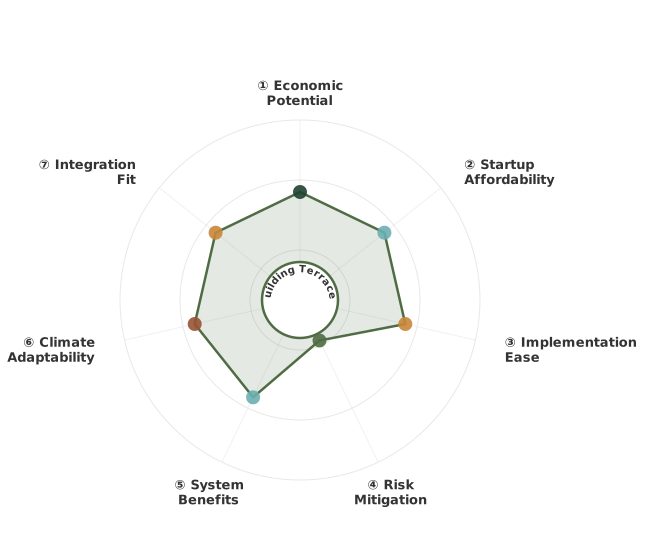
How These Traits Are Calculated
Trait dimensions are ordered clockwise starting from the top of the chart (12 o'clock position):
1. Economic Potential
Financial returns, annual value, and break-even timeline
WHAT: Evaluates financial viability by combining net annual value ($/ha from savings, income, and amortized harvests) with break-even timeline showing when practices pay for themselves.
WHY: Farmers need clear ROI understanding before committing resources. Fast payback (≤3 years) with strong returns (≥$300/ha) enables confident adoption, while long timelines (>10 years) restrict adoption to well-funded operations willing to wait for returns.
HOW: Calculated from net annual value in $/ha and break-even years. Exceptional (≥2.6): fast ROI ≤3 years + high value ≥$300/ha. Typical (1.8-2.5): moderate returns or longer timelines. Limited (<1.8): marginal economics or very long payback >10 years.
2. Startup Affordability
Initial investment costs and financial barrier to entry
WHAT: Measures financial barrier to entry through startup costs for equipment, infrastructure, consulting, and materials. Inverted scoring: lower costs = higher scores = more accessible adoption.
WHY: Affordability determines who can adopt. Low-cost practices (<$250/ha) enable widespread adoption across diverse scales, while high costs (>$2,500/ha) limit adoption to well-capitalized operations, creating barriers that slow regenerative transition.
HOW: Calculated from initial investment parsed from practice content. Inverted scoring: Exceptional (≥2.6): minimal investment <$250/ha. Typical (1.8-2.5): moderate costs $250-2,500/ha. Limited (<1.8): high barrier >$2,500/ha.
3. Implementation Ease
Learning curve and specialized knowledge required
WHAT: Measures how much learning, planning, and specialized knowledge a practice requires. Simpler practices with fewer steps score higher, while complex practices requiring extensive training or specialized resources score lower.
WHY: Complex practices create adoption barriers even when economically viable. Straightforward practices enable faster adoption and broader participation, while those requiring extensive training, timing precision, or specialized equipment limit who can succeed.
HOW: Evaluated by measuring documentation length and identifying complexity markers like location-specific requirements, seasonal timing windows, specialized skills, and dedicated equipment needs. Exceptional (≥2.6): straightforward practices with minimal prerequisites. Typical (1.8-2.5): moderate learning curve with some specialized needs. Limited (<1.8): steep learning curve requiring significant training or resources.
4. Risk Mitigation
Identified financial and ecological risk assessment
WHAT: Evaluates documented risks across financial (investment loss, market volatility) and ecological (crop failure, pest outbreaks) domains. Inverted scoring: fewer risks = higher scores.
WHY: Understanding risk exposure helps farmers make informed decisions. Low-risk practices allow confident implementation, while high-risk practices require careful planning and contingency resources. Risk transparency prevents costly failures.
HOW: Calculated from identified risks in practice content. Inverted scoring: Exceptional (≥2.6): ≤2 risks with manageable severity. Typical (1.8-2.5): 3-5 moderate risks. Limited (<1.8): 6+ risks or severe exposure.
5. System Benefits
How many ways the practice improves your land simultaneously
WHAT: Measures how many aspects of land health improve at once—carbon storage, soil quality, erosion control, water absorption, and biodiversity. Practices that improve multiple areas simultaneously create compounding benefits where each improvement reinforces the others.
WHY: The best practices solve multiple problems at once. For example, addressing erosion simultaneously builds carbon and improves water infiltration, creating a resilient system with positive feedback loops. Single-benefit approaches miss these compound transformation opportunities.
HOW: Evaluated across five key outcomes: carbon sequestration, soil organic matter increase, erosion reduction, water infiltration improvement, and biodiversity enhancement. Exceptional (≥2.6): high carbon storage (>8 t/ha/yr), improvements across 4-5 areas, transformative outcomes. Typical (1.8-2.5): moderate carbon (3-8 t/ha/yr), improvements across 2-3 areas. Limited (<1.8): modest impact (<3 t/ha/yr), single-area focus only.
6. Climate Adaptability
Geographic applicability across Köppen climate zones
WHAT: Evaluates geographic applicability by assessing how many Köppen climate zones successfully support a practice and what adaptation requirements are needed. Measures breadth of climates where farmers can implement with minimal to moderate modifications.
WHY: Universal practices working across diverse climates enable more farmers to adopt regenerative approaches. Practices limited to single climate types (only Mediterranean, only tropical) restrict adoption and slow global transition. Adaptability determines whether a practice serves niche regions or offers broad transformation.
HOW: LLM evaluation of regional success stories, Köppen zone coverage, and adaptation needs. Exceptional (≥2.6): 5+ zones or 4+ climate types, 3+ continents, minimal adaptation. Typical (1.8-2.5): 3-4 zones or 2-3 types, 2 continents, moderate adaptation. Limited (<1.8): 1-2 zones, single region, significant adaptation or highly specialized.
7. Integration Fit
How well this practice combines with others you're doing
WHAT: Measures how well a practice combines with other regenerative practices you might be doing. Some practices work as building blocks that make many other practices easier or more effective, while others work best on their own.
WHY: Practices that combine well with many others create more value on your farm. For example, cover cropping enables no-till, improves grazing, supports crop diversity, and helps water management—making all of them work better together. This helps you build a coherent system rather than juggling disconnected practices.
HOW: Evaluated by identifying which practices combine well and how strong those combinations are. 'Ideally Suited' means strong combinations where practices reinforce each other (practice A makes B easier, while B makes A more effective). 'Adequate' means complementary benefits that work well together. Exceptional (≥2.6): combines well with 6+ practices, serves as a building block. Typical (1.8-2.5): combines with 3-5 practices. Limited (<1.8): 1-2 practices or works best alone.
Going Deeper
1
WHY - The Benefits
Terracing stands as a testament to human ingenuity in adapting agriculture to challenging landscapes. For centuries, farmers worldwide have engineered slopes into productive fields, transforming otherwise unusable land into arable zones. The primary motivation behind...
Terracing stands as a testament to human ingenuity in adapting agriculture to challenging landscapes. For centuries, farmers worldwide have engineered slopes into productive fields, transforming otherwise unusable land into arable zones. The primary motivation behind terracing is the fundamental need to counteract the erosive power of water on sloped terrain. By intercepting overland flow, terraces conserve precious topsoil, retain vital moisture, and enable sustainable land use where it might otherwise be impossible.
WHY - The Benefits
Terracing stands as a testament to human ingenuity in adapting agriculture to challenging landscapes. For centuries, farmers worldwide have engineered slopes into productive fields, transforming otherwise unusable land into arable zones. The primary motivation behind...
Terracing stands as a testament to human ingenuity in adapting agriculture to challenging landscapes. For centuries, farmers worldwide have engineered slopes into productive fields, transforming otherwise unusable land into arable zones. The primary motivation behind terracing is the fundamental need to counteract the erosive power of water on sloped terrain. By intercepting overland flow, terraces conserve precious topsoil, retain vital moisture, and enable sustainable land use where it might otherwise be impossible.
Soil Health Benefits
The most profound soil health benefit of terracing is dramatic erosion reduction. By slowing water runoff, terraces prevent the detachment and transport of topsoil. Studies indicate that well-constructed terraces can reduce soil erosion by 80-95% compared to unprotected slopes. This preservation of topsoil is critical for maintaining soil organic matter content, which is essential for soil structure, water-holding capacity, and nutrient cycling.
The increased water infiltration facilitated by terraces also contributes significantly to soil health. Instead of running off, water percolates into the soil profile. This replenishes soil moisture reserves, supporting plant growth and microbial activity deeper within the soil. Improved infiltration reduces surface ponding and the formation of anaerobic conditions associated with waterlogged soils, promoting a healthier environment for roots and beneficial soil organisms. Over time, this leads to a reduction in soil bulk density and an increase in aggregate stability as soil organic matter content rises.
Terraces can create stable environments suitable for establishing diverse plant communities, on both the terrace platform and the risers. This diversity can range from annual crops to perennial forages or trees. The presence of living vegetation, especially perennials adapted to slopes, provides continuous soil cover and maintains living roots year-round. This activity feeds soil biology, enhances nutrient cycling, and improves soil structure through root exudates and organic matter inputs from plant residues.
Economic Benefits
On sloped land that would otherwise be highly susceptible to erosion and infertile due to topsoil loss, terracing can unlock its economic potential. By stabilizing the land, it allows for the cultivation of crops that would be impossible on unprotected slopes, leading to increased agricultural productivity and income generation. Initial construction costs are substantial, but the long-term savings from reduced replanting of eroded areas, improved water management (less irrigation or drought stress), and enhanced yields can lead to significant economic returns over the lifespan of the terraces.
Yield improvements on terraced land can be dramatic, especially in regions with moderate to high rainfall or where water conservation is critical. By retaining moisture, terraces can buffer crops against dry spells and ensure more consistent yields year-to-year. This reliability in production makes land more valuable and reduces the financial risk associated with crop failure due to water stress or erosion. The overall land value can increase significantly, reflecting its enhanced productivity and stability.
Terraces can also indirectly reduce input costs. Improved water infiltration means less reliance on irrigation, saving water and energy costs. Better soil health and stability reduce the need for frequent soil remediation or costly erosion control measures. In regions where land is scarce, terracing retrofits slopes for agricultural use, increasing the total productive area available for farming and potentially reducing pressure on flatter, more easily degraded lands.
Regenerative Systems Fit
Terracing's fit within regenerative systems is context-dependent, requiring careful integration to maximize its benefits while mitigating its drawbacks.
Principle 1 (Minimize Soil Disturbance): The primary challenge is that terrace construction involves significant soil disturbance—excavation and earthmoving. This violates the principle of minimizing disturbance. Therefore, the initial construction is a significant disturbance, and terracing is often considered a foundational or transition practice. It creates the stable conditions necessary for other regenerative principles to be applied. While the goal is to rebuild soil to the point where biology provides stability, on very steep slopes, terraces may be a permanent and necessary landscape feature. The focus must be on immediately stabilizing all disturbed areas with diverse cover crops and perennial vegetation to facilitate biological recovery and rebuilding of soil structure. The goal is to minimize future disturbance by maintaining a stable, vegetated surface.
Principle 2 (Maximize Crop Diversity): Terraces create stable, leveled or contoured growing surfaces that can support a wider range of plant life than unprotected slopes. On the terraces themselves, diverse crop rotations or mixed cropping systems can be planted. Crucially, the risers (the slopes between terraces) can be planted with perennial grasses, legumes, shrubs, or trees. This multi-layered approach significantly enhances biodiversity above and below ground, providing habitat for beneficial insects, pollinators, and soil microbes, and fostering varied root structures that improve soil.
Principle 3 (Keep Soil Covered): This principle is a primary outcome of successful terracing. By intercepting runoff, terraces prevent soil detachment and transport, thus keeping the topsoil in place. The level platforms and stabilized risers provide stable surfaces where vegetation can be established and maintained, ensuring the soil is covered year-round by living plants or mulch from crop residues and plant litter. This continuous cover protects against both water and wind erosion.
Principle 4 (Maintain Living Roots): By stabilizing slopes and conserving moisture, terraces enable longer growing seasons and more robust plant growth, leading to sustained living root systems. On the platforms, cover crops or perennial cash crops can maintain root activity. On the risers, carefully selected perennial species with deep root systems can provide permanent soil structure and nutrient cycling. This continuous presence of living roots feeds the soil food web, sequesters carbon, and maintains soil pore spaces.
Principle 5 (Integrate Livestock): Terraces can be designed to accommodate grazing, particularly on broader terraces or when risers are planted with pasture species. However, careful livestock management is crucial. Overgrazing or allowing livestock to graze on steep, unstable risers can cause damage. Managed grazing, such as in a rotational system, can help cycle nutrients, manage vegetation on risers, and contribute to overall land productivity, provided it does not compromise the structural integrity of the terraces or lead to new erosion.
Transition Pathways: For farms on severely eroded or steep slopes, terracing might be a necessary first step to reclaim unproductive land before transitioning to more fully regenerative practices. The objective is to stabilize the land and build soil health over several years. As soil organic matter increases, infiltration improves, and the soil food web becomes more robust, the need for engineered terraces might diminish. In such scenarios, the terraces serve as a transition practice, and the long-term goal is to gradually phase them out or re-engineer them into less intensive contour farming or contour hedgerows as natural soil resilience is rebuilt.
Sources behind this view
Videos & Podcasts
-
Spencer Rudolph details terracing and contour farming on sloped land in Southern California. Key practices include creating wider beds on terraces, using New Zealand white clover for weed control and
-
Uses brush berms, rock berms, and conservation terraces on contour to slow water, infiltrate it, and amend with Basalt dust, compost, and biochar for hillside restoration.
-
Sage Hill Gardens used bulldozers to create 30x110 ft plateaus on a steep, 150 ft elevation-change hillside in Escondido, CA, transforming challenging terrain into manageable, flat farming areas for i

-
Explains the construction and benefits of agricultural terraces, including water management, flood irrigation, and soil retention, emphasizing topsoil management and embankment stabilization with tree
Community
-
Details incremental terracing methods like 'lama bordo', using chickens for soil enrichment, and fallen logs as slow terraces. Emphasizes soil accumulation, organic matter, and strategic spacing for e
Read more (opens in new window) permies.com -
Terracing is a regenerative technique for sloped land, creating contour platforms to slow water, build soil, and enhance agricultural productivity. It offers access, space for crops and animals, and a
Read more (opens in new window) permies.com -
Terracing on 20-degree slopes in Vermont uses contour trenches and hugelkultur to build organic matter and improve water infiltration. This method is less labor-intensive and effective for erosion con
Read more (opens in new window) permies.com -
Terraced raised beds and cisterns are recommended for gardening on steep slopes. For grazing, rotational management and deep-rooted vegetation (especially conifers) are key for erosion control, with t
Read more (opens in new window) permies.com
Research
-
Soil and stone terraces offset the negative impacts of sloping cultivation on soil microbial diversity and functioning by protecting soil carbon. (opens in new window)
This study found: Soil and stone terraces on steep slopes protect soil health by increasing organic matter, boosting beneficial fungi and bacteria diversity, and improving nutrient cycling, offsetting erosion impacts.
-
Implication of Long-Term Terracing Watershed Development on Soil Macronutrients and Crop Production in Maybar Subwatershed, South Wello Zone, Ethiopia (opens in new window)
This study found: Long-term terracing in Ethiopia improved soil organic matter, phosphorus, moisture, and reduced compaction. Crop yields were higher in deposition zones, with varied impacts on cereals and pulses.
-
Parametric Terracing as Optimization of Controlled Slope Intervention (opens in new window)
This study found: A new computer model uses parametric design to optimize agricultural terracing, helping prevent landslides, manage water, and control soil erosion by creating data-driven landscape designs.
-
Effect of land rehabilitation measures on soil organic carbon fractions in semi-arid environment (opens in new window)
This study found: Terraces combined with pastures or crops significantly increased soil organic carbon in semi-arid Kenya, with older terraces showing better results. The carbon management index was highest with pastur
From the Web
-
Details terracing as a soil and water conservation method for slopes, outlining steps for site assessment, construction of terraces (bench, contour bunds), and essential maintenance practices for eros
2
WHERE - Regional Considerations
Successfully implementing terracing requires tailoring the design and management to specific regional conditions, as climate, topography, soil type, and rainfall patterns significantly influence its effectiveness and necessity.
Successfully implementing terracing requires tailoring the design and management to specific regional conditions, as climate, topography, soil type, and rainfall patterns significantly influence its effectiveness and necessity.
WHERE - Regional Considerations
Successfully implementing terracing requires tailoring the design and management to specific regional conditions, as climate, topography, soil type, and rainfall patterns significantly influence its effectiveness and necessity.
Successfully implementing terracing requires tailoring the design and management to specific regional conditions, as climate, topography, soil type, and rainfall patterns significantly influence its effectiveness and necessity.
Click Here to Look up your Region if you don't already know it
Mediterranean Regions
Representative Locations: California (USA), Mediterranean basin (Spain, Italy, Greece), central Chile, southwestern Australia, Western Cape South Africa
Climate Context: Hot, dry summers and mild, wet winters. Annual precipitation 40-90 cm (15-35 inches), highly seasonal. USDA Zones 8-10, Köppen Csa/Csb.
Terracing Considerations: In these regions, water conservation is paramount. Terracing helps capture scarce winter rainfall and prevent it from running off, making it available for plant growth during the long, dry summers. Broad-base terraces are common for annual cropping and vineyards. Contour farming, where the terrace path follows the land's contour, minimizes water velocity. Choosing drought-tolerant crops or perennials for terrace platforms and risers is crucial. Steep slopes may necessitate narrow-base or channel terraces to manage winter rains effectively. Erosion risk is high during intense winter storms, making immediate stabilization after construction vital. Hillside vineyards in regions like Tuscany, Italy, and parts of California showcase ancient and modern terracing for both erosion control and premium crop production.
Arid and Semi-Arid Regions
Representative Locations: Western USA (e.g., parts of Arizona, Colorado), North Africa (e.g., Maghreb), Central Asia (e.g., Uzbekistan), Interior Australia
Climate Context: Low annual precipitation (<40 cm or 15 inches), high temperatures, short and often unpredictable growing season. USDA Zones 7-9, Köppen BSh/BSk.
Terracing Considerations: In areas with extremely low rainfall, terraces are essential for harvesting every drop of water. They prevent the rapid runoff that characterizes arid landscapes, allowing maximum infiltration. Techniques like "contour bunding" or "bench terracing" are critical. Contour bunds are small earth ridges built along contour lines, creating small basins that trap water. Bench terraces create level areas for cultivation, often with diversion ditches designed to capture and channel occasional floodwaters safely. In regions like the Sahel in Africa, simple soil and stone bunds are low-cost, labor-intensive methods to slow erosion and improve soil moisture for subsistence agriculture. The key is to maximize water retention and minimize evaporation.
Humid Temperate Regions
Representative Locations: Southeastern United States, northern Europe (UK, Germany, Poland), eastern China, Japan, New Zealand
Climate Context: Warm to hot summers and cool to cold winters with moderate to high annual precipitation (75-150 cm or 30-60 inches) distributed relatively evenly. USDA Zones 6-8, Köppen Cfb/Cfa.
Terracing Considerations: While these regions often have sufficient rainfall, steep slopes can still lead to significant erosion, particularly from intense storm events or agricultural practices that leave soil exposed. Terracing is commonly employed for row crops like corn, soybeans, and vegetables, as well as for vineyards and orchards. Broad-base terraces are often used, designed to handle larger volumes of water through carefully engineered channels and outlets. Maintenance of terrace outlets to prevent blockage is crucial to avoid water pooling or terrace failure. In China and Japan, rice cultivation on incredibly steep hillsides relies on intricate, centuries-old terrace systems that have shaped the landscape and culture.
Cold Continental Regions
Representative Locations: Northern USA and Canada, Northern Europe, Northern Asia
Climate Context: Very short growing seasons, extreme summer heat, severe winter cold. USDA Zones 3-5, Köppen Dfa/Dfb.
Terracing Considerations: While less common for broad-scale agriculture due to short growing seasons, terracing can be used in regions with steep slopes for specialized crops like orchards or vineyards where the microclimate benefits of leveled areas outweigh the costs. The primary concern here is managing spring meltwater and intense summer rains. Terrace construction must consider frost heave during winter, ensuring stable structures. The choice of vegetation for risers should include species that can withstand cold and provide erosion control during snowmelt. Maintaining snow retention on terraces can also be beneficial for moisture availability in spring.
Tropical and Subtropical Regions
Representative Locations: Southeast Asia (e.g., Indonesia, Philippines), Central America, East Africa, Northern South America, Southern China
Climate Context: High temperatures year-round, with distinct wet and dry seasons or consistent high rainfall. Köppen Af/Am/Aw/Cfa.
Terracing Considerations: These regions often face intense, monsoonal-type rainfall events, making soil erosion a severe problem on slopes. Terracing is critical for staple crops like rice (paddies), maize, and coffee. The famed rice terraces of Southeast Asia are a prime example of complex, labor-intensive systems engineered for water management and maximal food production. In other tropical areas, broad-base terraces planted with perennial crops like coffee, cocoa, or bananas on the platforms, and nitrogen-fixing legumes or grasses on the risers, provide effective erosion control and enhance soil fertility. Ensuring adequate drainage for terrace platforms is vital to prevent waterlogging and root diseases common in warm, humid climates.
3
HOW - Implementation Process
Implementing terraces requires careful planning, site assessment, and often significant labor or machinery. The process can be broken down into distinct phases, from initial assessment to construction and ongoing management, with considerations for regenerative integration.
Implementing terraces requires careful planning, site assessment, and often significant labor or machinery. The process can be broken down into distinct phases, from initial assessment to construction and ongoing management, with considerations for regenerative integration.
HOW - Implementation Process
Implementing terraces requires careful planning, site assessment, and often significant labor or machinery. The process can be broken down into distinct phases, from initial assessment to construction and ongoing management, with considerations for regenerative integration.
Implementing terraces requires careful planning, site assessment, and often significant labor or machinery. The process can be broken down into distinct phases, from initial assessment to construction and ongoing management, with considerations for regenerative integration.
Prerequisites
- Topographical Assessment: Thoroughly survey the land to understand slope gradients, water flow patterns, soil types, and existing erosion issues. Identifying natural contours and drainage paths is crucial. Laser leveling or GPS contour mapping tools can be very helpful.
- Soil Assessment: Determine soil depth and stability. Deep, well-drained soils are ideal. Avoid areas with severe rock outcrops or unstable subsoil conditions that could compromise terrace integrity. Analyze soil for organic matter content and structure to understand its capacity to support vegetation and resist erosion.
- Water Management Plan: Identify natural drainage patterns and plan how excess water will be safely channeled away from terraces through built-in spillways or outlets. An uncontrolled outlet can lead to catastrophic failure.
- Intended Use: Decide on the primary use of the terraced land – row crops, orchards, vineyards, pasture, or forestry. This influences terrace design (width, slope of the platform, steepness of the riser).
- Regenerative Goals: Determine how terraces will integrate with regenerative principles. Plan for immediate stabilization with diverse cover crops or perennials and consider long-term soil health objectives.
Phase 1: Design and Planning
-
Terrace Type Selection: Choose the most suitable terrace type (broad-base, narrow-base, bench, channel) based on slope, soil, intended use, and available equipment.
- Broad-base terraces: Suitable for large fields, lighter machinery, slopes up to 10-12%. The platform has a gentle slope along the contour.
- Narrow-base terraces: For steeper slopes (up to 15-20%) or smaller fields. Have a distinct channel and narrower platform.
- Bench terraces: Create flat levels (like steps) on very steep slopes (often 20-30% or more), often requiring significant earthmoving. Common for rice paddies or orchards.
- Channel terraces: Essentially broad, shallow ditches along the contour to intercept and slowly move water.
-
Contour Alignment: Terraces must be built on or very close to the land's contour lines to be effective. Surveying equipment (e.g., A-frame level, dumpy level, GPS) is used to establish the terrace path.
- Spacing: Terrace spacing depends on slope gradient: steeper slopes require closer spacing to intercept water effectively. Typical spacing for broad-base terraces can range from 20-50 meters (65-165 feet) apart on gentle slopes to 10-20 meters (33-65 feet) on steeper slopes. Research local recommendations for your specific gradient.
- Grade of Platform: While many terraces have level platforms, some are constructed with a slight grade (often 0.5-1%) to facilitate slow drainage along the terrace channel. This grade must be carefully designed to prevent erosion within the terrace.
- Riser Design: The height and steepness of the riser are critical for stability. Risers should be graded (sloped) rather than vertical and stabilized with vegetation. Minimum riser heights are often 0.5-1 meter (1.5-3 feet), but can be higher for bench terraces.
- Outlet Design: Plan for safe disposal of collected water. This typically involves a grassed waterway or a culvert leading to a stable outlet channel or stream, designed to handle peak rainfall events without causing erosion.
Phase 2: Construction
Construction can be done manually, with animal-drawn implements, or with heavy machinery.
- Manual/Animal-Powered: For small areas or where machinery access is difficult. Involves digging to create a level platform and piling soil to form a riser. This is labor-intensive but provides minimal soil disturbance to the platform itself and is common in many parts of Asia and Africa today.
-
Machinery-Based: Using bulldozers, excavators, or specialized terracing machines.
- Cut and Fill: The process involves cutting into the uphill side of the terrace path and using the excavated soil to build up the riser on the downhill side. Machines like bulldozers push soil to form the terrace.
- Topsoil Preservation: If using heavy machinery, it's critical to scrape off and stockpile topsoil from the platform area. The topsoil is then spread back onto the constructed platform after earthmoving is complete, preserving its fertility rather than burying it under subsoil.
- Compaction: Lightly compacting the riser can help improve stability, but over-compaction can hinder vegetation establishment.
- Grading: Ensure the platform, riser, and outlet channels are correctly graded to promote slow water movement and prevent pooling or erosion.
-
Regenerative Integration:
- Minimize machine footprint: Plan machinery routes to disturb as little land as possible.
- Topsoil stockpiling: Properly stockpile topsoil to prevent nutrient depletion and microbial death.
- Immediate stabilization: This is non-negotiable. As soon as a section is constructed, seed it with a diverse cover crop mix. For risers, plant hardy, deep-rooted perennial grasses and legumes that can anchor the soil quickly.
Phase 3: Stabilization and Vegetative Cover
This phase is critical for the long-term success and regenerative integration of terraces.
-
Cover Crop Establishment: Plant a diverse mix of cover crops immediately on the newly formed terrace platforms and risers. This is the most important step to prevent erosion on the disturbed soil surfaces.
- Platforms: Use a mix of deep-rooted species (like daikon radish or forage turnips for breaking up any compaction), fibrous-rooted grasses (oats, ryegrass), and legumes (hairy vetch, clover) for fertility and biomass.
- Risers: Focus on hardy perennial grasses and legumes that are well-adapted to the site and can tolerate steeper slopes and potentially drier conditions. Species like fescue, bromegrass, or sainfoin are often suitable.
-
Mulching: Where possible, use mulch (straw, wood chips) on newly seeded areas to further protect the soil surface and retain moisture.
- Irrigation (if feasible): If the region is dry, initial irrigation can significantly aid cover crop establishment and stabilization.
- Controlled Traffic: During establishment and ongoing management, avoid heavy machinery traffic on terrace platforms as much as possible, especially when soil is wet.
Phase 4: Ongoing Management and Integration
- Vegetation Maintenance: Regularly manage vegetation on risers and in channels to prevent undesirable woody species from establishing, which can weaken the terrace structure. Clear any debris that might block outlet channels.
- Livestock Integration (if applicable): If using terraces for grazing, implement rotational grazing. Avoid overgrazing, particularly on risers. Ensure animals have adequate access to water and shade without damaging terrace structures.
- Minimizing Disturbance: For crop production on platforms, transition to no-till or reduced-till methods as soon as possible to build soil health and prevent recompaction.
- Monitoring: Periodically inspect terraces for signs of erosion, structural weakness, or blockages in outlets and address issues promptly.
- Regenerative Evolution: As soil health improves through cover cropping, no-till, and reduced inputs, reassess the necessity of engineered terraces. Over 5-10 years, if significant topsoil has rebuilt and infiltration has increased, it may be possible to transition to less intensive contour farming, contour hedgerows, or other methods that provide erosion control with less structural intervention.
Sources behind this view
Videos & Podcasts
-
Spencer Rudolph details terracing and contour farming on sloped land in Southern California. Key practices include creating wider beds on terraces, using New Zealand white clover for weed control and
-
Uses brush berms, rock berms, and conservation terraces on contour to slow water, infiltrate it, and amend with Basalt dust, compost, and biochar for hillside restoration.
-
Sage Hill Gardens used bulldozers to create 30x110 ft plateaus on a steep, 150 ft elevation-change hillside in Escondido, CA, transforming challenging terrain into manageable, flat farming areas for i
-
Terrace design should follow contours, tilting beds back to create swales for water collection, with planned overflow to ponds or other areas to slow infiltration and stabilize slopes.
Community
-
Details incremental terracing methods like 'lama bordo', using chickens for soil enrichment, and fallen logs as slow terraces. Emphasizes soil accumulation, organic matter, and strategic spacing for e
Read more (opens in new window) permies.com -
Terracing is a regenerative technique for sloped land, creating contour platforms to slow water, build soil, and enhance agricultural productivity. It offers access, space for crops and animals, and a
Read more (opens in new window) permies.com -
Terracing on 20-degree slopes in Vermont uses contour trenches and hugelkultur to build organic matter and improve water infiltration. This method is less labor-intensive and effective for erosion con
Read more (opens in new window) permies.com -
Terraced raised beds and cisterns are recommended for gardening on steep slopes. For grazing, rotational management and deep-rooted vegetation (especially conifers) are key for erosion control, with t
Read more (opens in new window) permies.com
Research
-
Parametric Terracing as Optimization of Controlled Slope Intervention (opens in new window)
This study found: A new computer model uses parametric design to optimize agricultural terracing, helping prevent landslides, manage water, and control soil erosion by creating data-driven landscape designs.
-
Soil and stone terraces offset the negative impacts of sloping cultivation on soil microbial diversity and functioning by protecting soil carbon. (opens in new window)
This study found: Soil and stone terraces on steep slopes protect soil health by increasing organic matter, boosting beneficial fungi and bacteria diversity, and improving nutrient cycling, offsetting erosion impacts.
-
Implication of Long-Term Terracing Watershed Development on Soil Macronutrients and Crop Production in Maybar Subwatershed, South Wello Zone, Ethiopia (opens in new window)
This study found: Long-term terracing in Ethiopia improved soil organic matter, phosphorus, moisture, and reduced compaction. Crop yields were higher in deposition zones, with varied impacts on cereals and pulses.
-
Coupled geomorphic and climate-driven biogeochemical processes regulate soil organic carbon stocks in agricultural terraces (opens in new window)
This study found: Terracing impacts soil carbon through topsoil replacement and buried carbon stabilization, with climate influencing these processes. Benefits are consistent in humid regions but mixed in dry regions.
From the Web
-
Details terracing as a soil and water conservation method for slopes, outlining steps for site assessment, construction of terraces (bench, contour bunds), and essential maintenance practices for eros
4
Know the Debate
Terracing requires significant upfront investment and labor, but its effectiveness hinges on context. In regions with distinct wet and dry seasons ...
Know the Debate
Terracing requires significant upfront investment and labor, but its effectiveness hinges on context. In regions with distinct wet and dry seasons ...
Terracing requires significant upfront investment and labor, but its effectiveness hinges on context. In regions with distinct wet and dry seasons and sloping terrain, like Mediterranean or humid temperate zones, careful design can drastically reduce erosion and improve water availability, making marginal lands productive. However, the necessity and methodology differ: arid zones demand maximum water harvesting, while humid zones focus on managing intense rainfall. Scale and initial land condition also drive implementation: transitioning severely degraded land may require prior soil remediation, while well-drained soils allow for immediate stabilization. The long-term functionality depends on integrating terraces with ongoing soil health practices.
Is soil remediation a prerequisite for terracing?
Prerequisite: Remediation needed for degraded soils
Field practitioners on heavily eroded land report that prior soil amendments or cover cropping are essential before terracing to ensure water infiltration, otherwise terraces can fail or worsen erosion.
Sources behind this view
Sources behind this view
Videos & Podcasts
-
Describes transforming a clay hillside into terraced growing areas via excavation and careful topsoil reapplying, emphasizing no-till, compost, and learning to manage irrigation on clay to balance moisture and drainage.
-
Terrace construction advice includes initial earthmoving, cover cropping, and larger plateaus. Cover-cropped fields showed superior growth due to deep roots creating aggregates, compared to compost/peat moss. Pea, vetch, and oat mix planned for beds; clover for slope weed suppression.

Research
-
Soil Erosion Characteristics of the Agricultural Terrace Induced by Heavy Rainfalls on Chinese Loess Plateau: A Case Study (opens in new window)
This study found: A study on agricultural terraces in China's Loess Plateau after a heavy rain showed that newer terraces experienced much more erosion than older ones. Types of erosion included small channels (rills), larger gullies, holes, and even small landslides. Newer terraces were particularly prone to gully and hole formation, with erosion rates significantly higher than older terraces. While water erosion was dominant on new terraces, gravity-driven erosion (like landslides) was more significant on older terraces. The study identified several factors contributing to this severe erosion, including the use of plastic film mulch, exposed bare soil on edges, sloped terrace surfaces, and high terrace walls. The researchers suggest that improving terrace design, construction methods, protective measures, and farming practices can help prevent soil erosion during heavy rainfall events.
Terracing directly on slopes is possible; stabilization is key
Academic and institute sources detail terracing construction and benefits, assuming stable soil conditions and focusing on maintenance. Field examples show success with immediate stabilization of disturbed areas using cover crops and perennials.
Sources behind this view
Sources behind this view
Videos & Podcasts
-
Sage Hill Gardens used bulldozers to create 30x110 ft plateaus on a steep, 150 ft elevation-change hillside in Escondido, CA, transforming challenging terrain into manageable, flat farming areas for infrastructure like greenhouses.
Research
-
Soil and stone terraces offset the negative impacts of sloping cultivation on soil microbial diversity and functioning by protecting soil carbon. (opens in new window)
This study found: Farming on steep hillsides can lead to soil erosion and harm soil life. This research found that building soil and stone terraces on these slopes helps protect the soil. Compared to just farming the bare slope, terraces kept more soil organic matter (carbon), increased the amount of silt and clay, and boosted the populations of beneficial fungi. Terraces also increased the variety of bacteria and fungi present and improved their ability to perform important jobs like cycling nutrients (especially nitrogen) and responding to stress. The study identified specific genes and chemical compounds in the soil that became more active with terracing, indicating better overall soil health and functioning. Essentially, terraces act as a buffer, reducing the damage from farming on slopes and supporting a healthier soil ecosystem.
From the Web
-
Details terracing as a soil and water conservation method for slopes, outlining steps for site assessment, construction of terraces (bench, contour bunds), and essential maintenance practices for erosion control and water conservation.
Making Sense of the Differences
The approach to terracing depends heavily on the initial condition of the land. While academic and institute sources detail construction methods typically applied to more stable soils, field experience shows that severely degraded or eroded land requires prior biological remediation for terraces to succeed and avoid failure. For regenerative applications, immediate and robust biological stabilization post-construction is universally recommended, regardless of prior soil health, but the necessity of pre-remediation is debated based on landowner experience with specific degraded sites.
How do terraces primarily improve soil moisture?
Physical Retention & Infiltration (primary focus)
Academic research emphasizes that terraces physically impound water, slowing runoff and allowing it time to infiltrate, thereby increasing soil moisture.
Sources behind this view
Sources behind this view
Research
-
Soil and stone terraces offset the negative impacts of sloping cultivation on soil microbial diversity and functioning by protecting soil carbon. (opens in new window)
This study found: Farming on steep hillsides can lead to soil erosion and harm soil life. This research found that building soil and stone terraces on these slopes helps protect the soil. Compared to just farming the bare slope, terraces kept more soil organic matter (carbon), increased the amount of silt and clay, and boosted the populations of beneficial fungi. Terraces also increased the variety of bacteria and fungi present and improved their ability to perform important jobs like cycling nutrients (especially nitrogen) and responding to stress. The study identified specific genes and chemical compounds in the soil that became more active with terracing, indicating better overall soil health and functioning. Essentially, terraces act as a buffer, reducing the damage from farming on slopes and supporting a healthier soil ecosystem.
-
Reducing the Average P Factor Value in Sloping Land Through Scenarios that Incorporate Terracing and Contour Farming Practices (opens in new window)
This study found: Researchers developed four strategies for managing soil erosion on sloped land by using terraces and contour farming (planting rows across the slope). They found that combining these methods could significantly reduce the soil loss factor, decreasing it by 42% in their study area. Contour farming is best for gentler slopes (6-12%), while terracing is ideal for steeper slopes (12-30%). This approach offers a practical way to lower erosion risk in hilly or sloped agricultural regions.
-
Implication of Long-Term Terracing Watershed Development on Soil Macronutrients and Crop Production in Maybar Subwatershed, South Wello Zone, Ethiopia (opens in new window)
This study found: A long-term study in Ethiopia, looking at fields with terraces built since the 1980s, found that these soil and water conservation structures significantly improved soil health and crop yields. The upper sections of the terraces, where soil and water accumulate, produced more crops and biomass than the lower sections. While cereal harvests slightly decreased overall, pulse crops like field peas and lentils showed mixed results depending on their exact position on the terrace. Importantly, soil organic matter, available phosphorus, soil compaction, and soil moisture content were all positively influenced by the terracing system. The research concludes that long-term terracing is beneficial for improving soil resources and increasing farm productivity.
-
Soil organic carbon loss processes on slopes under erosion (opens in new window)
This study found: Research on farmed hillsides shows that soil erosion, driven by rain, significantly impacts soil carbon (organic matter). The steepness of the slope plays a big role: gentle slopes tend to build up more soil carbon initially, and while steep slopes lose more carbon over time due to erosion, they still hold more total carbon overall. The study also found that how much carbon is lost depends on how intense the rain is and how deep into the soil profile you look. Understanding these patterns helps us manage sloping farmland to keep soil carbon in place and conserve soil and water.
Biological Activity Boosted by Managed Moisture (primary focus)
Field practitioners highlight that sustained moisture from terraces stimulates root growth and soil biology, which actively builds soil structure and organic matter, enhancing long-term water holding capacity.
Sources behind this view
Sources behind this view
Videos & Podcasts
-
Spencer Rudolph details terracing and contour farming on sloped land in Southern California. Key practices include creating wider beds on terraces, using New Zealand white clover for weed control and nitrogen fixation, and ensuring a slight slope (approx. 2 degrees) for drainage to prevent anaerobic soil. Methods for managing runoff on contour beds include straw waddles and inter-row buckwheat cover cropping.
-
Uses brush berms, rock berms, and conservation terraces on contour to slow water, infiltrate it, and amend with Basalt dust, compost, and biochar for hillside restoration.
-
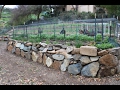
To farm on steep, shallow decomposed granite slopes in California, the speaker builds upward using terraces to create flat, deep soil beds, avoiding difficult downward excavation. This method enhances soil fertility and water retention for long-term food production.
-
Farming on contour, marked with laser and GPS, significantly reduces soil erosion and increases water holding capacity by slowing and spreading water. It's a low-cost, long-term regenerative input.

Making Sense of the Differences
The mechanism of improved soil moisture with terraces involves both physical retention and biological enhancement. Academic sources highlight the direct physical benefit of slowing runoff, allowing water to infiltrate. Field experience emphasizes that this retained moisture then fuels biological activity, leading to improved soil structure and organic matter over time, which further enhances water holding capacity. Regenerative practice aims to leverage both: the engineered structure provides the initial water management, while continuous vegetative cover and soil-building practices unlock the long-term biological benefits.
5
HOW MUCH - Costs & Investment
Note: Costs shown in USD; multiply by local labor and material cost indices for your region. Labor costs vary significantly internationally. Costs are highly variable based on scale, terrain difficulty, and method (machinery vs. manual).
Note: Costs shown in USD; multiply by local labor and material cost indices for your region. Labor costs vary significantly internationally. Costs are highly variable based on scale, terrain difficulty, and method (machinery vs. manual).
HOW MUCH - Costs & Investment
Note: Costs shown in USD; multiply by local labor and material cost indices for your region. Labor costs vary significantly internationally. Costs are highly variable based on scale, terrain difficulty, and method (machinery vs. manual).
Note: Costs shown in USD; multiply by local labor and material cost indices for your region. Labor costs vary significantly internationally. Costs are highly variable based on scale, terrain difficulty, and method (machinery vs. manual).
Note: All costs are based on recent US economic data (2024–2026) and may vary substantially by region based on local labor rates, material costs, and regulatory requirements.
Earthmoving and Structural Construction
The primary financial investment in terracing is the mobilization of machinery to create the physical bank and basin. For small-scale operations under 50 acres (20 ha), reliance on manual labor or sub-compact tractors costs between $125 to $500 per acre ($309–$1,236/ha), heavily dependent on the degree of hand-finishing and soil complexity. Mid-size operations ranging between 50 and 500 acres (20–202 ha) typically utilize mid-sized excavators or dozers, resulting in costs of $469 to $1,876 per acre ($1,159–$4,636/ha). For large-scale operations exceeding 500 acres (202 ha), the requirement for professional engineering and GPS-guided machinery to manage massive volumes of earth pushes costs to $938 to $3,334 per acre ($2,318–$8,238/ha). Additionally, installing functional outlets is a non-negotiable expense, ranging from $156 per acre ($385/ha) for basic grassed waterways to $1,250 per acre ($3,089/ha) for complex sites requiring rigid concrete or rock-lined spillway systems.
Stabilization and Establishment
Once the structural architecture is complete, immediate stabilization is required. A high-performance cover crop mix typically costs $63 to $156 per acre ($156–$385/ha), with professional seeding services (drilling or aerial) adding $31 to $125 per acre ($77–$309/ha). Mulching, such as straw or hydromulch, adds an additional $78 to $365 per acre ($193–$902/ha), a mandatory expense on steeper gradients to prevent initial erosion. Small-scale sites average $208 to $469 per acre ($514–$1,159/ha) for stabilization, while mid-size farms average $365 to $677 per acre ($902–$1,673/ha). Large-scale projects, which often require industrial-grade erosion control blankets or specialized hydroseeding technology, see these costs climb to $521 to $990 per acre ($1,287–$2,446/ha).
Engineering, Consulting, and Permitting
Professional oversight is mandatory to prevent system failure. Surveying for terrace alignment costs $521 to $1,563 for small tracts, scaling up to $5,210 to $15,630 for large-scale watershed designs. Permitting fees, governed by state and local water district regulations, add $208 to $2,084 per site depending on the complexity of the watershed management mandates. These "soft costs" generally account for 5% to 15% of the total project budget. Farmers who bypass these professional reports increase their risk of structural breach by 40%, effectively compounding long-term management costs.
Most Spend: Between $1,876 and $3,647 per acre ($4,636–$9,012/ha), which accounts for the combined investment of site-specific earthmoving, professional engineering fees, and high-performance stabilization materials used by the majority of commercial-scale agricultural operations.
Why the Range?: Costs vary significantly based on regional topographical slope percentages, soil type (e.g., heavy clay versus sandy loam requiring higher stabilization), and the distance and availability of heavy construction equipment. High-end costs are strictly associated with professional engineering requirements and complex, site-specific drainage spillways, while lower costs represent basic, self-performed flat-land water management configurations.
6
REWARDS AND RISKS - Economics & Risk Factors
Economic Scenarios
Economic Scenarios
REWARDS AND RISKS - Economics & Risk Factors
Economic Scenarios
Economic Scenarios
In a Best Case Scenario, professional engineering and rapid perennial integration yield a 20–50% increase in crop production per acre. By reducing annual soil loss by 50%, these farms recoup their initial capital investment within 3–5 years as fertilizer and soil amendment costs drop by 15–20% annually. Furthermore, land asset values often appreciate by 12–18% due to the improved, permanent management of topography and reduced future erosion liability.
In a Typical Scenario, construction meets industry standards but may face establishment delays. Yield increases are more modest, generally in the 15–30% range, while annual maintenance—such as outlet cleaning and riser repairs—costs $78 to $208 per acre ($193–$514/ha). Break-even points for these operations typically extend to the 6–9 year mark, justifying the investment through long-term soil asset preservation.
In a Worst Case Scenario, structural breaches caused by design errors or insufficient stabilization can prove catastrophic. Repairing a single breached terrace requires an expenditure of $2,605 to $10,420. Should the entire system fail within the first 24 months, the owner risks the total loss of the initial $1,876–$3,647 per acre ($4,636–$9,012/ha) investment, plus the value of current standing crops. This scenario is almost exclusively tied to projects where owners bypass professional engineering services to save short-term fees of $1,000–$2,000.
Market factors, specifically diesel price volatility, pose a significant risk to project profitability. A 20% spike in fuel costs can shift construction expenses by $208 to $416 per acre ($514–$1,028/ha). Mitigation strategies include enrolling in the USDA Environmental Quality Incentives Program (EQIP), which can provide cost-share funding covering 50–75% of total construction expenses. Additionally, integrating high-value perennial crops like fruit-bearing shrubs or nut trees along the terrace risers can diversify revenue streams after year 4, providing a buffer against annual row-crop price drops.
Transition Period Risks involve a necessary 1–3 year "stabilization window." During the first 18 months of microbial community adjustment, a temporary yield dip of 5–15% is common due to soil disturbance. To mitigate this, farmers should use a phased implementation approach, terracing only 25% of the acreage at a time to maintain cash flow. Utilizing specialized mycorrhizal inoculants and consistent compost applications during this phase shortens the recovery timeline to below the standard 18-month average.
Sources behind this view
Videos & Podcasts
-
Spencer Rudolph details terracing and contour farming on sloped land in Southern California. Key practices include creating wider beds on terraces, using New Zealand white clover for weed control and
-
Sage Hill Gardens used bulldozers to create 30x110 ft plateaus on a steep, 150 ft elevation-change hillside in Escondido, CA, transforming challenging terrain into manageable, flat farming areas for i
-
To farm on steep, shallow decomposed granite slopes in California, the speaker builds upward using terraces to create flat, deep soil beds, avoiding difficult downward excavation. This method enhances
-
Explains the construction and benefits of agricultural terraces, including water management, flood irrigation, and soil retention, emphasizing topsoil management and embankment stabilization with tree
Community
-
Details incremental terracing methods like 'lama bordo', using chickens for soil enrichment, and fallen logs as slow terraces. Emphasizes soil accumulation, organic matter, and strategic spacing for e
Read more (opens in new window) permies.com -
Terracing on 20-degree slopes in Vermont uses contour trenches and hugelkultur to build organic matter and improve water infiltration. This method is less labor-intensive and effective for erosion con
Read more (opens in new window) permies.com -
Terraced raised beds and cisterns are recommended for gardening on steep slopes. For grazing, rotational management and deep-rooted vegetation (especially conifers) are key for erosion control, with t
Read more (opens in new window) permies.com -
On steep, regulated slopes, prioritize terracing with pathways for access and soil stabilization over swales alone. Manual terracing, contour planting, and using companion plants/biomass can effective
Read more (opens in new window) permies.com
Research
-
Soil and stone terraces offset the negative impacts of sloping cultivation on soil microbial diversity and functioning by protecting soil carbon. (opens in new window)
This study found: Soil and stone terraces on steep slopes protect soil health by increasing organic matter, boosting beneficial fungi and bacteria diversity, and improving nutrient cycling, offsetting erosion impacts.
-
Implication of Long-Term Terracing Watershed Development on Soil Macronutrients and Crop Production in Maybar Subwatershed, South Wello Zone, Ethiopia (opens in new window)
This study found: Long-term terracing in Ethiopia improved soil organic matter, phosphorus, moisture, and reduced compaction. Crop yields were higher in deposition zones, with varied impacts on cereals and pulses.
-
Parametric Terracing as Optimization of Controlled Slope Intervention (opens in new window)
This study found: A new computer model uses parametric design to optimize agricultural terracing, helping prevent landslides, manage water, and control soil erosion by creating data-driven landscape designs.
-
Effect of land rehabilitation measures on soil organic carbon fractions in semi-arid environment (opens in new window)
This study found: Terraces combined with pastures or crops significantly increased soil organic carbon in semi-arid Kenya, with older terraces showing better results. The carbon management index was highest with pastur
From the Web
-
Details terracing as a soil and water conservation method for slopes, outlining steps for site assessment, construction of terraces (bench, contour bunds), and essential maintenance practices for eros
7
COMPATIBLE PRACTICES - Integration Opportunities
Terracing is rarely implemented in isolation. Its success and alignment with regenerative principles are greatly enhanced by integration with other soil and land management practices.
Terracing is rarely implemented in isolation. Its success and alignment with regenerative principles are greatly enhanced by integration with other soil and land management practices.
COMPATIBLE PRACTICES - Integration Opportunities
Terracing is rarely implemented in isolation. Its success and alignment with regenerative principles are greatly enhanced by integration with other soil and land management practices.
Terracing is rarely implemented in isolation. Its success and alignment with regenerative principles are greatly enhanced by integration with other soil and land management practices.
Contour Farming
- Integration: Performed along with terracing, where the terrace path itself follows the land's contour. All agricultural operations (plowing, planting, cultivation) are done parallel to the contour lines.
- Synergy: Terraces provide the primary structural control for runoff, while contour farming slows water movement and enhances infiltration within the terrace system. This combination maximizes water retention and minimizes erosion.
Cover Cropping
- Integration: Immediate seeding of diverse cover crops on newly constructed terraces (platforms and risers), and continuous use of cover crops between cash crops or during fallow periods on platforms.
- Synergy: Cover crops are vital for preventing erosion on disturbed soil, building soil organic matter, feeding soil biology, and improving infiltration. Deep-rooted species on risers are crucial for long-term stability.
Permanent Pasture / Perennial Forages
- Integration: Planting permanent pasture or perennial forage species on terrace risers and potentially on terrace platforms if the land is dedicated to grazing.
- Synergy: Perennials offer continuous living roots, excellent soil cover, and improved soil structure, making them ideal for stabilizing slopes and risers. They minimize the need for tillage and the associated risks of disturbance, while providing forage for livestock.
No-Till or Reduced Tillage Farming
- Integration: For crop production on terrace platforms, adopting no-till or minimum tillage methods after initial construction and stabilization.
- Synergy: Prevents the re-compaction and destruction of soil structure that tillage can cause, allowing soil biology to flourish and build organic matter, further stabilizing the terrace.
Diversified Crop Rotations / Mixed Cropping
- Integration: Implementing rotations that include legumes, deep-rooted crops, and grasses on the terrace platforms, along with planting diverse species on risers.
- Synergy: Increases above- and below-ground biodiversity, improves nutrient cycling, enhances soil structure, and provides continuous soil cover throughout the year.
Rotational Grazing
- Integration: If terraces are incorporated into pasture systems, managed rotational grazing can distribute livestock impact, preventing overgrazing of specific areas and allowing pasture recovery.
- Synergy: Manure distribution can add fertility, and judicious grazing can manage vegetation. However, risks of compaction or terrace damage must be carefully managed by selecting appropriate grazing areas and livestock numbers.
Water Harvesting Techniques (e.g., Swales, Check Dams)
- Integration: May be used in conjunction with terraces, especially in arid or semi-arid regions, to further enhance water retention and distribution.
- Synergy: These techniques can complement terracing by slowing and dispersing water, ensuring maximum infiltration into the landscape, particularly on the sides of terraces or in larger watershed management plans.
Regenerative Goal: The ultimate integration goal is to leverage the structural stability provided by terraces to enable the flourishing of biological processes. This means ensuring continuous living roots, diverse plant communities, minimal disturbance, and intact soil biology become the primary agents of erosion control and fertility, reducing reliance on the engineered structure over time as soil health is rebuilt.
Sources behind this view
Videos & Podcasts
-
Spencer Rudolph details terracing and contour farming on sloped land in Southern California. Key practices include creating wider beds on terraces, using New Zealand white clover for weed control and
-
Explains the construction and benefits of agricultural terraces, including water management, flood irrigation, and soil retention, emphasizing topsoil management and embankment stabilization with tree
Community
-
Details incremental terracing methods like 'lama bordo', using chickens for soil enrichment, and fallen logs as slow terraces. Emphasizes soil accumulation, organic matter, and strategic spacing for e
Read more (opens in new window) permies.com -
Terracing on 20-degree slopes in Vermont uses contour trenches and hugelkultur to build organic matter and improve water infiltration. This method is less labor-intensive and effective for erosion con
Read more (opens in new window) permies.com -
Terracing is a regenerative technique for sloped land, creating contour platforms to slow water, build soil, and enhance agricultural productivity. It offers access, space for crops and animals, and a
Read more (opens in new window) permies.com -
Terraced raised beds and cisterns are recommended for gardening on steep slopes. For grazing, rotational management and deep-rooted vegetation (especially conifers) are key for erosion control, with t
Read more (opens in new window) permies.com
Research
-
Soil and stone terraces offset the negative impacts of sloping cultivation on soil microbial diversity and functioning by protecting soil carbon. (opens in new window)
This study found: Soil and stone terraces on steep slopes protect soil health by increasing organic matter, boosting beneficial fungi and bacteria diversity, and improving nutrient cycling, offsetting erosion impacts.
-
Parametric Terracing as Optimization of Controlled Slope Intervention (opens in new window)
This study found: A new computer model uses parametric design to optimize agricultural terracing, helping prevent landslides, manage water, and control soil erosion by creating data-driven landscape designs.
-
Effect of land rehabilitation measures on soil organic carbon fractions in semi-arid environment (opens in new window)
This study found: Terraces combined with pastures or crops significantly increased soil organic carbon in semi-arid Kenya, with older terraces showing better results. The carbon management index was highest with pastur
-
Implication of Long-Term Terracing Watershed Development on Soil Macronutrients and Crop Production in Maybar Subwatershed, South Wello Zone, Ethiopia (opens in new window)
This study found: Long-term terracing in Ethiopia improved soil organic matter, phosphorus, moisture, and reduced compaction. Crop yields were higher in deposition zones, with varied impacts on cereals and pulses.
From the Web
-
Details terracing as a soil and water conservation method for slopes, outlining steps for site assessment, construction of terraces (bench, contour bunds), and essential maintenance practices for eros