
Urban Agriculture
Urban agriculture is the practice of growing, processing, and distributing food within city limits or in urban peripheries, ranging from small backyard gardens and rooftop farms to larger community gardens and vertical farms. It aims to enhance local food security, create green spaces, and foster community engagement, while offering opportunities to regenerate degraded urban soils and build valuable ecosystem services.
Read More: Complete Description
Urban agriculture encompasses a diverse array of food production systems operating within or adjacent to urban environments. This includes everything from small-scale backyard plots and balcony container gardens to community gardens, school gardens, urban farms, rooftop farms, and even indoor vertical farming operations. The methods employed are as varied as the scales, utilizing raised beds, container systems, hydroponics, aquaponics, and sometimes, where space and history permit, in-ground cultivation. The primary goal is often to increase access to fresh, nutritious food within urban settings, reduce food miles, create green infrastructure, and provide educational or therapeutic benefits.
From a regenerative agriculture perspective, urban agriculture's true potential lies in its capacity to transform underutilized or degraded urban landscapes into productive, ecologically beneficial spaces. Many urban areas have soils that are compacted, contaminated, lacking in organic matter, or completely absent (e.g., on rooftops or impervious surfaces). Regenerative urban agriculture actively seeks to address these challenges by building healthy soil biology, maximizing biodiversity, keeping soil covered, maintaining living roots, and minimizing disturbance, thereby contributing to a more resilient and sustainable urban ecosystem.
Crucially, urban agriculture is a Context-Dependent practice. It can be highly regenerative or quite extractive, depending entirely on its implementation. A regenerative approach to urban agriculture leverages space efficiently and intelligently, focusing on soil health and ecosystem services. This involves practices like building soil health through compost application and mulching, maximizing plant diversity through polycultures and perennial systems where feasible, keeping soil covered with living plants or mulch year-round, maintaining living roots for soil structure and microbial food, and even integrating small-scale livestock like chickens or worms for nutrient cycling. On the other hand, an extractive approach might rely heavily on imported synthetic fertilizers and pesticides, deplete water resources, create waste streams, or ignore the potential for soil and ecosystem regeneration.
The key to regenerative urban agriculture is viewing urban spaces not as inert substrates but as living ecosystems with immense potential for regeneration. This means prioritizing soil building over simple food production. For example, heavily contaminated urban soils might necessitate the use of raised beds with imported healthy soil and compost, actively filtering contaminants and providing a clean growing medium. Over time, however, the goal becomes to remediate the underlying soil through biological means, to the extent possible, or to use these controlled systems to feed healthy soil biology back into surrounding areas.
Urban agriculture’s role in regenerative transition is significant, especially for land managers in cities or peri-urban areas who may not have access to vast tracts of agricultural land. It offers a pathway to experiment with regenerative principles on a smaller scale, demonstrating the benefits of soil health and biodiversity to a wider public. It can transform forgotten lots, rooftops, and industrial brownfields into vibrant green spaces that contribute to local food resilience, urban cooling, stormwater management, and improved air quality.
The practice is highly adaptable to diverse climates, from arid urban environments utilizing water-wise techniques to humid subtropical cities where managing excess moisture and plant disease is key. It can support the regeneratve principles by:
- Minimizing Soil Disturbance: Utilizing no-till methods in raised beds or containers, avoiding heavy machinery, and prioritizing amendments that integrate into existing soil structure.
- Maximizing Crop Diversity: Growing a wide array of vegetables, fruits, herbs, and flowers, including perennial species where space permits, fostering complex relationships above and below ground.
- Keeping Soil Covered: Employing permanent mulch layers, cover crops, or densely planted crops to protect exposed soil surfaces from erosion and temperature extremes.
- Maintaining Living Roots: Prioritizing perennial vegetables, fruit trees (in appropriate scales), and cover crops that ensure continuous root activity and nutrient cycling.
- Integrating Livestock: Using vermicomposting (worms) for on-site nutrient cycling and soil amendment, or small backyard poultry for pest control and manure production, which can be composted.
While urban agriculture has the potential for significant regenerative impact, it faces unique challenges. Space is often limited and expensive, access to healthy soil or clean water can be difficult, and regulations can sometimes be restrictive. However, these challenges also drive innovation, pushing urban farmers to adopt sophisticated, resource-efficient, and biologically sound methods that align perfectly with regenerative principles.
Sources behind this view
Sources behind this view
 Videos & Podcasts
-
Nick Rose discusses urban agriculture research, including climate resilience, soil carbon sequestration potential in urban settings, and mental health benefits. He stresses the need for continued rese
-
Urban agriculture's primary role in North America is seen as educational and inspirational, reconnecting people to the food system rather than feeding cities. Farmers should focus on staples, while co
-
Urban agriculture examples like Frogtown Farm (St. Paul) and Tiny Diner (Minneapolis) demonstrate perennial foundations, alley cropping, season extension, and soil remediation. Shipping containers off

 Research
-
Vertical Farming and Urban Agriculture: A Comprehensive Review: Analyzing the feasibility, benefits, and challenges of scaling up urban-based agricultural practices (opens in new window)
This study found: A review of urban and vertical farming found that while promising for sustainable cities, scalability is limited by economic, technical, and policy challenges. New technologies and supportive policies
-
Urban Agriculture and Ecosystem Services: A Typology and Toolkit for Planners (opens in new window)
This study found: Urban agriculture offers multiple environmental and community benefits, including food production, soil health, and climate mitigation. A new typology and toolkit help city planners integrate these be
-
Urban Agriculture as an Alternative Source of Food and Water Security in Today’s Sustainable Cities (opens in new window)
This study found: Urban agriculture in cities can boost food and water security, support biodiversity, and reduce environmental impact by shortening food supply chains. It offers economic, social, and environmental ben
-
Urban Agriculture: A Regenerative Urban Development Practice to Decrease the Ecological Footprints of Cities (opens in new window)
This study found: Urban agriculture can significantly reduce cities' environmental impact by addressing issues like climate change and biodiversity loss, making cities more sustainable.
 From the Web
-
Defines urban agriculture as food production in urban/suburban areas, driven by goals of health, food access, and local economy, and lists its common forms: gardens, indoor facilities, rooftops, lands
Key Points
What It Is
- Cultivating food and plants in urban spaces
- Diverse scales: from balconies to urban farms
- Builds soil health and urban ecosystem services
- Highly adaptable to any climate zone
Why Do It
- Enhances local food security and access
- Creates green spaces and biodiversity hubs
- Regenerates degraded urban soils and water cycles
- Fosters community engagement and resilience
Know the Debate
- Soil regeneration can take 3-10+ years depending on conditions
- Yields vary from $30-200/sqm due to management & market
- Raised beds are crucial for managing soil contamination risks
- Climate dictates water/pest management strategies
Benefits - Financial
- Premium direct sales provide annual revenue of $5.21–$26.05 per square foot.
- Value-added products increase bottom line revenue by 15–25% annually.
- Onsite rainwater harvesting reduces annual utility costs by 30–50%.
Benefits - System
- Soil carbon sequestration in urban soils
- Enhanced stormwater management capacity
- Increased urban biodiversity (pollinators, beneficials)
- Supports clean air and reduced urban heat island effect
Risks - Financial
- Initial soil testing and remediation can consume 10–20% of startup capital.
- High urban land taxes can increase fixed costs by $3.13+ per square foot.
- Yield variability from pests can reduce annual revenue by 20–30%.
Risks - System
- Contaminated soil requires careful remediation
- Water access and quality can be challenging
- Pest and disease pressure intensified in monocultures
- Requires ongoing active soil management
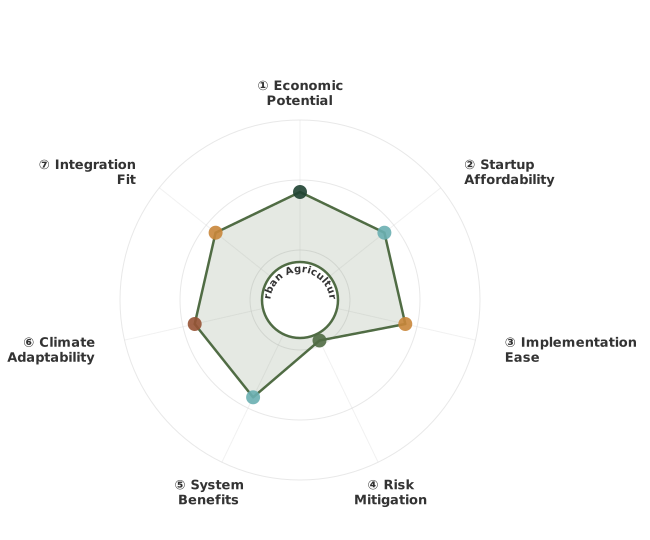
How These Traits Are Calculated
Trait dimensions are ordered clockwise starting from the top of the chart (12 o'clock position):
1. Economic Potential
Financial returns, annual value, and break-even timeline
WHAT: Evaluates financial viability by combining net annual value ($/ha from savings, income, and amortized harvests) with break-even timeline showing when practices pay for themselves.
WHY: Farmers need clear ROI understanding before committing resources. Fast payback (≤3 years) with strong returns (≥$300/ha) enables confident adoption, while long timelines (>10 years) restrict adoption to well-funded operations willing to wait for returns.
HOW: Calculated from net annual value in $/ha and break-even years. Exceptional (≥2.6): fast ROI ≤3 years + high value ≥$300/ha. Typical (1.8-2.5): moderate returns or longer timelines. Limited (<1.8): marginal economics or very long payback >10 years.
2. Startup Affordability
Initial investment costs and financial barrier to entry
WHAT: Measures financial barrier to entry through startup costs for equipment, infrastructure, consulting, and materials. Inverted scoring: lower costs = higher scores = more accessible adoption.
WHY: Affordability determines who can adopt. Low-cost practices (<$250/ha) enable widespread adoption across diverse scales, while high costs (>$2,500/ha) limit adoption to well-capitalized operations, creating barriers that slow regenerative transition.
HOW: Calculated from initial investment parsed from practice content. Inverted scoring: Exceptional (≥2.6): minimal investment <$250/ha. Typical (1.8-2.5): moderate costs $250-2,500/ha. Limited (<1.8): high barrier >$2,500/ha.
3. Implementation Ease
Learning curve and specialized knowledge required
WHAT: Measures how much learning, planning, and specialized knowledge a practice requires. Simpler practices with fewer steps score higher, while complex practices requiring extensive training or specialized resources score lower.
WHY: Complex practices create adoption barriers even when economically viable. Straightforward practices enable faster adoption and broader participation, while those requiring extensive training, timing precision, or specialized equipment limit who can succeed.
HOW: Evaluated by measuring documentation length and identifying complexity markers like location-specific requirements, seasonal timing windows, specialized skills, and dedicated equipment needs. Exceptional (≥2.6): straightforward practices with minimal prerequisites. Typical (1.8-2.5): moderate learning curve with some specialized needs. Limited (<1.8): steep learning curve requiring significant training or resources.
4. Risk Mitigation
Identified financial and ecological risk assessment
WHAT: Evaluates documented risks across financial (investment loss, market volatility) and ecological (crop failure, pest outbreaks) domains. Inverted scoring: fewer risks = higher scores.
WHY: Understanding risk exposure helps farmers make informed decisions. Low-risk practices allow confident implementation, while high-risk practices require careful planning and contingency resources. Risk transparency prevents costly failures.
HOW: Calculated from identified risks in practice content. Inverted scoring: Exceptional (≥2.6): ≤2 risks with manageable severity. Typical (1.8-2.5): 3-5 moderate risks. Limited (<1.8): 6+ risks or severe exposure.
5. System Benefits
How many ways the practice improves your land simultaneously
WHAT: Measures how many aspects of land health improve at once—carbon storage, soil quality, erosion control, water absorption, and biodiversity. Practices that improve multiple areas simultaneously create compounding benefits where each improvement reinforces the others.
WHY: The best practices solve multiple problems at once. For example, addressing erosion simultaneously builds carbon and improves water infiltration, creating a resilient system with positive feedback loops. Single-benefit approaches miss these compound transformation opportunities.
HOW: Evaluated across five key outcomes: carbon sequestration, soil organic matter increase, erosion reduction, water infiltration improvement, and biodiversity enhancement. Exceptional (≥2.6): high carbon storage (>8 t/ha/yr), improvements across 4-5 areas, transformative outcomes. Typical (1.8-2.5): moderate carbon (3-8 t/ha/yr), improvements across 2-3 areas. Limited (<1.8): modest impact (<3 t/ha/yr), single-area focus only.
6. Climate Adaptability
Geographic applicability across Köppen climate zones
WHAT: Evaluates geographic applicability by assessing how many Köppen climate zones successfully support a practice and what adaptation requirements are needed. Measures breadth of climates where farmers can implement with minimal to moderate modifications.
WHY: Universal practices working across diverse climates enable more farmers to adopt regenerative approaches. Practices limited to single climate types (only Mediterranean, only tropical) restrict adoption and slow global transition. Adaptability determines whether a practice serves niche regions or offers broad transformation.
HOW: LLM evaluation of regional success stories, Köppen zone coverage, and adaptation needs. Exceptional (≥2.6): 5+ zones or 4+ climate types, 3+ continents, minimal adaptation. Typical (1.8-2.5): 3-4 zones or 2-3 types, 2 continents, moderate adaptation. Limited (<1.8): 1-2 zones, single region, significant adaptation or highly specialized.
7. Integration Fit
How well this practice combines with others you're doing
WHAT: Measures how well a practice combines with other regenerative practices you might be doing. Some practices work as building blocks that make many other practices easier or more effective, while others work best on their own.
WHY: Practices that combine well with many others create more value on your farm. For example, cover cropping enables no-till, improves grazing, supports crop diversity, and helps water management—making all of them work better together. This helps you build a coherent system rather than juggling disconnected practices.
HOW: Evaluated by identifying which practices combine well and how strong those combinations are. 'Ideally Suited' means strong combinations where practices reinforce each other (practice A makes B easier, while B makes A more effective). 'Adequate' means complementary benefits that work well together. Exceptional (≥2.6): combines well with 6+ practices, serves as a building block. Typical (1.8-2.5): combines with 3-5 practices. Limited (<1.8): 1-2 practices or works best alone.
Going Deeper
1
WHY - The Benefits
Urban agriculture is more than just growing food in cities; it's about transforming urban landscapes into resilient, productive, and ecologically sound environments. When practiced regeneratively, it offers a suite of interconnected benefits that address critical urban...
Urban agriculture is more than just growing food in cities; it's about transforming urban landscapes into resilient, productive, and ecologically sound environments. When practiced regeneratively, it offers a suite of interconnected benefits that address critical urban challenges, from food insecurity to environmental degradation.
WHY - The Benefits
Urban agriculture is more than just growing food in cities; it's about transforming urban landscapes into resilient, productive, and ecologically sound environments. When practiced regeneratively, it offers a suite of interconnected benefits that address critical urban...
Urban agriculture is more than just growing food in cities; it's about transforming urban landscapes into resilient, productive, and ecologically sound environments. When practiced regeneratively, it offers a suite of interconnected benefits that address critical urban challenges, from food insecurity to environmental degradation.
Soil Health Benefits
Regenerative urban agriculture actively rebuilds soil health in environments that are typically degraded. Urban soils are often heavily compacted from construction and foot traffic, depleted of organic matter, and potentially contaminated by historical industrial use or pollution. Practices like intensive composting, mulching with organic materials, and the addition of biochar can rapidly increase soil organic matter content by 2-5% in raised beds or container gardening over 2-3 years. This not only improves soil structure, water-holding capacity, and nutrient availability but also sequesters carbon within the urban environment.
The return of living roots through diverse crop rotations, cover cropping, and the inclusion of perennial plants is vital. These roots create macropores that alleviate compaction, provide food for soil microbes, and improve aeration and water infiltration. Earthworm populations, often absent in degraded urban plots, can be re-established through consistent organic matter addition and reduced disturbance, becoming powerful agents of soil aeration and fertility. For example, introducing vermicomposting (worm composting) can accelerate the creation of nutrient-rich castings that are ideal for urban garden soils.
Economic Benefits
Urban agriculture can create significant economic opportunities at various scales. Small backyard or community gardens can reduce household food budgets by hundreds of dollars annually. Larger urban farms or market gardens can generate substantial revenue through direct-to-consumer sales (farmers' markets, CSAs – Community Supported Agriculture), restaurant sales, or sales to local food hubs. Revenue can range from $50-200 per square meter ($5-20 per square foot) annually for intensive market gardens, depending on crop choice, management, and market access.
The sector also fosters job creation in areas like farm management, horticulture, compost production, distribution, and education. Urban farms can act as social enterprises, providing job training and employment for underserved populations. Furthermore, the development of local food systems can reduce reliance on long-distance supply chains, making fresh produce more affordable and accessible, while also capturing economic value within the local community. While startup costs for specialized systems (like vertical farms) can be high, lower-scale operations like raised bed gardening or container farming can have relatively low entry costs.
Regenerative Systems Fit
Regenerative urban agriculture is a Context-Dependent practice that can be deeply aligned with all five regenerative principles when implemented thoughtfully.
- Minimizing Soil Disturbance: Due to space constraints and the need to manage potentially contaminated soils, urban agriculture often inherently favors practices that minimize disturbance. Raised beds, container gardening, and no-till methods are common, preserving existing soil structure and preventing the disruption of soil biology. When working with existing in-ground plots, focusing on adding compost and mulch rather than repeated tilling is key.
- Maximizing Crop Diversity: Urban settings are ideal for experimenting with a wide array of plant species. Polycultures, companion planting, and the inclusion of perennial vegetables, fruit trees (where space permits), and flowering plants that attract beneficial insects are easily incorporated. This diversity builds a more resilient ecosystem, enhances pest and disease resistance, and improves soil microbial communities.
- Keeping Soil Covered: Protecting exposed soil is paramount, especially in urban environments where runoff can carry pollutants into waterways. Urban growers can maintain soil cover year-round with a combination of living crops, cover crops (like clover or rye), and organic mulches (straw, wood chips, compost). This prevents erosion, conserves moisture, suppresses weeds, and feeds soil biology.
- Maintaining Living Roots: Prioritizing perennial crops, fruit trees, and cover crops ensures that living roots are in the soil for as long as possible. This continuous biological activity fuels soil microbes, improves soil structure, and enhances nutrient cycling. Even annual gardens can benefit from intercropping and succession planting to maximize root presence throughout the growing season.
- Integrating Livestock: While large livestock are impractical in most urban settings, smaller-scale integration is highly regenerative. Vermicomposting systems efficiently process organic waste into nutrient-rich compost, while backyard chickens can provide manure for composting, pest control, and eggs. These closed-loop systems recycle nutrients and reduce waste, mirroring natural cycles.
For urban areas with degraded soil or limited green space, regenerative urban agriculture is a Transition Practice. It may involve using imported healthy soil initially or implementing raised beds due to contamination, but the long-term goal is to build functional, living soil within the urban landscape. The timeline for full regeneration depends on the starting point and commitment to biological practices, but significant improvements in soil health, biodiversity, and ecosystem services can be observed within 3-5 years.
Sources behind this view
Videos & Podcasts
-
Nick Rose discusses urban agriculture research, including climate resilience, soil carbon sequestration potential in urban settings, and mental health benefits. He stresses the need for continued rese
-
Urban agriculture examples like Frogtown Farm (St. Paul) and Tiny Diner (Minneapolis) demonstrate perennial foundations, alley cropping, season extension, and soil remediation. Shipping containers off
-
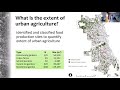
Urban agriculture can be multifunctional, but research shows issues with soil contamination and reliance on external inputs. Agroforestry, particularly urban food forests, offers a potential solution,
Research
-
Urban Agriculture and Ecosystem Services: A Typology and Toolkit for Planners (opens in new window)
This study found: Urban agriculture offers multiple environmental and community benefits, including food production, soil health, and climate mitigation. A new typology and toolkit help city planners integrate these be
-
Systematic review of regenerative farming: Addressing agricultural sustainability challenges (opens in new window)
This study found: Systematic review of 31 studies shows regenerative farming improves soil health, biodiversity, and carbon capture, aiding sustainability. Technology is key for adoption, but policy, farmer understandi
-
Regenerative Agriculture: Restoring Ecosystems¢ Resilience and Productivity: A Review (opens in new window)
This study found: Regenerative agriculture builds soil health and ecosystem services through practices like no-till, cover crops, and diverse rotations. It increases soil organic matter, improves water infiltration, bo
-
Vertical Farming and Urban Agriculture: A Comprehensive Review: Analyzing the feasibility, benefits, and challenges of scaling up urban-based agricultural practices (opens in new window)
This study found: A review of urban and vertical farming found that while promising for sustainable cities, scalability is limited by economic, technical, and policy challenges. New technologies and supportive policies
2
WHERE - Regional Considerations
Urban agriculture's success is deeply influenced by the regional climate, water availability, and local socio-economic factors. The practices employed must adapt to these conditions to be both productive and regenerative.
Urban agriculture's success is deeply influenced by the regional climate, water availability, and local socio-economic factors. The practices employed must adapt to these conditions to be both productive and regenerative.
WHERE - Regional Considerations
Urban agriculture's success is deeply influenced by the regional climate, water availability, and local socio-economic factors. The practices employed must adapt to these conditions to be both productive and regenerative.
Urban agriculture's success is deeply influenced by the regional climate, water availability, and local socio-economic factors. The practices employed must adapt to these conditions to be both productive and regenerative.
Click Here to Look up your Region if you don't already know it
Humid Temperate Regions
Representative Locations: Eastern North America (e.g., New York City, Toronto), Western Europe (e.g., London, Berlin), Eastern China, Japan, New Zealand
Climate Context: Warm to hot summers and cool to cold winters with moderate to high annual precipitation (75-150 cm or 30-60 inches) distributed relatively evenly. USDA Zones 4-7, Köppen Cfb/Cfa.
Considerations: Ample rainfall may necessitate good drainage systems for plots and raised beds to prevent waterlogging and fungal diseases. Longer growing seasons allow for succession planting of diverse crops. Winter protection or selection of cold-hardy cover crops is important for keeping soil covered year-round. Urban heat island effect can extend growing seasons but also intensify pest pressure. High organic matter addition is key to buffering against nutrient leaching from high rainfall. Traditional farming practices from surrounding rural areas can inform species selection and crop rotation.
Mediterranean Regions
Representative Locations: California (e.g., Los Angeles, San Francisco), Mediterranean Basin (e.g., Barcelona, Rome), Central Chile, Southwestern Australia
Climate Context: Hot, dry summers and mild, wet winters. Annual precipitation 40-90 cm (15-35 inches), highly seasonal. USDA Zones 8-10, Köppen Csa/Csb.
Considerations: Water conservation is paramount. Techniques like mulching, drip irrigation, rainwater harvesting, and xeriscaping are essential. Selecting drought-tolerant and heat-resistant crop varieties is critical. Planting during the wetter, cooler seasons is optimal, with summer crops requiring supplemental water or protection from intense sun. Building soil organic matter improves water-holding capacity significantly. Opportunities exist for drought-tolerant fruit trees and drought-resistant herbs and vegetables.
Arid/Semi-Arid Regions
Representative Locations: Southwestern USA (e.g., Phoenix, Denver), North Africa (e.g., Cairo), Central Asia, Interior Australia
Climate Context: Low annual precipitation (<40 cm or 15 inches), high temperatures, short and often unpredictable growing season, significant diurnal temperature variation. USDA Zones 7-9, Köppen BSh/BSk.
Considerations: Water scarcity dictates almost every aspect of urban agriculture. Focus on highly efficient irrigation (drip, hydroponics, aquaponics), extensive mulching, water-wise crop selection (e.g., drought-tolerant vegetables, desert-adapted fruits), and soil amendment to maximize water retention. Raised beds can help manage soil quality and water use. Community gardens might pool resources for larger water capture systems. Greenhouses or shade structures can moderate extreme temperatures. Biochar can be particularly effective in sandy soils for water and nutrient retention.
Subtropical Regions
Representative Locations: Southeastern USA (e.g., Atlanta, Miami), Southern China, Southern Brazil, Eastern Australia
Climate Context: Hot, humid summers and mild winters with generally ample rainfall. USDA Zones 9-11, Köppen Cfa/Cwa.
Considerations: High humidity can lead to increased pest and disease pressure, requiring careful crop selection and good air circulation. Managing excess moisture and ensuring adequate drainage is essential. The long growing season allows for multiple crop cycles and the cultivation of heat-loving species. Emphasis on disease-resistant varieties, companion planting for pest deterrence, and maintaining healthy soil biology to support plant resilience is critical. Urban forests and green roofs can help mitigate urban heat island effects.
Cold Continental Regions
Representative Locations: Northern USA and Canada (e.g., Chicago, Montreal), Northern Europe (e.g., Stockholm, Helsinki), Northern Asia
Climate Context: Very short growing seasons, extreme summer heat and winter cold, significant diurnal temperature variation. USDA Zones 3-5, Köppen Dfa/Dfb.
Considerations: Season extension techniques are crucial for maximizing production. This includes using greenhouses, high tunnels, cold frames, and potentially heat mats for seedlings. Selecting rapid-maturing crop varieties is important. Composting and built soil structures are vital for warming soil quickly in spring. Overwintering crops with protection or utilizing hardy cover crops that survive until spring are key for keeping soil covered. Community buy-in for shared infrastructure like greenhouses can be beneficial.
Tropical Regions
Representative Locations: Central America, Southeast Asia, East Africa, Northern Australia, Northern South America
Climate Context: High temperatures year-round, with distinct wet and dry seasons or consistent high rainfall. Köppen Af/Am/Aw.
Considerations: Managing intense heat and humidity, along with heavy rainfall and potential for flash flooding, are primary concerns. Selecting heat-tolerant, disease-resistant crops is vital. Good drainage and aeration of soils are necessary. Shade structures may be beneficial to moderate extreme heat. Compost and organic matter are essential for soil health and water management. Pest and disease pressure can be high, requiring diverse planting and biological pest control methods. Careful consideration of water management (both excess and deficit during dry seasons) is critical.
3
HOW - Implementation Process
Implementing regenerative urban agriculture involves careful planning, assessment, and execution, focusing on maximizing ecological benefits alongside food production.
Implementing regenerative urban agriculture involves careful planning, assessment, and execution, focusing on maximizing ecological benefits alongside food production.
HOW - Implementation Process
Implementing regenerative urban agriculture involves careful planning, assessment, and execution, focusing on maximizing ecological benefits alongside food production.
Implementing regenerative urban agriculture involves careful planning, assessment, and execution, focusing on maximizing ecological benefits alongside food production.
Prerequisites
Before beginning, assess your site:
- Sunlight: Map sunlight exposure throughout the day/year; crucial for plant selection.
- Water Access: Reliable and clean water source (municipal, collected rainwater).
- Soil Assessment: If in-ground, test for contaminants (heavy metals, hydrocarbons), compaction, pH, and organic matter. Use reputable labs. If contamination is a concern, use raised beds with clean soil/compost.
- Space & Scale: Determine achievable scale based on available area, time, and resources.
- Community & Regulations: Understand local zoning, permits, and community garden guidelines.
Phase 1: Site Preparation and Soil Building
Container/Raised Bed Systems: 1. Structure: Construct beds using untreated wood, recycled materials, or durable plastics. Aim for at least 30 cm (12 inches) depth for vegetables. Ensure good drainage. 2. Filling: Use a high-quality mix: 60% compost (kitchen/yard waste derived), 30% topsoil (from reputable sources or remediated urban soil), 10% amendments like coco coir for aeration, mycorrhizal inoculants, and worm castings. Avoid using native urban soil if contamination is a risk. 3. Drainage: Layer bottom of beds with gravel or coarse organic matter if drainage is poor.
In-Ground Systems (if soil is safe): 1. Remediation: If soil is compacted, consider one-time ripping (see Transition Practice: One-Time Tillage for Severe Compaction). Apply significant amounts of compost (10-20 cm or 4-8 inches) and till lightly once to incorporate, or preferably, use sheet mulching (lasagna gardening) to build soil biology and structure organically. 2. Soil Testing: Regular testing for contaminants is critical. Focus on heavy metals (lead, arsenic, cadmium) and hydrocarbons. If contamination exceeds safe limits for food production, revert to raised beds.
Water Harvesting: Install rain barrels or larger cisterns connected to downspouts. Consider swales or rain gardens in communal areas to capture and infiltrate stormwater runoff.
Phase 2: Planting and Crop Diversity
- Species Selection: Choose crops suited to your climate, sunlight, and space. Prioritize nutrient-dense varieties and those that provide multiple benefits (e.g., legumes fix nitrogen, flowers attract pollinators).
- Polycultures: Plant combinations of crops that benefit each other (companion planting). Examples: basil with tomatoes, carrots with rosemary, beans with corn.
- Perennials: Incorporate perennial vegetables, herbs, berries, and fruit trees where space allows. These build soil structure and support living roots year-round.
- Cover Cropping: For annual beds, plant cover crops during fallow periods (e.g., winter rye, hairy vetch, crimson clover). This keeps soil covered, adds organic matter, and improves soil biology.
Phase 3: Ongoing Management and Soil Health
- Watering: Use drip irrigation or hand watering to deliver water directly to the root zone, minimizing waste. Water deeply and less frequently to encourage deep root growth. Monitor moisture levels to avoid over- or under-watering.
- Fertilization: Rely on compost, worm castings, and organic amendments. Avoid synthetic fertilizers which can harm soil biology and contribute to nutrient runoff. Use balanced organic fertilizers if specific deficiencies arise based on soil tests.
- Pest and Disease Management: Employ Integrated Pest Management (IPM). Encourage beneficial insects by planting attractant flowers. Use physical barriers, hand-picking, or organic sprays (neem oil, insecticidal soap) only when necessary. Healthy soil and diverse plants are the best defense.
- Mulching: Maintain a 5-10 cm (2-4 inch) layer of organic mulch (straw, wood chips, compost) around plants and in pathways. This conserves moisture, suppresses weeds, regulates soil temperature, and feeds soil organisms.
- Composting: Set up on-site composting systems (bin composting, vermicomposting). Process kitchen scraps, yard waste, and crop residues to generate high-quality compost for your garden.
Phase 4: Integration and Expansion (Optional)
- Small Livestock: Introduce backyard chickens for pest control and manure, or worm bins for efficient waste processing and compost production. Ensure composting systems are well-managed to prevent odors or pests.
- Seed Saving: Save seeds from open-pollinated varieties to adapt crops to your specific microclimate and reduce future seed costs.
- Community Building: Share knowledge, surplus produce, and resources with neighbors. Organize workshops or garden tours to educate others on regenerative practices.
Transition Timeline & Phase-Out Strategy (Context-Dependent)
Urban agriculture is context-dependent. If starting on contaminated soil, the initial phase involves using clean inputs in raised beds, which is a Transition Practice.
- Year 1-2: Focus on establishing healthy soil in beds using compost, mulch, and diverse plantings. Implement water harvesting and efficient irrigation. Minimal synthetic input use.
- Year 3-5: Begin testing native soils adjacent to raised beds or in less contaminated areas for remediation potential. Introduce cover crops. Continue building organic matter and beneficial insect populations. Further reduce reliance on any external inputs.
- Year 5+: If native soil tests show significant improvement and contamination is managed or absent, begin expanding in-ground cultivation, applying learned regenerative soil-building techniques. The goal is to transition from solely relying on imported soil to actively regenerating urban soils.
Sources behind this view
Videos & Podcasts
-
Provides actionable steps for regenerative agronomy: balanced N:C inputs (molasses, humates), microbial teas, yeast metabolites, calcium, and effective seed treatments. Emphasizes scalability, systems
-
Regenerative agriculture provides solutions for climate change, human health, and soil degradation, contrasting with industrial agriculture's harmful impacts, including glyphosate use. Practices like
-
Advocates for a gradual transition to regenerative practices, emphasizing soil health, diverse crop rotations, livestock integration, and smart nutrient management. Stresses the need for farmers to 'e

-
Transitioning to regenerative agriculture requires a whole-systems mindset, focusing on soil health principles: reduce tillage/compaction, increase diversity (plants, animals), eliminate bio-cides/fer

 Community
-
Regenerative gardening principles include minimizing soil disruption (avoiding excessive tilling), keeping soil covered with plants or organic matter, promoting plant diversity through crop rotation a
Read more (opens in new window) ucanr.edu -
Regenerative agriculture reverses soil harm by sequestering carbon through cover crops, no-till, compost, and crop rotation, improving soil health and resilience for both farms and home gardens.
Read more (opens in new window) ucanr.edu
Research
-
The Indigenous Roots of Regenerative Agriculture (opens in new window)
This study found: Modern regenerative agriculture practices are rooted in millennia of Indigenous land stewardship, offering profound knowledge and a crucial value system of respect and reciprocity for true transformat
-
Building Soil Health and Fertility through Organic Amendments and Practices: A Review (opens in new window)
This study found: Review of organic amendments (manures, compost, cover crops) and regenerative practices (no-till, crop diversity, agroecology) shows they restore soil health by increasing organic matter and beneficia
-
Building Soil Health and Fertility through Organic Amendments and Practices: A Review (opens in new window)
This study found: Using organic amendments (manures, composts, cover crops) and regenerative practices (no-till, crop diversity) restores soil health by increasing organic matter and beneficial microbes, leading to mor
-
Regenerative Agriculture: Restoring Ecosystems¢ Resilience and Productivity: A Review (opens in new window)
This study found: Regenerative agriculture builds soil health and ecosystem services through practices like no-till, cover crops, and diverse rotations. It increases soil organic matter, improves water infiltration, bo
4
Know the Debate
Urban agriculture offers diverse outcomes based on location and scale. In humid temperate zones with consistent rainfall, soil regeneration can occ...
Know the Debate
Urban agriculture offers diverse outcomes based on location and scale. In humid temperate zones with consistent rainfall, soil regeneration can occ...
Urban agriculture offers diverse outcomes based on location and scale. In humid temperate zones with consistent rainfall, soil regeneration can occur within 3-5 years, and yields can reach $100-200/sqm with intensive management. Conversely, arid regions demand water conservation techniques, potentially limiting yields and extending timelines to 5-7 years, while operations on contaminated urban soils necessitate raised beds, which carry higher initial costs ($75-150/sqm) but ensure safety. Labor inputs range from minimal hobbyist hours to full-time commercial operations, requiring adaptable skills for each context.
How long to regenerate urban soils?
Regeneration in 3-5 years
Academic research suggests significant soil health improvements and carbon sequestration can occur within 3-5 years with consistent regenerative practices like intensive composting and cover cropping, even on degraded urban sites.
Sources behind this view
Sources behind this view
Research
-
Urban Agriculture as an Alternative Source of Food and Water Security in Today’s Sustainable Cities (opens in new window)
This study found: This research explores how farming within cities, known as urban agriculture, can help make cities more sustainable and resilient. It suggests that city green spaces can be used to grow food and support wildlife, improving access to food and water. By growing food closer to where people live, urban agriculture reduces the need for long-distance transportation of food, which is better for the environment. The study looked at 25 different city farming projects around the world, like community gardens and urban farms. It found that urban agriculture has many benefits, including economic, social, and environmental ones. It can even create new types of urban spaces and encourage people to be more active and social.
From the Web
-
This urban farming guide offers practical advice on site renovation, managing soil contamination with raised beds and containers, and implementing techniques like crop rotation, cover cropping, and composting in city centers.
Regeneration takes 5-10+ years
Field practitioners often report that full soil regeneration and consistent yields in urban areas, particularly on contaminated or heavily compacted sites, can take 5-10 years or more, requiring ongoing adaptive management.
Sources behind this view
Sources behind this view
Videos & Podcasts
-
Urban agriculture examples like Frogtown Farm (St. Paul) and Tiny Diner (Minneapolis) demonstrate perennial foundations, alley cropping, season extension, and soil remediation. Shipping containers offer practical solutions. Supporting pollinators and creating urban prairies/savannas are key.
-
Urban agriculture can be multifunctional, but research shows issues with soil contamination and reliance on external inputs. Agroforestry, particularly urban food forests, offers a potential solution, with woody crops potentially safer in contaminated soils than vegetables. Community engagement is key for design.
Making Sense of the Differences
The timeline for urban soil regeneration varies based on initial soil health, contaminant levels, the intensity of regenerative practices applied, and the local climate. Areas with higher microbial activity and consistent moisture tend to regenerate faster. In urban settings, the starting point of extreme degradation or contamination may require longer patience or innovative remediation like raised beds initially, with the goal of slow, biological regeneration over many years.
What are realistic yields and economic returns?
High potential yields ($100-200/sqm)
Academic reviews and institute guides suggest high potential yields for intensively managed urban farms, with economic returns cited between $50-200/sqm ($5-20/sq ft) for high-value crops through direct sales.
Sources behind this view
Sources behind this view
Research
-
Multifunctional Urban Agriculture for Sustainable Land Use Planning in the United States (opens in new window)
This study found: This paper reviews how farming in cities, known as urban agriculture, can be used as a smart way to plan land in the United States. It looks at different types of city farming, like community farms, garden plots, rooftop gardens, edible landscaping, and urban forests. The review explains how these can help make cities more sustainable by providing multiple benefits, especially in response to growing concerns about food security and the economy. It discusses how urban planners and designers can better include food production in their plans, from looking at a whole city down to a single garden. The paper also points out challenges and areas where more research is needed, offering insights for city planners, landscape designers, and agricultural extension agents as urban farming becomes more common.
From the Web
-
Urban agriculture significantly boosts food production, nutrition, income, and job creation, especially for women and youth. Strengthening producer organizations, market access, and financing are key to maximizing its benefits.
Typical yields ($30-100/sqm)
Field practitioners and some research indicate actual yields and economic returns often fall into a typical range of $30-100/sqm ($3-9/sq ft), especially when considering labor, initial setup costs, and urban environmental factors.
Sources behind this view
Sources behind this view
Videos & Podcasts
-
Microfarms and urban market gardens (under 2 acres) are suitable for 1-2 people, focusing on high-value crops and direct sales. Microgreens offer a landless farming option using vertical space.
-
Urban farming's proximity to market offers significant advantages, especially for restaurant sales, by providing unparalleled convenience and a strong selling point. This contrasts with CSA and farmers market models where proximity is less critical but quality of life is improved.
Making Sense of the Differences
The discrepancy in yield and economic return potential often stems from the difference between ideal research scenarios and on-the-ground urban farming realities. Factors like land cost, water access, initial soil remediation expenses, labor intensity, and market access significantly influence profitability. While high yields are achievable in controlled environments or with highly skilled management, many urban operations focus on community benefits and food access, with economic returns being secondary or more modest.
How to manage urban soil contamination?
Use raised beds/containers
Field practitioners strongly advocate for raised beds or container gardening as the standard approach due to widespread soil contamination, emphasizing that relying on native urban soil without extensive testing is too risky for food production.
Sources behind this view
Sources behind this view
Videos & Podcasts
-
Chicago research found backyard gardens are the most prevalent urban agriculture, contributing culturally appropriate foods but relying on synthetic inputs and facing soil contamination (lead) issues. This focus on annual crops may displace biodiversity and conflict with urban forestry goals.
-
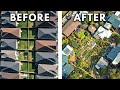
Urban agriculture strategies should integrate food forests, native species, and sun-optimized annual gardens, utilizing underused spaces and living edges ('fedges') for food production.
Test and remediate in-ground if safe
Academic research identifies urban soils as frequently contaminated but also explores the potential for remediation, recommending rigorous testing before considering in-ground planting and developing methods to improve soil health over time.
Sources behind this view
Sources behind this view
Research
-
Mainstreaming Urban Agriculture: Opportunities and Barriers to Upscaling City Farming (opens in new window)
This study found: Growing food in cities, known as Urban Agriculture, is becoming more popular and is supported by policymakers. Larger city farms and high-tech growing projects are appearing, bringing benefits like new jobs, more wildlife, and shorter food routes. However, expanding city farming faces challenges. This study looked at urban farms in the UK and found that people's worries about growing food in cities, money problems, and concerns about polluted soil are major hurdles. The researchers suggest a practical way forward to help city farming grow at a larger scale.
-
Farming on Top: Rooftop Agriculture for Healthy Cities (opens in new window)
This study found: Growing food on the tops of buildings, known as rooftop agriculture, is a type of urban farming that can help cities feed their residents and protect the environment. This practice can make fresh food more available, help cool down cities during hot summers, potentially reduce poverty, and bring people together. As more people around the world adopt rooftop farming, it's becoming an important part of creating sustainable cities for the future.
From the Web
-
This urban farming guide offers practical advice on site renovation, managing soil contamination with raised beds and containers, and implementing techniques like crop rotation, cover cropping, and composting in city centers.
Making Sense of the Differences
The primary controversy lies in the acceptable risk tolerance and the extent of mediation versus complete avoidance of native urban soil. While academic research highlights contamination risks, some practitioners might explore in-ground remediation for long-term soil building. However, many opt for the immediate safety and predictability of controlled systems like raised beds or containers, especially for market production or where children consume the produce, underscoring raised beds as a common and often necessary starting point.
5
HOW MUCH - Costs & Investment
Note: Costs shown in USD equivalent; multiply by local labor and material cost indices for your region. Labor costs vary significantly internationally. Urban land costs can be a major factor.
Note: Costs shown in USD equivalent; multiply by local labor and material cost indices for your region. Labor costs vary significantly internationally. Urban land costs can be a major factor.
HOW MUCH - Costs & Investment
Note: Costs shown in USD equivalent; multiply by local labor and material cost indices for your region. Labor costs vary significantly internationally. Urban land costs can be a major factor.
Note: Costs shown in USD equivalent; multiply by local labor and material cost indices for your region. Labor costs vary significantly internationally. Urban land costs can be a major factor.
Note: All costs are based on recent US economic data (2024–2026) and may vary substantially by region based on local labor rates, material costs, and regulatory requirements.
Infrastructure and Site Preparation
For small-scale projects (under 50 acres (20 ha)), initial setup costs range from $5.21 to $12.50 per square foot, covering raised bed materials, security fencing, and comprehensive site clearance. Mid-size operations (50–500 acres (20–202 ha)) experience economies of scale, reducing costs to $3.13–$7.29 per square foot through equipment sharing and bulk procurement of lumber and geotextiles. Large-scale urban agriculture installations (500+ acres) typically require $1.56–$4.17 per square foot; these projects benefit from site engineering efficiency and direct-to-manufacturer procurement of modular high-tunnel or greenhouse frameworks, which significantly lowers the per-square-foot capital expenditure.
Irrigation and Water Management
Water distribution system costs vary based on automation levels. Small-scale setups utilizing manual hose configurations and basic timers range from $0.52–$1.56 per square foot. Mid-sized farms, which benefit from automated drip lines and integrated fertigation systems, incur costs between $0.83–$2.61 per square foot. Large-scale facilities often integrate advanced recirculating hydroponic or aquaponic systems paired with extensive rainwater harvesting infrastructure, costing $0.42–$1.25 per square foot. Annual maintenance and utility fees for water typically add $0.31–$1.25 per square foot for small sites, while large-scale optimized systems maintain these recurrent costs between $0.10–$0.52 per square foot per annum.
Soil, Amendments, and Biologicals
For a small start-up, securing high-quality organic soil mixes and premium imported compost ranges from $2.08 to $5.21 per square foot. Mid-sized operations, which frequently source materials by the semi-truckload, reduce these expenditures to $1.04–$3.65 per square foot. Large-scale projects that prioritize regenerative techniques, such as onsite bulk composting or specialized bioremediation, invest roughly $0.52–$2.08 per square foot in soil health. Specialized microbial inoculants, cover crop seeds, and organic fertilizers add an annual recurring cost of $0.21–$0.83 per square foot across all scales, depending on crop intensity and the rate of nutrient depletion.
Tools, Technology, and Equipment
Small-scale setups require basic hand tools and push-seeders, costing $0.52–$1.25 per square foot in the initial year. Mid-sized farms often incorporate walk-behind tractors (e.g., BCS or specialized electric cultivators), raising equipment investment to $0.83–$2.08 per square foot. Large operations leverage heavy-duty mechanized cultivation equipment and climate-controlled storage facilities for $0.42–$1.04 per square foot. Overall, annual depreciation and maintenance for these tools are projected at 10–15% of the total equipment investment value per year.
Most Spend: Most urban agriculture operations fall within the range of $1.56–$4.69 per square foot for total initial setup. This range excludes land acquisition costs and extensive structural retrofitting of existing buildings, which can significantly skew capital requirements.
Why the Range?: The primary drivers of cost variance are land contamination status and the intensity of the infrastructure. Sites requiring deep soil remediation, complete capping of heavy metals, or complex, multi-story vertical setups will often see costs double or triple compared to clean, in-ground agricultural sites.
Sources behind this view
Videos & Podcasts
-
Starting a profitable urban farm involves five key costs: essential core equipment, post-harvest infrastructure (like a walk-in cooler), land access and site prep, crucial cash flow buffers for living
-
Achieve 50-75% profit margins in urban farming by managing labor costs, ideally with owner-operation plus minimal staff. Invest in quality equipment upfront to avoid costly replacements and reduce ove
-
Farm startup costs are categorized into three tiers: backyard (<$5k), committed ($10-15k), and full build-out ($25-30k). Choose a tier based on affordability and risk tolerance, prioritizing learning
Community
-
Starting a diversified vegetable farm can cost $30-40k, or as little as $10k with significant effort. Key resources include books by Elliot Coleman and Richard Wiswall, and models from Mark Shepard an
Read more (opens in new window) permies.com -
Article by Pat Brhel on maximizing profit per square foot and addressing unique challenges in urban farming.
Read more (opens in new window) smallfarms.cornell.edu
Research
-
Factors influencing the economic sustainability and viability of soil-based urban and peri-urban agricultural enterprises in OECD countries: a scoping review (opens in new window)
This study found: City farms in developed countries often struggle financially. Success depends on efficient operations, direct sales, resource reuse, and adapting to local policies and community needs.
-
A review on urban farming: Potential, challenges and opportunities (opens in new window)
This study found: Urban farming offers solutions for city food security using various models and techniques, but faces challenges like resource limits, costs, knowledge gaps, and poor collaboration. This review provide
6
REWARDS AND RISKS - Economics & Risk Factors
Economic Scenarios
Economic Scenarios
REWARDS AND RISKS - Economics & Risk Factors
Economic Scenarios
Economic Scenarios
In a best-case scenario, an urban farm specializing in high-value, fast-turnover crops—such as microgreens, gourmet tomatoes, or medicinal herbs—generates annual gross revenues of $15.63–$26.05 per square foot. After accounting for annual operating costs, including seeds, water, and specialized compost at $2.08–$5.21 per square foot, these operations achieve a net operating income of $10.42–$20.84 per square foot. A typical case features a balanced mix of staple market vegetables and Community Supported Agriculture (CSA) subscriptions, generating $5.21–$10.42 per square foot in annual revenue with operating costs of $3.13–$6.25 per square foot, generally resulting in a stable break-even point or narrow profit margin. The worst-case scenario involves high urban land rental rates or property taxes exceeding $3.13 per square foot annually, compounded by significant market failure or irrigation system collapse; such conditions result in net losses of $2.08–$5.21 per square foot.
Profitability is heavily contingent on proximity to consumers; farms located within 5 miles (8.0 km) of a high-end farmers' market or restaurant hub can command a 20–40% price premium over wholesale distribution channels. Operators can mitigate price volatility by diversifying revenue streams through value-added processing (e.g., dried herbs, preserves) or on-site workshops, which can increase revenue per square foot by 15–25%. To combat rising water utility costs, installing on-site rainwater catchment systems typically carries a 2–3 year payback period but effectively reduces annual water operating expenses by 30–50%.
Transition Period Risks: Operations transitioning from idle urban lots face a 1–2 year "soil building" period where yields remain 20–40% below target capacity as soil biology stabilizes. The primary financial risk is latent lead or heavy metal contamination; mandatory soil testing fees range from $157–$417 per site. Mitigation via raised beds and imported soil requires a 30% increase in initial capital expenditure. To protect against early-stage financial loss, operators should adopt a phased implementation strategy, cultivating only 20–25% of the total land area in the first year to reinvest profits into soil remediation for the remaining site in subsequent cycles.
Sources behind this view
Videos & Podcasts
-
Urban farming requires collaboration between developers, researchers, and policymakers, leveraging existing tools and historical successes. Addressing challenges like land use and energy dependency is

-
Urban agriculture examples like Frogtown Farm (St. Paul) and Tiny Diner (Minneapolis) demonstrate perennial foundations, alley cropping, season extension, and soil remediation. Shipping containers off
-
Prioritize high-yield crops (salad greens, cherry tomatoes, microgreens) over low-density ones (tomatoes, peppers, squash) for small-scale market farming to maximize profitability and space utilizatio
-
For-profit urban farms face sustainability challenges due to competition with subsidized non-profits, higher urban costs (water, land access), lack of grant access, and the need for supportive policie
Community
-
Article by Pat Brhel on maximizing profit per square foot and addressing unique challenges in urban farming.
Read more (opens in new window) smallfarms.cornell.edu -
Discusses the economic challenges of urban farming, emphasizing the need for profitability and strategies to achieve 'profit per square foot' despite unique urban constraints.
Read more (opens in new window) smallfarms.cornell.edu -
Urban farms can be commercially viable and offer community benefits like cohesion and education. A Cornell-led curriculum, informed by national research and stakeholder input, provides resources for b
Read more (opens in new window) smallfarms.cornell.edu -
A national study on urban agriculture by Cornell and USDA AMS highlights its commercial viability and community benefits, based on 14 urban farms and expert interviews.
Read more (opens in new window) smallfarms.cornell.edu
Research
-
Factors influencing the economic sustainability and viability of soil-based urban and peri-urban agricultural enterprises in OECD countries: a scoping review (opens in new window)
This study found: City farms in developed countries often struggle financially. Success depends on efficient operations, direct sales, resource reuse, and adapting to local policies and community needs.
-
Enabling circularity for food safety: the rooftop farming model (opens in new window)
This study found: Rooftop farming in cities can boost food security and support a green economy by promoting self-sufficiency and circular resource use, with real-world examples showing its benefits.
-
Vertical Farming and Urban Agriculture: A Comprehensive Review: Analyzing the feasibility, benefits, and challenges of scaling up urban-based agricultural practices (opens in new window)
This study found: A review of urban and vertical farming found that while promising for sustainable cities, scalability is limited by economic, technical, and policy challenges. New technologies and supportive policies
-
A review on urban farming: Potential, challenges and opportunities (opens in new window)
This study found: Urban farming offers solutions for city food security using various models and techniques, but faces challenges like resource limits, costs, knowledge gaps, and poor collaboration. This review provide
From the Web
-
Urban farms face profitability challenges, with most earning under $10,000 annually, relying on farmers markets and CSAs. Key challenges include production costs and financing, while business planning
-
A national study of 14 commercial urban farms in the US explores their economic promise and strategies for achieving financial viability, drawing on farmer and expert interviews.
7
WHO - Labor & Expertise
Urban agriculture, particularly when practiced regeneratively, requires a blend of horticultural knowledge, community engagement skills, and understanding of ecological principles. The labor input can vary significantly, from hobbyist engagement to full-time commercial...
Urban agriculture, particularly when practiced regeneratively, requires a blend of horticultural knowledge, community engagement skills, and understanding of ecological principles. The labor input can vary significantly, from hobbyist engagement to full-time commercial operations.
WHO - Labor & Expertise
Urban agriculture, particularly when practiced regeneratively, requires a blend of horticultural knowledge, community engagement skills, and understanding of ecological principles. The labor input can vary significantly, from hobbyist engagement to full-time commercial...
Urban agriculture, particularly when practiced regeneratively, requires a blend of horticultural knowledge, community engagement skills, and understanding of ecological principles. The labor input can vary significantly, from hobbyist engagement to full-time commercial operations.
Skill Requirements:
- Horticulture & Agronomy: Basic understanding of plant needs (light, water, nutrients), soil science (composting, soil structure, biology), pest and disease identification and organic management.
- Community & Social Skills: Essential for community gardens and urban farms involving volunteers or multiple stakeholders. Ability to organize, communicate, mediate conflicts, and foster a collaborative environment.
- Ecological Literacy: Understanding of regenerative principles, biodiversity support (attracting pollinators, beneficial insects), water management, and composting systems.
- Business & Marketing Acumen (for commercial operations): Crop planning, financial management, sales and marketing, direct-to-consumer strategies.
- Site-Specific Knowledge: Understanding microclimates, local pest pressures, soil conditions (including potential contamination), and water availability.
Labor Input:
- Small Scale/Hobbyist: 2-5 hours per week per garden plot. Primarily DIY labor.
- Community Gardens: Varies greatly. Often relies on volunteer labor for communal areas, with individual plot holders managing their own space (e.g., 2-5 hours/week per plot). Requires coordination and skill-sharing.
- Medium Scale Urban Farms: 1-3 full-time or part-time paid staff for 20-2000 sq m operations, plus volunteers. Requires consistent weekly management.
- Large Scale Commercial/Vertical Farms: Multiple full-time employees, specialized roles (farm manager, operations manager, sales, growers). Labor can be intensive, especially for manual harvesting and pest scouting.
Expertise in Different Climates:
- Arid Regions: Expertise in water-wise gardening, efficient irrigation, drought-tolerant crop selection, and soil amendment for water retention.
- Humid Regions: Knowledge of drainage, disease management in high humidity, and succession planning for longer growing seasons.
- Cold Regions: Skills in season extension (hoop houses, cold frames), frost protection, and selecting rapid-maturing crops.
- Tropical Regions: Expertise in managing high heat and humidity, disease resistance, and dealing with intense rainfall or dry spells.
- Contaminated Sites: Requires specialized knowledge of soil testing, remediation techniques, and safe growing systems like raised beds.
International Labor Cost Variability:
The cost of labor for urban agriculture varies dramatically by country and region. In North America and Western Europe, professional farm labor can be expensive, making efficiency and automation priorities for commercial operations. In parts of Asia, Africa, and Latin America, labor may be more affordable, shifting the economic balance towards smaller-scale, more labor-intensive production. This influences the choice of system complexity and the viability of certain practices (e.g., high-tech vertical farms vs. labor-intensive market gardens). Volunteer labor is a significant resource in many community garden settings worldwide.
Sources behind this view
Research
-
Factors influencing the economic sustainability and viability of soil-based urban and peri-urban agricultural enterprises in OECD countries: a scoping review (opens in new window)
This study found: City farms in developed countries often struggle financially. Success depends on efficient operations, direct sales, resource reuse, and adapting to local policies and community needs.
-
Vertical Farming and Urban Agriculture: A Comprehensive Review: Analyzing the feasibility, benefits, and challenges of scaling up urban-based agricultural practices (opens in new window)
This study found: A review of urban and vertical farming found that while promising for sustainable cities, scalability is limited by economic, technical, and policy challenges. New technologies and supportive policies
-
A review on urban farming: Potential, challenges and opportunities (opens in new window)
This study found: Urban farming offers solutions for city food security using various models and techniques, but faces challenges like resource limits, costs, knowledge gaps, and poor collaboration. This review provide
-
Analyzing the divergence and development of business models for urban farming (opens in new window)
This study found: Stockholm urban farms are diversifying beyond yield competition, offering tech knowledge and community services to grow their market share and viability.
8
EQUIPMENT - Tools & Infrastructure
Urban agriculture, due to space constraints and often working with degraded soils, employs a diverse range of tools and infrastructure, from simple hand tools to sophisticated climate-controlled systems. Regenerative implementation focuses on resource efficiency,...
Urban agriculture, due to space constraints and often working with degraded soils, employs a diverse range of tools and infrastructure, from simple hand tools to sophisticated climate-controlled systems. Regenerative implementation focuses on resource efficiency, durability, and ecological compatibility.
EQUIPMENT - Tools & Infrastructure
Urban agriculture, due to space constraints and often working with degraded soils, employs a diverse range of tools and infrastructure, from simple hand tools to sophisticated climate-controlled systems. Regenerative implementation focuses on resource efficiency,...
Urban agriculture, due to space constraints and often working with degraded soils, employs a diverse range of tools and infrastructure, from simple hand tools to sophisticated climate-controlled systems. Regenerative implementation focuses on resource efficiency, durability, and ecological compatibility.
Hand Tools & Basic Equipment
- Essential: Shovels, spades, hand trowels, cultivators, hoes, watering cans, wheelbarrows. Durability and ergonomics are key to reducing physical strain.
- For Raised Beds/Containers: Buckets, screening tools for compost, soil probes. Materials for construction: untreated lumber, recycled plastics, stone, metal.
- Watering: Hoses, sprinklers (for larger areas), watering wands, drip irrigation kits (emitters, tubing, pressure regulators).
Soil Management & Amendments
-
Composting Systems:
- Bins: Tumbling composters, static bins (wood, wire mesh, recycled plastic). Ideal for smaller urban lots.
- Vermicomposting: Worm bins (DIY or commercial) for processing kitchen scraps into high-value worm castings.
- Larger Systems: Centralized community compost piles or contracts with municipal composting facilities for larger volumes.
-
Amendments: Biochar suppliers, bagged compost, worm castings, rock phosphate, greensand. Sourcing locally reduces transport emissions.
- Soil Testing Kits/Services: Essential for assessing pH, nutrient levels, and soil contaminants.
Infrastructure for Growing & Protection
-
Raised Beds/Containers:
- Materials: Untreated lumber, metal, stone, recycled plastics.
- Soil Mix: High-quality compost, topsoil, coco coir, biochar.
-
Greenhouses/High Tunnels/Cold Frames:
- Structures: Polyethylene-covered hoops, glass/polycarbonate panels, wooden frames.
- Purpose: Season extension, protection from pests/weather, creating microclimates.
- Features: Ventilation systems (manual or automatic), shade cloth, heating/cooling (for advanced systems).
-
Vertical Farming Systems:
- Racking: Multi-tiered shelving units.
- Hydroponic/Aquaponic Systems: Nutrient film technique (NFT) channels, deep water culture (DWC) tanks, media beds, recirculating systems.
- Lighting: Energy-efficient LED grow lights tailored to plant spectra.
- Climate Control: HVAC systems, dehumidifiers, CO2 enrichment.
-
Trellising & Support: Stakes, cages, nets, trellises for vertical growth of vining plants, maximizing space.
Water Management & Irrigation
- Rainwater Harvesting: Rain barrels, cisterns, grates, pumps, pre-filters.
-
Irrigation Systems:
- Drip irrigation: Emitters, tubing, timers, filters, pressure regulators. Highly efficient for water conservation.
- Soaker hoses: Less efficient but simpler for smaller areas.
- Manual watering: Hoses, watering wands.
-
Water Testing: Essential if using non-municipal sources (rainwater, well water) for potability and agricultural suitability.
Specialized Equipment (Larger Scale/Commercial)
- Walk-behind Tractors/Tillers: For initial soil preparation on larger plots (use sparingly and only when necessary for remediation).
- No-Till Seeders/Planters: For establishing cover crops and cash crops without disturbing soil.
- Compost Turners: Mechanical compost aerators for larger scales.
- Harvesting Equipment: Harvest aids, specialized tools depending on crop type.
- Delivery Vehicles: Bikes, cargo trikes, small electric vans for local distribution.
Regenerative Emphasis:
- Durability: Prioritize tools and infrastructure built to last, reducing waste.
- Recycled/Reclaimed Materials: Use treated lumber, reclaimed metal, recycled plastics where possible for infrastructure.
- Water Efficiency: Invest in drip irrigation, rainwater harvesting, and mulching.
- Energy Efficiency: Use renewable energy where feasible for lighting, pumps, and climate control.
- On-site Nutrient Cycling: Implement composting and vermicomposting to close nutrient loops.
- Low-Impact Tools: Favor manual tools and walk-behind equipment over heavy machinery when feasible.
Sources behind this view
Videos & Podcasts
-
Urban homesteading involves maximizing growing space, keeping chickens and bees, composting, harvesting rainwater, and making natural plant feeds. A Garden Planner tool can help design layouts with ra
-
Urban agriculture examples like Frogtown Farm (St. Paul) and Tiny Diner (Minneapolis) demonstrate perennial foundations, alley cropping, season extension, and soil remediation. Shipping containers off
Community
-
Detailed guidance on building a self-sufficient homestead, covering soil building, diverse food production (gardens, orchards, livestock, fish), sustainable infrastructure (water, energy, heating), an
Read more (opens in new window) permies.com -
Practical urban gardening advice includes space-saving seed sprouting for nutrients, earthworm composting, seed starting, transplanting, weather protection, and gleaning fruit, all detailed for effici
Read more (opens in new window) permies.com -
Urban farmers face unique challenges like theft, vandalism, chemical drift, and rising land values, which can be addressed with fencing, trap crops, and market research. Growing preferred crops or val
Read more (opens in new window) smallfarms.cornell.edu -
Urban permaculture practices for apartment dwellers include resource management, composting, mulching, and understanding soil health, with 'Teaming with Microbes' as a recommended resource.
Read more (opens in new window) permies.com
Research
-
Vertical Farming and Urban Agriculture: A Comprehensive Review: Analyzing the feasibility, benefits, and challenges of scaling up urban-based agricultural practices (opens in new window)
This study found: A review of urban and vertical farming found that while promising for sustainable cities, scalability is limited by economic, technical, and policy challenges. New technologies and supportive policies
-
Urban Agriculture and Ecosystem Services: A Typology and Toolkit for Planners (opens in new window)
This study found: Urban agriculture offers multiple environmental and community benefits, including food production, soil health, and climate mitigation. A new typology and toolkit help city planners integrate these be
-
Vertical Farming and Hydroponics Leveraging Smart Technologies for Urban Agriculture (opens in new window)
This study found: Smart technologies like IoT and AI are revolutionizing vertical farming and hydroponics for urban agriculture, enabling year-round crop production, optimizing resources, and enhancing food security an
-
Urban and Vertical Farming: Productivity, Resource Efficiency, and Scalability in Controlled Environment Agriculture (opens in new window)
This study found: Urban and vertical farms yield 10-40x more food with 90-95% less water than field farms, but artificial lighting's high energy use is a key challenge. Innovations aim to improve energy efficiency and
From the Web
-
Select species adapted to local hardiness zones, prioritizing natives. Evaluate site regulations, utilities, and contamination risks. Test soil for heavy metals; use phytoremediation or raised beds if
-
Covers essential urban agroforestry site considerations: navigating municipal ordinances, locating utilities, dealing with soil contamination (testing, phytoremediation), and managing weeds (occultati
-
This urban farming guide offers practical advice on site renovation, managing soil contamination with raised beds and containers, and implementing techniques like crop rotation, cover cropping, and co
9
COMPATIBLE PRACTICES - Integration Opportunities
Regenerative urban agriculture thrives when integrated with other like-minded practices that amplify its ecological and social benefits. These synergy pairings create more resilient, productive, and self-sustaining urban food systems.
Regenerative urban agriculture thrives when integrated with other like-minded practices that amplify its ecological and social benefits. These synergy pairings create more resilient, productive, and self-sustaining urban food systems.
COMPATIBLE PRACTICES - Integration Opportunities
Regenerative urban agriculture thrives when integrated with other like-minded practices that amplify its ecological and social benefits. These synergy pairings create more resilient, productive, and self-sustaining urban food systems.
Regenerative urban agriculture thrives when integrated with other like-minded practices that amplify its ecological and social benefits. These synergy pairings create more resilient, productive, and self-sustaining urban food systems.
Composting & Vermicomposting Systems
- Synergy: Directly closes nutrient loops by processing urban organic waste (kitchen scraps, yard trimmings) into nutrient-rich soil amendments. Reduces landfill waste.
- Benefit: Provides high-quality compost and worm castings, reducing reliance on external inputs, improving soil structure, water retention, and microbial life in urban growing spaces.
Permaculture Design Principles
- Synergy: Urban agriculture often benefits greatly from permaculture's whole-systems approach.
- Benefit: Applies principles like zoning (intensity of use based on proximity), stacking functions (each element serves multiple roles), and observing/interacting with the urban environment (microclimates, sun paths) to create highly efficient and resilient urban food systems.
Reduced/Eliminated Synthetic Inputs
- Synergy: Focuses on building soil biology and resilience rather than relying on external chemical inputs.
- Benefit: Protects soil ecosystems, prevents water pollution, reduces operational costs, and ensures produce is free from synthetic chemical residues. This is central to the "regenerative" aspect of urban agriculture.
Rainwater Harvesting & Greywater Systems
- Synergy: Captures and utilizes water resources, reducing reliance on municipal water supplies which can be energy-intensive to treat and transport.
- Benefit: Provides a sustainable water source for irrigation, lowers water bills, and reduces stormwater runoff pollution in urban environments. Greywater (from sinks/showers) must be treated appropriately and used for non-edible plants or subsurface irrigation to avoid contamination risks.
Pollinator Habitats & Beneficial Insect Attractants
- Synergy: Integrates flowering plants, native species, and insect hotels into garden designs.
- Benefit: Enhances natural pest control by attracting predatory insects, improves crop yields through pollination, and increases urban biodiversity. Creates more aesthetically pleasing and ecologically rich environments.
Community Supported Agriculture (CSA) & Local Food Networks
- Synergy: Establishes direct relationships between urban growers and local consumers.
- Benefit: Provides reliable income streams for urban farms, increases access to fresh produce for urban residents, fosters community connections, and reduces food miles. Encourages a deeper understanding of food production.
Container Gardening & Rooftop Farming
- Synergy: Adapts growing methods to space-limited urban environments.
- Benefit: Expands the potential for food production into underutilized urban spaces. Requires careful management of container soil health, water, and plant selection. Integrate with rainwater harvesting and efficient irrigation.
Green Roofs & Living Walls
- Synergy: Integrates food production with building elements for broader ecosystem services.
- Benefit: Can provide growing space, improve building insulation, manage stormwater, and contribute to urban cooling. Requires specialized engineering and careful plant selection, and integration with irrigation.
Integrating these practices transforms urban agriculture from mere food cultivation into a powerful tool for urban ecological regeneration and community building.
Sources behind this view
Videos & Podcasts
-
Urban agriculture examples like Frogtown Farm (St. Paul) and Tiny Diner (Minneapolis) demonstrate perennial foundations, alley cropping, season extension, and soil remediation. Shipping containers off
-
Nick Rose discusses urban agriculture research, including climate resilience, soil carbon sequestration potential in urban settings, and mental health benefits. He stresses the need for continued rese
-
Urban farming requires collaboration between developers, researchers, and policymakers, leveraging existing tools and historical successes. Addressing challenges like land use and energy dependency is
-
Urban agriculture can be multifunctional, but research shows issues with soil contamination and reliance on external inputs. Agroforestry, particularly urban food forests, offers a potential solution,
Research
-
Urban Agriculture and Ecosystem Services: A Typology and Toolkit for Planners (opens in new window)
This study found: Urban agriculture offers multiple environmental and community benefits, including food production, soil health, and climate mitigation. A new typology and toolkit help city planners integrate these be
-
Exploring the concept of agroecological food systems in a city-region context (opens in new window)
This study found: Agroecological food systems, defined by 8 traits like minimal external inputs and resilience, are key for city-regions. Success requires multi-actor planning, diversification, seasonality planning, an
-
Vertical Farming and Urban Agriculture: A Comprehensive Review: Analyzing the feasibility, benefits, and challenges of scaling up urban-based agricultural practices (opens in new window)
This study found: A review of urban and vertical farming found that while promising for sustainable cities, scalability is limited by economic, technical, and policy challenges. New technologies and supportive policies
-
Regenerative Agriculture as Nature based Solution in Urban and Peri-urban Bengaluru: Knowledge, Practices and Value (opens in new window)
This study found: Regenerative agriculture in Bengaluru boosted soil organic carbon and nutrients, supported pollinators, and diversified farm income through practices like cover cropping and local seed saving.