
Windbreaks
Windbreaks are strategically planted rows of trees, shrubs, and other perennial vegetation designed to buffer agricultural landscapes from the wind. By slowing wind speed, they reduce soil erosion, conserve soil moisture, protect crops and livestock, and create beneficial microclimates. When integrated regeneratively, windbreaks enhance biodiversity, sequester carbon, and contribute to a resilient farming system.
Read More: Complete Description
Windbreaks are linear plantings of trees, shrubs, and other perennial vegetation established to protect land, crops, livestock, and infrastructure from wind. Their primary function is to reduce wind velocity. A well-designed windbreak can slow wind speed by up to 50% for a distance of 10-20 times its height downwind, with significant effects extending 30-50 times its height. This slowing of wind has a cascade of positive impacts on the immediate environment.
One of the most immediate benefits is the reduction of soil erosion. Wind can carry away fine soil particles, especially when the soil is bare and dry, a phenomenon known as wind erosion. Windbreaks act as a physical barrier, trapping airborne soil particles and reducing the wind's ability to lift and transport soil. This is particularly crucial in arid, semi-arid, and temperate regions with exposed agricultural land, such as wheat farms in Ukraine, row-crop operations in the US Great Plains, or cultivated lands in Australia. By preventing soil loss, windbreaks preserve valuable topsoil, which is intrinsically linked to land productivity and long-term fertility.
Windbreaks also play a significant role in conserving soil moisture. Reduced wind speed leads to lower evaporation rates from the soil surface and from plant leaves (transpiration). This means more available moisture for crops, allowing them to withstand dry periods more effectively. In regions like the Mediterranean (e.g., olive groves in Italy or vineyards in Greece) or even humid subtropical areas where dry spells occur (e.g., parts of Brazil or China), this moisture conservation can be critical for crop survival and yield stability. The reduced transpiration also means plants use less water to achieve the same growth, making the system more water-efficient.
Economically, windbreaks contribute to increased farm profitability. For crop production, reduced wind damage to plants, improved pollination (as wind can blow pollen away), and increased yield stability due to better moisture and reduced erosion can lead to higher incomes. For livestock operations, windbreaks provide shelter, reducing energy expenditure for animals trying to stay warm in cold winds or cool in hot, dry winds. This translates to improved animal health, faster weight gain, and better reproductive performance. For example, cattle ranches in North and South America and sheep farms in New Zealand benefit from reduced livestock stress during adverse weather.
From a regenerative agriculture perspective, windbreaks are considered a context-dependent practice that can be highly regenerative when integrated thoughtfully. They are not a foundational practice like cover cropping or adaptive grazing in the same way, as their primary impact is external protection rather than direct internal soil building. However, they strongly support several regenerative principles:
- Principle 1 (Minimize Soil Disturbance): While windbreaks themselves don't involve tillage, their presence reduces the need for intensive tillage for erosion control and can create microclimates favorable for no-till adoption by protecting young crops.
- Principle 2 (Maximize Crop Diversity): Windbreaks themselves are a form of diversity, introducing woody and herbaceous perennial plants into a landscape that might otherwise be dominated by annual crops monocultures. This structural diversity supports a wider range of beneficial insects, birds, and soil organisms. By creating varied microclimates, they can also increase the diversity of forage species in adjacent pastures.
- Principle 3 (Keep Soil Covered): Windbreaks provide year-round cover in their immediate footprint, protecting the soil surface. Their microclimate effects can also extend the growing season for adjacent crops or forages, meaning the soil is covered by living plants for longer periods.
- Principle 4 (Maintain Living Roots): The perennial nature of windbreak species ensures living roots are in the ground year-round, continuously contributing to soil structure, nutrient cycling, and carbon sequestration.
- Principle 5 (Integrate Livestock): Livestock can graze in or around windbreaks, benefiting from shade and shelter. Manure deposition can further fertilize the soil around the windbreak base. However, it's crucial to manage livestock to prevent overgrazing or damage to young trees.
The key to regenerative windbreaks lies in species selection and management. Using a diversity of native, multi-functional species (that provide timber, nuts, forage, medicinal products, or habitat in addition to wind protection) is ideal. Avoiding monocultures and managing them to enhance biodiversity rather than just creating a dense barrier is also crucial. For instance, windbreaks on farms around the world can be designed to provide habitat for pollinators and beneficial insects that will then move out into the fields, aiding crop pollination and pest control.
However, windbreaks can also be extractive if poorly designed. Monocultures of fast-growing, invasive species can outcompete native vegetation or become a management problem. Overly dense windbreaks can create anaerobic conditions at their base or drastically alter water availability, negatively impacting adjacent crops. Furthermore, in some contexts, the land dedicated to windbreaks might be perceived as unproductive, a trade-off that requires careful economic assessment.
The transition to regenerative windbreaks involves moving away from purely functional, single-species barriers toward biodiverse, multi-functional ecological elements. This might mean replacing existing, declining monoculture windbreaks with diverse native species or planning new windbreaks with multiple benefits in mind. The timeline for full ecological integration can take 5-15 years as species mature and establish complex interactions, but benefits begin accumulating from year 1.
Sources behind this view
Sources behind this view
 Videos & Podcasts
-
Effective windbreak design involves considering height, density, spacing, orientation (using wind rose data), and species selection (e.g., willow, hybrid poplar, evergreens). NRCS standards are evolvi
-
Details riparian forest buffers for water quality and habitat, and windbreaks for soil erosion control and microclimate enhancement. Both offer income potential but require careful design and manageme
-
Discusses multi-row windbreak designs (e.g., hybrid poplar, shrubs, evergreens) for soil/moisture conservation, crop protection, and habitat. Aligns with CRP standards and offers establishment cost-sh
-
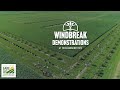
Windbreaks, using trees and shrubs like hybrid poplar and hazelnut, protect soil from erosion, shield crops from wind damage, and can provide additional income. Example shown in northern Illinois.
 Community
-
Establishes windbreaks/shelterbelts to reduce wind speed, benefiting crops, livestock, and buildings. Effectiveness depends on continuity, density, and porosity, with benefits extending up to 10 times
Read more (pp. 1-3) (opens PDF, pp. 1-3) efotg.sc.egov.usda.gov -
Offers diverse windbreak strategies: fast options like sunflowers and pampas grass; permanent ones using privet (Ligustrum) or layered bushes/trees; and rock mulch for micro-climates. Stresses irrigat
Read more (opens in new window) permies.com -
Effective windbreak design for Canadian prairies includes an airplane wing shape, polyculture of trees, and a base berm to mitigate wind erosion and maintain food production.
Read more (opens in new window) permies.com -
A network diagram detailing the direct and indirect effects of windbreaks/shelterbelts, highlighting benefits like improved soil health, air/water quality, wildlife habitat, carbon storage, and energy
Read more (p. 1) (opens PDF, p. 1) efotg.sc.egov.usda.gov
 Research
-
Windbreaks as an Agroforestry Practice in Residential Areas (opens in new window)
This study found: Windbreaks around homes offer energy savings, improve local weather, conserve soil, and capture carbon. Proper species selection, planting, and maintenance are key for this agroforestry practice.
-
Review on Windbreaks Agroforestry as a Climate Smart Agriculture Practices (opens in new window)
This study found: Windbreak agroforestry helps farmers adapt to and mitigate climate change by reducing wind, protecting soil, and improving crop/livestock productivity. These tree lines offer economic benefits and are
 From the Web
-
Windbreaks, linear tree/shrub plantings, offer diverse benefits: preventing soil erosion, reducing crop damage, lowering heating costs, sheltering livestock (reducing feed needs), preventing chemical
-
Windbreaks boost crop yields (up to 110%), protect specialty crops, enhance pollination, buffer pesticide drift, and provide winter shelter for livestock, reducing feed costs. Narrower designs are eff
-
Windbreaks, essential for agriculture, reduce wind speed through height, length, continuity, and density, modifying microclimates to protect crops, livestock, and homesites. Optimal densities (25-80%)
-
Windbreaks significantly benefit fruit and vegetable crops by reducing wind speed, modifying microclimates, conserving moisture, and mitigating soil erosion. They enhance crop yield, quality, and pest
Key Points
What It Is
- Rows of trees/shrubs protecting an area
- Reduce wind velocity by up to 50%
- Can be native, multi-functional species
- Creates beneficial microclimates
Why Do It
- Reduce soil erosion and moisture loss
- Protect crops and livestock from wind
- Enhance biodiversity on the farm
- Increase long-term land productivity
Know the Debate
- Effectiveness timelines vary from 3-5 to 7-12 years.
- Yield benefits range from 5-20% net gains.
- Competition zone yield loss must be considered.
- Native, diverse species improve system resilience.
Benefits - Financial
- Net income potential reaches $651–$1,629 per acre ($1,609–$4,025 per hectare) after full maturity.
- Fertilizer drift reduction improves annual nutrient ROI by 20–30%.
- Livestock supplemental feed costs reduced by 10–25% annually.
Benefits - System
- Soil organic matter increase in microclimate
- Supports 5 regenerative principles (see Longer Answer)
- Habitat for beneficial insects and birds
- Carbon sequestration in biomass and soil
Risks - Financial
- Total investment required ranges from $2,057–$5,670 per acre ($5,083–$14,011 per hectare).
- Potential loss of $2,000+ per 300 feet (91.4 m) if establishment fails.
- Long-term breakeven timeline spans 8–15 years for typical operations.
Risks - System
- Can create anaerobic conditions at base
- Can compete with crops for water/nutrients
- Block beneficial insect movement if too dense
- Can harbor pests if not managed

How These Traits Are Calculated
Trait dimensions are ordered clockwise starting from the top of the chart (12 o'clock position):
1. Economic Potential
Financial returns, annual value, and break-even timeline
WHAT: Evaluates financial viability by combining net annual value ($/ha from savings, income, and amortized harvests) with break-even timeline showing when practices pay for themselves.
WHY: Farmers need clear ROI understanding before committing resources. Fast payback (≤3 years) with strong returns (≥$300/ha) enables confident adoption, while long timelines (>10 years) restrict adoption to well-funded operations willing to wait for returns.
HOW: Calculated from net annual value in $/ha and break-even years. Exceptional (≥2.6): fast ROI ≤3 years + high value ≥$300/ha. Typical (1.8-2.5): moderate returns or longer timelines. Limited (<1.8): marginal economics or very long payback >10 years.
2. Startup Affordability
Initial investment costs and financial barrier to entry
WHAT: Measures financial barrier to entry through startup costs for equipment, infrastructure, consulting, and materials. Inverted scoring: lower costs = higher scores = more accessible adoption.
WHY: Affordability determines who can adopt. Low-cost practices (<$250/ha) enable widespread adoption across diverse scales, while high costs (>$2,500/ha) limit adoption to well-capitalized operations, creating barriers that slow regenerative transition.
HOW: Calculated from initial investment parsed from practice content. Inverted scoring: Exceptional (≥2.6): minimal investment <$250/ha. Typical (1.8-2.5): moderate costs $250-2,500/ha. Limited (<1.8): high barrier >$2,500/ha.
3. Implementation Ease
Learning curve and specialized knowledge required
WHAT: Measures how much learning, planning, and specialized knowledge a practice requires. Simpler practices with fewer steps score higher, while complex practices requiring extensive training or specialized resources score lower.
WHY: Complex practices create adoption barriers even when economically viable. Straightforward practices enable faster adoption and broader participation, while those requiring extensive training, timing precision, or specialized equipment limit who can succeed.
HOW: Evaluated by measuring documentation length and identifying complexity markers like location-specific requirements, seasonal timing windows, specialized skills, and dedicated equipment needs. Exceptional (≥2.6): straightforward practices with minimal prerequisites. Typical (1.8-2.5): moderate learning curve with some specialized needs. Limited (<1.8): steep learning curve requiring significant training or resources.
4. Risk Mitigation
Identified financial and ecological risk assessment
WHAT: Evaluates documented risks across financial (investment loss, market volatility) and ecological (crop failure, pest outbreaks) domains. Inverted scoring: fewer risks = higher scores.
WHY: Understanding risk exposure helps farmers make informed decisions. Low-risk practices allow confident implementation, while high-risk practices require careful planning and contingency resources. Risk transparency prevents costly failures.
HOW: Calculated from identified risks in practice content. Inverted scoring: Exceptional (≥2.6): ≤2 risks with manageable severity. Typical (1.8-2.5): 3-5 moderate risks. Limited (<1.8): 6+ risks or severe exposure.
5. System Benefits
How many ways the practice improves your land simultaneously
WHAT: Measures how many aspects of land health improve at once—carbon storage, soil quality, erosion control, water absorption, and biodiversity. Practices that improve multiple areas simultaneously create compounding benefits where each improvement reinforces the others.
WHY: The best practices solve multiple problems at once. For example, addressing erosion simultaneously builds carbon and improves water infiltration, creating a resilient system with positive feedback loops. Single-benefit approaches miss these compound transformation opportunities.
HOW: Evaluated across five key outcomes: carbon sequestration, soil organic matter increase, erosion reduction, water infiltration improvement, and biodiversity enhancement. Exceptional (≥2.6): high carbon storage (>8 t/ha/yr), improvements across 4-5 areas, transformative outcomes. Typical (1.8-2.5): moderate carbon (3-8 t/ha/yr), improvements across 2-3 areas. Limited (<1.8): modest impact (<3 t/ha/yr), single-area focus only.
6. Climate Adaptability
Geographic applicability across Köppen climate zones
WHAT: Evaluates geographic applicability by assessing how many Köppen climate zones successfully support a practice and what adaptation requirements are needed. Measures breadth of climates where farmers can implement with minimal to moderate modifications.
WHY: Universal practices working across diverse climates enable more farmers to adopt regenerative approaches. Practices limited to single climate types (only Mediterranean, only tropical) restrict adoption and slow global transition. Adaptability determines whether a practice serves niche regions or offers broad transformation.
HOW: LLM evaluation of regional success stories, Köppen zone coverage, and adaptation needs. Exceptional (≥2.6): 5+ zones or 4+ climate types, 3+ continents, minimal adaptation. Typical (1.8-2.5): 3-4 zones or 2-3 types, 2 continents, moderate adaptation. Limited (<1.8): 1-2 zones, single region, significant adaptation or highly specialized.
7. Integration Fit
How well this practice combines with others you're doing
WHAT: Measures how well a practice combines with other regenerative practices you might be doing. Some practices work as building blocks that make many other practices easier or more effective, while others work best on their own.
WHY: Practices that combine well with many others create more value on your farm. For example, cover cropping enables no-till, improves grazing, supports crop diversity, and helps water management—making all of them work better together. This helps you build a coherent system rather than juggling disconnected practices.
HOW: Evaluated by identifying which practices combine well and how strong those combinations are. 'Ideally Suited' means strong combinations where practices reinforce each other (practice A makes B easier, while B makes A more effective). 'Adequate' means complementary benefits that work well together. Exceptional (≥2.6): combines well with 6+ practices, serves as a building block. Typical (1.8-2.5): combines with 3-5 practices. Limited (<1.8): 1-2 practices or works best alone.
Going Deeper
1
WHY - The Benefits
Windbreaks offer a suite of physical, ecological, and economic benefits that can significantly enhance the resilience and productivity of agricultural systems. Their primary role is passive protection, but their integration into a regenerative framework unlocks deeper,...
Windbreaks offer a suite of physical, ecological, and economic benefits that can significantly enhance the resilience and productivity of agricultural systems. Their primary role is passive protection, but their integration into a regenerative framework unlocks deeper,...
WHY - The Benefits
Windbreaks offer a suite of physical, ecological, and economic benefits that can significantly enhance the resilience and productivity of agricultural systems. Their primary role is passive protection, but their integration into a regenerative framework unlocks deeper,...
Windbreaks offer a suite of physical, ecological, and economic benefits that can significantly enhance the resilience and productivity of agricultural systems. Their primary role is passive protection, but their integration into a regenerative framework unlocks deeper,...
Soil Health Benefits
The most direct soil benefit is the dramatic reduction in wind erosion. By slowing wind speed, windbreaks trap dust and soil particles, preventing their displacement. This preserves topsoil fertility, which is crucial for long-term land productivity. In regions prone to significant wind erosion, such as the grain-growing belts of North America, Australia, and Eastern Europe, windbreaks can reduce soil loss by 60-85% within their protected zone.
Reduced wind also conserves soil moisture. Lower evaporation rates from the soil surface mean more water remains available for plant uptake. This increased soil moisture availability can extend the growing season and improve crop resilience during dry spells, making them a valuable adaptation in water-scarce climates like the Mediterranean or semi-arid regions of Africa and Asia. In research settings, soil moisture has been observed to be 10-30% higher in the protected zones downwind of windbreaks.
While not a direct soil-building practice like cover cropping, windbreaks contribute to soil organic matter (SOM) over time. The perennial vegetation within the windbreak itself adds organic matter through leaf litter, root decomposition, and eventual shedding of branches. Furthermore, by protecting adjacent fields, they can create microclimates that favor the establishment and persistence of beneficial soil organisms and diverse plant communities, indirectly supporting SOM accumulation.
Economic Benefits
The economic returns from windbreaks are multifaceted. For crop farmers, increased yield stability and reduction in crop damage from wind—such as lodging (plants falling over) or desiccation—can lead to a 5-20% increase in harvested yields in the protected area. This is especially true for sensitive crops like vegetables, fruits, and high-value grains.
For livestock producers, windbreaks offer significant benefits in animal welfare and performance. Shelter from extreme cold winds reduces energy loss in animals, meaning they require less feed to maintain body temperature. Studies show improved weight gain and feed conversion ratios in cattle and sheep provided with adequate shelter, potentially reducing feed costs by 10-25% during winter months. Reduced heat stress during hot, dry winds in summer also improves animal comfort and productivity.
Windbreaks can also contribute to increased property value. A well-established windbreak system is a sign of good land stewardship and can enhance the aesthetic appeal and perceived productivity of a farm, potentially increasing its market value by 5-15%. Additionally, the timber, firewood, nuts, or other non-timber forest products harvested from multi-functional windbreaks can provide additional income streams.
Regenerative Systems Fit
Windbreaks, when designed and managed regeneratively, actively support the core principles:
-
Principle 1 (Minimize Soil Disturbance): Windbreaks contribute to a no-till approach by reducing the need for tillage for erosion control. Furthermore, the presence of a living windbreak protecting a field can create a more stable environment, making it easier to maintain no-till practices for cash crops or cover crops by reducing soil disturbance from wind and ensuring more consistent soil moisture for biological activity.
-
Principle 2 (Maximize Crop Diversity): Windbreaks themselves introduce significant plant diversity into the agricultural landscape. They act as ecological corridors, providing habitat and resources for a variety of beneficial insects, pollinators, birds, and small mammals. This increased biodiversity can lead to better natural pest control and pollination services for adjacent crops, reducing reliance on external inputs. Furthermore, the varied microclimates created by windbreaks can support different forage species in pastures or allow for a greater diversity of tree species in the windbreak itself, enhancing its ecological function.
-
Principle 3 (Keep Soil Covered): The windbreak barrier ensures that the soil within its protective zone and at its base is shielded from wind, which is a major erosive force. This protection helps maintain ground cover, especially during vulnerable periods. The microclimate effects can also extend the growing season for adjacent crops or forages, meaning the soil is covered by living vegetation for a longer duration of the year. The perennial nature of windbreak components ensures continuous soil cover year-round.
-
Principle 4 (Maintain Living Roots): Windbreak species are perennial, meaning they have living root systems year-round or for extended periods. This continuous biological presence in the soil contributes to soil structure, nutrient cycling, and carbon sequestration. These living roots provide a constant food source for soil microbes, supporting a healthy soil food web and enhancing soil aggregation and water infiltration over time.
-
Principle 5 (Integrate Livestock): Windbreaks offer essential shelter and shade for livestock, improving their welfare and performance. This integration of animals into the windbreak ecosystem can be managed carefully. Livestock can graze around the windbreak, benefiting from its protection while also contributing to nutrient cycling through manure deposition. Properly managed grazing around windbreaks can help maintain the understory vegetation and prevent the buildup of overly dense undergrowth, which might otherwise harbor pests or disease.
The regenerative integration of windbreaks involves moving beyond functional barriers to ecological assets. This means selecting diverse, native species that offer multiple ecological services (habitat, pollination, food sources) in addition to wind protection. It also involves designing them to avoid negative impacts like water competition or pest harboring, and managing them to enhance biodiversity rather than creating sterile barriers. The long-term vision is for windbreaks to become integral components of a resilient, biodiverse farm ecosystem that enhances both ecological health and economic viability.
Sources behind this view
Videos & Podcasts
-
Effective windbreak design involves considering height, density, spacing, orientation (using wind rose data), and species selection (e.g., willow, hybrid poplar, evergreens). NRCS standards are evolvi
-
Details riparian forest buffers for water quality and habitat, and windbreaks for soil erosion control and microclimate enhancement. Both offer income potential but require careful design and manageme
-
Windbreaks are the most common agroforestry practice, with 40%+ remaining intact in Nebraska. Producers use them for farmsteads, livestock, fields, and harvesting products, with plans to maintain or i

-
Discusses multi-row windbreak designs (e.g., hybrid poplar, shrubs, evergreens) for soil/moisture conservation, crop protection, and habitat. Aligns with CRP standards and offers establishment cost-sh
Community
-
Establishes windbreaks/shelterbelts to reduce wind speed, benefiting crops, livestock, and buildings. Effectiveness depends on continuity, density, and porosity, with benefits extending up to 10 times
Read more (pp. 1-3) (opens PDF, pp. 1-3) efotg.sc.egov.usda.gov -
Prioritize windbreaks and water management for a Zone 6A farm with wet, flat land. Immediately plant cover crops for soil building, nitrogen fixation, and attracting pollinators, as they can be displa
Read more (opens in new window) permies.com -
Effective windbreak design for Canadian prairies includes an airplane wing shape, polyculture of trees, and a base berm to mitigate wind erosion and maintain food production.
Read more (opens in new window) permies.com -
A network diagram detailing the direct and indirect effects of windbreaks/shelterbelts, highlighting benefits like improved soil health, air/water quality, wildlife habitat, carbon storage, and energy
Read more (p. 1) (opens PDF, p. 1) efotg.sc.egov.usda.gov
Research
-
Windbreaks as an Agroforestry Practice in Residential Areas (opens in new window)
This study found: Windbreaks around homes offer energy savings, improve local weather, conserve soil, and capture carbon. Proper species selection, planting, and maintenance are key for this agroforestry practice.
-
Review on Windbreaks Agroforestry as a Climate Smart Agriculture Practices (opens in new window)
This study found: Windbreak agroforestry helps farmers adapt to and mitigate climate change by reducing wind, protecting soil, and improving crop/livestock productivity. These tree lines offer economic benefits and are
-
Agroforestry: The North American Perspective (opens in new window)
This study found: Agroforestry integrates trees with crops/livestock, offering environmental benefits like climate adaptation and mitigation. Key North American practices include alley cropping, silvopasture, and ripar
-
Impacts of windbreak shelter on crop and livestock production (opens in new window)
This study found: Review of windbreak benefits for Australian agroforestry shows environmental data is good, but predicting crop/livestock production and profitability is difficult due to data gaps.
From the Web
-
Windbreaks, linear tree/shrub plantings, offer diverse benefits: preventing soil erosion, reducing crop damage, lowering heating costs, sheltering livestock (reducing feed needs), preventing chemical
-
Windbreaks, essential for agriculture, reduce wind speed through height, length, continuity, and density, modifying microclimates to protect crops, livestock, and homesites. Optimal densities (25-80%)
-
Windbreaks boost crop yields (up to 110%), protect specialty crops, enhance pollination, buffer pesticide drift, and provide winter shelter for livestock, reducing feed costs. Narrower designs are eff
-
Windbreaks significantly benefit fruit and vegetable crops by reducing wind speed, modifying microclimates, conserving moisture, and mitigating soil erosion. They enhance crop yield, quality, and pest
2
WHERE - Regional Considerations
Windbreaks are beneficial across a wide range of agricultural climates, but their design, species selection, and effectiveness are significantly influenced by local conditions. Understanding regional factors is key to maximizing their regenerative impact and minimizing...
Windbreaks are beneficial across a wide range of agricultural climates, but their design, species selection, and effectiveness are significantly influenced by local conditions. Understanding regional factors is key to maximizing their regenerative impact and minimizing...
WHERE - Regional Considerations
Windbreaks are beneficial across a wide range of agricultural climates, but their design, species selection, and effectiveness are significantly influenced by local conditions. Understanding regional factors is key to maximizing their regenerative impact and minimizing...
Windbreaks are beneficial across a wide range of agricultural climates, but their design, species selection, and effectiveness are significantly influenced by local conditions. Understanding regional factors is key to maximizing their regenerative impact and minimizing...
Click Here to Look up your Region if you don't already know it
Arid and Semi-Arid Regions
Representative Locations: Western United States, North Africa, Central Asia, Interior Australia, Sahel Region of Africa
Climate Context: Low annual precipitation (<40 cm or 15 inches), high temperatures, significant diurnal temperature variation, risk of drought and dust storms. USDA Zones 6-9, Köppen BSh/BSk.
Considerations: Windbreaks are critical for moisture conservation and erosion control. Species selection must prioritize drought tolerance, deep root systems to minimize water competition with crops, and resistance to salinity if irrigation is used. Native, low-water-use shrubs and trees are ideal. Multiple staggered rows can improve effectiveness without creating overly dense barriers that deplete surrounding soil moisture. Careful management is needed to prevent windbreaks from becoming reservoirs for pests of adjacent crops in dry years.
Mediterranean Regions
Representative Locations: California, Mediterranean basin (Spain, Italy, Greece), central Chile, southwestern Australia, Western Cape South Africa
Climate Context: Hot, dry summers and mild, wet winters. Annual precipitation 40-75 cm (15-30 inches), highly seasonal. USDA Zones 8-10, Köppen Csa/Csb.
Considerations: Windbreaks can protect against hot, drying summer winds and help conserve moisture. Species selection should favor evergreen species adapted to drought and moderate temperatures. Multi-functional species providing fruit, nuts, or timber can be integrated. Dense windbreaks are generally well-tolerated, but careful placement is needed to avoid shading sensitive crops or competing for limited winter moisture. Native leguminous shrubs can improve nitrogen availability in adjacent soils.
Humid Temperate Regions
Representative Locations: Northeastern United States, Northern Europe (UK, Germany, Poland), Eastern China, Japan, New Zealand
Climate Context: Warm to hot summers and cool to cold winters with moderate to high annual precipitation (75-150 cm or 30-60 inches) distributed relatively evenly. USDA Zones 4-7, Köppen Cfb/Cfa.
Considerations: Windbreaks are highly effective here, protecting against cold winter winds and drying summer breezes. A wide range of deciduous and evergreen species can be used. Diversity is key for supporting broader biodiversity and providing multiple benefits. Integrating fruit or nut trees, or species valued for timber, can enhance economic returns. Management should focus on preventing invasive species and ensuring adequate light penetration to adjacent fields to support crop growth.
Cold Continental Regions
Representative Locations: Northern USA and Canada, Northern Europe, Northern Asia (Siberia), parts of Russia and China
Climate Context: Very short growing seasons, extreme summer heat, severe winter cold, significant snowfall. USDA Zones 3-5, Köppen Dfa/Dfb.
Considerations: Windbreaks are crucial for protecting fields from harsh winter winds and snow drifts, as well as hot, drying summer winds. Species selection must prioritize extreme cold hardiness and rapid spring growth. Evergreen species are particularly valuable for year-round protection. Care must be taken with placement to avoid creating excessive snow drifts that can bury crops or block access. Snow-trapping species can be intentionally incorporated to build snow depth in fields, increasing soil moisture recharge. Native species adapted to local conditions are essential.
Tropical and Subtropical Regions
Representative Locations: Southeast Asia, Central America, East Africa, Northern Australia, Southern Brazil, Eastern India
Climate Context: High temperatures year-round, with distinct wet and dry seasons or consistent high rainfall. Subtropical: Hot, humid summers, mild winters. Tropical: High humidity, consistent warmth. Köppen Af/Am/Aw/Cfa/Cwa.
Considerations: Windbreaks can protect against intense seasonal winds (e.g., monsoons, hurricanes) and reduce wind-driven rain erosion. In drier tropical regions, they aid moisture conservation. Species selection should focus on fast-growing, adaptable trees and shrubs that thrive in high heat and humidity. Agroforestry-inspired windbreaks, incorporating fruit trees, spice plants, or timber species, can provide significant economic diversification. Management should focus on building biodiversity, providing habitat for beneficial insects and pest predators, and minimizing competition for water in dry periods. Dense plantings can contribute to local humidity and shade.
3
HOW - Implementation Process
Implementing effective windbreaks requires planning, site assessment, species selection, and ongoing management. The process is generally similar across regions, with adaptations made based on local climate, soil type, available resources, and desired outcomes.
Implementing effective windbreaks requires planning, site assessment, species selection, and ongoing management. The process is generally similar across regions, with adaptations made based on local climate, soil type, available resources, and desired outcomes.
HOW - Implementation Process
Implementing effective windbreaks requires planning, site assessment, species selection, and ongoing management. The process is generally similar across regions, with adaptations made based on local climate, soil type, available resources, and desired outcomes.
Implementing effective windbreaks requires planning, site assessment, species selection, and ongoing management. The process is generally similar across regions, with adaptations made based on local climate, soil type, available resources, and desired outcomes.
Prerequisites
Before planting, consider these crucial factors:
- Purpose: What is the primary goal? Wind reduction for erosion control, moisture conservation, livestock shelter, crop yield enhancement, biodiversity, or all of the above? This shapes species choice and design.
- Site Assessment: Evaluate prevailing wind direction, topography, soil types, drainage patterns, and existing vegetation. Identify areas most vulnerable to wind damage or erosion.
- Water Availability: Consider rainfall patterns and potential need for irrigation during establishment, especially in arid or semi-arid regions.
- Land Ownership/Access: Ensure long-term security for the planting (at least 15-30 years).
- Neighboring Land Use: Understand how windbreaks might impact adjacent properties (e.g., snow drift, water runoff, shading).
- Regulations/Programs: Check for local agricultural programs, grants, or regulations related to windbreak establishment or native planting.
Phase 1: Planning and Design
Layout:
- Orientation: Typically planted perpendicular to the prevailing wind direction. For dominant wind directions that change seasonally, multiple windbreak systems may be needed.
- Width: Single rows are common and less competitive with adjacent crops. Multi-row windbreaks offer greater protection but require more land and can create more intense microclimates. A typical single row might be 5-15 meters (15-50 feet) wide.
- Spacing: Windbreaks are often planted in series. Distance between windbreaks depends on their height and desired level of protection, typically ranging from 10 to 40 times the height of the dominant trees in the windbreak. In cropping systems, spacing may be dictated by field size and equipment access.
- Length: Can vary from a few hundred meters to several kilometers, depending on farm size and layout.
Species Selection:
- Density: A mix of species provides better wind reduction and ecological benefits. Include taller, denser trees at the core, medium-height trees and shrubs on the flanks, and low-growing shrubs or grasses at the edges.
- Growth Habit: Select species with different root depths to minimize water competition with adjacent crops. Deep-rooted species are preferred on the field side.
- Native Species: Prioritize native species adapted to local climate and soil conditions. They require less maintenance, are more resilient, and support local biodiversity.
- Multi-functionality: Consider trees/shrubs that provide timber, firewood, nuts, fruits, fodder, or habitat for beneficial insects and wildlife. Examples include oaks, pines, walnuts, poplars, willow, poplar, caragana, hawthorn, alder, and various native shrubs.
- Evergreen vs. Deciduous: Evergreen species provide year-round protection, which is crucial for winter wind control. Deciduous species offer summer shade and are less competitive for water in winter. A combination is often optimal.
Phase 2: Establishment
Site Preparation:
- Weed Control: Remove competing vegetation for at least one season prior to planting, often through cover cropping or targeted herbicide use (if transitioning from conventional). Solarization or mulching can also be effective. The goal is to minimize weed pressure during the first 3-5 years of establishment.
- Soil Improvement: If soils are heavily compacted, consider one-time deep tillage (as per regenerative definition) followed by cover cropping. For planting into existing pasture, consider light disking or ripping only in the planting trench to facilitate root establishment.
- Contouring/Grading: On slopes, planting windbreaks along contours can help further reduce erosion and manage water runoff.
Planting:
- Timing: Plant during the dormant season (late fall or early spring) when saplings are less stressed.
- Method: Purchase healthy, 1-3 year old saplings or seedlings. Plant them at the correct depth, ensuring roots are spread out and not circling. Use a spacing that balances immediate windbreak effect with future growth and competition avoidance (typically 2-5 meters or 6-16 feet apart in a row). For bushy plants, closer spacing within the row can create a denser barrier faster.
- Protection: Use tree guards, fencing, or plastic sleeves to protect young trees from livestock browsing, rodents, and mechanical damage. This is critical, especially in systems integrating livestock.
Initial Care (Years 1-3):
- Watering: Provide supplemental water during dry periods, especially in arid/semi-arid regions, to ensure sapling survival. Drip irrigation is highly efficient for this purpose.
- Weeding: Continue to control weeds around the base of young trees. Mulching with organic material (wood chips, straw) helps retain moisture and suppress weeds.
- Pruning: Minimal pruning initially, focused on removing damaged branches or encouraging a strong central leader for taller species.
Phase 3: Management and Integration
Maintenance:
- Weed Control: Continue periodic weed control, especially in the first 3-5 years. As the windbreak matures and closes canopy, it will naturally suppress weeds.
- Pruning: As trees mature, prune for desired structure, fruit/nut production, timber quality, or to manage density. Remove dead, diseased, or damaged branches. Thinning may be necessary to prevent overcrowding and maintain health.
- Pest/Disease Monitoring: Regularly inspect for signs of pests or diseases. Encourage natural predators by planting diverse species that support beneficial insects.
- Livestock Management: If integrated with livestock, manage grazing pressure carefully. Prevent overgrazing or damage to young trees. Electric fencing can be used to temporarily exclude animals from sensitive areas.
Regenerative Integration:
- Enhance Biodiversity: Plant a diverse mix of native species rather than monocultures. Include flowering shrubs that attract pollinators and beneficial insects. Leave dead snags (standing dead trees) where safe, as they provide habitat for wildlife. Incorporate species that provide food sources (berries, nuts) for birds and other animals.
- Harvesting Products: Integrate harvesting of timber, firewood, nuts, fruits, or medicinal plants as part of your farm plan. This economic integration can offset maintenance costs and provide additional revenue.
- Water Management: Design windbreaks to slow runoff and improve infiltration, especially on slopes. Consider incorporating keyline design principles to manage water flow around windbreaks.
- Soil Health Focus: Apply organic mulches around the base of windbreak plants to improve soil structure and moisture retention. Where appropriate, allow leaf litter to accumulate naturally to build soil organic matter.
Transition Timeline & Phase-Out Strategy
For windbreaks, the concept of "phase-out" is different than for temporary inputs. The goal is to transition from a basic, potentially functional windbreak to a regenerative, multi-functional windbreak system.
- Years 1-3 (Establishment): Focus on sapling survival and initial growth. Minimal pruning, essential watering, and rigorous weed/browsing protection. The windbreak is primarily a functional barrier at this stage.
- Years 4-10 (Maturation and Diversification): Trees begin to provide significant wind reduction. Start integrating the multi-functional aspects: introduce more diverse understory plants, begin harvesting minor products (firewood, nuts from early producers), observe pest/beneficial insect populations, and start managing for specific wildlife habitat.
- Years 10-15+ (Full Regeneration): The windbreak is mature, providing substantial wind protection and ecological benefits. Biodiversity is high, and multiple products can be harvested systematically. This stage represents the fully regenerative windbreak – a complex, resilient ecological feature that enhances the entire farm system.
If transitioning from a non-regenerative windbreak (e.g., monoculture of invasive species), the "phase-out" means gradually removing problematic species while introducing desired native and multi-functional plants. This can be done over several years through selective removal and replanting, or by underplanting desirable species and allowing them to compete and eventually dominate. The timeline for this complete overhaul can be 5-15 years, depending on the scale and invasiveness of the existing vegetation.
Sources behind this view
Videos & Podcasts
-
Effective windbreak design involves considering height, density, spacing, orientation (using wind rose data), and species selection (e.g., willow, hybrid poplar, evergreens). NRCS standards are evolvi
-
Effective windbreaks slow wind, not stop it, by using diverse heights and widths. Placement depends on prevailing and seasonal wind directions to avoid turbulence. Consider shrubs and grasses for lowe
-
Discusses multi-row windbreak designs (e.g., hybrid poplar, shrubs, evergreens) for soil/moisture conservation, crop protection, and habitat. Aligns with CRP standards and offers establishment cost-sh
Community
-
Establishes windbreaks/shelterbelts to reduce wind speed, benefiting crops, livestock, and buildings. Effectiveness depends on continuity, density, and porosity, with benefits extending up to 10 times
Read more (pp. 1-3) (opens PDF, pp. 1-3) efotg.sc.egov.usda.gov -
Offers diverse windbreak strategies: fast options like sunflowers and pampas grass; permanent ones using privet (Ligustrum) or layered bushes/trees; and rock mulch for micro-climates. Stresses irrigat
Read more (opens in new window) permies.com -
Effective windbreak design for Canadian prairies includes an airplane wing shape, polyculture of trees, and a base berm to mitigate wind erosion and maintain food production.
Read more (opens in new window) permies.com
From the Web
-
Designing windbreaks requires tailoring to specific farm conditions, crop needs, and cultural practices. Key design elements include orientation, density (40-60% for vegetables), length-to-height rati
4
Know the Debate
Windbreak outcomes vary significantly based on climate, scale, and design choices. In humid areas, rapid growth may yield benefits in 3-5 years. Ar...
Know the Debate
Windbreak outcomes vary significantly based on climate, scale, and design choices. In humid areas, rapid growth may yield benefits in 3-5 years. Ar...
Windbreak outcomes vary significantly based on climate, scale, and design choices. In humid areas, rapid growth may yield benefits in 3-5 years. Arid regions and harsh climates require longer timelines (7-12 years) and drought-tolerant species. Entry costs can range from $3000-$7000 per km for basic establishment, with ongoing labor for maintenance. While yield protection can be 5-20%, nearby yield losses from competition must be accounted for in design to achieve optimal net farm-level results.
How long until windbreaks are effective?
Effective within 3-5 years
In temperate and humid climates with reliable rainfall, fast-growing species and favorable conditions allow windbreaks to provide significant wind reduction and crop protection within 3-5 years.
Sources behind this view
Sources behind this view
Research
-
Review on Windbreaks Agroforestry as a Climate Smart Agriculture Practices (opens in new window)
This study found: This review highlights how planting trees in lines, known as windbreaks, as part of farming systems (agroforestry) can help farmers deal with climate change. These tree lines are crucial for small farmers, especially in warmer regions, to adapt to changing weather and reduce their impact on the climate. Windbreaks slow down winds, which protects soil from being blown away and improves the overall health of the land. Trees that fix nitrogen can naturally fertilize crops, boosting yields. When used around livestock areas, windbreaks can improve animal health, make feed more efficient, reduce odors, and increase farmer income. Overall, windbreaks help boost crop production, diversify farm income, improve soil and water quality, support wildlife, and reduce the need for pesticides. While there are challenges to putting them in place, windbreaks offer a practical and profitable way for farmers to adapt to climate change and contribute to slowing global warming.
From the Web
-
Windbreaks boost crop yields (up to 110%), protect specialty crops, enhance pollination, buffer pesticide drift, and provide winter shelter for livestock, reducing feed costs. Narrower designs are effective, and edible trees can generate revenue.
-
Designing windbreaks requires tailoring to specific farm conditions, crop needs, and cultural practices. Key design elements include orientation, density (40-60% for vegetables), length-to-height ratio (10:1), and species diversity for resilience and multiple benefits.
Effective over 7-12 years
In harsh climates like semi-arid rangelands or continental regions, hardy species take longer to establish and mature sufficiently to provide widespread crop protection and yield benefits.
Sources behind this view
Sources behind this view
Videos & Podcasts
-
Windbreaks, using trees and shrubs like hybrid poplar and hazelnut, protect soil from erosion, shield crops from wind damage, and can provide additional income. Example shown in northern Illinois.
-
Effective windbreak design involves considering height, density, spacing, orientation (using wind rose data), and species selection (e.g., willow, hybrid poplar, evergreens). NRCS standards are evolving to offer more flexibility. Proper design can mitigate risks like plant spread and enhance benefits like yield increase and floodwater trapping.
-
Establish windbreaks using natural barriers like drought-tolerant shrubs (evergreen sumac, Apache plume) or man-made structures (fences, trellises) to reduce wind stress on soil and plants, stabilizing microclimates.
Making Sense of the Differences
The timeline for windbreak effectiveness hinges on species choice and climate. Fast-growing species in temperate climates yield benefits within 3-5 years. In contrast, slower-growing, hardy species in arid or continental regions may require 7-12 years to establish and provide significant protection across large fields.
How significant are windbreak crop yield benefits?
Up to 110% yield gains
Academic and extension resources report significant crop yield increases (up to 110%) in fields protected by windbreaks, due to optimal microclimates and reduced crop damage.
Sources behind this view
Sources behind this view
From the Web
-
Windbreaks boost crop yields (up to 110%), protect specialty crops, enhance pollination, buffer pesticide drift, and provide winter shelter for livestock, reducing feed costs. Narrower designs are effective, and edible trees can generate revenue.
-
Windbreaks, essential for agriculture, reduce wind speed through height, length, continuity, and density, modifying microclimates to protect crops, livestock, and homesites. Optimal densities (25-80%) vary by objective, from soil erosion control to snow management. Proper orientation and design, as detailed by University of Nebraska Extension and USDA agencies, enhance their effectiveness in improving yields and animal welfare.
5-20% yield protection with nearby competition
Field observations suggest yield protection of 5-20% within the windbreak's zone, acknowledging potential yield reductions (20-40%) immediately adjacent to dense windbreaks due to competition.
Sources behind this view
Sources behind this view
Videos & Podcasts
-
Agroforestry, including windbreaks, promotes diversified agriculture for ecological and economic resilience. Key benefits include nutrient capture, soil health improvement, biodiversity support, and crop protection, potentially increasing yields by up to 25%.
-
Shelterbelts provide erosion control, crop yield enhancement, wildlife habitat, and product harvesting, but can also cause yield reduction near the belt and introduce invasive species. Optimal width varies by benefit sought.
Making Sense of the Differences
Reported yield benefits vary depending on whether net gains across a protected zone are considered or if localized competition effects are factored in. Academic studies often highlight the potential for significant net gains (up to 110%), while field experience emphasizes that direct proximity to dense windbreaks can cause yield reductions (20-40%) due to competition. Designing windbreaks with appropriate species, density, and placement is crucial to maximize net field-level benefits.
5
HOW MUCH - Costs & Investment
Note: Costs are presented in USD equivalent and will vary significantly by country and region based on local labor rates, material availability, and land costs. Always research local pricing.
Note: Costs are presented in USD equivalent and will vary significantly by country and region based on local labor rates, material availability, and land costs. Always research local pricing.
HOW MUCH - Costs & Investment
Note: Costs are presented in USD equivalent and will vary significantly by country and region based on local labor rates, material availability, and land costs. Always research local pricing.
Note: Costs are presented in USD equivalent and will vary significantly by country and region based on local labor rates, material availability, and land costs. Always research local pricing.
Note: All costs are based on recent US economic data (2024–2026) and may vary substantially by region based on local labor rates, material costs, and regulatory requirements.
Site Preparation and Design
Establishing a high-functioning windbreak requires intensive upfront resource allocation to ensure sapling survival. For small-scale operations under 50 acres (20 ha), the inability to amortize mobilization costs for specialized sub-soilers and layout planners leads to site preparation costs of $4,500–$5,670 per acre ($11,120–$14,011/ha). Mid-size farms operating between 50 and 500 acres (20–202 ha) can typically leverage tractor-mounted implements and existing labor, reducing these expenditures to $3,000–$4,500 per acre ($7,413–$11,120/ha). Large-scale operations exceeding 500 acres (202 ha) benefit from GPS-guided precision and bulk sourcing, bringing site preparation costs down to $2,057–$3,000 per acre ($5,083–$7,413/ha). These investments are critical, as proper sub-soiling to relieve compaction dictates the vigor of the root system during the first 24 months of establishment.
Machinery and Fuel Expenditure
The machinery required for initial installation and long-term maintenance serves as a primary driver of expenditure, with a broad range of $2,051–$4,976 per acre ($5,068–$12,296/ha). Small operations often rely on intermittent, non-optimized equipment usage, which drives fuel inefficiency and manual-heavy planting, leading to costs in the $4,000–$4,976 per acre ($9,884–$12,296/ha) range. Mid-size farms utilizing standardized, efficient planting teams and dedicated tractor hours for maintenance track between $3,000–$4,000 per acre ($7,413–$9,884/ha). Large-scale entities maximize the efficiency of high-precision, fuel-managed equipment, maintaining the lowest expenditure range of $2,051–$3,000 per acre ($5,068–$7,413/ha). These costs incorporate tractor hours for mechanical site cleaning, periodic cultivation between rows, and fuel consumption required for long-term maintenance cycles.
Irrigation and Protection Systems
Protecting young saplings from moisture stress and herbivory constitutes a significant capital investment. Small-scale DIY irrigation setups, coupled with manual tree guards to prevent rodent damage, typically cost $450–$600 per acre ($1,112–$1,483/ha). Mid-size operations, characterized by the installation of centralized wells and automated drip manifolds, experience costs of $300–$450 per acre ($741–$1,112/ha). Large-scale operations leverage economies of scale through bulk purchasing of irrigation poly-pipe systems and perimeter fencing, averaging $150–$300 per acre ($371–$741/ha). It is important to note that specialized fencing for livestock exclusion or high deer pressure ranges from $400–$1,200 per acre ($988–$2,965/ha), which acts as a secondary but essential layer of the capital investment for most producers.
Most Spend: Most agricultural operations fall within the middle 60% of the cost range, specifically between $3,000–$4,500 per acre ($7,413–$11,120/ha). This tier reflects mid-size producers who have access to necessary tractor-mounted infrastructure but must balance manual labor with mechanical efficiency, often optimizing for moderate planting density to ensure the windbreak provides effective coverage by year 6.
Why the Range?: The cost variance is driven primarily by economies of scale regarding machine mobilization and the intensity of site preparation required to overcome regional soil compaction. Operations that choose to invest in advanced irrigation and high-density sapling protection will consistently track at the higher end of the range, while large, mechanized farms benefit from bulk procurement and optimized logistics that anchor their costs at the lower end of the spectrum.
Sources behind this view
Videos & Podcasts
-
Guidance on creating budget sheets for perennial crop establishment, focusing on accurate calculation of plants per acre, establishment costs, and the true cost of labor. It covers pre-production and

6
REWARDS AND RISKS - Economics & Risk Factors
REWARDS AND RISKS - Economics & Risk Factors
In a best-case scenario, a regenerative windbreak achieves functional canopy closure by year 4, drastically reducing wind erosivity and protecting the crop microclimate. Producers may realize early profitability through the accrual of carbon credits and a 15–20% yield increase in adjacent row crops by year 6. In this scenario, net income potential reaches $1,400–$1,629 per acre ($3,459–$4,025/ha) as crop quality improves and yield stability is maintained during high-wind events. The typical case scenario presents a longer path to profitability, with the breakeven point occurring between years 8 and 15. In these instances, the windbreak results in a more moderate 5–8% increase in crop output and improved livestock retention during winter months, with net income potential settling between $651–$1,000 per acre ($1,609–$2,471/ha) once full maturity is reached.
In a worst-case scenario, design failures—such as poor species selection or inadequate water management during the first 24 months—lead to sapling mortality rates upwards of 40%. The resulting loss includes over $2,000 per 300 linear feet in wasted labor and supplies. Furthermore, choosing aggressive, water-thirsty species can create a 5–10% productivity "dead zone" adjacent to the windbreak due to severe competition for soil moisture.
Market factors significantly influence long-term profitability and adoption rates. The rising cost of synthetic nitrogen drives producers to adopt windbreaks, as dense multi-species planting can reduce nitrogen volatility and edge-drift by 20–30%. This effect directly improves the ROI of fertilizer inputs by concentrating those critical nutrients back into the active crop zone.
Risk mitigation is best achieved through "gapping," a strategy of over-ordering saplings by 15%—a modest $50–$100 investment—to prevent long-term expense when individual trees die. Additionally, applying biochar or mycorrhizal fungi at a cost of $30–$70 per acre ($74–$173/ha) remains a highly recommended strategy to improve root-zone water holding capacity, increasing sapling survivability by 25%.
Transition Period Risks: Years 1–3 are classified as the "vulnerability period." The producer faces an immediate opportunity cost of $50–$150 per acre ($124–$371/ha) in foregone crop revenue as land is converted to perennial rows. Weed pressure poses the most significant risk during this timeframe, potentially causing pathogen buildup or water stress. Mitigation requires a $200–$400 investment in premium, durable weed-suppression fabric per 300 linear feet, which reduces manual weeding labor costs by 60%. Full recovery of the converted acreage’s relative productivity typically occurs by year 7, allowing the windbreak to deliver the cumulative microclimate benefits required to offset the initial infrastructure investment.
Sources behind this view
Videos & Podcasts
-
Effective windbreak design involves considering height, density, spacing, orientation (using wind rose data), and species selection (e.g., willow, hybrid poplar, evergreens). NRCS standards are evolvi
-
Discusses multi-row windbreak designs (e.g., hybrid poplar, shrubs, evergreens) for soil/moisture conservation, crop protection, and habitat. Aligns with CRP standards and offers establishment cost-sh
-
Windbreaks, using trees and shrubs like hybrid poplar and hazelnut, protect soil from erosion, shield crops from wind damage, and can provide additional income. Example shown in northern Illinois.
Community
-
Establishes windbreaks/shelterbelts to reduce wind speed, benefiting crops, livestock, and buildings. Effectiveness depends on continuity, density, and porosity, with benefits extending up to 10 times
Read more (pp. 1-3) (opens PDF, pp. 1-3) efotg.sc.egov.usda.gov -
Effective windbreak design for Canadian prairies includes an airplane wing shape, polyculture of trees, and a base berm to mitigate wind erosion and maintain food production.
Read more (opens in new window) permies.com
Research
-
Impacts of windbreak shelter on crop and livestock production (opens in new window)
This study found: Review of windbreak benefits for Australian agroforestry shows environmental data is good, but predicting crop/livestock production and profitability is difficult due to data gaps.
From the Web
-
Windbreaks boost crop yields (up to 110%), protect specialty crops, enhance pollination, buffer pesticide drift, and provide winter shelter for livestock, reducing feed costs. Narrower designs are eff
-
Designing windbreaks requires tailoring to specific farm conditions, crop needs, and cultural practices. Key design elements include orientation, density (40-60% for vegetables), length-to-height rati
7
COMPATIBLE PRACTICES - Integration Opportunities
Windbreaks are highly compatible with, and often synergize with, numerous regenerative agriculture practices, amplifying their positive impacts and contributing to a more resilient and diverse farming system.
Windbreaks are highly compatible with, and often synergize with, numerous regenerative agriculture practices, amplifying their positive impacts and contributing to a more resilient and diverse farming system.
COMPATIBLE PRACTICES - Integration Opportunities
Windbreaks are highly compatible with, and often synergize with, numerous regenerative agriculture practices, amplifying their positive impacts and contributing to a more resilient and diverse farming system.
Windbreaks are highly compatible with, and often synergize with, numerous regenerative agriculture practices, amplifying their positive impacts and contributing to a more resilient and diverse farming system.
Cover Cropping
- Integration: Windbreaks protect cover crops from harsh winds, allowing for better establishment and root development, especially in vulnerable early stages. The diverse species in a windbreak can also provide pollen and nectar for beneficial insects that may then move to aid cover crop pollination or pest control.
- Synergy: Windbreaks create microclimates on field edges that can support more diverse and robust cover crop mixes. Conversely, diverse cover crops can help maintain soil health and suppress weeds at the base of the windbreak, reducing maintenance needs.
Biodiversity Enhancement
- Integration: Designing windbreaks with diverse native species is fundamental to regenerative principles. This includes planting flowering plants for pollinators, berry-producing shrubs for birds, and trees that provide habitat or nesting sites.
- Synergy: Windbreaks act as ecological corridors, connecting fragmented habitats and allowing for the movement of beneficial insects, pollinators, birds, and other wildlife across the farm landscape. This enhanced biodiversity supports ecosystem services like pest control and pollination for the entire farm.
Adaptive Multi-Paddock Grazing / Rotational Grazing
- Integration: Windbreaks provide essential shelter and shade for livestock during grazing periods, improving animal welfare and performance. Strategic placement of windbreaks can facilitate the design of paddocks, guiding animal movement and rest periods.
- Synergy: Managed grazing around windbreaks can help control understory vegetation, reducing fire risk and mechanical weed control needs. Livestock manure provides fertility to the windbreak system. However, overgrazing or continuous grazing near windbreaks must be avoided to prevent damage.
No-Till Farming
- Integration: Windbreaks reduce wind erosion, a major threat to bare soil in no-till systems, especially during fallow periods or early crop establishment. They help maintain soil moisture, favoring biological activity essential for no-till success.
- Synergy: No-till systems inherently promote soil health and diversity in the field, which can create a more favorable microenvironment extending into the windbreak buffer zone. The stable soil structure under no-till requires less mechanical disturbance, complementing the low-impact nature of a regenerative windbreak.
Agroforestry and Silvopasture
- Integration: Windbreaks are a simple form of agroforestry. They can be enhanced by integrating fruit or nut trees, or timber species, making them part of a broader silvopastoral system where trees and livestock coexist.
- Synergy: Windbreaks can serve as buffer zones or structural elements within larger silvopastoral designs, providing protection for younger trees or creating specific habitat niches within the integrated landscape.
Water Management (Keyline Design, Swales)
- Integration: Windbreaks can be strategically placed to complement water management structures. For instance, they can be planted on contour lines to slow water flow, or their placement can be informed by keyline plowing patterns to enhance water retention in the landscape.
- Synergy: Reduced wind can decrease evaporation from water harvesting features like swales or ponds. The increased soil moisture under windbreaks can support more diverse ground cover, which in turn aids water infiltration and reduces runoff.
The regenerative approach to windbreaks elevates them from simple barriers to functional ecological components. By integrating them thoughtfully with other regenerative practices, farmers can maximize their benefits in terms of soil health, biodiversity, economic resilience, and overall farm ecosystem stability.
Sources behind this view
Videos & Podcasts
-
Effective windbreak design involves considering height, density, spacing, orientation (using wind rose data), and species selection (e.g., willow, hybrid poplar, evergreens). NRCS standards are evolvi
-
Details riparian forest buffers for water quality and habitat, and windbreaks for soil erosion control and microclimate enhancement. Both offer income potential but require careful design and manageme
-
Windbreaks are the most common agroforestry practice, with 40%+ remaining intact in Nebraska. Producers use them for farmsteads, livestock, fields, and harvesting products, with plans to maintain or i
-
Discusses multi-row windbreak designs (e.g., hybrid poplar, shrubs, evergreens) for soil/moisture conservation, crop protection, and habitat. Aligns with CRP standards and offers establishment cost-sh
Community
-
Establishes windbreaks/shelterbelts to reduce wind speed, benefiting crops, livestock, and buildings. Effectiveness depends on continuity, density, and porosity, with benefits extending up to 10 times
Read more (pp. 1-3) (opens PDF, pp. 1-3) efotg.sc.egov.usda.gov -
Effective windbreak design for Canadian prairies includes an airplane wing shape, polyculture of trees, and a base berm to mitigate wind erosion and maintain food production.
Read more (opens in new window) permies.com -
A network diagram detailing the direct and indirect effects of windbreaks/shelterbelts, highlighting benefits like improved soil health, air/water quality, wildlife habitat, carbon storage, and energy
Read more (p. 1) (opens PDF, p. 1) efotg.sc.egov.usda.gov
Research
-
Review on Windbreaks Agroforestry as a Climate Smart Agriculture Practices (opens in new window)
This study found: Windbreak agroforestry helps farmers adapt to and mitigate climate change by reducing wind, protecting soil, and improving crop/livestock productivity. These tree lines offer economic benefits and are
-
Windbreaks as an Agroforestry Practice in Residential Areas (opens in new window)
This study found: Windbreaks around homes offer energy savings, improve local weather, conserve soil, and capture carbon. Proper species selection, planting, and maintenance are key for this agroforestry practice.
-
Agroforestry Systems for Soil Health Improvement and Maintenance (opens in new window)
This study found: Agroforestry integrates trees with crops/livestock to improve soil health, biodiversity, and resource use. It's a climate-smart practice that reduces erosion and enhances resilience, especially in dry
-
Agroforestry: The North American Perspective (opens in new window)
This study found: Agroforestry integrates trees with crops/livestock, offering environmental benefits like climate adaptation and mitigation. Key North American practices include alley cropping, silvopasture, and ripar
From the Web
-
Windbreaks, linear tree/shrub plantings, offer diverse benefits: preventing soil erosion, reducing crop damage, lowering heating costs, sheltering livestock (reducing feed needs), preventing chemical
-
Windbreaks, essential for agriculture, reduce wind speed through height, length, continuity, and density, modifying microclimates to protect crops, livestock, and homesites. Optimal densities (25-80%)
-
Windbreaks boost crop yields (up to 110%), protect specialty crops, enhance pollination, buffer pesticide drift, and provide winter shelter for livestock, reducing feed costs. Narrower designs are eff
-
Designing windbreaks requires tailoring to specific farm conditions, crop needs, and cultural practices. Key design elements include orientation, density (40-60% for vegetables), length-to-height rati