This guide is for conventional row crop farmers and ranchers looking to integrate cover crops into their existing operations, fundamentally changing how they manage soil health and fertility. If you are currently relying on synthetic inputs and mechanical tillage, this guide will outline a structured pathway to a more resilient, regenerative system.

Read More: Complete Description

The transition to cover crops in row crop systems represents a fundamental shift from managing for short-term yield alone to building long-term soil health and farm resilience. Farmers embarking on this path are often driven by a desire to reduce input costs, improve soil structure and water management, enhance their farm's ecological footprint, and ultimately build a more sustainable and profitable enterprise for the future. The destination is a system where cash crops are interseeded with diverse cover crops, tillage is significantly reduced or eliminated, and dependency on synthetic fertilizers and herbicides is dramatically lessened. This is not a quick fix but a multi-year journey that transforms the land and the operator's connection to it.

Key Points

Scale

Applicable across all scales, but management demands and equipment needs change significantly.

Breakeven

2-4 years for input cost recovery; 5-7 years for full soil health ROI optimization

Difficulty

Moderate to High, primarily due to challenges in termination timing, equipment adaptation, and learning new planting techniques.

Destination

Multi-species cover crops integrated into the rotation; reduced tillage (no-till/strip-till); significant reduction in synthetic input dependency, leading to improved soil health and ecological function.

Starting Point

Conventional row crop operation (e.g., corn-soybean, monoculture or simple rotations) with tilled, bare soil between cash crops; reliance on synthetic fertilizers and herbicides.

Investment Range

$40-120/acre ($99–$297/ha) over the first 3-5 years, mitigated by input reductions

Typical Timeline

2-4 years for measurable soil improvement and initial input reductions; 7-10 years for profound soil structure and fertility transformation.

Know the Debate

  • Soil benefits emerge: 2-7 yrs for improvement, depending on climate & soil
  • Equipment needs vary: basic adaptation to $30k+ roller-crimper
  • Breakeven takes 4-7+ years, factoring in input savings vs costs
  • Management is key: termination and planting are critical skills

Going Deeper

1

WHERE YOU ARE NOW

You've cultivated a deep understanding of your land and the intricacies of conventional row crop agriculture. You know the rhythm of the seasons, the...

You've cultivated a deep understanding of your land and the intricacies of conventional row crop agriculture. You know the rhythm of the seasons, the...

You've cultivated a deep understanding of your land and the intricacies of conventional row crop agriculture. You know the rhythm of the seasons, the feel of a well-prepared seedbed, and the predictable response of your crops to tailored nutrient applications. Your current system is built on decades of agronomic research, emphasizing commodity yields, efficient planting and harvesting, and precise application of inputs designed to maximize output in the short term. You likely have well-established relationships with input suppliers and adhere to practices that have historically proven effective in delivering consistent, albeit often input-intensive, results.

This system has undeniably fed millions and generated livelihoods for generations. Practices like timely tillage, synthetic nitrogen applications, and targeted herbicide use have been instrumental in controlling weeds, feeding crops, and managing residue to achieve high yields on a large scale. You understand the capital investments – the tractors, the planters, the sprayers – and the operational logic that makes them effective. This is a system of control, precision, and a clear cause-and-effect relationship between inputs and outputs, focused on maximizing the harvest of your main commodity crop.

However, you may also be experiencing some of the inherent limitations of this approach. Perhaps you're seeing diminishing returns on fertilizer applications, increased weed pressure requiring more diverse or higher rates of herbicides, or a growing concern about soil erosion, compaction, or declining water-holding capacity. You might be facing more unpredictable weather patterns, where drought leaves fields parched or heavy rains lead to excessive runoff and nutrient loss. These are the subtle, and sometimes not-so-subtle, indicators that the foundation of your operation – the soil – might be under strain.

As you look at your fields between cash crops, you see bare soil. This bareness is a hallmark of conventional agriculture, offering space for the next crop but also representing a vulnerability. This is the ground that is exposed to the elements, missing the protective blanket that nature provides. It's the point where resilience starts to wane. This is the starting point for the transition to cover crops, a recognition that while your current system is effective, there is a pathway to greater sustainability, ecological integration, and long-term farm vitality.

At different scales:

200-5,000 acres: You're managing larger fields with greater equipment capacity and likely a slightly more diversified rotation. Your current system is optimized for efficiency and yield across a significant land base. You benefit from economies of scale in input purchasing but also face greater logistical challenges and a more substantial financial impact from any transitional yield dips.

5,000+ acres: Your operation is a complex enterprise with substantial investments in specialized equipment and infrastructure. Risk mitigation is a primary driver, and any transition must demonstrate clear economic advantages and minimal disruption to the overall system's throughput and profitability. You excel at managing large-scale logistics and optimizing machinery for specific tasks.

Small (under 100 acres/40 ha): Your current focus is likely on optimizing fertility and weed control for a single cash crop, possibly with a small, existing equipment set. You may only be able to dedicate a few days for cover crop seeding between harvest and frost, limiting your options to quick-growing, single species like cereal rye or oats.

Mid-size (100–500 acres/40–200 ha): With more diverse equipment options, like a 30-foot drill or a larger sprayer, you have more flexibility for planting. You might be considering a few different cover crop mixes in separate fields, experimenting with options like vetch and radish within your existing crop rotations.

Large (500+ acres/200+ ha): Your operation employs specialized machinery and dedicated staff for planting and harvesting, enabling large-scale cover crop applications. You likely have sophisticated logistics for managing multiple fields and may even be exploring aerial seeding for your vast acreage to ensure timely coverage before winter.

Sources behind this view

Videos & Podcasts
Community
  • Integrates cropping and livestock by grazing cattle on a warm-season cover crop cocktail (millet, sorghum-sudangrass, soybeans, cowpeas, sunflowers, sunn hemp, radishes, turnips) after winter triticale/hairy vetch, increasing soil organic matter and cycling nutrients via dung and urine.

  • Enhance soil health through plant diversity, continuous soil cover (living plants/residues), and livestock integration. Manage carbon-to-nitrogen ratios of residues and adopt no-till practices to improve soil function and resilience.

Research
From the Web
  • Cover crops like cereal rye, turnips, and radishes are increasingly adopted, with selection based on climate and farm needs. They improve soil health, increase water retention, reduce fertilizer use by up to 40%, and can be used for grazing. Farmers like Jimmy Emmons have transitioned to no-till and seen significant economic benefits.

  • Ken Miller in North Dakota uses no-till and multi-species cover crops to convert cropland to grazing land, improving soil health, infiltration, and nutrient cycling. A trial showed cover-cropped fields yielded higher barley and had significantly more available nitrogen compared to non-cover-cropped fields.

2

WHERE THIS LEADS

The destination of integrating cover crops into your row crop operation is a farm that functions more like a vibrant ecosystem, with your cash crops...

The destination of integrating cover crops into your row crop operation is a farm that functions more like a vibrant ecosystem, with your cash crops...

The destination of integrating cover crops into your row crop operation is a farm that functions more like a vibrant ecosystem, with your cash crops woven into a living fabric of diverse plant life. Instead of bare soil between harvest and planting, you'll see a dynamic green carpet, actively working for you. This isn't just about planting a crop; it's about managing the biological processes of your soil to create a more resilient, nutrient-rich, and water-efficient system.

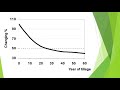
Production metrics will likely see initial fluctuations as you adapt, but the long-term trajectory is positive. Growers who successfully integrate diverse cover crops into their rotation often report increased soil organic matter, which typically increases by 0.2-0.5 percentage points within 3-5 years, and where management is particularly diligent, 1.5-2.5+ percentage points over 7-10 years. This increase in organic matter is the engine for improved soil structure, leading to better aggregation, reduced compaction, and a tangible increase in water infiltration rates, often 30-60% higher in cover-cropped systems compared to conventionally tilled fields.

Economically, the transition aims for a significant reduction in out-of-pocket expenses. While cover crop seed and planting represent new costs, these are often offset by a 20-50% reduction in synthetic nitrogen fertilizer needs for the following cash crop, particularly when legume cover crops are part of the mix. Herbicide use can also decrease as cover crops compete effectively and improve soil health, leading to better plant vigor that can withstand pest and disease pressure. Geographic economic variability is significant; a farmer in a drought-prone region might see the greatest returns from improved water management, while a farmer in a humid region may prioritize weed suppression and soil structure.

Beyond the tangible benefits to soil and bottom line, practitioners consistently report improved operator quality of life. The act of observing and managing living systems, rather than solely dealing with mechanical breakdown or input ordering, can be deeply rewarding. Reduced need for intensive tillage translates to fewer hours spent in the tractor, leading to lower stress levels and more time for strategic planning or family. The mental shift from fighting the soil to working with it fosters a sense of connection and stewardship.

Wildlife and biodiversity are naturally enhanced as cover crops provide habitat and food sources throughout the year. You'll likely notice an increase in beneficial insects, earthworms, and songbirds returning to your fields. A diverse cover crop mix can offer pollen and nectar for pollinators during otherwise barren periods, and increased invertebrate populations provide natural pest control. This ecological richness is not just an aesthetic bonus; it's a sign of a healthier, more self-sustaining farm ecosystem. The gains often show a bimodal distribution, with modestly improved systems seeing 10-15% increases in productivity and profitability, while well-executed operations report 40-120% gains, underscoring the critical role of management acumen and local adaptation.

At different scales:

200-5,000 acres: You'll see greater consistency in cash crop yields year-to-year, as the soil acts as a buffer against climate variability. Improved soil structure will make your planting operations more efficient, with less sidewall compaction and better seed-to-soil contact, potentially reducing the need for expensive soil amendments. The economic advantage of reduced fertilizer and herbicide use becomes substantial across your acreage.

5,000+ acres: The primary gains will be in long-term land stewardship and operational resilience. Reduced tillage and improved soil health can decrease fuel consumption and machinery wear over time. You'll likely see significant cost savings from fertilizer and herbicide reduction, and the improved water infiltration can buffer against regional drought impacts, enhancing operational stability.

Small (under 100 acres/40 ha): Focus initially on a single, robust cover crop like cereal rye or a simple mix, costing $15-30/acre ($37-74/ha). The improved soil structure and water infiltration will be immediately noticeable on your smaller acreage, impacting yields more directly and reducing reliance on supplemental irrigation if applicable.

Mid-size (100–500 acres/40–200 ha): Experiment with diverse mixes tailored to your specific soil types and cash crops, budgeting $25-45/acre ($62-111/ha) for seed. You can leverage custom hiring or a small investment in a grain drill or air seeder attachment for planting, making efficient application across larger areas more feasible.

Large (500+ acres/200+ ha): Implement a structured cover crop rotation across your operation, potentially dedicating 20-40% of your acreage to cover crops annually. Explore bulk seed purchasing to reduce costs to $20-35/acre ($49-86/ha), and consider investing in application equipment like high-boy seeders or aerial spreading services for timely and effective coverage.

Sources behind this view

Videos & Podcasts
Community
  • Integrates cropping and livestock by grazing cattle on a warm-season cover crop cocktail (millet, sorghum-sudangrass, soybeans, cowpeas, sunflowers, sunn hemp, radishes, turnips) after winter triticale/hairy vetch, increasing soil organic matter and cycling nutrients via dung and urine.

  • Seven strategies accelerate cover crop ROI: managing weeds, grazing, addressing compaction, transitioning to no-till, improving soil moisture, managing nutrients (using legumes like Hairy Vetch/Austrian Winter Peas), and utilizing incentive payments from NRCS.

    Read more (opens in new window) sustainableagriculture.net
Research
From the Web
  • Cover crops like cereal rye, turnips, and radishes are increasingly adopted, with selection based on climate and farm needs. They improve soil health, increase water retention, reduce fertilizer use by up to 40%, and can be used for grazing. Farmers like Jimmy Emmons have transitioned to no-till and seen significant economic benefits.

  • Richter Farms in North Dakota used a multispecies cover crop cocktail (millet, cowpea, soybean, turnip, radish, sunflower, sweet clover) after early forage harvest. Grazing the cover crop provided 3.1 lbs/day gain for calves and $66/acre net income. The following corn crop showed reduced erosion, weeds, and higher net income ($62.27/acre) due to improved soil health and residue.

3

THE MONEY

The financial landscape of transitioning to cover crops is multifaceted, involving both new investments and significant cost reductions. While...

The financial landscape of transitioning to cover crops is multifaceted, involving both new investments and significant cost reductions. While...

Transitioning your row crop operation to an integrated cover crop system is best viewed not as an annual expense, but as a long-term capital improvement project, comparable to installing tile drainage or upgrading grain storage. In the first three years of this transition—the "learning curve" phase—you should plan for an annual commitment of $40-120/acre ($99–$297/ha). This funding covers high-quality seed mixes, potential equipment modifications for no-till termination, and professional consulting to refine your agronomic strategy. While this may look like an added burden, the economic objective is to improve your soil’s water-holding capacity by 15-25%. Over the life of your operation, this capacity boost functions as an insurance policy, protecting your yield stability against the increasing volatility of extreme weather events, effectively paying for the initial annual investment during high-heat or low-rainfall cycles.

Your most immediate financial relief arrives by aggressively purging your balance sheet of synthetic dependency. As you successfully integrate cover crops, you can expect a 20-50% reduction in synthetic nitrogen requirements, which puts approximately $30-70/acre ($74–$173/ha) back into your bottom line every single season. Furthermore, the allelopathic properties of specific cover crop species, coupled with the physical smothering effect of high-residue ground cover, creates a biological barrier that suppresses weed germination. This transition enables you to reduce your herbicide program intensity, saving farmers an additional $10-30/acre ($25–$74/ha) annually on specialty chemical applications. By eliminating expensive, redundant fungicide passes and synthetic nutrients that were previously used to mask low soil organic matter, the cumulative reduction in variable costs can range from $50-130/acre ($124–$321/ha) once your soil biology is fully functional.

Establishment costs primarily center on the recurring purchase of seed and the one-time acquisition of specialized management technology. High-quality, multi-species cover crop seed mixes typically fluctuate between $15-50/acre ($37–$124/ha), depending on whether you are using a base cereal rye for erosion control or a complex 5-to-7-species cocktail designed for deep-root soil aeration and nitrogen fixation. If you are converting to no-till or strip-till practices to ensure high-residue planting success, your machinery budget will need to accommodate upgrades. Refreshing an existing planter with heavy-duty disc openers, refined closing wheels, and aggressive residue cleaners represents a capital investment range of $500-3,000 per row unit. Alternatively, if you scale to dedicated termination tools like a high-speed roller-crimper, you are looking at a capital outlay of $10,000-30,000 for standard equipment models.

The economic trajectory of this transition operates on a clear, phased scale. In years 1-2, you are in a "developmental period," where your costs for seed and equipment are at their highest, while soil biological benefits are still latent. During this time, you may see only a 5-10% reduction in inputs. As you reach years 3-5, the system enters an "integration phase," where you see consistent savings of $40-90/acre ($99–$222/ha) as your reliance on synthetic fertilizers drops significantly and your planter requires fewer repairs due to established soil structure. By year 7 and beyond, you reach the "optimization phase." At this maturity, your variable costs are locked into a lower plateau, and input savings often range from $70-150/acre ($173–$371/ha), while your yield data begins to show increased consistency regardless of annual rainfall fluctuations.

Breakeven analysis for this transition suggests a two-tiered timeline. For direct input cost savings, the breakeven typically lands within 2-4 years, depending on how effectively you calibrate your fertilizer rates to reflect the nitrogen credits generated by your legumes. However, the "True ROI"—which accounts for both input savings and the enhanced yield stability of healthier soil—is reached in 5-7 years. Some producers realize faster returns by applying the "cost-avoidance" model: when you account for the $500-1,500/acre ($1,236–$3,707/ha) loss in potential revenue experienced during a localized drought year, the ability of high-organic-matter soil to hold an extra inch of water can justify the entire transition cost in a single dry season.

Government programs such as the Environmental Quality Incentives Program (EQIP) or the Conservation Stewardship Program (CSP) are vital for mitigating the early-phase financial risks. These programs often provide financial assistance to help offset the initial seed and planting costs. Based on current USDA-NRCS payment schedules, producers can often secure payments of $20-80/acre ($49–$198/ha) depending on the complexity of their cover crop species mix and the length of their planned rotation. It is critical to apply for these programs 6-12 months before the planting season begins to ensure your operation is under contract before your first tillage adjustment. Note that these payments are designed to bridge the gap during the "developmental phase," not to permanently subsidize the practice.

Geographic economic variability remains a significant factor in your total cost structure. Producers in high-moisture regions or those dealing with shorter growing seasons may face higher costs of $35-65/acre ($86–$161/ha) for seed due to the need for faster-establishing, cold-hardy species to secure coverage before the first frost. In contrast, producers in warmer, humid regions might face higher incidental costs for specialized termination equipment or increased pest management overhead, adding $15-40/acre ($37–$99/ha) to their annual budget. Always conduct a regional pilot study before committing to large-scale acreage to ensure that your chosen mix provides the nitrogen availability or weed suppression metrics required for your specific soil type and climatic zone.

Small operations (under 100 acres (40 ha)): Focus on low-cost, high-impact seeding methods like aerial broadcast or inter-seeding with existing fertilizer equipment to keep entry costs below $25/acre ($62/ha). Avoid heavy capital investment; utilize equipment sharing or custom farming services for termination to keep upfront costs under $5,000. Mid-size operations (100-1,000 acres (40–405 ha)): Utilize the lease-to-buy strategy for no-till equipment. Renting equipment at $10-25/acre ($25–$62/ha) for the first 3 years allows you to test efficiency before committing to a long-term loan on new machinery. Focus on optimizing fertilizer rates via VRT (Variable Rate Technology) to hit that $50-90/acre ($124–$222/ha) savings threshold by year 4. Large operations (1,000+ acres): Leverage bulk buying power to reduce seed costs by 20-40% compared to localized retail prices. Direct investment into heavy-duty planters or custom rollers is justified; aim for a 3-year payback on equipment by integrating massive-scale fertilizer reductions across the entire 1,000+ acre footprint.

Sources behind this view

Videos & Podcasts
Community
  • Seven strategies accelerate cover crop ROI: managing weeds, grazing, addressing compaction, transitioning to no-till, improving soil moisture, managing nutrients (using legumes like Hairy Vetch/Austrian Winter Peas), and utilizing incentive payments from NRCS.

    Read more (opens in new window) sustainableagriculture.net
  • Explains no-till cover cropping using a roller-crimper to kill cover crops and create mulch, reducing costs, improving soil health, and suppressing weeds. Key components include specific cover crop mixes (legumes, deep-rooted grains) and low-impact machinery.

Research
From the Web
  • Cover crops like cereal rye, turnips, and radishes are increasingly adopted, with selection based on climate and farm needs. They improve soil health, increase water retention, reduce fertilizer use by up to 40%, and can be used for grazing. Farmers like Jimmy Emmons have transitioned to no-till and seen significant economic benefits.

  • Analyzes the economics of cover crops, assessing when they become profitable in corn and soybean rotations by considering benefits like soil health, weed control, moisture conservation, and grazing.

4

Know the Debate

Integrating cover crops into your row crop operation is a transition that yields significant soil health benefits, but the journey and timeline var...

Integrating cover crops into your row crop operation is a transition that yields significant soil health benefits, but the journey and timeline vary greatly. In humid regions with reliable rainfall, initial improvements in soil structure and fertility can be observed within 2-4 years. However, in semi-arid climates or on degraded soils, achieving these same results may require five to seven years of consistent management. Entry costs for equipment range from simple planter modifications to over $30,000 for specialized tools like roller-crimpers, with ongoing seed costs of $10-40/acre yearly. Successful implementation demands a learning curve for termination and planting, requiring 1-2 daily hours for observation and management.

How long until cover crops improve soil health?

Observable benefits in 2-4 years

Academic studies and extension guides often project measurable soil health improvements, like better aggregate stability and reduced erosion, within 2-4 years. These timelines typically assume humid conditions and a baseline of moderate soil biology, where organic matter gains and nitrogen contributions are more readily apparent.

Significant gains take 5-7+ years

Many field practitioners, especially in drier climates or on heavily degraded soils, report that substantial soil health improvements, like measurable organic matter increases and significant input reductions, require 5-7 years or more of persistent management. They emphasize the difficulty of overcoming initial nutrient tie-up and the need for patience in less favorable conditions.

Making Sense of the Differences

The timeline for observing significant soil health benefits from cover crops varies greatly by climate, starting soil conditions, and management intensity. Humid regions with robust biological activity see results faster (2-4 years) than arid areas or degraded soils, where 5-7+ years may be needed. Practitioners in challenging environments emphasize consistent management and adapting species selection for local conditions.

What equipment is essential for successful cover crop integration?

Basic adaptations and modest seed costs ($25-100/ha)

Guides often suggest minimal new investment, focusing on adapting existing planters for residue management or using broadcast spreaders. These approaches are presented as adequate for starting out, implying that significant new machinery may not be immediately necessary for initial trials.

Significant investment: $10k-$30k+ for specialized tools

Field practitioners frequently report that effective termination of diverse mixes and successful no-till planting necessitate specialized equipment. This includes roller-crimpers ($10k-$30k+) for mechanical termination and robust no-till planters ($500-$3k per row unit) capable of handling significant residue, indicating a higher capital barrier for optimal results.

Making Sense of the Differences

Essential equipment for cover crops ranges from basic planter modifications to substantial investments. While starting with existing equipment or custom hiring is feasible, optimal termination and no-till planting often require specialized tools like roller-crimpers or advanced planters. Farmers should budget for these potential upgrades, especially on larger acreages, or factor in custom planting services, considering their chosen termination method and cover crop complexity.

How quickly can farmers break even with cover crops?

Breakeven in 2-4 years from input savings

Academic and extension materials often project a 2-4 year breakeven period, primarily highlighting savings from reduced synthetic nitrogen fertilizer and herbicides. These optimistic timelines assume ideal conditions and successful implementation of cover crops' nutrient-fixing and weed-suppressing capabilities.

Breakeven takes 4-7+ years due to challenges

Field practitioners often report a longer breakeven timeline, ranging from 4-7 years, due to complexities such as initial yield dips, higher-than-anticipated establishment costs, and the learning curve for optimizing planting and termination. These factors mean the full economic benefits are realized after initial adjustments.

Making Sense of the Differences

The economic breakeven timeline for cover crops varies significantly, often taking 4-7 years in practice, rather than the 2-4 years projected in some guides. This longer period accounts for initial yield challenges, equipment adaptation costs, and the learning curve for termination and planting. However, through optimized input savings (nitrogen, herbicides), improved water management, and potential cost-share programs, the long-term return on investment becomes substantial, making sustained practice economically advantageous.

5

THE SEQUENCE

The transition to cover crops is a journey best approached strategically, starting with learning and gradually expanding. Rushing the process can...

The transition to cover crops is a journey best approached strategically, starting with learning and gradually expanding. Rushing the process can...

The transition to cover crops is a journey best approached strategically, starting with learning and gradually expanding. Rushing the process can lead to frustration and unintended consequences. The most effective sequences prioritize education, followed by small-scale experimentation, and then systematic integration.

Before any significant infrastructure investment, prioritize your education. Attending workshops, field days, and engaging with experienced practitioners is consistently ranked as the highest-value investment among farmers. This proactive learning will save you 12-18 months of trial-and-error, helping you understand the nuances of different cover crop species, termination methods, and planting strategies specific to your region and goals. This educational phase is critical for building confidence and making informed decisions about where and how to start.

Begin with practical entry points. If you have underutilized acreage, a non-productive corner, or a field that is historically challenging, start there rather than disrupting your main cash crop rotation. Some practitioners begin by planting a simple cover crop (like cereal rye or oats) into cornstalks or soybean stubble after harvest in a specific field or even half of a field, using existing equipment as much as possible. This allows you to learn the planting process, manage the cover crop's growth, and then experiment with termination and following cash crop planting in a controlled setting.

Consider a pilot test on 5-15% of your operation for the first 1-2 years. This might be a single field or a few non-contiguous areas. The goal is to become comfortable with seeding a cover crop between your main cash crops. You'll learn about managing the cover crop's growth cycle, understanding when it's time to terminate it, and the experience of planting your cash crop directly into that terminated residue. This phase is about building practical skills and observing firsthand how the cover crop impacts the soil and the subsequent cash crop.

In Year 2-3, if the pilot phase was successful and you feel confident, begin expanding to a larger portion of your operation. Gradually integrate cover crops into one of your main cash crop rotations, for example, into the corn-soybean rotation. This might mean planting cover crops after soybeans, or overwintering covers after corn. Focus on building a consistent sequence – for instance, cereal rye after soybeans, followed by soybeans after rye; or a summer annual mix after wheat, followed by winter wheat after the summer mix.

By Year 3-5, you should aim to have cover crops integrated into most, if not all, of your cropped acres. This is the phase where you can start fine-tuning your species mixes, optimizing termination strategies, potentially transitioning to full no-till, and truly leveraging the economic and ecological benefits. You'll also be more attuned to how different cover crops affect nutrient cycling, soil biology, and subsequent cash crop performance. This gradual, phased approach allows you to build knowledge, adapt equipment, and manage financial risk.

Small (under 100 acres/40 ha): Begin by sowing cover crops on 5-10 acres (2-4 ha), perhaps in a single field or a challenging corner. Utilize existing farm equipment for planting and termination to minimize initial investment, focusing on learning the process of seeding after a cash crop and successfully terminating before the next.

Mid-size (100–500 acres/40–200 ha): Dedicate 10-15% of your acreage (e.g., 50-75 acres or 20-30 ha) for the first year or two, allowing you to gain confidence with different species mixes and planting windows. Consider investing in a used interseeder or roller-crimper if you anticipate consistent use across 100+ acres to streamline management.

Large (500+ acres/200+ ha): Implement a phased approach starting with 50-100 acres (20-40 ha) in a single rotation, perhaps after soybeans. Explore aerial application for initial seeding or custom hiring for roller-crimping on a larger scale to prove program viability before committing to significant equipment purchases for the entire operation.

Sources behind this view

Videos & Podcasts
Community
  • Seven strategies accelerate cover crop ROI: managing weeds, grazing, addressing compaction, transitioning to no-till, improving soil moisture, managing nutrients (using legumes like Hairy Vetch/Austrian Winter Peas), and utilizing incentive payments from NRCS.

    Read more (opens in new window) sustainableagriculture.net
  • Blue Heron Farm uses a multi-stage mowing technique for cover crops (wheat, vetch, Austrian winter peas) before July transplants, ensuring soil cover, nitrogen fixation, and organic matter addition while eliminating bare fallow periods.

    Read more (opens in new window) smallfarms.cornell.edu
Research
From the Web
  • Cover crops like cereal rye, turnips, and radishes are increasingly adopted, with selection based on climate and farm needs. They improve soil health, increase water retention, reduce fertilizer use by up to 40%, and can be used for grazing. Farmers like Jimmy Emmons have transitioned to no-till and seen significant economic benefits.

  • Guide details how to conduct on-farm cover crop trials: limit species, order small seed amounts, design objective plots, plant timely (6 weeks before frost for winter annuals), calibrate equipment for precise seeding rates, and collect detailed management and growth data. Emphasizes evaluating performance for farm system fit and expanding successful trials.

6

THE HARD PARTS

The transition to cover crops is not without its hurdles, and honest acknowledgment of these challenges can be the difference between success and...

The transition to cover crops is not without its hurdles, and honest acknowledgment of these challenges can be the difference between success and...

The transition to cover crops is not without its hurdles, and honest acknowledgment of these challenges can be the difference between success and frustration. The first season, in particular, demands a shift in mindset and often presents "ugly" phases where fields look different, and agronomic adjustments are necessary.

A primary challenge is termination timing and method. For many cover crop species, especially cereals like cereal rye, terminating them at the wrong time can have significant negative consequences. Terminating too early means you don't reap the full benefits of biomass production or weed suppression. Terminating too late, after the plant has moved too far into its reproductive cycle, can lead to significant nitrogen tie-up in the soil as it decomposes, potentially causing a 5-15% reduction in the following cash crop's yield (especially corn) during that first season. You'll also have to contend with moisture competition if the cover crop is large and dry. Learning the optimal window for your specific climate, species, and cash crop rotation takes 2-3 seasons of focused observation and experience.

This leads to the challenge of yield drag or unpredictable cash crop performance in the initial years. Many farmers experience a temporary dip in cash crop yields, particularly when planting into a thick cereal rye residue. This is often due to difficulties in optimizing planting equipment for the residue, incomplete termination leading to competition, or suboptimal nitrogen availability. This is not an inherent flaw of cover cropping, but rather an indicator that something in the system was out of balance, and the cover crop is revealing it. The key is to understand why this drag occurred and to adjust your practices for the following year.

Equipment adaptation and calibration is another significant challenge. Conventional planters designed for clean, tilled seedbeds will struggle with the residue left by cover crops. "Hairpinning" – where the opener pushes residue into the seed trench instead of cutting through it – is a common frustration leading to poor seed-to-soil contact and uneven emergence. This often requires investment in or modification of planting equipment, such as heavy-duty, sharp disc openers, aggressive row cleaners, or additional downforce systems. These modifications can cost several hundred to a couple of thousand dollars per row unit, and correctly calibrating them for your specific soil type and residue load demands a learning curve.

Finally, the unlearning requirement for experienced farmers is a significant psychological hurdle. Decades of conventional practice have built ingrained habits and mental models about soil management. Witnessing a field covered in living plants when you're accustomed to bare soil can feel unsettling. Neighbor skepticism or external pressure to conform to conventional practices can also create social and psychological difficulty. You'll need to develop a tolerance for uncertainty and a willingness to experiment, trusting the process of soil regeneration even when the initial visual cues are different.

Sources behind this view

Videos & Podcasts
Community
  • Explains no-till cover cropping using a roller-crimper to kill cover crops and create mulch, reducing costs, improving soil health, and suppressing weeds. Key components include specific cover crop mixes (legumes, deep-rooted grains) and low-impact machinery.

  • Recommends diverse cover crop mixes (legumes, grasses, grains) for raised beds and food forests to enhance soil health and nitrogen fixation. Advises termination before seeding and using biomass for compost or mulch.

Research
From the Web
  • Cover crops like cereal rye, turnips, and radishes are increasingly adopted, with selection based on climate and farm needs. They improve soil health, increase water retention, reduce fertilizer use by up to 40%, and can be used for grazing. Farmers like Jimmy Emmons have transitioned to no-till and seen significant economic benefits.

  • Guide details how to conduct on-farm cover crop trials: limit species, order small seed amounts, design objective plots, plant timely (6 weeks before frost for winter annuals), calibrate equipment for precise seeding rates, and collect detailed management and growth data. Emphasizes evaluating performance for farm system fit and expanding successful trials.

7

HOW TO KNOW IT'S WORKING

Your ability to assess whether the cover crop system is effectively building soil health and improving your operation depends fundamentally on robust...

Your ability to assess whether the cover crop system is effectively building soil health and improving your operation depends fundamentally on robust...

Your ability to assess whether the cover crop system is effectively building soil health and improving your operation depends fundamentally on robust record-keeping. Without a clear, detailed baseline established before you begin, it's nearly impossible to distinguish the progress you're making from natural year-to-year variability or the impact of other farm management decisions. Therefore, before planting your first cover crop, ensure you have comprehensive soil tests from the exact same areas for at least the prior two years, documenting metrics like soil organic matter (SOM), pH, nutrient levels (N-P-K), and cation exchange capacity (CEC). Also, meticulously record all input applications (fertilizers, herbicides, pesticides), tillage passes, planting dates, and detailed yield data, preferably with GPS mapping. This data forms your critical "before" picture.

At 6 months, the most immediate indicators are qualitative and observational. Get out and walk your fields with a spade. How uniform and healthy is your cover crop stand? Conduct a simple spade test: dig up a soil core and count the earthworms – a higher number is a good sign of biological activity. Observe the soil structure: is it crumbly and well-aggregated, or dense and cloddy? Perform a slake test: take a dry clod from your cover-cropped field and one from a tilled control strip (if available) and drop them into separate jars of water. The cover-cropped soil should hold its structure better, while tilled soil will likely disintegrate, indicating poor aggregate stability. Measure water infiltration rates with a basic ring test; you should observe notably faster infiltration in cover-cropped areas even within the first year, demonstrating improved soil porosity.

At 1-2 years, begin comparing your operational data against your baseline. Review your planting emergence notes for your cash crop: did it seem more uniform? Was establishment easier or harder? Critically analyze your yield maps. Don't be overly discouraged by a 5-10% yield reduction in the first year for a specific crop following a cover crop; instead, analyze the reasons for it. Was it tied to poor termination, suboptimal planting, or nutrient tie-up? Financially, are you seeing the beginnings of input savings? Have you been able to trial a small reduction in nitrogen application on your following cash crop, demonstrating tangible proof of biological nitrogen contribution or improved nutrient cycling?

At 3-5 years, the evidence should be quantitative and clearly visible on both soil tests and financial statements. Re-test soil organic matter in the exact same locations as your baseline. You should aim to see an increase of 0.3-0.5 percentage points over your baseline. This is a significant, though still modest, increase that concretely demonstrates carbon sequestration and the building of soil organic matter. Your financial records should reveal a clear trend of reduced input costs. For example, are you consistently reducing your nitrogen fertilizer rates by 25-50% on corn following a legume cover crop? Have you eliminated one or more herbicide passes, or shifted to less expensive generic options? The annual cost of your cover crop program should now be fully offset, or even surpassed, by these savings.

At 5-10 years, you'll be looking for indicators of system maturity and resilience. Early soil organic matter gains, which might have been 0.1-0.3 percentage points in the first 3-5 years, will continue to compound. Sustained, diligent management will yield an additional 0.5-1.0+ percentage point increase in SOM by years 7-10. The rate of increase typically slows as the soil ecosystem approaches a new, more stable equilibrium. The most crucial metric becomes yield stability: your cover-cropped fields should consistently perform as well as, if not better than, your conventional fields, especially in challenging weather years. Look for instances where your cover-cropped fields recover faster from drought or withstand wet conditions with less damage, demonstrating the functional benefits of improved soil health.

Sources behind this view

Videos & Podcasts
Community
  • Seven strategies accelerate cover crop ROI: managing weeds, grazing, addressing compaction, transitioning to no-till, improving soil moisture, managing nutrients (using legumes like Hairy Vetch/Austrian Winter Peas), and utilizing incentive payments from NRCS.

    Read more (opens in new window) sustainableagriculture.net
  • Integrates cropping and livestock by grazing cattle on a warm-season cover crop cocktail (millet, sorghum-sudangrass, soybeans, cowpeas, sunflowers, sunn hemp, radishes, turnips) after winter triticale/hairy vetch, increasing soil organic matter and cycling nutrients via dung and urine.

Research
From the Web
  • Cover crops like cereal rye, turnips, and radishes are increasingly adopted, with selection based on climate and farm needs. They improve soil health, increase water retention, reduce fertilizer use by up to 40%, and can be used for grazing. Farmers like Jimmy Emmons have transitioned to no-till and seen significant economic benefits.

  • Guide details how to conduct on-farm cover crop trials: limit species, order small seed amounts, design objective plots, plant timely (6 weeks before frost for winter annuals), calibrate equipment for precise seeding rates, and collect detailed management and growth data. Emphasizes evaluating performance for farm system fit and expanding successful trials.

8

THE EVIDENCE

What experienced practitioners report and what academic research demonstrates often align, but there are nuances and areas where evidence is still...

What experienced practitioners report and what academic research demonstrates often align, but there are nuances and areas where evidence is still...

What experienced practitioners report and what academic research demonstrates often align, but there are nuances and areas where evidence is still developing. The consensus among farmers who have successfully integrated cover crops is overwhelmingly positive regarding soil health improvements. They consistently describe enhanced soil aggregation, increased earthworm populations, better water infiltration and retention, and improved soil structure evident in reduced compaction and easier tillage (where it's still practiced). They report tangible results like higher yields in subsequent cash crops, increased weed suppression, and a notable reduction in the need for synthetic fertilizers and herbicides, often by substantial margins.

Research largely supports these practitioner observations, particularly concerning soil health. Studies have consistently shown that cover cropping increases soil organic matter (SOM). Modest operations typically see 0.2-0.4 percentage point gains in SOM by years 2-3, while well-managed systems commonly document 1.5-2.5+ percentage points over 5-7 years. No-till and cover cropping together are proven to improve soil structure, reduce erosion, and increase water infiltration. Many academic papers highlight the nitrogen-fixing capabilities of legumes in cover crop mixes, corroborating farmers' claims of reduced synthetic nitrogen needs.

However, research also highlights some critical areas of caution and complexity. The bimodal outcome distributions observed by practitioners are also reflected in academic literature: outcomes are highly sensitive to management quality, species selection, termination timing, and local climate. While many farmers report immediate yield increases or rapid input reductions, academic studies often show a more gradual progression, with yield drag in the first 1-2 years being common, especially when planting into mature cereal rye. The economic transition is not always linear, and careful financial planning is essential.

There are also areas where empirical evidence is more limited than anecdotal claims. For example, while the qualitative benefits for wildlife are widely accepted and observed, quantifying these benefits across diverse farming systems and generating robust, long-term ecological data can be challenging. Similarly, the precise micronutrient benefits derived from diverse cover crops and the complex interactions within the soil microbiome are areas of active and ongoing research. While practitioners often speak about "feeding the soil biology," academic research is still working to fully map out and quantify these intricate relationships to provide predictable, scalable recommendations.

Reconciling these different evidence types is key. Practitioner enthusiasm is often rooted in direct, tangible experience that reflects the real-world application of these principles. Academic research provides the necessary rigor for understanding why these changes occur and helps to define the parameters for consistent success, identifying potential pitfalls and optimizing outcomes. Where evidence is thin – for example, specific, long-term economic data for certain cropping systems in particular regions – it is crucial to consult local practitioners with 5+ years of experience and to recognize that while trends are clear, specific results will vary. The field is still evolving, and continuous learning and adaptation are paramount.

Sources behind this view

Videos & Podcasts
Community
  • Seven strategies accelerate cover crop ROI: managing weeds, grazing, addressing compaction, transitioning to no-till, improving soil moisture, managing nutrients (using legumes like Hairy Vetch/Austrian Winter Peas), and utilizing incentive payments from NRCS.

    Read more (opens in new window) sustainableagriculture.net
  • Explains no-till cover cropping using a roller-crimper to kill cover crops and create mulch, reducing costs, improving soil health, and suppressing weeds. Key components include specific cover crop mixes (legumes, deep-rooted grains) and low-impact machinery.

Research
From the Web
  • Cover crops like cereal rye, turnips, and radishes are increasingly adopted, with selection based on climate and farm needs. They improve soil health, increase water retention, reduce fertilizer use by up to 40%, and can be used for grazing. Farmers like Jimmy Emmons have transitioned to no-till and seen significant economic benefits.

  • Guide details how to conduct on-farm cover crop trials: limit species, order small seed amounts, design objective plots, plant timely (6 weeks before frost for winter annuals), calibrate equipment for precise seeding rates, and collect detailed management and growth data. Emphasizes evaluating performance for farm system fit and expanding successful trials.

9

SUPPORT & PROGRAMS

Navigating the transition to cover crops is significantly easier with a strong support network and an understanding of available programs. Knowledge...

Navigating the transition to cover crops is significantly easier with a strong support network and an understanding of available programs. Knowledge...

Navigating the transition to cover crops is significantly easier with a strong support network and an understanding of available programs. Knowledge and financial assistance are your most valuable tools during this multi-year journey.

Education opportunities are paramount, and often the most impactful investment you can make. Before investing heavily in infrastructure, attend workshops and farm tours focused on cover cropping, no-till, and soil health. Organizations like the Rodale Institute, Savory Institute, and many local farmer-led groups offer excellent educational resources. Engaging with experienced practitioners on farm tours is invaluable; seeing cover crops in action on farms similar to yours, and talking directly to the farmers about their successes and failures, provides practical insights that no amount of reading can replicate. Participate in these opportunities early and often; they consistently rank as the highest-value investment among practitioners, saving 12-18 months of trial-and-error learning.

Government agricultural programs offer crucial financial support to offset initial costs. In the United States, the USDA's Natural Resources Conservation Service (NRCS) offers programs like the Environmental Quality Incentives Program (EQIP) and Conservation Stewardship Program (CSP) that provide cost-share assistance for cover crop establishment, no-till, and other conservation practices. Understanding the application windows for these programs is critical, as they often require 6-12 months lead time for planning and approval. Research similar initiatives offered by your national or regional agricultural ministries and agencies. These programs can significantly reduce the financial burden, making cover crops more accessible.

Peer networks and farmer-led groups provide invaluable on-farm support. Connecting with other farmers in your region who are also transitioning or have already transitioned can offer practical advice, troubleshooting support, and a sense of community. These groups often organize field days, collaborative research trials, and mentorship opportunities. Finding local farmer networks—whether informal groups or established organizations—is a cornerstone of successful transitions. Many practitioners find that informal discussions over coffee or at local co-ops are just as valuable as structured programs.

The most effective low-risk transition strategies often involve stacking multiple forms of support. For example, utilizing cost-share programs to fund a portion of your cover crop seed and equipment modifications while starting with a pilot program on a smaller acreage allows you to learn and observe the benefits before full-scale adoption. Some regions also have state or local programs that complement federal initiatives. Exploring all available avenues for financial and technical assistance will make the transition smoother and more economically viable.

At different scales:

200-5,000 acres: You can leverage both federal and state cost-share programs to subsidize significant investments in equipment modifications or new planters. Participation in regional farmer networks and collaborative trials will be key for sharing knowledge on optimized seeding rates, termination strategies, and fertility management across diverse fields within your operation.

5,000+ acres: Accessing and managing multiple government program streams (e.g., EQIP, CSP) efficiently will be vital for offsetting large capital expenditures and ongoing seed costs. Establishing a strong relationship with local NRCS or equivalent agencies is essential for navigating program requirements. Engaging in large-scale learning collaboratives or research initiatives can provide data-driven insights for optimizing cover crop integration across your extensive land base.

Small (under 100 acres/40 ha): Focus on leveraging existing government programs like EQIP or CSP to cover 75% of cover crop seed costs (typically $30-50/acre, or $74-124/ha for diverse mixes). Small, local farmer-led groups are invaluable for sharing advice on low-cost establishment methods, like broadcasting seed into standing cash crops.

Mid-size (100–500 acres/40–200 ha): Consider investing in a used no-till drill or an aerial spreader for more efficient application, costing $15,000-30,000, with a typical 2-3 year payback at this acreage. Look for regional conservation districts or extension offices that offer technical assistance for designing more complex cover crop mixes tailored to your specific rotation.

Large (500+ acres/200+ ha): Explore direct purchasing of cover crop seed in bulk (10-20% savings) and consider hiring custom application services for aerial seeding or specialized equipment to ensure timely planting across your operation. Large-scale operations can often secure more substantial grants or private investment for innovative soil health practices beyond standard federal programs.

Sources behind this view

Videos & Podcasts
Community
  • Seven strategies accelerate cover crop ROI: managing weeds, grazing, addressing compaction, transitioning to no-till, improving soil moisture, managing nutrients (using legumes like Hairy Vetch/Austrian Winter Peas), and utilizing incentive payments from NRCS.

    Read more (opens in new window) sustainableagriculture.net
  • Oregon State University research over six years, funded by SARE, developed a calculator for cover crop N contribution and cost savings, showing vetch can replace feather meal for broccoli, saving $500/acre.

    Read more (opens in new window) smallfarms.cornell.edu
Research
From the Web
  • Cover crops like cereal rye, turnips, and radishes are increasingly adopted, with selection based on climate and farm needs. They improve soil health, increase water retention, reduce fertilizer use by up to 40%, and can be used for grazing. Farmers like Jimmy Emmons have transitioned to no-till and seen significant economic benefits.

  • Cover crops are used at Noble Ranches to extend grazing seasons and boost diversity, replacing herbicides and improving soil health, water infiltration, and drought resilience with species like pearl millet, cowpea, and crimson clover.

10

PRACTICES INVOLVED

Understanding these practices will help guide your decision-making during this transition:

Understanding these practices will help guide your decision-making during this transition:

Understanding these practices will help guide your decision-making during this transition:

These practices form the core of the transition described in this guide, but they are interconnected and influence each other's effectiveness. Cover crops are the foundation upon which the regenerative system is built. They are planted between cash crops, not as the primary harvest crop itself. Their purpose is to provide continuous living cover for the soil, suppress weeds, feed soil biology, break up compaction, fix nitrogen, and scavenge excess nutrients.

Cover cropping, the act of planting these sequences, is the operational embodiment of this transition. This can involve single species, like cereal rye for overwintering or forage radish for deep tillage, or diverse mixes, often referred to as cover crop cocktails, designed to leverage multiple benefits simultaneously. The decision to opt for a single species or a complex mix depends heavily on your goals, climate, and the specific challenges you’re facing.

Reduced tillage, particularly no-till or strip-tillage, is often the complementary practice that makes cover cropping highly effective and economically viable. No-till planting directly into cover crop residue protects the soil surface, conserves moisture, and builds soil structure over time. Strip-tillage offers a compromise, disturbing only a narrow band for seed placement while leaving the rest of the soil profile intact, which can be a transitionary step for some operations or a solution for specific planting challenges.

Understanding these practices allows you to sequence them effectively. For example, a successful transition typically involves gradually incorporating cover crops and then moving towards reduced tillage. You might start by planting cover crops into existing tillage systems and then, as soil health improves and planting equipment is adapted, gradually reduce or eliminate tillage passes. The goal is to create a virtuous cycle where cover crops improve soil structure, making no-till planting more feasible, and no-till planting, in turn, maximizes the benefits derived from the cover crops.