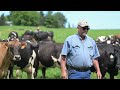
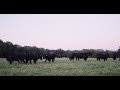
This guide is for livestock producers who currently manage perennial pasture and hayfields and are considering diversifying into crop production. It outlines a pathway to integrate cash, cover, or specialty crops into an existing livestock operation, transforming it into a more resilient and multifaceted enterprise.

Read More: Complete Description

This transition is driven by a desire to leverage existing land and infrastructure, enhance ecological resilience, build soil health, create new revenue streams, and gain a deeper understanding of the farm ecosystem. For many, a livestock-first operation already embodies principles of land stewardship, but the inherent limitations of relying solely on forage for income can be a significant motivator for change. The destination is a diversified, integrated operation where crops and livestock work synergistically, creating a more stable and productive system. This might involve growing fodder crops to reduce feed costs, planting cash crops to generate income that buffers livestock market volatility, or establishing cover crops that improve pasture health and resilience. It's a significant shift, moving from a singular focus on animal production to a holistic management of soil, plants, and animals.

The typical journey involves a gradual introduction of crop production, beginning with low-risk strategies and expanding as knowledge and confidence grow. The initial years are about learning the specifics of crop management within your unique environment – understanding soil types, microclimates, weed dynamics, and pest pressures. This often starts with integrating crops into existing pastures (pasture-cropping) or planting cover crops that also serve as forage. Over time, this can evolve into more structured cropping systems, potentially alongside continued livestock integration. The ultimate goal is not just to add crops, but to create a functional farm ecosystem where each component supports and enhances the others, leading to improved soil health, biodiversity, and economic stability.

Key Points

Scale

Applicable across all scales; implementation strategy and complexity vary.

Breakeven

1–3 years for input cost recovery; 7–10 years for significant profit growth and soil equity accumulation

Difficulty

Moderate to High — requires learning new agronomic skills, managing cash flow uncertainty, and adapting existing infrastructure.

Destination

Diversified, integrated operation producing cash, cover, and/or specialty crops alongside livestock.

Starting Point

Livestock operation focused on perennial pasture and hay production, with limited or no cropping.

Investment Range

$40–200/acre ($99–$494/ha) over 2–4 years, with equipment retrofits costing $500–5,000 per unit

Typical Timeline

2-4 years to establish initial cropping systems and logistics; 7-10+ years for significant soil transformation.

Know the Debate

  • Timeline for results varies widely (2 to 10+ years)
  • Initial capital needs moderate, can escalate with scale
  • New skills essential; transition has 'ugly phase'
  • Crop-livestock synergy debated; yields context-dependent

Going Deeper

1

WHERE YOU ARE NOW

You've built a robust livestock operation, likely grounded in a deep understanding of forage management. Your fields are probably managed with an eye...

You've built a robust livestock operation, likely grounded in a deep understanding of forage management. Your fields are probably managed with an eye...

You've built a robust livestock operation, likely grounded in a deep understanding of forage management. Your fields are probably managed with an eye toward perennial health, rotational grazing, and seasonal forage production. You understand the rhythms of your land when it comes to grass growth, rest periods, and the needs of your animals. This existing knowledge is a powerful foundation. You likely have a functional farm infrastructure – understanding fencing, water access, animal handling, and hay storage are all critical skills that can be leveraged. Your commitment to your land and livestock suggests a capacity for diligent observation and a willingness to adapt to environmental cues.

What's working well is likely the resilience of your perennial systems. They can often tolerate a wider range of conditions and require less annual disturbance than annual cropping. Your focus on animal health and herd performance means you’re already attuned to factors like nutrition, stress, and breeding cycles. The natural fertility created by livestock manure, if managed effectively, can be a significant asset. You’ve learned to navigate the inherent volatilities of livestock markets and weather patterns, developing a keen sense of risk management within your primary enterprise. This existing operational muscle is invaluable; it means you’re not starting from scratch on farm management principles.

However, relying solely on perennial forage for income can present limitations. Market prices for livestock and hay can be volatile, leading to unpredictable income streams. During extended dry periods or unusual weather events, forage production can plummet, forcing difficult decisions around destocking or expensive feed purchases. The ecological resilience of monoculture pastures, while generally good, may not be as robust as more diversified systems. Furthermore, opportunities for capturing additional economic value or enhancing soil health beyond what perennial forages alone can offer may be missed. These limitations often drive producers to explore integration with cropping systems.

The current system provides a solid base, but the opportunities for deepening soil health, diversifying income streams, and increasing the overall resilience of your farm are significant. By thoughtfully introducing crops, you can create a more interwoven and robust agricultural enterprise that leverages your existing strengths while addressing these challenges.

At different scales:

200-5,000 acres: You likely have dedicated hayfields and extensive grazing areas. Infrastructure for livestock is well-established. Scale offers opportunities for shared equipment, broader market access, and potentially more diverse land types to experiment with. Labor and capital investment become more significant considerations.

5,000+ acres: Your operation likely includes large tracts of both pasture and potentially some existing or retired cropland. You have considerable infrastructure and often the capacity for specialized equipment and dedicated staff. Strategic integration can have a substantial economic and ecological impact across a large land base.

Small (under 100 acres/40 ha): Infrastructure for livestock, including barns and fencing, is likely manageable and may even be hand-built or maintained by you. You are keenly aware of individual animal needs, making smaller-scale crop integration a nimble experiment. Focus on easily planted and harvested crops that fit seamlessly between grazing rotations, like turnips or oats intended for forage or minimal grain harvest.

Mid-size (100–500 acres/40–200 ha): You likely have more established infrastructure for hay production and potentially some dedicated cropping acres. There’s an opportunity to incrementally add crops by converting underutilized or less productive pasture areas. Consider investing in shared equipment for planting and harvesting, which can be more cost-effective than full ownership for crops that will be a smaller portion of your overall operation.

Large (500+ acres/200+ ha): Your existing scale means large areas are dedicated to forage, and you may already conduct some commercial hay production. The infrastructure for large-scale machinery is probably in place, allowing for the possibility of integrating more robust cropping systems with less disruption. Leverage your existing supply chains for seed, fertilizer, and fuel to manage the increased input costs of a diverse cropping component.

Sources behind this view

Videos & Podcasts
Community
  • Practical rotational grazing advice for small acreage with goats, sheep, and chickens, emphasizing frequent moves, sacrificial paddocks, and specific forage types (fescue, rye, Bermuda) for Zone 8b. Mentions Greg Judy and Joel Salatin.

  • Adopts a holistic grazing management approach emphasizing diverse perennial pastures, higher residuals (4"), and longer rest periods (avg. 45 days) to build soil health, increase organic matter (3.4% to 4.6%), and enhance farm resilience against unpredictable weather.

    Read more (opens in new window) smallfarms.cornell.edu
Research
From the Web
  • Dr. Allen Williams offers 10 tips for successful grazing: avoid early spring grazing, prepare for worst-case conditions, prevent overgrazing by managing plant exposure, utilize livestock for weed control, protect soil by maintaining cover, limit consumption to 50% leaf volume to protect roots, manage for plant diversity, introduce annual disruptions, combine herds, and practice daily observation.

  • Livestock grazing solves farm problems by improving soil, controlling weeds, pests, and diseases, and enhancing resilience to climate change. Specific grazing strategies target pests like alfalfa weevil and plum curculio, break crop disease cycles, and manage crop residue. While soil compaction is a concern, integrated systems can build soil organic matter. Starting small and seeking guidance is advised.

2

WHERE THIS LEADS

In a fully integrated operation, crops and livestock work in a symbiotic dance, creating outcomes that surpass what either enterprise can achieve...

In a fully integrated operation, crops and livestock work in a symbiotic dance, creating outcomes that surpass what either enterprise can achieve...

In a fully integrated operation, crops and livestock work in a symbiotic dance, creating outcomes that surpass what either enterprise can achieve alone. Production metrics will shift. Forage production may initially stabilize or see modest increases (5-15%) as you introduce cover crops or pasture-cropping techniques that improve soil biology and water retention. Cash crop yields will vary significantly based on your chosen crops and management, but over 5-10 years, you can expect to see yields approaching or exceeding conventional averages for your region, especially as soil health improves.

Soil health indicators will see sustained improvement. Early soil organic matter gains might be modest (0.05-0.15 percentage points in the first 3 years), with a focus on improving soil structure and water infiltration. However, with consistent management, you can expect to see 0.3-0.6 percentage point increases in soil organic matter by years 7-10, alongside improved aggregation, water-holding capacity, and nutrient cycling. This translates into a more resilient system, better able to withstand drought and heavy rainfall events.

Economically, the transition opens new avenues. You'll gain diversification, reducing reliance on single-commodity markets. Fodder crops can significantly reduce your feed bill, a major expense for many livestock operations. Cash crops provide a direct income stream. The integrated system aims for increased overall farm profitability, as synergistic effects amplify returns. Gains range from 10-15% in modestly improved systems to 40-120% in well-executed operations. This bimodal distribution suggests outcomes are highly sensitive to management quality and local conditions. Economic outcomes vary by region. US and Australian studies generally show positive returns, but research from other contexts has documented higher costs and lower profitability, suggesting local conditions significantly influence viability.

Beyond production metrics, practitioners document reduced stress from a more stable income and less reliance on external inputs (like purchased feed during droughts), improved mental health from engaging with a more biodiverse and living system, and in some cases, reduced medical costs associated with lower operational stress. Wildlife populations and species diversity often increase measurably within 2-3 years as forage structure and diversity improve, providing both an ecological indicator and a quality-of-life enhancement for operators who value conservation outcomes.

At different scales:

200-5,000 acres: Integration offers opportunities for creating buffer zones for cash crops around livestock areas, or growing significant quantities of fodder crops that dramatically cut feed costs. You might see a more structured rotation emerge, with livestock grazing cover crops between cash crops, enhancing nutrient cycling and soil health across larger areas.

5,000+ acres: Integration can lead to innovative approaches like incorporating livestock into crop stubble or utilizing large tracts for strategic cover cropping that benefits both animal feed and long-term soil fertility. Infrastructure and labor may need to be adapted to manage diverse enterprises efficiently, potentially creating regional hubs for specialized crops or livestock.

Small (under 100 acres/40 ha): Focus on integrating livestock into existing crop rotations with minimal new infrastructure to manage costs. For example, grazing cover crops between cash crops can reduce feed purchases by 10-20%, and even small-scale egg or broiler operations can be integrated for manure. You may see initial modest forage yield increases of 5-10% through improved grazing management.

Mid-size (100–500 acres/40–200 ha): This scale allows for dedicated pasture-based systems and more structured rotations. Investing in a second-hand bale processor can drastically cut delivered feed costs for supplementary winter feeding. Expect potential fodder crop yield increases of 15-25%, significantly impacting your feed bill and allowing for greater herd expansion within your acreage.

Large (500+ acres/200+ ha): Subdividing large pastures becomes efficient with a central lane system, allowing for intense rotational grazing and maximizing nutrient distribution. Strategic integration of cash crops and fodder crops can cover 30-50% of feed needs, potentially increasing overall farm profitability by 20-40% within five years. Advanced soil monitoring technologies become cost-effective at this scale to track organic matter gains and nutrient cycling.

Sources behind this view

Videos & Podcasts
Community
  • Integrates cropping and livestock by grazing cattle on a warm-season cover crop cocktail (millet, sorghum-sudangrass, soybeans, cowpeas, sunflowers, sunn hemp, radishes, turnips) after winter triticale/hairy vetch, increasing soil organic matter and cycling nutrients via dung and urine.

  • Enhance soil health through plant diversity, continuous soil cover (living plants/residues), and livestock integration. Manage carbon-to-nitrogen ratios of residues and adopt no-till practices to improve soil function and resilience.

Research
From the Web
  • Livestock grazing solves farm problems by improving soil, controlling weeds, pests, and diseases, and enhancing resilience to climate change. Specific grazing strategies target pests like alfalfa weevil and plum curculio, break crop disease cycles, and manage crop residue. While soil compaction is a concern, integrated systems can build soil organic matter. Starting small and seeking guidance is advised.

  • Discusses integrating livestock into cash grain operations, detailing benefits like fertility from manure, improved soil health from pastures, and weed management. Covers challenges in management and infrastructure. Presented by Jack Erisman (Central Illinois).

3

THE MONEY

The financial landscape of integrating crops into a livestock operation is complex and highly variable, demanding careful planning. Initial...

The financial landscape of integrating crops into a livestock operation is complex and highly variable, demanding careful planning. Initial...

The transition from a pure livestock operation to an integrated crop-livestock system represents a fundamental shift in capital allocation, requiring a planned investment of $40–200 per acre ($99–$494/ha) over the first 2–4 years. Most of this capital is not directed toward buying massive new machinery, but rather toward intelligent modifications of existing assets, educational investments, and the initial biological priming of the soil. Financial discipline in the first 24 months is critical; you are essentially retooling your operation for complexity rather than just growth, and the most successful producers budget roughly $100–500 per acre ($247–$1,236/ha) as a cumulative seed-to-yield fund to cover the learning curve associated with new management practices.

One of the most immediate financial benefits is the reduction in external inputs that were previously non-negotiable costs. By integrating legumes and cover crops, you can realistically target a 10–30% reduction in synthetic nitrogen fertilizer spending within the first 3–5 years as biological nitrogen cycling activates. Furthermore, diversification helps suppress weed pressure, allowing for a 15–30% reduction in herbicide expenditure. Your livestock operation also benefits directly; by growing high-quality annual forages or utilizing standing covers, you can save $50–200 per head annually on expensive commercial feed, hay, and supplements, which often provides the most immediate "payback" for your cropping efforts.

Establishment costs are the primary barrier to entry, requiring a focused outlay of $25–100 per acre ($62–$247/ha) for diverse seed blends and potentially $500–5,000 per implement for retrofitting existing drills or planters with specialized no-till coulters or closing wheels. Beyond hardware, prioritize the "intellectual infrastructure" of your operation; allocating $300–1,000 per person for grazing schools, cover crop management workshops, or soil health certifications is often the highest-yielding investment you can make. While a second-hand no-till drill might set you back $10,000–30,000, many producers successfully mitigate this by utilizing local equipment sharing pools or leasing high-spec machinery, keeping initial capital expenditure focused on the soil rather than fixed assets.

Ongoing costs will shift from simple maintenance to a more active operational cycle, but these are increasingly offset by the compounding gains of soil health. You should plan for annual operational costs of $75–250 per acre ($185–$618/ha), covering seed, fuel for multi-pass management, and the increased labor required for complex rotations. However, as the system matures, the efficiency of your nutrient cycling improves, leading to a projected 5–15% annual reduction in fuel use as tillage is reduced and the soil develops better structure, requiring less horsepower to work. By year 4, the combination of lower input reliance and higher yielding forage or cash crops leads to a stabilized profit margin that typically outperforms your previous low-input grazing baseline.

Breakeven analysis for this transition generally occurs in distinct stages rather than a single event. Within 1–3 years, the savings from reduced feed and fertilizer costs typically cover the establishment and seed expenses, effectively neutralizing the "carry" of the transition. The goal of cash-flow neutral operation is usually hit by year 4, while true economic maturity—where profits significantly exceed the baseline of your former system and soil natural capital (the value of your organic matter and nutrient buffering) begins to show on the balance sheet—takes 7–10+ years. If you are focused on specialty crops, high-value markets can shorten the breakeven on cash crops to 2–3 years, provided you have the labor to manage the increased intensity.

Government programs offer a critical buffer for the risks associated with this transition. In the United States, the Environmental Quality Incentives Program (EQIP) and the Conservation Stewardship Program (CSP) are essential, often providing cost-share payments of $20–80 per acre ($49–$198/ha) for cover cropping, fencing for managed grazing, and no-till practices. It is imperative to apply for these during the fall or winter prior to the upcoming growing season, as local NRCS offices operate on strict fiscal calendars. These funds often cover 50–75% of your initial out-of-pocket costs for seeds and labor, providing a safety net while you calibrate your system to the specific needs of your land.

The economic viability of your transition is heavily influenced by geography, as climate-driven yield variability and local input prices can shift your bottom line by 20–40%. Regions with high rainfall and long growing seasons may find higher profitability early due to the ease of establishment, whereas drier regions may face higher costs for moisture management and seed success. Research in Australian and US markets confirms that, while the transition is universally positive in the long term, your regional starting point—specifically your local cost of bulk nitrogen and freight costs for delivered hay—is the largest variable determining how quickly you see a return on your investment.

Small operations (under 100 acres (40 ha)): Focus on high-value yields and direct-to-consumer integration, as small-scale equipment leasing costs ($200–500 per season) are easier to absorb; prioritize low-capital, high-management crops that benefit from local market premiums. Mid-size operations (100–1,000 acres (40–405 ha)): Focus on equipment retrofitting ($2,000–10,000 investment) and internal feed production to reduce the massive $25,000–$100,000 annual livestock feed bill, leveraging EQIP payments to offset 50% of the cost for heavy-duty fencing and equipment. Large operations (1,000+ acres): Focus on scale-appropriate technology like GPS-guided no-till planters ($80,000+) and precision application, aiming for a 10–20% increase in total enterprise efficiency through bulk purchase of inputs and reduction of labor-intensive forage handling of over 500 tons (454 tonnes) per year.

Sources behind this view

Videos & Podcasts
Community
  • Details a holistic management plan integrating MIRG with livestock (cattle, chickens) and no-till cropping using mulching. Emphasizes rotational paddocks, pest control by chickens, and converting fields between grazing and crop production for soil health and profitability.

  • Advocates for 'Lean Farming' by prioritizing expense reduction, particularly winter feed costs for pigs, as the most direct path to profitability. It emphasizes analyzing farm resources and identifying cost-saving strategies before scaling production.

Research
From the Web
  • Gabe Brown and Shane New illustrate how livestock grazing cover crops in eastern Kansas can generate $40.81/acre net profit by mid-June, enhancing soil fertility and farm resilience amidst a depressed cattle market.

  • This article presents a decision support tool (Excel spreadsheet) to evaluate the economics of grazing cornstalks in Nebraska. It details how to calculate income (rental or reduced feed costs) and costs (transport, care, supplemental feed, nutrients, lime, water, weeds) associated with grazing, considering impacts on soil health, water conservation, and weed pressure. The tool supports 'what-if' analysis for economic decision-making.

4

Know the Debate

Integrating crops into livestock operations leads to diverse outcomes depending heavily on climate, scale, and management. In humid regions, expect...

Integrating crops into livestock operations leads to diverse outcomes depending heavily on climate, scale, and management. In humid regions, expect faster soil health improvements and synergistic yield boosts, with lower initial capital outlay. Conversely, semi-arid rangelands require more patience for soil transformation (7+ years), higher capital for infrastructure, and present greater challenges for crop establishment, often demanding more labor for precise management. The choice of practices—from simple cover cropping to complex pasture-cropping—and the depth of farmer education are critical drivers of success, influencing everything from feed cost savings to long-term profitability.

How long until crops transform livestock systems?

Early integration (2-4 years)

Initial cropping systems and logistics are established within 2-4 years, with modest improvements in forage and soil beginning to emerge.

Significant soil transformation (7-10+ years)

Deep changes in soil health, organic matter, and consistent cash crop yields require 7-10 years of dedicated integrated management.

Making Sense of the Differences

The timeline for seeing transformative results in integrated crop-livestock systems hinges on climate, starting soil health, and management intensity. Humid climates and well-managed perennial systems allow for quicker establishment and initial gains within 2-4 years. However, achieving substantial soil regeneration and stable cash crop yields typically requires a longer commitment of 7-10+ years, especially in drier regions or on degraded land, where biological processes are slower. Consistent observation and adaptive management are key to navigating this transition effectively.

How much does it cost to add crops to livestock?

Low initial cost ($100-200/acre)

Starting with cover crops and minimal equipment mods can cost $40-200/acre, primarily for seed and education.

Escalating capital needs ($10k+)

Significant investment in specialized cropping equipment (planters, drills) can add $10,000+ per piece, particularly for larger scales.

Making Sense of the Differences

The financial investment for integrating crops varies dramatically with scale and ambition. Small-scale operations can begin with costs under $200/acre focusing on seed and education, often using existing equipment. However, larger operations or those aiming for efficient cash cropping will face escalating capital needs for specialized machinery like no-till drills or planters, potentially costing $10,000 or more per implement. Cost-share programs are crucial for mitigating these upfront costs, especially for infrastructure like water systems or fencing required for integrated grazing.

Can livestock and crops truly synergize effectively?

Synergistic benefits documented

Well-designed systems show clear benefits: improved soil biology, reduced inputs, and enhanced resilience from crop-livestock integration.

Synergy is context-dependent/challenging

Achieving true synergy is difficult; negative interactions like increased pest pressure or nutrient imbalances can occur without meticulous management.

Making Sense of the Differences

The synergy between crops and livestock in integrated systems is highly context-dependent and requires careful management. While practitioners often report enhanced soil health, reduced input needs, and increased resilience when systems are well-designed, academic research highlights potential challenges. These include managing pest and weed pressures that can increase with mixed enterprises, ensuring balanced nutrient cycling without imbalances, and adapting to the distinct needs of both crop and animal phases. The degree of synergy realized often depends on the specific management strategy, species chosen, and the operator’s agronomic and animal husbandry skills.

5

THE SEQUENCE

The sequence for integrating crops into a livestock operation is as critical as the practices themselves, and it’s best approached with patience and...

The sequence for integrating crops into a livestock operation is as critical as the practices themselves, and it’s best approached with patience and...

The sequence for integrating crops into a livestock operation is as critical as the practices themselves, and it’s best approached with patience and a learning mindset. Above all else, prioritize education before infrastructure. Attending workshops, visiting farms that have made this transition, and engaging with extension services or experienced mentors will save you immeasurable time, money, and frustration. This foundational knowledge is consistently ranked as the highest-value investment among practitioners, saving 12-18 months of trial-and-error learning.

Practical entry points are key to minimizing disruption and risk. If you have underutilized land or portions of your pasture that are less productive, start there rather than disrupting your main livestock operation. Some practitioners begin by planting cover crops on a few acres of retired cropland or imperfect pasture, managing the livestock's grazing on these areas to test the waters. Another low-risk strategy is pasture-cropping: planting a winter annual crop (like rye or wheat) into perennial pasture in the fall and grazing both the forage and the cash crop in the spring and early summer before livestock are moved off to allow the pasture to recover.

For many, year one is about observation and experimentation. This might involve planting a few diverse cover crop mixes on 5-10% of your operation, focusing on learning termination techniques, seeding methods, and how animals interact with the cover. You are essentially setting up small, low-stakes learning laboratories across your farm. You're not aiming for massive yields or significant cost savings yet; you're building an understanding of how these plants grow in your soils and climate, and how your livestock respond.

Year two often involves expanding successful trials. If your initial cover crops or pasture-cropping experiments showed promise, you might increase acreage by 15-25%. This is also the time to consider investing in key equipment if you haven't already – perhaps a no-till drill for planting cover crops or a planter capable of handling residue. You’re still learning, but now with more data and confidence. You might begin to implement more structured rotations, perhaps dedicating a specific field or section to cover-cropping for two years before returning it to pasture for a season.

Years three through five are typically when you begin to see more significant integration and economic impact. This could involve planting cash crops on a larger scale, utilizing livestock to graze crop residue, or sowing cover crops more extensively between cash crop cycles. Infrastructure investments may continue, but they are now driven by proven needs and a clearer return on investment. By this stage, you're moving from experimentation to intentional system design, creating closed-loop nutrient cycles and optimizing land use for both livestock and crop production.

At different scales:

200-5,000 acres: Begin with a more strategic pilot phase, perhaps dedicating one to two fields to cover cropping or pasture-cropping. You can often access more specialized educational resources and perhaps lease or share more advanced equipment. Focus on integrating livestock grazing more deliberately into these trial areas to test feed quality and impact on subsequent crops.

5,000+ acres: A phased rollout is essential. Consider establishing a core "innovation zone" of 100-500 acres where you test new crop varieties, cover crop mixes, and integrated grazing strategies. Leverage your existing infrastructure where possible and invest in new equipment only after successful trials and clear economic projections. You can often form partnerships with seed companies or research institutions for larger-scale trials.

Small (under 100 acres/40 ha): Start by dedicating 5-10 acres (2-4 ha) of less productive pasture to cover crops or a simple pasture-cropping system. Purchase or rent smaller equipment like a broadcast seeder for $500-1,500 ($650-2,000 CAD) to experiment with cereal rye or vetch.

Mid-size (100–500 acres/40–200 ha): Invest in a small, used no-till drill or a versatile planter for $10,000-25,000 ($13,500-34,000 CAD) to establish cover crops on 50-100 acres (20-40 ha) annually. Phase in a field per year for a 2-year cover crop rotation before returning to pasture, allowing for systematic learning.

Large (500+ acres/200+ ha): Develop a multi-year rotation plan, designating 10-20% of your acreage for cover crops or pasture-cropping each year. Consider purchasing or leasing larger-scale equipment such as a 15-20 ft (4.5-6 m) no-till drill for efficient seeding across vast areas.

Sources behind this view

Videos & Podcasts
Community
  • Details a holistic management plan integrating MIRG with livestock (cattle, chickens) and no-till cropping using mulching. Emphasizes rotational paddocks, pest control by chickens, and converting fields between grazing and crop production for soil health and profitability.

  • Details an integrated system of Managed Intensive Rotational Grazing and rotational cropping using holistic management. It emphasizes increasing forage availability, integrating livestock (cattle, chickens) for pest control and manure, and using no-till mulching for crop production, with resources like 'Pastures for Profit' and Polyface Farms cited.

Research
From the Web
  • This guide details planning future crop sequences, refining plans with maps, and developing contingency strategies. It emphasizes assigning crops to management units based on various factors, considering disease prevention, and adapting plans for weather and market changes.

  • Detailed crop rotation planning using management units (MUs), field mapping, and worktables to track history and conditions. Emphasizes sequence planning, disease prevention, contingency strategies, and creating field maps for practical implementation.

6

THE HARD PARTS

Transitioning to incorporate crops is not a simple addition; it’s a fundamental shift that demands significant adaptation and learning. The single...

Transitioning to incorporate crops is not a simple addition; it’s a fundamental shift that demands significant adaptation and learning. The single...

Transitioning to incorporate crops is not a simple addition; it’s a fundamental shift that demands significant adaptation and learning. The single greatest challenge is acquiring a new skill set. Livestock producers are masters of animal husbandry and grassland management, but crop production requires a completely different understanding of soil science, plant physiology, entomology, and agronomic machinery. Expect a steep learning curve. The first 1-2 years are often an "ugly phase" where fields look unfamiliar, and you’ll contend with unexpected weed outbreaks, pest pressures, or nutrient imbalances that you wouldn't encounter in a perennial system. You’re moving from managing an animal-centric system to managing a plant-centric system alongside your animals.

The establishment of new crop genetics into a system primarily designed for forage can be particularly difficult. A cover crop like cereal rye, essential for its soil-building properties, can be a formidable challenge for conventional planting equipment. Expect 5-15% reduction in cash crop yield during the first season of planting into heavy rye residue, especially for corn. This is due to factors like "hairpinning" where planting equipment pushes residue into the seed furrow, causing poor seed-to-soil contact and uneven emergence. It indicates a need for equipment adjustments or alternative termination methods, not necessarily a failure of the cover crop itself. This initial yield drag is temporary; mastery of termination and nutrient management typically brings yields back to baseline by years 2-3.

Equipment integration and modification is another significant hurdle. Your existing hay equipment is unlikely to be suitable for planting or managing row crops or even complex cover crops. You'll need to learn about planter calibration for residue, seed-to-soil contact in no-till environments, and termination techniques that work with your machinery. Overcoming issues like residue buildup on planters or imperfect seed placement often requires modifications costing several hundred to a few thousand dollars per implement, along with significant time spent calibrating and troubleshooting.

Managing cash flow and profitability presents a unique stressor. While perennial systems have their own market volatilities, adding crops introduces new upfront costs for seeds and inputs before any revenue is generated. Furthermore, initial fertility imbalances or sub-optimal planting conditions can lead to a temporary dip in cash crop yields, meaning your revenue projections might not be met in the first few years. This requires careful financial planning, potentially phasing in crop acreage, and leveraging cost-share programs to buffer initial investment and income uncertainty. Unlearning old habits—like relying on regular tillage for weed control or synthetic fertility for quick fixes—can also be psychologically challenging for experienced producers who have built their careers on these methods.

Sources behind this view

Videos & Podcasts
Community
  • Details a holistic management plan integrating MIRG with livestock (cattle, chickens) and no-till cropping using mulching. Emphasizes rotational paddocks, pest control by chickens, and converting fields between grazing and crop production for soil health and profitability.

  • Details raising cattle via MIRG, broilers in chicken tractors, and egg layers in egg mobiles, integrated with hay production. Emphasizes symbiotic livestock-poultry relationships, on-farm feed production, and biomimicry for increased profitability.

Research
From the Web
  • Beginners should start small with poultry or rabbits, then scale up to sheep, goats, or cattle. Electric fencing is key for containment in orchards and crop fields. Diversifying with livestock increases income, builds customer base, and improves soil fertility, as exemplified by Chaffin Family Orchards.

  • Livestock grazing solves farm problems by improving soil, controlling weeds, pests, and diseases, and enhancing resilience to climate change. Specific grazing strategies target pests like alfalfa weevil and plum curculio, break crop disease cycles, and manage crop residue. While soil compaction is a concern, integrated systems can build soil organic matter. Starting small and seeking guidance is advised.

7

HOW TO KNOW IT'S WORKING

Your ability to assess whether this transition is working depends directly on record quality. Without baseline data and consistent tracking, it's...

Your ability to assess whether this transition is working depends directly on record quality. Without baseline data and consistent tracking, it's...

Your ability to assess whether this transition is working depends directly on record quality. Without baseline data and consistent tracking, it's nearly impossible to separate actual productivity changes from year-to-year weather variability. Before planting your first cover crop or cash crop attempt, ensure you have detailed records for at least the prior two years: complete soil tests (N-P-K, pH, and organic matter), all input application records, all field pass records, and yield maps for any existing cropping history. This is your reference point – without it, you are operating in the dark.

At 6 months, focus on observational indicators. Get out of the tractor and walk your fields regularly throughout the growing season. Are the cover crops establishing uniformly? Is the soil structure improving? Perform simple tests: dig a spadeful of soil from your cover-cropped area and a conventionally managed area (if you have one). Is the cover-cropped soil more friable, with visible earthworm castings and a distinct earthy smell? Conduct a slake test: drop a clod of soil from each area into a jar of water. Healthy, biologically active soil will hold its structure longer before breaking down. Measure soil water infiltration rates; you should see a noticeable improvement even within the first season.

At 1 year, compare your operational data against your baseline records. Review your planting emergence notes, termination effectiveness, and critically, your cash crop yield map. Don't be overly discouraged by a 5-15% yield drag on your first cash crop planted into cereal rye residue; analyze it diagnostically. Was the drag uniform, or tied to specific areas where residue management was challenging? Review your finances: have you begun to see any reduction in hay purchases or feed costs due to utilizing cover crops for grazing?

At 3 years, the evidence should be quantitative and increasingly apparent on both soil tests and financial records. Re-test soil organic matter in the exact same locations that you sampled for your baseline. You should see 0.2-0.4 percentage point increases over your baseline – modest but a clear indication of progress. Your financial records should show a trend of decreasing input costs. Are you now able to reduce nitrogen rates on your cash crops by 10-20%? Have you begun to see a reduction in herbicide applications? The annual cost of your cover crop program should be starting to be offset by these savings and improved forage quality for your livestock.

At 5 years, look for signs of system maturity and stability. Early soil organic matter gains (0.1-0.3% in the first 3-5 years) should continue compounding; sustained management yields 0.3-0.6 percentage point increases by years 7-10. Yield stability becomes a key metric: your cover-cropped fields should perform measurably better than conventional fields in challenging years, whether drought or deluge, due to improved water infiltration and retention. The financial benefits should be clear: net farm income has either stabilized or increased through diversified revenue streams and reduced input costs. Wildlife populations and species diversity often increase measurably within 2-3 years as forage structure and diversity improve, providing both an ecological indicator and a quality-of-life enhancement.

Sources behind this view

Videos & Podcasts
Community
  • Integrates cropping and livestock by grazing cattle on a warm-season cover crop cocktail (millet, sorghum-sudangrass, soybeans, cowpeas, sunflowers, sunn hemp, radishes, turnips) after winter triticale/hairy vetch, increasing soil organic matter and cycling nutrients via dung and urine.

  • Details a holistic management plan integrating MIRG with livestock (cattle, chickens) and no-till cropping using mulching. Emphasizes rotational paddocks, pest control by chickens, and converting fields between grazing and crop production for soil health and profitability.

Research
From the Web
  • Develop a Livestock Management Plan to guide strategy, measure KPIs like weaning weights and calving percentages, and improve soil health, biodiversity, and disease management through integrated breeding and grazing practices.

  • Daily grazing management involves pasture moves based on animal needs and behavior, adapting to ranch conditions. Observations of animal restlessness signal moves, while diverse forages and cover crops enhance soil health and profitability. Software tracks consumption for data-driven decisions.

8

THE EVIDENCE

What Practitioners Report: Experienced farmers and ranchers consistently speak of enhanced soil vitality and resilience once crops are integrated...

What Practitioners Report: Experienced farmers and ranchers consistently speak of enhanced soil vitality and resilience once crops are integrated...

What Practitioners Report: Experienced farmers and ranchers consistently speak of enhanced soil vitality and resilience once crops are integrated into livestock systems. They report that cover crops, especially those integrated into grazing rotations, significantly improve pasture health, reduce erosion, and extend the grazing season. Cash crops grown in rotation with livestock or following a sequence of cover crops are noted to require fewer external inputs, particularly nitrogen and phosphorus, as nutrient cycling improves. Many practitioners highlight reduced labor and stress in the long term, attributing it to a more stable and predictable system, particularly regarding feed availability.

What Research Shows: Academic research largely supports these practitioner observations, though often with more conservative timelines and outcome ranges. Studies confirm that cover crops can improve soil organic matter by 0.1-0.4% per year under ideal conditions, enhance water infiltration, and suppress weeds. Research on pasture-cropping systems indicates potential for increased biomass production and extended grazing periods. However, research also frequently highlights the variability of outcomes, strongly linking success to consistent, adaptive management and specific crop choices suited to the local environment. For instance, nitrogen immobilization by high-carbon cover crops in the initial stages is a well-documented phenomenon that can cause temporary yield depressions if not managed correctly.

Reconciling Different Evidence Types: The enthusiasm of practitioners for rapid transformation is often tempered by the cautious, data-driven approach of researchers who focus on long-term, repeatable results. Practitioners often gain unique insights from observing complex biological interactions over many years on their specific land, which can lead to optimism about accelerated gains. Conversely, research often deals with averages across many sites and years, thus presenting more conservative outcome ranges. For example, while a farmer might report a 30% increase in carrying capacity due to 18 months of intensive cover cropping and grazing, a research study might document a 10-20% increase over 3-5 years on a more diverse set of farms. Both perspectives are valid. The bimodal outcome distributions observed in practice—where some operations see dramatic improvements and others struggle—are often explained by research findings that emphasize the critical role of management skill, soil type, climate, and the specific suite of practices employed.

Where evidence is thin, specific case studies documenting yield responses beyond the first 5 years for particular crop/livestock integration models are limited — consult local practitioners with 5+ years experience in similar integrated systems for nuanced insights into long-term economic and ecological impacts.

Sources behind this view

Videos & Podcasts
Community
  • Integrates cropping and livestock by grazing cattle on a warm-season cover crop cocktail (millet, sorghum-sudangrass, soybeans, cowpeas, sunflowers, sunn hemp, radishes, turnips) after winter triticale/hairy vetch, increasing soil organic matter and cycling nutrients via dung and urine.

  • Details a holistic management plan integrating MIRG with livestock (cattle, chickens) and no-till cropping using mulching. Emphasizes rotational paddocks, pest control by chickens, and converting fields between grazing and crop production for soil health and profitability.

Research
From the Web
  • Richter Farms in North Dakota used a multispecies cover crop cocktail (millet, cowpea, soybean, turnip, radish, sunflower, sweet clover) after early forage harvest. Grazing the cover crop provided 3.1 lbs/day gain for calves and $66/acre net income. The following corn crop showed reduced erosion, weeds, and higher net income ($62.27/acre) due to improved soil health and residue.

  • Best practices for forage crop management include quality testing, crop rotation, diversification, and grazing cover crops. Effective marketing and accurate cost-of-production analysis, including pricing standing hay, are crucial for profitability.

9

SUPPORT & PROGRAMS

Navigating the transition to integrating crops requires a robust support system, encompassing education, financial assistance, and peer networking....

Navigating the transition to integrating crops requires a robust support system, encompassing education, financial assistance, and peer networking....

Navigating the transition to integrating crops requires a robust support system, encompassing education, financial assistance, and peer networking. Education opportunities are paramount. Look for workshops on cover crop management, no-till farming, integrated crop-livestock systems, and regenerative agriculture principles. Organizations like the Savory Institute, Rodale Institute, and countless regional agricultural extension services offer invaluable training. Attending grazing schools and field days at farms that have successfully integrated crops is often cited as one of the most impactful learning experiences, providing practical, on-the-ground insights.

Government programs can be a critical financial lifeline, significantly reducing the risk of capital investment. In the United States, programs like the Environmental Quality Incentives Program (EQIP) administered by the Natural Resources Conservation Service (NRCS) often provide cost-share for practices such as cover cropping, no-till farming, pasture subdivision, and establishing water sources that support integrated systems. Applications typically open annually, with planning and submission often requiring 6-12 months lead time. Research similar government agricultural programs in your country or region; many developed nations have programs designed to support conservation and diversification in agriculture.

Peer networks are invaluable for building confidence and sharing practical solutions. Joining farmer-led groups, cooperatives, or regional farm successor networks allows you to connect with others on a similar journey. These groups often organize farm tours, shared learning sessions, and mentorship opportunities. Simply talking to a neighbor who has experimented with cover crops or pasture-cropping can provide tailored advice and encouragement. Some farmers find success through informal mentorships, where an experienced grower guides a newcomer through the initial stages.

Low-risk transition strategies are often facilitated by these support systems. Utilizing cost-share stacking (combining multiple programs for a single practice) can amplify financial support. Phased approaches, starting with a small acreage and gradually expanding, are a common and wise strategy. Partnering with neighbors for shared equipment or custom hiring specialized services can also reduce upfront capital needs, allowing you to experiment and learn without heavy financial commitment.

At different scales:

200-5,000 acres: You can leverage more substantial government programs for equipment (e.g., a no-till drill) and larger infrastructure projects. Regional regenerative agriculture conferences and workshops will be highly beneficial. Consider co-investing in equipment with other local farms to manage costs.

5,000+ acres: You have the capacity to engage with larger-scale government contracts and potentially work with dedicated agricultural consultants. Regional and national research institutions may offer opportunities for large-scale, partnered trials. Formally established farmer networks and professional associations can provide crucial support and access to specialized knowledge.

Small (under 100 acres/40 ha): Focus on local extension services and farmer-led groups for low-cost educational events like field days, which are often free or a nominal fee. Seek out NRCS EQIP programs that can cover up to 90% of the cost for practices like establishing permanent cover crops or improving grazing infrastructure on a smaller scale.

Mid-size (100–500 acres/40–200 ha): Explore regional farmer networks for equipment sharing opportunities, especially for specialized items like no-till drills or pasture renovators costing $20,000-40,000 (approx. $160-320/acre or $400-790/ha across 500 acres). Investigate state-level grants or conservation programs that may offer larger cost-share percentages for infrastructure development.

Large (500+ acres/200+ ha): Leverage your scale to negotiate significant discounts on seed and materials through direct contracts with suppliers, aiming for 5-10% savings. Consider hiring a dedicated consultant or participating in multi-year, multi-practice grants such as the Conservation Stewardship Program (CSP) that provide annual payments for enhanced conservation outcomes.

Sources behind this view

Videos & Podcasts
Community
  • Experienced farmers advise using specific 'wording' to align with NRCS guidelines for funding, highlighting the need for CNMPs and suggesting FSA as an alternative if NRCS is unsupportive.

  • Explains USDA-NRCS cost-share programs as partially funded projects requiring farmer contribution and adherence to specifications, with repayment obligations and time limits. Beginning farmers get higher rates. Prioritizes nutrient management and watershed health.

Research
From the Web
  • Cover crops are used at Noble Ranches to extend grazing seasons and boost diversity, replacing herbicides and improving soil health, water infiltration, and drought resilience with species like pearl millet, cowpea, and crimson clover.

  • Integrating perennial grasses into crop rotations offers numerous benefits including improved soil health, increased grazing, enhanced resilience, and reduced environmental impact. This guide details species selection, seeding rates, establishment techniques, weed control, fertilization, and termination strategies for eastern Nebraska.

10

PRACTICES INVOLVED

Understanding these practices will help guide your decision-making during this transition:

Understanding these practices will help guide your decision-making during this transition:

Understanding these practices will help guide your decision-making during this transition:

These practices are core to integrating crops into a livestock operation, but their specific application and interplay will vary. Pasture-cropping is a foundational practice, enabling the simultaneous or sequential use of land for both forage and a cash crop. Fodder crops offer a direct route to reducing livestock feed costs, often grown in rotation or as a dedicated crop. Nurse crops, or companion planting, can be used to establish slower-growing forage species or protect cash crops. Relay cropping, where one crop is sown into a standing crop, and alley cropping, where crops are grown in strips between trees, represent more advanced integration strategies that often build upon a foundation of simpler crop-livestock rotations.

The pathway you choose will depend on your starting point, your land's potential, and your financial goals. Many producers begin by focusing on cover crops and fodder crops as they are often the most direct routes to immediate economic and ecological benefits within a livestock system. As you gain experience and confidence, you can explore more complex systems like pasture-cropping with cash grains or specialty crops, or even the long-term, diversified potential of alley cropping. Not all practices need to be implemented simultaneously; they represent a toolbox of options that can be combined and sequenced to build a resilient, integrated agricultural enterprise.