Transitioning your row-crop operation to an integrated crop-livestock system represents a fundamental shift from high-input, depreciating chemical expenditures toward long-term biological capital assets. This transition necessitates an initial capital investment ranging from $40–$150/acre ($99–$371/ha) over a 3–5 year rollout phase. Unlike conventional row-crop management, where soil and fertility management are treated strictly as recurring variable costs, this transition converts those funds into durable infrastructure—such as advanced fencing and mobile water systems—that retain value for 10–20 years. By front-loading this investment, you establish the capacity to cycle nutrients through living systems rather than synthetic inputs, creating a robust, self-buffering foundation for your farm’s long-term profitability. This fundamental change alters how your cash flow operates throughout the season, prioritizing the growth of your ecosystem’s health as a precursor to harvest yield.
The most immediate financial relief during this transition stems from a aggressive reduction in variable operating costs, specifically the synthetic fertilizers and pesticides that typically dominate conventional row-crop budgets. As livestock grazing promotes residue breakdown and natural mineralization, producers consistently report a 25–60% reduction in synthetic nitrogen and phosphorus purchases, representing annual savings of $40–$140/acre ($99–$346/ha). Beyond fertility, the biological interaction created by animal hooves and forage consumption suppresses aggressive weed biotypes, effectively allowing for a 30–70% reduction in herbicide program expenditures. This results in direct annual savings of $20–$85/acre ($49–$210/ha). By eliminating these recurring, inflation-prone costs, you effectively lower your cost of production per bushel of your primary commodity, insulating your bottom line from the volatility of global chemical markets while simultaneously building soil carbon.
Your establishment budget focuses on building the "biological infrastructure" required for successful integration, with high-quality materials that minimize the long-term cost of repair. Fencing represents the primary hurdle, with modular, high-tensile, portable electric fencing systems costing $15–$50/acre ($37–$124/ha). Water mobility is equally essential to prevent overgrazing and ensure even nutrient distribution across the field; installing solar-powered pumps, troughs, and piping networks requires an investment of $10–$60/acre ($25–$148/ha). Furthermore, if you are starting from a zero-herd inventory, the initial acquisition or lease-to-own costs for cattle or small ruminants fluctuate based on animal maturity and local stock market conditions, requiring an additional $25–$100/acre ($62–$247/ha) to build a viable foundation herd. These capital expenditures prioritize durable, mobile assets that allow for flexible grazing management across large acreages.
Once the initial infrastructure is established, your ongoing operational costs will deviate sharply from a purely mechanical budget. You should budget $15–$45/acre ($37–$111/ha) annually for animal health, supplemental minerals, and emergency feed supplies. This figure includes the administrative overhead associated with managing livestock, such as routine health monitoring and the occasional purchase of supplemental feedstock during severe drought or winter dormancy periods. While labor is often the largest secondary expenditure, the shift toward mobile, high-speed fencing techniques helps keep these labor costs within manageable ranges, ensuring that the "cost per head" of management decreases as you refine your rotation schedules and become more efficient with the biological throughput of the landscape.
The breakeven analysis for this integration typically occurs between 18–42 months, depending heavily on the speed of your input replacement and the scale of your livestock integration. In the first 18 months, your costs are predominantly capital-heavy as you acquire fencing and initial stock. By month 24, most farmers reach a pivot point where the cumulative synthetic fertilizer and herbicide savings begin to outpace the annual cost of animal maintenance. By month 42, the infrastructure investments are often fully amortized, and the operation begins to see a net increase in cash flow compared to the initial high-input chemical model. This timeline assumes that you are aggressively substituting synthetic nitrogen with livestock-driven cycling and reducing chemical weed sprays by at least 30% annually.
Government programs offer critical support to absorb these transition costs, particularly through the USDA’s Environmental Quality Incentives Program (EQIP) and the Conservation Stewardship Program (CSP). EQIP can provide significant cost-share assistance for the installation of livestock fencing and water delivery infrastructure, often covering 50–75% of the projected costs if managed through a formal transition plan. Producers should initiate the application process 6–12 months prior to their intended start date, as regional funding pools are highly competitive and often disbursed on a first-come, first-served basis. By aligning your transition with these programs, you can significantly reduce your out-of-pocket establishment costs while simultaneously meeting soil health parameters that qualify your operation for long-term CSP payments.
The geographic economic variability of this transition cannot be overstated, as local climate and soil conditions directly dictate your carrying capacity and input reduction potential. In regions with higher humidity and longer growing seasons, the rapid breakdown of crop residue can accelerate fertility savings, moving you toward the higher end of the $40–$140/acre ($99–$346/ha) fertilizer savings range. Conversely, in arid or semi-arid environments, the primary constraint is water infrastructure efficiency and grazing rotation cycle lengths. Producers in different regions must adapt their fencing deployment strategies—such as permanent perimeter vs. temporary interior fencing—based on predatory pressure and winter forage availability, which can shift the $15–$50/acre ($37–$124/ha) fencing budget toward the higher end in regions requiring predator-deterrent fencing.
Small operations (under 100 acres (40 ha)): Focus on high-density, low-capital infrastructure; utilize small ruminants like sheep or goats to minimize herd acquisition costs of $25–$100/acre ($62–$247/ha). Labor efficiency is key, as the overhead per acre is higher; prioritize simplified mobile water systems to stay within the $10–$60/acre ($25–$148/ha) budget.
Mid-size operations (100-1,000 acres (40–405 ha)): Utilize economies of scale to deploy robust, semi-permanent fencing corridors. This scale allows for easier rotation management, making the $15–$50/acre ($37–$124/ha) fencing investment a long-term asset that significantly improves soil tilth over 5–7 years.
Large operations (1,000+ acres): Transition in phased blocks to manage the $40–$150/acre ($99–$371/ha) capital outlay; leverage large-scale livestock leases to mitigate the risk of owning an entire herd while you master the biological management requirements. Focus on wholesale mineral procurement to keep the $15–$45/acre ($37–$111/ha) ongoing cost at the lower end of the range.
Sources behind this view
-
Integrating livestock (especially ruminants) with cover crops accelerates nutrient cycling, boosts soil biology, and breaks weed cycles. It creates economic opportunities by making diverse rotations profitable and reducing input costs, enhancing overall farm sustainability.
-
Integrating livestock (especially ruminants) with cover crops accelerates nutrient cycling, boosts soil biology, and breaks weed cycles. It creates economic opportunities by making diverse rotations profitable and reducing input costs, enhancing overall farm sustainability.
-
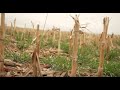
Explores integrating livestock into cropping systems through hoop barns, manure utilization, cover crops, and cornstalk grazing. Discusses income potential, risk reduction, and balancing agronomic/nutritional goals.
-
Integrating livestock into crop farms boosts income through diversified products and services like pest/weed control, with flexible marketing options. Beginners are advised to start small, build customers, and consider contracting grazing services, while managing infrastructure like fencing and animal impact is crucial.
-
Livestock research in Iowa covers grazing cover crops for economic and soil health benefits, replacing corn with hybrid rye in pig rations, and assessing apple cider vinegar's effects on dairy cattle milk production.
-
Integrated crop-livestock management combines crops and animals on one farm, offering benefits like reduced costs, improved soil health, and increased biodiversity. Ruminants and poultry are easily integrated into crop rotations for mutual benefits.
-
Integrating livestock with crops enhances soil health, fertility, and biodiversity, while also managing pests and weeds, reducing waste, and diversifying farm income. It creates a more self-sufficient farm and can lower feed costs for livestock.