
From CRP to Regenerative Production
Transitioning land from the Conservation Reserve Program (CRP) to regenerative production offers a unique opportunity to build on years of established soil health. If your CRP contract is expiring and you're considering options beyond re-enrollment or a return to conventional commodity crops, this guide is for you. We'll explore how to leverage the biological foundation already built in your fields to create a thriving, income-generating regenerative system—be it managed grazing, perennial-based cropping, or an integrated approach.
Read More: Complete Description
CRP contracts, typically lasting 10-15 years, leave land in a state of reduced disturbance, often with well-established perennial grasses and legumes. This provides a significant head start compared to transitioning from heavily tilled, degraded cropland. You're not starting from scratch; you're starting with an active, healthy soil biology. The fundamental shift is from passive land stewardship to active ecosystem management, where your role is to guide natural processes to produce more value—ecologically and economically—than the CRP payments themselves. This guide outlines a pathway to achieve that, acknowledging the challenges and celebrating the profound rewards of working with nature. It's for farmers and ranchers who are ready to step into a more dynamic, biologically-focused future for their land.
Key Points
Scale
Applicable to all scales, though initial investment and management intensity can differ. Larger scales may require phased implementation or specialized management roles.
Breakeven
2–7 years for most operations
Difficulty
High complexity and learning curve. Requires a fundamental shift in management philosophy, significant observational skill development, and adaptation to biological processes.
Destination
Regenerative production leveraging built soil health: managed grazing, perennial-based cropping, or integrated systems maintaining soil cover and biological function for productive income exceeding CRP payments.
Starting Point
Land enrolled in USDA CRP with expiring contract, established perennial grass/legume cover (10-15 years undisturbed), no recent tillage, no production infrastructure.
Investment Range
$81.28–$5,429.82/acre ($201–$13,417/ha) over 3-7 years
Typical Timeline
1-3 years for initial infrastructure, grazing development, and establishing production foundations. Significant soil health benefits and economic returns may take 3-7 years.
Know the Debate
- Transition from CRP enhances soil health for pastures
- Managed grazing improves forage quality and carrying capacity (15-50%)
- Perennial crops offer resilience and reduced input costs
- Upfront investment ranges $75-300/acre for grazing infrastructure
- Breakeven from 18 months (grazing) to 3-7 years (cropping)
- High complexity and learning curve require patient adaptation
- Yields may dip 5-15% initially, recover by year 3-5
- Soil organic matter gains of 0.3-0.5% by year 3 are achievable
Going Deeper
1
WHERE YOU ARE NOW
You've likely been managing land under a CRP contract for well over a decade. This means your land has experienced prolonged periods of reduced...
You've likely been managing land under a CRP contract for well over a decade. This means your land has experienced prolonged periods of reduced...
WHERE YOU ARE NOW
You've likely been managing land under a CRP contract for well over a decade. This means your land has experienced prolonged periods of reduced...
You've likely been managing land under a CRP contract for well over a decade. This means your land has experienced prolonged periods of reduced...
You've likely been managing land under a CRP contract for well over a decade. This means your land has experienced prolonged periods of reduced disturbance, likely no tillage, and has been seeded with a mix of perennial grasses and legumes, perhaps with some biennial cover crops that have persisted. You've experienced the stability of fixed, albeit often modest, annual payments from the government and a period of relative freedom from intensive input management and year-to-year crop volatility. Your fields are likely in a state of ecological recovery, with established perennial root systems, reduced weed pressure (particularly annual weeds), and potentially better water infiltration than conventional cropland.
This period of conservation has gifted you something invaluable: a foundation of soil health. The undisturbed nature of CRP allows perennial grasses and legumes to build soil organic matter, establish complex fungal networks (mycelial networks), improve soil structure, and foster a diverse microbial community. You've effectively paid for years of biological building. Now, as your contract nears its end, you have a critical decision to make. Do you re-enroll, potentially for another 10-15 years of conservation payment without direct production? Do you pivot back to conventional commodity crops, potentially undoing much of the soil health gained over the last decade? Or do you embrace this moment as an opportunity to transition into regenerative production, actively managing an ecosystem that is already primed for biological success and economic potential? We're here to help you navigate the decisions surrounding that third, more dynamic path.
At different scales:
200-5,000 acres: Your CRP acres might be a block of land within a larger farming or ranching operation. While the payments have been consistent, the opportunity to integrate these healthy soils into a more productive, ecologically functioning system is a compelling proposition. You may have multiple CRP fields with varying cover types and land productivity potentials that could be strategically re-purposed.
5,000+ acres: For large landowners, CRP acres have often served as buffer zones, wildlife habitats, or a strategic way to reduce soil erosion on more marginal lands. The sheer scale means that transitioning even a portion of these acres to regenerative production could unlock substantial new income streams and ecological benefits, but careful economic analysis and phased implementation are crucial.
Small (under 100 acres/40 ha): Your CRP land might represent a significant portion, if not all, of your usable acreage, meaning the transition directly impacts your entire livelihood. You likely have limited machinery and may need to invest in low-cost, multi-functional tools like a flail mower or a small no-till drill, potentially sharing with neighbors.
Mid-size (100–500 acres/40–200 ha): Your CRP acres are likely integrated into a larger conventional operation, offering a distinct opportunity to experiment with regenerative practices on a dedicated block of healthy soil. Consider investing in a dedicated no-till drill (costing $15,000-30,000) for efficient cover cropping and initial cash crop establishment, as this can pay for itself within two to three seasons.
Large (500+ acres/200+ ha): You may have multiple CRP fields across varying soil types and topographies, allowing you to strategically re-purpose acres based on their ecological potential and proximity to existing infrastructure. Evaluate the cost-effectiveness of aerial seeding cover crops for large, contiguous areas (costing $10-20/acre) versus ground application to maintain soil health benefits across broad landscapes.
Sources behind this view
 Videos & Podcasts
-
A 5-year case study in Mississippi transformed a degraded farm using adaptive grazing, bale grazing, and plant diversity. Soil organic matter, water infiltration, and forage species increased dramatically, while stocking rates improved significantly, demonstrating the power of regenerative practices.

-
Holistic management with cattle is key to improving soil health, water cycles, and carbon sequestration. Maximize animal impact (hooves, dung, urine) for diversity and plant growth, while breeding cattle suited to the environment and context.
-
Transitioned to regenerative grazing with more paddocks for longer rest periods, focusing on the ecological value of cattle. This increased herd size by 32% despite less rain, improved breeding success, wildlife fawn crops, and profitability, while reducing labor needs.
 Community
-
Discusses regenerative grazing with cattle, sheep, and goats, emphasizing high-density impact and long recovery periods for soil health and ecosystem restoration in arid regions. Debates overgrazing, hoof impact, and the ecological role of livestock in diverse environments.
Read more (opens in new window) permies.com -
Adopts a holistic grazing management approach emphasizing diverse perennial pastures, higher residuals (4"), and longer rest periods (avg. 45 days) to build soil health, increase organic matter (3.4% to 4.6%), and enhance farm resilience against unpredictable weather.
Read more (opens in new window) smallfarms.cornell.edu
 Research
-
Managing Grazing to Restore Soil Health, Ecosystem Function, and Ecosystem Services (opens in new window)
Properly managed grazing animals can reverse environmental damage. Regenerative practices, like Adaptive Multi-Paddock (AMP) grazing, boost soil health, increase soil carbon, reduce erosion, and enhance ecosystem services, creating resilient farms.
-
Regenerative Livestock Farming as a Socioeconomic Model for Sustainable Agribusiness in Latin America (opens in new window)
Regenerative livestock farming in Latin America improved soil carbon, biodiversity, and water quality, while boosting farmer income and quality of life. Government support is key for wider adoption.
-
The Indigenous Roots of Regenerative Agriculture (opens in new window)
Modern regenerative agriculture practices are rooted in millennia of Indigenous land stewardship, offering profound knowledge and a crucial value system of respect and reciprocity for true transformation.
 From the Web
-
Today's regenerative ranchers harness nature, 'read the land,' and use diverse tools like fire and grazing contextually. They leverage technology for record-keeping and understanding systems, focusing on net profitability and producing distinct products with a story.
-
Organic farming and rotational grazing are presented as solutions, enhancing soil health, sequestering carbon, and preventing erosion. Managed grazing boosts plant roots, improving soil fertility and water retention, potentially mitigating agriculture's carbon footprint.
2
WHERE THIS LEADS
The destination of regenerative production from CRP land is fundamentally about transforming passive conservation into active, biological asset...
The destination of regenerative production from CRP land is fundamentally about transforming passive conservation into active, biological asset...
WHERE THIS LEADS
The destination of regenerative production from CRP land is fundamentally about transforming passive conservation into active, biological asset...
The destination of regenerative production from CRP land is fundamentally about transforming passive conservation into active, biological asset...
The destination of regenerative production from CRP land is fundamentally about transforming passive conservation into active, biological asset management. Instead of simply allowing cover to persist, you become the orchestrator of living systems. This typically involves shifting towards a system that prioritizes living roots, soil cover, minimal disturbance, and integrating livestock or perennial crops. The goal is to maintain and enhance the soil health you've built, increasing ecosystem function while generating a more robust and resilient income stream than CRP payments alone.
For livestock producers, this often means implementing managed grazing systems, such as holistic planned grazing or adaptive multi-paddock grazing. Your existing perennial cover provides the ideal starting point for a grazing operation, allowing for higher carrying capacities and improved animal health more quickly than with seeded pastures. These systems aim to mimic natural grazing patterns with high stock density and long rest periods, stimulating plant growth, improving soil structure, and sequestering carbon. For those interested in cropping, transitioning to perennial cropping systems (like fruit, nut, or berry production, or specialized hay/forage systems) or adopting pasture-cropping—where small grains are grown in the shoulder seasons within a grazing pasture—becomes a viable path. These systems keep living roots in the ground year-round, continuously feeding soil biology and preventing erosion.
Economically, the aim is to exceed CRP rental payments. While CRP might offer $100-150/acre ($247-370/hectare) annually, well-managed regenerative systems, supported by the healthy soil foundation, can generate revenues from livestock sales, specialty crops, or high-value forage products that can significantly outpace this. Early gains are primarily seen in improved forage quality and quantity, leading to better animal performance and reduced feed costs. Longer-term, as soil health deepens, production stability increases, and input costs (fertilizers, pesticides, herbicides) decline.
Beyond production metrics, practitioners consistently document profound improvements in operator well-being. The shift from managing synthetic inputs and external dependencies to observing and responding to natural cycles provides a unique sense of purpose and connection to the land. Many report reduced stress from a more resilient system that buffers against extreme weather events, improved mental health from spending more time outdoors and observing ecological processes, and in some cases, reduced medical costs associated with lower operational stress and greater physical activity. The Health and Quality-of-Life Benefits are often cited as a primary driver for staying with regenerative practices, even through the inevitable challenges.
Furthermore, this transition often leads to a significant increase in wildlife and biodiversity. The diversity of perennial plants, the presence of living roots, and the reduced disturbance create habitat and food sources for a myriad of beneficial insects, pollinators, and a wider array of bird species. Measurably, bird populations and species diversity often increase within 2-3 years as forage structure and diversity improve, providing both an ecological indicator and a quality-of-life enhancement for those who value conservation outcomes.
It's important to acknowledge that outcomes can exhibit a bimodal outcome distribution. Some operations see dramatic improvements in forage production, animal health, and soil metrics, while others may struggle to transition effectively, seeing only modest gains or encountering significant setbacks. This suggests that management skill, site-specific adaptation, and a deep understanding of biological principles are critical determinants of success, more so than the initial infrastructure.
At different scales:
200-5,000 acres: You might phase your transition, converting portions of your CRP land into managed grazing units or establishing perennial crops on prime zones. This allows for learning and adaptation while maintaining some conventional income, and the scale enables you to see meaningful economic impacts from improved carrying capacity or specialty crop sales.
5,000+ acres: For large operations, the transition often focuses on specific parcels that are best suited for regenerative systems or where soil health restoration is a high priority. You might integrate managed grazing units for livestock supplementation or establish perennial hedges, windbreaks, or specialized forage systems that interoperate with your broader agricultural landscape.
Small (under 100 acres/40 ha): Focus on integrating a smaller, versatile livestock herd (e.g., 10-25 breeding ewes or a few cows) to utilize existing perennial cover, transitioning to a rotational grazing system with electric fencing. This allows you to gain experience in managed grazing with manageable daily labor and minimal initial equipment investment, aiming for improved forage quality that reduces reliance on purchased feed within 1-2 years.
Mid-size (100–500 acres/40–200 ha): Consider investing in a portable electric fencing system to establish 15-25 paddocks and a temporary water system to implement adaptive multi-paddock grazing for a herd of 50-100 head. This scale allows you to significantly improve carrying capacity, potentially doubling it, and generate surplus high-quality forage for sale as specialty hay or silage, covering the equipment investment within 3-4 seasons.
Large (500+ acres/200+ ha): Systematically fence large contiguous areas into 50+ paddocks for high-intensity rotational grazing, potentially integrating a larger, more specialized livestock operation (e.g., 200+ cows) or starting a perennial crop enterprise like fruit or nuts. At this scale, you can leverage economies of scale for infrastructure like permanent cross-fencing, upgraded water points, and potentially custom-built or retrofitted equipment for planting and harvesting perennial crops, generating diversified income streams that significantly exceed CRP payments within 5 years.
Sources behind this view
Videos & Podcasts
-
A 5-year case study in Mississippi transformed a degraded farm using adaptive grazing, bale grazing, and plant diversity. Soil organic matter, water infiltration, and forage species increased dramatically, while stocking rates improved significantly, demonstrating the power of regenerative practices.
-
Regenerative trials show dramatic improvements in soil aggregate depth (up to 15 inches in 4 years), increased microbial and plant diversity (123% in pastures without new seed), enhanced water infiltration, and better animal health. Regenerative farms are also 4x more powerful GHG sinks and support 3x more grassland birds.
-
Holistic management with cattle is key to improving soil health, water cycles, and carbon sequestration. Maximize animal impact (hooves, dung, urine) for diversity and plant growth, while breeding cattle suited to the environment and context.
Community
-
Regenerative pig farming on forested, sloped land involves sustainable logging for pasture creation, planting diverse forages (grasses, legumes, brassicas), and using robust electric fencing with high-tensile wire. Supplementing with homegrown produce and by-products is key.
Read more (opens in new window) permies.com -
A commercial farm trial on 250 acres of soybeans and wheat showed regenerative methods (cover crops, compost tea, no-till) increased yields by 5-25 bu/acre and saved $9,000 in the first year compared to conventional practices, leading to wider adoption.
Read more (opens in new window) permies.com
Research
-
Regenerative Livestock Farming as a Socioeconomic Model for Sustainable Agribusiness in Latin America (opens in new window)
Regenerative livestock farming in Latin America improved soil carbon, biodiversity, and water quality, while boosting farmer income and quality of life. Government support is key for wider adoption.
-
Soil Microbial Dynamics in Regenerative Agriculture Systems: A Data-Driven Synthesis for Soil Health, Pest Suppression, and Yield Sustainability in the Western Canadian Prairies (opens in new window)
Regenerative farming in Western Canada boosts soil microbes (up to 86%), fungi (up to 60%), and carbon, improving soil health and water retention. This leads to more stable yields and reduced synthetic inputs.
-
Managing Grazing to Restore Soil Health, Ecosystem Function, and Ecosystem Services (opens in new window)
Properly managed grazing animals can reverse environmental damage. Regenerative practices, like Adaptive Multi-Paddock (AMP) grazing, boost soil health, increase soil carbon, reduce erosion, and enhance ecosystem services, creating resilient farms.
From the Web
-
Regenerative farming combines no-till, cover crops, and complex rotations, often with livestock grazing, to boost profitability by reducing input costs and increasing soil organic matter. Studies show these practices lead to higher yields, fewer pests, and positive economic returns within years.
-
Regenerative agriculture practices at Paicines Ranch, California, include potent compost use, no-till soil management for water retention and infiltration, and diverse cover crop mixes. Gabe Brown reported 20-60% profit increases through photosynthesis-driven soil fertility and carbon cycling, achieving high animal gains and profits per acre.
3
THE MONEY
The financial landscape of transitioning from CRP to regenerative production is complex, marked by both significant upfront investments and the...
The financial landscape of transitioning from CRP to regenerative production is complex, marked by both significant upfront investments and the...
THE MONEY
The financial landscape of transitioning from CRP to regenerative production is complex, marked by both significant upfront investments and the...
The financial landscape of transitioning from CRP to regenerative production is complex, marked by both significant upfront investments and the...
Transitioning land from a Conservation Reserve Program contract to a regenerative production system represents a fundamental shift in your financial model, moving from passive, government-supported land holding to active biological enterprise management. The financial commitment required to establish this transition ranges from $81.28–$5,429.82/acre ($201–$13,417/ha), depending on your chosen production intensity. This broad range primarily reflects the disparity between low-cost, managed grazing operations and high-infrastructure perennial cropping systems. Viewing this capital expenditure not as a recurring cost but as infrastructure investment is critical; you are essentially re-engineering the soil to capture and cycle energy rather than relying on external, purchased inputs to sustain productivity.
The most significant immediate financial benefit of this transition is the permanent reduction of input costs that plague conventional row-crop operations. In a typical conventional system, producers habitually spend $104–260/acre ($257–$642/ha) on synthetic fertilizers—primarily nitrogen, phosphorus, and potassium—and another $15–75/acre ($37–$185/ha) on broad-spectrum herbicides. In your new regenerative model, you stop spending this capital entirely. By fostering a diverse plant community that fixes nitrogen naturally and using high-density grazing to force plant-root interactions, you effectively eliminate the "fertilizer tax" and reduce herbicide reliance by 80–100%. While these avoided costs are difficult to quantify on a balance sheet as "income," they represent your most robust shield against market volatility.
Establishment costs are the greatest barrier to entry, requiring precise planning to ensure you don’t over-capitalize during the first two seasons. If you are entering the grazing space, you will focus your $81.28–$1,500/acre ($201–$3,707/ha) investment on perimeter and interior electric fencing, solar-powered water pumping systems, and high-tensile modular piping to support livestock movement. Conversely, if you are pivoting toward perennial cropping, your establishment capital will climb into the $1,500–$5,429.82/acre ($3,707–$13,417/ha) range. This budget must cover specialized nursery stock, site preparation, and advanced drip irrigation systems designed for the long term. Regardless of the model, you should budget an additional 10–15% of your total capital expenditure for rigorous soil testing and early-stage biological amendment staging to ensure the land is biologically "awake" before high-value production begins.
Ongoing operational costs follow a trajectory driven by system stabilization and the reduction of dependency on external resources. During your first two years, assume higher labor costs as you tune your grazing rotations or develop your perennial management routines, often involving $40–120/acre ($99–$297/ha) in annual adjustments to ground cover or pasture recovery periods. However, as the soil carbon increases and biological cycles stabilize, your need for synthetic interventions drops significantly. By the time your system reaches maturity, you can expect an increasing net income potential of $20.84–$86.50/acre ($51–$214/ha). This net income is often more resilient than conventional margins because it is not predicated on high-input consumption.
Your breakeven analysis suggests a realistic window of 2–7 years for most operations. The variance in this timeline is dictated by how quickly you can achieve a "steady state" of nutrient cycling. In projects where infrastructure is modular and phased, a 2–3 year breakeven is achievable for grazing enterprises. Conversely, perennial tree-crop or complex integrated systems face a longer 5–7 year horizon before initial establishment capital is fully amortized against net income. Focus your financial planning on these long-term gains, recognizing that the primary value is being stored in the soil profile, which acts as a permanent asset that will continue to pay dividends in ecological stability for decades.
Government programs such as the Environmental Quality Incentives Program (EQIP) and the Conservation Stewardship Program (CSP) are essential tools for easing the financial burden of this transition. Most producers can secure cost-share payments covering 50–75% of the cost for structural practices like fencing or pipeline installation. It is vital to coordinate these applications with your local USDA Natural Resources Conservation Service (NRCS) office at least 6–9 months before you intend to break ground on a new phase. Payment ranges are highly variable based on your local state ranking process, but these funds can effectively decapitalize your startup costs, significantly shortening your path to profitability.
Geographic economic variability plays a major role in your bottom line, as costs for regional land management, water access, and local livestock market premiums fluctuate by 15–30% based on your specific biome. Dryland systems in the West may require higher upfront investment in water resiliency to ensure survival during drought, whereas high-rainfall regions might face lower irrigation costs but higher intensity management costs for weed suppression and forage quality control. Always build a 10–20% contingency fund into your yearly budget to account for regional price shocks in fuel or infrastructure materials, as these can quickly erode tight startup margins.
For successful implementation, scale-appropriate strategy is paramount: Small operations (under 100 acres (40 ha)): Focus on high-value direct-to-consumer goods. Your establishment cost per acre will likely fall on the higher end of the $81.28–$5,429.82/acre ($201–$13,417/ha) range, so minimize hardware complexity. Utilize mobile, low-cost fencing kits ($500–$1,200 total) to maintain profitability. Mid-size operations (100–1,000 acres (40–405 ha)): This scale requires a transition from manual management to automated systems to keep labor costs below $60/acre ($148/ha). Invest in gravity-fed water systems and permanent perimeter fencing to reduce long-term maintenance costs. Large operations (1,000+ acres): Adopt a phased, sector-based implementation. Do not attempt a total farm overhaul. Target 10–25% of your acreage per year using existing equipment to lower the initial capital burden, ensuring the cash flow from stabilized sections offsets the establishment costs of new zones.
Sources behind this view
Videos & Podcasts
-
Nicolas Fraser (Soil Capital) states financial barriers are key to regenerative transition. He advises optimizing agrochemical/external input use (10-40% savings possible) to generate internal funds for transition, emphasizing economic improvement from day one.
-
The 'regenerative edge' offers economic benefits through yield optimization, reduced input costs, premium pricing, and payments for ecosystem services, potentially adding 1-3% to IRR, but requires careful context-specific implementation.
-
Regenerative agriculture can be more profitable than conventional farming due to lower input costs and access to premium markets, despite potential initial yield decreases. Studies show comparable yields after transition, increased resilience during drought, and higher net income per acre.
Community
-
A commercial farm trial on 250 acres of soybeans and wheat showed regenerative methods (cover crops, compost tea, no-till) increased yields by 5-25 bu/acre and saved $9,000 in the first year compared to conventional practices, leading to wider adoption.
Read more (opens in new window) permies.com -
Regenerative pig farming on forested, sloped land involves sustainable logging for pasture creation, planting diverse forages (grasses, legumes, brassicas), and using robust electric fencing with high-tensile wire. Supplementing with homegrown produce and by-products is key.
Read more (opens in new window) permies.com
Research
-
Regenerative Livestock Farming as a Socioeconomic Model for Sustainable Agribusiness in Latin America (opens in new window)
Regenerative livestock farming in Latin America improved soil carbon, biodiversity, and water quality, while boosting farmer income and quality of life. Government support is key for wider adoption.
-
Regenerative Agriculture in the 21st Century: A Systematic Review of Environmental, Agronomic, and Socio-Economic Outcomes (opens in new window)
Systematic review finds Regenerative Agriculture boosts environment but faces yield gaps (16-21%) and socio-economic barriers. Advocates for resilience over maximum yields, needing financial support and clearer standards.
-
Regenerative Agriculture: Restoring Ecosystems¢ Resilience and Productivity: A Review (opens in new window)
Regenerative agriculture builds soil health and ecosystem services through practices like no-till, cover crops, and diverse rotations. It increases soil organic matter, improves water infiltration, boosts soil life, and captures carbon, leading to lower input costs and greater long-term farm stability.
From the Web
-
Regenerative farming combines no-till, cover crops, and complex rotations, often with livestock grazing, to boost profitability by reducing input costs and increasing soil organic matter. Studies show these practices lead to higher yields, fewer pests, and positive economic returns within years.
-
Regenerative agriculture boosts productivity by turning waste (biomass, biochar) into revenue and valuing carbon capture, enabling farmers to monetize soil transformation and reassess profitability beyond linear models.
4
THE SEQUENCE
Transitioning from CRP to regenerative production is a process that unfolds over time, and a strategic sequence can dramatically improve your chances...
Transitioning from CRP to regenerative production is a process that unfolds over time, and a strategic sequence can dramatically improve your chances...
THE SEQUENCE
Transitioning from CRP to regenerative production is a process that unfolds over time, and a strategic sequence can dramatically improve your chances...
Transitioning from CRP to regenerative production is a process that unfolds over time, and a strategic sequence can dramatically improve your chances...
Transitioning from CRP to regenerative production is a process that unfolds over time, and a strategic sequence can dramatically improve your chances of success, reduce risk, and maximize your learning. The key is to move from learning to doing, and from low-risk experimentation to full-scale integration.
The Highest-Value Education is paramount and should come first. Before you invest heavily in fencing, livestock, or specialized equipment, immerse yourself in learning. Attend workshops, field days, and online courses focused on regenerative agriculture principles, managed grazing, soil health, and perennial cropping relevant to your region and climate. Seek out practitioners who have successfully made this transition and learn from their experiences. Consistent attendance at [specific workshop type]—consistently ranked as the highest-value investment among practitioners—can save you 12-18 months of trial-and-error learning and prevent costly mistakes. Understand the underlying ecological principles; don't just learn the techniques.
Practical Entry Points are crucial for managing risk and building confidence. If you have underutilized or easily adaptable land, start there rather than disrupting your main operation. Some practitioners begin by converting a single, well-defined pasture or a smaller, less productive section of their CRP land into a pilot managed grazing system. For cropping, this might mean establishing a trial patch of a perennial crop or adopting cover cropping and reduced tillage principles on a few fields before committing to a full perennial system. The goal is to learn and adapt on a smaller scale first.
As you deepen your knowledge, you can begin to plan and implement Phased Infrastructure Development. If managed grazing is your chosen path, this means strategically subdividing one or two larger CRP fields into more manageable paddocks. Start with temporary electric fencing and portable water sources to test your chosen grazing patterns and learn how livestock respond. This allows you to understand the labor, time, and logistical demands of higher-frequency movements before making large capital investments in permanent infrastructure. For perennial cropping, this might involve preparing and planting a small acreage in year one, observing its establishment and early growth, and then expanding in subsequent years.
Pilot Testing and Calibration should occur concurrently with infrastructure development. For livestock, this involves acquiring a small starter herd or flock to test your grazing rotations and management intensity on your newly subdivided pastures. Observe animal health, pasture response, and the efficiency of your rotational system. For cropping, this is about evaluating the performance of your chosen perennial species under your management and climatic conditions. Use this phase to dial in your planter settings, termination techniques, or fertility strategies.
Scaling and Expansion is the final phase, undertaken once you have a proven track record, a solid understanding of the system's demands, and confidence in its economic viability. This involves making larger capital investments in permanent infrastructure, acquiring more livestock, or expanding perennial crop acreage based on your pilot test results and market demand. It's a gradual process of iterating and refining your management practices as you gain experience.
Remember that the exact sequence will vary based on your specific goals, resources, climate, and chosen pathway. Whether you're focusing on grazing or perennial cropping, education, small-scale learning, and careful observation should precede significant capital investment.
At different scales:
200-5,000 acres: You will likely implement a phased approach, dedicating 10-20% of your relevant CRP acres to transition in year 1. This "pilot zone" allows you to test systems, develop new skills, and calibrate equipment without jeopardizing the entire operation. Cost-share programs for infrastructure become highly attractive at this scale to mitigate upfront expenses.
5,000+ acres: The most effective sequence involves identifying the most suitable CRP parcels—perhaps those with the best soil types, water access, or proximity to handling facilities—and dedicating those to your regenerative transition. You might start with a multi-year plan to convert 5-10% of your total available land annually, focusing on building management expertise and demonstrating economic feasibility zone by zone.
Small (under 100 acres/40 ha): Focus your highest-value education on local, in-person field days costing $50-150, often with opportunities to speak directly with practitioners. Begin by fencing just one 10-20 acre (4-8 ha) paddock with temporary electric fencing ($200-500) and lease a small group of 5-10 goats or sheep to pilot managed grazing.
Mid-size (100–500 acres/40–200 ha): Invest in regional regenerative agriculture conferences and online courses totaling $300-800 annually to build a strong knowledge base. You can afford to invest in a starter herd of 20-50 animals of a chosen species and permanent, low-tensile wire fencing for 3-5 paddocks (costing $1,500-4,000 per paddock).
Large (500+ acres/200+ ha): Establish an annual budget of $1,000-3,000 for multiple advanced workshops, farm-to-farm consultations, and potentially a trip to a leading regenerative farm. Begin infrastructure development by subdividing 100+ acres (40+ ha) into 10-15 paddocks using a combination of permanent fencing and temporary electrics, and acquire a foundational herd of 100+ animals, budgeting $10,000-25,000 for initial livestock and fencing.
Sources behind this view
Videos & Podcasts
-
Outlines a regenerative cotton nutritional schedule using soil primer, biocoat gold seed treatment, and targeted foliar applications (accelerate, holocale, trace minerals) to promote reproductive dominance and eliminate yield drag from nitrogen and PGRs, guided by sap analysis.
-
Details regenerative 'resets' (seasonal vs. conventional), multi-species cropping for diversity, and restoring nutrient cycles. Discusses mechanical tools like Kelly chains, strategic planting times, and managing for flexibility and profitability.
-
Transitioning to regenerative agriculture is a human/psychological process requiring trials to reduce risk and build trust. Increased consumer awareness of ecology and health would drive demand for regenerative products, making investment in practices like cover cropping economically sensible.

Community
-
Details a regenerative rotational cropping system using no-till, mulching, and integrated livestock (chicken tractors). Crops rotate through seedling, cover crop, legume, grain, and hay phases over successive years to prevent pests/diseases, with fertilizer from animal waste and legumes.
Read more (opens in new window) permies.com -
Regenerative pig farming on forested, sloped land involves sustainable logging for pasture creation, planting diverse forages (grasses, legumes, brassicas), and using robust electric fencing with high-tensile wire. Supplementing with homegrown produce and by-products is key.
Read more (opens in new window) permies.com
Research
-
Giving regenerative agriculture an agronomic perspective: a proposed framework from the food and beverage industry (opens in new window)
A new framework from the food industry offers a standardized, outcome-based approach to regenerative agriculture, focusing on soil, biodiversity, water, and climate, with a four-step process for implementation and progress tracking.
-
Regenerative Agriculture: Restoring Ecosystems¢ Resilience and Productivity: A Review (opens in new window)
Regenerative agriculture builds soil health and ecosystem services through practices like no-till, cover crops, and diverse rotations. It increases soil organic matter, improves water infiltration, boosts soil life, and captures carbon, leading to lower input costs and greater long-term farm stability.
-
The Indigenous Roots of Regenerative Agriculture (opens in new window)
Modern regenerative agriculture practices are rooted in millennia of Indigenous land stewardship, offering profound knowledge and a crucial value system of respect and reciprocity for true transformation.
From the Web
-
Five steps to regenerative agriculture: Holistic Planned Grazing, no-till farming, planting diverse cover crops/interseeding, using compost/inoculants (with caution), and incorporating silvopasture/woody vegetation for carbon sequestration and habitat.
-
Regenerative agriculture practices at Paicines Ranch, California, include potent compost use, no-till soil management for water retention and infiltration, and diverse cover crop mixes. Gabe Brown reported 20-60% profit increases through photosynthesis-driven soil fertility and carbon cycling, achieving high animal gains and profits per acre.
5
THE HARD PARTS
Transitioning land from CRP into active regenerative production is not a smooth, linear path; it's an adaptive journey fraught with predictable...
Transitioning land from CRP into active regenerative production is not a smooth, linear path; it's an adaptive journey fraught with predictable...
THE HARD PARTS
Transitioning land from CRP into active regenerative production is not a smooth, linear path; it's an adaptive journey fraught with predictable...
Transitioning land from CRP into active regenerative production is not a smooth, linear path; it's an adaptive journey fraught with predictable...
Transitioning land from CRP into active regenerative production is not a smooth, linear path; it's an adaptive journey fraught with predictable challenges. Acknowledging these difficulties upfront is crucial for preparedness and perseverance.
One of the most significant hurdles is the mental shift from passive observer to active manager. For years, your CRP land required minimal daily attention. Now, a regenerative system demands constant observation, learning, and adaptation. This includes daily pasture walks, plant monitoring, and understanding subtle ecological cues. The Year-1 Challenge for managed grazing often manifests as a temporary dip in carrying capacity due to unfamiliarity with grazing sequencing, leading to a 20-30% reduction in feed conversion efficiency and a need for supplemental feeding that you hoped to avoid. This isn't a systemic failure, but rather a sign that your observation skills and understanding of animal behavior under intense grazing are still developing.
For perennial cropping, the challenges are often more agronomic. Termination timing and residue management of cover crops can be tricky. A cereal rye cover crop, for example,, if terminated too late, can tie up vital nitrogen and moisture needed by the following cash crop. Expect a 5-10% reduction in cash crop establishment success (e.g., reduced germination rates, uneven emergence) in the first year of incorporating cover crops into conventional equipment, as seed-to-soil contact may be compromised by residue or the planter’s inability to cut through dense cover. Mastering the timing of termination and calibrating equipment for diverse residues takes practice.
Infrastructure learning curves can be steep. For grazing, this involves learning how to effectively deploy and manage electric fencing systems, understanding the behavior of livestock in high-density paddocks, and ensuring reliable water delivery to all grazing areas. A common Year-1 failure mode is inadequate water access or electrical system faults, leading to herd clustering, undergrazing of desired areas, and overgrazing of accessible zones, potentially causing a 15-25% loss in grazing efficiency in certain paddocks.
For all pathways, unlearning ingrained conventional habits is a major psychological challenge. Farmers and ranchers have spent decades optimizing for maximum yield with inputs, often overlooking soil biology and ecological interactions. Relearning to manage for soil health, plant diversity, and ecosystem function requires patience and a willingness to question established practices. This can be compounded by social and psychological pressure from neighbors who may be skeptical or critical of your new approach. Fields that look "messy" or "unfarmed" to conventional eyes can be sources of anxiety, even when they are teeming with biological activity.
Finally, the economic uncertainty of the first few years can be stressful. While the goal is to exceed CRP payments, the transition period often involves significant upfront investment and potential initial dips in production or yield compared to optimized conventional systems you might be accustomed to. Managing cash flow during this phase requires careful financial planning and potentially carrying some conventional income streams for a period.
Sources behind this view
Videos & Podcasts
-
Regenerative agriculture transitions fail due to incomplete principle implementation, wrong cover crop choices, improper stocking rates, and trying too much too soon. View setbacks as learning opportunities, understand context, and be flexible rather than seeking perfection.
-
Transitioning to regenerative agriculture is a human/psychological process requiring trials to reduce risk and build trust. Increased consumer awareness of ecology and health would drive demand for regenerative products, making investment in practices like cover cropping economically sensible.
-
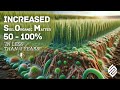
Provides actionable steps for regenerative agronomy: balanced N:C inputs (molasses, humates), microbial teas, yeast metabolites, calcium, and effective seed treatments. Emphasizes scalability, systems approach, and science-backed methods for building soil health and organic matter.
Community
-
Regenerative pig farming on forested, sloped land involves sustainable logging for pasture creation, planting diverse forages (grasses, legumes, brassicas), and using robust electric fencing with high-tensile wire. Supplementing with homegrown produce and by-products is key.
Read more (opens in new window) permies.com -
Details a regenerative rotational cropping system using no-till, mulching, and integrated livestock (chicken tractors). Crops rotate through seedling, cover crop, legume, grain, and hay phases over successive years to prevent pests/diseases, with fertilizer from animal waste and legumes.
Read more (opens in new window) permies.com
Research
-
The Indigenous Roots of Regenerative Agriculture (opens in new window)
Modern regenerative agriculture practices are rooted in millennia of Indigenous land stewardship, offering profound knowledge and a crucial value system of respect and reciprocity for true transformation.
-
Regenerative Agriculture in the 21st Century: A Systematic Review of Environmental, Agronomic, and Socio-Economic Outcomes (opens in new window)
Systematic review finds Regenerative Agriculture boosts environment but faces yield gaps (16-21%) and socio-economic barriers. Advocates for resilience over maximum yields, needing financial support and clearer standards.
-
Regenerative Almond Production Systems Improve Soil Health, Biodiversity, and Profit (opens in new window)
Regenerative almond farms in California doubled profits and improved soil health and biodiversity by combining practices like cover crops, compost, and reduced synthetic inputs, with no yield loss.
From the Web
-
Today's regenerative ranchers harness nature, 'read the land,' and use diverse tools like fire and grazing contextually. They leverage technology for record-keeping and understanding systems, focusing on net profitability and producing distinct products with a story.
-
Highlights regenerative agriculture's resilience to climate change and scalability, citing Soul Fire Farm's success during Hurricane Sandy. Discusses carbon sequestration and biodiversity as key metrics, and addresses barriers for Black and Brown farmers, encouraging individual action.
6
HOW TO KNOW IT'S WORKING
Your ability to assess whether this system is working hinges entirely on robust record-keeping. Without baseline data and consistent tracking, it's...
Your ability to assess whether this system is working hinges entirely on robust record-keeping. Without baseline data and consistent tracking, it's...
HOW TO KNOW IT'S WORKING
Your ability to assess whether this system is working hinges entirely on robust record-keeping. Without baseline data and consistent tracking, it's...
Your ability to assess whether this system is working hinges entirely on robust record-keeping. Without baseline data and consistent tracking, it's...
Your ability to assess whether this system is working hinges entirely on robust record-keeping. Without baseline data and consistent tracking, it's virtually impossible to distinguish genuine progress in your regenerative system from year-to-year weather variability or the normal challenges of any agricultural endeavor. Before you make any changes, you must establish a clear "before" picture. This includes detailed soil tests (organic matter, nutrient levels, pH, Cation Exchange Capacity), records of all inputs (fertilizers, pesticides, herbicides, seed), yield maps, animal performance data, and even operational cost sheets for the preceding 2-3 years of your CRP land's management while it was under conservation.
At 6 months: Focus on observational indicators and simple field tests. Get out of the tractor or vehicle and walk your fields. For grazing, are animals moving eagerly to new paddocks? Is there a noticeable difference in plant growth rates between rested and recently grazed areas? Perform a simple spade test: dig up a few soil cores. Is the soil crumbly, or is it hard and cloddy? Can you see earthworms? For cropping, how uniform is your green manure stand? How easily does water infiltrate a small test area compared to a reference strip? Conduct a slake test by dropping a dry clod into a jar of water: a healthy, aggregated soil will hold its shape much longer.
At 1 year: Begin to quantify changes and compare to your baseline and your initial pilot-testing goals. For grazing, compare your livestock's average daily gain or wool/fiber production against your previous records or industry standards, accounting for the number of grazing days achieved per acre. Have you increased carrying capacity by 5-10%? For cropping, review your yield data from the first cash crop following cover crops. Was the yield drag within your expected 5-15% range? Analyze the cost savings from any reduced input applications. Did you manage to skip a particular herbicide application?
At 3 years: You should have tangible, quantitative evidence of improvement across multiple dimensions.
- Soil Tests: Re-test soil organic matter in the exact same locations as your baseline tests. You should see an increase of 0.3-0.5 percentage points, indicating significant progress in soil carbon sequestration. Look for improvements in soil structure and water infiltration rates.
- Economic Records: Has your gross farm revenue (from livestock sales, crop sales, etc.) increased to a level that, after accounting for new operational costs, exceeds your previous CRP payments? Are your input costs—fertilizers, pesticides, etc.—showing a clear downward trend that offsets new operational expenses?
- Production Metrics: For grazing, are you consistently achieving higher carrying capacities (e.g., 15-30% increase in animal days per acre) than before the transition? For cropping, are yields stabilizing or beginning to increase, and are they performing competitively with neighbouring conventional fields, especially during dry spells or heavy rainfall?
At 5 years: You should be observing system maturity indicators.
- Soil Health: Sustained management yields 0.3-0.6 percentage point increases in soil organic matter by years 7-10, beyond the initial gains. Soil aggregation and water-holding capacity should be markedly improved, leading to increased drought resilience.
- Economic Resilience: Your operation should be demonstrably more resilient to economic and environmental shocks, with lower reliance on off-farm inputs and stable or increasing profitability.
- Ecological Indicators: You might see more diverse plant communities in your pastures or along field edges. Wildlife and biodiversity become noticeable indicators; many practitioners report increases in beneficial insects, pollinators, and game bird populations within 3-5 years as habitat and food sources become more robust.
The timeline for significant soil building is substantial [Pattern 7]. Early soil gains are modest (0.05-0.15 percentage points in 3 years); sustained management yields 0.3-0.6 percentage points by years 7-10. Be patient and trust the process, guided by your data.
Sources behind this view
Videos & Podcasts
-
Regenerative trials show dramatic improvements in soil aggregate depth (up to 15 inches in 4 years), increased microbial and plant diversity (123% in pastures without new seed), enhanced water infiltration, and better animal health. Regenerative farms are also 4x more powerful GHG sinks and support 3x more grassland birds.
-
Measure the impact of regenerative actions using metrics like sap or Haney analysis, quantifying results in dollars and cents, to track true success and profitability over time.
-
The Regenerating Full Productivity (RFP) index uses satellite data to measure increased photosynthesis and soil cover, rewarding farmers for regenerative outcomes and encouraging context-specific innovation.
Community
-
Key takeaways for scaling regenerative agriculture include consistent certification standards, secure data sharing, long-term investment and financing, supply chain transparency, and collaborative efforts involving farmers, institutions, and communities.
Read more (opens in new window) ucanr.edu -
Regenerative pig farming on forested, sloped land involves sustainable logging for pasture creation, planting diverse forages (grasses, legumes, brassicas), and using robust electric fencing with high-tensile wire. Supplementing with homegrown produce and by-products is key.
Read more (opens in new window) permies.com
Research
-
Giving regenerative agriculture an agronomic perspective: a proposed framework from the food and beverage industry (opens in new window)
A new framework from the food industry offers a standardized, outcome-based approach to regenerative agriculture, focusing on soil, biodiversity, water, and climate, with a four-step process for implementation and progress tracking.
-
Defining and validating regenerative farm systems using a composite of ranked agricultural practices. (opens in new window)
A new scoring system for regenerative farming practices shows higher soil health, water infiltration, plant/insect diversity, and farm profits, even with slightly lower corn yields.
-
Regenerative Agriculture in the 21st Century: A Systematic Review of Environmental, Agronomic, and Socio-Economic Outcomes (opens in new window)
Systematic review finds Regenerative Agriculture boosts environment but faces yield gaps (16-21%) and socio-economic barriers. Advocates for resilience over maximum yields, needing financial support and clearer standards.
From the Web
-
Provides a practical guide to measuring soil health using field indicators and lab tests, emphasizing consistency, context-specific interpretation, and tracking functional improvements over time. Links regenerative organic practices to measurable soil gains, economic benefits, and ecosystem services.
-
Highlights increased biodiversity (dung beetles, sage grouse) on the Indreland ranch and advocates for practical, habitual monitoring using tools like refractometers and pH meters to guide regenerative management.
7
THE EVIDENCE
The transition from CRP to regenerative production is supported by a growing body of anecdotal evidence from practitioners and an expanding corpus of...
The transition from CRP to regenerative production is supported by a growing body of anecdotal evidence from practitioners and an expanding corpus of...
THE EVIDENCE
The transition from CRP to regenerative production is supported by a growing body of anecdotal evidence from practitioners and an expanding corpus of...
The transition from CRP to regenerative production is supported by a growing body of anecdotal evidence from practitioners and an expanding corpus of...
The transition from CRP to regenerative production is supported by a growing body of anecdotal evidence from practitioners and an expanding corpus of scientific research, though gaps remain in specific datasets. Practitioners consistently report transformed landscapes, healthier livestock, and improved farm incomes. Many farmers who have successfully transitioned describe a profound shift in their understanding of ecological processes and a renewed sense of connection to their land, transforming what can be a stressful profession into a source of deep satisfaction.
What Practitioners Report: Farmers and ranchers adopting managed grazing on CRP land often claim significant increases in forage production, leading to higher animal carrying capacities (sometimes 40-50% increases over initial baselines) and better animal health, with reduced need for veterinary interventions and supplements. They frequently observe accelerated soil organic matter building, improved water infiltration, and a visible increase in soil biological activity (earthworms, fungal hyphae). For perennial cropping, reports focus on increased resilience to drought and flood, reduced pest and disease pressure over time, and a more stable cost structure due to the elimination of annual seed and synthetic input costs.
What Research Shows: Scientific research generally supports these claims, albeit with more cautious language and recognition of variability. Studies on managed grazing confirm its potential to improve soil organic matter, aggregate stability, and water infiltration rates. Research on cover crops and reduced tillage in perennial cropping systems shows measurable benefits to soil structure, nutrient cycling, and biological diversity. However, research often highlights the bimodal outcome distributions (Pattern 4) experienced by practitioners, indicating that success is highly dependent on site-specific management and environmental conditions. For instance, while some studies show significant carbon sequestration rates under intensive grazing, others indicate variability based on soil type, climate, and grazing intensity. Similarly, yield impacts of cover cropping in the initial years can range from neutral to slightly negative, with positive gains realized more consistently in the longer term or under specific cropping sequences.
Reconciling Different Evidence Types: The enthusiasm of practitioners can sometimes outpace the pace of academic research, which requires rigorous, long-term studies. It's common for practitioners to report outcomes that exceed current research averages simply because they've pushed the boundaries of management. Conversely, research often provides crucial context for understanding why certain practices work in specific environments and what the potential risks or limitations are. For example, while a farmer might witness dramatic soil health improvements by year 3, peer-reviewed literature might document average improvements of 0.2-0.5% in soil organic matter over the same period.
There are still corpus gaps in our understanding. For example, while the carbon sequestration potential of regenerative systems is widely discussed and scientifically plausible, precisely quantifying these gains on individual farms across diverse biomes and management strategies remains a significant research challenge. Similarly, comprehensive economic analyses that span multiple years and accounting for all transition costs and benefits are still developing across various international contexts. While the benefits of improved biodiversity are often observed, robust datasets showing standardized metrics for this impact across different regenerative systems and landscapes after CRP transition are limited. Consulting practitioners with 5+ years of experience in your local region is essential for the most relevant insights.
Sources behind this view
Videos & Podcasts
-
Regenerative trials show dramatic improvements in soil aggregate depth (up to 15 inches in 4 years), increased microbial and plant diversity (123% in pastures without new seed), enhanced water infiltration, and better animal health. Regenerative farms are also 4x more powerful GHG sinks and support 3x more grassland birds.
-
Transitioning to regenerative agriculture is a human/psychological process requiring trials to reduce risk and build trust. Increased consumer awareness of ecology and health would drive demand for regenerative products, making investment in practices like cover cropping economically sensible.
Community
-
Regenerative pig farming on forested, sloped land involves sustainable logging for pasture creation, planting diverse forages (grasses, legumes, brassicas), and using robust electric fencing with high-tensile wire. Supplementing with homegrown produce and by-products is key.
Read more (opens in new window) permies.com -
A commercial farm trial on 250 acres of soybeans and wheat showed regenerative methods (cover crops, compost tea, no-till) increased yields by 5-25 bu/acre and saved $9,000 in the first year compared to conventional practices, leading to wider adoption.
Read more (opens in new window) permies.com
Research
-
The Indigenous Roots of Regenerative Agriculture (opens in new window)
Modern regenerative agriculture practices are rooted in millennia of Indigenous land stewardship, offering profound knowledge and a crucial value system of respect and reciprocity for true transformation.
-
Regenerative Agriculture in the 21st Century: A Systematic Review of Environmental, Agronomic, and Socio-Economic Outcomes (opens in new window)
Systematic review finds Regenerative Agriculture boosts environment but faces yield gaps (16-21%) and socio-economic barriers. Advocates for resilience over maximum yields, needing financial support and clearer standards.
-
Systematic review of regenerative farming: Addressing agricultural sustainability challenges (opens in new window)
Systematic review of 31 studies shows regenerative farming improves soil health, biodiversity, and carbon capture, aiding sustainability. Technology is key for adoption, but policy, farmer understanding, and funding are challenges.
From the Web
-
A 7-year study of 78 European regenerative farms showed they outperform conventional farms in yields, reduce NPK fertilizer use by >75%, and significantly cut pesticides, while improving photosynthesis and soil health over time.
-
Today's regenerative ranchers harness nature, 'read the land,' and use diverse tools like fire and grazing contextually. They leverage technology for record-keeping and understanding systems, focusing on net profitability and producing distinct products with a story.
8
SUPPORT & PROGRAMS
Navigating the transition from CRP to regenerative production is a journey best undertaken with a robust support network and an understanding of...
Navigating the transition from CRP to regenerative production is a journey best undertaken with a robust support network and an understanding of...
SUPPORT & PROGRAMS
Navigating the transition from CRP to regenerative production is a journey best undertaken with a robust support network and an understanding of...
Navigating the transition from CRP to regenerative production is a journey best undertaken with a robust support network and an understanding of...
Navigating the transition from CRP to regenerative production is a journey best undertaken with a robust support network and an understanding of available resources. This is not a path you need to walk alone.
Education and Training: As mentioned in "The Sequence," prioritizing education is key. Look for workshops, seminars, and immersive field days focused on regenerative agriculture principles, managed grazing, soil health, and perennial cropping systems. Organizations like the Savory Institute, Rodale Institute, IFOAM, and your local agricultural extension services often host these valuable events. Many practitioners also offer farm tours or mentorship programs, providing invaluable practical insights. Prioritize this learning before making major capital investments.
Government and Non-Governmental Programs: National and regional agricultural agencies often provide financial and technical assistance. In the United States, the Natural Resources Conservation Service (NRCS) offers programs like the Environmental Quality Incentives Program (EQIP) and Conservation Stewardship Program (CSP), which can provide cost-share for fencing, water infrastructure, cover crops, and advanced grazing management. Understanding these programs is critical: application deadlines are often 6-12 months in advance of implementation, and eligibility requirements can be complex. Explore similar programs offered by ministries of agriculture or land stewardship agencies in your country. Non-governmental organizations focused on conservation and sustainable agriculture can also be excellent sources of information, technical support, and sometimes grant funding.
Peer Networks and Farmer-Led Groups: Connecting with other farmers and ranchers who are further along in their regenerative journey is invaluable. These peer networks—often organized as local grazing groups, soil health associations, or regenerative farming cooperatives—provide a platform for sharing challenges, celebrating successes, and learning from practical experience. Farm tours hosted by these groups offer direct observation of different systems in action. Joining or forming such a group can provide ongoing support and accountability throughout your transition.
Low-Risk Transition Strategies: Many programs and organizations support a phased approach to transition. This might involve cost-share stacking—combining multiple funding sources to reduce your out-of-pocket expenses—or focusing on specific practices in the initial years. For example, you might start by incorporating cover crops with reduced tillage on a portion of your land while continuing with conventional crops on the remainder, or begin with a small pilot herd for managed grazing. Many programs are designed to incentivize these learning phases.
At different scales:
200-5,000 acres: You are well-positioned to take advantage of a broader range of cost-share programs for infrastructure and soil health practices. Engaging with regional regenerative agriculture networks and attending national conferences can provide exposure to diverse successful models. A strong working relationship with your local conservation district or equivalent body will be key to maximizing program benefits.
5,000+ acres: Large-scale operations can often engage dedicated technical specialists or consultants to navigate complex program regulations and optimize infrastructure design for efficiency. Participating in research trials or demonstration projects with universities or non-profits can provide direct access to cutting-edge information and support, proving beneficial for long-term system integration.
Small (under 100 acres/40 ha): Leverage cost-share programs like EQIP for essential infrastructure such as portable fencing ($1-3/linear foot or $3-10/meter) and water tanks ($200-1000 each). Focus on farmer-led workshops and regional NRCS assistance, as these often have low or no fees and require minimal paperwork.
Mid-size (100–500 acres/40–200 ha): Explore bulk purchasing for cover crop seed mixes ($15-30/acre or $37-74/ha) and fencing materials to reduce costs, potentially partnering with other local farmers. State-level grants or conservation district technical support may offer more specialized assistance for planting perennials or establishing grazing infrastructure.
Large (500+ acres/200+ ha): Investigate full-time technical consultants or farm managers experienced in regenerative transitions, as their expertise can streamline complex program applications and system design. Your scale may allow you to negotiate favorable terms with equipment suppliers for items like no-till drills or managed grazing systems, potentially offering dedicated on-farm training components.
Sources behind this view
Videos & Podcasts
-
Significant government funding is available for regenerative agriculture practices like cover cropping and grazing through programs like Offa and ARD. These programs can cover up to 85% of costs for fencing, water, labor, and equipment, often providing positive cash flow, provided producers have a robust grazing plan demonstrating carbon sequestration.
-
The NRCS Regen Pilot Program, using existing EQUIP and CSP frameworks, encourages regenerative agriculture through voluntary participation. It incentivizes soil testing and whole farm plans for a score boost, aiming to provide farmers with data-driven outcomes reports and support for addressing multiple resource concerns over a five-year contract.
-
The new Regenerative Pilot Program bundles multiple regenerative practices into a whole-farm plan, funded by NRCS through EQUIP or CSP. It requires a farm assessment, a primary regenerative practice, and soil testing. Flexibility varies based on funding source.
Community
-
CLEAR30 offers producers with expiring Continuous CRP contracts the option to re-enroll eligible water quality practices (e.g., riparian buffers, grass waterways) into new 30-year agreements. This program provides long-term financial compensation and aims to reduce runoff and algal blooms, with applications due August 5, 2022, for contracts starting October 1, 2022.
Read more (opens in new window) sustainableagriculture.net -
Experienced farmers advise using specific 'wording' to align with NRCS guidelines for funding, highlighting the need for CNMPs and suggesting FSA as an alternative if NRCS is unsupportive.
Read more (opens in new window) permies.com
Research
-
The Indigenous Roots of Regenerative Agriculture (opens in new window)
Modern regenerative agriculture practices are rooted in millennia of Indigenous land stewardship, offering profound knowledge and a crucial value system of respect and reciprocity for true transformation.
-
Regenerative Agriculture: Restoring Ecosystems¢ Resilience and Productivity: A Review (opens in new window)
Regenerative agriculture builds soil health and ecosystem services through practices like no-till, cover crops, and diverse rotations. It increases soil organic matter, improves water infiltration, boosts soil life, and captures carbon, leading to lower input costs and greater long-term farm stability.
-
Soil Microbial Dynamics in Regenerative Agriculture Systems: A Data-Driven Synthesis for Soil Health, Pest Suppression, and Yield Sustainability in the Western Canadian Prairies (opens in new window)
Regenerative farming in Western Canada boosts soil microbes (up to 86%), fungi (up to 60%), and carbon, improving soil health and water retention. This leads to more stable yields and reduced synthetic inputs.
From the Web
-
Proposes a Carbon Restoration Program (CRP) incentivizing soil carbon sequestration through conservation plans and soil testing. Payments are based on tons of carbon fixed per acre, with specific rates for new carbon and maintenance. Landowners and farmers share responsibilities for plan implementation and testing.
-
Recommends expanding CRP and EQIP to support regenerative grazing, increasing grass-fed beef production, and reducing GHG emissions. Emphasizes improving rangeland health through monitoring and collaboration with BLM/USFS.
9
PRACTICES INVOLVED
Understanding these practices will help guide your decision-making during this transition:
Understanding these practices will help guide your decision-making during this transition:
PRACTICES INVOLVED
Understanding these practices will help guide your decision-making during this transition:
Understanding these practices will help guide your decision-making during this transition:
Understanding these practices will help guide your decision-making during this transition:
- Rotational Grazing
- Interseeding
- Holistic Planned Grazing
- Pasture Cropping
- Farm Business Management
- Multi-Species Grazing
The core of your regenerative transition from CRP will likely revolve around managed grazing or perennial cropping/pasture-cropping. Managed grazing encompasses practices like Rotational Grazing and Holistic Planned Grazing, which involve strategically moving livestock through a series of paddocks to mimic natural grazing patterns, allowing for pasture recovery and enhanced soil health. Multi-Species Grazing takes this a step further by integrating different types of livestock—such as cattle, sheep, goats, and poultry—to achieve more uniform grazing and pest control.
For those focused on cropping, the focus shifts to keeping living roots in the ground as much as possible, minimizing soil disturbance, and maximizing biodiversity. Perennial cropping systems establish long-lived crops like fruit trees, berry bushes, or specialized forage grasses that provide continuous ground cover and root activity. Pasture-cropping is a unique intersection, where conventional small grains like wheat or rye are planted into a dormant perennial pasture during the cooler shoulder seasons, harvested in spring, and allow the pasture to fully recover for grazing during the summer months. Interseeding is a technique that can be used in both grazing and cropping systems to introduce additional beneficial plant species into an existing stand, enhancing diversity and suppressing weeds.
Underpinning all these specific practices is strong Farm Business Management. This involves meticulous record-keeping, financial planning, market analysis, and strategic decision-making to ensure the economic viability of your regenerative operation. It's the framework that translates ecological improvements into sustainable income. The practices you choose will depend on your land's suitability, your personal interests, market opportunities, and your available capital, but all aim to leverage the robust soil health built during your CRP years to create a more resilient and productive agricultural ecosystem.