
What is carbon sequestration in agriculture?
Carbon sequestration in agriculture is the process of capturing and storing atmospheric carbon dioxide (CO2) in soil and above-ground plant biomass. Regenerative farming practices actively build soil organic matter, which is rich in carbon, effectively turning agricultural lands into carbon sinks. This not only helps mitigate climate change by reducing atmospheric CO2 concentrations but also enhances soil health, improving water infiltration, nutrient cycling, and crop resilience. Farmers worldwide are implementing techniques like cover cropping, no-till farming, and agroforestry to increase carbon sequestration, realizing both environmental and economic benefits.
Read More: Complete Description
Sources behind this view
Sources behind this view
 Videos & Podcasts
-
Regenerative agriculture can significantly increase soil carbon (from 1% to 3-4%), sequestering atmospheric CO2 equivalent to industrial emissions, while also benefiting farmers by reducing reliance o

-
Carbon sequestration pulls CO2 from the atmosphere into living systems and soil, benefiting regenerative agriculture by improving soil health, moisture retention, and productivity. This aligns with cl

-
Conservation agriculture (no-till, cover crops, rotations) can rebuild soil carbon from 1-2% to 7-8%, sequestering 1-5 tons/acre/yr, potentially making carbon farming more profitable than crop farming

-
Regenerative organic farming can sequester significant carbon, improve soil health, and mitigate climate change. A 2% increase in global soil organic matter could meet carbon reduction targets. Benefi

 Community
-
The book 'The Carbon Farming Solution' by Eric Toensmeier outlines carbon farming practices and perennial crops for climate mitigation and food security, emphasizing soil carbon sequestration through
Read more (opens in new window) permies.com -
Carbon farming builds soil organic matter, increasing water retention by 25,000 gallons/hectare per 1% increase, enhancing drought resilience and flood prevention, while also boosting biodiversity and
Read more (opens in new window) sustainableagriculture.net -
Agriculture can sequester atmospheric carbon into soil through practices like applying compost, creating buffer strips, and planting hedgerows, improving soil health and reducing greenhouse gases. Res
Read more (opens in new window) smallfarms.cornell.edu -
Plants sequester carbon by absorbing CO2, depositing carbon in soil, and releasing oxygen. Intensive tillage in agriculture releases stored carbon; minimizing tillage and using cover crops helps reduc
Read more (opens in new window) ucanr.edu
 Research
-
Agricultural soils as a sink to mitigate CO <sub>2</sub> emissions (opens in new window)
This study found: Farms can store significant atmospheric CO2 in soils by increasing organic matter input and reducing decomposition. Key practices include no-till, cover crops, perennial forages, and agroforestry, whi
-
Carbon Sequestration Potential of Agronomic Practices in Agricultural Soil: A Review (opens in new window)
This study found: Farming practices like cover crops, reduced tillage, and organic amendments can significantly increase soil carbon storage (0.2-1.0 Mg C ha⁻¹ yr⁻¹). These methods improve soil health but face adoption
-
Agricultural soils as a sink to mitigate CO
<sub>2</sub>
emissions (opens in new window)
This study found: Agricultural soils can absorb significant CO2 by increasing organic matter through practices like no-till, cover crops, and agroforestry. These methods enhance soil health and productivity, contributi
-
Understanding soil carbon sequestration: mechanistic insights, management approaches, and future challenges (opens in new window)
This study found: Storing carbon in soil is a key climate solution. Practices like cover crops, reduced tillage, and agroforestry enhance soil carbon and health. Challenges include measurement, cost, and policy, requir
 From the Web
-
Regenerative agriculture, including practices like BEAM and diverse crop rotations, can sequester significant amounts of CO2 (up to 37.7 metric tons/ha/yr) by rebuilding soil organic carbon, which is
-
Regenerative agriculture, especially increasing soil organic carbon through methods like BEAM and holistic grazing, can sequester significant atmospheric CO2, offering a solution to climate change.
-
Regenerative agriculture sequesters carbon through plant photosynthesis and soil organism activity, forming humus and utilizing mycorrhizae to bind soil, thus combating global warming, unlike conventi
-
Organic farming significantly increases soil carbon sequestration compared to conventional methods, with studies showing higher soil organic carbon (SOC) levels and CO2 uptake. Practices like composti
Key Points
Core Concept
- Capturing atmospheric CO2 in soil and plants.
- Building soil organic matter as stable carbon.
- Enhancing land's capacity to store carbon.
- Mitigating climate change through agriculture.
- Improving overall land health and resilience.
Key Mechanisms
- Photosynthesis draws CO2 from the air.
- Plant roots transfer carbon below ground.
- Microbial activity stabilizes organic matter.
- Reduced soil disturbance prevents carbon release.
- Diverse plant life feeds soil microbes.
Where It Applies
- Temperate, tropical, and arid climates.
- Row crops, livestock grazing, and forestry.
- Smallholdings to large commercial farms.
- Soils with low to moderate organic matter.
- Lands managed with diverse plant cover.
Management Actions
- Plant cover crops and perennial species.
- Minimize or eliminate soil tillage (no-till).
- Integrate livestock for nutrient cycling.
- Incorporate organic amendments like compost.
- Establish agroforestry and silvopasture systems.
Know the Debate
- Soil carbon gains vary from modest to significant based on climate
- Sequestration is a gradual, long-term process, not a quick fix
- Benefits extend beyond carbon to soil health and resilience
Going Deeper
1
Why This Matters for Regenerative Systems
Carbon sequestration is intrinsically linked to the foundational principles of regenerative agriculture. By actively drawing down atmospheric carbon dioxide and storing it in the soil and biomass, we address one of the most critical global environmental challenges:...
Why This Matters for Regenerative Systems
Carbon sequestration is intrinsically linked to the foundational principles of regenerative agriculture. By actively drawing down atmospheric carbon dioxide and storing it in the soil and biomass, we address one of the most critical global environmental challenges:...
Carbon sequestration is intrinsically linked to the foundational principles of regenerative agriculture. By actively drawing down atmospheric carbon dioxide and storing it in the soil and biomass, we address one of the most critical global environmental challenges: climate change. However, the benefits extend far beyond carbon alone. Increased soil organic carbon is a direct indicator of improved soil health. It enhances soil structure, leading to better infiltration and water-holding capacity, which is crucial for drought resilience and flood mitigation. Soils rich in organic matter also foster greater microbial diversity and activity, leading to more efficient nutrient cycling for plants, reducing the need for external fertility inputs. This creates a positive feedback loop: healthy soils sequester more carbon, and more sequestered carbon leads to healthier soils. For farmers, this translates to increased farm resilience, reduced input costs over time (especially in a 3-7 year transition away from synthetic fertility), and a more stable, productive farming system. This holistic approach aligns with the regenerative goal of building systems that become more productive and resilient with each growing season.
Sources behind this view
Sources behind this view
Videos & Podcasts
-
Doubling soil organic matter from <1% to ~2% in two years via cover crops increased nutrients and water-holding capacity, highlighting the critical importance of carbon storage for soil health.

-
Regenerating the soil carbon sponge is crucial for climate cooling and food security. It involves maximizing photosynthesis and converting biomass to stable soil carbon, which improves soil health, hy

-
Building soil organic matter through regenerative practices like composting and regenerative grazing is key to sequestering carbon, increasing resilience, improving water retention, and boosting yield

-
Martin Royds details how regenerative agriculture, through soil carbon sequestration and biodiversity, enhances water retention (77,000 L/acre/% carbon), providing resilience to droughts and floods. H

Community
-
Carbon farming builds soil organic matter, increasing water retention by 25,000 gallons/hectare per 1% increase, enhancing drought resilience and flood prevention, while also boosting biodiversity and
Read more (opens in new window) sustainableagriculture.net -
Reducing tillage, crop rotation, and perennial livestock systems enhance soil organic matter, water holding capacity, and carbon sequestration while reducing nitrous oxide and methane emissions.
Read more (opens in new window) sustainableagriculture.net -
Regenerative agriculture reverses soil harm by sequestering carbon through cover crops, no-till, compost, and crop rotation, improving soil health and resilience for both farms and home gardens.
Read more (opens in new window) ucanr.edu -
Farmers can increase soil carbon by using winter cover crops, no-till/conservation tillage, and adding compost/biochar to enhance plant biomass and protect soil aggregates.
Read more (opens in new window) sustainableagriculture.net
Research
-
A Review of Soil Organic Carbon Dynamics under Regenerative Agricultural Practices (opens in new window)
This study found: Regenerative agriculture practices like cover crops and reduced tillage significantly increase soil organic carbon (0.2-1.5 Mg C ha⁻¹ yr⁻¹), improving soil health and resilience. Challenges include co
-
Carbon Sequestration Potential of Agronomic Practices in Agricultural Soil: A Review (opens in new window)
This study found: Farming practices like cover crops, reduced tillage, and organic amendments can significantly increase soil carbon storage (0.2-1.0 Mg C ha⁻¹ yr⁻¹). These methods improve soil health but face adoption
-
Understanding soil carbon sequestration: mechanistic insights, management approaches, and future challenges (opens in new window)
This study found: Storing carbon in soil is a key climate solution. Practices like cover crops, reduced tillage, and agroforestry enhance soil carbon and health. Challenges include measurement, cost, and policy, requir
-
Inorganic Carbon Should Be Considered for Carbon Sequestration in Agricultural Soils. (opens in new window)
This study found: Farming practices boost soil organic carbon, but inorganic soil carbon also needs consideration for climate solutions. Global potential to store 1.5 billion tons of carbon annually by optimizing pract
From the Web
-
Regenerative organic agriculture utilizes plants and photosynthesis to sequester atmospheric carbon into the soil, mitigating greenhouse gases, enhancing food nutrition, and improving farm resilience,
-
Transitioning to organic regenerative agriculture immediately restores soil's carbon storage capacity, using cover crops to keep soil covered and combat climate change, with a growing market demand fo
-
Soil carbon sequestration is driven by microbial necromass bonded to minerals, not just plant matter. Regenerative agriculture, supported by Rodale Institute research, offers superior yields, enhanced
-
Regenerative agricultural soils, especially grasslands, can sequester significant carbon through practices like holistic grazing, which enhances soil health, biodiversity, and water retention. Researc
2
How It Works: The Carbon Cycle in Soil
The process of carbon sequestration in agricultural soils is a dynamic interplay between plants, soil life, and the atmosphere. During photosynthesis, plants convert atmospheric CO2 into organic compounds. A significant portion of this carbon is allocated to the roots,...
How It Works: The Carbon Cycle in Soil
The process of carbon sequestration in agricultural soils is a dynamic interplay between plants, soil life, and the atmosphere. During photosynthesis, plants convert atmospheric CO2 into organic compounds. A significant portion of this carbon is allocated to the roots,...
The process of carbon sequestration in agricultural soils is a dynamic interplay between plants, soil life, and the atmosphere. During photosynthesis, plants convert atmospheric CO2 into organic compounds. A significant portion of this carbon is allocated to the roots, where it is released into the soil as root exudates – sugars, amino acids, and other compounds that feed beneficial soil microbes. As plants shed leaves, stems, and roots, this organic matter directly enters the soil. Soil microorganisms then break down this plant material, transforming it into more complex organic compounds. Through a series of biological and chemical processes, some of this carbon becomes recalcitrant, or resistant to decomposition, forming stable humus. This stable carbon can remain in the soil for decades to centuries, effectively locking away atmospheric CO2. Practices like no-till farming minimize the disturbance that accelerates the decomposition of this newly added organic matter, allowing more of it to stabilize. For instance, in the prairie soils of North America, native grasslands accumulated and stored vast amounts of carbon over millennia due to uninterrupted perennial root systems and minimal disturbance.
Sources behind this view
Sources behind this view
Videos & Podcasts
-
Carbon enters soil primarily via photosynthesis (liquid carbon pathway), where plants convert CO2 into sugars feeding soil microbes. This process forms soil structure. Policy initiatives in California
-
Explains the four parts of carbon in a corn plant: grain, above-ground residue, root mass, and root exudates. Root exudates feed microbes that build soil aggregates, improving water infiltration and s

-
Carbon is fundamental, with biologically active carbon crucial for soil health. Sequestration is more effective in cooler northern climates due to less CO2 loss from heat, making it a natural process

-
Explains two carbon pathways in plants: decomposition (short-term) and liquid carbon (long-term, via roots feeding microbes). Grazing management should enhance the liquid carbon pathway when plants ar

Community
-
Plants sequester carbon by absorbing CO2, depositing carbon in soil, and releasing oxygen. Intensive tillage in agriculture releases stored carbon; minimizing tillage and using cover crops helps reduc
Read more (opens in new window) ucanr.edu -
Agricultural crop residues are crucial for long-term soil carbon storage, with fungi and soil structure playing key roles in sequestration. Researchers advocate for calculated use of residues to exten
Read more (opens in new window) ucanr.edu -
Farmers can increase soil carbon by using winter cover crops, no-till/conservation tillage, and adding compost/biochar to enhance plant biomass and protect soil aggregates.
Read more (opens in new window) sustainableagriculture.net -
Agriculture can sequester atmospheric carbon into soil through practices like applying compost, creating buffer strips, and planting hedgerows, improving soil health and reducing greenhouse gases. Res
Read more (opens in new window) smallfarms.cornell.edu
Research
-
Carbon Sequestration Potential of Agronomic Practices in Agricultural Soil: A Review (opens in new window)
This study found: Farming practices like cover crops, reduced tillage, and organic amendments can significantly increase soil carbon storage (0.2-1.0 Mg C ha⁻¹ yr⁻¹). These methods improve soil health but face adoption
-
Agricultural soils as a sink to mitigate CO <sub>2</sub> emissions (opens in new window)
This study found: Farms can store significant atmospheric CO2 in soils by increasing organic matter input and reducing decomposition. Key practices include no-till, cover crops, perennial forages, and agroforestry, whi
-
Agricultural soils as a sink to mitigate CO
<sub>2</sub>
emissions (opens in new window)
This study found: Agricultural soils can absorb significant CO2 by increasing organic matter through practices like no-till, cover crops, and agroforestry. These methods enhance soil health and productivity, contributi
-
Understanding soil carbon sequestration: mechanistic insights, management approaches, and future challenges (opens in new window)
This study found: Storing carbon in soil is a key climate solution. Practices like cover crops, reduced tillage, and agroforestry enhance soil carbon and health. Challenges include measurement, cost, and policy, requir
From the Web
-
Explains the carbon cycle in fields, detailing how plants capture atmospheric CO2 via photosynthesis and root exudates, and how soil microbes and respiration contribute to carbon outflows. To increase
-
Regenerative organic agriculture sequesters atmospheric CO2 through plant photosynthesis and soil microbial activity, potentially offsetting over 100% of current emissions and improving soil health.
-
Carbon is vital for soil health, supporting structure, water retention, and microbial life via mechanisms like the 'liquid carbon pathway.' Practices like cover cropping and avoiding tillage help reta
-
Carbon is the foundation of soil life, fueling microbial activity essential for nutrient cycling and soil health. Plants exchange carbon via root exudates for nutrients, with soil organic matter actin
3
Common Misconceptions about Agricultural Carbon Sequestration
Several misunderstandings can hinder the adoption and accurate perception of carbon sequestration in agriculture. One common myth is that carbon sequestration is solely about 'buying carbon credits,' implying it's merely a financial transaction. While carbon markets can...
Common Misconceptions about Agricultural Carbon Sequestration
Several misunderstandings can hinder the adoption and accurate perception of carbon sequestration in agriculture. One common myth is that carbon sequestration is solely about 'buying carbon credits,' implying it's merely a financial transaction. While carbon markets can...
Several misunderstandings can hinder the adoption and accurate perception of carbon sequestration in agriculture. One common myth is that carbon sequestration is solely about 'buying carbon credits,' implying it's merely a financial transaction. While carbon markets can provide an incentive, the primary goal for regenerative farmers is building soil health and resilience, with carbon storage as a beneficial outcome. Another misconception is that sequestration is a quick fix; it is a gradual, long-term process that requires consistent, biologically sound management. Gains in soil organic matter are typically incremental, often in the range of 0.2-1.0% annually with dedicated practices over several years. It's also often assumed that only certain types of farms can sequester carbon. In reality, any farm or ranch that manages living plants and soil can enhance carbon storage. Whether it's a smallholder farm in Kenya using intercropping and mulching, or a large grain operation in Argentina adopting strip-till and cover crops, the principles apply across diverse scales and agroecological zones. Finally, some believe that adding organic matter is enough; however, the key is creating stable, long-term storage through proper soil management and continuous addition of diverse organic matter.
Sources behind this view
Sources behind this view
Videos & Podcasts
-
Conservation agriculture (no-till, cover crops, rotations) can rebuild soil carbon from 1-2% to 7-8%, sequestering 1-5 tons/acre/yr, potentially making carbon farming more profitable than crop farming
-
Soil carbon management practices vary in effectiveness. Accurate measurement requires considering equivalent soil mass, depth, bulk density, and time-series data. Long-term trials in Wisconsin (mollis

-
Soil carbon sequestration offers significant economic and environmental benefits, driving regenerative agriculture through carbon credits. Australia has an established market, and global potential is

-
Soil, especially subsoil, is a significant carbon sink. Practices like increasing biodiversity, utilizing root exudates, and employing methods like strip-tillage with diverse pastures (as demonstrated

Community
-
Carbon farming builds soil organic matter, increasing water retention by 25,000 gallons/hectare per 1% increase, enhancing drought resilience and flood prevention, while also boosting biodiversity and
Read more (opens in new window) sustainableagriculture.net -
The book 'The Carbon Farming Solution' by Eric Toensmeier outlines carbon farming practices and perennial crops for climate mitigation and food security, emphasizing soil carbon sequestration through
Read more (opens in new window) permies.com -
Agriculture can sequester atmospheric carbon into soil through practices like applying compost, creating buffer strips, and planting hedgerows, improving soil health and reducing greenhouse gases. Res
Read more (opens in new window) smallfarms.cornell.edu -
Plants sequester carbon by absorbing CO2, depositing carbon in soil, and releasing oxygen. Intensive tillage in agriculture releases stored carbon; minimizing tillage and using cover crops helps reduc
Read more (opens in new window) ucanr.edu
Research
-
Carbon Sequestration Potential of Agronomic Practices in Agricultural Soil: A Review (opens in new window)
This study found: Farming practices like cover crops, reduced tillage, and organic amendments can significantly increase soil carbon storage (0.2-1.0 Mg C ha⁻¹ yr⁻¹). These methods improve soil health but face adoption
-
Agricultural soils as a sink to mitigate CO <sub>2</sub> emissions (opens in new window)
This study found: Farms can store significant atmospheric CO2 in soils by increasing organic matter input and reducing decomposition. Key practices include no-till, cover crops, perennial forages, and agroforestry, whi
-
Understanding soil carbon sequestration: mechanistic insights, management approaches, and future challenges (opens in new window)
This study found: Storing carbon in soil is a key climate solution. Practices like cover crops, reduced tillage, and agroforestry enhance soil carbon and health. Challenges include measurement, cost, and policy, requir
-
Agricultural soils as a sink to mitigate CO
<sub>2</sub>
emissions (opens in new window)
This study found: Agricultural soils can absorb significant CO2 by increasing organic matter through practices like no-till, cover crops, and agroforestry. These methods enhance soil health and productivity, contributi
From the Web
-
Regenerative agricultural soils, especially grasslands, can sequester significant carbon through practices like holistic grazing, which enhances soil health, biodiversity, and water retention. Researc
-
Farms and soils can sequester carbon through practices like cover cropping and composting, improving soil health and resilience. However, measurement challenges, variability, and the need for large-sc
-
Farms and soils can sequester carbon through practices like cover cropping and composting, enhancing soil health and climate resilience. However, measuring and monitoring these benefits is challenging
-
Healthy soil naturally sequesters carbon, a key strategy for climate change mitigation. Regenerative farming practices, supported by scientists and institutions like the Rodale Institute, rejuvenate s
4
Regional Considerations for Carbon Sequestration
The effectiveness and methods of carbon sequestration vary significantly across different regions due to climate, soil types, and dominant agricultural systems. In the temperate regions of North America and Europe, practices like no-till, cover cropping with mixtures of...
Regional Considerations for Carbon Sequestration
The effectiveness and methods of carbon sequestration vary significantly across different regions due to climate, soil types, and dominant agricultural systems. In the temperate regions of North America and Europe, practices like no-till, cover cropping with mixtures of...
The effectiveness and methods of carbon sequestration vary significantly across different regions due to climate, soil types, and dominant agricultural systems. In the temperate regions of North America and Europe, practices like no-till, cover cropping with mixtures of legumes and grasses, and crop residue management are highly effective. For example, transitioning from conventional tillage to no-till in the U.S. Midwest can increase soil organic carbon by an estimated 10-20% in the top 15 cm (6 in) over a decade. In tropical and subtropical regions like Brazil, Southeast Asia, or parts of Africa, the high rainfall and temperatures can accelerate organic matter decomposition. Here, integrating trees into agricultural systems (agroforestry) and using deep-rooted perennial cover crops become crucial for stabilizing carbon. Farmers in the Amazon basin are exploring systems like integrated crop-livestock-forest (ICLF) to build soil carbon and increase productivity in a challenging climate. In arid and semi-arid regions, such as parts of Australia or Central Asia, water is the limiting factor. Improving soil's water-holding capacity through increased organic matter is paramount for both sequestration and crop survival. Techniques like direct seeding into standing stubble, carefully managed grazing, and the use of drought-tolerant cover crops are key strategies, aiming for modest but critical increases in soil organic matter, perhaps 0.1-0.5% annually.
Sources behind this view
Sources behind this view
Videos & Podcasts
-
Soil carbon management practices vary in effectiveness. Accurate measurement requires considering equivalent soil mass, depth, bulk density, and time-series data. Long-term trials in Wisconsin (mollis
-
Soil is a massive carbon sink; historical agriculture has depleted it. Practices like organic no-till farming can sequester significant atmospheric carbon (2.6 tons/acre on grasslands, 0.5 tons/acre o

-
Soil, especially subsoil, is a significant carbon sink. Practices like increasing biodiversity, utilizing root exudates, and employing methods like strip-tillage with diverse pastures (as demonstrated
-
Soil carbon and organic matter are vital buffers against salt and pH issues. Naturally build organic matter through cover crops, amendments, and especially no-till practices, which stabilize soil and

Community
-
Reducing tillage, crop rotation, and perennial livestock systems enhance soil organic matter, water holding capacity, and carbon sequestration while reducing nitrous oxide and methane emissions.
Read more (opens in new window) sustainableagriculture.net -
Carbon farming builds soil organic matter, increasing water retention by 25,000 gallons/hectare per 1% increase, enhancing drought resilience and flood prevention, while also boosting biodiversity and
Read more (opens in new window) sustainableagriculture.net -
Agriculture can sequester atmospheric carbon into soil through practices like applying compost, creating buffer strips, and planting hedgerows, improving soil health and reducing greenhouse gases. Res
Read more (opens in new window) smallfarms.cornell.edu -
Plants sequester carbon by absorbing CO2, depositing carbon in soil, and releasing oxygen. Intensive tillage in agriculture releases stored carbon; minimizing tillage and using cover crops helps reduc
Read more (opens in new window) ucanr.edu
Research
-
Agricultural soils as a sink to mitigate CO <sub>2</sub> emissions (opens in new window)
This study found: Farms can store significant atmospheric CO2 in soils by increasing organic matter input and reducing decomposition. Key practices include no-till, cover crops, perennial forages, and agroforestry, whi
-
Agricultural soils as a sink to mitigate CO
<sub>2</sub>
emissions (opens in new window)
This study found: Agricultural soils can absorb significant CO2 by increasing organic matter through practices like no-till, cover crops, and agroforestry. These methods enhance soil health and productivity, contributi
-
Carbon Sequestration Potential of Agronomic Practices in Agricultural Soil: A Review (opens in new window)
This study found: Farming practices like cover crops, reduced tillage, and organic amendments can significantly increase soil carbon storage (0.2-1.0 Mg C ha⁻¹ yr⁻¹). These methods improve soil health but face adoption
-
Understanding soil carbon sequestration: mechanistic insights, management approaches, and future challenges (opens in new window)
This study found: Storing carbon in soil is a key climate solution. Practices like cover crops, reduced tillage, and agroforestry enhance soil carbon and health. Challenges include measurement, cost, and policy, requir
From the Web
-
Regenerative agricultural soils, especially grasslands, can sequester significant carbon through practices like holistic grazing, which enhances soil health, biodiversity, and water retention. Researc
-
Organic farming significantly increases soil carbon sequestration compared to conventional methods, with studies showing higher soil organic carbon (SOC) levels and CO2 uptake. Practices like composti
-
Regenerative agriculture, especially increasing soil organic carbon through methods like BEAM and holistic grazing, can sequester significant atmospheric CO2, offering a solution to climate change.
-
Regenerative agriculture, including cover cropping and minimum tillage, can significantly increase soil organic carbon, offering climate mitigation, improved water quality, and biodiversity benefits.
5
Connecting Carbon Sequestration to Soil Biology
Carbon sequestration is fundamentally driven by the activity of soil biology. Plants provide the primary input of carbon into the soil, but it's the vast and diverse community of microorganisms – bacteria, fungi, protozoa, and nematodes – that processes this organic...
Connecting Carbon Sequestration to Soil Biology
Carbon sequestration is fundamentally driven by the activity of soil biology. Plants provide the primary input of carbon into the soil, but it's the vast and diverse community of microorganisms – bacteria, fungi, protozoa, and nematodes – that processes this organic...
Carbon sequestration is fundamentally driven by the activity of soil biology. Plants provide the primary input of carbon into the soil, but it's the vast and diverse community of microorganisms – bacteria, fungi, protozoa, and nematodes – that processes this organic matter, making it available to plants and, importantly, converting it into stable soil organic matter. A healthy, biologically active soil ecosystem means more efficient decomposition and humification. For example, mycorrhizal fungi form symbiotic relationships with plant roots, extending the root system's reach and facilitating nutrient and water uptake, while also contributing significant amounts of carbon to the soil through their hyphae. Greater microbial diversity, supported by diverse plant roots and organic matter inputs from practices like cover cropping and composting, leads to greater soil resilience and a more robust carbon cycle. Conversely, practices that degrade soil biology, such as heavy tillage or excessive use of synthetic inputs, can disrupt this delicate balance, leading to a net loss of soil carbon. Regenerative practices aim to nurture this soil food web, unlocking its capacity to sequester carbon more effectively.
Sources behind this view
Sources behind this view
Videos & Podcasts
-
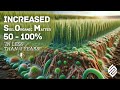
Explains building soil organic matter through a systems approach: cover crops, balanced N:C inputs (molasses, humates), microbial teas, yeast metabolites, and avoiding synthetic fungicides. Tropical c
-
Explains the crucial 5:1 C:N ratio for soil biology, advocating for humic acid with nitrogen applications to feed microbes, which unlock 70% of plant nutrients. Highlights how cover crops and balanced

-
Fixing the soil carbon problem is key to resolving many agricultural issues. Liquid carbon exudates from plant roots are far more effective at building soil organic matter than above-ground biomass. P

-
Optimizing soil carbon sequestration requires fostering microbial diversity, especially fungi, to enhance decomposition and carbon cycling, mimicking natural processes for stable soil health and nutri

Community
-
Carbon and soil organic matter are key to soil health, controlling 90% of functions and doubling water holding capacity from 1-3% organic matter. Soil microbes thrive on living plant roots, dead roots
Read more (opens in new window) permies.com -
Build healthy soil for carbon sequestration by protecting it with cover, mulch, or roots; reducing tilling; using compost; and avoiding pesticides and leaf blowers. Practices are key for plant growth
Read more (opens in new window) ucanr.edu -
Explains soil biology: plants get nutrients from organic matter and minerals via root exudates signaling microbes like mycorrhizae (nutrient/water uptake) and rhizobia (nitrogen fixation). Management
Read more (opens in new window) permies.com -
Farmers can increase soil carbon by using winter cover crops, no-till/conservation tillage, and adding compost/biochar to enhance plant biomass and protect soil aggregates.
Read more (opens in new window) sustainableagriculture.net
Research
-
Role of Soil Microbial Communities in Carbon Sequestration and Nutrient Cycling under Changing Land Use Patterns (opens in new window)
This study found: Soil microbes drive carbon storage and nutrient cycling. Practices like no-till, cover crops, and organic amendments boost microbial activity, enhancing soil carbon and nutrient retention for climate-
-
A Review on Soil Carbon Sequestration: A Natural Solution to Climate Change (opens in new window)
This study found: Storing carbon in soils is a natural climate solution, improving soil health and fighting climate change. Practices like conservation agriculture and agroforestry, aided by new tech, can boost this st
-
Understanding soil carbon sequestration: mechanistic insights, management approaches, and future challenges (opens in new window)
This study found: Storing carbon in soil is a key climate solution. Practices like cover crops, reduced tillage, and agroforestry enhance soil carbon and health. Challenges include measurement, cost, and policy, requir
-
Soil as an extended composite phenotype of the microbial metagenome. (opens in new window)
This study found: Soil management shapes soil structure, influencing microbial communities and nutrient delivery. Carbon movement, not just total carbon, is proposed as the key driver of soil health.
From the Web
-
Regenerative agricultural soils, especially grasslands, can sequester significant carbon through practices like holistic grazing, which enhances soil health, biodiversity, and water retention. Researc
-
Dr. David Johnson explains that 'getting the biology right' in soils, shifting to fungi-dominated communities and using no-till practices, is key to increasing soil carbon and improving fertility.
-
Regenerative agriculture uses soil for carbon sequestration by increasing plant biodiversity and microbial activity, improving soil health, resilience, and food nutrition, while also boosting farm inc
-
Offers practical methods for building soil carbon by minimizing disturbance, increasing plant diversity for continuous root growth, integrating livestock, and leveraging root functions and mycorrhizal
6
Measuring and Monitoring Carbon Sequestration
Accurately measuring carbon sequestration in agricultural systems is crucial for verifying the impact of regenerative practices and for participating in carbon markets. While direct measurement of soil organic carbon (SOC) through soil testing is the gold standard, it is...
Measuring and Monitoring Carbon Sequestration
Accurately measuring carbon sequestration in agricultural systems is crucial for verifying the impact of regenerative practices and for participating in carbon markets. While direct measurement of soil organic carbon (SOC) through soil testing is the gold standard, it is...
Accurately measuring carbon sequestration in agricultural systems is crucial for verifying the impact of regenerative practices and for participating in carbon markets. While direct measurement of soil organic carbon (SOC) through soil testing is the gold standard, it is also a sensitive and iterative process. Farmers typically conduct baseline soil tests before implementing new practices and then re-test soil every 3-5 years, focusing on the 0-15 cm (0-6 in) and 15-30 cm (6-12 in) depths, which show the most rapid changes. A common metric is the annual increase in SOC, often targeted at 0.2-1.0% of soil weight per hectare per year. Beyond soil sampling, other indicators can provide valuable insights. Changes in soil aggregate stability, water infiltration rates, and the 'soil respiration' rates (a measure of microbial activity, which can indicate carbon turnover) offer qualitative and semi-quantitative assessments. For carbon stored in biomass, particularly in agroforestry and silvopasture systems, measurements involve estimating tree diameter, height, and density. Various modeling tools and platforms exist to help estimate carbon sequestration potential and actual stored carbon based on management practices, soil types, and climate data, providing a more accessible way for farmers to track their progress, though these models are continually refined against field data.
Sources behind this view
Sources behind this view
Videos & Podcasts
-
Soil carbon management practices vary in effectiveness. Accurate measurement requires considering equivalent soil mass, depth, bulk density, and time-series data. Long-term trials in Wisconsin (mollis
-
Current greenhouse gas measurement is too generalized. Farmers need Tier 2/3 on-farm measurements, including deep soil carbon (83cm+), to accurately quantify sequestration from practices like reducing

-
Carbon market protocols use measurement-only, modeling-only, or hybrid approaches. Detecting soil carbon change is difficult due to low sequestration rates, high spatial variability, and significant l
-
To sequester soil carbon, focus on increasing protected carbon via practices that promote plant rest for root growth and microbial feeding. Utilize deep soil sampling (by horizon) for analysis and con

Community
-
Soil health is defined by its capacity to support ecological functions and is improved by increasing carbon inputs through crop residues, cover crops, and compost, while reducing tillage. These practi
Read more (opens in new window) ucanr.edu -
Multistrata perennial systems like food forests are top carbon sequesters; measuring soil carbon is challenging due to non-standardized methods, hindering carbon farming financing.
Read more (opens in new window) permies.com -
Farmers can increase soil carbon by using winter cover crops, no-till/conservation tillage, and adding compost/biochar to enhance plant biomass and protect soil aggregates.
Read more (opens in new window) sustainableagriculture.net
Research
-
Soil organic carbon sequestration calculated from depth distribution (opens in new window)
This study found: New method calculates soil carbon storage based on depth distribution. No-till and pasture stored significantly more carbon (up to 29.7 Mg C/ha) than conventional tillage in the US Southeast over 5-40
-
Carbon Sequestration Potential of Agronomic Practices in Agricultural Soil: A Review (opens in new window)
This study found: Farming practices like cover crops, reduced tillage, and organic amendments can significantly increase soil carbon storage (0.2-1.0 Mg C ha⁻¹ yr⁻¹). These methods improve soil health but face adoption
-
Inorganic Carbon Should Be Considered for Carbon Sequestration in Agricultural Soils. (opens in new window)
This study found: Farming practices boost soil organic carbon, but inorganic soil carbon also needs consideration for climate solutions. Global potential to store 1.5 billion tons of carbon annually by optimizing pract
-
Understanding soil carbon sequestration: mechanistic insights, management approaches, and future challenges (opens in new window)
This study found: Storing carbon in soil is a key climate solution. Practices like cover crops, reduced tillage, and agroforestry enhance soil carbon and health. Challenges include measurement, cost, and policy, requir
From the Web
-
Regenerative agriculture, including practices like BEAM and diverse crop rotations, can sequester significant amounts of CO2 (up to 37.7 metric tons/ha/yr) by rebuilding soil organic carbon, which is
-
Farms and soils can sequester carbon through practices like cover cropping and composting, improving soil health and resilience. However, measurement challenges, variability, and the need for large-sc
-
This cluster details SOC MRV systems, including IPCC tiers, GHG calculators, and process-based models. It highlights practice-based monitoring, look-up tables, and emerging innovations like remote sen
7
Implications for Farm Economics and Resilience
Beyond its climate benefits, carbon sequestration offers tangible economic advantages and enhances farm resilience. The primary economic driver for many farmers is the potential to generate income through carbon credits sold on voluntary or compliance markets. While...
Implications for Farm Economics and Resilience
Beyond its climate benefits, carbon sequestration offers tangible economic advantages and enhances farm resilience. The primary economic driver for many farmers is the potential to generate income through carbon credits sold on voluntary or compliance markets. While...
Beyond its climate benefits, carbon sequestration offers tangible economic advantages and enhances farm resilience. The primary economic driver for many farmers is the potential to generate income through carbon credits sold on voluntary or compliance markets. While prices fluctuate, many programs offer $10-20/tonne CO2e (tonnes of carbon dioxide equivalent) sequestered annually, leading to potential revenue streams of $50-200/ha ($20-80/acre) or more depending on the practice and region. However, the most profound economic impact comes from improved farm resilience. Enhanced soil organic matter leads to better water infiltration and retention, reducing the need for irrigation and mitigating crop losses due to drought or heavy rainfall events—saving farmers potentially hundreds or thousands of dollars per hectare each year. Improved soil structure and fertility also reduce reliance on synthetic fertilizers, decreasing input costs by 10-30% over a transition period of 3-7 years. Increased biodiversity on the farm, a byproduct of many carbon-sequestering practices, can also lead to better natural pest control and pollination services, further reducing external input needs and boosting overall farm profitability and stability.
Sources behind this view
Sources behind this view
Videos & Podcasts
-
Economic incentives are key to farmers adopting regenerative agriculture. Soil Capital leverages carbon markets, particularly from food industry buyers, to provide this incentive, addressing farmer ri

-
Landcare supports the Carbon Farming Initiative, allowing farmers to earn carbon credits for sequestering soil carbon. This improves soil health, water absorption, biodiversity, and helps meet emissio

-
Increasing soil carbon offers significant benefits like improved water and nutrient retention, enhancing farm resilience. While carbon credits are emerging, the inherent advantages of higher soil carb
-
Soil health principles enhance farm profitability by reducing input/labor costs and significantly increasing resilience to weather variability, acting as a natural insurance policy against floods and

Community
-
Carbon farming builds soil organic matter, increasing water retention by 25,000 gallons/hectare per 1% increase, enhancing drought resilience and flood prevention, while also boosting biodiversity and
Read more (opens in new window) sustainableagriculture.net
Research
-
Carbon Sequestration Potential of Agronomic Practices in Agricultural Soil: A Review (opens in new window)
This study found: Farming practices like cover crops, reduced tillage, and organic amendments can significantly increase soil carbon storage (0.2-1.0 Mg C ha⁻¹ yr⁻¹). These methods improve soil health but face adoption
-
Agricultural soils as a sink to mitigate CO <sub>2</sub> emissions (opens in new window)
This study found: Farms can store significant atmospheric CO2 in soils by increasing organic matter input and reducing decomposition. Key practices include no-till, cover crops, perennial forages, and agroforestry, whi
-
A Review on Exploring Carbon Farming as a Strategy to Mitigate Greenhouse Gas Emissions (opens in new window)
This study found: Carbon farming, using practices like cover crops and agroforestry, captures atmospheric CO2 to reduce greenhouse gas emissions and improve soil health. It offers economic benefits like carbon credits,
-
Soil Carbon Sequestration Strategies and Carbon Crediting for Mitigating Climate Change: A Review of Recent Developments (opens in new window)
This study found: Farming practices like cover cropping and conservation agriculture can store 0.4-1.2 tons of carbon per acre annually, aiding climate mitigation. Carbon markets and new tech offer incentives and bette