
What is climate-smart agriculture?
Climate-smart agriculture (CSA) is an integrated approach that aims to sustainably increase agricultural productivity and incomes, adapt and build resilience to climate change, and reduce or remove greenhouse gas emissions where possible. It's not a set of specific practices but a guiding framework for agricultural development. While CSA often utilizes regenerative agriculture practices to achieve its goals, the two concepts are distinct because CSA's primary focus is on climate outcomes, and it can include practices not considered regenerative. For a detailed comparison, see: How is climate-smart agriculture different from regenerative?
Read More: Complete Description
Sources behind this view
Sources behind this view
 Community
-
Climate Smart Agriculture (CSA) promotes practices to increase soil carbon, reduce greenhouse gas emissions, and improve farm efficiency. Key programs include SWEEP (efficient irrigation, up to $200k)
Read more (opens in new window) ucanr.edu -
Climate Smart Agriculture (CSA) in California integrates adaptation and mitigation to boost farm productivity, build resilience, and reduce GHG emissions, supported by programs like SWEEP, HSP, and AM
Read more (opens in new window) ucanr.edu -
California's Climate Smart Agriculture (CSA) approach integrates adaptation and mitigation to ensure food security, boost farm productivity, and reduce greenhouse gas emissions, supported by CDFA's SW
Read more (opens in new window) ucanr.edu
 Research
-
Climate Smart Agriculture in the African Context (opens in new window)
This study found: Climate-Smart Agriculture in Africa boosts farm production, builds climate resilience, and reduces emissions. It's context-specific, requiring tailored strategies, farmer adoption support, policy alig
-
Climate-Smart Agriculture in Practice: Evidence from Adaptive Farming Systems (opens in new window)
This study found: Climate-Smart Agriculture (CSA) integrates farming productivity with climate adaptation and environmental protection. Practices like conservation agriculture, agroforestry, and water-efficient irrigat
-
Innovative Technologies for Climate-Smart Agriculture for Pioneering Resilience Through Climate Adaptation and Mitigation in Farming Systems (opens in new window)
This study found: Climate-Smart Agriculture (CSA) in India uses new technologies to boost food production, build resilience to climate change, and cut emissions. Challenges like cost and awareness hinder adoption, requ
-
CLIMATE-SMART AGRICULTURE: EMPHASIS ON PRINCIPLES AND PRACTICES OF SOIL MANAGEMENT (opens in new window)
This study found: Climate-smart agriculture (CSA) aims for productive, resilient farms that reduce emissions. Key soil management practices include erosion control, INM, organic farming, conservation agriculture, bioch
 From the Web
-
Climate-Smart Agriculture (CSA) sustainably increases productivity, enhances resilience, and reduces GHG emissions through practices like land husbandry, water harvesting, and climate-resilient crops,
-
Climate-Smart Agriculture (CSA) in Kenya integrates practices like soil/water conservation, manure management for biogas, and agroforestry to boost productivity, resilience, and reduce GHG emissions,
-
Climate-Smart Agriculture (CSA) practices enhance soil carbon, reduce water use, and improve efficiency. UC ANR and CDFA provide technical assistance for soil health, manure management, and water effi
Source: ucanr.edu (opens in new window) -
Presents global 2021 case studies of Climate-Smart Agriculture (CSA) by FAO, focusing on increasing productivity, building resilience, and reducing emissions, with emphasis on smallholder farmers and
Key Points
Core Concept
- Sustainable productivity and income enhancement.
- Climate change adaptation and resilience.
- Greenhouse gas emission reduction where possible.
- Integrated farming and land management goals.
- Focus on food system sustainability.
Key Mechanisms
- Building soil health through biological approaches.
- Enhancing water management and conservation.
- Increasing biodiversity above and below ground.
- Optimizing nutrient cycling and availability.
- Utilizing climate data for informed decisions.
Where It Applies
- All agricultural systems and scales globally.
- Regions facing climate variability and extremes.
- Temperate, tropical, and arid environments.
- Smallholdings to large commercial operations.
- Areas with food security challenges.
Management Actions
- Implement cover crops and diverse rotations.
- Adopt conservation tillage or no-till methods.
- Integrate trees and livestock into landscapes.
- Improve water harvesting and irrigation efficiency.
- Utilize improved weather and climate information.
Know the Debate
- Outcomes vary greatly by region, soil, and farm type.
- Adoption requires targeted support and incentives.
- CSA boosts farm income and food security.
- Practices aim for productivity, resilience, emissions reduction.
Going Deeper
1
Why This Matters: Building Resilient Food Systems
The significance of climate-smart agriculture (CSA) extends far beyond individual farm-level benefits. It is fundamentally about building resilient food systems capable of meeting the needs of a growing global population in the face of unprecedented climate challenges....
Why This Matters: Building Resilient Food Systems
The significance of climate-smart agriculture (CSA) extends far beyond individual farm-level benefits. It is fundamentally about building resilient food systems capable of meeting the needs of a growing global population in the face of unprecedented climate challenges....
The significance of climate-smart agriculture (CSA) extends far beyond individual farm-level benefits. It is fundamentally about building resilient food systems capable of meeting the needs of a growing global population in the face of unprecedented climate challenges. Traditional agricultural models, often heavily reliant on monocultures and synthetic inputs, are increasingly vulnerable to climate shocks like prolonged droughts, extreme floods, and shifting pest and disease patterns. CSA offers an alternative pathway that strengthens the ecological foundations of food production. By prioritizing soil health, water management, and biodiversity, CSA bolsters the inherent capacity of agricultural landscapes to withstand these disturbances. For example, a farm with 3-5% soil organic matter, achieved through persistent regenerative practices over 5-10 years, can absorb and retain up to 75,000 liters (20,000 gallons) more water per hectare (acre) than degraded land, significantly buffering against both drought and heavy rainfall events. This enhanced resilience at the farm level cascades upwards, contributing to more stable food supplies, reduced price volatility, and greater food security at regional and global scales. Moreover, the economic resilience of farming communities is improved, as diversified and robust systems lead to more consistent incomes and reduced vulnerability to climate-related financial losses, fostering long-term rural development.
Sources behind this view
Sources behind this view
Research
-
Climate Smart Agriculture in the African Context (opens in new window)
This study found: Climate-Smart Agriculture in Africa boosts farm production, builds climate resilience, and reduces emissions. It's context-specific, requiring tailored strategies, farmer adoption support, policy alig
-
Climate-Smart Agriculture in Practice: Evidence from Adaptive Farming Systems (opens in new window)
This study found: Climate-Smart Agriculture (CSA) integrates farming productivity with climate adaptation and environmental protection. Practices like conservation agriculture, agroforestry, and water-efficient irrigat
-
Innovative Technologies for Climate-Smart Agriculture for Pioneering Resilience Through Climate Adaptation and Mitigation in Farming Systems (opens in new window)
This study found: Climate-Smart Agriculture (CSA) in India uses new technologies to boost food production, build resilience to climate change, and cut emissions. Challenges like cost and awareness hinder adoption, requ
-
The Adoption and Scaling of Climate-Smart Agriculture Innovation by Smallholder Farmers in South Africa: A Review of Institutional Mechanisms, Policy Frameworks and Market Dynamics (opens in new window)
This study found: Climate-Smart Agriculture in South Africa shows promise for smallholder farmers, but adoption is hindered by land tenure, information access, and fragmented support. Effective scaling requires better
From the Web
-
Climate-Smart Agriculture (CSA) in Mexico integrates productivity, adaptation, and mitigation. Strategies must be context-specific, utilizing practices like efficient fertilization, protected agricult
-
Climate-Smart Agriculture (CSA) aims to increase productivity, facilitate adaptation to climate change, and mitigate GHG emissions. It protects ecosystems and builds resilience in food systems, offeri
-
Climate-smart agriculture aims for a 'triple win' (productivity, resilience, mitigation) through integrated approaches like agroforestry and conservation agriculture. Research focuses on soil health,
-
Climate-Smart Agriculture (CSA) sustainably increases productivity, enhances resilience, and reduces GHG emissions through practices like land husbandry, water harvesting, and climate-resilient crops,
2
How It Works: The Tri-Sector Approach in Practice
Climate-smart agriculture operates through a cohesive strategy that simultaneously addresses three critical, and often interconnected, objectives: increasing productivity and incomes, adapting to climate change, and mitigating greenhouse gas emissions. This "tri-sector...
How It Works: The Tri-Sector Approach in Practice
Climate-smart agriculture operates through a cohesive strategy that simultaneously addresses three critical, and often interconnected, objectives: increasing productivity and incomes, adapting to climate change, and mitigating greenhouse gas emissions. This "tri-sector...
Climate-smart agriculture operates through a cohesive strategy that simultaneously addresses three critical, and often interconnected, objectives: increasing productivity and incomes, adapting to climate change, and mitigating greenhouse gas emissions. This "tri-sector approach" is not about choosing one goal over others, but about finding synergies that allow for progress across all three.
For instance, enhancing productivity can often contribute to adaptation and mitigation. Farmers who implement improved soil management practices, such as adding compost and incorporating nitrogen-fixing cover crops, can see their soil organic carbon (SOC) increase. While rates vary widely based on climate and practices, illustrative examples show annual increases in the range of 0.1-0.5% SOC (Soil Organic Carbon is a key component of Soil Organic Matter, or SOM). This leads to better soil structure, increased water-holding capacity, and improved nutrient availability, which boosts crop yields (increased productivity) while also making the land more resistant to drought and erosion (adaptation). Simultaneously, the carbon sequestered in the soil through increased organic matter acts as a greenhouse gas mitigation strategy.
Similarly, adaptation measures can enhance productivity and reduce emissions. Implementing water-saving techniques, such as deficit irrigation coupled with mulching, can ensure crops survive dry spells, thus maintaining yields. These techniques also often require less energy than conventional broad-scale irrigation, indirectly reducing greenhouse gas footprints. In livestock systems, improved grazing management, which involves rotational grazing and longer rest periods for pastures, not only improves forage quality and animal health (increasing productivity and income) but also promotes deeper root growth in grasses, enhancing soil carbon sequestration (mitigation) and soil water retention (adaptation).
Mitigation efforts also have payoffs. Reducing reliance on synthetic nitrogen fertilizers, a major source of nitrous oxide emissions, by building fertility through cover crops and animal manure can also improve soil health and fertility over time, leading to better yields. The economic viability of these approaches is often enhanced by reducing input costs, as farmers spend less on synthetic fertilizers and potentially generate revenue from biogas capture in livestock operations. The key is the intelligent integration of practices, supported by knowledge and appropriate technologies, to achieve these multiple benefits simultaneously, making agriculture a part of the climate solution rather than solely a contributor to the problem.
Sources behind this view
Sources behind this view
 Videos & Podcasts
-
Regenerative agriculture is a cost-effective climate mitigation strategy, offering multiple benefits beyond carbon sequestration. A phased transition starting with cover crops, then reducing land prep

-
Healthy soils are vital for climate change adaptation and mitigation. Organic practices improve soil organic matter, microbiome, and structure, enhancing resilience to extreme heat and reducing greenh

-
Regenerative agriculture can mitigate climate change by rebuilding soil carbon. Key practices include using cover crops, minimizing tillage, increasing crop rotations, and optimizing inputs to enhance

-
Agriculture is both a source (10% GHG, with 40% N2O, 50% CH4) and sink of emissions. A three-pillar approach emphasizing science, technology, and innovation is needed, focusing on improving livestock

Community
-
USDA report outlines adaptation and mitigation strategies for Midwest/Northeast farmers, emphasizing practices like cover crops, reduced tillage, and diversified rotations that improve soil health and
Read more (opens in new window) sustainableagriculture.net -
Reducing tillage, crop rotation, and perennial livestock systems enhance soil organic matter, water holding capacity, and carbon sequestration while reducing nitrous oxide and methane emissions.
Read more (opens in new window) sustainableagriculture.net
Research
-
LEVERAGING SOIL MICROBES FOR CLIMATE-SMART AGRICULTURE: STRATEGIES FOR OPTIMIZING SOIL HEALTH AND RESILIENCE (opens in new window)
This study found: Soil microbes are vital for climate-smart farming, helping store carbon and reduce greenhouse gases. They also boost crop drought tolerance and nutrient use. Practices like conservation tillage and or
-
Soil-Atmosphere Exchange of Carbon, Nitrogen and Methane in Croplands: A Synthesis of Field Evidence (opens in new window)
This study found: Combining practices like reduced tillage, cover crops, and smart fertilizer management is key for climate benefits in croplands, balancing soil carbon gains with greenhouse gas reductions across diver
-
Carbon Farming Strategies for Climate Mitigation: A Comprehensive Review of Cropland and Grazing Systems (opens in new window)
This study found: Review of global carbon farming strategies for croplands and grazing lands, including cover crops, conservation tillage, and rotational grazing. These practices can improve soil health and reduce emis
-
Soil carbon sequestration and its role in reducing global carbon footprints: strategies, challenges and policy implications (opens in new window)
This study found: Farming contributes to emissions; strategies like conservation agriculture, agroforestry, and regenerative practices can reduce environmental impact and sequester soil carbon, with policy support for
From the Web
-
Agriculture can be a climate solution through mitigation (reducing emissions, sequestering carbon via cover cropping, agroforestry, reduced till) and adaptation (improving soil health, water capacity,
-
Climate-smart agriculture (CSA) integrates adaptation and mitigation through practices like conservation agriculture (minimum tillage, soil cover, crop rotation) and agroforestry to boost food product
-
Agricultural practices like integrated soil fertility management, cover cropping, and agroforestry offer 'triple wins' for climate adaptation, GHG mitigation, and productivity in Kenya, though locatio
-
Climate-smart agriculture offers solutions for adaptation and mitigation, including resilient crops, water management, conservation agriculture, agroforestry, and improved livestock practices. These s
3
Common Misconceptions About Climate-Smart Agriculture
Several common misunderstandings can hinder the adoption and effective implementation of climate-smart agriculture (CSA). One prevalent misconception is that CSA refers to a specific, prescriptive package of technologies or practices that must be universally applied. In...
Common Misconceptions About Climate-Smart Agriculture
Several common misunderstandings can hinder the adoption and effective implementation of climate-smart agriculture (CSA). One prevalent misconception is that CSA refers to a specific, prescriptive package of technologies or practices that must be universally applied. In...
Several common misunderstandings can hinder the adoption and effective implementation of climate-smart agriculture (CSA). One prevalent misconception is that CSA refers to a specific, prescriptive package of technologies or practices that must be universally applied. In reality, CSA is a framework for decision-making, emphasizing context-specific adaptation and mitigation strategies. What is "smart" for a farmer in the humid tropics of Southeast Asia employing agroforestry will be different from what is "smart" for a rancher in the temperate plains of North America practicing rotational grazing. The "smartness" lies in selecting and integrating practices that best address local climate risks, opportunities, and socio-economic conditions while pursuing the three core objectives.
Another misconception is that CSA is solely about environmental sustainability, overlooking its direct focus on economic viability and social equity. While environmental benefits like carbon sequestration and reduced emissions are crucial, CSA's primary driver is often to enhance farmer livelihoods by increasing productivity and income stability. For example, implementing drought-tolerant crop varieties and improved water management in regions like sub-Saharan Africa can lead to yield increases of 15-30% during dry years, directly boosting farmer incomes. Furthermore, CSA aims to ensure these gains are inclusive, benefiting smallholders and vulnerable communities, thereby contributing to food security and poverty reduction.
A third misconception is that CSA automatically means abandoning existing agricultural practices. While a transition is often necessary, CSA principles can be integrated into various farming systems, including those currently using synthetic inputs, organic farming, or conventional approaches. For farms beginning their journey, the transition might involve a gradual phase-out of synthetic inputs over 3-7 years. This transition period can sometimes involve near-term risks, such as a temporary yield dip or increased management needs, before the benefits of the new system are fully realized. For instance, a farmer might progressively reduce synthetic nitrogen fertilizer application as they build soil biology through cover crops and compost, demonstrating that CSA is about evolution and improvement rather than revolution. The emphasis is on building more resilient and productive systems that are better equipped for current and future climate realities, regardless of the starting point.
Sources behind this view
Sources behind this view
Research
-
Climate Smart Agriculture in the African Context (opens in new window)
This study found: Climate-Smart Agriculture in Africa boosts farm production, builds climate resilience, and reduces emissions. It's context-specific, requiring tailored strategies, farmer adoption support, policy alig
-
Climate-Smart Agriculture in Practice: Evidence from Adaptive Farming Systems (opens in new window)
This study found: Climate-Smart Agriculture (CSA) integrates farming productivity with climate adaptation and environmental protection. Practices like conservation agriculture, agroforestry, and water-efficient irrigat
-
Innovative Technologies for Climate-Smart Agriculture for Pioneering Resilience Through Climate Adaptation and Mitigation in Farming Systems (opens in new window)
This study found: Climate-Smart Agriculture (CSA) in India uses new technologies to boost food production, build resilience to climate change, and cut emissions. Challenges like cost and awareness hinder adoption, requ
-
The Adoption and Scaling of Climate-Smart Agriculture Innovation by Smallholder Farmers in South Africa: A Review of Institutional Mechanisms, Policy Frameworks and Market Dynamics (opens in new window)
This study found: Climate-Smart Agriculture in South Africa shows promise for smallholder farmers, but adoption is hindered by land tenure, information access, and fragmented support. Effective scaling requires better
From the Web
-
CSA is a continuous, context-specific process involving farmers, scientists, and policymakers. It requires iterative planning, implementation, and monitoring, focusing on multiple goals beyond food se
-
Climate-Smart Agriculture (CSA) sustainably increases productivity, enhances resilience, and reduces GHG emissions through practices like land husbandry, water harvesting, and climate-resilient crops,
-
Climate-Smart Agriculture (CSA) aims to increase productivity, facilitate adaptation to climate change, and mitigate GHG emissions. It protects ecosystems and builds resilience in food systems, offeri
-
Climate-Smart Agriculture (CSA) in Mexico integrates productivity, adaptation, and mitigation. Strategies must be context-specific, utilizing practices like efficient fertilization, protected agricult
4
Regional Implementation: Diverse Approaches Worldwide
Climate-smart agriculture (CSA) manifests differently across the globe, reflecting the vast diversity of climates, ecosystems, farming systems, and socio-economic contexts. These regional implementations highlight the adaptability and practical nature of the CSA...
Regional Implementation: Diverse Approaches Worldwide
Climate-smart agriculture (CSA) manifests differently across the globe, reflecting the vast diversity of climates, ecosystems, farming systems, and socio-economic contexts. These regional implementations highlight the adaptability and practical nature of the CSA...
Climate-smart agriculture (CSA) manifests differently across the globe, reflecting the vast diversity of climates, ecosystems, farming systems, and socio-economic contexts. These regional implementations highlight the adaptability and practical nature of the CSA framework.
In East Africa, particularly in countries like Kenya and Ethiopia, CSA often focuses on enhancing the resilience of smallholder farmers to drought and unpredictable rainfall. Key practices include the development and adoption of drought-tolerant crop varieties (e.g., improved maize and sorghum seeds), improved water management techniques such as in-situ rainwater harvesting (e.g., micro-catchments, Zai pits), and integrated soil fertility management using compost and animal manure. Livestock management is also critical, with strategies like improved fodder production and rotational grazing to build pasture resilience and reduce methane emissions. For example, farmers in the highlands are integrating nitrogen-fixing trees into their crop fields, creating agroforestry systems that improve soil fertility and provide fodder, demonstrating a 10-20% increase in overall farm productivity within 5 years.
In South Asia, especially in regions like the Indo-Gangetic Plain, CSA practices often aim to manage water scarcity, heat stress during critical crop growth stages, and address the high emissions from rice-wheat cropping systems. This includes promoting aerobic rice cultivation, which uses significantly less water than flooded paddy systems (reducing water use by 30-50% and methane emissions by up to 70%), and direct seeding of rice. Conservation agriculture techniques, such as reduced tillage and crop residue management, are also being adopted to improve soil health and water retention. Diversification into high-value, climate-resilient crops and integrating aquaculture with rice systems are further examples of CSA in practice, leading to income diversification and improved food availability.
In Europe, particularly in regions like Southern France and Spain facing increased drought risk, CSA emphasizes water-efficient irrigation technologies (e.g., precision drip irrigation), cover cropping to protect soil from erosion and improve water infiltration, and agroforestry systems that combine trees with crops or livestock to create more resilient microclimates. For arable farming, reducing tillage and optimizing nitrogen fertilizer management are key mitigation strategies. Some regions are also experimenting with the reintroduction of diverse legumes into rotations to build soil fertility naturally, reducing the need for synthetic inputs.
In the United States, particularly in the Midwest, CSA often involves incorporating cover crops into large-scale corn and soybean rotations to improve soil health, reduce erosion, and enhance water quality. Conservation tillage or no-till practices are widely adopted to minimize soil disturbance and carbon loss. For livestock operations, improved manure management, including anaerobic digestion for biogas capture, and rotational grazing to improve pasture health and sequester carbon are prominent. These practices are increasingly supported by incentives from government programs and private sector initiatives, recognizing their role in climate change adaptation and mitigation. Across these diverse regions, the success of CSA hinges on tailoring these approaches to local realities, often with significant farmer-to-farmer knowledge sharing and the integration of scientific research.
Sources behind this view
Sources behind this view
Videos & Podcasts
-
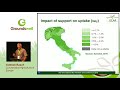
Conservation agriculture principles (minimum soil disturbance, permanent soil cover, crop diversification) improve soil health, combat climate change impacts like erosion and drought, reduce costs, an

-
Expanding conservation agriculture (CA) requires integrating livestock, managing expectations, and building skills. Challenges include European climate impacts on livestock integration, lack of policy
Community
-
USDA report outlines adaptation and mitigation strategies for Midwest/Northeast farmers, emphasizing practices like cover crops, reduced tillage, and diversified rotations that improve soil health and
Read more (opens in new window) sustainableagriculture.net -
Climate Smart Agriculture (CSA) promotes practices to increase soil carbon, reduce greenhouse gas emissions, and improve farm efficiency. Key programs include SWEEP (efficient irrigation, up to $200k)
Read more (opens in new window) ucanr.edu -
Climate Smart Agriculture (CSA) in California integrates adaptation and mitigation to boost farm productivity, build resilience, and reduce GHG emissions, supported by programs like SWEEP, HSP, and AM
Read more (opens in new window) ucanr.edu -
California's Climate Smart Agriculture (CSA) approach integrates adaptation and mitigation to ensure food security, boost farm productivity, and reduce greenhouse gas emissions, supported by CDFA's SW
Read more (opens in new window) ucanr.edu
Research
-
Climate Smart Agriculture in the African Context (opens in new window)
This study found: Climate-Smart Agriculture in Africa boosts farm production, builds climate resilience, and reduces emissions. It's context-specific, requiring tailored strategies, farmer adoption support, policy alig
-
Innovative Technologies for Climate-Smart Agriculture for Pioneering Resilience Through Climate Adaptation and Mitigation in Farming Systems (opens in new window)
This study found: Climate-Smart Agriculture (CSA) in India uses new technologies to boost food production, build resilience to climate change, and cut emissions. Challenges like cost and awareness hinder adoption, requ
-
Climate-Smart Agriculture in Practice: Evidence from Adaptive Farming Systems (opens in new window)
This study found: Climate-Smart Agriculture (CSA) integrates farming productivity with climate adaptation and environmental protection. Practices like conservation agriculture, agroforestry, and water-efficient irrigat
-
The Adoption and Scaling of Climate-Smart Agriculture Innovation by Smallholder Farmers in South Africa: A Review of Institutional Mechanisms, Policy Frameworks and Market Dynamics (opens in new window)
This study found: Climate-Smart Agriculture in South Africa shows promise for smallholder farmers, but adoption is hindered by land tenure, information access, and fragmented support. Effective scaling requires better
From the Web
-
Climate-smart agriculture (CSA) integrates adaptation and mitigation through practices like conservation agriculture (minimum tillage, soil cover, crop rotation) and agroforestry to boost food product
-
Climate-Smart Agriculture (CSA) in Mexico integrates productivity, adaptation, and mitigation. Strategies must be context-specific, utilizing practices like efficient fertilization, protected agricult
-
Presents global 2021 case studies of Climate-Smart Agriculture (CSA) by FAO, focusing on increasing productivity, building resilience, and reducing emissions, with emphasis on smallholder farmers and
-
FAO publication details Climate-Smart Agriculture (CSA) case studies globally, focusing on increasing productivity, building resilience, and reducing emissions through five action points, with special
5
Measuring and Monitoring Climate-Smart Agriculture Success
Measuring the success of climate-smart agriculture (CSA) involves assessing progress against its three core objectives: increased productivity and incomes, enhanced adaptation and resilience, and reduced greenhouse gas (GHG) emissions. This requires a multi-faceted...
Measuring and Monitoring Climate-Smart Agriculture Success
Measuring the success of climate-smart agriculture (CSA) involves assessing progress against its three core objectives: increased productivity and incomes, enhanced adaptation and resilience, and reduced greenhouse gas (GHG) emissions. This requires a multi-faceted...
Measuring the success of climate-smart agriculture (CSA) involves assessing progress against its three core objectives: increased productivity and incomes, enhanced adaptation and resilience, and reduced greenhouse gas (GHG) emissions. This requires a multi-faceted monitoring approach that goes beyond traditional yield metrics to capture the broader systemic benefits.
For productivity and income, key indicators include crop yields and livestock productivity over time, changes in input costs (e.g., reduced fertilizer or water use), and total farm income. For example, a farmer implementing cover crops and no-till for 5 years might observe a gradual increase in crop yields by 0.5-2% annually, while seeing a reduction in fuel and labor costs for tillage by $30-70/ha ($75-175/acre). Income diversification through integrated systems, like adding poultry to crop farms, can also be tracked.
Adaptation and resilience are measured by assessing the farm's ability to withstand climate variability and extreme events. This can involve monitoring soil moisture levels, water availability, and the frequency and severity of crop losses due to drought or floods. Indicators like increased soil organic matter content (e.g., a 0.3-0.7% annual increase over 3-5 years), improved water infiltration rates (e.g., a 20-50% increase in water uptake capacity), and reduced erosion could be tracked. The adoption of climate-resilient crop varieties or livestock breeds and the success of water harvesting systems are also critical measures. For instance, successful rainwater harvesting systems might demonstrate a 50-70% reduction in reliance on external water sources during dry seasons.
Greenhouse gas emission reduction (mitigation) is assessed by quantifying changes in GHG fluxes from the agricultural system. This can involve measuring reductions in nitrous oxide (N2O) from fertilizer use, methane (CH4) from livestock or rice cultivation, and carbon dioxide (CO2) from land-use change or energy use. For example, switching from synthetic nitrogen fertilizers to compost and legumes might reduce N2O emissions by 10-30% over a 3-7 year transition. For livestock operations, implementing improved manure management or rotational grazing can lead to measurable reductions in CH4 emissions. Carbon sequestration in soils and biomass (e.g., in agroforestry systems) is also quantified, with some systems showing an additional 1-5 tonnes of CO2 equivalent sequestered per hectare per year (approx. 0.45-2.2 tons/acre/year).
Effective monitoring involves establishing baseline data, setting realistic targets, and using appropriate tools and methodologies, which can range from simple farm records and visual assessments to more sophisticated soil testing, remote sensing, and GHG accounting tools. Regular monitoring allows farmers and support organizations to evaluate the effectiveness of CSA practices, make adjustments, and demonstrate the tangible benefits of this integrated approach to stakeholders, including policymakers and financial institutions.
Sources behind this view
Sources behind this view
Research
-
Climate Smart Agriculture in the African Context (opens in new window)
This study found: Climate-Smart Agriculture in Africa boosts farm production, builds climate resilience, and reduces emissions. It's context-specific, requiring tailored strategies, farmer adoption support, policy alig
-
Measuring what matters: soil health as the missing metric in climate-smart agriculture monitoring (opens in new window)
This study found: Current farming assessments miss soil health, a key metric for climate-smart agriculture. Measuring soil health can verify if practices truly improve resilience, productivity, and climate goals, conne
-
Portfolios of Climate Smart Agriculture Practices in Smallholder Rice-Wheat System of Eastern Indo-Gangetic Plains—Crop Productivity, Resource Use Efficiency and Environmental Foot Prints (opens in new window)
This study found: Climate-smart farming in rice-wheat systems boosted yields by 10.5%, profits by 29.4%, saved 39% irrigation water, and cut greenhouse gas emissions by up to 59% over three years compared to traditiona
-
Climate-Smart Agriculture and Carbon Emissions: Panel Data Evidence on Policy Effectiveness in Sub-Saharan Africa (2000-2024) (opens in new window)
This study found: Climate-smart agriculture in Sub-Saharan Africa significantly reduces CO2 emissions, with a 10% rise in farm productivity linked to a 22% drop in per-capita emissions. Increased investment could cut e
From the Web
-
Climate-Smart Agriculture (CSA) sustainably increases productivity, enhances resilience, and reduces GHG emissions through practices like land husbandry, water harvesting, and climate-resilient crops,
-
Climate-smart agriculture (CSA) integrates adaptation and mitigation through practices like conservation agriculture (minimum tillage, soil cover, crop rotation) and agroforestry to boost food product
-
This manual details the Climate-Smart Agriculture (CSA) Farm Calculator tool, developed by CCAFS and partners. It assesses farm performance across productivity, adaptation, and mitigation pillars usin
-
Climate-Smart Agriculture (CSA) integrates productivity, adaptation, and mitigation to achieve food security under climate change. In Argentina, no-tillage, diversified rotations, and precise fertiliz
6
Connecting Climate-Smart Agriculture to Regenerative Principles
Climate-smart agriculture (CSA) aligns deeply with the foundational principles of regenerative agriculture, acting as a framework that operationalizes these principles within a climate-conscious context. The core regenerative idea of building systems, not just stopping...
Connecting Climate-Smart Agriculture to Regenerative Principles
Climate-smart agriculture (CSA) aligns deeply with the foundational principles of regenerative agriculture, acting as a framework that operationalizes these principles within a climate-conscious context. The core regenerative idea of building systems, not just stopping...
Climate-smart agriculture (CSA) aligns deeply with the foundational principles of regenerative agriculture, acting as a framework that operationalizes these principles within a climate-conscious context. The core regenerative idea of building systems, not just stopping practices, is central to CSA. Instead of viewing agricultural interventions in isolation, CSA encourages the integration of practices that work synergistically to enhance ecological functions. For instance, cover cropping isn't just about preventing erosion; it's about building soil organic matter, fostering microbial diversity, improving water cycles, and sequestering carbon simultaneously. This holistic systems approach is characteristic of both CSA and regenerative agriculture.
The regenerative principle of acknowledging diverse starting points is also implicitly embedded in CSA, which recognizes that "smart" interventions must be tailored to specific local conditions. There is no one-size-fits-all CSA solution. This mirrors the regenerative approach that understands farmers and land managers come from varied backgrounds – conventional, organic, traditional, or emergent producers. CSA guides them to adapt and integrate practices that are most relevant and beneficial for their unique farm context, climate risks, and economic realities. For example, a farm currently relying on synthetic inputs might transition by progressively replacing them with biological fertility sources over 3-7 years, a pragmatic approach consistent with regenerative transitions.
The regenerative stance on synthetic inputs – never recommended as ongoing practices and often phased out as biological systems mature – is fundamentally echoed in CSA's mitigation objectives. While CSA acknowledges the need to achieve immediate productivity gains and adapt to climate impacts, its long-term vision inherently favors ecological solutions. Practices that reduce reliance on synthetic nitrogen fertilizers or pesticides not only lower GHG emissions but also foster healthier soil biology and biodiversity, key regenerative outcomes. CSA encourages farmers to optimize their nutrient cycles and pest management through biological means, aligning with the regenerative goal of working with nature's processes.
Finally, the transition pragmatism inherent in regenerative agriculture—recognizing that change takes time and may involve near-term compromises—is critical for CSA. Implementing climate-smart strategies often requires investment, learning, and adaptation. CSA acknowledges that the transition period may involve a mix of practices as farms gradually shift towards more resilient and lower-emission systems. The focus isn't on immediate perfection but on a continuous journey of improvement, where every step taken towards better soil health, efficient water use, and reduced emissions contributes to a more sustainable and climate-resilient agricultural future. This shared philosophy ensures that CSA and regenerative agriculture are mutually reinforcing approaches, driving agricultural systems towards greater ecological health, economic prosperity, and climate stability.
Sources behind this view
Sources behind this view
Community
-
Enhance CSAs with long-term contracts (10-year/lifetime), stronger member work participation, improved 'fridge-to-table' support through social cooking, and 'mastermind' peer-to-peer learning, inspire
Read more (opens in new window) permies.com
Research
-
Climate Smart Agriculture in the African Context (opens in new window)
This study found: Climate-Smart Agriculture in Africa boosts farm production, builds climate resilience, and reduces emissions. It's context-specific, requiring tailored strategies, farmer adoption support, policy alig
-
Climate-Smart Agriculture in Practice: Evidence from Adaptive Farming Systems (opens in new window)
This study found: Climate-Smart Agriculture (CSA) integrates farming productivity with climate adaptation and environmental protection. Practices like conservation agriculture, agroforestry, and water-efficient irrigat
-
CLIMATE-SMART AGRICULTURE: EMPHASIS ON PRINCIPLES AND PRACTICES OF SOIL MANAGEMENT (opens in new window)
This study found: Climate-smart agriculture (CSA) aims for productive, resilient farms that reduce emissions. Key soil management practices include erosion control, INM, organic farming, conservation agriculture, bioch
-
Innovative Technologies for Climate-Smart Agriculture for Pioneering Resilience Through Climate Adaptation and Mitigation in Farming Systems (opens in new window)
This study found: Climate-Smart Agriculture (CSA) in India uses new technologies to boost food production, build resilience to climate change, and cut emissions. Challenges like cost and awareness hinder adoption, requ
From the Web
-
Climate-Smart Agriculture (CSA) sustainably increases productivity, enhances resilience, and reduces GHG emissions through practices like land husbandry, water harvesting, and climate-resilient crops,
-
CSA is a continuous, context-specific process involving farmers, scientists, and policymakers. It requires iterative planning, implementation, and monitoring, focusing on multiple goals beyond food se
-
Regenerative agriculture and agroecology are presented as superior climate solutions to 'Climate-Smart Agriculture,' focusing on drawing down atmospheric carbon into the soil through photosynthesis to
-
Regenerative agriculture, not 'Climate-Smart Agriculture,' is needed to feed the world and cool the planet by drawing down atmospheric carbon through soil restoration and photosynthesis, unlike indust
7
Know the Debate
Climate-smart agriculture's effectiveness hinges on its adaptability to diverse global contexts. In regions like East Africa, CSA focuses on drough...
Know the Debate
Climate-smart agriculture's effectiveness hinges on its adaptability to diverse global contexts. In regions like East Africa, CSA focuses on drough...
Climate-smart agriculture's effectiveness hinges on its adaptability to diverse global contexts. In regions like East Africa, CSA focuses on drought-tolerant crops and water harvesting for smallholders. South Asia emphasizes water-saving rice cultivation and soil conservation. European strategies include water-efficient irrigation and agroforestry, while US farmers adopt cover crops and rotational grazing. The scale of operation also matters significantly, with smallholder livelihoods potentially boosted by 10-25% in some regions, while large commercial farms aim for incremental gains and system-wide greenhouse gas reductions. Entry costs and labor needs vary, from minimal support resources to significant upfront investments in infrastructure for larger operations.
How do climate-smart agriculture outcomes vary by region?
Consistent improvements across regions
Academic research suggests that CSA principles, when adapted to local contexts, consistently lead to improvements in productivity, resilience, and emissions reduction. Studies in Africa show yield increases with drought-tolerant crops and water-saving irrigation in Europe reduces water use by 15-30%.
Sources behind this view
Sources behind this view
Research
-
Climate Smart Agriculture in the African Context (opens in new window)
This study found: Climate-Smart Agriculture (CSA) is an approach for farming in Africa that aims to achieve three main goals: boost farm production and incomes, help farms cope with and become more resilient to climate change impacts, and reduce greenhouse gas emissions from farming. What works as 'climate-smart' depends entirely on the local conditions – the weather, soil, economy, and development needs of a specific area. To make CSA successful in Africa, key actions are needed: gather more evidence to guide choices, help farmers adopt the right technologies, build systems that support CSA from the farm to the landscape level, manage different viewpoints between farmers and policymakers, improve skills and knowledge, ensure government policies and investments support CSA, and create ways to share risks. The core idea is that there's no one-size-fits-all solution; practices must be chosen based on what fits the local context best.
-
Innovative soil-crop management systems for climate smart sustainable agriculture (opens in new window)
This study found: This editorial highlights the urgent need for farming practices that can help us grow food reliably while dealing with climate change. It explains that combining 'Sustainable Agriculture' (farming that's good for the environment and people long-term) with 'Climate-Smart Agriculture' (farming that adapts to and helps reduce climate change impacts) creates a powerful approach called 'Climate-Smart Sustainable Agriculture' (CSSA). The main goals are to grow more food, make farms more resilient to extreme weather, and reduce farming's contribution to climate change. Key to this is improving soil health by increasing soil organic matter (carbon), cutting down on greenhouse gas emissions, and using water more efficiently. The editorial contrasts this with older farming methods that can harm the environment. Practices like conservation agriculture, which involve less soil disturbance and keeping crop residues on the field, are presented as better alternatives. It emphasizes that there's no single 'one-size-fits-all' solution; what works best depends on the specific farm, location, and farmer's goals.
-
CLIMATE-SMART AGRICULTURE: EMPHASIS ON PRINCIPLES AND PRACTICES OF SOIL MANAGEMENT (opens in new window)
This study found: Climate-smart agriculture (CSA) is a way of farming that helps us deal with climate change while still producing enough food. It focuses on three main goals: keeping farms productive and profitable, making them more resilient to extreme weather, and reducing greenhouse gas emissions from farming. This article highlights how managing our soil is key to CSA. Practices like preventing soil erosion, using nutrients wisely (combining organic and synthetic sources), organic farming, conservation tillage, using biochar, and integrating trees into farms (agroforestry) are all important. Good soil management for CSA needs new ideas, careful long-term planning, and supportive policies.
Highly context-dependent results
Field practitioners report that CSA benefits are deeply tied to local conditions, with outcomes varying significantly by climate and farming system. While some farms see clear economic gains, others find practices less effective or costly without tailored application, impacting farmer income by 10-25% in favorable contexts.
Sources behind this view
Sources behind this view
Videos & Podcasts
-
Climate-smart agriculture focuses on building soil health through cover cropping and reduced tillage. These practices enhance organic matter, water retention, and reduce erosion, leading to improved crop quality and biological diversity. New farmers should experiment and collect data as advice is context-dependent.
-
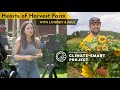
The Climate Smart Project in the Southern Piedmont studies cover crops' impact on greenhouse gases and carbon sequestration across 100 farms. It includes economic analysis, market development for climate-smart commodities, and offers incentives for farmer participation.

-
Climate-smart agriculture focuses on building soil health through cover cropping and reduced tillage. These practices enhance organic matter, water retention, and reduce erosion, leading to improved crop quality and biological diversity. New farmers should experiment and collect data as advice is context-dependent.
Making Sense of the Differences
The effectiveness of Climate-Smart Agriculture (CSA) strategies hinges on local conditions, leading to varied outcomes. Outcomes differ based on climate (e.g., arid vs. humid regions), soil types (which influence water retention and organic matter buildup), and the specific farming systems employed (e.g., smallholder versus large commercial, crop vs. livestock). What is 'smart' in one place might require significant adaptation or be less impactful elsewhere, requiring a tailored, observational approach rather than a one-size-fits-all solution.
What are the main barriers to adopting climate-smart agriculture?
Systemic barriers need policy and planning
Academic research indicates that broader concerns like cost, lack of awareness, and policy gaps hinder CSA adoption. Effective implementation requires tailored strategies, capacity building, and alignment across governmental and organizational levels.
Sources behind this view
Sources behind this view
Research
-
Climate Smart Agriculture in the African Context (opens in new window)
This study found: Climate-Smart Agriculture (CSA) is an approach for farming in Africa that aims to achieve three main goals: boost farm production and incomes, help farms cope with and become more resilient to climate change impacts, and reduce greenhouse gas emissions from farming. What works as 'climate-smart' depends entirely on the local conditions – the weather, soil, economy, and development needs of a specific area. To make CSA successful in Africa, key actions are needed: gather more evidence to guide choices, help farmers adopt the right technologies, build systems that support CSA from the farm to the landscape level, manage different viewpoints between farmers and policymakers, improve skills and knowledge, ensure government policies and investments support CSA, and create ways to share risks. The core idea is that there's no one-size-fits-all solution; practices must be chosen based on what fits the local context best.
-
Innovative Technologies for Climate-Smart Agriculture for Pioneering Resilience Through Climate Adaptation and Mitigation in Farming Systems (opens in new window)
This study found: Farming in India is very vulnerable to changing weather and extreme events. Climate-Smart Agriculture (CSA) offers a way to make farming more sustainable by increasing food production, making farms more resilient to climate impacts, and reducing pollution. This approach uses new technologies like precision farming (using data to manage fields precisely), remote sensing (like satellite imagery), and biotechnology. Global agreements, like the Paris Agreement, recognize CSA's role in ensuring we have enough food and a sustainable future. India has started programs like Climate-Smart Villages to help farmers adopt these practices. However, challenges like lack of awareness, high costs, and poor infrastructure slow down adoption. Overcoming these issues through teamwork, government support, and investment is key to making CSA widespread and ensuring farming can thrive long-term.
-
Sustainable Agriculture in a Changing Climate: Unlocking Climate-Smart Agriculture for Securing Global Food Systems (opens in new window)
This study found: To feed a growing world population and cope with climate change, we need 'Climate-Smart Agriculture' (CSA). This approach helps farms be more resilient, produce more food, and reduce their environmental impact. Many farmers are starting to use these practices, but they face hurdles like not enough training, poor access to information, and weak support services. The authors suggest that governments and organizations need to provide incentives, better training programs, and improved agricultural services to help farmers successfully adopt these climate-smart methods.
-
‘CSA-Plan’: strategies to put Climate-Smart Agriculture (CSA) into practice (opens in new window)
This study found: A new planning tool called 'CSA-Plan' has been developed to help put Climate-Smart Agriculture (CSA) into practice. Many governments and aid groups are interested in CSA, but there hasn't been clear guidance on how to actually implement it. CSA-Plan breaks down the process into four key steps: understanding the current situation, deciding who and what to focus on, designing the program, and tracking progress. This framework helps make CSA more than just a concept, making it a practical reality for farmers and organizations.
Direct support and incentives are crucial
Field experience strongly emphasizes the need for direct farmer resources, such as financial incentives from programs like USDA's Climate Smart Commodities Grant. Practical guidance, one-on-one assistance, and clear marketing opportunities are essential to overcome adoption barriers.
Sources behind this view
Sources behind this view
Videos & Podcasts
-
The USDA's Climate Smart Commodities Grant offers farmers technical/financial resources and marketing support to implement 28 NRCS conservation practices for climate resilience, GHG reduction, and soil health. Apply via climat smart.org; partners provide one-on-one assistance.

-
The USDA's Climate Smart program incentivizes conservation practices with financial support, data collection (soil sampling), and marketing opportunities for climate-smart commodities. Marble Seed offers programs for organic row crops, with annual payments and technical assistance.

-
The grant accepts existing or new practices (esp. nitrogen management, precision ag, no-till), emphasizes producer data ownership, and requires 3 years of historical records for baseline establishment. Application involves direct contact and grower rep assistance.

-
The Climate Smart Sorghum Grant covers 200,000 acres/year for 5 years, promoting no-till, reduced till, nitrogen management, and crop rotation to reduce carbon intensity and connect practices to the renewable fuels market.
Making Sense of the Differences
Adoption of climate-smart agriculture (CSA) is often hindered by practical and financial constraints. While research highlights the need for policy and capacity building, field experiences underscore the importance of direct support mechanisms like grants, technical assistance, and farmer-to-farmer learning. Overcoming these barriers requires a multi-pronged approach that addresses both the knowledge gap and the upfront investment needed for new practices.
How does climate-smart agriculture affect food security and farmer livelihoods?
Enhanced productivity and income stability
Academic discourse suggests CSA boosts food security by increasing productivity and resilience, leading to greater farmer incomes and economic stability. Integrated approaches aim for simultaneous gains in yield, adaptation, and reduced emissions.
Sources behind this view
Sources behind this view
Research
-
Climate Smart Agriculture in the African Context (opens in new window)
This study found: Climate-Smart Agriculture (CSA) is an approach for farming in Africa that aims to achieve three main goals: boost farm production and incomes, help farms cope with and become more resilient to climate change impacts, and reduce greenhouse gas emissions from farming. What works as 'climate-smart' depends entirely on the local conditions – the weather, soil, economy, and development needs of a specific area. To make CSA successful in Africa, key actions are needed: gather more evidence to guide choices, help farmers adopt the right technologies, build systems that support CSA from the farm to the landscape level, manage different viewpoints between farmers and policymakers, improve skills and knowledge, ensure government policies and investments support CSA, and create ways to share risks. The core idea is that there's no one-size-fits-all solution; practices must be chosen based on what fits the local context best.
-
A Review of Climate-smart Agriculture is a New Approach to Farming System (opens in new window)
This study found: This review looks at 'Climate-Smart Agriculture' (CSA), a farming approach that emerged to address food needs, population growth, climate change, and resource issues. The study suggests that while CSA encourages a broad, team-based approach to farming, it can also operate in a way that focuses only on increasing crop yields, potentially overlooking deeper issues of power and inequality in the food system. The review highlights that CSA works well with 'Sustainable Intensification,' which means producing more food more efficiently while reducing environmental impact. Key aspects of CSA include creating food systems, farms, and soils that are resilient to climate change.
-
Innovative soil-crop management systems for climate smart sustainable agriculture (opens in new window)
This study found: This editorial highlights the urgent need for farming practices that can help us grow food reliably while dealing with climate change. It explains that combining 'Sustainable Agriculture' (farming that's good for the environment and people long-term) with 'Climate-Smart Agriculture' (farming that adapts to and helps reduce climate change impacts) creates a powerful approach called 'Climate-Smart Sustainable Agriculture' (CSSA). The main goals are to grow more food, make farms more resilient to extreme weather, and reduce farming's contribution to climate change. Key to this is improving soil health by increasing soil organic matter (carbon), cutting down on greenhouse gas emissions, and using water more efficiently. The editorial contrasts this with older farming methods that can harm the environment. Practices like conservation agriculture, which involve less soil disturbance and keeping crop residues on the field, are presented as better alternatives. It emphasizes that there's no single 'one-size-fits-all' solution; what works best depends on the specific farm, location, and farmer's goals.
Direct economic benefits and market access
Field experiences and programs illustrate direct economic advantages for farmers from CSA adoption. Models like CSAs offer upfront capital and community support, whilst government incentives and premium markets facilitate income diversification and stable cash flow.
Sources behind this view
Sources behind this view
Videos & Podcasts
-
Community Supported Agriculture (CSA) is a partnership model benefiting people, planet, and producers by building local community, biodiversity, and resilience through direct farm-member relationships.

-
Community Supported Agriculture (CSA) shares risk between farmers and consumers, promoting agroecological practices, resilience, and direct sales. Benefits include improved health, environmental gains, community building, and stable cash flow for farmers, serving as a vital entry point for new farmers.

-
Elevated Foods' climate-smart agriculture program engages growers through a farmer-led approach, offering incentives for adopting practices and providing tools. The goal is to create new markets and potentially higher premiums for climate-smart produce, exploring links between soil health, nutrient density, and human health for food-as-medicine applications.

-
The CSA model is resilient due to direct customer relationships, enabling produce distribution during crises like the pandemic. Affordability remains a key challenge requiring government support.

Making Sense of the Differences
Climate-smart agriculture enhances food security and livelihoods by simultaneously boosting farm productivity, building resilience to climate shocks, and promoting sustainable practices. The success pathways differ: academic research shows potential increases in yields and income through integrated approaches, while field examples highlight how models like CSAs offer direct financial stability and market access, and government programs provide incentives for adopting climate-friendly methods. The key lies in integrating these economic and ecological benefits for long-term farm viability.