
What is holistic management?
Holistic Management is a decision-making framework for managing land and resources that considers the interconnectedness of environmental, social, and economic factors. It emphasizes understanding the land and its natural cycles to make informed choices that lead to continuous improvement of the ecosystem, resulting in healthier land, more resilient businesses, and stronger communities. This approach moves beyond single-issue problem-solving to a more comprehensive way of thinking about and managing complex, living systems.
Read More: Complete Description
Sources behind this view
Sources behind this view
 Videos & Podcasts
-
Holistic management establishes a long-term context (life goals, environmental conditions, desired behavior) to guide all decisions, ensuring actions are socially, environmentally, and economically so
-
Holistic management is a decision-making framework focused on creating a holistic context and vision, emphasizing interconnectedness, environmental health, and managing complexity through observation
-
The holistic management framework, centered on a defined 'holistic context' of values and assets, provides an orderly structure for decision-making to manage complexity and address challenges in ranch
-
Holistic management, guided by a 'holistic context,' is universally applicable and essential for addressing systemic issues like desertification. Glyphosate is identified as a dangerous chemical, with
 Community
-
Holistic Decision Making (Holistic Management) integrates financial, environmental, and social aspects into farm decisions, offering a proven framework for sustainability and adaptability, recommended
Read more (opens in new window) permies.com -
Holistic management uses a framework to set objectives, then employs holistic planned grazing if livestock are deemed necessary. This approach is effective even with prolonged snow cover and has shown
Read more (opens in new window) permies.com -
Holistic Management views nature as interconnected wholes, emphasizing that decisions impact all aspects of a system and require consideration of environmental, social, and financial factors for healt
Read more (opens in new window) smallfarms.cornell.edu
 Research
-
Holistic Management: A New Framework for Decision Making (opens in new window)
This study found: Holistic Management offers a framework for decision-making, focusing on overall goals, ecosystem understanding, management tools, and feedback loops for integrated land management.
 From the Web
-
Holistic Management uses a 'holistic context' – a shared vision of desired life and environment – to guide decisions through seven 'context checks,' preventing conflict and ensuring socially, environm
-
Holistic Management is a decision-making process focused on defining the 'why' (desired outcomes) to guide actions and ensure sustainability, as demonstrated by training in Northern California.
-
Holistic Management is an adaptive framework that improves land health, increases soil carbon by up to 300%, and enhances water infiltration by 800% through integrated decision-making for farmers and
-
Holistic Management emphasizes understanding ecosystem functions (water, mineral, biological, energy cycles) to restore land health and uses a Holistic Goal to align management decisions towards desir
Key Points
Core Concept
- Holistic Management is a decision-making framework.
- It integrates environmental, social, and economic factors.
- Focuses on mimicking natural processes for land health.
- Aims for continuous ecological and social improvement.
- Manages complexity by considering the whole system.
Key Mechanisms
- Setting a holistic goal for desired life quality.
- Using a decision-making tool to align actions with goals.
- Mimicking natural herd behavior and recovery periods.
- Enhancing ecological processes: water, mineral, energy, succession.
- Integrating livestock as a tool for soil regeneration.
Where It Applies
- Grasslands globally, from arid to humid regions.
- Temperate and tropical livestock operations.
- Diverse systems: farms, ranches, smallholdings.
- Any context demanding integrated resource management.
- Regions facing desertification or soil degradation.
Management Actions
- Clearly define personal and community life goals.
- Develop comprehensive financial and ecological plans.
- Plan livestock grazing to mimic natural impacts.
- Ensure sufficient plant recovery periods between grazings.
- Use key questions to vet all management decisions.
Know the Debate
- Results take 2-20 years, depending on climate and starting land condition.
- Degradation reversal effectiveness depends on local conditions and management skill.
- Holistic grazing can rebuild soil health and water cycles.
- Mechanisms include mimicking natural herd behavior and long rest periods.
Going Deeper
1
Why This Matters: Restoring Ecosystem Function
Holistic Management's significance lies in its capacity to shift land management from extractive and degenerative practices to regenerative ones that actively rebuild ecosystem health. Conventional approaches often focus on optimizing for a single output, such as...
Why This Matters: Restoring Ecosystem Function
Holistic Management's significance lies in its capacity to shift land management from extractive and degenerative practices to regenerative ones that actively rebuild ecosystem health. Conventional approaches often focus on optimizing for a single output, such as...
Holistic Management's significance lies in its capacity to shift land management from extractive and degenerative practices to regenerative ones that actively rebuild ecosystem health. Conventional approaches often focus on optimizing for a single output, such as maximizing grain yield or livestock numbers, without adequately accounting for the long-term ecological costs. This can lead to soil depletion, water pollution, loss of biodiversity, and increased vulnerability to climate variability—problems that ultimately undermine both environmental sustainability and economic viability.
By contrast, Holistic Management prioritizes restoring fundamental ecosystem functions. For instance, in degraded grasslands, the primary issue is often a breakdown in the water cycle and a decline in soil biology. The concentrated, yet infrequent, grazing and intense trampling facilitated by its planned grazing can break up soil crusts that inhibit water infiltration. The deposition of manure and urine provides vital nutrients, fueling microbial activity that builds soil organic matter. This elevated organic matter acts like a sponge, increasing the soil's capacity to absorb and retain water, making landscapes more resilient to drought and reducing runoff that causes erosion. An increase in soil organic matter can significantly increase the soil's water holding capacity. A 1% increase in SOM can allow the soil to hold an additional 4,000 to 20,000 gallons of water per acre, with the lower end of the range typical for sandy soils and the higher end for loamy soils. Over 5-10 years, these improvements can transform a region's hydrological function, making it more productive and stable.
Furthermore, by enhancing plant diversity and rangeland health, Holistic Management supports a wider array of wildlife and pollinators. The focus on extended rest periods allows perennial grasses to grow taller and deeper roots, providing better forage for livestock and habitat for a myriad of invertebrates and birds. This ecological uplift is not just about environmental conservation; it's about creating landscapes that are more robust, adaptable, and capable of providing a broader range of benefits for both people and nature. This regeneration of function is the antithesis of the widespread ecological decline seen in many agricultural landscapes globally, offering a pathway toward genuine sustainability.
Sources behind this view
Sources behind this view
Videos & Podcasts
-
Holistic management is a philosophy shifting from linear to holistic thinking. Key insights include the brittleness scale, the vital role of herbivores and predators in carbon cycling, and redefining
-
Holistic management, guided by a 'holistic context,' is universally applicable and essential for addressing systemic issues like desertification. Glyphosate is identified as a dangerous chemical, with
-
Holistic management is a crucial framework for regenerative agriculture, enabling farmers to address root causes, understand ecosystem functions, and make decisions balancing financial, social, and en
-
Holistic planned grazing mimics natural herd behavior to regenerate grasslands, improve ecosystem function, and sequester carbon. It involves matching forage to livestock needs and monitoring grass re
Community
-
Advocates for Soil Foodweb principles and Holistic Management, emphasizing land leasing and custom grazing/growing over labor-intensive methods. Focuses on soil restructuring for water availability an
Read more (opens in new window) permies.com -
Allan Savory explains holistic management prevents desertification by using livestock to mimic nature, replacing prescriptive grazing systems. Holistic Planned Grazing, with decisions guided by a holi
Read more (opens in new window) permies.com -
High-density planned grazing, part of Holistic Management, uses cattle timing and density to regenerate soil, enhance forage, and improve animal health. Key is leaving residual forage (40-70%) and mai
Read more (opens in new window) smallfarms.cornell.edu -
Holistic Management views nature as interconnected wholes, emphasizing that decisions impact all aspects of a system and require consideration of environmental, social, and financial factors for healt
Read more (opens in new window) smallfarms.cornell.edu
Research
-
Managing Grazing to Restore Soil Health, Ecosystem Function, and Ecosystem Services (opens in new window)
This study found: Properly managed grazing animals can reverse environmental damage. Regenerative practices, like Adaptive Multi-Paddock (AMP) grazing, boost soil health, increase soil carbon, reduce erosion, and enhan
-
FORAGES AND PASTURES SYMPOSIUM: COVER CROPS IN LIVESTOCK PRODUCTION: WHOLE-SYSTEM APPROACH: Managing grazing to restore soil health and farm livelihoods1 (opens in new window)
This study found: Regenerative grazing management is key to sustainable, climate-resilient farms. It restores soil health, enhances ecosystem services like carbon capture and water infiltration, and improves farm profi
-
FORAGES AND PASTURES SYMPOSIUM: COVER CROPS IN LIVESTOCK PRODUCTION: WHOLE-SYSTEM APPROACH: Managing grazing to restore soil health and farm livelihoods. (opens in new window)
This study found: Shifting to low-input, regenerative farming with smart grazing management can restore soil health, improve ecosystem services like carbon capture and water infiltration, and boost farm profitability f
-
FORAGES AND PASTURES SYMPOSIUM: Improving soil health and productivity on grasslands using managed grazing of livestock. (opens in new window)
This study found: Managed grazing on grasslands can boost plant diversity, soil organic matter, and water infiltration. While results vary, integrating livestock and ecological goals is key for optimal grassland manage
From the Web
-
Holistic Management, guided by a personal holistic context, offers a solution to reductionist management's failures. It uses livestock as tools for soil regeneration and climate change mitigation, lea
-
Holistic Management contrasts conventional continuous grazing with planned grazing periods and pasture recovery. This nature-based approach enhances photosynthesis, carbon cycling, and land productivi
-
Emphasizes setting clear goals and using Holistic Planned Grazing with adaptive management to navigate complexity, integrating production and conservation outcomes on working lands.
-
Holistic Management emphasizes understanding ecosystem functions (water, mineral, biological, energy cycles) to restore land health and uses a Holistic Goal to align management decisions towards desir
2
How It Works: The Decision-Making Tool and Ecological Processes
The operational core of Holistic Management is its structured decision-making process, underpinned by an understanding of four key ecological processes: the water cycle, mineral cycle, energy flow, and succession. Any proposed action, whether it's changing grazing...
How It Works: The Decision-Making Tool and Ecological Processes
The operational core of Holistic Management is its structured decision-making process, underpinned by an understanding of four key ecological processes: the water cycle, mineral cycle, energy flow, and succession. Any proposed action, whether it's changing grazing...
The operational core of Holistic Management is its structured decision-making process, underpinned by an understanding of four key ecological processes: the water cycle, mineral cycle, energy flow, and succession. Any proposed action, whether it's changing grazing patterns, investing in new equipment, or altering a cropping plan, is run through a series of questions designed to ensure alignment with the holistic goal and ecological principles. These questions typically include:
- Does it lead us to our holistic goal? This ensures that every decision serves the broader vision for life quality, social contribution, and environmental stewardship.
- Does it follow the correct ecological processes? This probes whether the action positively impacts the water cycle (infiltration, retention), mineral cycle (nutrient cycling, soil organic matter), energy flow (sunlight capture by plants), and succession (the natural progression of plant communities).
- Does it have a social (community) component? This assesses the impact on relationships and community well-being.
- Does it have a plan for recapture and burning? This applies to activities that manage biological matter and mimic natural disturbances like fire or intense grazing, ensuring depleted resources are harnessed and reused effectively.
- Is it economically sound? This considers the financial viability and profitability.
This iterative testing process prevents managers from making decisions that might seem beneficial in the short term but are detrimental to the long-term health of the land and the achievement of the holistic goal. For instance, a decision to purchase a new tractor might be rejected if it doesn't align with the life goal, or if its operation contributes to soil compaction, disrupting the water cycle, or if its long-term maintenance costs strain the financial plan. Conversely, a plan to increase herd size by 15% over three years would be evaluated for its ecological impact: will it disrupt plant rest periods, or can it be managed to build soil fertility and water retention, thereby supporting the holistic goal of a thriving, productive landscape?
The application of this tool in conjunction with managing the ecological processes leads to regenerative outcomes. For example, in the grasslands of the North American Great Plains, a producer might use this framework to manage for enhanced perennial grass vigor. By planning grazing to ensure adequate recovery (e.g., 30-60 days in spring/early summer, 90-180 days for autumn growth), they mimic historical patterns of bison herds. This allows deeper root development in grasses like big bluestem or switchgrass, increasing their resilience to drought and raising soil organic matter by an average of 0.1-0.5% per year over a decade. This improved soil microbiology enhances nutrient cycling, reducing the need for external fertility inputs and supporting a more diverse ecosystem.
Sources behind this view
Sources behind this view
Videos & Podcasts
-
Holistic management is a philosophy shifting from linear to holistic thinking. Key insights include the brittleness scale, the vital role of herbivores and predators in carbon cycling, and redefining
-
Holistic management offers a framework for complex systems, integrating people, money, and land. It emphasizes understanding ecosystem processes and a defined 'holistic context' to guide decisions bey
-
Holistic management establishes a long-term context (life goals, environmental conditions, desired behavior) to guide all decisions, ensuring actions are socially, environmentally, and economically so
-
Holistic management is a decision-making framework centered on creating a holistic context and vision, integrating feelings, values, and environmental health. It emphasizes understanding complexity, b
Community
-
Allan Savory explains holistic management prevents desertification by using livestock to mimic nature, replacing prescriptive grazing systems. Holistic Planned Grazing, with decisions guided by a holi
Read more (opens in new window) permies.com -
Holistic management uses a framework to set objectives, then employs holistic planned grazing if livestock are deemed necessary. This approach is effective even with prolonged snow cover and has shown
Read more (opens in new window) permies.com -
High-density planned grazing, part of Holistic Management, uses cattle timing and density to regenerate soil, enhance forage, and improve animal health. Key is leaving residual forage (40-70%) and mai
Read more (opens in new window) smallfarms.cornell.edu -
Holistic Management provides a decision-making framework for farmers to reduce stress by developing a 'Holistic Goal' that guides daily choices, fostering resilience and a sense of control during chal
Read more (opens in new window) smallfarms.cornell.edu
Research
-
Holistic Management and Adaptive Grazing: A Trainers’ View (opens in new window)
This study found: HM trainers emphasize systems thinking, decision-making, and mindset shifts over specific grazing methods. HM is a flexible concept, making adoption rates hard to define.
-
Holistic Management: A New Framework for Decision Making (opens in new window)
This study found: Holistic Management offers a framework for decision-making, focusing on overall goals, ecosystem understanding, management tools, and feedback loops for integrated land management.
From the Web
-
Emphasizes setting clear goals and using Holistic Planned Grazing with adaptive management to navigate complexity, integrating production and conservation outcomes on working lands.
-
A 10-step holistic management system for livestock operations emphasizes defining goals, optimizing time, analyzing enterprise profitability, maximizing solar collection through forage, and utilizing
-
Holistic Management employs value-based decision-making, tested against a holistic goal and monitored for effectiveness. Case studies demonstrate success, and training is available globally through ce
-
Holistic Management uses livestock in a planned grazing framework to regenerate grasslands, improving soil health, water retention, carbon sequestration, biodiversity, and animal welfare, while also b
3
Common Misconceptions
Several common misunderstandings surround Holistic Management, which can hinder its adoption or lead to its misapplication. A primary misconception is that Holistic Management is solely about Holistic Planned Grazing. While Holistic Planned Grazing is a powerful tool...
Common Misconceptions
Several common misunderstandings surround Holistic Management, which can hinder its adoption or lead to its misapplication. A primary misconception is that Holistic Management is solely about Holistic Planned Grazing. While Holistic Planned Grazing is a powerful tool...
Several common misunderstandings surround Holistic Management, which can hinder its adoption or lead to its misapplication. A primary misconception is that Holistic Management is solely about Holistic Planned Grazing. While Holistic Planned Grazing is a powerful tool derived from Holistic Management principles and is central to land management applications, Holistic Management itself is a broader decision-making framework. It can be applied to cropping systems, forest management, and even non-agricultural personal and business decisions, provided they are framed within a holistic goal.
Another prevalent myth is that Holistic Management requires large herds or vast acreages. In reality, the principles are scalable and adaptable to smallholdings and diverse farming systems. A smallholder in Kenya can apply the holistic decision-making tool to manage their mixed crop-livestock system, optimizing grazing for a few cattle or goats alongside crop rotations, ensuring sufficient recovery for pasture areas and integrating animal manure for soil fertility, thereby improving yields by 10-20% with fewer purchased inputs over a 3-5 year period of ecological stabilization. The core is the planning and decision-making process, not the size of the operation.
Furthermore, some believe that Holistic Management is an all-or-nothing approach, demanding immediate, radical change. However, the framework is inherently adaptive and pragmatic. It encourages continuous planning and monitoring, allowing for gradual transitions. For example, a farmer transitioning from conventional practices might integrate livestock slowly, starting with a small group managed holistically while continuing their existing cropping system, and progressively phasing out synthetic inputs as soil biology improves over a typical 3-7 year period, observing increases in soil aeration and water infiltration. The emphasis is on progress towards the holistic goal, not perfection at the outset. The decision-making tool itself encourages evaluating the impact of changes, ensuring they are beneficial.
Lastly, there's a perception that it's only for livestock operators. While livestock management is a major area of application and a powerful lever for soil regeneration, the framework can be applied to any system. A vegetable farmer can use the decision-making tool to optimize planting schedules, cover cropping strategies, and compost application based on their holistic goal, ecological processes, and economic realities, leading to more resilient soil and consistent harvests.
Sources behind this view
Sources behind this view
Videos & Podcasts
-
Holistic management is a philosophy shifting from linear to holistic thinking. Key insights include the brittleness scale, the vital role of herbivores and predators in carbon cycling, and redefining
-
Holistic management, guided by a 'holistic context,' is universally applicable and essential for addressing systemic issues like desertification. Glyphosate is identified as a dangerous chemical, with
-
Holistic management and planned grazing are foundational for 100% grass-fed dairy, improving soil health, nutrient cycling, and economic viability by reducing feed costs. This regenerative approach be
-
Holistic management offers a framework for complex systems, integrating people, money, and land. It emphasizes understanding ecosystem processes and a defined 'holistic context' to guide decisions bey
Community
-
Advocates for Soil Foodweb principles and Holistic Management, emphasizing land leasing and custom grazing/growing over labor-intensive methods. Focuses on soil restructuring for water availability an
Read more (opens in new window) permies.com -
Allan Savory explains holistic management prevents desertification by using livestock to mimic nature, replacing prescriptive grazing systems. Holistic Planned Grazing, with decisions guided by a holi
Read more (opens in new window) permies.com -
Holistic Management's Beginning Women Farmer Program teaches whole farm planning using resource inventories, holistic goals, and a seven-question decision process based on the triple bottom line to im
Read more (opens in new window) smallfarms.cornell.edu -
High-density planned grazing, part of Holistic Management, uses cattle timing and density to regenerate soil, enhance forage, and improve animal health. Key is leaving residual forage (40-70%) and mai
Read more (opens in new window) smallfarms.cornell.edu
Research
-
Holistic Management and Adaptive Grazing: A Trainers’ View (opens in new window)
This study found: HM trainers emphasize systems thinking, decision-making, and mindset shifts over specific grazing methods. HM is a flexible concept, making adoption rates hard to define.
-
Who's afraid of Allan Savory? Scientometric polarization on Holistic Management as competing understandings (opens in new window)
This study found: Scientometric analysis of Holistic Management research shows disciplinary factions and a tendency for farm-scale studies in dry climates to be more positive, highlighting the need for diverse collabor
-
Holistic Management: A New Framework for Decision Making (opens in new window)
This study found: Holistic Management offers a framework for decision-making, focusing on overall goals, ecosystem understanding, management tools, and feedback loops for integrated land management.
From the Web
-
Emphasizes setting clear goals and using Holistic Planned Grazing with adaptive management to navigate complexity, integrating production and conservation outcomes on working lands.
-
Holistic Management, guided by a personal holistic context, offers a solution to reductionist management's failures. It uses livestock as tools for soil regeneration and climate change mitigation, lea
-
A 10-step holistic management system for livestock operations emphasizes defining goals, optimizing time, analyzing enterprise profitability, maximizing solar collection through forage, and utilizing
-
Holistic Management contrasts conventional continuous grazing with planned grazing periods and pasture recovery. This nature-based approach enhances photosynthesis, carbon cycling, and land productivi
4
Regional Considerations: Adapting to Diverse Landscapes
The application of Holistic Management is profoundly shaped by regional context, demanding adaptation of its core principles to specific climates, soil types, vegetation, and socio-economic conditions. What works in a arid rangeland will differ significantly from a humid...
Regional Considerations: Adapting to Diverse Landscapes
The application of Holistic Management is profoundly shaped by regional context, demanding adaptation of its core principles to specific climates, soil types, vegetation, and socio-economic conditions. What works in a arid rangeland will differ significantly from a humid...
The application of Holistic Management is profoundly shaped by regional context, demanding adaptation of its core principles to specific climates, soil types, vegetation, and socio-economic conditions. What works in a arid rangeland will differ significantly from a humid tropical environment or a temperate mixed-farming system.
In arid and semi-arid regions, such as parts of South Africa or the Western United States, the critical ecological process to manage is water. Rainfall is scarce and unpredictable. Holistic Planned Grazing here focuses on maximizing water infiltration and retention. This involves tightly controlled grazing periods (often 1-2 days per paddock) followed by very long recovery periods (often 180-400 days, sometimes even longer depending on rainfall). The aim is to keep ground cover intact to prevent erosion, encourage deep-rooted perennial grasses that can access deep soil moisture, and stimulate soil biology to improve water-holding capacity. A success metric here might be seeing a 10-20% increase in perennial grass cover and a measurable improvement in soil water infiltration rates (e.g., from 10 mm/hour to 30 mm/hour) within a 5-7 year ecological stabilization period.
In humid tropical regions, like the Amazon basin or parts of Southeast Asia, the challenges are different. High rainfall can lead to rapid nutrient leaching and soil erosion. Livestock management here might involve strategic grazing to manage lush, fast-growing grasses and forages, preventing them from becoming unpalatable or woody. Integrating livestock into agroforestry systems is also common. The goal is to build soil organic matter quickly to improve soil structure and water retention, preventing soil loss. Cattle might be used to graze cover crops or inter-row areas in plantations for short bursts, with manure contributing to fertility. Over a 3-5 year period of ecological stabilization, this could lead to a 1-2 cm (0.5-1 inch) increase in topsoil depth and a 5-15% improvement in crop yield due to enhanced soil health.
In temperate regions, such as Europe or parts of North America and Australia, farmers might be managing mixed agricultural landscapes. Here, Holistic Management can be used to integrate livestock and cropping more effectively. For example, grazing cover crops with livestock after harvest can recycle nutrients, break disease cycles, and build soil organic matter. Planned grazing on permanent pastures can enhance biodiversity and reduce the need for sown pastures to be reseeded as frequently. Success metrics might include a 0.2-0.8% annual increase in soil organic matter, reduced erosion rates by 10-90% (with greater reductions on previously degraded or tilled land), and better weed suppression in subsequent cropping years, leading to a gradual reduction in herbicide use over a 3-7 year transition. The adaptability allows managers to tailor grazing density, rest periods, and livestock types to optimize outcomes for their specific environment.
Sources behind this view
Sources behind this view
Videos & Podcasts
-
Holistic planned grazing mimics natural herd behavior to regenerate grasslands, improve ecosystem function, and sequester carbon. It involves matching forage to livestock needs and monitoring grass re
-
Holistic management with planned grazing in Zimbabwe transformed a degraded ranch by using cattle in temporary kraals (500 head for 7-10 days) to reverse desertification, restore wetlands, and improve
-
Holistic management is a philosophy shifting from linear to holistic thinking. Key insights include the brittleness scale, the vital role of herbivores and predators in carbon cycling, and redefining
-
Holistic grazing, with high-density short grazing (2-3 days) and long rest periods (3-4 months), dramatically increases pasture diversity, eliminates pests like grasshoppers, and boosts livestock prod
Community
-
Allan Savory explains holistic management prevents desertification by using livestock to mimic nature, replacing prescriptive grazing systems. Holistic Planned Grazing, with decisions guided by a holi
Read more (opens in new window) permies.com -
Advocates for Soil Foodweb principles and Holistic Management, emphasizing land leasing and custom grazing/growing over labor-intensive methods. Focuses on soil restructuring for water availability an
Read more (opens in new window) permies.com -
Adopts a holistic grazing management approach emphasizing diverse perennial pastures, higher residuals (4"), and longer rest periods (avg. 45 days) to build soil health, increase organic matter (3.4%
Read more (opens in new window) smallfarms.cornell.edu -
Manage rotational grazing by setting recovery (15-40+ days, adapting to region/season) and grazing periods (2-3 days). Aim to 'take half, leave half' for livestock and soil microbes. High stocking den
Read more (opens in new window) smallfarms.cornell.edu
Research
-
The effect of Holistic Planned Grazing™ on African rangelands: a case study from Zimbabwe (opens in new window)
This study found: Holistic Planned Grazing™ in Zimbabwe improved rangeland health, soil, and vegetation with higher animal density. Temporary animal enclosures also boosted crop yields, suggesting HPG enhances ecosyste
-
Managing Grazing to Restore Soil Health, Ecosystem Function, and Ecosystem Services (opens in new window)
This study found: Properly managed grazing animals can reverse environmental damage. Regenerative practices, like Adaptive Multi-Paddock (AMP) grazing, boost soil health, increase soil carbon, reduce erosion, and enhan
-
Long-term in situ moisture conservation in horti-pasture system improves biological health of degraded land. (opens in new window)
This study found: Combining trees, pasture, and on-site water conservation (contour trenches) in India significantly boosted soil organic matter and beneficial microbes on degraded land, improving soil health and yield
-
Principle, technique and application of grassland improvement. (opens in new window)
This study found: Grassland improvement strategies, combining techniques like managed grazing and overseeding, significantly boost plant growth (17-38%) and diversity (2-24%) in pastures, enhancing ecosystem services.
From the Web
-
In brittle environments prone to desertification, Holistic Planned Grazing (HPG) uses livestock to reverse land degradation and combat climate change. Developed from military planning, HPG mimics pred
-
Emphasizes setting clear goals and using Holistic Planned Grazing with adaptive management to navigate complexity, integrating production and conservation outcomes on working lands.
-
Explains how grazing animals, particularly ruminants in brittle environments, are crucial for plant decay and soil replenishment through dung and urine. Holistic Planned Grazing uses animal impact and
-
Holistic Management for grazing emphasizes defining goals, understanding plant life cycles for recovery, and managing the plant-animal interaction. Practical advice includes timing for recovery, forag
5
Historical Context: Evolution of Ecological Thinking
The roots of Holistic Management can be traced back to observations of natural grasslands and the impact of large, mobile herds long before the concept was formalized. Early ecologists noticed how prairies flourished under grazing pressures that, on the surface, seemed...
Historical Context: Evolution of Ecological Thinking
The roots of Holistic Management can be traced back to observations of natural grasslands and the impact of large, mobile herds long before the concept was formalized. Early ecologists noticed how prairies flourished under grazing pressures that, on the surface, seemed...
The roots of Holistic Management can be traced back to observations of natural grasslands and the impact of large, mobile herds long before the concept was formalized. Early ecologists noticed how prairies flourished under grazing pressures that, on the surface, seemed destructive. Allan Savory, a Zimbabwean ecologist and rancher, became deeply concerned by the widespread desertification of African grasslands in the mid-20th century, which was often attributed to overgrazing by livestock. Traditional conservation approaches advocated removing livestock to allow grasslands to recover, but Savory observed that this often led to further degradation, with brush encroaching and soils hardening.
His hypothesis was that the intensity and duration of grazing, coupled with insufficient recovery periods, was the problem, not grazing itself. He proposed that mimicking the behavior of large, wild herds—grazing intensely in one area for a short time and then moving on, allowing long rest periods—could actually regenerate grasslands. This led to the development of Holistic Planned Grazing in the 1960s and 1970s. However, Savory recognized that effective land management required more than just a grazing plan; it needed a holistic framework to align decisions with overarching life goals and environmental realities.
This realization led to the formalization of Holistic Management as a decision-making process in the 1980s, integrating ecological, social, and economic considerations. The framework was designed to empower land managers by providing them with a systematic way to manage complexity and make choices that lead to desired outcomes, rather than just reacting to problems. Over the subsequent decades, it has been applied, studied, and adapted across continents, from the savannas of Africa to the cattle ranches of North and South America, and the agricultural landscapes of Australia and Europe. Research has continually refined the understanding of how its principles interact with diverse ecosystems, building an evidence base for its regenerative capacities.
Sources behind this view
Sources behind this view
Videos & Podcasts
-
Holistic management is a philosophy shifting from linear to holistic thinking. Key insights include the brittleness scale, the vital role of herbivores and predators in carbon cycling, and redefining
-
Holistic management evolved from recognizing the failure of planned grazing alone to address environmental degradation due to complexity. The holistic framework, finalized in 1984, provides a context

-
True holistic planned grazing, guided by a 'holistic context,' differs from its many failed derivatives. It requires livestock in seasonal rainfall areas and proactive management, unlike hands-off app
-
Holistic management is a decision-making framework centered on creating a holistic context and vision, integrating feelings, values, and environmental health. It emphasizes understanding complexity, b
Community
-
Allan Savory explains holistic management prevents desertification by using livestock to mimic nature, replacing prescriptive grazing systems. Holistic Planned Grazing, with decisions guided by a holi
Read more (opens in new window) permies.com -
Allan Savory's holistic management emphasizes context-driven decision-making for agriculture, using tools like livestock to address complexity and restore land health. It prioritizes long-term environ
Read more (opens in new window) permies.com -
Holistic Management views nature as interconnected wholes, emphasizing that decisions impact all aspects of a system and require consideration of environmental, social, and financial factors for healt
Read more (opens in new window) smallfarms.cornell.edu -
Holistic management uses a framework to set objectives, then employs holistic planned grazing if livestock are deemed necessary. This approach is effective even with prolonged snow cover and has shown
Read more (opens in new window) permies.com
Research
-
Holistic Management and Adaptive Grazing: A Trainers’ View (opens in new window)
This study found: HM trainers emphasize systems thinking, decision-making, and mindset shifts over specific grazing methods. HM is a flexible concept, making adoption rates hard to define.
-
Who's afraid of Allan Savory? Scientometric polarization on Holistic Management as competing understandings (opens in new window)
This study found: Scientometric analysis shows research on Allan Savory's Holistic Management is growing globally. Disciplinary factions and context (dry climates, farm-scale work) influence views on HM, highlighting a
-
Who's afraid of Allan Savory? Scientometric polarization on Holistic Management as competing understandings (opens in new window)
This study found: Scientometric analysis of Holistic Management research shows disciplinary factions and a tendency for farm-scale studies in dry climates to be more positive, highlighting the need for diverse collabor
-
Holistic Management: A Commonsense Revolution to Restore Our Environment (opens in new window)
This study found: Holistic Management by Allan Savory outlines planned grazing and adaptive livestock management for ecosystem restoration and environmental regeneration.
From the Web
-
Holistic Management and a holistic context are key to solving desertification and climate change by addressing reductionist decision-making. This approach ensures decisions are socially, culturally, e
-
Holistic Management, developed by Allan Savory, uses managed livestock to mimic ancient wild herds, regenerating degraded grasslands by building soil, enhancing ecosystem function, and combating deser
-
Emphasizes setting clear goals and using Holistic Planned Grazing with adaptive management to navigate complexity, integrating production and conservation outcomes on working lands.
-
Sid Goodloe shares his 38-year experience with Holistic Management on Carrizo Valley Ranch, detailing the evolution from Short Duration Grazing to planned grazing methods. Key principles include holis
6
Connections to Other Regenerative Concepts
Holistic Management is not an isolated methodology but rather a foundational decision-making framework that complements and integrates with many other regenerative agriculture practices. Its emphasis on mimicking natural processes makes it a natural partner for concepts...
Connections to Other Regenerative Concepts
Holistic Management is not an isolated methodology but rather a foundational decision-making framework that complements and integrates with many other regenerative agriculture practices. Its emphasis on mimicking natural processes makes it a natural partner for concepts...
Holistic Management is not an isolated methodology but rather a foundational decision-making framework that complements and integrates with many other regenerative agriculture practices. Its emphasis on mimicking natural processes makes it a natural partner for concepts like Adaptive Multi-Paddock (AMP) grazing and other forms of planned rotational grazing.
Adaptive Multi-Paddock grazing, for instance, is a direct implementation strategy that embodies the ecological planning principles of Holistic Management. AMP grazing involves dividing large pastures into many smaller paddocks, allowing for short grazing periods and extended rest periods for forage regrowth. This directly supports the goal of rebuilding soil health, enhancing biodiversity, and improving water cycles, all of which are central to a holistic goal. A farmer using Holistic Management might deploy AMP grazing as their primary livestock management tool, ensuring that the grazing rotations are planned and executed in service of their specific holistic goal, rather than just as a method for moving cattle.
Similarly, Holistic Management strongly supports principles of soil health that are central to other regenerative methods. By promoting practices that increase soil organic matter, improve soil structure, and foster a diverse soil microbiome, it directly contributes to fertility building. This reduces or eliminates the need for synthetic fertilizers over time, aligning with the regenerative principle of moving away from external chemical inputs. Farmers might use cover cropping sequences, no-till farming, and nutrient cycling through livestock manure, all guided by the holistic decision-making tool to ensure these practices maximally contribute to their life and land goals.
Furthermore, the economic planning aspect of Holistic Management aligns with building resilient farm enterprises. It encourages diversification, long-term financial planning, and investment in natural capital—principles shared by many sustainable and regenerative ventures. By framing economic decisions within the holistic goal, managers are incentivized to invest in practices that build soil health and ecosystem services, recognizing these as crucial assets for long-term profitability and resilience, rather than short-term gains at ecological cost. The framework provides a common language and structure for integrating these diverse approaches into a cohesive, regenerative system.
Sources behind this view
Sources behind this view
Videos & Podcasts
-
Holistic management and planned grazing are foundational for 100% grass-fed dairy, improving soil health, nutrient cycling, and economic viability by reducing feed costs. This regenerative approach be
-
Holistic management is a crucial framework for regenerative agriculture, enabling farmers to address root causes, understand ecosystem functions, and make decisions balancing financial, social, and en
-
Holistic management, guided by a 'holistic context,' is universally applicable and essential for addressing systemic issues like desertification. Glyphosate is identified as a dangerous chemical, with
-
Holistic management offers a framework for complex systems, integrating people, money, and land. It emphasizes understanding ecosystem processes and a defined 'holistic context' to guide decisions bey
Community
-
Advocates for Soil Foodweb principles and Holistic Management, emphasizing land leasing and custom grazing/growing over labor-intensive methods. Focuses on soil restructuring for water availability an
Read more (opens in new window) permies.com -
Advocates for simpler regenerative methods based on Soil Foodweb and Holistic Management, emphasizing soil restructuring for water retention and reducing reliance on inputs like biochar. Promotes holi
Read more (opens in new window) permies.com -
Holistic Management's Beginning Women Farmer Program teaches whole farm planning using resource inventories, holistic goals, and a seven-question decision process based on the triple bottom line to im
Read more (opens in new window) smallfarms.cornell.edu -
High-density planned grazing, part of Holistic Management, uses cattle timing and density to regenerate soil, enhance forage, and improve animal health. Key is leaving residual forage (40-70%) and mai
Read more (opens in new window) smallfarms.cornell.edu
Research
-
Managing Grazing to Restore Soil Health, Ecosystem Function, and Ecosystem Services (opens in new window)
This study found: Properly managed grazing animals can reverse environmental damage. Regenerative practices, like Adaptive Multi-Paddock (AMP) grazing, boost soil health, increase soil carbon, reduce erosion, and enhan
-
Regenerative Agriculture: Restoring Ecosystems¢ Resilience and Productivity: A Review (opens in new window)
This study found: Regenerative agriculture builds soil health and ecosystem services through practices like no-till, cover crops, and diverse rotations. It increases soil organic matter, improves water infiltration, bo
-
316 Regenerative grazing: restoring ecosystem function to improve farm profits (opens in new window)
This study found: Regenerative grazing can improve soil health and farm profits by restoring ecosystem function. Healthy, carbon-rich soil supports biodiversity and better nutrition for livestock and humans.
-
FORAGES AND PASTURES SYMPOSIUM: COVER CROPS IN LIVESTOCK PRODUCTION: WHOLE-SYSTEM APPROACH: Managing grazing to restore soil health and farm livelihoods. (opens in new window)
This study found: Shifting to low-input, regenerative farming with smart grazing management can restore soil health, improve ecosystem services like carbon capture and water infiltration, and boost farm profitability f
From the Web
-
Emphasizes setting clear goals and using Holistic Planned Grazing with adaptive management to navigate complexity, integrating production and conservation outcomes on working lands.
-
Holistic Management, guided by a personal holistic context, offers a solution to reductionist management's failures. It uses livestock as tools for soil regeneration and climate change mitigation, lea
-
Holistic Planned Grazing is a detailed planning process for livestock moves, using grazing charts to strategically manage animals for grassland regeneration by considering soil, plants, and animal beh
-
Holistic Management emphasizes understanding ecosystem functions (water, mineral, biological, energy cycles) to restore land health and uses a Holistic Goal to align management decisions towards desir
7
Measuring and Monitoring Progress
A key element of Holistic Management's effectiveness is its emphasis on continuous monitoring and adaptive management. Since the framework is designed for complex living systems, rigid, unchanging plans are unlikely to succeed. Instead, managers are encouraged to observe...
Measuring and Monitoring Progress
A key element of Holistic Management's effectiveness is its emphasis on continuous monitoring and adaptive management. Since the framework is designed for complex living systems, rigid, unchanging plans are unlikely to succeed. Instead, managers are encouraged to observe...
A key element of Holistic Management's effectiveness is its emphasis on continuous monitoring and adaptive management. Since the framework is designed for complex living systems, rigid, unchanging plans are unlikely to succeed. Instead, managers are encouraged to observe their land and livestock and adjust their plans based on what they learn. This involves tracking a range of ecological, social, and economic indicators.
Ecologically, this might include monitoring soil health indicators such as:
- Soil organic matter: Measured annually or biennially, with a target of 0.2-1.0% increase per year for degraded soils.
- Water infiltration rates: Tested seasonally, aiming for a gradual increase over 3-7 years, moving from shallow (<10 mm/hr) to deeper infiltration (>50 mm/hr).
- Plant diversity and cover: Visual assessments and quadrat studies conducted annually, looking for increased perennial grass cover and a broader plant species mix.
- Soil structure: Observing crumb formation and aeration through digging soil pits regularly.
Economically, managers track profitability, debt levels, and cash flow, ensuring the operation remains financially viable. A success metric might be a 5-15% annual increase in net profit or a steady reduction in reliance on purchased inputs like feed or synthetic fertilizers over 3-7 years. Social indicators are more qualitative but are equally vital, involving regular discussions about quality of life, community engagement, and family well-being, often revisited during planning meetings.
For example, a rancher in New Zealand managing sheep and beef cattle might monitor pasture growth rates, animal weight gains, and fleece quality alongside soil tests and financial statements. They might notice in their monitoring that a particular paddock, after resting for 90 days, shows significantly better pasture density and less weed invasion than paddocks with shorter rests. This observation, guided by the holistic decision-making tool, would lead them to adjust their grazing plan, allocating more rest days to that paddock in the future. This adaptive cycle of planning, implementing, monitoring, and adjusting is what drives continuous improvement and resilience within the Holistic Management framework, ensuring practice evolves with the land's response.
Sources behind this view
Sources behind this view
Videos & Podcasts
-
HMI is simplifying range monitoring to link ecological health and profitability. Key indicators include animal body condition and bench grass health (diameter, soil cover). This approach aims to provi
-
Holistic management uses four tools (fire, technology, rest, living organisms/animal impact), whose effectiveness depends on land 'brittleness.' Integrated planning (financial, land, grazing) and ecol
-
Holistic management is a philosophy shifting from linear to holistic thinking. Key insights include the brittleness scale, the vital role of herbivores and predators in carbon cycling, and redefining
-
Monitoring is crucial for ranch management, providing data to track progress, inform decisions, and justify stewardship. EOV and Land to Market certification offer pathways to value-added markets. Mon
Community
-
Holistic management uses a framework to set objectives, then employs holistic planned grazing if livestock are deemed necessary. This approach is effective even with prolonged snow cover and has shown
Read more (opens in new window) permies.com -
Holistic Management views nature as interconnected wholes, emphasizing that decisions impact all aspects of a system and require consideration of environmental, social, and financial factors for healt
Read more (opens in new window) smallfarms.cornell.edu
Research
-
Holistic Management: A New Framework for Decision Making (opens in new window)
This study found: Holistic Management offers a framework for decision-making, focusing on overall goals, ecosystem understanding, management tools, and feedback loops for integrated land management.
From the Web
-
A 10-step holistic management system for livestock operations emphasizes defining goals, optimizing time, analyzing enterprise profitability, maximizing solar collection through forage, and utilizing
-
Emphasizes setting clear goals and using Holistic Planned Grazing with adaptive management to navigate complexity, integrating production and conservation outcomes on working lands.
-
Holistic Management requires continuous monitoring of quality of life, production, profitability, and ecosystem function to ensure decisions align with holistic goals and allow for timely course corre
-
Holistic Management employs a continuous feedback loop: plan, implement, monitor, adapt. Recording grazing decisions and collecting data enables quick responses to challenges and enhances operational
8
Know the Debate
Holistic Management's effectiveness varies significantly based on regional context and starting conditions. In humid temperate zones with reliable ...
Know the Debate
Holistic Management's effectiveness varies significantly based on regional context and starting conditions. In humid temperate zones with reliable ...
Holistic Management's effectiveness varies significantly based on regional context and starting conditions. In humid temperate zones with reliable rainfall and favorable soil types, improved soil health and water infiltration can lead to noticeable benefits within 2-5 years. In contrast, arid and semi-arid rangelands, characterized by brittle ecological conditions and erratic rainfall, require much longer recovery periods, often 7-20 years, with improvements being slower and more gradual. Entry into Holistic Management typically involves a significant investment in planning and adaptable infrastructure like temporary electric fencing. Labor commitment is consistent, focusing on daily monitoring and precise movement of livestock, which is essential across scales but becomes more complex with larger operations. The core of its success lies in adaptive planning and understanding local ecosystem dynamics.
How long does it take for Holistic Management to show results?
Field reports: 2-7 years for noticeable change
Practitioners and proponents report visible improvements in land health, soil cover, and profitability within 2-5 years, with significant regeneration often evident within 7-10 years through planned grazing and adaptive management.
Sources behind this view
Sources behind this view
Videos & Podcasts
-
Holistic planned grazing mimics natural herd behavior to regenerate grasslands, improve ecosystem function, and sequester carbon. It involves matching forage to livestock needs and monitoring grass recovery, leading to healthier land and livelihoods.
-
Holistic management enhances water, mineral, energy, and community cycles by covering soil and maximizing plant growth, leading to improved soil health, biodiversity, and profitability.
From the Web
-
Holistic Management is an adaptive framework that improves land health, increases soil carbon by up to 300%, and enhances water infiltration by 800% through integrated decision-making for farmers and ranchers.
Academic studies: 10-20 years in arid/degraded lands
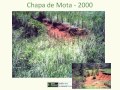
Scientific literature indicates that observable ecological changes, such as significant vegetation recovery or soil carbon increases in degraded arid and semi-arid rangelands, may take 10-20 years, with some studies showing limited benefits compared to rest.
Sources behind this view
Sources behind this view
Research
-
Who's afraid of Allan Savory? Scientometric polarization on Holistic Management as competing understandings (opens in new window)
This study found: Research on how to graze livestock sustainably, particularly using methods like Holistic Management (HM) developed by Allan Savory, is complex and often debated. A scientific analysis of studies related to HM shows that while the research is becoming more widespread geographically and across different scientific fields, there are distinct groups (factions) within the scientific community. These groups often align with their scientific discipline and their opinion on HM. Studies done on actual farms, especially in dry regions, are more likely to have positive findings about HM. The analysis suggests that different scientific disciplines sometimes struggle to work together, and there's a need for people with different viewpoints to collaborate and share their knowledge to make better decisions about grazing practices.
-
FORAGES AND PASTURES SYMPOSIUM: Improving soil health and productivity on grasslands using managed grazing of livestock. (opens in new window)
This study found: Managing livestock grazing on grasslands can offer multiple benefits beyond just producing meat or milk. By carefully planning grazing, farmers can encourage a wider variety of plants to grow. This diversity helps plants use sunlight, water, and nutrients more effectively, making the pasture more resilient to weather changes and less prone to weeds. Managed grazing also helps build soil organic matter, which means more carbon and nutrients are stored in the soil, and the soil can hold more water. While grazing can create soil compaction, the roots from diverse pasture plants can help reduce this. More research is needed on how different grazing and rest periods affect soil compaction. Keeping enough plants on the ground is key to helping water soak into the soil, even in wet areas. Diverse plant communities can also create better habitats for wildlife and pollinators. It's important to remember that how grasslands respond to grazing depends a lot on local climate, soil, and plant types. A single grazing plan might not be best for both animal production and all the ecological benefits, so farmers need to balance their goals.
Making Sense of the Differences
The timeline for observable results with Holistic Management varies significantly based on starting land condition, climate, and management intensity. Degraded, brittle environments with limited rainfall require longer recovery periods (7-20 years) for substantial ecological change. In more forgiving, less degraded climates, or with highly degraded land that can be rapidly improved, positive changes may appear within 2-5 years. Farmers should anticipate longer timelines and focus on consistent, adaptive management, especially in challenging environments.
Can livestock grazing actively reverse desertification according to Holistic Management?
Field & Institute: Yes, through planned grazing
Proponents and practitioners report that properly managed livestock grazing, mimicking natural herd behavior, can halt and reverse desertification by stimulating plant growth, improving soil cover, and increasing water infiltration, citing visual evidence and case studies.
Sources behind this view
Sources behind this view
Videos & Podcasts
-
Holistic planned grazing mimics natural herd behavior to regenerate grasslands, improve ecosystem function, and sequester carbon. It involves matching forage to livestock needs and monitoring grass recovery, leading to healthier land and livelihoods.
-
Holistic management enhances water, mineral, energy, and community cycles by covering soil and maximizing plant growth, leading to improved soil health, biodiversity, and profitability.
From the Web
-
Holistic Management is a decision-making and grazing planning framework designed to balance ecological, financial, and social needs for regenerative outcomes, addressing grassland degradation.
Academic: Benefits are inconsistent or limited
Scientific literature often shows mixed or negative impacts of grazing on desertified lands; many peer-reviewed studies indicate planned grazing doesn't consistently reverse desertification and can sometimes be worse than resting the land.
Sources behind this view
Sources behind this view
Research
-
Who's afraid of Allan Savory? Scientometric polarization on Holistic Management as competing understandings (opens in new window)
This study found: Research on how to graze livestock sustainably, particularly using methods like Holistic Management (HM) developed by Allan Savory, is complex and often debated. A scientific analysis of studies related to HM shows that while the research is becoming more widespread geographically and across different scientific fields, there are distinct groups (factions) within the scientific community. These groups often align with their scientific discipline and their opinion on HM. Studies done on actual farms, especially in dry regions, are more likely to have positive findings about HM. The analysis suggests that different scientific disciplines sometimes struggle to work together, and there's a need for people with different viewpoints to collaborate and share their knowledge to make better decisions about grazing practices.
-
FORAGES AND PASTURES SYMPOSIUM: Improving soil health and productivity on grasslands using managed grazing of livestock. (opens in new window)
This study found: Managing livestock grazing on grasslands can offer multiple benefits beyond just producing meat or milk. By carefully planning grazing, farmers can encourage a wider variety of plants to grow. This diversity helps plants use sunlight, water, and nutrients more effectively, making the pasture more resilient to weather changes and less prone to weeds. Managed grazing also helps build soil organic matter, which means more carbon and nutrients are stored in the soil, and the soil can hold more water. While grazing can create soil compaction, the roots from diverse pasture plants can help reduce this. More research is needed on how different grazing and rest periods affect soil compaction. Keeping enough plants on the ground is key to helping water soak into the soil, even in wet areas. Diverse plant communities can also create better habitats for wildlife and pollinators. It's important to remember that how grasslands respond to grazing depends a lot on local climate, soil, and plant types. A single grazing plan might not be best for both animal production and all the ecological benefits, so farmers need to balance their goals.
Making Sense of the Differences
The claim that livestock grazing can reverse desertification is highly contentious and context-dependent. While practitioners report dramatic improvements in arid and semi-arid areas using planned grazing, peer-reviewed research often shows more modest or inconsistent results, suggesting that the specific ecological conditions, management intensity, and assessment methodology are critical. Farmers should critically evaluate evidence, understand that dramatic reversals in severely degraded landscapes are rare and may require extended, highly adaptive management, and consider local conditions when assessing potential outcomes.
How effectively does Holistic Management reverse soil degradation?
Practitioner claims: Significant improvements in 2-7 years
Practitioners report significant land regeneration, including substantial increases in soil organic matter, water holding capacity, and perennial plant cover, often within 2-7 years of implementing planned grazing and adaptive management.
Sources behind this view
Sources behind this view
Videos & Podcasts
-
Holistic management enhances water, mineral, energy, and community cycles by covering soil and maximizing plant growth, leading to improved soil health, biodiversity, and profitability.
-
Holistic planned grazing mimics natural herd behavior to regenerate grasslands, improve ecosystem function, and sequester carbon. It involves matching forage to livestock needs and monitoring grass recovery, leading to healthier land and livelihoods.
From the Web
-
Holistic Management is an adaptive framework that improves land health, increases soil carbon by up to 300%, and enhances water infiltration by 800% through integrated decision-making for farmers and ranchers.
Academic research: Variable or modest results
Academic studies show variable results in reversing soil degradation; some indicate modest improvements in soil organic matter and water infiltration, while others find limited differences compared to continuous grazing or rest, especially in arid climates.
Sources behind this view
Sources behind this view
Research
-
FORAGES AND PASTURES SYMPOSIUM: COVER CROPS IN LIVESTOCK PRODUCTION: WHOLE-SYSTEM APPROACH: Managing grazing to restore soil health and farm livelihoods. (opens in new window)
This study found: This paper argues that shifting from high-input farming to low-input methods, especially focusing on how we manage crops and grazing livestock, is key to making farms sustainable and resilient for the long haul. The authors believe that smart soil management, particularly through well-planned grazing by animals like cattle and sheep, can rebuild soil health. This leads to better natural processes like capturing carbon from the air, allowing water to soak into the ground, improving soil fertility, and supporting more diverse plant and animal life. By working together, scientists and farmers can develop these regenerative practices to create farms that are not only good for the environment but also financially successful. Implementing these grazing strategies is seen as crucial for the future of farming.
-
FORAGES AND PASTURES SYMPOSIUM: Improving soil health and productivity on grasslands using managed grazing of livestock. (opens in new window)
This study found: Managing livestock grazing on grasslands can offer multiple benefits beyond just producing meat or milk. By carefully planning grazing, farmers can encourage a wider variety of plants to grow. This diversity helps plants use sunlight, water, and nutrients more effectively, making the pasture more resilient to weather changes and less prone to weeds. Managed grazing also helps build soil organic matter, which means more carbon and nutrients are stored in the soil, and the soil can hold more water. While grazing can create soil compaction, the roots from diverse pasture plants can help reduce this. More research is needed on how different grazing and rest periods affect soil compaction. Keeping enough plants on the ground is key to helping water soak into the soil, even in wet areas. Diverse plant communities can also create better habitats for wildlife and pollinators. It's important to remember that how grasslands respond to grazing depends a lot on local climate, soil, and plant types. A single grazing plan might not be best for both animal production and all the ecological benefits, so farmers need to balance their goals.
Making Sense of the Differences
The degree to which Holistic Management reverses soil degradation is highly context-dependent, varying with climate, soil type, starting condition, and management precision. While practitioners report substantial improvements, academic studies often show more moderate or inconsistent effects. In severely degraded or very arid environments, positive results may be slower and require exceptional, adaptive management. More favorable conditions might yield more rapid and pronounced benefits. Farmers should expect that results will vary, and focus on consistent management and observation to guide their approach.