
Is regenerative the same as sustainable?
Regenerative agriculture is a framework that actively rebuilds and improves the ecological health of landscapes, moving beyond merely maintaining the status quo. While sustainable agriculture aims to maintain ecological balance and resource availability for future generations, regenerative practices focus on enhancement, aiming to restore degraded ecosystems and increase biological function. Regenerative agriculture can be considered a more ambitious evolution of sustainability, emphasizing positive ecological gain rather than just minimizing harm or maintaining current levels.
Read More: Complete Description
Sources behind this view
Sources behind this view
 Videos & Podcasts
-
Regenerative agriculture regenerates the environment through animal integration, building soil, biodiversity, and resilience, while promoting local food systems and a less perfectionist, more connecte
-
Adopts regenerative agriculture principles: minimize disturbance, keep living roots, use soil armor, integrate animals (livestock grazing, multi-species), and increase biodiversity. These practices bu

-
Regenerative agriculture, defined as soil-focused sustainability, requires a crucial social element for success, especially in erosion-prone regions like Spain and Ethiopia, where collective action is
![Thumbnail for Lighthouse Farms: Redesigning the Future of Farming [ROGIER SCHULTE]](/static/thumbnails/13ylqmy5pWA.jpg)
 Research
-
Systematic review of regenerative farming: Addressing agricultural sustainability challenges (opens in new window)
This study found: Systematic review of 31 studies shows regenerative farming improves soil health, biodiversity, and carbon capture, aiding sustainability. Technology is key for adoption, but policy, farmer understandi
-
Regenerative Agriculture: Restoring Ecosystems¢ Resilience and Productivity: A Review (opens in new window)
This study found: Regenerative agriculture builds soil health and ecosystem services through practices like no-till, cover crops, and diverse rotations. It increases soil organic matter, improves water infiltration, bo
-
Why Regenerative Agriculture? (opens in new window)
This study found: Regenerative agriculture rebuilds soil health, boosts biodiversity, and protects water by emulating nature. It captures atmospheric carbon, offering a low-cost climate solution and producing nutritiou
-
Regenerative agriculture for sustainable crop productivity: A comprehensive review (opens in new window)
This study found: Regenerative Agriculture revitalizes soil by minimizing disturbance, maximizing living roots, fostering diversity, and reducing synthetic inputs. It improves soil health, carbon sequestration, and cro
 From the Web
-
Regenerative agriculture, rooted in agroecology and the Four Principles of Organic Agriculture (Health, Ecology, Fairness, Care), aims to improve systems by increasing soil organic matter through prac
-
Regenerative agriculture rebuilds degraded natural systems by mimicking ecosystems, focusing on relationships, nutrient cycling, and diversity to improve soil health and carbon content while producing
-
Regenerative agriculture aims to improve soil health and ecosystem function by regenerating the Energy, Water, Nutrient, and Life Cycles. Understanding Ag defines it as working in synchrony with natur
-
Regenerative agriculture restores degraded soils using ecological principles, improving soil health, biodiversity, and resilience while reducing chemical inputs and capturing carbon.
Key Points
Where It Applies
- All climates from temperate to tropical.
- Arid regions to humid landscapes.
- Row cropping to livestock operations.
- Smallholdings to large-scale farms.
Key Mechanisms
- Increased soil organic matter and biological activity.
- Enhanced soil structure and water infiltration.
- Greater biodiversity above and below ground.
- Improved resilience to pests and climate extremes.
Core Concept
- Rebuilds, not just maintains, ecological health.
- Focuses on improving biological function.
- Aims for net positive ecological gain.
- Enhances soil health, biodiversity, and water cycles.
Management Actions
- Minimize soil disturbance (no-till, reduced tillage).
- Keep soil covered with living plants or mulch.
- Increase crop and livestock diversity.
- Integrate livestock for nutrient cycling.
Know the Debate
- Maintenance vs. active improvement: sustainability vs. regeneration.
- Regenerative aims for net positive ecological gain.
- Sustainability focuses on preventing degradation.
- Context determines whether maintenance or restoration is prioritized.
Going Deeper
1
Why This Matters
The urgency for regenerative agriculture stems from widespread environmental degradation and the increasing pressures of climate change. Conventional agriculture, while providing essential food production, has often led to soil erosion, loss of biodiversity, water...
Why This Matters
The urgency for regenerative agriculture stems from widespread environmental degradation and the increasing pressures of climate change. Conventional agriculture, while providing essential food production, has often led to soil erosion, loss of biodiversity, water...
The urgency for regenerative agriculture stems from widespread environmental degradation and the increasing pressures of climate change. Conventional agriculture, while providing essential food production, has often led to soil erosion, loss of biodiversity, water pollution, and significant greenhouse gas emissions. Sustainable practices aim to mitigate these impacts by reducing inputs and conserving resources, essentially slowing the rate of degradation. However, in many regions, land has been heavily depleted over decades, requiring more than just conservation; it needs active restoration.
Regenerative agriculture offers a pathway to not only halt degradation but to reverse it. By rebuilding soil organic matter, these systems can sequester atmospheric carbon, contributing to climate change mitigation. They enhance water-holding capacity, making farms more resilient to drought and reducing the need for irrigation (potentially saving 10-30% on water costs). Increased biodiversity supports natural pest control and pollination services, reducing reliance on synthetic inputs. This holistic approach creates a farm ecosystem that is more productive, profitable, and ecologically sound. For example, a meta-analysis of trials across France, Germany, and Canada showed that transitioning to regenerative practices like cover cropping and reduced tillage led to an average annual increase of 0.5% in soil organic carbon levels over 5-15 years.
Sources behind this view
Sources behind this view
Videos & Podcasts
-
Regenerative agriculture provides solutions for climate change, human health, and soil degradation, contrasting with industrial agriculture's harmful impacts, including glyphosate use. Practices like
-
Adopts regenerative agriculture principles: minimize disturbance, keep living roots, use soil armor, integrate animals (livestock grazing, multi-species), and increase biodiversity. These practices bu
-
Regenerative agriculture is crucial for environmental resilience. It focuses on understanding soil microbiology, carbon and water cycles, and building aggregate structure. Healthy soil acts like a spo

-
Adopting regenerative practices should start small and incrementally, focusing on soil health over short-term yields. Collaboration, strategic nutrient sourcing, and leveraging resources like Continuu
 Community
-
Regenerative agriculture rebuilds soil organic matter and biodiversity through practices like cover cropping, reduced tillage, minimal artificial fertilizers, and regenerative grazing, ultimately impr
Read more (pp. 8-9) (opens PDF, pp. 8-9) permies.com -
Regenerative agriculture reverses soil harm by sequestering carbon through cover crops, no-till, compost, and crop rotation, improving soil health and resilience for both farms and home gardens.
Read more (opens in new window) ucanr.edu -
Key takeaways for scaling regenerative agriculture include consistent certification standards, secure data sharing, long-term investment and financing, supply chain transparency, and collaborative eff
Read more (opens in new window) ucanr.edu -
Carbon farming builds soil organic matter, increasing water retention by 25,000 gallons/hectare per 1% increase, enhancing drought resilience and flood prevention, while also boosting biodiversity and
Read more (opens in new window) sustainableagriculture.net
Research
-
Systematic review of regenerative farming: Addressing agricultural sustainability challenges (opens in new window)
This study found: Systematic review of 31 studies shows regenerative farming improves soil health, biodiversity, and carbon capture, aiding sustainability. Technology is key for adoption, but policy, farmer understandi
-
Regenerative Agriculture: Restoring Ecosystems¢ Resilience and Productivity: A Review (opens in new window)
This study found: Regenerative agriculture builds soil health and ecosystem services through practices like no-till, cover crops, and diverse rotations. It increases soil organic matter, improves water infiltration, bo
-
The Indigenous Roots of Regenerative Agriculture (opens in new window)
This study found: Modern regenerative agriculture practices are rooted in millennia of Indigenous land stewardship, offering profound knowledge and a crucial value system of respect and reciprocity for true transformat
-
The Imperative for Regenerative Agriculture (opens in new window)
This study found: Regenerative agriculture is vital for food security, climate change mitigation, and soil health. It improves soil organic carbon, water retention, and reduces erosion. Localized and urban food product
From the Web
-
Regenerative agriculture regenerates topsoil, increases biodiversity, and improves carbon/water cycles through methods like minimal tillage, soil cover, diversity, and animal integration, boosting pro
-
Regenerative agriculture, rooted in agroecology and the Four Principles of Organic Agriculture (Health, Ecology, Fairness, Care), aims to improve systems by increasing soil organic matter through prac
-
Regenerative agriculture builds ecological and economic resilience through practices like soil carbon sequestration, perennial farming, and climate-friendly livestock management, offering a pathway to
-
Regenerative agriculture, guided by Health, Ecology, Fairness, and Care principles, aims to improve systems by increasing soil organic matter through practices like cover crops and longer rotations. T
2
How It Works: The Interconnectedness of Regenerative Principles
Regenerative agriculture functions through the synergistic application of principles designed to mimic natural ecosystems. The core idea is that by working with natural processes, we can enhance the land's inherent capacity to produce healthy food and support diverse...
How It Works: The Interconnectedness of Regenerative Principles
Regenerative agriculture functions through the synergistic application of principles designed to mimic natural ecosystems. The core idea is that by working with natural processes, we can enhance the land's inherent capacity to produce healthy food and support diverse...
Regenerative agriculture functions through the synergistic application of principles designed to mimic natural ecosystems. The core idea is that by working with natural processes, we can enhance the land's inherent capacity to produce healthy food and support diverse life.
- Keeping the Soil Covered: Continuous living cover, through crops and cover crops, protects soil from erosion by wind and rain, keeps roots alive to feed soil microbes, and moderates soil temperature. In the UK, farmers have observed a 50-70% reduction in soil losses from heavy rainfall events where continuous cover is maintained.
- Minimizing Soil Disturbance: Reduced or no-till practices preserve soil structure, which is vital for water infiltration and aeration. This also protects the complex network of fungal hyphae and microbial communities that underpin soil fertility. Studies in Argentina show soil aeration on no-till fields can be 2-3 times better than conventionally tilled soils within 5 years.
- Maximizing Biodiversity: Diverse cropping systems, cover crop mixes, and the integration of livestock foster a wider array of soil organisms, beneficial insects, and pollinators. This ecological complexity builds resilience, as different species perform varied functions and can compensate for each other. For instance, in a different context, a study in India found that a diversified cover crop mix can provide habitat for 3-5 times more *species* of beneficial insects compared to a monoculture cover.
- Integrating Livestock: Properly managed grazing can stimulate plant growth, cycle nutrients through manure, and break up soil compaction, all while building soil organic matter. Rotational grazing systems, for example, have been shown in Kenya to increase pasture productivity by 20-40% and improve soil carbon sequestration rates.
These principles are not applied in isolation but work together. For example, a diverse cover crop mix (biodiversity) kept on the soil surface (covered) with minimal tillage (minimized disturbance) creates an ideal environment for soil microbes, which are then fed by living roots and organic matter from livestock manure (integrated livestock). This interconnectedness is what drives the cumulative improvements characteristic of regenerative systems.
Sources behind this view
Sources behind this view
Videos & Podcasts
-
Adopts regenerative agriculture principles: minimize disturbance, keep living roots, use soil armor, integrate animals (livestock grazing, multi-species), and increase biodiversity. These practices bu
-
Key regenerative agriculture principles include: keeping soil covered, limiting disturbance (no-plow), building diversity (microbes, plants, animals), maintaining a living root in the soil, and integr

-
Gabe Brown details the six principles of regenerative agriculture: Context, Least Disturbance, Soil Armor, Diversity, Living Root, and Animal Integration, which drive the four ecosystem processes for

Community
-
Enhance soil health through plant diversity, continuous soil cover (living plants/residues), and livestock integration. Manage carbon-to-nitrogen ratios of residues and adopt no-till practices to impr
Read more (opens in new window) permies.com -
Build healthy pasture soils by minimizing tillage, maintaining living roots and species diversity, and implementing proper grazing management. Livestock are essential for nutrient cycling and stimulat
Read more (opens in new window) smallfarms.cornell.edu -
Advocates for simpler regenerative methods based on Soil Foodweb and Holistic Management, emphasizing soil restructuring for water retention and reducing reliance on inputs like biochar. Promotes holi
Read more (opens in new window) permies.com -
Explains regenerative agriculture principles: no-till gardening to support soil microbiome and sequester carbon; using compost to reduce erosion and compaction; and planting diverse cover crops (grass
Read more (opens in new window) ucanr.edu
Research
-
The Indigenous Roots of Regenerative Agriculture (opens in new window)
This study found: Modern regenerative agriculture practices are rooted in millennia of Indigenous land stewardship, offering profound knowledge and a crucial value system of respect and reciprocity for true transformat
-
Regenerative Agriculture: Restoring Ecosystems¢ Resilience and Productivity: A Review (opens in new window)
This study found: Regenerative agriculture builds soil health and ecosystem services through practices like no-till, cover crops, and diverse rotations. It increases soil organic matter, improves water infiltration, bo
-
Building Soil Health and Fertility through Organic Amendments and Practices: A Review (opens in new window)
This study found: Review of organic amendments (manures, compost, cover crops) and regenerative practices (no-till, crop diversity, agroecology) shows they restore soil health by increasing organic matter and beneficia
-
Estrategias de agricultura regenerativa para mejorar la salud del suelo (opens in new window)
This study found: Review of research shows cover crops, composting, and crop rotation significantly improve soil health, carbon capture, and erosion resistance in regenerative agriculture.
From the Web
-
Key regenerative agriculture methods include no-till farming, cover cropping, agroforestry, perennial crops, planned rotational grazing (Holistic Management), and compost application, all aimed at imp
-
Six principles for building soil health: know your context, cover the soil, minimize disturbance, increase diversity, maintain living roots, and integrate livestock. These principles are context-depen
-
Regenerative agriculture is achievable by focusing on soil health through six principles: know your context, cover the soil, minimize disturbance, increase diversity, maintain living plants/roots, and
-
Maximize photosynthesis by keeping living plants and deep roots in the soil for extended periods. Practices like strip tilling, cover cropping, and increasing diversity enhance soil organic matter, ca
3
Common Misconceptions
A frequent misunderstanding is that "regenerative" is simply a new marketing term for "organic" or "sustainable." While organic certification focuses on prohibiting synthetic inputs and sustainable agriculture aims for maintenance, regenerative agriculture is...
Common Misconceptions
A frequent misunderstanding is that "regenerative" is simply a new marketing term for "organic" or "sustainable." While organic certification focuses on prohibiting synthetic inputs and sustainable agriculture aims for maintenance, regenerative agriculture is...
A frequent misunderstanding is that "regenerative" is simply a new marketing term for "organic" or "sustainable." While organic certification focuses on prohibiting synthetic inputs and sustainable agriculture aims for maintenance, regenerative agriculture is distinguished by its explicit goal of ecological enhancement. A farm can be organic and still practice methods that degrade soil over time, or it can be sustainable by utilizing inputs efficiently but not actively rebuilding ecological capital. Regenerative agriculture demands a more proactive and systems-based approach that actively seeks to improve soil health, biodiversity, and water cycles.
Another misconception is that regenerative agriculture is synonymous with returning to archaic, low-tech farming methods. In reality, regenerative agriculture often leverages modern understanding of ecology, biology, and soil science, sometimes incorporating advanced technologies for monitoring soil health, water usage, and biodiversity. The key is not the technology itself, but how it's applied within a framework that prioritizes ecological enhancement. For instance, precision seeding equipment can be used in conjunction with no-till systems to ensure optimal plant establishment and soil protection.
Finally, there's a belief that regenerative practices are inherently less productive or more expensive than conventional methods. While transition periods can involve learning curves and initial investments (e.g., investing in cover crop seeds, potentially $20-60/acre or $50-150/ha), the long-term economic benefits—reduced input costs for fertilizers (eliminating $200-400/ha or $500-1000/acre annually), pesticides, and water, coupled with potentially higher and more stable yields and premium market access—often outweigh initial costs. Many farmers report yield increases or stability comparable to conventional systems within 3-7 years, with reduced input expenditures.
Sources behind this view
Sources behind this view
Videos & Podcasts
-
Barriers to regenerative agriculture adoption include economic misconceptions (it's not less profitable), complexity of soil-plant cycles (manager decisions dictate degradation vs. regeneration), and

-
Regenerative farming, using no-till, cover crops, and diverse rotations, rapidly rebuilds soil organic matter and soil life. Examples from Ohio and Ghana show these practices increase profitability by

-
Adopting regenerative practices should start small and incrementally, focusing on soil health over short-term yields. Collaboration, strategic nutrient sourcing, and leveraging resources like Continuu
-
Case studies of farmers like Duane Beck, Kofi Boa, David Brandt, and Gabe Brown demonstrate that regenerative agriculture (no-till, cover crops, diverse rotations) significantly increases soil health,

Community
-
Regenerative agriculture rebuilds soil organic matter and biodiversity through practices like cover cropping, reduced tillage, minimal artificial fertilizers, and regenerative grazing, ultimately impr
Read more (pp. 8-9) (opens PDF, pp. 8-9) permies.com
Research
-
Regenerative Agriculture: Restoring Ecosystems¢ Resilience and Productivity: A Review (opens in new window)
This study found: Regenerative agriculture builds soil health and ecosystem services through practices like no-till, cover crops, and diverse rotations. It increases soil organic matter, improves water infiltration, bo
-
Regenerative Almond Production Systems Improve Soil Health, Biodiversity, and Profit (opens in new window)
This study found: Regenerative almond farms in California doubled profits and improved soil health and biodiversity by combining practices like cover crops, compost, and reduced synthetic inputs, with no yield loss.
-
Systematic review of regenerative farming: Addressing agricultural sustainability challenges (opens in new window)
This study found: Systematic review of 31 studies shows regenerative farming improves soil health, biodiversity, and carbon capture, aiding sustainability. Technology is key for adoption, but policy, farmer understandi
-
Regenerative agriculture for sustainable crop productivity: A comprehensive review (opens in new window)
This study found: Regenerative Agriculture revitalizes soil by minimizing disturbance, maximizing living roots, fostering diversity, and reducing synthetic inputs. It improves soil health, carbon sequestration, and cro
From the Web
-
Regenerative farming combines no-till, cover crops, and complex rotations, often with livestock grazing, to boost profitability by reducing input costs and increasing soil organic matter. Studies show
-
Regenerative agriculture, combining minimal disturbance, cover cropping, and diversified rotations, rebuilds soil fertility, significantly reduces input costs (fertilizers, pesticides, diesel), and ma
-
Regenerative agriculture, rooted in agroecology and the Four Principles of Organic Agriculture (Health, Ecology, Fairness, Care), aims to improve systems by increasing soil organic matter through prac
-
Regenerative agriculture restores soil health through practices like cover cropping and crop rotation, leading to carbon sequestration, increased resiliency, and reduced reliance on off-farm inputs, b
4
Regional Considerations
The specific manifestation of regenerative practices varies significantly with climate, soil type, and existing land use history across the globe. Temperate Zones (e.g., North America, Europe, Northern Asia): Farmers in these regions often focus on building soil organic...
Regional Considerations
The specific manifestation of regenerative practices varies significantly with climate, soil type, and existing land use history across the globe. Temperate Zones (e.g., North America, Europe, Northern Asia): Farmers in these regions often focus on building soil organic...
The specific manifestation of regenerative practices varies significantly with climate, soil type, and existing land use history across the globe.
- Temperate Zones (e.g., North America, Europe, Northern Asia): Farmers in these regions often focus on building soil organic matter in arable lands, managing nutrient cycling through cover crops and integration of livestock like cattle or sheep. Practices like no-till, diverse cover crop mixes (e.g., cereal rye, vetch, clover in the Northern Hemisphere's early spring growth cycle), and rotational grazing are common. For example, in Canada, farmers have seen an increase in soil microbial biomass by 50-100% in perennial pastures managed regeneratively over 10 years.
- Arid and Semi-Arid Zones (e.g., parts of Australia, North Africa, Western US): Water scarcity is a primary driver. Regenerative approaches emphasize water infiltration and retention, often through extensive use of cover crops that resist drying, reduced tillage to preserve soil moisture, and strategically managed grazing to stimulate perennial grass growth. In Western Australia, holistic grazing management has been observed to improve soil water retention by up to 30% in degraded rangelands over 5-8 years.
- Tropical and Subtropical Zones (e.g., South America, Southeast Asia, parts of Africa): Challenges include rapid nutrient leaching and intense rainfall. Regenerative practices focus on maintaining continuous ground cover, promoting diverse perennial systems (agroforestry, mixed cropping), and fostering soil fungal networks. In the humid tropics of Costa Rica, diversified shade-grown coffee systems integrating fruit trees and nitrogen-fixing plants have shown a 15% increase in marketable yields and improved soil nitrogen over conventional monoculture systems within 5 years.
Regardless of the region, the core principles of building soil health, fostering biodiversity, and working with natural water cycles remain central to all regenerative efforts.
Sources behind this view
Sources behind this view
Videos & Podcasts
-
Regenerative agriculture provides solutions for climate change, human health, and soil degradation, contrasting with industrial agriculture's harmful impacts, including glyphosate use. Practices like
-
Adopts regenerative agriculture principles: minimize disturbance, keep living roots, use soil armor, integrate animals (livestock grazing, multi-species), and increase biodiversity. These practices bu
-
Regenerative farming, using no-till, cover crops, and diverse rotations, rapidly rebuilds soil organic matter and soil life. Examples from Ohio and Ghana show these practices increase profitability by
-
Adopting regenerative practices should start small and incrementally, focusing on soil health over short-term yields. Collaboration, strategic nutrient sourcing, and leveraging resources like Continuu
Community
-
Regenerative agriculture principles, including pasture-based systems, cover cropping, and livestock integration, are discussed for improving soil health and water infiltration in arid African climates
Read more (opens in new window) permies.com -
Regenerative agriculture rebuilds soil organic matter and biodiversity through practices like cover cropping, reduced tillage, minimal artificial fertilizers, and regenerative grazing, ultimately impr
Read more (pp. 8-9) (opens PDF, pp. 8-9) permies.com
Research
-
The Indigenous Roots of Regenerative Agriculture (opens in new window)
This study found: Modern regenerative agriculture practices are rooted in millennia of Indigenous land stewardship, offering profound knowledge and a crucial value system of respect and reciprocity for true transformat
-
Regenerative Agriculture: Restoring Ecosystems¢ Resilience and Productivity: A Review (opens in new window)
This study found: Regenerative agriculture builds soil health and ecosystem services through practices like no-till, cover crops, and diverse rotations. It increases soil organic matter, improves water infiltration, bo
-
Potential regenerative agricultural practices for different ecosystems to rebuild soil health and ensure food security: A comprehensive review (opens in new window)
This study found: Regenerative agriculture practices boost soil health, increase crop yields by up to 18%, and cut greenhouse gas emissions by up to 5% across tropical and temperate regions, with specific strategies ne
-
Regenerative Almond Production Systems Improve Soil Health, Biodiversity, and Profit (opens in new window)
This study found: Regenerative almond farms in California doubled profits and improved soil health and biodiversity by combining practices like cover crops, compost, and reduced synthetic inputs, with no yield loss.
From the Web
-
Key regenerative agriculture methods include no-till farming, cover cropping, agroforestry, perennial crops, planned rotational grazing (Holistic Management), and compost application, all aimed at imp
-
Regenerative farming rebuilds soil health through practices like cover cropping, no-till, rotational grazing, and composting, focusing on long-term life and resilience over short-term yields.
-
Regenerative agriculture restores degraded soils by building organic matter and biodiversity, enhancing drought/flood resilience and capturing carbon. Key principles include covering soil, minimizing
-
Regenerative agriculture is driven by principles like building soil health, promoting biodiversity, and enhancing climate resilience, adapted to local ecosystems, rather than a checklist of practices.
5
Historical Context
The concept of working with nature to enhance land productivity is ancient. Indigenous agricultural systems across continents, such as the milpa system of Mesoamerica or traditional rice-fish systems in Asia, incorporated principles of biodiversity, nutrient cycling, and...
Historical Context
The concept of working with nature to enhance land productivity is ancient. Indigenous agricultural systems across continents, such as the milpa system of Mesoamerica or traditional rice-fish systems in Asia, incorporated principles of biodiversity, nutrient cycling, and...
The concept of working with nature to enhance land productivity is ancient. Indigenous agricultural systems across continents, such as the milpa system of Mesoamerica or traditional rice-fish systems in Asia, incorporated principles of biodiversity, nutrient cycling, and minimal soil disturbance for millennia. These systems were inherently regenerative, building soil fertility and maintaining ecological balance without reliance on external synthetic inputs.
During the 20th century, the Green Revolution and the widespread adoption of synthetic fertilizers, pesticides, and intensive tillage led to significant increases in food production but also to widespread soil degradation, biodiversity loss, and environmental pollution. This prompted a search for more ecologically sound farming methods. "Sustainable agriculture" emerged as a response in the late 20th century, advocating for practices that could maintain productivity without depleting resources for future generations.
Regenerative agriculture, gaining prominence in the early 21st century, builds upon the lessons learned from both ancient practices and modern ecological science. It represents an evolution beyond sustainability, recognizing that simply maintaining the status quo is insufficient in the face of ecological crises. The focus shifted from merely 'sustaining' to actively 'regenerating' or restoring the health and vitality of agricultural ecosystems. This paradigm shift is driven by a deeper understanding of soil biology, ecosystem functions, and the urgent need for agriculture to become a solution to environmental problems, such as climate change and biodiversity loss.
Sources behind this view
Sources behind this view
Videos & Podcasts
-
Regenerative agriculture provides solutions for climate change, human health, and soil degradation, contrasting with industrial agriculture's harmful impacts, including glyphosate use. Practices like
-
Adopts regenerative agriculture principles: minimize disturbance, keep living roots, use soil armor, integrate animals (livestock grazing, multi-species), and increase biodiversity. These practices bu
-
Regenerative agriculture increases diversity and reduces disturbance through practices like no-till, cover crops, and integrated animals. This fosters biodiversity, which replaces costly agrochemicals

-
Regenerative agriculture is crucial for environmental resilience. It focuses on understanding soil microbiology, carbon and water cycles, and building aggregate structure. Healthy soil acts like a spo
Community
-
Regenerative agriculture rebuilds soil organic matter and biodiversity through practices like cover cropping, reduced tillage, minimal artificial fertilizers, and regenerative grazing, ultimately impr
Read more (pp. 8-9) (opens PDF, pp. 8-9) permies.com -
Feeding the world requires agroecological small farms that prioritize 'first, do no harm' and deep local understanding, learning from indigenous practices to restore native plants while growing abunda
Read more (opens in new window) permies.com -
Regenerative agriculture reverses soil harm by sequestering carbon through cover crops, no-till, compost, and crop rotation, improving soil health and resilience for both farms and home gardens.
Read more (opens in new window) ucanr.edu
Research
-
The Indigenous Roots of Regenerative Agriculture (opens in new window)
This study found: Modern regenerative agriculture practices are rooted in millennia of Indigenous land stewardship, offering profound knowledge and a crucial value system of respect and reciprocity for true transformat
-
Systematic review of regenerative farming: Addressing agricultural sustainability challenges (opens in new window)
This study found: Systematic review of 31 studies shows regenerative farming improves soil health, biodiversity, and carbon capture, aiding sustainability. Technology is key for adoption, but policy, farmer understandi
-
Regenerative Agriculture: Restoring Ecosystems¢ Resilience and Productivity: A Review (opens in new window)
This study found: Regenerative agriculture builds soil health and ecosystem services through practices like no-till, cover crops, and diverse rotations. It increases soil organic matter, improves water infiltration, bo
-
Restoration Through Regeneration: a Scientific and Political Lens into Regenerative Agriculture in the United States (opens in new window)
This study found: Regenerative agriculture builds soil health and resilience using practices like no-till and cover crops, contrasting with industrial farming. Current U.S. policies hinder its adoption, requiring refor
From the Web
-
Regenerative agriculture regenerates topsoil, increases biodiversity, and improves carbon/water cycles through methods like minimal tillage, soil cover, diversity, and animal integration, boosting pro
-
Regenerative agriculture, rooted in agroecology and the Four Principles of Organic Agriculture (Health, Ecology, Fairness, Care), aims to improve systems by increasing soil organic matter through prac
-
Regenerative agriculture, guided by Health, Ecology, Fairness, and Care principles, aims to improve systems by increasing soil organic matter through practices like cover crops and longer rotations. T
-
Regenerative Agriculture, guided by a holistic management framework and a 'holistic context,' is proposed to regenerate soils, economies, and environments. It reintroduces livestock as a key tool and
6
Measuring and Monitoring
Assessing the effectiveness of regenerative practices requires monitoring key ecological indicators over time. These metrics move beyond simple yield calculations to capture improvements in the underlying health of the farming system. Soil Health: Key indicators include...
Measuring and Monitoring
Assessing the effectiveness of regenerative practices requires monitoring key ecological indicators over time. These metrics move beyond simple yield calculations to capture improvements in the underlying health of the farming system. Soil Health: Key indicators include...
Assessing the effectiveness of regenerative practices requires monitoring key ecological indicators over time. These metrics move beyond simple yield calculations to capture improvements in the underlying health of the farming system.
- Soil Health: Key indicators include soil organic matter content (target increase of 0.2-1.0% annually in fertile soils), soil structure (assessed through aggregate stability tests), water infiltration rates (e.g., seeing a 20-50% improvement in infiltration speed over 3-5 years), and soil microbial biomass or activity. Simple shovels tests can reveal improved soil structure, showing deeper, more granular topsoil.
- Biodiversity: Monitoring the presence and diversity of beneficial insects (e.g., pollinators, predators of pests), earthworms (e.g., aiming for 5-15 earthworms per cubic foot or 50-150 per cubic meter in healthy soil), and birds can indicate a healthier ecosystem. Quadrats of vegetation can reveal increased species richness in pastures or cover crops.
- Water Cycle: Measuring water holding capacity in soil (e.g., through gravimetric analysis or assessing soil color and moisture retention), along with reduced reliance on irrigation, signals improvement. Observing reduced runoff during heavy rainfall events is a strong indicator.
- Nutrient Cycling: Tracking changes in soil nutrient levels, particularly nitrogen and phosphorus, and the reduced need for synthetic fertilizer inputs (with many farms achieving a 50-100% reduction over a 3-7 year transition period as soil biology matures), highlights improved biological nutrient cycling. Leaf tissue analysis can reveal improved nutrient uptake from healthy soils.
- Economic Indicators: These include reduced input costs (fertilizers, pesticides, water, fuel), potentially higher market prices for regeneratively produced goods, and increased farm resilience during extreme weather events. For example, farms may see $100-300/acre ($250-750/ha) in annual savings after 5-10 years of transition.
Regular soil testing (quarterly to annually) and detailed record-keeping are fundamental for tracking progress and adapting management strategies. Many farmers utilize visual assessments, field days, and peer-to-peer learning alongside formal monitoring to evaluate their regenerative journey.
Sources behind this view
Sources behind this view
Videos & Podcasts
-
Regenerative practices lead to exponential soil health improvements (e.g., 15-inch aggregate depth in 4 years) and significant ecological benefits (4x GHG sink, 3x birds, 2.3x water infiltration) comp

-
Five key success metrics are used: cattle cost of gain, soil organic matter (crucial for pH stabilization and soil health), water filtration, water retention, and microbial activity measured by Haney

-
Planning, monitoring, and adapting are crucial for soil health. Regenerative practices (no-till, cover crops, grazing) significantly improve soil infiltration and water-holding capacity compared to co

-
Regenerative trials show dramatic improvements in soil aggregate depth (up to 15 inches in 4 years), increased microbial and plant diversity (123% in pastures without new seed), enhanced water infiltr
Research
-
Regenerative Agriculture: Restoring Ecosystems¢ Resilience and Productivity: A Review (opens in new window)
This study found: Regenerative agriculture builds soil health and ecosystem services through practices like no-till, cover crops, and diverse rotations. It increases soil organic matter, improves water infiltration, bo
-
Substantial and Rapid Increase in Soil Health across Crops with Conversion from Conventional to Regenerative Practices (opens in new window)
This study found: Switching to regenerative practices like cover cropping and compost rapidly improved soil organic matter, soil structure, and beneficial soil microbes on a working farm over nine years.
-
Regenerative Almond Production Systems Improve Soil Health, Biodiversity, and Profit (opens in new window)
This study found: Regenerative almond farms in California doubled profits and improved soil health and biodiversity by combining practices like cover crops, compost, and reduced synthetic inputs, with no yield loss.
-
Systematic review of regenerative farming: Addressing agricultural sustainability challenges (opens in new window)
This study found: Systematic review of 31 studies shows regenerative farming improves soil health, biodiversity, and carbon capture, aiding sustainability. Technology is key for adoption, but policy, farmer understandi
From the Web
-
Provides a practical guide to measuring soil health using field indicators and lab tests, emphasizing consistency, context-specific interpretation, and tracking functional improvements over time. Link
-
Highlights increased biodiversity (dung beetles, sage grouse) on the Indreland ranch and advocates for practical, habitual monitoring using tools like refractometers and pH meters to guide regenerativ
-
Establish ranch monitoring sites in spring to track regenerative progress, focusing on metrics like bare ground, plant diversity, and soil health. This practice can increase land productivity by ident
-
Regenerative agriculture improves soil health, biodiversity, and farm profitability by working with nature. Success is measured by outcomes like nutrient-dense food, resilient ecosystems, and carbon s
7
Connections to Other Concepts
Regenerative agriculture is not a standalone practice but is intrinsically linked to several other ecological and agricultural concepts: Agroecology: Regenerative agriculture is an applied form of agroecology, which studies the interaction of living organisms, their...
Connections to Other Concepts
Regenerative agriculture is not a standalone practice but is intrinsically linked to several other ecological and agricultural concepts: Agroecology: Regenerative agriculture is an applied form of agroecology, which studies the interaction of living organisms, their...
Regenerative agriculture is not a standalone practice but is intrinsically linked to several other ecological and agricultural concepts:
- Agroecology: Regenerative agriculture is an applied form of agroecology, which studies the interaction of living organisms, their environment, and their agricultural applications. It emphasizes understanding and designing agricultural systems that mimic natural ecosystems and local conditions.
- Permaculture: Permaculture ethics and design principles, such as "observe and interact," "catch and store energy," and "produce no waste," deeply inform regenerative practices. Both focus on holistic system design and working with nature.
- Holistic Management: Developed by Allan Savory, this framework provides a decision-making process that considers ecological, economic, and social factors to manage land and livestock holistically. It often incorporates principles that align with regenerative agriculture, particularly concerning grazing management.
- Carbon Farming: Regenerative agriculture is a powerful tool for carbon sequestration. By increasing soil organic matter, these practices directly remove carbon dioxide from the atmosphere and store it in the soil, contributing to climate change mitigation. Research in the US Midwest has shown regenerative cropping systems can sequester 0.5-2 tons of carbon per hectare (450-1800 lbs/acre) per year.
- Circular Economy: Regenerative agriculture aims to create closed-loop systems where waste is minimized, and resources are recycled within the farm. For example, animal manure becomes fertilizer, crop residues feed soil microbes, and water is captured and reused.
Understanding these connections helps to see regenerative agriculture as part of a broader movement towards ecological restoration and resilient food systems.
Sources behind this view
Sources behind this view
Videos & Podcasts
-
Regenerative agriculture provides solutions for climate change, human health, and soil degradation, contrasting with industrial agriculture's harmful impacts, including glyphosate use. Practices like
-
Adopts regenerative agriculture principles: minimize disturbance, keep living roots, use soil armor, integrate animals (livestock grazing, multi-species), and increase biodiversity. These practices bu
-
Regenerative agriculture regenerates the environment through animal integration, building soil, biodiversity, and resilience, while promoting local food systems and a less perfectionist, more connecte
-
Regenerative agriculture prioritizes soil health, plant diversity, and animal integration, recognizing the interconnectedness of all life, including plant sentience, for sustainable food systems and a

Research
-
The Indigenous Roots of Regenerative Agriculture (opens in new window)
This study found: Modern regenerative agriculture practices are rooted in millennia of Indigenous land stewardship, offering profound knowledge and a crucial value system of respect and reciprocity for true transformat
-
Regenerative Agriculture: Restoring Ecosystems¢ Resilience and Productivity: A Review (opens in new window)
This study found: Regenerative agriculture builds soil health and ecosystem services through practices like no-till, cover crops, and diverse rotations. It increases soil organic matter, improves water infiltration, bo
-
Regenerative Agriculture: Insights and Challenges in Farmer Adoption (opens in new window)
This study found: Review of 7 regenerative agriculture practices (no-till, crop rotation, cover crops, etc.) highlights benefits and key adoption challenges like cost, farm size, and institutional barriers for scalable
-
Regenerative agriculture for sustainable crop productivity: A comprehensive review (opens in new window)
This study found: Regenerative Agriculture revitalizes soil by minimizing disturbance, maximizing living roots, fostering diversity, and reducing synthetic inputs. It improves soil health, carbon sequestration, and cro
From the Web
-
Regenerative agriculture, rooted in agroecology and the Four Principles of Organic Agriculture (Health, Ecology, Fairness, Care), aims to improve systems by increasing soil organic matter through prac
-
Regenerative agriculture restores soil health through practices like cover cropping and crop rotation, leading to carbon sequestration, increased resiliency, and reduced reliance on off-farm inputs, b
-
Regenerative Agriculture, guided by a holistic management framework and a 'holistic context,' is proposed to regenerate soils, economies, and environments. It reintroduces livestock as a key tool and
-
Regenerative agriculture, based on agroecology, focuses on improving soil organic matter (SOM) through practices like cover crops and compost. Increasing SOM enhances soil health, fertility, and water
8
Know the Debate
The distinction between regenerative and sustainable agriculture hinges on whether the goal is to maintain the current state or actively improve ec...
Know the Debate
The distinction between regenerative and sustainable agriculture hinges on whether the goal is to maintain the current state or actively improve ec...
The distinction between regenerative and sustainable agriculture hinges on whether the goal is to maintain the current state or actively improve ecological health. While sustainable practices aim for balance and resource conservation, regenerative agriculture pushes further to rebuild degraded ecosystems, enhance biodiversity, and sequester carbon. This proactive approach, favored by many farmers embracing ecological farming, offers distinct benefits, particularly in regions with a history of intensive land use. However, the applicability and definition of success can vary, influencing whether a 'maintenance' or 'restoration' mindset is more appropriate for a given farm.
Is sustainability enough, or must we actively regenerate?
Focus on Active Regeneration
Regenerative agriculture actively rebuilds soil health, biodiversity, and water cycles, aiming for net positive ecological gain. Practices like increasing soil organic matter by 0.2-1.0% annually and enhancing resilience define this approach.
Sources behind this view
Sources behind this view
Videos & Podcasts
-
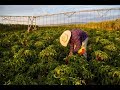
Regenerative agriculture is defined by three goals: achieving plant disease/insect resistance, producing highly nutritious food, and regenerating soil health simultaneously with crop growth, leading to true sustainability.
-
Introduces regenerative agriculture using a spectrum from degenerative to sustainable (net-zero) and regenerative (net-positive). Regeneration focuses on creating new value and positive systemic impacts, not just reducing harm.

From the Web
-
Regenerative agriculture restores degraded soils using ecological principles, improving soil health, biodiversity, and resilience while reducing chemical inputs and capturing carbon.
-
Regenerative Agriculture rebuilds soil organic matter and restores biodiversity to reverse climate change, enhance crop resilience, and improve water cycles through photosynthesis and carbon sequestration.
Focus on Maintenance and Preventing Harm
Sustainable agriculture aims to maintain current ecological balance and prevent further degradation, ensuring resources are available for future generations. This approach is vital for safeguarding land that may have a history of intensive use or be at risk of further decline.
Sources behind this view
Sources behind this view
Videos & Podcasts
-
Distinguishes regenerative agriculture (improves soil capacity) from sustainability (maintains current state) and degradation. Organic, biodynamic, etc., are not inherently regenerative if they still degrade the soil; principles are key.
Research
-
Regenerative Agriculture: Beyond Sustainability (opens in new window)
This study found: This article suggests that 'regenerative agriculture' is a better term than 'sustainable agriculture' because it implies taking farming practices a step further. While regenerative farming uses many of the same methods as sustainable farming, the authors believe it offers more benefits for both the farm's financial health and for protecting the environment.
-
THE ECONOMIC PAMPHLETEER: Realities of regenerative agriculture (opens in new window)
This study found: This article discusses the term 'regenerative agriculture,' suggesting it's the latest idea in the 'sustainable agriculture' movement. The author expresses concern that, like 'sustainable agriculture,' the term 'regenerative agriculture' could be misused or watered down by large industrial farming interests, losing its true meaning. The piece argues that for regenerative agriculture to be effective and truly beneficial, its principles must be clearly defined and protected to ensure farms can remain productive and healthy in the long term.
Making Sense of the Differences
The debate centers on whether current agricultural landscapes, many of which are degraded, need active restoration or simply preservation. While regenerative practices aim for net ecological gain and improvement, some contexts may prioritize preventing further harm through sustainable methods. The 'best' approach depends on the land's starting condition, with severely degraded land potentially benefiting more from a focus on restoration, while healthier land might prioritize maintenance and incremental improvements.