
How do we build climate-resilient food systems?
Building climate-resilient food systems means cultivating landscapes and farming practices that can withstand and adapt to unpredictable weather, extreme events, and changing environmental conditions. This involves increasing biodiversity above and below ground, enhancing soil health to improve water infiltration and retention, and integrating diverse crops and livestock. These interwoven regenerative approaches create diversified, adaptable systems capable of maintaining productivity and ecological function under duress, securing food for communities and the planet.
Read More: Complete Description
Sources behind this view
Sources behind this view
 Videos & Podcasts
-
Food system resilience in the 21st century requires integrating agriculture with healthy ecosystems and communities, using established sustainable practices to adapt to climate change and other enviro

 Research
-
Realizing Resilient Food Systems (opens in new window)
This study found: Building resilient food systems requires integrating gender equity, using ecological processes over external inputs, fostering local food networks, and linking nutrition and agriculture policies to ad
-
Harnessing breeding and biotechnological innovations for global food security under climate change. (opens in new window)
This study found: Developing climate-resilient crops through breeding, biotechnology, and sustainable farming is key to global food security. Strategies include genetic innovation, intercropping, agroforestry, and bioc
-
Managing soil health for climate resilience and crop productivity in a changing environment. (opens in new window)
This study found: Climate change and poor farming degrade soil, reducing yields and resilience. Improving soil health through diverse practices like conservation agriculture and beneficial microbes, tailored to local c
-
Spotlight on agroecological cropping practices to improve the resilience of farming systems: a qualitative review of meta-analytic studies (opens in new window)
This study found: Agroecological practices like crop diversification and ecological soil management are key to farm resilience. Cover crops, no-till, and organic matter addition are vital. Outcomes are site-specific, r
Key Points
Community & Social
- Ensures stable food availability for local communities.
- Diversifies farmer income streams, reducing economic vulnerability.
- Promotes seed sovereignty and local food cultures.
- Strengthens rural economies through reduced input dependency.
- Fosters community self-reliance amid climate uncertainty.
Ecosystem Services
- Dramatically improves water infiltration and retention.
- Sequestered carbon in soils and trees, mitigating climate change.
- Provides habitat for pollinators and beneficial insects.
- Filters water pollutants returning them to the water cycle.
- Regulates local microclimates, buffering temperature extremes.
Systemic Resilience
- Reduces reliance on single crops vulnerable to climate shocks.
- Creates diversified, adaptable farming systems.
- Improves ability to recover from extreme weather events.
- Strengthens supply chains by reducing shocks.
- Builds long-term food security for populations globally.
Environmental Impact
- Enhances soil health for water retention and drought resilience.
- Increases biodiversity above and below ground.
- Sequestering carbon in soils and perennial plants.
- Reduces soil erosion by up to 75% with cover crops.
- Improves water infiltration, reducing flood impacts.
Know the Debate
- Yield stability varies by practice, context, and time to soil health.
- Significant climate buffering may take 5-10 years to fully establish.
- Capital and scale needs differ greatly by farm type.
- Resilience stems from soil health and ecological diversity.
- Practices integrated for synergistic climatic and economic benefits.
Going Deeper
1
Environmental Impact: The Foundation of Resilience
The environmental significance of climate-resilient food systems is profound, lying at the core of their ability to withstand and adapt to a changing planet. The primary mechanism is the elevation of soil health. Healthy soils, rich in organic matter—often exceeding...
Environmental Impact: The Foundation of Resilience
The environmental significance of climate-resilient food systems is profound, lying at the core of their ability to withstand and adapt to a changing planet. The primary mechanism is the elevation of soil health. Healthy soils, rich in organic matter—often exceeding...
The environmental significance of climate-resilient food systems is profound, lying at the core of their ability to withstand and adapt to a changing planet. The primary mechanism is the elevation of soil health. Healthy soils, rich in organic matter—often exceeding 4-6%—act as a high-capacity sponge. This organic matter, composed of decomposed plant and animal residues, creates a stable aggregate structure that fosters aeration and water percolation. In regions like Western Australia, where rainfall can be erratic, farms implementing no-till and cover cropping have demonstrated soil water holding capacity increases of 15-25% over 3-5 years, meaning crops remain viable for 1-3 weeks longer during dry spells. This contrasts sharply with conventionally tilled soils, which lose organic matter and degrade structurally, leading to rapid runoff and increased erosion during heavy rains, a common challenge for rice paddies in parts of Southeast Asia.
Biodiversity is another critical environmental pillar. Monocultures, by their nature, are highly susceptible to single points of failure—a specific pest, disease, or nutrient deficiency can wipe out an entire crop. Conversely, systems that integrate diverse crop rotations, intercropping, and perennial plants create a complex web of life. For example, a farmer in the Midwestern United States might rotate corn, soybeans, and small grains with a diverse cover crop mix of legumes, brassicas, and grasses. This not only breaks pest cycles and improves nutrient availability (legumes fix nitrogen, brassicas scavenge nutrients) but also supports a wider array of beneficial insects, earthworms, and soil microbes. Research in Europe has shown that diversified farming systems can support 2-4 times more arthropod species diversity than conventional monocultures within 2-3 years of implementation. This ecological richness enhances natural pest control and pollination services, reducing the need for external interventions and building inherent system stability against disease outbreaks exacerbated by warmer, wetter winters. Furthermore, the inclusion of trees and shrubs, as in agroforestry systems across South America, provides permanent habitat, improves air quality, and contributes to the overall ecological integrity of the landscape, acting as vital refuges for wildlife.
Sources behind this view
Sources behind this view
Videos & Podcasts
-
Increasing crop diversity (aiming for ~20 species) and incorporating practices like double cropping, biofumigation (Sudan sorghum hybrid), and integrating animals builds farm resilience against climat

-
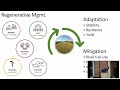
Building resilience involves enhancing soil resilience through integrated farming systems that promote nutrient and water cycling, climate regulation, and carbon sequestration by diversifying from mon

-
Ecological farming builds farm resilience against climate extremes (droughts, floods) by improving soil health and diversity. This leads to stable yields, reduced input costs, and better profitability

-
Regenerative Agriculture practices like minimizing tillage, maximizing crop and species diversity, keeping soil covered, and maintaining living roots build system stability and resilience, supported b
 Community
-
Farmers can modify microclimates and build resilience through practices like agroforestry, no-till, and cover crops, which improve soil health, water availability, and crop resistance to climate chall
Read more (opens in new window) smallfarms.cornell.edu -
Prioritizing healthy soil builds resilient ecosystems, enhances food security for smallholder farms, and mitigates climate change. Home and urban gardens can contribute through crop diversity, proper
Read more (opens in new window) ucanr.edu
Research
-
Realizing Resilient Food Systems (opens in new window)
This study found: Building resilient food systems requires integrating gender equity, using ecological processes over external inputs, fostering local food networks, and linking nutrition and agriculture policies to ad
-
Spotlight on agroecological cropping practices to improve the resilience of farming systems: a qualitative review of meta-analytic studies (opens in new window)
This study found: Agroecological practices like crop diversification and ecological soil management are key to farm resilience. Cover crops, no-till, and organic matter addition are vital. Outcomes are site-specific, r
-
Managing soil health for climate resilience and crop productivity in a changing environment. (opens in new window)
This study found: Climate change and poor farming degrade soil, reducing yields and resilience. Improving soil health through diverse practices like conservation agriculture and beneficial microbes, tailored to local c
-
Tritrophic defenses as a central pivot of low-emission, pest-suppressive farming systems (opens in new window)
This study found: Ecological 'tritrophic defenses' can replace pesticides for pest suppression. Strategies include habitat management, resistant varieties, and soil health to build natural resilience and create low-emi
3
Economic Implications: Long-Term Stability and Profitability
The economic argument for climate resilience extends beyond individual farm profitability to the stability and robustness of entire regional and national economies. Resilient food systems are less susceptible to disruptive shocks, meaning fewer large-scale bailouts or...
Economic Implications: Long-Term Stability and Profitability
The economic argument for climate resilience extends beyond individual farm profitability to the stability and robustness of entire regional and national economies. Resilient food systems are less susceptible to disruptive shocks, meaning fewer large-scale bailouts or...
The economic argument for climate resilience extends beyond individual farm profitability to the stability and robustness of entire regional and national economies. Resilient food systems are less susceptible to disruptive shocks, meaning fewer large-scale bailouts or disaster relief expenditures are required in the aftermath of extreme weather events. For instance, when floods inundate agricultural land, farms with healthy, well-structured soils and riparian buffer zones absorb more water, reducing the extent of damage and the cost of rebuilding infrastructure. A study examining flood mitigation in the Mississippi River Basin, USA, indicated that revitalized wetlands and improved soil management practices could reduce flood-related economic losses by 10-20% over a 20-year period. This proactive investment in ecological capacity translates to significant downstream economic savings.
Furthermore, resilient food systems foster economic self-sufficiency and local economic multipliers. By minimizing reliance on synthetic inputs, which are often imported and subject to volatile global markets and transportation costs, farmers retain more capital within their local economies. A transition from synthetic fertilizers to compost and integrated livestock, which may take 3-7 years to fully establish nutrient cycles, can reduce annual input costs by 15-30%. This recouped capital can be spent on local goods and services, supporting local businesses and creating jobs. Companies providing organic compost, custom grazing management, or equipment for cover cropping often emerge or expand in regions adopting these practices. Moreover, the increased yield stability offered by resilient systems provides a more predictable revenue stream, making farms more bankable and attractive for investment, further bolstering rural economies. This long-term economic security is vital for the ongoing vitality of agricultural regions worldwide.
Sources behind this view
Sources behind this view
Videos & Podcasts
-
Soil health principles enhance farm profitability by reducing input/labor costs and significantly increasing resilience to weather variability, acting as a natural insurance policy against floods and

-
Ecological farming builds farm resilience against climate extremes (droughts, floods) by improving soil health and diversity. This leads to stable yields, reduced input costs, and better profitability
Research
-
Assessing the Resilience of Regenerative Agricultural Systems to Climate Change: A Scenario-Based Systemic Analysis Framework (opens in new window)
This study found: Regenerative farming practices alone aren't enough for climate resilience. Farms need systems to track and prove environmental benefits to access financial support and withstand climate shocks.
-
Managing soil health for climate resilience and crop productivity in a changing environment. (opens in new window)
This study found: Climate change and poor farming degrade soil, reducing yields and resilience. Improving soil health through diverse practices like conservation agriculture and beneficial microbes, tailored to local c
-
Realizing Resilient Food Systems (opens in new window)
This study found: Building resilient food systems requires integrating gender equity, using ecological processes over external inputs, fostering local food networks, and linking nutrition and agriculture policies to ad
-
FORAGES AND PASTURES SYMPOSIUM: COVER CROPS IN LIVESTOCK PRODUCTION: WHOLE-SYSTEM APPROACH: Managing grazing to restore soil health and farm livelihoods1 (opens in new window)
This study found: Regenerative grazing management is key to sustainable, climate-resilient farms. It restores soil health, enhances ecosystem services like carbon capture and water infiltration, and improves farm profi
 From the Web
-
Transitioning to climate-resilient agriculture is challenging initially, with benefits taking time to appear and often generating public rather than private returns. Regional climate pressures (drough
4
Ecosystem Services: The Invisible Capital
The ecosystem services provided by climate-resilient food systems are essentially the invisible capital that underpins their stability and value. Foremost among these is water cycle restoration. Healthy soils with high organic matter content (4-8%) can absorb and retain...
Ecosystem Services: The Invisible Capital
The ecosystem services provided by climate-resilient food systems are essentially the invisible capital that underpins their stability and value. Foremost among these is water cycle restoration. Healthy soils with high organic matter content (4-8%) can absorb and retain...
The ecosystem services provided by climate-resilient food systems are essentially the invisible capital that underpins their stability and value. Foremost among these is water cycle restoration. Healthy soils with high organic matter content (4-8%) can absorb and retain significantly more water than degraded soils. For example, research in the U.S. Great Plains shows that soil organic matter improvements of 1% can increase a soil's water-holding capacity by 15,000-20,000 liters per hectare (1,500-2,000 gallons per acre) to a depth of 15 cm (6 in). This capacity means farms are better equipped to withstand drought, as moisture is available for longer periods. Conversely, it means excess water from heavy storms infiltrates more readily, reducing runoff, erosion, and downstream flooding. Farmers in India utilizing watershed management and contour farming have demonstrably improved groundwater recharge rates by 20-30% over 5-8 years.
Carbon sequestration is another vital ecosystem service, directly addressing climate change. Healthy soils and perennial vegetation act as carbon sinks, drawing down atmospheric carbon dioxide and storing it as organic matter. Farms that adopt practices like no-till farming, cover cropping, and agroforestry have shown the capacity to sequester 0.5-2.0 tonnes of carbon per hectare per year (0.2-0.8 tonnes per acre per year), with significant increases in soil organic carbon (SOC) visible within 3-5 years. For instance, a multi-year study in Argentina found that transitioning from conventional tillage to integrated crop-livestock systems increased soil organic carbon by an average of 0.3% annually. This not only mitigates climate change but also improves soil structure, fertility, and water retention, creating a cyclical benefit. Furthermore, these systems provide critical habitat for a wide range of biodiversity, from soil microbes and fungi that drive nutrient cycling to above-ground insects, birds, and mammals. This biodiversity is essential for ecological balance, pollination, pest control, and the overall health of the landscape.
Sources behind this view
Sources behind this view
Videos & Podcasts
-
Advocates for regenerative practices to restore ecosystem connections, providing essential services like nutrient supply, pest control, pollination, and weather protection. Enhancing biodiversity abov

-
Restoring degraded soils creates 'living soils' that sequester significant carbon and offer multiple benefits like improved food security and climate resilience. Investing in ecosystem restoration is

-
Soils are vital for ecosystem services and climate solutions, storing more carbon than vegetation and atmosphere combined. Practices like cover cropping, reducing tillage, and maintaining cover can in
-
Regenerating soil health through regenerative land management is presented as a key solution to climate change, restoring biodiversity, and improving water quality by rebuilding soil organic matter an

Research
-
Put more carbon in soils to meet Paris climate pledges (opens in new window)
This study found: Increasing soil carbon by 0.4% annually can significantly reduce atmospheric CO2 and boost crop yields, addressing climate change and soil degradation. Initiatives like the '4 per 1000' promote this g
-
Carbon sequestration and animal-agriculture: relevance and strategies to cope with climate change. (opens in new window)
This study found: Livestock farming can help fight climate change by capturing atmospheric carbon. Improved crop-animal systems, silvopastoral practices, and better resource management can significantly reduce greenhou
-
Valuing Supporting Soil Ecosystem Services in Agriculture: A Natural Capital Approach (opens in new window)
This study found: A method values soil health by linking soil organic matter to future farm income. Declines in soil organic matter reduce yields and fertilizer efficiency, costing an estimated 144 €/ha for every 1% dr
-
A Review of Grassland Ecosystems as Carbon Sinks: Opportunities and Challenges for Climate-Smart Land Use and Agriculture (opens in new window)
This study found: Grasslands are key carbon sinks that can be enhanced through sustainable practices like agro-silvo pastoralism, improving soil carbon and mitigating climate change, despite challenges like overgrazing
5
Connected Systems: Food, Climate, Health, and Water
Climate-resilient food systems are not isolated agricultural endeavors; they are intricately woven into the fabric of climate stability, public health, and water security. By sequestering carbon in soils and perennial biomass, these systems directly contribute to climate...
Connected Systems: Food, Climate, Health, and Water
Climate-resilient food systems are not isolated agricultural endeavors; they are intricately woven into the fabric of climate stability, public health, and water security. By sequestering carbon in soils and perennial biomass, these systems directly contribute to climate...
Climate-resilient food systems are not isolated agricultural endeavors; they are intricately woven into the fabric of climate stability, public health, and water security. By sequestering carbon in soils and perennial biomass, these systems directly contribute to climate change mitigation. The IPCC has highlighted soil carbon sequestration as a critical strategy for achieving climate targets, with regenerative agriculture offering a viable pathway. For example, widespread adoption of cover crops across agricultural lands in Europe could sequester an additional 50-100 million tonnes of CO2 equivalent annually, a measurable contribution to climate goals. This mitigation effort, taking 3-7 years for biological systems to reach peak sequestration, stabilizes the climate that food systems depend upon.
The connection to public health is multifaceted. Resilient food systems, by definition, provide more consistent access to nutritious food, reducing the prevalence of food insecurity and malnutrition, particularly in vulnerable populations. Furthermore, the reduction or elimination of synthetic pesticides and herbicides in favor of biological pest management and diverse cropping systems leads to healthier food products with fewer chemical residues. This translates to reduced exposure to harmful chemicals for farm workers and consumers alike, lowering the incidence of associated health issues. For instance, a decade-long transition away from synthetic inputs on farms in New Zealand has led to documented improvements in local water quality and reported reductions in respiratory ailments among farmworkers. Simultaneously, enhanced soil health and reduced runoff from well-managed lands directly contribute to improved water quality, reducing the burden on municipal water treatment facilities and ensuring safer drinking water for communities downstream. A farm in rural China, by implementing integrated waste management and increasing vegetative cover, has seen local river water quality improve from Class IV to Class II within 7 years, benefiting both agriculture and human consumption.
Sources behind this view
Sources behind this view
Videos & Podcasts
-
Food system resilience in the 21st century requires integrating agriculture with healthy ecosystems and communities, using established sustainable practices to adapt to climate change and other enviro
Community
-
Prioritizing healthy soil builds resilient ecosystems, enhances food security for smallholder farms, and mitigates climate change. Home and urban gardens can contribute through crop diversity, proper
Read more (opens in new window) ucanr.edu
Research
-
The Imperative for Regenerative Agriculture (opens in new window)
This study found: Regenerative agriculture is vital for food security, climate change mitigation, and soil health. It improves soil organic carbon, water retention, and reduces erosion. Localized and urban food product
-
Realizing Resilient Food Systems (opens in new window)
This study found: Building resilient food systems requires integrating gender equity, using ecological processes over external inputs, fostering local food networks, and linking nutrition and agriculture policies to ad
-
Soil carbon sequestration and its role in reducing global carbon footprints: strategies, challenges and policy implications (opens in new window)
This study found: Farming contributes to emissions; strategies like conservation agriculture, agroforestry, and regenerative practices can reduce environmental impact and sequester soil carbon, with policy support for
-
Navigating Europe's agricultural transition: Systemic policy approaches to mixed farming and agroforestry (opens in new window)
This study found: Mixed farming and agroforestry improve soil health, biodiversity, and carbon storage. Policy support, simplified regulations, and farmer training are needed to overcome adoption barriers and build res
6
The Evidence Base: A Growing Understanding
The scientific understanding of how to build climate-resilient food systems is continually expanding, supported by robust field trials, farmer-led research, and long-term observational studies from around the globe. Numerous studies in North America, Europe, and...
The Evidence Base: A Growing Understanding
The scientific understanding of how to build climate-resilient food systems is continually expanding, supported by robust field trials, farmer-led research, and long-term observational studies from around the globe. Numerous studies in North America, Europe, and...
The scientific understanding of how to build climate-resilient food systems is continually expanding, supported by robust field trials, farmer-led research, and long-term observational studies from around the globe. Numerous studies in North America, Europe, and Australia have consistently shown that practices like no-till or reduced tillage, cover cropping, and diverse crop rotations lead to significant improvements in soil organic matter, typically increasing by 0.2-0.8% annually in suitable climates over 3-5 years. This enhancement directly correlates with improved water infiltration and retention, a critical factor in drought resilience. For example, field trials in the U.K. have indicated that soils managed with cover crops can absorb 30-50% more water during intense rainfall events compared to bare fallow land. These same practices have also been linked to increased soil biodiversity, with researchers identifying a 1.5-3 fold increase in earthworm populations and a wider spectrum of beneficial microbial communities in biologically managed soils within 3-7 years.
Evidence also points to the economic benefits of resilience. While initial investments can vary—ranging from $50-200/ha ($20-80/acre) for seeds and equipment for cover cropping to $500-2,000/ha ($200-800/acre) for establishing agroforestry systems—long-term returns are substantial. Farmers in Canada have reported annual input cost reductions of 10-25% after 3-7 years of implementing regenerative practices, primarily due to reduced needs for synthetic fertilizers and pesticides, and increased water use efficiency. Comparative farm economic analyses in France have shown that diversified organic farms often exhibit similar or higher net profitability than conventional counterparts, particularly when factoring in the reduced costs and enhanced resilience during challenging weather years. This evidence base, while still growing and acknowledging regional variations, provides a strong foundation for advocating and implementing these practices globally.
Sources behind this view
Sources behind this view
Videos & Podcasts
-
Building soil organic matter through regenerative practices like composting and regenerative grazing is key to sequestering carbon, increasing resilience, improving water retention, and boosting yield

-
Investing in soil organic matter and microbial communities builds resilience and buffers against challenges. This holistic approach, unlike chemical-based systems, creates reserves and pays long-term
-
Gradual transition to regenerative systems is advised, prioritizing knowledge sharing. Increased soil organic matter (0.1% increase = 16,000 L/ha water holding) builds resilience against drought and w
-
Soil health principles enhance farm profitability by reducing input/labor costs and significantly increasing resilience to weather variability, acting as a natural insurance policy against floods and
Community
-
Building healthy soil involves minimizing tillage (no-till) and keeping it covered year-round with living plants and cover crops. These practices enhance water retention, nutrient cycling, and soil re
Read more (opens in new window) smallfarms.cornell.edu -
Farmers can modify microclimates and build resilience through practices like agroforestry, no-till, and cover crops, which improve soil health, water availability, and crop resistance to climate chall
Read more (opens in new window) smallfarms.cornell.edu
Research
-
Soil Microbial Dynamics in Regenerative Agriculture Systems: A Data-Driven Synthesis for Soil Health, Pest Suppression, and Yield Sustainability in the Western Canadian Prairies (opens in new window)
This study found: Regenerative farming in Western Canada boosts soil microbes (up to 86%), fungi (up to 60%), and carbon, improving soil health and water retention. This leads to more stable yields and reduced syntheti
-
Impact of Organic Farming Practices on Crop Productivity and Soil Health: A Review (opens in new window)
This study found: Organic farming practices boost soil health, increase crop resilience to drought, and enhance nutritional quality, though initial yields may be lower. Long-term benefits include carbon sequestration a
-
Spotlight on agroecological cropping practices to improve the resilience of farming systems: a qualitative review of meta-analytic studies (opens in new window)
This study found: Agroecological practices like crop diversification and ecological soil management are key to farm resilience. Cover crops, no-till, and organic matter addition are vital. Outcomes are site-specific, r
-
Sustainable Soil Management Practices in Modern Agriculture: A Systematic Review (opens in new window)
This study found: A review of Indian agriculture (2015-2024) found combined sustainable practices like reduced tillage, cover crops, and precision farming significantly improve soil health, reduce erosion, and boost ca
From the Web
-
Soil health practices like cover crops and increased soil organic matter enhance resilience to extreme weather, drought, and flooding, reducing crop insurance payouts and improving yields.
7
What's at Stake: The Cost of Inaction
The consequences of failing to build climate-resilient food systems are dire and far-reaching, threatening global food security, economic stability, and ecological health. Without resilient systems, the global food supply becomes increasingly vulnerable to climate...
What's at Stake: The Cost of Inaction
The consequences of failing to build climate-resilient food systems are dire and far-reaching, threatening global food security, economic stability, and ecological health. Without resilient systems, the global food supply becomes increasingly vulnerable to climate...
The consequences of failing to build climate-resilient food systems are dire and far-reaching, threatening global food security, economic stability, and ecological health. Without resilient systems, the global food supply becomes increasingly vulnerable to climate shocks. A sustained drought in a major breadbasket region, like the U.S. Midwest or Ukraine, coupled with intense heatwaves in Southeast Asia and flooding in South America, could trigger widespread food shortages, sharp price increases, and social unrest. Projections suggest that without adaptation, climate change could reduce global crop yields by 10-25% by 2050, disproportionately affectingregions already struggling with food insecurity. This scenario would exacerbate existing inequalities and potentially lead to mass migrations and geopolitical instability.
Economically, the cost of inaction is immense. Reliance on a brittle food system means that each extreme weather event incurs escalating costs for disaster relief, rebuilding infrastructure, and managing humanitarian crises. The global economy could face trillions of dollars in losses due to agricultural disruption. Furthermore, the depletion of natural resources—soil degradation, water scarcity, and biodiversity loss—which are direct consequences of non-resilient systems, diminishes the productive capacity of the land for future generations. This represents a profound intergenerational injustice. The loss of fertile topsoil through erosion is a serious concern, though regenerative practices have demonstrated the ability to rebuild functional topsoil in years to decades by actively accelerating biological processes — rebuilding microbial communities, root channels, and aggregate structure on degraded land far faster than passive geological formation. The vital ecosystem services—clean water, pollination, climate regulation—that current food systems often degrade, would require extremely costly technological replacements, if they could be replaced at all. The very foundation of human civilization, built upon reliable food production, is at risk.
Sources behind this view
Sources behind this view
Research
-
Perspective article: Actions to reconfigure food systems (opens in new window)
This study found: Current food systems need transformation to meet sustainability goals by 2030 amidst climate change. This article outlines four action areas to create more resilient, inclusive, and healthy food futur
-
Perspective: What might it cost to reconfigure food systems? (opens in new window)
This study found: Reconfiguring global food systems for climate resilience requires an estimated $1.3 trillion annually, primarily to stop land conversion and support farmers, with inaction costs being much higher.
-
Climate Change Impacts on Global Food Security (opens in new window)
This study found: Climate change threatens global food security by reducing crop yields and destabilizing food systems, especially in vulnerable regions. Adaptation and mitigation are crucial for resilient, climate-sma
-
Soil and the intensification of agriculture for global food security (opens in new window)
This study found: Intensified farming due to population growth is degrading soils, leading to loss of organic matter and reduced food production capacity. Protecting soil health is crucial for future food security and
8
Paths Forward: Cultivating Resilience
Building climate-resilient food systems requires a multi-pronged approach involving actions at the farm, community, and policy levels. At the farm level, the immediate steps involve implementing regenerative practices that foster soil health and biodiversity. This...
Paths Forward: Cultivating Resilience
Building climate-resilient food systems requires a multi-pronged approach involving actions at the farm, community, and policy levels. At the farm level, the immediate steps involve implementing regenerative practices that foster soil health and biodiversity. This...
Building climate-resilient food systems requires a multi-pronged approach involving actions at the farm, community, and policy levels. At the farm level, the immediate steps involve implementing regenerative practices that foster soil health and biodiversity. This includes adopting practices such as cover cropping, no-till or reduced tillage, crop rotation, intercropping, and integrating livestock through managed grazing. For farms currently reliant on synthetic inputs, a gradual transition over 3-7 years, focusing on building soil biology to progressively replace manufactured fertility, is key. Farmers in diverse regions are already showcasing success: in India, an increase in millets and legumes within crop rotations, coupled with water harvesting, has demonstrably improved drought resilience over 5 years. In Europe, the expansion of agroforestry for livestock integration is stabilizing farm incomes and enriching landscapes.
At the community level, fostering knowledge sharing and local innovation is paramount. Farmer-to-farmer networks, demonstration farms, and accessible extension services are crucial for disseminating best practices and adapting them to local contexts. Seed banks and local seed initiatives empower communities with diverse, climate-adapted varieties, ensuring food sovereignty. For example, community seed saving programs in parts of Latin America have revitalized heirloom varieties, increasing local food security and cultural heritage over 10-15 years. Investment in local food processing and distribution infrastructure can also shorten supply chains, reduce waste, and increase economic returns for resiliently produced food.
At the policy and institutional level, creating enabling environments is essential. This includes incentivizing regenerative practices through payments for ecosystem services (PES) schemes, which can offer financial support for carbon sequestration, water quality improvements, and biodiversity enhancement. For instance, schemes that reward farmers in the U.S. for increasing soil organic matter by 0.5% annually over 5 years are gaining traction. Governments can also support research and development for climate-resilient crops and technologies, and reform agricultural subsidies to favor ecological outcomes over production volumes. International cooperation is vital to share knowledge, technologies, and financial resources, particularly supporting smallholder farmers in the Global South who are most vulnerable to climate impacts, through initiatives that build capacity and provide access to climate finance for regenerative transitions over 3-7 years.
Sources behind this view
Sources behind this view
Videos & Podcasts
-
Building resilience involves enhancing soil resilience through integrated farming systems that promote nutrient and water cycling, climate regulation, and carbon sequestration by diversifying from mon
-
Regenerative Agriculture practices like minimizing tillage, maximizing crop and species diversity, keeping soil covered, and maintaining living roots build system stability and resilience, supported b
-
Gradual transition to regenerative systems is advised, prioritizing knowledge sharing. Increased soil organic matter (0.1% increase = 16,000 L/ha water holding) builds resilience against drought and w
-
Adopting regenerative practices should start small and incrementally, focusing on soil health over short-term yields. Collaboration, strategic nutrient sourcing, and leveraging resources like Continuu
Community
-
Farmers can modify microclimates and build resilience through practices like agroforestry, no-till, and cover crops, which improve soil health, water availability, and crop resistance to climate chall
Read more (opens in new window) smallfarms.cornell.edu -
Jon from Wild Roots Farm in Vermont advocates for regenerative practices like limited tillage, crop rotations, and rotational grazing to build resilience in food systems. He explains how these methods
Read more (opens in new window) smallfarms.cornell.edu -
A Central Iowa farm built climate resilience through no-till planting, rigorous cover cropping, infrastructure improvements, and diversified systems, preventing damage from extreme weather events.
Read more (opens in new window) smallfarms.cornell.edu -
Farmers must build resilience to intensifying climate change by using information tools for planning planting, irrigation, and harvesting, and by implementing management strategies to enhance soil hea
Read more (opens in new window) smallfarms.cornell.edu
Research
-
Realizing Resilient Food Systems (opens in new window)
This study found: Building resilient food systems requires integrating gender equity, using ecological processes over external inputs, fostering local food networks, and linking nutrition and agriculture policies to ad
-
Assessing the Resilience of Regenerative Agricultural Systems to Climate Change: A Scenario-Based Systemic Analysis Framework (opens in new window)
This study found: Regenerative farming practices alone aren't enough for climate resilience. Farms need systems to track and prove environmental benefits to access financial support and withstand climate shocks.
-
Navigating Europe's agricultural transition: Systemic policy approaches to mixed farming and agroforestry (opens in new window)
This study found: Mixed farming and agroforestry improve soil health, biodiversity, and carbon storage. Policy support, simplified regulations, and farmer training are needed to overcome adoption barriers and build res
-
Systematic review of regenerative farming: Addressing agricultural sustainability challenges (opens in new window)
This study found: Systematic review of 31 studies shows regenerative farming improves soil health, biodiversity, and carbon capture, aiding sustainability. Technology is key for adoption, but policy, farmer understandi
From the Web
-
Strategies for farm resilience include building healthier soils with cover crops and perennials, diversifying farms into agroecosystems, and developing climate-adapted varieties. Policy recommendation
-
Details five key interventions for food system resilience: policy (integrating aid, scenario planning), institutions (CSA, community-based disaster management), technology (EWS, vulnerability assessme
-
Building resilience in perennial fruit and nut farming involves diversification (new cultivars/species), water stewardship (efficient irrigation, swales), soil building (cover crops, mulch, organic ma
-
Adapting African food systems to climate change requires innovative finance, supportive policies, enhanced knowledge transfer, social protection, and direct access to international climate funds, alon
9
Know the Debate
Building climate-resilient food systems is a complex, multi-faceted endeavor that demands adaptation across diverse landscapes and scales. Outcomes...
Know the Debate
Building climate-resilient food systems is a complex, multi-faceted endeavor that demands adaptation across diverse landscapes and scales. Outcomes...
Building climate-resilient food systems is a complex, multi-faceted endeavor that demands adaptation across diverse landscapes and scales. Outcomes can vary significantly based on local climate conditions, the maturity of regenerative practices, and the specific farm's resources. While promising gains are achievable, achieving them requires strategic planning regarding infrastructure, labor, and time horizons. The core mechanisms for resilience involve enhancing soil health and fostering ecological diversity, but the specific pathways and timelines for improvement are context-dependent.
How much can regenerative agriculture yield increases compensate for climate shocks?
Dramatic yield stability (<5% loss in extreme events)
Farms with 5-10+ years of deep soil health improvements, diverse cropping, and integrated livestock show significant yield buffering, often experiencing less than 5% loss in historical drought or flood events.
Sources behind this view
Sources behind this view
Videos & Podcasts
-
Regenerative Agriculture practices like minimizing tillage, maximizing crop and species diversity, keeping soil covered, and maintaining living roots build system stability and resilience, supported by 30 years of data from the Wisconsin Integrated Cropping Systems Trial.
From the Web
-
Regenerative organic agriculture enhances crop resilience to extreme weather, yielding up to 40% higher during drought or flood, by prioritizing soil health and a thriving microbiome.
-
Farms can build resilience to climate risk by adapting to local conditions. Steve Ela in Colorado uses wind machines, diversified crops, and direct marketing to manage increased frost events and variable weather.
-
Eight ways soil health fights climate change, primarily through carbon sequestration by building organic matter via regenerative practices, and by improving water retention and reducing reliance on synthetic inputs.
Moderate yield buffering (5-20% reduction in extreme events)
Farms in transition (1-5 years) or those facing less extreme climate variability may see significant yield stability but still experience moderate losses during severe events.
Sources behind this view
Sources behind this view
Videos & Podcasts
-
Building farming resilience requires knowledge, diversity, self-funding (avoiding outside capital), and seeking unbiased advice, moving away from monocultures and external financial reliance.

-
Soil health principles enhance farm profitability by reducing input/labor costs and significantly increasing resilience to weather variability, acting as a natural insurance policy against floods and droughts.
-
Regenerative agriculture boosts profitability and sustainability by reducing costs, improving soil health, and enhancing food quality. Key practices include cover cropping, water management, and focusing on the five core soil-building elements.

Making Sense of the Differences
Yield impacts during climate extremes vary significantly by starting soil health, practice maturity (1-10 years), and event severity. Farms with deep organic matter and diverse systems often maintain yields with <5% loss, while those in transition or facing severe events may still see 5-20% reductions. Farmers should anticipate substantial buffering and reduced losses compared to conventional systems, but not complete immunity from extreme conditions.
How long until regenerative practices significantly buffer climate impacts?
Noticeable improvements in 1-3 years
Farmers often observe initial benefits like reduced erosion, improved forage quality, and better soil structure within 1-3 years, leading to greater stability in average years.
Sources behind this view
Sources behind this view
Videos & Podcasts
-
Food system resilience in the 21st century requires integrating agriculture with healthy ecosystems and communities, using established sustainable practices to adapt to climate change and other environmental challenges.
-
Ecological farming builds farm resilience against climate extremes (droughts, floods) by improving soil health and diversity. This leads to stable yields, reduced input costs, and better profitability compared to stressed conventional systems.
-
Regenerative Agriculture practices like minimizing tillage, maximizing crop and species diversity, keeping soil covered, and maintaining living roots build system stability and resilience, supported by 30 years of data from the Wisconsin Integrated Cropping Systems Trial.
-
Regenerative agriculture boosts profitability and sustainability by reducing costs, improving soil health, and enhancing food quality. Key practices include cover cropping, water management, and focusing on the five core soil-building elements.
Full buffering against extreme events takes 5-10 years
Achieving substantial resilience to extreme events like prolonged droughts or severe floods, where yields are significantly protected, typically requires 5-10 years of consistent soil regeneration and system maturity.
Sources behind this view
Sources behind this view
Research
-
Spotlight on agroecological cropping practices to improve the resilience of farming systems: a qualitative review of meta-analytic studies (opens in new window)
This study found: This review looked at many studies (meta-analyses) to see how different farming practices help farms withstand challenges like extreme weather. It found that two main approaches are crucial for making farms more resilient: planting a variety of crops and managing soil ecologically. Practices like planting cover crops, rotating crops, intercropping, and using no-till farming significantly boost resilience. Adding organic matter to the soil is also key. The research shows that what works best depends a lot on the specific farm and location. More research is needed to understand how combining different crop and soil practices can best help farmers adapt to climate change and implement these strategies effectively.
-
From climate-smart agriculture to climate-smart landscapes (opens in new window)
This study found: To make farming systems truly 'climate-smart' – meaning they help us adapt to climate change, reduce greenhouse gas emissions, and improve food security – we need to think beyond individual farms and manage entire landscapes. This approach, called 'climate-smart landscapes,' involves using climate-friendly practices on farms, ensuring a variety of land uses across the region for resilience, and managing how different land uses interact. Successfully implementing this requires collaboration among all stakeholders, strong local governance, targeted investments in land management, and systems to track progress. Case studies from Madagascar, the Sahel, and Australia show how this works in different places. To make these landscape-level efforts widespread, we need better training, stronger institutions, and political backing for planning, governance, investment, and monitoring.
From the Web
-
Organic farming is essential for addressing climate change by improving soil health, enhancing resilience, and reducing environmental impact.
-
Regenerative agriculture rebuilds soil organic matter and biodiversity to reverse climate change, improve yields, and create drought-resistant soil. It also supports local economies, preserves knowledge, nurtures biodiversity, restores grasslands, and enhances nutrition.
Making Sense of the Differences
Initial benefits of regenerative practices like reduced erosion and improved average yields appear within 1-3 years. However, the profound resilience needed to withstand severe droughts or floods, which depends on deep soil biological capacity and system maturity, typically requires 5-10 years of consistent implementation.
What is the minimum scale and capital investment for climate-resilient farming?
Low entry barrier ($1k-$5k, small scale)
Small urban or hobby farms can implement practices like cover cropping, small livestock, and permaculture designs with minimal upfront costs, focusing on labor-intensive methods.
Sources behind this view
Sources behind this view
Videos & Podcasts
-
Prairie Drifter Farm implements climate resilience through a four-year rotation plan, managing the farm within a social landscape via a communication plan, upgrading infrastructure like their well, and enhancing crew-based record-keeping and soil monitoring.
Research
-
Enhancing Protected Agriculture with Smart Technologies: A Review of Innovations for Climate-Resilient Farming (opens in new window)
This study found: As climate change impacts farming, protected agriculture (like greenhouses and vertical farms) offers a solution by creating controlled environments that shield crops from extreme weather. Smart technologies such as the Internet of Things (IoT), Artificial Intelligence (AI), and automation are making these systems more effective. They allow for real-time monitoring, better resource management (water, nutrients), and increased crop yields. However, high costs, a lack of skilled workers, and poor infrastructure are major hurdles. The paper suggests solutions like affordable smart devices, renewable energy, and hardy crop varieties, combined with supportive climate policies, to help build more resilient food systems.
-
Nature-Based One Health Approaches to Urban Agriculture Can Deliver Food and Nutrition Security (opens in new window)
This study found: As the world population grows, urban farming can help feed cities. This review suggests six nature-friendly ways to make city food systems stronger and more resilient. It emphasizes a 'One Health' approach, linking human, animal, and environmental well-being. Key ideas include using fewer chemical fertilizers and pesticides, growing local plant and animal varieties to boost biodiversity, using beneficial microbes (probiotics/postbiotics), and adopting digital tools for better farm management. This requires collaboration between governments, communities, and farmers to ensure everyone has access to healthy, affordable, and culturally appropriate food.
Significant investment ($10k-$50k+, large scale)
Commercial operations often need substantial capital for specialized equipment, infrastructure, and potentially land expansion to achieve economic efficiencies for regenerative practices.
Sources behind this view
Sources behind this view
Videos & Podcasts
-
Shifted from moldboard plowing to contour strips, no-till, and building organic matter to mitigate soil loss from heavy rains. Acquired larger equipment for shorter fieldwork windows and integrated value-added enterprises for income diversification.

Research
-
Agriculture Policy (opens in new window)
This study found: Farming and climate change are closely linked, with farming practices contributing to climate change and also being affected by it. Policies, especially in the US, often encourage growing just a few crops like corn, which can lead to less diverse farms, more use of fertilizers, and pollution. This also impacts food availability and human health. The abstract suggests that policies supporting practices like rotating crops, minimizing soil disturbance (like plowing), and encouraging a variety of foods would create a healthier and more resilient food system.
From the Web
-
Growers can build climate resilience by diversifying crops and landscapes, practicing water stewardship (efficient irrigation, water harvesting), investing in soil building (cover crops, no-till, mulch), and adopting technology, better information, and supportive policies.
Making Sense of the Differences
Climate-resilient farming's entry cost varies greatly by scale. Small or urban farms can start with $1k-$5k for practices like intensive cover cropping or permaculture designs. Commercial operations often require $10k-$50k+ for specialized equipment, infrastructure, and potentially more land to ensure economic viability.
What is the primary mechanism for building food system resilience?
Soil health and water management
Enhancing soil organic matter and structure through practices like cover cropping and no-till improves water infiltration, retention, and nutrient cycling, acting as a buffer against drought and flood.
Sources behind this view
Sources behind this view
Videos & Podcasts
-
Regenerative practices build soil resilience against climate chaos, fire, and drought by strengthening soil biology, which in turn supports plant health and farm sustainability.

Research
-
Spotlight on agroecological cropping practices to improve the resilience of farming systems: a qualitative review of meta-analytic studies (opens in new window)
This study found: This review looked at many studies (meta-analyses) to see how different farming practices help farms withstand challenges like extreme weather. It found that two main approaches are crucial for making farms more resilient: planting a variety of crops and managing soil ecologically. Practices like planting cover crops, rotating crops, intercropping, and using no-till farming significantly boost resilience. Adding organic matter to the soil is also key. The research shows that what works best depends a lot on the specific farm and location. More research is needed to understand how combining different crop and soil practices can best help farmers adapt to climate change and implement these strategies effectively.
-
CLIMATE-SMART AGRICULTURE: EMPHASIS ON PRINCIPLES AND PRACTICES OF SOIL MANAGEMENT (opens in new window)
This study found: Climate-smart agriculture (CSA) is a way of farming that helps us deal with climate change while still producing enough food. It focuses on three main goals: keeping farms productive and profitable, making them more resilient to extreme weather, and reducing greenhouse gas emissions from farming. This article highlights how managing our soil is key to CSA. Practices like preventing soil erosion, using nutrients wisely (combining organic and synthetic sources), organic farming, conservation tillage, using biochar, and integrating trees into farms (agroforestry) are all important. Good soil management for CSA needs new ideas, careful long-term planning, and supportive policies.
From the Web
-
Growers can build climate resilience by diversifying crops and landscapes, practicing water stewardship (efficient irrigation, water harvesting), investing in soil building (cover crops, no-till, mulch), and adopting technology, better information, and supportive policies.
Ecological diversity and integrated systems
Increasing biodiversity above and below ground through diverse crops, livestock integration, and agroforestry creates adaptable systems less vulnerable to single points of failure.
Sources behind this view
Sources behind this view
Videos & Podcasts
-
Permaculture and agroforestry are key to building resilient food systems against climate change by integrating biodiversity and working with nature, representing the future of sustainable agriculture.

Research
-
Harnessing breeding and biotechnological innovations for global food security under climate change. (opens in new window)
This study found: As climate change intensifies, extreme weather like droughts, heat, cold, and floods are threatening our food supply. This review highlights how we can develop crops that are tougher and more resilient to these challenges. This involves using traditional breeding methods, modern biotechnology, and advanced genetic tools to find the best genes for crop survival. It also emphasizes the importance of sustainable farming practices like planting multiple crops together (intercropping), integrating trees with crops (agroforestry), and using natural soil enhancers like biofertilizers and biochar to improve soil and water management. The review stresses that supportive policies, farmer education, and collaboration are crucial to ensure we have enough food for everyone in a changing climate.
-
Agriculture Policy (opens in new window)
This study found: Farming and climate change are closely linked, with farming practices contributing to climate change and also being affected by it. Policies, especially in the US, often encourage growing just a few crops like corn, which can lead to less diverse farms, more use of fertilizers, and pollution. This also impacts food availability and human health. The abstract suggests that policies supporting practices like rotating crops, minimizing soil disturbance (like plowing), and encouraging a variety of foods would create a healthier and more resilient food system.
-
Why Regenerative Agriculture? (opens in new window)
This study found: Regenerative agriculture is more than just a set of farming methods; it's a mindset focused on rebuilding and maintaining healthy, fertile soil, boosting nature's diversity, protecting water, and making farms more resilient both ecologically and economically. It works by creating the right conditions for life above and below ground, taking inspiration from how nature has always grown things. A major benefit is its ability to pull carbon dioxide from the air and store it in the soil through plant processes like photosynthesis. This makes regenerative agriculture a practical and affordable way to help combat climate change, while also producing healthier food and preparing us for a more unstable climate.
Making Sense of the Differences
Building climate-resilient food systems hinges on two primary interconnected mechanisms: enhancing soil health for improved water management and carbon sequestration, and fostering ecological diversity through varied crops, livestock integration, and perennial plantings for system stability and adaptation.
2
Social Dimensions: Nourishing Communities
Climate-resilient food systems are inherently about people—ensuring that communities, from smallholders to large urban centers, have reliable access to nutritious food, regardless of unpredictable weather patterns. This resilience translates directly into enhanced food...
Climate-resilient food systems are inherently about people—ensuring that communities, from smallholders to large urban centers, have reliable access to nutritious food, regardless of unpredictable weather patterns. This resilience translates directly into enhanced food security. In regions prone to drought and famine, such as parts of the Horn of Africa, the adoption of drought-tolerant heirloom grains, coupled with water-harvesting techniques like Famine Markets (community granaries for seed and grain reserve managed by women’s groups), can buffer against food shortages. These systems, often built over 5-10 years, reduce reliance on often unreliable external food aid and increase local autonomy. Farmers in India have long practiced rainwater harvesting and integrated farming, leading to more stable food supplies for their villages even during monsoon failures, with studies showing a 15-20% reduction in food insecurity for participating communities over a decade.
The economic stability for farmers and rural communities is a direct social benefit. By diversifying crops and livestock, farmers mitigate the risks associated with relying on a single commodity that may be devastated by climate volatility. For example, a producer in Canada might integrate a mix of grains, oilseeds, and a small herd of cattle managed rotationally. This diversification means that if grain prices plummet or a drought affects yields, the livestock enterprise may still provide income, allowing the farm to remain viable. This stability prevents the social dislocation that often accompanies agricultural collapse, keeping communities intact and vibrant. The transition to these systems, taking 3-7 years for biological elements to mature, often leads to reduced input costs by 10-25%, freeing up capital for reinvestment in the farm or community. Furthermore, seed saving practices empower farmers by preserving locally adapted varieties, fostering agricultural heritage and ensuring that crucial genetic resources are not lost to global market pressures, thereby supporting cultural resilience.
Sources behind this view
Sources behind this view
This study found: Building resilient food systems requires integrating gender equity, using ecological processes over external inputs, fostering local food networks, and linking nutrition and agriculture policies to ad
This study found: Four initiatives in India aim to boost sustainability of small, organic, mixed farms by linking them to local food networks, school meals, markets, and creating rural jobs, countering youth out-migrat
This study found: Local orphan crops and wild edibles can transform food systems by boosting nutrition, supporting small farmers, and conserving biodiversity, as shown by studies in seven countries.
This study found: Climate-smart crops and livestock in Kenya boosted food security for smallholder farmers, increasing dietary variety and reducing food shortages by up to 90%. Targeted promotion is recommended.