
How does regenerative agriculture relate to land stewardship ethics?
Regenerative agriculture's core practices — enhancing soil health, increasing biodiversity, and integrating livestock — are a direct embodiment of land stewardship ethics. These approaches move beyond mere resource extraction towards a reciprocal relationship, fostering ecological regeneration and ensuring the land's long-term capacity to provide for future generations. By prioritizing the health of living systems, regenerative farmers and ranchers act as caretakers who deeply value ecological integrity and intergenerational equity.
Read More: Complete Description
Sources behind this view
Sources behind this view
 Videos & Podcasts
-
Regenerative agriculture prioritizes soil health, plant diversity, and animal integration, recognizing the interconnectedness of all life, including plant sentience, for sustainable food systems and a

-
Adopts regenerative agriculture principles: minimize disturbance, keep living roots, use soil armor, integrate animals (livestock grazing, multi-species), and increase biodiversity. These practices bu

-
Regenerative agriculture regenerates the environment through animal integration, building soil, biodiversity, and resilience, while promoting local food systems and a less perfectionist, more connecte
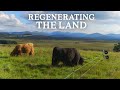
-
Regenerative agriculture is rooted in regenerating relationships—from soil to human organizations—moving from extractive to symbiotic dynamics. This requires regenerating the economics of agriculture

 Research
-
The Indigenous Roots of Regenerative Agriculture (opens in new window)
This study found: Modern regenerative agriculture practices are rooted in millennia of Indigenous land stewardship, offering profound knowledge and a crucial value system of respect and reciprocity for true transformat
-
Regenerative Agriculture: Restoring Ecosystems¢ Resilience and Productivity: A Review (opens in new window)
This study found: Regenerative agriculture builds soil health and ecosystem services through practices like no-till, cover crops, and diverse rotations. It increases soil organic matter, improves water infiltration, bo
-
Regenerative agriculture for sustainable crop productivity: A comprehensive review (opens in new window)
This study found: Regenerative Agriculture revitalizes soil by minimizing disturbance, maximizing living roots, fostering diversity, and reducing synthetic inputs. It improves soil health, carbon sequestration, and cro
-
Why Regenerative Agriculture? (opens in new window)
This study found: Regenerative agriculture rebuilds soil health, boosts biodiversity, and protects water by emulating nature. It captures atmospheric carbon, offering a low-cost climate solution and producing nutritiou
 From the Web
-
Regenerative agriculture is achievable by focusing on soil health through six principles: know your context, cover the soil, minimize disturbance, increase diversity, maintain living plants/roots, and
-
Regenerative agriculture restores degraded soils using ecological principles, improving soil health, biodiversity, and resilience while reducing chemical inputs and capturing carbon.
Key Points
Community & Social
- Strengthens long-term food security and resilience.
- Fosters intergenerational commitment to land health.
- Promotes reciprocal relationships with nature.
- Supports rural economies through reduced input costs.
Ecosystem Services
- Improves water quality through natural filtration.
- Enhances pollination services with diverse habitat.
- Increases carbon sequestration in soil and biomass.
- Provides habitat for native wildlife and beneficial insects.
Systemic Resilience
- Creates farms resilient to drought, floods, and pests.
- Reduces reliance on volatile external inputs.
- Contributes to climate change mitigation and adaptation.
- Builds robust, healthy, and diverse ecosystems.
Environmental Impact
- Builds soil organic matter by 0.2-1.0% annually.
- Enhances water infiltration, reducing runoff by 20-50%.
- Increases biodiversity of plants, insects, and soil microbes.
- Sequences 5-15 tonnes of CO2/ha (2-6 tons CO2/acre) annually.
Know the Debate
- Soil health improvements visible within 2-7 years, depth varies by context.
- Input use reduction often achieved within 3-5 years of adoption.
- Animal integration accelerates regeneration but may be context-dependent.
Going Deeper
1
Environmental Impact Quantified
Regenerative agriculture's environmental significance is measured through tangible improvements in key ecological indicators. The primary focus is on soil health, often seen as degraded by conventional practices. For instance, widespread adoption of no-till and cover...
Environmental Impact Quantified
Regenerative agriculture's environmental significance is measured through tangible improvements in key ecological indicators. The primary focus is on soil health, often seen as degraded by conventional practices. For instance, widespread adoption of no-till and cover...
Regenerative agriculture's environmental significance is measured through tangible improvements in key ecological indicators. The primary focus is on soil health, often seen as degraded by conventional practices. For instance, widespread adoption of no-till and cover cropping in the United States Midwest has demonstrated an average annual increase in soil organic matter of 0.2-1.0% over periods of 5-10 years. This organic matter boost directly translates to improved soil structure, aeration, and water-holding capacity, potentially increasing it by 5-15% (approximately 50-150 mm or 2-6 inches of plant-available water per meter/yard of soil depth).
Water management is another critical area. Practices like cover cropping, contour plowing, and the development of healthy soil aggregates significantly enhance water infiltration. Farmers in areas prone to drought, such as parts of South Africa, report reductions in surface runoff by 20-50% after implementing these methods, meaning more rainwater percolates into the soil to support plant growth. This improved infiltration also reduces soil erosion, protecting waterways from sedimentation and nutrient pollution. The ecological benefit is a more resilient hydrological cycle at the farm and landscape level.
Biodiversity is a cornerstone of regenerative systems. The intentional planting of diverse cover crop mixes – say, 6-12 different species including legumes, grasses, and broadleaves – can increase the diversity of soil microbial communities by up to 40% within two growing seasons, according to research in Europe. This microbial richness is crucial for nutrient cycling and disease suppression. Above ground, diverse perennial systems, like silvopasture or agroforestry in Asian tropical regions, can support 5-10 times more bird and insect species compared to monocrop fields, providing essential habitat and pollination services.
Carbon sequestration is a direct environmental outcome. Regenerative practices aim to build soil carbon through increased photosynthesis and reduced decomposition rates. Field trials in North America and Europe suggest that well-managed regenerative systems can sequester an average of 2.5-7.0 tonnes of CO2 equivalent per hectare (1.0-3.0 tons CO2e/acre) annually in well-managed, system-level approaches, primarily in the top 0-30 cm (0-12 inches) of soil. This offers a significant pathway for agriculture to contribute positively to climate change mitigation, though monetizing this sequestration through carbon markets involves significant financial risks and contractual complexities.
Sources behind this view
Sources behind this view
Videos & Podcasts
-
Regenerative agriculture provides solutions for climate change, human health, and soil degradation, contrasting with industrial agriculture's harmful impacts, including glyphosate use. Practices like

-
Regenerative trials show dramatic improvements in soil aggregate depth (up to 15 inches in 4 years), increased microbial and plant diversity (123% in pastures without new seed), enhanced water infiltr
-
Regenerative practices lead to exponential soil health improvements (e.g., 15-inch aggregate depth in 4 years) and significant ecological benefits (4x GHG sink, 3x birds, 2.3x water infiltration) comp

-
Case studies of farmers like Duane Beck, Kofi Boa, David Brandt, and Gabe Brown demonstrate that regenerative agriculture (no-till, cover crops, diverse rotations) significantly increases soil health,

 Community
-
Regenerative agriculture rebuilds soil organic matter and biodiversity through practices like cover cropping, reduced tillage, minimal artificial fertilizers, and regenerative grazing, ultimately impr
Read more (pp. 8-9) (opens PDF, pp. 8-9) permies.com -
Carbon farming builds soil organic matter, increasing water retention by 25,000 gallons/hectare per 1% increase, enhancing drought resilience and flood prevention, while also boosting biodiversity and
Read more (opens in new window) sustainableagriculture.net -
Reducing tillage, crop rotation, and perennial livestock systems enhance soil organic matter, water holding capacity, and carbon sequestration while reducing nitrous oxide and methane emissions.
Read more (opens in new window) sustainableagriculture.net -
Conservation agriculture, specifically no-tillage and cover crops, significantly improves soil health by increasing biodiversity, water infiltration, and soil carbon, while reducing water and fertiliz
Read more (opens in new window) ucanr.edu
Research
-
Regenerative Agriculture: Restoring Ecosystems¢ Resilience and Productivity: A Review (opens in new window)
This study found: Regenerative agriculture builds soil health and ecosystem services through practices like no-till, cover crops, and diverse rotations. It increases soil organic matter, improves water infiltration, bo
-
Systematic review of regenerative farming: Addressing agricultural sustainability challenges (opens in new window)
This study found: Systematic review of 31 studies shows regenerative farming improves soil health, biodiversity, and carbon capture, aiding sustainability. Technology is key for adoption, but policy, farmer understandi
-
Potential regenerative agricultural practices for different ecosystems to rebuild soil health and ensure food security: A comprehensive review (opens in new window)
This study found: Regenerative agriculture practices boost soil health, increase crop yields by up to 18%, and cut greenhouse gas emissions by up to 5% across tropical and temperate regions, with specific strategies ne
-
Soil Microbial Dynamics in Regenerative Agriculture Systems: A Data-Driven Synthesis for Soil Health, Pest Suppression, and Yield Sustainability in the Western Canadian Prairies (opens in new window)
This study found: Regenerative farming in Western Canada boosts soil microbes (up to 86%), fungi (up to 60%), and carbon, improving soil health and water retention. This leads to more stable yields and reduced syntheti
From the Web
-
Regenerative agriculture regenerates topsoil, increases biodiversity, and improves carbon/water cycles through methods like minimal tillage, soil cover, diversity, and animal integration, boosting pro
-
Regenerative farming combines no-till, cover crops, and complex rotations, often with livestock grazing, to boost profitability by reducing input costs and increasing soil organic matter. Studies show
-
Key regenerative agriculture methods include no-till farming, cover cropping, agroforestry, perennial crops, planned rotational grazing (Holistic Management), and compost application, all aimed at imp
-
Regenerative organic agriculture reduces greenhouse gas emissions by 40% and improves soil health through practices like cover cropping, crop rotations, and rotational grazing, potentially sequesterin
3
Economic Implications: Beyond the Farm Gate
While regenerative agriculture undeniably benefits individual farm profitability by reducing input costs and building asset value (soil health), its economic implications ripple outwards, influencing broader economic systems. The transition to regenerative practices,...
Economic Implications: Beyond the Farm Gate
While regenerative agriculture undeniably benefits individual farm profitability by reducing input costs and building asset value (soil health), its economic implications ripple outwards, influencing broader economic systems. The transition to regenerative practices,...
While regenerative agriculture undeniably benefits individual farm profitability by reducing input costs and building asset value (soil health), its economic implications ripple outwards, influencing broader economic systems. The transition to regenerative practices, typically phased over 3-7 years, can lead to savings in synthetic fertilizer and pesticide expenses ranging from $100-300 per hectare ($250-750 per acre) annually. This retained capital circulates within local economies, supporting businesses and services far beyond the farm gate and fostering rural economic resilience.
Furthermore, the enhanced ecosystem services generated by regenerative agriculture represent significant economic value. The improved water infiltration and retention capabilities of healthy, carbon-rich soils mean less expenditure on irrigation infrastructure and water management in drought-prone regions like the Mediterranean basin. Studies suggest that improvements in soil water-holding capacity can reduce irrigation needs by 10-25% over 5-8 years, a considerable economic saving for farmers and municipalities. Similarly, reduced erosion prevents downstream costs associated with siltation of reservoirs and water treatment plants.
The increased biodiversity within regenerative systems contributes to essential agricultural functions, such as natural pest control and pollination, which are valued in the billions of dollars globally each year. Farms adopting practices that encourage beneficial insects and pollinators, such as diverse hedgerows and flower strips, can see improved crop yields and quality without costly external interventions. In fruit-growing regions of Europe, for example, the presence of wild pollinators can increase fruit set by 15-30%, translating to millions of dollars in value across the sector.
Regenerative agriculture also fosters greater economic stability and resilience in the face of climate change. Farms that have built robust soil health and increased biodiversity are better equipped to withstand extreme weather events like prolonged droughts or heavy rainfall. This resilience reduces the economic shocks associated with crop failures and livestock losses, mitigating the need for costly disaster relief and ensuring more consistent food supply chains, benefiting consumers and processors alike. The long-term economic impact is a more predictable and stable agricultural sector.
Sources behind this view
Sources behind this view
Videos & Podcasts
-
Regenerative agriculture provides solutions for climate change, human health, and soil degradation, contrasting with industrial agriculture's harmful impacts, including glyphosate use. Practices like
-
Case studies of farmers like Duane Beck, Kofi Boa, David Brandt, and Gabe Brown demonstrate that regenerative agriculture (no-till, cover crops, diverse rotations) significantly increases soil health,
-
The 'regenerative edge' offers economic benefits through yield optimization, reduced input costs, premium pricing, and payments for ecosystem services, potentially adding 1-3% to IRR, but requires car

-
Regenerative agriculture can be more profitable than conventional farming due to lower input costs and access to premium markets, despite potential initial yield decreases. Studies show comparable yie
Research
-
Regenerative Agriculture: Restoring Ecosystems¢ Resilience and Productivity: A Review (opens in new window)
This study found: Regenerative agriculture builds soil health and ecosystem services through practices like no-till, cover crops, and diverse rotations. It increases soil organic matter, improves water infiltration, bo
-
Systematic review of regenerative farming: Addressing agricultural sustainability challenges (opens in new window)
This study found: Systematic review of 31 studies shows regenerative farming improves soil health, biodiversity, and carbon capture, aiding sustainability. Technology is key for adoption, but policy, farmer understandi
-
Regenerative Almond Production Systems Improve Soil Health, Biodiversity, and Profit (opens in new window)
This study found: Regenerative almond farms in California doubled profits and improved soil health and biodiversity by combining practices like cover crops, compost, and reduced synthetic inputs, with no yield loss.
-
Regenerative Livestock Farming as a Socioeconomic Model for Sustainable Agribusiness in Latin America (opens in new window)
This study found: Regenerative livestock farming in Latin America improved soil carbon, biodiversity, and water quality, while boosting farmer income and quality of life. Government support is key for wider adoption.
From the Web
-
Regenerative agriculture can be profitable despite potential initial yield decreases, driven by reduced input costs and access to premium markets. Research shows comparable yields after transition, im
-
Regenerative agriculture restores degraded soils by working with nature, enhancing soil health and profitability. Key practices reduce input costs, improve resilience, and benefit the environment thro
-
Regenerative agriculture enhances water retention, nutrient density, resilience to climate change, and provides significant economic and social benefits, empowering local communities and small farmers
-
Regenerative agriculture improves soil health, biodiversity, and farm profitability by working with nature. Success is measured by outcomes like nutrient-dense food, resilient ecosystems, and carbon s
4
Ecosystem Services Quantified
The practical application of regenerative agriculture ethics translates into substantial, quantifiable ecosystem services that benefit society and the environment at large. Foremost among these is carbon sequestration, a critical service for climate change mitigation....
Ecosystem Services Quantified
The practical application of regenerative agriculture ethics translates into substantial, quantifiable ecosystem services that benefit society and the environment at large. Foremost among these is carbon sequestration, a critical service for climate change mitigation....
The practical application of regenerative agriculture ethics translates into substantial, quantifiable ecosystem services that benefit society and the environment at large. Foremost among these is carbon sequestration, a critical service for climate change mitigation. Regenerative systems, through practices like no-till farming, cover cropping, and rotational grazing, actively draw down atmospheric carbon dioxide and store it in the soil as organic matter. For example, research in Canada indicates that adopting these practices can lead to carbon sequestration rates of 2.5-7.0 tonnes CO2e per hectare (1.0-3.0 tons CO2e/acre) per year in well-managed, system-level approaches, averaging about 8 tonnes CO2/ha (3 tons CO2/acre) annually in temperate grassland systems.
Water quality and regulation are significantly improved. Healthy soils with high organic matter content act like sponges, absorbing large volumes of water. This enhanced infiltration, often by 20-50% compared to conventionally managed soils, dramatically reduces surface runoff, which carries soil, nutrients, and pesticides into waterways. Farmers in the United States's Corn Belt using cover crops have reported substantial decreases in nutrient leaching, protecting downstream aquatic ecosystems and reducing the costs associated with water purification. This biological filtration is a valuable, often uncosted, service.
Biodiversity support is another profound ecosystem service. Regenerative farms, with their diverse planting strategies and reduced chemical inputs, create vital refuges and corridors for a wide array of species. This includes not only beneficial insects like pollinators and predatory beetles but also soil microflora and fauna essential for nutrient cycling and soil health. A study in the UK found that farms implementing diverse rotations and habitat creation measures experienced a 30-50% increase in insect populations and a corresponding improvement in bird diversity over 5-10 years, supporting natural pest control and ecological balance.
Soil fertility and nutrient cycling are themselves core ecosystem services that regenerative practices enhance. Instead of relying on synthetic fertilizers, which are energy-intensive to produce and can lead to nutrient imbalances, regenerative systems build fertility by fostering a vibrant soil microbiome. This microbial community efficiently breaks down organic matter and makes nutrients available to plants, reducing the need for synthetic inputs and their associated environmental impacts. Farmers in China have reported a 10-20% reduction in fertilizer requirements over 4-6 years by integrating compost and green manures with soil health building practices.
Sources behind this view
Sources behind this view
Videos & Podcasts
-
Regenerative agriculture provides solutions for climate change, human health, and soil degradation, contrasting with industrial agriculture's harmful impacts, including glyphosate use. Practices like
-
Advocates for regenerative practices to restore ecosystem connections, providing essential services like nutrient supply, pest control, pollination, and weather protection. Enhancing biodiversity abov

-
Regenerative agriculture benefits ecosystems by improving soil health, biodiversity, water quality, and wildlife habitats, while also enhancing farm worker conditions and community well-being.

-
Regenerative farming, using no-till, cover crops, and diverse rotations, rapidly rebuilds soil organic matter and soil life. Examples from Ohio and Ghana show these practices increase profitability by

Community
-
Carbon farming builds soil organic matter, increasing water retention by 25,000 gallons/hectare per 1% increase, enhancing drought resilience and flood prevention, while also boosting biodiversity and
Read more (opens in new window) sustainableagriculture.net
Research
-
Regenerative Agriculture: Restoring Ecosystems¢ Resilience and Productivity: A Review (opens in new window)
This study found: Regenerative agriculture builds soil health and ecosystem services through practices like no-till, cover crops, and diverse rotations. It increases soil organic matter, improves water infiltration, bo
-
Systematic review of regenerative farming: Addressing agricultural sustainability challenges (opens in new window)
This study found: Systematic review of 31 studies shows regenerative farming improves soil health, biodiversity, and carbon capture, aiding sustainability. Technology is key for adoption, but policy, farmer understandi
-
Regenerative Almond Production Systems Improve Soil Health, Biodiversity, and Profit (opens in new window)
This study found: Regenerative almond farms in California doubled profits and improved soil health and biodiversity by combining practices like cover crops, compost, and reduced synthetic inputs, with no yield loss.
-
Soil Microbial Dynamics in Regenerative Agriculture Systems: A Data-Driven Synthesis for Soil Health, Pest Suppression, and Yield Sustainability in the Western Canadian Prairies (opens in new window)
This study found: Regenerative farming in Western Canada boosts soil microbes (up to 86%), fungi (up to 60%), and carbon, improving soil health and water retention. This leads to more stable yields and reduced syntheti
From the Web
-
Regenerative agriculture enhances water retention, nutrient density, resilience to climate change, and provides significant economic and social benefits, empowering local communities and small farmers
-
Regenerative agriculture enhances water retention, nutrient density, and resilience, while also providing social and economic benefits by empowering local communities and small farmers.
-
Farmers provide vital ecosystem services through sustainable practices like cover cropping and rotational grazing, enhancing soil health, water quality, and carbon sequestration. Programs are emerging
5
Connected Systems: Climate, Food, and Health
Regenerative agriculture is not an isolated set of practices; it is deeply interwoven with global systems, most critically climate change, food security, and public health. From a climate perspective, regenerative systems offer a powerful tool for mitigation and...
Connected Systems: Climate, Food, and Health
Regenerative agriculture is not an isolated set of practices; it is deeply interwoven with global systems, most critically climate change, food security, and public health. From a climate perspective, regenerative systems offer a powerful tool for mitigation and...
Regenerative agriculture is not an isolated set of practices; it is deeply interwoven with global systems, most critically climate change, food security, and public health. From a climate perspective, regenerative systems offer a powerful tool for mitigation and adaptation. By actively sequestering carbon in soils and biomass, these practices can offset agricultural emissions and contribute to drawing down atmospheric CO2 levels. As mentioned, sequestration rates of 2.5-7.0 tonnes CO2e/ha (1.0-3.0 tons CO2e/acre) per year in well-managed, system-level approaches are achievable, representing a significant global potential if widely adopted. This active role in carbon management is essential for meeting climate targets.
Regarding food security, the resilience that regenerative agriculture builds is paramount. Farms managed regeneratively are demonstrably better equipped to withstand the impacts of climate change, such as increased frequency of droughts, floods, and extreme temperatures. By enhancing soil organic matter and water infiltration rates, farms can maintain productivity with less water and recover more quickly from adverse weather events. This resilience ensures more stable food production locally and globally, a critical advantage as climate instability grows. Farmers in India, adopting integrated nutrient management and water conservation, have seen their yields remain stable during monsoon failures, unlike many conventional farms.
The connection to public health is multifaceted. Firstly, the significant reduction or elimination of synthetic pesticides, herbicides, and fungicides in regenerative systems leads to healthier food for consumers and safer working conditions for farmers and farmworkers. This directly reduces exposure to potentially harmful chemicals. Secondly, the improved nutritional density of crops grown in healthy soils is an emerging area of research, suggesting that regeneratively grown produce may offer higher levels of essential vitamins and minerals. Thirdly, by mitigating climate change, regenerative agriculture indirectly contributes to reducing the health impacts associated with a warming planet.
The economic health of rural communities is intrinsically linked to the adoption of regenerative practices. When farms thrive economically due to reduced input costs and increased resilience, local economies benefit. This virtuous cycle supports rural infrastructure, community services, and overall quality of life. The economic models in many regions are shifting from high-input, low-margin operations to lower-input, higher-value, and more resilient enterprises. This systemic shift not only benefits farmers but also fosters more vibrant and stable rural landscapes, underpinning broader societal well-being.
Sources behind this view
Sources behind this view
Videos & Podcasts
-
Regenerative agriculture provides solutions for climate change, human health, and soil degradation, contrasting with industrial agriculture's harmful impacts, including glyphosate use. Practices like
-
Healthy soil from regenerative agriculture reduces chronic diseases and healthcare costs through 'food as medicine.' The discussion covers incentives for young farmers, policy models for carbon seques

Community
-
Jon from Wild Roots Farm in Vermont advocates for regenerative practices like limited tillage, crop rotations, and rotational grazing to build resilience in food systems. He explains how these methods
Read more (opens in new window) smallfarms.cornell.edu -
Regenerative agriculture rebuilds soil organic matter and biodiversity through practices like cover cropping, reduced tillage, minimal artificial fertilizers, and regenerative grazing, ultimately impr
Read more (pp. 8-9) (opens PDF, pp. 8-9) permies.com -
Regenerative agriculture reverses soil harm by sequestering carbon through cover crops, no-till, compost, and crop rotation, improving soil health and resilience for both farms and home gardens.
Read more (opens in new window) ucanr.edu -
Permaculture and regenerative agriculture offer an alternative to conventional farming's negative environmental and climate impacts, promoting food production in harmony with nature to increase biodiv
Read more (opens in new window) www.permaculture.org.uk
Research
-
Systematic review of regenerative farming: Addressing agricultural sustainability challenges (opens in new window)
This study found: Systematic review of 31 studies shows regenerative farming improves soil health, biodiversity, and carbon capture, aiding sustainability. Technology is key for adoption, but policy, farmer understandi
-
Regenerative Agriculture: Restoring Ecosystems¢ Resilience and Productivity: A Review (opens in new window)
This study found: Regenerative agriculture builds soil health and ecosystem services through practices like no-till, cover crops, and diverse rotations. It increases soil organic matter, improves water infiltration, bo
-
The Revolutionary Impact of Regenerative Agriculture on Ecosystem Restoration and Land Vitality: A Review (opens in new window)
This study found: Regenerative agriculture in India enhances soil health, biodiversity, and carbon capture, offering solutions to degradation and climate change. Community and policy support are vital for its widesprea
-
The Imperative for Regenerative Agriculture (opens in new window)
This study found: Regenerative agriculture is vital for food security, climate change mitigation, and soil health. It improves soil organic carbon, water retention, and reduces erosion. Localized and urban food product
From the Web
-
Regenerative agriculture regenerates topsoil, increases biodiversity, and improves carbon/water cycles through methods like minimal tillage, soil cover, diversity, and animal integration, boosting pro
-
Regenerative agriculture builds ecological and economic resilience through practices like soil carbon sequestration, perennial farming, and climate-friendly livestock management, offering a pathway to
-
Regenerative agriculture, rooted in agroecology and the Four Principles of Organic Agriculture (Health, Ecology, Fairness, Care), aims to improve systems by increasing soil organic matter through prac
-
Regenerative agriculture restores soil health through practices like cover cropping and crop rotation, leading to carbon sequestration, increased resiliency, and reduced reliance on off-farm inputs, b
6
The Evidence Base & Epistemic Honesty
The growing body of evidence supporting regenerative agriculture's efficacy is substantial, yet it's crucial to maintain epistemic honesty about its evolving nature. Field trials across diverse climates and soil types – from the temperate zones of North America and...
The Evidence Base & Epistemic Honesty
The growing body of evidence supporting regenerative agriculture's efficacy is substantial, yet it's crucial to maintain epistemic honesty about its evolving nature. Field trials across diverse climates and soil types – from the temperate zones of North America and...
The growing body of evidence supporting regenerative agriculture's efficacy is substantial, yet it's crucial to maintain epistemic honesty about its evolving nature. Field trials across diverse climates and soil types – from the temperate zones of North America and Europe to the semi-arid regions of Africa and Australia – consistently indicate improvements in soil organic matter, water retention, and biodiversity following the adoption of regenerative practices. For example, long-term studies, often spanning 10-20 years, in locations like Kansas (USA) and Tuscany (Italy) show soil organic carbon increases of 0.2-1.0% per year under no-till and cover cropping regimes.
However, quantifying direct causal links and precise long-term impacts remains an ongoing research endeavor. While the general trends are clear, the magnitude of benefits can vary significantly based on local ecological conditions, specific management techniques employed, and the duration of adoption. For instance, the rate of carbon sequestration can range from 2.5 to 7.0 tonnes CO2e/ha (1.0 to 3.0 tons CO2e/acre) annually in well-managed, system-level approaches, meaning precise predictions for any given farm are difficult without detailed site-specific monitoring over several years. Acknowledging this variability is key to responsible communication.
The economic benefits, while widely reported by practitioners, also require careful interpretation. While many farmers report significant cost savings on synthetic inputs ($100-300/ha or $250-750/acre) and increased resilience, translating these into generalized economic models across different farm types and regions is complex. The initial transition period (3-7 years) can involve learning curves and potential yield dips, which must be managed pragmatically. Economic success is often a function of a holistic approach, integrating multiple regenerative principles rather than isolating single practices.
When discussing biodiversity, while qualitative observations of increased insect life, bird presence, and soil microbial activity are common and well-documented, precisely quantifying these increases in a standardized manner across all farm systems remains challenging. Efforts are underway to develop more robust metrics and methodologies for ecological assessment. The current evidence strongly suggests a positive trend, with studies in Europe and Australia showing 30-50% increases in beneficial insect populations on regeneratively managed farms compared to conventional ones, but broad-stroke numerical predictions remain general.
Therefore, while the evidence base is strong and growing, it's essential to communicate findings with nuance. Phrases like "most well-managed systems see..." or "farmers commonly report..." are more accurate than absolute statements. Research into the full spectrum of ecosystem services, including the precise economic valuation of pollination, pest control, and water filtration provided by regenerative systems, is still developing. This commitment to evidence-based learning, acknowledging both what is known and what requires further investigation, underpins the credibility and educational mission of Save.ag.
Sources behind this view
Sources behind this view
Videos & Podcasts
-
Regenerative agriculture provides solutions for climate change, human health, and soil degradation, contrasting with industrial agriculture's harmful impacts, including glyphosate use. Practices like
-
Transitioning to regenerative agriculture is a human/psychological process requiring trials to reduce risk and build trust. Increased consumer awareness of ecology and health would drive demand for re

-
Adopting regenerative agriculture requires convincing farmers through risk mitigation, mindset change, and demonstrating results via trials and monitoring. Benefits include reduced costs, improved soi
Community
-
Key takeaways for scaling regenerative agriculture include consistent certification standards, secure data sharing, long-term investment and financing, supply chain transparency, and collaborative eff
Read more (opens in new window) ucanr.edu
Research
-
Systematic review of regenerative farming: Addressing agricultural sustainability challenges (opens in new window)
This study found: Systematic review of 31 studies shows regenerative farming improves soil health, biodiversity, and carbon capture, aiding sustainability. Technology is key for adoption, but policy, farmer understandi
-
The Indigenous Roots of Regenerative Agriculture (opens in new window)
This study found: Modern regenerative agriculture practices are rooted in millennia of Indigenous land stewardship, offering profound knowledge and a crucial value system of respect and reciprocity for true transformat
-
Soil Microbial Dynamics in Regenerative Agriculture Systems: A Data-Driven Synthesis for Soil Health, Pest Suppression, and Yield Sustainability in the Western Canadian Prairies (opens in new window)
This study found: Regenerative farming in Western Canada boosts soil microbes (up to 86%), fungi (up to 60%), and carbon, improving soil health and water retention. This leads to more stable yields and reduced syntheti
-
Regenerative Agriculture: Restoring Ecosystems¢ Resilience and Productivity: A Review (opens in new window)
This study found: Regenerative agriculture builds soil health and ecosystem services through practices like no-till, cover crops, and diverse rotations. It increases soil organic matter, improves water infiltration, bo
From the Web
-
Regenerative and adaptive grazing principles demonstrably improve soil health, sequester carbon, and rehabilitate ecosystems, leading to healthier food, profitable farms, and increased biodiversity, a
7
What's at Stake if We Don't Embrace Stewardship?
The continued widespread reliance on extractive agricultural practices, rather than embracing regenerative stewardship, carries profound risks for the environment, economies, and societies globally. The primary environmental consequence is the ongoing degradation of soil...
What's at Stake if We Don't Embrace Stewardship?
The continued widespread reliance on extractive agricultural practices, rather than embracing regenerative stewardship, carries profound risks for the environment, economies, and societies globally. The primary environmental consequence is the ongoing degradation of soil...
The continued widespread reliance on extractive agricultural practices, rather than embracing regenerative stewardship, carries profound risks for the environment, economies, and societies globally. The primary environmental consequence is the ongoing degradation of soil health. Decades of intensive tillage and synthetic input use have led to a significant decline in soil organic matter globally, with many agricultural regions operating with soils containing less than 2-3% organic matter compared to historical levels that might have been 5-10% or higher. This erosion of soil capital undermines the very foundation of food production and leads to decreased water infiltration, increased runoff, and greater susceptibility to drought and flood.
Ecologically, the loss of biodiversity is a critical concern. Conventional agriculture, often characterized by monocultures and heavy reliance on broad-spectrum chemical applications, has been a major driver of species decline worldwide. The ongoing loss of pollinators, beneficial insects, and soil organisms weakens ecosystem functions essential for agriculture itself, such as natural pest control and nutrient cycling. Without a shift towards stewardship that actively supports diverse life, we risk reaching ecological tipping points where natural systems can no longer provide the services humanity depends on, impacting everything from food production to clean water.
Economically, a failure to transition to regenerative stewardship exacerbates systemic vulnerabilities. The high dependence on synthetic inputs exposes farmers to volatile global markets and finite fossil fuel resources. Furthermore, the environmental consequences – soil degradation, water scarcity, and increased extreme weather events due to climate change – impose massive costs on economies through reduced agricultural yields, disaster relief, and the need for expensive remediation efforts. The economic "externalities" of unsustainable practices are increasingly being borne by society, not just the individual producer.
Socially, the continuation of current trends threatens food security and rural livelihoods. As soil fertility declines and climate impacts worsen, the affordability and availability of nutritious food become more precarious, disproportionately affecting vulnerable populations. Rural communities, often struggling with economic decline, may face further depopulation and loss of vitality if agriculture remains an unsustainable and environmentally damaging enterprise. The ethical imperative to provide secure and healthy food for a growing global population demands a transition to stewardship-based systems that ensure long-term productivity and resilience.
Sources behind this view
Sources behind this view
Videos & Podcasts
-
Long-term risks in conventional agriculture include soil degradation. Immediate risks stem from changing consumer demand for sustainable, healthy food. Successful strategies involve carbon credits fro

-
Stewardship in regenerative agriculture is a holistic, long-term practice focused on building resiliency, humility, and considering future generations, applying to all life aspects beyond just soil he

-
Regenerative agriculture requires putting more back into the system than is taken out, focusing on soil health, carbon sequestration, and water storage. Animal impact through improved grazing manageme

Research
-
The Imperative for Regenerative Agriculture (opens in new window)
This study found: Regenerative agriculture is vital for food security, climate change mitigation, and soil health. It improves soil organic carbon, water retention, and reduces erosion. Localized and urban food product
-
Restoring Soil Quality to Mitigate Soil Degradation (opens in new window)
This study found: Soil degradation hinders food production. Restoring soil health through practices like conservation agriculture, cover crops, and controlled grazing is key to increasing organic matter, fertility, and
-
FORAGES AND PASTURES SYMPOSIUM: COVER CROPS IN LIVESTOCK PRODUCTION: WHOLE-SYSTEM APPROACH: Managing grazing to restore soil health and farm livelihoods1 (opens in new window)
This study found: Regenerative grazing management is key to sustainable, climate-resilient farms. It restores soil health, enhances ecosystem services like carbon capture and water infiltration, and improves farm profi
-
Soil and the intensification of agriculture for global food security (opens in new window)
This study found: Intensified farming due to population growth is degrading soils, leading to loss of organic matter and reduced food production capacity. Protecting soil health is crucial for future food security and
8
Paths Forward: Cultivating Regenerative Stewardship
Moving towards a global adoption of regenerative agriculture as a core expression of land stewardship requires a multi-faceted approach that engages farmers, researchers, policymakers, and consumers. At the farm level, the most critical step is the continued learning and...
Paths Forward: Cultivating Regenerative Stewardship
Moving towards a global adoption of regenerative agriculture as a core expression of land stewardship requires a multi-faceted approach that engages farmers, researchers, policymakers, and consumers. At the farm level, the most critical step is the continued learning and...
Moving towards a global adoption of regenerative agriculture as a core expression of land stewardship requires a multi-faceted approach that engages farmers, researchers, policymakers, and consumers. At the farm level, the most critical step is the continued learning and adaptation of regenerative practices. This involves embracing principles like soil health building through cover crops, reduced tillage, and diverse rotations; integrating livestock judiciously for nutrient cycling and pasture improvement; and enhancing on-farm biodiversity. Transitioning conventionally managed systems typically takes 3-7 years to see significant biological responses, during which farmers are encouraged to experiment and adapt based on their specific context, often seeing input cost reductions of 15-30% as systems stabilize.
Research and extension services play a vital role in accelerating this transition. Investing in science that quantifies regenerative outcomes across diverse biomes – from the humid tropics of Southeast Asia to the arid grasslands of North America – is crucial. This includes developing better metrics for soil health, carbon sequestration, and biodiversity, and understanding the complex interactions within these systems. Extension programs that offer practical, farmer-to-farmer learning opportunities, perhaps modelled on successful knowledge-sharing networks in Europe and South America, can accelerate adoption rates by 2-5 times compared to top-down approaches.
Policy and financial mechanisms are essential enablers. Governments and international bodies can incentivize regenerative agriculture through financial support for adopting practices, such as payments for ecosystem services (PES) schemes that reward carbon sequestration or improved water quality. Reforming agricultural subsidies to favor ecological health over input intensity, and facilitating access to capital for farmers undertaking longer-term transitions, are critical. For example, programs in North America and Australia are beginning to offer cost-share grants for cover cropping and rotational grazing, totaling $50-200/ha ($120-500/acre) and encouraging adoption over 3-5 year periods.
Consumer demand and education are powerful drivers of change. By understanding the link between their food choices and land stewardship, consumers can consciously support farmers employing regenerative practices. Increased transparency in food labeling, along with educational campaigns that highlight the benefits of regeneratively produced food for health, environment, and community, can shift market preferences. A growing consumer base willing to pay a premium for regeneratively produced goods (often 5-15%) can provide the economic signals needed to solidify the viability of these farming models across continents.
Finally, fostering a global narrative that truly embraces land stewardship ethics is paramount. This means shifting the perception of farming from industrial production to ecological regeneration. Recognizing farmers and ranchers as key environmental stewards, essential partners in climate solutions, and custodians of our planet's most vital resources is a crucial attitudinal change. This ethic, nurtured through education, policy, and market signals, can guide agriculture towards a future where ecological health and human prosperity are mutually reinforcing.
Sources behind this view
Sources behind this view
Videos & Podcasts
-
Transitioning to regenerative agriculture is a human/psychological process requiring trials to reduce risk and build trust. Increased consumer awareness of ecology and health would drive demand for re
-
Regenerative agriculture provides solutions for climate change, human health, and soil degradation, contrasting with industrial agriculture's harmful impacts, including glyphosate use. Practices like
-
A strategy to scale regenerative agriculture involves paying pioneer farmers to coach others, developing farm-specific business cases for regenerative organic practices and direct sales. This creates

-
Adopting regenerative agriculture requires convincing farmers through risk mitigation, mindset change, and demonstrating results via trials and monitoring. Benefits include reduced costs, improved soi
Community
-
Key takeaways for scaling regenerative agriculture include consistent certification standards, secure data sharing, long-term investment and financing, supply chain transparency, and collaborative eff
Read more (opens in new window) ucanr.edu -
Discusses challenges in transitioning large-scale commodity crop farms to regenerative practices, focusing on reducing synthetic inputs and exploring alternative methods. Identifies difficulties in co
Read more (opens in new window) permies.com
Research
-
The Indigenous Roots of Regenerative Agriculture (opens in new window)
This study found: Modern regenerative agriculture practices are rooted in millennia of Indigenous land stewardship, offering profound knowledge and a crucial value system of respect and reciprocity for true transformat
-
Systematic review of regenerative farming: Addressing agricultural sustainability challenges (opens in new window)
This study found: Systematic review of 31 studies shows regenerative farming improves soil health, biodiversity, and carbon capture, aiding sustainability. Technology is key for adoption, but policy, farmer understandi
-
Transforming to a regenerative U.S. agriculture: the role of policy, process, and education (opens in new window)
This study found: Shifting U.S. agriculture to regenerative practices requires policy, education, and fostering supportive values. Farmer networks and social learning are key to overcoming challenges like climate chang
-
Regenerative Livestock Farming as a Socioeconomic Model for Sustainable Agribusiness in Latin America (opens in new window)
This study found: Regenerative livestock farming in Latin America improved soil carbon, biodiversity, and water quality, while boosting farmer income and quality of life. Government support is key for wider adoption.
From the Web
-
Consumers must shift from industrial, processed foods, and producers must adopt regenerative methods like cover cropping and no-till, as industrial agriculture drives 44-57% of GHG emissions and high
-
Regenerative agriculture is achievable by focusing on soil health through six principles: know your context, cover the soil, minimize disturbance, increase diversity, maintain living plants/roots, and
-
Scaling regenerative agriculture involves government initiatives like the '4 per 1,000' program, incentivizing farmers, empowering smallholders, and leveraging consumer pressure to shift from degenera
-
Transitioning to regenerative agriculture requires a paradigm shift beyond technical practices, driven by values, emotions, and worldviews. Farmers' experiences reveal 'zones of friction and traction'
9
Know the Debate
Regenerative agriculture's effectiveness depends significantly on where and how it's practiced. In humid regions with reliable rainfall, soil biolo...
Know the Debate
Regenerative agriculture's effectiveness depends significantly on where and how it's practiced. In humid regions with reliable rainfall, soil biolo...
Regenerative agriculture's effectiveness depends significantly on where and how it's practiced. In humid regions with reliable rainfall, soil biology responds quickly, showing improvements within 2-3 years. Conversely, semi-arid rangelands require patience, with noticeable soil changes taking five to seven years due to slower decomposition. Entry costs for practices like cover cropping and rotational grazing vary, generally ranging from $50-150/acre annually for seed and amendment costs. While animals are seen as essential by many for complete regeneration, some systems achieve soil health improvements with compost and cover crops alone, particularly in contexts where animal integration is challenging or costly.
How long until regenerative practices improve soil health?
Faster improvements (2-7 years)
Experienced practitioners often report visible soil structure improvements and reduced erosion within 2-3 years, with significant resilience to drought developing within 4-7 years of consistent regenerative management.
Sources behind this view
Sources behind this view
Videos & Podcasts
-
Regenerative agriculture is a holistic approach focused on soil health, aiming to rebuild fertility and ecosystem vitality by increasing biodiversity, improving water cycles, and enhancing ecosystem services, contrasting with conventional methods that degrade soil.
-
Regenerative agriculture focuses on restoring soil health and other resources through practices like reduced tillage, cover crops, and livestock integration, aiming for outcomes like improved biodiversity, water quality, and farm profitability.

-
Regenerative agriculture restores soil health and ecosystems through practices like no-till and cover crops, improving water cycles, reducing emissions, and increasing food nutrient density. It's practiced globally to combat climate change and ensure sustainable food supplies.
Slower but deeper gains (5-10+ years)
Academic research suggests noticeable improvements in soil organic matter (0.2-1.0% annual increase) and water infiltration within 5-10 years, with full ecological restoration potentially taking longer.
Sources behind this view
Sources behind this view
Research
-
Regenerative Agriculture: Integrating Soil Health, Carbon Management and Socio-ecological Outcomes (opens in new window)
This study found: Regenerative agriculture is a farming approach that focuses on improving soil health, storing carbon, and building stronger communities. It uses practices like planting cover crops, reducing plowing, and growing a variety of crops. These methods help build better soil structure, boost beneficial soil microbes, and improve nutrient flow. By storing carbon in the soil, regenerative agriculture also helps stabilize the climate. Beyond environmental benefits, it aims to create more resilient rural communities by supporting farmers and fair resource use. This approach offers a sustainable path for food production that benefits both the environment and people.
-
Regenerative Agriculture: Restoring Ecosystems¢ Resilience and Productivity: A Review (opens in new window)
This study found: Regenerative agriculture is a farming approach that views farms as living ecosystems, moving away from the 'take-make-dispose' model of conventional farming. Instead of relying heavily on outside inputs, it focuses on building up the farm's natural resources and services. Key practices include disturbing the soil as little as possible (like no-till or reduced tillage), planting cover crops, rotating different crops, integrating livestock in a managed way, using compost, reducing synthetic fertilizers and pesticides, and incorporating trees. The approach is tailored to each farm's specific conditions. Farmers monitor soil health indicators like organic matter, how well soil holds water, and the amount of life in the soil. Studies show that regenerative practices can significantly increase soil organic matter (by 0.5-2% in 3-5 years), improve water infiltration (2-10 times better), boost soil microbial life (30-50% more), and increase beneficial insects (60-80% more). Farms can also capture 0.5 to 3 tons of carbon per hectare annually. Economically, these farms often have 20-40% lower input costs and can be more profitable in the long run, becoming more productive and stable over time.
From the Web
-
Regenerative agriculture restores degraded soils by building organic matter and biodiversity, enhancing drought/flood resilience and capturing carbon. Key principles include covering soil, minimizing disturbance, increasing diversity, continuous living plants, and integrating livestock through planned grazing.
-
Regenerative agriculture aims to restore degraded land by improving soil health, organic matter, and biodiversity through ecological principles, ultimately enhancing resilience and reducing chemical inputs.
Making Sense of the Differences
The observed timeline for soil health improvements depends greatly on the starting condition of the soil and the intensity of regenerative practices. Degraded soils, often with low organic matter (<2-3%), show faster initial gains as biology recovers. Well-managed systems with diverse cover crops and livestock integration accelerate these changes, while less intensive or contextually misapplied methods may see slower progress. Farmers should expect meaningful changes within 3-7 years, with deeper, long-term benefits accumulating over decades.
Can regenerative agriculture replace conventional inputs?
Near-complete input elimination (3-5 years)
Practitioners frequently report significant reductions or complete elimination of synthetic fertilizers and pesticides within 3-5 years, attributing this to improved soil biology and natural nutrient cycling.
Sources behind this view
Sources behind this view
Videos & Podcasts
-
Regenerative agriculture focuses on building soil health by increasing biodiversity and ecosystem services. It's best understood on a continuum from degenerative to regenerative, applying to farm characteristics, inputs, and practices like tillage and disease management.
-
Regenerative agriculture restores soil health and ecosystems through practices like no-till and cover crops, improving water cycles, reducing emissions, and increasing food nutrient density. It's practiced globally to combat climate change and ensure sustainable food supplies.
-
Regenerative agriculture is a holistic approach encompassing farm-to-consumer, focusing on soil, animal, farmer, and community health, efficient supply chains, and nutrient density.

Gradual reduction over 5-10 years
Academic discourse suggests that while regenerative practices aim to reduce synthetic input use, complete elimination within 3-7 years is context-dependent, often requiring careful management to maintain yields and nutrient levels.
Sources behind this view
Sources behind this view
Research
-
Regenerative agriculture for sustainable crop productivity: A comprehensive review (opens in new window)
This study found: Regenerative Agriculture is a farming approach designed to fix problems caused by traditional methods, which often harm the soil and reduce yields over time. Its main goal is to bring soil and landscapes back to health, benefiting the environment, economy, and communities. Core ideas include keeping soil covered, disturbing it as little as possible, having living roots in the soil all year, planting a variety of species, integrating livestock, and cutting back on chemical fertilizers and pesticides. Practices like planting different crops and rotating them help cycle nutrients and boost the variety of helpful soil microbes. Farming with trees (agroforestry) also helps capture carbon. While there are challenges, like how much carbon can be stored and potential increases in nitrogen needs, regenerative agriculture shows great promise for better soil, higher crop yields, and improved farm finances, leading to more sustainable and resilient farms.
-
Regenerative Agriculture: Restoring Ecosystems¢ Resilience and Productivity: A Review (opens in new window)
This study found: Regenerative agriculture is a farming approach that views farms as living ecosystems, moving away from the 'take-make-dispose' model of conventional farming. Instead of relying heavily on outside inputs, it focuses on building up the farm's natural resources and services. Key practices include disturbing the soil as little as possible (like no-till or reduced tillage), planting cover crops, rotating different crops, integrating livestock in a managed way, using compost, reducing synthetic fertilizers and pesticides, and incorporating trees. The approach is tailored to each farm's specific conditions. Farmers monitor soil health indicators like organic matter, how well soil holds water, and the amount of life in the soil. Studies show that regenerative practices can significantly increase soil organic matter (by 0.5-2% in 3-5 years), improve water infiltration (2-10 times better), boost soil microbial life (30-50% more), and increase beneficial insects (60-80% more). Farms can also capture 0.5 to 3 tons of carbon per hectare annually. Economically, these farms often have 20-40% lower input costs and can be more profitable in the long run, becoming more productive and stable over time.
From the Web
-
Regenerative agriculture restores degraded soils by working with nature, enhancing soil health and profitability. Key practices reduce input costs, improve resilience, and benefit the environment through cleaner air and water.
-
Regenerative agriculture aims to restore degraded land by improving soil health, organic matter, and biodiversity through ecological principles, ultimately enhancing resilience and reducing chemical inputs.
Making Sense of the Differences
The speed and extent to which regenerative agriculture can replace conventional inputs depend on the starting soil health and management intensity. Farms with severely depleted soils may require a longer transition (5-7 years) with gradual reductions. However, well-managed systems with cover crops, compost, and livestock integration often achieve a state of near-input independence within 3-5 years, as soil biology takes over nutrient cycling. Continuous monitoring and adaptation are key to managing this transition successfully.
Is animal integration essential for regenerative agriculture?
Animals essential for holistic regeneration
Experienced practitioners and holistic management advocates strongly argue that animals, particularly well-managed grazing livestock, are irreplaceable for truly regenerating soil biology, plant vigor, and long-term ecosystem function.
Sources behind this view
Sources behind this view
Videos & Podcasts
-
Regenerative agriculture regenerates the environment through animal integration, building soil, biodiversity, and resilience, while promoting local food systems and a less perfectionist, more connected approach to farming.
-
Regenerative agriculture is defined by principles like soil health, biodiversity, minimal tillage, and animal integration, emphasizing context-specific adaptation and land stewardship, informed by Indigenous knowledge.

-
Adopts regenerative agriculture principles: minimize disturbance, keep living roots, use soil armor, integrate animals (livestock grazing, multi-species), and increase biodiversity. These practices build soil organic matter, sequester carbon, and enhance system resilience.
-
Regenerative agriculture focuses on restoring soil using ecological principles, adapted to specific operations and locations. Practices include rotational grazing, bail unrolling, and a shift from cow-calf to finishing cattle for soil rebuilding.

Animals optional; stock-free systems viable
Academic discourse suggests while animals contribute significantly to nutrient cycling and soil disturbance in some regenerative systems, other methods like compost and cover crops can substitute some functions, making animal integration not universally essential for all contexts.
Sources behind this view
Sources behind this view
Research
-
Regenerative livestock or sustainable livestock? (opens in new window)
This study found: This article explores the difference between 'regenerative' and 'sustainable' approaches in raising farm animals. It highlights that to keep farming going long-term, we need to consider how much we produce, how we manage our land and resources, and how we deal with pollution. Regenerative farming aims to help ecosystems heal themselves. The authors suggest that successful farming, whether sustainable or regenerative, needs a big-picture view, integrating ecological practices, and involving trained people with good financial planning. While regenerative livestock farming shows promise, more local studies are needed. There isn't one 'right' way to do sustainable livestock farming; it's about balancing social, economic, and environmental needs.
Context-specific necessity (grassland vs. cropland)
The necessity of animals likely depends on the specific ecosystem (grassland vs. cropland) and the desired speed and depth of transformation. Animals provide concentrated nutrient cycling and grazing pressure difficult to fully replicate, especially in grassland contexts.
Sources behind this view
Sources behind this view
From the Web
-
Regenerative ranching begins with intentional land stewardship, focusing on healthy soil for abundant forage and resilient ecosystems, serving as a vital investment and legacy.
-
Regenerative Agriculture, guided by a holistic management framework and a 'holistic context,' is proposed to regenerate soils, economies, and environments. It reintroduces livestock as a key tool and emphasizes common sense for effective, long-term land stewardship.
-
Regenerative Agriculture uses holistic land management and photosynthesis to build soil health, increase biodiversity, and sequester carbon. Key practices include no-till, cover crops, compost, polyseeding, and well-managed grazing.
Making Sense of the Differences
The debate over animal integration in regenerative agriculture centers on whether animals are essential for complete ecosystem regeneration or if their functions can be effectively substituted. While stock-free systems can demonstrate improvements in soil health via compost and cover crops over 3-7 years, systems integrating livestock often report faster and more robust gains in soil structure and biodiversity, particularly in grassland environments. The necessity of animals likely depends on the specific context, the desired management intensity, and the pace of transformation sought, with animals providing concentrated nutrient cycling and grazing pressure that are challenging to fully replicate.
2
Social Dimensions & Community Vitality
The ethical underpinnings of regenerative agriculture extend deeply into its social dimensions, fostering stronger, more resilient communities. Beyond farm-gate profitability, these practices cultivate a sense of custodianship and connection to place, reinforcing the...
The ethical underpinnings of regenerative agriculture extend deeply into its social dimensions, fostering stronger, more resilient communities. Beyond farm-gate profitability, these practices cultivate a sense of custodianship and connection to place, reinforcing the farmer's role as a vital steward of local ecosystems and resources. This ethical shift encourages collaboration and knowledge-sharing among farmers, creating local networks that support mutual learning and adaptation. For example, farmer-led groups in Australia have emerged to share best practices for cover cropping and soil health, collectively improving regional land management over 5-7 years.
Regenerative agriculture can play a crucial role in revitalizing rural economies. By reducing reliance on expensive external inputs like synthetic fertilizers and pesticides—costs that can represent 30-50% of operational expenses for conventional farms—farmers retain more capital within their local communities. This increased net income can support local businesses, create new employment opportunities, and enhance the overall economic vitality of rural areas. A transition over 3-5 years can lead to savings of $100-300/ha ($250-750/acre) per year on input costs in regions like the Latin American Pampas.
Food sovereignty and security are also significantly strengthened. By building resilient, self-sustaining farm ecosystems, regenerative agriculture enhances the ability of communities to produce nutritious food reliably, even in the face of climate change or economic disruption. This is particularly vital in regions vulnerable to external shocks. Smallholder farmers in sub-Saharan Africa adopting intercropping and composting techniques can see yield increases of 15-30% for staple crops within 3-5 years, improving local food availability and reducing dependence on imported goods.
The ethical dimension of health and well-being is paramount. By eliminating or significantly reducing the use of synthetic pesticides and herbicides, regenerative farms contribute to healthier food and safer working environments for farmers and farmworkers. This also lessens the exposure of rural communities to agricultural chemicals, improving public health outcomes. Research in regions like California, USA, indicates a correlation between the reduction of pesticide use and improved health indicators in agricultural communities over a 5-10 year period.
Sources behind this view
Sources behind this view
Regenerative agriculture provides solutions for climate change, human health, and soil degradation, contrasting with industrial agriculture's harmful impacts, including glyphosate use. Practices like
Case studies of farmers like Duane Beck, Kofi Boa, David Brandt, and Gabe Brown demonstrate that regenerative agriculture (no-till, cover crops, diverse rotations) significantly increases soil health,
Adopts regenerative agriculture principles: minimize disturbance, keep living roots, use soil armor, integrate animals (livestock grazing, multi-species), and increase biodiversity. These practices bu
This study found: Systematic review of 31 studies shows regenerative farming improves soil health, biodiversity, and carbon capture, aiding sustainability. Technology is key for adoption, but policy, farmer understandi
This study found: Modern regenerative agriculture practices are rooted in millennia of Indigenous land stewardship, offering profound knowledge and a crucial value system of respect and reciprocity for true transformat
This study found: Regenerative agriculture builds soil health and ecosystem services through practices like no-till, cover crops, and diverse rotations. It increases soil organic matter, improves water infiltration, bo
This study found: Regenerative livestock farming in Latin America improved soil carbon, biodiversity, and water quality, while boosting farmer income and quality of life. Government support is key for wider adoption.
Regenerative agriculture regenerates topsoil, increases biodiversity, and improves carbon/water cycles through methods like minimal tillage, soil cover, diversity, and animal integration, boosting pro
Regenerative agriculture, rooted in agroecology and the Four Principles of Organic Agriculture (Health, Ecology, Fairness, Care), aims to improve systems by increasing soil organic matter through prac
Regenerative agriculture restores soil health through practices like cover cropping and crop rotation, leading to carbon sequestration, increased resiliency, and reduced reliance on off-farm inputs, b
Regenerative Agriculture rebuilds soil health and biodiversity through four principles: no tillage, continuous soil cover, increased plant diversity, and livestock integration. This approach aims for