
What happens to pollinators on regenerative farms?
On regenerative farms, pollinators thrive due to increased floral diversity and reduced exposure to harmful synthetic inputs. Farmers intentionally cultivate a mosaic of flowering plants that bloom across seasons, providing consistent food and nesting resources. This habitat, combined with improved soil health that supports diverse insect habitats and a move away from broad-spectrum pesticides, leads to significant increases in pollinator populations, activity, and diversity within 2-5 years.
Read More: Complete Description
Sources behind this view
Sources behind this view
 Research
-
Crop diversification for pollinator conservation (opens in new window)
This study found: Planting diverse crops can help pollinators by providing more food and varied habitats, especially in intensive farming areas. While promising, not all pollinators benefit equally, and more landscape-
-
On-farm habitat restoration counters biotic homogenization in intensively managed agriculture. (opens in new window)
This study found: Native plant hedgerows on California farms increased pollinator diversity by 14% over three years, helping to restore natural variety lost in intensive agriculture.
-
Regenerative Agriculture: Restoring Ecosystems¢ Resilience and Productivity: A Review (opens in new window)
This study found: Regenerative agriculture builds soil health and ecosystem services through practices like no-till, cover crops, and diverse rotations. It increases soil organic matter, improves water infiltration, bo
-
Wild pollinators and honeybees respond differently to landscape‐scale organic farming and increase sunflower yields (opens in new window)
This study found: Landscape organic farming and natural habitats boost pollinators, while diverse weeds in fields increase native bee populations. Pollination increased sunflower yields by 25%, with marginally higher s
 From the Web
-
Pollinators, especially honeybees, are crucial for regenerative agriculture, enhancing ecosystem services and contributing significantly to crop yields. Regenerative practices naturally support bee po
Key Points
Community & Social
- Supports rural economies through increased farm productivity.
- Educates communities about ecological connections and biodiversity.
- Enhances farm appeal for agritourism and educational visits.
- Contributes to greater food security through stable yields.
Ecosystem Services
- Enhanced crop pollination, leading to better yields and quality.
- Natural pest control services from increased beneficial insects.
- Improved soil health through diverse plant root systems.
- Carbon sequestration in healthy soils and enhanced vegetation.
Systemic Resilience
- Builds resilience to climate change and pest outbreaks.
- Diversifies farm income streams through healthier crops.
- Reduces vulnerability to volatile input markets (e.g., pesticides).
- Creates more stable, predictable agricultural production.
Environmental Impact
- 75%+ increase in pollinator species diversity within 5 years.
- Higher yields and improved fruit set for many crops.
- Boosts overall biodiversity and beneficial insect populations.
- Reduces reliance on synthetic pesticides, protecting other wildlife.
Know the Debate
- Pollinator populations increase significantly with habitat and forage.
- Pesticide reduction is critical for pollinator survival and reproduction.
- Habitat creation boosts native bee diversity and abundance.
- Benefits compound over 3-7 years of regenerative practice.
Going Deeper
1
Environmental Impact: Biodiversity and Ecosystem Health
The most profound impact of regenerative agriculture on pollinators is the dramatic increase in biodiversity. Conventional, large-scale monocultures offer little to no sustenance or habitat for most pollinator species beyond a brief bloom period, if any. Regenerative...
Environmental Impact: Biodiversity and Ecosystem Health
The most profound impact of regenerative agriculture on pollinators is the dramatic increase in biodiversity. Conventional, large-scale monocultures offer little to no sustenance or habitat for most pollinator species beyond a brief bloom period, if any. Regenerative...
The most profound impact of regenerative agriculture on pollinators is the dramatic increase in biodiversity. Conventional, large-scale monocultures offer little to no sustenance or habitat for most pollinator species beyond a brief bloom period, if any. Regenerative systems, by contrast, are designed to be attractive year-round. This means creating a patchwork of flowering plants, hedgerows, and uncultivated areas that mimic natural habitats. For instance, farmers in Western Australia have observed a return of over 40 native bee species to their properties within six years of establishing wildflower buffer zones and increasing the diversity of native shrubs and grasses, up from fewer than 15 species prior to the transition. In Brazil's Cerrado region, integrating diverse flowering cover crops like Crotalaria spectabilis and Mucuna species into soybean rotations has been shown to increase the presence of native stingless bees, vital for local agriculture, by 40-60% in just three years.
This increased biodiversity isn't limited to pollinators. A thriving pollinator community indicates a healthier soil ecosystem and a more robust food web. As soil health improves under regenerative management—through increased organic matter, reduced tillage, and diverse microbial life—it better supports nesting sites for ground-nesting bees, which constitute the majority of native bees. Healthy plants, supported by healthy soil, also produce more nutritious nectar and pollen, which in turn strengthens pollinator health and reproductive success. The absence of synthetic pesticides means that predatory insects, spiders, and other invertebrates that are prey for birds also increase, further enriching the farm’s ecosystem. Farmers in South Africa's Western Cape have noted a significant increase in the populations of insectivorous birds and bat species, linked to the resurgence of insect life from improved pollinator habitats and reduced pesticide use on their vineyards.
Sources behind this view
Sources behind this view
 Videos & Podcasts
-
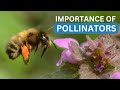
To support pollinators like solitary bees during soil regeneration, maintain lower successional stages with native plants. Prioritize locally adapted species, consult native plant societies, and allow
-
Pollinator and insect declines threaten ecosystems and food webs; native plants are crucial for supporting insect diversity, which in turn regulates pests and maintains ecological balance.
-
Creating diverse, bee-friendly agricultural landscapes is key to bee recovery and overall ecosystem health. Regenerative practices, including diverse plantings and habitat creation on ranches and in v
-
Regenerative agriculture benefits ecosystems by improving soil health, biodiversity, water quality, and wildlife habitats, while also enhancing farm worker conditions and community well-being.

 Community
-
Farmers, governments, and the public must act for pollinator conservation. Farmers should plant flowers, manage habitats, and provide nesting sites. Governments should implement policies like raising
Read more (opens in new window) ucanr.edu -
Regenerative agriculture, through practices like no-till, crop diversity, and livestock integration, improves soil health and biodiversity, which are essential for restoring honeybee health and creati
Read more (opens in new window) ucanr.edu -
Restoring native plants in adjacent natural areas provides essential forage and nesting resources, facilitating pollinator movement and benefiting biodiversity. This strategy, aiming for 7.5-10% habit
Read more (opens in new window) www.permaculture.org.uk -
Gardeners can support pollinators by planting native plants and herbs like rosemary and basil, and allowing vegetables like artichokes and broccoli to bloom, providing nectar and pollen while reducing
Read more (opens in new window) ucanr.edu
Research
-
Wild pollinators and honeybees respond differently to landscape‐scale organic farming and increase sunflower yields (opens in new window)
This study found: Landscape organic farming and natural habitats boost pollinators, while diverse weeds in fields increase native bee populations. Pollination increased sunflower yields by 25%, with marginally higher s
-
Crop diversification for pollinator conservation (opens in new window)
This study found: Planting diverse crops can help pollinators by providing more food and varied habitats, especially in intensive farming areas. While promising, not all pollinators benefit equally, and more landscape-
-
A global synthesis of the effects of diversified farming systems on arthropod diversity within fields and across agricultural landscapes. (opens in new window)
This study found: Global study: Organic farming and diverse crops boost beneficial insects (pollinators, predators) and overall insect variety within and around fields, especially in complex landscapes.
-
Wild insect diversity increases inter-annual stability in global crop pollinator communities. (opens in new window)
This study found: Greater wild insect diversity leads to more stable crop pollinator populations year-to-year globally. Dominant species drive abundance changes, with tropical regions showing more variability.
From the Web
-
Regenerative agriculture, through practices like no-till, diverse rotations, and livestock integration, is presented as the solution to bee decline by improving soil health, plant nutrition, and biodi
-
Pollinators, especially honeybees, are crucial for regenerative agriculture, enhancing ecosystem services and contributing significantly to crop yields. Regenerative practices naturally support bee po
-
Monocultures and habitat loss harm wild pollinators; restoring plant biodiversity on farms is key to attracting and sustaining them.
2
Ecosystem Services: Quantified Contributions to the Farm and Beyond
Regenerative farming practices directly enhance several critical ecosystem services, with pollination being the most directly observable and economically impactful for many farms. The value of pollination is substantial. For crops like almonds, apples, and berries,...
Ecosystem Services: Quantified Contributions to the Farm and Beyond
Regenerative farming practices directly enhance several critical ecosystem services, with pollination being the most directly observable and economically impactful for many farms. The value of pollination is substantial. For crops like almonds, apples, and berries,...
Regenerative farming practices directly enhance several critical ecosystem services, with pollination being the most directly observable and economically impactful for many farms. The value of pollination is substantial. For crops like almonds, apples, and berries, commercial pollination services can cost $100-300 per acre ($250-750 per hectare) annually. Regenerative farms, by culturing their own robust populations of native bees and other pollinators, can reduce or eliminate this cost. For example, cherry farmers in Chile's central valley have reported a 20% increase in cherry yield and a significantly improved fruit size and uniformity, reducing the need for supplementary bee rentals from $150/ha ($60/acre) to less than $50/ha ($20/acre) within four years, thanks to planting hedgerows with native flowering species.
Beyond pollination, the complex root systems of diverse cover crops and perennial habitats foster improved soil structure, increasing water infiltration and retention by 10-30% particularly in arid regions. This improved water management reduces runoff and erosion, protecting downstream water quality and reducing the need for irrigation. The enhanced soil biology also leads to more efficient nutrient cycling, reducing the farm's dependency on external nutrient inputs. For a mixed farm in Indiana, USA, implementing pollinator habitat strips and cover cropping has resulted in a 20% improvement in soil organic matter over five years, leading to a 15% reduction in fertilizer needs for cash crops.
Furthermore, the increased biomass and healthy soil organic matter contribute significantly to carbon sequestration, acting as a vital tool in climate change mitigation. While exact figures vary widely based on soil type, climate, and practice intensity, regenerative systems typically sequester 0.5-2.0 tonnes of CO2 per hectare per year. The diverse plant life also provides habitat corridors for wildlife and contributes to landscape-level ecological connectivity, benefiting species beyond just pollinators.
Sources behind this view
Sources behind this view
Videos & Podcasts
-
NRCS programs like EQIP (with practices like Conservation Cover 327, Beetle Banks, Wildlife Habitat Planting 420) and CSP offer financial and technical assistance for establishing pollinator habitat o
-
A 43-acre regenerative farm integrates diverse enterprises (honey, sheep, pork, crops) for profitability, with honey production as a primary revenue driver. The 'farm smaller, better' philosophy empha
-
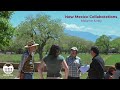
Pollinators are essential to the food system, influencing nearly every bite, including indirectly impacting milk production via alfalfa pollination. While honeybees are central, other wild pollinators
Community
-
Restoring native plants in adjacent natural areas provides essential forage and nesting resources, facilitating pollinator movement and benefiting biodiversity. This strategy, aiming for 7.5-10% habit
Read more (opens in new window) www.permaculture.org.uk -
Insect pollinators, mainly bees, provide an estimated $153 billion in global economic value for food crops annually, representing 9.5% of total agricultural food production. Declining bee populations,
Read more (opens in new window) ucanr.edu
Research
-
Regenerative Almond Production Systems Improve Soil Health, Biodiversity, and Profit (opens in new window)
This study found: Regenerative almond farms in California doubled profits and improved soil health and biodiversity by combining practices like cover crops, compost, and reduced synthetic inputs, with no yield loss.
-
Regenerative Agriculture: Restoring Ecosystems¢ Resilience and Productivity: A Review (opens in new window)
This study found: Regenerative agriculture builds soil health and ecosystem services through practices like no-till, cover crops, and diverse rotations. It increases soil organic matter, improves water infiltration, bo
-
Maximizing arthropod‐mediated ecosystem services in agricultural landscapes: the role of native plants (opens in new window)
This study found: Native plants can boost beneficial insects on farms, providing pollination and pest control services worth billions. They offer crucial food sources and habitat, especially in moderately complex lands
-
Farming with Alternative Pollinators benefits pollinators, natural enemies, and yields, and offers transformative change to agriculture (opens in new window)
This study found: Moroccan study: 'Farming with Alternative Pollinators' increased wild pollinators, reduced pests, and boosted farmer net income by 121% on average, offering a profitable path for agriculture.
From the Web
-
Pollinators, especially honeybees, are crucial for regenerative agriculture, enhancing ecosystem services and contributing significantly to crop yields. Regenerative practices naturally support bee po
4
Economic Implications: Long-Term Profitability and Resilience
While often associated with environmental benefits, regenerative agriculture's impact on pollinators is also a driver of long-term economic viability and resilience. The increased pollination services directly translate to higher yields and better quality for a wide...
Economic Implications: Long-Term Profitability and Resilience
While often associated with environmental benefits, regenerative agriculture's impact on pollinators is also a driver of long-term economic viability and resilience. The increased pollination services directly translate to higher yields and better quality for a wide...
While often associated with environmental benefits, regenerative agriculture's impact on pollinators is also a driver of long-term economic viability and resilience. The increased pollination services directly translate to higher yields and better quality for a wide range of crops, from fruits and vegetables to oilseeds and nuts. For example, research in the Pacific Northwest of the United States has shown that farms with adequate native bee habitat experience a 20-40% increase in berry size and a 10-25% increase in total yield compared to similar farms lacking diverse floral resources. This enhances the farm's market competitiveness and profitability.
The reduced need for chemical inputs—pesticides, herbicides, and synthetic fertilizers—represents a significant cost saving. Over a 3-7 year transition period, farmers can shift from spending $100-300 per acre ($250-750 per hectare) annually on these inputs to significantly less, allowing for reinvestment in soil health, habitat, or improved farm infrastructure. This reduction in input costs, coupled with increased yields, leads to a more robust profit margin. Anecdotal evidence from transitioning farms in Argentina suggests a decrease in input expenditure by up to 40% after five years of regenerative adoption, while simultaneously seeing a steady rise in the quality of their grain harvest, leading to premium market opportunities.
Furthermore, by fostering a more resilient ecosystem, regenerative farming reduces the farm's vulnerability to economic shocks caused by climate events or pest outbreaks. A farm with healthy soil, abundant beneficial insects, and diverse pollinator populations is better equipped to withstand droughts, floods, or pest surges than a chemically dependent monoculture. This built-in resilience means more stable income streams and a lower risk of catastrophic crop failure, providing greater financial security for farmers and their families. The ability to adapt to changing environmental conditions and market demands makes regenerative farms more sustainable businesses in the long run.
Sources behind this view
Sources behind this view
Videos & Podcasts
-
Regenerative agriculture can be more profitable than conventional farming due to lower input costs and access to premium markets, despite potential initial yield decreases. Studies show comparable yie
-
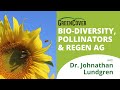
A study comparing regenerative and conventional agriculture showed regenerative systems had fewer pests, higher profits, and improved soil health in both corn and almond production, despite similar yi
-
Regenerative farms can be 78% more profitable than conventional ones due to lower input costs and access to premium markets, despite potential initial yield drops, as shown in a Forbes study and examp

Research
-
Regenerative Agriculture: Restoring Ecosystems¢ Resilience and Productivity: A Review (opens in new window)
This study found: Regenerative agriculture builds soil health and ecosystem services through practices like no-till, cover crops, and diverse rotations. It increases soil organic matter, improves water infiltration, bo
-
Systematic review of regenerative farming: Addressing agricultural sustainability challenges (opens in new window)
This study found: Systematic review of 31 studies shows regenerative farming improves soil health, biodiversity, and carbon capture, aiding sustainability. Technology is key for adoption, but policy, farmer understandi
-
Regenerative agriculture: merging farming and natural resource conservation profitably (opens in new window)
This study found: Regenerative corn farming in the Northern Plains yielded 78% higher profits than conventional methods, despite lower grain production, due to improved soil health and reduced pest issues.
-
Regenerative Almond Production Systems Improve Soil Health, Biodiversity, and Profit (opens in new window)
This study found: Regenerative almond farms in California doubled profits and improved soil health and biodiversity by combining practices like cover crops, compost, and reduced synthetic inputs, with no yield loss.
From the Web
-
Regenerative agriculture can be profitable despite potential initial yield decreases, driven by reduced input costs and access to premium markets. Research shows comparable yields after transition, im
-
Regenerative agriculture enhances water retention, nutrient density, resilience to climate change, and provides significant economic and social benefits, empowering local communities and small farmers
-
Pollinators, especially honeybees, are crucial for regenerative agriculture, enhancing ecosystem services and contributing significantly to crop yields. Regenerative practices naturally support bee po
5
Connected Systems: Pollinators in the Web of Climate and Food Security
The health of pollinator populations on regenerative farms is intricately linked to broader global challenges, most critically climate change and food security. Pollinators are keystone species; their decline has cascading effects throughout ecosystems and across food...
Connected Systems: Pollinators in the Web of Climate and Food Security
The health of pollinator populations on regenerative farms is intricately linked to broader global challenges, most critically climate change and food security. Pollinators are keystone species; their decline has cascading effects throughout ecosystems and across food...
The health of pollinator populations on regenerative farms is intricately linked to broader global challenges, most critically climate change and food security. Pollinators are keystone species; their decline has cascading effects throughout ecosystems and across food systems. As climate change intensifies, leading to more extreme weather events and altered bloom times, diverse and healthy pollinator communities are more capable of adapting due to their broad genetic diversity and access to varied food sources. Regenerative farms, by providing this resilient habitat, act as crucial refuges for pollinators in a changing climate.
A significant portion of global food production relies on animal pollination. Estimates suggest that around 75% of the world's leading food crops benefit from insect pollination, including fruits, vegetables, nuts, seeds, and coffee. A decline in pollinator numbers directly threatens the yield and quality of these essential food items, leading to reduced food availability, increased prices, and heightened food insecurity, particularly for vulnerable populations. The UN's Food and Agriculture Organization (FAO) has repeatedly highlighted pollinator decline as a major threat to global food security.
Regenerative agriculture’s focus on building vibrant pollinator populations is therefore a direct contribution to global food security. By creating functional ecosystems on farms, we ensure that the "free" ecosystem service of pollination continues to support our food supply. This is particularly important in regions heavily reliant on agriculture for their economy and sustenance, such as many parts of Africa and Asia. For instance, smallholder farmers in countries like Kenya and Nepal are increasingly integrating pollinator-friendly practices, recognizing that a healthy bee population on their small plots significantly boosts yields of vital crops like vegetables and legumes, thereby improving household nutrition and income. This on-farm resilience scales up to contribute to national and global food system stability.
Sources behind this view
Sources behind this view
Videos & Podcasts
-
Pollinator and insect declines threaten ecosystems and food webs; native plants are crucial for supporting insect diversity, which in turn regulates pests and maintains ecological balance.
-
Pesticides, including some organic ones, harm pollinators by contaminating soil, pollen, and nectar. This short-sighted practice ignores long-term impacts on soil health and ecosystem function, highli

-
Pollinators are essential to the food system, influencing nearly every bite, including indirectly impacting milk production via alfalfa pollination. While honeybees are central, other wild pollinators
-
Pollinators are vital for 71% of major crops and global food security; recent severe declines in bee populations due to modern farming practices threaten ecosystems, food supply, and agricultural econ
Community
-
Farmers, governments, and the public must act for pollinator conservation. Farmers should plant flowers, manage habitats, and provide nesting sites. Governments should implement policies like raising
Read more (opens in new window) ucanr.edu -
Pollinators like bees and butterflies are vital for one-third of our food supply but are declining rapidly. Conservation efforts include reducing pesticides, planting native flowers, and citizen scien
Read more (opens in new window) www.permaculture.org.uk
Research
-
Key tropical crops at risk from pollinator loss due to climate change and land use. (opens in new window)
This study found: Agriculture and climate change combined are causing significant pollinator declines, especially in the tropics, putting key crops at risk and potentially impacting human well-being.
-
Crop diversification for pollinator conservation (opens in new window)
This study found: Planting diverse crops can help pollinators by providing more food and varied habitats, especially in intensive farming areas. While promising, not all pollinators benefit equally, and more landscape-
-
Ecological intensification to mitigate impacts of conventional intensive land use on pollinators and pollination. (opens in new window)
This study found: Nature-friendly farming (ecological intensification) using diverse crops, rotations, and fewer chemicals can help reverse pollinator decline and support sustainable food production.
-
Wild Pollinators Enhance Fruit Set of Crops Regardless of Honey Bee Abundance (opens in new window)
This study found: Wild pollinators are twice as effective as honeybees for crop fruit set. Historical data shows declining pollinator function due to climate and land use changes, highlighting their essential role.
6
The Evidence Base: What Research and Farmer Experience Tell Us
The understanding of how regenerative agriculture impacts pollinators is built on both scientific research and the extensive empirical knowledge of farmers. Decades of studies have documented the negative effects of synthetic pesticides on pollinators, demonstrating...
The Evidence Base: What Research and Farmer Experience Tell Us
The understanding of how regenerative agriculture impacts pollinators is built on both scientific research and the extensive empirical knowledge of farmers. Decades of studies have documented the negative effects of synthetic pesticides on pollinators, demonstrating...
The understanding of how regenerative agriculture impacts pollinators is built on both scientific research and the extensive empirical knowledge of farmers. Decades of studies have documented the negative effects of synthetic pesticides on pollinators, demonstrating direct toxicity and sublethal impacts on behavior and reproduction. For example, studies consistently show that neonicotinoid pesticides, even at trace amounts, can disrupt the navigation abilities of bees, making them unable to find their way back to the hive. Research published in journals like Nature and Science has clearly linked landscape-level pesticide use to pollinator decline.
Conversely, emerging research and on-the-ground observations from regenerative farms around the world confirm the positive correlation between regenerative practices and pollinator health. Long-term studies, such as the Rodale Institute's Farming Systems Trial in the United States, have observed higher insect biodiversity, including pollinators, on organic and compost-based systems compared to conventional plots. Modern trials are increasingly focusing on specific habitat interventions. For example, trials in Europe have quantified that dedicating 5-10% of farm land to wildflower strips and hedgerows can result in a doubling of local bumblebee colony success rates within three years.
Farmer-led innovation and observation are equally critical. Farmers implementing practices like cover cropping, reduced tillage, and diverse crop rotations report seeing a noticeable increase in the diversity and abundance of pollinators within 2-4 cropping cycles. For instance, ranchers in Montana, USA, integrating native wildflower meadows with rotational grazing have noted a significant increase in the nesting success of ground-nesting bees, evidenced by more bees emerging in subsequent seasons. Similarly, farmers in India who have replaced synthetic fertilizers and pesticides with vermicompost and integrated pest management have observed a resurgence of butterfly species, which they use as visual indicators of ecosystem health, reporting an increase of 20-30 species over a decade. While precise, region-specific data can vary, the consensus from diverse agricultural landscapes globally is that regenerative practices foster thriving pollinator communities.
Sources behind this view
Sources behind this view
Videos & Podcasts
-
A four-year study in England involving farmer clusters found regenerative agriculture practices improve soil health (carbon in aggregates, earthworms) and biodiversity (spiders, wasps, pollination), t

-
NRCS programs like EQIP (with practices like Conservation Cover 327, Beetle Banks, Wildlife Habitat Planting 420) and CSP offer financial and technical assistance for establishing pollinator habitat o
-
Creating diverse, bee-friendly agricultural landscapes is key to bee recovery and overall ecosystem health. Regenerative practices, including diverse plantings and habitat creation on ranches and in v
-
Pollinator and insect declines threaten ecosystems and food webs; native plants are crucial for supporting insect diversity, which in turn regulates pests and maintains ecological balance.
Community
-
Farmers, governments, and the public must act for pollinator conservation. Farmers should plant flowers, manage habitats, and provide nesting sites. Governments should implement policies like raising
Read more (opens in new window) ucanr.edu -
Protect pollinators by increasing habitat diversity, reducing pesticide use, creating nesting sites, and improving managed bee husbandry, as advised by IPBES and UC Davis experts.
Read more (opens in new window) ucanr.edu -
Attract pollinators like wild bees and butterflies by creating flower strips, hedgerows, and wild areas. These provide forage, nesting, and habitat, supporting crop production and biodiversity. Specif
Read more (opens in new window) www.permaculture.org.uk -
Pollinators like bees and butterflies are vital for one-third of our food supply but are declining rapidly. Conservation efforts include reducing pesticides, planting native flowers, and citizen scien
Read more (opens in new window) www.permaculture.org.uk
Research
-
Wild pollinators and honeybees respond differently to landscape‐scale organic farming and increase sunflower yields (opens in new window)
This study found: Landscape organic farming and natural habitats boost pollinators, while diverse weeds in fields increase native bee populations. Pollination increased sunflower yields by 25%, with marginally higher s
-
Crop diversification for pollinator conservation (opens in new window)
This study found: Planting diverse crops can help pollinators by providing more food and varied habitats, especially in intensive farming areas. While promising, not all pollinators benefit equally, and more landscape-
-
Wild Pollinators Enhance Fruit Set of Crops Regardless of Honey Bee Abundance (opens in new window)
This study found: Wild pollinators are twice as effective as honeybees for crop fruit set. Historical data shows declining pollinator function due to climate and land use changes, highlighting their essential role.
-
The context‐dependent benefits of organic farming on pollinator biodiversity: A meta‐analysis (opens in new window)
This study found: Organic farms generally have higher pollinator diversity and abundance than conventional farms, with benefits varying by landscape and crop type. Bumblebees showed the strongest positive response.
From the Web
-
Regenerative agriculture, through practices like no-till, diverse rotations, and livestock integration, is presented as the solution to bee decline by improving soil health, plant nutrition, and biodi
-
Regenerative agriculture, featuring reduced tillage, cover crops, and rotational grazing, is presented as the solution to insect and native pollinator decline. These practices foster soil life and pla
-
Pollinators, especially honeybees, are crucial for regenerative agriculture, enhancing ecosystem services and contributing significantly to crop yields. Regenerative practices naturally support bee po
7
What's at Stake: The Consequences of Pollinator Loss
The continued decline of pollinator populations, if not addressed, carries severe consequences for both natural ecosystems and human societies. At the most fundamental level, the loss of pollinators jeopardizes the reproduction of countless plant species, including many...
What's at Stake: The Consequences of Pollinator Loss
The continued decline of pollinator populations, if not addressed, carries severe consequences for both natural ecosystems and human societies. At the most fundamental level, the loss of pollinators jeopardizes the reproduction of countless plant species, including many...
The continued decline of pollinator populations, if not addressed, carries severe consequences for both natural ecosystems and human societies. At the most fundamental level, the loss of pollinators jeopardizes the reproduction of countless plant species, including many that form the base of terrestrial food webs. This can lead to a cascade of extinctions, disrupting ecological balance and diminishing biodiversity globally. Wild landscapes would become less vibrant, less productive, and less resilient.
For human populations, the stakes are immense in terms of food security and economic stability. As mentioned, a substantial portion of our global food supply depends on pollination. A future with fewer pollinators means less variety in our diets, more expensive staple crops, and increased challenges in producing enough food to feed a growing world population. Many fruits, vegetables, nuts, and seeds would become scarce and prohibitively expensive, profoundly altering diets and potentially leading to widespread malnutrition. The economic impact would be staggering, with billions of dollars in agricultural production at risk annually.
Moreover, the loss of pollinators is a stark indicator of broader environmental degradation. Their decline signals stressed ecosystems that are less capable of providing other vital services, such as clean water, healthy soils, and climate regulation. It reflects a world where human activities have pushed natural systems beyond their tipping points, creating a less stable and less predictable environment for everyone. The reversal of pollinator decline, therefore, is not just about saving bees and butterflies; it is about safeguarding the fundamental ecological underpinnings of life on Earth and ensuring a sustainable future for agriculture and humanity.
Sources behind this view
Sources behind this view
Videos & Podcasts
-
Pollinator and insect declines threaten ecosystems and food webs; native plants are crucial for supporting insect diversity, which in turn regulates pests and maintains ecological balance.
-
Pesticides, including some organic ones, harm pollinators by contaminating soil, pollen, and nectar. This short-sighted practice ignores long-term impacts on soil health and ecosystem function, highli
-
Pollinators are essential to the food system, influencing nearly every bite, including indirectly impacting milk production via alfalfa pollination. While honeybees are central, other wild pollinators
-
Diverse native pollination systems are ecologically vital, supporting biodiversity and ecosystem services; honeybees are agriculturally important but ecologically irrelevant and can compete with nativ
Community
-
A global IPBES assessment reveals pollinator decline due to habitat loss and pesticides threatens 75% of food crops, impacting $235-577 billion annually and critical for biofuels, fibers, and medicine
Read more (opens in new window) ucanr.edu -
Farmers, governments, and the public must act for pollinator conservation. Farmers should plant flowers, manage habitats, and provide nesting sites. Governments should implement policies like raising
Read more (opens in new window) ucanr.edu -
Pollinators like bees and butterflies are vital for one-third of our food supply but are declining rapidly. Conservation efforts include reducing pesticides, planting native flowers, and citizen scien
Read more (opens in new window) www.permaculture.org.uk -
Pollinators are vital for 85% of flowering plants and two-thirds of crops, contributing $3 billion annually in the US, but face threats from habitat loss, pesticides, and diseases.
Read more (opens in new window) ucanr.edu
Research
-
Pollinator decline - an ecological calamity in the making? (opens in new window)
This study found: Pollinator decline is a serious ecological threat due to habitat loss, pesticides, diseases, and climate change, impacting crop production and ecosystems. Evidence points to a significant crisis.
-
The Potential Consequences of Pollinator Declines on the Conservation of Biodiversity and Stability of Food Crop Yields (opens in new window)
This study found: Expert review confirmed severe honey bee declines and highlighted critical threats to wild pollinators, impacting food security and biodiversity. Recommendations focus on research, pesticide impact st
-
The economic, agricultural, and food security repercussions of a wild pollinator collapse in Europe. (opens in new window)
This study found: A hypothetical collapse of wild pollinators in Europe by 2030 could reduce crop yields by 8%, increase food prices globally, and cause billions in economic losses, disproportionately impacting EU cons
-
Key tropical crops at risk from pollinator loss due to climate change and land use. (opens in new window)
This study found: Agriculture and climate change combined are causing significant pollinator declines, especially in the tropics, putting key crops at risk and potentially impacting human well-being.
8
Know the Debate
The success of supporting pollinators on farms varies by location, scale, and management choices. In regions with adequate rainfall and cooler clim...
Know the Debate
The success of supporting pollinators on farms varies by location, scale, and management choices. In regions with adequate rainfall and cooler clim...
The success of supporting pollinators on farms varies by location, scale, and management choices. In regions with adequate rainfall and cooler climates, farmers can establish diverse cover crops and wildflower margins that provide year-round forage and nesting, seeing notable increases within 2-3 years. Semi-arid regions may require more drought-tolerant native species and strategic water management for similar habitat success. Labor commitments for habitat can range from minimal (integrating existing field borders) to significant (establishing dedicated pollinator strips), and initial investment for seed or native plants can be $50-$200 per acre. Most regenerative approaches suggest a 3-7 year transition for full pollinator recovery, with early improvements in activity usually seen much sooner.
How much do pollinator populations increase on farms?
Significant gains (50-200% abundance, +species diversity)
Academic research and institute guides indicate substantial improvements in pollinator abundance and species diversity within 3-5 years of adopting regenerative practices with dedicated habitat.
Sources behind this view
Sources behind this view
Videos & Podcasts
-
Pollinators are essential to the food system, influencing nearly every bite, including indirectly impacting milk production via alfalfa pollination. While honeybees are central, other wild pollinators are vital but overlooked. Individual stewardship and regenerative agriculture, integrating indigenous knowledge, are key to supporting all pollinators.
Research
-
Insect pollinators and sustainable agriculture (opens in new window)
This study found: Farming relies heavily on bees and other insects to pollinate crops, which is essential for producing fruits and seeds. This is often more valuable than the honey and wax produced by honeybees. While honeybees are important, they are facing serious threats from mites and aggressive bee types. This means we need to pay more attention to other pollinators like bumblebees, orchard bees, and squash bees, which are not affected by these problems. Wild, native pollinators are also vital but are declining due to pesticide exposure and the loss of their natural homes and food sources. To ensure we have enough pollinators for our farms, we need to better understand their needs, provide them with safe places to live and nest, and make sure they have plenty of flowers to eat from throughout the year. Changes in farming practices and public policies can help protect and increase pollinator populations, ultimately boosting farm yields.
From the Web
-
Irish project guides farmers to support pollinators and biodiversity through small, low-cost actions like planting flowering margins and hedgerows, using a farm-scale scoring system and results-based payments.
-
Implemented nature-based solutions like vegetation cover and bee shelters to improve natural pollination for pears, apples, and cherries in Portugal, leading to significant gains in fruit quality and quantity.
Gradual improvement over 5-7 years, context-dependent
Farmer experience suggests noticeable pollinator activity increases within 1-2 years, but significant population growth and diversity gains often take 5-7 years, contingent on local conditions and pesticide reduction.
Sources behind this view
Sources behind this view
Videos & Podcasts
-
A study comparing regenerative and conventional agriculture showed regenerative systems had fewer pests, higher profits, and improved soil health in both corn and almond production, despite similar yields. Regenerative farms avoided insecticides and relied on diverse cover crops and practices.
-
NRCS programs like EQIP (with practices like Conservation Cover 327, Beetle Banks, Wildlife Habitat Planting 420) and CSP offer financial and technical assistance for establishing pollinator habitat on organic farms. Cover crops, field borders, and tree/shrub plantings are also valuable. Organic site prep methods like solarization and smother cropping are detailed, emphasizing pesticide drift protection and utilizing existing farm features.
Research
-
Farming with Alternative Pollinators benefits pollinators, natural enemies, and yields, and offers transformative change to agriculture (opens in new window)
This study found: A large study involving 233 farmers in Morocco found that a farming method called 'Farming with Alternative Pollinators' significantly improved farm outcomes. This approach, which focuses on creating habitats for wild pollinators, led to more diverse and abundant wild bees and fewer pests in the fields compared to standard monoculture farming. Crucially, farmers saw an average increase of 121% in their net income per acre. This suggests that protecting pollinators can be a profitable strategy for farmers, leading to higher food production and potentially reducing the need to convert natural areas into farmland.
-
Crop pollination from native bees at risk from agricultural intensification (opens in new window)
This study found: This study looked at how wild bees help pollinate crops on different types of farms. On organic farms located near natural areas, wild bees were able to pollinate crops like watermelons effectively, even without needing managed honeybees. However, on conventional farms or farms far from natural habitats, there were fewer wild bees, and they couldn't pollinate crops well enough on their own. The research shows that having a variety of wild bees is important for reliable pollination. As farming becomes more intensive, this valuable 'free' service from nature is at risk, but protecting and restoring natural areas around farms could be a good economic strategy to reduce reliance on managed honeybees.
Making Sense of the Differences
Observable increases in pollinator activity can occur within 1-2 years of planting habitat and reducing inputs. However, achieving substantial population recovery and diversity expansion, as documented in research, typically requires 3-7 years as ecosystems stabilize and native species re-establish. The rate of recovery depends on the initial landscape health, the continuity and diversity of floral resources throughout the season, and the complete absence of harmful pesticides. Farmers should anticipate compounding benefits that become more pronounced as soils improve and habitat matures.
Should farms prioritize pesticide reduction or habitat creation for pollinators?
Pesticide reduction is paramount for survival
Academic evidence strongly emphasizes that eliminating or drastically reducing synthetic pesticides, especially neonicotinoids, is critical to prevent direct mortality and sublethal impacts on pollinators.
Sources behind this view
Sources behind this view
Videos & Podcasts
-
Pesticides, including some organic ones, harm pollinators by contaminating soil, pollen, and nectar. This short-sighted practice ignores long-term impacts on soil health and ecosystem function, highlighting the need for a holistic approach considering air, water, and soil quality.
Research
-
Insect pollinators and sustainable agriculture (opens in new window)
This study found: Farming relies heavily on bees and other insects to pollinate crops, which is essential for producing fruits and seeds. This is often more valuable than the honey and wax produced by honeybees. While honeybees are important, they are facing serious threats from mites and aggressive bee types. This means we need to pay more attention to other pollinators like bumblebees, orchard bees, and squash bees, which are not affected by these problems. Wild, native pollinators are also vital but are declining due to pesticide exposure and the loss of their natural homes and food sources. To ensure we have enough pollinators for our farms, we need to better understand their needs, provide them with safe places to live and nest, and make sure they have plenty of flowers to eat from throughout the year. Changes in farming practices and public policies can help protect and increase pollinator populations, ultimately boosting farm yields.
-
Maximizing arthropod‐mediated ecosystem services in agricultural landscapes: the role of native plants (opens in new window)
This study found: Helpful insects like native bees and pest-eating bugs provide essential services to farms, such as pollinating crops and controlling pests, which are worth billions of dollars each year. To keep these beneficial insects healthy and productive, they need consistent food sources like pollen and nectar, which are often lacking in today's farms. Planting native wildflowers is a promising way to provide this food, as they can be better adapted to the local environment, offer lasting habitat, and support local wildlife. The most successful programs will likely be in farm areas with a good mix of habitats, not too simple and not too complex. This approach requires teamwork between scientists, educators, and native plant specialists.
Habitat and forage are critical limiting factors
Field experience and some research suggest continuous, diverse floral resources and nesting sites are often the primary limiting factors, even if pesticide use is minimal.
Sources behind this view
Sources behind this view
Videos & Podcasts
-
Pollinators are essential to the food system, influencing nearly every bite, including indirectly impacting milk production via alfalfa pollination. While honeybees are central, other wild pollinators are vital but overlooked. Individual stewardship and regenerative agriculture, integrating indigenous knowledge, are key to supporting all pollinators.
-
NRCS programs like EQIP (with practices like Conservation Cover 327, Beetle Banks, Wildlife Habitat Planting 420) and CSP offer financial and technical assistance for establishing pollinator habitat on organic farms. Cover crops, field borders, and tree/shrub plantings are also valuable. Organic site prep methods like solarization and smother cropping are detailed, emphasizing pesticide drift protection and utilizing existing farm features.
-
Diverse flowering cover crops and native plants extend bloom, boosting beneficial insects, pollinators, and pest suppression. No-till and minimal disturbance practices are key. Examples include Partridge Pea, buckwheat, and integrating habitat in almonds, canola, and soybeans.
Research
-
Crop pollination from native bees at risk from agricultural intensification (opens in new window)
This study found: This study looked at how wild bees help pollinate crops on different types of farms. On organic farms located near natural areas, wild bees were able to pollinate crops like watermelons effectively, even without needing managed honeybees. However, on conventional farms or farms far from natural habitats, there were fewer wild bees, and they couldn't pollinate crops well enough on their own. The research shows that having a variety of wild bees is important for reliable pollination. As farming becomes more intensive, this valuable 'free' service from nature is at risk, but protecting and restoring natural areas around farms could be a good economic strategy to reduce reliance on managed honeybees.
Making Sense of the Differences
For optimal pollinator recovery, both pesticide reduction and habitat enhancement are crucial and complementary. While eliminating harmful synthetics is essential for survival, pollinators also require abundant and diverse food sources and nesting sites. Farms with high pesticide use need to prioritize reduction immediately. However, even with minimal pesticide use, significant population increases are unlikely without dedicated habitat. The most effective strategy integrates both: a phased elimination of pesticides alongside the creation of continuous floral resources from native plants and diverse cover crops throughout the growing season and beyond.
3
Social Dimensions: Farmer Wellbeing and Community Connections
The regenerative transition has significant, often overlooked, social dimensions, particularly concerning farmer wellbeing and community vitality. For many farmers, the shift toward working with nature rather than imposing complete control leads to a profound sense of...
The regenerative transition has significant, often overlooked, social dimensions, particularly concerning farmer wellbeing and community vitality. For many farmers, the shift toward working with nature rather than imposing complete control leads to a profound sense of reconnection with their land. Witnessing the return of diverse life, including vibrant pollinator populations, can be deeply rewarding, fostering greater job satisfaction amidst the often-stressful agricultural environment. This psychological benefit is compounded by the reduced reliance on costly and complex synthetic inputs, simplifying farm management and decreasing exposure to potentially harmful chemicals. Farmers often report feeling a greater sense of purpose and stewardship.
The visual appeal of farms rich in flowers and buzzing with insect life can also foster positive community engagement. Farms that integrate pollinator habitats into their landscape often become educational hubs, attracting visitors interested in learning about biodiversity, sustainable farming, and local ecosystems. This can open new revenue streams through agritourism, workshops, and direct consumer sales. A family farm in rural France, for example, has diversified its income by offering guided nature walks and educational programs focused on its butterfly and bee populations, transforming its farm into a local attraction and adding 10-15% to its annual revenue within three years.
Moreover, the improved ecological health of regenerative farms contributes to the broader community's environmental quality. Cleaner waterways, healthier soils, and increased biodiversity benefit everyone. The success of regenerative practices also inspires neighboring farmers and landowners to consider similar approaches, fostering a ripple effect of positive change across a region. This shared commitment to land health can strengthen community bonds and create a collaborative spirit around ecological stewardship.
Sources behind this view
Sources behind this view
Farmers are advised to join regenerative farming communities, engage with impact investors, and focus on value-adding and regional food systems. Food and agriculture are presented as key solutions to
Regenerative agriculture boosts profitability, revitalizes rural communities by supporting multiple families per farm, and enables farm succession. Robust supply chains are key to realizing these bene
Colum Flynn and Johnny Green discuss their transitions to biological farming, emphasizing reduced inputs, improved soil health, biodiversity, and farmer-led learning. They highlight reduced anxiety, b
Regenerative practices yield equivalent or higher crops while improving planet health and restoring wildlife, including kestrels, skylarks, and pollinators. Educating consumers is key to driving deman
This study found: Regenerative agriculture builds soil health and ecosystem services through practices like no-till, cover crops, and diverse rotations. It increases soil organic matter, improves water infiltration, bo
This study found: Shifting U.S. agriculture to regenerative practices requires policy, education, and fostering supportive values. Farmer networks and social learning are key to overcoming challenges like climate chang
This study found: A 5-year case study shows a farm successfully transitioned to regenerative practices, reducing soil erosion and increasing wildlife by using cover crops, diversified rotations, and reduced tillage. Pr
This study found: Studies show environmental reasons are key for regenerative agriculture adoption, supported by economic/social factors. Challenges include transition, incentives, and policy gaps, requiring better far