
How does plant diversity affect pest pressure?
Increasing plant diversity on farms and ranches directly reduces pest pressure by creating more complex, resilient ecosystems. Intercropping, cover cropping, and diverse pastures disrupt pest life cycles, reduce host plant availability, and provide habitat for beneficial insects and predators. This ecological complexity makes it harder for any single pest population to explode, leading to fewer crop losses and reduced reliance on external inputs for pest management. Farmers often observe a 15-30% reduction in pest damage within 2-5 years of implementing diverse planting strategies.
Read More: Complete Description
Sources behind this view
Sources behind this view
 Videos & Podcasts
-
Cornfields with higher insect species diversity have lower pest abundance due to the stabilizing effect of predator-prey interactions within a complex biological network. The interconnectedness of spe

 Community
-
Planting diverse crops protects against pests by avoiding monocultures and allows for ecosystem self-balancing, while also offering economic benefits by reducing food purchases and enabling cultivatio
Read more (opens in new window) permies.com
 Research
-
Global evidence that plant diversity suppresses pests and promotes plant performance and crop production. (opens in new window)
This study found: Global study of 609 research projects shows plant diversity boosts plant health and reduces pests across various ecosystems. Crop diversification, like intercropping and cover crops, increases farm pr
-
Landscape complexity and functional groups moderate the effect of diversified farming on biodiversity: A global meta-analysis (opens in new window)
This study found: Diverse farming boosts farm biodiversity by 26% on average, increasing beneficial species and reducing pests. Benefits are stronger in simpler landscapes, with nearby natural areas crucial for pest co
-
A global synthesis of the effects of diversified farming systems on arthropod diversity within fields and across agricultural landscapes. (opens in new window)
This study found: Global study: Organic farming and diverse crops boost beneficial insects (pollinators, predators) and overall insect variety within and around fields, especially in complex landscapes.
-
A global synthesis reveals biodiversity-mediated benefits for crop production (opens in new window)
This study found: Global study: More biodiversity on farms boosts crop yields through pollination and pest control. A variety of species, not just dominant ones, leads to more reliable harvests.
 From the Web
-
Plant diversity reduces pest populations through the resource concentration hypothesis (pests get distracted) and the natural enemies hypothesis (more predators/parasitoids). Diversification strategie
-
Explains how plant diversity reduces pests via the 'resource concentration' and 'natural enemies' hypotheses, supported by research showing diverse systems confuse pests and support beneficial insects
-
Plant diversity provides ecosystem services by attracting beneficial insects and enabling inter-plant communication to naturally manage pests, reducing the need for crop protection products.
-
Plant diversity reduces pests via the 'resource concentration' hypothesis (pests get lost) and the 'natural enemies' hypothesis (more predators/parasitoids). Research supports these mechanisms, showin
Key Points
System Regulation
- Reduces reliance on external pest control inputs.
- Creates complex food webs difficult for pests to dominate.
- Balances pest populations with natural enemies.
- Improves overall farm resilience and stability.
Biological Processes
- Habitat for beneficial insects (predators, parasitoids).
- Support for diverse arbuscular mycorrhizal fungi.
- Increased soil microbial biomass and activity.
- Attracts pollinators and pest predators.
Pest Disease Regulation
- Disrupts pest life cycles by breaking host plant uniformity.
- Increases natural enemy habitat and food sources.
- Confuses pest navigation with diverse plant scents.
- Enhances plant resilience, reducing damage impact.
Know the Debate
- Diversity reduces pests by disrupting habitats and confusing insects.
- Beneficial insect populations increase with plant variety.
- Range of pest reduction: 15-40% per trials.
- Results mature over 2-5 years of consistent practice.
Going Deeper
1
Primary Mechanisms: Unpacking the Diversity Effect
The impact of plant diversity on pest pressure operates through a sophisticated interplay of biological, chemical, and physical mechanisms within the agroecosystem. The primary driver is the disruption of the predictable and abundant resources that specialist pests rely...
Primary Mechanisms: Unpacking the Diversity Effect
The impact of plant diversity on pest pressure operates through a sophisticated interplay of biological, chemical, and physical mechanisms within the agroecosystem. The primary driver is the disruption of the predictable and abundant resources that specialist pests rely...
The impact of plant diversity on pest pressure operates through a sophisticated interplay of biological, chemical, and physical mechanisms within the agroecosystem. The primary driver is the disruption of the predictable and abundant resources that specialist pests rely on. A monoculture field offers a continuous, high-density food source, enabling pests to reproduce rapidly and reach outbreak proportions. Diverse plantings break this predictability. Imagine a pest that targets a specific species of leafy green; in a monoculture, it finds an endless buffet. In an intercropped system with grains, legumes, and herbs, this pest encounters its preferred food less frequently, interspersed with plants it cannot or will not feed on. This scarcity directly limits reproductive success and survival rates. Field trials on smallholdings in Southeast Asia consistently show a 20-35% reduction in certain insect pest populations when rice is intercropped with legumes or other non-grain crops, due to these host-dilution and resource-fragmentation effects.
Beyond simply making it harder to find food, diverse plants create microhabitats that are less favorable for pest survival and reproduction. For example, dense, low-growing ground covers can impede the movement of soil-inhabiting pests like root maggots or cutworms, and can also provide shelter for beneficial ground beetles that prey on them. Conversely, plants with different architectural structures can disrupt the behavior of flying insects. Tall, bushy plants might create shade that discourages sun-loving pests, while plants with different leaf textures or physical structures can make egg-laying more difficult. Research has also highlighted the role of plant density; denser planting of diverse species can create a canopy that reduces light penetration, altering humidity and temperature regimes in ways that are unfavorable for many pest species, while typically still supporting the needs of beneficial insects.
Chemically, diverse plant communities leverage sophisticated signaling and defense systems. Many plants emit volatile organic compounds (VOCs) that can act as cues for pests to locate their hosts. In a diverse planting, the 'scent' of a favored host plant is masked or confused by the VOCs released by neighboring, non-host species. This 'olfactory camouflage' makes it significantly harder for pests to find their target crops from a distance, reducing the initial infestation pressure. Furthermore, many plants possess secondary metabolites—compounds not directly involved in growth or reproduction—that can be toxic, repellent, or antimicrobial. By incorporating a variety of plant species, a farm system increases the overall chemical diversity, introducing a broader spectrum of deterrents that can affect a wider range of pests, or even toxic compounds that reduce their viability.
Sources behind this view
Sources behind this view
Videos & Podcasts
-
A South Dakota study found high insect diversity in cornfields correlates with low pest density, while monocultures and insecticides reduce beneficial predators. Practices like cover cropping and inte

-
Plant diversity enhances pest and disease resistance in crops, orchards, and vineyards by supporting a diverse soil microbiome. This was exemplified by canola intercropping and citrus groves with dive

-
While diversity and habitats for beneficial insects are important, efficient farming of concentrated crops will still face pest pressure. Focus on soil health first, supplemented with targeted organic

-
Modern plant breeding reduced natural pest resistance. Monocultures stress plants, attracting pests that facilitate other species' growth. Diversification is the solution, creating healthier plants le
Community
-
Increased plant diversity in vineyards and orchards boosts beneficial insect populations and reduces pests by providing diverse habitats for predators, as evidenced by research cited in 'Edible Forest
Read more (opens in new window) permies.com -
Planting diverse crops protects against pests by avoiding monocultures and allows for ecosystem self-balancing, while also offering economic benefits by reducing food purchases and enabling cultivatio
Read more (opens in new window) permies.com -
Diverse cover crops, rather than single species, increase soil carbon and support the soil biome. Interplanting with potatoes can improve yields and attract beneficial insects by complementing root st
Read more (opens in new window) permies.com
Research
-
Global evidence that plant diversity suppresses pests and promotes plant performance and crop production. (opens in new window)
This study found: Global study of 609 research projects shows plant diversity boosts plant health and reduces pests across various ecosystems. Crop diversification, like intercropping and cover crops, increases farm pr
-
Plant species diversity for sustainable management of crop pests and diseases in agroecosystems: a review (opens in new window)
This study found: Planting diverse crops in farm fields can help control pests and diseases by disrupting pest cycles and supporting natural enemies, potentially reducing pesticide use. Understanding specific mechanism
-
A global synthesis of the effects of diversified farming systems on arthropod diversity within fields and across agricultural landscapes. (opens in new window)
This study found: Global study: Organic farming and diverse crops boost beneficial insects (pollinators, predators) and overall insect variety within and around fields, especially in complex landscapes.
-
Landscape complexity and functional groups moderate the effect of diversified farming on biodiversity: A global meta-analysis (opens in new window)
This study found: Diverse farming boosts farm biodiversity by 26% on average, increasing beneficial species and reducing pests. Benefits are stronger in simpler landscapes, with nearby natural areas crucial for pest co
From the Web
-
Plant diversity reduces pest populations through the resource concentration hypothesis (pests get distracted) and the natural enemies hypothesis (more predators/parasitoids). Diversification strategie
-
Plant diversity reduces pests via the 'resource concentration' hypothesis (pests get lost) and the 'natural enemies' hypothesis (more predators/parasitoids). Research supports these mechanisms, showin
-
Plant diversity provides ecosystem services by attracting beneficial insects and enabling inter-plant communication to naturally manage pests, reducing the need for crop protection products.
-
Diverse plant communities provide ecosystem services like attracting beneficial insects and enabling inter-plant communication, which naturally manage pests and reduce reliance on chemical interventio
2
Supporting Evidence: Global Observations and Field Trials
Numerous studies and farmer observations across continents underscore the efficacy of plant diversity in pest management. In North America, the incorporation of wildflower strips and prairie margins into agricultural landscapes has been well-documented to increase...
Supporting Evidence: Global Observations and Field Trials
Numerous studies and farmer observations across continents underscore the efficacy of plant diversity in pest management. In North America, the incorporation of wildflower strips and prairie margins into agricultural landscapes has been well-documented to increase...
Numerous studies and farmer observations across continents underscore the efficacy of plant diversity in pest management. In North America, the incorporation of wildflower strips and prairie margins into agricultural landscapes has been well-documented to increase populations of natural enemies like parasitic wasps and predatory flies, which then move into adjacent fields to control pests such as the corn earworm (Helicoverpa zea) and aphids. Farmers in the US Midwest have reported a noticeable decrease in the need for insecticidal applications by approximately 10-25% within 3-5 years of establishing these diverse habitat refuges, with a corresponding increase in beneficial insect counts of up to 40%.
In Europe, practices like intercropping cereals with legumes (e.g., wheat with faba beans) have been employed for centuries. Modern trials continue to affirm this. For instance, research in France has shown that such intercrops can reduce populations of grain aphids by up to 50% compared to sole crop wheat, due to a combination of host plant dilution and the attractiveness of faba beans to predatory insects. Similarly, agroforestry systems, integrating trees with crops or pastures, demonstrate significant pest regulation. Studies in the UK and Germany have found that hedgerows and silvopasture systems can increase biodiversity 2-3 times over monocultures, leading to improved biological control of common local pests like slugs and certain fungal pathogens by providing habitat for birds, bats, and beneficial invertebrates.
Africa showcases the remarkable success of the "Push-Pull" system, a prime example of diversity in pest management, particularly in maize-growing regions. Developed and implemented across countries like Kenya, Tanzania, and Uganda, this system uses a repellent intercrop (Desmodium) to deter stemborer moths (e.g., Chilo partellus) and a trap crop ( Napier grass) planted around the field to attract them. This single strategy, by integrating diversity, has been shown to reduce stemborer damage by over 70% and significantly decrease infestations of the parasitic Striga weed, a major agricultural problem. Farmers adopting this system often report yield increases of 15-40% and a dramatic reduction in losses to these key pests within 1-3 years.
In Australia, research into increasing crop diversity through stubble retention and cover cropping has demonstrated benefits for soil health and pest resistance. Diverse cover crop mixes, including legumes, brassicas, and grasses, have been shown to suppress soil-borne pests like nematodes and increase populations of beneficial soil microbes that can antagonize plant pathogens. Field experiments in Western Australia have indicated that such diverse systems can lead to a 10-20% increase in grain yield due to improved soil health and pest suppression, reducing the need for soil fumigants or nematicides over a 4-6 year period.
Sources behind this view
Sources behind this view
Videos & Podcasts
-
A South Dakota study found high insect diversity in cornfields correlates with low pest density, while monocultures and insecticides reduce beneficial predators. Practices like cover cropping and inte
-
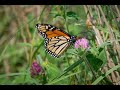
Implement farmscaping with 1-5% of land dedicated to beneficial insect attractants like buckwheat, flowers, and plants with extrafloral nectaries. Provide diverse nectar and pollen sources to support

-
Simplified landscapes increase insecticide use; conserving beneficial insects requires providing food, shelter, and reducing toxicity. Integrated Pest Management (IPM) significantly reduces insecticid
-
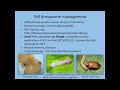
Four NRCS principles for soil health benefit pest management: maintain continuous living roots (via cover crops), minimize disturbance (reduce tillage), maintain surface residue (organic mulch), and m
Community
-
Increased plant diversity in vineyards and orchards boosts beneficial insect populations and reduces pests by providing diverse habitats for predators, as evidenced by research cited in 'Edible Forest
Read more (opens in new window) permies.com -
Planting diverse crops protects against pests by avoiding monocultures and allows for ecosystem self-balancing, while also offering economic benefits by reducing food purchases and enabling cultivatio
Read more (opens in new window) permies.com
Research
-
Global evidence that plant diversity suppresses pests and promotes plant performance and crop production. (opens in new window)
This study found: Global study of 609 research projects shows plant diversity boosts plant health and reduces pests across various ecosystems. Crop diversification, like intercropping and cover crops, increases farm pr
-
Push-Pull Strategy: an integrated approach to manage insect-pest and weed infestation in cereal cropping systems (opens in new window)
This study found: The Push-Pull strategy uses repellent intercrops (push) and trap plants (pull) to manage cereal stem borers and Striga weeds. It also provides fodder, improves soil fertility, and prevents erosion, bo
-
A global synthesis reveals biodiversity-mediated benefits for crop production (opens in new window)
This study found: Global study: More biodiversity on farms boosts crop yields through pollination and pest control. A variety of species, not just dominant ones, leads to more reliable harvests.
-
Using crop diversity to lower pesticide use: Socio-ecological approaches. (opens in new window)
This study found: Increasing crop diversity across the landscape can reduce pesticide use by supporting natural pest predators, leading to better biocontrol and fewer crop losses.
From the Web
-
Diversifying aboveground habitat through polycultures, cover crops (buckwheat, sunflowers), and managing weeds as covers enhances natural enemies for biological pest control, as demonstrated by farmer
-
Increase plant diversity through polycultures, cover crops (buckwheat, sunflowers), and managed weeds to attract natural enemies and improve biological pest control, as demonstrated by farmer Dick Tho
-
Regenerative agriculture uses five principles (no-till, living roots, plant diversity, integrated livestock, no synthetics) to achieve pest-free crops by restoring soil health and biodiversity. Practi
-
Enhance farm plant diversity through diversified crops/livestock, legume rotations, intercropping, cover crops, agroforestry, and habitat strips to improve pest management and soil health.
3
Conditions for Success: Tailoring Diversity to Environment
The effectiveness of plant diversity for pest management is not a one-size-fits-all solution; it is highly contingent on ecological context, farm management, and the specific pest pressures encountered. Key conditions for success include selecting plant species that are...
Conditions for Success: Tailoring Diversity to Environment
The effectiveness of plant diversity for pest management is not a one-size-fits-all solution; it is highly contingent on ecological context, farm management, and the specific pest pressures encountered. Key conditions for success include selecting plant species that are...
The effectiveness of plant diversity for pest management is not a one-size-fits-all solution; it is highly contingent on ecological context, farm management, and the specific pest pressures encountered. Key conditions for success include selecting plant species that are well-adapted to the local climate, soil type, and available water resources. A diverse mix that cannot thrive will not provide the intended ecological benefits. For instance, in arid regions of the Mediterranean basin, the focus might be on drought-tolerant perennial herbs and shrubs mixed with annual crops, rather than lush, water-demanding species.
The spatial arrangement and temporal sequencing of diverse plantings are also critical. Simply broadcasting many seeds may not be as effective as intentional design. Intercropping requires careful consideration of plant compatibility: competing root systems, light interception interference, and shared susceptibility to diseases must be managed. Companion planting, a specific form of intercropping, relies on synergistic relationships where one plant benefits another, either directly (e.g., nitrogen fixation by legumes) or indirectly (e.g., pest deterrence). For optimal results, farmer observation and adaptation are essential. For example, a farmer in the humid tropics might find that a certain legume intercrop suppresses a specific pest better than another, and will adjust their plantings accordingly over subsequent seasons.
The scale of diversity also matters. While even a few additional species can offer benefits, a greater number of functionally diverse species generally leads to stronger pest regulation. Functional diversity refers to plants that differ in their life histories, growth forms, resource acquisition strategies, and chemical profiles. For example, a mix of deep-rooted plants, shallow-rooted plants, nitrogen-fixers, and biomass producers creates a more complex soil environment and offers varied niches for beneficial organisms and deterrents for pests. A cover crop blend of crimson clover (legume), vetch (legume), rye (grass), and tillage radish (brassica) offers a range of benefits that a single species cannot match. Over time, farmers typically observe measurable improvements in pest suppression 2-5 years after establishing robust, context-appropriate diversity.
Furthermore, the management of beneficial insects and other natural enemies is a crucial condition. When diversity enhances natural enemy populations, it is vital to protect them. This means minimizing disruptions to their habitats and avoiding broad-spectrum applications of any pest control products, even those derived from natural sources, which can inadvertently harm beneficials. Practices like conserving field margins, reducing tillage, and timing interventions to avoid peak periods of beneficial activity are paramount. This protective approach ensures that the investments made in establishing plant diversity yield their full potential in integrated pest suppression.
Sources behind this view
Sources behind this view
Videos & Podcasts
-
High plant diversity (8+ species) significantly boosts soil carbon, reduces fertilizer needs, enhances drought tolerance, and improves soil microbiome function. Diverse mixes outperform monocultures,

-
Plant diversity enhances pest and disease resistance in crops, orchards, and vineyards by supporting a diverse soil microbiome. This was exemplified by canola intercropping and citrus groves with dive
-
The rule of diversity emphasizes maximizing plant, microbial, insect, and animal diversity to fuel ecosystem functions like nutrient cycling and water retention. Monocultures lead to soil degradation
-
The rule of diversity calls for maximizing plant, microbial, insect, and bird diversity to fuel soil processes, support the ecosystem, and enhance phytonutrient content for healthier plants and animal
Community
-
Increased plant diversity in vineyards and orchards boosts beneficial insect populations and reduces pests by providing diverse habitats for predators, as evidenced by research cited in 'Edible Forest
Read more (opens in new window) permies.com -
Diverse cover crops, rather than single species, increase soil carbon and support the soil biome. Interplanting with potatoes can improve yields and attract beneficial insects by complementing root st
Read more (opens in new window) permies.com -
Achieve polyculture benefits by integrating herbs and flowers for companion planting, attracting beneficials, and pest management, alongside careful 'garden math' for crop ratios and incorporating per
Read more (opens in new window) permies.com -
Planting diverse crops protects against pests by avoiding monocultures and allows for ecosystem self-balancing, while also offering economic benefits by reducing food purchases and enabling cultivatio
Read more (opens in new window) permies.com
Research
-
Global evidence that plant diversity suppresses pests and promotes plant performance and crop production. (opens in new window)
This study found: Global study of 609 research projects shows plant diversity boosts plant health and reduces pests across various ecosystems. Crop diversification, like intercropping and cover crops, increases farm pr
-
Using crop diversity to lower pesticide use: Socio-ecological approaches. (opens in new window)
This study found: Increasing crop diversity across the landscape can reduce pesticide use by supporting natural pest predators, leading to better biocontrol and fewer crop losses.
-
Conservation biological control and enemy diversity on a landscape scale (opens in new window)
This study found: Effective natural pest control requires managing the entire farm landscape. Diverse, connected habitats around crops support a wider range of beneficial insects, leading to better pest regulation. Mor
-
Landscape complexity and functional groups moderate the effect of diversified farming on biodiversity: A global meta-analysis (opens in new window)
This study found: Diverse farming boosts farm biodiversity by 26% on average, increasing beneficial species and reducing pests. Benefits are stronger in simpler landscapes, with nearby natural areas crucial for pest co
From the Web
-
Regenerative agriculture uses five principles (no-till, living roots, plant diversity, integrated livestock, no synthetics) to achieve pest-free crops by restoring soil health and biodiversity. Practi
-
Enhance farm plant diversity through diversified crops/livestock, legume rotations, intercropping, cover crops, agroforestry, and habitat strips to improve pest management and soil health.
-
Enhance farm plant diversity through diverse crops/livestock, legume rotations, cover crops, agroforestry, and habitat strips to improve natural pest management and soil health.
-
Plant diversity provides ecosystem services by attracting beneficial insects and enabling inter-plant communication to naturally manage pests, reducing the need for crop protection products.
4
Interaction Effects: Synergies with Other Regenerative Practices
Plant diversity acts as a powerful leverage point that amplifies the benefits of other regenerative agriculture practices, creating synergistic effects that enhance pest management and overall system health. One of the most significant interactions is with soil health...
Interaction Effects: Synergies with Other Regenerative Practices
Plant diversity acts as a powerful leverage point that amplifies the benefits of other regenerative agriculture practices, creating synergistic effects that enhance pest management and overall system health. One of the most significant interactions is with soil health...
Plant diversity acts as a powerful leverage point that amplifies the benefits of other regenerative agriculture practices, creating synergistic effects that enhance pest management and overall system health. One of the most significant interactions is with soil health and biology. Diverse plant root systems, varied exudates, and contributions of diverse organic matter create a rich and complex soil microbiome. This microbial community is vital not only for nutrient cycling but also for suppressing soil-borne pests and diseases. For example, beneficial fungi like Trichoderma and bacteria like Bacillus species, which thrive in biologically active soils fostered by plant diversity, can directly parasitize or outcompete pathogenic fungi and nematodes. Farmers who integrate diverse cover crops and compost applications often report a 30-60% reduction in root diseases within 3-7 years, directly attributable to this soil-based regulation.
Integrated Livestock Management further enhances the pest-regulatory benefits of plant diversity. When diverse pastures include a mix of grasses, legumes, and forbs, they provide varied nutrition for livestock and create varied habitat for insects. Grazing animals, when managed rotationally through diverse paddocks, can help break pest life cycles by consuming crop residue that might harbor overwintering pests, or by trampling and disrupting populations. Their manure, returned to the soil, enriches organic matter and supports the diverse microbial communities essential for pest suppression. Systems that integrate livestock with diverse crop rotations (e.g., allowing sheep to graze cover crops between cash crop cycles in regions like Western Australia) can see significant reductions in soil pest pressure over 5-10 years, as residues are incorporated and soil biology is stimulated.
The practice of reduced tillage is another key partner. Reduced or no-till systems preserve soil structure and the intricate web of soil life. When coupled with increased plant diversity, this preservation is amplified. Diverse plant roots bind soil particles, preventing erosion and improving water infiltration. The consistent organic matter input from diverse plants supports a robust soil food web. This synergistic relationship creates a remarkably resilient soil ecosystem less prone to compaction and less able to support pest outbreaks. Evidence from diverse no-till systems in the US Corn Belt suggests a build-up of beneficial predatory mites and springtails in no-till fields with cover crops, contributing to the suppression of certain crop-damaging invertebrates.
Finally, plant diversity directly supports biological pest control interventions. By providing habitat and alternative food sources for beneficial insects, diverse systems create a more receptive and sustainable environment for these natural allies to thrive. This means that when farmers strategically release biocontrol agents (e.g., ladybugs for aphids, parasitic wasps for caterpillars) or rely on naturally occurring populations, their efforts are far more likely to succeed. The presence of flowering plants from diverse cover crops or hedgerows can provide "conservation biocontrol" by sustaining predator populations even when target pests are scarce, ensuring they are present and abundant when pest populations begin to rise. This leads to more consistent and effective pest suppression, often reducing the need for costly mass-rearing and release programs. The integration of these practices creates a robust, self-regulating agroecosystem where pest pressure is managed by the system itself.
Sources behind this view
Sources behind this view
Videos & Podcasts
-
Regenerative agriculture increases diversity and reduces disturbance through practices like no-till, cover crops, and integrated animals. This fosters biodiversity, which replaces costly agrochemicals

-
Four NRCS principles for soil health benefit pest management: maintain continuous living roots (via cover crops), minimize disturbance (reduce tillage), maintain surface residue (organic mulch), and m
-
Cover crops attract beneficial insects and pollinators, suppress pests, and improve soil biology. Mimicking nature's integration of animals and plants, alongside practices like no-till and diversity,

-
High plant diversity (8+ species) significantly boosts soil carbon, reduces fertilizer needs, enhances drought tolerance, and improves soil microbiome function. Diverse mixes outperform monocultures,
Community
-
Diversification enhances pest suppression, production, climate resilience, and soil health, while reducing erosion. Policies like the Agriculture Resilience Act (ARA) are key to incentivizing practice
Read more (opens in new window) sustainableagriculture.net -
Increased plant diversity in vineyards and orchards boosts beneficial insect populations and reduces pests by providing diverse habitats for predators, as evidenced by research cited in 'Edible Forest
Read more (opens in new window) permies.com -
Highlights conservation practices for IPM including crop rotation, cover crops, field borders, forage harvest management, irrigation, nutrient management, mulching, prescribed grazing, and strip cropp
Read more (pp. 3-4) (opens PDF, pp. 3-4) efotg.sc.egov.usda.gov -
Diverse cover crops, rather than single species, increase soil carbon and support the soil biome. Interplanting with potatoes can improve yields and attract beneficial insects by complementing root st
Read more (opens in new window) permies.com
Research
-
Global evidence that plant diversity suppresses pests and promotes plant performance and crop production. (opens in new window)
This study found: Global study of 609 research projects shows plant diversity boosts plant health and reduces pests across various ecosystems. Crop diversification, like intercropping and cover crops, increases farm pr
-
Using crop diversity to lower pesticide use: Socio-ecological approaches. (opens in new window)
This study found: Increasing crop diversity across the landscape can reduce pesticide use by supporting natural pest predators, leading to better biocontrol and fewer crop losses.
-
Tritrophic defenses as a central pivot of low-emission, pest-suppressive farming systems (opens in new window)
This study found: Ecological 'tritrophic defenses' can replace pesticides for pest suppression. Strategies include habitat management, resistant varieties, and soil health to build natural resilience and create low-emi
-
Towards an agroecological approach to crop health: reducing pest incidence through synergies between plant diversity and soil microbial ecology (opens in new window)
This study found: Agroecology offers a holistic approach to crop health by designing diverse farms with varied crops and healthy soils. This fosters natural pest control through beneficial plant-insect-microbe partners
From the Web
-
Regenerative agriculture uses five principles (no-till, living roots, plant diversity, integrated livestock, no synthetics) to achieve pest-free crops by restoring soil health and biodiversity. Practi
-
Increasing biodiversity through reduced tillage, diverse crop rotations, cover cropping, and buffer strips is key to pest management and soil health. Farmers are leading this shift away from insectici
-
Enhance farm plant diversity through diversified crops/livestock, legume rotations, intercropping, cover crops, agroforestry, and habitat strips to improve pest management and soil health.
-
Enhance farm plant diversity through diverse crops/livestock, legume rotations, cover crops, agroforestry, and habitat strips to improve natural pest management and soil health.
5
Measuring the Effect: Practical Indicators for Farmers
Farmers can actively monitor and measure the impact of plant diversity on pest pressure through several practical indicators, which help in adaptive management and confirm the ecological benefits of their practices. One of the most straightforward metrics is direct pest...
Measuring the Effect: Practical Indicators for Farmers
Farmers can actively monitor and measure the impact of plant diversity on pest pressure through several practical indicators, which help in adaptive management and confirm the ecological benefits of their practices. One of the most straightforward metrics is direct pest...
Farmers can actively monitor and measure the impact of plant diversity on pest pressure through several practical indicators, which help in adaptive management and confirm the ecological benefits of their practices. One of the most straightforward metrics is direct pest counts on crops versus historically recorded levels or adjacent monoculture plots. Regularly scouting fields and recording the number of individuals of key pest species (e.g., aphids per leaf, caterpillars per plant, adult borer presence) can reveal trends. For instance, farmers experimenting with diverse intercropping in South Asia have documented a consistent 25-50% lower incidence of specific leaf-feeding insects in their mixed plots compared to monocrop areas over a 2-4 year period.
An equally important indicator is the presence and abundance of beneficial insects. Actively looking for and counting natural enemies—ladybugs, lacewings, hoverflies, ground beetles, spiders, and parasitic wasps—on the farm provides direct evidence of the habitat and food resources provided by diverse plantings. Yellow sticky traps or sweep nets can be used for standardized sampling. An increase in the ratio of beneficial insects to pest insects (e.g., a 5:1 ratio of ladybugs to aphids) is a strong signal that the ecosystem is moving toward balance. Farmers in Europe implementing pollinator habitats and diverse hedgerows have observed a 1.5-2 fold increase in beneficial predator populations, correlating with better natural control of common insect pests.
Crop damage assessment is a direct measure of pest impact. Instead of relying solely on yield, farmers can quantify the percentage of plants showing signs of pest damage (e.g., leaf defoliation, stem boring, fruit damage) or the proportion of harvest affected. A reduction in observable damage in diverse plantings, even if pest counts are similar, indicates that plants are more resilient or pests are less effective. For crops vulnerable to certain borers, like maize, a visual assessment of stem damage in maize stalks can show a 20-40% reduction in infested stalks in diverse systems compared to monocultures after 3-5 years.
Finally, farmers can observe yield consistency and quality, particularly in the face of unpredictable weather or pest outbreaks. Farms that have increased plant diversity often report more stable yields year after year, with fewer catastrophic losses due to pest epidemics. This resilience is a significant economic indicator. Even if the absolute highest yield in a single year is not always achieved compared to a perfect monoculture year, the average yield over 5-10 years is often higher and more predictable. This stability reduces risk and enhances profitability, acting as a powerful, albeit aggregated, measure of successful pest pressure management.
Sources behind this view
Sources behind this view
Research
-
Global evidence that plant diversity suppresses pests and promotes plant performance and crop production. (opens in new window)
This study found: Global study of 609 research projects shows plant diversity boosts plant health and reduces pests across various ecosystems. Crop diversification, like intercropping and cover crops, increases farm pr
-
Landscape complexity and functional groups moderate the effect of diversified farming on biodiversity: A global meta-analysis (opens in new window)
This study found: Diverse farming boosts farm biodiversity by 26% on average, increasing beneficial species and reducing pests. Benefits are stronger in simpler landscapes, with nearby natural areas crucial for pest co
-
A global synthesis of the effects of diversified farming systems on arthropod diversity within fields and across agricultural landscapes. (opens in new window)
This study found: Global study: Organic farming and diverse crops boost beneficial insects (pollinators, predators) and overall insect variety within and around fields, especially in complex landscapes.
-
A global synthesis reveals biodiversity-mediated benefits for crop production (opens in new window)
This study found: Global study: More biodiversity on farms boosts crop yields through pollination and pest control. A variety of species, not just dominant ones, leads to more reliable harvests.
6
Regional Variation: Adapting Diversity for Global Contexts
The implementation and effectiveness of plant diversity for pest control vary significantly across different agroecological zones and farming systems worldwide, necessitating context-specific approaches. In the temperate regions of North America and Europe, increasing...
Regional Variation: Adapting Diversity for Global Contexts
The implementation and effectiveness of plant diversity for pest control vary significantly across different agroecological zones and farming systems worldwide, necessitating context-specific approaches. In the temperate regions of North America and Europe, increasing...
The implementation and effectiveness of plant diversity for pest control vary significantly across different agroecological zones and farming systems worldwide, necessitating context-specific approaches. In the temperate regions of North America and Europe, increasing diversity often involves cover crop mixes, crop rotations with legumes and brassicas, and the integration of flowering strips or hedgerows. The goal is to provide overwintering habitat and continuous food sources for generalist predators and parasitoids active during the growing season. For instance, a 3-5 species cover crop mix in the Northern US or Canada can lead to a measurable reduction in populations of overwintering corn rootworm larvae by up to 15-25% within 2-3 years, by disrupting their microhabitat and exposing them to predation.
In the humid tropics of South America and Southeast Asia, rapid plant growth and a high diversity of insect species mean that even small changes in plant arrangement can have profound effects. Intercropping is a dominant strategy, integrating species with different growth habits and nutrient needs. For Example, planting maize with climbing beans and groundnuts in Brazil creates a complex vertical and horizontal structure that confuses pests targeting monocultures of maize. This system can reduce damage from leaf-feeding insects by 30-40%, with benefits observable within 1-2 seasons due to the immediate disruption of pest visual and chemical cues. The challenge here is often managing the increased complexity and ensuring desired crop competition is optimized, not detrimental.
Arid and semi-arid regions, such as parts of the Middle East, North Africa, or Australia, present different challenges. Water scarcity means that diversity must be built with drought-tolerant species. Agroforestry systems that include deep-rooted trees and shrubs alongside drought-resistant crops or pastures are crucial. These systems can provide shade, reduce evaporation, and offer refuge for beneficial insects during dry periods. In regions like Western Australia, integrating native perennial grasses and legumes into grazing systems can support a more diverse insect guild that helps control pasture pests like redlegged earth mites, with observed improvements in pasture resilience and reduced pest outbreaks within 3-6 years.
In sub-Saharan Africa, the Push-Pull system in maize-based farming is a prime example of context-specific diversity. Desmodium (repellent) and Napier grass (trap crop) are chosen for their suitability to local conditions and their proven efficacy against key pests like stemborers and the parasitic Striga weed. This tailored approach has demonstrated remarkable success, with yield increases of 15-40% and significant reductions in pest damage. The adaptation here often involves selecting the most effective combination of species based on local pest complexes and farmer preferences, with results becoming evident within 2-3 years of consistent adoption. The underlying principle remains consistent: matching diverse flora to the local ecology to build a resilient pest management system.
Sources behind this view
Sources behind this view
Videos & Podcasts
-
While diversity and habitats for beneficial insects are important, efficient farming of concentrated crops will still face pest pressure. Focus on soil health first, supplemented with targeted organic
-
Explores practical diversity in multi-species crops, emphasizing not spraying weeds and building soil biology. Contrasts regenerative resets with conventional chemical resets, highlighting diversity's

Community
-
Planting diverse crops protects against pests by avoiding monocultures and allows for ecosystem self-balancing, while also offering economic benefits by reducing food purchases and enabling cultivatio
Read more (opens in new window) permies.com
Research
-
Global evidence that plant diversity suppresses pests and promotes plant performance and crop production. (opens in new window)
This study found: Global study of 609 research projects shows plant diversity boosts plant health and reduces pests across various ecosystems. Crop diversification, like intercropping and cover crops, increases farm pr
-
Using crop diversity to lower pesticide use: Socio-ecological approaches. (opens in new window)
This study found: Increasing crop diversity across the landscape can reduce pesticide use by supporting natural pest predators, leading to better biocontrol and fewer crop losses.
-
Crop diversification for pollinator conservation (opens in new window)
This study found: Planting diverse crops can help pollinators by providing more food and varied habitats, especially in intensive farming areas. While promising, not all pollinators benefit equally, and more landscape-
-
Perspective article: food security in tropical Africa through climate-smart plant health management (opens in new window)
This study found: Five climate-smart practices—sanitation, soil health, biological control, resistant varieties, and bio-pesticides—are proposed to boost food security in Africa by reducing 50% annual harvest losses fr
From the Web
-
Regenerative agriculture uses five principles (no-till, living roots, plant diversity, integrated livestock, no synthetics) to achieve pest-free crops by restoring soil health and biodiversity. Practi
7
Research Gaps: Uncovering Deeper Ecological Connections
Despite significant progress, several areas within the relationship between plant diversity and pest pressure warrant further research to refine management strategies and fully unlock the potential of complex agroecosystems. One key gap lies in precisely quantifying the...
Research Gaps: Uncovering Deeper Ecological Connections
Despite significant progress, several areas within the relationship between plant diversity and pest pressure warrant further research to refine management strategies and fully unlock the potential of complex agroecosystems. One key gap lies in precisely quantifying the...
Despite significant progress, several areas within the relationship between plant diversity and pest pressure warrant further research to refine management strategies and fully unlock the potential of complex agroecosystems. One key gap lies in precisely quantifying the minimum viable diversity required for effective pest regulation across different cropping systems and geographical locations. While it's broadly accepted that more diversity is better, understanding the threshold at which specific pest populations are significantly suppressed, and how this varies by crop, pest type, and environmental conditions, remains an active area of investigation. For example, what is the optimal number and functional groups of species needed to reduce aphid pressure in wheat in the European Polder region versus in the Indian Punjab?
Another critical area is the long-term ecological stability and resilience offered by diverse systems. While short-to-medium term benefits are observable, more longitudinal studies, spanning 5-15 years, are needed to fully understand how plant diversity impacts the evolution of pest resistance and the resilience of the entire agroecosystem to extreme events like prolonged droughts, floods, or novel pest introductions. Research is needed to determine if diverse systems inherently slow down the development of pest resistance to biological control agents or to plant-based defense compounds, and how they buffer against the impacts of climate change-induced stressors.
The chemical ecology and signaling pathways that mediate pest attraction and repulsion in diverse plant communities are not fully understood. While we know VOCs play a role, the specific blend of compounds released by different species and their precise interactions with pest olfactory systems and the volatile profiles of neighboring plants require more detailed investigation. Understanding these intricate chemical dialogues could lead to the development of highly targeted bio-repellents or attractants derived from diverse plant sources, enhancing precision in pest management. For instance, identifying the specific VOCs from a particular herb that effectively masks the scent of a target crop could allow for hyper-targeted trap cropping or repellent zones.
Finally, there is a need for more research on the synergistic effects of plant diversity with other agroecological practices under a wider range of climatic and soil conditions. While interactions with soil health and biological control are recognized, quantifying these relationships and optimizing their integration remains complex. For example, how does the effect of diverse cover crops on soil suppressiveness to nematodes change with varying soil textures, moisture levels, and the presence of specific arbuscular mycorrhizal fungi communities in different regions? Understanding these intricate, multi-factorial relationships will enable farmers and land managers to design more robust and predictable integrated pest management strategies that leverage the full spectrum of ecological services.
Sources behind this view
Sources behind this view
Research
-
Global evidence that plant diversity suppresses pests and promotes plant performance and crop production. (opens in new window)
This study found: Global study of 609 research projects shows plant diversity boosts plant health and reduces pests across various ecosystems. Crop diversification, like intercropping and cover crops, increases farm pr
-
Restoring functional farmland biodiversity for biological pest control. (opens in new window)
This study found: Increasing farm biodiversity can naturally control pests, boosting yields and environmental health. More research and farmer-scientist collaboration are needed to implement these 'ecological intensifi
-
Towards an agroecological approach to crop health: reducing pest incidence through synergies between plant diversity and soil microbial ecology (opens in new window)
This study found: Agroecology offers a holistic approach to crop health by designing diverse farms with varied crops and healthy soils. This fosters natural pest control through beneficial plant-insect-microbe partners
-
Using crop diversity to lower pesticide use: Socio-ecological approaches. (opens in new window)
This study found: Increasing crop diversity across the landscape can reduce pesticide use by supporting natural pest predators, leading to better biocontrol and fewer crop losses.
8
Connecting Science to Practice: Designing for Pest Suppression
Translating the scientific understanding of how plant diversity suppresses pests into practical farm and ranch management requires a strategic design approach. The core principle is to intentionally introduce complexity into the agricultural landscape, creating an...
Connecting Science to Practice: Designing for Pest Suppression
Translating the scientific understanding of how plant diversity suppresses pests into practical farm and ranch management requires a strategic design approach. The core principle is to intentionally introduce complexity into the agricultural landscape, creating an...
Translating the scientific understanding of how plant diversity suppresses pests into practical farm and ranch management requires a strategic design approach. The core principle is to intentionally introduce complexity into the agricultural landscape, creating an environment that favors beneficial organisms and disfavors pest outbreaks.
1. Enhance Spatial Diversity: Instead of uniform monocultures, introduce varied habitats. This can involve: * Intercropping/Companion Planting: Growing two or more crops together. For example, in temperate regions, intercropping brassicas (like cabbage) with aromatic herbs (like rosemary or thyme) can deter cabbage butterflies and aphids. In the tropics, maize with beans and squash is a classic example of disrupting pest cycles. Aim for plants with different growth habits and nutrient needs. * Crop Rotation: Moving plant families and species around the farm over years. For instance, rotating from a grass crop (like wheat) to a legume (like clover) can break the life cycles of many grass-specific pests and soil-borne pathogens. Plan rotations over 5-10 years to maximize impact. * Field Margins and Buffer Strips: Planted with native wildflowers, grasses, and shrubs. These provide habitat and food for beneficial insects year-round. A 3-5 meter (10-16 ft) wide strip can significantly boost natural enemy populations within adjacent fields.
2. Implement Temporal Diversity: Ensure a continuous supply of resources for beneficials and disruption for pests throughout the year. * Cover Cropping: Use diverse multispecies cover crop mixes during fallow periods. A blend of legumes (for nitrogen and biomass), grasses (for soil structure and biomass), and brassicas (for nutrient scavenging and some pest deterrence) offers broad benefits. Plant these mixes 6-8 weeks before the next cash crop or for the entire off-season. * Phacelia and Mustard Species: These fast-growing cover crops are excellent for attracting pollinators and predatory insects, and can also act as biofumigants when incorporated into the soil, providing a short-term suppression of soil pests.
3. Select for Functional Diversity: Choose plants not just for yield, but for their ecological roles. * Attract Beneficials: Include plants known to provide nectar and pollen for beneficial insects, such as buckwheat, sunflowers, dill, fennel, and various native wildflowers. * Repel or Deter Pests: Incorporate plants with strong scents or known repellent properties. Examples include marigolds (some species deter nematodes), basil (repels flies and mosquitoes), and certain alliums (repel various insects). * Trap Cropping: Designate small areas of a highly attractive plant to lure pests away from the main crop, making them easier to manage or prey upon.
4. Integrate Livestock: If applicable, use grazing animals to manage crop residues and stimulate soil biology in diverse systems. Rotational grazing through diverse pastures or post-harvest cover crops can break pest cycles.
5. Monitor and Adapt: Regularly scout fields for both pests and beneficials. Keep detailed records of what works in your specific context. This observational data, combined with scientific understanding, allows for continuous improvement and refinement of diverse planting strategies over time. Implementing these practices typically leads to measurable reductions in pest damage and associated input costs within 2-5 years.
Sources behind this view
Sources behind this view
Videos & Podcasts
-
Implement farmscaping with 1-5% of land dedicated to beneficial insect attractants like buckwheat, flowers, and plants with extrafloral nectaries. Provide diverse nectar and pollen sources to support
-
Four NRCS principles for soil health benefit pest management: maintain continuous living roots (via cover crops), minimize disturbance (reduce tillage), maintain surface residue (organic mulch), and m
-
While diversity and habitats for beneficial insects are important, efficient farming of concentrated crops will still face pest pressure. Focus on soil health first, supplemented with targeted organic
-
Professional organic pest management involves preemptive strategies: insect netting for physical exclusion, attracting native predators with flowers and habitats instead of importing beneficials, unde
Community
-
Details IPM monitoring (weeds, insects, disease) and suppression methods (mechanical, biological, chemical, cultural), emphasizing strategies to manage pesticide resistance through diverse rotations,
Read more (pp. 4-6) (opens PDF, pp. 4-6) efotg.sc.egov.usda.gov -
IPM employs a combination of biological, cultural, mechanical, and chemical controls when pest thresholds are met, prioritizing prevention and minimizing harm. Key practices include encouraging benefi
Read more (opens in new window) ucanr.edu -
Details IPM prevention and avoidance strategies including banker plants, beetle banks, conservation buffers, trap crops, locally adapted cultivars, polyculture, soil health optimization, and field san
Read more (pp. 1-3) (opens PDF, pp. 1-3) efotg.sc.egov.usda.gov -
Manage garden pests by creating habitat for predators through mulching, polycultures, habitat features, and avoiding toxic chemicals. This fosters a natural balance between prey and predators.
Read more (opens in new window) permies.com
Research
-
Global evidence that plant diversity suppresses pests and promotes plant performance and crop production. (opens in new window)
This study found: Global study of 609 research projects shows plant diversity boosts plant health and reduces pests across various ecosystems. Crop diversification, like intercropping and cover crops, increases farm pr
-
Using crop diversity to lower pesticide use: Socio-ecological approaches. (opens in new window)
This study found: Increasing crop diversity across the landscape can reduce pesticide use by supporting natural pest predators, leading to better biocontrol and fewer crop losses.
-
Tritrophic defenses as a central pivot of low-emission, pest-suppressive farming systems (opens in new window)
This study found: Ecological 'tritrophic defenses' can replace pesticides for pest suppression. Strategies include habitat management, resistant varieties, and soil health to build natural resilience and create low-emi
-
Towards an agroecological approach to crop health: reducing pest incidence through synergies between plant diversity and soil microbial ecology (opens in new window)
This study found: Agroecology offers a holistic approach to crop health by designing diverse farms with varied crops and healthy soils. This fosters natural pest control through beneficial plant-insect-microbe partners
From the Web
-
Regenerative agriculture uses five principles (no-till, living roots, plant diversity, integrated livestock, no synthetics) to achieve pest-free crops by restoring soil health and biodiversity. Practi
-
Sustainable practices include crop rotation, cover cropping (e.g., hairy vetch, cereal rye), reduced/no-till, IPM, livestock integration, and agroforestry to build soil health, control erosion, and en
-
Organic pest management uses integrated strategies: weeds are managed with 'many little hammers' (cultivation, cover crops), insects with biodiversity and natural predators, and pathogens with compost
-
Organic insect and pathogen control uses integrated strategies like crop rotation, biodiversity, resistant varieties, and compost. Practices such as scouting, predator enhancement, and soil amendments
9
Know the Debate
Plant diversity significantly reduces pest pressure by creating more complex and resilient farm ecosystems. Academic research, institute guides, an...
Know the Debate
Plant diversity significantly reduces pest pressure by creating more complex and resilient farm ecosystems. Academic research, institute guides, an...
Plant diversity significantly reduces pest pressure by creating more complex and resilient farm ecosystems. Academic research, institute guides, and field practitioners generally agree that increasing plant variety aids in pest management through multiple ecological mechanisms. However, the extent of pest reduction and the time it takes to see significant results can vary substantially depending on specific farm contexts, management practices, and the local pest complex. This section explores the evidence for how biodiversity suppresses pests and the factors influencing its effectiveness.
How much can plant diversity reduce pest pressure?
Significant reduction with ecosystem maturity (2-5 years)
Plant diversity significantly reduces pest pressure by disrupting pest life cycles, diluting host plants, and providing habitat for beneficial insects. Established diverse systems often see 25-70% reductions in pest damage.
Sources behind this view
Sources behind this view
Videos & Podcasts
-
Cornfields with higher insect species diversity have lower pest abundance due to the stabilizing effect of predator-prey interactions within a complex biological network. The interconnectedness of species determines pest levels.
-
While diversity and habitats for beneficial insects are important, efficient farming of concentrated crops will still face pest pressure. Focus on soil health first, supplemented with targeted organic controls like insect nets, diatomaceous earth, Bt, and nematodes, alongside integrating hedgerows and perennials.
Research
-
Biodiversity and pest management in agroecosystems (opens in new window)
This study found: This review explores how increasing the variety of plants and animals (biodiversity) on farms can help manage pests naturally. It looks at different farming methods like planting multiple crops together (intercropping), using cover crops, integrating trees (agroforestry), and managing the areas around fields. These diverse systems can attract beneficial insects that prey on pests, disrupt pest life cycles, and create more stable farm environments. The review suggests that moving away from large, single-crop fields (monocultures) towards more diverse and healthy farm ecosystems is key for sustainable pest control.
-
A global synthesis of the effects of diversified farming systems on arthropod diversity within fields and across agricultural landscapes. (opens in new window)
This study found: A large global study combining data from many farms found that organic farming and growing a variety of plants (crop diversity) significantly boosted the number of beneficial insects like pollinators and predators. These practices also increased the overall variety of insect life within fields and across the surrounding landscape. While the number of individuals increased, the distribution became less even, meaning some species became more common. The benefits were most noticeable within fields but also seen across larger areas. Farms surrounded by more varied habitats (like hedgerows or other natural areas) had more diverse insect communities. Importantly, these farming methods helped beneficial insects without increasing pest populations. This indicates that diverse plant and insect communities in farming systems, supported by sustainable practices both inside and outside fields, are key to stable ecosystem services.
Moderate reduction that complements other controls
While diversity helps control pests by supporting beneficials, it may not eliminate all pressure, especially during outbreaks. It often complements targeted organic controls or reduces, rather than replaces, chemical interventions.
Sources behind this view
Sources behind this view
Videos & Podcasts
-
While diversity and habitats for beneficial insects are important, efficient farming of concentrated crops will still face pest pressure. Focus on soil health first, supplemented with targeted organic controls like insect nets, diatomaceous earth, Bt, and nematodes, alongside integrating hedgerows and perennials.
Research
-
Conservation biological control and enemy diversity on a landscape scale (opens in new window)
This study found: To effectively control pests naturally, we need to think about the entire farm landscape, not just individual fields. Many beneficial insects and other small creatures that help control pests live and move across areas larger than a single crop field, moving between crops and natural habitats like hedgerows or wild areas. The variety of these natural pest controllers, especially those that don't move far, depends on what's in the surrounding landscape and how close crops are to natural habitats. Farms with more complex landscapes and connected natural areas are likely to have better pest control. While some generalist pest controllers might thrive in crops, a diverse mix of natural enemies is important for reliable pest management. This includes considering how fungi and other microbes in the soil and on plants can affect pest-enemy relationships. Creating landscapes with varied habitats and good connections between them is key for long-term natural pest control and sustainable farming. However, more research is needed to give specific advice on how to design these landscapes.
From the Web
-
Increasing farm biodiversity through spatial, genetic, and temporal diversity enhances pest resistance, soil fertility, and crop productivity by creating stresses for pests and supporting beneficial soil organisms. Diverse ecosystems are more stable, resistant, and resilient, though careful management is needed to avoid unintended pest habitat.
Making Sense of the Differences
The degree of pest reduction from plant diversity depends on ecosystem complexity, management intensity, and regional context. Diverse systems consistently attract beneficial insects and disrupt pest life cycles, leading to moderate to significant reductions in pest damage. Expect measurable benefits within 2-5 years as ecological balance is established, but complete elimination of pest pressure is rare; integration with other soil health and targeted control practices maximizes resilience.