
What is the role of earthworms in soil health?
Earthworms are biological engineers that dramatically improve soil health through their burrowing, ingestion, and excretion. They create stable soil aggregates, enhance aeration and water infiltration, and accelerate nutrient cycling, making essential elements more available to plants. By consuming organic matter and transforming it into nutrient-rich casts, they boost soil fertility and support a vibrant soil food web, ultimately leading to more resilient and productive land.
Read More: Complete Description
Sources behind this view
Sources behind this view
 Videos & Podcasts
-
Earthworms significantly enhance soil health by accelerating compost, aerating soil, and producing nutrient-rich castings (7x P, 10x K, 5x N). Achieving 25 earthworms per shovel indicates healthy soil

-
Earthworms, as 'ecosystem engineers', significantly improve soil structure and health by mixing organic matter and creating pores. 16 earthworms per biscuit-tin sample indicate good soil health, contr

-
Earthworms are favored soil organisms due to their historical scientific recognition and vital role as 'biological pistons' that improve soil aeration, fertility, nutrient release, stability, and drai

-
Earthworms, acting as 'soil engineers,' significantly increase with cover crops, creating nutrient-rich channels that benefit roots and soil biology. Different species contribute to organic matter cyc
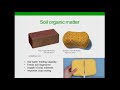
 Community
-
Earthworms improve soil health by mixing organic matter, creating nutrient-rich castings, and enhancing aeration and water penetration through burrowing. Their presence indicates healthy soil conditio
Read more (opens in new window) ucanr.edu -
Earthworms enhance soil fertility by interacting with microorganisms, improving soil structure through burrowing and casting, and acting as a food source. Their casts are nutrient-rich, and burrows im
Read more (opens in new window) ucanr.edu -
Lack of earthworms in conventionally plowed soil signifies poor health; adding organic matter via compost and mulch, and using compost teas, is crucial for regeneration and attracting worms, especiall
Read more (opens in new window) permies.com -
Earthworms perform crucial mechanical functions in soil, enhancing surface pore percolation and subsoil infiltration, which is linked to hydraulic lift and redistribution.
Read more (opens in new window) permies.com
 Research
-
Research progress on earthworms and soil health. (opens in new window)
This study found: Earthworms are 'ecosystem engineers' vital for soil health, improving structure, organic matter breakdown, microbial diversity, and nutrient cycling, while also helping to clean up soil pollutants and
-
Earthworms Effect on Microbial Population and Soil Fertility as Well as Their Interaction with Agriculture Practices (opens in new window)
This study found: Earthworms improve soil fertility by mixing soil, enhancing nutrient availability, and influencing beneficial microbes. They can also secrete plant growth hormones, but pesticide use can harm their po
-
Earthworms Enhance Global Soil Carbon Storage Through Microbial-Mineral Stabilization. (opens in new window)
This study found: Global study shows earthworms increase soil carbon by 5.4% by binding it to minerals, enhancing long-term storage and soil structure, crucial for climate-smart land management.
-
Role of Earthworms in Soil Fertility and Its Impact on Agriculture (opens in new window)
This study found: Earthworms improve soil structure, fertility, and water retention through burrowing and organic matter decomposition. They produce nutrient-rich castings, support beneficial microbes, and enhance crop
 From the Web
-
Earthworms are vital ecosystem engineers that aerate soil, improve water infiltration, and create nutrient-rich castings. Their digestive process enhances soil microbial activity and can help suppress
-
Earthworms are vital for soil fertility, improving aeration, water absorption, and nutrient supply by processing organic matter into humus. Natural gardening practices and introducing terra preta boos
-
Earthworms improve soil aggregation, water infiltration, and root growth by creating burrows and stable casts. They incorporate organic matter, enhance nutrient cycling, and their presence is linked t
-
Earthworms are vital soil macrofauna that improve soil structure through burrowing and mixing organic matter. Their nutrient-rich casts enhance soil fertility. Nonnative species can harm forest ecosys
Key Points
Nutrient Cycling
- Increase plant-available N, P, K by 5-7x.
- Mineralize organic nutrients for plant uptake.
- Excrete casts with high cation exchange capacity.
- Buffering soil pH, making nutrients available.
- Accelerate decomposition of surface residues.
System Regulation
- Suppress soil-borne plant pathogens.
- Alter soil structural conditions unfavorable to pests.
- Predators of some smaller soil invertebrates.
- Competition with harmful microorganisms.
- Influence plant defense mechanisms through soil health.
Water Soil Structure
- Create stable burrows improving aeration.
- Enhance water infiltration rates by up to 10x.
- Form stable soil aggregates, reducing erosion.
- Improve soil porosity for water retention.
- Reduce surface runoff and waterlogging.
Soil Microbiome Engine
- Digest organic matter, excrete nutrient-rich casts.
- Enhance microbial diversity in gut and casts.
- Assist in breaking down recalcitrant organic materials.
- Seed soils with beneficial bacteria and fungi.
- Support soil food web complexity and function.
Know the Debate
- Soil carbon impact varies: can store or release CO2.
- Beneficial in agriculture, detrimental in some forests.
- Impact depends on soil type, climate, and management.
- Earthworms thrive with organic matter and minimal tillage.
Going Deeper
1
Primary Mechanisms: How Earthworms Transform Soil
Earthworms are not just passive inhabitants of the soil; they are active engineers whose biological processes fundamentally reshape the soil environment. Their impact is primarily driven by three interconnected mechanisms: physical agitation through burrowing, chemical...
Primary Mechanisms: How Earthworms Transform Soil
Earthworms are not just passive inhabitants of the soil; they are active engineers whose biological processes fundamentally reshape the soil environment. Their impact is primarily driven by three interconnected mechanisms: physical agitation through burrowing, chemical...
Earthworms are not just passive inhabitants of the soil; they are active engineers whose biological processes fundamentally reshape the soil environment. Their impact is primarily driven by three interconnected mechanisms: physical agitation through burrowing, chemical transformation during digestion, and biological facilitation of microbial communities.
Physical Alteration: The most visible impact is the creation of burrows. As earthworms move through the soil, they ingest soil and organic matter, then excrete it as casts. This process, alongside their movement, creates a network of channels. These burrows are crucial for soil aeration, allowing oxygen to reach plant roots and soil microbes. Studies have shown that earthworm burrows can remain stable for months or even years, especially when lined with mucus, continuing to provide crucial pore space. A single earthworm can create hundreds of centimeters of burrow length per square meter of soil surface, significantly altering its physical architecture. This is particularly important in soils prone to compaction, such as those recently tilled or heavily grazed without adequate recovery periods.
Chemical Transformation: The digestive tract of an earthworm is a highly efficient processing unit. As food passes through, it is ground, mixed with digestive enzymes, and exposed to high concentrations of beneficial microbes. This breakdown process makes nutrients more readily available for plant uptake. Earthworm casts are exceptionally rich in essential plant nutrients. For example, casts can contain 5-7 times more plant-available nitrogen, phosphorus, and potassium than the surrounding topsoil, along with higher levels of calcium and magnesium. Furthermore, earthworm mucus acts as a binding agent for soil particles, contributing to the formation of durable soil aggregates. This aggregation is what gives soil its desirable crumb structure.
Biological Facilitation: Earthworms are key players in the soil food web. Their digestive process inoculates the soil with beneficial microorganisms, and their burrowing activity disperses these microbes throughout the soil profile. The nutrient-rich casts provide an ideal environment for microbial proliferation, often leading to a higher concentration and diversity of bacteria, fungi, and protozoa in the vicinity of their activity. This enhanced microbial community plays a critical role in further nutrient cycling, organic matter decomposition, and the suppression of plant diseases. By interacting with and promoting beneficial microbes, earthworms help build a more resilient and functional soil ecosystem.
Sources behind this view
Sources behind this view
Videos & Podcasts
-
Earthworms, as 'ecosystem engineers', significantly improve soil structure and health by mixing organic matter and creating pores. 16 earthworms per biscuit-tin sample indicate good soil health, contr
-
Earthworms significantly enhance soil health by accelerating compost, aerating soil, and producing nutrient-rich castings (7x P, 10x K, 5x N). Achieving 25 earthworms per shovel indicates healthy soil
-
Earthworms are favored soil organisms due to their historical scientific recognition and vital role as 'biological pistons' that improve soil aeration, fertility, nutrient release, stability, and drai
-
Observed a dramatic increase in earthworm populations (from 1-2 to 15-20 per shovel) when green manure crops were left on the soil surface, leading to improved tilth and soil health within one season.

Community
-
Earthworms enhance soil fertility by interacting with microorganisms, improving soil structure through burrowing and casting, and acting as a food source. Their casts are nutrient-rich, and burrows im
Read more (opens in new window) ucanr.edu -
Earthworms improve soil health by mixing organic matter, creating nutrient-rich castings, and enhancing aeration and water penetration through burrowing. Their presence indicates healthy soil conditio
Read more (opens in new window) ucanr.edu -
Earthworms perform crucial mechanical functions in soil, enhancing surface pore percolation and subsoil infiltration, which is linked to hydraulic lift and redistribution.
Read more (opens in new window) permies.com -
Earthworms, prevalent in California soils, enhance soil productivity by ingesting organic matter and excreting nutrient-rich casts, which act as natural fertilizers, particularly valuable for gardens
Read more (opens in new window) ucanr.edu
Research
-
Earthworms Enhance Global Soil Carbon Storage Through Microbial-Mineral Stabilization. (opens in new window)
This study found: Global study shows earthworms increase soil carbon by 5.4% by binding it to minerals, enhancing long-term storage and soil structure, crucial for climate-smart land management.
-
Research progress on earthworms and soil health. (opens in new window)
This study found: Earthworms are 'ecosystem engineers' vital for soil health, improving structure, organic matter breakdown, microbial diversity, and nutrient cycling, while also helping to clean up soil pollutants and
-
Earthworms as catalysts in the formation and stabilization of soil microbial necromass. (opens in new window)
This study found: Earthworms accelerate the formation of stable soil organic matter by creating 'hotspots' in their castings, enhancing carbon storage and soil health. Promoting earthworm populations is a key strategy
-
Earthworms Effect on Microbial Population and Soil Fertility as Well as Their Interaction with Agriculture Practices (opens in new window)
This study found: Earthworms improve soil fertility by mixing soil, enhancing nutrient availability, and influencing beneficial microbes. They can also secrete plant growth hormones, but pesticide use can harm their po
From the Web
-
Earthworms are vital ecosystem engineers that aerate soil, improve water infiltration, and create nutrient-rich castings. Their digestive process enhances soil microbial activity and can help suppress
-
Earthworms improve soil aggregation, water infiltration, and root growth by creating burrows and stable casts. They incorporate organic matter, enhance nutrient cycling, and their presence is linked t
-
Earthworms are vital for soil fertility, improving aeration, water absorption, and nutrient supply by processing organic matter into humus. Natural gardening practices and introducing terra preta boos
-
Earthworms are vital soil macrofauna that improve soil structure through burrowing and mixing organic matter. Their nutrient-rich casts enhance soil fertility. Nonnative species can harm forest ecosys
2
Supporting Evidence: Field Observations and Research
Decades of research across continents have underscored the profound impact of earthworms on soil health. Field trials consistently demonstrate that soils with healthy earthworm populations exhibit superior physical, chemical, and biological properties compared to soils...
Supporting Evidence: Field Observations and Research
Decades of research across continents have underscored the profound impact of earthworms on soil health. Field trials consistently demonstrate that soils with healthy earthworm populations exhibit superior physical, chemical, and biological properties compared to soils...
Decades of research across continents have underscored the profound impact of earthworms on soil health. Field trials consistently demonstrate that soils with healthy earthworm populations exhibit superior physical, chemical, and biological properties compared to soils with sparse or absent earthworm populations.
In a long-term study conducted at Rothamsted Research in the United Kingdom, the introduction and subsequent growth of earthworm populations in degraded grassland resulted in a noticeable improvement in soil structure, water infiltration, and pasture productivity over a period of 10-15 years. The researchers documented a significant increase in soil organic matter content and a dramatic reduction in surface crusting. This aligns with observations from farmers in the U.S. Midwest who report that adopting no-till and cover cropping practices leads to a resurgence of earthworm populations, often within 3-5 years, which then contributes to visible improvements in soil aggregation, making fields easier to work and reducing erosion.
Research in the humid tropics of Brazil has shown that earthworm activity is crucial for breaking down heavy surface litter and incorporating it into the soil, a key process for nutrient retention in these often leached soils. Farmers utilizing composting and integrated livestock systems in Southeast Asia find that their soils become darker, more friable, and require less water, directly correlating with the increased presence of earthworms. These observations are supported by scientific studies indicating that earthworm casts can contribute up to 20% of the soil volume in heavily inhabited areas, vastly improving aeration and water-holding capacity.
Studies on nutrient dynamics in Europe have quantified the contribution of earthworm casts to nutrient availability. For instance, researchers in France have found that earthworm casts can contain up to 15% more organic nitrogen and 20% more available phosphorus than the surrounding soil matrix. This biological fertilization reduces reliance on synthetic inputs, as demonstrated by organic farmers in Germany who observe robust crop growth and yields supported by organically amended soils rich in earthworm activity. The measurable indicators farmers widely report include increased earthworm counts when turning over soil, a darker soil color, and a more pleasant, earthy odor.
The role of earthworms in soil aggregation is also well-documented. Investigations in Australia have shown that soils with high earthworm populations have significantly greater water-stable aggregates, which are essential for resisting soil erosion by wind and water. This is particularly relevant for agricultural regions in semi-arid areas like Western Australia, where soil degradation is a significant concern. Farmers in these regions who manage their soils to promote earthworm abundance often report reduced dust during dry periods and less soil loss during heavy rainfall events.
Sources behind this view
Sources behind this view
Videos & Podcasts
-
Observed a dramatic increase in earthworm populations (from 1-2 to 15-20 per shovel) when green manure crops were left on the soil surface, leading to improved tilth and soil health within one season.
-
Earthworms significantly enhance soil health by accelerating compost, aerating soil, and producing nutrient-rich castings (7x P, 10x K, 5x N). Achieving 25 earthworms per shovel indicates healthy soil
-
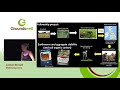
Practical methods for measuring soil health, focusing on earthworm populations (presence, community structure, numbers) and aggregate stability. Findings suggest no-till and grass systems promote stab
-
Greg Judy explains how earthworms consume leftover winter pasture and manure, converting them into valuable earthworm castings that improve soil health and reduce fertilizer needs. This no-till system

Community
-
Earthworms enhance soil fertility by interacting with microorganisms, improving soil structure through burrowing and casting, and acting as a food source. Their casts are nutrient-rich, and burrows im
Read more (opens in new window) ucanr.edu -
Lack of earthworms in conventionally plowed soil signifies poor health; adding organic matter via compost and mulch, and using compost teas, is crucial for regeneration and attracting worms, especiall
Read more (opens in new window) permies.com -
Applying permaculture techniques like double-digging and leaf mulching to sandy soil dramatically increased earthworm populations, transforming the soil into living soil within one year.
Read more (opens in new window) permies.com -
Earthworms improve soil health by mixing organic matter, creating nutrient-rich castings, and enhancing aeration and water penetration through burrowing. Their presence indicates healthy soil conditio
Read more (opens in new window) ucanr.edu
Research
-
Conventional tillage decreases the abundance and biomass of earthworms and alters their community structure in a global meta-analysis. (opens in new window)
This study found: Global meta-analysis: Reduced tillage and conservation agriculture significantly boost earthworm numbers and biomass compared to conventional ploughing, especially with long-term adoption and residue
-
Earthworms Enhance Global Soil Carbon Storage Through Microbial-Mineral Stabilization. (opens in new window)
This study found: Global study shows earthworms increase soil carbon by 5.4% by binding it to minerals, enhancing long-term storage and soil structure, crucial for climate-smart land management.
-
Earthworm-Derived Bioactive Compounds: Soil Health, Sustainable Agriculture, and Drug Delivery Prospects in Punjab: Analysis (opens in new window)
This study found: Earthworms and their compost significantly improve soil health, nutrient availability, and crop yields in Punjab, India, according to farmer surveys. This reduces reliance on chemical fertilizers and
-
The impact of multiple agricultural land uses in sustaining earthworm communities in agroecosystems - A global meta-analysis. (opens in new window)
This study found: Global study: Arable land reduced earthworms by up to 27%; pastures, agroforestry, and crop-livestock integration supported them. Poor soil conditions worsened negative impacts.
From the Web
-
Earthworms improve soil aggregation, water infiltration, and root growth by creating burrows and stable casts. They incorporate organic matter, enhance nutrient cycling, and their presence is linked t
-
No-till farmer Jim Kinsella highlights earthworms' role in improving water infiltration, aeration, and reducing compaction. Their castings provide significant nutrients, including calcium equivalent t
-
Earthworms are vital for soil fertility, improving aeration, water absorption, and nutrient supply by processing organic matter into humus. Natural gardening practices and introducing terra preta boos
-
Earthworms are vital soil macrofauna that improve soil structure through burrowing and mixing organic matter. Their nutrient-rich casts enhance soil fertility. Nonnative species can harm forest ecosys
3
Conditions for Success: Favoring Earthworm Populations
While earthworms are remarkably resilient, their optimal functioning and population growth are dependent on specific soil conditions and management practices. Understanding these factors allows farmers and land managers to create environments that foster these beneficial...
Conditions for Success: Favoring Earthworm Populations
While earthworms are remarkably resilient, their optimal functioning and population growth are dependent on specific soil conditions and management practices. Understanding these factors allows farmers and land managers to create environments that foster these beneficial...
While earthworms are remarkably resilient, their optimal functioning and population growth are dependent on specific soil conditions and management practices. Understanding these factors allows farmers and land managers to create environments that foster these beneficial organisms.
Food Availability: Earthworms require a consistent supply of organic matter. This includes crop residues, cover crop biomass, animal manures, and composts. Continuous cover cropping, no-till agriculture with residue retention, and the application of compost are key strategies for providing this food source. For example, on farms in California, USA, incorporating cover crops like vetch and rye into the rotation ensures a steady supply of organic matter throughout the year, supporting robust earthworm populations even during drier periods.
Soil Moisture: Most earthworms require moist, but not waterlogged, conditions to breathe and move. Very dry soils can cause them to become dormant or die, while saturated soils can lead to suffocation. Maintaining soil cover with living plants or mulch helps regulate soil moisture. In arid or semi-arid regions, such as parts of the Middle East or North Africa, careful irrigation combined with mulch management is essential to keep the soil surface adequately moist for earthworm activity. Farmers in these areas might focus on improving soil water-holding capacity through organic matter addition to buffer against extreme dryness.
Soil pH and Temperature: Earthworms generally prefer a near-neutral soil pH (6.5-7.5) and are sensitive to extreme acidity or alkalinity. While some species can tolerate slightly acidic conditions, extreme pH levels inhibit their digestive enzymes and overall health. Optimal soil temperatures vary by species, but most agricultural earthworms are most active at moderate temperatures, typically between 10-20°C (50-68°F). Managing soil pH through liming (where appropriate and according to soil testing) in acidic soils, and avoiding practices that lead to extreme temperature fluctuations (like bare soil exposed to intense sun), are crucial.
Minimal Soil Disturbance: Earthworms are particularly vulnerable to mechanical disturbance. Plowing, deep cultivation, and heavy traffic can physically destroy their burrows, disrupt their food sources, and directly injure or kill them. Reducing tillage frequency and intensity, as practiced in no-till or conservation tillage systems, is one of the most impactful ways to protect and encourage earthworm populations. Farmers in the southern hemisphere, such as those in South America implementing conservation agriculture, have seen earthworm populations rebound significantly within 2-4 years of transitioning to reduced tillage.
Absence of Harmful Chemicals: Earthworm populations can be severely impacted by certain agricultural chemicals, including some pesticides and herbicides. These can be toxic to earthworms directly or disrupt their food sources and reproductive cycles. Transitioning away from synthetic inputs and utilizing integrated pest management strategies that favor biological controls helps protect earthworm communities. Organic farming systems and farms transitioning to regenerative practices often see a dramatic increase in earthworm counts as chemical loads decrease.
Sources behind this view
Sources behind this view
Videos & Podcasts
-
Observed a dramatic increase in earthworm populations (from 1-2 to 15-20 per shovel) when green manure crops were left on the soil surface, leading to improved tilth and soil health within one season.
-
All earthworm ecological groups benefit plant productivity by mobilizing nutrients (N, P) and improving soil structure. Tillage is the primary threat, followed by food availability. Community structur
-
Earthworms significantly enhance soil health by accelerating compost, aerating soil, and producing nutrient-rich castings (7x P, 10x K, 5x N). Achieving 25 earthworms per shovel indicates healthy soil
-
Earthworms, as 'ecosystem engineers', significantly improve soil structure and health by mixing organic matter and creating pores. 16 earthworms per biscuit-tin sample indicate good soil health, contr
Community
-
Lack of earthworms in conventionally plowed soil signifies poor health; adding organic matter via compost and mulch, and using compost teas, is crucial for regeneration and attracting worms, especiall
Read more (opens in new window) permies.com -
Promoting earthworm populations through organic amendments, cover crops, and reduced tillage enhances soil fertility. Pasture management with high-quality forage also increases earthworms, but native
Read more (opens in new window) ucanr.edu -
To foster large earthworm populations, apply 8 inches of wood chips in spring and fall around fruit trees, grow cover crops, and eliminate chemicals, allowing worms to deposit castings directly in the
Read more (opens in new window) permies.com -
Good garden practices like adding compost, mulch, and maintaining moist soil with a pH of 6.0-7.0 benefit earthworms. Charles Darwin recognized their value in improving soil quality and producing verm
Read more (opens in new window) ucanr.edu
Research
-
Conventional tillage decreases the abundance and biomass of earthworms and alters their community structure in a global meta-analysis. (opens in new window)
This study found: Global meta-analysis: Reduced tillage and conservation agriculture significantly boost earthworm numbers and biomass compared to conventional ploughing, especially with long-term adoption and residue
-
The impact of multiple agricultural land uses in sustaining earthworm communities in agroecosystems - A global meta-analysis. (opens in new window)
This study found: Global study: Arable land reduced earthworms by up to 27%; pastures, agroforestry, and crop-livestock integration supported them. Poor soil conditions worsened negative impacts.
-
Earthworm-Derived Bioactive Compounds: Soil Health, Sustainable Agriculture, and Drug Delivery Prospects in Punjab: Analysis (opens in new window)
This study found: Earthworms and their compost significantly improve soil health, nutrient availability, and crop yields in Punjab, India, according to farmer surveys. This reduces reliance on chemical fertilizers and
-
Role of Earthworms in Soil Fertility and Its Impact on Agriculture (opens in new window)
This study found: Earthworms improve soil structure, fertility, and water retention through burrowing and organic matter decomposition. They produce nutrient-rich castings, support beneficial microbes, and enhance crop
From the Web
-
Earthworms are vital for soil fertility, improving aeration, water absorption, and nutrient supply by processing organic matter into humus. Natural gardening practices and introducing terra preta boos
-
Earthworms improve soil aggregation, water infiltration, and root growth by creating burrows and stable casts. They incorporate organic matter, enhance nutrient cycling, and their presence is linked t
-
To enhance earthworm populations, farmers can identify existing species, inoculate soil with earthworm-rich blocks, and establish dedicated 'reservoirs' with liming, fertilization, and cover crops. Pr
-
Earthworms are vital soil macrofauna that improve soil structure through burrowing and mixing organic matter. Their nutrient-rich casts enhance soil fertility. Nonnative species can harm forest ecosys
4
Interaction Effects: Earthworms as System Integrators
Earthworms do not operate in isolation; they are integral components of a complex soil ecosystem. Their presence and activity create cascading effects that influence numerous other soil processes and organisms, amplifying the benefits of regenerative management....
Interaction Effects: Earthworms as System Integrators
Earthworms do not operate in isolation; they are integral components of a complex soil ecosystem. Their presence and activity create cascading effects that influence numerous other soil processes and organisms, amplifying the benefits of regenerative management....
Earthworms do not operate in isolation; they are integral components of a complex soil ecosystem. Their presence and activity create cascading effects that influence numerous other soil processes and organisms, amplifying the benefits of regenerative management.
Enhancing Other Soil Biota: By creating burrows and excreting nutrient-rich casts, earthworms create diverse microhabitats and nutrient hotspots that benefit a wide array of other soil organisms, including bacteria, fungi, protozoa, and nematodes. The improved aeration and water infiltration they facilitate create conditions favorable for a greater diversity and biomass of these crucial microbial players. This synergistic relationship builds a more robust and efficient soil food web, capable of performing a wider range of ecological functions. For instance, in the vineyards of Europe, earthworm activity is recognized for its role in supporting beneficial mycorrhizal fungi populations that enhance vine nutrient uptake and drought tolerance.
Improved Plant Health and Resilience: The direct and indirect effects of earthworms contribute significantly to plant health. By improving soil structure and water availability, they reduce plant stress during dry periods. Their role in nutrient cycling ensures plants have consistent access to essential elements, leading to vigorous growth. Furthermore, healthier soil often means healthier roots, which are less susceptible to pathogens. This collective improvement makes crops more resilient to environmental stresses, such as drought, heat, or minor pest outbreaks. Farmers in North America utilizing diverse cover crops and integrated livestock grazing often report crops that are more resistant to disease and better able to withstand adverse weather.
Carbon Sequestration Potential: Earthworms play a role in long-term carbon sequestration. Their burrowing and mixing activity incorporates surface organic matter deeper into the soil profile, where it is less susceptible to rapid decomposition and oxidation. The stable aggregates they create also physically protect organic matter from microbial breakdown. While not the primary drivers of carbon sequestration, earthworms are essential facilitators of the soil processes that lead to increased soil organic carbon. Their influence in building and maintaining soil structure contributes to the long-term stability of sequestered carbon. Field studies in various agricultural systems, from the temperate plains to the tropics, show that increases in soil organic matter, heavily influenced by earthworm activity, translate to higher soil carbon levels.
Soil Erosion Control: The physical structures created by earthworms—stable burrows and well-aggregated soil—are powerful defenses against erosion. Aggregates bind soil particles together, making them less likely to be detached by wind or rain. The improved infiltration capacity of earthworm-worked soils means less water runs off the surface, carrying soil with it. On farms in regions prone to heavy rainfall or strong winds, like the agricultural areas of Africa or parts of Australia, maintaining healthy earthworm populations through regenerative practices is a critical strategy for preserving valuable topsoil.
Sources behind this view
Sources behind this view
Videos & Podcasts
-
Earthworms, as 'ecosystem engineers', significantly improve soil structure and health by mixing organic matter and creating pores. 16 earthworms per biscuit-tin sample indicate good soil health, contr
-
Earthworms significantly enhance soil health by accelerating compost, aerating soil, and producing nutrient-rich castings (7x P, 10x K, 5x N). Achieving 25 earthworms per shovel indicates healthy soil
-
Observed a dramatic increase in earthworm populations (from 1-2 to 15-20 per shovel) when green manure crops were left on the soil surface, leading to improved tilth and soil health within one season.
-
Earthworms are favored soil organisms due to their historical scientific recognition and vital role as 'biological pistons' that improve soil aeration, fertility, nutrient release, stability, and drai
Community
-
Earthworms enhance soil fertility by interacting with microorganisms, improving soil structure through burrowing and casting, and acting as a food source. Their casts are nutrient-rich, and burrows im
Read more (opens in new window) ucanr.edu -
Earthworms improve soil health by mixing organic matter, creating nutrient-rich castings, and enhancing aeration and water penetration through burrowing. Their presence indicates healthy soil conditio
Read more (opens in new window) ucanr.edu -
Lack of earthworms in conventionally plowed soil signifies poor health; adding organic matter via compost and mulch, and using compost teas, is crucial for regeneration and attracting worms, especiall
Read more (opens in new window) permies.com -
To foster large earthworm populations, apply 8 inches of wood chips in spring and fall around fruit trees, grow cover crops, and eliminate chemicals, allowing worms to deposit castings directly in the
Read more (opens in new window) permies.com
Research
-
Earthworms Enhance Global Soil Carbon Storage Through Microbial-Mineral Stabilization. (opens in new window)
This study found: Global study shows earthworms increase soil carbon by 5.4% by binding it to minerals, enhancing long-term storage and soil structure, crucial for climate-smart land management.
-
Research progress on earthworms and soil health. (opens in new window)
This study found: Earthworms are 'ecosystem engineers' vital for soil health, improving structure, organic matter breakdown, microbial diversity, and nutrient cycling, while also helping to clean up soil pollutants and
-
Conventional tillage decreases the abundance and biomass of earthworms and alters their community structure in a global meta-analysis. (opens in new window)
This study found: Global meta-analysis: Reduced tillage and conservation agriculture significantly boost earthworm numbers and biomass compared to conventional ploughing, especially with long-term adoption and residue
-
Earthworms Effect on Microbial Population and Soil Fertility as Well as Their Interaction with Agriculture Practices (opens in new window)
This study found: Earthworms improve soil fertility by mixing soil, enhancing nutrient availability, and influencing beneficial microbes. They can also secrete plant growth hormones, but pesticide use can harm their po
From the Web
-
Earthworms improve soil aggregation, water infiltration, and root growth by creating burrows and stable casts. They incorporate organic matter, enhance nutrient cycling, and their presence is linked t
-
Earthworms are vital for soil fertility, improving aeration, water absorption, and nutrient supply by processing organic matter into humus. Natural gardening practices and introducing terra preta boos
-
Earthworms are vital ecosystem engineers that aerate soil, improve water infiltration, and create nutrient-rich castings. Their digestive process enhances soil microbial activity and can help suppress
-
Earthworms are vital soil macrofauna that improve soil structure through burrowing and mixing organic matter. Their nutrient-rich casts enhance soil fertility. Nonnative species can harm forest ecosys
5
Measuring the Effect: Practical Indicators for Farmers
While the benefits of earthworms are profound, they are also readily observable. Farmers and land managers can use several practical indicators to assess the presence and impact of earthworms on their land, providing direct feedback on the health of their soil and the...
Measuring the Effect: Practical Indicators for Farmers
While the benefits of earthworms are profound, they are also readily observable. Farmers and land managers can use several practical indicators to assess the presence and impact of earthworms on their land, providing direct feedback on the health of their soil and the...
While the benefits of earthworms are profound, they are also readily observable. Farmers and land managers can use several practical indicators to assess the presence and impact of earthworms on their land, providing direct feedback on the health of their soil and the effectiveness of their management practices.
Direct Observation: The most straightforward method is to look for earthworms themselves. During periods of high earthworm activity (typically after rain in moist soil, or when digging in a garden/field), dig down 15-30 cm (6-12 in) in several locations across a field. The number of earthworms found per square meter (or square foot) can be a good indicator. For example, a common target in healthy agricultural soils is to find 5-10 earthworms in a standard spadeful of soil (approximately 0.1 m³ or 1 ft³). More than 20 indicates a very active population.
Casts and Burrow Networks: The presence of earthworm casts—small, granular extrusions of digested soil and organic matter—on the soil surface is a clear sign of their activity. These are commonly observed in pastures and no-till fields. The density and distribution of these casts can indicate the intensity of earthworm activity. Similarly, observing the network of burrows themselves, especially where soil has been recently disturbed, or by noticing increased penetrability of the soil to a spade or probe, suggests a healthy burrowing population.
Soil Structure and Aggregation: A key physical indicator is the quality of soil structure. Healthy soils worked by earthworms are characterized by a loose, crumbly texture with distinct, stable aggregates. When a handful of this soil is dropped, it should break into small, pea-sized clumps rather than clodding or powdering. This "friability" is a direct result of the binding action of earthworm mucus and the improved pore space they create. This can be assessed by gently squeezing a moist soil sample.
Water Infiltration and Drainage: The impact of earthworm burrows on water movement can be observed through improved infiltration and drainage. In areas with healthy earthworm populations, water will soak into the soil much more quickly, and surface puddles will dissipate faster after rain. Conversely, areas with compacted soils and few earthworms will show surface ponding for extended periods. A simple "in-ground" infiltration test—where a known volume of water is poured onto a defined area of soil and the time it takes to drain is measured—can reveal differences.
Earthworm P*opulation Density Targets: For grassland and no-till cropping systems aiming for high soil biological activity, targets often include finding dozens to hundreds of earthworms per square meter across various soil depths. For example, some regenerative ranches in North America aim for 100-200 earthworms per square meter (10-20 per sq ft) in well-managed pastures. The annual increase in earthworm numbers can be roughly estimated at 10-50% per year in ideal conditions once regenerative practices are implemented.
Sources behind this view
Sources behind this view
Videos & Podcasts
-
Practical methods for measuring soil health, focusing on earthworm populations (presence, community structure, numbers) and aggregate stability. Findings suggest no-till and grass systems promote stab
-
Observed a dramatic increase in earthworm populations (from 1-2 to 15-20 per shovel) when green manure crops were left on the soil surface, leading to improved tilth and soil health within one season.
-
Assess soil biology by counting earthworms (6-10 per shovelful in growing season) and observing decomposition rates of plant material or cow patties, which indicate microbial health.
-
Earthworms significantly enhance soil health by accelerating compost, aerating soil, and producing nutrient-rich castings (7x P, 10x K, 5x N). Achieving 25 earthworms per shovel indicates healthy soil
Community
-
Earthworms improve soil health by mixing organic matter, creating nutrient-rich castings, and enhancing aeration and water penetration through burrowing. Their presence indicates healthy soil conditio
Read more (opens in new window) ucanr.edu -
An organic gardener tracked earthworm counts in their vegetable garden, increasing from 3-4 to 43 worms per cubic foot over three years on formerly grain-farmed land, questioning if this indicates imp
Read more (opens in new window) permies.com
Research
-
The impact of multiple agricultural land uses in sustaining earthworm communities in agroecosystems - A global meta-analysis. (opens in new window)
This study found: Global study: Arable land reduced earthworms by up to 27%; pastures, agroforestry, and crop-livestock integration supported them. Poor soil conditions worsened negative impacts.
-
Conventional tillage decreases the abundance and biomass of earthworms and alters their community structure in a global meta-analysis. (opens in new window)
This study found: Global meta-analysis: Reduced tillage and conservation agriculture significantly boost earthworm numbers and biomass compared to conventional ploughing, especially with long-term adoption and residue
-
Soil health pilot study in England: Outcomes from an on-farm earthworm survey. (opens in new window)
This study found: English farmers surveyed earthworms on over 1300 ha, finding 42% of fields may be overworked due to tillage. The survey was highly trusted and useful, with potential for cost savings through streamlin
-
Earthworm-Derived Bioactive Compounds: Soil Health, Sustainable Agriculture, and Drug Delivery Prospects in Punjab: Analysis (opens in new window)
This study found: Earthworms and their compost significantly improve soil health, nutrient availability, and crop yields in Punjab, India, according to farmer surveys. This reduces reliance on chemical fertilizers and
From the Web
-
No-till farmer Jim Kinsella highlights earthworms' role in improving water infiltration, aeration, and reducing compaction. Their castings provide significant nutrients, including calcium equivalent t
-
Farmers can assess soil health by evaluating earthworm presence using GreatSoils factsheets. Different earthworm types (endogeic, anecic) indicate specific soil functions. A color-coded system (green,
-
Assess soil health by counting earthworms: aim for 10 per cubic foot. Dig a 1x1x1 ft hole in late spring/early summer, sort soil by hand, and tally worms to track improvements over time.
-
A citizen science project in England revealed 42% of farmland has poor earthworm biodiversity, with 16% lacking deep burrowing worms vital for drainage. Farmers surveyed plan to change practices like
6
Regional Variation: Adapting to Local Conditions
The specific role and species of earthworms vary significantly across different continents and climates, influencing their impact on soil health. While the fundamental benefits are universal, the dominant species and the conditions under which they thrive differ widely....
Regional Variation: Adapting to Local Conditions
The specific role and species of earthworms vary significantly across different continents and climates, influencing their impact on soil health. While the fundamental benefits are universal, the dominant species and the conditions under which they thrive differ widely....
The specific role and species of earthworms vary significantly across different continents and climates, influencing their impact on soil health. While the fundamental benefits are universal, the dominant species and the conditions under which they thrive differ widely.
Temperate Regions: In temperate climates, such as much of Europe, North America, and parts of Asia and Australia, endogeic and anecic earthworm species are common. Species like Lumbricus terrestris (common nightcrawler) are particularly important for deep burrowing and soil mixing in pastures and no-till systems. In the agricultural breadbaskets of the U.S. Midwest or the fertile plains of Ukraine, these deep-burrowing species are critical for breaking up plow pans and improving aeration over large areas. Their activity is most pronounced during spring and autumn.
Tropical and Subtropical Regions: In warmer, humid climates like the Amazon basin (South America), West Africa, or Southeast Asia, earthworm diversity and biomass are often much higher. Dominant species here are often larger, detritivore-focused epigeic and endogeic worms that are adept at breaking down thick surface litter. These worms are crucial for rapid decomposition and nutrient cycling in tropical soils, which can be prone to nutrient leaching. Farmers in Brazil using agroforestry systems and compost application have reported densities of several hundred individuals per square meter, profoundly affecting soil aeration and water infiltration in their humid environments.
Arid and Semi-Arid Regions: In drier climates, such as parts of the Mediterranean, the Australian Outback, or the Sahel region of Africa, earthworm populations are naturally lower and more specialized. Species adapted to surviving extended dry periods are more common, often burrowing deeply to find moisture or forming protective cocoons. Their impact might be less about constant burrowing and more about localized improvements in aggregation and nutrient concentration in their burrowed habitats. Management in these regions must focus on maintaining soil cover, building organic matter to improve water retention, and minimizing disturbance to protect these scarcer, but still vital, populations.
Impact of Soil Type: Soil texture also plays a role. Earthworms generally prefer loamy soils that offer a balance of moisture retention and drainage, and are not too difficult to burrow through. Heavy clay soils can be challenging for some species, while very sandy soils may not hold enough moisture or nutrients. Management practices can influence this; for example, adding organic matter to clay soils can improve their workability for earthworms, while in sandy soils, increasing organic matter can significantly boost moisture retention and nutrient availability, thus supporting earthworm populations.
Sources behind this view
Sources behind this view
Videos & Podcasts
-
All earthworm ecological groups benefit plant productivity by mobilizing nutrients (N, P) and improving soil structure. Tillage is the primary threat, followed by food availability. Community structur
-
Earthworms, invasive to some continents, thrive on organic matter and moisture. They migrate horizontally and vertically to survive. Avoid synthetic fertilizers and pesticides, especially fungicides/i
-
Earthworms are vital for soil health and can hibernate in mucus envelopes to retain moisture. Tillage and compaction can destroy this protection, highlighting the need to reduce these practices.

-
Earthworms, acting as 'soil engineers,' significantly increase with cover crops, creating nutrient-rich channels that benefit roots and soil biology. Different species contribute to organic matter cyc
Community
-
Earthworms enhance soil fertility by interacting with microorganisms, improving soil structure through burrowing and casting, and acting as a food source. Their casts are nutrient-rich, and burrows im
Read more (opens in new window) ucanr.edu -
Global study finds higher earthworm diversity and biomass in temperate regions than tropics, driven by climate. Climate change poses risks to these vital ecosystem engineers and their services.
Read more (opens in new window) ucanr.edu -
Promoting earthworm populations through organic amendments, cover crops, and reduced tillage enhances soil fertility. Pasture management with high-quality forage also increases earthworms, but native
Read more (opens in new window) ucanr.edu -
Earthworms are vital decomposers that enhance soil fertility by breaking down organic matter and producing nutrient-rich casts. They are classified as epigeic (surface dwellers like red wigglers), end
Read more (opens in new window) ucanr.edu
Research
-
The impact of multiple agricultural land uses in sustaining earthworm communities in agroecosystems - A global meta-analysis. (opens in new window)
This study found: Global study: Arable land reduced earthworms by up to 27%; pastures, agroforestry, and crop-livestock integration supported them. Poor soil conditions worsened negative impacts.
-
Conventional tillage decreases the abundance and biomass of earthworms and alters their community structure in a global meta-analysis. (opens in new window)
This study found: Global meta-analysis: Reduced tillage and conservation agriculture significantly boost earthworm numbers and biomass compared to conventional ploughing, especially with long-term adoption and residue
-
Litter quality, dispersal and invasion drive earthworm community dynamics and forest soil development. (opens in new window)
This study found: Invasive earthworms, driven by litter quality, dispersal, and chance, are major drivers of soil development in eastern US forests over 19 years, with different species dominating young vs. old forests
-
Earthworm Abundances Change the Community Structure and Diversity of Soil Bacteria and Fungi in a Microcosm Experiment. (opens in new window)
This study found: Higher earthworm numbers increased soil carbon, organic matter, and available nitrogen, boosting beneficial soil bacteria and fungi diversity and strengthening microbial networks in a 24-week greenhou
From the Web
-
Earthworms are vital soil macrofauna that improve soil structure through burrowing and mixing organic matter. Their nutrient-rich casts enhance soil fertility. Nonnative species can harm forest ecosys
-
Earthworms improve soil aggregation, water infiltration, and root growth by creating burrows and stable casts. They incorporate organic matter, enhance nutrient cycling, and their presence is linked t
-
Earthworms are vital soil macrofauna that improve soil structure through burrowing and mixing organic matter. Their nutrient-rich casts enhance soil fertility and reduce acidity. Different species inh
-
Earthworms enhance soil health by incorporating organic matter, improving decomposition, nutrient cycling, and soil structure through their feeding and burrowing. They are categorized into epigeic, en
7
Research Gaps: Unanswered Questions
Despite extensive knowledge about earthworms, several areas warrant further research to fully optimize their role in regenerative agriculture systems worldwide. Understanding these gaps can guide future investigations and practical applications. Quantifying Economic...
Research Gaps: Unanswered Questions
Despite extensive knowledge about earthworms, several areas warrant further research to fully optimize their role in regenerative agriculture systems worldwide. Understanding these gaps can guide future investigations and practical applications. Quantifying Economic...
Despite extensive knowledge about earthworms, several areas warrant further research to fully optimize their role in regenerative agriculture systems worldwide. Understanding these gaps can guide future investigations and practical applications.
Quantifying Economic Value: While the benefits are clear, precisely quantifying the economic value of earthworm services across diverse farming systems and regions remains a challenge. This includes definitively linking earthworm populations to specific reductions in synthetic input costs (fertilizers, water, pest control), increased crop yields, and enhanced resilience to extreme weather events. Developing robust economic models that incorporate the dynamic contributions of earthworms would bolster the adoption of earthworm-friendly practices.
Species-Specific Management: While we know different earthworm types exist (epigeic, endogeic, anecic), understanding the precise management strategies needed to favor specific species for targeted benefits (e.g., deep burrowing for aeration vs. surface composting) in various agroecosystems is less developed. Research into how varying compost types, manure applications, or tillage frequencies differentially affect species distribution and activity would be highly beneficial.
Long-Term Impact of Global Change: The long-term effects of climate change—increased temperatures, altered precipitation patterns, and extreme weather events—on earthworm populations and their ecosystem functions are not fully understood. How will drought or prolonged flooding, for instance, impact the soil-building capacity of earthworms in different climatic zones? Likewise, the interaction of earthworms with novel soil microbiomes under future environmental conditions needs attention.
Interactions in Degraded Soils: Earthworms are often absent or scarce in heavily degraded soils, and their ability to re-establish and contribute to recovery is an important area for research. Understanding the thresholds of soil degradation that earthworms can overcome and the specific interventions (e.g., targeted organic amendments, microbial inoculants) that best facilitate their re-colonization and function in degraded landscapes across Africa, Asia, and other affected regions could accelerate land regeneration efforts.
Sources behind this view
Sources behind this view
Videos & Podcasts
-
This cluster addresses various questions on soil invertebrates: diversity indicates health, dewormers impact soil biota, cover crops benefit soil, pollinators and ants create macropores, and rhizosphe
Community
-
Promoting earthworm populations through organic amendments, cover crops, and reduced tillage enhances soil fertility. Pasture management with high-quality forage also increases earthworms, but native
Read more (opens in new window) ucanr.edu
Research
-
Conventional tillage decreases the abundance and biomass of earthworms and alters their community structure in a global meta-analysis. (opens in new window)
This study found: Global meta-analysis: Reduced tillage and conservation agriculture significantly boost earthworm numbers and biomass compared to conventional ploughing, especially with long-term adoption and residue
-
Earthworm and arbuscular mycorrhizal communities in agricultural soils : management of key soil organisms for sustainable agriculture (opens in new window)
This study found: Managing earthworms and root fungi through reduced tillage, crop rotation, and grassland integration can improve soil biodiversity and function in agriculture. Soil compaction impacts root fungi diffe
-
Earthworm-Derived Bioactive Compounds: Soil Health, Sustainable Agriculture, and Drug Delivery Prospects in Punjab: Analysis (opens in new window)
This study found: Earthworms and their compost significantly improve soil health, nutrient availability, and crop yields in Punjab, India, according to farmer surveys. This reduces reliance on chemical fertilizers and
-
The impact of multiple agricultural land uses in sustaining earthworm communities in agroecosystems - A global meta-analysis. (opens in new window)
This study found: Global study: Arable land reduced earthworms by up to 27%; pastures, agroforestry, and crop-livestock integration supported them. Poor soil conditions worsened negative impacts.
8
Connecting Science to Practice: Translating Mechanisms into Management
The scientific understanding of earthworm roles directly translates into actionable management decisions for farmers and land managers seeking to build soil health. The key is to create an environment conducive to their natural populations. Prioritize Organic Matter:...
Connecting Science to Practice: Translating Mechanisms into Management
The scientific understanding of earthworm roles directly translates into actionable management decisions for farmers and land managers seeking to build soil health. The key is to create an environment conducive to their natural populations. Prioritize Organic Matter:...
The scientific understanding of earthworm roles directly translates into actionable management decisions for farmers and land managers seeking to build soil health. The key is to create an environment conducive to their natural populations.
Prioritize Organic Matter: Since earthworms feed on organic matter, maintaining a continuous supply is paramount. This means integrating cover crops into crop rotations, leaving crop residues on the soil surface (especially in no-till systems), and utilizing compost and animal manures. For example, a farmer in the U.S. Southwest might add composted manure to their vegetable rows to provide both nutrients and a rich food source for earthworms, improving soil structure over time.
Minimize Soil Disturbance: Practices like plowing, rototilling, and heavy disking physically disrupt earthworm habitats, kill them, and destroy their burrow networks. Adopting no-till or reduced tillage practices is one of the most effective ways to protect and foster earthworm populations. Farmers in Argentina have observed significant increases in earthworm biomass and activity within 3-5 years of transitioning to no-till farming combined with continuous cover cropping.
Maintain Soil Moisture and Cover: Earthworms need moisture to survive. Living cover crops or permanent pastures, along with mulch from crop residues, help retain soil moisture and buffer temperature extremes. In drier tropical regions, using intercropping and mulching techniques can maintain a more stable, moist microclimate for earthworms.
Reduce and Replace Synthetic Inputs: Certain synthetic pesticides and herbicides can be toxic to earthworms. Transitioning to organic systems or Integrated Pest Management (IPM) strategies that minimize or eliminate these inputs is crucial. By focusing on building soil health through biological means, the need for synthetic fertilizers also diminishes, further reducing chemical risks to earthworms. A farmer in the UK transitioning from conventional to organic farming would typically see earthworm populations flourish over a 3-7 year period as chemical inputs are phased out and organic matter is increased.
Sources behind this view
Sources behind this view
Videos & Podcasts
-
Earthworms, as 'ecosystem engineers', significantly improve soil structure and health by mixing organic matter and creating pores. 16 earthworms per biscuit-tin sample indicate good soil health, contr
-
Observed a dramatic increase in earthworm populations (from 1-2 to 15-20 per shovel) when green manure crops were left on the soil surface, leading to improved tilth and soil health within one season.
-
Earthworms significantly enhance soil health by accelerating compost, aerating soil, and producing nutrient-rich castings (7x P, 10x K, 5x N). Achieving 25 earthworms per shovel indicates healthy soil
-
Earthworms, invasive to some continents, thrive on organic matter and moisture. They migrate horizontally and vertically to survive. Avoid synthetic fertilizers and pesticides, especially fungicides/i
Community
-
Lack of earthworms in conventionally plowed soil signifies poor health; adding organic matter via compost and mulch, and using compost teas, is crucial for regeneration and attracting worms, especiall
Read more (opens in new window) permies.com -
To foster large earthworm populations, apply 8 inches of wood chips in spring and fall around fruit trees, grow cover crops, and eliminate chemicals, allowing worms to deposit castings directly in the
Read more (opens in new window) permies.com -
Promoting earthworm populations through organic amendments, cover crops, and reduced tillage enhances soil fertility. Pasture management with high-quality forage also increases earthworms, but native
Read more (opens in new window) ucanr.edu -
Earthworms improve soil health by mixing organic matter, creating nutrient-rich castings, and enhancing aeration and water penetration through burrowing. Their presence indicates healthy soil conditio
Read more (opens in new window) ucanr.edu
Research
-
Conventional tillage decreases the abundance and biomass of earthworms and alters their community structure in a global meta-analysis. (opens in new window)
This study found: Global meta-analysis: Reduced tillage and conservation agriculture significantly boost earthworm numbers and biomass compared to conventional ploughing, especially with long-term adoption and residue
-
Earthworm-Derived Bioactive Compounds: Soil Health, Sustainable Agriculture, and Drug Delivery Prospects in Punjab: Analysis (opens in new window)
This study found: Earthworms and their compost significantly improve soil health, nutrient availability, and crop yields in Punjab, India, according to farmer surveys. This reduces reliance on chemical fertilizers and
-
Critical Decline of Earthworms from Organic Origins under Intensive, Humic SOM-Depleting Agriculture (opens in new window)
This study found: Intensive chemical farming drastically reduces earthworms, soil organic matter, and soil moisture, while organic farming conserves these resources and can increase yields.
-
Earthworm and arbuscular mycorrhizal communities in agricultural soils : management of key soil organisms for sustainable agriculture (opens in new window)
This study found: Managing earthworms and root fungi through reduced tillage, crop rotation, and grassland integration can improve soil biodiversity and function in agriculture. Soil compaction impacts root fungi diffe
From the Web
-
Earthworms improve soil aggregation, water infiltration, and root growth by creating burrows and stable casts. They incorporate organic matter, enhance nutrient cycling, and their presence is linked t
-
Earthworms are vital for soil quality, aeration, water infiltration, and nutrient supply. This guide recommends practices like reduced tillage, minimized compaction, and diversified crop rotations to
-
To enhance earthworm populations, farmers can identify existing species, inoculate soil with earthworm-rich blocks, and establish dedicated 'reservoirs' with liming, fertilization, and cover crops. Pr
-
Guide offers practical advice for farmers to promote earthworms for soil fertility by optimizing tillage, fertilization, and machinery use, detailing their role in aeration, water infiltration, and nu
9
Know the Debate
Earthworms are key to soil health, but their precise impact can vary. While widely celebrated for improving soil structure and fertility in agricul...
Know the Debate
Earthworms are key to soil health, but their precise impact can vary. While widely celebrated for improving soil structure and fertility in agricul...
Earthworms are key to soil health, but their precise impact can vary. While widely celebrated for improving soil structure and fertility in agricultural lands across diverse climates – from humid tropics to temperate zones – particularly with practices like no-till and cover cropping, their role is not universally positive. In sensitive ecosystems, such as previously earthworm-free forests, introduced populations can cause ecological harm. Furthermore, their contribution to carbon sequestration can be context-dependent, sometimes leading to storage and other times to increased CO2 release depending on local conditions and management.
Do earthworms always increase soil carbon storage?
Consistently Store Carbon
Research indicates earthworm activity consistently improves soil structure and organic matter decomposition, leading to enhanced carbon sequestration through stable aggregate formation and incorporation of surface residues into deeper soil layers.
Sources behind this view
Sources behind this view
Videos & Podcasts
-
Earthworms, acting as 'soil engineers,' significantly increase with cover crops, creating nutrient-rich channels that benefit roots and soil biology. Different species contribute to organic matter cycling and soil structure.
Research
-
Earthworms as catalysts in the formation and stabilization of soil microbial necromass. (opens in new window)
This study found: This research suggests that earthworms play a crucial role in building and stabilizing soil organic matter, particularly the 'dead microbial matter' that makes up a significant part of healthy soil. Instead of just relying on the quality of plant material added to the soil, earthworms actively create 'hotspots' in their burrows and castings. These areas have rich food sources for microbes, leading to a quick cycle of microbial life and death. This process turns soil organic matter into a more stable form that is less likely to break down, helping to store carbon in the soil and potentially reduce atmospheric CO2. The study proposes that encouraging more earthworms in fields could be a key strategy for improving soil health and carbon storage.
-
Earthworm Abundances Change the Community Structure and Diversity of Soil Bacteria and Fungi in a Microcosm Experiment. (opens in new window)
This study found: A greenhouse study found that adding earthworms, especially at higher numbers, significantly improved soil health and microbial life in wheat fields. Over 24 weeks, the earthworms increased total soil carbon, organic matter, and available nitrogen. They also boosted the variety and number of beneficial bacteria and fungi in the soil. The study showed that earthworm activity, like feeding and burrowing, directly changed the types of microbes present, with higher worm numbers leading to more positive interactions between different soil organisms. This highlights earthworms as key players in enhancing soil fertility and building stronger microbial networks, suggesting their potential for sustainable soil management.
-
Comparative Effects of No-dig and Conventional Cultivation with Vermicompost Fertilization on Earthworm Community Parameters and Soil Physicochemical Condition (opens in new window)
This study found: A three-year study compared farming without digging (no-till) to traditional plowing, using worm castings (vermicompost) as fertilizer. The no-till fields, even when compared to a natural meadow, showed significantly better results for earthworms. Both the number of earthworms and their total weight were about 24% higher in the no-till fields compared to plowed fields. This improvement in earthworm populations was linked to higher soil moisture and organic matter, and lower soil temperatures in the no-till areas. The study suggests that avoiding digging greatly benefits soil health and the beneficial creatures within it.
From the Web
-
Earthworms improve soil aggregation, water infiltration, and root growth by creating burrows and stable casts. They incorporate organic matter, enhance nutrient cycling, and their presence is linked to improved soil productivity. Tillage and certain pesticides harm earthworms, while manure and organic mulches benefit them.
-
Earthworms are vital decomposers that act as indicators of soil health and the progress of regenerative agriculture.
Variable Carbon Impact possible
While earthworms are beneficial, their role in carbon storage can be inconsistent; in some conditions, accelerated decomposition due to earthworm activity may lead to increased CO2 release rather than long-term storage.
Sources behind this view
Sources behind this view
Research
-
Earthworms Effect on Microbial Population and Soil Fertility as Well as Their Interaction with Agriculture Practices (opens in new window)
This study found: Earthworms are vital for healthy soil, acting like natural tillers and conditioners. They mix soil layers, bind organic matter, and help plants access the nutrients they need, significantly boosting soil fertility. By breaking down organic matter and releasing nutrients, they improve the soil's biological, chemical, and physical condition. Earthworms can also influence the types and numbers of beneficial microbes in the soil, which further aids nutrient cycling and plant growth. Interestingly, earthworms can even secrete substances that act like plant hormones, encouraging healthier and faster plant growth. However, factors like pesticide use in farming can harm earthworm populations, and the exact relationship between earthworm numbers and crop yields is still debated.
-
Comparative Effects of No-dig and Conventional Cultivation with Vermicompost Fertilization on Earthworm Community Parameters and Soil Physicochemical Condition (opens in new window)
This study found: A three-year study compared farming without digging (no-till) to traditional plowing, using worm castings (vermicompost) as fertilizer. The no-till fields, even when compared to a natural meadow, showed significantly better results for earthworms. Both the number of earthworms and their total weight were about 24% higher in the no-till fields compared to plowed fields. This improvement in earthworm populations was linked to higher soil moisture and organic matter, and lower soil temperatures in the no-till areas. The study suggests that avoiding digging greatly benefits soil health and the beneficial creatures within it.
From the Web
-
Earthworms are vital engineers of the soil ecosystem, influencing carbon cycling, water infiltration, and plant productivity. Farming practices like tillage and pesticide use impact earthworm health, necessitating careful management and monitoring.
-
Earthworms and dung beetles significantly boost soil function, leading to increased pasture production (up to 50%) and improved water infiltration (1 gallon per pound of soil carbon). Cover crops and no-till farming also enhance soil health, enabling it to absorb heavy rains and prevent erosion.
Making Sense of the Differences
The true impact of earthworms on soil carbon storage is not always a net positive. While they enhance decomposition and incorporate organic matter, which can lead to sequestration, their activity can also accelerate the release of CO2, particularly in drier climates or when organic inputs are not consistently replenished. Understanding the balance requires considering soil moisture, organic matter availability, and the specific earthworm species present. Farmers should monitor soil organic matter trends over many years and focus on maintaining adequate moisture and residue cover to optimize for carbon storage.
Are earthworms beneficial in all ecosystems?
Beneficial in Agricultural Soils
Research emphasizes earthworms' positive impacts on soil health, fertility, and carbon cycling in agricultural settings by improving structure, nutrient availability, and aggregation.
Sources behind this view
Sources behind this view
Videos & Podcasts
-
Earthworms, acting as 'soil engineers,' significantly increase with cover crops, creating nutrient-rich channels that benefit roots and soil biology. Different species contribute to organic matter cycling and soil structure.
Research
-
Role of Earthworms in Soil Fertility and Its Impact on Agriculture (opens in new window)
This study found: Earthworms are essential for healthy soil and sustainable farming, often called 'nature's ploughmen.' Their digging improves soil structure, making it easier for air, water, and plant roots to move through. By eating organic matter (like plant debris), they create nutrient-rich worm castings that feed plants with vital elements like nitrogen, phosphorus, and potassium. This process also builds up stable organic matter (humus) that helps soil hold more water. Earthworms support beneficial microbes that speed up nutrient recycling. Farms with more earthworms often see better crop yields and fewer pest problems. A practice called vermicomposting uses worms to turn organic waste into a natural fertilizer, cutting down on chemical use and improving soil health over time. Worms are also good indicators of soil quality, helping farmers monitor their land. Conserving and using earthworms can lead to more resilient and productive farms.
-
BENEATH THE SURFACE: EARTHWORMS AND THEIR BENEFICIAL IMPACTS ON FARMING COMMUNITIES (opens in new window)
This study found: This review highlights how earthworms are vital for healthy farm soils. As major soil dwellers, they help break down organic matter and recycle nutrients, acting as nature's cleanup crew. Earthworms improve soil fertility by creating stable soil clumps (aggregates), allowing better air and water movement, and making nutrients more available. Their tunnels and nutrient-rich droppings (castings) improve soil structure, boost beneficial microbes, and increase water-holding capacity. Understanding earthworms can help farmers develop better management practices to reduce the negative impacts of intensive farming and move towards more sustainable agriculture. The review suggests that using earthworm services can significantly enhance farming sustainability.
-
Research progress on earthworms and soil health. (opens in new window)
This study found: This review highlights how earthworms are vital for healthy soil. Earthworms act like 'engineers' in the soil, improving its structure, helping organic matter break down faster, increasing the variety of beneficial microbes, and making nutrients available for plants. Their activities, like burrowing and eating, also help clean up pollutants in the soil. By working with microbes in their gut, earthworms can detoxify the soil, leading to a more balanced ecosystem and better crop yields. The research suggests earthworms are key indicators of soil health and play a crucial role in maintaining it.
From the Web
-
Earthworms improve soil aggregation, water infiltration, and root growth by creating burrows and stable casts. They incorporate organic matter, enhance nutrient cycling, and their presence is linked to improved soil productivity. Tillage and certain pesticides harm earthworms, while manure and organic mulches benefit them.
-
Earthworms are vital for soil fertility, nutrient cycling, and water infiltration, while nematodes can be beneficial or detrimental. Invasive earthworms pose ecological risks.
-
Earthworms are vital decomposers that act as indicators of soil health and the progress of regenerative agriculture.
Harmful in Some Natural Ecosystems
In certain ecosystems, particularly previously earthworm-free forests, invasive earthworm species can decimate native plant and fungal communities by consuming the litter layer essential for their survival.
Sources behind this view
Sources behind this view
Videos & Podcasts
-
Earthworms, invasive to some continents, thrive on organic matter and moisture. They migrate horizontally and vertically to survive. Avoid synthetic fertilizers and pesticides, especially fungicides/insecticides, to promote earthworm populations as indicators of healthy soil life.
Research
-
Earthworms Effect on Microbial Population and Soil Fertility as Well as Their Interaction with Agriculture Practices (opens in new window)
This study found: Earthworms are vital for healthy soil, acting like natural tillers and conditioners. They mix soil layers, bind organic matter, and help plants access the nutrients they need, significantly boosting soil fertility. By breaking down organic matter and releasing nutrients, they improve the soil's biological, chemical, and physical condition. Earthworms can also influence the types and numbers of beneficial microbes in the soil, which further aids nutrient cycling and plant growth. Interestingly, earthworms can even secrete substances that act like plant hormones, encouraging healthier and faster plant growth. However, factors like pesticide use in farming can harm earthworm populations, and the exact relationship between earthworm numbers and crop yields is still debated.
-
BENEATH THE SURFACE: EARTHWORMS AND THEIR BENEFICIAL IMPACTS ON FARMING COMMUNITIES (opens in new window)
This study found: This review highlights how earthworms are vital for healthy farm soils. As major soil dwellers, they help break down organic matter and recycle nutrients, acting as nature's cleanup crew. Earthworms improve soil fertility by creating stable soil clumps (aggregates), allowing better air and water movement, and making nutrients more available. Their tunnels and nutrient-rich droppings (castings) improve soil structure, boost beneficial microbes, and increase water-holding capacity. Understanding earthworms can help farmers develop better management practices to reduce the negative impacts of intensive farming and move towards more sustainable agriculture. The review suggests that using earthworm services can significantly enhance farming sustainability.
From the Web
-
Earthworms are vital for soil fertility, nutrient cycling, and water infiltration, while nematodes can be beneficial or detrimental. Invasive earthworms pose ecological risks.
Making Sense of the Differences
While earthworms are highly beneficial in agricultural settings improving soil structure, fertility, and reducing erosion, their impact is context-dependent. In ecosystems like the native forests of North America, which evolved without earthworms, introduced species can be invasive and detrimental, consuming the crucial litter layer that supports native plants and fungi. Thus, promoting earthworms in farmlands is crucial for soil health, but preventing their introduction into sensitive native ecosystems is equally important. Management must differentiate between agricultural applications and natural habitats.