
How does no-till improve soil structure?
No-till farming fundamentally improves soil structure by protecting and fostering the biological activity that creates stable aggregates. By eliminating tillage, you preserve the intricate networks of fungi and bacteria, earthworm burrows, and plant roots that bind soil particles together. This process minimizes disturbance, allowing naturally occurring soil-building processes to flourish, leading to increased porosity, better water infiltration, superior aeration, and enhanced resistance to erosion over 3-7 years.
Read More: Complete Description
Sources behind this view
Sources behind this view
 Videos & Podcasts
-
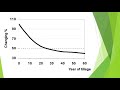
Tillage destroys soil structure, depletes organic matter, and harms soil biology, while no-till and cover crops build structure, increase organic matter, and sequester carbon by maintaining living roo
-
Stop tillage to improve soil structure, water infiltration, and aeration. No-till farming and cover crops are recommended. Reduce herbicide reliance through companion crops and timely applications, co
-
Restoring soil health requires feeding soil biology, minimally disturbing soil (no-till), and using cover crops for soil armor. Transitioning to no-till cover crops rapidly increases microbial biomass
-
After seven years of no-till on challenging sandy, rocky, and hilly terrain, the farmer has significantly improved soil structure, aggregation, and organic matter, leading to better moisture retention
 Community
-
No-till gardening preserves soil life (earthworms, fungi, bacteria), prevents weed seed germination, improves soil structure for better water infiltration and storage, and enhances plant nutrition and
Read more (opens in new window) ucanr.edu -
No-till crop production avoids damaging soil disturbance, allowing soil organisms to build a healthy ecosystem, resulting in improved soil structure, fertility, water infiltration, and reduced erosion
Read more (opens in new window) permies.com -
No-till crop production avoids soil disturbance, protecting soil organisms and ecosystems. Benefits include decompaction, increased fertility, better water infiltration, and reduced erosion, leading t
Read more (opens in new window) permies.com
 Research
-
Mechanisms of soil organic carbon stability and its response to no‐till: A global synthesis and perspective (opens in new window)
This study found: No-till farming enhances soil carbon stability through improved aggregation and mineral binding, reducing carbon loss by ~19% and priming effects by ~21% compared to conventional tillage.
-
Associations between soil microbiomes and carbon stabilization under long-term no-till farming systems in the Argentine Pampas (opens in new window)
This study found: Over 20 years in Argentina, no-till farming boosted soil carbon and favored beneficial fungi for long-term storage, unlike traditional plowing which promoted quick nutrient cycling.
-
Soil microaggregate and macroaggregate decay over time and soil carbon change as influenced by different tillage systems (opens in new window)
This study found: No-till farming in Iowa maintained the strongest soil structure and stored the most soil carbon, even in wet conditions, by improving aggregate stability and reducing decay rates.
-
A global meta‐analysis of the impacts of no‐tillage on soil aggregation and aggregate‐associated organic carbon (opens in new window)
This study found: Global meta-analysis shows no-till farming significantly improves soil structure and increases soil carbon by enhancing aggregate formation, with climate, duration, and soil type being key influencing
Key Points
Chemical Processes
- Enhanced nutrient availability from organic matter breakdown.
- Improved retention of mineral and organic nutrients.
- Stimulated carbon sequestration, increasing soil organic matter.
- Greater water holding capacity, reducing drought stress.
- Soil organic matter increases by 0.2-0.8% annually.
Physical Processes
- Reduced soil compaction, decreasing bulk density.
- Increased soil porosity and pore connectivity.
- Higher water infiltration rates up to 50% more.
- Reduced surface runoff and soil erosion by 70-90%.
- Better soil aeration for roots and microbes.
Biological Processes
- Fungal hyphae bind soil particles like biological glue.
- Bacteria produce organic glues that stabilize aggregates.
- Earthworm burrows create channels for air and water.
- Improved soil food web supports complex soil structure.
- Increased microbial biomass by 10-25% in 3-5 years.
Know the Debate
- Yield dip varies: 0-3 years research vs 3-7 years field reports
- Soil structure improves with time and biological activity
- Stratification potential debated: temporary vs persistent issue
Going Deeper
1
Primary Mechanisms: Biological Aggregation and Pore Continuity
The fundamental shift in soil structure under no-till is rooted in fostering biological processes that create and stabilize soil aggregates. Instead of relying on tillage to break up clods or incorporate matter, no-till allows natural forces to work unchecked. Fungal...
Primary Mechanisms: Biological Aggregation and Pore Continuity
The fundamental shift in soil structure under no-till is rooted in fostering biological processes that create and stabilize soil aggregates. Instead of relying on tillage to break up clods or incorporate matter, no-till allows natural forces to work unchecked. Fungal...
The fundamental shift in soil structure under no-till is rooted in fostering biological processes that create and stabilize soil aggregates. Instead of relying on tillage to break up clods or incorporate matter, no-till allows natural forces to work unchecked. Fungal hyphae, particularly from mycorrhizal fungi that form symbiotic relationships with plant roots, act as a pervasive, strong web binding soil particles together. These hyphae can extend over several centimeters, creating a robust matrix that resists being broken apart. Complementing this fungal network are bacterial exopolymers—sticky substances secreted by bacteria in response to root exudates and decomposing organic matter. These organic glues, sometimes referred to as "sitka" or microbial cements, encapsulate micro-aggregates, pulling them together to form larger, more stable macro-aggregates.
Beyond the microbial level, larger soil fauna play a crucial role. Earthworms are prodigious soil engineers. Their tunnels, or burrows, are often lined with mucus and cast material, creating stable macropores that enhance aeration and water infiltration. As earthworms ingest soil and organic matter, they excrete nutrient-rich casts, which are inherently well-aggregated and more resistant to erosion than raw soil particles. The gut passage through the earthworm's digestive system also aids in aggregating soil particles. The continued presence and activity of earthworms, which are often suppressed by tillage, is a hallmark of healthy no-till systems and a direct indicator of improved soil structure.
The continuity of these pores is as important as their existence. Tillage breaks up soil structures, creating discontinuous pore networks that hinder water and air movement. No-till, by contrast, preserves and expands on existing biological pathways, such as root channels and earthworm burrows, creating a more connected system of macropores and mesopores. This continuity allows for unimpeded movement of water and gases from the soil surface into the root zone. While this greatly enhances water infiltration, it's important to note that the transport of low-solubility materials like agricultural lime still relies on slower diffusion processes within that water. This pore continuity is a key reason for the rapid improvement in infiltration and drainage observed in well-managed no-till fields.
Sources behind this view
Sources behind this view
Videos & Podcasts
-
Tillage destroys soil structure, depletes organic matter, and harms soil biology, while no-till and cover crops build structure, increase organic matter, and sequester carbon by maintaining living roo
-
No-till and reduced tillage enhance mycorrhizae and soil health by allowing fungal networks to thrive, unlike black plastic which can cause a lag. Large-scale no-till requires a gradual transition wit
-
Restoring soil health requires feeding soil biology, minimally disturbing soil (no-till), and using cover crops for soil armor. Transitioning to no-till cover crops rapidly increases microbial biomass
-
Demonstrates improved soil structure, aggregation, and organic matter from no-till, strip-till, and cover crops (alfalfa, radish, rye). Benefits include increased water infiltration, reduced erosion,

Community
-
Minimizing tillage is crucial for soil health, as it preserves soil structure, protects soil biota, and enhances water infiltration by fostering biological processes like glomalin production by mycorr
Read more (opens in new window) permies.com -
Tillage depletes soil carbon and destroys mycorrhizal fungi, hindering soil aggregation. Continuous glomalin production from living roots and fungi is key; therefore, avoid tillage and establish cover
Read more (opens in new window) permies.com -
No-till gardening preserves soil life (earthworms, fungi, bacteria), prevents weed seed germination, improves soil structure for better water infiltration and storage, and enhances plant nutrition and
Read more (opens in new window) ucanr.edu -
Adopt no-till/minimum tillage to preserve soil health and prevent carbon loss. Enhance fertility organically with cover crops, crop rotation, compost, and mulching, while avoiding synthetic fertilizer
Read more (opens in new window) ucanr.edu
Research
-
Soil microaggregate and macroaggregate decay over time and soil carbon change as influenced by different tillage systems (opens in new window)
This study found: No-till farming in Iowa maintained the strongest soil structure and stored the most soil carbon, even in wet conditions, by improving aggregate stability and reducing decay rates.
-
Associations between soil microbiomes and carbon stabilization under long-term no-till farming systems in the Argentine Pampas (opens in new window)
This study found: Over 20 years in Argentina, no-till farming boosted soil carbon and favored beneficial fungi for long-term storage, unlike traditional plowing which promoted quick nutrient cycling.
-
Mechanisms of soil organic carbon stability and its response to no‐till: A global synthesis and perspective (opens in new window)
This study found: No-till farming enhances soil carbon stability through improved aggregation and mineral binding, reducing carbon loss by ~19% and priming effects by ~21% compared to conventional tillage.
-
Impact of Long‐Term Organic No‐Tillage on Soil Aggregation, Aggregate‐Associated Carbon, and Soil Water Retention (opens in new window)
This study found: Organic no-till farming with mulch on volcanic soils significantly increased soil organic matter by 65% and reduced compaction by 17% over three years, improving soil structure and water holding capac
2
Supporting Evidence: Field Observations and Measurable Indicators
Field observations and numerous research trials worldwide provide compelling evidence of no-till's positive impact on soil structure. A consistent finding across continents is the increase in aggregate water stability. For example, studies in the U.S. Midwest have shown...
Supporting Evidence: Field Observations and Measurable Indicators
Field observations and numerous research trials worldwide provide compelling evidence of no-till's positive impact on soil structure. A consistent finding across continents is the increase in aggregate water stability. For example, studies in the U.S. Midwest have shown...
Field observations and numerous research trials worldwide provide compelling evidence of no-till's positive impact on soil structure. A consistent finding across continents is the increase in aggregate water stability. For example, studies in the U.S. Midwest have shown that conventionally tilled fields can lose 30-50% of their surface aggregates when subjected to simulated rainfall, while adjacent no-till fields retain 80-90% of their aggregates. This stark difference is a direct outcome of the biological cementing processes described above taking hold in the undisturbed soil.
Measurable indicators that farmers can observe provide direct feedback on structural improvements. One of the most visually apparent is the formation of a "surface crust" after heavy rain. Tilled soils, with their exposed and pulverized fine particles, are prone to sealing, which further impedes infiltration. No-till soils, protected by residue and stabilized aggregates, exhibit far less crusting, often showing visible signs of water infiltration rather than pooling or runoff. The presence of a firm, well-aggregated "crumb structure" when digging a soil pit is also a strong indicator, contrasting with the powdery or cloddy appearance of tilled soils.
Bulk density measurements are a quantitative way to track structural improvement. Soil compaction, a common issue in continuously tilled systems, leads to high bulk density and reduced pore space. No-till systems, over time, tend to exhibit lower bulk densities. For example, farmers implementing no-till in Western Australia have reported reductions in bulk density in the top 10 cm (4 in) of soil from 1.4-1.6 g/cm³ down to 1.2-1.3 g/cm³ (approx. 87-100 lb/ft³ down to 75-81 lb/ft³) within 5-8 years, indicating a more porous and less compacted soil. This metric directly correlates with improved root penetration and water availability.
The color and smell of the soil also offer clues. Healthy no-till soils, rich in biologically active organic matter, often have a darker, richer color. More importantly, they possess a distinct earthy smell, characteristic of healthy microbial communities at work. Poorly structured, compacted soils often lack this aroma, indicating reduced biological activity and poor aeration. The presence of visible earthworm castings on the soil surface following rain is another excellent indicator of earthworm activity, which is directly correlated with improved soil structure.
Sources behind this view
Sources behind this view
Videos & Podcasts
-
Demonstrates improved soil structure, aggregation, and organic matter from no-till, strip-till, and cover crops (alfalfa, radish, rye). Benefits include increased water infiltration, reduced erosion,
-
After seven years of no-till on challenging sandy, rocky, and hilly terrain, the farmer has significantly improved soil structure, aggregation, and organic matter, leading to better moisture retention
-
Organically managed soils are significantly less compacted and have higher water infiltration rates (up to 4x) compared to conventional systems, allowing for deeper root growth and better water manage
-
Compares 12-year no-till soil (crumbly) with 35-year no-till soil (superior aggregation, moisture retention). Attributes soil building to sunlight, rain, seed, and animals, not synthetics; notes deep
Community
-
No-till farming and cover crops dramatically improve soil quality, enhancing water infiltration and reducing erosion, as shown by a 12-year UC study where no-till soil readily absorbed water and resis
Read more (opens in new window) ucanr.edu -
No-till gardening preserves soil life (earthworms, fungi, bacteria), prevents weed seed germination, improves soil structure for better water infiltration and storage, and enhances plant nutrition and
Read more (opens in new window) ucanr.edu -
No-till crop production avoids damaging soil disturbance, allowing soil organisms to build a healthy ecosystem, resulting in improved soil structure, fertility, water infiltration, and reduced erosion
Read more (opens in new window) permies.com -
Conservation tillage, particularly no-till, impacts soil density, organic matter, and nutrient stratification. Challenges include compaction, stand establishment, and weed control, requiring careful m
Read more (pp. 6-8) (opens PDF, pp. 6-8) extension.cropsciences.illinois.edu
Research
-
A global analysis of the impact of zero‐tillage on soil physical condition, organic carbon content, and plant root response (opens in new window)
This study found: Global study of over 4,000 comparisons shows no-till farming significantly improves soil structure, water holding, and infiltration rates, with benefits increasing over time. Root growth also enhanced
-
Soil microaggregate and macroaggregate decay over time and soil carbon change as influenced by different tillage systems (opens in new window)
This study found: No-till farming in Iowa maintained the strongest soil structure and stored the most soil carbon, even in wet conditions, by improving aggregate stability and reducing decay rates.
-
No‐Till Legume Cover Crops Enhance Soil Carbon, Mitigate Greenhouse Gas Emissions, and Increase Yield in Dryland Wheat: A Global Meta‐Analysis (opens in new window)
This study found: Global meta-analysis shows no-till + legume cover crops significantly boost dryland wheat soil carbon (+28.5%), yield (+24.1%), and resource efficiency, while cutting GHG emissions. Long-term use yiel
-
A global meta‐analysis of the impacts of no‐tillage on soil aggregation and aggregate‐associated organic carbon (opens in new window)
This study found: Global meta-analysis shows no-till farming significantly improves soil structure and increases soil carbon by enhancing aggregate formation, with climate, duration, and soil type being key influencing
3
Conditions for Success: Climate, Soil Type, and Management Integration
While no-till generally improves soil structure, the rate and extent of this improvement are influenced by several interacting factors. Climate plays a significant role; warmer, moister climates tend to accelerate biological activity, leading to faster aggregation and...
Conditions for Success: Climate, Soil Type, and Management Integration
While no-till generally improves soil structure, the rate and extent of this improvement are influenced by several interacting factors. Climate plays a significant role; warmer, moister climates tend to accelerate biological activity, leading to faster aggregation and...
While no-till generally improves soil structure, the rate and extent of this improvement are influenced by several interacting factors. Climate plays a significant role; warmer, moister climates tend to accelerate biological activity, leading to faster aggregation and structural development. For instance, the humid tropical regions of South America, with their high temperatures and rainfall, can see rapid improvements in soil structure under no-till, provided that organic matter inputs are continuous and effective erosion control measures like residue management are in place. Conversely, very dry or extremely cold climates may see a slower pace of biological aggregation.
Soil texture is another critical factor. Soils with a higher proportion of silt and clay particles tend to have more surface area for binding agents to act upon, and they can form very stable aggregates under no-till. However, clay soils can also be prone to compaction if poorly managed, so the benefits of no-till are particularly pronounced in these contexts. Coarser-textured soils, like sandy loams, may develop stability more slowly as there are fewer fine particles to bind, and they might benefit more significantly from direct organic matter additions through cover crops or compost to enhance their structural resilience.
Continuous management practices are paramount for realizing the full benefits of no-till for soil structure. The presence of sufficient residue on the soil surface is essential. This residue protects the soil from raindrop impact, conserves moisture, moderates temperature, and serves as a food source for soil organisms. Insufficient residue, or practices that remove it, can significantly slow or even halt structural improvements. Similarly, the integration of diverse cover crops that provide continuous root activity and organic matter inputs—such as legumes and grasses—greatly accelerates the development of stable soil structure. A single species cover crop or relying solely on crop residue may yield slower results than a diverse mix.
The transition period also requires careful management. Initially, farmers transitioning to no-till, especially from conventional farming, may encounter challenges with residue management, weed control, and potential pest issues. During the first 3-7 years, as the soil biology awakens and begins to rebuild structure, specific management strategies might be needed to overcome these hurdles. This might involve strategic use of broad-spectrum nutrient management, and in some instances, historically reliant conventional farmers may use specific chemical controls sparingly during this 3-7 year transition as biological systems mature. However, the long-term goal is always a self-regulating biological system.
Sources behind this view
Sources behind this view
Videos & Podcasts
-
Farmers discuss no-till benefits (soil health, water retention, weed control) and challenges (labor intensity, initial cost). Strategies include tarping, mulching, cover cropping, and careful planning

-
Switching to no-till requires new equipment (tractors, drills), different residue management (straw/chaff), reliance on chemical fallow for weeds, and a change in mindset, often supported by governmen
-
Transitioning to 100% no-till farming requires a gradual, multi-year approach (3-5 years) to allow soil healing and structure formation. Benefits include reduced erosion, improved water infiltration b
-
Strongly advocates for no-till combined with cover crops, detailing benefits like erosion control, water conservation, improved soil structure, and increased biological activity. Emphasizes uniform re
Community
-
No-till involves direct drilling into undisturbed residue, preserving soil organisms. Tools like broadforks and sub-soilers aid soil aeration without inversion, crucial for mitigating compaction, espe
Read more (opens in new window) permies.com -
No-till crop production avoids damaging soil disturbance, allowing soil organisms to build a healthy ecosystem, resulting in improved soil structure, fertility, water infiltration, and reduced erosion
Read more (opens in new window) permies.com -
Sustainable soil management practices like reducing tillage, planting cover crops, and improving crop rotations enhance soil health and drought resilience. No-till systems drastically reduce water run
Read more (opens in new window) sustainableagriculture.net -
Adopt no-till/minimum tillage to preserve soil health and prevent carbon loss. Enhance fertility organically with cover crops, crop rotation, compost, and mulching, while avoiding synthetic fertilizer
Read more (opens in new window) ucanr.edu
Research
-
Long-term continuous no-till corn-soybean systems: Examining soil carbon sequestration and nitrogen accumulation across various pools. (opens in new window)
This study found: Long-term no-till farming with cover crops significantly increased soil organic matter (14-69%) and total nitrogen (16-60%) in corn-soybean systems, reducing compaction and carbon loss.
-
No‐Till Legume Cover Crops Enhance Soil Carbon, Mitigate Greenhouse Gas Emissions, and Increase Yield in Dryland Wheat: A Global Meta‐Analysis (opens in new window)
This study found: Global meta-analysis shows no-till + legume cover crops significantly boost dryland wheat soil carbon (+28.5%), yield (+24.1%), and resource efficiency, while cutting GHG emissions. Long-term use yiel
-
Short-term and long-term effects of tillage and crop rotation on soil physical properties, organic C and N in a Black Chernozem in northeastern Saskatchewan (opens in new window)
This study found: Eight-year study in Saskatchewan showed no-till farming significantly improved soil structure and increased active soil carbon compared to conventional tillage, even in soils with high organic matter.
-
Soil microaggregate and macroaggregate decay over time and soil carbon change as influenced by different tillage systems (opens in new window)
This study found: No-till farming in Iowa maintained the strongest soil structure and stored the most soil carbon, even in wet conditions, by improving aggregate stability and reducing decay rates.
 From the Web
-
The no-till system minimizes soil disturbance, protecting against erosion, increasing biological activity, and reducing water evaporation. Pre-conversion soil building is crucial. A 32-year study show
4
Interaction Effects: Complementarity with Cover Cropping and Crop Diversity
No-till farming's positive impact on soil structure is significantly amplified when integrated with other regenerative practices, foremost among them being cover cropping. Cover crops are not merely a "crop to cover the soil;" they are active participants in soil...
Interaction Effects: Complementarity with Cover Cropping and Crop Diversity
No-till farming's positive impact on soil structure is significantly amplified when integrated with other regenerative practices, foremost among them being cover cropping. Cover crops are not merely a "crop to cover the soil;" they are active participants in soil...
No-till farming's positive impact on soil structure is significantly amplified when integrated with other regenerative practices, foremost among them being cover cropping. Cover crops are not merely a "crop to cover the soil;" they are active participants in soil building. The root systems of cover crops, whether fibrous grasses or deep-rooted legumes, penetrate the soil, creating channels that enhance macropore continuity and aeration. These roots also exude sugars and organic compounds that feed soil microbes, stimulating the production of binding agents. When cover crops are terminated and left as surface residue, they provide a significant influx of organic matter, directly fueling the biological processes that create stable aggregates.
A diverse cover crop mix often yields superior results. For example, a combination of cereal rye (for fibrous roots and organic matter) and vetch (a legume for nitrogen fixation and deeper roots) can create a more robust system for soil structure development than either species alone. Farmers in regions like the humid subtropics of the United States are increasingly adopting multi-species cover cropping in conjunction with no-till, reporting dramatic improvements in water infiltration rates within 2-3 years, reducing summer rainfall runoff by over 60%. This synergistic relationship between cover crops and no-till is a cornerstone of regenerative soil health.
Crop diversity also plays an underappreciated role. Rotating between different types of crops, each with unique root structures and residue characteristics, provides varied food sources and physical influences on soil. A deep-rooted taproot crop might break up deeper compaction, while a shallow-rooted grain provides surface residue. This constant variety of biological activity and organic inputs helps to maintain a diverse and robust soil microbiome, which is more effective at producing the complex organic glues and fungal networks needed for stable aggregation. Farmers in the fertile plains of Argentina have observed that implementing 4-year rotations including diverse cover crops under no-till leads to a 1-2% increase in soil organic matter annually, which fundamentally underpins structural improvements.
Furthermore, integrating livestock, when managed pasture-based systems, can provide an additional layer of benefit. Rotational grazing, where animals are moved frequently across fields, concentrates manure and urine, providing a nutrient-rich organic input. The trampling action of livestock, when managed properly (avoiding excessive compaction during wet periods), can help to break down surface residue and press it into the soil, initiating decomposition and incorporating organic matter. It can also help to "flake" the soil surface, improving seed-to-soil contact for subsequent crops in a no-till system. This integrated approach, combining no-till, diverse cropping, and managed livestock, creates a highly resilient and regenerative farming system where soil structure is continually enhanced.
Sources behind this view
Sources behind this view
Videos & Podcasts
-
Utilize multi-species cover crops based on specific 'resource concerns' to improve soil health, nitrogen fixation, and water retention. Integrate livestock for grazing, calving, and overwintering, enh
-
Strongly advocates for no-till combined with cover crops, detailing benefits like erosion control, water conservation, improved soil structure, and increased biological activity. Emphasizes uniform re
-
Multispecies farming boosts soil water-holding capacity (1% OM = 27k gal/acre) and infiltration through living roots, reduced tillage, and diverse biology. It improves water-use efficiency and drastic
-
Farmers discuss no-till benefits (soil health, water retention, weed control) and challenges (labor intensity, initial cost). Strategies include tarping, mulching, cover cropping, and careful planning
Community
-
Enhance soil health through plant diversity, continuous soil cover (living plants/residues), and livestock integration. Manage carbon-to-nitrogen ratios of residues and adopt no-till practices to impr
Read more (opens in new window) permies.com -
Holistic no-till farming with cover crops and rotational grazing improved productivity by 5% in three years on clay soils, with yields up 10% after 18 years.
Read more (opens in new window) permies.com -
Building healthy soil involves minimizing tillage (no-till) and keeping it covered year-round with living plants and cover crops. These practices enhance water retention, nutrient cycling, and soil re
Read more (opens in new window) smallfarms.cornell.edu -
Conservation agriculture, specifically no-tillage and cover crops, significantly improves soil health by increasing biodiversity, water infiltration, and soil carbon, while reducing water and fertiliz
Read more (opens in new window) ucanr.edu
Research
-
No‐Till Legume Cover Crops Enhance Soil Carbon, Mitigate Greenhouse Gas Emissions, and Increase Yield in Dryland Wheat: A Global Meta‐Analysis (opens in new window)
This study found: Global meta-analysis shows no-till + legume cover crops significantly boost dryland wheat soil carbon (+28.5%), yield (+24.1%), and resource efficiency, while cutting GHG emissions. Long-term use yiel
-
Soil Microbial Dynamics in Regenerative Agriculture Systems: A Data-Driven Synthesis for Soil Health, Pest Suppression, and Yield Sustainability in the Western Canadian Prairies (opens in new window)
This study found: Regenerative farming in Western Canada boosts soil microbes (up to 86%), fungi (up to 60%), and carbon, improving soil health and water retention. This leads to more stable yields and reduced syntheti
-
Effects of Tillage and Cover Crops on Total Carbon and Nitrogen Stocks and Particle-Size Fractions of Soil Organic Matter under Onion Crop (opens in new window)
This study found: No-till systems with diverse cover crop mixes, especially rye and oilseed radish, significantly increased soil carbon and nitrogen compared to conventional tillage for onion crops in Brazil.
-
Long-term continuous no-till corn-soybean systems: Examining soil carbon sequestration and nitrogen accumulation across various pools. (opens in new window)
This study found: Long-term no-till farming with cover crops significantly increased soil organic matter (14-69%) and total nitrogen (16-60%) in corn-soybean systems, reducing compaction and carbon loss.
From the Web
-
An Oklahoma rancher uses diverse cover crops (e.g., sunn hemp, brown-top millet) to feed soil microbes ('invisible livestock'), improve water infiltration to 14 inches/hour, reduce fertilizer needs by
-
Key regenerative agriculture methods include no-till farming, cover cropping, agroforestry, perennial crops, planned rotational grazing (Holistic Management), and compost application, all aimed at imp
-
Conservation tillage principles include reducing soil compaction via less tillage and traffic control, using crop rotations with cover crops to maintain soil surface biomass, and managing equipment. M
-
Conservation tillage principles include reducing tillage, using crop rotations with cover crops like cereal rye to maintain biomass, and avoiding soil compaction through methods like in-row subsoiling
5
Measuring the Effect: Practical Indicators for Farmers
Farmers can assess the improvement in soil structure under no-till through several practical, on-farm indicators. The "Solvita™ Soil Health Test" or similar soil respiration tests can provide a quantifiable measure of biological activity, which is directly linked to...
Measuring the Effect: Practical Indicators for Farmers
Farmers can assess the improvement in soil structure under no-till through several practical, on-farm indicators. The "Solvita™ Soil Health Test" or similar soil respiration tests can provide a quantifiable measure of biological activity, which is directly linked to...
Farmers can assess the improvement in soil structure under no-till through several practical, on-farm indicators. The "Solvita™ Soil Health Test" or similar soil respiration tests can provide a quantifiable measure of biological activity, which is directly linked to aggregation. A score of 7 or higher on a scale of 1-10 often indicates active biological processes supporting good structure. Another common visual assessment is the "jar test," where a soil sample is vigorously shaken in a jar of water. Stable aggregates will remain largely intact, settling as larger clumps, demonstrating their resistance to dispersion. This contrasts with poorly aggregated soil, which will disperse into its component particles, clouding the water.
The "infiltration test" is a direct measure of how well water enters the soil. This can be done using simple tools like an "infiltrometer" (e.g., an open-ended cylinder pushed into the soil) where a known volume of water is poured in, and the time it takes to disappear is measured. Within 3-5 years of no-till adoption, farmers often see infiltration rates double or triple compared to their previous conventional methods. For example, a rate of 1-2 cm per hour (0.4-0.8 in per hour) might improve to 5-10 cm per hour (2-4 in per hour).
Observing earthworm activity is a qualitative yet powerful indicator. Digging a spade's depth into the soil and counting the number of earthworms and their burrows provides insight. An abundance of earthworms (e.g., 5-15 per square meter, or 0.5-1.5 per square foot, in many temperate systems) suggests a healthy soil environment capable of supporting strong aggregation. Their casts, visible as small piles of aggregated soil on the surface, are also direct evidence of their soil-structuring work.
Finally, assessing root development provides indirect evidence of structural improvements. When plant roots can easily penetrate the soil without significant restriction, it signifies good pore continuity and low bulk density. Farmers can observe this by examining roots after harvest or during the growing season. Roots that are deep, well-branched, and show no signs of being "J-rooted" or stunted are indicative of a soil with favorable structure for growth. This improved root architecture allows plants to access a larger volume of soil for water and nutrients, a direct benefit of no-till’s structural enhancements.
Sources behind this view
Sources behind this view
Videos & Podcasts
-
Demonstrates improved soil structure, aggregation, and organic matter from no-till, strip-till, and cover crops (alfalfa, radish, rye). Benefits include increased water infiltration, reduced erosion,
-
Practical soil assessment methods include using a spade for structure, infiltration tests with aluminum rings, PLFA analysis for biology, and Haney analysis. These tools help farmers understand soil h
-
Practical methods for measuring soil health, focusing on earthworm populations (presence, community structure, numbers) and aggregate stability. Findings suggest no-till and grass systems promote stab
Research
-
A global analysis of the impact of zero‐tillage on soil physical condition, organic carbon content, and plant root response (opens in new window)
This study found: Global study of over 4,000 comparisons shows no-till farming significantly improves soil structure, water holding, and infiltration rates, with benefits increasing over time. Root growth also enhanced
-
Long-term impacts of no-till and organic material applications on soil biological indicators in organic vineyards. (opens in new window)
This study found: Ten-year study in organic vineyards shows no-till and organic amendments (broccoli, Antep radish, olive mill wastewater) significantly improve soil respiration, organic carbon, microbial biomass, and
-
No‐Till Legume Cover Crops Enhance Soil Carbon, Mitigate Greenhouse Gas Emissions, and Increase Yield in Dryland Wheat: A Global Meta‐Analysis (opens in new window)
This study found: Global meta-analysis shows no-till + legume cover crops significantly boost dryland wheat soil carbon (+28.5%), yield (+24.1%), and resource efficiency, while cutting GHG emissions. Long-term use yiel
-
A global meta‐analysis of the impacts of no‐tillage on soil aggregation and aggregate‐associated organic carbon (opens in new window)
This study found: Global meta-analysis shows no-till farming significantly improves soil structure and increases soil carbon by enhancing aggregate formation, with climate, duration, and soil type being key influencing
From the Web
-
Provides a practical guide to measuring soil health using field indicators and lab tests, emphasizing consistency, context-specific interpretation, and tracking functional improvements over time. Link
-
Assessing soil health involves general field observations (yields, root health, erosion) and detailed field indicators like soil cover, aggregate stability, and earthworm presence. Soil health is best
6
Regional Variation: Adaptations Across Climates and Continents
The effectiveness and pace of soil structure improvement under no-till vary significantly based on regional conditions. In the temperate climate of the U.S. Midwest, farmers have documented robust improvements over 5-10 years, with notable increases in aggregate...
Regional Variation: Adaptations Across Climates and Continents
The effectiveness and pace of soil structure improvement under no-till vary significantly based on regional conditions. In the temperate climate of the U.S. Midwest, farmers have documented robust improvements over 5-10 years, with notable increases in aggregate...
The effectiveness and pace of soil structure improvement under no-till vary significantly based on regional conditions. In the temperate climate of the U.S. Midwest, farmers have documented robust improvements over 5-10 years, with notable increases in aggregate stability and reductions in bulk density, often enabling a decrease in compaction-related soil issues. Here, the combination of crop residue and cover crops like cereal rye and hairy vetch has proven highly effective.
In the arid and semi-arid regions of Australia, such as the Mallee and Eyre Peninsula, no-till has been crucial for preventing wind and water erosion. While biological activity might be slower due to lower moisture and temperature, the preservation of surface residue and the reduction in wind disturbance lead to significant structural benefits and improved water retention over time, often exceeding a 20-30% increase in plant-available water within 5-7 years compared to conventional tillage. Farmers here often focus on stubble retention and broadacre cover cropping using drought-tolerant species.
In the humid tropics, such as parts of Brazil and Southeast Asia, the challenge is often intense rainfall and rapid organic matter decomposition. No-till systems, combined with high-biomass cover crops (e.g., tropical kudzu, or various leguminous and gramineous cover crops), are essential for maintaining soil cover and preventing severe erosion. Farmers in these regions report rapid establishment of well-aggregated surface soils within 2-4 years, allowing for increased infiltration of torrential rains and a significant reduction in soil loss, sometimes by as much as 90% compared to plowed fields. The diversity of tropical species used in cover crop mixes allows for tailored solutions to regional organic matter and soil-binding needs.
In the cooler, high-altitude regions of East Africa, smallholder farmers adopting no-till and minimal tillage often struggle with limited organic matter availability. Here, the integration of agroforestry into no-till systems, coupled with carefully managed grazing of livestock that provide manure, becomes vital. The leaf litter from trees contributes organic matter, and root systems stabilize soil on slopes, further enhancing structure. While the pace of improvement may be slower than in warmer climates, the benefits in terms of reduced erosion and improved water retention are critical for food security.
Sources behind this view
Sources behind this view
Videos & Podcasts
-
Farmers discuss no-till benefits (soil health, water retention, weed control) and challenges (labor intensity, initial cost). Strategies include tarping, mulching, cover cropping, and careful planning
-
Strongly advocates for no-till combined with cover crops, detailing benefits like erosion control, water conservation, improved soil structure, and increased biological activity. Emphasizes uniform re
-
After seven years of no-till on challenging sandy, rocky, and hilly terrain, the farmer has significantly improved soil structure, aggregation, and organic matter, leading to better moisture retention
-
Transitioning to 100% no-till farming requires a gradual, multi-year approach (3-5 years) to allow soil healing and structure formation. Benefits include reduced erosion, improved water infiltration b
Community
-
Building healthy soil involves minimizing tillage (no-till) and keeping it covered year-round with living plants and cover crops. These practices enhance water retention, nutrient cycling, and soil re
Read more (opens in new window) smallfarms.cornell.edu -
Tropical soils have low cation exchange capacity due to minimal clay and humic acid; organic matter is primarily in canopy, not soil. Soil fauna create porosity, so lack of organic matter causes erosi
Read more (opens in new window) permies.com -
Sustainable soil management practices like reducing tillage, planting cover crops, and improving crop rotations enhance soil health and drought resilience. No-till systems drastically reduce water run
Read more (opens in new window) sustainableagriculture.net -
Adopt no-till/minimum tillage to preserve soil health and prevent carbon loss. Enhance fertility organically with cover crops, crop rotation, compost, and mulching, while avoiding synthetic fertilizer
Read more (opens in new window) ucanr.edu
Research
-
No‐Till Legume Cover Crops Enhance Soil Carbon, Mitigate Greenhouse Gas Emissions, and Increase Yield in Dryland Wheat: A Global Meta‐Analysis (opens in new window)
This study found: Global meta-analysis shows no-till + legume cover crops significantly boost dryland wheat soil carbon (+28.5%), yield (+24.1%), and resource efficiency, while cutting GHG emissions. Long-term use yiel
-
Long-term continuous no-till corn-soybean systems: Examining soil carbon sequestration and nitrogen accumulation across various pools. (opens in new window)
This study found: Long-term no-till farming with cover crops significantly increased soil organic matter (14-69%) and total nitrogen (16-60%) in corn-soybean systems, reducing compaction and carbon loss.
-
Conventional, Minimum/Reduced, and Zero Tillage: Implications for Soil and Water Conservation and Residue Management in Global and Indian Contexts (opens in new window)
This study found: Zero tillage, especially with Happy Seeders, improves soil structure, water retention, and yields by up to 17% while cutting costs and emissions. Success depends on local adaptation and integrated wee
-
Changes in soil organic carbon and nitrogen after 47 years with different tillage, stubble and fertiliser management in a Vertisol of north-eastern Australia (opens in new window)
This study found: A 47-year Australian study on clay soils found no-till, stubble retention, and nitrogen fertilizer increased soil carbon and nitrogen. While soil organic matter declined overall, these practices minim
From the Web
-
No-till farming and Conservation Agriculture in Ananthapur, India, reduce soil erosion by 30%, increase moisture retention by 20%, and boost microbial biodiversity by 15% through practices like residu
-
No-till agriculture improves soil health, water infiltration, and yield stability by minimizing soil disturbance, using cover crops, and crop rotation, while reducing labor, fuel, and production costs
7
Know the Debate
No-till farming's impact on soil structure is generally positive, fostering aggregation and improving water management. However, the timeline for t...
Know the Debate
No-till farming's impact on soil structure is generally positive, fostering aggregation and improving water management. However, the timeline for t...
No-till farming's impact on soil structure is generally positive, fostering aggregation and improving water management. However, the timeline for these benefits and the potential for nutrient stratification can vary significantly. Researchers often observe quicker results in controlled trials, while farmers commonly report a longer transition period, especially on challenging soils. Understanding these differences requires looking at the biological 'catch-up' phase, the rate of microbial activity influenced by climate, and the specific management practices employed.
How long is the no-till yield dip?
Quick recovery (0-3 years)
Research and controlled trials often show minimal yield loss or even gains within the first 1-3 years of no-till adoption, particularly with good residue management and cover cropping.
Sources behind this view
Sources behind this view
Research
-
No-till Farming in the Agroecological Management Approach (opens in new window)
This study found: This article suggests that adopting no-till farming, which means planting directly into the soil without plowing and leaving crop residue on the surface, is a key part of ecological farming. Compared to traditional methods, no-till farming helps reduce soil erosion, prevents nutrient loss from the soil, and can improve soil health over time. It also aims to decrease farming costs and address pest issues.
-
A global analysis of the impact of zero‐tillage on soil physical condition, organic carbon content, and plant root response (opens in new window)
This study found: A large global study analyzing over 4,000 research comparisons found that switching from traditional plowing to no-till farming significantly improves soil health. No-till farming consistently led to better soil structure (clumping) and increased the soil's ability to hold water, especially in the top layers. While it didn't change overall soil compaction, it dramatically improved how quickly water could soak into the ground. No-till farming also increased soil carbon in the top few inches, though the overall impact on total soil carbon stock was small. Root growth was also enhanced in the topsoil. The benefits of no-till farming were found to increase the longer the practice was used, making it a convincing method for better and more sustainable soil management.
From the Web
-
No-till farming protects soil, improves water infiltration, and increases yields. It saves farmers time and money on fuel and labor, and organic no-till methods use cover crops and roller crimpers to manage weeds without herbicides.
Longer transition (3-7+ years)
Field practitioners frequently report a noticeable yield dip during the first 3 to 7 years of no-till adoption as soil biology transitions and structure rebuilds.
Sources behind this view
Sources behind this view
Videos & Podcasts
-
After seven years of no-till on challenging sandy, rocky, and hilly terrain, the farmer has significantly improved soil structure, aggregation, and organic matter, leading to better moisture retention and reduced erosion. These changes have resulted in more uniform crop yields.
-
Restoring soil health requires feeding soil biology, minimally disturbing soil (no-till), and using cover crops for soil armor. Transitioning to no-till cover crops rapidly increases microbial biomass and improves carbon balance and water infiltration.
-
No-tillage farming enhances soil structure for better water absorption and resilience, supports diverse soil life, and sequesters carbon, unlike conventional tillage which degrades soil health and ecosystem diversity.
Making Sense of the Differences
The observed differences in yield transition times likely stem from the starting soil condition and management intensity. Research conditions often begin with better soil health or controlled inputs, leading to quicker results. Field experiences reflect diverse starting points, with farms inheriting severely degraded soils or experiencing more significant weed/pest pressures needing longer adaptation. Farmers should plan for a 3-7 year transition period, budget accordingly, and focus on building soil biology and structure through cover cropping and residue management.
Does no-till cause nutrient stratification?
Temporary stratification (resolved biologically)
Some researchers and practitioners argue that nutrient stratification in the topsoil is a temporary phase in no-till systems that is resolved over time by biological activity like earthworms and root channels.
Sources behind this view
Sources behind this view
Videos & Podcasts
-
Good soil structure (45% mineral, 5% OM, 45-50% air/water space) is vital for crops, organisms, and water infiltration. Tillage and driving on wet soils break down structure, hindering infiltration and root growth; reducing disturbance is key to rebuilding it.
Research
-
Interactive effects of conservation tillage on the aggregate stability and soil organic carbon (opens in new window)
This study found: This study looked at how different ways of tilling the soil, including no-till with cover (NT), deep tillage with cover (DT), and regular plowing with cover (CT), affect soil organic matter (carbon) and how well soil clumps (aggregates) hold together. In the top layer of soil, the no-till method (NT) created the most large soil clumps (over 89%) and these clumps were the most stable, meaning the soil structure was best maintained. While deep tillage (DT) and conventional plowing (CT) increased soil carbon in the short term, no-till (NT) actually reduced it slightly in this study. However, the research found a strong link: the more stable the soil clumps, the more soil carbon they hold. Overall, no-till farming helps build better soil structure and stability, which is key for long-term soil health and carbon storage.
From the Web
-
The no-till system minimizes soil disturbance, protecting against erosion, increasing biological activity, and reducing water evaporation. Pre-conversion soil building is crucial. A 32-year study shows no-till significantly improves soil health indicators like aggregate stability, organic matter, and nitrogen availability.
Persistent stratification concern
Others express concern that long-term no-till can lead to persistent nutrient and organic matter stratification, potentially limiting root access to deeper soil resources.
Sources behind this view
Sources behind this view
Videos & Podcasts
-
Continuous no-till promotes soil biology and structure by enabling residue decomposition and water infiltration, contrasting sharply with tillage which harms soil life and leads to compaction.

Research
-
Bacterial community composition under long-term reduced tillage and no till management. (opens in new window)
This study found: A study looking at fields managed with no-till or reduced tillage for 14 years found that no-till farming significantly increased the total amount of microbial life (biomass) in the soil and boosted the activity of an enzyme (beta-glucosidase) that helps break down organic matter. While no-till farming led to fewer types of bacteria overall, it increased the populations of specific bacteria known to decompose organic matter. The research suggests that while no-till farming builds up soil microbial communities, the lack of soil disturbance can reduce bacterial diversity. The authors propose that long-term no-till fields might benefit from occasional tillage to improve diversity.
Making Sense of the Differences
The debate around stratification hinges on whether the build-up of organic matter and nutrients in the topsoil is a transient phase or a lasting issue. Over time, the biological networks and root channels, particularly in diverse crop and cover crop rotations, are thought to integrate these layers. However, in systems with excessive residue, minimal biological activity, or continuous compaction, stratification might persist. Farmers should monitor root depth, soil respiration, and nutrient distribution profiles to assess the status in their specific context and consider occasional strategic interventions if significant soil health limitations are identified.