
How does soil organic matter affect farm resilience?
Soil organic matter (SOM) is the lifeblood of farm resilience, acting as a shock absorber for environmental and economic stresses. It enhances soil's ability to absorb and retain water, buffering against both drought and heavy rainfall, thereby reducing erosion and runoff. A biologically active soil rich in SOM also improves nutrient availability and cycling, making crops more robust and less dependent on external inputs, while fostering a balanced soil ecology that naturally suppresses pests and diseases. This creates a more stable and productive agricultural system that can withstand a wider range of conditions.
Read More: Complete Description
Sources behind this view
Sources behind this view
 Videos & Podcasts
-
Building soil organic matter through regenerative practices like composting and regenerative grazing is key to sequestering carbon, increasing resilience, improving water retention, and boosting yield
-
Soil organic matter is vital for soil health, acting as a fulcrum for management practices. Conventional diets of high-residue, feast-famine cycles degrade soil structure. Potential SOM is soil-type d
-
Soil organic matter consists of dissolved (DOM), particulate (POM), and mineral-associated (MAOM) forms. POM is short-lived and aids nutrient cycling, while MAOM is persistent and stable. Microbial de

 Research
-
The Role of Organic Matter in Soil for Improving Crop Productivity and Soil Health (opens in new window)
This study found: Soil organic matter (SOM) is key to soil fertility and crop yields, improving soil structure, water retention, and nutrient cycling. Practices like cover crops, reduced tillage, and manure application
-
Networking our science to characterize the state, vulnerabilities, and management opportunities of soil organic matter. (opens in new window)
This study found: Soil organic matter is key for ecosystems and carbon storage. Farming practices have led to soil carbon loss, but improved management can help. Climate change also threatens soil carbon. Better data a
-
Bacterial richness enhances the thermostability of soil organic matter via a long-term trade-off between molecular diversity and thermodynamic stability. (opens in new window)
This study found: Greater variety of soil bacteria boosts soil organic matter's resistance to decomposition over decades, suggesting practices that promote bacterial diversity improve soil carbon persistence.
-
Managing soil organic matter – implications for soil structure on organic farms (opens in new window)
This study found: Fresh organic matter, especially from organic farming practices like cover crops and leys, is key to building good soil structure by binding soil particles. Organic farms often have better soil struct
 From the Web
-
Organic farming enhances resilience to extreme weather through improved water use efficiency, driven by higher soil organic matter (SOM) and humus. This increases water infiltration and retention, whi
-
Organic agriculture increases soil organic matter (SOM), which enhances beneficial soil microbes, nutrient cycling, and plant disease control. Higher SOM improves soil structure, reduces erosion, and
-
Organic agriculture builds soil organic matter (SOM) by recycling plant/animal residues, enhancing soil microbes, improving structure, and increasing water retention. This reduces erosion, greenhouse
Key Points
Biological Processes
- Feeds diverse soil microbes, enhancing nutrient cycling.
- Supports a healthy soil food web for pest control.
- Improves soil aeration for root growth and respiration.
- Increases microbial biomass by 200-500% over 5-7 years.
- Enhances disease suppression through beneficial organism activity.
Physical Processes
- Binds soil particles into stable aggregates.
- Improves water infiltration, reducing runoff by 30-60%.
- Increases plant-available water holding capacity by 10-50%.
- Boosts soil's resistance to wind and water erosion.
- Enhances soil structure for better root penetration (up to 2x).
Chemical Processes
- Releases nutrients slowly as organic matter decomposes.
- Cation Exchange Capacity (CEC) increases by 20-40%.
- Buffers soil pH, reducing extreme acidity or alkalinity.
- Adsorbs and retains nutrients, preventing leaching losses.
- Increases phosphorus and sulfur availability to plants.
System Regulation
- Naturally suppresses soil-borne pests and diseases.
- Balances soil biology, reducing disease outbreaks.
- Stabilizes soil carbon, sequestering 0.5-2.0 tons C/ha/year.
- Increases plant defense mechanisms through microbial signals.
- Reduces reliance on external chemical controls.
Know the Debate
- SOM builds resilience: buffers drought, flood, input shocks.
- Water holding capacity varies significantly by soil type.
- Significant SOM gains take 10-20+ years.
- Improved nutrient cycling reduces external input needs.
Going Deeper
1
Primary Mechanisms: The Science of Organic Matter's Buffering Capacity
Soil organic matter is not inert; it is a dynamic component that fundamentally alters soil's physical, chemical, and biological properties, thereby conferring resilience. Physically, it acts as a glue. Humic substances, the stable end products of organic matter...
Primary Mechanisms: The Science of Organic Matter's Buffering Capacity
Soil organic matter is not inert; it is a dynamic component that fundamentally alters soil's physical, chemical, and biological properties, thereby conferring resilience. Physically, it acts as a glue. Humic substances, the stable end products of organic matter...
Soil organic matter is not inert; it is a dynamic component that fundamentally alters soil's physical, chemical, and biological properties, thereby conferring resilience. Physically, it acts as a glue. Humic substances, the stable end products of organic matter decomposition, have a complex molecular structure that binds mineral particles (sand, silt, clay) into crumbs, or aggregates. This aggregation creates larger pore spaces, improving aeration and drainage in heavy soils while enhancing water retention in sandy soils. The improved structure leads to better root penetration and anchorage, making plants more stable in variable weather. Chemically, SOM is a storehouse of essential plant nutrients and a potent cation exchange capacity (CEC) enhancer. It can hold onto positively charged nutrient ions like calcium, magnesium, and potassium, preventing them from leaching away with water. As these nutrients are mineralized by soil microbes, they become available for plant uptake. Biologically, SOM is the primary energy source for the soil food web. A thriving community of bacteria, fungi, protozoa, and other organisms not only drives nutrient cycling but also contributes to disease suppression and soil structure maintenance through their activities and exudates. This integrated biological activity is the engine of soil health and, consequently, farm resilience.
2
Supporting Evidence: Field Observations and Research Findings
Numerous studies and long-term farm observations validate the role of SOM in farm resilience. For example, the decades-long Minimum and No-Till experiments at Iowa State University in the United States have shown that continuous no-till management, which often leads to...
Supporting Evidence: Field Observations and Research Findings
Numerous studies and long-term farm observations validate the role of SOM in farm resilience. For example, the decades-long Minimum and No-Till experiments at Iowa State University in the United States have shown that continuous no-till management, which often leads to...
Numerous studies and long-term farm observations validate the role of SOM in farm resilience. For example, the decades-long Minimum and No-Till experiments at Iowa State University in the United States have shown that continuous no-till management, which often leads to increased SOM accumulation over time, results in soils with better infiltration rates and reduced compaction. These soils demonstrated significantly less yield variability in drought years compared to conventionally tilled counterparts. Similarly, farmer-led research networks in the UK have documented how cover cropping and the addition of organic amendments have led to a 15-25% increase in soil water holding capacity over a 5-year period in sandy loam soils, buffering against summer dry spells. In India, pilot projects in the Indo-Gangetic Plain have shown that incorporating compost and crop residues can improve soil tilth and reduce the incidence of certain soil-borne diseases in rice-wheat systems, leading to more stable yields and fewer instances of complete crop failure, sometimes by 1-2 grades in overall plant health.
Sources behind this view
Sources behind this view
Videos & Podcasts
-
Building soil organic matter through regenerative practices like composting and regenerative grazing is key to sequestering carbon, increasing resilience, improving water retention, and boosting yield
-
Building soil organic matter requires multiple practices: crop diversity, cover crops, organic inputs, reduced tillage, and perennials. Diversified rotations, even with tillage, outperform continuous
-
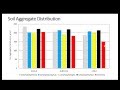
Soil organic matter is vital for soil health, acting as a fulcrum for management practices. Conventional diets of high-residue, feast-famine cycles degrade soil structure. Potential SOM is soil-type d
-
A study of 100 Midwest farmers using no-till, cover crops, and manure found 85% increased profitability, with over 80% reducing fertilizer inputs. 97% reported improved resilience to drought and heavy

 Community
-
Sustainable soil management practices like reducing tillage, planting cover crops, and improving crop rotations enhance soil health and drought resilience. No-till systems drastically reduce water run
Read more (opens in new window) sustainableagriculture.net
Research
-
Role of nitrogen fertilization in sustaining organic matter in cultivated soils (opens in new window)
This study found: Long-term studies show synthetic nitrogen fertilizer slows soil organic matter loss, with manure increasing it by 37%. Flooded rice soils build SOM, while wet-dry cycles accelerate loss.
-
Synergistic effects of multiple "good agricultural practices" for promoting organic carbon in soils: A systematic review of long-term experiments. (opens in new window)
This study found: Combining reduced tillage, organic amendments, crop rotation, and avoiding bare fallows increased soil organic carbon in long-term farm studies, turning land into a carbon sink.
-
Impact of Organic Farming Practices on Crop Productivity and Soil Health: A Review (opens in new window)
This study found: Organic farming practices boost soil health, increase crop resilience to drought, and enhance nutritional quality, though initial yields may be lower. Long-term benefits include carbon sequestration a
-
Sustainable Soil Management Practices in Modern Agriculture: A Systematic Review (opens in new window)
This study found: A review of Indian agriculture (2015-2024) found combined sustainable practices like reduced tillage, cover crops, and precision farming significantly improve soil health, reduce erosion, and boost ca
From the Web
-
Organic farming enhances resilience to extreme weather through improved water use efficiency, driven by higher soil organic matter (SOM) and humus. This increases water infiltration and retention, whi
3
Conditions for Success: Optimizing the SOM Effect
The effectiveness of SOM in building resilience is influenced by several factors. Climate is paramount: in hot, arid regions, SOM's water-holding capacity becomes its most critical function, while in humid, tropical climates, its role in improving aeration and preventing...
Conditions for Success: Optimizing the SOM Effect
The effectiveness of SOM in building resilience is influenced by several factors. Climate is paramount: in hot, arid regions, SOM's water-holding capacity becomes its most critical function, while in humid, tropical climates, its role in improving aeration and preventing...
The effectiveness of SOM in building resilience is influenced by several factors. Climate is paramount: in hot, arid regions, SOM's water-holding capacity becomes its most critical function, while in humid, tropical climates, its role in improving aeration and preventing nutrient loss may be more pronounced. Soil texture also matters; sandy soils benefit more dramatically from SOM's ability to bind particles and retain moisture, whereas clay soils gain resilience through improved drainage and aeration. The type of organic matter added plays a role—compost typically provides more readily available nutrients and accelerates microbial activity compared to raw, undecomposed plant residues, though both contribute long-term to soil structure. The management practices employed are key. Continuous addition of organic materials, coupled with reduced tillage and diverse cropping systems, creates a positive feedback loop for SOM accumulation. For instance, frequent applications of high-quality compost, at rates of 5-20 tonnes/ha (2-8 tons/acre) every 1-3 years, can measurably increase SOM and its benefits within 3-5 years in many soil types, especially when combined with cover cropping.
Sources behind this view
Sources behind this view
Videos & Podcasts
-
Building soil organic matter through regenerative practices like composting and regenerative grazing is key to sequestering carbon, increasing resilience, improving water retention, and boosting yield
-
Building soil organic matter requires multiple practices: crop diversity, cover crops, organic inputs, reduced tillage, and perennials. Diversified rotations, even with tillage, outperform continuous
-
Soil organic matter is vital for soil health, acting as a fulcrum for management practices. Conventional diets of high-residue, feast-famine cycles degrade soil structure. Potential SOM is soil-type d
-
Soil organic matter is built by microbial biomass, influenced by growth efficiency. Cover crops enhance microbial efficiency (55% in organic vs. 45% in conventional systems), leading to greater stable

Community
-
Soil organic matter's stability is climate-dependent; biochar offers a stable, non-biodegradable alternative, especially beneficial in wet tropical/subtropical soils for improving fertility, water ret
Read more (opens in new window) permies.com -
Soil Organic Matter (SOM) is vital for soil health and water infiltration. Plant roots, fed by photosynthesis sugars, attract fungi that produce glomalin, aggregating soil particles and creating pores
Read more (opens in new window) ucanr.edu
Research
-
The Role of Organic Matter in Soil for Improving Crop Productivity and Soil Health (opens in new window)
This study found: Soil organic matter (SOM) is key to soil fertility and crop yields, improving soil structure, water retention, and nutrient cycling. Practices like cover crops, reduced tillage, and manure application
-
Mechanisms controlling the stabilization of soil organic matter in agricultural soils as amended with contrasting organic amendments: Insights based on physical fractionation coupled with C NMR spectroscopy. (opens in new window)
This study found: Long-term study shows organic amendment quality and quantity control soil carbon stabilization pathways. Cattle manure and sewage sludge composts increased mineral-bound soil carbon, while bark and co
-
Role of nitrogen fertilization in sustaining organic matter in cultivated soils (opens in new window)
This study found: Long-term studies show synthetic nitrogen fertilizer slows soil organic matter loss, with manure increasing it by 37%. Flooded rice soils build SOM, while wet-dry cycles accelerate loss.
-
The pros and cons of increasing soil organic matter in dryland cropping systems (opens in new window)
This study found: Review of strategies to increase soil organic matter in drylands, balancing benefits (soil health, resilience) with costs (economic, environmental). Highlights context-specific optima and unique dryla
From the Web
-
Increasing soil organic matter (SOM) requires reducing erosion and increasing inputs. Key practices include minimizing tillage, retaining crop residue, diversifying rotations, incorporating perennials
-
Organic farming enhances resilience to extreme weather through improved water use efficiency, driven by higher soil organic matter (SOM) and humus. This increases water infiltration and retention, whi
-
Provides practical strategies to increase soil organic matter (SOM) by controlling erosion, reducing tillage, retaining crop residue, diversifying rotations with perennials, using cover crops, and inc
-
Rotations with perennial forages and crop residue management significantly increase soil organic matter, enhance soil biology, and improve water quality by reducing nutrient loss and greenhouse gas em
4
Interaction Effects: SOM and the Broader Farm System
Soil organic matter does not function in isolation; it profoundly interacts with other aspects of farm resilience. For example, enhanced soil structure from SOM improves the efficacy of water harvesting techniques, such as contour bunds or swales, by allowing captured...
Interaction Effects: SOM and the Broader Farm System
Soil organic matter does not function in isolation; it profoundly interacts with other aspects of farm resilience. For example, enhanced soil structure from SOM improves the efficacy of water harvesting techniques, such as contour bunds or swales, by allowing captured...
Soil organic matter does not function in isolation; it profoundly interacts with other aspects of farm resilience. For example, enhanced soil structure from SOM improves the efficacy of water harvesting techniques, such as contour bunds or swales, by allowing captured water to infiltrate rather than run off. This amplified water security is crucial in semi-arid regions of South Africa where seasonal rainfall patterns are erratic. Furthermore, a biologically robust soil rich in SOM can better utilize nutrients from integrated livestock manure applications or nitrogen-fixing cover crops, creating a more synergistic nutrient cycle that requires less external synthetic fertilizer input. This integration minimizes vulnerability to global fertilizer market price shocks. In diverse cropping systems, SOM supports a wider range of beneficial insects and pollinators, contributing to both pest control and crop pollination, thus enhancing overall farm productivity and stability.
Sources behind this view
Sources behind this view
Videos & Podcasts
-
Building soil organic matter through regenerative practices like composting and regenerative grazing is key to sequestering carbon, increasing resilience, improving water retention, and boosting yield
-
Building soil organic matter requires multiple practices: crop diversity, cover crops, organic inputs, reduced tillage, and perennials. Diversified rotations, even with tillage, outperform continuous
-
Soil organic matter is vital for soil health, acting as a fulcrum for management practices. Conventional diets of high-residue, feast-famine cycles degrade soil structure. Potential SOM is soil-type d
-
Soil organic matter is built by microbial biomass, influenced by growth efficiency. Cover crops enhance microbial efficiency (55% in organic vs. 45% in conventional systems), leading to greater stable
Community
-
Soil Organic Matter (SOM) is vital for soil health and water infiltration. Plant roots, fed by photosynthesis sugars, attract fungi that produce glomalin, aggregating soil particles and creating pores
Read more (opens in new window) ucanr.edu
Research
-
The Role of Organic Matter in Soil for Improving Crop Productivity and Soil Health (opens in new window)
This study found: Soil organic matter (SOM) is key to soil fertility and crop yields, improving soil structure, water retention, and nutrient cycling. Practices like cover crops, reduced tillage, and manure application
-
Role of nitrogen fertilization in sustaining organic matter in cultivated soils (opens in new window)
This study found: Long-term studies show synthetic nitrogen fertilizer slows soil organic matter loss, with manure increasing it by 37%. Flooded rice soils build SOM, while wet-dry cycles accelerate loss.
-
Anthropogenic and Inherent Effects on Soil Organic Carbon across the U.S (opens in new window)
This study found: Cover crops and reduced tillage increased U.S. soil organic matter, while manure boosted it significantly. Diversified systems were best; rain helped, heat hurt. Soil type mattered.
-
Managing soil organic matter – implications for soil structure on organic farms (opens in new window)
This study found: Fresh organic matter, especially from organic farming practices like cover crops and leys, is key to building good soil structure by binding soil particles. Organic farms often have better soil struct
From the Web
-
Organic farming enhances resilience to extreme weather through improved water use efficiency, driven by higher soil organic matter (SOM) and humus. This increases water infiltration and retention, whi
-
Organic agriculture increases soil organic matter (SOM), which enhances beneficial soil microbes, nutrient cycling, and plant disease control. Higher SOM improves soil structure, reduces erosion, and
-
Organic agriculture builds soil organic matter (SOM) by recycling plant/animal residues, enhancing soil microbes, improving structure, and increasing water retention. This reduces erosion, greenhouse
5
Measuring the Effect: Practical Indicators of SOM-Driven Resilience
Farmers can observe several tangible indicators of increasing SOM and its impact on resilience. Soil color and texture are early visual cues: soils become darker brown or black with higher SOM content, and they develop a more friable, crumbly texture that is not sticky...
Measuring the Effect: Practical Indicators of SOM-Driven Resilience
Farmers can observe several tangible indicators of increasing SOM and its impact on resilience. Soil color and texture are early visual cues: soils become darker brown or black with higher SOM content, and they develop a more friable, crumbly texture that is not sticky...
Farmers can observe several tangible indicators of increasing SOM and its impact on resilience. Soil color and texture are early visual cues: soils become darker brown or black with higher SOM content, and they develop a more friable, crumbly texture that is not sticky when wet or dusty when dry. Water infiltration rate can be measured using simple methods like the "trowel test" or more formalized infiltrometer tests, where soils with higher SOM will absorb water significantly faster—often doubling or tripling infiltration rates in 3-5 years of management. Earthworm counts are a good biological indicator; an increase from fewer than 2-5 earthworms per square meter to 10-20 or more in a typical soil pit over 2-4 years signifies a healthier soil ecosystem powered by SOM. Reduced wheel rutting during wet periods and improved post-harvest soil moisture detected by feel or simple moisture meters are direct observations of improved soil structure and water management due to SOM. Another indicator is plant vigor and uniformity, where crops exhibit less stress during marginal weather conditions and demonstrate more consistent growth across the field.
Sources behind this view
Sources behind this view
Videos & Podcasts
-
Soil organic matter is vital for soil health, acting as a fulcrum for management practices. Conventional diets of high-residue, feast-famine cycles degrade soil structure. Potential SOM is soil-type d
-
Increasing soil organic matter (SOM) by 1% on an 8000-acre farm in Oklahoma can significantly boost water holding capacity by 217 million gallons, improving water infiltration from 0.5 inches/hour to
Research
-
The Role of Organic Matter in Soil for Improving Crop Productivity and Soil Health (opens in new window)
This study found: Soil organic matter (SOM) is key to soil fertility and crop yields, improving soil structure, water retention, and nutrient cycling. Practices like cover crops, reduced tillage, and manure application
-
Comparative analysis of soil organic matter fractions, lability, stability ratios, and carbon management index in various land use types within bharatpur catchment, Chitwan District, Nepal (opens in new window)
This study found: Forests and organic farms in Nepal had significantly higher soil organic matter and better soil health indicators (CMI, SR) compared to conventional farms and pastures.
-
Soil organic matter as sole indicator of soil degradation. (opens in new window)
This study found: Soil organic matter (SOM) is a key indicator of soil health, influencing structure and nutrients. Tracking changes and focusing on labile/microbial SOM components offers earlier detection of soil degr
-
Quantitative Approaches in Assessing Soil Organic Matter Dynamics for Sustainable Management (opens in new window)
This study found: Review of methods to measure soil organic matter (SOM) dynamics (breakdown, stability) for sustainable farm management. Accurate assessment requires long-term data on SOM quantity and quality.
6
Regional Variation: Global Examples of SOM's Role in Resilience
The emphasis on specific SOM benefits varies globally. In the dusty plains of Argentina, increasing SOM has been critical for stabilizing soils against wind erosion and improving water infiltration for rain-fed summer crops, with farmers employing no-till and cover crops...
Regional Variation: Global Examples of SOM's Role in Resilience
The emphasis on specific SOM benefits varies globally. In the dusty plains of Argentina, increasing SOM has been critical for stabilizing soils against wind erosion and improving water infiltration for rain-fed summer crops, with farmers employing no-till and cover crops...
The emphasis on specific SOM benefits varies globally. In the dusty plains of Argentina, increasing SOM has been critical for stabilizing soils against wind erosion and improving water infiltration for rain-fed summer crops, with farmers employing no-till and cover crops seeing a 0.2-0.5% annual increase in SOM over 5-8 years. In the humid tropics of the Philippines, building SOM through composting and green manures helps to prevent the severe nutrient leaching and soil compaction that plagues many smallholder farms, leading to improved yields of staple crops like rice and corn by 5-15% within 4-6 years. In the drier northern regions of Kenya, increasing SOM in grazing lands is not just about water retention but also about enhancing pasture quality and drought tolerance, supporting livestock resilience which is the backbone of many livelihoods. Here, even a 0.5% increase in SOM can mean the difference between pasture survival and severe degradation during prolonged dry seasons.
Sources behind this view
Sources behind this view
Videos & Podcasts
-
Building soil organic matter through regenerative practices like composting and regenerative grazing is key to sequestering carbon, increasing resilience, improving water retention, and boosting yield
-
Building soil organic matter requires multiple practices: crop diversity, cover crops, organic inputs, reduced tillage, and perennials. Diversified rotations, even with tillage, outperform continuous
-
Soil organic matter is vital for soil health, acting as a fulcrum for management practices. Conventional diets of high-residue, feast-famine cycles degrade soil structure. Potential SOM is soil-type d
-
Increasing soil organic matter (SOM) by 1% on an 8000-acre farm in Oklahoma can significantly boost water holding capacity by 217 million gallons, improving water infiltration from 0.5 inches/hour to
Research
-
The Role of Organic Matter in Soil for Improving Crop Productivity and Soil Health (opens in new window)
This study found: Soil organic matter (SOM) is key to soil fertility and crop yields, improving soil structure, water retention, and nutrient cycling. Practices like cover crops, reduced tillage, and manure application
-
Role of nitrogen fertilization in sustaining organic matter in cultivated soils (opens in new window)
This study found: Long-term studies show synthetic nitrogen fertilizer slows soil organic matter loss, with manure increasing it by 37%. Flooded rice soils build SOM, while wet-dry cycles accelerate loss.
-
The pros and cons of increasing soil organic matter in dryland cropping systems (opens in new window)
This study found: Review of strategies to increase soil organic matter in drylands, balancing benefits (soil health, resilience) with costs (economic, environmental). Highlights context-specific optima and unique dryla
-
Anthropogenic and Inherent Effects on Soil Organic Carbon across the U.S (opens in new window)
This study found: Cover crops and reduced tillage increased U.S. soil organic matter, while manure boosted it significantly. Diversified systems were best; rain helped, heat hurt. Soil type mattered.
From the Web
-
Increasing soil organic matter (SOM) requires reducing erosion and increasing inputs. Key practices include minimizing tillage, retaining crop residue, diversifying rotations, incorporating perennials
-
Organic farming enhances resilience to extreme weather through improved water use efficiency, driven by higher soil organic matter (SOM) and humus. This increases water infiltration and retention, whi
-
Offers practical strategies to increase soil organic matter (SOM) by reducing loss through erosion control and reduced tillage, and increasing SOM via crop residue retention, diverse rotations, perenn
7
Research Gaps: Unanswered Questions in SOM and Resilience
While the benefits of SOM are well-established, precise quantification of its exact contribution to farm-level resilience across all scales and systems remains an area of ongoing research. The complex interplay between SOM, specific soil microbiomes, regional climate...
Research Gaps: Unanswered Questions in SOM and Resilience
While the benefits of SOM are well-established, precise quantification of its exact contribution to farm-level resilience across all scales and systems remains an area of ongoing research. The complex interplay between SOM, specific soil microbiomes, regional climate...
While the benefits of SOM are well-established, precise quantification of its exact contribution to farm-level resilience across all scales and systems remains an area of ongoing research. The complex interplay between SOM, specific soil microbiomes, regional climate variations, and chosen farming enterprises means a one-size-fits-all predictive model is challenging to develop. For instance, understanding the optimal SOM threshold for specific crops in vastly different climates (e.g., coffee in Ethiopia versus wheat in Canada) and how this threshold impacts resilience to climate shocks like unseasonal frosts or extreme heatwaves requires further localized study. Additionally, finer details on the economic return on investment for SOM building practices, considering the diverse subsidy landscapes and market structures across continents, could be further illuminated to encourage wider adoption, especially among smaller landholders.
Sources behind this view
8
Connecting Science to Practice: Translating SOM Mechanisms into Management
Understanding the science of SOM translates directly into actionable farm management decisions. Knowing that SOM improves water infiltration means prioritizing practices like cover cropping and reduced tillage, which protect soil structure. Recognizing SOM as a nutrient...
Connecting Science to Practice: Translating SOM Mechanisms into Management
Understanding the science of SOM translates directly into actionable farm management decisions. Knowing that SOM improves water infiltration means prioritizing practices like cover cropping and reduced tillage, which protect soil structure. Recognizing SOM as a nutrient...
Understanding the science of SOM translates directly into actionable farm management decisions. Knowing that SOM improves water infiltration means prioritizing practices like cover cropping and reduced tillage, which protect soil structure. Recognizing SOM as a nutrient reservoir encourages farmers to incorporate diverse organic inputs such as compost, biochar, or animal manures, and to phase out reliance on synthetic fertilization over 3-7 years as soil biological processes mature. The knowledge that SOM supports a healthy soil food web validates the integration of livestock, complex crop rotations, and minimal disruption of the soil environment. For example, a farmer seeking to improve drought resilience might implement a diverse cover crop mix (e.g., legumes, grasses, brassicas) in their rotation, using it to add biomass and feed soil biology, aiming for an annual increase of 0.2-0.4% in SOM over 5-10 years. This focus on building living systems, rather than simply applying inputs, is the hallmark of managing for resilience.
9
Know the Debate
Building soil organic matter (SOM) is central to farm resilience, but outcomes depend on your specific context. In humid regions with ample rainfal...
Know the Debate
Building soil organic matter (SOM) is central to farm resilience, but outcomes depend on your specific context. In humid regions with ample rainfal...
Building soil organic matter (SOM) is central to farm resilience, but outcomes depend on your specific context. In humid regions with ample rainfall, SOM's ability to improve soil structure and nutrient cycling is key. In semi-arid rangelands or drought-prone areas worldwide, SOM's water-holding capacity is paramount. While visible improvements in soil health can emerge within 3-7 years, substantial gains in stable SOM and resilience against extreme weather typically take 10-20+ years of consistent management. Practices such as cover cropping, reduced tillage, livestock integration, and compost application are vital, but their effect on timelines and water retention capacity is modulated by soil texture, climate, and specific management intensity.
How long does it take to build meaningful soil organic matter?
Initial improvements (3-7 years)
Visible changes in soil structure, water infiltration, and microbial activity can appear within 3-7 years with consistent regenerative practices. These initial gains offer early resilience benefits and indicate a positive trajectory.
Sources behind this view
Sources behind this view
Videos & Podcasts
-
Increasing soil organic matter (carbon) is crucial; regenerative practices have raised it from 1.6-1.9% to over 5% by eliminating tillage and drastically reducing synthetics, improving water infiltration.
-
Building soil organic matter requires multiple practices: crop diversity, cover crops, organic inputs, reduced tillage, and perennials. Diversified rotations, even with tillage, outperform continuous corn monocultures in improving soil organic matter and soybean yields.
From the Web
-
Organic agriculture increases soil organic matter (SOM), which enhances beneficial soil microbes, nutrient cycling, and plant disease control. Higher SOM improves soil structure, reduces erosion, and increases water retention for drought resilience.
Substantial gains (10-20+ years)
Achieving significant, stable increases in total soil organic matter (e.g., 1% or more) and profound resilience against extreme weather often requires 10-20 years of sustained effort, especially on depleted soils or in drier climates.
Sources behind this view
Sources behind this view
Videos & Podcasts
-
Increasing soil organic matter (SOM) by 1% on an 8000-acre farm in Oklahoma can significantly boost water holding capacity by 217 million gallons, improving water infiltration from 0.5 inches/hour to much higher rates, thus preventing runoff and enhancing crop resilience.
Research
-
Networking our science to characterize the state, vulnerabilities, and management opportunities of soil organic matter. (opens in new window)
This study found: Soil organic matter (SOM) is vital for healthy land, growing food, and holds the largest amount of carbon that cycles through the environment. Farming practices have caused many soils to lose carbon, but there are ways to improve soil productivity and store more carbon in degraded areas. Changing climate also makes soil carbon vulnerable to being released. To accurately measure how much carbon is stored or lost, we need better data and management practices based on a strong understanding of how soil holds onto carbon over time. A global network of soil scientists is highlighting the need for better data sharing and communication to guide research and management of soil organic matter for better farm yields and climate stability.
-
Bacterial richness enhances the thermostability of soil organic matter via a long-term trade-off between molecular diversity and thermodynamic stability. (opens in new window)
This study found: A long-term study in experimental rice and dryland fields found that soil organic matter (SOM) becomes more resistant to decomposition (more stable) over decades. This increased stability is linked to the chemical nature of the organic matter molecules themselves. Interestingly, as the organic matter becomes more chemically stable, it also becomes less diverse in terms of the types of molecules present. The study discovered that a greater variety of soil bacteria (higher bacterial richness) helps to boost this stability of soil organic matter. This suggests that farming practices that encourage a diverse community of soil bacteria could lead to more persistent soil organic matter, which is beneficial for soil health.
Making Sense of the Differences
The timeline for building meaningful soil organic matter (SOM) varies based on starting conditions, climate, and management. Initial improvements in SOM, microbial activity, and soil structure can appear in 3-7 years with consistent regenerative practices in humid regions. However, significant and stable increases in total soil carbon, crucial for profound resilience against drought and flood, typically take 10-20+ years of dedicated effort, especially on degraded soils or in drier climates where organic matter decomposition and accumulation are slower. Farmers should anticipate gradual progress with early indicators of health, recognizing that building a robust SOM bank is a long-term investment.