
How do I integrate livestock with crops?
Integrating livestock with cropping systems builds soil fertility, enhances nutrient cycling, and diversifies farm income by strategically moving animals through crop fields or adjacent pastures. This approach involves planned grazing rotations, where animals graze cover crops, crop residues, or dedicated pastures at specific times to deposit manure and organic matter, suppress weeds, and reduce the need for external inputs. Successful integration requires careful planning of animal numbers, grazing duration, animal selection, and crop choices to align with the farm's goals and ecological capacity, often phased in over 3-5 years to allow soil biological systems to adapt and mature.
Read More: Complete Description
Sources behind this view
Sources behind this view
 Videos & Podcasts
-
Integrating livestock (especially ruminants) with cover crops accelerates nutrient cycling, boosts soil biology, and breaks weed cycles. It creates economic opportunities by making diverse rotations p
-
Livestock integration is key to soil health, requiring short exposure and long rest grazing to avoid compaction. Creative solutions like 'stacking fiefdoms' allow integration without ownership, creati
-
John Jeff integrates livestock grazing with dual-purpose crops (e.g., cereal rye, hairy vetch) sown in February at 850m elevation. Livestock recycle biomass, build soil fertility, and produce 400-600
-
Integrating livestock and cover crops enhances soil health by decompacting soil, providing free fertilizer from manure/urine, and stimulating microbial activity to solubilize minerals. This approach i
 Community
-
Details an integrated system of Managed Intensive Rotational Grazing (MIRG) with crop production using no-till and mulching, incorporating chickens for pest control and fertilization, and rotating cro
Read more (opens in new window) permies.com
 Research
-
Smart investments in sustainable food production: revisiting mixed crop-livestock systems (opens in new window)
This study found: Mixed crop-livestock systems are key to global food production, especially for smallholders, providing manure, traction, and income. Sustainable intensification requires smart investments in inputs, m
-
Livestock in no-till cropping systems – a story of trade-offs (opens in new window)
This study found: Integrating livestock into no-till farming offers diversification and risk management, but requires careful balancing of soil health, weed control, and economics. Rotational grazing can mitigate negat
-
Farming with forages can reconnect crop and livestock operations to enhance circularity and foster ecosystem services (opens in new window)
This study found: Integrating crops and livestock with forages can boost sustainability by improving nutrient cycling, soil health, and biodiversity, reducing pollution and emissions. Practices like using cover crops f
-
Integrated Livestock Farming: A Holistic Management Approach (opens in new window)
This study found: Integrating livestock with crops boosts income and food security for small farms by recycling waste, reducing pollution, and diversifying production, while creating jobs.
 From the Web
-
Ten best practices for integrating livestock into crop rotations: identify land use, plan rotations, manage stocking rates, select appropriate pastures, use fencing, move livestock frequently, encoura
-
Livestock grazing solves farm problems by improving soil, controlling weeds, pests, and diseases, and enhancing resilience to climate change. Specific grazing strategies target pests like alfalfa weev
-
Integrating ruminant livestock into crop systems enhances soil health by stimulating root exudates for humus building, cycling 70-80% of consumed nutrients, inoculating soil with beneficial microbes,
-
Ten tips for integrating livestock into crop rotations, focusing on enhancing soil fertility and nutrient cycling through manure management and planned pasture rotations for a sustainable farming syst
Key Points
Start Here
- Assess existing farm resources: land, labor, capital, livestock access.
- Define integration goals: soil health, diversified income, reduced inputs.
- Start small: pilot with a few animals or a single field.
- Research local climate and soil types for best practices.
Key Methods
- Planned grazing across crop residues and cover crops.
- Utilize portable electric fencing for flexible paddocks.
- Select livestock suited to climate and forage availability.
- Deposit manure strategically for fertility enhancement.
Timing Sequence
- Graze crop residues post-harvest (autumn/early spring).
- Incorporate livestock into cover crop cycles.
- Adjust grazing duration based on forage and soil moisture.
- Plan crop rotations considering livestock impact and manure.
System Integration
- Enhances soil organic matter and biological activity.
- Recycles nutrients, reducing synthetic fertilizer reliance.
- Diversifies farm income streams.
- Contributes to weed and pest management cycles.
Know the Debate
- Nutrient benefits appear in 1-2 years (manure), with deeper soil health over 3-5+ years.
- Livestock integration can be optional or essential, depending on goals and context.
- Infrastructure needs range widely: scaled from portable to permanent systems.
- Requires careful planning, monitoring, and adaptive management.
- Benefits soil health, nutrient cycling, and farm resilience.
Going Deeper
1
Getting Started: Planning and Prerequisites
Before introducing livestock to cropping land, thorough planning is crucial to ensure a smooth and beneficial transition. The first step is a detailed farm assessment. This involves evaluating available land for grazing (including crop residues, cover crops, and existing...
Getting Started: Planning and Prerequisites
Before introducing livestock to cropping land, thorough planning is crucial to ensure a smooth and beneficial transition. The first step is a detailed farm assessment. This involves evaluating available land for grazing (including crop residues, cover crops, and existing...
Before introducing livestock to cropping land, thorough planning is crucial to ensure a smooth and beneficial transition. The first step is a detailed farm assessment. This involves evaluating available land for grazing (including crop residues, cover crops, and existing pastures), water sources, and current infrastructure. Assess your capacity for managing livestock, including labor availability, expertise, and existing equipment. For farms transitioning from conventional practices, understanding the existing soil health baseline—including organic matter content, soil structure, and microbial activity—is vital for tracking progress.
Identify clear objectives for integration. Are you aiming to build soil fertility, break pest cycles, diversify income, or reduce input costs? Each goal will influence your choice of livestock, grazing strategy, and timing. For instance, building fertility might prioritize longer grazing periods with mature animals, while pest management might require shorter grazing windows with specific plant stages. Researching successful crop-livestock integration models in your region or similar agro-ecological zones can offer valuable insights and practical examples. Consult with experienced regenerative farmers, local extension services, or advisory groups specialized in integrated systems. A phased approach, starting with a small pilot project on a portion of the farm, is highly recommended to gain experience and refine techniques before full-scale implementation.
Sources behind this view
Sources behind this view
Videos & Podcasts
-
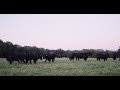
Newcomers to livestock integration should prioritize education, visiting experienced farmers, and assessing infrastructure (fencing, water). Start simple (e.g., grazing wheat regrowth) before complex
-
Livestock impact, cover crops, and extended grazing are key to soil health and profitability, reducing tillage and hay feeding. Metrics include soil organic matter, infiltration, Brix levels, and stoc
-
Livestock integration is presented as the fastest, easiest, and most scalable method for building soil health and sequestering carbon. Chickens offer quick returns, while sheep and pigs have specific

-
Regenerative agriculture emphasizes adaptive grazing with daily moves and high stock density to improve soil health, reduce synthetic inputs, and build soil carbon. Diversity, manure management, and c
Community
-
Details an integrated system of Managed Intensive Rotational Grazing and rotational cropping using holistic management. It emphasizes increasing forage availability, integrating livestock (cattle, chi
Read more (opens in new window) permies.com -
Details an integrated system of Managed Intensive Rotational Grazing (MIRG) with crop production using no-till and mulching, incorporating chickens for pest control and fertilization, and rotating cro
Read more (opens in new window) permies.com -
A nine-step farm establishment plan prioritizing climate and geography, followed by water harvesting, access roads, building restoration, subdivision, soil building, planting trees and crops, introduc
Read more (opens in new window) permies.com -
Recommends a phased approach to introducing livestock, focusing on one system at a time and building soil/forage first. Emphasizes learning from animals and using failures as part of the system, and h
Read more (opens in new window) permies.com
Research
-
Livestock in no-till cropping systems – a story of trade-offs (opens in new window)
This study found: Integrating livestock into no-till farming offers diversification and risk management, but requires careful balancing of soil health, weed control, and economics. Rotational grazing can mitigate negat
-
Smart investments in sustainable food production: revisiting mixed crop-livestock systems (opens in new window)
This study found: Mixed crop-livestock systems are key to global food production, especially for smallholders, providing manure, traction, and income. Sustainable intensification requires smart investments in inputs, m
-
Integrating intensive livestock and cropping systems: Sustainable design and location (opens in new window)
This study found: A new farm design method integrates livestock and crops to cut environmental impact by 35% and lower costs, using waste for fertilizer and biogas. Tested in Spain with 1000 cattle.
-
Integrated Crop–Livestock Systems in the Southeastern USA (opens in new window)
This study found: Integrating crops and livestock in the southeastern US can boost farm production and environmental health. Practices like sod-based rotations, cover cropping, and conservation tillage improve soil hea
From the Web
-
Ten best practices for integrating livestock into crop rotations: identify land use, plan rotations, manage stocking rates, select appropriate pastures, use fencing, move livestock frequently, encoura
-
Adapting to livestock integration in cropping systems involves rethinking priorities, managing compaction through high-density short-duration grazing and adequate forage, ensuring water access, and ut
-
Adapting to livestock integration involves rethinking priorities, managing compaction through high-density, short-duration grazing with sufficient dry matter (min 3,000 lbs/acre), and addressing water
-
Integrated crop-livestock management combines crops and animals on one farm, offering benefits like reduced costs, improved soil health, and increased biodiversity. Ruminants and poultry are easily in
2
Step-by-Step Process: From Concept to Integrated Farm
Define Your Rotation and Grazing Plan: Design a crop rotation that accommodates livestock integration. This might include a period where livestock graze cover crops, crop residues, or dedicated pasture phases. Develop a grazing plan that specifies the type of livestock,...
Step-by-Step Process: From Concept to Integrated Farm
Define Your Rotation and Grazing Plan: Design a crop rotation that accommodates livestock integration. This might include a period where livestock graze cover crops, crop residues, or dedicated pasture phases. Develop a grazing plan that specifies the type of livestock,...
-
Define Your Rotation and Grazing Plan: Design a crop rotation that accommodates livestock integration. This might include a period where livestock graze cover crops, crop residues, or dedicated pasture phases. Develop a grazing plan that specifies the type of livestock, stocking density, duration of grazing in each paddock, and rest periods for regrowth. This plan should be flexible to adapt to seasonal variations and plant growth rates.
-
Select Appropriate Livestock: Choose livestock species and breeds that are well-suited to your region's climate and available forage. Cattle are excellent for grazing larger areas and residues. Sheep and goats can be effective in managing weeds in orchards and vineyards, or on more challenging terrain. Pastured poultry can follow larger livestock, gleaning insects and remaining seeds, and adding manure to fields. Consider the manure quality and nutrient content of different species.
-
Implement Managed Grazing Infrastructure: Invest in infrastructure like portable electric fencing, water troughs, and potentially laneways to move livestock efficiently. A well-designed grazing infrastructure allows for precise control over where animals graze and for how long, which is critical for ecological outcomes. For example, setting up 10-20 paddocks for rotational grazing can significantly improve forage utilization and pasture rest compared to a single large pasture, with initial fencing costs for a 10-hectare (25-acre) area potentially ranging from $1,000-3,000 ($100-300/ha or $40-120/acre) for a multi-paddock system.
-
Introduce Livestock to Fields Strategically: Timing is paramount.
- Post-Harvest Grazing (Autumn/Early Spring): Introduce livestock onto crop residues after the cash crop is harvested. This recycles nutrients, breaks down stubble, and reduces weed seed banks.
- Cover Crop Grazing (Winter/Spring): Utilize livestock to graze winter cover crops. This can terminate less hardy cover crops, recycle nutrients before planting the next cash crop, and stimulate future growth. Ensure adequate forage is available to prevent overgrazing.
- Intercropping Grazing (Summer/Seasonal): In some systems, livestock may graze intercrops or companion plantings, contributing to both crop and animal productivity.
-
Monitor and Adjust: Continuously monitor soil health indicators (organic matter, structure, earthworm populations), crop performance (yield, pest incidence), and livestock health and performance. Use this data to refine your grazing plan, adjust stocking densities, and optimize the timing of livestock movements. Be prepared to adapt your plan based on environmental conditions and observed results.
Sources behind this view
Sources behind this view
Videos & Podcasts
-
Newcomers to livestock integration should prioritize education, visiting experienced farmers, and assessing infrastructure (fencing, water). Start simple (e.g., grazing wheat regrowth) before complex
-
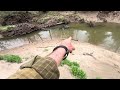
Integrating livestock is essential for managing brush and invasives, improving wildlife and hunting, and enhancing soil health through grazing and wood chipping for fungi.
-
Livestock impact, cover crops, and extended grazing are key to soil health and profitability, reducing tillage and hay feeding. Metrics include soil organic matter, infiltration, Brix levels, and stoc
-
John Jeff integrates livestock grazing with dual-purpose crops (e.g., cereal rye, hairy vetch) sown in February at 850m elevation. Livestock recycle biomass, build soil fertility, and produce 400-600
Community
-
Details an integrated system of Managed Intensive Rotational Grazing and rotational cropping using holistic management. It emphasizes increasing forage availability, integrating livestock (cattle, chi
Read more (opens in new window) permies.com -
Details an integrated system of Managed Intensive Rotational Grazing (MIRG) with crop production using no-till and mulching, incorporating chickens for pest control and fertilization, and rotating cro
Read more (opens in new window) permies.com -
Manage rotational grazing by setting recovery (15-40+ days, adapting to region/season) and grazing periods (2-3 days). Aim to 'take half, leave half' for livestock and soil microbes. High stocking den
Read more (opens in new window) smallfarms.cornell.edu -
Prescribed grazing is a controlled harvest of vegetation by animals to improve plant health, animal productivity, water quality, and soil conditions. Key components include resource inventory, balanci
Read more (pp. 1-2) (opens PDF, pp. 1-2) efotg.sc.egov.usda.gov
Research
-
Livestock in no-till cropping systems – a story of trade-offs (opens in new window)
This study found: Integrating livestock into no-till farming offers diversification and risk management, but requires careful balancing of soil health, weed control, and economics. Rotational grazing can mitigate negat
-
Managing Grazing to Restore Soil Health, Ecosystem Function, and Ecosystem Services (opens in new window)
This study found: Properly managed grazing animals can reverse environmental damage. Regenerative practices, like Adaptive Multi-Paddock (AMP) grazing, boost soil health, increase soil carbon, reduce erosion, and enhan
-
Smart investments in sustainable food production: revisiting mixed crop-livestock systems (opens in new window)
This study found: Mixed crop-livestock systems are key to global food production, especially for smallholders, providing manure, traction, and income. Sustainable intensification requires smart investments in inputs, m
-
Farming with forages can reconnect crop and livestock operations to enhance circularity and foster ecosystem services (opens in new window)
This study found: Integrating crops and livestock with forages can boost sustainability by improving nutrient cycling, soil health, and biodiversity, reducing pollution and emissions. Practices like using cover crops f
From the Web
-
Livestock grazing solves farm problems by improving soil, controlling weeds, pests, and diseases, and enhancing resilience to climate change. Specific grazing strategies target pests like alfalfa weev
-
Ten best practices for integrating livestock into crop rotations: identify land use, plan rotations, manage stocking rates, select appropriate pastures, use fencing, move livestock frequently, encoura
-
A grazing plan is essential for efficient land and livestock management, improving profitability. It involves mapping pastures, documenting herd details, identifying decision points for flexibility, a
-
Adapting to livestock integration involves rethinking priorities, managing compaction through high-density, short-duration grazing with sufficient dry matter (min 3,000 lbs/acre), and addressing water
3
Seasonal Timing: A Hemisphere-Neutral Framework
Integrating livestock with crops requires meticulous attention to seasonal cycles, ensuring that animal impact complements, rather than compromises, crop growth. Early Spring (March-April Northern Hemisphere; September-October Southern Hemisphere): This period is crucial...
Seasonal Timing: A Hemisphere-Neutral Framework
Integrating livestock with crops requires meticulous attention to seasonal cycles, ensuring that animal impact complements, rather than compromises, crop growth. Early Spring (March-April Northern Hemisphere; September-October Southern Hemisphere): This period is crucial...
Integrating livestock with crops requires meticulous attention to seasonal cycles, ensuring that animal impact complements, rather than compromises, crop growth.
Early Spring (March-April Northern Hemisphere; September-October Southern Hemisphere): This period is crucial for grazing winter cover crops. Livestock can graze actively growing cover crops like vetch, rye, or clover, harvesting biomass and depositing manure. This helps recycle nitrogen accumulated by legumes and breaks down the cover crop plant material, preparing the field for planting. For farms in cooler temperate zones, this grazing phase may transition into later spring as temperatures rise and growth accelerates. Grazing during this period also helps manage soil moisture by reducing transpiration from cover crops, preventing waterlogged conditions before cash crop planting.
Late Spring/Early Summer (May-June Northern Hemisphere; November-December Southern Hemisphere): As cash crops establish, direct grazing on these young crops is generally avoided. However, some systems might utilize livestock to graze along established intercrops or forage margins, contributing to weed suppression and nutrient cycling without negatively impacting the primary crop's development. For dairy operations, managing grazing on high-quality pastures during this peak growth period maximizes milk production and overall forage utilization.
Mid-Summer (July-August Northern Hemisphere; January-February Southern Hemisphere): In many regions, mid-summer can present challenges with heat and potential drought, leading to reduced forage quality and growth. Livestock integration might involve moving animals to less moisture-stressed pastures, utilizing drought-tolerant cover crops, or providing supplemental feed if necessary. In systems with fall-sown cover crops that were grazed in spring and then allowed to regrow, a second, lighter grazing might occur if rainfall permits and soil health is not compromised. Managing water intake and providing shade for animals is paramount during this period, especially in hot climates.
Late Summer/Autumn (September-October Northern Hemisphere; March-April Southern Hemisphere): This is a peak time for crop residue grazing. After the harvest of grains, corn, or other crops, fields are often abundant with stalks, leaves, and leftover grain. Livestock can effectively graze these residues, gleaning remaining nutrients and organic matter. This grazing also helps to break down stubble, improving its incorporation into the soil by subsequent tillage (if used) or natural decomposition processes. This is also an ideal time to sow new cover crops, which can then be grazed later in the autumn or in the following spring. For perennial systems like orchards or vineyards, late summer/autumn might be when animals are introduced to graze cover crops planted between rows, or to clean up fallen fruit.
Winter (November-February Northern Hemisphere; May-August Southern Hemisphere): In regions with milder winters, livestock can continue to graze dormant pastures or specific winter annual cover crops. This maintains a continuous cycle of nutrient recycling and soil cover. In colder climates, livestock may be brought into a confinement setting for winter. However, regenerative approaches increasingly focus on keeping livestock on pasture year-round, utilizing winter-hardy forages, hay or silage supplementation on pasture, and managed grazing techniques that protect the soil from extreme weather, ensuring their manure remains on the land rather than being concentrated in waste lagoons.
Sources behind this view
Sources behind this view
Videos & Podcasts
-
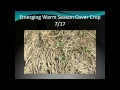
Gabe Brown employs 'bat latches' for efficient livestock grazing management on cover crops like winter triticale and hairy vetch, prioritizing soil armor. He follows grazing with diverse 'biological p
-
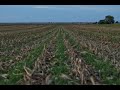
Graze cover crops in the late vegetative stage, leaving adequate biomass and allowing rest periods. Use smaller paddocks for more uniform grazing and to reduce compaction. Optimal timing balances fora
-
Tom Cotter's cover crop grazing plan starts April 1st, utilizing fall-planted covers and summer interceding. Livestock move to corn/soybean fields in September. Spring calving is timed for grazing, be
Community
-
Provides detailed contingency plans for livestock grazing, addressing winter housing, wet weather, drought, surface water access, and shade management to conserve resources and maintain economic viabi
Read more (pp. 1-3) (opens PDF, pp. 1-3) efotg.sc.egov.usda.gov
Research
-
Forages and pastures symposium: cover crops in livestock production: whole-system approach. Can cover crops pull double duty: conservation and profitable forage production in the Midwestern United States? (opens in new window)
This study found: Midwestern farmers use cover crops to improve soil health and grow livestock forage. Oats and brassicas provide nutritious fall feed, with grazing trials showing good weight gain in cattle. Spring gra
-
Integrated Crop–Livestock Systems in the Southeastern USA (opens in new window)
This study found: Integrating crops and livestock in the southeastern US can boost farm production and environmental health. Practices like sod-based rotations, cover cropping, and conservation tillage improve soil hea
-
Farming with forages can reconnect crop and livestock operations to enhance circularity and foster ecosystem services (opens in new window)
This study found: Integrating crops and livestock with forages can boost sustainability by improving nutrient cycling, soil health, and biodiversity, reducing pollution and emissions. Practices like using cover crops f
4
Equipment and Infrastructure: Enabling the Integration
Successfully integrating livestock with cropping necessitates specific equipment and infrastructure investments, though the scale and cost vary widely. Fencing: This is often the most critical investment. Portable electric fencing is essential for implementing rotational...
Equipment and Infrastructure: Enabling the Integration
Successfully integrating livestock with cropping necessitates specific equipment and infrastructure investments, though the scale and cost vary widely. Fencing: This is often the most critical investment. Portable electric fencing is essential for implementing rotational...
Successfully integrating livestock with cropping necessitates specific equipment and infrastructure investments, though the scale and cost vary widely.
Fencing: This is often the most critical investment. Portable electric fencing is essential for implementing rotational grazing, allowing for the creation of temporary paddocks and flexible management. This includes electric netting, polywire, step-in posts, and a reliable energizer. For permanent pastures or boundary fencing, woven wire or barbed wire might be used. Costs for materials can range from $0.50-$3.00/linear meter ($0.15-$1.00/linear foot) for portable electric systems and $5-$20/linear meter ($1.50-$6.00/linear foot) for permanent fencing, depending on materials and terrain.
Water Systems: Livestock require consistent access to clean water. This can involve portable water troughs connected to hoses or water tanks, or more permanent systems with pipelines and fixed waterers. The cost can vary significantly, from basic portable tanks ($100-500 each) to extensive pipeline systems ($1,000-$5,000+ for installation in larger areas). The number and location of water points will depend on paddock size, solar pump usage, and site topography.
Livestock Handling Facilities: While not always essential for small-scale operations, larger farms may benefit from a dedicated handling facility, including a small corral, loading ramp, and possibly a squeeze chute for health checks and treatments. Costs for basic facilities might start from $500-$2,000, with more elaborate setups costing tens of thousands of dollars.
Livestock Housing (Optional but beneficial): For winter grazing or protection from extreme weather, simple loafing sheds or shelters can improve animal welfare and manure distribution. These can be constructed from basic materials like timber and roofing sheets for $200-$1,000 per unit, depending on size and complexity. Livestock trailers or transport are also necessary for moving animals between fields or to/from sale yards.
Grazing Tools: Including tools for pasture monitoring, such as a pasture stick or plate meter (costing $50-$200), can help farmers more accurately assess forage availability and optimize grazing duration. Devices for collecting manure samples for nutrient analysis ($20-$50 per sample) are also valuable for fine-tuning fertility plans.
Sources behind this view
Sources behind this view
Videos & Podcasts
-
Farm infrastructure includes buildings, handling facilities (bud boxes), power options (tractors, animal power), and water systems. Ensure enterprises are viable and legal. Secure financing through Fa
-
Covers essential cattle farm infrastructure: temporary electric fencing ($800-$1000) for rotational grazing, various water sources and DIY/purchased waterers, and corrals (expensive but alternatives e

-
Newcomers to livestock integration should prioritize education, visiting experienced farmers, and assessing infrastructure (fencing, water). Start simple (e.g., grazing wheat regrowth) before complex
-
Details the financial benefits of investing in fencing and water infrastructure for grazing, estimating costs ($175/acre) and returns (66% increase in carrying capacity). Discusses specific paddock de
Community
-
Essential sheep farming infrastructure includes high-tensile woven wire fencing for predator control, portable electric fences for rotational grazing, basic shelter, and a water-hauling trailer. Buyin
Read more (opens in new window) smallfarms.cornell.edu -
Implement rotational grazing with strong perimeter and interior fencing (high tensile electric recommended, focus on grounding) and reliable water systems, using resources like 'The Art and Science of
Read more (opens in new window) smallfarms.cornell.edu
5
Common Mistakes and Troubleshooting
The transition to crop-livestock integration, while highly beneficial, can present challenges. Awareness of common pitfalls can help farmers navigate these issues effectively. Mistake 1: Overgrazing. This is the most frequent error. It occurs when animals are left in a...
Common Mistakes and Troubleshooting
The transition to crop-livestock integration, while highly beneficial, can present challenges. Awareness of common pitfalls can help farmers navigate these issues effectively. Mistake 1: Overgrazing. This is the most frequent error. It occurs when animals are left in a...
The transition to crop-livestock integration, while highly beneficial, can present challenges. Awareness of common pitfalls can help farmers navigate these issues effectively.
Mistake 1: Overgrazing. This is the most frequent error. It occurs when animals are left in a paddock for too long, consuming more forage than is being regenerated, or grazing new plant growth before it's established. Symptoms include stunted plant growth, soil compaction, reduced water infiltration, and a decline in soil organic matter over time.
- Troubleshooting: Implement strict rotational grazing with adequate rest periods for pastures and cover crops. Use portable fencing to create smaller paddocks and move animals frequently (daily or every few days). Monitor pasture condition closely; if residual height falls below 5-10 cm (2-4 in) for many grasses, it's time to move.
Mistake 2: Inadequate Planning of Nutrient Cycles. Ignoring the nutrient needs of crops or the distribution of manure can lead to fertility imbalances. For example, concentrating manure in one area while leaving others deficient.
- Troubleshooting: Develop a detailed manure management plan, considering the nutrient content of manure from different livestock and their impact on subsequent crops. Use grazing patterns to distribute manure evenly across fields. Soil testing before and after grazing cycles can help identify nutrient deficiencies or excesses and inform fertilization strategies for the cash crop.
Mistake 3: Incorrect Animal Selection. Choosing livestock that are not suited to the climate, terrain, or available forage can lead to poor animal performance, increased stress, and suboptimal ecological outcomes.
- Troubleshooting: Research breeds well-adapted to your local conditions. Consider factors like heat tolerance, grazing behavior, and feed conversion efficiency. Consult with experienced livestock producers in your area. A transition period of 1-3 years might be needed to select the most suitable species and breeds.
Mistake 4: Poor Water Management. Insufficient or contaminated water sources lead to stressed animals, reduced weight gain, and health issues, which indirectly impact the farm system.
- Troubleshooting: Ensure a reliable and accessible water supply for all paddocks. Regularly clean water troughs. For systems relying on solar pumps or long distances, have backup plans in place. Monitor water quality through occasional testing.
Mistake 5: Underestimating Infrastructure Needs. Insufficient or poorly designed fencing and water systems lead to animal escapes, increased labor, and reduced grazing control.
- Troubleshooting: Invest in quality, appropriate infrastructure. Start with a few well-designed paddocks and expand as experience grows. Maintain fences and water systems regularly. Seek advice from suppliers or experienced farmers on durable and cost-effective solutions for your specific needs.
Sources behind this view
Sources behind this view
Videos & Podcasts
-
Newcomers to livestock integration should prioritize education, visiting experienced farmers, and assessing infrastructure (fencing, water). Start simple (e.g., grazing wheat regrowth) before complex
-
Unexpected problems in regenerative systems include water access during frequent moves (solved with portable tanks), livestock husbandry challenges (requiring mentorship), and wintering out difficulti

Community
-
Avoid common rotational grazing errors: don't let animals graze depleted pastures bare, ensure adequate dry matter intake, and implement proper paddock rotation. Neglecting soil testing, fertility inp
Read more (opens in new window) smallfarms.cornell.edu
6
Monitoring and Adjustment: Tracking Success and Refining Practices
Effective crop-livestock integration relies on continuous monitoring to understand system performance and make informed adjustments. This practice is at the heart of regenerative management, allowing for adaptation to dynamic environmental and economic conditions. Key...
Monitoring and Adjustment: Tracking Success and Refining Practices
Effective crop-livestock integration relies on continuous monitoring to understand system performance and make informed adjustments. This practice is at the heart of regenerative management, allowing for adaptation to dynamic environmental and economic conditions. Key...
Effective crop-livestock integration relies on continuous monitoring to understand system performance and make informed adjustments. This practice is at the heart of regenerative management, allowing for adaptation to dynamic environmental and economic conditions.
Key Monitoring Areas:
-
Soil Health:
- Organic Matter: Measure annually or bi-annually using laboratory tests. Aim for an annual increase of 0.1-0.5%.
- Soil Structure: Conduct visual assessments (soil pits) periodically to observe aggregation, porosity, and depth of biological activity. Look for signs of reduced compaction and improved water infiltration.
- Earthworm and Macroinvertebrate Populations: Conduct simple dug-up sampling tests to count earthworms and other key soil organisms. An increasing population indicates a healthier soil food web.
-
Crop Performance:
- Yield: Track crop yields for fields with and without integrated livestock phases, comparing over several years to quantify improvements.
- Nutrient Status: Use plant tissue analysis and soil tests to assess nutrient uptake and identify any deficiencies or excesses.
- Weed and Pest Incidence: Monitor weed pressure and the prevalence of crop pests. Observing a reduction in weed biomass or pest populations can indicate the effectiveness of grazing as a management tool.
-
Livestock Performance:
- Weight Gain/Production: Monitor live weight gains for grazing animals or production metrics (milk yield, wool production). Ensure animals are thriving and meeting their production goals on the integrated forage.
- Forage Intake and Condition: Regularly assess the amount and quality of forage available, and the condition of grazing animals. Adjust stocking rates and paddock moves based on these observations.
-
Economic Indicators:
- Input Costs: Track the reduction in purchased inputs such as synthetic fertilizers, herbicides, and pesticides.
- Income Streams: Monitor the profitability of livestock enterprises and any synergistic effects on crop revenue.
- Labor Requirements: Record the time spent managing livestock and infrastructure to ensure the system remains labor-efficient.
Adjustment Strategies: Based on monitoring data, adjustments might include:
- Altering grazing duration or rest periods to optimize forage regrowth and manure distribution.
- Modifying stocking densities to prevent overgrazing or underutilization of forage.
- Adjusting the timing of livestock introduction or removal from fields based on crop development stages and seasonal conditions.
- Making infrastructure improvements (e.g., adding water points, improving fencing) to enhance management flexibility.
- Revising crop rotations to better complement livestock phases or take advantage of improved soil fertility.
- Exploring new livestock species or breeds if current ones are not optimal.
For instance, if soil organic matter is not increasing as expected (target 0.1-0.5% annually), it might indicate insufficient organic inputs, overgrazing, or poor soil microbial activity, prompting adjustments to grazing duration and perhaps the type of cover crop used. If crop yields plateau, it could signal a need to refine nutrient cycling or explore complementary soil building practices. Annual reviews of this monitoring data, perhaps during the farm's off-season, are instrumental in fostering continuous improvement.
Sources behind this view
Sources behind this view
Videos & Podcasts
-
Livestock impact, cover crops, and extended grazing are key to soil health and profitability, reducing tillage and hay feeding. Metrics include soil organic matter, infiltration, Brix levels, and stoc
-
Regenerative agriculture emphasizes adaptive grazing with daily moves and high stock density to improve soil health, reduce synthetic inputs, and build soil carbon. Diversity, manure management, and c
-
Livestock integration is key to soil health, requiring short exposure and long rest grazing to avoid compaction. Creative solutions like 'stacking fiefdoms' allow integration without ownership, creati
-
Successful grazing management hinges on knowledge and discipline. Continuous monitoring of pasture regrowth is crucial for adjusting recovery and grazing periods, ensuring optimal land health regardle

Research
-
Managing Grazing to Restore Soil Health, Ecosystem Function, and Ecosystem Services (opens in new window)
This study found: Properly managed grazing animals can reverse environmental damage. Regenerative practices, like Adaptive Multi-Paddock (AMP) grazing, boost soil health, increase soil carbon, reduce erosion, and enhan
-
Principle, technique and application of grassland improvement. (opens in new window)
This study found: Grassland improvement strategies, combining techniques like managed grazing and overseeding, significantly boost plant growth (17-38%) and diversity (2-24%) in pastures, enhancing ecosystem services.
-
Regenerative Agriculture: Restoring Ecosystems¢ Resilience and Productivity: A Review (opens in new window)
This study found: Regenerative agriculture builds soil health and ecosystem services through practices like no-till, cover crops, and diverse rotations. It increases soil organic matter, improves water infiltration, bo
-
Livestock in no-till cropping systems – a story of trade-offs (opens in new window)
This study found: Integrating livestock into no-till farming offers diversification and risk management, but requires careful balancing of soil health, weed control, and economics. Rotational grazing can mitigate negat
From the Web
-
This section emphasizes monitoring as crucial for grazing plan success, covering soil health (shovel, infiltration, slake tests), forage productivity (photo transects, clip-and-weigh), and animal beha
-
Highlights the crucial role of monitoring in grazing management for soil health, forage productivity, and animal performance. Provides methods for soil, forage, and animal monitoring, and discusses se
7
Regional Adaptations: Tailoring Integration to Diverse Environments
The principles of crop-livestock integration are universal, but their practical application must be adapted to specific regional conditions, including climate, soil type, available species, and existing farming systems. Temperate Climates (e.g., European Union, North...
Regional Adaptations: Tailoring Integration to Diverse Environments
The principles of crop-livestock integration are universal, but their practical application must be adapted to specific regional conditions, including climate, soil type, available species, and existing farming systems. Temperate Climates (e.g., European Union, North...
The principles of crop-livestock integration are universal, but their practical application must be adapted to specific regional conditions, including climate, soil type, available species, and existing farming systems.
Temperate Climates (e.g., European Union, North America, Southern Australia): In these regions, integration often involves grazing crop residues after harvest, followed by winter cover crops. Seasonal limitations due to cold weather are common. Farmers might use cattle or sheep, focusing on breaking up stubble, incorporating surface residues, and providing fertility for subsequent spring-sown crops. In areas with distinct wet and dry seasons, timing grazing to utilize cover crops during the wetter periods and residues during dry periods is crucial. Investments in winter-hardy cover crops and robust fencing are key. Example: In France's Normandy region, dairy cows might graze aftermath pastures and then be moved onto harvested cereal fields, with investments in portable fencing ($150-250/ha or $60-100/acre) to manage 2-week grazing cycles.
Tropical Climates (e.g., Brazil, India, parts of Africa): These regions often experience high rainfall and temperature, leading to rapid plant growth but also challenges with soil erosion and nutrient leaching. Integration can involve grazing livestock on pasture phases between crop cycles, or on cover crops planted during fallow periods. In degraded pasture systems, introducing crops for short periods can help rejuvenate the land. Animals are crucial for nutrient recycling in systems with limited access to synthetic fertilizers. Challenges include managing parasites and heat stress for livestock. Example: In the Western Ghats of India, smallholders might integrate goats or cattle into their intercropped farming systems, with goats grazing on fodder grown between crop rows or on surplus straw, contributing manure and reducing fodder costs by an estimated 20-30% annually, with minimal infrastructure investment beyond basic tethering.
Arid and Semi-Arid Climates (e.g., parts of Australia, North Africa, Middle East): Water scarcity is the defining factor. Integration must prioritize water efficiency and drought-resilient forages. Livestock grazing on crop residues or drought-tolerant cover crops becomes critical for nutrient recycling and maintaining soil cover. Extended rest periods for pastures are essential. Innovative water harvesting techniques, deep-rooted forages, and careful management to avoid overgrazing and soil degradation are paramount. Example: In South Australia, mixed-farming operations might graze sheep on stubbles and then on established perennial pastures or drought-tolerant annual legumes, with a strong focus on preserving soil moisture and building organic matter to improve resilience to dry conditions. Initial investment in water points may be higher due to distance, potentially $1,000-$3,000 per water site, but saves long-term on fodder.
Mediterranean Climates (e.g., Southern Europe, parts of Chile and South Africa): These regions have distinct wet winters and dry summers. Integration often involves grazing winter-growing cover crops and pastures, followed by crop grazing after summer harvest, or during the dry season. The focus is on utilizing the winter rainfall for forage production and managing grazing to protect soil during dry, hot periods. Livestock can play a vital role in controlling annual weed growth that emerges with the autumn rains, reducing the need for subsequent herbicide applications. Example: In Chile's Central Valley, sheep might graze on cover crops established after the grape harvest, followed by grazing on vineyard floor vegetation and pruning residues in summer, contributing fertility and weed management to the vineyard system. Continuous grazing management is key to prevent soil compaction during wet periods and water stress during dry spells, with fencing costs typically $200-$600/ha ($80-$240/acre).
Sources behind this view
Sources behind this view
Videos & Podcasts
-
Adaptive grazing strategies for drought include financial planning (diversification, cost reduction), livestock management (adapted genetics, strategic destocking, aligned calving), land management (m
-
Newcomers to livestock integration should prioritize education, visiting experienced farmers, and assessing infrastructure (fencing, water). Start simple (e.g., grazing wheat regrowth) before complex
-
Livestock integration around produce involves a 90-day food safety window, rotational grazing of annual forages after harvest, and prioritizing good stands for soil improvement. Docile cattle breeds l
Research
-
Native Grasslands at the Core: A New Paradigm of Intensification for the Campos of Southern South America to Increase Economic and Environmental Sustainability (opens in new window)
This study found: A new approach for South American grasslands suggests using a flexible 'dashboard' of tools, centered on native pastures and smart grazing, to boost cattle production profitability and environmental s
-
Livestock in no-till cropping systems – a story of trade-offs (opens in new window)
This study found: Integrating livestock into no-till farming offers diversification and risk management, but requires careful balancing of soil health, weed control, and economics. Rotational grazing can mitigate negat
-
Smart investments in sustainable food production: revisiting mixed crop-livestock systems (opens in new window)
This study found: Mixed crop-livestock systems are key to global food production, especially for smallholders, providing manure, traction, and income. Sustainable intensification requires smart investments in inputs, m
-
Integrated Crop–Livestock Systems in the Southeastern USA (opens in new window)
This study found: Integrating crops and livestock in the southeastern US can boost farm production and environmental health. Practices like sod-based rotations, cover cropping, and conservation tillage improve soil hea
8
Integration with Other Regenerative Practices
Crop-livestock integration is not an isolated practice; it amplifies the benefits when combined with other regenerative agriculture principles and techniques, creating a truly synergistic farm ecosystem. Cover Cropping: Cover cropping is a foundational practice that...
Integration with Other Regenerative Practices
Crop-livestock integration is not an isolated practice; it amplifies the benefits when combined with other regenerative agriculture principles and techniques, creating a truly synergistic farm ecosystem. Cover Cropping: Cover cropping is a foundational practice that...
Crop-livestock integration is not an isolated practice; it amplifies the benefits when combined with other regenerative agriculture principles and techniques, creating a truly synergistic farm ecosystem.
Cover Cropping: Cover cropping is a foundational practice that synergy with livestock. Livestock grazing on cover crops can terminate them, reducing the need for mechanical termination or herbicides, while simultaneously incorporating plant residues and manure into the soil. The grazing itself can stimulate subsequent growth of the cover crop or enhance the soil's readiness for the cash crop. For instance, grazing a legume cover crop can reduce its nitrogen fixation slightly, but the manure deposited balances this by providing immediate fertility. A 3-5 year rotation incorporating diverse cover crops like brassicas, legumes, and grasses, combined with strategic livestock grazing, can increase soil organic matter by 0.3-0.8% annually, far exceeding the use of cover crops alone.
Reduced or No-Tillage: Integrating livestock supports reduced tillage systems by improving soil structure through hoof action and the biological activity stimulated by manure. Trampling can break surface crusts and improve aggregate stability, making the soil more resilient and porous. This reduces the need for primary tillage operations like plowing or disking, which preserve soil structure and organic matter. When livestock manure is applied to no-till fields, the increased microbial activity helps to rapidly incorporate nutrients and organic matter into the topsoil, supporting continuous soil health improvements. Studies in North America have shown a 5-15% improvement in soil infiltration rates within 2-3 years of implementing no-till with integrated livestock, compared to no-till alone.
Agroforestry and Silvopasture: Combining trees, crops, and livestock leverages different ecological niches. Livestock can graze in silvopasture systems, accessing forage beneath trees while also contributing to fertility management, pruning lower branches (in some cases), and helping to manage understory vegetation. The presence of trees can provide shade and shelter for livestock, improving their welfare and productivity, especially in warmer climates. This integration can buffer against environmental extremes, enhance biodiversity, and provide diverse income streams from timber, fruit, nuts, and livestock products. For example, in Northeast Brazil, integrating cattle into cashew or acacia plantations can improve both pasture productivity and tree health through nutrient cycling, with grazing animals also helping to manage invasive undergrowth, reducing labor costs by an estimated $100-200/ha ($40-80/acre) annually by reducing the need for manual clearing.
Biodiversity Enhancement: Crop-livestock integration naturally increases farm biodiversity. Different livestock species and grazing patterns can support a wider range of plant communities in pastures and field margins. The animal manure provides a nutrient source for a diverse array of soil organisms, from bacteria and fungi to earthworms and insects. This heightened biodiversity contributes to a more stable and resilient agroecosystem, improving pollination services, natural pest control, and nutrient cycling. For example, a farm integrating rotational grazing with pollinator strips and hedgerows can see a 20-50% increase in beneficial insect populations within 2-4 years, contributing to improved crop yields and reduced pest damage.
Sources behind this view
Sources behind this view
Videos & Podcasts
-
Integrating livestock (especially ruminants) with cover crops accelerates nutrient cycling, boosts soil biology, and breaks weed cycles. It creates economic opportunities by making diverse rotations p
-
Livestock integration is presented as the fastest, easiest, and most scalable method for building soil health and sequestering carbon. Chickens offer quick returns, while sheep and pigs have specific
-
Utilize multi-species cover crops based on specific 'resource concerns' to improve soil health, nitrogen fixation, and water retention. Integrate livestock for grazing, calving, and overwintering, enh
-
Integrating livestock grazing into cropping systems enhances soil regeneration and provides both economic and ecological profit. Mutually beneficial arrangements with cattle owners deliver high-qualit
Community
-
Enhance soil health through plant diversity, continuous soil cover (living plants/residues), and livestock integration. Manage carbon-to-nitrogen ratios of residues and adopt no-till practices to impr
Read more (opens in new window) permies.com -
Integrates livestock (cows, sheep, goats, chickens, pigs) into oak woodlands using silvopasture and rotational grazing, prioritizing soil health and plant welfare with regular animal movement and clim
Read more (opens in new window) permies.com
Research
-
Livestock in no-till cropping systems – a story of trade-offs (opens in new window)
This study found: Integrating livestock into no-till farming offers diversification and risk management, but requires careful balancing of soil health, weed control, and economics. Rotational grazing can mitigate negat
-
Managing Grazing to Restore Soil Health, Ecosystem Function, and Ecosystem Services (opens in new window)
This study found: Properly managed grazing animals can reverse environmental damage. Regenerative practices, like Adaptive Multi-Paddock (AMP) grazing, boost soil health, increase soil carbon, reduce erosion, and enhan
-
Regenerative Livestock Farming as a Socioeconomic Model for Sustainable Agribusiness in Latin America (opens in new window)
This study found: Regenerative livestock farming in Latin America improved soil carbon, biodiversity, and water quality, while boosting farmer income and quality of life. Government support is key for wider adoption.
-
Regenerative Agriculture: Restoring Ecosystems¢ Resilience and Productivity: A Review (opens in new window)
This study found: Regenerative agriculture builds soil health and ecosystem services through practices like no-till, cover crops, and diverse rotations. It increases soil organic matter, improves water infiltration, bo
From the Web
-
PrairiErth Farm integrates livestock (cattle, hogs, chickens) with grain production for year-round land use, enhanced soil equity, resilience, and increased profitability per acre, viewing plants and
-
Livestock grazing solves farm problems by improving soil, controlling weeds, pests, and diseases, and enhancing resilience to climate change. Specific grazing strategies target pests like alfalfa weev
-
Integrate livestock using Holistic Planned Grazing to break capped soils, disperse seeds, and enhance soil biology. Minimize soil disturbance from tillage and synthetic fertilizers to maximize regener
-
Integrating ruminant livestock into crop systems enhances soil health by stimulating root exudates for humus building, cycling 70-80% of consumed nutrients, inoculating soil with beneficial microbes,
9
Know the Debate
Integrating livestock with cropping systems builds soil fertility, enhances nutrient cycling, and diversifies farm income by strategically moving a...
Know the Debate
Integrating livestock with cropping systems builds soil fertility, enhances nutrient cycling, and diversifies farm income by strategically moving a...
Integrating livestock with cropping systems builds soil fertility, enhances nutrient cycling, and diversifies farm income by strategically moving animals through crop fields or adjacent pastures. This approach is fundamentally about creating a closed-loop system where animals recycle nutrients and stimulate soil biology, reducing reliance on external inputs. The intensity of infrastructure and management varies significantly by scale and climate. From minimal setup on smaller plots to robust systems on large rangelands, successful integration requires careful planning, patience, and continuous monitoring to adapt to on-farm conditions and regional differences.
How soon will I see nutrient benefits from integration?
Immediate fertility boost (1-2 years)
Farmers using direct manure application on cover crops or residues often report noticeable improvements in soil tilth and visible fertility within 1-2 years. This rapid response is attributed to the readily available nutrients and microbial stimulation from fresh manure.
Sources behind this view
Sources behind this view
Videos & Podcasts
-
Integrating livestock (especially ruminants) with cover crops in cash grain systems significantly enhances soil health, nutrient cycling, and weed control. It creates economic opportunities, improves subsequent crop yields, and reduces reliance on chemical inputs. Livestock grazing accelerates nutrient availability and stimulates soil biology.
-
Integrating livestock and cover crops enhances soil health by decompacting soil, providing free fertilizer from manure/urine, and stimulating microbial activity to solubilize minerals. This approach is seen as a way to reintegrate livestock into Iowa's crop-focused landscape.
-
Integrating livestock (especially ruminants) with cover crops accelerates nutrient cycling, boosts soil biology, and breaks weed cycles. It creates economic opportunities by making diverse rotations profitable and reducing input costs, enhancing overall farm sustainability.
-
Integrating livestock into no-till cover crops accelerates soil health improvements by feeding biology, increasing resilience, and generating revenue, though it requires patience and infrastructure.
Long-term soil building (3-5+ years)
Academic and some Institute research emphasizes that deeper soil health benefits, such as significant increases in soil organic matter and stable structure, typically appear over 3-5 years as biological systems fully adapt to sustained integration.
Sources behind this view
Sources behind this view
Research
-
Synergizing Agroforestry and Permaculture for Sustainable Organic Farming (opens in new window)
This study found: Combining agroforestry (farming with trees) and permaculture (sustainable design) can significantly boost organic farming. These approaches integrate trees, shrubs, and perennial plants with crops and animals to create diverse farm landscapes. This integration improves soil health, conserves water, and naturally manages pests. Practices like planting trees between crop rows (alley cropping) or integrating livestock with pastures (silvopasture) make farms more resilient to climate change and offer varied products. Permaculture principles help design farms for efficient resource use and harmony with nature. Success relies on choosing compatible plants, using mulch and cover crops, and employing natural pest control. Farm animals provide valuable manure for fertility and extra income. However, farmers face challenges like lack of money, knowledge, and supportive policies, which need to be addressed through funding, training, and advocacy.
From the Web
-
Integrating livestock into crop rotations enhances soil quality, nutrient cycling, and crop yields. Manure and residues boost soil organic matter and sequester carbon. Pasture rotations can maintain or improve crop yields, with careful management of moisture and competition being crucial.
-
Integrating ruminant livestock into crop systems enhances soil health by stimulating root exudates for humus building, cycling 70-80% of consumed nutrients, inoculating soil with beneficial microbes, and incorporating cover crop residue. This approach is more nutrient-efficient than haying and improves soil structure and microbial activity.
Making Sense of the Differences
The timing of observable nutrient benefits from crop-livestock integration varies. Field reports often highlight faster initial fertility boosts (1-2 years) due to direct manure application and residue breakdown. Academic and Institute research tends to focus on longer-term soil organic matter accumulation and deep biological system restoration (3-5+ years). Farmers can expect immediate fertility gains from manure within the first year, but deeper soil health benefits will accrue over several years of consistent integration.
Are animals essential for regenerative cropping systems?
Animals are essential for complete systems
Some regenerative frameworks argue that livestock integration is ecologically essential for complete nutrient cycling and mimicking natural processes. Their ability to concentrate fertility and manage land through trampling is seen as uniquely beneficial.
Sources behind this view
Sources behind this view
Videos & Podcasts
-
Reintegrating grazing cattle enhances farm resilience by reducing reliance on off-farm inputs and producing on-farm fertility. Livestock are central to sustainable, regenerative farming, especially on steep terrain where they can utilize land unsuitable for annual crops.

-
Integrating livestock into arable cropping systems is crucial for regenerative agriculture, enhancing soil fertility and nutrient availability. Stephanie Reyes highlights a UK model where livestock producers are paid for soil fertility services based on measured crop improvements, advocating for a holistic, rotational approach over isolated practices.

Research
-
Domestic Herbivores, the Crucial Trophic Level for Sustainable Agriculture: Avenues for Reconnecting Livestock to Cropping Systems (opens in new window)
This study found: This paper highlights how farm animals, especially grazing livestock, are essential for healthy and sustainable farming. Historically, animals helped maintain soil fertility by recycling nutrients through their manure. Reconnecting livestock with crop farming, rather than relying heavily on synthetic fertilizers, can improve soil health and reduce pollution. The authors suggest that integrating livestock back into farming systems, like through combined crop and livestock operations, can lead to more diverse farms with more grasslands and nitrogen-fixing crops. While animals do produce methane, the benefits of nutrient recycling from moderate numbers of livestock are greater than the negative impact of greenhouse gases, helping to keep farmland fertile over the long term.
-
Diversification and ecosystem services for conservation agriculture: Outcomes from pastures and integrated crop–livestock systems (opens in new window)
This study found: Farming practices that minimize soil disturbance, keep the soil covered, and boost soil life can improve the environment. This paper looks at how having more diverse plants in pastures and combining crops with livestock can lead to better 'ecosystem services' – the natural benefits farms provide. While diverse pastures can improve grass growth and reduce weeds, they don't always boost animal production. Managing plant diversity requires careful planning for different farm areas. Integrated systems use smart crop rotations and ecological methods. Mixing crops and livestock makes management more complex but can create a more resilient and sustainable farm that stores carbon in the soil, recycles nutrients naturally, and supports wildlife.
From the Web
-
Integrating livestock with crops enhances soil health, fertility, and biodiversity, while also managing pests and weeds, reducing waste, and diversifying farm income. It creates a more self-sufficient farm and can lower feed costs for livestock.
Animals are optional; plant-based methods suffice
Many regenerative cropping farms achieve robust soil health and fertility without livestock. Practices like diverse cover cropping, compost application, and no-till farming provide necessary nutrients and support soil biology, making animals optional.
Sources behind this view
Sources behind this view
Research
-
Farming with forages can reconnect crop and livestock operations to enhance circularity and foster ecosystem services (opens in new window)
This study found: This review suggests that bringing crop and livestock farming back together, using a variety of forage plants (like grasses and legumes), can create more sustainable and environmentally friendly farms. Currently, specialized farms often lead to problems like reduced wildlife, water pollution, poor soil, and greenhouse gas emissions. By integrating crops and animals, farms can recycle nutrients naturally, manage pests and weeds without chemicals, and share resources. The authors propose using cover crops as nutritious feed for livestock or incorporating longer-term forage crops into crop rotations. These practices have a history of improving soil health, conserving nutrients, and increasing biodiversity. Rethinking farm design to include these mixed uses can significantly reduce soil erosion, clean up water, and build healthier soils, making agriculture more sustainable overall.
-
INTEGRATED FARMING SYSTEMS AND CROP DIVERSIFICATION: A SYNERGISTIC APPROACH FOR RESILIENT AGRICULTURE (opens in new window)
This study found: This paper highlights how combining different farm activities (like crops, livestock, and fish farming) with planting a variety of crops (instead of just one) is a powerful way to build farming systems that are sustainable and can handle climate change. Integrated Farming Systems (IFS) help reuse nutrients naturally and cut down on the need for outside fertilizers. Planting diverse crops reduces the risks of relying on a single crop, improves soil quality, and makes farm income more stable. Studies show that using both approaches together makes farms more secure, balances the environment, and builds long-term resilience. To make this work widely, we need better education, support from institutions, and improved market access for farmers.
From the Web
-
Livestock grazing solves farm problems by improving soil, controlling weeds, pests, and diseases, and enhancing resilience to climate change. Specific grazing strategies target pests like alfalfa weevil and plum curculio, break crop disease cycles, and manage crop residue. While soil compaction is a concern, integrated systems can build soil organic matter. Starting small and seeking guidance is advised.
-
Ten best practices for integrating livestock into crop rotations: identify land use, plan rotations, manage stocking rates, select appropriate pastures, use fencing, move livestock frequently, encourage regrowth, provide water, be weather-aware, and ensure economic viability.
Making Sense of the Differences
The question of whether livestock are essential for regenerative cropping is debated. Some argue animals are vital for complete nutrient cycling and mimicking natural ecosystems. Others demonstrate that robust soil health and fertility can be achieved through advanced plant-based methods like cover cropping and composting. The necessity often depends on a farm's specific goals, context, and definition of regenerative agriculture; livestock can enhance resilience and accelerate improvements but may not be strictly required for all farms.
What are the infrastructure and knowledge needs for integration?
Significant investment & planning required
Academic and Institute sources often emphasize the need for robust infrastructure like permanent fencing and water systems, alongside extensive planning and knowledge of animal management.
Sources behind this view
Sources behind this view
Research
-
Long-term farming systems research in the central High Plains (opens in new window)
This study found: This review looks at how combining crops, grazing land, and livestock can help farms in the central High Plains of the US, an area with unpredictable rainfall and climate. The findings suggest that planting a variety of crops in rotation, disturbing the soil less, and integrating livestock into crop systems can lead to better profits and make farms tougher against changing weather. While these combined systems offer benefits, figuring out the best way to put them together, choosing the right crops and animals, and finding the best farming methods are key challenges. Success relies on long-term research to understand how all the different parts of the farm work together.
From the Web
-
Ten best practices for integrating livestock into crop rotations: identify land use, plan rotations, manage stocking rates, select appropriate pastures, use fencing, move livestock frequently, encourage regrowth, provide water, be weather-aware, and ensure economic viability.
-
Adapting to livestock integration in cropping systems involves rethinking priorities, managing compaction through high-density short-duration grazing and adequate forage, ensuring water access, and utilizing flexible fencing. Starting small can foster innovation and lead to scaling up.
Adaptable solutions with mentorship are sufficient
Field practitioners frequently demonstrate integration using lower-cost, adaptable solutions like portable electric fencing and strategic partnerships. They highlight practical experience and mentorship as more critical than extensive formal training.
Sources behind this view
Sources behind this view
Videos & Podcasts
-
Livestock integration is key to soil health, requiring short exposure and long rest grazing to avoid compaction. Creative solutions like 'stacking fiefdoms' allow integration without ownership, creating profit streams from grazing cover crops. Proper management prevents compaction.
-
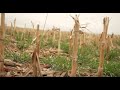
Explores integrating livestock into cropping systems through hoop barns, manure utilization, cover crops, and cornstalk grazing. Discusses income potential, risk reduction, and balancing agronomic/nutritional goals.
-
Integrating livestock onto Midwest crop acres offers untapped opportunities for soil health and reduced inputs. While infrastructure challenges exist, entrepreneurial individuals can leverage livestock as a tool for fertility and profitability, moving towards regenerative practices.
-
Newcomers to livestock integration should prioritize education, visiting experienced farmers, and assessing infrastructure (fencing, water). Start simple (e.g., grazing wheat regrowth) before complex rotations, considering regional fit and multiple marketing options.
Making Sense of the Differences
The infrastructure and knowledge requirements for crop-livestock integration show a spectrum. Institute and academic sources often suggest significant planning and investment in permanent systems. Conversely, many field practitioners successfully integrate using adaptable, lower-cost methods like portable fencing and direct mentorship. Successful integration often depends on the farm's scale, goals, and the farmer's willingness to learn and adapt, rather than solely on the initial capital outlay.