
How does regenerative agriculture affect rural communities?
Regenerative agriculture fosters vibrant rural communities by revitalizing local economies, strengthening social connections, and enhancing ecological health. It shifts capital towards local processing and markets, creates diverse employment opportunities, and builds resilience against economic shocks. This transition empowers farmers and residents, fostering a sense of shared stewardship and increasing the overall well-being and self-sufficiency of rural areas.
Read More: Complete Description
Sources behind this view
Sources behind this view
 Videos & Podcasts
-
Regenerative agriculture benefits ecosystems by improving soil health, biodiversity, water quality, and wildlife habitats, while also enhancing farm worker conditions and community well-being.

-
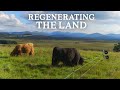
Regenerative agriculture regenerates the environment through animal integration, building soil, biodiversity, and resilience, while promoting local food systems and a less perfectionist, more connecte
-
Regenerative agriculture boosts profitability, revitalizes rural communities by supporting multiple families per farm, and enables farm succession. Robust supply chains are key to realizing these bene

-
Regenerative agriculture is rooted in regenerating relationships—from soil to human organizations—moving from extractive to symbiotic dynamics. This requires regenerating the economics of agriculture

 Research
-
Regenerative Agriculture: Restoring Ecosystems¢ Resilience and Productivity: A Review (opens in new window)
This study found: Regenerative agriculture builds soil health and ecosystem services through practices like no-till, cover crops, and diverse rotations. It increases soil organic matter, improves water infiltration, bo
-
Systematic review of regenerative farming: Addressing agricultural sustainability challenges (opens in new window)
This study found: Systematic review of 31 studies shows regenerative farming improves soil health, biodiversity, and carbon capture, aiding sustainability. Technology is key for adoption, but policy, farmer understandi
-
Regenerative agriculture for sustainable crop productivity: A comprehensive review (opens in new window)
This study found: Regenerative Agriculture revitalizes soil by minimizing disturbance, maximizing living roots, fostering diversity, and reducing synthetic inputs. It improves soil health, carbon sequestration, and cro
-
Restoration Through Regeneration: a Scientific and Political Lens into Regenerative Agriculture in the United States (opens in new window)
This study found: Regenerative agriculture builds soil health and resilience using practices like no-till and cover crops, contrasting with industrial farming. Current U.S. policies hinder its adoption, requiring refor
 From the Web
-
Regenerative agriculture empowers farmers through increased sovereignty and community rebuilding by fostering farmer-to-farmer relationships and reducing reliance on external inputs, creating a health
-
Regenerative agriculture restores degraded soils using ecological principles, improving soil health, biodiversity, and resilience while reducing chemical inputs and capturing carbon.
-
Regenerative agriculture's benefits extend beyond ecosystem processes to include profitable farms, healthy soils, clean water, nutritious food, and thriving rural communities. Understanding Ag offers
Key Points
Rural Vitality
- Revitalizes local economies through diversified agriculture.
- Strengthens social connections via farmer networks and CSAs.
- Creates diverse, local employment opportunities.
- Enhances community self-reliance and resilience.
- Fosters shared stewardship of land resources.
Economic Implications
- Retains capital within the community.
- Lowers farm input costs, increasing farmer income.
- Stimulates growth in local businesses.
- Creates new markets for ecological services.
- Supports agritourism and regional branding.
Food System Resilience
- Builds shorter, more robust local food supply chains.
- Reduces reliance on volatile global markets.
- Increases agricultural productivity and stability.
- Supports local processing and value-added enterprises.
- Enhances food security through diversified production.
Environmental Stewardship
- Improves soil health and fertility naturally.
- Enhances water infiltration and retention.
- Increases biodiversity above and below ground.
- Strengthens resilience to climate extremes.
- Reduces pollution from synthetic inputs.
Know the Debate
- Economic impact varies: fast farm wins, slow community change.
- Community benefits span 5-20+ years depending on scope.
Going Deeper
1
Economic Resilience and Local Value Chains
Regenerative agriculture fundamentally alters how economic value is created and retained within rural communities. By emphasizing closed-loop systems, reduced external inputs, and diversified production, it shifts capital from large, distant corporations back to local...
Economic Resilience and Local Value Chains
Regenerative agriculture fundamentally alters how economic value is created and retained within rural communities. By emphasizing closed-loop systems, reduced external inputs, and diversified production, it shifts capital from large, distant corporations back to local...
Regenerative agriculture fundamentally alters how economic value is created and retained within rural communities. By emphasizing closed-loop systems, reduced external inputs, and diversified production, it shifts capital from large, distant corporations back to local farmers and businesses. This transition, which might take 3-7 years to fully manifest significant savings from reduced synthetic inputs (potentially 20-40% of operating costs), reinvests money into the community. For example, in Uruguay's fertile Pampas, a move towards holistic grazing and diversified cropping systems has led farmers to invest more in local infrastructure like granaries and small-scale processing units for grains and dairy, rather than solely relying on export-oriented commodity markets. This reinvestment directly supports local labor and suppliers.
The emergence of local value chains is a direct consequence. Instead of selling raw commodities that are processed elsewhere, regenerative farmers increasingly engage in direct marketing, value-added product creation (e.g., jams, cheeses, baked goods), and local food aggregation. This can spur the creation of new enterprises: small-scale abattoirs, community kitchens, mobile retail units, and farm-to-school programs. In Northern Italy, communities are seeing a resurgence of localized food networks supported by regional policies that favor short supply chains, creating jobs in logistics, marketing, and processing, and fostering entrepeneurship that is deeply tied to the agricultural landscape. The economic impact includes not just increased farm-gate revenue but also a multiplier effect from secondary and tertiary businesses that support these integrated systems.
Sources behind this view
Sources behind this view
Videos & Podcasts
-
Profitability is key to regenerative agriculture, requiring a shift from fossil fuel dependence to soil, sunlight, and ingenuity. Challenges in marketing alternative crops and grains necessitate local

-
Resilience in food systems, contrasted with pure efficiency, requires building local/regional markets, processing infrastructure, and transportation networks. Regenerative agriculture's place-specific

-
Regenerative agriculture restores communities by improving ecosystem processes, creating local jobs, and producing healthier food that reduces healthcare costs. Consumer choices are paramount in suppo

Research
-
Regenerative Livestock Farming as a Socioeconomic Model for Sustainable Agribusiness in Latin America (opens in new window)
This study found: Regenerative livestock farming in Latin America improved soil carbon, biodiversity, and water quality, while boosting farmer income and quality of life. Government support is key for wider adoption.
-
Regenerative Agriculture: Restoring Ecosystems¢ Resilience and Productivity: A Review (opens in new window)
This study found: Regenerative agriculture builds soil health and ecosystem services through practices like no-till, cover crops, and diverse rotations. It increases soil organic matter, improves water infiltration, bo
3
Employment and Skill Development
Regenerative agriculture is a significant driver of new employment and the revival of traditional as well as innovative skills within rural areas. As farms move away from highly mechanized, input-intensive models, they often require a more diverse and skilled workforce....
Employment and Skill Development
Regenerative agriculture is a significant driver of new employment and the revival of traditional as well as innovative skills within rural areas. As farms move away from highly mechanized, input-intensive models, they often require a more diverse and skilled workforce....
Regenerative agriculture is a significant driver of new employment and the revival of traditional as well as innovative skills within rural areas. As farms move away from highly mechanized, input-intensive models, they often require a more diverse and skilled workforce. This includes roles in soil health management, compost production, diverse crop and livestock husbandry, record-keeping for ecological monitoring, and marketing. For instance, a farm integrating livestock and cropping might need specialists in pasture management, animal health, or rotational grazing scheduling, requiring skills that differ from conventional monoculture operations. The average farm may see a need for 1-3 additional part-time or full-time positions over a 5-10 year transition period, depending on scale and diversification.
The emphasis on natural processes also rekindles and develops artisanal skills. Cheesemaking, charcuterie, specialty milling, beekeeping, and the production of fermented foods can become viable enterprises, creating unique local products and jobs. Furthermore, the ecological management inherent in regenerative farming requires a deep understanding of natural systems, fostering skills in observation, ecological planning, and adaptive management. This creates demand for roles like ecological consultants, soil validators, and land stewards. In Mexico's Central Highlands, traditional agroecological knowledge, combined with modern regenerative techniques, is being preserved and taught through community workshops, creating employment for local knowledge holders and skilled farm laborers in diversified farming systems. This not only provides income but also ensures intergenerational knowledge transfer.
Sources behind this view
Sources behind this view
Videos & Podcasts
-
Regenerative farms can become less owner-dependent within 2-3 years with intensive setup, but finding skilled, observational labor is challenging. Diverse entrepreneurial roles exist beyond farm owner

-
Hiring for regenerative agriculture emphasizes character and mindset over livestock experience, seeking individuals with a passion for the environment and a willingness to learn and adapt.

-
Regenerative agriculture restores communities by improving ecosystem processes, creating local jobs, and producing healthier food that reduces healthcare costs. Consumer choices are paramount in suppo
Research
-
Regenerative Agriculture: Restoring Ecosystems¢ Resilience and Productivity: A Review (opens in new window)
This study found: Regenerative agriculture builds soil health and ecosystem services through practices like no-till, cover crops, and diverse rotations. It increases soil organic matter, improves water infiltration, bo
-
Regenerative agriculture for sustainable crop productivity: A comprehensive review (opens in new window)
This study found: Regenerative Agriculture revitalizes soil by minimizing disturbance, maximizing living roots, fostering diversity, and reducing synthetic inputs. It improves soil health, carbon sequestration, and cro
-
Why Regenerative Agriculture? (opens in new window)
This study found: Regenerative agriculture rebuilds soil health, boosts biodiversity, and protects water by emulating nature. It captures atmospheric carbon, offering a low-cost climate solution and producing nutritiou
-
Regenerative Agriculture: Integrating Soil Health, Carbon Management and Socio-ecological Outcomes (opens in new window)
This study found: Regenerative agriculture integrates soil health, carbon storage, and community resilience using practices like cover crops and reduced tillage for sustainable food systems.
4
Ecological Health and Community Well-being
The interconnectedness of ecological health and community well-being is a fundamental tenet of regenerative agriculture. When farms regenerate their local ecosystems, they provide crucial ecosystem services that directly benefit the community. Improved soil health leads...
Ecological Health and Community Well-being
The interconnectedness of ecological health and community well-being is a fundamental tenet of regenerative agriculture. When farms regenerate their local ecosystems, they provide crucial ecosystem services that directly benefit the community. Improved soil health leads...
The interconnectedness of ecological health and community well-being is a fundamental tenet of regenerative agriculture. When farms regenerate their local ecosystems, they provide crucial ecosystem services that directly benefit the community. Improved soil health leads to increased water infiltration and retention, which can recharge local aquifers and reduce the risk of both floods and droughts. For example, in the Murray-Darling Basin of Australia, widespread adoption of cover cropping and reduced tillage practices has been shown to improve soil water-holding capacity by 10-20% over 5-10 years, directly benefiting downstream water security, a critical issue in this semi-arid region.
Increased biodiversity on farms—from beneficial insects and pollinators to diverse plant and animal life—contributes to a healthier local environment. This can lead to cleaner air and water, and a more aesthetically pleasing landscape that can support ecotourism. Furthermore, by reducing the application of synthetic pesticides and herbicides, regenerative agriculture mitigates chemical runoff into local waterways, protecting aquatic ecosystems and recreational areas. Communities that embrace regenerative practices often report a greater sense of place and connection to their environment, fostering a culture of environmental stewardship that extends to parks, forests, and shared natural resources. In Nordic countries like Denmark, initiatives promoting extensive wildflower meadows on farms and along roadsides create valuable pollinator habitats and contribute to a richer natural landscape, enhancing the quality of life for residents.
Sources behind this view
Sources behind this view
Videos & Podcasts
-
Regenerative agriculture provides solutions for climate change, human health, and soil degradation, contrasting with industrial agriculture's harmful impacts, including glyphosate use. Practices like

-
Regenerative agriculture benefits ecosystems by improving soil health, biodiversity, water quality, and wildlife habitats, while also enhancing farm worker conditions and community well-being.
-
Advocates for regenerative practices to restore ecosystem connections, providing essential services like nutrient supply, pest control, pollination, and weather protection. Enhancing biodiversity abov

-
Regenerative agriculture enhances human health by increasing food nutrient density and supporting the gut microbiome. It also reduces reliance on fossil fuels and off-farm inputs like phosphate rock b

Research
-
Regenerative Agriculture: Restoring Ecosystems¢ Resilience and Productivity: A Review (opens in new window)
This study found: Regenerative agriculture builds soil health and ecosystem services through practices like no-till, cover crops, and diverse rotations. It increases soil organic matter, improves water infiltration, bo
-
Systematic review of regenerative farming: Addressing agricultural sustainability challenges (opens in new window)
This study found: Systematic review of 31 studies shows regenerative farming improves soil health, biodiversity, and carbon capture, aiding sustainability. Technology is key for adoption, but policy, farmer understandi
-
Restoration Through Regeneration: a Scientific and Political Lens into Regenerative Agriculture in the United States (opens in new window)
This study found: Regenerative agriculture builds soil health and resilience using practices like no-till and cover crops, contrasting with industrial farming. Current U.S. policies hinder its adoption, requiring refor
-
Estrategias de agricultura regenerativa para mejorar la salud del suelo (opens in new window)
This study found: Review of research shows cover crops, composting, and crop rotation significantly improve soil health, carbon capture, and erosion resistance in regenerative agriculture.
From the Web
-
Regenerative agriculture restores degraded soils using ecological principles, improving soil health, biodiversity, and resilience while reducing chemical inputs and capturing carbon.
-
Regenerative agriculture improves soil health, biodiversity, and farm profitability by working with nature. Success is measured by outcomes like nutrient-dense food, resilient ecosystems, and carbon s
-
Regenerative agriculture, using Holistic Management, improves air quality, conserves water, and produces healthier food by reducing pollutants, sequestering carbon, and eliminating chemical inputs. Th
-
Regenerative agriculture's benefits extend beyond ecosystem processes to include profitable farms, healthy soils, clean water, nutritious food, and thriving rural communities. Understanding Ag offers
5
Rural Revitalization and Demographic Shifts
Regenerative agriculture often plays a role in reversing rural decline and attracting new residents. As farms become more profitable and sustainable, they offer a more stable and appealing livelihood, potentially drawing younger generations back to the land or attracting...
Rural Revitalization and Demographic Shifts
Regenerative agriculture often plays a role in reversing rural decline and attracting new residents. As farms become more profitable and sustainable, they offer a more stable and appealing livelihood, potentially drawing younger generations back to the land or attracting...
Regenerative agriculture often plays a role in reversing rural decline and attracting new residents. As farms become more profitable and sustainable, they offer a more stable and appealing livelihood, potentially drawing younger generations back to the land or attracting new farmers and entrepreneurs. This influx of talent and energy can revitalize communities that have experienced long-term population loss. The development of niche markets, agritourism, and value-added businesses also creates diverse employment opportunities that can appeal to a broader demographic than traditional agriculture alone. In Vermont, USA, a long history of dairy farming is increasingly being diversified with regenerative practices, leading to a boom in artisanal food production, cooperative marketing, and attracting chefs, artisans, and young families seeking a rural lifestyle rooted in sustainable food systems.
The establishment of robust local food economies, often supported by regional planning and policy, further enhances the appeal of rural living. Access to fresh, healthy food, coupled with opportunities for community engagement and a connection to nature, makes these areas more attractive places to live and raise families. This can lead to a more balanced demographic profile, with a mix of experienced farmers, new stewards, and consumers who are invested in the health of the community and its agricultural base. In rural Japan, initiatives to support young farmers entering regenerative agriculture, often through mentorship programs run by community elders and financial support for land access, are seen as critical to reversing aging populations and revitalizing depopulated villages.
Sources behind this view
Sources behind this view
Videos & Podcasts
-
Revitalizing rural communities requires agricultural diversity (beyond monocultures) and profitability that keeps money local. More people involved in agriculture, as suggested by Fukuoka's 'footsteps

-
Regenerative agriculture revitalizes local economies and food systems by promoting local buying and nutrient-dense food, while also fostering intergenerational education and community connection.

-
Regenerative agriculture restores communities by improving ecosystem processes, creating local jobs, and producing healthier food that reduces healthcare costs. Consumer choices are paramount in suppo
6
Know the Debate
Regenerative agriculture's benefits extend beyond individual farms, fostering robust rural communities. The speed and nature of this transformation...
Know the Debate
Regenerative agriculture's benefits extend beyond individual farms, fostering robust rural communities. The speed and nature of this transformation...
Regenerative agriculture's benefits extend beyond individual farms, fostering robust rural communities. The speed and nature of this transformation depend on location, scale, and commitment. In regions like Uruguay or Northern Italy, local value chains emerge within 3-7 years, while community-wide economic revitalisation and demographic shifts might take 10-20 years to become apparent, especially in areas with depopulation trends or those transitioning from commodity agriculture. Factors such as climate, existing infrastructure, and local policy significantly influence the pace and depth of these changes.
How significant is the economic impact on rural communities?
High local economic impact (3-7 years)
Regenerative practices foster strong local economic multipliers through reduced input costs, diversified income streams, and reinvestment into local processing and supply chains, retaining capital within the community and supporting new businesses.
Moderate community impact, requires scale (10+ years)
While individual farms may see profit increases, broad community economic revitalisation and resilience at scale is a longer process. Transition requires significant investment, market development, and a critical mass of adoption beyond the first decade.
Making Sense of the Differences
The economic benefits of regenerative agriculture for rural communities can be substantial, but the scale, speed, and nature of these impacts vary considerably. While direct benefits like reduced input costs and diversified farm income are evident within 3-7 years, the multiplier effect on local economies, job creation, and community-wide resilience takes longer to mature, often 10-20 years. This is because building new markets, processing infrastructure, and fostering deep social networks requires sustained effort and a critical mass of participation across the community, with climate, scale, and management intensity playing key roles.
How long until community-level benefits fully materialize?
Early community benefits within 5-10 years
Community-wide impacts like increased local spending, farmer networks, and early value chain development can be observed within 5-10 years as farms reduce inputs and increase local market engagement.
Full revitalization takes 10-20+ years
Meaningful community-level economic resilience, demographic shifts, and deeply integrated social structures from regenerative agriculture typically require 10-20+ years as practices become widespread, supporting infrastructure matures, and local governance strengthens.
Making Sense of the Differences
The timeline for observing widespread community benefits from regenerative agriculture differs significantly between immediate farm-level gains (3-7 years) and long-term community revitalisation (10-20+ years). While farmers may see reduced costs and increased profits within the first decade, the multiplier effect on local economies, social capital, and demographic stability takes longer to mature. This is because building new markets, processing infrastructure, and fostering deep social networks requires sustained effort and a critical mass of participation across the community, with climate, scale, and management intensity playing key roles.
2
Social Capital and Community Cohesion
The social dynamics of rural communities are profoundly shaped by regenerative agriculture. The very nature of building ecological systems requires collaboration, knowledge sharing, and mutual support. Farmer-to-farmer learning networks are a cornerstone, where producers...
The social dynamics of rural communities are profoundly shaped by regenerative agriculture. The very nature of building ecological systems requires collaboration, knowledge sharing, and mutual support. Farmer-to-farmer learning networks are a cornerstone, where producers with diverse experiences—from conventional farmers transitioning, to organic producers, to livestock keepers integrating grazing—share practical insights. These networks, often meeting quarterly, facilitate problem-solving and innovation specific to local conditions. In British Columbia, Canada, numerous regional farming alliances focus on regenerative practices, creating a strong sense of camaraderie and shared purpose. This social capital is invaluable, as it builds trust and collective problem-solving capacity that transcends individual farm management.
Community-supported agriculture (CSA) models and local food hubs are other potent social connectors. CSAs forge direct relationships between consumers and producers, fostering a deeper understanding of food production and supporting farmers through guaranteed income, often $500-1,000 per year (approximately €450-€900) for a typical share. Local food hubs aggregate produce from multiple farms, enabling smaller operations to access larger markets and providing centralized distribution points, which often become informal community gathering spaces. In South Korea, the early adoption of CSA models and the subsequent growth of local food cooperatives have been instrumental in revitalizing rural areas, reconnecting urban consumers with agricultural heritage and creating vibrant social forums. These initiatives empower communities by fostering shared identity and participatory decision-making.
Sources behind this view
Sources behind this view
Community Supported Agriculture (CSA) shares risk between farmers and consumers, promoting agroecological practices, resilience, and direct sales. Benefits include improved health, environmental gains
Explores community-based urban agriculture models like cooperative chickens, collective dairies, designated urban agriculture zones (Ljubljana, Slovenia), and allotments, emphasizing collaboration and
Regenerative agriculture thrives on community participation, collaboration, and building social capital. This approach ensures ownership, sustainability, and improved food security, drawing parallels
Explores various Community Supported Agriculture (CSA) models emphasizing farmer-consumer cooperation and shared risk, including member participation, multi-farm CSAs, and organizational support from
This study found: A Russian CSA case study found that strong farmer-consumer ties are built on quality food, eco-friendly farming, shared responsibility, and direct communication, with flexibility enhancing sustainabil
This study found: UK CSAs use diverse communication methods (online/in-person) to build strong community ties (social capital) among members, enhancing satisfaction and connection.
This study found: Social farming initiatives can enhance rural sustainability by integrating agroecosystems with community well-being, offering hybrid governance and valuable ecosystem services.
This study found: Direct organic marketing (CSA, PGS) builds sustainable food communities by connecting consumers to farmers, fostering trust, and supporting social/ecological health for a resilient food system.