
How does compost improve soil?
Compost is a powerful soil amendment that kick-starts soil health by introducing a massive influx of beneficial microorganisms, stable organic matter, and essential nutrients. It acts as a biological inoculant and structural improver, enhancing water infiltration and providing slow-release fertility. While living roots provide the continuous energy to sustain the soil ecosystem, compost provides the initial boost needed to regenerate degraded soils, with measurable improvements often seen in 1-3 years.
Read More: Complete Description
Sources behind this view
Sources behind this view
 Videos & Podcasts
-
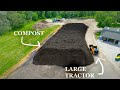
Compost is rich in soil life (microbes, bacteria, fungi), which plant roots ingest for nutrition and to stimulate growth. Enhancing rhizosphere microbial life improves plant health and nutrient uptake
-
Regularly add diverse compost to gardens to boost soil microbiology. Compost provides living microorganisms and organic matter, improving soil structure, water retention, and nutrient availability.
-
Healthy soils support biological functions, water/nutrient cycling, and contaminant binding. Compost enhances soil health by increasing organic matter and carbon, improving CEC, water retention, and n
-
Explains the numerous benefits of composting, including nutrient cycling, soil structure improvement, pathogen elimination, and carbon sequestration. Details the role of microbes, fungi, and bacteria
 Community
-
Incorporate compost into the top 6-10 inches of soil to improve structure, drainage, and fertility by feeding microorganisms. For annual beds, use 1-4 inches annually; for established perennials, lawn
Read more (opens in new window) ucanr.edu -
Composting transforms organic waste into a nutrient-rich product via microbial action, significantly improving soil health and water retention, thereby reducing irrigation needs.
Read more (opens in new window) ucanr.edu -
Compost enhances plant growth and soil health by providing nutrients and feeding soil fauna, improving structure, water retention, and aeration. Methods include cold, hot, vermicomposting, and uncompo
Read more (opens in new window) www.permaculture.org.uk -
Composting with diverse biological substances (animal manures, plant matter, charcoal) is a highly effective method for rapidly creating rich soil, far more so than plants with water roots like mint o
Read more (opens in new window) permies.com
 Research
-
Compost amendment to enhance carbon sequestration in rangelands (opens in new window)
This study found: Compost application to rangelands significantly increased plant growth (>40%) and soil carbon storage (50%), while improving soil structure, water retention, and nutrient availability across global st
-
Soil organic carbon sequestration mediated by plant–microbe interactions after compost application (opens in new window)
This study found: Occasional compost application in Colorado pastures increased soil carbon, with soil microbes, particularly bacteria, mediating the plant's positive effect on soil organic matter.
-
Green Waste Compost Impacts Microbial Functions Related to Carbohydrate Use and Active Dispersal in Plant Pathogen-Infested Soil. (opens in new window)
This study found: Green waste compost reduced plant pathogen Fusarium oxysporum in soil, increased beneficial bacteria, and boosted soil nutrients and pH in controlled experiments. Compost also altered microbial functi
-
The effects of compost incorporation on soil physical properties in urban soils - A concise review. (opens in new window)
This study found: Compost addition to disturbed urban soils improves soil structure, water infiltration, and water holding capacity, with benefits for plant growth and erosion control, though long-term effects need mor
 From the Web
-
Compost is a vital soil amendment that transforms organic material into a life-rich conditioner, fostering a diverse microbial web essential for healthy soil and regenerative farming practices.
-
Compost improves garden soil structure, enhancing drainage in clay and water retention in sand. It slowly releases nutrients and can be supplemented with manure for organic crop production, while also
-
Compost improves soil structure, enhancing drainage in clay and water retention in sandy soils. It slowly releases nutrients and can be supplemented with manure for crop needs, while also recycling ga
-
Composting is controlled decomposition of organic waste into stable soil amendments, improving soil health, water retention, fertility, and reducing fertilizer needs. It also aids in pathogen suppress
Key Points
Nutrient Cycling
- Provides slow-release macronutrients (N, P, K).
- Increases availability of micronutrients over time.
- Buffers soil pH, optimizing nutrient solubility.
- Stimulates soil microbes for efficient nutrient mineralization.
Water Soil Structure
- Forms stable soil aggregates, improving structure.
- Increases water infiltration and reduces runoff, by up to 50%.
- Enhances soil aeration, promoting root respiration.
- Improves water-holding capacity, reducing drought stress by 15-30%.
Soil Microbiome Engine
- Introduces diverse beneficial bacteria, fungi, and protozoa.
- Enhances nutrient cycling and organic matter decomposition rates.
- Stimulates fungal networks for improved nutrient transport.
- Outcompetes and suppresses soil pathogens directly.
Pest Disease Regulation
- Boosts beneficial microbes that antagonize pathogens.
- Enhances plant resilience and defense mechanisms.
- Reduces incidence of root rot and wilting diseases by 15-30%.
- Contributes to integrated pest management strategies.
Know the Debate
- Soil organic matter builds slowly; perceive improvements in 1-3 years.
- Compost quality hugely impacts outcomes; use mature, diverse compost.
- Balanced compost application builds structure and fertility.
- Microbial life is key; compost adds diverse soil inoculants.
Going Deeper
1
Primary Mechanisms: The Microbial Powerhouse
The foundational mechanism by which compost improves soil is through the sheer diversity and abundance of microbial life it reintroduces. A handful of mature compost can contain billions of beneficial microorganisms. These include a vast array of bacteria responsible for...
Primary Mechanisms: The Microbial Powerhouse
The foundational mechanism by which compost improves soil is through the sheer diversity and abundance of microbial life it reintroduces. A handful of mature compost can contain billions of beneficial microorganisms. These include a vast array of bacteria responsible for...
The foundational mechanism by which compost improves soil is through the sheer diversity and abundance of microbial life it reintroduces. A handful of mature compost can contain billions of beneficial microorganisms. These include a vast array of bacteria responsible for nutrient transformations, such as nitrogen-fixing bacteria converting atmospheric nitrogen into plant-available forms, and phosphorus-solubilizing bacteria unlocking bound phosphorus. Fungi, particularly mycorrhizal fungi, form symbiotic relationships with plant roots, extending their reach for water and nutrients while improving soil structure. Protozoa and nematodes, often overlooked, play vital roles in grazing bacterial populations, releasing nutrients in the process and influencing microbial community dynamics.
The enzymatic activity of these microbes is crucial. They secrete extracellular enzymes that break down complex organic molecules in the soil into simpler compounds that plants and other microbes can utilize. This process is fundamental to nutrient cycling. For example, the mineralization of organic nitrogen, a key process driven by microbial activity, releases ammonium, which can then be converted to nitrate by nitrifying bacteria, providing a vital nutrient for plant growth. Research has shown that soils amended with compost exhibit significantly higher rates of enzyme activity compared to unamended soils, translating to more efficient nutrient release. Field trials in the humid tropics of Brazil have noted that compost applications can boost soil phosphatase activity by 30-60%, directly improving phosphorus availability to crops.
Furthermore, the physical architecture created by microbial exudates, particularly mucilage produced by bacteria and fungi, is instrumental in binding soil particles into stable aggregates. This "bio-cementation" process is a cornerstone of improved soil structure. As these microbes colonize organic matter and soil surfaces, they secrete sticky substances that hold sand, silt, and clay particles together. This forms macropores and micropores, which are essential for water movement, air circulation, and root penetration. Within 1-2 years of consistent compost application, farmers in Western Australia have observed a 10-20% increase in soil aggregate stability, measured by the proportion of stable aggregates remaining after water immersion.
Sources behind this view
Sources behind this view
Videos & Podcasts
-
Compost is rich in soil life (microbes, bacteria, fungi), which plant roots ingest for nutrition and to stimulate growth. Enhancing rhizosphere microbial life improves plant health and nutrient uptake
-
Explores soil microbiology, detailing the roles of bacteria and fungi in soil structure, nutrient cycling, and plant health. Discusses how management practices and inputs like synthetic fertilizers an

-
Reducing chemical and mechanical disturbance is key to soil health. Adding compost inoculates soil with diverse microorganisms, improving aggregation, water infiltration, and plant resilience via myco

-
Composting is intrinsically linked to soil and planetary health, involving microorganisms like facultative anaerobes. Practices like Bokashi offer small-scale solutions. Healthy compost fosters benefi

Community
-
The core value of composting, manure, and organic matter decomposition is feeding soil microbes. All methods release carbon and nitrogen, but the key is microbial inoculation for soil health, with ani
Read more (opens in new window) permies.com -
Planting seeds and growing plants naturally builds soil by fostering symbiotic relationships between roots, bacteria, and mycorrhizal fungi, creating a vital microbiome. This process, along with organ
Read more (opens in new window) permies.com -
Improve garden soil by adding compost to feed soil life and create humus. Use mulch, diverse plants, and practice no-till gardening to prevent compaction and protect the ecosystem.
Read more (opens in new window) ucanr.edu -
Compost, a product of controlled organic decomposition, offers numerous agricultural benefits including increased soil organic matter, improved water retention, enhanced microbial activity, and nutrie
Read more (opens in new window) ucanr.edu
Research
-
Investigating the effects of organic amendments on soil microbial composition and its linkage to soil organic carbon: A global meta-analysis. (opens in new window)
This study found: Organic amendments boost soil bacterial diversity and organic matter, favoring fast-growing microbes. Specific impacts vary by soil type, crop, and climate. Firmicutes bacteria abundance linked to soi
-
Organic amendments influence soil properties, soil microbial diversity, and winter barley traits in a five-year field trial with contaminated soils at a former wood preservation site (opens in new window)
This study found: Five-year trial showed compost and compost pellets improved contaminated soils, increasing carbon, nitrogen, and beneficial microbes, while reducing harmful metal availability and boosting winter barl
-
Role of Soil Microbiota in Enhancing Soil Fertility and Carbon Sequestration under Changing Climate Conditions (opens in new window)
This study found: Soil microbes are vital for soil health, fertility, and carbon storage, especially with climate change. Organic matter and diverse crop rotations boost microbial activity, improving nutrient cycling a
-
Restoring soil quality in semi-arid mining-degraded soils: Effects of different combinations of organic amendments on microbial nutrient cycling after 40 months of application. (opens in new window)
This study found: Four years of organic amendments (compost, treated sewage sludge) in a dry, mined quarry dramatically improved soil health, increasing nutrients and boosting beneficial soil microbes thousands of time
From the Web
-
Composting cultivates beneficial soil microbes by balancing nitrogen and carbon inputs. Utilizing diverse materials like vetch, comfrey, yarrow, eggshells, and mineral supplements is crucial. Understa
-
Compost is a vital soil amendment that transforms organic material into a life-rich conditioner, fostering a diverse microbial web essential for healthy soil and regenerative farming practices.
2
Supporting Evidence: Field Observations and Research
Numerous studies and farmer observations worldwide corroborate the benefits of compost. Research from Kansas State University in the US has demonstrated that incorporating compost into no-till systems can increase soil organic matter by 0.3-0.8% over a 5-year period,...
Supporting Evidence: Field Observations and Research
Numerous studies and farmer observations worldwide corroborate the benefits of compost. Research from Kansas State University in the US has demonstrated that incorporating compost into no-till systems can increase soil organic matter by 0.3-0.8% over a 5-year period,...
Numerous studies and farmer observations worldwide corroborate the benefits of compost. Research from Kansas State University in the US has demonstrated that incorporating compost into no-till systems can increase soil organic matter by 0.3-0.8% over a 5-year period, leading to improved water-holding capacity by an average of 15%. This translates to greater resilience during drought periods. In Europe, trials conducted by organic research institutes in Germany have shown that compost application can increase soil biodiversity, with a notable rise in earthworm populations (up to 50-100% increase) and a broader spectrum of beneficial fungi and bacteria detected through molecular analysis.
Farmers in India, particularly in regions practicing smallholding agriculture, have long used compost derived from animal manure and crop residues. These traditional practices have sustained soil fertility for generations. Observations in Gujarat, for instance, indicate that regular compost use on fields growing wheat and pulses can lead to yield increases of 8-15% and a discernible improvement in soil tilth (softness and ease of cultivation) within 2-4 years. The economic impact is significant, as it reduces the need for expensive nutrient inputs, allowing smallholder farmers to reinvest in other aspects of their operations.
In Africa, sustainable intensification projects in Kenya and Uganda have utilized compost to revive degraded lands. Studies in these regions show that compost applications of 10-30 tonnes/ha (4-12 tons/acre) can improve soil physico-chemical properties, leading to a 12-20% increase in maize yields and a 25% improvement in water infiltration rates, a critical factor given the often erratic rainfall patterns. These improvements are often attributed to the enhanced microbial activity and structure formation facilitated by the compost.
Sources behind this view
Sources behind this view
Videos & Podcasts
-
Presents experimental results on compost and extract application across various crops (Jerusalem artichokes, onions, salads, wheat, barley, oats), demonstrating yield increases (0-20%), improved Brix
-
Compost application enhances soil biology, leading to increased fungal presence, improved plant health, and higher yields, reducing reliance on synthetic inputs. Regenerative practices like polycroppi
-
Nick Padwick shares data showing compost and extract applications improved soil biology (increased protozoa and fungi, decreased bacteria) and structure on his UK farm within one year, with visible fu
-
A single half-inch compost application (approx. 15 tons carbon/hectare) increased soil carbon by 14.8 metric tons/hectare, boosted forage production, buffered soil temperature, improved moisture, and

Community
-
Compost, a product of controlled organic decomposition, offers numerous agricultural benefits including increased soil organic matter, improved water retention, enhanced microbial activity, and nutrie
Read more (opens in new window) ucanr.edu -
Increase soil organic matter by adding compost, using mulching mowers, and employing chop-and-drop methods to improve soil health, reduce greenhouse gases, and enhance plant growth.
Read more (opens in new window) ucanr.edu
Research
-
Compost amendment to enhance carbon sequestration in rangelands (opens in new window)
This study found: Compost application to rangelands significantly increased plant growth (>40%) and soil carbon storage (50%), while improving soil structure, water retention, and nutrient availability across global st
-
SOIL BIOLOGICAL AND BIOCHEMICAL QUALITY OF WHEAT-MAIZE CROPPING SYSTEM IN LONG-TERM FERTILIZER EXPERIMENTS (opens in new window)
This study found: Long-term organic compost application in wheat-maize systems significantly improved soil organic matter, microbial biomass, and beneficial nematodes compared to chemical fertilizers, indicating enhanc
-
Compost‐Based Organic Amendments and Synthetic Fertilisers Enhance Soil Health and Crop Yield Worldwide (opens in new window)
This study found: Compost-based organic amendments, alone or with synthetic fertilizers, significantly increase crop yields and improve soil health globally. Compost alone boosts soil carbon and microbial diversity.
-
Long‐Term Organic Inputs Effects on Soil Carbon and Nitrogen Sequestration in a Temperate Agroecosystem (opens in new window)
This study found: 27-year Ohio no-till study: Compost and manure significantly increased soil carbon and nitrogen. Manure best for N, compost for stable C. Cover crops also improved soil health.
From the Web
-
A survey in Northern Bangladesh found that 100% of households know compost production, primarily using cow dung and kitchen waste. On average, they produce 3,000 kg annually, used for crops, improving
3
Conditions for Success: Feedstock and Maturity Matter
The effectiveness of compost is heavily influenced by its feedstock and degree of maturity. Compost made from a diverse mix of carbon-rich materials (e.g., straw, woodchips) and nitrogen-rich materials (e.g., manure, food scraps, green waste) typically results in a more...
Conditions for Success: Feedstock and Maturity Matter
The effectiveness of compost is heavily influenced by its feedstock and degree of maturity. Compost made from a diverse mix of carbon-rich materials (e.g., straw, woodchips) and nitrogen-rich materials (e.g., manure, food scraps, green waste) typically results in a more...
The effectiveness of compost is heavily influenced by its feedstock and degree of maturity. Compost made from a diverse mix of carbon-rich materials (e.g., straw, woodchips) and nitrogen-rich materials (e.g., manure, food scraps, green waste) typically results in a more balanced and nutrient-rich final product. A balanced carbon-to-nitrogen (C:N) ratio in the composting mix, typically between 20:1 and 30:1, ensures efficient decomposition and the development of humic substances. For example, compost from a dairy farm in New Zealand that incorporates bedding straw and animal manure is reported to be highly effective in building soil organic matter over extended periods.
Maturity is also paramount. Immature compost can be detrimental, potentially harming plant roots through high ammonia levels, excessive acidity, or the presence of weed seeds and pathogens if not properly managed during the composting process. A well-matured compost should be dark brown, crumbly, smell earthy (not ammoniacal or sour), and have a stable temperature. This maturity indicates that thermophilic (heat-loving) microbes have done their work, killing off pathogens and weed seeds, and that mesophilic (moderate-temperature) microbes have stabilized the organic matter. Farmers can test for maturity by performing a simple germination test: plant radish or lettuce seeds in a mix of compost and soil; if germination rates and seedling vigor are comparable to seed sown in pure soil, the compost is likely mature.
The application timing and method can also affect outcomes. Applying compost in early spring before planting, or in the fall after harvest, is common. Incorporating it into the top 5-15 cm (2-6 in) of soil is generally effective, though no-till systems may rely on surface broadcasting. Rates vary widely but are often in the range of 5-20 tonnes/ha (2-8 tons/acre) annually for agricultural lands, with higher amounts for specific soil remediation or horticultural uses. For instance, vineyards in Chile that apply 10 tonnes/ha (4 tons/acre) of compost annually find it significantly improves soil structure and water retention in their often dry climates.
Sources behind this view
Sources behind this view
Videos & Podcasts
-
Compost application rates are context-dependent, with 1 inch annually recommended for subsoil. Incorporating compost into the topsoil using tools like a tilther is preferred for nutrient availability
-
Marissa Bush stresses careful feedstock selection and aerobic composting for a balanced fungal-bacterial ratio, using microscopes to monitor biology. She applies compost extracts via low-pressure spra

-
The Land Gardeners' 'climate compost' process transforms raw materials into microbially rich compost in 6-8 weeks using layered carbon/nitrogen inputs, clay, and careful temperature/moisture/oxygen co

-
Compost application enhances soil biology, leading to increased fungal presence, improved plant health, and higher yields, reducing reliance on synthetic inputs. Regenerative practices like polycroppi
Community
-
UC Master Gardeners of Orange County provides a guide to composting, explaining its benefits for soil health and environmental sustainability, especially under California's SB1383. It details the 30:1
Read more (opens in new window) ucanr.edu -
Guide to home composting kitchen and yard waste, emphasizing a 30:1 C:N ratio using 'browns' (carbon) and 'greens' (nitrogen). Details fast-acting pile construction, moisture (50%), temperature (120-1
Read more (opens in new window) ucanr.edu -
Helen Atthowe's advanced composting methods focus on achieving a 30:1 C:N ratio using a balance of carbon-rich materials (sawdust, leaves, straw) and nitrogen sources (manure, scraps). The goal is to
Read more (opens in new window) permies.com -
Feed the soil with compost, compost teas, and manure to build a healthy soil biome that naturally feeds plants. Use quick-acting options like milk or coffee grounds, or slower options like dehydrated
Read more (opens in new window) permies.com
Research
-
Organic carbon and nitrogen stocks in a clay loam soil 10 years after a single compost application (opens in new window)
This study found: A single compost application boosted soil carbon and nitrogen for 10 years in Ontario clay loam, with yard waste and pig manure composts showing lasting benefits. Higher rates of food scrap compost yi
-
Organic amendments influence soil properties, soil microbial diversity, and winter barley traits in a five-year field trial with contaminated soils at a former wood preservation site (opens in new window)
This study found: Five-year trial showed compost and compost pellets improved contaminated soils, increasing carbon, nitrogen, and beneficial microbes, while reducing harmful metal availability and boosting winter barl
-
Evolution of Maize Compost in a Mediterranean Agricultural Soil: Implications for Carbon Sequestration (opens in new window)
This study found: Corn compost can increase soil carbon in Mediterranean soils, but its maturity affects how much carbon is stored versus decomposed. Newer compost appears better for long-term carbon storage.
-
Compost amendment to enhance carbon sequestration in rangelands (opens in new window)
This study found: Compost application to rangelands significantly increased plant growth (>40%) and soil carbon storage (50%), while improving soil structure, water retention, and nutrient availability across global st
From the Web
-
Balanced compost requires diverse nitrogen and carbon sources for microbial growth, aiming for a 30:1 C:N ratio. Key management includes fine chopping, proper moisture, aeration, and maintaining tempe
-
Composting cultivates beneficial soil microbes by balancing nitrogen and carbon inputs. Utilizing diverse materials like vetch, comfrey, yarrow, eggshells, and mineral supplements is crucial. Understa
-
Compost management requires adjusting C:N ratio and water content, and timely turning (above 145°F or below 104°F). Finished compost is odorless, nutrient-rich, and free of weed seeds and pathogens, s
-
This module details compost manure production and application for soil health in watersheds. It covers green/brown materials, C:N ratio, moisture, aeration, and maturity indicators. Four methods are e
4
Interaction Effects: Synergies with Other Regenerative Practices
Compost acts synergistically with other regenerative agriculture practices, amplifying their benefits. When used in conjunction with cover crops, compost provides a nutrient boost and microbial inoculum that accelerates the decomposition of cover crop residues, quickly...
Interaction Effects: Synergies with Other Regenerative Practices
Compost acts synergistically with other regenerative agriculture practices, amplifying their benefits. When used in conjunction with cover crops, compost provides a nutrient boost and microbial inoculum that accelerates the decomposition of cover crop residues, quickly...
Compost acts synergistically with other regenerative agriculture practices, amplifying their benefits. When used in conjunction with cover crops, compost provides a nutrient boost and microbial inoculum that accelerates the decomposition of cover crop residues, quickly returning valuable organic matter and nutrients to the soil. For example, a farmer in Iowa, USA, who uses a mix of rye and vetch as a cover crop and then applies compost, reports that the compost helps break down the thicker rye residue more efficiently, making it available to the subsequent cash crop within a shorter timeframe and improving soil structure by an additional 5-10% compared to cover crops alone.
Integrating compost with reduced tillage or no-till systems is particularly powerful. While tillage can accelerate the decomposition of organic matter, compost adds stable organic matter that resists rapid breakdown when only surface-applied. This allows for the steady accumulation of soil organic matter over time, building soil health without the disruptive effects of plowing. In the Canadian Prairies, where soil organic matter depletion has been a concern, the combination of no-till farming and annual compost application (5-15 tonnes/ha or 2-6 tons/acre) has shown a consistent increase in soil organic matter by 0.2-0.6% per year over a 7-year period.
Compost also complements the benefits of livestock integration. Manure, a common compost feedstock, is a direct source of organic matter and nutrients. When composted, manure's nutrient profile becomes more balanced and its potential to burn plants is eliminated. Furthermore, the microbial diversity in compost can enhance the breakdown of manure when it's integrated back into pastures or cropping systems, improving nutrient utilization efficiency and pasture health. In Argentina's Pampas region, ranches that compost their cattle manure and apply it to pastures have seen a 10-20% increase in forage production and improved pasture resilience to grazing pressure after 3 years.
Sources behind this view
Sources behind this view
Videos & Podcasts
-
Agro Bios Systems details compost extract applications: seed treatment, in-furrow, foliar, and residue digestion. Emphasizes economic benefits over synthetic starters, improved soil health (structure,

-
Compost application enhances soil biology, leading to increased fungal presence, improved plant health, and higher yields, reducing reliance on synthetic inputs. Regenerative practices like polycroppi
-
Reducing chemical and mechanical disturbance is key to soil health. Adding compost inoculates soil with diverse microorganisms, improving aggregation, water infiltration, and plant resilience via myco
-
Marissa Bush stresses careful feedstock selection and aerobic composting for a balanced fungal-bacterial ratio, using microscopes to monitor biology. She applies compost extracts via low-pressure spra
Community
-
Compost, a product of controlled organic decomposition, offers numerous agricultural benefits including increased soil organic matter, improved water retention, enhanced microbial activity, and nutrie
Read more (opens in new window) ucanr.edu -
Large-scale compost use is challenging; no-till farming relies on natural fungi. Tilling compost creates a 'vicious cycle,' while mimicking forest systems offers a sustainable 'virtuous cycle' of soil
Read more (opens in new window) permies.com -
Increase soil organic matter by adding compost, using mulching mowers, and employing chop-and-drop methods to improve soil health, reduce greenhouse gases, and enhance plant growth.
Read more (opens in new window) ucanr.edu
Research
-
Compost amendment to enhance carbon sequestration in rangelands (opens in new window)
This study found: Compost application to rangelands significantly increased plant growth (>40%) and soil carbon storage (50%), while improving soil structure, water retention, and nutrient availability across global st
-
Long‐Term Organic Inputs Effects on Soil Carbon and Nitrogen Sequestration in a Temperate Agroecosystem (opens in new window)
This study found: 27-year Ohio no-till study: Compost and manure significantly increased soil carbon and nitrogen. Manure best for N, compost for stable C. Cover crops also improved soil health.
-
Organic amendments influence soil properties, soil microbial diversity, and winter barley traits in a five-year field trial with contaminated soils at a former wood preservation site (opens in new window)
This study found: Five-year trial showed compost and compost pellets improved contaminated soils, increasing carbon, nitrogen, and beneficial microbes, while reducing harmful metal availability and boosting winter barl
-
Building Soil Health and Fertility through Organic Amendments and Practices: A Review (opens in new window)
This study found: Review of organic amendments (manures, compost, cover crops) and regenerative practices (no-till, crop diversity, agroecology) shows they restore soil health by increasing organic matter and beneficia
From the Web
-
Compost effectively builds soil fertility by increasing organic matter, improving water retention, and releasing nutrients slowly. It offers advantages like reduced runoff and fewer weed seeds but is
5
Measuring the Effect: Practical Indicators for Farmers
Farmers can observe several key indicators to assess the impact of compost on their soil. Changes in soil structure are often one of the first tangible signs. Soils that were previously hard and compacted will become more friable and easier to work; they will crumble...
Measuring the Effect: Practical Indicators for Farmers
Farmers can observe several key indicators to assess the impact of compost on their soil. Changes in soil structure are often one of the first tangible signs. Soils that were previously hard and compacted will become more friable and easier to work; they will crumble...
Farmers can observe several key indicators to assess the impact of compost on their soil. Changes in soil structure are often one of the first tangible signs. Soils that were previously hard and compacted will become more friable and easier to work; they will crumble rather than break into hard clods. When digging, improved aeration will be evident through the presence of more macropores. Water infiltration is another critical metric; after a rain event, fields amended with compost will absorb water more readily, with significantly less surface pooling or runoff compared to unamended areas. Observing this difference can be a powerful indicator of improved soil health.
Soil organic matter content is a more quantitative measure and can be tested annually or biannually through soil sampling. A consistent increase of 0.2-1.0% in organic matter per year is a strong indication of effective compost management. Plant vigor and health are also direct indicators. Healthy crops grown on compost-amended soils often exhibit deeper green color, more robust root systems, and increased resistance to pests and diseases. Yield increases are a primary economic indicator, though these can fluctuate due to weather and other factors. Nonetheless, a consistent trend of improved yields over several seasons is a strong sign of a soil system responding positively to compost.
Microbial biological activity can be qualitatively assessed by observing earthworm populations, which are excellent bioindicators of healthy soil. An increase in earthworm numbers and activity (visible tunnels and castings, or "wormpoop") suggests a thriving soil ecosystem. While quantitative microbial testing is beyond the scope of many farm operations, these qualitative indicators are accessible and meaningful. For instance, a farmer in South Africa's Western Cape might notice a doubling of earthworm activity and better water penetration within 1-2 years of commencing regular compost application.
Sources behind this view
Sources behind this view
Videos & Podcasts
-
Nick Padwick shares data showing compost and extract applications improved soil biology (increased protozoa and fungi, decreased bacteria) and structure on his UK farm within one year, with visible fu
-
Compost application enhances soil biology, leading to increased fungal presence, improved plant health, and higher yields, reducing reliance on synthetic inputs. Regenerative practices like polycroppi
-
Assess soil health by digging holes, observing smell, spading ease, and root behavior. Sheared roots, compaction, ethylene, and potential aluminum toxicity indicate underlying issues. Soil tests shoul

-
Farmers can assess soil health by walking barefoot to feel for compaction and using simple tools like sticks to measure penetration depth, indicating organic matter levels and the effectiveness of reg

Research
-
SOIL BIOLOGICAL AND BIOCHEMICAL QUALITY OF WHEAT-MAIZE CROPPING SYSTEM IN LONG-TERM FERTILIZER EXPERIMENTS (opens in new window)
This study found: Long-term organic compost application in wheat-maize systems significantly improved soil organic matter, microbial biomass, and beneficial nematodes compared to chemical fertilizers, indicating enhanc
-
Soil Carbon Fractions and Carbon Management Index After 26 Years of Continuous Organic and Mineral Fertilization (opens in new window)
This study found: After 26 years in Turkey, animal manure and high-rate compost significantly increased soil organic carbon and its active fractions under faba beans, improving soil carbon management index.
-
Compost‐Based Organic Amendments and Synthetic Fertilisers Enhance Soil Health and Crop Yield Worldwide (opens in new window)
This study found: Compost-based organic amendments, alone or with synthetic fertilizers, significantly increase crop yields and improve soil health globally. Compost alone boosts soil carbon and microbial diversity.
-
Biochemical thresholds to differentiate mineralizing and stabilizing organic waste amendments for soil carbon management (opens in new window)
This study found: New biochemical tests identify organic amendments that build stable soil carbon. High lignin and stability indicators mean slower decomposition, leading to long-term soil improvement and climate benef
6
Know the Debate
Compost is a cornerstone of regenerative soil management, universally acknowledged for its ability to enhance soil health. However, the rate at whi...
Know the Debate
Compost is a cornerstone of regenerative soil management, universally acknowledged for its ability to enhance soil health. However, the rate at whi...
Compost is a cornerstone of regenerative soil management, universally acknowledged for its ability to enhance soil health. However, the rate at which soil organic matter accumulates and the consistency of benefits derived from compost can vary significantly, depending on local climate, soil type, and management intensity. While academic research highlights the long-term persistence of compost carbon, field practitioners often observe beneficial soil improvements within the first 1-3 years. Furthermore, the quality of compost—ranging from diverse, mature blends to immature or poorly balanced materials—profoundly affects its performance, leading to a wide spectrum of observed outcomes in soil health and crop productivity.
How fast does compost build soil organic matter?
Slow buildup (long-term persistence)
Academic research suggests only 10-20% of compost carbon becomes stable organic matter over many years, indicating a slow, gradual accumulation of soil organic matter.
Sources behind this view
Sources behind this view
Research
-
SOIL BIOLOGICAL AND BIOCHEMICAL QUALITY OF WHEAT-MAIZE CROPPING SYSTEM IN LONG-TERM FERTILIZER EXPERIMENTS (opens in new window)
This study found: A long-term study comparing organic compost, chemical fertilizers, and no treatment in wheat and corn fields found that adding organic compost significantly improved soil health over many years. Fields receiving compost had higher levels of soil organic matter, beneficial microbes, and soil-dwelling worms (nematodes) compared to fields treated with synthetic fertilizers or left untreated. Compost also helped reduce soil compaction and lower soil pH. Researchers suggest that measuring soil organic carbon, microbial activity, and nematode populations can be good ways to tell if your soil is getting healthier.
From the Web
-
Organic farming relies on healthy soil built with cover crops, crop rotations, compost, and manure. These practices increase organic matter, improving soil structure and nutrient availability. Understanding the carbon-to-nitrogen ratio of amendments is key for nitrogen management. Pre-transition soil building is recommended.
Tangible improvements (1-3 years)
Field experience reports noticeable improvements in soil structure, microbial activity, and plant response within 1-3 years of regular compost application.
Sources behind this view
Sources behind this view
Videos & Podcasts
-
Healthy soils support biological functions, water/nutrient cycling, and contaminant binding. Compost enhances soil health by increasing organic matter and carbon, improving CEC, water retention, and nutrient availability, while reduced cultivation preserves soil carbon lost in traditional farming.
-
Compost offers short-lived soil benefits because its carbon is respired and its microbes need root exudates to survive. Growing diverse plants year-round provides a superior, long-term diet for soil organisms, enhancing soil health more effectively.

-
Consistent top-dressing with compost (homemade or purchased) and mulch is crucial for building soil health, enhancing moisture retention, and reducing watering needs, acting as a primary nutrient source.

Making Sense of the Differences
The perceived rate of soil organic matter (SOM) accumulation from compost differs due to measurement methods and time horizons. Academic research often focuses on the stable, long-term carbon pools which build slowly. Field observations capture earlier, more labile benefits like improved soil structure, water infiltration, and microbial activity visible within 1-3 years. Factors like the quality and quantity of compost, climate (temperature and moisture influence decomposition and plant growth), and whether soil is disturbed through tillage or kept covered by plants, all affect the speed and magnitude of SOM changes.
Does compost quality significantly impact soil health outcomes?
Quality is paramount (variable outcomes)
Field experience reveals that compost quality, influenced by feedstock and maturity, drastically impacts outcomes, with poorly made versions potentially causing weed issues or limited benefits.
Sources behind this view
Sources behind this view
Videos & Podcasts
-
Regularly add diverse compost to gardens to boost soil microbiology. Compost provides living microorganisms and organic matter, improving soil structure, water retention, and nutrient availability.
-
Using too much compost can harm soil structure by creating compaction and anaerobic conditions; a balance of organic matter, minerals (clay, sand, silt), and biology is essential for healthy, structured soil.

-
Aerobic composting is key to quality compost, preventing salt buildup and toxicity. It builds soil structure, improves water/air infiltration, and retains nutrients, leading to clean runoff and healthy plant growth.
Quality validated (consistent benefits)
Academic research and institute guidelines emphasize that compost's effectiveness is linked to its microbial content, maturity, and balanced composition, leading to consistent soil improvements.
Sources behind this view
Sources behind this view
Research
-
Challenges in Sustainable Agriculture—The Role of Organic Amendments (opens in new window)
This study found: This review looked at many studies on using organic materials like compost, worm castings, biochar, and fruit pulp waste to improve soil health. The findings show that these organic additions generally make soil better by increasing organic matter, helping soil particles stick together, improving soil structure, and holding more water. They also can help with nutrient availability and capturing carbon. However, the exact benefits can vary a lot depending on the type of soil, how much is applied, and what crops are grown. This means farmers need to choose the right organic materials and application methods for their specific situation. Overall, organic amendments are a good option for improving soil structure and building organic matter, which helps soil support itself and adapt to climate change. More research is needed on how these materials work with different tillage practices and over longer periods.
-
Green Waste Compost Impacts Microbial Functions Related to Carbohydrate Use and Active Dispersal in Plant Pathogen-Infested Soil. (opens in new window)
This study found: Adding compost to soil infested with a common plant disease-causing fungus (Fusarium oxysporum) significantly improved soil health and reduced the pathogen. In greenhouse and growth chamber studies, compost boosted the overall number of beneficial bacteria and increased key soil nutrients like phosphorus, potassium, and organic matter, while also raising soil pH. Most importantly, the compost consistently lowered the amount of the harmful Fusarium fungus in the soil. The study identified specific types of bacteria that increased with compost application, suggesting they help suppress the pathogen. Compost also shifted the soil's microbial activity, reducing functions related to how microbes use sugars for energy and increasing bacteria that can move around, potentially helping them colonize new areas or outcompete pathogens. This research shows compost can be a tool to manage soilborne diseases.
From the Web
-
Compost effectively builds soil fertility by increasing organic matter, improving water retention, and releasing nutrients slowly. It offers advantages like reduced runoff and fewer weed seeds but is more expensive and requires space and labor to produce.
-
Composting transforms organic waste (kitchen scraps, yard waste) into a nutrient-rich soil amendment by balancing greens and browns for microbial activity, improving soil structure and fertility.
Making Sense of the Differences
The quality of compost significantly impacts its soil health outcomes, a point supported by both academic research and field experience. Academic studies highlight that feedstock type, maturity, and a balanced C:N ratio are crucial for effective decomposition and nutrient availability, while immature or poorly balanced compost can lead to negative effects like nitrogen tie-up or pathogen presence. Field practitioners report a wide range of results from different compost sources, with well-made compost showing dramatic improvements while poorly made types may introduce weed seeds or fail to deliver substantial benefits. Ensuring compost is fully aerobically decomposed, weed-seed free, and derived from diverse, clean feedstocks is key to maximizing its positive effects on soil microbial life, structure, and fertility.