
What is the connection between soil health and water?
Healthy soil acts like a sponge, dramatically improving water infiltration, retention, and filtration. Increased soil organic matter and improved soil structure, fostered by regenerative practices, create pore spaces that absorb rainfall instead of letting it run off. This biological Sponge effect reduces erosion, replenishes groundwater, and makes water more accessible to plants, especially during dry periods. By building soil health, farmers globally enhance their resilience to drought and intense rainfall events, ensuring more stable farm productivity and watershed health.
Read More: Complete Description
Sources behind this view
Sources behind this view
 Videos & Podcasts
-
Increasing soil organic matter by 1% (using carbon from the atmosphere) boosts water-holding capacity by 25,000 gallons/acre, improving infiltration and resilience to heavy rain, as seen at Chestnut M
-
Soil health improves water infiltration via aggregation and organic matter, enhances water-holding capacity, reduces erosion, increases nutrient availability, and boosts plant health through beneficia

-
Healthy soil, acting as a 'soil sponge' due to biological aggregates, allows water infiltration, preventing erosion and flooding while recharging groundwater. Degraded soil, like flour, leads to runof

 Community
-
Restoring soil's 'sponge effect' through water harvesting is crucial for arid climates. Techniques slow water to enhance infiltration, invigorate plant life, reduce erosion, and increase landscape pro
Read more (pp. 3-9) (opens PDF, pp. 3-9) permies.com
 Research
-
How does building healthy soils impact sustainable use of water resources in irrigated agriculture? (opens in new window)
This study found: Improving soil health in irrigated agriculture can increase water availability, enhance plant water use efficiency, and build drought resilience, reducing reliance on irrigation water.
-
How does soil structure affect water infiltration? A meta-data systematic review (opens in new window)
This study found: Soil structure, influenced by farming practices like amendments, crop management, and tillage, significantly impacts how well water infiltrates the soil, according to a review of 150+ studies.
-
Applying Soil Health Indicators to Encourage Sustainable Soil Use: The Transition from Scientific Study to Practical Application (opens in new window)
This study found: Healthy soil, measured by biological indicators like earthworms, is key to sustainable farming. This review discusses soil food webs and practical challenges in monitoring soil health.
-
The role of soils in regulation and provision of blue and green water (opens in new window)
This study found: Healthy soils are crucial for water availability and quality, managing both plant-usable ('green') and surface/groundwater ('blue'). Nature-based solutions at soil and landscape levels, backed by good
 From the Web
-
Healthy soils with high organic matter are crucial for water infiltration and retention. Soil structure, texture, and porosity influence this capacity, with loam soils being ideal. Practices that dama
-
Healthy soil, particularly with increased organic matter, acts as a natural filter, significantly improving water quality by retaining and processing water, thus highlighting the importance of soil he
-
Healthy soil acts as a natural water filter, with organic farming practices enhancing its ability to purify water through microbial activity and organic matter.
-
Healthy soil, achieved through regenerative practices, significantly increases water retention, drought resilience, and farm profitability by acting like a sponge and reducing runoff.
Key Points
System Regulation
- Reduced erosion protects topsoil and water quality.
- Groundwater recharge increases with better infiltration.
- Drought resilience improves through stored water.
- Flood mitigation supported by slower runoff.
Chemical Processes
- Organic matter binds water molecules to soil.
- Nutrient retention improves with better water retention.
- Humus acts as a sponge for soil moisture.
Physical Processes
- Improved soil structure increases water infiltration.
- Higher organic matter boosts water-holding capacity.
- Reduced compaction prevents runoff and pooling.
- Enhanced aggregation creates pore space for storage.
Biological Processes
- Microbial communities create stable soil aggregates.
- Fungal hyphae bind soil particles, increasing porosity.
- Earthworm channels improve water infiltration rates.
- Increased root biomass enhances soil structure.
Know the Debate
- Soil water infiltration varies significantly by management.
- Organic matter boosts water retention, drought resilience.
- Healthy soil structure enhances water availability for plants.
- Improved water management reduces runoff and improves quality.
Going Deeper
1
Primary Mechanisms: Soil as a Sponge
Healthy soil's ability to manage water is most powerfully understood through its function as a sponge. This involves three interconnected capacities: infiltration (absorbing water), retention (holding water), and regulated release (making water available to plants)....
Primary Mechanisms: Soil as a Sponge
Healthy soil's ability to manage water is most powerfully understood through its function as a sponge. This involves three interconnected capacities: infiltration (absorbing water), retention (holding water), and regulated release (making water available to plants)....
Healthy soil's ability to manage water is most powerfully understood through its function as a sponge. This involves three interconnected capacities: infiltration (absorbing water), retention (holding water), and regulated release (making water available to plants). Regenerative agricultural practices directly enhance these capacities by fostering a soil environment rich in organic matter and populated by diverse biological communities.
Infiltration: When rain falls on healthy soil, it penetrates readily. This is due to the physical structure created by soil aggregates and the porous networks formed by roots and microbial byproducts. On degraded soils, compaction and lack of aggregation create a surface crust that prevents water from entering the soil. This leads to rapid surface runoff, often within minutes of rainfall commencement, particularly in heavy downpours. For example, soils with less than 1% soil organic matter in the top 15 cm (6 in) might only infiltrate 5-10 mm (0.2-0.4 in) of rain per hour, whereas soils with 4-5% organic matter can infiltrate 25-50 mm (1-2 in) per hour or more, provided their structure is intact.
Retention: Once water infiltrates, healthy soil stores it within its pore spaces. Soil organic matter is a key player here, as its complex chemical structure can hold many times its weight in water. A single unit of fresh organic matter can eventually become humus, which has an exceptional cation exchange capacity and water adsorption capacity. Research suggests that for every 1% increase in soil organic matter, the soil's water-holding capacity in the topsoil can increase by 16,000 to 27,000 gallons per acre (approximately 150,000 to 250,000 liters per hectare), though the exact amount varies significantly with soil texture and depth. This stored water is crucial, acting as a buffer against dry spells.
Regulated Release: The water held in healthy soil is not static; it is physiologically available to plants. The pore size distribution within aggregates, created by biological activity, ensures that water is held at varying tensions. Larger pores drain more freely, providing aeration, while smaller pores retain water accessible to plant roots. This regulation is vital for plant health, preventing both water stress and anaerobic conditions. In contrast, compacted or degraded soils often hold water too tightly, making it unavailable to plants, or drain too quickly without adequate storage.
Sources behind this view
Sources behind this view
Videos & Podcasts
-
Increasing soil organic matter by 1% (using carbon from the atmosphere) boosts water-holding capacity by 25,000 gallons/acre, improving infiltration and resilience to heavy rain, as seen at Chestnut M
-
Increasing soil organic matter via carbon cycling, cover crops, and livestock grazing enhances water infiltration and storage, building resilience against drought. Intentional practices are key to pro
-
The 'soil sponge,' formed by soil aggregates and biological glues, is crucial for water infiltration, flood/drought prevention, and climate regulation through transpiration and cloud formation. Health
Community
-
High organic matter significantly increases soil water retention, preventing issues like the Dust Bowl. Permaculture ponds and swales facilitate slow water permeation deep into the soil, preventing ev
Read more (opens in new window) permies.com -
Restoring soil's 'sponge effect' through water harvesting is crucial for arid climates. Techniques slow water to enhance infiltration, invigorate plant life, reduce erosion, and increase landscape pro
Read more (pp. 3-9) (opens PDF, pp. 3-9) permies.com -
Healthy soil is a living ecosystem requiring organic matter, microbes, and minimal disturbance. Practices like adding compost, leaving roots in the ground, mulching, diverse planting, crop rotation, a
Read more (opens in new window) ucanr.edu -
Soil Organic Matter (SOM) is vital for soil health and water infiltration. Plant roots, fed by photosynthesis sugars, attract fungi that produce glomalin, aggregating soil particles and creating pores
Read more (opens in new window) ucanr.edu
Research
-
Soil infiltration mechanisms under plant root disturbance in arid and semi-arid grasslands and the response of solute transport in rhizosphere soil. (opens in new window)
This study found: In dry grasslands, plant roots significantly boost soil water infiltration by creating pores, though increased organic matter can slow it down. Roots also affect how dissolved substances move, with mi
-
The Influence of Organic Matter on Soil Aggregation and Water Infiltration (opens in new window)
This study found: Adding organic matter improves soil structure by binding particles into aggregates, which enhances water infiltration. This review discusses mechanisms and management options for better water penetrat
-
How does soil structure affect water infiltration? A meta-data systematic review (opens in new window)
This study found: Soil structure, influenced by farming practices like amendments, crop management, and tillage, significantly impacts how well water infiltrates the soil, according to a review of 150+ studies.
-
How does building healthy soils impact sustainable use of water resources in irrigated agriculture? (opens in new window)
This study found: Improving soil health in irrigated agriculture can increase water availability, enhance plant water use efficiency, and build drought resilience, reducing reliance on irrigation water.
From the Web
-
Healthy soils with high organic matter are crucial for water infiltration and retention. Soil structure, texture, and porosity influence this capacity, with loam soils being ideal. Practices that dama
2
Supporting Evidence: Microbial Prowess and Organic Matter
The cornerstone of soil's sponge-like qualities lies in the biological activity and the resulting organic matter content. Soil microorganisms, particularly fungi and bacteria, produce sticky substances that bind soil particles together into aggregates. Mycelial networks...
Supporting Evidence: Microbial Prowess and Organic Matter
The cornerstone of soil's sponge-like qualities lies in the biological activity and the resulting organic matter content. Soil microorganisms, particularly fungi and bacteria, produce sticky substances that bind soil particles together into aggregates. Mycelial networks...
The cornerstone of soil's sponge-like qualities lies in the biological activity and the resulting organic matter content. Soil microorganisms, particularly fungi and bacteria, produce sticky substances that bind soil particles together into aggregates. Mycelial networks of fungi act like a reinforcing mesh, holding these aggregates together and creating stable pores. Earthworms further enhance this by creating burrows that act as conduits for water and air, improving infiltration and aeration significantly.
Studies have quantified the impact of these biological agents. For instance, areas with diverse fungal communities and active earthworm populations can exhibit water infiltration rates that are 10 to 100 times higher than comparable soils lacking these biological components. A shift toward practices that support soil life, such as minimal tillage, cover cropping with diverse species, and diverse organic inputs (e.g., compost, manure), can lead to a measurable increase in microbial biomass and activity within 1-3 years. This biological awakening directly translates to better soil structure and water management.
The role of soil organic matter (SOM) is equally critical and scientifically well-documented. SOM acts as a glue, aggregating soil particles, and as a reservoir, absorbing and holding water. Research from Wageningen University & Research in the Netherlands has shown that increasing soil organic matter from 2% to 4% can double the water holding capacity in the top 30 cm (12 in) of many soil types. This translates to a farmer in Northern Europe (e.g., the Netherlands or Denmark) potentially increasing their soil's plant-available water by 30-60 mm (approx. 1.2-2.4 in), a significant advantage during dry summers.
Sources behind this view
Sources behind this view
Videos & Podcasts
-
Building soil organic matter through regenerative practices like composting and regenerative grazing is key to sequestering carbon, increasing resilience, improving water retention, and boosting yield

-
Explains building soil organic matter through a systems approach: cover crops, balanced N:C inputs (molasses, humates), microbial teas, yeast metabolites, and avoiding synthetic fungicides. Tropical c
-
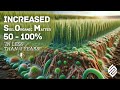
Increasing soil organic matter by 1% (using carbon from the atmosphere) boosts water-holding capacity by 25,000 gallons/acre, improving infiltration and resilience to heavy rain, as seen at Chestnut M
-
Soil organic matter is built by microbial biomass, influenced by growth efficiency. Cover crops enhance microbial efficiency (55% in organic vs. 45% in conventional systems), leading to greater stable

Community
-
Soil Organic Matter (SOM) is vital for soil health and water infiltration. Plant roots, fed by photosynthesis sugars, attract fungi that produce glomalin, aggregating soil particles and creating pores
Read more (opens in new window) ucanr.edu -
Soil organic matter is key to water retention and soil function; living plants feed soil microbes, while tilling harms soil structure and erosion. Nutrient deficiencies are often due to lack of soil l
Read more (opens in new window) permies.com -
Carbon and soil organic matter are key to soil health, controlling 90% of functions and doubling water holding capacity from 1-3% organic matter. Soil microbes thrive on living plant roots, dead roots
Read more (opens in new window) permies.com -
Healthy soil is a living ecosystem requiring organic matter, microbes, and minimal disturbance. Practices like adding compost, leaving roots in the ground, mulching, diverse planting, crop rotation, a
Read more (opens in new window) ucanr.edu
Research
-
Microbial Community Traits and Necromass Dynamics Shape Soil Carbon Accumulation. (opens in new window)
This study found: Organic fertilizers boost soil carbon 160% over 180 years vs. 26% for synthetic, by supporting beneficial soil microbes and building both labile and stable carbon pools. Long-term studies confirm orga
-
Organic materials input promotes the soil aggregate sequestration through changing soil aggregates structure and stability. (opens in new window)
This study found: Adding organic materials, especially waste mushroom bran, significantly improved soil moisture, water use, and carbon storage in dry Chinese farmland, with mushroom bran increasing stored carbon by 95
-
Deciphering microbial mechanisms underlying soil organic carbon storage in a wheat-maize rotation system. (opens in new window)
This study found: Adding organic matter like manure or peat-vermiculite to wheat-corn fields significantly boosted soil carbon storage by 26.5-50.0% by influencing microbial growth strategies, compared to chemical fert
-
Managing soil organic matter – implications for soil structure on organic farms (opens in new window)
This study found: Fresh organic matter, especially from organic farming practices like cover crops and leys, is key to building good soil structure by binding soil particles. Organic farms often have better soil struct
From the Web
-
Organic farming enhances resilience to extreme weather through improved water use efficiency, driven by higher soil organic matter (SOM) and humus. This increases water infiltration and retention, whi
-
Soil organic matter significantly increases water-holding capacity, with every 1% SOM storing an extra 10,800 liters/acre. It improves soil structure, enhances cation exchange capacity (CEC) for nutri
-
Increasing soil microbial biomass (MB) is key to soil and crop health, driven by soil organic matter (SOM). Fresh SOM provides readily available nutrients and supports high MB, while stable SOM offers
-
Soil organic matter is vital for soil health, enhancing plant nutrition through mineralization and CEC, improving soil tilth, water availability, pH buffering, root development, and protecting against
3
Conditions for Success: Climate and Soil Type Influence
The effectiveness of regenerative practices in building soil's water management capacity is influenced by climate and inherent soil properties. However, the fundamental principles of building organic matter and soil structure apply universally. In temperate climates and...
Conditions for Success: Climate and Soil Type Influence
The effectiveness of regenerative practices in building soil's water management capacity is influenced by climate and inherent soil properties. However, the fundamental principles of building organic matter and soil structure apply universally. In temperate climates and...
The effectiveness of regenerative practices in building soil's water management capacity is influenced by climate and inherent soil properties. However, the fundamental principles of building organic matter and soil structure apply universally.
In temperate climates and regions with reliable rainfall, such as the agricultural heartlands of North America and Europe, mild winters and moderate summers allow for steady biological activity and decomposition, facilitating the conversion of organic inputs into stable SOM. Practices like cover cropping are particularly effective in building soil organic matter and structure, leading to a 0.2-0.5% annual increase in SOM over 5-10 years with consistent application, which significantly enhances water infiltration and retention, reducing runoff from intense spring and summer storms.
In semi-arid and arid regions, such as parts of Australia, the Middle East, or the Southwestern United States, water is the primary limiting factor. Here, the sponge analogy becomes even more critical. Practices that maximize water capture and minimize evaporation are paramount. Using mulches, contour farming, swales, and water-harvesting structures, alongside cover crops adapted to dry conditions (e.g., native grasses, drought-tolerant legumes), can significantly improve soil moisture. In Western Australia, farmers have reported that increasing soil organic carbon from 1% to 2.5% through improved grazing management and reduced tillage has increased plant-available water by up to 50 mm (2 in), extending pasture viability during dry periods.
Tropical regions, while often receiving high rainfall, can also suffer from extreme wet and dry seasons, and soils can be prone to rapid degradation due to high temperatures and intense precipitation. In these areas, practices like agroforestry, cover cropping with nitrogen-fixing species, and no-till farming are vital for maintaining soil structure and preventing erosion. The humid tropics of Brazil, for instance, benefit immensely from well-structured soils that can absorb heavy monsoonal rains, reducing landslide risks and preventing nutrient leaching that would otherwise occur on degraded, impermeable soils. Restoring this capacity, often over 3-7 years, is key to sustainable production.
Sources behind this view
Sources behind this view
Videos & Podcasts
-
Increasing soil organic matter via carbon cycling, cover crops, and livestock grazing enhances water infiltration and storage, building resilience against drought. Intentional practices are key to pro
-
No-till and residue retention have increased soil organic matter significantly (e.g., from 0.75% to 2.3-2.4%), enhancing water-holding capacity and nutrient cycling. This builds resilience against flo

-
Multispecies farming boosts soil water-holding capacity (1% OM = 27k gal/acre) and infiltration through living roots, reduced tillage, and diverse biology. It improves water-use efficiency and drastic
-
Building soil organic matter through regenerative practices like composting and regenerative grazing is key to sequestering carbon, increasing resilience, improving water retention, and boosting yield
Community
-
Tropical soils have low cation exchange capacity due to minimal clay and humic acid; organic matter is primarily in canopy, not soil. Soil fauna create porosity, so lack of organic matter causes erosi
Read more (opens in new window) permies.com -
High organic matter significantly increases soil water retention, preventing issues like the Dust Bowl. Permaculture ponds and swales facilitate slow water permeation deep into the soil, preventing ev
Read more (opens in new window) permies.com -
Build healthy soil for carbon sequestration by protecting it with cover, mulch, or roots; reducing tilling; using compost; and avoiding pesticides and leaf blowers. Practices are key for plant growth
Read more (opens in new window) ucanr.edu -
Conserve soil moisture by minimizing disturbance and tilling, as reduced-disturbance methods with cover crops retain more water. Encourage biodiversity above and below ground through diverse plantings
Read more (opens in new window) ucanr.edu
Research
-
Soil and Water Conservation Practices for Enhancing Productivity in Dryland Farming: A Review (opens in new window)
This study found: Dryland farming faces challenges from drought and soil degradation. Soil and water conservation practices like conservation tillage, cover crops, and rainwater harvesting improve soil moisture, health
-
Improving Farming Practices for Sustainable Soil Use in the Humid Tropics and Rainforest Ecosystem Health (opens in new window)
This study found: In humid tropics, avoid plowing and use continuous mulching with gypsum to build soil organic matter for better root growth and nutrient uptake. Green manure is preferred over soluble chemical fertili
-
The pros and cons of increasing soil organic matter in dryland cropping systems (opens in new window)
This study found: Review of strategies to increase soil organic matter in drylands, balancing benefits (soil health, resilience) with costs (economic, environmental). Highlights context-specific optima and unique dryla
-
Potential regenerative agricultural practices for different ecosystems to rebuild soil health and ensure food security: A comprehensive review (opens in new window)
This study found: Regenerative agriculture practices boost soil health, increase crop yields by up to 18%, and cut greenhouse gas emissions by up to 5% across tropical and temperate regions, with specific strategies ne
4
Interaction Effects: Beyond Water Retention
The enhanced water dynamics in healthy soil have cascading positive effects on other soil functions and farm productivity. This interconnectedness is a hallmark of regenerative agriculture. Nutrient Cycling: Healthy soil structure and increased organic matter improve the...
Interaction Effects: Beyond Water Retention
The enhanced water dynamics in healthy soil have cascading positive effects on other soil functions and farm productivity. This interconnectedness is a hallmark of regenerative agriculture. Nutrient Cycling: Healthy soil structure and increased organic matter improve the...
The enhanced water dynamics in healthy soil have cascading positive effects on other soil functions and farm productivity. This interconnectedness is a hallmark of regenerative agriculture.
Nutrient Cycling: Healthy soil structure and increased organic matter improve the soil's ability to hold and supply nutrients. Water acts as a carrier for dissolved nutrients in the soil solution. When soil retains water better, it also retains essential plant nutrients like nitrogen, phosphorus, and potassium, preventing their loss through leaching or runoff. As soil organic matter decomposes, it releases these nutrients in a slow, steady manner, making them available to plants over time. This reduces the need for synthetic nutrient inputs, with farmers often observing a reduction in synthetic fertilizer applications by 20-40% after 3-5 years of building soil health.
Soil Aeration and Root Health: The improved pore structure created by aggregation and biological activity allows for better air exchange within the soil. This is critical because plant roots require oxygen to respire and function properly. Soils that are compacted or waterlogged become anaerobic, suffocating roots and hindering nutrient uptake. The spongy nature of healthy soil ensures adequate aeration even during periods of high soil moisture, promoting deeper and more vigorous root growth. This leads to healthier, more resilient crops that are better equipped to withstand stress.
Disease and Pest Suppression: A diverse and active soil microbiome, fostered by healthy soil conditions and abundant organic matter, plays a crucial role in suppressing soil-borne diseases and pests. Beneficial microorganisms can outcompete pathogens, form symbiotic relationships with plants that enhance defense mechanisms, or produce compounds that deter pests. The improved water management of healthy soils also contributes by reducing plant stress, as stressed plants are often more susceptible to diseases and pest attacks. Farmers integrating livestock and diverse cover crops frequently report a decrease in pest pressure over 5-7 years.
Sources behind this view
Sources behind this view
Videos & Podcasts
-
Multispecies farming boosts soil water-holding capacity (1% OM = 27k gal/acre) and infiltration through living roots, reduced tillage, and diverse biology. It improves water-use efficiency and drastic
-
Demonstrates improved soil structure, aggregation, and organic matter from no-till, strip-till, and cover crops (alfalfa, radish, rye). Benefits include increased water infiltration, reduced erosion,

-
Reducing chemical and mechanical disturbance is key to soil health. Adding compost inoculates soil with diverse microorganisms, improving aggregation, water infiltration, and plant resilience via myco

-
No-till and residue retention have increased soil organic matter significantly (e.g., from 0.75% to 2.3-2.4%), enhancing water-holding capacity and nutrient cycling. This builds resilience against flo
Community
-
Create healthy soil for drought resilience by adding compost/humus (30% by volume) twice yearly. Healthy soil improves water retention, drainage, and plant health, reducing the need for inputs. Avoid
Read more (opens in new window) ucanr.edu -
Promotes soil health by reducing tillage, increasing diversity, maintaining living roots with cover crops and rotations, and integrating livestock. These practices improve soil structure, organic matt
Read more (opens in new window) smallfarms.cornell.edu -
Healthy soil is a living ecosystem benefiting farms and the environment through nutrient cycling, pollution filtering, and drought resilience. Cover crops improve soil health, reduce erosion, and boos
Read more (opens in new window) sustainableagriculture.net -
Develop a diverse fungal network and bacterial population using compost teas to improve soil water-holding capacity and draught-proofing. Healthy soil protects plants from disease and pests, enabling
Read more (opens in new window) permies.com
Research
-
Regenerative Agriculture: Restoring Ecosystems¢ Resilience and Productivity: A Review (opens in new window)
This study found: Regenerative agriculture builds soil health and ecosystem services through practices like no-till, cover crops, and diverse rotations. It increases soil organic matter, improves water infiltration, bo
-
Substantial and Rapid Increase in Soil Health across Crops with Conversion from Conventional to Regenerative Practices (opens in new window)
This study found: Switching to regenerative practices like cover cropping and compost rapidly improved soil organic matter, soil structure, and beneficial soil microbes on a working farm over nine years.
-
Impact of Organic Farming Practices on Crop Productivity and Soil Health: A Review (opens in new window)
This study found: Organic farming practices boost soil health, increase crop resilience to drought, and enhance nutritional quality, though initial yields may be lower. Long-term benefits include carbon sequestration a
-
Soil Health and Sustainable Agriculture (opens in new window)
This study found: Healthy soil, driven by diverse microbes like root fungi, is key to sustainable agriculture. Practices like organic farming and conservation tillage improve soil health, though organic farming may hav
From the Web
-
Soil restoration hinges on year-round green cover for photosynthesis, enhancing soil carbon and nutrient density. Practices like multi-species cover crops, strategic grazing, and promoting microbial d
-
Healthy soils, with balanced biological, physical, and chemical properties, support crop health by cycling nutrients, improving soil structure for water and aeration, and maintaining optimal nutrient
-
Healthy soils, with balanced biological, physical, and chemical properties, support crop health by enhancing nutrient cycling, improving water management, and promoting beneficial organisms. Organic m
-
Healthy soil, achieved through regenerative practices, significantly increases water retention, drought resilience, and farm profitability by acting like a sponge and reducing runoff.
5
Measuring the Effect: Practical Indicators for Farmers
Farmers can observe tangible changes that indicate improved soil-water connections. These are often qualitative but can be complemented by simple quantitative measures. Observable Infiltration: The most direct indicator is how quickly water enters the soil. During...
Measuring the Effect: Practical Indicators for Farmers
Farmers can observe tangible changes that indicate improved soil-water connections. These are often qualitative but can be complemented by simple quantitative measures. Observable Infiltration: The most direct indicator is how quickly water enters the soil. During...
Farmers can observe tangible changes that indicate improved soil-water connections. These are often qualitative but can be complemented by simple quantitative measures.
Observable Infiltration: The most direct indicator is how quickly water enters the soil. During rainfall or irrigation, observe if water ponds on the surface and runs off, or if it quickly disappears into the soil. After a rain event, check for standing water days later in degraded areas versus healthy ones. Infiltration rates can be roughly assessed by digging a small hole (e.g., 30 cm x 30 cm x 30 cm or 12 in x 12 in x 12 in), filling it with water, letting it drain, and refilling it to measure how long it takes for the water level to drop a set amount (e.g., 2.5 cm or 1 in). A drop rate of, say, 1-2 cm (0.4-0.8 in) per hour is indicative of good infiltration.
Soil Moisture Retention: Feel the soil at different depths after rainfall. Healthy soil will remain moist but not waterlogged for longer periods, often exhibiting a crumbly, friable texture. Degraded soils may become hard and dry quickly on the surface, or remain saturated and muddy for extended durations. Simple soil moisture probes can provide quantitative data, showing higher sustained moisture levels in soils with better health. Many farmers in the Canadian Prairies, for example, have noted their soils hold moisture for an extra 7-10 days after an irrigation or rain event following 5 years of implementing reduced tillage and cover crops.
Earthworm Activity and Aggregate Stability: The presence of earthworms is a strong indicator of soil biological health and, by extension, good soil structure. More earthworms mean more natural drainage channels. To assess aggregate stability, take a soil sample from the field and gently immerse it in a bucket of water. Healthy aggregates will maintain their structure for several minutes, slowly releasing some sediment. Degraded aggregates will immediately break apart and disperse, creating cloudy water. This simple visual test can demonstrate the structural improvements achieved through increased organic matter and reduced disturbance.
Sources behind this view
Sources behind this view
Videos & Podcasts
-
Practical soil assessment methods include using a spade for structure, infiltration tests with aluminum rings, PLFA analysis for biology, and Haney analysis. These tools help farmers understand soil h
-
Farmers can assess soil health by walking barefoot to feel for compaction and using simple tools like sticks to measure penetration depth, indicating organic matter levels and the effectiveness of reg

-
Practical methods for measuring soil health, focusing on earthworm populations (presence, community structure, numbers) and aggregate stability. Findings suggest no-till and grass systems promote stab
Research
-
Selecting soil hydraulic properties as indicators of soil health: Measurement response to management and site characteristics (opens in new window)
This study found: Field capacity on intact soil cores is the most reliable indicator of soil water holding capacity improvements from management practices, according to a large North American study.
-
Interaction of soil health indicators to different regenerative farming practices on mineral soils (opens in new window)
This study found: Florida study found organic amendments, especially with cover crops, significantly improved soil health indicators like water retention and nutrient holding. Compacted soil was linked to lower organic
-
Simple soil health management indices to evaluate row crop management (opens in new window)
This study found: Three new numerical scores (gTIR, LRI, SAI) help evaluate row crop soil health management. Higher scores correlate with improved soil organic carbon, structure, and microbial activity, offering a prac
-
An evaluation of nitrogen indicators for soil health in long‐term agricultural experiments (opens in new window)
This study found: Tests on 124 sites show reduced tillage, cover crops, and organic inputs significantly boost soil nitrogen availability. Soil carbon tests may predict nitrogen supply, simplifying soil health assessme
From the Web
-
Provides a practical guide to measuring soil health using field indicators and lab tests, emphasizing consistency, context-specific interpretation, and tracking functional improvements over time. Link
-
Seven key soil health indicators are detailed: soil cover (bare soil is bad), color (darker is better, indicates organic matter), structure (aggregation for pore space), biological activity (earthworm
-
Assessing soil health involves general field observations (yields, root health, erosion) and detailed field indicators like soil cover, aggregate stability, and earthworm presence. Soil health is best
-
Assess soil health visually and by smell using indicators like soil cover, color, structure, biological activity (earthworms, dung beetles), rooting resistance, earthy smell (geosmin), and erosion sig
6
Regional Variation: From Arid to Humid
The expression of the soil-water connection, and the challenges it presents, varies significantly across global agricultural landscapes. Semi-Arid North America (e.g., Great Plains, USA/Canada): Here, water conservation is paramount. Farmers have adopted practices like...
Regional Variation: From Arid to Humid
The expression of the soil-water connection, and the challenges it presents, varies significantly across global agricultural landscapes. Semi-Arid North America (e.g., Great Plains, USA/Canada): Here, water conservation is paramount. Farmers have adopted practices like...
The expression of the soil-water connection, and the challenges it presents, varies significantly across global agricultural landscapes.
Semi-Arid North America (e.g., Great Plains, USA/Canada): Here, water conservation is paramount. Farmers have adopted practices like no-till farming for over two decades, often alongside diverse cover crop mixes (e.g., annual ryegrass, forage sorghum, legumes) and rotational grazing. These have led to measurable increases in soil organic matter, with some ranches reporting boosts from 1.5% to 3.0% over 10-15 years. This translates to an additional 75-125 mm (3-5 in) of water storage capacity, critical for surviving infrequent but intense summer rains and prolonging pasture health through dry spells.
Europe (e.g., Spain, France): In regions with variable rainfall, such as southern Spain, healthy soil structure is vital for mitigating erosion during intense storms and retaining moisture during prolonged dry periods. Farmers here are increasingly using cover crops (e.g., vicia, oats, mustard) and compost to improve soil aggregation and organic matter. Evidence suggests that a 1% increase in SOM can improve plant-available water by up to 80 mm (3 in) within the top 30 cm (12 in). This helps vineyards and olive groves thrive with reduced irrigation, which is becoming increasingly important due to climate change.
Africa (e.g., Eastern African Highlands): For smallholders in regions like Kenya or Ethiopia, improving soil's water absorption and retention directly impacts food security. Practices like intercropping cereals with legumes, conservation tillage, and the use of animal manure have helped farmers increase soil organic matter by 0.3-0.6% annually in some cases. This improves the ability of their land to soak up the seasonal rains, reducing runoff and ensuring moisture availability for crops during the crucial growth stages, often increasing yields by 15-30% within 3-5 years.
Asia (e.g., India): In rice paddy systems and rain-fed agriculture, soil structure is key. Building soil organic matter through crop residue incorporation, green manures, and integrated livestock systems improves water infiltration in rice paddies, reducing water seepage losses. In rain-fed areas, increased SOM enhances water retention, making crops more resilient to drought. Farmers in Maharashtra, India, have reported that adopting practices to build soil organic carbon from below 0.5% to over 1.0% has significantly extended the moisture availability for crops like pulses and millets, reducing yield variability year-on-year.
Sources behind this view
Sources behind this view
Videos & Podcasts
-
Increasing soil organic matter via carbon cycling, cover crops, and livestock grazing enhances water infiltration and storage, building resilience against drought. Intentional practices are key to pro
-
No-till and residue retention have increased soil organic matter significantly (e.g., from 0.75% to 2.3-2.4%), enhancing water-holding capacity and nutrient cycling. This builds resilience against flo
-
To regenerate soils in dry climates, focus on improving water-holding capacity by breaking compaction and building soil structure with biology. Use cover crops alongside soil biology to reduce evapora

Community
-
In arid deserts, increasing soil organic matter (aiming for 1.5% over 40 years) and using cover crops/living mulch are key to retaining limited rainfall (8-10 inches annually) and reducing evaporation
Read more (opens in new window) permies.com
Research
-
Soil and Water Conservation Practices for Enhancing Productivity in Dryland Farming: A Review (opens in new window)
This study found: Dryland farming faces challenges from drought and soil degradation. Soil and water conservation practices like conservation tillage, cover crops, and rainwater harvesting improve soil moisture, health
-
Soil and crop management practices and the water regulation functions of soils: a qualitative synthesis of meta-analyses relevant to European agriculture (opens in new window)
This study found: Review of many studies shows organic matter and continuous living cover improve European soil water management by enhancing soil structure and infiltration, though reduced tillage benefits are less cl
-
The pros and cons of increasing soil organic matter in dryland cropping systems (opens in new window)
This study found: Review of strategies to increase soil organic matter in drylands, balancing benefits (soil health, resilience) with costs (economic, environmental). Highlights context-specific optima and unique dryla
-
In-situ Soil and Water Conservation for Sustainable Agriculture (opens in new window)
This study found: On-site conservation practices like cover crops, crop rotation, and organic amendments improve soil moisture, farm resilience, and prevent land degradation, supported by mapping tools for better water
7
Research Gaps: Quantifying Long-Term Hydrological Shifts
While the general principles are well-established, there remain areas for further research to refine our understanding of the quantitative, long-term impacts of regenerative practices on farm-scale hydrology and watershed health. Predictive Modeling: More precise models...
Research Gaps: Quantifying Long-Term Hydrological Shifts
While the general principles are well-established, there remain areas for further research to refine our understanding of the quantitative, long-term impacts of regenerative practices on farm-scale hydrology and watershed health. Predictive Modeling: More precise models...
While the general principles are well-established, there remain areas for further research to refine our understanding of the quantitative, long-term impacts of regenerative practices on farm-scale hydrology and watershed health.
Predictive Modeling: More precise models are needed to predict how different regenerative practices will affect specific hydrological processes (infiltration, evaporation, runoff, groundwater recharge) under varying climate scenarios and soil types across diverse global regions. This would allow for more tailored management recommendations.
Downstream Impacts: Quantifying the long-term, cumulative impact of widespread adoption of regenerative agriculture on regional water quality and quantity, including groundwater levels and river flow regimes, requires extensive, multi-year monitoring across various catchments.
Interaction with Climate Extremes: While we see benefits, further research is needed to fully understand how regenerative soils perform during prolonged, record-breaking droughts or extreme flood events, and what thresholds of soil health are required for optimal resilience.
Economic Valuation: While cost savings are observable, a more comprehensive economic valuation of the ecosystem services provided by healthy soils related to water management (e.g., flood mitigation, water purification, irrigation savings) is crucial for incentivizing widespread adoption.
Sources behind this view
Sources behind this view
Research
-
Systematic review of regenerative farming: Addressing agricultural sustainability challenges (opens in new window)
This study found: Systematic review of 31 studies shows regenerative farming improves soil health, biodiversity, and carbon capture, aiding sustainability. Technology is key for adoption, but policy, farmer understandi
-
Regenerative Agriculture in the 21st Century: A Systematic Review of Environmental, Agronomic, and Socio-Economic Outcomes (opens in new window)
This study found: Systematic review finds Regenerative Agriculture boosts environment but faces yield gaps (16-21%) and socio-economic barriers. Advocates for resilience over maximum yields, needing financial support a
-
FORAGES AND PASTURES SYMPOSIUM: COVER CROPS IN LIVESTOCK PRODUCTION: WHOLE-SYSTEM APPROACH: Managing grazing to restore soil health and farm livelihoods1 (opens in new window)
This study found: Regenerative grazing management is key to sustainable, climate-resilient farms. It restores soil health, enhances ecosystem services like carbon capture and water infiltration, and improves farm profi
-
Standardized Metrics in Regenerative Agriculture for Climate Change Adaptation and Mitigation (opens in new window)
This study found: A systematic review highlights the need for standardized metrics in regenerative agriculture to measure climate benefits, integrating environmental, social, and economic data with digital tools for wi
8
Connecting Science to Practice: Management Decisions
The scientific understanding of the soil-water connection directly informs practical on-farm management decisions. Tillage Choices: Reducing or eliminating tillage preserves soil aggregation and pore structure, directly enhancing infiltration and water retention....
Connecting Science to Practice: Management Decisions
The scientific understanding of the soil-water connection directly informs practical on-farm management decisions. Tillage Choices: Reducing or eliminating tillage preserves soil aggregation and pore structure, directly enhancing infiltration and water retention....
The scientific understanding of the soil-water connection directly informs practical on-farm management decisions.
Tillage Choices: Reducing or eliminating tillage preserves soil aggregation and pore structure, directly enhancing infiltration and water retention. Practices like no-till, strip-till, and minimum tillage are fundamental for building this sponge-like soil.
Organic Matter Diversification: Continuously feeding the soil with diverse organic materials—cover crops, crop residues, compost, animal manures, and mulches—is essential for building soil organic matter. This directly increases water-holding capacity and improves soil structure.
Water-Smart Landscaping: In sloping landscapes, techniques like swales, contour farming, and terracing are used to slow down water flow, allowing more time for infiltration and reducing erosion, ensuring water is captured and retained on-site.
Livestock Integration: Managed rotational grazing can stimulate grass growth, increasing root exudates that feed soil microbes and build soil organic matter. The hoof action, when managed correctly, can break up surface crusts and improve infiltration, especially on grassland systems.
Cover Crop Selection: Choosing cover crops based on regional climate and soil type is crucial. Legumes fix nitrogen, grasses improve soil structure and build biomass, and brassicas can help break through compacted layers. A diverse mix generally offers the most comprehensive benefits for soil health and water management.
Sources behind this view
Sources behind this view
Videos & Podcasts
-
Increasing soil organic matter via carbon cycling, cover crops, and livestock grazing enhances water infiltration and storage, building resilience against drought. Intentional practices are key to pro
-
Multispecies farming boosts soil water-holding capacity (1% OM = 27k gal/acre) and infiltration through living roots, reduced tillage, and diverse biology. It improves water-use efficiency and drastic
-
Seven soil health principles for profitable farming: mindfulness, context, minimal tillage, ground cover, diversity (four plant families), living roots, and managed animal impact. These practices redu

-
Implementing the six soil health principles (living root, cover crops, diversity, minimize disturbance) over 3-5 years can dramatically improve soil function, aggregation, and water cycles, reducing t

Community
-
Enhance soil health through plant diversity, continuous soil cover (living plants/residues), and livestock integration. Manage carbon-to-nitrogen ratios of residues and adopt no-till practices to impr
Read more (opens in new window) permies.com -
Sustainable soil management practices like reducing tillage, planting cover crops, and improving crop rotations enhance soil health and drought resilience. No-till systems drastically reduce water run
Read more (opens in new window) sustainableagriculture.net -
Conserve soil moisture by minimizing disturbance and tilling, as reduced-disturbance methods with cover crops retain more water. Encourage biodiversity above and below ground through diverse plantings
Read more (opens in new window) ucanr.edu -
Explains the benefits of no-till/strip-till, cover crops, and nutrient management for reducing soil erosion, improving soil health, increasing water infiltration, and mitigating nutrient loss and gree
Read more (opens in new window) sustainableagriculture.net
Research
-
Soil and Water Conservation Practices for Enhancing Productivity in Dryland Farming: A Review (opens in new window)
This study found: Dryland farming faces challenges from drought and soil degradation. Soil and water conservation practices like conservation tillage, cover crops, and rainwater harvesting improve soil moisture, health
-
In-situ Soil and Water Conservation for Sustainable Agriculture (opens in new window)
This study found: On-site conservation practices like cover crops, crop rotation, and organic amendments improve soil moisture, farm resilience, and prevent land degradation, supported by mapping tools for better water
-
Soil and crop management practices and the water regulation functions of soils: a qualitative synthesis of meta-analyses relevant to European agriculture (opens in new window)
This study found: Review of many studies shows organic matter and continuous living cover improve European soil water management by enhancing soil structure and infiltration, though reduced tillage benefits are less cl
-
Sustainable Soil Management Practices in Modern Agriculture: A Systematic Review (opens in new window)
This study found: A review of Indian agriculture (2015-2024) found combined sustainable practices like reduced tillage, cover crops, and precision farming significantly improve soil health, reduce erosion, and boost ca
From the Web
-
Offers practical methods to improve soil's water-holding capacity and infiltration by enhancing soil health through reduced tillage, cover crops, livestock integration, and organic matter addition. Al
-
Offers practical methods to improve soil health for better water infiltration and retention, including reducing tillage, using cover crops, integrating livestock, adding organic matter, and landformin
-
Steps for Water-Smart Agriculture include: assessing soil status, controlling erosion with mechanical/biological methods (terraces, conservation agriculture), improving soil water storage (mulching, o
-
Improving soil health is key for irrigators to increase water-holding capacity and drought resilience. Practices include minimizing tillage, maximizing soil cover and biodiversity, integrating livesto
9
Know the Debate
Healthy soil's ability to act like a sponge—absorbing, retaining, and releasing water—is a cornerstone of regenerative agriculture, but its express...
Know the Debate
Healthy soil's ability to act like a sponge—absorbing, retaining, and releasing water—is a cornerstone of regenerative agriculture, but its express...
Healthy soil's ability to act like a sponge—absorbing, retaining, and releasing water—is a cornerstone of regenerative agriculture, but its expression varies significantly across landscapes. In humid temperate regions with reliable rainfall, adopting practices like cover cropping and reduced tillage can lead to noticeable improvements in water infiltration and retention within 2-3 years, significantly reducing runoff. Conversely, in semi-arid rangelands where water is scarce, the benefits of increased soil organic matter on water-holding capacity are even more pronounced, though achieving substantial gains may take 5-7 years due to slower decomposition rates. Entry costs for these soil-building practices vary widely, from minimal labor and seed costs for cover crops on small farms to significant capital investment in equipment and permanent infrastructure for larger operations or more intensive grazing systems.
How fast does soil water infiltration improve?
Rapid improvement (1-3 years)
In fertile, humid regions with active biology, regenerative practices like cover cropping and minimal tillage can rapidly improve infiltration rates. This is due to quick microbial colonization and aggregate formation, making soil absorbent within 1-3 years.
Sources behind this view
Sources behind this view
Videos & Podcasts
-
Air and water are vital for regenerative soil. Practices like keeping soil covered, avoiding tillage, and increasing organic matter improve water retention and carbon sequestration, leading to healthier, more resilient plants and reduced input needs.

-
Improving soil health through increased organic matter and better infiltration, via cover crops and no-till, can prevent flooding and erosion, as demonstrated by reduced impacts during heavy rainfall events.

Research
-
The role of soil hydrology in soil health (opens in new window)
This study found: This chapter explains how the way soil holds and moves water (soil hydrology) is key to soil health. It highlights that how water interacts with soil affects soil structure, nutrient availability, and the life within the soil, all of which are crucial for healthy plants and a healthy environment. The chapter explores how different water-related soil conditions influence crop growth and the benefits soil provides, like filtering water. It emphasizes that understanding and managing soil water is essential for good soil health and effective farming practices.
Moderate improvement (3-7 years)
In many temperate climates, achieving significant and stable improvements in water infiltration takes 3-7 years as soil organic matter gradually increases and biological communities establish, requiring consistent management.
Sources behind this view
Sources behind this view
Videos & Podcasts
-
Healthy soil, acting as a 'soil sponge' due to biological aggregates, allows water infiltration, preventing erosion and flooding while recharging groundwater. Degraded soil, like flour, leads to runoff and drought. Biology transforms soil structure, enabling water absorption and climate regulation.
Research
-
How does soil structure affect water infiltration? A meta-data systematic review (opens in new window)
This study found: This review of over 150 studies confirms that how soil is structured (its arrangement and aggregation) greatly affects how well water soaks into the ground. Farming practices like adding soil conditioners, how crops are managed, and tillage all change soil structure, which in turn impacts water infiltration. The research found strong links between soil structure and how fast water can move through the soil, both when it's dry and when it's saturated. The review suggests we need more research to better understand these connections theoretically.
From the Web
-
Healthy soil with organic matter and mycorrhizal fungi is key to water retention and mitigating climate change. Holistic land management with properly timed grazing can restore degraded land to fertile grassland, promoting soil fertility and biodiversity.
Slow or context-dependent improvement (5-10+ years)
In semi-arid areas with limited rainfall and slower biological decomposition, or on highly degraded soils, it can take 5-10 years or more for noticeable improvements in water infiltration and retention to manifest.
Sources behind this view
Sources behind this view
Videos & Podcasts
-
The soil sponge, formed by aggregation and pore space creation, is vital for water infiltration, nutrient cycling, erosion control, and climate regulation. Healthy soil structure, achieved through living roots, cover, minimal disturbance, and no biocides, prevents runoff and supports life, unlike compacted, degraded soils.
From the Web
-
Improving soil health involves six principles: know context, cover soil, minimize disturbance, increase plant diversity, maintain living roots, and integrate livestock, guided by ecological principles.
-
Soil for Water project helps farmers and ranchers increase soil water retention using regenerative practices, appropriate technology, and peer learning to build drought resilience.
Making Sense of the Differences
The speed of soil water infiltration improvement varies primarily with climate, soil type, and the intensity of regenerative management. Humid regions with active biology see faster changes (1-3 years). Temperate climates typically experience moderate improvements (3-7 years) as organic matter builds. Semi-arid regions or severely degraded soils require longer timelines (5-10+ years) due to slower biological processes and water limitations. Farmers should assess their local climate, soil organic matter levels, and management consistency to set realistic expectations for infiltration rates.
How much water can healthy soil hold?
Significant increase with organic matter (e.g., +50-100mm)
Increasing soil organic matter by 1-2% can substantially boost plant-available water, often adding 50-100 mm (2-4 inches) of storage in the topsoil, significantly enhancing drought resilience.
Sources behind this view
Sources behind this view
Videos & Podcasts
-
Increasing soil organic matter by 1% (using carbon from the atmosphere) boosts water-holding capacity by 25,000 gallons/acre, improving infiltration and resilience to heavy rain, as seen at Chestnut Manor Farms.
-
Increasing soil carbon by 1% can store an extra 16,000 gallons of water per acre, enhancing resilience to floods and droughts. Focusing on 'green water' (soil moisture) and land function is key to mitigating degradation.

From the Web
-
Healthy soils with high organic matter are crucial for water infiltration and retention. Soil structure, texture, and porosity influence this capacity, with loam soils being ideal. Practices that damage soil aggregation reduce water absorption, while increasing organic matter significantly boosts water holding capacity.
Moderate but valuable increase with management
Improvements in water retention are notable, with each 1% soil organic matter increase potentially adding 25,000-50,000 liters/hectare, providing crucial buffering against dry spells.
Sources behind this view
Sources behind this view
Research
-
How does building healthy soils impact sustainable use of water resources in irrigated agriculture? (opens in new window)
This study found: As water becomes scarcer, farms that rely on irrigation face challenges in reducing their water use while still growing enough crops. This review explores how improving soil health can help. Healthy soils can capture more rainwater (green water) and store it, making it available for plants. They can also help plants use water more efficiently, reducing the need for irrigation (blue water). By improving soil health, farms can become more resilient to droughts and reduce their overall water footprint. To fully understand this potential, more research is needed that looks at how soil health, irrigation, and crop choices work together. While the technical benefits are clear, adopting these practices also requires overcoming practical and organizational hurdles.
-
How does soil structure affect water infiltration? A meta-data systematic review (opens in new window)
This study found: This review of over 150 studies confirms that how soil is structured (its arrangement and aggregation) greatly affects how well water soaks into the ground. Farming practices like adding soil conditioners, how crops are managed, and tillage all change soil structure, which in turn impacts water infiltration. The research found strong links between soil structure and how fast water can move through the soil, both when it's dry and when it's saturated. The review suggests we need more research to better understand these connections theoretically.
From the Web
-
Healthy soil, achieved through regenerative practices, significantly increases water retention, drought resilience, and farm profitability by acting like a sponge and reducing runoff.
Making Sense of the Differences
The water-holding capacity of soil scales with its organic matter content. While precise figures vary by soil type and climate, each 1% increase in soil organic matter can add 25,000-50,000 liters per hectare (25,000-50,000 gallons per acre) of plant-available water. Field reports and academic studies consistently show this effect, with some estimates suggesting up to 100 mm (4 inches) extra storage in topsoil. Farmers can significantly improve their drought resilience and reduce irrigation needs by focusing on maximizing soil organic matter through cover cropping and reduced tillage.