
What cover crops work in my climate?
Choosing cover crops that thrive in your specific climate is paramount for success. The best approach is to match crop characteristics—like drought tolerance, frost hardiness, and nutrient management needs—to your local environmental conditions and farm goals. Consider temperature ranges (both average and extremes), rainfall patterns, soil types, and the intended timing of cover crop use (e.g., winter or summer fallow periods). Investigating local agricultural extension recommendations and observing successful practices in neighboring regions can provide invaluable guidance for selecting climate-appropriate species or mixes.
Read More: Complete Description
Sources behind this view
Sources behind this view
 Videos & Podcasts
-
In Zone 3A with short growing seasons, cover cropping strategies include dedicating plots, using pathways with clovers, or under-sowing cash crops. If full cover cropping isn't possible, focus on unde

-
Implementing cover crops involves identifying resource concerns, fitting them into the cropping plan (considering herbicide restrictions and termination methods), checking insurance/government program
-
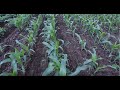
Cover crop selection requires considering purpose, cropping system, timing, and site conditions. The Midwest Cover Crops Council tool helps identify suitable species and planting dates based on these

-
Adapt cover crop selection to climate and animal needs. Use warm-season grasses and legumes for summer grazing and cool-season options for fall. Pasture stitching enhances diversity and productivity.

 Community
-
Covers practical use of cover crops: select species and timing based on goals and conditions. Winter cover crops sown late summer/early autumn, growing season cover crops between main crops. Hairy vet
Read more (opens in new window) www.permaculture.org.uk -
Seeks advice on transplanted cover crops for Zone 9a Mediterranean climates with frost, heavy rain, and wind. Ideal plants need large spacing, winter growth, easy termination, high biomass, and should
Read more (opens in new window) permies.com -
Provides practical guidance on selecting and timing cover crops based on goals and conditions, including winter cover crops for erosion control and growing season cover crops for weed suppression and
Read more (opens in new window) www.permaculture.org.uk
 Research
-
Optimizing cover crop practices as a sustainable solution for global agroecosystem services. (opens in new window)
This study found: Optimized cover crop strategies (long-term, no-till, legume/non-legume mix, residue mulch) significantly boost farm ecosystem services, including crop yields, carbon capture, and erosion control, whil
-
Evaluating Cover Crops for Benefits, Costs and Performance within Cropping System Niches (opens in new window)
This study found: Review of cover crops highlights benefits (pest control, soil health, yield) and costs. Best species identified for different seasons/regions. Rye excels in winter, C4 grasses in summer. Legumes fix N
-
Opportunities and Challenges for Cover Cropping in Sustainable Agriculture Systems in Southern Australia (opens in new window)
This study found: Cover crops in Southern Australia face climate challenges but offer benefits like moisture retention, erosion control, and weed suppression. Soil type and local weather are key to success, with more r
Key Points
Start Here
- Identify your primary farm goals (e.g., soil health, weed suppression).
- Map your farm's climatic data: temperatures, rainfall, frost dates.
- Research species proven in your specific region or similar climates.
- Consult local agricultural extension services and neighboring farmers.
- Observe local wild or naturalized plant communities for climate clues.
Key Methods
- Select cover crops matched to temperature ranges and rainfall.
- Prioritize drought-tolerant species in arid or dry summer regions.
- Choose frost-hardy options for regions with cold winters.
- Utilize fast-growing legumes and grasses in humid, warm climates.
- Consider deep-rooted crops for breaking hardpans and improving drainage.
Timing Sequence
- Plan planting based on local seasonal temperature and moisture.
- For winter cover, sow before the first hard frost.
- For summer cover, plant after the last frost and at sufficient moisture.
- Align termination timing with your cash crop planting schedule.
- Factor in crop growth rates for biomass and soil coverage.
System Integration
- Match cover crop nutrient needs to soil and farm fertility plan.
- Integrate livestock grazing to manage cover crop biomass.
- Select species that support beneficial insect populations.
- Consider cover crops for nutrient scavenging or nitrogen fixation.
- Sequence covers to build soil organic matter and improve structure.
Know the Debate
- Hardy species like rye and vetch reliably overwinter in cold climates.
- Termination timing varies: early for moisture, late for maximum biomass.
- Short growing seasons require fast-establishing species or early planting.
- Cover crops can face challenges in water-limited regions.
- Species choice depends on climate, soil adaptability, and farm goals.
Going Deeper
1
Temperate Climates: Cold Winters and Moderate Summers
In temperate zones characterized by distinct seasons, including freezing winters and warm summers (e.g., Midwest United States, Central Europe, Northern China), cover crop selection is heavily influenced by frost tolerance and the need to survive or manage winter...
Temperate Climates: Cold Winters and Moderate Summers
In temperate zones characterized by distinct seasons, including freezing winters and warm summers (e.g., Midwest United States, Central Europe, Northern China), cover crop selection is heavily influenced by frost tolerance and the need to survive or manage winter...
In temperate zones characterized by distinct seasons, including freezing winters and warm summers (e.g., Midwest United States, Central Europe, Northern China), cover crop selection is heavily influenced by frost tolerance and the need to survive or manage winter conditions.
For winter survival, species like cereal rye (Secale cereale) are exceptionally cold-hardy, often tolerating temperatures as low as -29°C (-20°F) with adequate snow cover. It provides excellent erosion protection, suppresses winter annual weeds, and scavenges nitrogen effectively, releasing it slowly in the spring. Winter wheat (Triticum aestivum) offers similar benefits but is generally less cold-hardy than rye, with tolerance down to around -23°C (-10°F). Hairy vetch (Vicia villosa) is a cold-tolerant legume, fixing significant amounts of nitrogen and providing biomass, though it can sometimes be difficult to terminate in the spring without specialized equipment. Mixtures of cereal rye with hairy vetch are common, combining the benefits of grass and legume.
For crops planted after harvest in late summer or early fall that are not expected to survive winter, oats (Avena sativa) are a popular choice. They establish quickly, provide good biomass, and winter-kill in regions with hard frosts, leaving a mulch layer. Field peas (Pisum sativum) are also used, often mixed with oats, to add nitrogen fixation before winter kill.
In summer cover crop scenarios within temperate climates, where moisture is available, buckwheat (Fagopyrum esculentum) is a fast-growing option that excels in poor soils and suppresses weeds effectively. It blooms within 4-6 weeks, providing forage for pollinators. Sunflowers (Helianthus annuus) can be planted for deep root growth and biomass.
Sources behind this view
Sources behind this view
Videos & Podcasts
-
Recommend a winter cover crop mix of triticale (50%), Austrian field peas (40%), and hairy vetch (10%) for home gardens in the Fort Collins/Greeley area to improve soil biology, fix nitrogen, and sequ

-
Recommends winter-hardy cover crops for cold climates: hairy vetch and winter rye for nitrogen fixation and biomass; crimson clover for adaptability; winter peas for nitrogen; winter wheat and barley

-
Recommends cover crop species and mixes (cereal rye, oats, radish, clover, rape, vetch, Austrian peas) based on planting dates (Sept 1-Oct 15 for early mixes, late Oct for ryegrass, any time for cerea

-
Cover crop mixes should be tailored to the following cash crop (corn vs. soybeans) and planting time, with recommendations including cereal rye, brassicas, oats, legumes, and radishes, considering fac

Community
-
Details cover crop termination methods, nutrient cycling (N scavenging/fixing, P availability), bio-controls, weed/pest/disease management, and specific mix recommendations. Emphasizes soil testing, r
Read more (pp. 10-20) (opens PDF, pp. 10-20) efotg.sc.egov.usda.gov -
Recommends specific cover crops: cereal rye (60-120 lbs/acre, Sept 1-Oct 15), hairy vetch (15-30 lbs/acre, early Sept), crimson clover (10-20 lbs/acre, late Aug/early Sept), and oats (40-60 lbs/acre,
Read more (opens in new window) ucanr.edu -
Recommends cover crops like cereal rye, hairy vetch, crimson clover, oats, and radishes based on farm goals, soil type, and planting dates. Emphasizes fall planting for winter hardiness and biomass, a
Read more (opens in new window) ucanr.edu -
Winter soil building involves green mulch (grass clippings, branches) and kitchen waste slurry, creating refuges for soil biota. Temperature is crucial; winter rye thrives in cold, enabling winter cov
Read more (opens in new window) permies.com
Research
-
Evaluating Cover Crops for Benefits, Costs and Performance within Cropping System Niches (opens in new window)
This study found: Review of cover crops highlights benefits (pest control, soil health, yield) and costs. Best species identified for different seasons/regions. Rye excels in winter, C4 grasses in summer. Legumes fix N
-
Winter Cover Crops for Sod‐Planted Corn: Their Selection and Management<sup>1</sup> (opens in new window)
This study found: Rye was the best winter cover crop for sod-planting corn in Virginia, producing good mulch and leading to higher yields and better soil moisture than conventional tillage in many trials. Late killing
-
Fall–winter cover crops promote soil health and weed control in the southeastern clayey soils (opens in new window)
This study found: South Carolina study: Five-species cover crop mix improved soil compaction and biological activity, suppressed weeds effectively, and boosted subsequent soybean yields by up to 173% compared to chemic
-
Integrating Cover Crops for Nitrogen Management in Corn Systems on Northeastern U.S. Dairies (opens in new window)
This study found: Northeastern U.S. dairy farmers can use winter cover crops like cereal rye to capture nitrogen, reduce erosion, and increase forage yields in corn silage rotations. Legumes add nitrogen, while cereals
 From the Web
-
Selecting cover crops like cereal rye, hairy vetch, oats, and radishes depends on goals (N fixation, biomass, compaction), planting dates (late summer/early fall), and context (soil type, climate, sub
-
Selecting cover crops like cereal rye, hairy vetch, crimson clover, oats, and radishes depends on goals, planting dates (early-mid Sept recommended), soil, and climate. Termination methods are also di
-
Selects cover crops based on winter-hardiness (winter rye, vetch, Austrian winter pea, crimson clover), cold-hardiness (oats, barley, mustards), or winter-kill (peas, radishes) for no-till vegetable f
-
Recommends specific cover crop species like cereal rye, hairy vetch, crimson clover, oats, and radishes for Midwest farms, detailing planting windows (Aug 15-Sept 30) and termination methods based on
2
Arid and Semi-Arid Climates: Drought and Heat Stress
Regions with low rainfall and high evaporation rates, such as the western United States, parts of Australia, North Africa, and Central Asia, present unique challenges. Selecting drought-tolerant cover crops that can establish with minimal moisture and survive periods of...
Arid and Semi-Arid Climates: Drought and Heat Stress
Regions with low rainfall and high evaporation rates, such as the western United States, parts of Australia, North Africa, and Central Asia, present unique challenges. Selecting drought-tolerant cover crops that can establish with minimal moisture and survive periods of...
Regions with low rainfall and high evaporation rates, such as the western United States, parts of Australia, North Africa, and Central Asia, present unique challenges. Selecting drought-tolerant cover crops that can establish with minimal moisture and survive periods of extreme heat is critical.
Forage sorghum (Sorghum spp.) and millet (various genera, e.g., Panicum, Setaria) are excellent choices for summer cover crops in these areas. They are known for their drought tolerance and ability to produce substantial biomass. Sorghum varieties often have deep root systems that can access moisture in lower soil layers. Cowpeas (Vigna unguiculata) are a heat-tolerant legume that can fix nitrogen and improve soil structure. Lablab bean (Lablab purpureus), also known as hyacinth bean, is another heat-loving legume that performs well in drier conditions.
For winter cover in semi-arid regions with infrequent but potentially hard frosts, hardy annual grasses like winter wheat or barley (Hordeum vulgare) can be used if planted early enough in the fall. Certain clovers, such as rose clover (Trifolium hirtum) or burr clover (Medicago polymorpha), are adapted to Mediterranean-type climates with dry summers and mild, wet winters, and can provide nitrogen fixation.
Managing water is paramount. Practices like stubble mulching after cash crop harvest to conserve soil moisture, timing cover crop planting to coincide with any expected rainfall events, and utilizing irrigation where feasible are all part of a climate-smart cover cropping strategy in arid zones. Field trials in Western Australia have shown success with mixtures of drought-tolerant legumes like subclover and annual medics, alongside weedy bromes, to provide grazing and soil benefits.
Sources behind this view
Sources behind this view
Videos & Podcasts
-
In dryland wheat systems, diverse spring-planted cover crops (oats, barley, peas, etc.) terminated around June 1st can replace fallow years, improving moisture infiltration and conservation while addi

-
Cover crops significantly improve soil health and water retention, crucial for drought management. Recommended drought-resistant crops include sorghum, amaranth, fonio, African rice, and millets. Alfa

-
Details warm-season grasses for cover crops: sorghum sedans (BMR, MS, DM, PPS traits) and millets (pearl, German, Japanese, brown top). Explains variety characteristics for grazing, hay, biomass, and

-
Context is key for moisture management with cover crops. In arid areas, use diverse mixes, appropriate seeding rates, and consider summer planting terminated by frost. Proper management allows moistur
Community
-
For arid, alkaline soils, use drought-tolerant cover crops like cowpeas for nitrogen fixation and soil building. Apply wood chips generously and use drip irrigation. Select species adapted to dry, sun
Read more (opens in new window) permies.com -
Select drought-resistant cover crops like clay iron peas and barley for nutgrass control and water scarcity. Implement deep watering strategies and use gypsum for saline soil. Aim for a 25-30:1 C:N ra
Read more (opens in new window) permies.com -
Annual cool-season cover crops enhance soil health, resilience, and climate risk management. Legumes like hairy vetch and crimson clover fix nitrogen, while small grains prevent nitrate leaching and e
Read more (p. 1) (opens PDF, p. 1) efotg.sc.egov.usda.gov -
Covers practical use of cover crops: select species and timing based on goals and conditions. Winter cover crops sown late summer/early autumn, growing season cover crops between main crops. Hairy vet
Read more (opens in new window) www.permaculture.org.uk
Research
-
Evaluating Cover Crops for Benefits, Costs and Performance within Cropping System Niches (opens in new window)
This study found: Review of cover crops highlights benefits (pest control, soil health, yield) and costs. Best species identified for different seasons/regions. Rye excels in winter, C4 grasses in summer. Legumes fix N
-
Introducing grazeable cover crops to the winter wheat systems in Oklahoma (opens in new window)
This study found: Oklahoma study: grazeable summer cover crops (grass-legume mixes, sorghum-sudangrass) increased forage and weed control but reduced winter wheat yield and protein if biomass exceeded ~6.4 tons/acre, l
-
Modelling the impacts of diverse cover crops on soil water and nitrogen and cash crop yields in a sub-tropical dryland (opens in new window)
This study found: Modeling in subtropical Australia shows diverse cover crops can reduce soil water/nitrogen for corn, causing yield loss in dry years. Wet years may see slight gains with legume/grass mixes, but comple
-
Opportunities and Challenges for Cover Cropping in Sustainable Agriculture Systems in Southern Australia (opens in new window)
This study found: Cover crops in Southern Australia face climate challenges but offer benefits like moisture retention, erosion control, and weed suppression. Soil type and local weather are key to success, with more r
3
Humid Tropical and Subtropical Climates: High Rainfall and Consistent Temperatures
In the humid tropics and subtropics (e.g., Southeast Asia, Central Africa, parts of South America, southeastern United States), the primary challenges are managing abundant rainfall, suppressing rapid weed growth, and preventing nutrient leaching due to high biological...
Humid Tropical and Subtropical Climates: High Rainfall and Consistent Temperatures
In the humid tropics and subtropics (e.g., Southeast Asia, Central Africa, parts of South America, southeastern United States), the primary challenges are managing abundant rainfall, suppressing rapid weed growth, and preventing nutrient leaching due to high biological...
In the humid tropics and subtropics (e.g., Southeast Asia, Central Africa, parts of South America, southeastern United States), the primary challenges are managing abundant rainfall, suppressing rapid weed growth, and preventing nutrient leaching due to high biological activity and intense rains. Cover crops are often managed year-round.
Legumes are particularly valuable here for their nitrogen-fixing capabilities and ability to produce rapid biomass. Sunn hemp (Crotalaria juncea) is a fast-growing, heat-loving legume that can fix large amounts of nitrogen and grow to over 2 meters (6.5 ft) in a few months. It also has a deep taproot that can help break up compacted soil. Velvet bean (Mucuna pruriens) is another vigorous legume that smothers weeds and fixes nitrogen; its dense foliage helps prevent soil erosion. Pigeon pea (Cajanus cajan) is a perennial or annual legume that tolerates heat and drought once established and can provide multi-year benefits.
Tropical grasses like sorghum-sudan grass hybrids and pearl millet (Pennisetum glaucum) are strong options for scavenging excess nutrients, particularly nitrogen, and building soil organic matter. They can also provide significant biomass in a short period. Desmodium species are also widely used in tropical systems, offering nitrogen fixation and good ground cover.
Managing cover crops in these climates often involves strategic termination to prevent them from becoming weeds themselves or to prepare a seedbed for the next crop. Integration with livestock, such as rotational grazing, is an effective way to manage biomass and incorporate nutrients back into the system. Cover crops are often part of complex intercropping systems or used as shade crops in agroforestry setups. Observing local smallholder farming practices, which often employ diverse mixtures of traditional legumes and grasses, can provide invaluable insights.
4
Coastal and Mediterranean Climates: Mild Winters and Dry Summers
Regions with Mediterranean-type climates (e.g., California, Mediterranean basin, parts of Chile, Southwest Australia) experience mild, wet winters and hot, dry summers. This dictates a specific cover cropping calendar and species selection. The focus here is often on...
Coastal and Mediterranean Climates: Mild Winters and Dry Summers
Regions with Mediterranean-type climates (e.g., California, Mediterranean basin, parts of Chile, Southwest Australia) experience mild, wet winters and hot, dry summers. This dictates a specific cover cropping calendar and species selection. The focus here is often on...
Regions with Mediterranean-type climates (e.g., California, Mediterranean basin, parts of Chile, Southwest Australia) experience mild, wet winters and hot, dry summers. This dictates a specific cover cropping calendar and species selection.
The focus here is often on winter cover crops that can establish and grow with the available winter rainfall, providing soil protection and fertility enhancement before the dry summer. Annual clovers like crimson clover (Trifolium incarnatum), subclover (Trifolium subterraneum), and various medics (Medicago spp.) are well-suited. They fix atmospheric nitrogen and can naturalize in some systems, providing ongoing benefits. Vetch species, particularly common vetch (Vicia sativa), are also effective nitrogen fixers.
Cereal rye and oats are valuable for their ability to grow during the cool, wet winter and provide biomass, erosion control, and nutrient scavenging. They can be planted in early fall. Forage radish (Raphanus sativus) is another excellent winter option; its large taproot can penetrate compacted soil layers and improve water infiltration, and it typically winter-kills in colder parts of these zones, leaving behind channels that aid aeration.
During the dry summer months, if irrigation is available or if aiming for a longer rotation, drought-tolerant species can be used. However, in many rain-fed Mediterranean systems, the land is often left fallow or managed under a system that allows natural vegetation to recover, or perennial cover crops are used. The integration of livestock, especially sheep, is common in these regions, utilizing winter cover crops for grazing. This not only manages biomass but also manure deposition, contributing to fertility. Careful planning of termination is crucial to avoid depleting soil moisture before cash crop planting, often involving crimping or shallow tillage.
Sources behind this view
Sources behind this view
Videos & Podcasts
-
In dryland wheat systems, diverse spring-planted cover crops (oats, barley, peas, etc.) terminated around June 1st can replace fallow years, improving moisture infiltration and conservation while addi
-
Context is key for moisture management with cover crops. In arid areas, use diverse mixes, appropriate seeding rates, and consider summer planting terminated by frost. Proper management allows moistur
-
Details a twice-yearly cover cropping strategy (late August-September for cool-season, May for warm-season) using diverse mixes to build fertility and increase pasture diversity.
-
Cover crops are categorized as cool-season/warm-season, grasses/broadleaves (legumes/brassicas). Selection factors include growth cycle, water use, and plant architecture for optimal sunlight capture.

Community
-
Seeks advice on transplanted cover crops for Zone 9a Mediterranean climates with frost, heavy rain, and wind. Ideal plants need large spacing, winter growth, easy termination, high biomass, and should
Read more (opens in new window) permies.com -
Covers practical use of cover crops: select species and timing based on goals and conditions. Winter cover crops sown late summer/early autumn, growing season cover crops between main crops. Hairy vet
Read more (opens in new window) www.permaculture.org.uk -
Provides practical guidance on selecting and timing cover crops based on goals and conditions, including winter cover crops for erosion control and growing season cover crops for weed suppression and
Read more (opens in new window) www.permaculture.org.uk
Research
-
Evaluating Cover Crops for Benefits, Costs and Performance within Cropping System Niches (opens in new window)
This study found: Review of cover crops highlights benefits (pest control, soil health, yield) and costs. Best species identified for different seasons/regions. Rye excels in winter, C4 grasses in summer. Legumes fix N
-
Opportunities and Challenges for Cover Cropping in Sustainable Agriculture Systems in Southern Australia (opens in new window)
This study found: Cover crops in Southern Australia face climate challenges but offer benefits like moisture retention, erosion control, and weed suppression. Soil type and local weather are key to success, with more r
-
Integrating Cover Crops for Nitrogen Management in Corn Systems on Northeastern U.S. Dairies (opens in new window)
This study found: Northeastern U.S. dairy farmers can use winter cover crops like cereal rye to capture nitrogen, reduce erosion, and increase forage yields in corn silage rotations. Legumes add nitrogen, while cereals
-
Cool-season cover crop effects on forage productivity and short-term soil health in a semi-arid environment (opens in new window)
This study found: Two-year Nevada study found cool-season cover crops boosted feed production but had minimal short-term soil health benefits compared to fallow in a semi-arid, irrigated environment. Forage kale had hi
5
Know the Debate
Cover crop success is highly dependent on climate, varying significantly across regions. In regions with cold winters, hardy grasses like cereal ry...
Know the Debate
Cover crop success is highly dependent on climate, varying significantly across regions. In regions with cold winters, hardy grasses like cereal ry...
Cover crop success is highly dependent on climate, varying significantly across regions. In regions with cold winters, hardy grasses like cereal rye and legumes like hairy vetch are essential for overwintering, while warm, humid climates favor fast-growing tropical species. For drier areas, drought-tolerant crops are crucial, and short growing seasons demand species that establish quickly. These environmental factors dictate not only species selection but also ideal planting and termination timings to maximize benefits and avoid negative impacts like moisture competition or freeze-out.
Which cover crops survive cold climates?
Reliable overwintering species for cold climates
Hardy species like cereal rye and hairy vetch are reliably cold-tolerant and can overwinter in freezing conditions, providing consistent soil erosion control and nitrogen fixation. Other species may die naturally or require careful timing to survive.
Sources behind this view
Sources behind this view
Videos & Podcasts
-
In cold climates, hairy vetch and winter rye improve soil health, fix nitrogen, and prevent erosion; winter rye is also marketable. Winter peas add nitrogen, and crimson clover is adaptable as feed or cover crop.
-
In Kentucky Zone 6B, late winter cover crop planting (rye, vetch, clover, wheat) is possible but requires timely termination. Avoid planting hardy cover crops in early-season beds to prevent weed issues and termination challenges.
Research
-
Integrating Cover Crops for Nitrogen Management in Corn Systems on Northeastern U.S. Dairies (opens in new window)
This study found: Dairy farmers in the Northeastern U.S. are looking for ways to improve their soil, capture nutrients, and grow more feed, especially for corn silage. This review looks at the best winter cover crops for this region. Good choices that survive winter include wheat, cereal rye, and triticale. Legumes like clover and vetch can add nitrogen to the soil, but vetch is usually better at it than clover. Winter cereals like rye and wheat don't add much nitrogen and can even take some away, but they are excellent at capturing leftover nitrogen from the previous crop and preventing soil erosion. Cereal rye is particularly good at soaking up nitrogen in both the fall and spring. Harvesting these cover crops can also provide extra forage for livestock. The best way to terminate cover crops (using herbicides or tillage) and how it affects nutrient release is still being studied, especially when no fertilizer or manure is added.
Limited cold tolerance and natural winter-kill are common
Many cover crops, including oats, radishes, and some clovers, have limited cold tolerance and will winter-kill in harsh climates, simplifying termination but reducing overwinter benefits. Success depends on precise planting dates and understanding local frost severities.
Sources behind this view
Sources behind this view
Videos & Podcasts
-
Cover crops are classified by management difficulty: easy (oats, radish, peas, buckwheat), medium (brassicas, cereal rye, sorghum sedan, clovers), and high (annual ryegrass, wheat). Easy options often die naturally, while others may require herbicides or specific residue management. Brassicas offer weed control and soil benefits.
-
To manage surviving winterkill cover crops, select reliably killable species (like peas in Zone 6b) and plant them appropriately. If they survive, avoid early spring tarping. Termination methods include mowing twice, raking, and power harrowing, or a single low mow for peas. Grains may require power harrowing.

Research
-
Breeding for cold tolerance in common annual legume cover crops (opens in new window)
This study found: More farmers are using winter cover crops, especially legumes like hairy vetch, crimson clover, and winter peas. These plants help control weeds, prevent soil erosion, and provide nitrogen for the next crop. However, they often struggle to survive harsh winters, especially in colder regions (Zone 6 and below), making them less reliable than hardy grasses like cereal rye. While some progress has been made in breeding hardier winter peas, hairy vetch and crimson clover need more attention. To make these legumes more dependable, we need to select and breed better varieties, find new sources of cold resistance, and improve how we manage them. Scientists are exploring how these plants naturally adapt to cold, freeze, and then recover, using methods like visual checks and plant stress tests.
Making Sense of the Differences
Cover crop survival in cold climates depends on species' innate frost tolerance and planting timing. Hardy grasses like cereal rye and legumes like hairy vetch are proven to overwinter in freezing conditions. Less hardy options may die naturally, simplifying termination but reducing overwinter benefits. Farmers should consult local zone recommendations and planting guides to match species to their specific frost and temperature profiles.
When should cover crops be terminated?
Early termination (2-3 weeks before planting)
Terminating 2-3 weeks before cash crop planting conserves soil moisture, allows for residue decomposition, prevents nutrient tie-up, and ensures easier seedbed preparation, leading to more predictable crop establishment.
Sources behind this view
Sources behind this view
Videos & Podcasts
-
Cover crop success depends on termination method, timing, and species selection. Species are grouped into cool/warm season grasses and legumes, with specific examples like sorghum-sudangrass and Austrian winter peas highlighted. Treat cover crops as a valuable crop requiring significant management.

-
Cover crop mixes should be tailored to the following cash crop (corn vs. soybeans) and planting time, with recommendations including cereal rye, brassicas, oats, legumes, and radishes, considering factors like nitrogen tie-up and microbial activity.
Research
-
Optimizing organic no‐till planted soybean with cover crop selection and termination timing (opens in new window)
This study found: A three-year study in Maryland and New York looked at how choosing different types of winter cover crops (barley, cereal rye, and triticale) and when to terminate them affects organic no-till soybeans. The research found that planting soybeans earlier, even before the cover crops fully bloomed, led to better soybean harvests. While cover crop growth was sometimes below the ideal 8 tons per acre, weed pressure remained low. Triticale performed as well as cereal rye in suppressing weeds and boosting soybean yields. The best cover crop choices varied by location, but farmers can improve their soybean yields by planting earlier and selecting regionally suitable winter cereal cover crops.
Late termination ('planting green')
Planting into living cover crop and terminating shortly after cash crop emerges maximizes biomass, weed suppression, and biological activity, but requires careful moisture management and effective planting equipment.
Sources behind this view
Sources behind this view
Videos & Podcasts
-
Cover crops are classified by management difficulty: easy (oats, radish, peas, buckwheat), medium (brassicas, cereal rye, sorghum sedan, clovers), and high (annual ryegrass, wheat). Easy options often die naturally, while others may require herbicides or specific residue management. Brassicas offer weed control and soil benefits.
-
To manage surviving winterkill cover crops, select reliably killable species (like peas in Zone 6b) and plant them appropriately. If they survive, avoid early spring tarping. Termination methods include mowing twice, raking, and power harrowing, or a single low mow for peas. Grains may require power harrowing.
-
Cover crop success depends on termination method, timing, and species selection. Species are grouped into cool/warm season grasses and legumes, with specific examples like sorghum-sudangrass and Austrian winter peas highlighted. Treat cover crops as a valuable crop requiring significant management.
Making Sense of the Differences
The optimal timing for cover crop termination—early before cash crop planting or late ('planting green')—depends heavily on regional moisture availability and equipment. Dry climates favor early termination to conserve soil moisture. Humid climates or those with reliable irrigation can better support planting green, maximizing cover crop benefits. Risk tolerance regarding potential yield impacts and the capability of planting equipment also influence the decision.
Can cover crops establish in short growing seasons?
Challenging but possible with specific species/timing
Short growing seasons require rapid establishment, often achieved with specific hardy species like oats or peas planted very early, or by carefully managing termination methods to avoid issues.
Sources behind this view
Sources behind this view
Videos & Podcasts
-
Provides simple, small-scale cover cropping strategies: use winter-killed crops (field peas) for early termination or winter-hardy crops (rye, vetch) for later spring/summer use. Recommends simple mixes, specific species like buckwheat for summer gaps, and interplanting techniques. Emphasizes good soil prep and context-specific choices.

-
In Kentucky Zone 6B, late winter cover crop planting (rye, vetch, clover, wheat) is possible but requires timely termination. Avoid planting hardy cover crops in early-season beds to prevent weed issues and termination challenges.
-
For late-season cover cropping in Zone 7A (PA clay soil), consider field peas, lacy facelia, or spinach for easier termination by April, especially if avoiding tillage. Field peas offer nitrogen fixation. Mulching is an alternative if not planting cover crops.
Standard cover crops often fail in short windows
Many standard cover crop species require longer growing periods (45-90 days), making establishment difficult in short-season climates (30-60 days) without early planting or specific management, leading to frequent failures.
Sources behind this view
Sources behind this view
Research
-
Evaluating Cover Crops for Benefits, Costs and Performance within Cropping System Niches (opens in new window)
This study found: This review looks at the pros and cons of using cover crops in farming systems, drawing on literature and Michigan farmer experiences. Cover crops can help control pests, improve soil and water, make nutrients cycle better, and boost the yield of your main crops. However, they also come with costs like extra expenses, potentially lower income if they interfere with other crops, slower soil warming, and uncertainty about when nitrogen will become available. The benefits tend to be greater in irrigated fields. The review highlights the best cover crops for different seasons and regions in the US (USDA Zones 5-8). For warm summer growing periods, C4 grasses are top performers, producing a lot of biomass. For winter cover, cereal rye is a strong choice across all zones. Mixtures of legumes (like clover or vetch) with cereal grains (like wheat or rye) can create large amounts of diverse organic matter. Legumes are good at fixing nitrogen from the air and can also support beneficial insects. Plants from the Brassica family (like radishes) can help suppress soil pests and diseases. Legume cover crops are the most dependable way to increase the yield of your main crops compared to leaving fields bare. If soil pests are a big problem, brassicas are a good option. If building soil organic matter quickly is the goal, cereal cover crops are best. Combining different types of cover crops, like legumes with cereals or brassicas with cereals, shows promise for various situations.
-
Interseeding Camelina and Rye in Soybean with Varying Maturity Provides Soil Cover without Affecting Soybean Yield (opens in new window)
This study found: In the northern Plains, USA, a three-year study explored planting cover crops like winter rye and camelina between soybean rows. They found that using earlier-maturing soybean varieties allowed for better ground cover from the cover crops in the fall, but the amount of cover crop growth in the spring was similar across soybean types. While later-maturing soybeans yielded more, planting cover crops did not negatively impact soybean harvest. Winter rye was more effective than camelina at covering the ground in both fall and spring and produced more biomass. However, planting spring wheat after winter rye reduced wheat yields, suggesting caution. Winter camelina, on the other hand, did not harm the following wheat crop. The research indicates interseeding cover crops is feasible but needs further refinement for this region.
Making Sense of the Differences
Establishing cover crops in short growing seasons (typically less than 60 days between harvest and winter) is challenging but possible. Success depends on choosing species with rapid germination and growth, such as oats or field peas, or planting very early. In some cases, failure may occur if conditions are not ideal, highlighting the importance of local trials and adaptable management strategies.