
How is regenerative different from organic?
Organic agriculture focuses on what to avoid: synthetic inputs like fertilizers, pesticides, and genetically modified organisms. Regenerative agriculture builds upon this foundation by prioritizing practices that actively improve soil health, increase biodiversity, and sequester carbon. While organic certification is a set of rules, regenerative agriculture is a philosophy and a set of outcomes aimed at ecosystem health and resilience, often incorporating organic principles but going further to actively heal and rebuild land.
Read More: Complete Description
Sources behind this view
Sources behind this view
 Videos & Podcasts
-
Regenerative Organic Certification emphasizes soil health through advanced lab and on-farm biological testing, worker fairness with living wages and empowerment, and conservation. It requires soil ana
-
Drew Smith of Rodale Institute contrasts true regenerative agriculture with US practices like no-till, which often still rely on synthetic inputs and pose health risks. Data from Rodale's trial shows
-
Regenerative agriculture is defined by attitude and mindset, requiring a holistic, spiritual connection to the land, rather than just practices. This approach, exemplified by successful farmers, leads

 Community
-
Regenerative agriculture rebuilds soil organic matter and biodiversity through practices like cover cropping, reduced tillage, minimal artificial fertilizers, and regenerative grazing, ultimately impr
Read more (pp. 8-9) (opens PDF, pp. 8-9) permies.com
 Research
-
Regenerative Agriculture: Restoring Ecosystems¢ Resilience and Productivity: A Review (opens in new window)
This study found: Regenerative agriculture builds soil health and ecosystem services through practices like no-till, cover crops, and diverse rotations. It increases soil organic matter, improves water infiltration, bo
-
Restoration Through Regeneration: a Scientific and Political Lens into Regenerative Agriculture in the United States (opens in new window)
This study found: Regenerative agriculture builds soil health and resilience using practices like no-till and cover crops, contrasting with industrial farming. Current U.S. policies hinder its adoption, requiring refor
-
Regenerative agriculture for sustainable crop productivity: A comprehensive review (opens in new window)
This study found: Regenerative Agriculture revitalizes soil by minimizing disturbance, maximizing living roots, fostering diversity, and reducing synthetic inputs. It improves soil health, carbon sequestration, and cro
-
Regenerative Agriculture: Insights and Challenges in Farmer Adoption (opens in new window)
This study found: Review of 7 regenerative agriculture practices (no-till, crop rotation, cover crops, etc.) highlights benefits and key adoption challenges like cost, farm size, and institutional barriers for scalable
 From the Web
-
Regenerative agriculture, rooted in agroecology and the Four Principles of Organic Agriculture (Health, Ecology, Fairness, Care), aims to improve systems by increasing soil organic matter through prac
-
Organic and regenerative agriculture share core principles focused on soil health, natural cycles, and environmental benefits. Regenerative can act as a gateway to organic practices, offering a less r
-
Regenerative agriculture, guided by Health, Ecology, Fairness, and Care principles, aims to improve systems by increasing soil organic matter through practices like cover crops and longer rotations. T
-
Regenerative agriculture restores soil health through practices like cover cropping and crop rotation, leading to carbon sequestration, increased resiliency, and reduced reliance on off-farm inputs, b
Key Points
Core Concept
- Organic avoids synthetics; regenerative builds ecological function.
- Regenerative prioritizes soil life, biodiversity, and carbon sequestration.
- Organic is a set of rules; regenerative is an outcome-driven philosophy.
- Regenerative aims to heal and enhance land over time.
- Both can coexist and often overlap in practice.
Key Mechanisms
- Building soil organic matter through cover crops and compost.
- Increasing biological diversity above and below ground.
- Mimicking natural ecosystem processes, like grazing.
- Minimizing soil disturbance to protect soil structure.
- Integrating livestock to cycle nutrients and build fertility.
Where It Applies
- All climates: temperate, tropical, arid, and semi-arid.
- All scales: smallholdings to large industrial farms.
- Diverse systems: row crops, livestock, orchards, and forestry.
- Farms seeking increased resilience to climate shocks.
- Land requiring ecological restoration and improved fertility.
Management Actions
- Implement diverse cover cropping strategies.
- Integrate livestock and crop systems.
- Reduce or eliminate tillage operations.
- Plant diverse crop rotations and perennial systems.
- Enhance habitat for beneficial insects and wildlife.
Know the Debate
- Organic avoids synthetics; regenerative builds ecological function.
- Regenerative prioritizes soil life, biodiversity, and carbon.
- Organic is rules-based; regenerative is outcome-driven.
- Organic may be a step, not a requirement, for regenerative.
Going Deeper
1
Why This Matters: Building Ecological Resilience
The fundamental difference between organic and regenerative agriculture lies in their primary objectives. Organic agriculture is best understood as a risk management strategy, focused on mitigating the negative impacts of conventional farming by eliminating prohibited...
Why This Matters: Building Ecological Resilience
The fundamental difference between organic and regenerative agriculture lies in their primary objectives. Organic agriculture is best understood as a risk management strategy, focused on mitigating the negative impacts of conventional farming by eliminating prohibited...
The fundamental difference between organic and regenerative agriculture lies in their primary objectives. Organic agriculture is best understood as a risk management strategy, focused on mitigating the negative impacts of conventional farming by eliminating prohibited synthetic inputs. This is an essential step towards protecting environmental and human health. However, regenerative agriculture seeks to go beyond mitigation and actively engage in restoration, aiming to rebuild degraded landscapes and enhance the land's natural, productive capacity. This focus on proactive ecosystem improvement is critically important in an era of climate change and increasing ecological pressures.
For example, farms that prioritize regenerative principles often demonstrate superior resilience to extreme weather events. By building soil organic matter, regenerative systems enhance water infiltration rates and soil water-holding capacity. Trials in the Australian Murray-Darling Basin have shown that soil with 4-6% organic matter can hold 3-4 times more water than soil with 1-2% organic matter, and these soils drain more efficiently during heavy rainfall, preventing erosion and waterlogging. This improved water management is vital for both drought resilience and flood mitigation. Similarly, increased plant diversity, a hallmark of regenerative systems, can lead to crops with stronger root systems that anchor soil and better withstand wind and heavy rains. A study in the humid tropics of Brazil illustrated how diverse agroforestry systems maintained crop yields during a severe drought, while monoculture systems experienced significant losses.
The economic implications of this enhanced resilience are substantial. Farms that are more resilient experience fewer crop failures and less damage from extreme weather, leading to more stable incomes and reduced reliance on disaster relief or crop insurance. The long-term profitability of farms practicing regenerative agriculture is also often bolstered by reduced input costs. As soil health improves, the need for purchased fertilizers, pesticides, and even irrigation can decrease significantly. For instance, farmers in the Great Plains of North America adopting no-till and cover cropping have reported a reduction in annual fertilizer requirements by 15-25% over a 5-7 year transition period, as soil biological activity becomes more efficient at cycling nutrients. The cumulative savings can be tens to hundreds of dollars per hectare ($20-100/acre) annually.
Sources behind this view
Sources behind this view
Videos & Podcasts
-
Regenerative agriculture provides solutions for climate change, human health, and soil degradation, contrasting with industrial agriculture's harmful impacts, including glyphosate use. Practices like
-
Regenerative agriculture is crucial for environmental resilience. It focuses on understanding soil microbiology, carbon and water cycles, and building aggregate structure. Healthy soil acts like a spo

-
Regenerative farming, using no-till, cover crops, and diverse rotations, rapidly rebuilds soil organic matter and soil life. Examples from Ohio and Ghana show these practices increase profitability by

Community
-
Jon from Wild Roots Farm in Vermont advocates for regenerative practices like limited tillage, crop rotations, and rotational grazing to build resilience in food systems. He explains how these methods
Read more (opens in new window) smallfarms.cornell.edu -
Regenerative agriculture rebuilds soil organic matter and biodiversity through practices like cover cropping, reduced tillage, minimal artificial fertilizers, and regenerative grazing, ultimately impr
Read more (pp. 8-9) (opens PDF, pp. 8-9) permies.com -
Regenerative agriculture reverses soil harm by sequestering carbon through cover crops, no-till, compost, and crop rotation, improving soil health and resilience for both farms and home gardens.
Read more (opens in new window) ucanr.edu
Research
-
Regenerative Agriculture: Restoring Ecosystems¢ Resilience and Productivity: A Review (opens in new window)
This study found: Regenerative agriculture builds soil health and ecosystem services through practices like no-till, cover crops, and diverse rotations. It increases soil organic matter, improves water infiltration, bo
-
Systematic review of regenerative farming: Addressing agricultural sustainability challenges (opens in new window)
This study found: Systematic review of 31 studies shows regenerative farming improves soil health, biodiversity, and carbon capture, aiding sustainability. Technology is key for adoption, but policy, farmer understandi
-
The Indigenous Roots of Regenerative Agriculture (opens in new window)
This study found: Modern regenerative agriculture practices are rooted in millennia of Indigenous land stewardship, offering profound knowledge and a crucial value system of respect and reciprocity for true transformat
-
Restoration Through Regeneration: a Scientific and Political Lens into Regenerative Agriculture in the United States (opens in new window)
This study found: Regenerative agriculture builds soil health and resilience using practices like no-till and cover crops, contrasting with industrial farming. Current U.S. policies hinder its adoption, requiring refor
From the Web
-
Regenerative agriculture builds ecological and economic resilience through practices like soil carbon sequestration, perennial farming, and climate-friendly livestock management, offering a pathway to
-
Regenerative agriculture regenerates topsoil, increases biodiversity, and improves carbon/water cycles through methods like minimal tillage, soil cover, diversity, and animal integration, boosting pro
-
Regenerative agriculture restores soil health through practices like cover cropping and crop rotation, leading to carbon sequestration, increased resiliency, and reduced reliance on off-farm inputs, b
-
Regenerative Agriculture rebuilds soil health and biodiversity through four principles: no tillage, continuous soil cover, increased plant diversity, and livestock integration. This approach aims for
2
How It Works: The Core Regenerative Pillars
Regenerative agriculture is guided by a set of core principles that work synergistically to rebuild ecological health. These are most commonly summarized as: 1) Minimize soil disturbance; 2) Keep the soil covered; 3) Maximize biodiversity; and 4) Integrate livestock....
How It Works: The Core Regenerative Pillars
Regenerative agriculture is guided by a set of core principles that work synergistically to rebuild ecological health. These are most commonly summarized as: 1) Minimize soil disturbance; 2) Keep the soil covered; 3) Maximize biodiversity; and 4) Integrate livestock....
Regenerative agriculture is guided by a set of core principles that work synergistically to rebuild ecological health. These are most commonly summarized as: 1) Minimize soil disturbance; 2) Keep the soil covered; 3) Maximize biodiversity; and 4) Integrate livestock. While organic certification addresses many aspects of soil health and biodiversity, regenerative practices are specifically designed to intensify these benefits through active management.
Minimizing soil disturbance, often through no-till or minimum-till practices, is foundational. Tillage breaks down soil aggregates, destroys fungal hyphae, disrupts soil structures, and releases stored carbon into the atmosphere. By leaving soil largely undisturbed, farmers protect the habitat for earthworms, fungi, bacteria, and other beneficial soil organisms. This protection allows these organisms to break down organic matter, create stable soil structure, and improve nutrient availability. A farmer in the Canadian Prairies might switch from conventional tillage to direct seeding into standing stubble or cover crops, thereby preserving soil moisture and structure.
Keeping the soil covered, either with living plants or mulch, is crucial for protecting the soil from erosion by wind and water, moderating soil temperature, and feeding soil life. Bare soil is vulnerable. Living cover crops, such as vetch (Vicia) or rye (Secale), provide continuous root exudates that nourish soil microbes and build organic matter. When living cover is not possible, crop residue or other organic mulches can serve a similar purpose. In regions like South Africa's Western Cape, where vineyards are susceptible to erosion, maintaining ground cover through cover cropping or mulching can reduce soil loss by up to 90%.
Maximizing biodiversity is about increasing the complexity of the ecosystem, both above and below ground. This includes diverse crop rotations, intercropping, adding flowering plants to field borders, and encouraging a wide range of soil microorganisms. A complex ecosystem is more stable and resilient. For example, planting a mix of legumes, grasses, and brassicas as a cover crop in Northern Europe can offer a broader spectrum of nutrients and benefits than a single-species cover. This diversity fosters a more robust soil food web, which in turn enhances nutrient cycling and natural pest suppression.
Integrating livestock, particularly through well-managed grazing systems, plays a vital role in nutrient cycling and stimulating plant growth. Mimicking natural grazing patterns, where animals graze intensely for short periods and then move on, allows pastures to recover and stimulates root growth. Animal manure and urine contribute nutrients and organic matter to the soil. This practice can be highly effective. For instance, rotational grazing systems in New Zealand have been shown to increase pasture productivity by 20-40% and improve soil organic matter levels over time, leading to better water infiltration and reduced runoff.
Sources behind this view
Sources behind this view
Videos & Podcasts
-
Key regenerative agriculture principles include: keeping soil covered, limiting disturbance (no-plow), building diversity (microbes, plants, animals), maintaining a living root in the soil, and integr

-
Adopts regenerative agriculture principles: minimize disturbance, keep living roots, use soil armor, integrate animals (livestock grazing, multi-species), and increase biodiversity. These practices bu

-
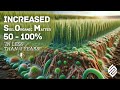
Provides actionable steps for regenerative agronomy: balanced N:C inputs (molasses, humates), microbial teas, yeast metabolites, calcium, and effective seed treatments. Emphasizes scalability, systems
-
Regenerative agriculture provides solutions for climate change, human health, and soil degradation, contrasting with industrial agriculture's harmful impacts, including glyphosate use. Practices like
Community
-
Regenerative strategy for degraded land: 1. Install earthworks (swales, hugelkultur) for water management. 2. Plant multi-species cover crops for a year-round living root. 3. Implement mob grazing wit
Read more (opens in new window) permies.com -
Build healthy pasture soils by minimizing tillage, maintaining living roots and species diversity, and implementing proper grazing management. Livestock are essential for nutrient cycling and stimulat
Read more (opens in new window) smallfarms.cornell.edu -
Enhance soil health through plant diversity, continuous soil cover (living plants/residues), and livestock integration. Manage carbon-to-nitrogen ratios of residues and adopt no-till practices to impr
Read more (opens in new window) permies.com -
Regenerative gardening principles include minimizing soil disruption (avoiding excessive tilling), keeping soil covered with plants or organic matter, promoting plant diversity through crop rotation a
Read more (opens in new window) ucanr.edu
Research
-
The Indigenous Roots of Regenerative Agriculture (opens in new window)
This study found: Modern regenerative agriculture practices are rooted in millennia of Indigenous land stewardship, offering profound knowledge and a crucial value system of respect and reciprocity for true transformat
-
Regenerative Agriculture: Restoring Ecosystems¢ Resilience and Productivity: A Review (opens in new window)
This study found: Regenerative agriculture builds soil health and ecosystem services through practices like no-till, cover crops, and diverse rotations. It increases soil organic matter, improves water infiltration, bo
-
Building Soil Health and Fertility through Organic Amendments and Practices: A Review (opens in new window)
This study found: Review of organic amendments (manures, compost, cover crops) and regenerative practices (no-till, crop diversity, agroecology) shows they restore soil health by increasing organic matter and beneficia
-
Soil Microbial Dynamics in Regenerative Agriculture Systems: A Data-Driven Synthesis for Soil Health, Pest Suppression, and Yield Sustainability in the Western Canadian Prairies (opens in new window)
This study found: Regenerative farming in Western Canada boosts soil microbes (up to 86%), fungi (up to 60%), and carbon, improving soil health and water retention. This leads to more stable yields and reduced syntheti
From the Web
-
Key regenerative agriculture methods include no-till farming, cover cropping, agroforestry, perennial crops, planned rotational grazing (Holistic Management), and compost application, all aimed at imp
-
Six soil health principles (context, cover, minimize disturbance, diversity, living roots, integrate livestock) guide regenerative agriculture within four ecosystem processes (energy, water, nutrient
-
Six principles for building soil health: know your context, cover the soil, minimize disturbance, increase diversity, maintain living roots, and integrate livestock. These principles are context-depen
-
Maximize photosynthesis by keeping living plants and deep roots in the soil for extended periods. Practices like strip tilling, cover cropping, and increasing diversity enhance soil organic matter, ca
3
Common Misconceptions
A frequent misunderstanding is equating organic with regenerative, or assuming they are mutually exclusive. Organic certification prohibits synthetic inputs but does not mandate practices that actively build soil health or sequester carbon. For example, some organic...
Common Misconceptions
A frequent misunderstanding is equating organic with regenerative, or assuming they are mutually exclusive. Organic certification prohibits synthetic inputs but does not mandate practices that actively build soil health or sequester carbon. For example, some organic...
A frequent misunderstanding is equating organic with regenerative, or assuming they are mutually exclusive. Organic certification prohibits synthetic inputs but does not mandate practices that actively build soil health or sequester carbon. For example, some organic systems might still involve significant tillage, or rely on mined mineral fertilizers that have high energy footprints for extraction and transport. While these practices are permitted under organic standards and can lead to food production without synthetic pesticides, they don't carry the same ecological restoration goals as regenerative agriculture.
Conversely, it is sometimes assumed that regenerative agriculture must abandon all organic principles. This is incorrect. Most regenerative farmers aim to achieve organic outcomes by creating biologically functional systems. If a farm is already organic, transitioning to regenerative practices means enhancing its existing foundation. The goal is to heal the land naturally, resulting in produce that is high in quality and nutrition, and often inherently "organic" in its production. For a small organic coffee farm in Colombia, adopting regenerative practices might involve introducing nitrogen-fixing shade trees and composting farm waste more effectively, further enhancing soil fertility and reducing reliance on any purchased organic inputs.
Another misconception is that regenerative agriculture is only for large-scale, industrial farms. In reality, regenerative principles are highly adaptable and beneficial for smallholdings and diverse farming systems worldwide. For example, a small mixed farm in Ghana might integrate poultry into their cropping system, using their manure to build fertility in plots planted with vegetables and staple crops. They can also use a variety of local plant materials for mulching to keep the soil covered and retain moisture. These actions align with regenerative principles, improving soil health and productivity irrespective of farm size.
Finally, some believe that regenerative practices are slow and yield reductions are inevitable during transition. While building soil health takes time, often yielding improvements over 3-7 years, strategic implementation can minimize yield dips. The focus on soil biology and structure can lead to robust plant health that withstands stress. Many farmers report stable or even increasing yields as their systems mature. Furthermore, the cost savings from reduced inputs and improved resilience often offset any initial perceived risks. A farmer in Central Europe transitioning to regenerative grain production might see initial yields fluctuate but experience significant savings on fuel, fertilizer, and seed within four years, leading to comparable or improved net profitability.
Sources behind this view
Sources behind this view
Videos & Podcasts
-
Adopting regenerative practices should start small and incrementally, focusing on soil health over short-term yields. Collaboration, strategic nutrient sourcing, and leveraging resources like Continuu
-
Regenerative farming, using no-till, cover crops, and diverse rotations, rapidly rebuilds soil organic matter and soil life. Examples from Ohio and Ghana show these practices increase profitability by
-
Regenerative agriculture provides solutions for climate change, human health, and soil degradation, contrasting with industrial agriculture's harmful impacts, including glyphosate use. Practices like
-
Barriers to regenerative agriculture adoption include economic misconceptions (it's not less profitable), complexity of soil-plant cycles (manager decisions dictate degradation vs. regeneration), and

Community
-
Regenerative agriculture rebuilds soil organic matter and biodiversity through practices like cover cropping, reduced tillage, minimal artificial fertilizers, and regenerative grazing, ultimately impr
Read more (pp. 8-9) (opens PDF, pp. 8-9) permies.com -
Regenerative agriculture reverses soil harm by sequestering carbon through cover crops, no-till, compost, and crop rotation, improving soil health and resilience for both farms and home gardens.
Read more (opens in new window) ucanr.edu
Research
-
Regenerative Agriculture: Restoring Ecosystems¢ Resilience and Productivity: A Review (opens in new window)
This study found: Regenerative agriculture builds soil health and ecosystem services through practices like no-till, cover crops, and diverse rotations. It increases soil organic matter, improves water infiltration, bo
-
The Indigenous Roots of Regenerative Agriculture (opens in new window)
This study found: Modern regenerative agriculture practices are rooted in millennia of Indigenous land stewardship, offering profound knowledge and a crucial value system of respect and reciprocity for true transformat
-
Systematic review of regenerative farming: Addressing agricultural sustainability challenges (opens in new window)
This study found: Systematic review of 31 studies shows regenerative farming improves soil health, biodiversity, and carbon capture, aiding sustainability. Technology is key for adoption, but policy, farmer understandi
-
Regenerative agriculture for sustainable crop productivity: A comprehensive review (opens in new window)
This study found: Regenerative Agriculture revitalizes soil by minimizing disturbance, maximizing living roots, fostering diversity, and reducing synthetic inputs. It improves soil health, carbon sequestration, and cro
From the Web
-
Regenerative agriculture, rooted in agroecology and the Four Principles of Organic Agriculture (Health, Ecology, Fairness, Care), aims to improve systems by increasing soil organic matter through prac
-
Regenerative agriculture, guided by Health, Ecology, Fairness, and Care principles, aims to improve systems by increasing soil organic matter through practices like cover crops and longer rotations. T
-
Regenerative agriculture restores soil health through practices like cover cropping and crop rotation, leading to carbon sequestration, increased resiliency, and reduced reliance on off-farm inputs, b
-
Regenerative agriculture restores degraded soils by working with nature, enhancing soil health and profitability. Key practices reduce input costs, improve resilience, and benefit the environment thro
4
Regional Considerations
The application of regenerative agriculture principles is profoundly influenced by regional climate, soil types, and existing farming systems. While the core principles remain universal, the specific tools and timelines for implementation vary. In the temperate zones of...
Regional Considerations
The application of regenerative agriculture principles is profoundly influenced by regional climate, soil types, and existing farming systems. While the core principles remain universal, the specific tools and timelines for implementation vary. In the temperate zones of...
The application of regenerative agriculture principles is profoundly influenced by regional climate, soil types, and existing farming systems. While the core principles remain universal, the specific tools and timelines for implementation vary.
In the temperate zones of North America and Europe, the focus often includes managing cover crops through winter, implementing diverse crop rotations for grain farmers, and employing rotational grazing for livestock operations. For example, farmers in the Midwest United States might use winter rye cover crops in late fall (October-November Northern Hemisphere) and terminate them in early spring (March-April) before planting corn or soybeans. This practice protects soil from erosion during the wet spring thaw and adds valuable organic matter. In the UK, dairy farmers might utilize sophisticated rotational grazing plans, moving herds daily across paddocks to optimize pasture growth and soil health, with pastures often green year-round.
In the arid and semi-arid regions, such as parts of Australia or the Western United States, water management is paramount. Regenerative practices aim to maximize water infiltration and retention. Farmers might use drought-tolerant cover crop species, adopt permanent ground covers, and minimize disturbance to preserve soil moisture. Ranchers in Western Australia might implement strategic grazing plans, allowing longer rest periods for pastures to recover, thereby encouraging deeper root systems that can access scarce water resources. Soil organic matter in these regions, even at lower percentages (e.g., 1-3%), can significantly boost water-holding capacity, making a critical difference during prolonged dry spells.
In the humid tropics, such as parts of South America and Africa, the challenges include high rainfall leading to erosion, rapid nutrient leaching, and intensive weed pressure. Regenerative approaches emphasize maintaining continuous living cover, incorporating diverse perennial systems like agroforestry, and utilizing animal integration. In the Amazon basin, smallholders are experimenting with agroforestry systems that intercrop fruit trees (like cacao or bananas) with staple crops, mimicking natural forest ecosystems. This approach builds soil fertility, conserves water, reduces erosion, and provides diversified income streams. Similarly, in East Africa, integrating livestock with crop production and utilizing compost made from crop residues and animal manure helps build soil fertility in areas often suffering from nutrient depletion.
In Mediterranean climates, like those found in Southern Europe or parts of North Africa, the combination of hot, dry summers and wet winters necessitates careful soil management. Practices that conserve moisture, protect soil from intense winter rains, and build organic matter are key. Farmers might use low-till methods and specific cover crops that can withstand dry conditions before winter rains begin. In Greece, olive growers are increasingly adopting practices like mulching with pruned branches and using cover crops between rows to protect the soil, improve water infiltration during the rainy season, and build organic matter over time, enhancing the trees' resilience to summer drought.
Sources behind this view
Sources behind this view
Videos & Podcasts
-
Regenerative agriculture provides solutions for climate change, human health, and soil degradation, contrasting with industrial agriculture's harmful impacts, including glyphosate use. Practices like
-
Holistic management with cattle is key to improving soil health, water cycles, and carbon sequestration. Maximize animal impact (hooves, dung, urine) for diversity and plant growth, while breeding cat
-
Key regenerative agriculture principles include: keeping soil covered, limiting disturbance (no-plow), building diversity (microbes, plants, animals), maintaining a living root in the soil, and integr
-
Soil improvement in dry climates requires context-specific methods like green manure and minimum tillage, alongside holistic livestock grazing integrated into ecosystem-based watershed management, emp

Community
-
Regenerative agriculture principles, including pasture-based systems, cover cropping, and livestock integration, are discussed for improving soil health and water infiltration in arid African climates
Read more (opens in new window) permies.com -
Restore arid pastures by growing vegetation year-round, using no-till, mixed cover crops (clovers, grasses, forbs), and rotational grazing (never exceeding 50% consumption). Integrate livestock like c
Read more (opens in new window) permies.com -
Regenerative gardening principles include minimizing soil disruption (avoiding excessive tilling), keeping soil covered with plants or organic matter, promoting plant diversity through crop rotation a
Read more (opens in new window) ucanr.edu -
Regenerative agriculture reverses soil harm by sequestering carbon through cover crops, no-till, compost, and crop rotation, improving soil health and resilience for both farms and home gardens.
Read more (opens in new window) ucanr.edu
Research
-
The Indigenous Roots of Regenerative Agriculture (opens in new window)
This study found: Modern regenerative agriculture practices are rooted in millennia of Indigenous land stewardship, offering profound knowledge and a crucial value system of respect and reciprocity for true transformat
-
Regenerative Agriculture: Restoring Ecosystems¢ Resilience and Productivity: A Review (opens in new window)
This study found: Regenerative agriculture builds soil health and ecosystem services through practices like no-till, cover crops, and diverse rotations. It increases soil organic matter, improves water infiltration, bo
-
Potential regenerative agricultural practices for different ecosystems to rebuild soil health and ensure food security: A comprehensive review (opens in new window)
This study found: Regenerative agriculture practices boost soil health, increase crop yields by up to 18%, and cut greenhouse gas emissions by up to 5% across tropical and temperate regions, with specific strategies ne
-
Regenerative Livestock Farming as a Socioeconomic Model for Sustainable Agribusiness in Latin America (opens in new window)
This study found: Regenerative livestock farming in Latin America improved soil carbon, biodiversity, and water quality, while boosting farmer income and quality of life. Government support is key for wider adoption.
From the Web
-
Key regenerative agriculture methods include no-till farming, cover cropping, agroforestry, perennial crops, planned rotational grazing (Holistic Management), and compost application, all aimed at imp
-
Maximize photosynthesis by keeping living plants and deep roots in the soil for extended periods. Practices like strip tilling, cover cropping, and increasing diversity enhance soil organic matter, ca
-
Regenerative agriculture utilizes methods like no-till, agroforestry, perennial crops, planned rotational grazing (Holistic Management), compost application, and pasture cropping to improve soil healt
-
Regenerative agriculture is driven by principles like building soil health, promoting biodiversity, and enhancing climate resilience, adapted to local ecosystems, rather than a checklist of practices.
5
Historical Context: Evolving Understanding of Soil Health
The understanding of soil health and its connection to agricultural productivity has evolved dramatically over time, leading to the current spectrum from conventional to organic to regenerative approaches. For much of human history, including early agricultural...
Historical Context: Evolving Understanding of Soil Health
The understanding of soil health and its connection to agricultural productivity has evolved dramatically over time, leading to the current spectrum from conventional to organic to regenerative approaches. For much of human history, including early agricultural...
The understanding of soil health and its connection to agricultural productivity has evolved dramatically over time, leading to the current spectrum from conventional to organic to regenerative approaches. For much of human history, including early agricultural societies, soil fertility was maintained through natural cycles. Practices like fallowing, crop rotation, and the use of animal manure were common, but often lacked scientific explanation beyond empirical observation.
The advent of the Green Revolution in the mid-20th century brought about a paradigm shift, focusing on high-yield crop varieties and intensive use of synthetic fertilizers, pesticides, and herbicides. This era prioritized increasing food production but often at the expense of soil health and ecological balance. The resulting decline in soil structure, loss of soil biodiversity, and contamination of water sources eventually spurred a counter-movement.
The organic movement emerged in the early to mid-20th century as a direct response to the perceived degradation caused by industrial agriculture. Pioneers like Sir Albert Howard in India and J.I. Rodale in the United States championed the idea of "humus farming" and avoiding synthetic chemicals. Their work laid the scientific and philosophical groundwork for what would become organic agriculture. The establishment of organic certification programs in the latter half of the 20th century formalized these principles into global standards, providing a framework for consumers and producers committed to avoiding synthetic inputs.
Regenerative agriculture represents a further evolution, building upon the lessons learned from both conventional and organic farming. While organic agriculture achieved significant success in defining and prohibiting harmful practices, regenerative agriculture focuses on the positive. It emerged in the late 20th and early 21st centuries, gaining momentum as scientific understanding of soil ecosystems deepened. Researchers and practitioners increasingly recognized the immense potential of soil biology to drive nutrient cycling, water management, and carbon sequestration. This historical trajectory highlights a continuous effort to move agriculture from being extractive to being restorative.
Sources behind this view
Sources behind this view
Videos & Podcasts
-
Regenerative agriculture provides solutions for climate change, human health, and soil degradation, contrasting with industrial agriculture's harmful impacts, including glyphosate use. Practices like
-
Drew Smith of Rodale Institute contrasts true regenerative agriculture with US practices like no-till, which often still rely on synthetic inputs and pose health risks. Data from Rodale's trial shows
-
Adopts regenerative agriculture principles: minimize disturbance, keep living roots, use soil armor, integrate animals (livestock grazing, multi-species), and increase biodiversity. These practices bu
-
Details regenerative practices for soil health, including using herbal ferments to manage cover crop decomposition, specific shallow incorporation techniques for improved soil structure, and the shift

Community
-
California organic farmers are pioneering a natural systems agriculture with year-round soil cover, reduced tillage, and integrated grazing, leading to improved soil health, carbon storage, and nutrie
Read more (opens in new window) ucanr.edu
Research
-
The Indigenous Roots of Regenerative Agriculture (opens in new window)
This study found: Modern regenerative agriculture practices are rooted in millennia of Indigenous land stewardship, offering profound knowledge and a crucial value system of respect and reciprocity for true transformat
-
Systematic review of regenerative farming: Addressing agricultural sustainability challenges (opens in new window)
This study found: Systematic review of 31 studies shows regenerative farming improves soil health, biodiversity, and carbon capture, aiding sustainability. Technology is key for adoption, but policy, farmer understandi
-
Building Soil Health and Fertility through Organic Amendments and Practices: A Review (opens in new window)
This study found: Review of organic amendments (manures, compost, cover crops) and regenerative practices (no-till, crop diversity, agroecology) shows they restore soil health by increasing organic matter and beneficia
-
Regenerative Agriculture: Restoring Ecosystems¢ Resilience and Productivity: A Review (opens in new window)
This study found: Regenerative agriculture builds soil health and ecosystem services through practices like no-till, cover crops, and diverse rotations. It increases soil organic matter, improves water infiltration, bo
From the Web
-
Regenerative agriculture, guided by Health, Ecology, Fairness, and Care principles, aims to improve systems by increasing soil organic matter through practices like cover crops and longer rotations. T
-
Regenerative agriculture, rooted in agroecology and the Four Principles of Organic Agriculture (Health, Ecology, Fairness, Care), aims to improve systems by increasing soil organic matter through prac
-
Driven by organic farming's neglect of soil health and high certification costs, regenerative agriculture, emphasizing soil organic matter and carbon sequestration, is presented as a farmer-centric, n
-
Regeneration International uses the Four Principles of Organic Agriculture (Health, Ecology, Fairness, Care) to define regenerative practices, emphasizing soil health, ecological cycles, fairness, and
6
Measuring and Monitoring Soil Health
For farmers and land managers, understanding how to measure and monitor the impact of regenerative practices on soil health is crucial for informed decision-making and demonstrating progress. While organic certification focuses on compliance with a prohibited substances...
Measuring and Monitoring Soil Health
For farmers and land managers, understanding how to measure and monitor the impact of regenerative practices on soil health is crucial for informed decision-making and demonstrating progress. While organic certification focuses on compliance with a prohibited substances...
For farmers and land managers, understanding how to measure and monitor the impact of regenerative practices on soil health is crucial for informed decision-making and demonstrating progress. While organic certification focuses on compliance with a prohibited substances list, regenerative agriculture emphasizes observable improvements in ecological function.
Key indicators for monitoring soil health include:
- Soil Organic Matter (SOM): This is perhaps the most critical indicator. SOM is the foundation of healthy soil, influencing its structure, water-holding capacity, nutrient availability, and biological activity. Most regenerative systems aim to increase SOM annually by 0.2-1.0% over periods of 3-7 years. Farmers can monitor this through regular laboratory tests, ideally conducted by the same lab using the same methodology, or through field tests like the "ribbon test" which assesses soil aggregate stability. For instance, a farmer in Texas might see their soil organic matter increase from 1.5% to 2.5% over five years through cover cropping and reduced tillage, leading to improved drought resilience.
- Soil Structure and Aggregate Stability: Healthy soil forms stable aggregates which create pore spaces for air and water movement. Poor structure, often a result of excessive tillage, leads to compaction and poor drainage. Observing soil clods in the field that hold together when wet, or measuring aggregate stability in a lab, provides insights. Farmers often perform simple field tests, breaking apart soil samples to see if they form distinct crumbs. Well-aggregated soil in the Loire Valley of France, for instance, will often crumble nicely into pea-sized aggregates.
- Soil Biology: The abundance and diversity of soil organisms are indicators of a functioning soil ecosystem. This can be indirectly assessed by SOM levels, or more directly through microscopy to count bacteria, fungi, protozoa, and nematodes, or by measuring microbial respiration. Some farmers use commercially available soil test kits that provide general indications of microbial activity, and others send samples to specialized labs. An increase in fungal hyphae, observed under a microscope, is a positive sign of healthy soil development in perennial systems.
- Infiltration and Water Holding Capacity: The ability of soil to absorb water and retain it is vital for plant health and preventing runoff and erosion. Simple field tests involve measuring how quickly water penetrates the soil surface and how much water soil can hold. For example, after a rain event, observing how long puddles remain on the field can indicate infiltration rates. In the drylands of North Africa, improving infiltration by 50% over 5 years is a significant success metric for regenerative practices.
- Nutrient Cycling: While not always directly measured every season, the efficiency of nutrient cycling can be inferred from plant health and reduced reliance on external nutrient inputs. Monitoring soil tests over time for macro and micronutrients, alongside observations of crop vigor and yield stability, helps assess this. For a mixed farm in New Zealand, a sustained increase in pasture productivity without additional nitrogen fertilizer application is a clear sign of improved nutrient cycling.
Effective monitoring involves collecting data consistently over time, ideally at the same locations and times of year, to identify trends rather than isolated fluctuations. This data allows farmers to adapt their practices and demonstrate the tangible benefits of their regenerative approach.
Sources behind this view
Sources behind this view
Videos & Podcasts
-
NRCS is standardizing laboratory methods and indicators for soil health assessment, focusing on organic matter, aggregation, respiration, enzymes, carbon, nitrogen, and microbial diversity. These indi

-
Planning, monitoring, and adapting are crucial for soil health. Regenerative practices (no-till, cover crops, grazing) significantly improve soil infiltration and water-holding capacity compared to co

-
Recommended soil tests for graziers include the root sheath test (soil on roots), slake test (wet aggregate stability), and visual evaluation, offering quick feedback on soil health and biology within

-
Regenerative Organic Certification emphasizes soil health through advanced lab and on-farm biological testing, worker fairness with living wages and empowerment, and conservation. It requires soil ana
Community
-
Soil health is defined by its capacity to support ecological functions and is improved by increasing carbon inputs through crop residues, cover crops, and compost, while reducing tillage. These practi
Read more (opens in new window) ucanr.edu
Research
-
Regenerative Agriculture: Restoring Ecosystems¢ Resilience and Productivity: A Review (opens in new window)
This study found: Regenerative agriculture builds soil health and ecosystem services through practices like no-till, cover crops, and diverse rotations. It increases soil organic matter, improves water infiltration, bo
-
On‐Farm Assessment of Long‐Term Impacts of Regenerative Management on Vineyard Soil Health (opens in new window)
This study found: Long-term cover cropping and livestock integration significantly improved soil health in California vineyards, highlighting the need for region-specific soil health assessments and practices.
-
Substantial and Rapid Increase in Soil Health across Crops with Conversion from Conventional to Regenerative Practices (opens in new window)
This study found: Switching to regenerative practices like cover cropping and compost rapidly improved soil organic matter, soil structure, and beneficial soil microbes on a working farm over nine years.
-
Sensitivity and variability of soil health indicators in a California cropping system (opens in new window)
This study found: California study: Farming method (organic vs. conventional) significantly impacted soil health, especially organic carbon and biological activity. Consistent sampling times are crucial for reliable so
From the Web
-
Provides a practical guide to measuring soil health using field indicators and lab tests, emphasizing consistency, context-specific interpretation, and tracking functional improvements over time. Link
-
Soil assessment involves historical research, soil mapping, direct observation (ponding, crusting, compaction), and soil testing. Key indicators include earthworms, root health, and soil tilth. Organi
-
Seven key soil health indicators are detailed: soil cover (bare soil is bad), color (darker is better, indicates organic matter), structure (aggregation for pore space), biological activity (earthworm
-
Ranchers can monitor soil health by observing ground cover, species diversity, and erosion signs; listening for life; and assessing soil texture, moisture, smell, and color through touch. These sensor
7
Connections to Other Concepts
Regenerative agriculture is not a standalone discipline but is deeply interconnected with other vital agricultural concepts, often acting as an umbrella that integrates and enhances them. Its principles often overlap with and strengthen practices found in areas like...
Connections to Other Concepts
Regenerative agriculture is not a standalone discipline but is deeply interconnected with other vital agricultural concepts, often acting as an umbrella that integrates and enhances them. Its principles often overlap with and strengthen practices found in areas like...
Regenerative agriculture is not a standalone discipline but is deeply interconnected with other vital agricultural concepts, often acting as an umbrella that integrates and enhances them. Its principles often overlap with and strengthen practices found in areas like agroecology, conservation agriculture, and permaculture.
Agroecology shares a strong philosophical alignment with regenerative agriculture. Agroecology, the study of ecological processes applied to agricultural production systems, emphasizes biodiversity, nutrient cycling, and soil health. It views the farm as an ecosystem and seeks to design agricultural systems that are ecologically sound, socially just, and economically viable. Regenerative agriculture actively implements agroecological principles by focusing on building soil biology, increasing biodiversity through diverse plantings and habitats, and integrating natural cycles. For a farmer in Vietnam practicing rice cultivation, adopting agroecological principles might involve integrating duck raising into their paddies, which helps control weeds and pests, fertilizes the soil, and diversifies income – all aligned with regenerative goals.
Conservation Agriculture focuses on three core principles: minimal soil disturbance, permanent soil cover, and crop diversification. These principles are directly mirrored and often amplified within regenerative agriculture. Regenerative practices take these conservation efforts a step further by emphasizing not just the preservation of soil health but its active restoration and improvement, particularly through fostering a thriving soil food web and integrating livestock. A no-till farming system in Brazil, following conservation agriculture principles, is a strong foundation for regenerative practices. By adding diverse cover crops and integrating grazing animals into crop rotations, as some farmers are doing, these systems become regenerative.
Permaculture is a design system for creating sustainable human environments. It uses ecological principles to design landscapes, buildings, and communities, so they can sustainably support human life. Regenerative agriculture shares permaculture's holistic approach, aiming to create closed-loop systems that minimize waste and maximize resource efficiency. The focus on biodiversity, soil building, and water harvesting in regenerative systems echoes permaculture's emphasis on natural patterns and functions. For instance, a farm in Costa Rica designing a permaculture system might integrate contour planting, rainwater harvesting, and diverse perennial food crops, all of which are practices that enhance the regenerative capacity of the farm ecosystem.
Furthermore, regenerative agriculture is intrinsically linked to climate change mitigation and adaptation. By focusing on building soil organic matter, regenerative practices actively sequester atmospheric carbon dioxide into the soil. Estimates suggest that widespread adoption of regenerative farming could sequester billions of tons of carbon annually, a significant contribution to climate goals. Simultaneously, the enhanced soil health and water retention make farms more resilient to the impacts of climate change, such as increased drought frequency and intensity, or heavier rainfall events. This dual benefit of mitigation and adaptation makes regenerative agriculture a critical strategy for future food security.
Sources behind this view
Sources behind this view
Videos & Podcasts
-
Regenerative agriculture provides solutions for climate change, human health, and soil degradation, contrasting with industrial agriculture's harmful impacts, including glyphosate use. Practices like
-
Adopts regenerative agriculture principles: minimize disturbance, keep living roots, use soil armor, integrate animals (livestock grazing, multi-species), and increase biodiversity. These practices bu
-
Regenerative agriculture increases diversity and reduces disturbance through practices like no-till, cover crops, and integrated animals. This fosters biodiversity, which replaces costly agrochemicals

-
Key regenerative agriculture principles include: keeping soil covered, limiting disturbance (no-plow), building diversity (microbes, plants, animals), maintaining a living root in the soil, and integr
Community
-
Regenerative agriculture rebuilds soil organic matter and biodiversity through practices like cover cropping, reduced tillage, minimal artificial fertilizers, and regenerative grazing, ultimately impr
Read more (pp. 8-9) (opens PDF, pp. 8-9) permies.com -
Regenerative agriculture reverses soil harm by sequestering carbon through cover crops, no-till, compost, and crop rotation, improving soil health and resilience for both farms and home gardens.
Read more (opens in new window) ucanr.edu -
Permaculture and regenerative agriculture offer an alternative to conventional farming's negative environmental and climate impacts, promoting food production in harmony with nature to increase biodiv
Read more (opens in new window) www.permaculture.org.uk
Research
-
The Indigenous Roots of Regenerative Agriculture (opens in new window)
This study found: Modern regenerative agriculture practices are rooted in millennia of Indigenous land stewardship, offering profound knowledge and a crucial value system of respect and reciprocity for true transformat
-
Regenerative Agriculture: Restoring Ecosystems¢ Resilience and Productivity: A Review (opens in new window)
This study found: Regenerative agriculture builds soil health and ecosystem services through practices like no-till, cover crops, and diverse rotations. It increases soil organic matter, improves water infiltration, bo
-
Regenerative agriculture for sustainable crop productivity: A comprehensive review (opens in new window)
This study found: Regenerative Agriculture revitalizes soil by minimizing disturbance, maximizing living roots, fostering diversity, and reducing synthetic inputs. It improves soil health, carbon sequestration, and cro
-
Systematic review of regenerative farming: Addressing agricultural sustainability challenges (opens in new window)
This study found: Systematic review of 31 studies shows regenerative farming improves soil health, biodiversity, and carbon capture, aiding sustainability. Technology is key for adoption, but policy, farmer understandi
From the Web
-
Regenerative agriculture builds ecological and economic resilience through practices like soil carbon sequestration, perennial farming, and climate-friendly livestock management, offering a pathway to
-
Regenerative agriculture regenerates topsoil, increases biodiversity, and improves carbon/water cycles through methods like minimal tillage, soil cover, diversity, and animal integration, boosting pro
-
Regenerative agriculture, rooted in agroecology and the Four Principles of Organic Agriculture (Health, Ecology, Fairness, Care), aims to improve systems by increasing soil organic matter through prac
-
Regenerative agriculture restores soil health through practices like cover cropping and crop rotation, leading to carbon sequestration, increased resiliency, and reduced reliance on off-farm inputs, b
8
Current Research
Recent scientific research is increasingly validating and deepening our understanding of the mechanisms and benefits of regenerative agriculture, moving beyond anecdotal evidence to robust, measurable outcomes. This research spans fields from soil science and...
Current Research
Recent scientific research is increasingly validating and deepening our understanding of the mechanisms and benefits of regenerative agriculture, moving beyond anecdotal evidence to robust, measurable outcomes. This research spans fields from soil science and...
Recent scientific research is increasingly validating and deepening our understanding of the mechanisms and benefits of regenerative agriculture, moving beyond anecdotal evidence to robust, measurable outcomes. This research spans fields from soil science and microbiology to agronomy and economics.
One significant area of focus is soil microbiome research. Advanced molecular techniques, such as DNA sequencing, are now allowing scientists to map the complex communities of bacteria, fungi, archaea, and other microbes in the soil. Studies are revealing how different regenerative practices, such as cover cropping, no-till, and diverse rotations, specifically influence the composition and function of these microbial communities. For instance, research published by institutions in Europe has identified specific fungal communities that are crucial for nutrient mobilization and plant disease suppression, and demonstrated how these communities flourish under long-term regenerative management. Understanding these relationships helps tailor practices to optimize soil health.
Carbon sequestration potential is another active research area. While the concept has long been a theoretical benefit, new methodologies are being developed to accurately measure and verify carbon stored in agricultural soils. Field trials across various climatic zones, from the prairies of Canada to the grasslands of Kenya, are quantifying the amount of carbon that can be sequestered per hectare per year under different regenerative systems. Some studies suggest that robust regenerative practices could sequester 1-4 metric tons of CO2 equivalent per hectare (0.4-1.6 tons/acre) annually, contributing significantly to climate change mitigation efforts. Researchers are also investigating the long-term stability of this sequestered carbon.
Research into the impacts on ecosystem services is also expanding. This includes studies on how regenerative farming affects water quality, biodiversity (beyond the soil), and resilience to pests and diseases. For example, research in the United States has shown that farms utilizing cover crops and integrated pest management within a regenerative framework can significantly reduce nutrient and sediment runoff into waterways, improving water quality. Similarly, habitat creation through diverse plantings in hedgerows and field margins is demonstrating positive impacts on beneficial insect populations and bird diversity.
Finally, economic and social science research is becoming increasingly important. This research explores the profitability of regenerative agriculture, the economic feasibility of transitioning for different farm types and sizes, and the socio-economic impacts on rural communities. Studies are analyzing the return on investment for regenerative practices, including savings on inputs, potential for ecosystem service payments (e.g., carbon credits), and long-term yield stability. For example, a project in South America is assessing the economic viability of regenerative systems for smallholder farmers, looking at factors like reduced input costs and access to premium markets. This ongoing research provides the data and insights needed to support wider adoption and policy development.
Sources behind this view
Sources behind this view
Videos & Podcasts
-
Research confirms regenerative agriculture's benefits. Economic models and subsidies should shift from industrial to regenerative practices, utilizing carbon markets and training programs to support f

-
Regenerative agriculture provides solutions for climate change, human health, and soil degradation, contrasting with industrial agriculture's harmful impacts, including glyphosate use. Practices like
-
Case studies of farmers like Duane Beck, Kofi Boa, David Brandt, and Gabe Brown demonstrate that regenerative agriculture (no-till, cover crops, diverse rotations) significantly increases soil health,

-
Regenerative trials show dramatic improvements in soil aggregate depth (up to 15 inches in 4 years), increased microbial and plant diversity (123% in pastures without new seed), enhanced water infiltr
Research
-
Systematic review of regenerative farming: Addressing agricultural sustainability challenges (opens in new window)
This study found: Systematic review of 31 studies shows regenerative farming improves soil health, biodiversity, and carbon capture, aiding sustainability. Technology is key for adoption, but policy, farmer understandi
-
Regenerative Agriculture: Restoring Ecosystems¢ Resilience and Productivity: A Review (opens in new window)
This study found: Regenerative agriculture builds soil health and ecosystem services through practices like no-till, cover crops, and diverse rotations. It increases soil organic matter, improves water infiltration, bo
-
Regenerative Agriculture in the 21st Century: A Systematic Review of Environmental, Agronomic, and Socio-Economic Outcomes (opens in new window)
This study found: Systematic review finds Regenerative Agriculture boosts environment but faces yield gaps (16-21%) and socio-economic barriers. Advocates for resilience over maximum yields, needing financial support a
-
The Indigenous Roots of Regenerative Agriculture (opens in new window)
This study found: Modern regenerative agriculture practices are rooted in millennia of Indigenous land stewardship, offering profound knowledge and a crucial value system of respect and reciprocity for true transformat
From the Web
-
A 7-year study of 78 European regenerative farms showed they outperform conventional farms in yields, reduce NPK fertilizer use by >75%, and significantly cut pesticides, while improving photosynthesi
-
A study of 78 European regenerative farms found they outperformed conventional farms in yields, reduced NPK fertilizer use by over 75%, and significantly cut pesticide use, with continuous improvement
-
Regenerative agriculture aims to reverse climate change by sequestering carbon and improving soil health, but high upfront costs and inadequate market incentives hinder adoption, necessitating policy
-
Regenerative agriculture improves soil health, biodiversity, and farm profitability by working with nature. Success is measured by outcomes like nutrient-dense food, resilient ecosystems, and carbon s
9
Know the Debate
While organic agriculture focuses on avoiding synthetic inputs, regenerative agriculture actively builds ecological health. Farms pursuing regenera...
Know the Debate
While organic agriculture focuses on avoiding synthetic inputs, regenerative agriculture actively builds ecological health. Farms pursuing regenera...
While organic agriculture focuses on avoiding synthetic inputs, regenerative agriculture actively builds ecological health. Farms pursuing regenerative practices often adhere to organic principles but go further by prioritizing soil biology, increasing biodiversity, and sequestering carbon. This means different approaches to soil management, from minimal disturbance to integrated livestock systems, aiming for land that heals and enhances its productive capacity over time. The distinction lies in the goal: organic manages risk, while regenerative aims for restoration and resilience.
Is organic certification a prerequisite for regenerative agriculture?
Organic is a foundation
Organic certification establishes a baseline of avoiding harmful synthetics and can serve as a stepping stone towards regenerative outcomes. It offers a recognized framework for input restrictions and soil health practices.
Organic is not required
Regenerative agriculture focuses on outcomes like soil health and biodiversity, not necessarily adherence to external certification rules. Farmers can achieve these goals directly through context-specific practices, bypassing the cost and constraints of organic certification.
Making Sense of the Differences
The debate centers on whether organic certification is a helpful stepping stone or an unnecessary hurdle. While organic provides a verifiable commitment to avoiding harmful inputs, its prescriptive nature may not always optimize for the active ecosystem restoration emphasized in regenerative agriculture. Farmers can choose to pursue organic alongside regenerative, use organic as a transition, or skip formal organic certification if their focus is solely on regenerative outcomes and direct-to-consumer relationships.
How do organic mandates differ from regenerative goals?
Organic: Avoid Harm
Organic rules focus on prohibiting synthetic fertilizers, pesticides, GMOs, and ensuring basic soil coverage and rotation. This mitigates damage and ensures a baseline of reduced chemical load.
Regenerative: Build Function
Regenerative agriculture aims to actively heal and enhance land by building soil biology, increasing biodiversity, and sequestering carbon. It focuses on ecosystem restoration and resilience.
Making Sense of the Differences
Organic agriculture functions as a risk-management strategy to avoid harm, setting a baseline of prohibited substances. Regenerative agriculture, conversely, is an outcome-oriented philosophy aiming to actively restore and improve ecological functions like soil health, biodiversity, and carbon sequestration. While regenerative practices often align with organic principles and many regenerative farms are organic, the core difference is one of intent: avoidance versus active restoration.