
Why does diversity matter in farming systems?
Farming system diversity builds resilience, enhances soil health, and improves overall farm productivity by mimicking natural ecosystems. Diverse plant and animal life foster beneficial microbial communities in the soil, improve nutrient cycling, and increase water infiltration, reducing the need for external inputs. Integrating different crop types, livestock, and beneficial insects creates a more stable and self-regulating system, making farms more adaptable to climate changes and market fluctuations while also offering greater economic stability through multiple revenue streams.
Read More: Complete Description
Sources behind this view
Sources behind this view
 Videos & Podcasts
-
Increasing crop diversity (aiming for ~20 species) and incorporating practices like double cropping, biofumigation (Sudan sorghum hybrid), and integrating animals builds farm resilience against climat

-
The rule of diversity emphasizes maximizing plant, microbial, insect, and animal diversity to fuel ecosystem functions like nutrient cycling and water retention. Monocultures lead to soil degradation
-
The rule of diversity calls for maximizing plant, microbial, insect, and bird diversity to fuel soil processes, support the ecosystem, and enhance phytonutrient content for healthier plants and animal
-
Regenerative agriculture increases diversity and reduces disturbance through practices like no-till, cover crops, and integrated animals. This fosters biodiversity, which replaces costly agrochemicals

 Community
-
Farm diversification involves increasing crop structural diversity (strips, intercropping, polyculture), temporal diversity (rotations), and integrating agroforestry and livestock. These methods enhan
Read more (opens in new window) sustainableagriculture.net -
Agricultural diversification is essential for addressing climate change and biodiversity loss by restoring ecosystem function. It involves changing management practices and considering land access, wi
Read more (opens in new window) sustainableagriculture.net
 Research
-
Landscape complexity and functional groups moderate the effect of diversified farming on biodiversity: A global meta-analysis (opens in new window)
This study found: Diverse farming boosts farm biodiversity by 26% on average, increasing beneficial species and reducing pests. Benefits are stronger in simpler landscapes, with nearby natural areas crucial for pest co
-
Global evidence that plant diversity suppresses pests and promotes plant performance and crop production. (opens in new window)
This study found: Global study of 609 research projects shows plant diversity boosts plant health and reduces pests across various ecosystems. Crop diversification, like intercropping and cover crops, increases farm pr
-
Agricultural Biodiversity Is Essential for a Sustainable Improvement in Food and Nutrition Security (opens in new window)
This study found: Agricultural biodiversity is vital for sustainable food security, enhancing farm productivity, resilience, soil health, and climate adaptation. Diverse farms offer better nutrition and require a cross
-
Diversification and ecosystem services for conservation agriculture: Outcomes from pastures and integrated crop–livestock systems (opens in new window)
This study found: Conservation farming with diverse plants and integrated crop-livestock systems enhances environmental benefits like soil carbon storage and nutrient cycling, while minimizing soil disturbance and maxi
 From the Web
-
Increasing farm biodiversity through spatial, genetic, and temporal diversity enhances pest resistance, soil fertility, and crop productivity by creating stresses for pests and supporting beneficial s
-
Explains how agricultural biodiversity, through diversification and functional traits, boosts crop yields and enhances resilience to climate change, emphasizing crop rotations, intercropping, and trad
-
Maximizing crop diversity is essential for enhancing ecosystem function, resilience to climate variability, soil fertility, and pest control, by supporting a wider range of species and biological proc
Key Points
System Regulation
- Intercropping disrupts pest and disease cycles.
- Polycultures outcompete weeds more effectively.
- Diverse habitats support natural predator populations.
- Resilience to climate shifts and extreme weather.
- Multiple revenue streams buffer economic risks.
Chemical Processes
- Complementary nutrient uptake by different species.
- Efficient use of available soil organic matter.
- Minerals are leveraged from various soil profiles.
- Reduced leaching of nutrients out of the system.
- Stimulated microbial activity releases locked nutrients.
Physical Processes
- Varied root structures improve soil aggregation.
- Enhanced infiltration reduces runoff and erosion.
- Deeper roots access and recycle subsoil moisture.
- Increased soil organic matter improves water holding.
- Reduced tillage leads to better soil structure.
Biological Processes
- Diverse root exudates feed broad soil microbiome.
- Increased microbial biomass enhances nutrient cycling rates.
- Healthy soil food web regulates pests and diseases naturally.
- Legumes fix atmospheric nitrogen, reducing dependency.
- Diverse plant life supports beneficial insect populations.
Know the Debate
- Optimal farm diversity varies by climate, scale, and management.
- Targeted diversity may outperform species count for specific goals.
- Scalability challenges exist, balancing complexity with farm size.
- Biodiversity builds soil health and farm resilience.
Going Deeper
1
Primary Mechanisms of Diversity
The efficacy of biodiversity in agricultural systems stems from several interconnected ecological mechanisms. At the forefront is the principle of functional complementarity, where different species, varieties, or functional groups within a system utilize...
Primary Mechanisms of Diversity
The efficacy of biodiversity in agricultural systems stems from several interconnected ecological mechanisms. At the forefront is the principle of functional complementarity, where different species, varieties, or functional groups within a system utilize...
The efficacy of biodiversity in agricultural systems stems from several interconnected ecological mechanisms. At the forefront is the principle of functional complementarity, where different species, varieties, or functional groups within a system utilize resources—light, water, nutrients—in distinct ways, leading to more complete and efficient resource capture. For instance, in a mixed cropping system with a tall, fast-growing grain crop and a shorter, slower-growing legume, the grain captures higher light levels, while the legume, with its nitrogen-fixing capabilities and different root architecture, accesses nutrients and available water lower in the soil profile. This simultaneous utilization minimizes waste and maximizes overall system productivity per unit area.
Complementing complementarity is functional redundancy. In diverse systems, multiple species or organisms perform similar ecological roles. This repetition ensures that essential functions, like nutrient cycling or pollination, continue even if one species' population declines due to stress or environmental change. For example, a field with several different pollinator species (bees, hoverflies, butterflies) is more likely to sustain adequate pollination services for crops than one relying on a single dominant pollinator that might be susceptible to disease or an insecticide application. This redundancy acts as an ecological insurance policy, building resilience against disturbances.
Furthermore, diverse plant communities foster complex and abundant soil microbial communities. Different plant species produce unique root exudates—sugars, organic acids, amino acids—that selectively feed specific groups of bacteria and fungi. A wider variety of plants means a richer and more varied diet for soil biota, supporting a greater diversity and biomass of microbes. This highly active and diverse microbiome is critical for nutrient mineralization, organic matter decomposition, soil aggregation, and the suppression of soil-borne pathogens. Field trials in the US Midwest have shown that switching from a monoculture corn-soybean rotation to a 5-year rotation including small grains and cover crops can increase soil microbial biomass by 30-50% and enhance soil respiration, a key indicator of microbial activity, by 20-40% within 3 years.
Sources behind this view
Sources behind this view
Videos & Podcasts
-
High plant diversity (8+ species) significantly boosts soil carbon, reduces fertilizer needs, enhances drought tolerance, and improves soil microbiome function. Diverse mixes outperform monocultures,

-
Regenerative agriculture increases diversity and reduces disturbance through practices like no-till, cover crops, and integrated animals. This fosters biodiversity, which replaces costly agrochemicals
-
Increasing crop diversity (aiming for ~20 species) and incorporating practices like double cropping, biofumigation (Sudan sorghum hybrid), and integrating animals builds farm resilience against climat
-
The rule of diversity emphasizes maximizing plant, microbial, insect, and animal diversity to fuel ecosystem functions like nutrient cycling and water retention. Monocultures lead to soil degradation
Community
-
The Jena Experiment showed that grassland plots with 16+ species outperformed monocultures by triple soil carbon storage, 2.7x faster topsoil building, 45% more pollinators, and 50% greater drought re
Read more (opens in new window) permies.com -
Diverse cover crops, rather than single species, increase soil carbon and support the soil biome. Interplanting with potatoes can improve yields and attract beneficial insects by complementing root st
Read more (opens in new window) permies.com -
Farm diversification involves increasing crop structural diversity (strips, intercropping, polyculture), temporal diversity (rotations), and integrating agroforestry and livestock. These methods enhan
Read more (opens in new window) sustainableagriculture.net -
Agrobiodiversity enhances nutrient use efficiency and soil health by promoting closed nutrient cycles, as seen in a California organic tomato study where diverse organic inputs boosted microbial activ
Read more (opens in new window) ucanr.edu
Research
-
Global evidence that plant diversity suppresses pests and promotes plant performance and crop production. (opens in new window)
This study found: Global study of 609 research projects shows plant diversity boosts plant health and reduces pests across various ecosystems. Crop diversification, like intercropping and cover crops, increases farm pr
-
Soil microbial biomass and function are altered by 12 years of crop rotation (opens in new window)
This study found: A 12-year crop rotation study showed that increasing plant diversity significantly boosted soil microbial biomass and function, with cover crops showing the greatest benefits.
-
Meta-analysis reveals global variations in plant diversity effects on productivity. (opens in new window)
This study found: Mixing plant species increases yield by ~15% globally, especially in grasslands/forests. Benefits stem from plants using resources differently and dominant species outperforming. Diversity's positive
-
Crop rotational diversity enhances belowground communities and functions in an agroecosystem. (opens in new window)
This study found: Increasing crop diversity in rotation over time improved soil structure, organic matter, and nitrogen levels by supporting healthier soil microbial communities in Michigan.
From the Web
-
Increasing farm biodiversity through spatial, genetic, and temporal diversity enhances pest resistance, soil fertility, and crop productivity by creating stresses for pests and supporting beneficial s
-
Maximizing crop diversity is essential for enhancing ecosystem function, resilience to climate variability, soil fertility, and pest control, by supporting a wider range of species and biological proc
2
Supporting Evidence: Soil Health and Structure
Numerous studies and farmer observations worldwide confirm that increasing biological diversity directly translates to improvements in soil health and physical structure. For example, a meta-analysis of trials across North America and Europe indicates that incorporating...
Supporting Evidence: Soil Health and Structure
Numerous studies and farmer observations worldwide confirm that increasing biological diversity directly translates to improvements in soil health and physical structure. For example, a meta-analysis of trials across North America and Europe indicates that incorporating...
Numerous studies and farmer observations worldwide confirm that increasing biological diversity directly translates to improvements in soil health and physical structure. For example, a meta-analysis of trials across North America and Europe indicates that incorporating a diverse mix of cover crops—including legumes for nitrogen, brassicas for deep soil access, and grasses for biomass and soil binding—into crop rotations can increase soil organic matter content by 0.2-0.8% annually in the top 15 cm (6 in) over 5-10 years, especially when combined with reduced tillage practices. This increase in organic matter improves soil aggregation, which is the clumping of soil particles into stable structures.
Improved aggregation, measured by aggregate stability tests showing a 15-30% increase in stable aggregates, leads to enhanced water infiltration and retention. In semi-arid regions like parts of Spain or the Western United States, farms that have transitioned to more diverse crop rotations and integrated livestock grazing under rotational management have reported a 25-40% improvement in water infiltration rates within 4-7 years. This means more rainwater is absorbed into the soil, reducing costly runoff, preventing erosion, and making more water available to crops during dry periods—a critical benefit in an era of increasing climatic variability.
The physical benefits extend to increased soil aeration and reduced compaction. Diverse root systems, comprising a variety of depths and densities, penetrate and break up soil layers, creating channels for air and water movement. Deep-rooted cover crops like tillage radishes can break up hardpans, enabling shallower roots of cash crops to access deeper reserves. Farmers in the Canadian Prairies have observed that incorporating a diverse mix of annual cover crops for 2-3 consecutive years can reduce bulk density by 5-10% and increase pore space by 10-15%, making it easier for subsequent crops to establish and thrive.
Sources behind this view
Sources behind this view
Videos & Podcasts
-
Demonstrates improved soil structure, aggregation, and organic matter from no-till, strip-till, and cover crops (alfalfa, radish, rye). Benefits include increased water infiltration, reduced erosion,

-
Multispecies farming boosts soil water-holding capacity (1% OM = 27k gal/acre) and infiltration through living roots, reduced tillage, and diverse biology. It improves water-use efficiency and drastic
-
Utilize multi-species cover crops based on specific 'resource concerns' to improve soil health, nitrogen fixation, and water retention. Integrate livestock for grazing, calving, and overwintering, enh

-
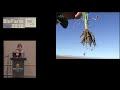
Plant diversity, not fertilizer, drives biomass and soil health. Diverse mixes (8-16+ species) outperform monocultures, increasing carbon sequestration, improving soil structure, and boosting livestoc
Community
-
Enhance soil health through plant diversity, continuous soil cover (living plants/residues), and livestock integration. Manage carbon-to-nitrogen ratios of residues and adopt no-till practices to impr
Read more (opens in new window) permies.com -
Conservation agriculture, specifically no-tillage and cover crops, significantly improves soil health by increasing biodiversity, water infiltration, and soil carbon, while reducing water and fertiliz
Read more (opens in new window) ucanr.edu -
Enhance soil health by increasing plant diversity, maintaining year-round plant growth (especially with cover crops), reducing tillage, and keeping soil covered with vegetation or residue to improve o
Read more (opens in new window) ucanr.edu -
The Jena Experiment showed that grassland plots with 16+ species outperformed monocultures by triple soil carbon storage, 2.7x faster topsoil building, 45% more pollinators, and 50% greater drought re
Read more (opens in new window) permies.com
Research
-
Soil Microbial Dynamics in Regenerative Agriculture Systems: A Data-Driven Synthesis for Soil Health, Pest Suppression, and Yield Sustainability in the Western Canadian Prairies (opens in new window)
This study found: Regenerative farming in Western Canada boosts soil microbes (up to 86%), fungi (up to 60%), and carbon, improving soil health and water retention. This leads to more stable yields and reduced syntheti
-
Crop rotational diversity enhances belowground communities and functions in an agroecosystem. (opens in new window)
This study found: Increasing crop diversity in rotation over time improved soil structure, organic matter, and nitrogen levels by supporting healthier soil microbial communities in Michigan.
-
No‐Till Legume Cover Crops Enhance Soil Carbon, Mitigate Greenhouse Gas Emissions, and Increase Yield in Dryland Wheat: A Global Meta‐Analysis (opens in new window)
This study found: Global meta-analysis shows no-till + legume cover crops significantly boost dryland wheat soil carbon (+28.5%), yield (+24.1%), and resource efficiency, while cutting GHG emissions. Long-term use yiel
-
Measuring short-term soil health additionality of increased crop diversity in consolidated no-till: a case study from subtropical South America (opens in new window)
This study found: In Brazil, diverse cropping on long-term no-till fields significantly boosted active soil carbon and nutrient availability, showing incremental but important soil health gains.
3
Nutrient Cycling Enhancement
Diversity is a powerful driver of efficient and self-sustaining nutrient cycling within agricultural systems. In conventional monocultures, nutrient inputs are typically provided through synthetic fertilizers, which are often applied in large quantities and are prone to...
Nutrient Cycling Enhancement
Diversity is a powerful driver of efficient and self-sustaining nutrient cycling within agricultural systems. In conventional monocultures, nutrient inputs are typically provided through synthetic fertilizers, which are often applied in large quantities and are prone to...
Diversity is a powerful driver of efficient and self-sustaining nutrient cycling within agricultural systems. In conventional monocultures, nutrient inputs are typically provided through synthetic fertilizers, which are often applied in large quantities and are prone to losses through leaching, volatilization, or erosion. Diverse systems, in contrast, leverage biological processes to build and recycle nutrients, significantly reducing the reliance on external inputs. A study in India's Indo-Gangetic Plain found that intercropping pulses with cereals, such as pigeon pea with rice, not only increased the overall yield by 10-15% but also improved soil nitrogen content by an average of 10-20 kg/ha (9-18 lbs/acre) per year due to symbiotic nitrogen fixation by the pulse.
The ability of diverse plant stands to scavenge nutrients from different soil depths is a key aspect of nutrient cycling. For instance, annual cover crop mixes including deep-rooted species alongside shallow-rooted ones can capture nitrogen and phosphorus that might otherwise be lost below the root zone of subsequent cash crops. These nutrients are then stored in the cover crop biomass and are released back into the topsoil as the cover crop decomposes, effectively "mining" nutrients from deeper soil layers and making them available for uptake by the primary crop. This nutrient recycling is crucial for maintaining soil fertility over the long term.
Furthermore, a diverse and active soil microbiome, fostered by diverse plant life, plays a central role in nutrient transformations. Microbes are responsible for converting raw organic matter into plant-available inorganic nutrients (mineralization), a process that is essential for plant nutrition. A more diverse microbial community is better equipped to mineralize a wider range of organic compounds, ensuring a steadier and more balanced supply of nutrients throughout the growing season. Research in the savanna ecosystems of South America has shown that the presence of diverse plant guilds and their associated microbial communities can accelerate the decomposition of organic matter by 15-25%, thereby enhancing the availability of critical nutrients like phosphorus and potassium for crop growth.
Sources behind this view
Sources behind this view
Videos & Podcasts
-
High plant diversity (8+ species) significantly boosts soil carbon, reduces fertilizer needs, enhances drought tolerance, and improves soil microbiome function. Diverse mixes outperform monocultures,
-
Plant diversity, not fertilizer, drives biomass and soil health. Diverse mixes (8-16+ species) outperform monocultures, increasing carbon sequestration, improving soil structure, and boosting livestoc
-
Soil remineralization is achieved through diverse plantings and livestock integration, which feed soil biology that unlocks minerals. Initial total nutrient digestion tests confirm soil reserves, whil

-
Plant diversity is crucial for building soil carbon and organic nitrogen, enhancing photosynthesis, and improving plant nutrition, thereby reducing reliance on synthetic inputs and improving food qual

Community
-
Agrobiodiversity enhances nutrient use efficiency and soil health by promoting closed nutrient cycles, as seen in a California organic tomato study where diverse organic inputs boosted microbial activ
Read more (opens in new window) ucanr.edu -
Diverse root architectures from high plant diversity increase soil carbon storage by creating varied pore networks that facilitate microbial processing and protection of carbon inputs, as demonstrated
Read more (opens in new window) ucanr.edu -
Carbon is key to soil health; increasing soil organic matter (1-3% by weight) doubles water retention. Soil microbes feed on living roots, dead roots, and residues, requiring diverse plants and contin
Read more (opens in new window) permies.com -
Diverse cover crops, rather than single species, increase soil carbon and support the soil biome. Interplanting with potatoes can improve yields and attract beneficial insects by complementing root st
Read more (opens in new window) permies.com
Research
-
Long-term nutrient management shapes soil microbial and metabolic signatures in a century-old semi-arid agroecosystem. (opens in new window)
This study found: A 116-year study in India showed organic matter inputs significantly boosted soil carbon, microbial diversity, and beneficial soil functions in semi-arid tropical agriculture, outperforming synthetic
-
Soil biological quality and microbial functional diversity under diversified conservation agriculture systems in the Indo-Gangetic Plain (opens in new window)
This study found: Diversified conservation agriculture systems with no-till and residue retention in the Indo-Gangetic Plain significantly boosted soil organic matter (up to 68%) and beneficial soil microbes, restoring
-
Soil microbial nitrogen-cycling gene abundances in response to crop diversification: A meta-analysis. (opens in new window)
This study found: Planting diverse crops boosts soil microbes involved in nitrogen cycling, increasing nitrogen fixation and nitrate breakdown genes. Strategic diversification can improve soil health and nitrogen manag
-
Intercropping enhances soil multifunctionality by restructuring microbial community and biogeochemical cycles. (opens in new window)
This study found: Intercropping significantly boosted soil health and functions by up to 70% in Southwest China, especially with limited nitrogen fertilizer, by improving beneficial soil microbes and fungi.
From the Web
-
Soil restoration hinges on year-round green cover for photosynthesis, enhancing soil carbon and nutrient density. Practices like multi-species cover crops, strategic grazing, and promoting microbial d
-
Enhance nutrient cycling by maintaining diverse, actively growing plants year-round, using regenerative grazing, and incorporating diverse animal species. Avoid tillage, excessive nutrient removal, mo
4
Pest and Disease Regulation
One of the most significant benefits of diversity in farming systems is the creation of natural checks and balances that regulate pest populations and disease incidence, reducing the need for synthetic crop protection products. This is achieved through a combination of...
Pest and Disease Regulation
One of the most significant benefits of diversity in farming systems is the creation of natural checks and balances that regulate pest populations and disease incidence, reducing the need for synthetic crop protection products. This is achieved through a combination of...
One of the most significant benefits of diversity in farming systems is the creation of natural checks and balances that regulate pest populations and disease incidence, reducing the need for synthetic crop protection products. This is achieved through a combination of ecological principles, including habitat provision for beneficial organisms, disruption of pest life cycles, and enhancement of plant resilience. For example, planting hedgerows or buffer strips with a variety of flowering plants around fields provides habitat, nectar, and pollen for beneficial insects like ladybugs, lacewings, and parasitic wasps, which are natural predators of common crop pests.
Field observations from Europe, particularly in France and the UK, indicate that farms utilizing agroforestry or incorporating diverse insectary plantings have observed a 20-40% reduction in pest damage to primary crops within 3-5 years due to increased populations of natural enemies. This biological control mechanism is a cornerstone of integrated pest management and reduces the economic impulse to reach for synthetic solutions. The presence of a diversity of plant life also acts as a deterrent for some pests. Many insects are attracted to the visual cues and chemical signals of specific host plants; in a diverse planting, these cues are diluted or masked, making it harder for pests to locate their target crops.
Plant diversity also contributes to disease suppression through various mechanisms. A diverse plant community can host a wider range of beneficial microbes in the soil and on plant surfaces. Some of these microbes can actively antagonize or outcompete plant pathogens. Additionally, mixed cropping systems can reduce the rate of pathogen spread. For instance, if a disease is specific to one crop species, interplanting it with other, unrelated species slows down the transmission of the pathogen from plant to plant, containing outbreaks and limiting their impact. Research in China has demonstrated that intercropping garlic with cucumber can reduce the incidence of cucumber bacterial wilt by up to 35% compared to monocultures, largely due to allelopathic effects and competitive exclusion by beneficial soil microbes and plant compounds.
Sources behind this view
Sources behind this view
Videos & Podcasts
-
Plant diversity enhances pest and disease resistance in crops, orchards, and vineyards by supporting a diverse soil microbiome. This was exemplified by canola intercropping and citrus groves with dive

-
Regenerative agriculture increases diversity and reduces disturbance through practices like no-till, cover crops, and integrated animals. This fosters biodiversity, which replaces costly agrochemicals
-
Plant diversity (min. 4 families) enhances microbial induction, cooperation, and overyielding. Avoiding fungicides, insecticides, and high-analysis fertilizers is crucial. Farmers increasingly seek ba

-
Diverse planting, including companion planting, permaculture, and crop rotation with cover crops, enhances soil nutrients, confuses pests, and prevents erosion, unlike detrimental monocropping.
Community
-
Increased plant diversity in vineyards and orchards boosts beneficial insect populations and reduces pests by providing diverse habitats for predators, as evidenced by research cited in 'Edible Forest
Read more (opens in new window) permies.com -
Farm diversification involves increasing crop structural diversity (strips, intercropping, polyculture), temporal diversity (rotations), and integrating agroforestry and livestock. These methods enhan
Read more (opens in new window) sustainableagriculture.net -
Planting diverse crops protects against pests by avoiding monocultures and allows for ecosystem self-balancing, while also offering economic benefits by reducing food purchases and enabling cultivatio
Read more (opens in new window) permies.com -
Diverse cover crops, rather than single species, increase soil carbon and support the soil biome. Interplanting with potatoes can improve yields and attract beneficial insects by complementing root st
Read more (opens in new window) permies.com
Research
-
Global evidence that plant diversity suppresses pests and promotes plant performance and crop production. (opens in new window)
This study found: Global study of 609 research projects shows plant diversity boosts plant health and reduces pests across various ecosystems. Crop diversification, like intercropping and cover crops, increases farm pr
-
Landscape complexity and functional groups moderate the effect of diversified farming on biodiversity: A global meta-analysis (opens in new window)
This study found: Diverse farming boosts farm biodiversity by 26% on average, increasing beneficial species and reducing pests. Benefits are stronger in simpler landscapes, with nearby natural areas crucial for pest co
-
A global synthesis of the effects of diversified farming systems on arthropod diversity within fields and across agricultural landscapes. (opens in new window)
This study found: Global study: Organic farming and diverse crops boost beneficial insects (pollinators, predators) and overall insect variety within and around fields, especially in complex landscapes.
-
A global synthesis reveals biodiversity-mediated benefits for crop production (opens in new window)
This study found: Global study: More biodiversity on farms boosts crop yields through pollination and pest control. A variety of species, not just dominant ones, leads to more reliable harvests.
From the Web
-
Regenerative agriculture uses five principles (no-till, living roots, plant diversity, integrated livestock, no synthetics) to achieve pest-free crops by restoring soil health and biodiversity. Practi
-
Plant diversity reduces pest populations through the resource concentration hypothesis (pests get distracted) and the natural enemies hypothesis (more predators/parasitoids). Diversification strategie
-
Enhance farm plant diversity through diversified crops/livestock, legume rotations, intercropping, cover crops, agroforestry, and habitat strips to improve pest management and soil health.
-
Plant diversity provides ecosystem services by attracting beneficial insects and enabling inter-plant communication to naturally manage pests, reducing the need for crop protection products.
5
Regional Variation and Adaptability
The effectiveness and specific manifestation of diversity's benefits are significantly influenced by regional context, including climate, soil type, and prevailing agricultural traditions. What works effectively in the temperate zones of North America may need adaptation...
Regional Variation and Adaptability
The effectiveness and specific manifestation of diversity's benefits are significantly influenced by regional context, including climate, soil type, and prevailing agricultural traditions. What works effectively in the temperate zones of North America may need adaptation...
The effectiveness and specific manifestation of diversity's benefits are significantly influenced by regional context, including climate, soil type, and prevailing agricultural traditions. What works effectively in the temperate zones of North America may need adaptation in the humid tropics of Asia or the drylands of Africa. For example, in the tropical regions of Southeast Asia, incorporating rice-fish systems, where fish are raised in paddy fields alongside rice, is a traditional practice that leverages diversity for pest control and nutrient cycling. The fish consume insect larvae and weed seeds that would otherwise harm the rice crop. This integrated system can increase yields of both fish and rice by 10-20% and provides a more stable income for smallholders.
In arid and semi-arid regions, such as parts of the Sahel in Africa, the focus of diversity is often on drought resilience and water management. Practices like alley cropping, where crops are grown in the space between rows of trees, are highly valuable. The trees can provide shade, reduce wind erosion, improve soil structure with their root systems, and capture atmospheric moisture or deep soil water, making it available to interplanted crops. Studies in Niger have shown that a well-established alley cropping system can increase water use efficiency by 10-25% and boost cereal yields by 20-50% during drought years compared to sole cropping of cereals.
Temperate regions, like those across Europe and the North American corn belt, often see benefits from more complex crop rotations, cover crop cocktails, and the integration of livestock. The longer growing seasons and distinct seasonal changes allow for a wider array of cover crops to be implemented, offering targeted benefits for soil improvement and weed suppression. For instance, a 4-year rotation in the US Midwest might include corn, soybeans, a small grain with a winter-hardy cover crop blend, and then a year dedicated to a diverse perennial pasture grazed by cattle. This structured diversity has been shown to build soil organic matter by 0.3-0.7% annually, reduce soil erosion by 40-60%, and lower the requirement for synthetic nitrogen by 30-50% over an 8-10 year period.
The key to successful regional implementation is to understand the local ecological drivers and adapt diversity principles accordingly. This might involve selecting native plant species that are well-suited to the local environment and already support local beneficial fauna, or carefully choosing crop and livestock combinations that address the specific challenges of the region, whether it be high rainfall and soil erosion, intense dry spells, or specific pest pressures. The goal is always to work with nature's inherent tendency towards complexity, rather than against it.
Sources behind this view
Sources behind this view
Videos & Podcasts
-
Increasing crop diversity (aiming for ~20 species) and incorporating practices like double cropping, biofumigation (Sudan sorghum hybrid), and integrating animals builds farm resilience against climat
-
Enhance farm diversity by increasing cover crop cocktail complexity (1-18 species), integrating annuals and perennials, and co-mingling cash crops like peas with wheat or corn with soybeans to maximiz

-
Diversity is essential for easier management, profitability, and resilience, contrary to the belief that monocultures are simpler. Reducing tillage, fungicides, and focusing on carbon over nitrogen, w

-
Emphasizes diversity as a driver of functional ecosystems, recommending managing grazing for increased plant diversity and succession, and using multispecies cropping for enhanced benefits, despite po
Community
-
Farm diversification involves increasing crop structural diversity (strips, intercropping, polyculture), temporal diversity (rotations), and integrating agroforestry and livestock. These methods enhan
Read more (opens in new window) sustainableagriculture.net
Research
-
Global evidence that plant diversity suppresses pests and promotes plant performance and crop production. (opens in new window)
This study found: Global study of 609 research projects shows plant diversity boosts plant health and reduces pests across various ecosystems. Crop diversification, like intercropping and cover crops, increases farm pr
-
Diversification for sustainable and resilient agricultural landscape systems (opens in new window)
This study found: Diversification across crops, animals, and farming practices is key for sustainable and resilient agriculture. Intensive farming has simplified systems, reducing biodiversity and ecosystem function. A
-
Positive but variable effects of crop diversification on biodiversity and ecosystem services. (opens in new window)
This study found: Diverse cropping systems, especially agroforestry, boost crop yields, farm biodiversity, and environmental services like pest control and soil health, based on a global review of over 5,000 experiment
-
Diversified Crop Rotations Strengthen Maize Seedling Drought Tolerance by Modulating Rhizosphere Microbiota and Enzyme Activities. (opens in new window)
This study found: Diverse crop rotations boosted corn's drought tolerance by 2.2-2.7 times over 20 years, improving root growth and stabilizing beneficial soil microbes that retain water.
6
Know the Debate
Farm diversity is a cornerstone of regenerative agriculture, offering myriad benefits from soil health to economic resilience. However, the optimal...
Know the Debate
Farm diversity is a cornerstone of regenerative agriculture, offering myriad benefits from soil health to economic resilience. However, the optimal...
Farm diversity is a cornerstone of regenerative agriculture, offering myriad benefits from soil health to economic resilience. However, the optimal level and type of diversity can vary significantly based on location and farm scale. In biodiverse regions with ample rainfall, complex multi-species systems can flourish, rapidly building soil organic matter and bolstering pest resistance. Conversely, in drier climates or on smaller operations, a focus on a few key functional species or simplified rotations might be more practical and yield comparable results. The key lies in matching diversity strategies to the specific ecological and economic context of the farm.
How much diversity is optimal for farms?
Specific species combinations often outperform diversity for goals
Field practitioners suggest focusing on specific functional groups (legumes for N, grasses for biomass) rather than just species count. This targeted approach can be more predictable and cost-effective, especially when managing for specific outcomes like nitrogen fixation or compaction breaking.
Sources behind this view
Sources behind this view
Videos & Podcasts
-
Diversity in regenerative agriculture is key for soil regeneration (diverse plants and botanical families support soil life) and economic resiliency (a varied crop portfolio mitigates market risks).

-
Increasing crop diversity (aiming for ~20 species) and incorporating practices like double cropping, biofumigation (Sudan sorghum hybrid), and integrating animals builds farm resilience against climate change and enhances soil health.
-
Enhance farm diversity by increasing cover crop cocktail complexity (1-18 species), integrating annuals and perennials, and co-mingling cash crops like peas with wheat or corn with soybeans to maximize photosynthesis and soil benefits.
Greater species count generally leads to better outcomes
Academic and institute sources highlight that increasing the number of species in crop rotations, cover crops, and pastures generally leads to greater biodiversity, improved soil health, and enhanced pest resistance. More species contribute to a richer soil microbiome and more resilient ecosystems.
Sources behind this view
Sources behind this view
Research
-
Crop Diversification an Effective Strategy for Sustainable Agriculture Development (opens in new window)
This study found: Growing a variety of crops, known as crop diversification, is a key strategy for making agriculture sustainable. It helps farmers use fewer resources, protect the environment, get better yields, and lower their risk from weather or pests. By planting different crops, farmers encourage helpful soil microbes, break pest and disease cycles, and naturally reduce weeds. This practice also improves soil quality, leading to more efficient land use and higher crop production. Crop diversification can help solve problems like increasing pest resistance, soil damage, pollution, and climate change impacts, while also boosting farm income and providing food security. Shifting to higher-value crops as part of diversification further enhances farm profits and overall productivity.
-
Landscape complexity and functional groups moderate the effect of diversified farming on biodiversity: A global meta-analysis (opens in new window)
This study found: A large global study analyzing 161 research papers found that diverse farming practices, compared to simple or monoculture systems, significantly boost the variety of life on farms by an average of 26%. While the total number of individual organisms didn't change much, diverse farms saw more beneficial species like pollinators and natural pest predators, and fewer pests. The benefits for biodiversity were greatest when farms were in areas with less surrounding natural habitat. However, the presence of nearby natural areas (like forests or meadows within 250 meters) was crucial for boosting beneficial insects and reducing pests on diverse farms. This research strongly supports policies that encourage diverse farming to support both agriculture and nature.
From the Web
-
Increasing farm biodiversity through spatial, genetic, and temporal diversity enhances pest resistance, soil fertility, and crop productivity by creating stresses for pests and supporting beneficial soil organisms. Diverse ecosystems are more stable, resistant, and resilient, though careful management is needed to avoid unintended pest habitat.
-
Enhance farm plant diversity through diverse crops/livestock, legume rotations, cover crops, agroforestry, and habitat strips to improve natural pest management and soil health.
Making Sense of the Differences
The optimal level of farm diversity varies significantly based on context. While academic research often supports a general trend of increased benefits with higher species counts, field experience suggests that strategic selection of species based on functional roles (e.g., nitrogen fixation, deep rooting) can be equally or more effective. In practice, factors like climate (ample rainfall supports more complex mixes), soil type, the specific farm goals (pest control vs. soil building), and management capacity dictates the ideal diversity level, making 'maximalist' species counts not always the most practical or beneficial approach.
Does farm diversity scale effectively?
Scalable diversity for large commercial operations
Academic and institute sources suggest that principles of diversity, such as crop rotations and cover cropping, can be effectively scaled up. Large-scale operations can achieve resilience and environmental benefits by adopting these practices, though economic barriers exist.
Sources behind this view
Sources behind this view
Research
-
Crop Diversification an Effective Strategy for Sustainable Agriculture Development (opens in new window)
This study found: Growing a variety of crops, known as crop diversification, is a key strategy for making agriculture sustainable. It helps farmers use fewer resources, protect the environment, get better yields, and lower their risk from weather or pests. By planting different crops, farmers encourage helpful soil microbes, break pest and disease cycles, and naturally reduce weeds. This practice also improves soil quality, leading to more efficient land use and higher crop production. Crop diversification can help solve problems like increasing pest resistance, soil damage, pollution, and climate change impacts, while also boosting farm income and providing food security. Shifting to higher-value crops as part of diversification further enhances farm profits and overall productivity.
-
Resilience in Agriculture through Crop Diversification: Adaptive Management for Environmental Change (opens in new window)
This study found: Growing a variety of crops (crop diversification) can make farms more resilient to challenges like changing weather and extreme events. This approach helps prevent pest outbreaks and disease spread, which could become worse with climate change. While planting just one crop (monoculture) is often seen as more profitable, diversification offers a way to protect against unpredictable conditions and can still be economically beneficial. Farmers can choose different ways to diversify their crops to fit their needs and increase their farm's ability to bounce back.
From the Web
-
Increasing farm biodiversity through spatial, genetic, and temporal diversity enhances pest resistance, soil fertility, and crop productivity by creating stresses for pests and supporting beneficial soil organisms. Diverse ecosystems are more stable, resistant, and resilient, though careful management is needed to avoid unintended pest habitat.
-
Enhance farm plant diversity through diversified enterprises, legume rotations, intercropping, mixed varieties, cover crops, agroforestry, and habitat strips to improve natural pest management and soil health.
Diversity management complexity increases with scale
Field practitioners suggest that while diversity is crucial, its practical implementation and full benefits can be harder to achieve at very large scales due to management complexity. Intensive practices like multi-species grazing or complex rotations may be more feasible on smaller to medium operations.
Sources behind this view
Sources behind this view
Videos & Podcasts
-
Diversity is essential for easier management, profitability, and resilience, contrary to the belief that monocultures are simpler. Reducing tillage, fungicides, and focusing on carbon over nitrogen, while integrating diverse crops and livestock, builds soil health and economic resilience.
-
Increasing diversity in cropping systems, through methods like cover crops and varied rotations, enhances resilience, flexibility, soil biology, and reduces inputs, unlike monocultures which face higher pest and disease pressure.

-
Enhance small-scale regenerative farms by embracing biodiversity. Diversify crops and livestock, plant native species, and create habitats to combat monocropping issues like soil degradation, pests, and diseases, promoting ecological balance.
Making Sense of the Differences
The scalability of farm diversity strategies depends on the specific practice and the definition of success. Practices like cover cropping and diverse rotations have proven scalable to large commercial operations, offering widespread environmental and resilience benefits. However, the implementation of highly complex systems, such as intensive multi-species grazing or intricate polycropping, often becomes more management-intensive and potentially less economically viable at commercial scales due to labor, equipment, and infrastructure needs. While large operations can benefit from scalable diversification, smaller farms may find it easier to harness the full spectrum of benefits from more intricate, locally adapted diverse systems.