
How does soil biology affect plant health?
Soil biology, encompassing bacteria, fungi, protozoa, and larger invertebrates, forms a complex ecosystem that directly fuels plant health. These organisms break down organic matter, making essential nutrients available for plant uptake, and they actively defend plants against pests and diseases by outcompeting pathogens or producing beneficial compounds. A vibrant soil food web enhances soil structure, improving water infiltration and aeration, which are critical for root development and nutrient absorption, ultimately leading to more resilient and productive crops.
Read More: Complete Description
Sources behind this view
Sources behind this view
 Videos & Podcasts
-
Soil fertility relies on biology, nourished by healthy plants' root exudates from photosynthesis. Minimizing soil disturbance (no-till) protects the microbiome, builds organic matter, sequesters carbo

-
The soil microbiome, including bacteria and fungi in the rhizosphere, drives nutrient cycling and symbiotic exchanges with plant roots, accessing minerals like phosphorus. This complex below-ground co

-
Soil biodiversity is vital for ecosystem services, including carbon and nitrogen cycling, and impacts human health. Advanced molecular tools enable study of soil organisms, revealing their roles in de

 Community
-
The soil food web, driven by microbial life, cycles nutrients, builds structure, and holds water. Keep soil covered with mulch/plants, avoid tilling, and feed microbes with organic matter to maintain
Read more (opens in new window) ucanr.edu -
Explains soil biology: plants get nutrients from organic matter and minerals via root exudates signaling microbes like mycorrhizae (nutrient/water uptake) and rhizobia (nitrogen fixation). Management
Read more (opens in new window) permies.com -
Carbon and soil organic matter are key to soil health, controlling 90% of functions and doubling water holding capacity from 1-3% organic matter. Soil microbes thrive on living plant roots, dead roots
Read more (opens in new window) permies.com -
Supports soil life by feeding bacteria fresh green matter, fungi with brown matter and minimal disturbance, and worms/insects with bulky organics. Key practices include minimal tillage, avoiding compa
Read more (opens in new window) www.permaculture.org.uk
 Research
-
Plant–soil–microbiome interactions: mechanisms, advances, and challenges in sustainable agriculture and healthy agroecosystems (opens in new window)
This study found: Soil microbes are key to plant health and soil quality, aiding nutrient cycling and disease defense. Biofertilizers can boost these microbes, improving plant resilience to stress and climate change. A
-
Multiple elements of soil biodiversity drive ecosystem functions across biomes. (opens in new window)
This study found: Diverse soil life (bacteria, fungi, protists, invertebrates) boosts soil functions like nutrient cycling, decomposition, and plant growth globally. Protecting soil biodiversity is key for ecosystem he
-
Mycobiota - Role in Soil Health and as Biocontrol Agent (opens in new window)
This study found: Soil fungi are vital for soil health, breaking down organic matter, cycling nutrients, and acting as natural pest control, supporting sustainable agriculture.
-
Understanding and Enhancing Soil Biological Health: The Solution for Reversing Soil Degradation (opens in new window)
This study found: Soil life is crucial for healthy, productive soils and sustainable farming. Understanding and managing soil biology can boost crop nutrients, protect plants, and build resilience, requiring increased
 From the Web
-
The soil food web, comprising bacteria, fungi, protozoa, and nematodes, is crucial for soil health, nutrient cycling, and plant vitality. Agricultural chemicals and tillage damage this web, leading to
-
The soil food web, crucial for soil and plant health, comprises diverse microbes like bacteria and fungi. Plants fuel it via root exudates, and decomposition sustains it. Agricultural chemicals disrup
-
Soil biology, involving billions of bacteria, fungi, and larger animals per gram of soil, is fundamental to soil quality, impacting structure, organic matter, and nutrient cycling.
-
The soil food web, driven by sunlight, involves bacteria and fungi cycling nutrients like nitrogen and phosphorus. Mycorrhizal fungi aid nutrient uptake, and humus improves water retention. Biodiversi
Key Points
System Regulation
- Diverse microbes outcompete soilborne pathogens.
- Some bacteria induce plant systemic resistance to disease.
- Beneficial nematodes prey on disease-causing organisms.
- A balanced soil food web minimizes pest outbreaks.
- Plants communicate with microbes via root exudates.
Chemical Processes
- Microbial activity transforms nutrients into plant-available forms.
- Nutrient immobilization and release are microbe-regulated.
- Biological processes can reduce nutrient leaching losses.
- Organic acids released by microbes solubilize minerals.
- Detoxification of pollutants can be aided by microbes.
Physical Processes
- Fungal hyphae bind soil particles into stable aggregates.
- Earthworm burrows improve water infiltration and aeration.
- Enhanced aggregation reduces soil erosion by up to 50%.
- Improved soil structure supports deeper root penetration.
- Consistent moisture retention benefits plant drought tolerance.
Biological Processes
- Bacteria and fungi decompose organic matter, releasing nutrients.
- Mycorrhizal fungi enhance plant access to phosphorus and water.
- Beneficial microbes produce antibiotics to combat pathogens.
- Nitrogen-fixing bacteria convert atmospheric nitrogen into plant food.
- Earthworms aerate soil and create nutrient-rich castings.
Know the Debate
- Plant health improvements take 3-7 years for consistent results
- Biological benefits measured by soil aggregation and earthworm counts
- Quantitative tests and direct observation offer complementary insights
Going Deeper
1
Primary Mechanisms: The Soil Food Web in Action
The intricate network of soil life, collectively known as the soil food web, is the engine driving plant health. This web is structured in trophic levels, starting with decomposers (bacteria, fungi) that feed on organic matter. These are eaten by protozoa and nematodes,...
Primary Mechanisms: The Soil Food Web in Action
The intricate network of soil life, collectively known as the soil food web, is the engine driving plant health. This web is structured in trophic levels, starting with decomposers (bacteria, fungi) that feed on organic matter. These are eaten by protozoa and nematodes,...
The intricate network of soil life, collectively known as the soil food web, is the engine driving plant health. This web is structured in trophic levels, starting with decomposers (bacteria, fungi) that feed on organic matter. These are eaten by protozoa and nematodes, which are in turn consumed by larger organisms like mites, springtails, and eventually earthworms. Each level plays a distinct role in making the soil a supportive, nutrient-rich, and resilient environment for plants. Bacteria are vital for decomposing simple organic compounds and mineralizing nutrients. Fungi are adept at breaking down complex, recalcitrant organic matter like lignin and cellulose, and also play a key role in nutrient cycling, particularly phosphorus, and in forming stable soil aggregates.
Protozoa and nematodes, by consuming bacteria and fungi, regulate microbial populations and release a significant portion of the nutrients locked within microbial biomass in a plant-available form (a process called the 'microbial loop'). Other beneficial micro-arthropods act as predators of both beneficial and harmful organisms, contributing to ecosystem balance. Larger soil fauna, such as earthworms, are ecosystem engineers. Their burrowing activity improves aeration and water infiltration, creating channels that allow roots to penetrate deeper and water to reach plant roots more effectively, especially in compacted soils. For instance, in heavily clayed soils in Europe, earthworm activity can increase water infiltration rates by 20-30% within 1-2 years of implementing practices that support their populations, like reduced tillage and organic matter additions.
Sources behind this view
Sources behind this view
Videos & Podcasts
-
The Soil Food Web, composed of bacteria, fungi, protozoa, and nematodes, is nature's system for nutrient cycling in soil. Restoring it eliminates chemical inputs, boosts yields significantly, and prov

-
Dr. Elaine Ingham explains the soil food web, emphasizing the critical role of diverse soil microorganisms and organic matter for plant health and nutrient cycling, contrasting this with the damaging

-
Detailed explanation of the soil food web: plants feed microbes with root exudates, bacteria and protozoa cycle nutrients, and mycorrhizal fungi scavenge for minerals. Industrial practices like tillag
-
The soil food web, driven by diverse microbes like fungi and bacteria, is crucial for soil health, nutrient cycling, water retention, and carbon storage. Biodiversity and continuous living roots are k

Community
-
The soil food web, driven by microbial life, cycles nutrients, builds structure, and holds water. Keep soil covered with mulch/plants, avoid tilling, and feed microbes with organic matter to maintain
Read more (opens in new window) ucanr.edu -
The Soil Food Web, comprising microorganisms like bacteria and fungi, naturally provides nutrients to plants. Managing it with compost or compost tea, alongside practices like no-till, can significant
Read more (opens in new window) permies.com -
Soil food web health depends on microorganism diversity, influenced by plant biodiversity, oxygen availability from loose soil, water retention from organic matter, energy from living plant roots (esp
Read more (opens in new window) permies.com -
Supports soil life by feeding bacteria fresh green matter, fungi with brown matter and minimal disturbance, and worms/insects with bulky organics. Key practices include minimal tillage, avoiding compa
Read more (opens in new window) www.permaculture.org.uk
Research
-
Exogenous carbon turnover within the soil food web strengthens soil carbon sequestration through microbial necromass accumulation. (opens in new window)
This study found: After 11 years of no-till, soil food webs were found to significantly increase stable soil carbon storage by turning added organic matter into microbial remains, locking up about a third of it.
-
Soil food web properties explain ecosystem services across European land use systems (opens in new window)
This study found: Soil life, not just farming methods, drives carbon and nitrogen cycles. Protecting soil biodiversity is crucial for soil health and nutrient management across different land uses.
-
Soil as an extended composite phenotype of the microbial metagenome. (opens in new window)
This study found: Soil management shapes soil structure, influencing microbial communities and nutrient delivery. Carbon movement, not just total carbon, is proposed as the key driver of soil health.
-
Research progress on earthworms and soil health. (opens in new window)
This study found: Earthworms are 'ecosystem engineers' vital for soil health, improving structure, organic matter breakdown, microbial diversity, and nutrient cycling, while also helping to clean up soil pollutants and
From the Web
-
The soil food web, comprising bacteria, fungi, protozoa, and nematodes, is crucial for soil health, nutrient cycling, and plant vitality. Agricultural chemicals and tillage damage this web, leading to
-
Soil structure is built by bacteria and fungi forming aggregates, resisting compaction and erosion. A healthy soil food web suppresses disease and produces plant growth regulators, enhancing crop pote
-
The Soil Food Web, comprising soil microorganisms like bacteria and fungi, naturally provides nutrients to plants. Managing it with compost/compost tea and practices like no-till can dramatically impr
-
Explains the roles of bacteria, fungi, protozoa, nematodes, and microarthropods in soil health, nutrient cycling, and structure. Highlights the importance of the fungi-to-bacteria ratio and using a mi
2
Supporting Evidence: Field Observations and Research
Numerous field trials and farmer observations worldwide demonstrate the profound impact of soil biology on plant health. Research in the humid tropics of Brazil has shown that farms integrating livestock and diverse cover crops into their cropping systems exhibit...
Supporting Evidence: Field Observations and Research
Numerous field trials and farmer observations worldwide demonstrate the profound impact of soil biology on plant health. Research in the humid tropics of Brazil has shown that farms integrating livestock and diverse cover crops into their cropping systems exhibit...
Numerous field trials and farmer observations worldwide demonstrate the profound impact of soil biology on plant health. Research in the humid tropics of Brazil has shown that farms integrating livestock and diverse cover crops into their cropping systems exhibit significantly higher populations of mycorrhizal fungi, which in turn leads to improved phosphorus uptake and reduced need for phosphorus fertilizers, with yield increases of 10-15% observed in maize within 3-5 years compared to adjacent monoculture systems. In Australia's Mediterranean climate, studies on dryland farming systems highlight that soils with higher microbial biomass and activity have better water-holding capacity and nutrient availability, enabling wheat crops to withstand shorter dry spells and maintain yields between 5-10% higher during drought years.
Farmers in North America, particularly in the Midwest, who have transitioned to no-till and cover cropping over a decade, frequently report a marked decrease in the incidence of root diseases like corn lethal necrosis, often attributing this to a more robust and diverse soil microbial community that actively suppresses pathogens. Similarly, in Africa's savanna regions, smallholders adopting agroforestry practices that increase organic matter input and habitat diversity for soil fauna have observed improved soil fertility and crop resilience, leading to more stable yields of staple crops like sorghum, with reductions in crop failure rates by up to 20% due to improved soil moisture and nutrient cycling within 5-7 years.
Sources behind this view
Sources behind this view
Videos & Podcasts
-
Multispecies farming boosts soil water-holding capacity (1% OM = 27k gal/acre) and infiltration through living roots, reduced tillage, and diverse biology. It improves water-use efficiency and drastic
-
Highlights the crucial role of soil microorganisms, especially mycorrhizae fungi, in nutrient cycling (phosphorus, potassium, sulfur), soil structure (glomalin), and overall soil health, contrasting w

-
Using Organics products has improved soil biology in Illinois, increasing the fungi-to-bacteria ratio, reducing bulk density, and enhancing water infiltration. This has led to record yields on a previ

-
Case studies of farmers like Duane Beck, Kofi Boa, David Brandt, and Gabe Brown demonstrate that regenerative agriculture (no-till, cover crops, diverse rotations) significantly increases soil health,

Community
-
Enhance soil health through plant diversity, continuous soil cover (living plants/residues), and livestock integration. Manage carbon-to-nitrogen ratios of residues and adopt no-till practices to impr
Read more (opens in new window) permies.com -
Conservation agriculture, specifically no-tillage and cover crops, significantly improves soil health by increasing biodiversity, water infiltration, and soil carbon, while reducing water and fertiliz
Read more (opens in new window) ucanr.edu -
High soil organic matter and mycorrhizals significantly increase water-holding capacity (250k gal/acre at 10% OM). Indian traditional farming and Korean Natural Farming boost soil microbes for plant h
Read more (opens in new window) permies.com -
House hearing emphasizes soil health practices like cover cropping, no-till, and rotational grazing. NRCS and SARE programs promote these methods, which increase yields, reduce risk, and improve soil
Read more (opens in new window) sustainableagriculture.net
Research
-
Soil Microbial Dynamics in Regenerative Agriculture Systems: A Data-Driven Synthesis for Soil Health, Pest Suppression, and Yield Sustainability in the Western Canadian Prairies (opens in new window)
This study found: Regenerative farming in Western Canada boosts soil microbes (up to 86%), fungi (up to 60%), and carbon, improving soil health and water retention. This leads to more stable yields and reduced syntheti
-
Soil microbial diversity, stability, and function are enhanced by cover cropping: A machine learning-based pooled analysis of Mississippi agroecosystems. (opens in new window)
This study found: Cover crops significantly increased soil microbial diversity and beneficial bacteria/fungi in Mississippi, enhancing soil stability and resilience. Key microbial biomarkers were identified.
-
No‐Till Legume Cover Crops Enhance Soil Carbon, Mitigate Greenhouse Gas Emissions, and Increase Yield in Dryland Wheat: A Global Meta‐Analysis (opens in new window)
This study found: Global meta-analysis shows no-till + legume cover crops significantly boost dryland wheat soil carbon (+28.5%), yield (+24.1%), and resource efficiency, while cutting GHG emissions. Long-term use yiel
-
Substantial and Rapid Increase in Soil Health across Crops with Conversion from Conventional to Regenerative Practices (opens in new window)
This study found: Switching to regenerative practices like cover cropping and compost rapidly improved soil organic matter, soil structure, and beneficial soil microbes on a working farm over nine years.
3
Conditions for Success: Fostering a Thriving Ecosystem
The success of soil biology in supporting plant health hinges on providing the right conditions for these organisms to thrive. This primarily means ensuring a continuous supply of diverse food sources, minimizing disturbance, and maintaining adequate moisture and...
Conditions for Success: Fostering a Thriving Ecosystem
The success of soil biology in supporting plant health hinges on providing the right conditions for these organisms to thrive. This primarily means ensuring a continuous supply of diverse food sources, minimizing disturbance, and maintaining adequate moisture and...
The success of soil biology in supporting plant health hinges on providing the right conditions for these organisms to thrive. This primarily means ensuring a continuous supply of diverse food sources, minimizing disturbance, and maintaining adequate moisture and aeration. Diverse organic matter inputs, such as varied cover crop species, compost, and animal manures, feed a wider range of microbes and fauna, leading to a more complex and resilient soil food web. For example, incorporating a legume cover crop like vetch (Vicia) alongside a grass like rye (Secale) can provide a broader spectrum of carbon compounds and nutrients than a single species, supporting a richer microbial community.
Minimizing soil disturbance is crucial because tillage can disrupt fungal networks, destroy soil aggregates, and expose microbes to extreme conditions. Practices like no-till or reduced tillage farming, commonly employed in North and South American grain belts, protect the soil structure and the established life within it. Maintaining soil cover with mulches or living plants shields the soil surface from temperature extremes and erosion, conserving moisture and providing a stable environment. For farmers in regions with high rainfall variability, such as parts of Asia or South America, this continuous cover is particularly important for maintaining soil moisture and preventing degradation.
Sources behind this view
Sources behind this view
Videos & Podcasts
-
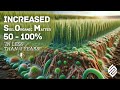
Explains building soil organic matter through a systems approach: cover crops, balanced N:C inputs (molasses, humates), microbial teas, yeast metabolites, and avoiding synthetic fungicides. Tropical c
-
Preventing bare soil and addressing compaction are critical for healthy soil biology, gas exchange, and water infiltration. Deep ripping followed by biological applications and cover crops is recommen

-
Implementing the six soil health principles (living root, cover crops, diversity, minimize disturbance) over 3-5 years can dramatically improve soil function, aggregation, and water cycles, reducing t

-
Restoring soil health requires feeding soil biology, minimally disturbing soil (no-till), and using cover crops for soil armor. Transitioning to no-till cover crops rapidly increases microbial biomass

Community
-
Enhance soil health through plant diversity, continuous soil cover (living plants/residues), and livestock integration. Manage carbon-to-nitrogen ratios of residues and adopt no-till practices to impr
Read more (opens in new window) permies.com -
Building healthy soil involves minimizing tillage (no-till) and keeping it covered year-round with living plants and cover crops. These practices enhance water retention, nutrient cycling, and soil re
Read more (opens in new window) smallfarms.cornell.edu -
Build healthy pasture soils by minimizing tillage, maintaining living roots and species diversity, and implementing proper grazing management. Livestock are essential for nutrient cycling and stimulat
Read more (opens in new window) smallfarms.cornell.edu -
Ten principles for healthy soil: use compost and biomass mulch, keep living roots year-round, minimize tillage, capture sunlight and water, promote plant diversity, and integrate animals for fertility
Read more (opens in new window) permies.com
Research
-
Restoring Soil Quality to Mitigate Soil Degradation (opens in new window)
This study found: Soil degradation hinders food production. Restoring soil health through practices like conservation agriculture, cover crops, and controlled grazing is key to increasing organic matter, fertility, and
-
Sustainable Agriculture and Soil Health: A Comprehensive Review of Bio-Inputs (opens in new window)
This study found: Sustainable farming with natural biological inputs (biofertilizers, compost) is key to restoring soil health, reducing chemical use, and increasing soil carbon. These inputs improve nutrient uptake an
-
Soil microbial diversity, stability, and function are enhanced by cover cropping: A machine learning-based pooled analysis of Mississippi agroecosystems. (opens in new window)
This study found: Cover crops significantly increased soil microbial diversity and beneficial bacteria/fungi in Mississippi, enhancing soil stability and resilience. Key microbial biomarkers were identified.
-
Enhancing Soil Health and Fertility Management for Sustainable Agriculture: A Review (opens in new window)
This study found: Review covers traditional and new methods to boost soil health and fertility for sustainable farming, including cover crops, reduced tillage, precision agriculture, and biochar, emphasizing holistic a
From the Web
-
Soil restoration hinges on year-round green cover for photosynthesis, enhancing soil carbon and nutrient density. Practices like multi-species cover crops, strategic grazing, and promoting microbial d
-
Six soil health principles: Know context, cover soil, minimize disturbance, increase diversity, maintain living roots year-round, and integrate livestock for nutrient cycling and plant health.
-
Build a strong 'microbial bridge' by feeding diverse soil biology year-round through practices like planting diverse cover crops at optimal maturity, shallow residue incorporation, and using carbon-ba
-
Key soil health principles include keeping soil covered, minimizing disturbance, continuous plant growth, and diversification. Cover crops, crop rotations, and livestock manure are vital for building
4
Interaction Effects: Synergies with Other Soil Processes
Soil biology doesn't operate in isolation; its effectiveness is amplified or diminished by interactions with chemical and physical soil processes. For instance, the physical structure of the soil greatly influences the habitat available for microbes. Well-aggregated...
Interaction Effects: Synergies with Other Soil Processes
Soil biology doesn't operate in isolation; its effectiveness is amplified or diminished by interactions with chemical and physical soil processes. For instance, the physical structure of the soil greatly influences the habitat available for microbes. Well-aggregated...
Soil biology doesn't operate in isolation; its effectiveness is amplified or diminished by interactions with chemical and physical soil processes. For instance, the physical structure of the soil greatly influences the habitat available for microbes. Well-aggregated soils with good porosity provide ideal micro-environments for fungi and bacteria, protecting them from desiccation and predation, and allowing for efficient nutrient and water diffusion. Conversely, compacted soils with poor aeration can favor anaerobic microbes, which are often less beneficial for plant growth.
Chemically, soil pH and nutrient availability can influence microbial community composition. While some microbes thrive in acidic conditions, many beneficial bacteria and fungi prefer near-neutral pH. The availability of certain nutrients, like phosphorus, can be a limiting factor for microbial activity. However, biology actively influences chemistry. For example, the production of organic acids by microbes can solubilize mineral-bound phosphorus, making it available not only for the microbes but also for plants. This biological solubilization of phosphorus can contribute 10-30% more plant-available phosphorus over time compared to relying solely on mineral inputs, with field trials in phosphate-deficient soils in Africa showing significant yield responses.
Sources behind this view
Sources behind this view
Videos & Podcasts
-
Explores soil microbiology, detailing the roles of bacteria and fungi in soil structure, nutrient cycling, and plant health. Discusses how management practices and inputs like synthetic fertilizers an

-
Microbes are the backbone of soil health; farming practices must support the microbial community through continuous carbon flow from living roots and cover crops, fostering positive feedback loops and

-
Soil biology, driven by photosynthesis, actively engages microbes via root exudation for energy. This interaction, involving mycorrhizal fungi and other partnerships, influences soil pH and REDOX. Pra
![Thumbnail for What is Regenerative Soil? with Matt Powers [FULL 2024 PRESENTATION]](/static/thumbnails/w0Lo6R4cjRI.jpg)
-
Soil microbes, particularly in the rhizosphere, are essential for nutrient cycling. Plants signal microbes via root exudates to access nitrogen (e.g., 50 lbs/acre for corn via free-living bacteria) an
Community
-
Explains soil biology: plants get nutrients from organic matter and minerals via root exudates signaling microbes like mycorrhizae (nutrient/water uptake) and rhizobia (nitrogen fixation). Management
Read more (opens in new window) permies.com -
Carbon and soil organic matter are key to soil health, controlling 90% of functions and doubling water holding capacity from 1-3% organic matter. Soil microbes thrive on living plant roots, dead roots
Read more (opens in new window) permies.com -
Prioritize assessing soil microbiology and the soil food web balance before pH adjustments; use compost tea to re-establish microbial health, as microbes are key soil builders working with plants.
Read more (opens in new window) permies.com -
Soil properties (pH, carbon, texture) are key drivers of bacterial movement in European soils. Soil texture normalizes pH, carbon buffers reactions, and fungal networks extend exudate signals, facilit
Read more (opens in new window) permies.com
Research
-
Soil as an extended composite phenotype of the microbial metagenome. (opens in new window)
This study found: Soil management shapes soil structure, influencing microbial communities and nutrient delivery. Carbon movement, not just total carbon, is proposed as the key driver of soil health.
-
Investigating the effects of organic amendments on soil microbial composition and its linkage to soil organic carbon: A global meta-analysis. (opens in new window)
This study found: Organic amendments boost soil bacterial diversity and organic matter, favoring fast-growing microbes. Specific impacts vary by soil type, crop, and climate. Firmicutes bacteria abundance linked to soi
-
The interacting roles of climate, soils, and plant production on soil microbial communities at a continental scale. (opens in new window)
This study found: Continental study shows soil organic matter chemistry most directly influences soil microbes, while climate and plant growth act indirectly. Soil fungi also impact enzyme activity, affecting decomposi
-
Role of Soil Microbiota in Enhancing Soil Fertility and Carbon Sequestration under Changing Climate Conditions (opens in new window)
This study found: Soil microbes are vital for soil health, fertility, and carbon storage, especially with climate change. Organic matter and diverse crop rotations boost microbial activity, improving nutrient cycling a
From the Web
-
Soil biology boosts nutrient availability: mycorrhizal fungi extend roots to access phosphorus, and Rhizobium bacteria fix atmospheric nitrogen for legumes in a symbiotic exchange.
5
Measuring the Effect: Practical Indicators for Farmers
Farmers can observe several indicators to assess the health and activity of their soil biology and its impact on plant health. A common measure is the appearance of soil aggregates: healthy soil will form crumbly aggregates that hold together when moist, rather than a...
Measuring the Effect: Practical Indicators for Farmers
Farmers can observe several indicators to assess the health and activity of their soil biology and its impact on plant health. A common measure is the appearance of soil aggregates: healthy soil will form crumbly aggregates that hold together when moist, rather than a...
Farmers can observe several indicators to assess the health and activity of their soil biology and its impact on plant health. A common measure is the appearance of soil aggregates: healthy soil will form crumbly aggregates that hold together when moist, rather than a structure that easily breaks apart or forms a hard clod. The presence of earthworm castings on the soil surface or upon digging is a clear sign of active biological activity and improved soil structure. Soil color, particularly the presence of dark, rich colors, often indicates a healthy level of organic matter and microbial decomposition.
Another observable indicator is the smell of the soil. Healthy, biologically active soil typically has a pleasant, earthy aroma, often described as 'loamy,' due to the presence of geosmin, a compound produced by certain soil bacteria. Conversely, musty or sour smells can indicate anaerobic conditions and poor microbial balance. Observing the health and vigor of crops themselves provides direct feedback: plants with robust root systems, good stand establishment, and a natural resistance to pests and diseases are often a strong indicator of a healthy soil biology. For farmers transitioning to regenerative practices, monitoring an annual increase in soil organic matter by 0.1-0.5 percentage points per year is a key metric for biological improvement. Rates of SOM accumulation are variable and depend on climate, starting soil condition, management intensity, and measurement depth.
Sources behind this view
Sources behind this view
Videos & Podcasts
-
Assess soil health by digging holes, observing smell, spading ease, and root behavior. Sheared roots, compaction, ethylene, and potential aluminum toxicity indicate underlying issues. Soil tests shoul

-
Practical soil assessment methods include using a spade for structure, infiltration tests with aluminum rings, PLFA analysis for biology, and Haney analysis. These tools help farmers understand soil h
-
Farmers can assess soil health by walking barefoot to feel for compaction and using simple tools like sticks to measure penetration depth, indicating organic matter levels and the effectiveness of reg

Community
-
Soil health is defined by its capacity to support ecological functions and is improved by increasing carbon inputs through crop residues, cover crops, and compost, while reducing tillage. These practi
Read more (opens in new window) ucanr.edu
Research
-
Substantial and Rapid Increase in Soil Health across Crops with Conversion from Conventional to Regenerative Practices (opens in new window)
This study found: Switching to regenerative practices like cover cropping and compost rapidly improved soil organic matter, soil structure, and beneficial soil microbes on a working farm over nine years.
-
Sensitivity and variability of soil health indicators in a California cropping system (opens in new window)
This study found: California study: Farming method (organic vs. conventional) significantly impacted soil health, especially organic carbon and biological activity. Consistent sampling times are crucial for reliable so
-
Cropping systems with perennial vegetation and livestock integration promote soil health (opens in new window)
This study found: Wisconsin study: Grazed pastures with livestock showed up to 195% better soil health indicators than other systems. Perennial plants and livestock integration are key for improving soil health.
-
Soil Health Indicators, Management Practices, and Farmer Adoption: A Systems-Based Review for Sustainable Agriculture (opens in new window)
This study found: Review synthesizes research on soil health indicators, farming practices, and farmer adoption. Highlights importance of integrated approach combining science, management, and socio-economic factors fo
From the Web
-
Provides a practical guide to measuring soil health using field indicators and lab tests, emphasizing consistency, context-specific interpretation, and tracking functional improvements over time. Link
-
Seven key soil health indicators are detailed: soil cover (bare soil is bad), color (darker is better, indicates organic matter), structure (aggregation for pore space), biological activity (earthworm
-
Assess soil health visually and by smell using indicators like soil cover, color, structure, biological activity (earthworms, dung beetles), rooting resistance, earthy smell (geosmin), and erosion sig
-
Assessing soil health involves general field observations (yields, root health, erosion) and detailed field indicators like soil cover, aggregate stability, and earthworm presence. Soil health is best
6
Regional Variation: Adapting to Diverse Environments
The specific impact and management of soil biology vary significantly across different climates, soil types, and agricultural systems globally. In the temperate climates of Europe and North America, farmers might focus on supporting soil fungi that are crucial for...
Regional Variation: Adapting to Diverse Environments
The specific impact and management of soil biology vary significantly across different climates, soil types, and agricultural systems globally. In the temperate climates of Europe and North America, farmers might focus on supporting soil fungi that are crucial for...
The specific impact and management of soil biology vary significantly across different climates, soil types, and agricultural systems globally. In the temperate climates of Europe and North America, farmers might focus on supporting soil fungi that are crucial for breaking down complex organic matter from fall residues and managing nutrient release over longer growing seasons. Practices like adding woody biochar or using diverse cover crops can preferentially support fungal communities.
In the hotter and often more humid tropical regions of Southeast Asia, Central Africa, and South America, rapid decomposition of organic matter means that maintaining a continuous supply of fresh inputs is paramount to supporting bacterial populations and ongoing nutrient cycling. Here, integrating livestock to provide manure, or utilizing quick-growing cover crops, becomes even more critical. The challenges of soil acidification in some tropical regions can also influence microbial communities, making liming and the selection of acid-tolerant microbes or plant species important considerations. In arid and semi-arid regions like parts of Australia or the American West, water availability is the primary limiting factor for all biological activity; therefore, practices that enhance water infiltration and retention, such as mulching and cover cropping with drought-tolerant species, are essential for supporting soil life.
Sources behind this view
Sources behind this view
Videos & Podcasts
-
Dr. Elaine Ingham emphasizes bio-regionalism in soil health, explaining that local, indigenous microorganisms are essential. Compost must be made locally to match climate and habitat, ensuring optimal

-
Microbes are the backbone of soil health; farming practices must support the microbial community through continuous carbon flow from living roots and cover crops, fostering positive feedback loops and
-
To improve soil biology, focus on reducing disturbance, increasing biological diversity (diverse crops, cover crops), and maintaining living roots. Microbial products are variable; test them in your o
-
Introduce fungi via diverse, biologically complete compost, considering local climate. Mitigate climate change impacts by maintaining ground cover for soil temperature and moisture regulation, buildin
Research
-
LEVERAGING SOIL MICROBES FOR CLIMATE-SMART AGRICULTURE: STRATEGIES FOR OPTIMIZING SOIL HEALTH AND RESILIENCE (opens in new window)
This study found: Soil microbes are vital for climate-smart farming, helping store carbon and reduce greenhouse gases. They also boost crop drought tolerance and nutrient use. Practices like conservation tillage and or
-
Impacts of Climate, Organic Management, and Degradation Status on Soil Biodiversity in Agroecosystems Worldwide. (opens in new window)
This study found: Global study shows climate and soil type are key drivers of soil life. Organic farming has a small but significant positive impact, especially in dry, degraded soils, boosting bacteria and single-cell
-
Land Use Interacts With Climate to Influence Microbial Diversity‐To‐Biomass Ratios Across Europe via Soil Organic Carbon and Nitrogen (opens in new window)
This study found: European study found land use and climate impact soil microbe variety relative to total soil life. Soil organic matter and nitrogen are key drivers, suggesting land management changes can alter microb
-
Climate, Soil, and Microbes: Interactions Shaping Organic Matter Decomposition in Croplands (opens in new window)
This study found: Weather, soil type, and soil microbes interact to break down organic matter in farm fields. Understanding these links helps improve sustainable practices like regenerative agriculture and organic fert
7
Research Gaps: What We Still Need to Understand
While our understanding of soil biology's role in plant health has advanced significantly, considerable research gaps remain, particularly concerning the precise interactions in diverse, real-world farming systems. The complexity of the soil microbiome means that while...
Research Gaps: What We Still Need to Understand
While our understanding of soil biology's role in plant health has advanced significantly, considerable research gaps remain, particularly concerning the precise interactions in diverse, real-world farming systems. The complexity of the soil microbiome means that while...
While our understanding of soil biology's role in plant health has advanced significantly, considerable research gaps remain, particularly concerning the precise interactions in diverse, real-world farming systems. The complexity of the soil microbiome means that while we can identify key players, predicting the exact functional outcome of specific microbial introductions or population shifts is still challenging. The long-term effects of various agricultural inputs, including organic amendments, on the entire soil food web structure and function over decades are not fully documented across all global regions.
Furthermore, developing standardized, accessible, and affordable methods for farmers worldwide to assess their soil biology and track its improvement remains an active area of research. While indicators like aggregation and earthworm counts are useful, more precise biological measurements that can be practically applied on farms of all scales are needed. Understanding how different climate change scenarios will impact soil microbial resilience and their capacity to support plant health under increased environmental stress (e.g., extreme temperatures, altered precipitation patterns) requires further investigation. Bridging these gaps will enable more targeted and effective regenerative management strategies.
Sources behind this view
Sources behind this view
Videos & Podcasts
-
Argues that current agricultural science and education are incomplete by neglecting the soil microbiome's critical role in plant physiology, photosynthesis, and carbon sequestration, advocating for a
-
To improve soil biology, focus on reducing disturbance, increasing biological diversity (diverse crops, cover crops), and maintaining living roots. Microbial products are variable; test them in your o
-
The complexity of soil biology and microbial interactions means understanding the 'diet' for both microbes and plants, potentially involving micronutrients like copper, nickel, and cobalt, is crucial

Research
-
Soil Microbiome and Nutrient Cycling: Implications for Sustainable Agriculture (opens in new window)
This study found: Recent research (2019-2025) highlights how soil microbes drive nutrient cycles (C, N, P) crucial for farm productivity. New tech reveals how farming practices impact microbes, and explores engineered
-
Understanding and Enhancing Soil Biological Health: The Solution for Reversing Soil Degradation (opens in new window)
This study found: Soil life is crucial for healthy, productive soils and sustainable farming. Understanding and managing soil biology can boost crop nutrients, protect plants, and build resilience, requiring increased
-
Plant–soil–microbiome interactions: mechanisms, advances, and challenges in sustainable agriculture and healthy agroecosystems (opens in new window)
This study found: Soil microbes are key to plant health and soil quality, aiding nutrient cycling and disease defense. Biofertilizers can boost these microbes, improving plant resilience to stress and climate change. A
-
Soil Microbiome Engineering in Sustainable Agriculture: A Comprehensive Review (opens in new window)
This study found: Managing soil microbes through inoculants and engineered mixes can boost crop yields, soil health, and plant resilience. Challenges include farm-scale application and cost-effectiveness.
8
Connecting Science to Practice: Translating Mechanisms into Management
The scientific understanding of soil biology's impact on plant health directly informs regenerative management decisions. Recognizing that bacteria and fungi are key decomposers informs the practice of adding varied organic matter sources, such as applying compost to...
Connecting Science to Practice: Translating Mechanisms into Management
The scientific understanding of soil biology's impact on plant health directly informs regenerative management decisions. Recognizing that bacteria and fungi are key decomposers informs the practice of adding varied organic matter sources, such as applying compost to...
The scientific understanding of soil biology's impact on plant health directly informs regenerative management decisions. Recognizing that bacteria and fungi are key decomposers informs the practice of adding varied organic matter sources, such as applying compost to fields in North America or incorporating crop residues in Asian rice paddies, to ensure a continuous food supply. Understanding the role of mycorrhizal fungi in nutrient and water acquisition emphasizes practices that foster their symbiotic relationships, such as maintaining living roots for as long as possible throughout the year via cover cropping or perennial cropping systems, and minimizing tillage.
The knowledge that soil organisms suppress diseases encourages crop rotation and the planting of diverse cover crops, which can break disease cycles and introduce beneficial microbes that compete with or antagonize pathogens. For farmers transitioning from synthetic inputs, this biological suppression of pests and diseases is a critical component of phasing out conventional products. For instance, a farmer in South America reducing synthetic fungicide use on their coffee plants would rely on building vibrant fungal communities through organic mulching and minimal soil disturbance to provide natural disease control. Similarly, understanding how earthworms improve soil structure drives practices like reduced tillage, the addition of organic matter, and avoiding soil compaction, especially in regions prone to erosion or waterlogging.
Sources behind this view
Sources behind this view
Videos & Podcasts
-
Provides actionable steps for regenerative agronomy: balanced N:C inputs (molasses, humates), microbial teas, yeast metabolites, calcium, and effective seed treatments. Emphasizes scalability, systems
-
Biological farming eliminates synthetic toxins, relying on microbial translocation for natural fertilization. Plants feed microbes sugar, and microbes provide nutrients. This system is vulnerable to c

-
Details regenerative practices for soil health, including using herbal ferments to manage cover crop decomposition, specific shallow incorporation techniques for improved soil structure, and the shift

-
Explores soil microbiology, detailing the roles of bacteria and fungi in soil structure, nutrient cycling, and plant health. Discusses how management practices and inputs like synthetic fertilizers an
Research
-
Building Soil Health and Fertility through Organic Amendments and Practices: A Review (opens in new window)
This study found: Review of organic amendments (manures, compost, cover crops) and regenerative practices (no-till, crop diversity, agroecology) shows they restore soil health by increasing organic matter and beneficia
-
Building Soil Health and Fertility through Organic Amendments and Practices: A Review (opens in new window)
This study found: Using organic amendments (manures, composts, cover crops) and regenerative practices (no-till, crop diversity) restores soil health by increasing organic matter and beneficial microbes, leading to mor
-
Sustainable Agriculture and Soil Health: A Comprehensive Review of Bio-Inputs (opens in new window)
This study found: Sustainable farming with natural biological inputs (biofertilizers, compost) is key to restoring soil health, reducing chemical use, and increasing soil carbon. These inputs improve nutrient uptake an
-
Soil Microbiome Engineering in Sustainable Agriculture: A Comprehensive Review (opens in new window)
This study found: Managing soil microbes through inoculants and engineered mixes can boost crop yields, soil health, and plant resilience. Challenges include farm-scale application and cost-effectiveness.
9
Know the Debate
The impact of soil biology on plant health is a complex interplay of microbial populations, nutrient cycling, and soil structure. While academic re...
Know the Debate
The impact of soil biology on plant health is a complex interplay of microbial populations, nutrient cycling, and soil structure. While academic re...
The impact of soil biology on plant health is a complex interplay of microbial populations, nutrient cycling, and soil structure. While academic research and farmer observation largely agree that a healthy soil food web fuels resilient crops, disagreements arise on the precise timelines for these visible improvements and the reliability of different measurement methods. Factors such as climate, initial soil condition, and management intensity, particularly concerning organic matter inputs and disturbance levels, significantly influence the speed and predictability of biological benefits.
How quickly do soil biology improvements affect plant health?
Visible benefits in 2-3 years
Controlled trials and academic research indicate significant improvements in plant health and disease suppression within 2-3 growing seasons. Introducing beneficial microbes like mycorrhizae shows measurable reductions in disease incidence and reliance on fungicides during this timeframe.
Reliable improvements take 3-7 years
Field observations and practitioner timelines suggest that consistent, reliable plant health benefits and disease suppression require 3-7 years of dedicated soil building. While some initial improvements may be seen sooner, significant pest and disease resistance often emerges after longer periods of consistent practice.
Making Sense of the Differences
The timeline for realizing plant health benefits from soil biology varies based on initial soil condition and management. Degraded soils or those facing novel pest pressures may take longer to build robust microbial communities. Controlled trials often show faster results due to optimized inputs and immediate microbial introductions, whereas field experience accounts for the natural variability in weather and the compounding effects of consistent regenerative practices over multiple years.
How can farmers reliably measure soil biological improvements?
Standardized quantitative tests
Academic and institute research supports quantitative soil tests for metrics like aggregation, microbial biomass, and organic matter. These provide objective data for tracking improvements over 3-7 years, correlating with soil structure and nutrient availability.
Direct observation and plant vigor
Farmers often rely on direct observation of earthworm activity, soil color ('loamy' smell), and crop health (root systems, stand establishment). While subjective, these provide immediate feedback on soil biology and its impact on plant resilience.
Making Sense of the Differences
Farmers can gauge soil biological health through both quantitative soil tests and direct observation. While tests provide objective data on metrics like organic matter and aggregation over years, direct observation of earthworms, soil color/smell, and plant vigor offers immediate feedback. Many successful regenerative farmers integrate both methods, using tests to validate their observations and track long-term trends, ensuring a comprehensive understanding of their soil's living ecosystem.