
How do I terminate cover crops?
Effective cover crop termination is crucial for preparing fields for the next cash crop while maximizing soil health benefits. The goal is to prevent resprouting and seed production, and to encourage decomposition by bringing the cover crop into intimate contact with soil biology. Methods range from mechanical techniques like crimping and mowing to biological approaches like grazing or roller-crimping, often timed to coincide with the plants' reproductive development. Successful termination builds soil organic matter, conserves moisture, and suppresses weeds, setting the stage for a more robust and resilient farming system.
Read More: Complete Description
Sources behind this view
Sources behind this view
 Videos & Podcasts
-
Cover crops are terminated using methods like roller crimping to minimize soil disturbance, retain nutrients, and prevent regrowth, with the choice depending on soil conditions and subsequent crop nee

-
Small-scale cover crop termination methods include crimping (at reproductive stage), tarping, mowing (followed by tarping), grazing (with caution for regrowth), tillage (green manure), and cold kill.

-
Cover crop termination timing depends on the next crop, cover crop goals, termination method, and moisture. Managing volunteers, nutrient tie-up, and considering companion cropping or small-scale meth

-
Cover crops are an 'investment crop,' not an expense, offering low-cost fertility and soil health benefits. They are managed with a flail mower, minimal tillage, bed shaping, and tarping for two weeks

 Community
-
Provides detailed cover crop termination methods including herbicide, winter kill, grazing/haying, mechanical, and roller-crimper techniques. Emphasizes timely execution to manage soil moisture, nutri
Read more (pp. 9-11) (opens PDF, pp. 9-11) efotg.sc.egov.usda.gov -
Effective cover crop termination methods are discussed, with a focus on the roller-crimper. This implement crushes stems at specific growth stages (soft dough for grasses, early pod fill/full flower f
Read more (pp. 1-2) (opens PDF, pp. 1-2) efotg.sc.egov.usda.gov -
Cover crop management focuses on timely termination using methods like rolling/crimping, mowing, or herbicides to create a seedbed for the next crop, with timing and biomass being key considerations.
Read more (opens in new window) ucanr.edu -
Details cover crop termination methods (mowing, tillage, herbicides) in spring before cash crop planting, emphasizing timing to prevent seeding and manage residue for soil health and subsequent crop s
Read more (opens in new window) ucanr.edu
 Research
-
Timing of Cover Crop Termination: Management Considerations for the Southeast (opens in new window)
This study found: Cover crop termination timing is crucial for maximizing soil health and crop yields in conservation tillage systems in the Southeast. Consider growing season, soil moisture, N management, and equipmen
-
Cover Crop Termination Timing is Critical in Organic Rotational No‐Till Systems (opens in new window)
This study found: Timing cover crop termination is key in organic no-till. Killing hairy vetch/triticale later improved control. Early cereal rye termination led to seed production, causing volunteer issues in subseque
-
Cover cropping impacts on soil water and carbon in dryland cropping system. (opens in new window)
This study found: In dryland farming, early termination of summer sorghum cover crops boosted wheat yield and water use by up to 12%. Late termination increased soil carbon and beneficial root fungi by over 250% but re
-
Mechanical Termination of Diverse Cover Crop Mixtures for Improved Weed Suppression in Organic Cropping Systems (opens in new window)
This study found: Killing cover crops with shallow tillage in organic systems reduced weeds and improved corn/soybean yields, while disking often increased weeds and reduced yields.
 From the Web
-
Purdue Extension details cover crop termination methods: herbicides, tillage, and rolling-crimping. Rolling-crimping at anthesis is a no-till option for weed suppression and moisture conservation. Ter
-
Purdue Extension's AY-378 outlines cover crop termination methods (tillage, herbicides, rolling) based on species, cash crop needs, soil moisture, and equipment, emphasizing timely execution for succe
-
Details non-chemical cover crop termination methods like mowing, roller-crimping (at maturity, in hot/dry weather), and 'planting green' (planting cash crops into live cover crops). Discusses benefits
-
Discusses cover crop termination methods including roller-crimping (when seed pods form), herbicide application (timed to species and cash crop), and mowing, emphasizing timely execution for effective
Key Points
Start Here
- Identify cover crop species and their growth stage.
- Determine next cash crop planting date and needs.
- Assess available termination equipment and livestock.
- Consider seasonal rainfall and soil moisture conditions.
Key Methods
- Roll and crimp mature grasses and legumes before seed set.
- Graze livestock to chop and incorporate biomass.
- Mow to weaken growth, especially for smaller plants.
- Phase out tillage over 3-7 years as soil improves.
Timing Sequence
- Terminate at flowering for legumes, boot stage for grasses.
- Allow 2-4 weeks for decomposition before planting.
- Prioritize early termination in wet, cooler climates.
- Synchronize termination with seasonal rainfall patterns.
System Integration
- Build soil organic matter through residue decomposition.
- Suppress weeds with a protective surface mulch.
- Improve water infiltration and retention.
- Enhance nutrient cycling and availability.
Know the Debate
- Termination method varies by equipment, scale, and goal
- Weed suppression effectiveness is context-dependent
Going Deeper
1
Getting Started: Planning Your Termination Strategy
Before you reach the termination phase, diligent planning is essential. Begin by accurately identifying your cover crop species and their current growth stage. This is the most critical factor determining the best termination method and timing. For example, cereal rye is...
Getting Started: Planning Your Termination Strategy
Before you reach the termination phase, diligent planning is essential. Begin by accurately identifying your cover crop species and their current growth stage. This is the most critical factor determining the best termination method and timing. For example, cereal rye is...
Before you reach the termination phase, diligent planning is essential. Begin by accurately identifying your cover crop species and their current growth stage. This is the most critical factor determining the best termination method and timing. For example, cereal rye is best terminated in the boot stage, whereas hairy vetch should be terminated around flowering. Next, understand your subsequent cash crop's needs. Does it require a clean seedbed, or can it tolerate some residue? Knowing your planting window – considering both the cash crop's requirements and the time needed for cover crop decomposition – is crucial. For instance, if you need to plant corn in early spring (April-May Northern Hemisphere), and your cover crop was sown the previous fall, you will need to terminate it 2-4 weeks prior to that planting date to allow sufficient breakdown.
Evaluate the equipment you have available. Do you own a roller-crimper, a mower, a flail chopper, or access to livestock? Each tool has specific strengths and limitations depending on the cover crop and your farming system. Livestock, particularly cattle or sheep, can be a highly effective integrated termination method if managed properly in high-density, short-duration grazing paddocks. Consider your region's climate. In humid areas, decomposition is generally faster, allowing for less aggressive termination methods or shorter decomposition windows. In drier regions, such as parts of the Mediterranean or Australia, slower decomposition may necessitate earlier termination or methods that ensure good soil-to-residue contact. Budgetary considerations are also important; while some farmers may invest in roller-crimpers (costing between $3,000-$15,000 USD depending on size and complexity), others might leverage existing equipment or grazing leases. Farms in Africa seeking to improve soil fertility might integrate local livestock breeds for termination, minimizing upfront capital expenditure.
Sources behind this view
Sources behind this view
Videos & Podcasts
-
Terminate cover crops based on seasonal conditions and experience. Beginners should terminate earlier. 'Plant green' is effective as green material cuts easier. Livestock grazing can reduce but not el

-
Small-scale cover crop termination methods include crimping (at reproductive stage), tarping, mowing (followed by tarping), grazing (with caution for regrowth), tillage (green manure), and cold kill.
-
Cover crop termination timing depends on the next crop, cover crop goals, termination method, and moisture. Managing volunteers, nutrient tie-up, and considering companion cropping or small-scale meth
-
Cover crop termination methods include tarping, solarization (caution on slopes), and crimping at the milk stage for grains. Winter-killed options like peas and oats require early planting. Good seed-

Community
-
Provides detailed cover crop termination methods including herbicide, winter kill, grazing/haying, mechanical, and roller-crimper techniques. Emphasizes timely execution to manage soil moisture, nutri
Read more (pp. 9-11) (opens PDF, pp. 9-11) efotg.sc.egov.usda.gov -
Guidance on terminating cover crops, focusing on timing to manage soil moisture, nutrient cycling (immobilization/mineralization via C:N ratio), allelopathy, and reseeding. Methods include frost, mowi
Read more (p. 4) (opens PDF, p. 4) efotg.sc.egov.usda.gov -
Details cover crop termination methods (mowing, tillage, herbicides) in spring before cash crop planting, emphasizing timing to prevent seeding and manage residue for soil health and subsequent crop s
Read more (opens in new window) ucanr.edu -
Provides practical guidance on cover crop planting dates (fall after harvest, spring before cash crop) and termination methods (roller-crimping, mowing, tillage, herbicides) for Indiana, emphasizing s
Read more (opens in new window) ucanr.edu
Research
-
Cover Crop Termination Timing is Critical in Organic Rotational No‐Till Systems (opens in new window)
This study found: Timing cover crop termination is key in organic no-till. Killing hairy vetch/triticale later improved control. Early cereal rye termination led to seed production, causing volunteer issues in subseque
-
Timing of Cover Crop Termination: Management Considerations for the Southeast (opens in new window)
This study found: Cover crop termination timing is crucial for maximizing soil health and crop yields in conservation tillage systems in the Southeast. Consider growing season, soil moisture, N management, and equipmen
-
Cover cropping impacts on soil water and carbon in dryland cropping system. (opens in new window)
This study found: In dryland farming, early termination of summer sorghum cover crops boosted wheat yield and water use by up to 12%. Late termination increased soil carbon and beneficial root fungi by over 250% but re
-
Timing of Cover-Crop Management Effects on Weed Suppression in No-Till Planted Soybean using a Roller-Crimper (opens in new window)
This study found: Earlier planting and later termination of cereal rye and rye/vetch cover crops increased biomass and weed suppression in no-till soybeans. Biomass timing relative to weed emergence was key for effecti
From the Web
-
Details non-chemical cover crop termination methods like mowing, roller-crimping (at maturity, in hot/dry weather), and 'planting green' (planting cash crops into live cover crops). Discusses benefits
-
Discusses cover crop termination methods including roller-crimping (when seed pods form), herbicide application (timed to species and cash crop), and mowing, emphasizing timely execution for effective
-
Purdue Extension details cover crop termination methods: herbicides, tillage, and rolling-crimping. Rolling-crimping at anthesis is a no-till option for weed suppression and moisture conservation. Ter
-
Purdue Extension details cover crop termination methods: roller-crimping (boot stage for grasses, early bloom for legumes), mowing, and herbicides. Timing is critical for cash crop integration, consid
2
Step-by-Step Mechanical Termination: Roller-Crimping
Roller-crimping is a highly favored method in no-till and reduced-till systems for its ability to effectively terminate cover crops while leaving valuable residue. The process involves using a roller attached to the front of a tractor to flatten and crimp the stems of...
Step-by-Step Mechanical Termination: Roller-Crimping
Roller-crimping is a highly favored method in no-till and reduced-till systems for its ability to effectively terminate cover crops while leaving valuable residue. The process involves using a roller attached to the front of a tractor to flatten and crimp the stems of...
Roller-crimping is a highly favored method in no-till and reduced-till systems for its ability to effectively terminate cover crops while leaving valuable residue. The process involves using a roller attached to the front of a tractor to flatten and crimp the stems of mature cover crops. This action breaks the vascular tissue, preventing regrowth and killing the plant. For optimal results, the roller should have sharp flanges or bars that create distinct crimp points along the stems, ensuring more complete termination.
The ideal timing for roller-crimping is crucial. For grasses like cereal rye or oats, the tool should be used when the plant is in the boot stage, just as the seed head is emerging but before it fully emerges or flowers. For legumes such as crimson clover or vetch, wait until they are in full bloom. If a mix is used, target the most mature or dominant species. The roller should ideally be used when plants are turgid, often after a rainfall, as this makes them more susceptible to crimping. After roller-crimping, allow 2-4 weeks for the residue to break down and become the planting surface for your cash crop. This decomposition period is essential for nutrient release and for the residue to begin forming a protective mulch. Successful roller-crimping can kill 80-95% of the cover crop biomass, creating a weed-suppressing mat that decomposes over the growing season.
Sources behind this view
Sources behind this view
Videos & Podcasts
-
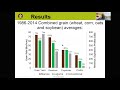
Rodale Institute uses a roller crimper for organic no-till planting of corn (with hairy vetch) and soybeans (with cereal rye), creating a weed-suppressing mulch. A high-residue cultivator addresses we
-
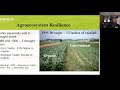
Organic no-till relies on cover crops (hairy vetch for corn, cereal rye for soybeans) terminated with a roller crimper for weed control. Precise timing of planting and termination is critical; a high
-
Explains the physics and design of a roller crimper for no-till cover cropping, emphasizing crimping sexually mature cover crops (like rye and vetch) to create a weed-suppressing mulch layer and reduc

-
Successful roller crimping requires patience and timing based on crop condition, not calendar dates. Planting into standing cover crops prevents compaction and allows for later planting, yielding exce

Community
-
Effective cover crop termination methods are discussed, with a focus on the roller-crimper. This implement crushes stems at specific growth stages (soft dough for grasses, early pod fill/full flower f
Read more (pp. 1-2) (opens PDF, pp. 1-2) efotg.sc.egov.usda.gov -
Explains no-till cover cropping using a roller-crimper to kill cover crops and create mulch, reducing costs, improving soil health, and suppressing weeds. Key components include specific cover crop mi
Read more (opens in new window) permies.com -
Provides detailed cover crop termination methods including herbicide, winter kill, grazing/haying, mechanical, and roller-crimper techniques. Emphasizes timely execution to manage soil moisture, nutri
Read more (pp. 9-11) (opens PDF, pp. 9-11) efotg.sc.egov.usda.gov -
Provides practical guidance on cover crop planting dates (fall after harvest, spring before cash crop) and termination methods (roller-crimping, mowing, tillage, herbicides) for Indiana, emphasizing s
Read more (opens in new window) ucanr.edu
Research
-
New roller crimper concepts for mechanical termination of cover crops in conservation agriculture (opens in new window)
This study found: New roller crimper designs effectively killed rye cover crops (>90%) and conserved soil moisture in Alabama trials (2006-2008). They also significantly reduced vibration, meeting safety standards and
-
Use of a mechanical roller-crimper as an alternative kill method for cover crops (opens in new window)
This study found: Mechanical roller-crimper effectively terminates cover crops (rye, wheat, black oat) in Alabama when used after flowering, saving costs and matching herbicide effectiveness when combined with reduced
-
Control of Cereal Rye with a Roller/Crimper as Influenced by Cover Crop Phenology (opens in new window)
This study found: Using a roller-crimper to terminate cereal rye is most effective at flowering (Zadoks 61), predicted by a heat unit model. This reduces tillage and herbicide needs, supporting organic farming.
-
Cover Crop Termination Timing is Critical in Organic Rotational No‐Till Systems (opens in new window)
This study found: Timing cover crop termination is key in organic no-till. Killing hairy vetch/triticale later improved control. Early cereal rye termination led to seed production, causing volunteer issues in subseque
From the Web
-
The roller-crimper is crucial for no-till organic farming to terminate cover crops, creating mulch for weed suppression and soil health. Success depends on precise timing (flowering/milk stage), speci
-
Details non-chemical cover crop termination methods like mowing, roller-crimping (at maturity, in hot/dry weather), and 'planting green' (planting cash crops into live cover crops). Discusses benefits
-
Roller crimping cover crops (cereal rye, triticale) is a mechanical termination method for weed suppression and reduced tillage. Success requires high biomass (8,000 lb/ac), early drilling (100 lb/ac
-
To successfully terminate cereal rye with a roller-crimper for organic no-till, it must be rolled at anthesis (Zadoks stage 61+), typically late May/early June in Iowa. Seeding at 100 lbs/acre in Sept
3
Step-by-Step Biological Termination: Managed Grazing
Managed grazing offers a dynamic and integrated approach to cover crop termination, integrating livestock into the soil-building process. This method involves confining livestock (cattle, sheep, or goats) to a small area (paddock) for a short, intense period, typically...
Step-by-Step Biological Termination: Managed Grazing
Managed grazing offers a dynamic and integrated approach to cover crop termination, integrating livestock into the soil-building process. This method involves confining livestock (cattle, sheep, or goats) to a small area (paddock) for a short, intense period, typically...
Managed grazing offers a dynamic and integrated approach to cover crop termination, integrating livestock into the soil-building process. This method involves confining livestock (cattle, sheep, or goats) to a small area (paddock) for a short, intense period, typically 12-48 hours. The goal is for the animals to consume a significant portion of the cover crop biomass, trample the remaining plant material into the soil surface, and deposit their manure and urine, effectively fertilizing and inoculating the soil. This process breaks down the cover crop mechanically and biologically.
The key to successful termination through grazing is density and duration. High animal density (e.g., 50-200 animal units per hectare or 20-80 animal units per acre) ensures that the cover crop is efficiently trampled and consumed. Short duration prevents overgrazing and allows for regrowth management if necessary, though for termination, the aim is to achieve significant biomass reduction. After grazing, livestock are moved to a new paddock, allowing the previous area to rest and for the trampled residue to begin decomposing. For example, a farmer in South America might move a flock of 300 sheep through a 0.5 hectare (1.25 acre) cover crop paddock for 24 hours, ensuring the majority of the biomass is consumed and incorporated. This method can vary in cost, with potential revenue from meat or milk production offsetting costs, or involve lease fees for livestock. Proper fencing (electric netting is common for temporary paddocks) and water access are critical infrastructure requirements.
Sources behind this view
Sources behind this view
Videos & Podcasts
-
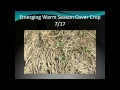
Gabe Brown employs 'bat latches' for efficient livestock grazing management on cover crops like winter triticale and hairy vetch, prioritizing soil armor. He follows grazing with diverse 'biological p
-
Addresses myths about grazing cover crops causing compaction and termination. Recommends avoiding wet conditions, managing hoof traffic, and planning grazing. Research shows grazing can reduce compact

-
Small-scale cover crop termination methods include crimping (at reproductive stage), tarping, mowing (followed by tarping), grazing (with caution for regrowth), tillage (green manure), and cold kill.
-
Terminate cover crops based on seasonal conditions and experience. Beginners should terminate earlier. 'Plant green' is effective as green material cuts easier. Livestock grazing can reduce but not el
Community
-
Provides detailed cover crop termination methods including herbicide, winter kill, grazing/haying, mechanical, and roller-crimper techniques. Emphasizes timely execution to manage soil moisture, nutri
Read more (pp. 9-11) (opens PDF, pp. 9-11) efotg.sc.egov.usda.gov -
Guidance on terminating cover crops, focusing on timing to manage soil moisture, nutrient cycling (immobilization/mineralization via C:N ratio), allelopathy, and reseeding. Methods include frost, mowi
Read more (p. 4) (opens PDF, p. 4) efotg.sc.egov.usda.gov -
Cover crop management focuses on timely termination using methods like rolling/crimping, mowing, or herbicides to create a seedbed for the next crop, with timing and biomass being key considerations.
Read more (opens in new window) ucanr.edu -
Details cover crop termination methods (mowing, tillage, herbicides) in spring before cash crop planting, emphasizing timing to prevent seeding and manage residue for soil health and subsequent crop s
Read more (opens in new window) ucanr.edu
Research
-
Integration of sheep grazing for cover crop termination into market gardens: Agronomic consequences of an ecologically based management strategy (opens in new window)
This study found: Sheep grazing cover crops in market gardens effectively terminated them, provided good forage value, and did not harm soil health or subsequent cash crop yields compared to mowing.
-
Timing of Cover Crop Termination: Management Considerations for the Southeast (opens in new window)
This study found: Cover crop termination timing is crucial for maximizing soil health and crop yields in conservation tillage systems in the Southeast. Consider growing season, soil moisture, N management, and equipmen
-
Planting green and ecosystem services in row crop production systems (opens in new window)
This study found: Planting green (delaying cover crop termination) significantly boosts cover crop biomass and weed suppression, with mixed effects on soil health and often no negative impact on crop yields. Long-term
-
Cover crop grazing length impacts on soil health and crop productivity in US Coastal Plain soils (opens in new window)
This study found: Four-year study in US Coastal Plain: longer cover crop grazing by cattle reduced biomass and negatively impacted soil structure and compaction, with non-grazed fields showing higher soil organic carbo
4
Step-by-Step Mechanical Termination: Mowing and Flail Chopping
Mowing is a common and accessible method for terminating cover crops, particularly when roller-crimping is not an option, or for smaller-statured cover crops. While less definitive than roller-crimping for killing larger grasses, mowing can significantly weaken plants...
Step-by-Step Mechanical Termination: Mowing and Flail Chopping
Mowing is a common and accessible method for terminating cover crops, particularly when roller-crimping is not an option, or for smaller-statured cover crops. While less definitive than roller-crimping for killing larger grasses, mowing can significantly weaken plants...
Mowing is a common and accessible method for terminating cover crops, particularly when roller-crimping is not an option, or for smaller-statured cover crops. While less definitive than roller-crimping for killing larger grasses, mowing can significantly weaken plants and set back their reproductive development. For maximum effectiveness, mowing should be timed at the critical growth stages mentioned earlier (boot stage for grasses, flowering for legumes). Multiple mowings might be necessary to achieve complete termination, especially if done earlier in the growth cycle. Mowing can also be used in conjunction with other methods, for example, mowing a dense stand before roller-crimping.
Flail chopping, often performed with a flail chopper or shredder, acts as a more aggressive form of mowing. It cuts and disperses the cover crop biomass more uniformly across the field surface, creating finer pieces that can decompose more readily. This method is effective for a wide range of cover crops. For instance, the South African Table Mountain region might use flail choppers to manage dense legume cover crops before planting vegetables, ensuring good residue breakdown in a short growing season. Post-mowing or chopping, allowing a decomposition period of 1-3 weeks before planting is generally recommended, though this can be adjusted based on climate and cover crop type. The cost of flail choppers can range from $3,000 to $20,000 USD, depending on size and tractor horsepower requirements (typically 30-100 hp).
Sources behind this view
Sources behind this view
Videos & Podcasts
-
Small-scale cover crop termination methods include crimping (at reproductive stage), tarping, mowing (followed by tarping), grazing (with caution for regrowth), tillage (green manure), and cold kill.
-
Cover crops are an 'investment crop,' not an expense, offering low-cost fertility and soil health benefits. They are managed with a flail mower, minimal tillage, bed shaping, and tarping for two weeks
-
Cover crops are terminated using methods like roller crimping to minimize soil disturbance, retain nutrients, and prevent regrowth, with the choice depending on soil conditions and subsequent crop nee
-
Mechanical cover crop termination methods include mowing, flail mowing, roller crimping (to create a residue mat), and harvesting. These can be combined and supplemented with techniques like tarping.
Community
-
Effective cover crop termination methods are discussed, with a focus on the roller-crimper. This implement crushes stems at specific growth stages (soft dough for grasses, early pod fill/full flower f
Read more (pp. 1-2) (opens PDF, pp. 1-2) efotg.sc.egov.usda.gov -
Provides detailed cover crop termination methods including herbicide, winter kill, grazing/haying, mechanical, and roller-crimper techniques. Emphasizes timely execution to manage soil moisture, nutri
Read more (pp. 9-11) (opens PDF, pp. 9-11) efotg.sc.egov.usda.gov -
Cover crop management focuses on timely termination using methods like rolling/crimping, mowing, or herbicides to create a seedbed for the next crop, with timing and biomass being key considerations.
Read more (opens in new window) ucanr.edu -
Details various equipment for cover crop termination and residue management, including Lopez Coulter Sled, Unverferth Ripper Stripper, Yetter Strip Till, and others, with operational guidance for diff
Research
-
Cover Crop Termination Timing is Critical in Organic Rotational No‐Till Systems (opens in new window)
This study found: Timing cover crop termination is key in organic no-till. Killing hairy vetch/triticale later improved control. Early cereal rye termination led to seed production, causing volunteer issues in subseque
-
Use of a mechanical roller-crimper as an alternative kill method for cover crops (opens in new window)
This study found: Mechanical roller-crimper effectively terminates cover crops (rye, wheat, black oat) in Alabama when used after flowering, saving costs and matching herbicide effectiveness when combined with reduced
-
Mechanical Termination of Diverse Cover Crop Mixtures for Improved Weed Suppression in Organic Cropping Systems (opens in new window)
This study found: Killing cover crops with shallow tillage in organic systems reduced weeds and improved corn/soybean yields, while disking often increased weeds and reduced yields.
-
Effectiveness of Cover Crop Termination Methods on No-Till Cantaloupe (opens in new window)
This study found: In Alabama no-till trials, mowing best terminated cover crops. Cereal rye and hairy vetch cover crops boosted cantaloupe yields more than crimson clover, regardless of termination method.
From the Web
-
Details non-chemical cover crop termination methods like mowing, roller-crimping (at maturity, in hot/dry weather), and 'planting green' (planting cash crops into live cover crops). Discusses benefits
-
The roller-crimper is crucial for no-till organic farming to terminate cover crops, creating mulch for weed suppression and soil health. Success depends on precise timing (flowering/milk stage), speci
-
Purdue Extension details cover crop termination methods: herbicides, tillage, and rolling-crimping. Rolling-crimping at anthesis is a no-till option for weed suppression and moisture conservation. Ter
-
Purdue Extension details cover crop termination methods: roller-crimping (boot stage for grasses, early bloom for legumes), mowing, and herbicides. Timing is critical for cash crop integration, consid
5
Regional Adaptations: Temperate vs. Tropical Systems
Cover crop termination strategies must adapt to local conditions, particularly the distinct challenges and opportunities presented by temperate and tropical climates. In temperate regions, such as Europe or the Midwest United States, distinct seasons often dictate a...
Regional Adaptations: Temperate vs. Tropical Systems
Cover crop termination strategies must adapt to local conditions, particularly the distinct challenges and opportunities presented by temperate and tropical climates. In temperate regions, such as Europe or the Midwest United States, distinct seasons often dictate a...
Cover crop termination strategies must adapt to local conditions, particularly the distinct challenges and opportunities presented by temperate and tropical climates. In temperate regions, such as Europe or the Midwest United States, distinct seasons often dictate a clear termination window in early spring to prepare for summer cash crops, or in late fall for winter-killed cover crops. With cooler temperatures and slower decomposition rates, farmers often require reliable methods like roller-crimping or managed grazing that ensure effective termination well in advance of planting. The residue layer left by methods like roller-crimping can be particularly beneficial in these regions for conserving soil moisture through drier summer periods and reducing early-season erosion.
In tropical and subtropical regions, such as humid parts of Brazil, India, or Southeast Asia, year-round growth is possible, leading to different termination considerations. Decomposition rates are generally much faster due to higher temperatures and humidity, which can be an advantage, allowing for quicker incorporation of cover crop biomass. However, rapid regrowth can also be a challenge. Grazing by livestock is often a highly adaptable and cost-effective method in these regions, as it provides rapid termination and nutrient cycling. For smallholders, manual cutting and leaving residue in place, followed potentially by light surface incorporation or natural decomposition, might be the most practical approach when access to heavy machinery is limited. In these systems, termination might occur multiple times a year, supporting a more continuous cropping cycle.
Sources behind this view
Sources behind this view
Videos & Podcasts
-
Small-scale cover crop termination methods include crimping (at reproductive stage), tarping, mowing (followed by tarping), grazing (with caution for regrowth), tillage (green manure), and cold kill.
-
Terminate cover crops based on seasonal conditions and experience. Beginners should terminate earlier. 'Plant green' is effective as green material cuts easier. Livestock grazing can reduce but not el
-
Cover crop termination methods include tarping, solarization (caution on slopes), and crimping at the milk stage for grains. Winter-killed options like peas and oats require early planting. Good seed-
-
Cover crop termination timing depends on the next crop, cover crop goals, termination method, and moisture. Managing volunteers, nutrient tie-up, and considering companion cropping or small-scale meth
Community
-
Provides detailed cover crop termination methods including herbicide, winter kill, grazing/haying, mechanical, and roller-crimper techniques. Emphasizes timely execution to manage soil moisture, nutri
Read more (pp. 9-11) (opens PDF, pp. 9-11) efotg.sc.egov.usda.gov -
Guidance on terminating cover crops, focusing on timing to manage soil moisture, nutrient cycling (immobilization/mineralization via C:N ratio), allelopathy, and reseeding. Methods include frost, mowi
Read more (p. 4) (opens PDF, p. 4) efotg.sc.egov.usda.gov -
Practical guidance on cover crop planting dates (fall/spring) and termination methods (mechanical, chemical, biological) to integrate with cash crops and crop rotation in Indiana.
Read more (opens in new window) ucanr.edu -
Provides practical guidance on cover crop planting dates (fall after harvest, spring before cash crop) and termination methods (roller-crimping, mowing, tillage, herbicides) for Indiana, emphasizing s
Read more (opens in new window) ucanr.edu
Research
-
Timing of Cover Crop Termination: Management Considerations for the Southeast (opens in new window)
This study found: Cover crop termination timing is crucial for maximizing soil health and crop yields in conservation tillage systems in the Southeast. Consider growing season, soil moisture, N management, and equipmen
-
Cover Crop Termination Timing is Critical in Organic Rotational No‐Till Systems (opens in new window)
This study found: Timing cover crop termination is key in organic no-till. Killing hairy vetch/triticale later improved control. Early cereal rye termination led to seed production, causing volunteer issues in subseque
-
Comparison of the Effectiveness of Different Mechanical Tools for the Termination of Cover Crops Using a Modular Prototype (opens in new window)
This study found: A new machine tested in Italy effectively terminated cover crops (vetch, barley) using disk harrows, rollers, and cultivators, achieving over 85% success, especially with combined tools.
From the Web
-
Purdue Extension details cover crop termination methods: herbicides, tillage, and rolling-crimping. Rolling-crimping at anthesis is a no-till option for weed suppression and moisture conservation. Ter
-
Discusses cover crop termination methods including roller-crimping (when seed pods form), herbicide application (timed to species and cash crop), and mowing, emphasizing timely execution for effective
6
Integration with Cash Crop Establishment and Soil Health Monitoring
The success of cover crop termination is intrinsically linked to the establishment of the subsequent cash crop. Effective termination ensures that the cover crop does not compete excessively with the cash crop for water, nutrients, or light. For example, if a cereal rye...
Integration with Cash Crop Establishment and Soil Health Monitoring
The success of cover crop termination is intrinsically linked to the establishment of the subsequent cash crop. Effective termination ensures that the cover crop does not compete excessively with the cash crop for water, nutrients, or light. For example, if a cereal rye...
The success of cover crop termination is intrinsically linked to the establishment of the subsequent cash crop. Effective termination ensures that the cover crop does not compete excessively with the cash crop for water, nutrients, or light. For example, if a cereal rye cover crop is terminated too late, its decomposition releases nitrogen slowly, which can lead to nitrogen deficiency in early-season cash crops like corn. This is why allowing a 2-4 week residue decomposition period is so important, especially in no-till systems. Planters equipped with residue-cutting coulters, such as a 13-inch fluted coulter, can help ensure good seed-to-soil contact through the residue layer left by roller-crimpers or mowers.
Monitoring the impact of termination on soil health is an ongoing, regenerative process. Key indicators include observing improvements in soil structure, such as increased aggregation and porosity, leading to better water infiltration and reduced runoff. Soil organic matter levels should show a gradual increase over time, often measured through annual soil carbon tests, with targets of 0.2-1.0% increase per year in topsoil. Weed pressure should also decrease as the cover crop residue suppresses germinating weeds and improved soil biology outcompetes them. Farmers can track changes in soil biology through visual observation of earthworm populations, fungal hyphae, and general soil aeration. Observing these indicators allows for adaptive management of termination strategies, adjusting methods and timing to optimize both cash crop yield and long-term soil health benefits.
Sources behind this view
Sources behind this view
Videos & Podcasts
-
Cover crops are an 'investment crop,' not an expense, offering low-cost fertility and soil health benefits. They are managed with a flail mower, minimal tillage, bed shaping, and tarping for two weeks
-
Farmers discuss techniques for keeping soil covered, such as planting corn green into rye and interceding rye into corn, to prevent erosion, regulate soil temperature, and improve water infiltration.
-
Farmers Trey Hill and Jimmy Edmonds detail active cover crop management and 'planting green,' emphasizing soil malleability, reduced compaction, and earlier planting. Integrating livestock boosts micr

-
Cover crop termination timing depends on the next crop, cover crop goals, termination method, and moisture. Managing volunteers, nutrient tie-up, and considering companion cropping or small-scale meth
Community
-
Provides detailed cover crop termination methods including herbicide, winter kill, grazing/haying, mechanical, and roller-crimper techniques. Emphasizes timely execution to manage soil moisture, nutri
Read more (pp. 9-11) (opens PDF, pp. 9-11) efotg.sc.egov.usda.gov -
Guidance on terminating cover crops, focusing on timing to manage soil moisture, nutrient cycling (immobilization/mineralization via C:N ratio), allelopathy, and reseeding. Methods include frost, mowi
Read more (p. 4) (opens PDF, p. 4) efotg.sc.egov.usda.gov -
Practical guidance on cover crop planting dates (fall/spring) and termination methods (mechanical, chemical, biological) to integrate with cash crops and crop rotation in Indiana.
Read more (opens in new window) ucanr.edu -
Details cover crop termination methods (mowing, tillage, herbicides) in spring before cash crop planting, emphasizing timing to prevent seeding and manage residue for soil health and subsequent crop s
Read more (opens in new window) ucanr.edu
Research
-
Timing of Cover Crop Termination: Management Considerations for the Southeast (opens in new window)
This study found: Cover crop termination timing is crucial for maximizing soil health and crop yields in conservation tillage systems in the Southeast. Consider growing season, soil moisture, N management, and equipmen
-
Cover cropping impacts on soil water and carbon in dryland cropping system. (opens in new window)
This study found: In dryland farming, early termination of summer sorghum cover crops boosted wheat yield and water use by up to 12%. Late termination increased soil carbon and beneficial root fungi by over 250% but re
-
Cover Crop Termination Timing is Critical in Organic Rotational No‐Till Systems (opens in new window)
This study found: Timing cover crop termination is key in organic no-till. Killing hairy vetch/triticale later improved control. Early cereal rye termination led to seed production, causing volunteer issues in subseque
-
Extending Cover Crop Benefits with Zone Till Management in Northern Organic Summer Squash Production (opens in new window)
This study found: Delaying cover crop termination in organic squash fields in northern climates significantly increased nitrogen contributions from mixes like rye/vetch, without harming yields, and appeared to improve
From the Web
-
Managing cover crops involves timely termination (before cash crop competition or seed set), considering biomass, and using appropriate planting methods to benefit the subsequent cash crop and soil he
-
Purdue Extension details cover crop termination methods: herbicides, tillage, and rolling-crimping. Rolling-crimping at anthesis is a no-till option for weed suppression and moisture conservation. Ter
-
Cover crop management requires careful planning regarding planting and termination timing to avoid water deficits and nutrient immobilization. Herbicide programs must be reconsidered, as some herbicid
-
Discusses cover crop termination methods including roller-crimping (when seed pods form), herbicide application (timed to species and cash crop), and mowing, emphasizing timely execution for effective
7
Know the Debate
Effective cover crop termination is a balancing act, influenced by your equipment, desired outcomes, and the climate. While tools like no-till dril...
Know the Debate
Effective cover crop termination is a balancing act, influenced by your equipment, desired outcomes, and the climate. While tools like no-till dril...
Effective cover crop termination is a balancing act, influenced by your equipment, desired outcomes, and the climate. While tools like no-till drills maximize legume establishment, practical alternatives exist for smaller operations. Similarly, weed suppression is a key benefit, but its reliability fluctuates with environmental conditions and management practices. Understanding these variations helps farmers choose the best termination strategy for their specific needs and regional context to maximize soil health and cash crop success.
Is organic no-till cover crop termination practical at scale?
Drill recommended for optimal legume success
University research and extension guides emphasize no-till drills for superior seed-to-soil contact. This leads to more consistent stands and higher nitrogen yields, ideal for maximizing legume benefits.
Broadcast seeding is a viable, economical alternative
Many farmers successfully broadcast seed cover crops, compensating with higher seed rates. While less consistent for legumes, this method is practical and economical, especially for smaller operations or when complete uniformity isn't critical.
Making Sense of the Differences
This debate highlights a prerequisite for adopting certain regenerative practices at scale: equipment access. While no-till drills offer optimal conditions for legume establishment and nitrogen fixation, their significant cost ($7,000-$15,000+) makes them inaccessible for many. Farmers often compensate for drills by increasing broadcast seeding rates, accepting some variability in stand density. The choice between these methods hinges on budget, farm scale, and tolerance for inconsistency versus the investment in specialized machinery. Practicality often favors broadcast seeding for those without access to drills.
How reliable is cover crop weed suppression?
Moderately reliable (30-70% suppression)
Cover crops can significantly suppress weeds through competition and allelopathy, particularly when they achieve high biomass. However, effectiveness relies on timely termination before seed set and optimal growing conditions.
Context-dependent and variable
Weed suppression is 'hit or miss,' especially in damp spring conditions or if termination timing is missed. Success varies greatly, and cover crops alone are not always sufficient for reliable weed control.
Making Sense of the Differences
Cover crop weed suppression effectiveness is highly variable and context-dependent. While established, high-biomass cover crops can significantly reduce weed pressure through competition and allelopathy, their success is not guaranteed. Factors such as spring moisture levels, successful residue decomposition, and precise termination timing play a critical role. Farmers should not rely solely on cover crops for weed control, especially in challenging years or wetter climates, but rather integrate them into a broader weed management strategy.